
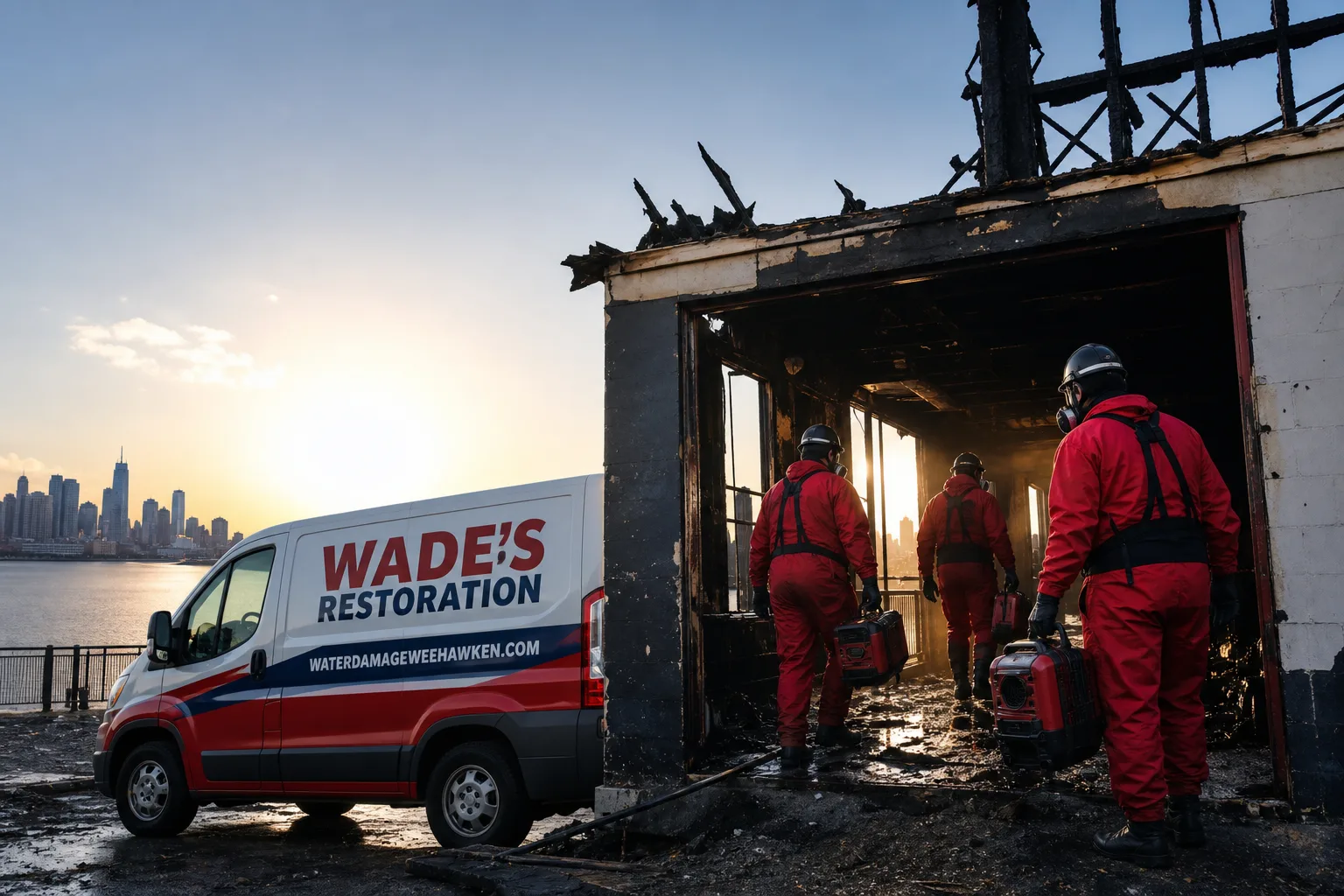
Free visual inspection and a written scope of work before any mitigation begins - photos, moisture readings, and drying logs go in your claim file
The scope we write is the scope we bill. Anything new gets shown to you, in writing, before we touch it.
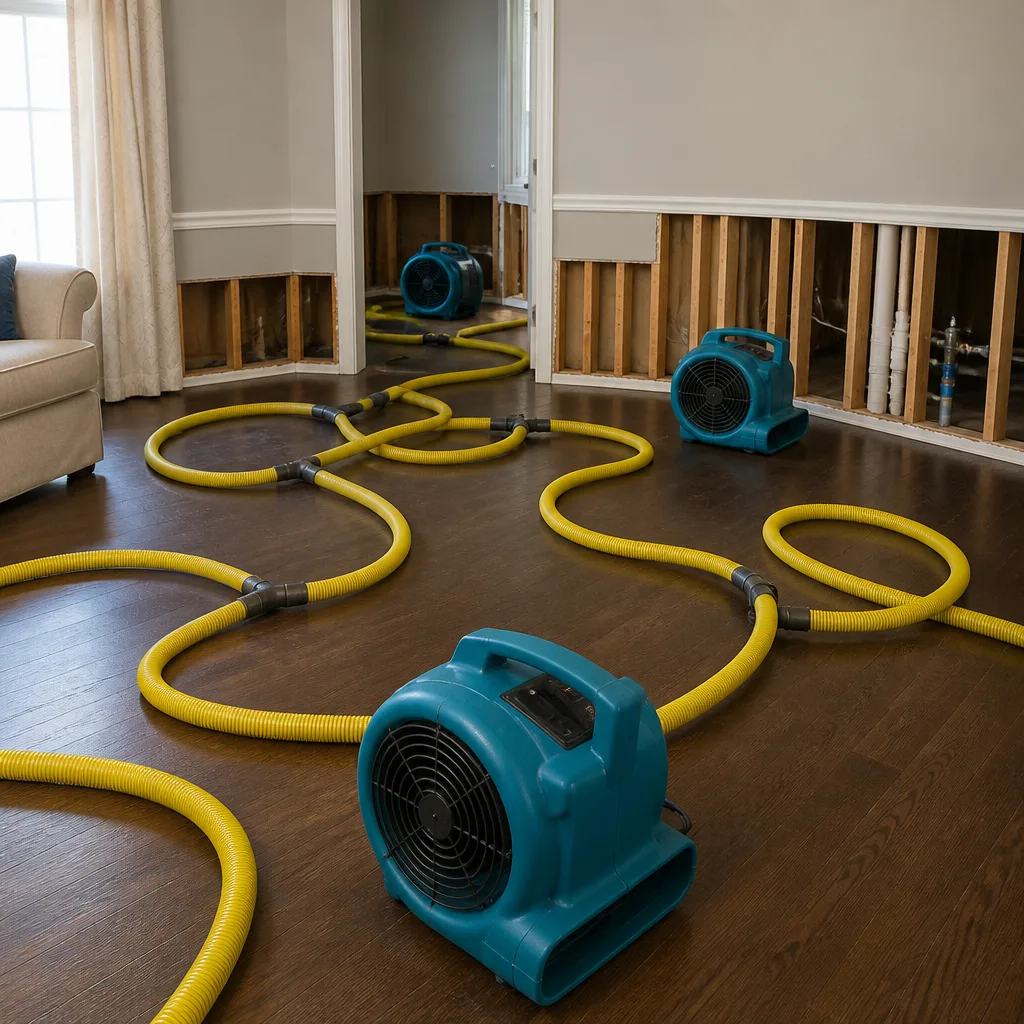
 Before
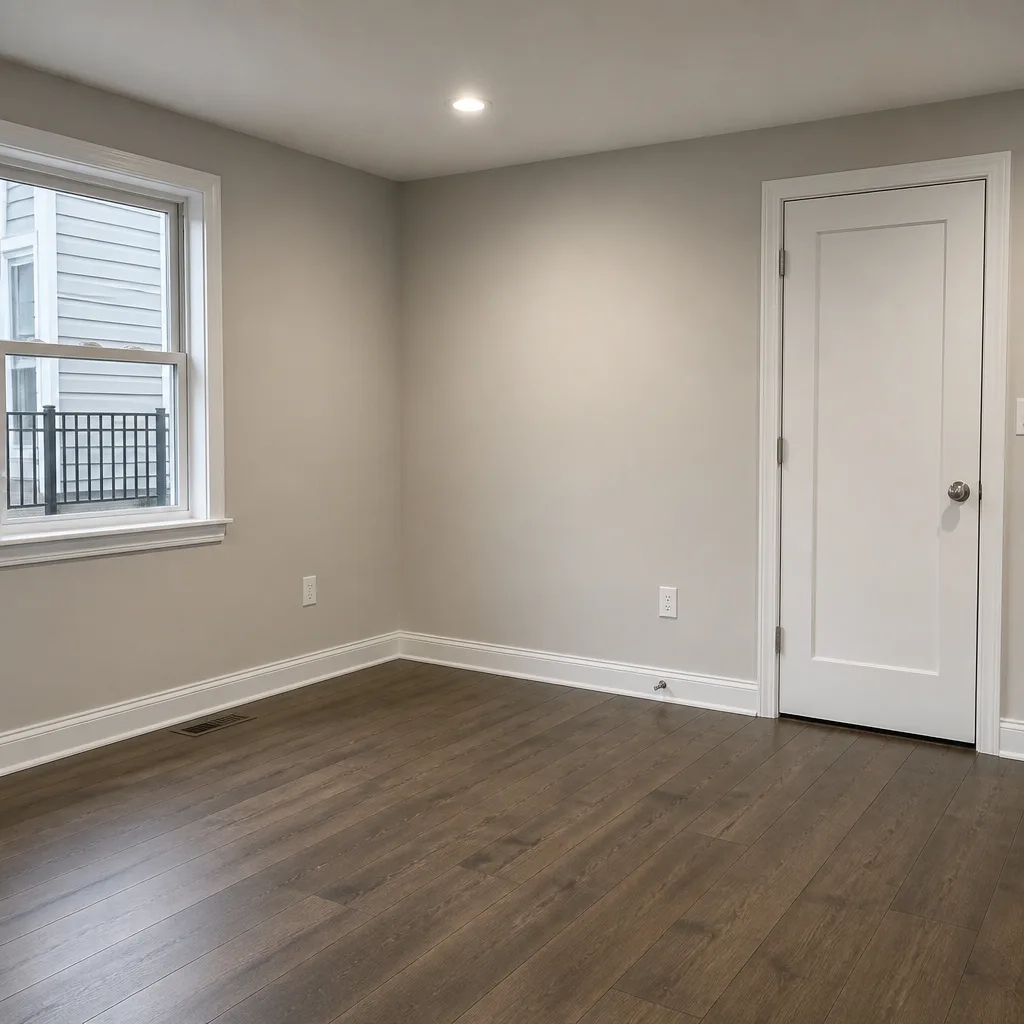 After
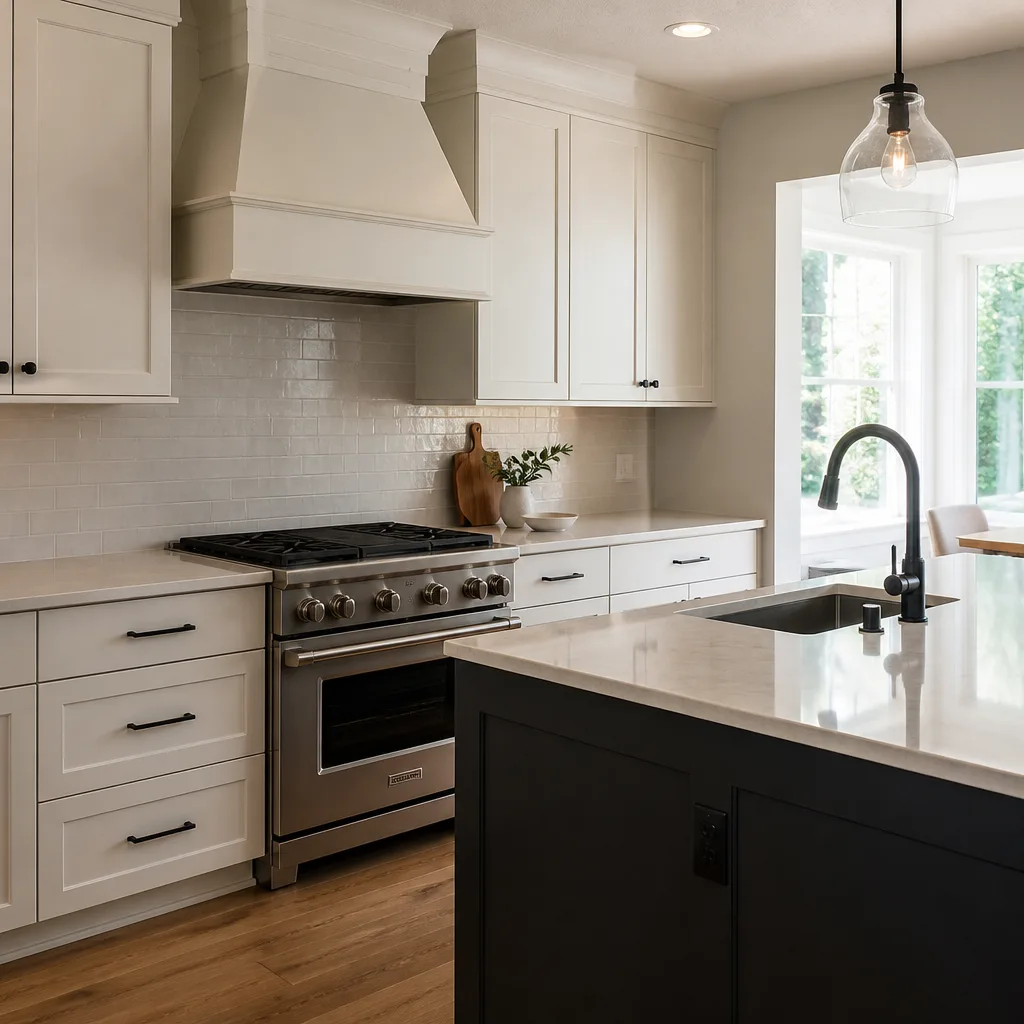
After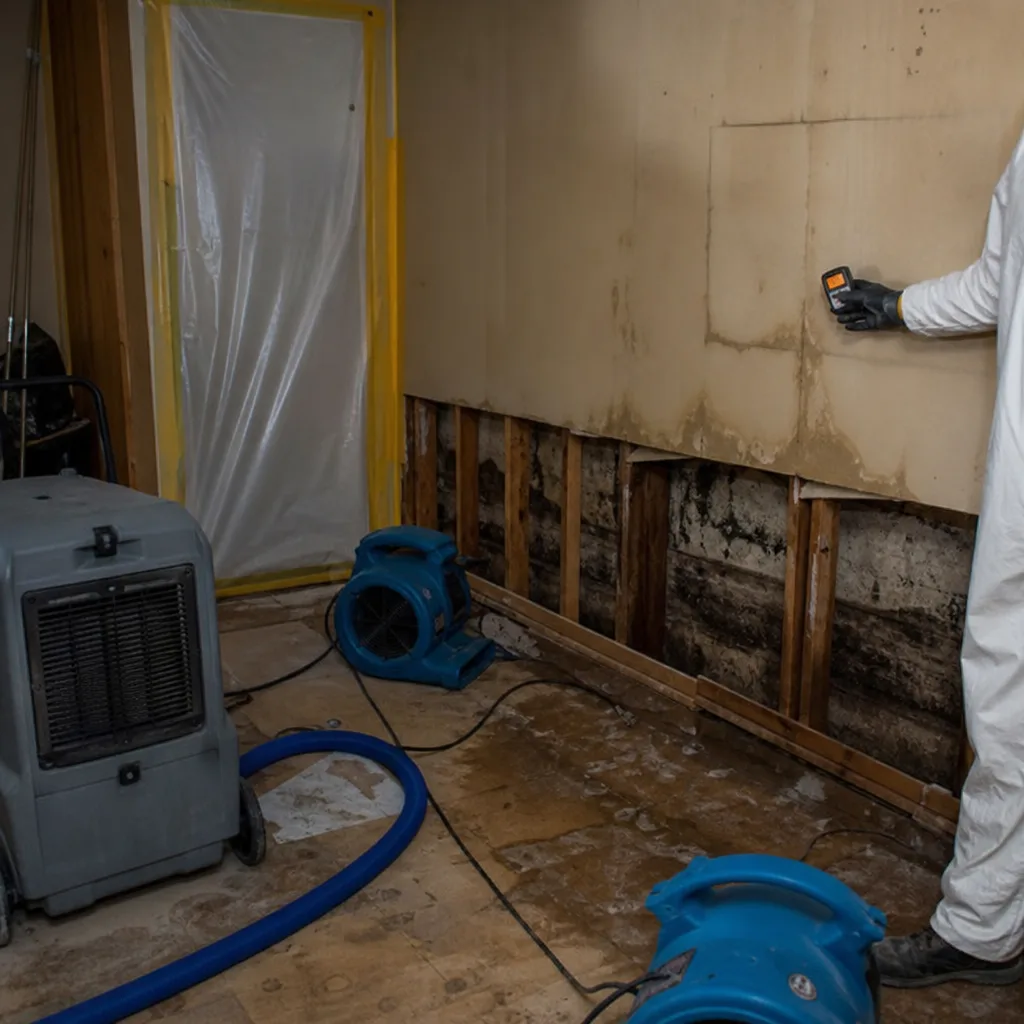 Before
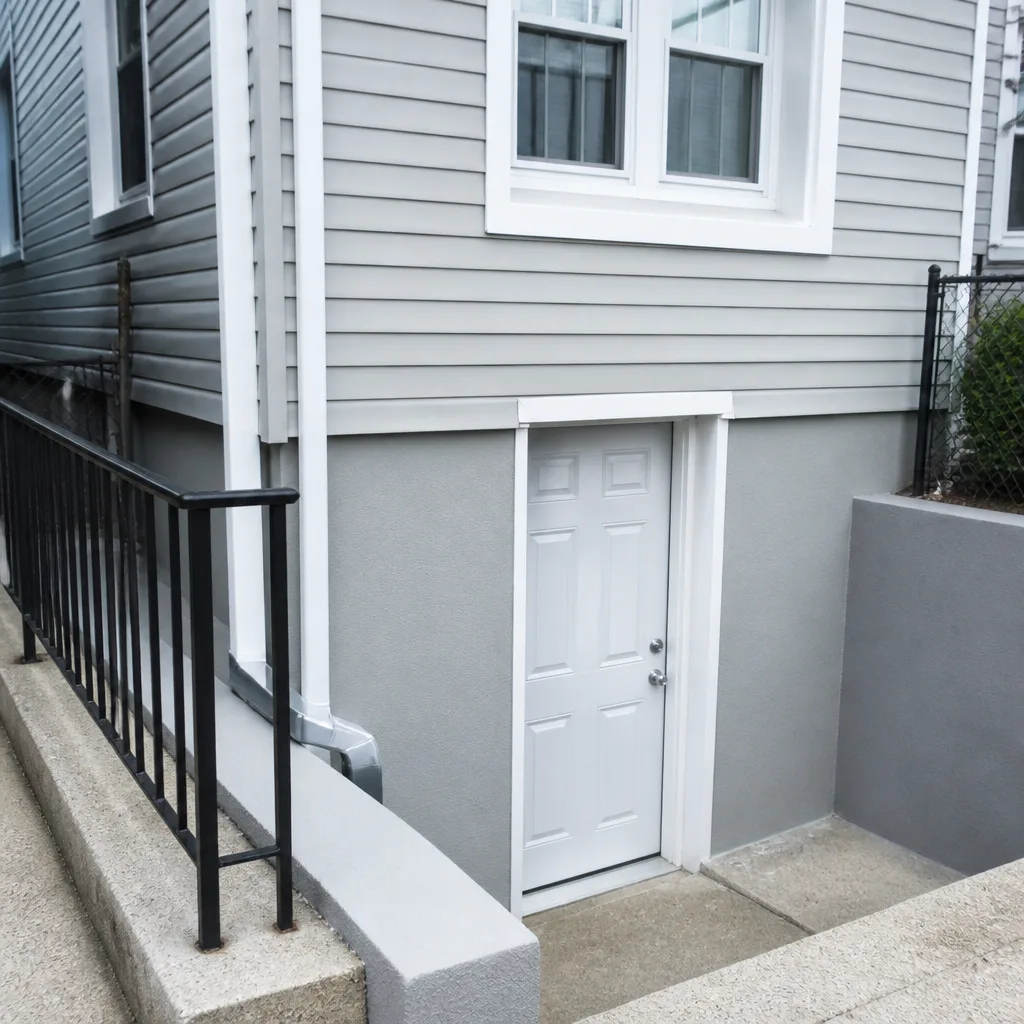 After
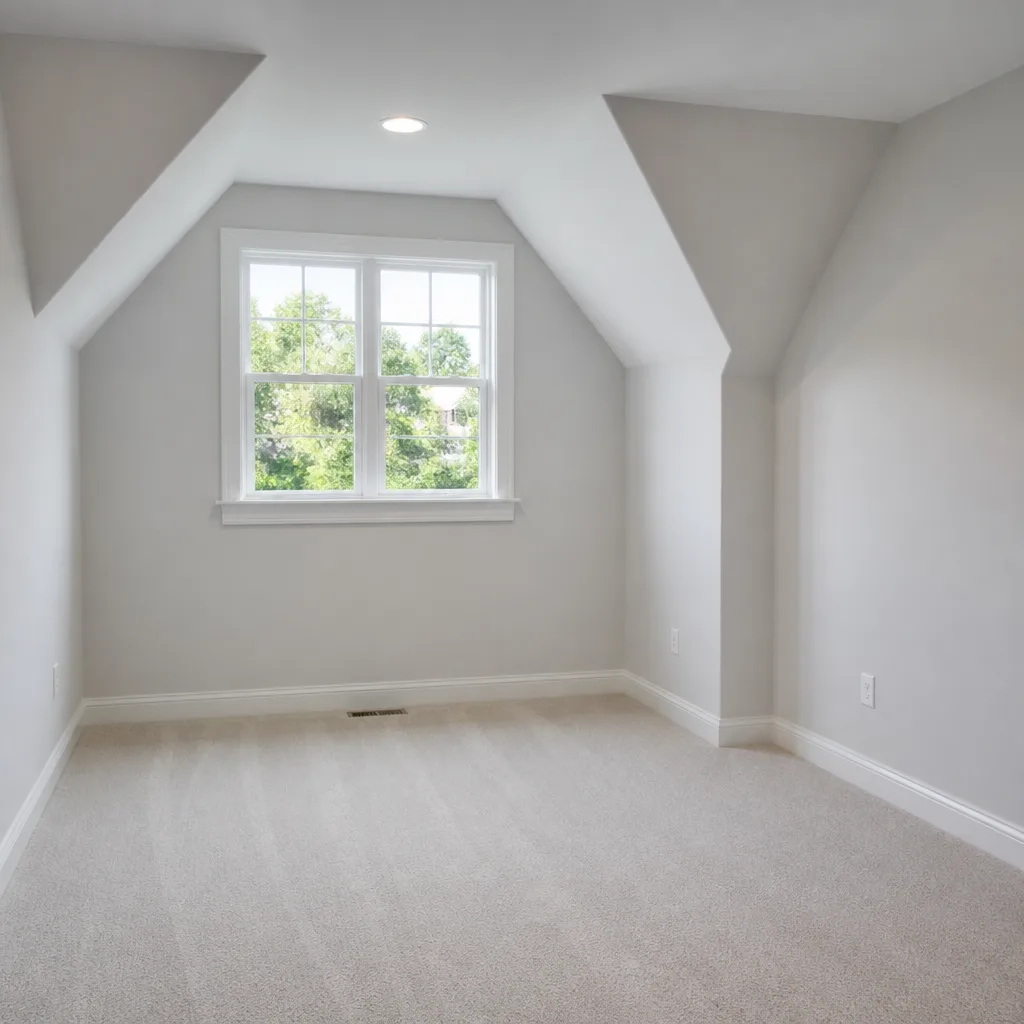
After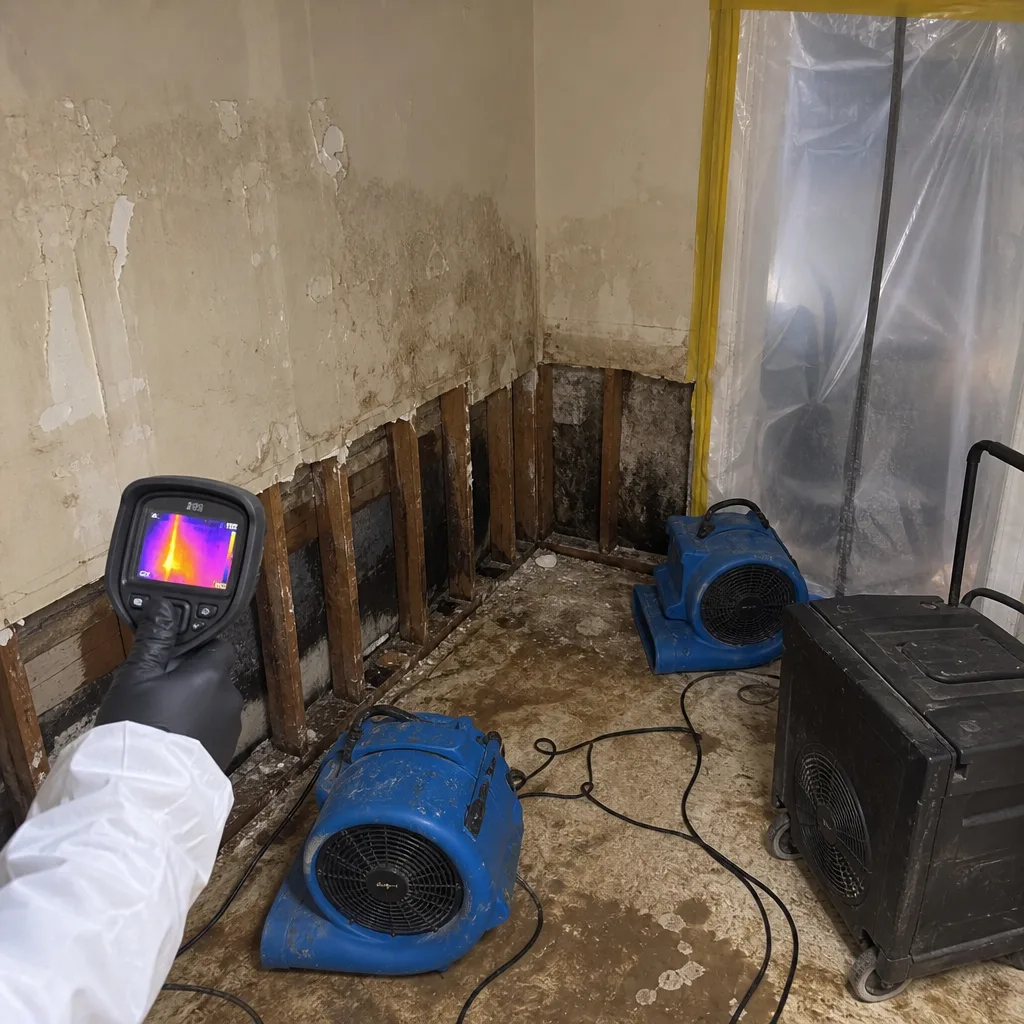 Before
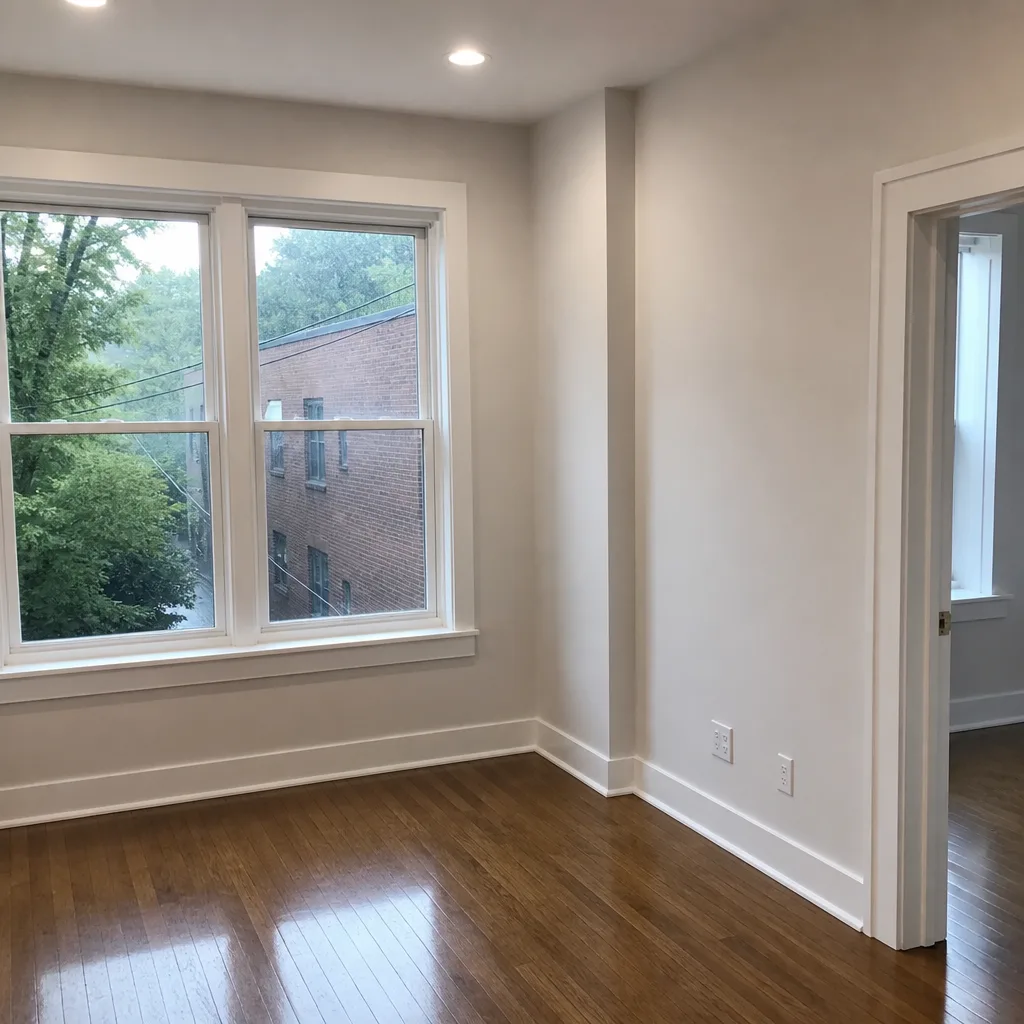 After
After24/7 Emergency Mold Remediation in Upper West Side
Mold remediation in Upper West Side typically runs $1,800 to $6,500 depending on how far the growth has spread behind pre-war plaster walls, and emergency response is available around the clock. If you’ve spotted bubbling paint, a musty smell near a radiator, or dark staining along a ceiling line, call (201) 740-2235 right now. Wade Ferris answers his own phone day and night, and his crew can be inside your building within the hour.
Speed matters with mold in Upper West Side buildings because the cavity behind horsehair plaster holds moisture longer than modern drywall ever would. What looks like a small patch on the surface often means a much larger colony feeding inside the wall. We start with a free visual inspection, take moisture readings on the spot, and give you a straight answer about what you’re actually dealing with, not a scare tactic.
Understanding Mold Remediation Severity in Upper West Side Properties
Mold in Upper West Side housing rarely announces itself the way water damage does. Most buildings here went up between 1900 and 1940, with plaster-over-lath walls, steam heating systems, and decades of accumulated moisture history. When a pipe weeps, a radiator vent corrodes, or a rooftop drain backs up, water sits behind those original plaster surfaces for weeks or months before anyone sees a stain.
We classify mold jobs in three ways. Surface mold sits on the finish layer and cleans up with HEPA vacuuming and antimicrobial treatment. Cavity mold has moved into the wall or ceiling cavity and requires containment, removal of affected plaster, and air scrubbing before rebuild. Systemic mold involves multiple units, shared chases, or long-running leaks where the building’s common infrastructure is the source. That third category is common on the UWS because stacked apartments share pipe chases and wet walls, so a leak two floors up becomes your mold problem a month later.
Clearance testing after remediation is standard on every job we do here. We use third-party indoor air quality assessment when a co-op board or insurance carrier requires it, and we document everything with daily moisture logs. Wade hands you that log at the end of the job. Almost nobody else does that, and it’s the only way to prove the cavity is actually dry before we close the wall.
Why Upper West Side Property Owners Choose Wade’s Restoration
- 45-minute response commitment to Upper West Side. Wade’s crew stages equipment near the neighborhood so someone is rolling toward your building within the hour, not the next morning.
- A real person answers 24/7. When you call (201) 740-2235, Wade himself picks up. No answering service, no queue, no “leave a message and someone will call you back.”
- IICRC-certified crews. Wade’s team holds AMRT and WRT certifications, which means they know how to contain, clean, and clear mold properly, not just spray bleach and call it done.
- Free visual inspection. Walk-through with a moisture meter, a straight read on what you’re dealing with, and a written scope before any work starts.
- Direct insurance billing. We document, photograph, and communicate with your adjuster so you’re not stuck translating between two parties.
- One team from containment to reconstruction. The crew that removes the mold rebuilds the wall. The plumber fixes the source, then Wade makes it right and stands behind it for 90 days.
Our Mold Remediation Process
Inspection & Assessment
We map moisture with thermal imaging and penetrating meters. In Upper West Side pre-war units, the exterior plaster often reads dry while the cavity behind is saturated, so we probe deeper than a surface check.
Containment & Source Identification
Before any wall opens, we set up negative-air containment with HEPA scrubbers to stop spores from spreading through hallways and adjacent apartments. Then we find the actual leak, not just the visible damage.
Removal & Controlled Demolition
Affected plaster, lath, and insulation come out under containment. We photograph everything for your insurance file before and during removal so your adjuster sees exactly what conditions we found.
Drying & Dehumidification
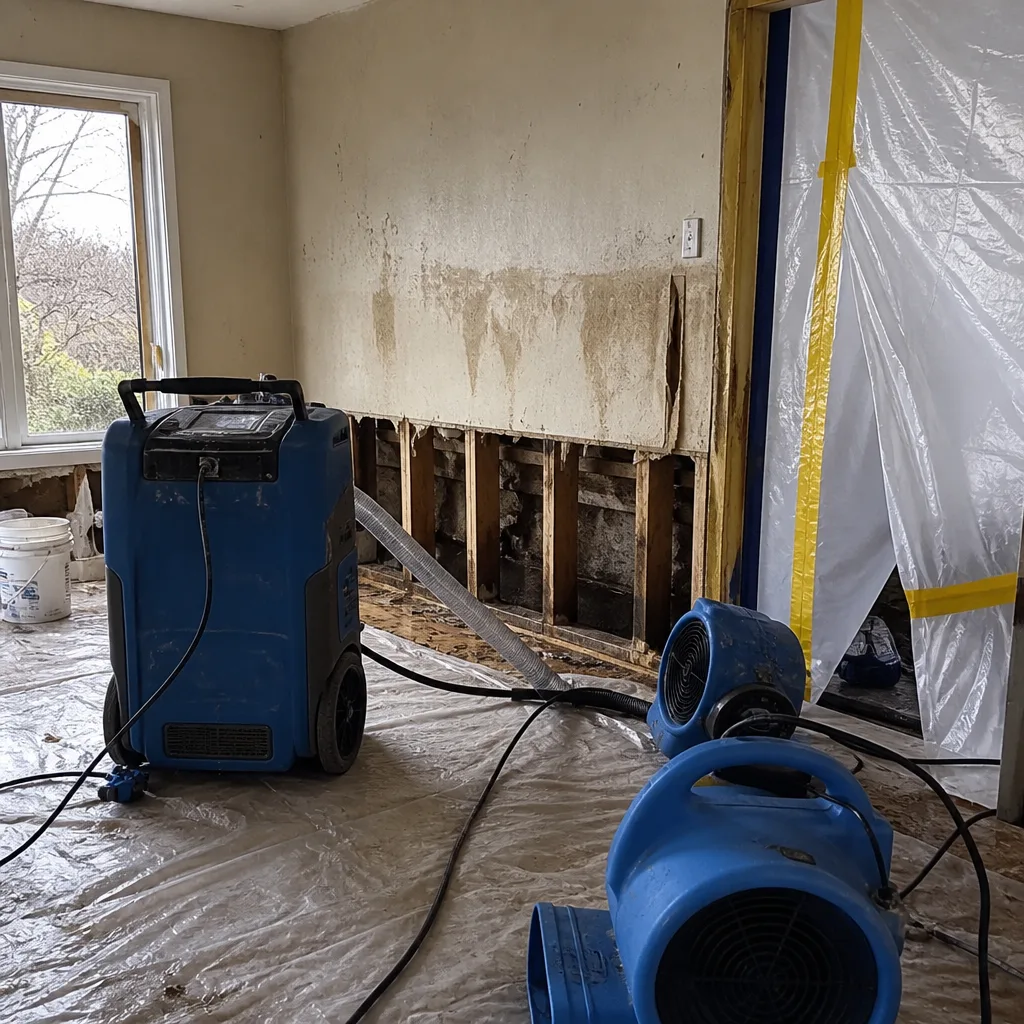
Professional-grade Phoenix and XPOWER air movers and dehumidifiers run until moisture readings hit pre-loss levels. Daily logs track the numbers, and you get the whole record.
Cleaning, Antimicrobial Treatment & Air Scrubbing
Every surfaced area gets HEPA vacuuming and antimicrobial application. HEPA air scrubbers run throughout the job and stay on until clearance readings confirm the air is clean.
Repairs & Restoration
Wade rebuilds with like-for-like materials approved by your co-op board, matching original plaster profiles, trim, and finishes so the repair doesn’t look like a patch job.
Need Emergency Mold Remediation in Upper West Side Now?
Crews minutes away, answering live 24 hours a day. The sooner we start, the less it costs.
Working With Your Insurance Company
Insurance claims for mold in Upper West Side are trickier than water claims because carriers scrutinize long-term moisture events. We document from the first hour, with photos of the affected areas, moisture readings from day one through final clearance, and a line-item scope of work that matches your policy’s requirements. Wade communicates directly with your adjuster so you’re not stuck relaying information. He’s been doing this since 2007 and knows how to present a claim that gets approved.
What We Provide Your Insurer
- Thorough documentation of the loss
- Photos of all damage, room by room
- Moisture readings and drying logs
- A detailed, line-item scope of work
- Direct coordination with your carrier
Built for Upper West Side’s Loss Calendar
The UWS has a distinct mold season, and it runs almost year-round for different reasons. January and February freeze-thaw cycles crack aging parapet copings and rooftop flashings, letting slow leaks migrate down interior shaft walls and show up as mold in units one or two floors below the actual breach. Spring brings thawing snow and roof drain backups from debris accumulated over winter. Summer thunderstorms overwhelm century-old cast-iron scuppers, backing water into top-floor units and ornate lobby vestibules. And in one-pipe steam buildings, radiator air vents corrode and weep seasonally, creating the hidden cavity mold problem that catches building managers off-guard.
Each season demands a different operational approach. Winter access requires working around building access restrictions and tighter hallway clearances. Summer storms mean multiple units calling at once. We plan crews accordingly, so when your building superintendent finally opens that wall and finds the mold, we’re ready to move same day.
Mold Remediation Across Upper West Side’s Neighborhoods
The response routes vary depending where you are. Along Riverside Drive and West End Avenue, we’re dealing with large courtyard co-ops where a single burst riser pipe cascades water across four to six stacked units. Getting water out of a 10th-floor apartment means coordinating with the super for elevator access, not just rolling a truck up to the curb. Around Central Park West, the limestone towers have ornate lobby vestibules and often landmark-adjacent finishes where a containment setup has to be nearly invisible from the street.
In the interior blocks of West 70s through West 100s, the six-story walk-ups present their own challenge: narrow stairwells, tight hallways, and the need to keep containment contained so spores don’t drift into a neighbor’s unit. On Columbus and Amsterdam Avenues, mixed-use buildings with ground-floor retail add another layer, because mold behind a storefront ceiling affects the apartment above it. And around Broadway, the pre-war elevator buildings often have original marble vestibules and terrazzo floors that require protection during any remediation work.
We’ve worked in all of it. The parking alone would make a national franchise walk away. Wade’s crew knows which blocks have loading zones, which supers open the service entrance early, and how to shuttle equipment through a courtyard without blocking your neighbors.
Specialized Mold Remediation Services We Offer in Upper West Side
Mold Inspection & Testing
Before we open a wall, we know what’s behind it. In UWS pre-war units, the horsehair plaster reads dry on the outer surface long after the cavity behind has been hosting active mold. We use penetrating moisture meters and thermal imaging to map what’s actually wet, then take air and surface samples where needed. If you’re buying or selling a UWS co-op, this is the inspection that catches what a standard home inspector misses.
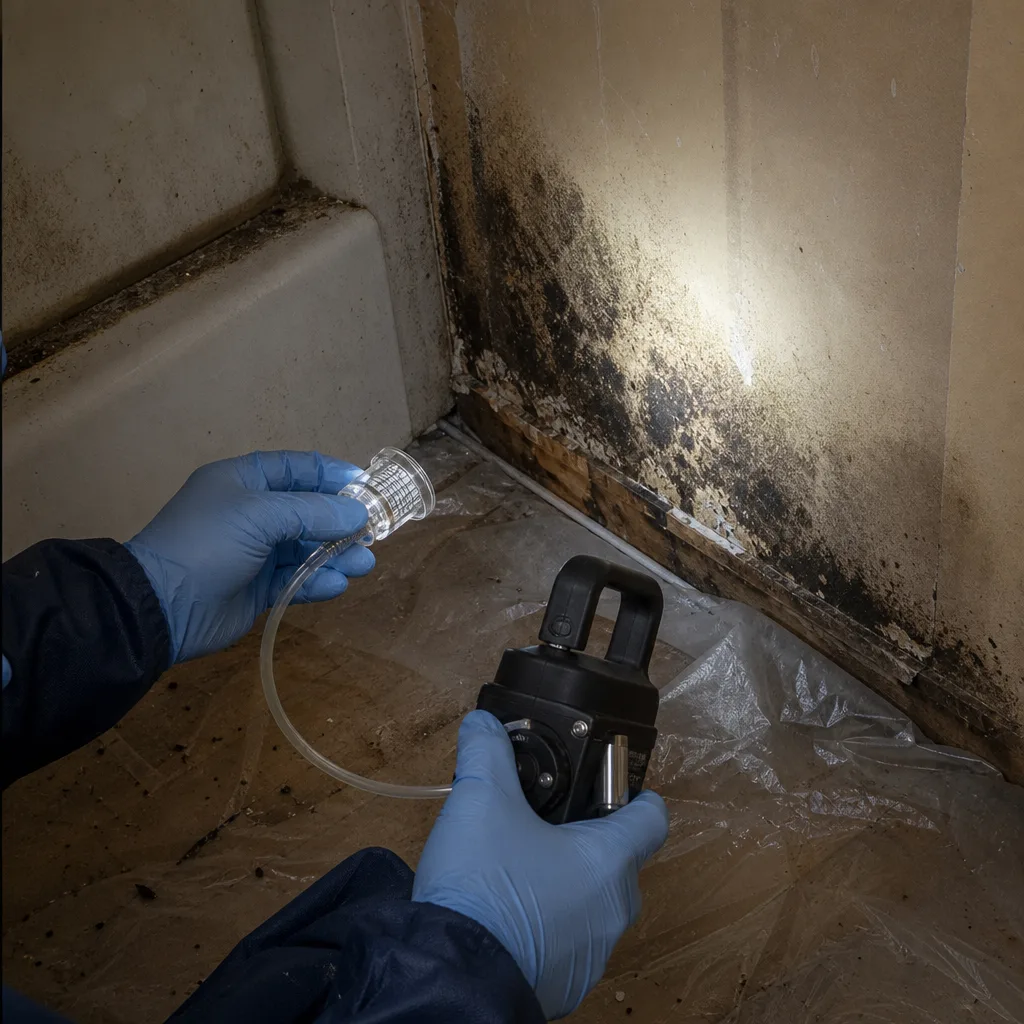
Mold Removal
Removing mold from an Upper West Side pre-war apartment is different from a suburban drywall job. The plaster comes out in controlled sections under negative air. Original lath often stays if it’s salvageable. What gets removed gets documented, and what gets rebuilt matches the original profile. No stock drywall patches that your co-op board will reject.
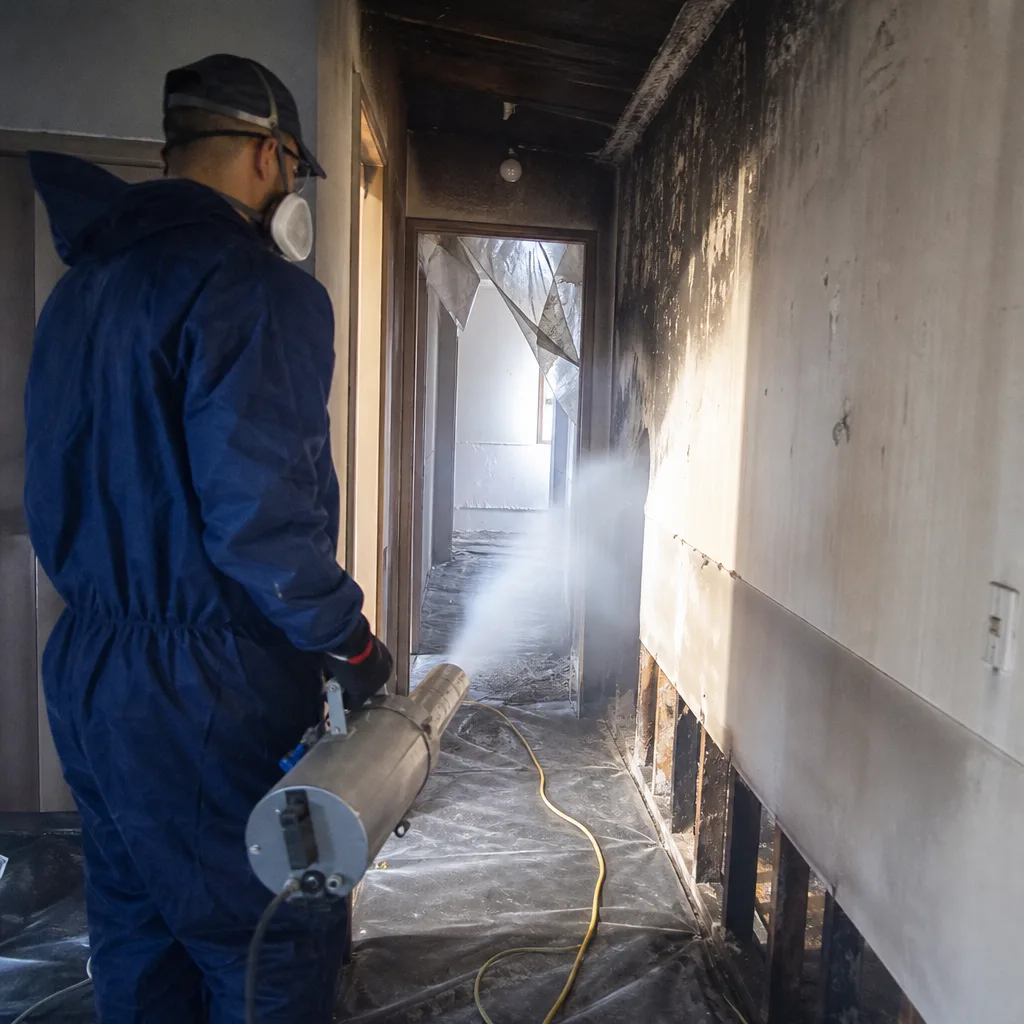
Black Mold Remediation
Black mold, or Stachybotrys, is the one that scares people, and rightly so. In a tight UWS hallway with shared ventilation, we run full containment with HEPA air scrubbers before touching the affected material. The goal is to keep spores from migrating through the building, which is exactly what a careless remediation causes. After removal, we run clearance testing to prove the air is clean.
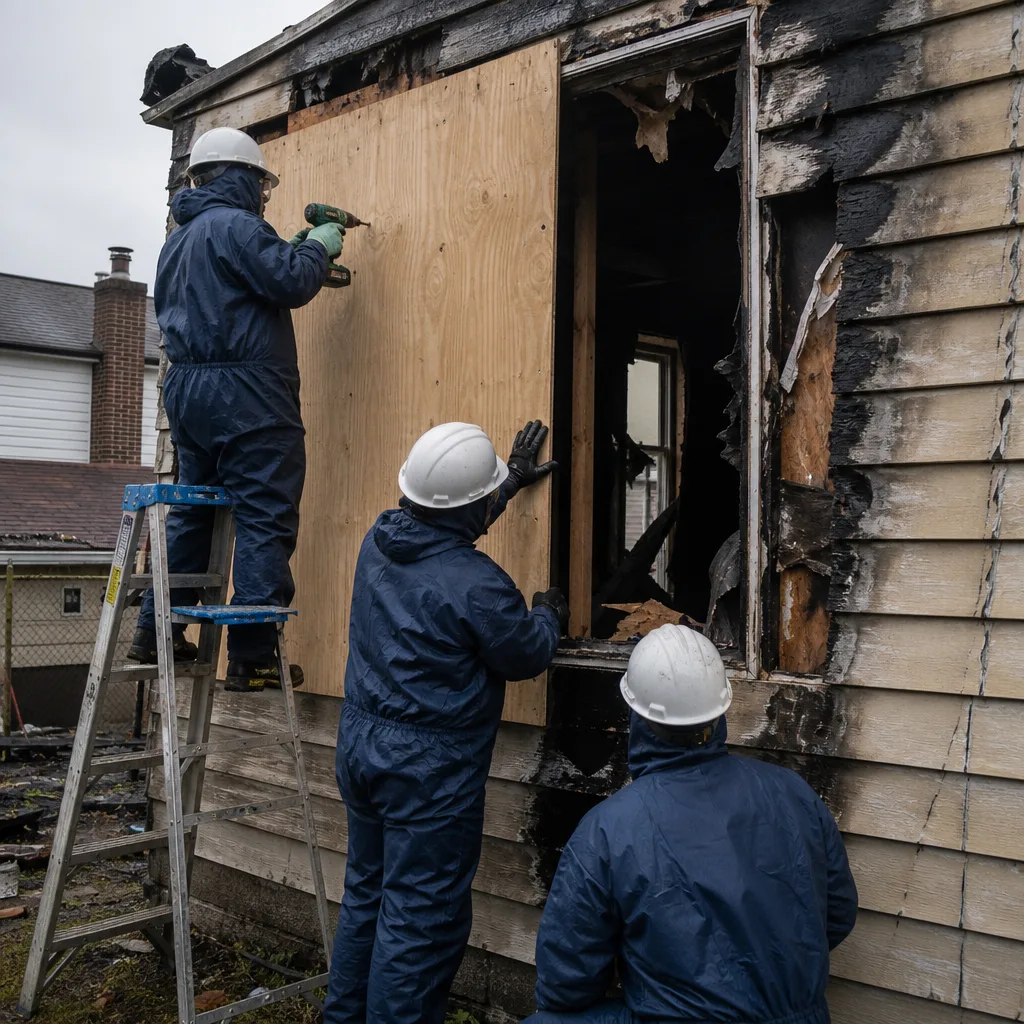
Air Quality Restoration
After a mold job, the air needs to be scrubbed and tested, not just deodorized. We run HEPA air scrubbers throughout the remediation and beyond, then take post-remediation air samples to confirm spore counts are back to acceptable levels. For UWS residents in older buildings with shared air pathways, this step is non-negotiable.
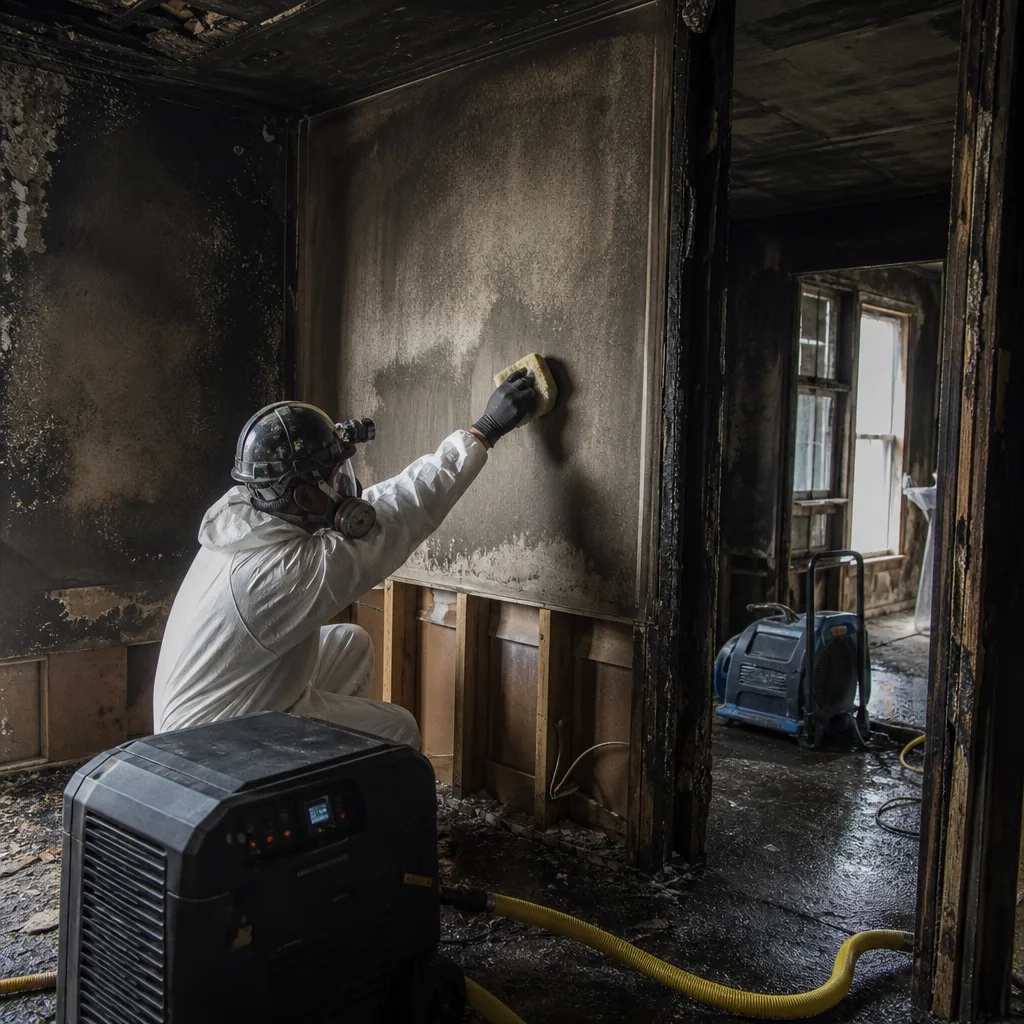
Crawl Space Treatment
Yes, Upper West Side has crawl spaces. They’re under the ground-floor units, they’re often dirt-floored, and they’re where humid summer air meets cold building foundations. We treat the source: encapsulate, dehumidify, and monitor. A damp crawl space under a UWS brownstone feeds musty odors and mold spores into every unit above it.
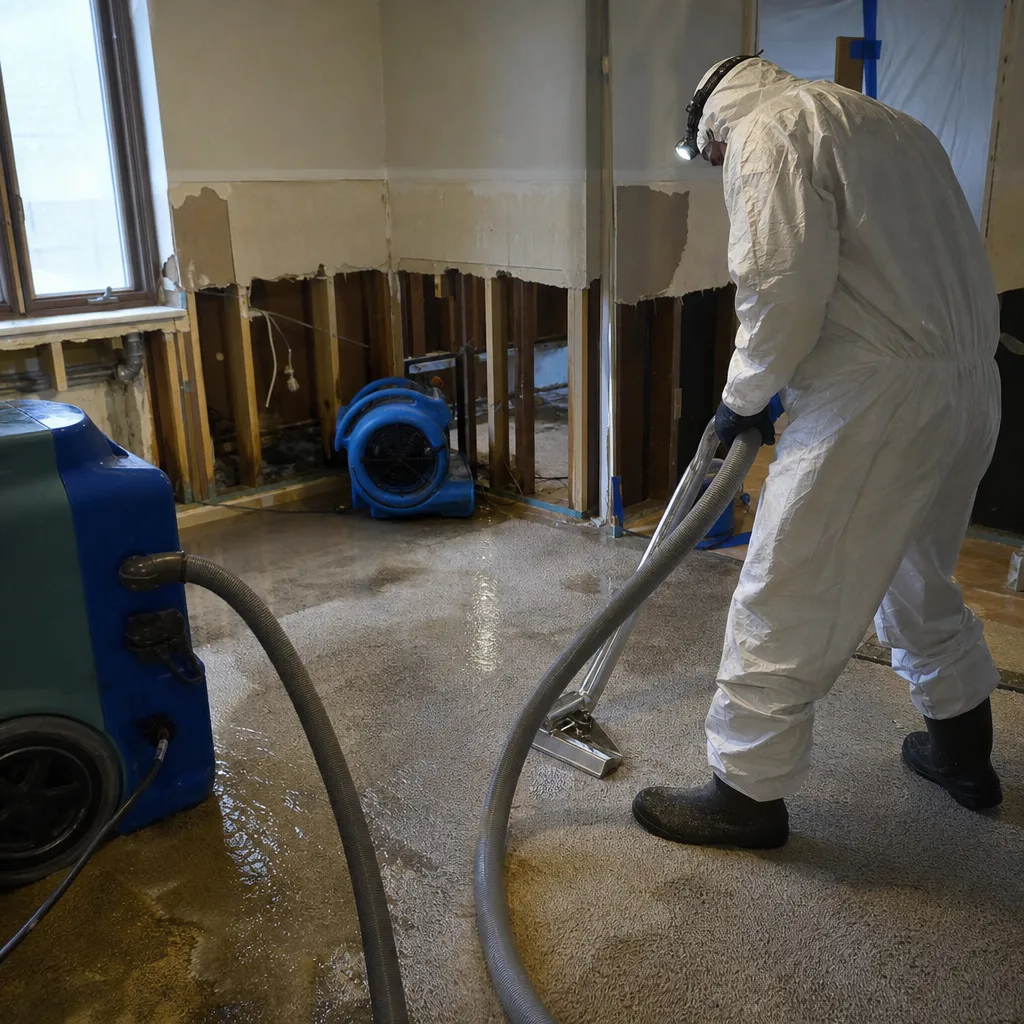
Moisture & Humidity Control
The most common mold problem in Upper West Side steam-heated buildings isn’t a dramatic flood. It’s slow, chronic humidity that nobody notices. We install and set up dehumidification systems sized for your unit’s actual conditions, not a guess. In a one-pipe steam building, that often means monitoring relative humidity through the heating season and adjusting airflow in the affected rooms.
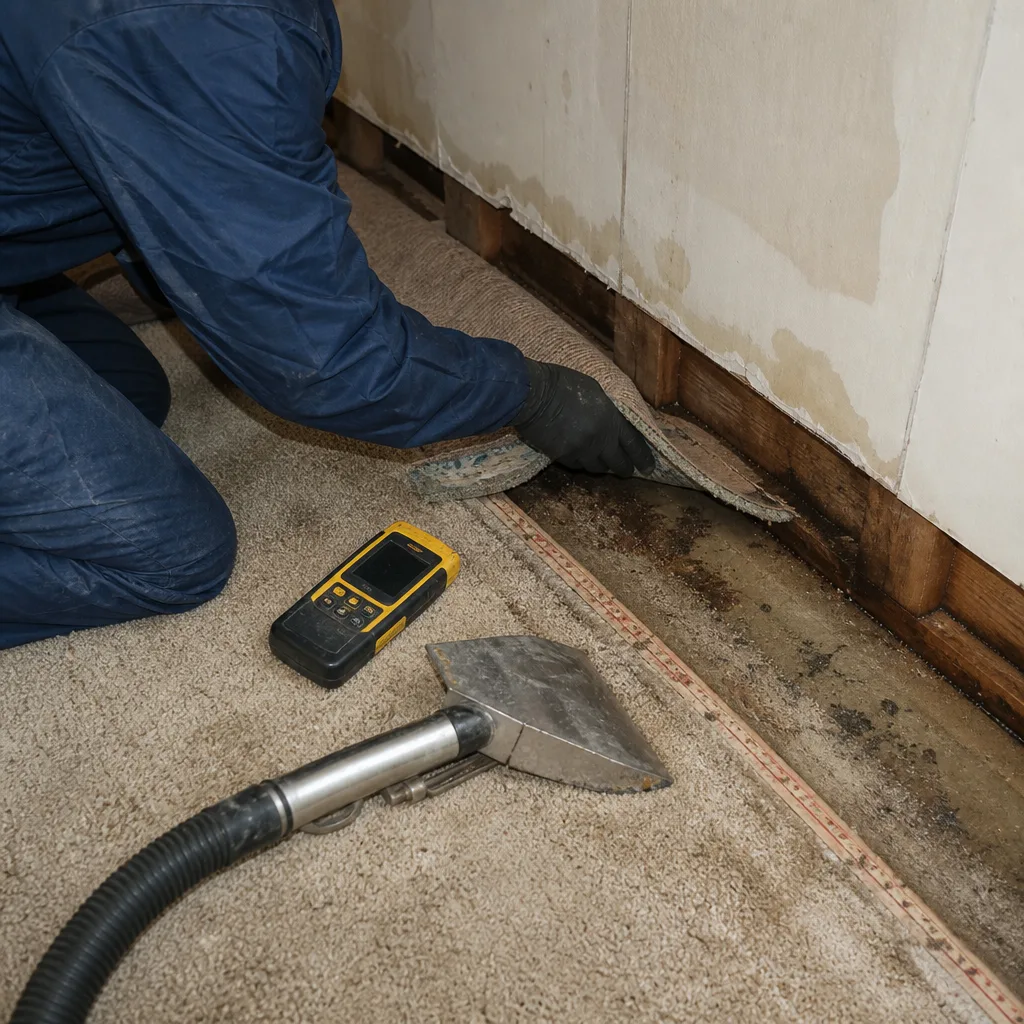
What happens when you call
- 1
A real person answersNo phone trees - you reach a local pro.
- 2
You get an upfront price rangeHonest numbers before anyone is dispatched.
- 3
A background-checked tech heads outLicensed & insured, dispatched right away.
- 4
You approve before work beginsNothing starts until you say go.
Mold Remediation Costs in Upper West Side, NY
A straightforward surface mold cleanup in an Upper West Side apartment runs $850 to $2,200 when the growth is caught early and contained to one wall or ceiling section. Cavity mold removal, where we open plaster, remove affected material, run air scrubbers, and rebuild, typically lands between $3,500 and $7,500 depending on how much of the apartment was affected. A systemic job spanning multiple units or requiring coordinated access through a building chase can exceed $12,000.
What moves the price in UWS buildings specifically: whether asbestos testing is triggered before we can open walls (common in pre-war chases), whether the co-op board requires specific containment protocols, and whether original plaster, parquet, or terrazzo needs like-for-like restoration. If your insurance covers the loss, we bill them directly and you’re out only your deductible. The free visual inspection gives you a firm scope before any work begins, so you know exactly what you’re approving.
We Also Serve Cities Near Upper West Side
Wade’s Restoration serves Upper West Side, NY, plus neighboring areas including Mold Remediation for the Financial District, Lower Manhattan, Astoria, and Midtown Manhattan. If you’re in one of those neighborhoods and dealing with mold, call (201) 740-2235 and we’ll head your way.
Serving Upper West Side, NY - Our Local Coverage Area
We’re based in the Upper West Side area and know this community well. Use the map below to see our service coverage - if you’re nearby, we can almost certainly help.
Upper West Side Mold Remediation Questions, Answered
How do you handle mold remediation in a pre-war co-op without triggering asbestos abatement?
We don’t open any pre-war wall until we’ve checked the building’s asbestos survey and, where required, tested the specific wall cavity we’ll be working in. In most UWS buildings, asbestos pipe insulation lives in the chases, not behind every plaster wall, so we can often section off the work area and proceed without triggering a full abatement. When testing does reveal asbestos, we bring in a licensed abatement contractor and coordinate the entire sequence so your remediation doesn’t stall.
What is the typical timeline for mold remediation in a one-pipe steam building on the UWS?
A contained single-unit mold removal in an Upper West Side one-pipe steam building usually runs 3 to 7 days from setup to final clearance. The timeline depends on how much plaster needs to come out, whether we need board approval for the rebuild materials, and how long drying runs before moisture readings hit pre-loss levels. Wade gives you a written schedule before work starts and updates it daily if conditions change.
Why does mold often appear below the actual leak in Upper West Side buildings?
Water follows gravity and the path of least resistance. In UWS pre-war buildings, leaks travel down through pipe chases, behind plaster, and along structural framing before they finally pool somewhere visible. A roof flashing failure can show up as mold on a ceiling two floors below the breach. That’s why we map moisture with thermal imaging rather than assuming the visible stain is the source, which is a common mistake that leaves the real leak active.
Can you preserve original herringbone parquet floors during mold remediation?
Yes, we protect original floors with temporary coverings and, where water has reached the wood, we dry it slowly with targeted airflow rather than ripping it out. Herringbone and parquet floors in UWS apartments can often be saved if drying starts before the wood cups permanently. Wade’s crew includes craftsmen who’ve restored pre-war floors, so a repair doesn’t end up looking like a patch of new wood in an old room.
How do you work around parking and access constraints during UWS mold remediation?
We stage equipment in smaller vehicles, coordinate loading zones with your building’s super, and use service entrances rather than lobby doors. Containment and equipment move through narrow hallways and stairwells in sections, not as one big load. It adds time and labor, but it means you don’t have a truck idling on West End Avenue blocking traffic while your neighbors glare.
How fast can you actually get to an Upper West Side address?
Wade commits to a 45-minute response window for the UWS. That’s a real person on site with a moisture meter and a camera, not a call center promising a callback. Call (201) 740-2235 and Wade heads out.
Will my insurance cover mold remediation in an Upper West Side co-op?
It depends on your policy and the source of the moisture. Sudden leaks, burst pipes, and storm-related water intrusion are typically covered, including the resulting mold remediation. Long-term seepage or chronic humidity from lack of maintenance is often disputed by carriers. Wade deals with your adjuster directly, provides the documentation they need, and fights for coverage on your behalf based on the actual conditions found.
What should I do in the first 30 minutes after discovering mold in my UWS apartment?
Shut off any water source if you can identify one, open a window if the weather allows, and keep people and pets out of the affected room. Don’t try to scrub the mold yourself, especially on pre-war plaster, because that releases spores into the air and makes containment harder. Call (201) 740-2235 and Wade will walk you through what to do until he gets there.
If you’re dealing with mold in an Upper West Side pre-war apartment, call Wade Ferris directly at (201) 740-2235. Free visual inspection, straight answers, and a written scope before any wall opens. That’s how it should work.
Written by Wade Ferris, Owner at Wade’s Restoration, serving Upper West Side, NY. Founded in 2007, locally owned and owner-operated.