
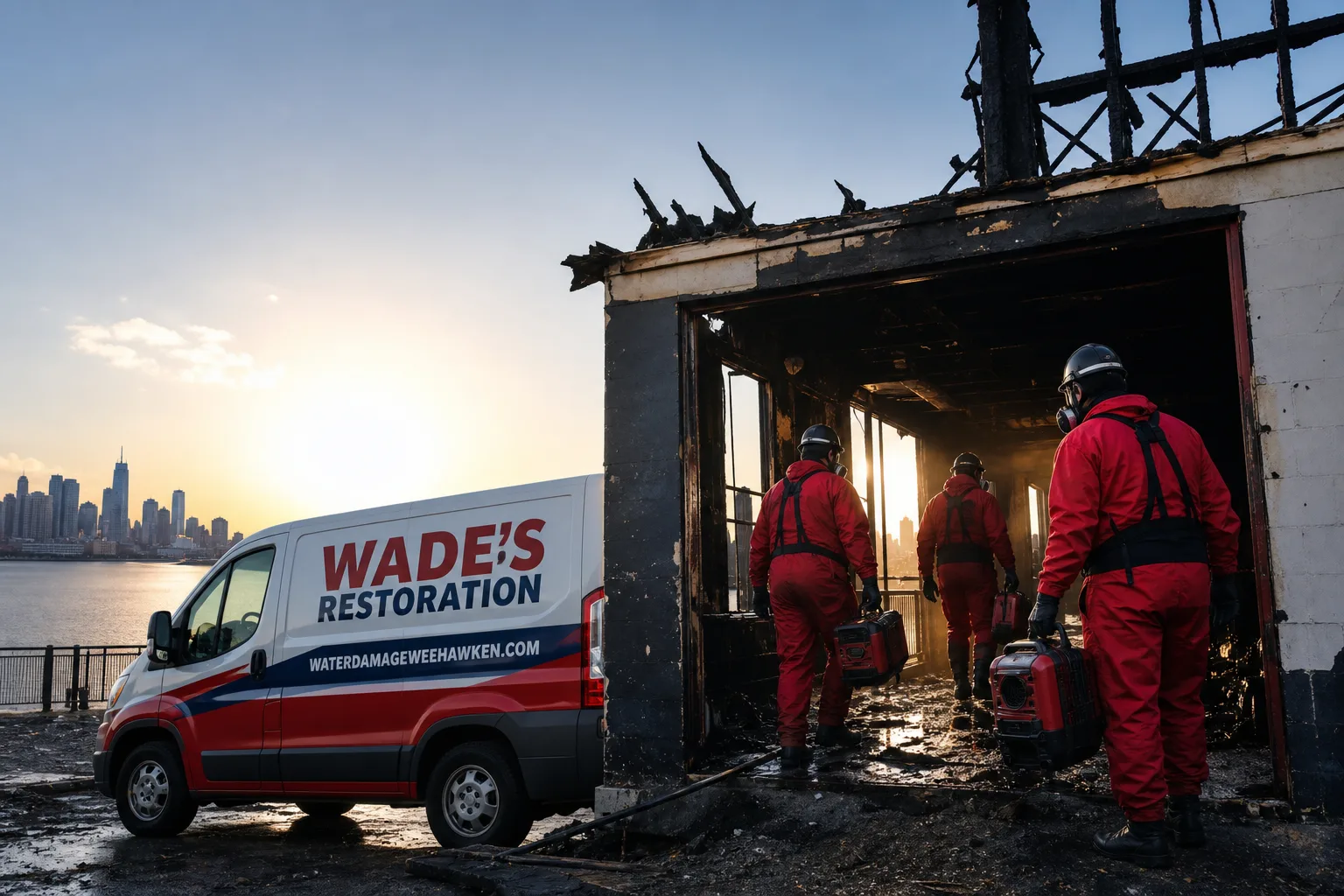
Free visual inspection and a written scope of work before any mitigation begins - photos, moisture readings, and drying logs go in your claim file
The scope we write is the scope we bill. Anything new gets shown to you, in writing, before we touch it.
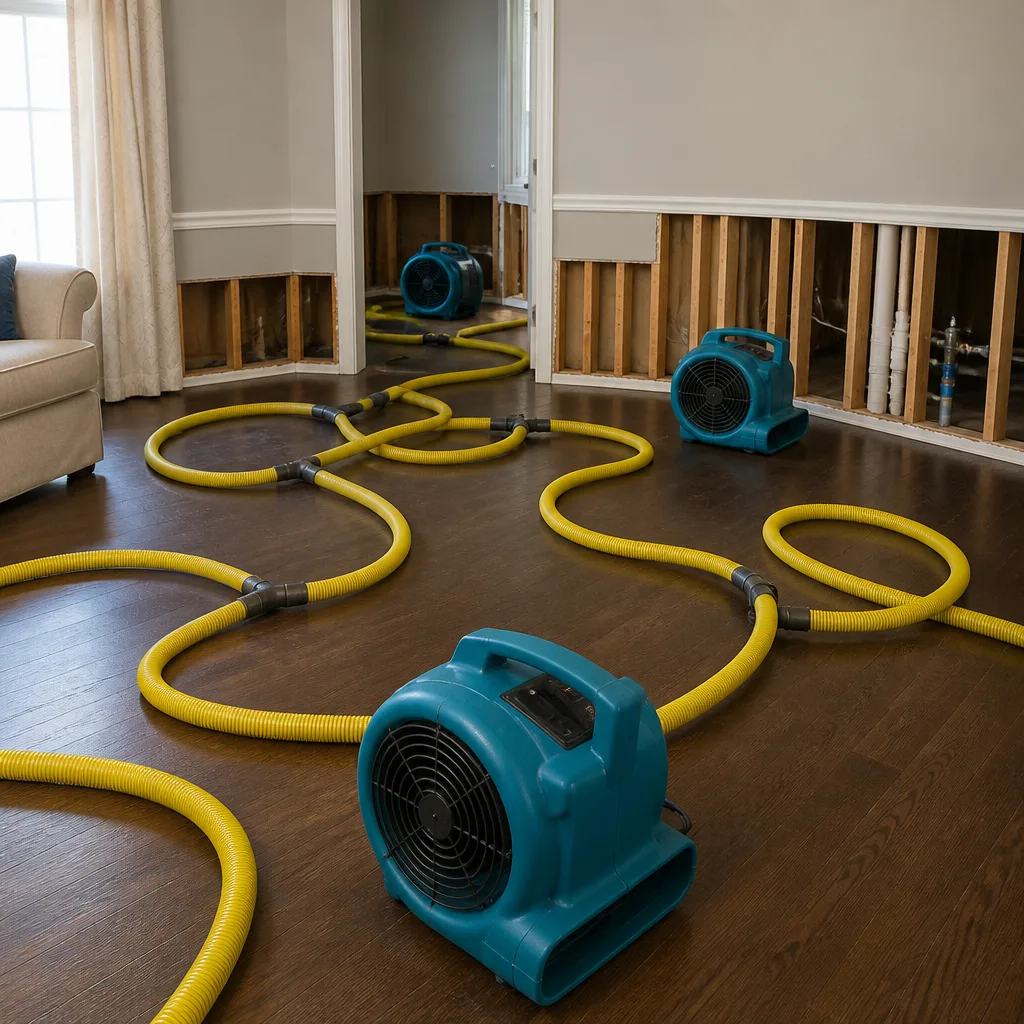
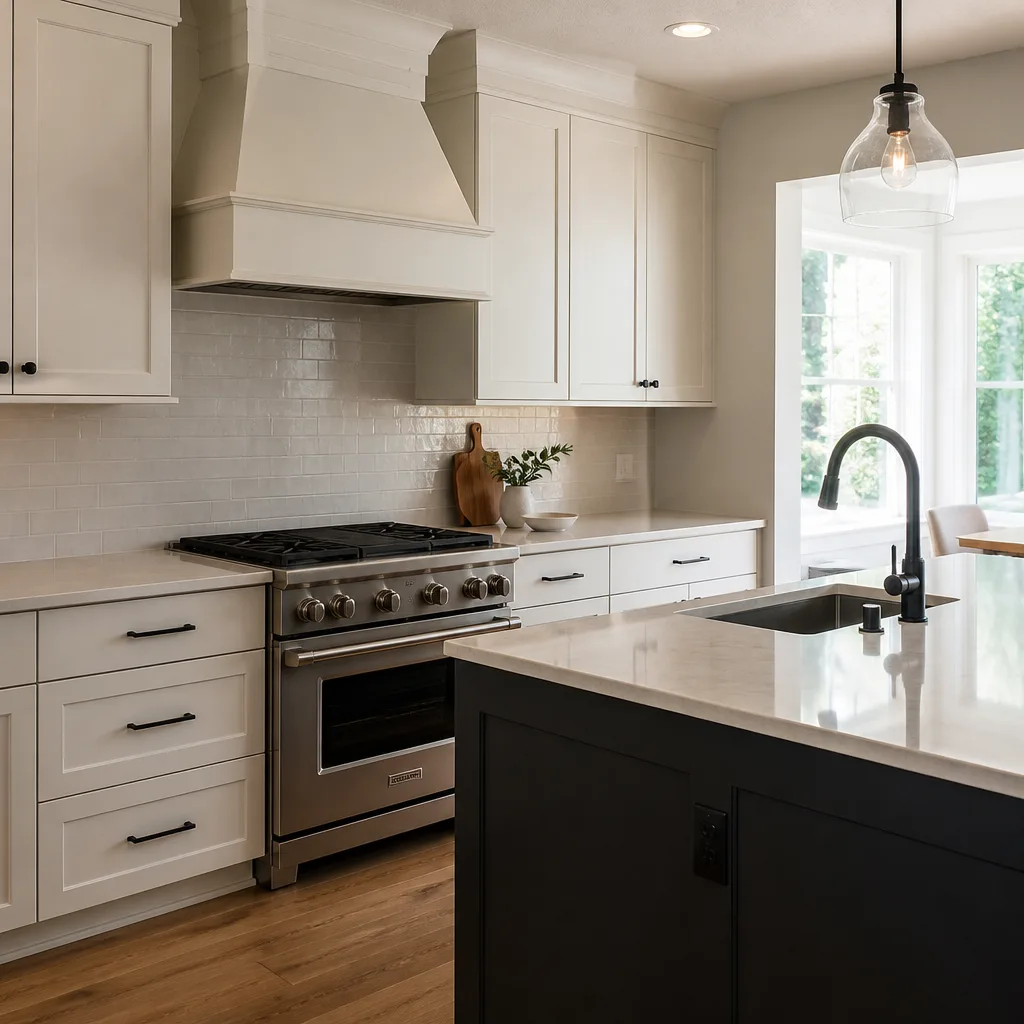
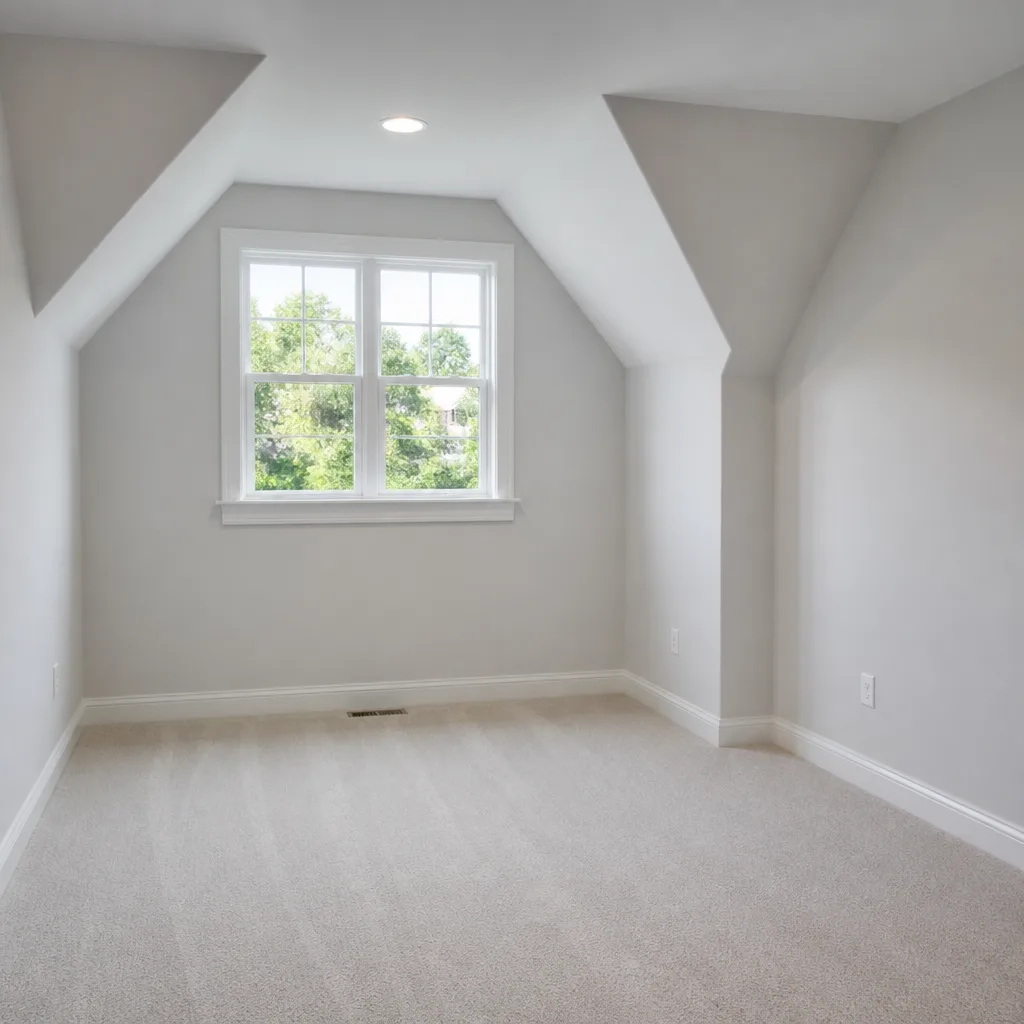
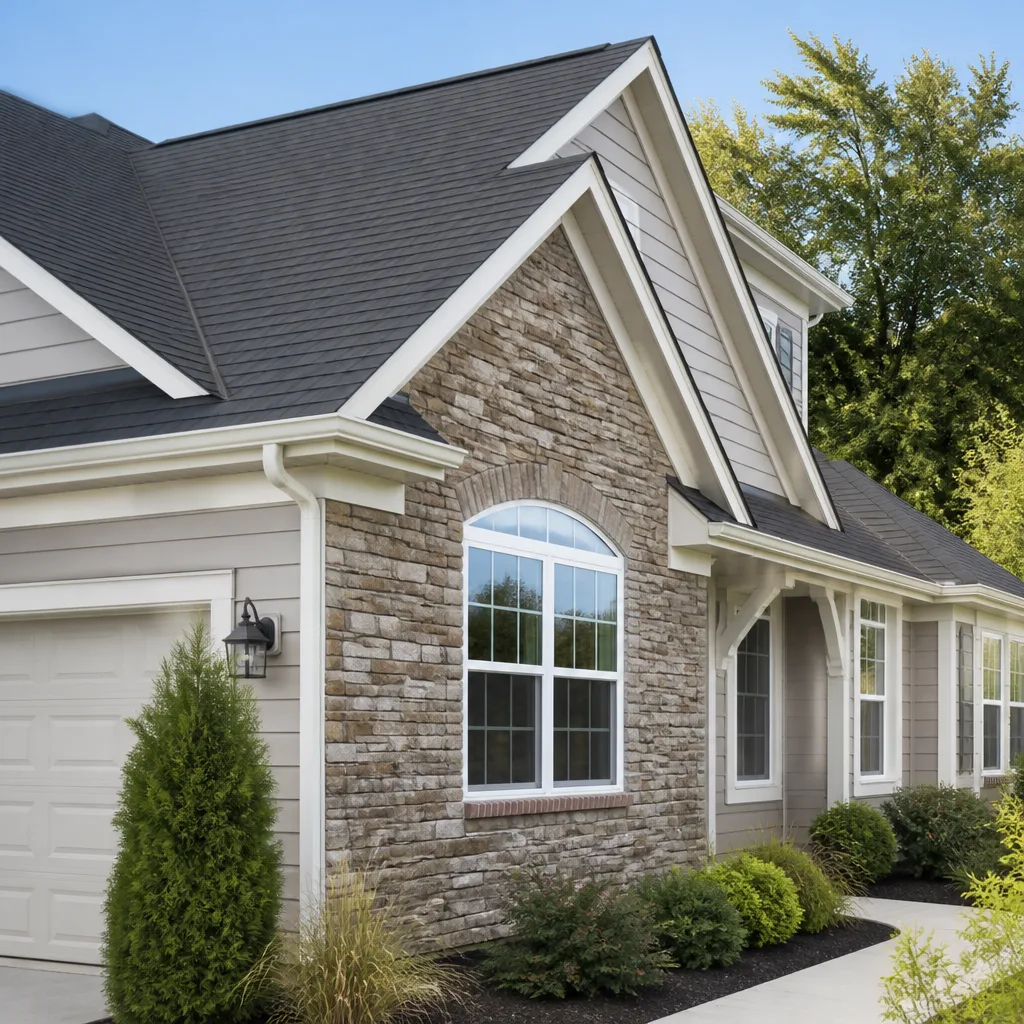
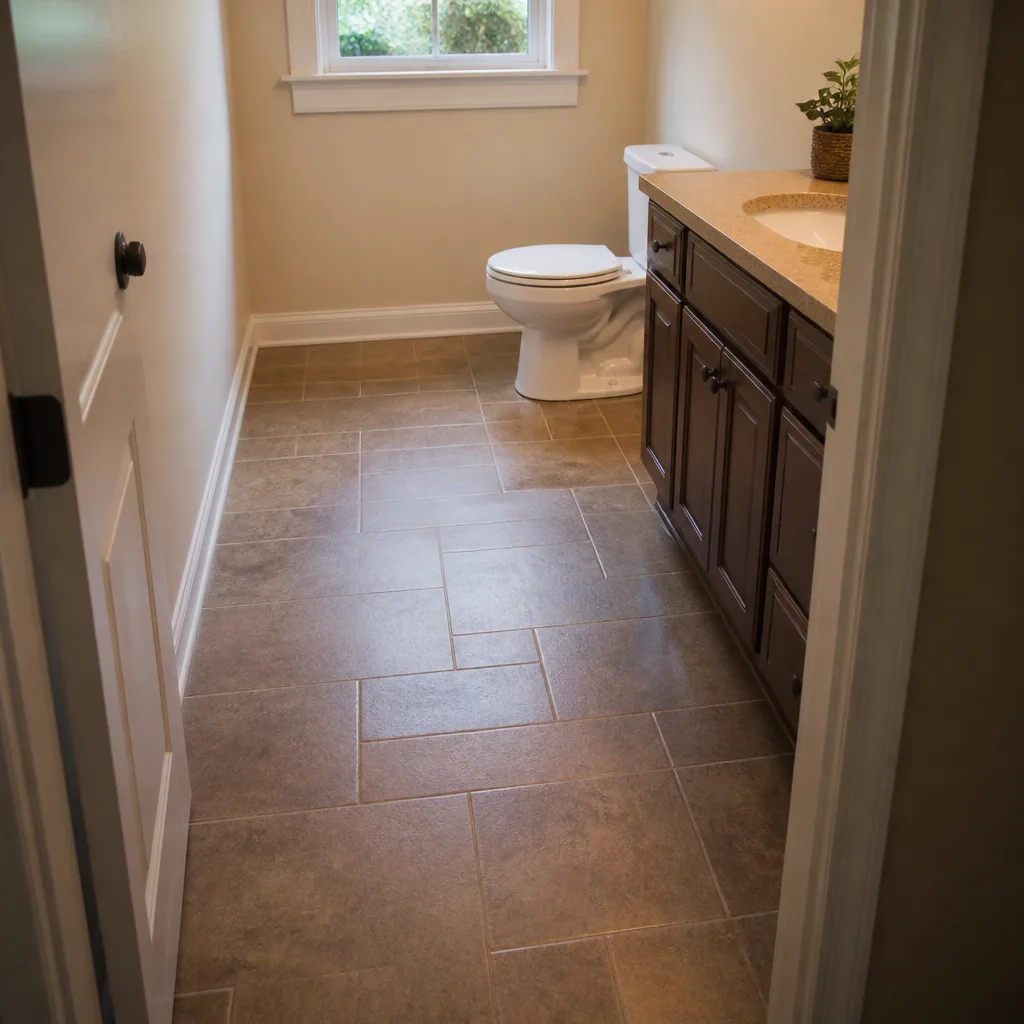
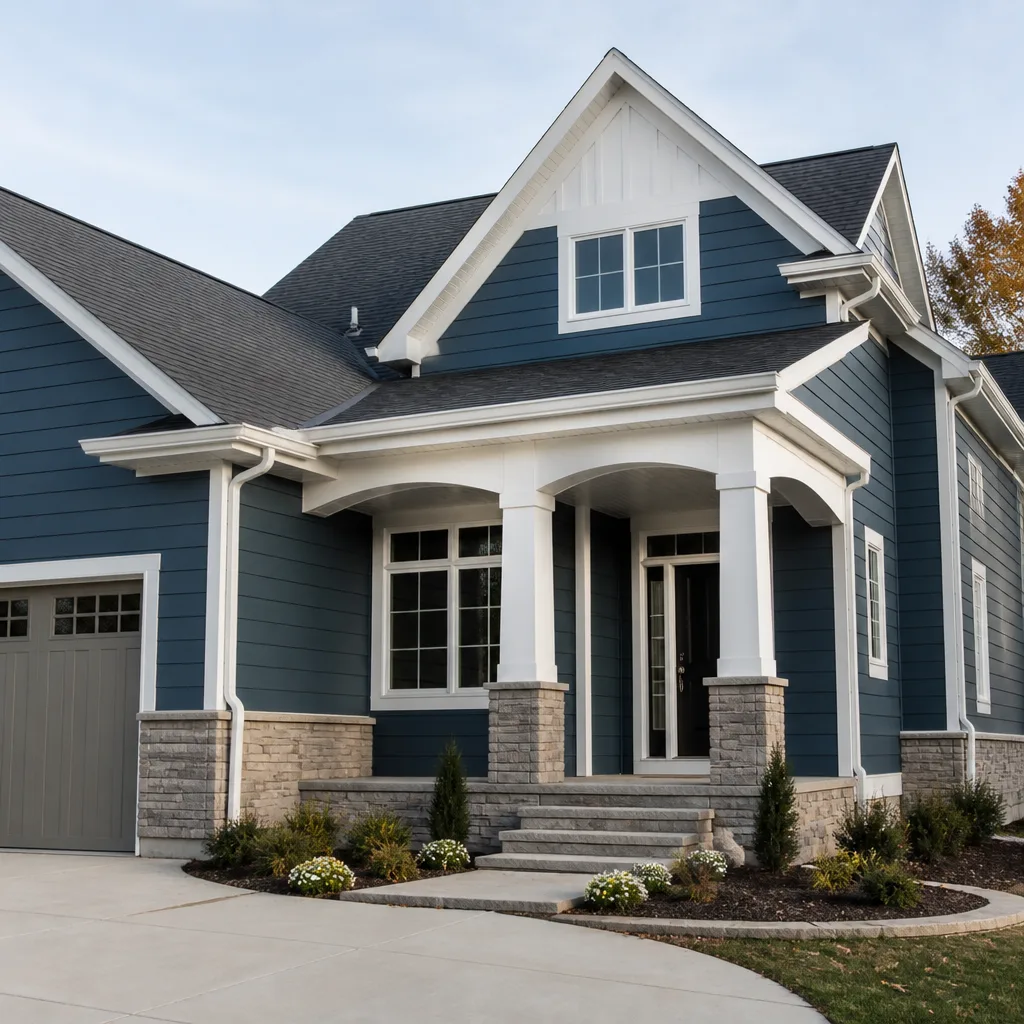
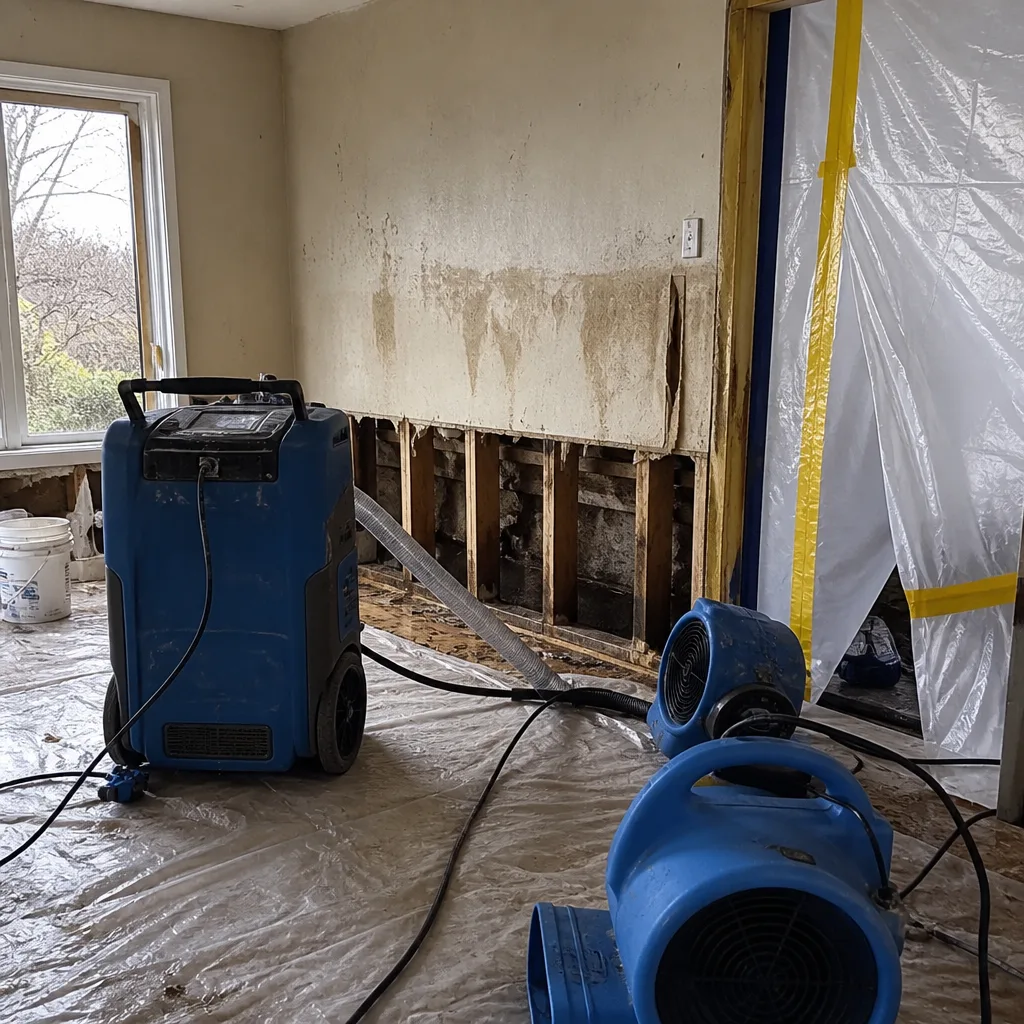 Before
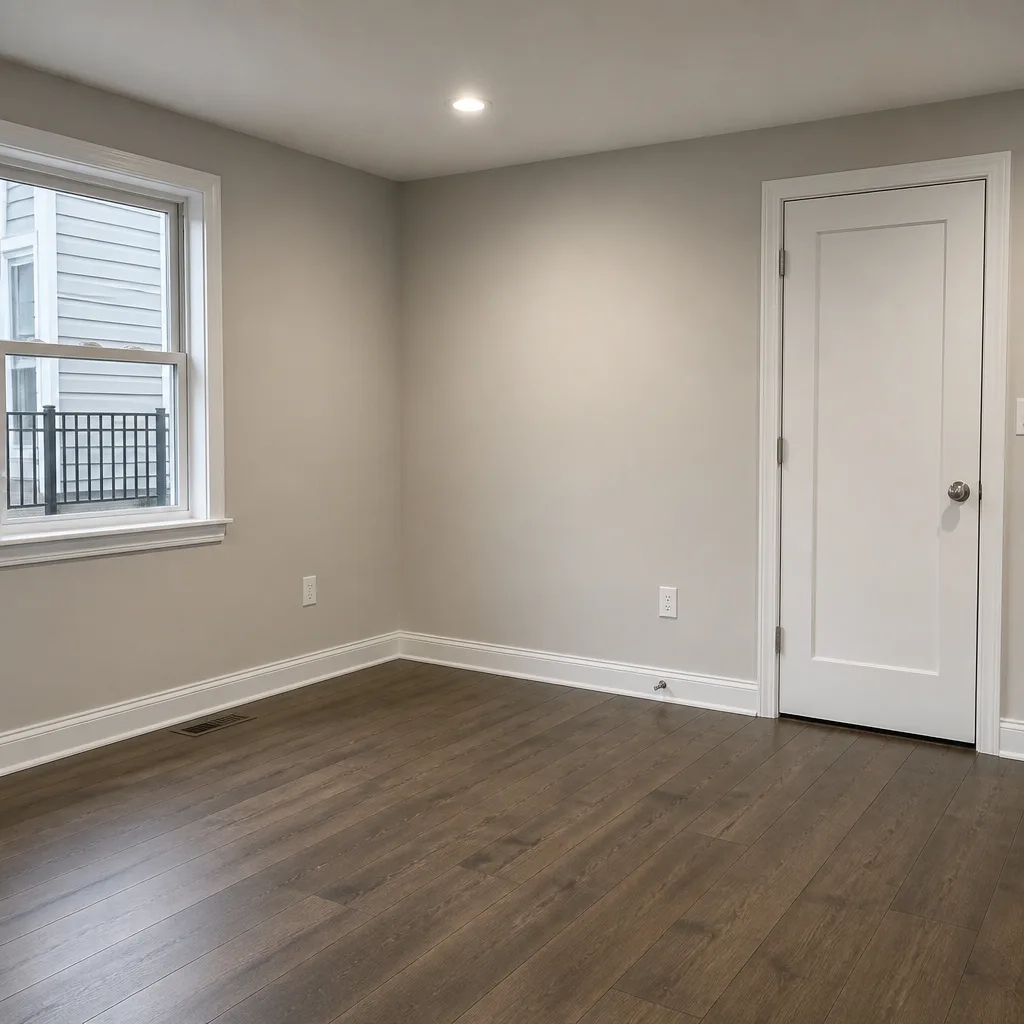 After
After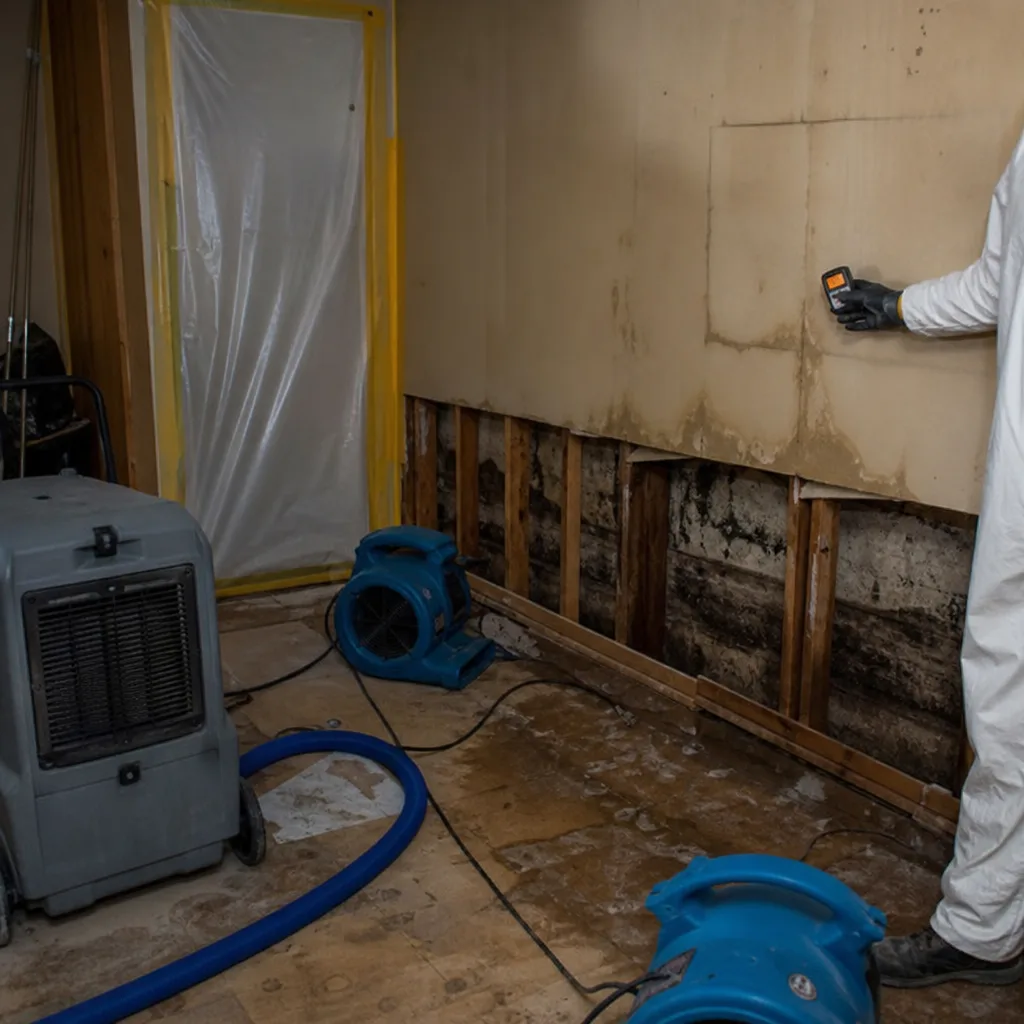 Before
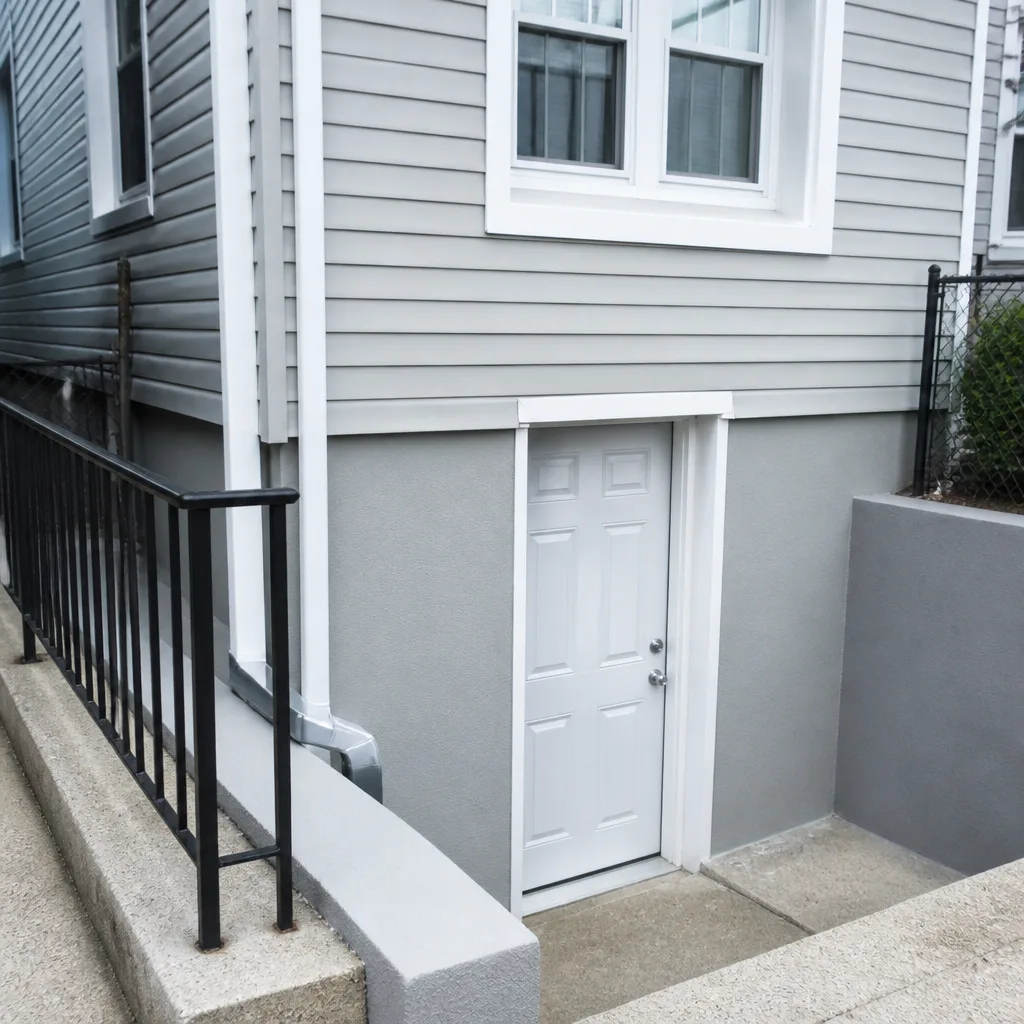 After
After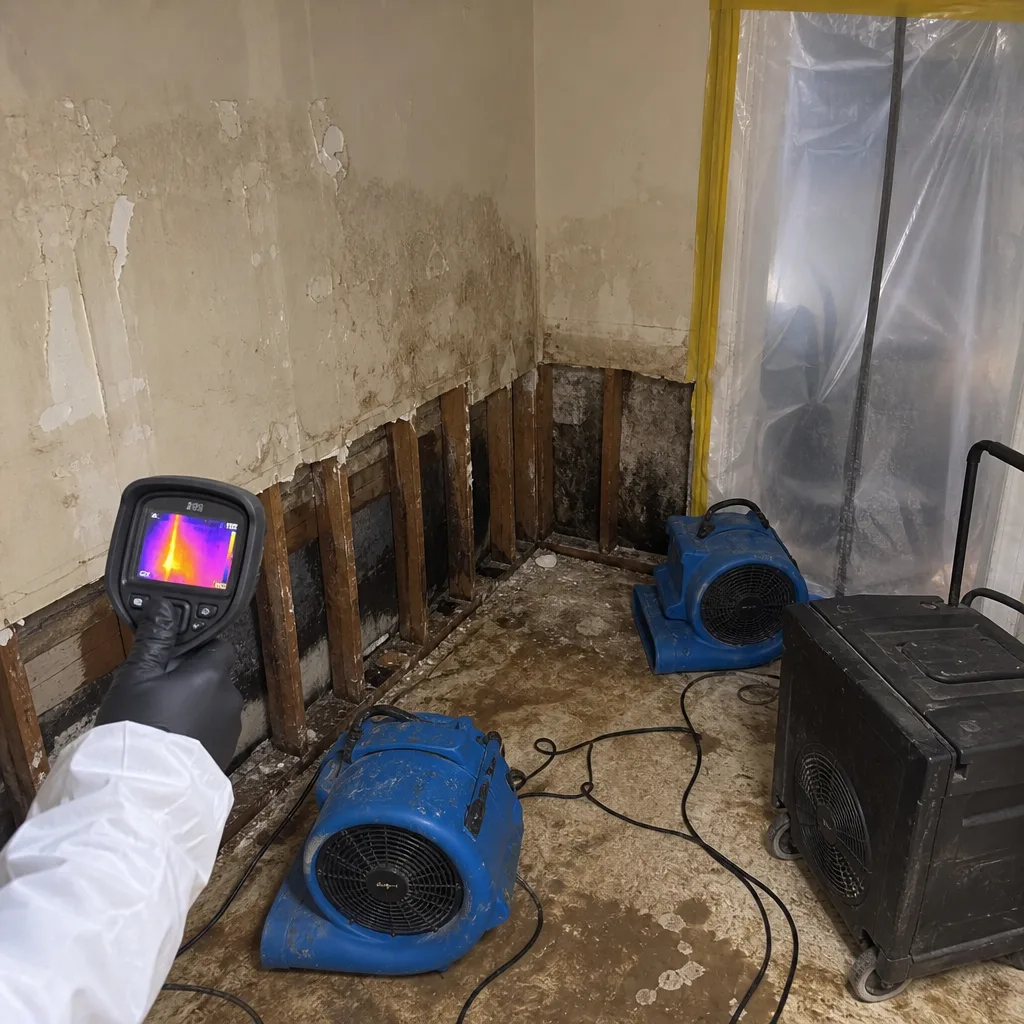 Before
 After
After24/7 Emergency Storm & Disaster Restoration in Upper West Side
Storm damage in Upper West Side doesn’t wait for business hours, and neither do we. A nor’easter rips a scupper off a Riverside Drive parapet at 2 a.m., water cascades through four stacked co-op units, and someone has to move now. Call (201) 740-2235 and Wade answers his own phone. He’ll have extraction running inside the hour, because every hour a Cavalier building’s horsehair plaster stays wet, the demolition boundary grows and the co-op board’s questions multiply. We’re already on the road to Upper West Side before most people find their insurance policy number.
Understanding Storm & Disaster Restoration Severity in Upper West Side Properties
Upper West Side storms don’t just wet carpets. They exploit a century of layered construction. When we walk into a pre-war elevator co-op after a rooftop drain failure, we’re dealing with Category 2 water that has traveled through cast-iron waste stacks, plaster keys, and lath cavities before it ever shows up as a stain on your ceiling. Moisture mapping with thermal imaging tells us the water traveled two floors down the shaft wall before it pooled in the apartment below the visible damage. That’s why we don’t trust surface-level readings. We drill into plaster, we check the horsehair cavity, we test for asbestos in the chase before any wall comes open. Category 2 means contaminated but not sewage; give it 48 hours behind intact plaster and it converts to Category 3, and now your remediation scope just tripled. Structural drying in these buildings means we’re accounting for masonry mass walls, uninsulated shaft cavities, and parquet laid over pine subfloor that wicks moisture sideways for months. None of this shows up on a national chain’s drying chart.
Why Upper West Side Property Owners Choose Wade’s Restoration
- 45-minute response commitment. When a window blows out on a 16th-floor West End Avenue unit, Wade is on the road while the dispatcher is still locating your cross street.
- 24/7 live answer, never an automated system. You get Wade or a member of his crew on the first ring. No call tree, no “your call is important to us.”
- IICRC-certified crews. We hold WRT and FSRT certifications. That means the drying math, the containment protocol, the soot residue classification all follow the industry standard the insurance company recognizes.
- Free visual inspection. We show up, we look, we tell you what we found. No charge for that. If it’s a second opinion on someone else’s written estimate, that’s free too.
- Direct insurance billing. We deal with your adjuster directly. You stop being the relay between two parties who don’t seem to talk to each other.
- One team from extraction to reconstruction. The same people who set containment at 3 a.m. are the ones matching original plaster crown molding six weeks later, because Wade doesn’t hand off to a sub he wouldn’t hire himself.
Our Storm & Disaster Restoration Process
Inspection & Assessment
We map moisture with thermal imaging and hygrometers, test for asbestos in wall chases, and photograph everything before a single tool comes off the truck. You get a written scope you can read before you sign.
Extraction & Stabilization
Standing water comes out first. XPOWER pumps and truck mounts pull the bulk water while we tarp the breach and board up any openings. In a stacked co-op loss, we’re coordinating with the super to shut risers and isolate the shaft.
Drying & Dehumidification
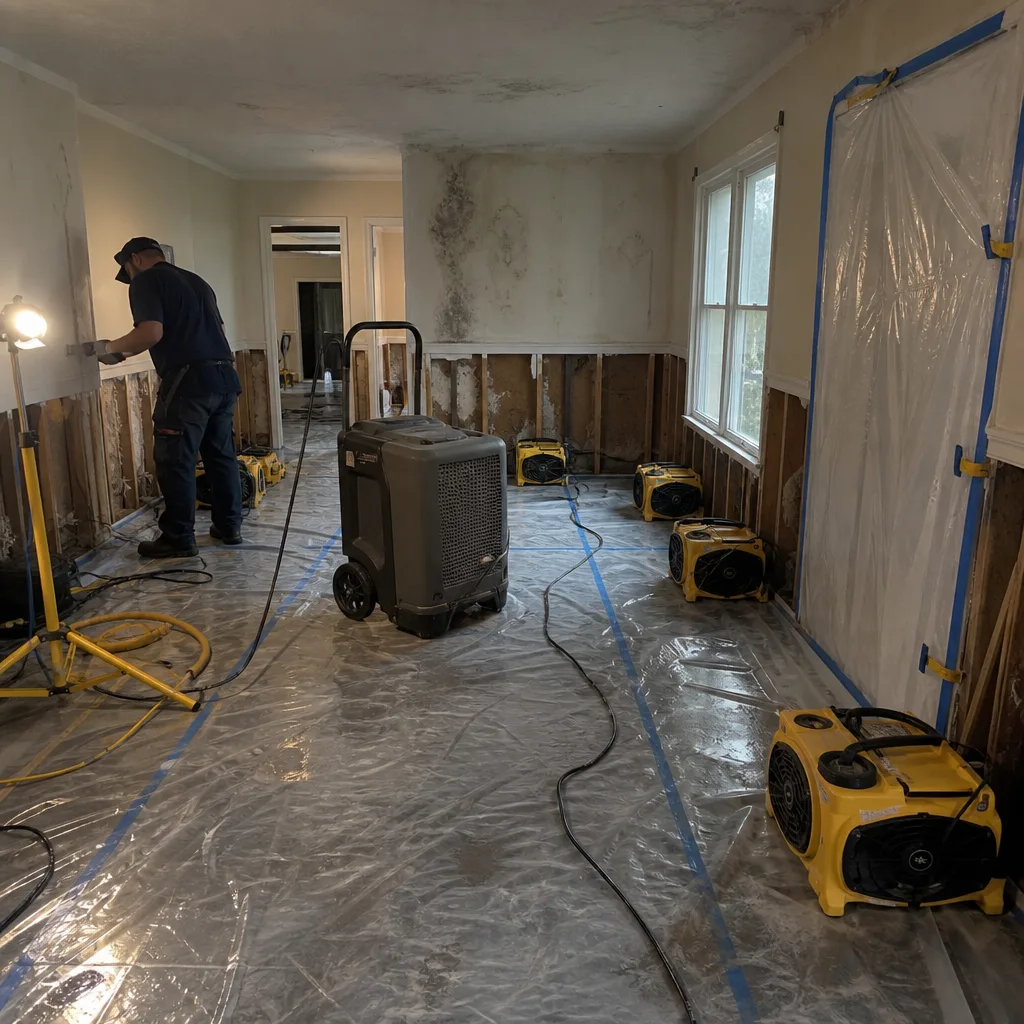
Dri-Eaz dehumidifiers and Phoenix air movers run on a calculated layout. We take moisture readings every single day and hand you the full log when we’re done. Almost nobody does that. We’ve been doing it since 2007.
Cleaning & Sanitization
HEPA air scrubbers run during any demolition in a pre-war Upper West Side building. We’re not just cleaning what’s visible; we’re filtering what got aerosolized when we opened the wall. Our Upper West Side Sanitization Services ensure the air is safe before residents return.
Storm-Specific Structural Stabilization
Rooftop drains reset, parapet copings patched, through-wall scuppers cleared. We stabilize the breach point so the same storm doesn’t hit you twice in one season.
Repairs & Restoration
Like-for-like. Herringbone parquet re-laid. Plaster crown moldings recast to match. Original marble vestibule details cleaned, not replaced with stock material. If the co-op board has rules, we follow them. Our Reconstruction & Cleanup - Upper West Side team handles every detail.
Need Emergency Storm & Disaster Restoration in Upper West Side Now?
Crews minutes away, answering live 24 hours a day. The sooner we start, the less it costs.
Working With Your Insurance Company
Upper West Side storm losses get complicated fast. A single failed rooftop drain can involve three separate insurance carriers, a co-op board that has its own policy obligations, and a superintendent who has seen too many contractors cut corners. Wade deals with the adjuster directly. He speaks their language, he uses their estimating software, and he knows what triggers supplementary claims after demolition reveals hidden damage. You never stand in the middle wondering what to say. We photograph every room before, during, and after. There’s a line item for everything. And we hand over the drying log, the moisture readings, and the photo file without being asked.
What We Provide Your Insurer
- Thorough documentation of the loss
- Photos of all damage, room by room
- Moisture readings and drying logs
- A detailed, line-item scope of work
- Direct coordination with your carrier
Built for Upper West Side’s Loss Calendar
January in Upper West Side freezes the galvanized riser pipes in Riverside Drive courtyard buildings. By February we’re chasing slow-migrating leaks from parapet copings that cracked during the first freeze-thaw cycle and have been quietly feeding water down the interior shaft wall. March and April thaw out the through-wall scuppers, and if those cast-iron drains are clogged with a winter of debris, the top-floor units get it first. Summer brings the convective thunderstorms that drop two inches of rain in 45 minutes, overwhelming rooftop drains that haven’t been cleared since the co-op board’s last budget meeting. Come September, nor’easter season starts, and we’re boarding up windows along West End Avenue while the wind is still stripping flashing off the roof membranes. Every season has a signature loss pattern in Upper West Side, and we’ve seen them all repeat for years.
Storm & Disaster Restoration Across Upper West Side’s Neighborhoods
Riverside Drive’s pre-war co-ops with their courtyard layouts and original galvanized risers are where we see the classic stacked-water event, a fourth-floor pipe split cascading through three apartments and the lobby vestibule below. Central Park West’s limestone towers hide slow leaks behind ornate plaster ceilings, the kind that don’t show themselves until the parquet starts cupping in the unit below. The six-story walk-ups through the interior blocks between Broadway and Amsterdam, the ones with one-pipe steam and original terrazzo lobby floors, they give us the hidden radiator-vent leaks that turn into months-old cavity mold behind intact horsehair plaster. And the larger post-war buildings along Broadway and Columbus have their own signature, newer construction but aging rooftop equipment, where failed roof drains send water down the chase and into top-floor units on the south side of the building. Each stretch of Upper West Side has a different building stock, and we adjust our Storm & Disaster Restoration approach to match what’s actually behind the walls.
Specialized Storm & Disaster Restoration Services We Offer in Upper West Side
Flood Damage Restoration
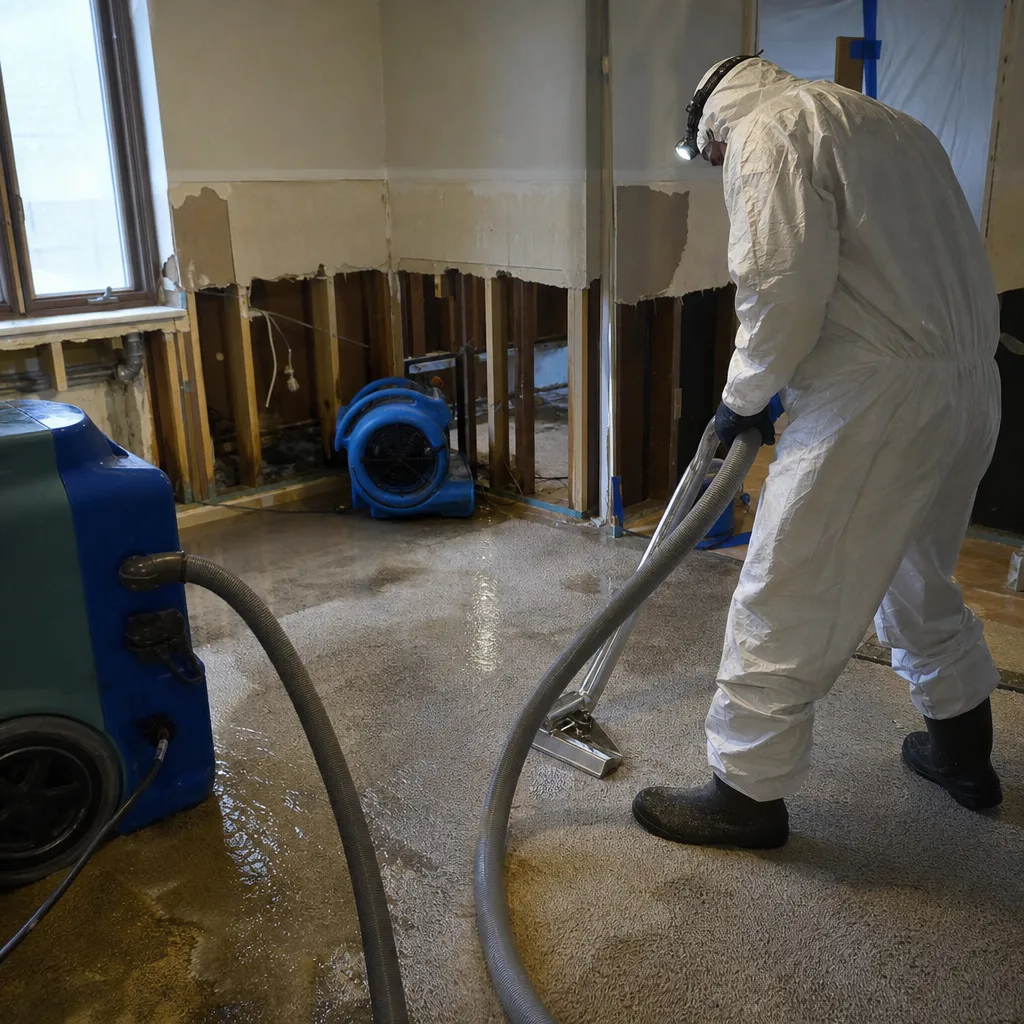
When a rooftop drain fails or a riser pipe splits in a pre-war Upper West Side co-op, water moves down through plaster, lath, and shaft cavities in unpredictable patterns. We map the moisture, set containment on each affected unit, and dry the assembly, not just the surface. If the board requires like-for-like restoration, we’re already planning the plaster recast and parquet re-lay before the first fan goes in.
Storm Damage Cleanup
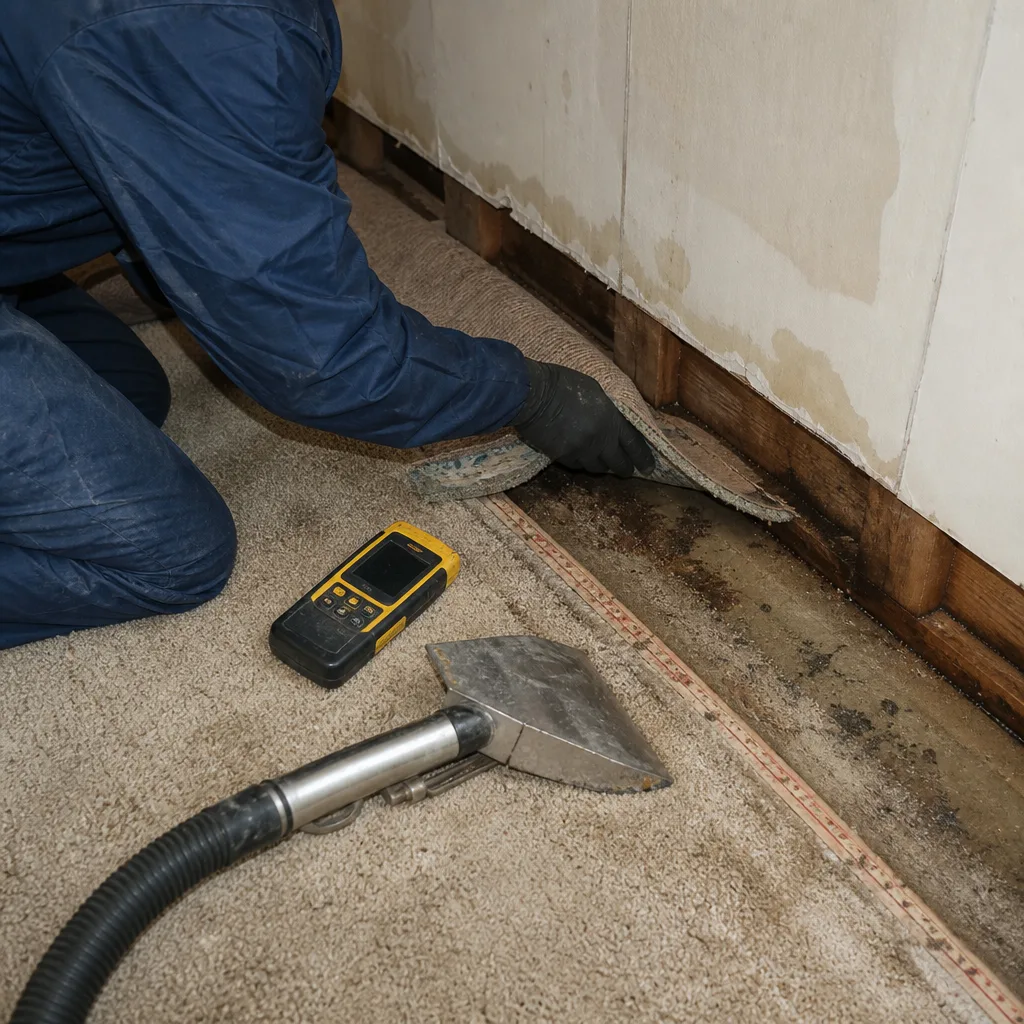
Wind-driven rain through a broken window or failed roof flashing leaves more than wet floors. It leaves debris, soaked plaster, and often compromised electrical. We clean the mess, document the loss, and stabilize the unit so it’s safe to occupy while insurance works through the claim. In cases involving hazardous materials, we coordinate Biohazard & Crime Scene Cleanup - Upper West Side protocols as needed. In a Central Park West building, that might mean setting up negative air pressure while we remove wet horsehair plaster without contaminating the rest of the line.
Emergency Board-Up
Broken third-floor window on Amsterdam Avenue at 1 a.m. needs plywood over it before the next squall line hits. Wade’s crew shows up with the right hardware to secure openings on a pre-war steel window frame without further damaging the brick reveal. Board-up is temporary; done wrong it causes more damage than the original break.
Roof Tarping
A nor’easter tears a section of roof membrane off a West End Avenue building, and now rain is getting into the top-floor units. We tarp the breach properly, batten it down against wind uplift, and make sure the scupper lines stay clear. It buys the building time to get a permanent roof repair scheduled without more water coming in every time it drizzles.
Debris Removal
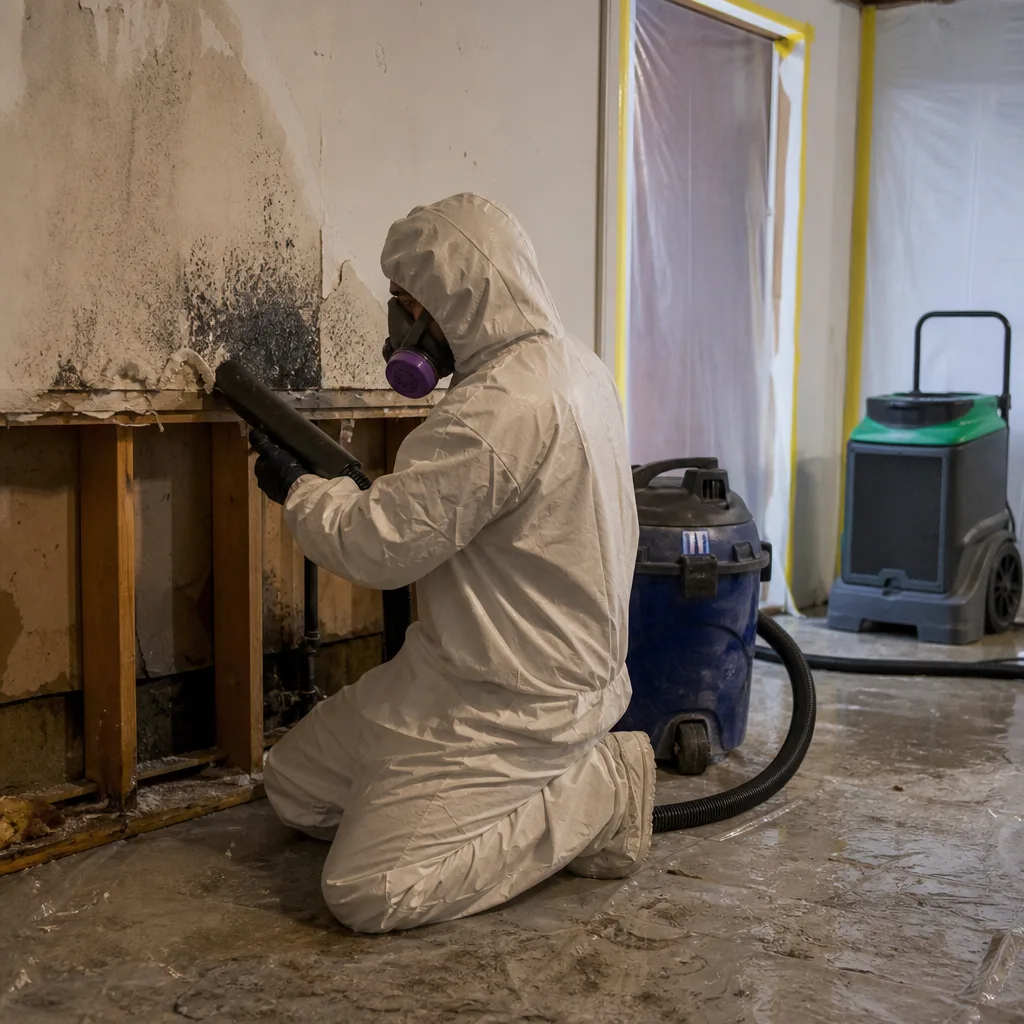
After a storm rips through Upper West Side, the streets are covered in branches, broken glass, and sometimes sections of roofing from taller buildings. For the building owner, debris on a setback roof or a courtyard is a liability and a secondary water-entry hazard. We clear it, haul it, and document it for the claim.
What happens when you call
- 1
A real person answersNo phone trees - you reach a local pro.
- 2
You get an upfront price rangeHonest numbers before anyone is dispatched.
- 3
A background-checked tech heads outLicensed & insured, dispatched right away.
- 4
You approve before work beginsNothing starts until you say go.
Storm & Disaster Restoration Costs in Upper West Side, NY
A straightforward water extraction from a single flooded bathroom in a post-war Upper West Side co-op runs $1,600 to $3,200. A stacked four-unit loss from a burst riser pipe, one with horsehair plaster that has to come out under containment, is $18,000 to $45,000 before we even get to the like-for-like plaster restoration. Flood damage restoration on a top-floor unit with herringbone parquet starts around $5,000 to $9,000 for drying and goes up from there depending on how far the water traveled. Emergency board-up runs $450 to $900 per opening. Roof tarping on a UWS rooftop is $1,200 to $2,800 depending on the size of the breach and access. Debris removal from a setback roof or courtyard, $500 to $2,000. The thing that moves Upper West Side pricing more than anything else: whether the water got behind original plaster or into a pre-war floor assembly. That’s when the scope changes from extraction to structural drying to asbestos testing to preservation-grade restoration. The free inspection tells you which one you’re actually facing.
We Also Serve Cities Near Upper West Side
We run the same crews and the same equipment into Upper West Side neighbors like Financial District, Lower Manhattan, Astoria, and Midtown Manhattan. Same 24/7 answer, same documentation standards, same owner on the phone. If you live across the park or down the West Side Highway, call (201) 740-2235.
Upper West Side Storm & Disaster Restoration Questions, Answered
How do you handle water damage in a pre-war Upper West Side co-op where the board requires like-for-like plaster restoration?
We start by documenting the existing plaster profile before we open anything, then remove only the damaged section and have the replacement cast to match the original crown molding or ceiling detail. Co-op boards get the scope in writing before work starts, and we handle their approval process so you’re not chasing signatures yourself.
What is the typical timeline for drying out a stacked water loss across four floors of a Central Park West limestone tower?
Four to eight days of active drying with daily moisture readings, assuming the water is Category 2 and hasn’t saturated masonry beyond the chase walls. The herringbone parquet in the lower units often needs pack-out and structural drying, which adds five to ten days before refinishing.
Why does a slow radiator vent leak cause a bigger mold problem in Upper West Side buildings than a sudden pipe burst?
Because a sudden burst is visible, so it gets addressed in hours. A leaking radiator air vent weeps into the plaster cavity for months behind intact horsehair plaster, and by the time someone notices bubbling paint or a soft wall, the cavity has been hosting active mold for a long time. That’s a much larger containment and remediation scope than an acute water event.
Can you dry a herringbone parquet floor in place after a failed rooftop drain floods a top-floor unit?
Sometimes. If the water was clean and caught within 24 to 48 hours, we can often dry the floor assembly in place with a combination of air movers, dehumidifiers, and injection drying through the subfloor. If cupping has started or the water sat longer, the parquet gets removed individually, numbered, dried, and re-laid or replaced to match.
What role does asbestos testing play in opening walls during Upper West Side storm damage restoration?
Pre-war building chases often contain asbestos pipe insulation, so any wall opening near those chases requires testing before demolition proceeds. If it comes back positive, we bring in a licensed abatement contractor, isolate the area, and document everything for the co-op board and the insurance carrier. Skipping that step is what turns a drying job into a building violation.
How fast can you actually get to an Upper West Side address?
Inside 45 minutes in most of Upper West Side. Wade answers the phone live, and the crew is on the road while you’re still on the line. For a burst riser in a Riverside Drive co-op, that’s the difference between drying three units and gutting six.
Will insurance cover storm damage restoration in a co-op?
Typically yes, but the policy split matters. The co-op’s master policy usually covers the building envelope and common systems, while your unit owner policy covers finishes and contents. We coordinate with both carriers and the board’s adjuster so you don’t get stuck between two policies that each think the other one is paying.
What should I do in the first 30 minutes after storm water enters my Upper West Side apartment?
Shut off power to the affected area if it’s safe to reach the panel, move what you can off the floor, and call (201) 740-2235. Don’t open wet walls yourself. Don’t wait to see if it dries on its own. Behind pre-war plaster, it won’t.
Serving Upper West Side, NY - Our Local Coverage Area
We’re based in the Upper West Side area and know this community well. Use the map below to see our service coverage - if you’re nearby, we can almost certainly help.
One More Thing About Upper West Side Steam Buildings
In Upper West Side one-pipe steam buildings, radiator air vents corrode and weep seasonally. By the time bubbling paint or soft plaster appears, the cavity behind intact horsehair plaster has often hosted active mold for months. It’s a slow-burn failure mode that catches building managers off-guard and inflates remediation scopes far more than a visible acute leak. That’s why our Storm & Disaster Restoration team doesn’t wait for visible damage to start asking where the water actually is. We test cavities, we check vent lines, and we find the reservoir before it becomes a building-wide issue.
Written by Wade Ferris, Owner at Wade’s Restoration, serving Upper West Side storm and disaster restoration since 2007.