
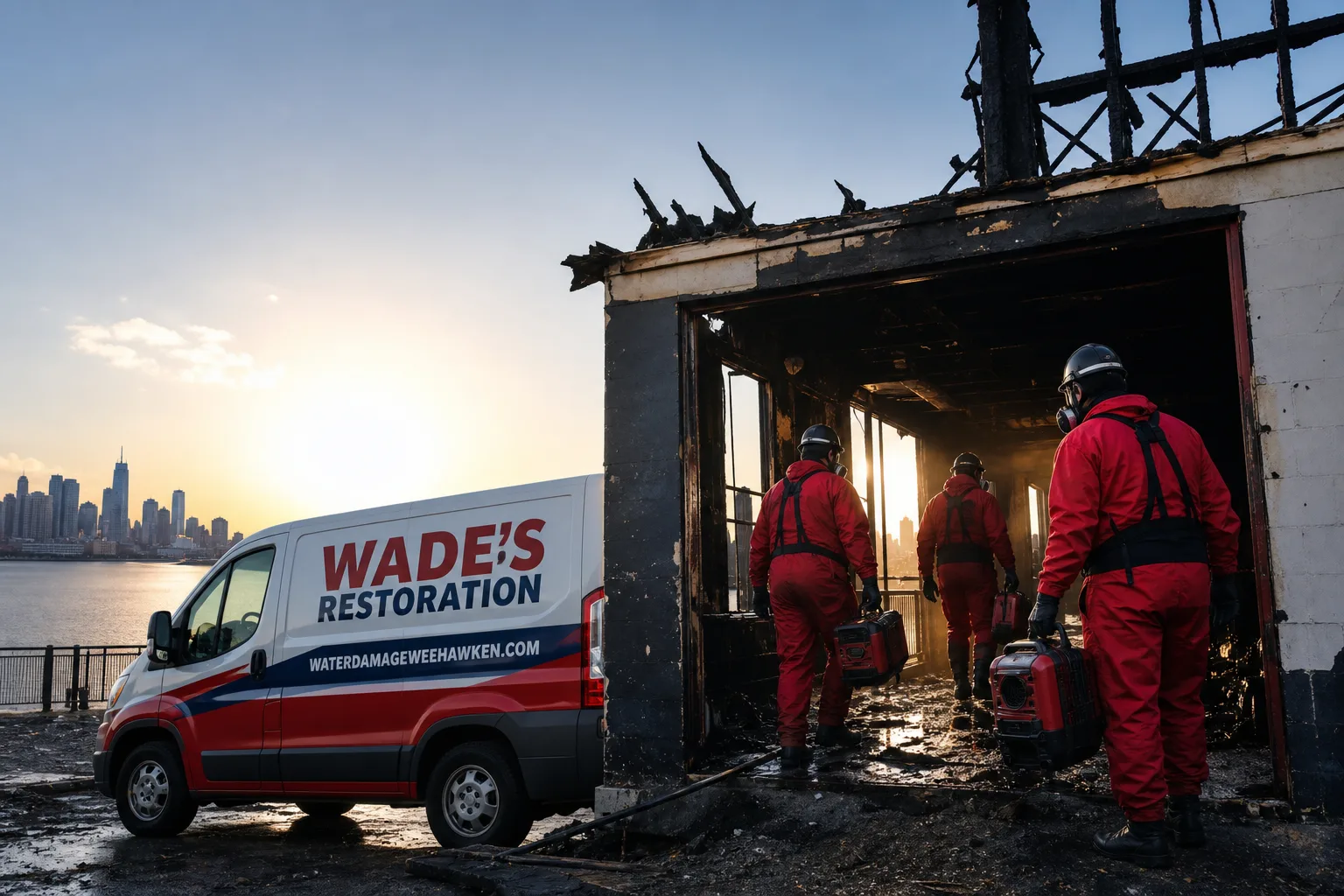
Free visual inspection and a written scope of work before any mitigation begins - photos, moisture readings, and drying logs go in your claim file
The scope we write is the scope we bill. Anything new gets shown to you, in writing, before we touch it.
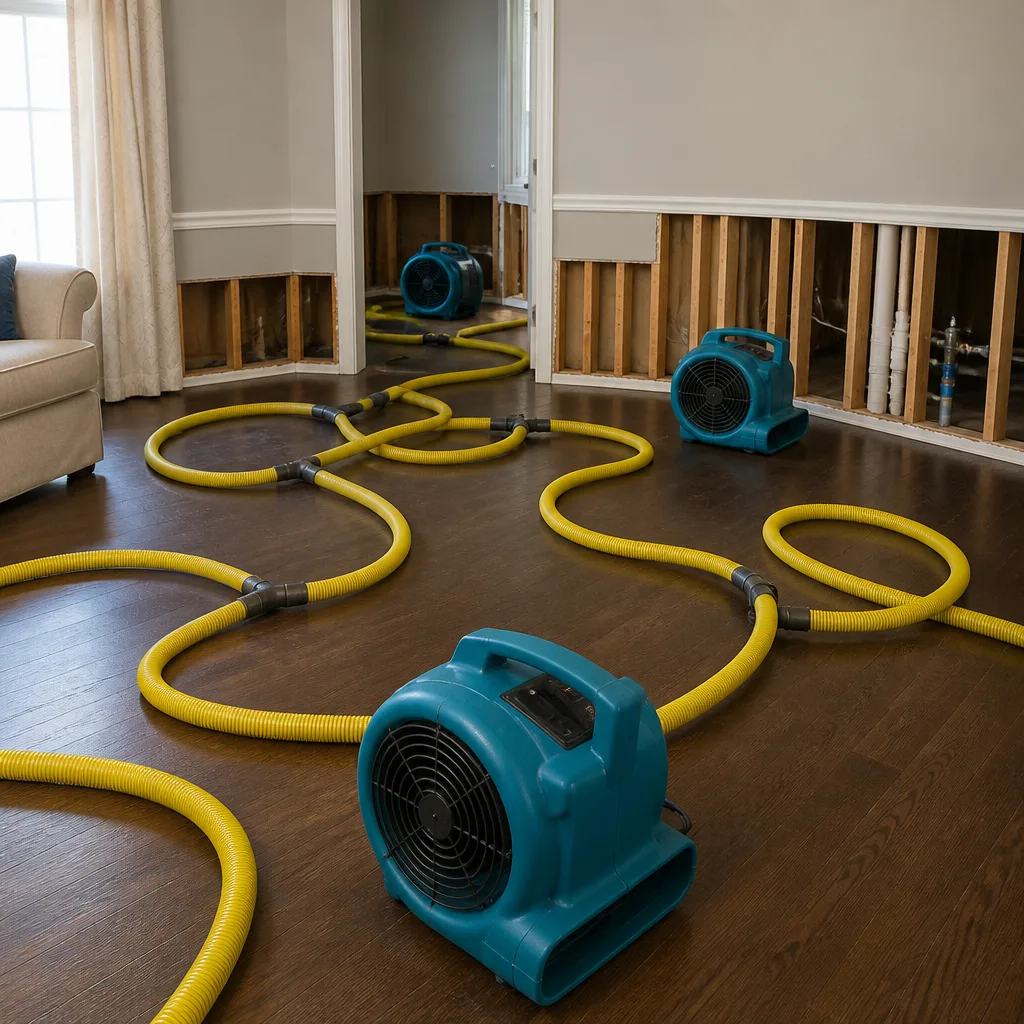
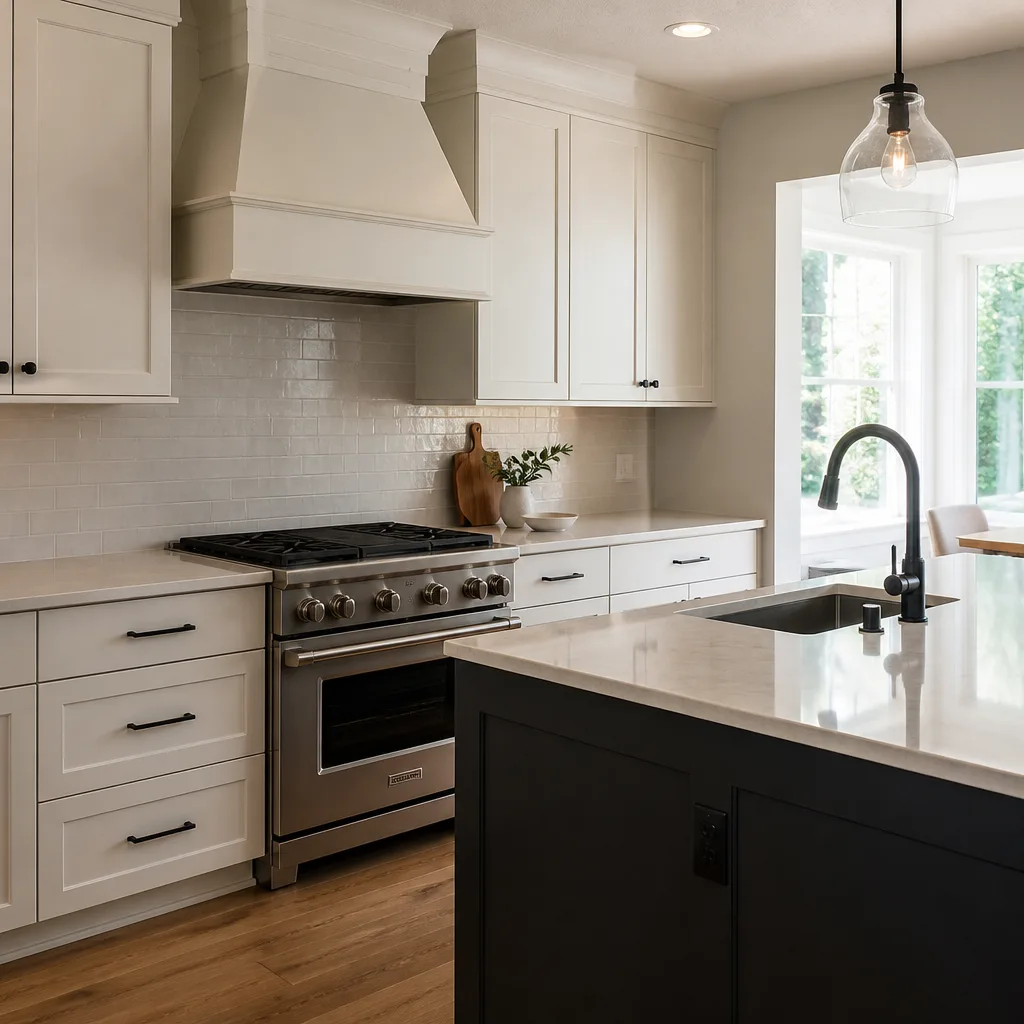
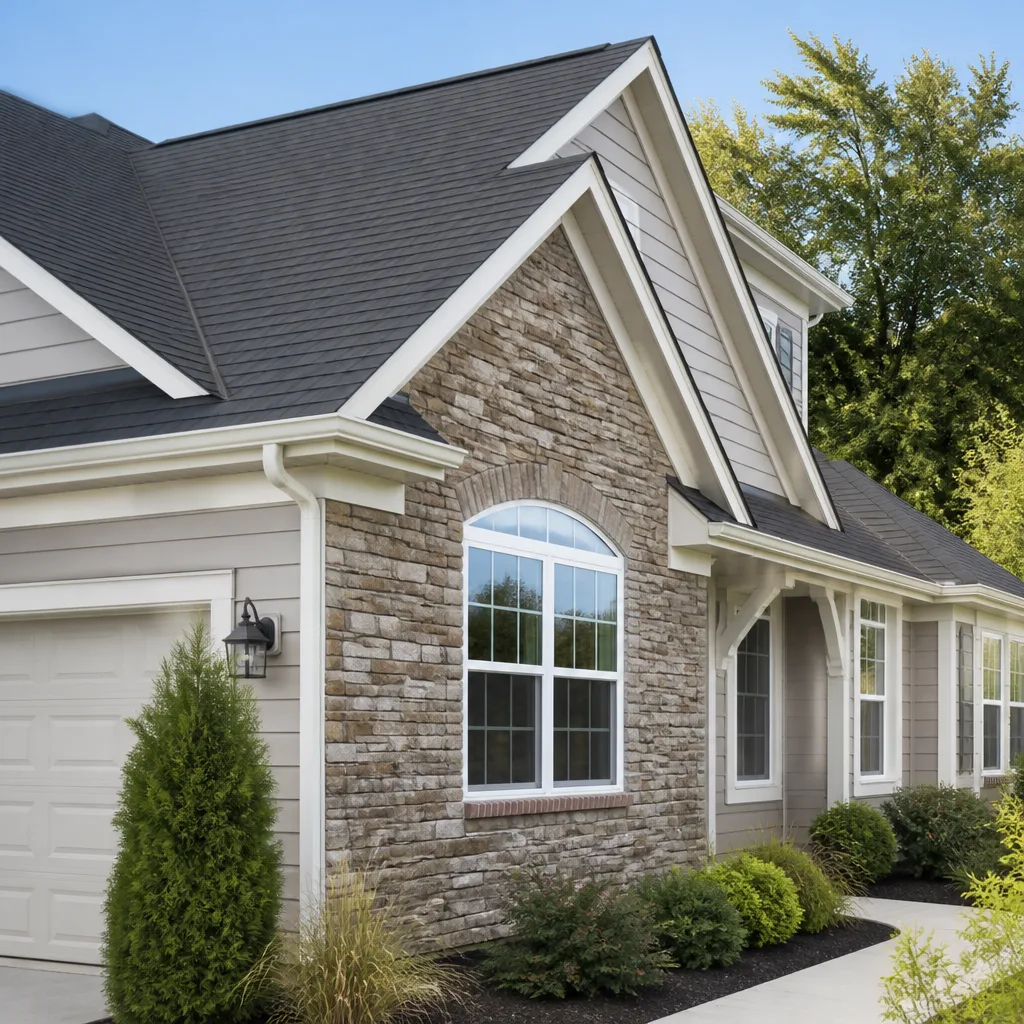
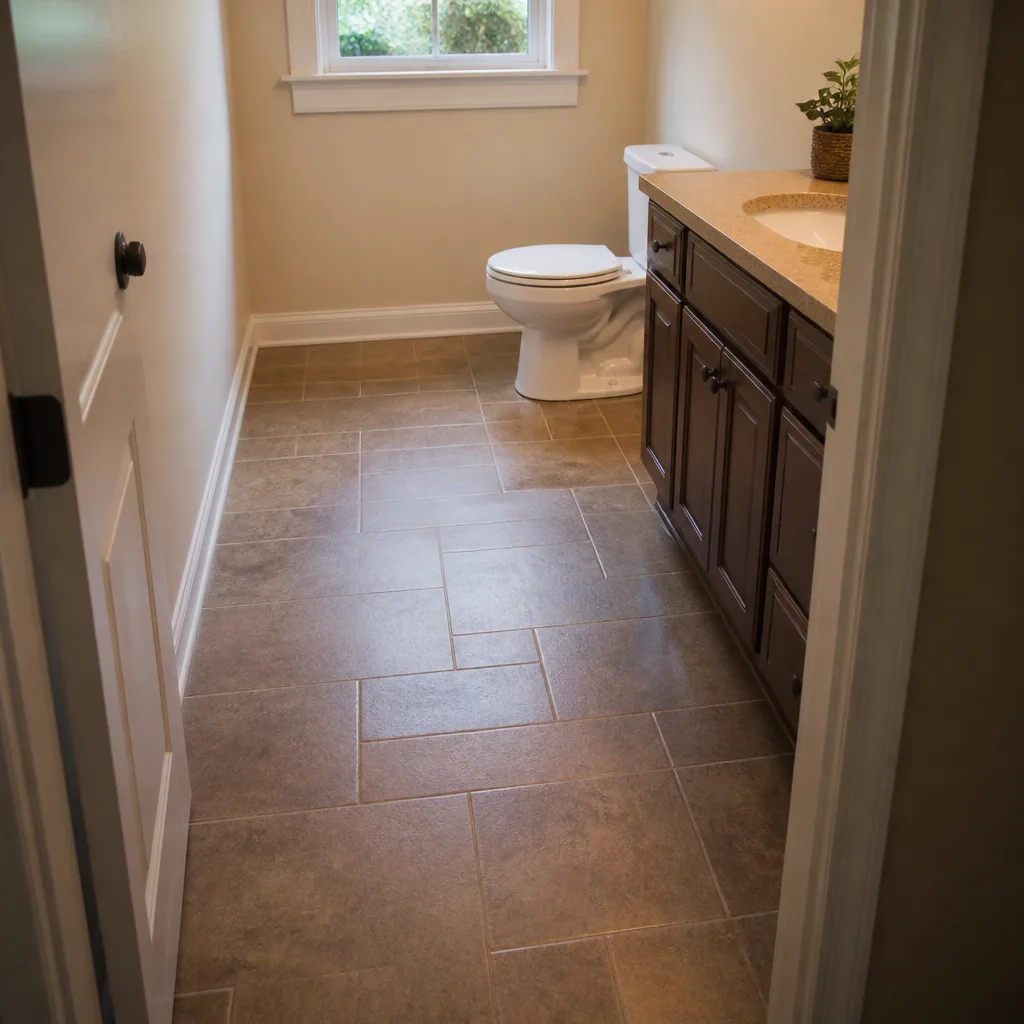
 Before
 After
After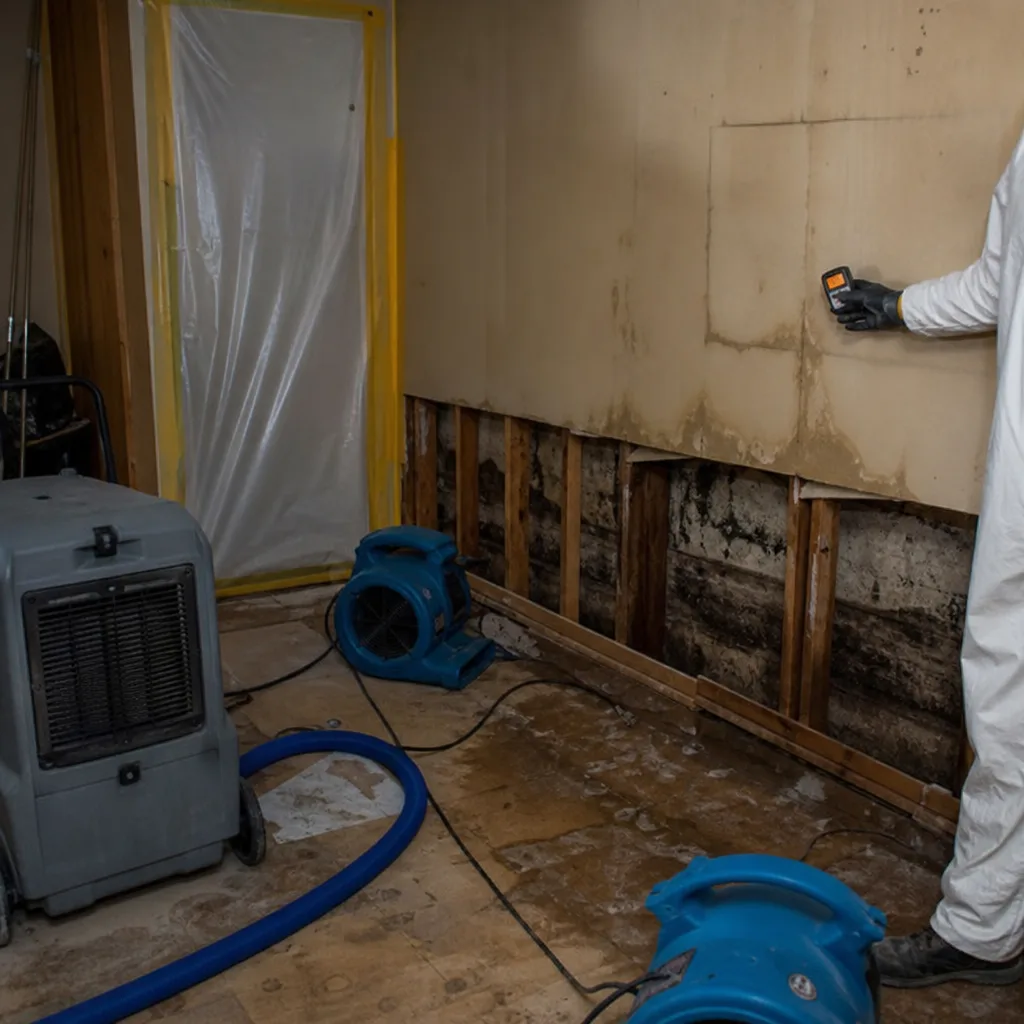 Before
 After
After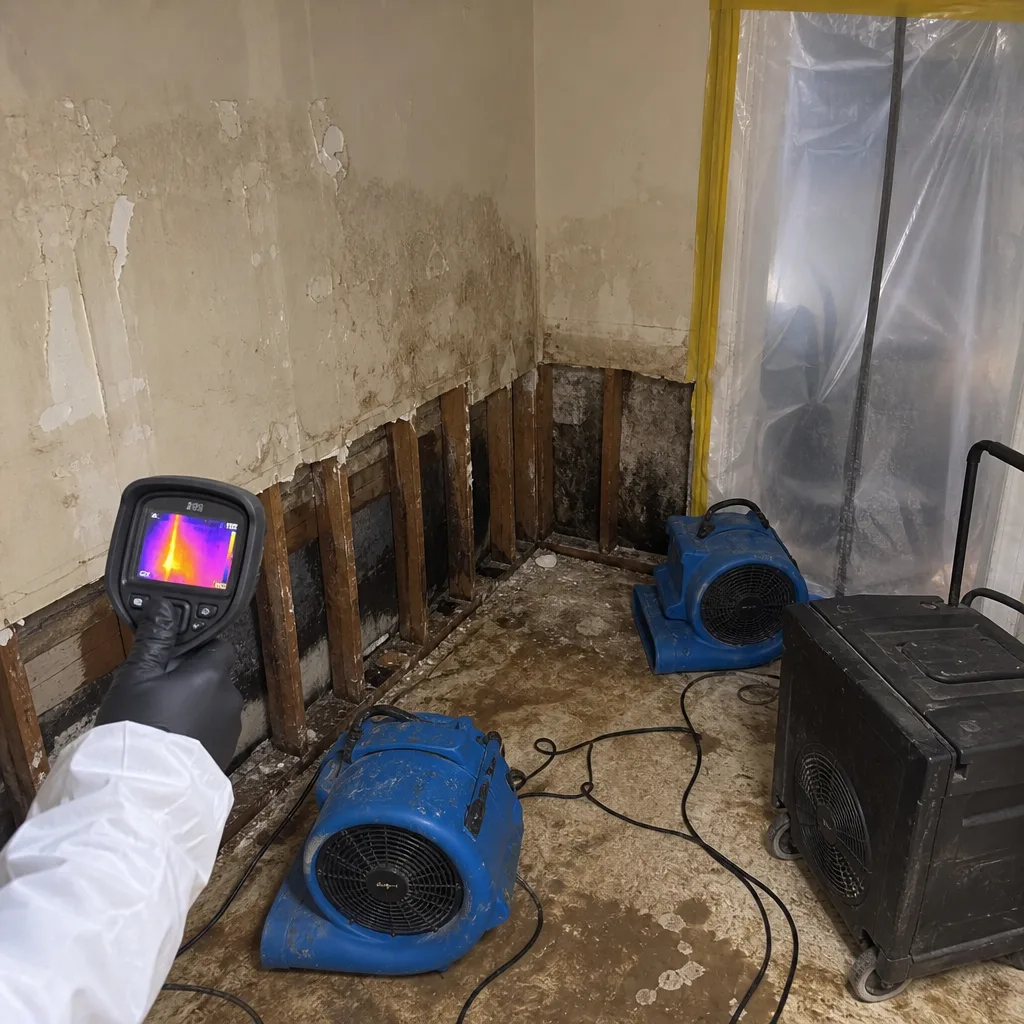 Before
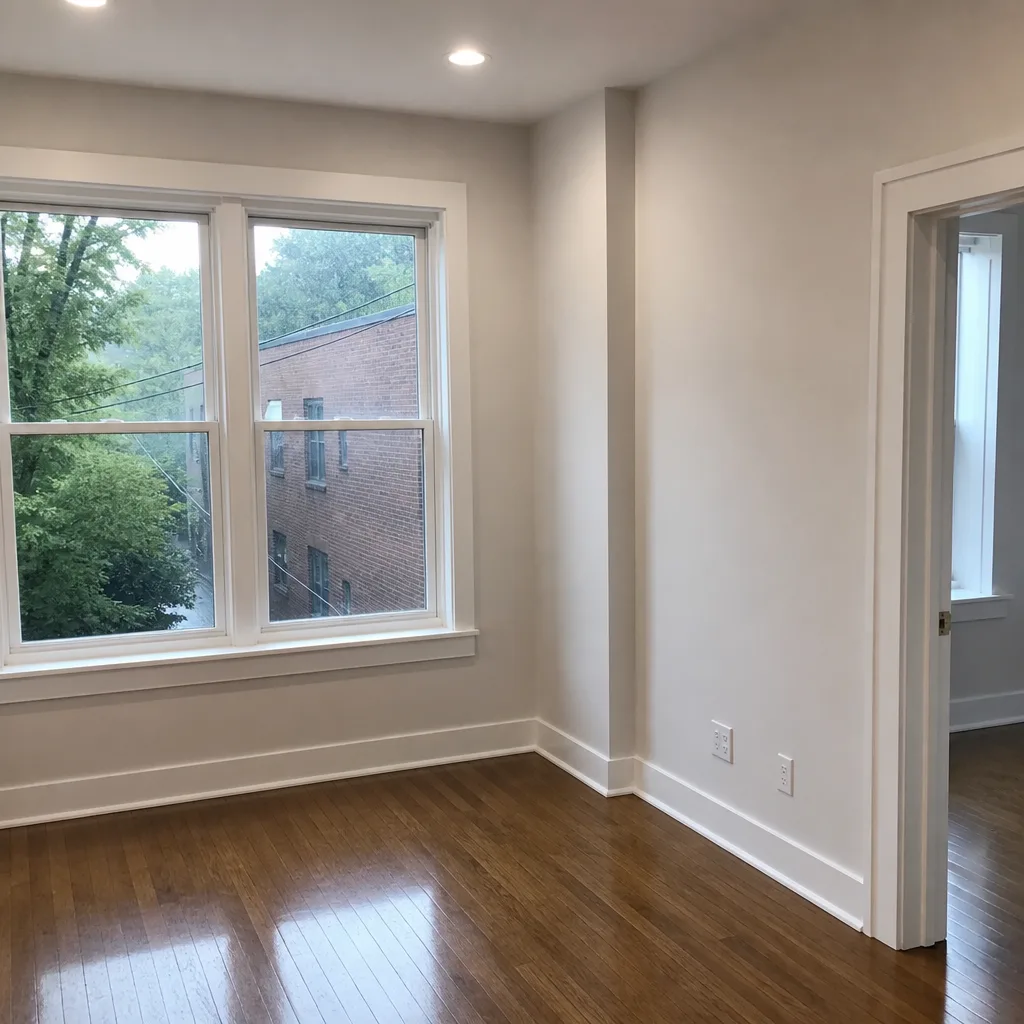 After
After24/7 Emergency Mold Remediation in Astoria
Mold grows fast in Astoria’s attached brick rowhouses and garden-level apartments, especially after a sewer backup or a burst pipe behind a shared wall. Within 24 to 48 hours of water sitting in a dark, warm cavity, spores colonize drywall, framing, and flooring. If you can see mold or smell that musty, earthy odor in a basement unit on 30th Avenue or a top-floor apartment off Broadway, call (201) 740-2235 and Wade Ferris answers. A live person, day or night. Wade heads out himself, because the sooner we set containment and start pulling moisture out, the less this costs you and the less chance the mold jumps to the neighbor’s side of the party wall.
Understanding Mold Remediation Severity in Astoria Properties
Astoria’s building stock changes how mold behaves. The dense grid of pre-war brick rowhouses, two- and three-family homes, and six-story apartment buildings built mostly between the 1920s and 1950s share walls, floors, and often sewer laterals. Water damage never stays in one unit. A slow leak from a cast-iron drain stack on the third floor migrates down through stacked floor assemblies and shows up as mold on a second-floor bathroom ceiling. In garden-level units, the problem is worse. Those below-grade apartments sit against damp foundation walls with poor ventilation through bulkheads and alley-facing vents. Ambient humidity off the East River at Hell Gate pushes indoor relative humidity past 70% for weeks in summer. Mold doesn’t need a visible flood here. It needs a sweaty cold-water pipe, a failed parapet seam on a flat roof, or a shared drain lateral that backs up during a heavy rain event. Remediation in Astoria means treating the source, the affected cavities, and often the neighboring units on either side of the wall.
Why Astoria Property Owners Choose Wade’s Restoration
- Wade answers his own phone. No voicemail, no answering service. You call (201) 740-2235 and Wade Ferris picks up, 24 hours a day. If he’s already on a job, he calls you back within minutes.
- He is on the road fast. Wade’s team starts moving the moment you hang up. For an active water event feeding mold, we target 45 minutes to arrival in Astoria. For an inspection, we schedule at your earliest window.
- IICRC-certified crews run the work. Wade’s crew holds IICRC certifications in Water Damage Restoration (WRT), Applied Microbial Remediation (AMRT), and Fire & Smoke Restoration (FSRT). You get trained people, not day labor.
- Free visual inspection, then a written scope. Before any work starts, Wade walks the property with you, explains what he sees, and puts a line-item scope in writing. No charge for the inspection inside the county.
- Direct insurance billing and adjuster coordination. Wade talks to your carrier directly. You are not stuck relaying messages between an adjuster and a contractor. He sends photos, moisture logs, and a clean estimate straight to the desk.
- One team from containment to reconstruction. The same crew that sets up the HEPA scrubbers is the crew that rebuilds the wall. Nobody gets handed off to a subcontractor you’ve never met.
Our Mold Remediation Process
Inspection & Assessment
Wade starts with a visual walkthrough and moisture mapping of the affected areas. We use thermal imaging and hygrometers to find water trapped in wall cavities, under flooring, and behind baseboards. For suspected hidden mold, we recommend third-party testing and provide the scope for it.
Containment & Source Control
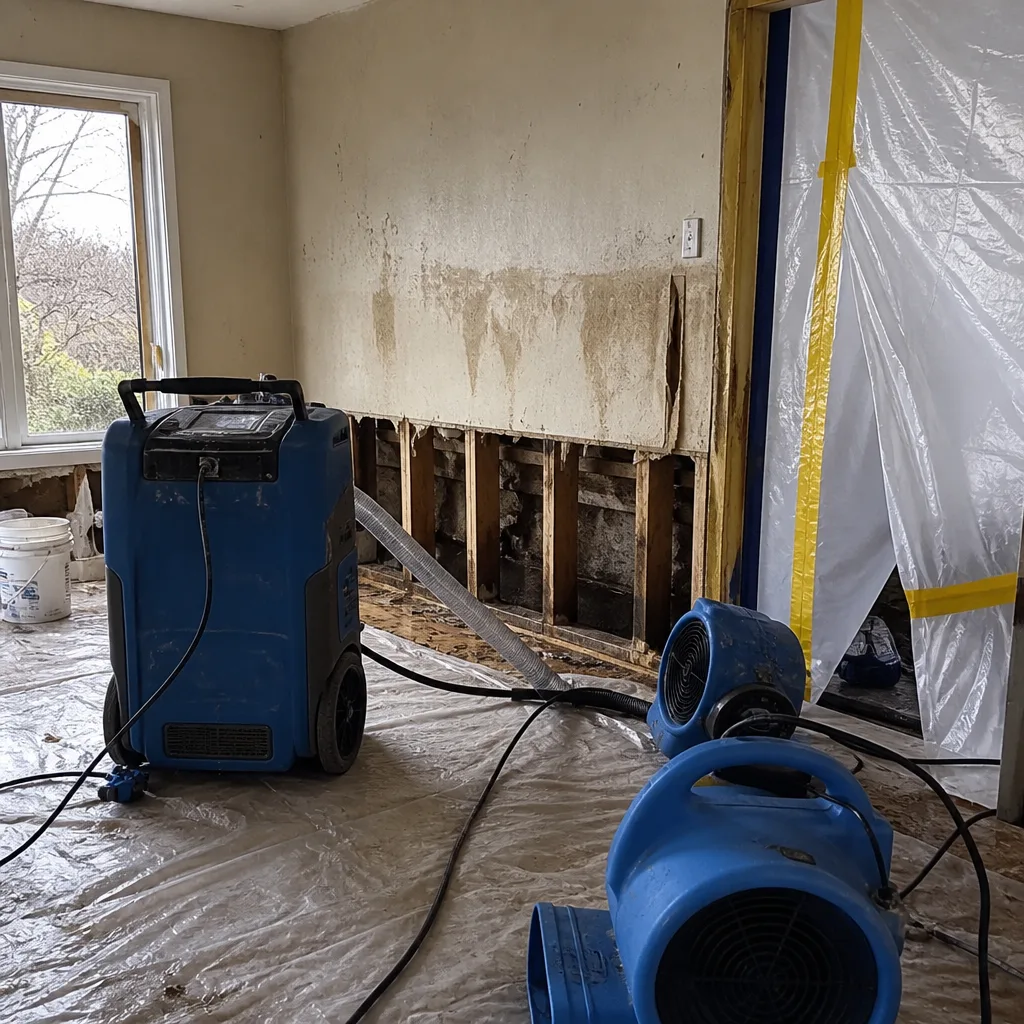
Before we touch visible mold, we seal off the work area with 6-mil polyethylene and run HEPA air scrubbers to create negative air pressure. This prevents spores from spreading through the rest of the unit or into the neighbor’s side of the shared wall.
Drying & Dehumidification
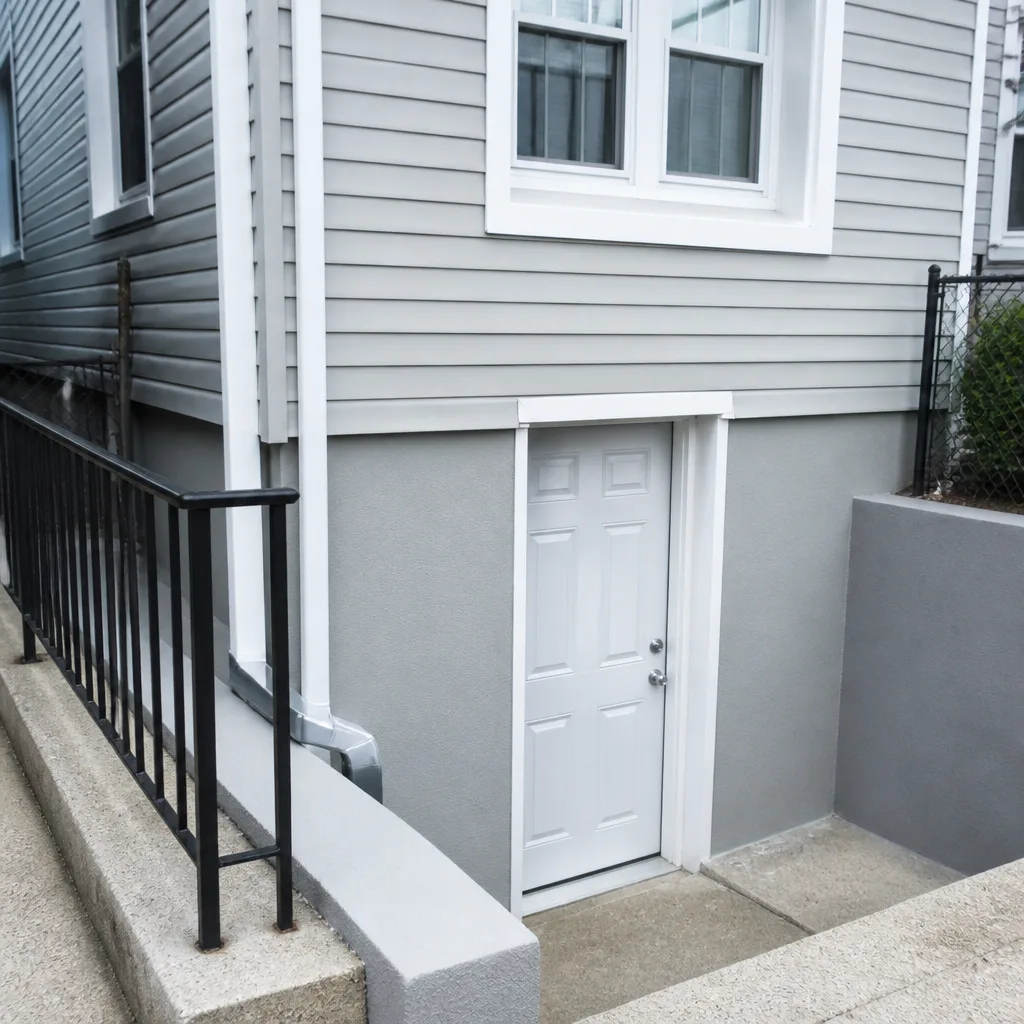
We pull standing water with extraction units, then place Dri-Eaz and Phoenix dehumidifiers plus XPOWER air movers to dry framing, flooring, and wall cavities. In a garden-level Astoria unit, we seal bulkhead vents and alley openings so humid outdoor air doesn’t keep feeding the space.
Cleaning & Sanitization
Affected drywall, insulation, and porous materials are cut out and bagged for disposal. We treat remaining framing and surfaces with an antimicrobial agent, HEPA-vacuum all horizontal surfaces, and wipe down the entire contained area.
Air Quality Restoration
We keep air scrubbers running through clearance. Before we tear down containment, we verify with particle counters that airborne spore counts have dropped to normal background levels for your building.
Repairs & Restoration
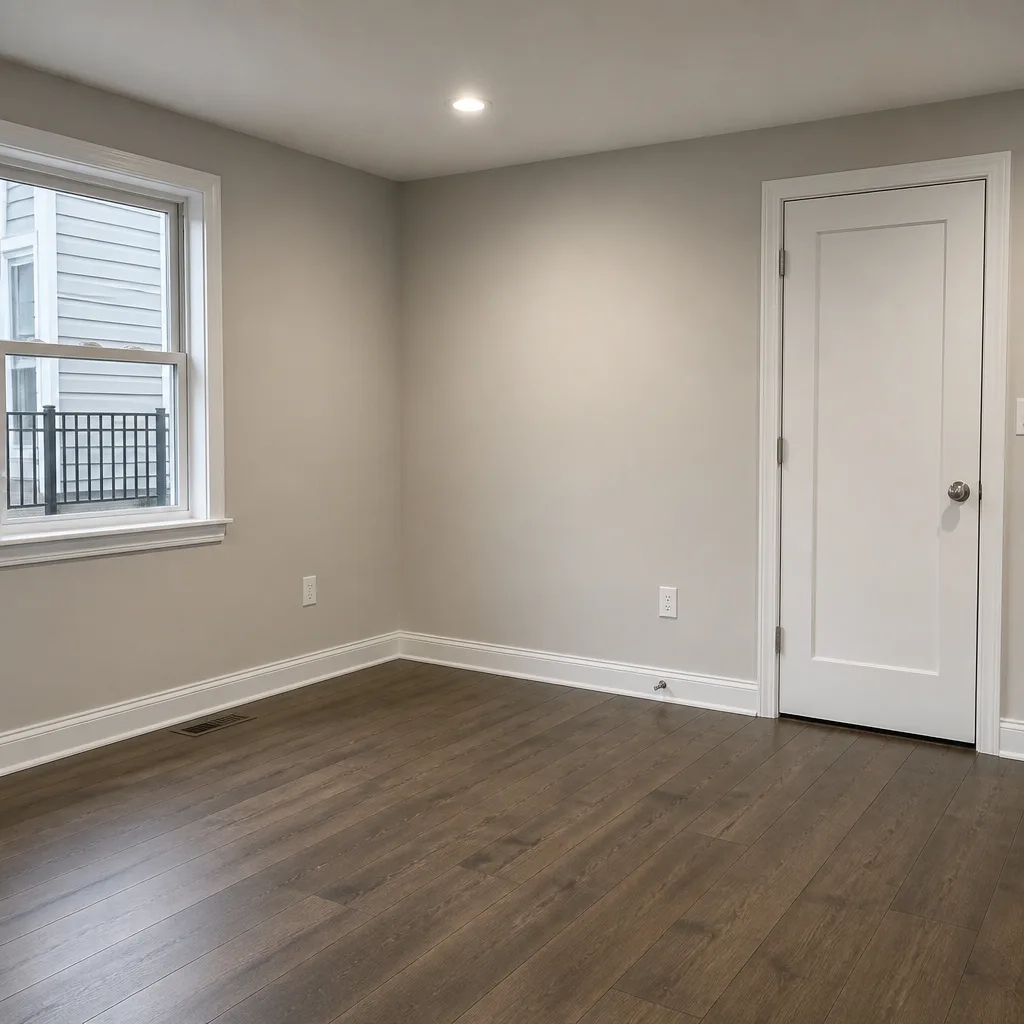
Once the space is dry and verified clean, Wade’s crew rebuilds. New drywall, insulation, trim, paint. The same people who did the remediation do the reconstruction, so nobody is blaming someone else if a seam doesn’t match.
Need Emergency Mold Remediation in Astoria Now?
Crews minutes away, answering live 24 hours a day. The sooner we start, the less it costs.
Working With Your Insurance Company
Mold claims move differently in Astoria because so many properties are multi-unit rentals. If the loss involves two or more units, the insurance picture gets complicated fast: one landlord’s policy, another landlord’s policy, a tenant’s renters policy, and possibly an NYC Housing Court case if tenants are displaced. Wade’s Restoration has handled enough of these to know exactly what each carrier needs. We document from the first hour: photos of every affected room before demolition, moisture readings on both sides of shared walls, and a line-item scope that separates remediation from reconstruction. Wade talks to your adjuster directly, sends the documentation straight over, and follows up until the claim moves.
What We Provide Your Insurer
- Thorough documentation of the loss
- Photos of all damage, room by room
- Moisture readings and drying logs
- A detailed, line-item scope of work
- Direct coordination with your carrier
Built for Astoria’s Loss Calendar
Astoria’s mold season doesn’t follow a simple calendar. January and February bring deep freezes that burst supply lines in unheated crawl spaces and along exterior walls in pre-war buildings with uninsulated framing. Spring thaw pushes groundwater against garden-level foundation walls already holding a winter’s worth of trapped moisture. Summer thunderstorms overwhelm the combined sewer system; when the storm drains can’t keep up, raw sewage backs into basement floor drains across blocks between 31st Street and the East River. Nor’easters and tropical systems push storm surge into waterfront blocks in the FEMA Special Flood Hazard Area around Hell Gate. Every one of those events leaves behind exactly what mold needs: wet organic material, warm temperatures, and a building envelope that holds moisture against shared walls. We plan our Astoria work around this calendar, and we know which blocks flood first when a cloudburst sits over the BQE.
Mold Remediation Across Astoria’s Neighborhoods
The blocks between 31st Street and the East River, down by Astoria Park and the Ralph DeMarco Park shoreline, are where we see storm-surge and sewer-backup mold most often. Those waterfront blocks sit low, and the combined sewer mains under Vernon Boulevard and 21st Street back up quickly during heavy rain. Garden-level units on 30th Drive, 28th Avenue, and Shore Boulevard take the worst of it.
Up along Ditmars Boulevard and 21st Avenue, near Astoria-Ditmars Boulevard station, the housing shifts to brick rowhouses and semi-detached two-family homes with basements that were converted into rental units decades ago. Those basements have ground-level bulkheads facing narrow alleys, which pull in humid air all summer. We see chronic black mold on the walls and ceilings of those garden apartments, even without a flood. The source is almost always a lack of ventilation and a sweating cast-iron drain stack.
Over by Steinway Street and the blocks around 30th Avenue, the predominant buildings are six-story pre-war apartment buildings with flat roofs. When a parapet seam fails or a roof drain clogged with leaves backs up, water travels straight down through the building. By the time the ceiling stain shows up in a fourth-floor unit, the mold is already in three walls.
And in the blocks around Broadway, from the 30th Avenue corridor down to 36th Avenue, the mix of old frame rowhouses and renovated multifamily buildings means different construction methods on the same block. We adapt containment setups accordingly, because a balloon-framed rowhouse with continuous stud cavities from basement to attic moves moisture differently than a brick-and-block building with fire-stopped floors.
Specialized Mold Remediation Services We Offer in Astoria
Mold Inspection & Testing
Wade’s crew starts every
mold job with a visual inspection and moisture mapping. When you need third-party lab testing, we coordinate the sampling, send it to a certified lab, and give you a written report. We test when the mold is hidden, when tenants are involved, and when an insurance carrier needs proof of the spore type before approving the claim. In Astoria, where a claim often touches two or three insurance policies at once, that paper trail matters.
Mold Removal
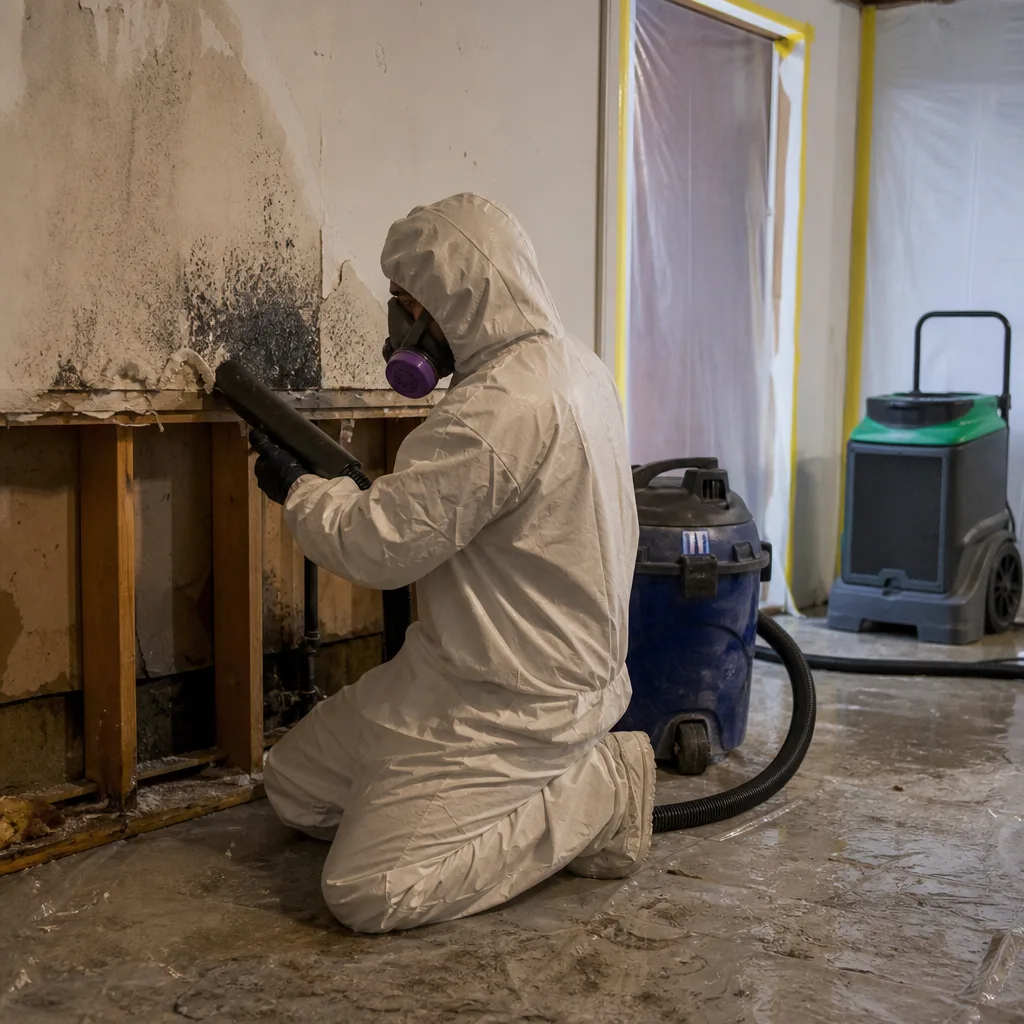
Removing mold from drywall and framing in an Astoria basement apartment means working in tight clearances around boilers, water heaters, and gas meters that were installed when the basement was a laundry room, not a rental unit. If the job involves trauma or hazardous material, we also provide Biohazard & Crime Scene Cleanup - Astoria services with the same containment standards. We cut out the affected material, bag it for regulated disposal, and HEPA-vac the entire contained area. You get a clean, dry, documentable result.
Black Mold Remediation
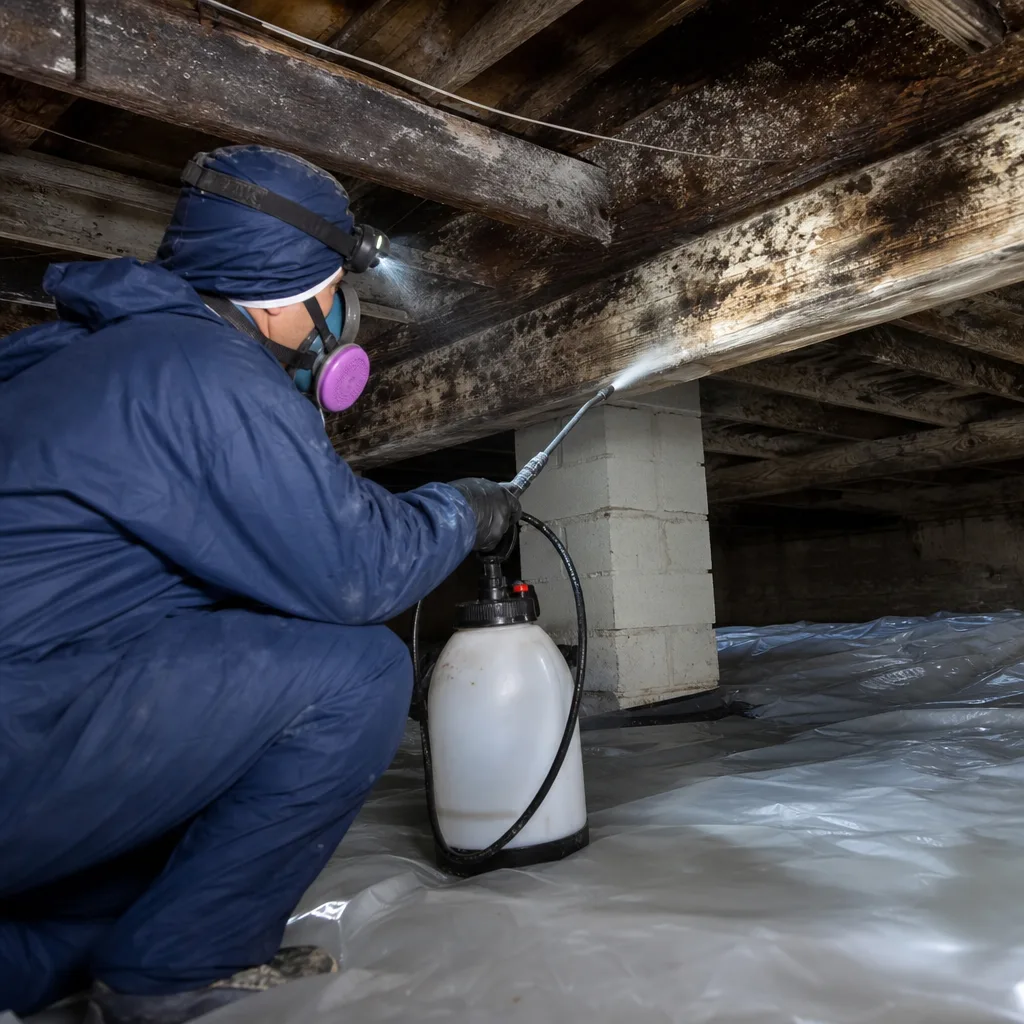
Stachybotrys chartarum, the mold people mean when they say “black mold,” grows on materials that have been wet for a week or longer. In Astoria’s garden-level units and behind shared party walls, those conditions happen after a slow leak, a backed-up drain, or a summer of high humidity. After any Astoria Storm & Disaster Restoration event, we check these spaces for hidden moisture that can trigger growth. We treat it with full containment, negative air pressure, and removal of all contaminated porous material. You don’t paint over it. You cut it out. We log the removal so you have evidence if a tenant or buyer asks.
Air Quality Restoration
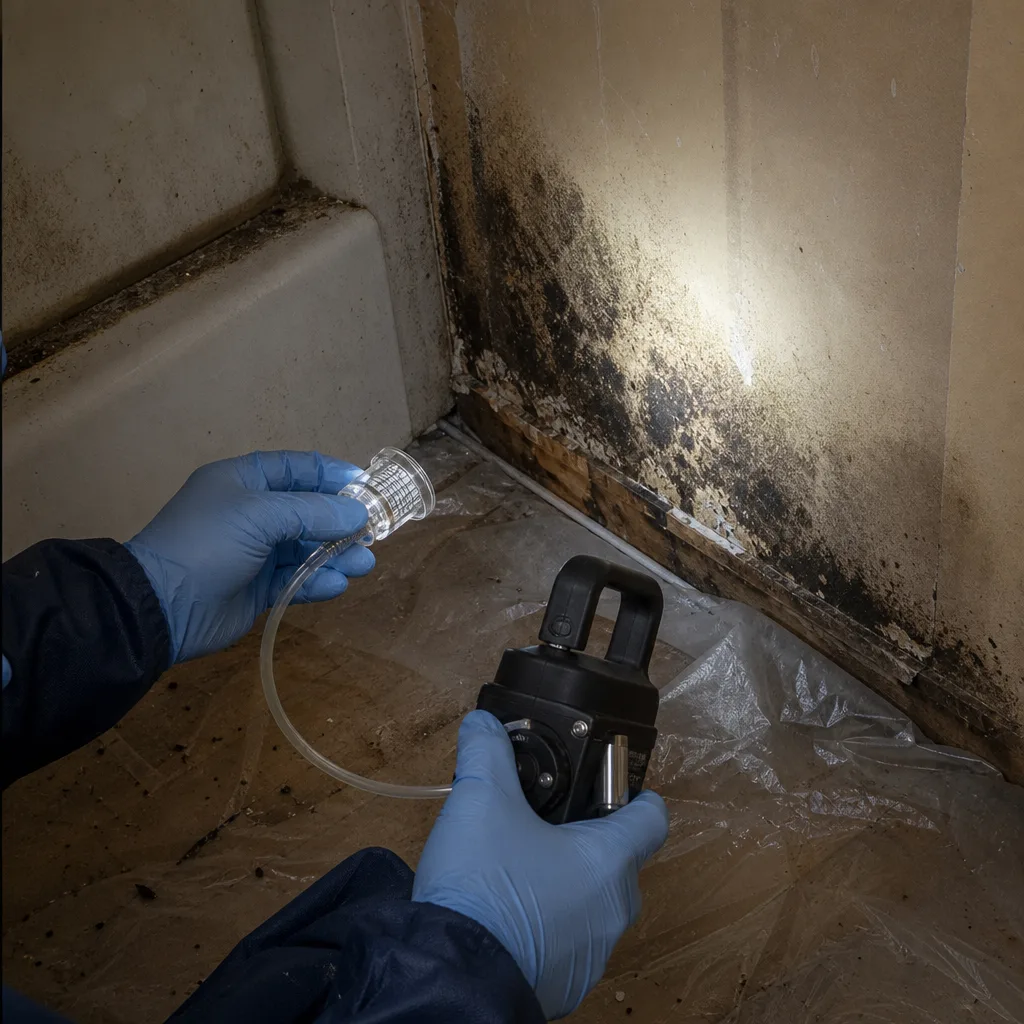
After we remove the contaminated material and dry the framing, we run HEPA air scrubbers until post-remediation verification shows airborne particle counts back to normal for a building like yours. In a pre-war Astoria apartment, “normal” means something different than in a suburban house, because the building itself holds decades of dust. We compare your readings to the baseline from the clean rooms in your unit, not to some national average.
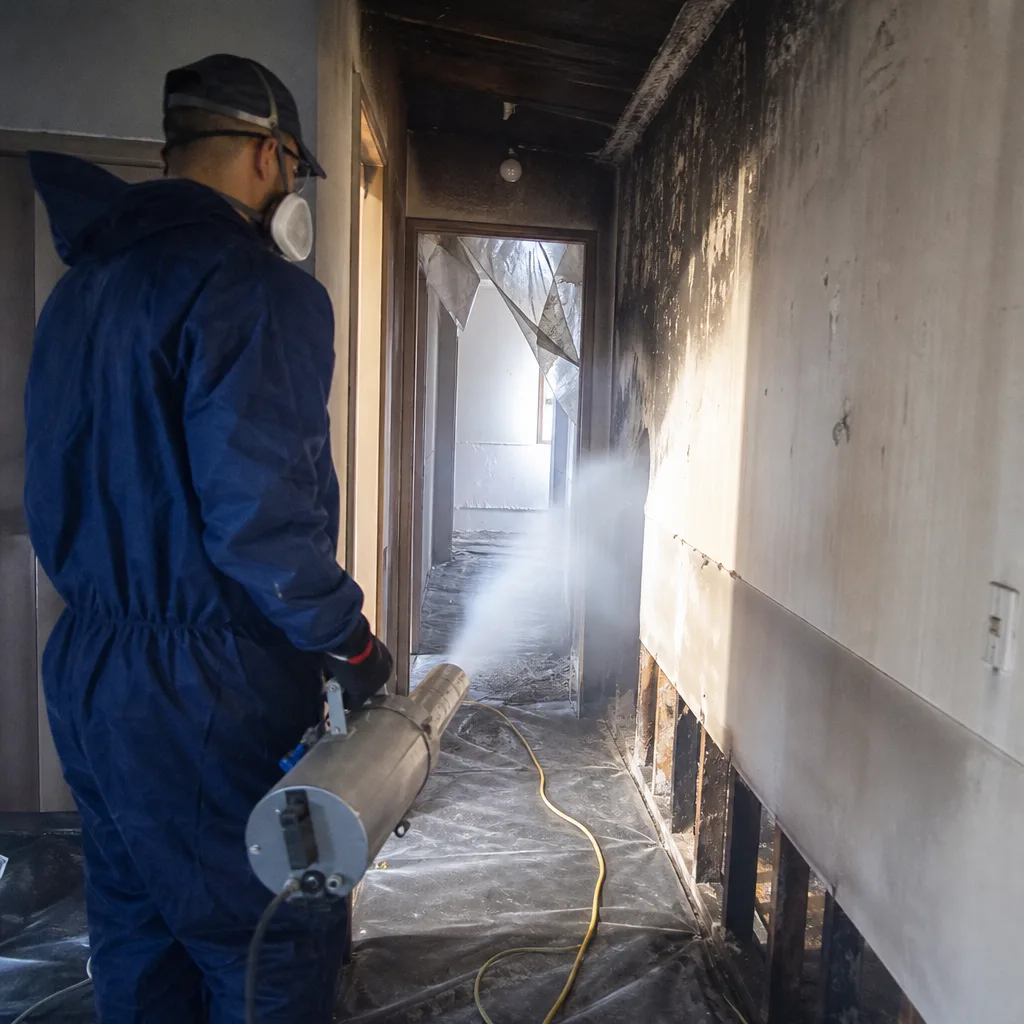
Crawl Space Treatment
Crawl spaces in Astoria rowhouses are shallow, often less than 24 inches in clear height, and they connect directly to the basement of the adjoining house through gaps in the foundation wall. Moisture and mold travel those gaps. We lay vapor barriers, seal rim joists, and install dehumidifiers sized for the square footage of the crawl plus the connected basement. If the neighbor’s crawl is wet, we tell you, because treating only your side is a half-fix.
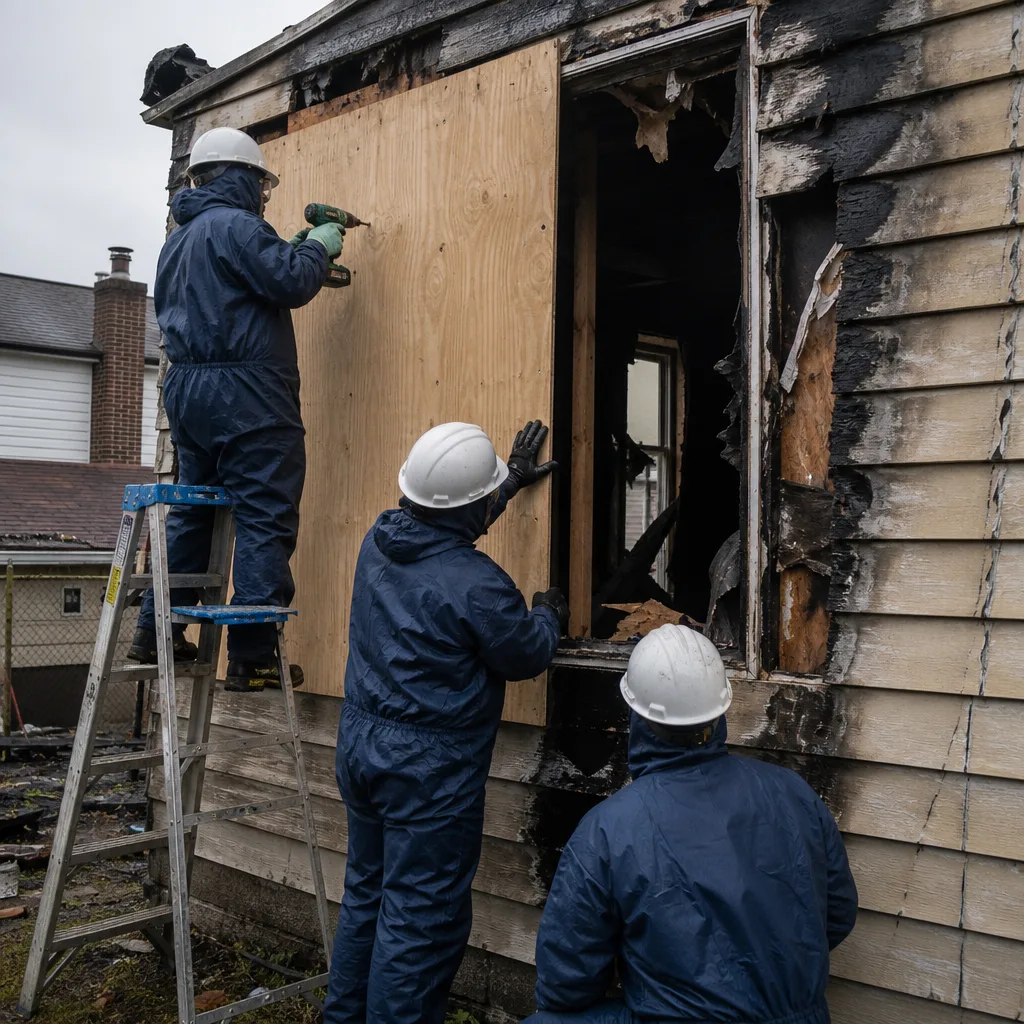
Moisture & Humidity Control
In Astoria, mold remediation without humidity control is a warranty problem waiting to happen. We install and service whole-unit dehumidifiers, exhaust fans for bulkhead and alley-facing vents, and drainage improvements for garden-level sumps. We also give you a moisture log at the end of the job so you can show an inspector, a buyer, or an insurance carrier exactly where the numbers were on day one and where they were on the final day.
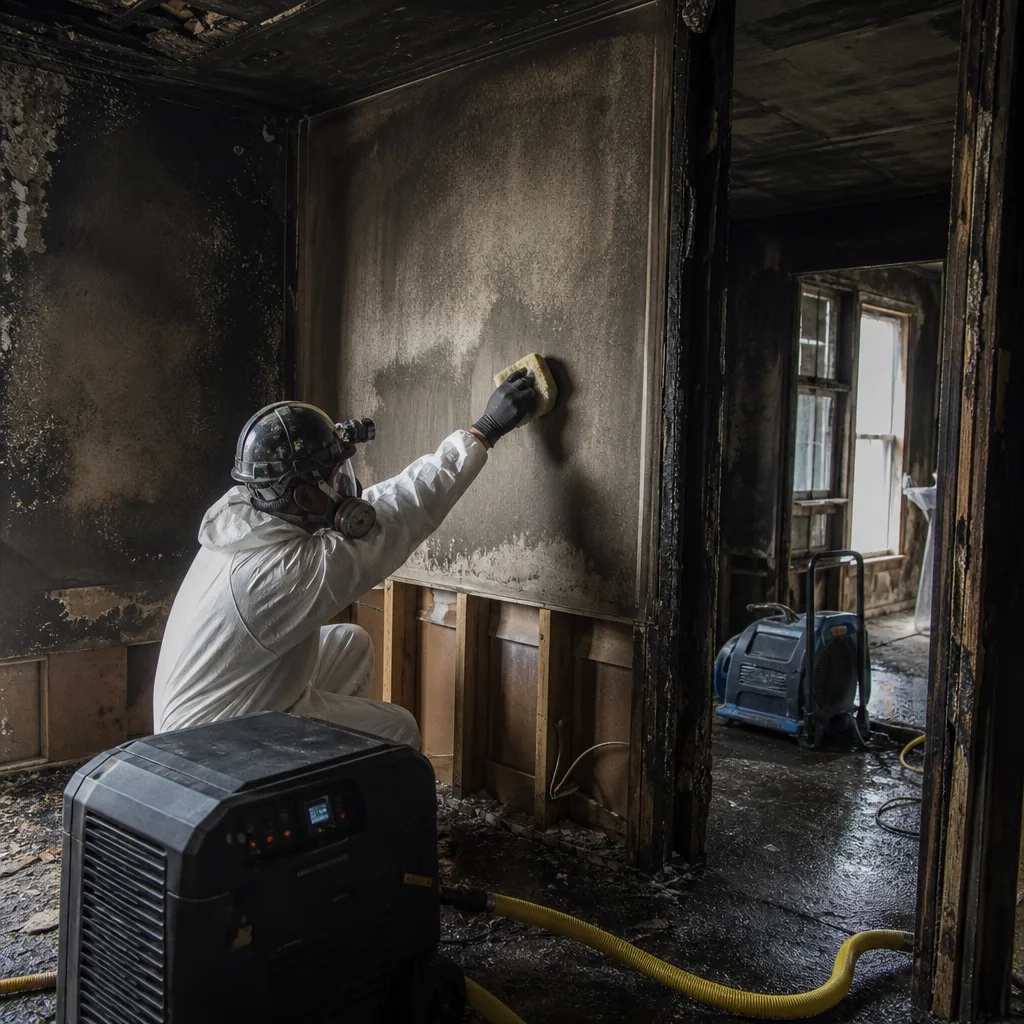
What happens when you call
- 1
A real person answersNo phone trees - you reach a local pro.
- 2
You get an upfront price rangeHonest numbers before anyone is dispatched.
- 3
A background-checked tech heads outLicensed & insured, dispatched right away.
- 4
You approve before work beginsNothing starts until you say go.
Mold Remediation Costs in Astoria, NY
A visual mold inspection and moisture mapping in Astoria typically runs $150 to $350, and we don’t charge for it inside the county. Small containment and removal jobs in a single bathroom or closet generally land between $800 and $1,800. A full garden-level apartment remediation with containment, demolition, drying, antimicrobial treatment, and air scrubbing usually runs $3,500 to $8,000 depending on square footage, how much drywall and flooring comes out, and whether pack-out of tenant belongings is required. Multi-unit remediations, where three or four basement apartments share one sewer lateral, can run $12,000 to $30,000 or more. What moves the price: hidden mold behind walls, the need for third-party testing, whether asbestos abatement is triggered on older pipe insulation, and how much of the finished space we have to rebuild. Insurance covers a lot of this, but not always. When it doesn’t, Wade shows you the line items before work starts, and the 10% Senior & Veteran discount applies to every job, always. Call (201) 740-2235 for an exact quote, we’ll walk the property and put it in writing.
We Also Serve Cities Near Astoria
Wade’s Restoration runs crews daily into Astoria and the surrounding neighborhoods. If you’re a property owner or landlord in Long Island City or anywhere within a quick drive over the 59th Street Bridge, we’ll head out the same day. Call and Wade will tell you when he can be at your door.
Serving Astoria, NY - Our Local Coverage Area
We’re based in the Astoria area and know this community well. Use the map below to see our service coverage - if you’re nearby, we can almost certainly help.
Astoria Mold Remediation Questions, Answered
How fast can mold start growing in an Astoria basement apartment after a sewer backup from the combined sewer system?
Mold starts growing within 24 to 48 hours of a sewer backup if the water sits on drywall, carpet padding, or wood framing. In a garden-level Astoria unit, the timeline is often faster because the space is already humid. If you had a backup, call us the same day. We extract the water, set dehumidifiers, and treat the affected surfaces before spores colonize.
Do you need to coordinate with neighbors when removing mold from a shared party wall in a pre-war rowhouse?
Yes, and that’s exactly what we do. If the moisture or mold has migrated through a shared wall, we need access to the neighbor’s side to treat it fully. Wade’s Restoration documents both sides, coordinates with the other owner or landlord, and provides moisture logs so everyone sees the same numbers. Treating only one side means you’re back in six weeks. Call (201) 740-2235 and Wade will explain what your specific party wall situation requires.
What makes Astoria’s garden-level apartments more prone to black mold than units above grade?
Garden-level apartments sit partially below grade, with foundation walls that stay cold and damp. The grade around the building doesn’t drain well, and all that water vapor moves through the concrete. Add poor ventilation through alley-facing bulkheads and shared sewer laterals that back up during storms, and you get exactly the conditions Stachybotrys needs: prolonged wetness on organic material in a dark, still space.
How do you handle mold removal in Astoria buildings with rent-stabilized tenants when multiple units are affected?
We document everything as if it will end up in an NYC Housing Court file. Each affected unit gets its own moisture log, photos, scope of work, and drying chart. We coordinate with the landlord on tenant relocation timelines, pack-out of belongings, and what gets rebuilt versus what gets replaced. Wade’s Restoration knows the paperwork landlords need for rent-stabilized lease obligations, and we provide it without being asked.
Why does a backed-up floor drain in one Astoria basement often mean mold in four or five apartments at once?
Because those buildings were built with shared drain laterals. The 1930s-era sewer lines from adjacent buildings tie into the same combined sewer connection under the alley. When that shared lateral clogs, water backs up into every basement connected to it simultaneously. We’ve been on 30th Drive near the river where one nor’easter flooded four adjoining garden units through one drain. We treat every unit as part of one loss, not four separate small jobs.
How fast can Wade’s Restoration actually get to my Astoria apartment?
If you have active water feeding mold growth, Wade’s team targets 45 minutes to arrive in Astoria. He answers the phone himself at (201) 740-2235, and if he’s already on a job nearby, he’ll tell you exactly when he can be at your door. For a scheduled inspection, we work around your availability, including evenings and weekends.
Will my insurance cover mold remediation in Astoria?
It depends on your policy and the source of the water. Most policies cover mold remediation when it results from a covered water event like a burst pipe or a sewer backup. If it’s a slow leak that’s been active for months, they may deny the mold portion. Wade’s Restoration will talk to your adjuster directly and document the loss from day one so the claim has the best chance of approval.
Can I stay in my Astoria apartment while mold is being removed?
If the affected area is fully contained under negative air pressure, you can usually stay in the rest of the apartment. But in some pre-war buildings, the affected wall or floor cavity runs through the whole unit, and we’ll recommend you relocate for a few days until clearance. We tell you this upfront, in writing, before any work starts.
Written by Wade Ferris, Owner at Wade’s Restoration, serving Astoria since 2007.