
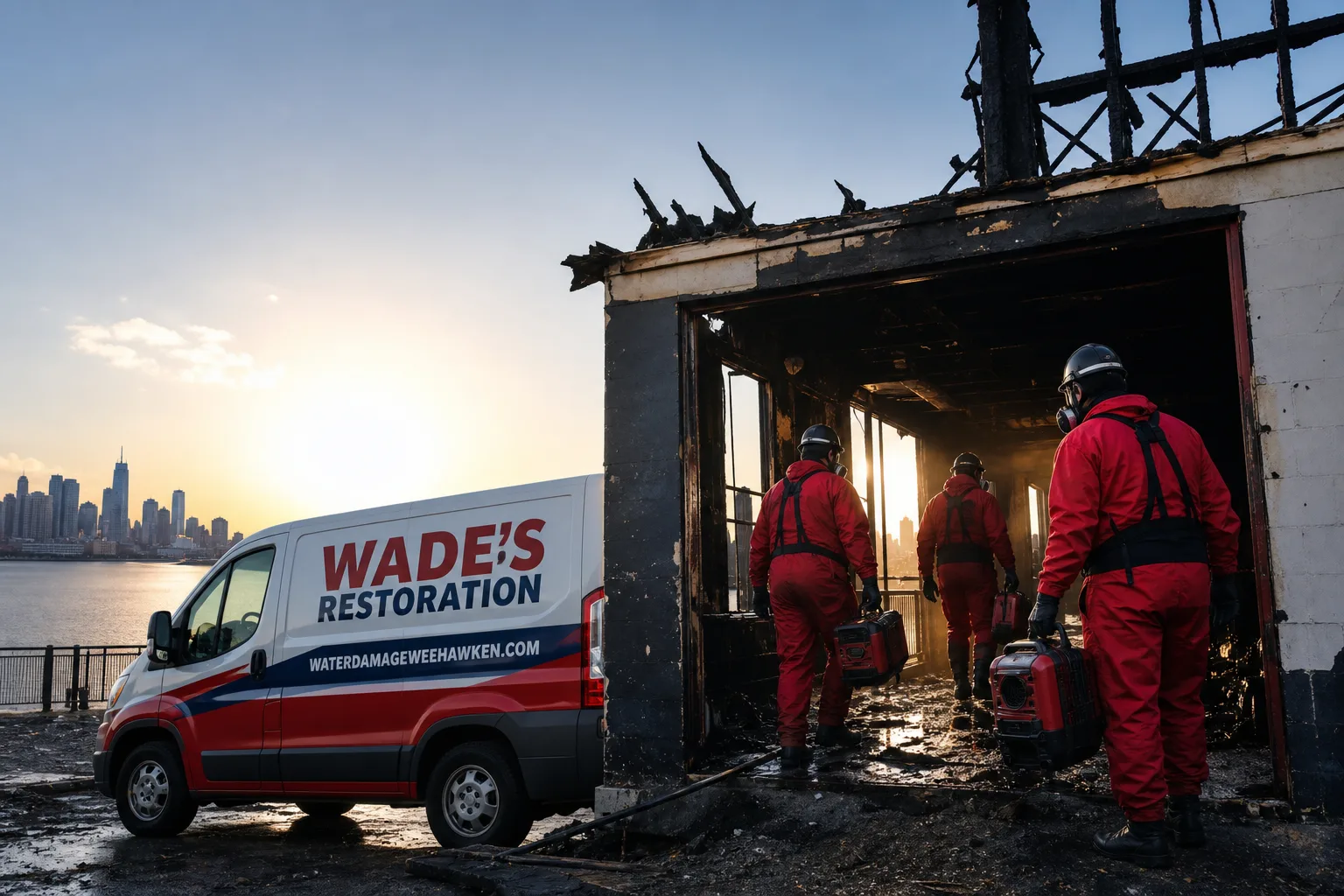
Free visual inspection and a written scope of work before any mitigation begins - photos, moisture readings, and drying logs go in your claim file
The scope we write is the scope we bill. Anything new gets shown to you, in writing, before we touch it.
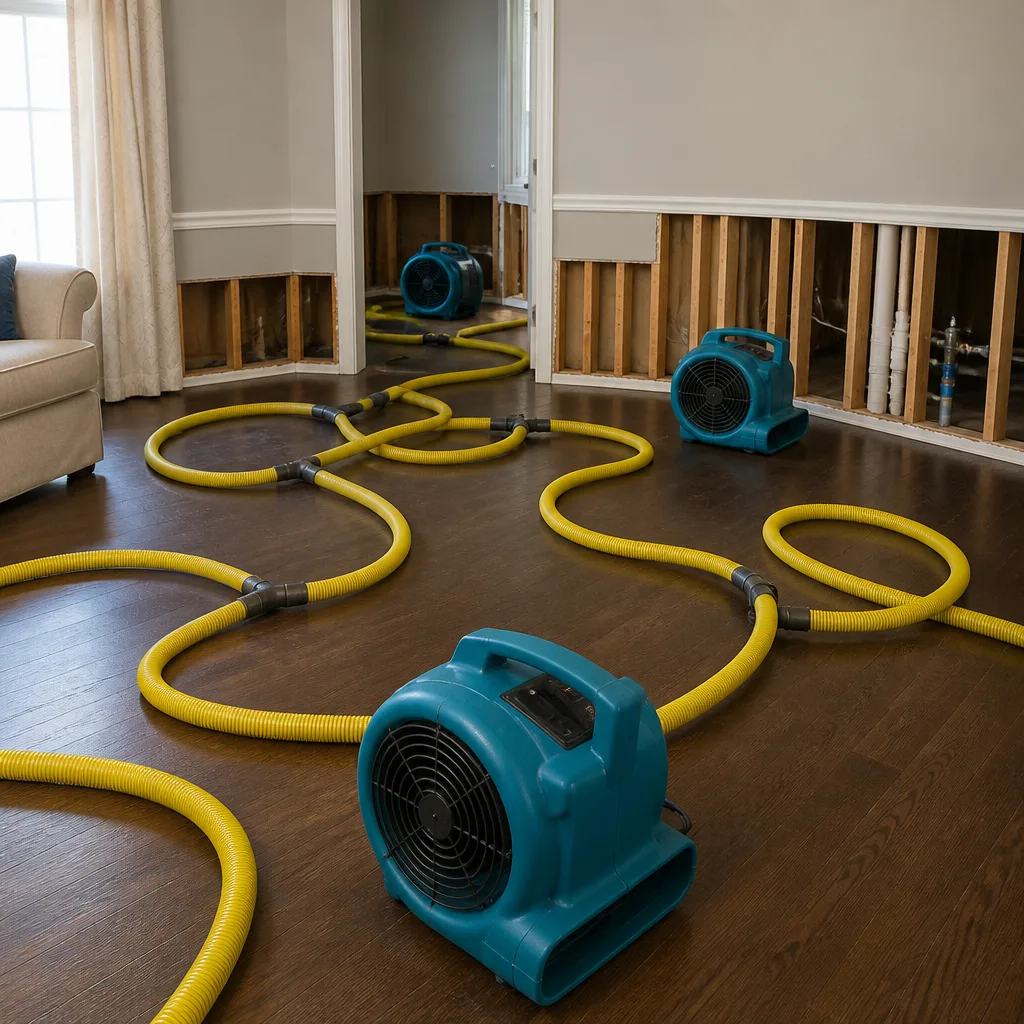
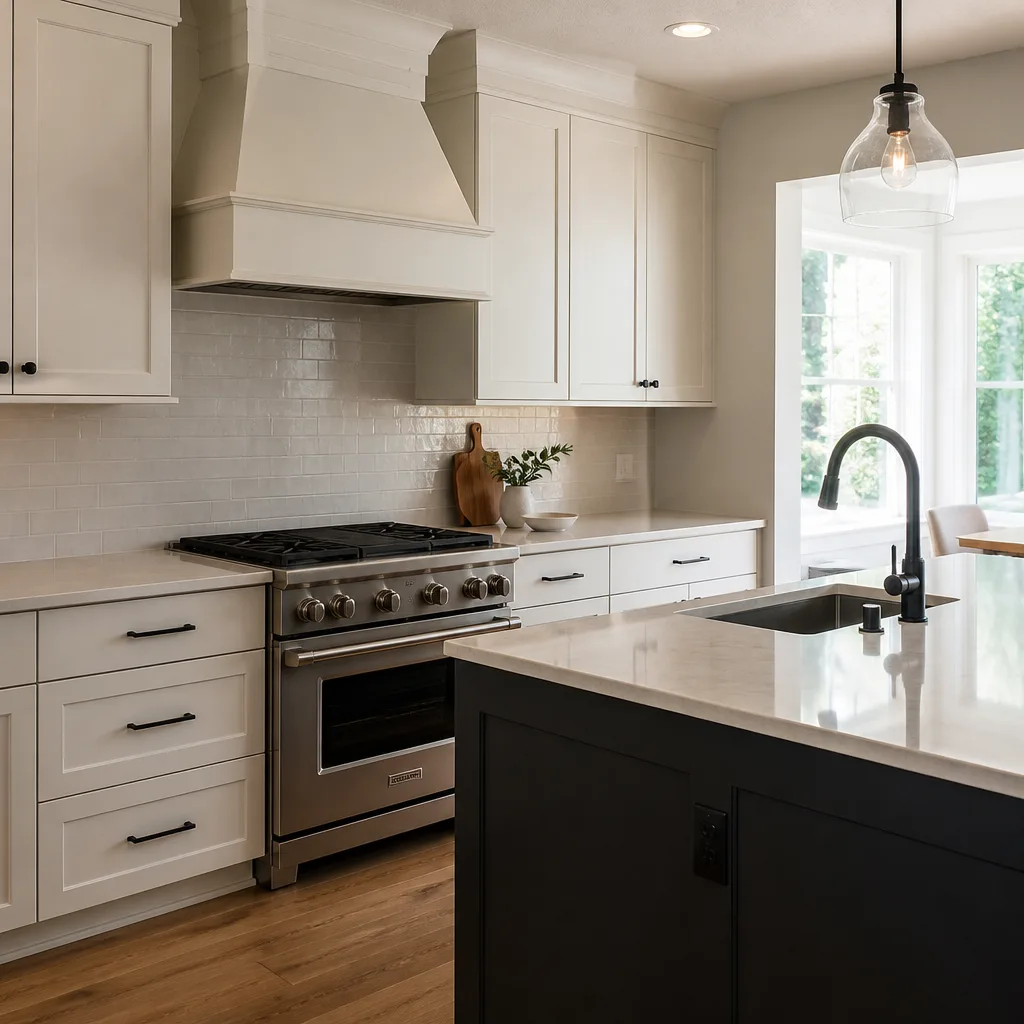
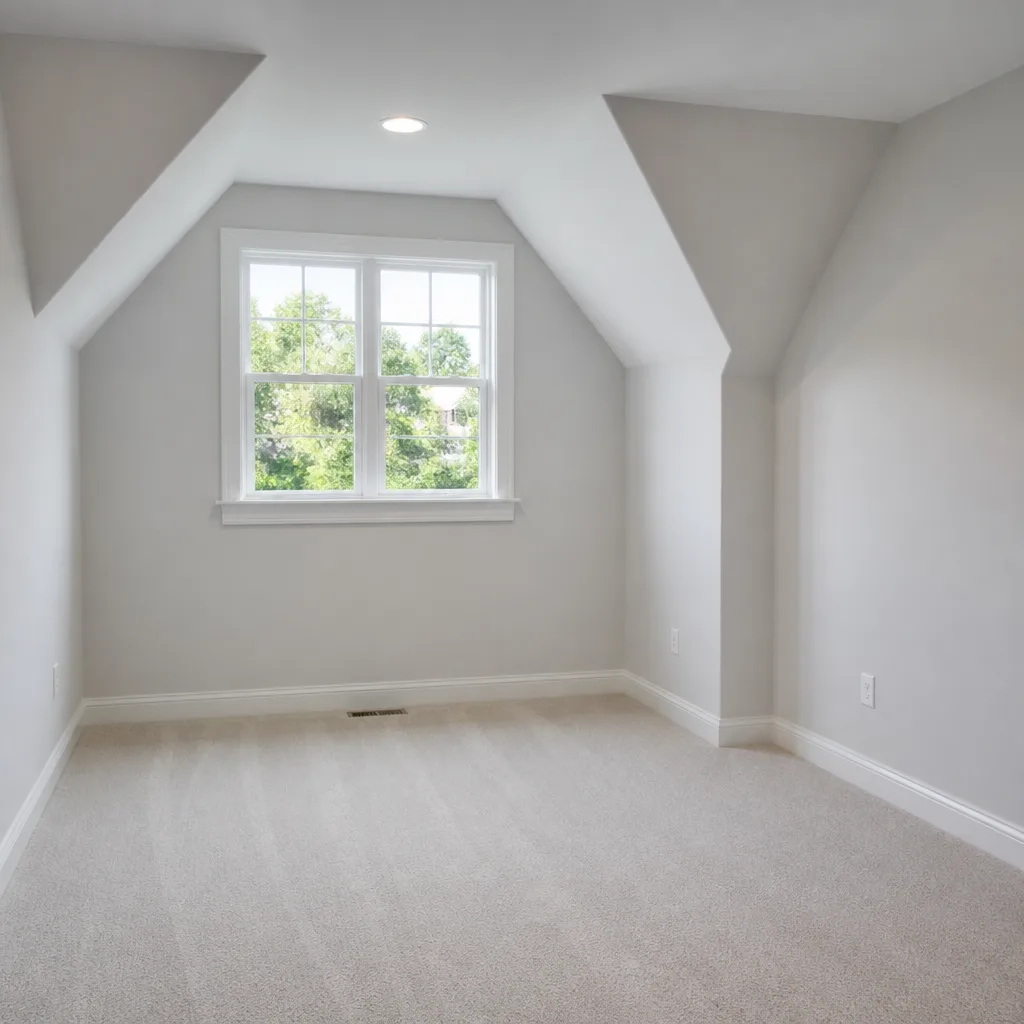
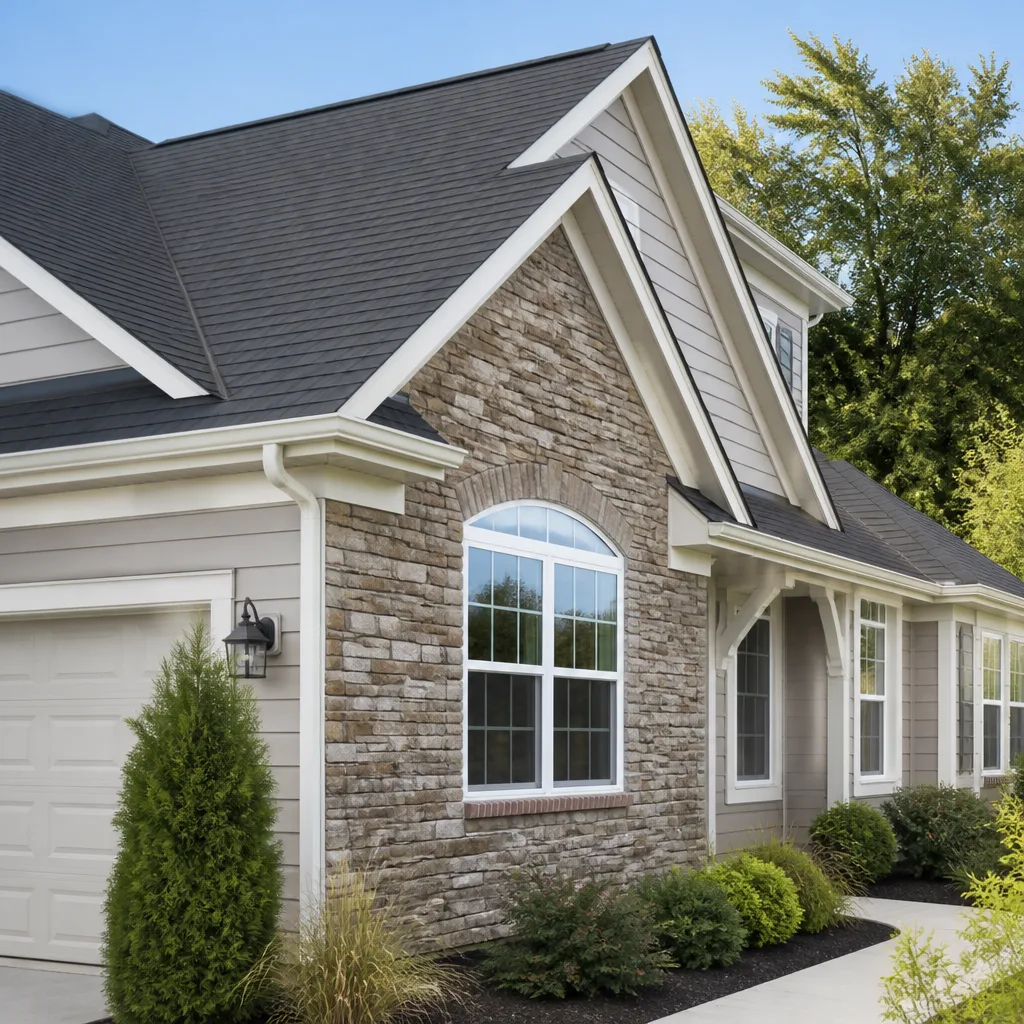
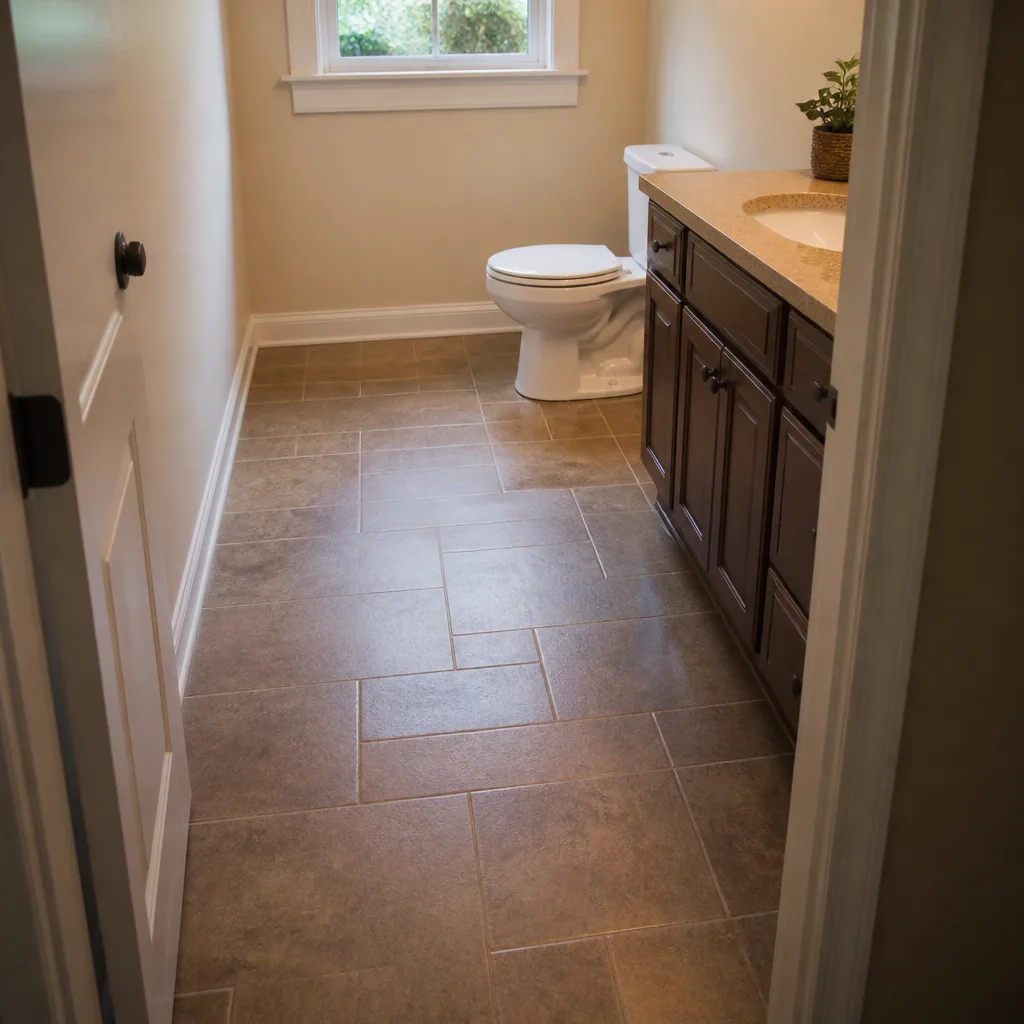
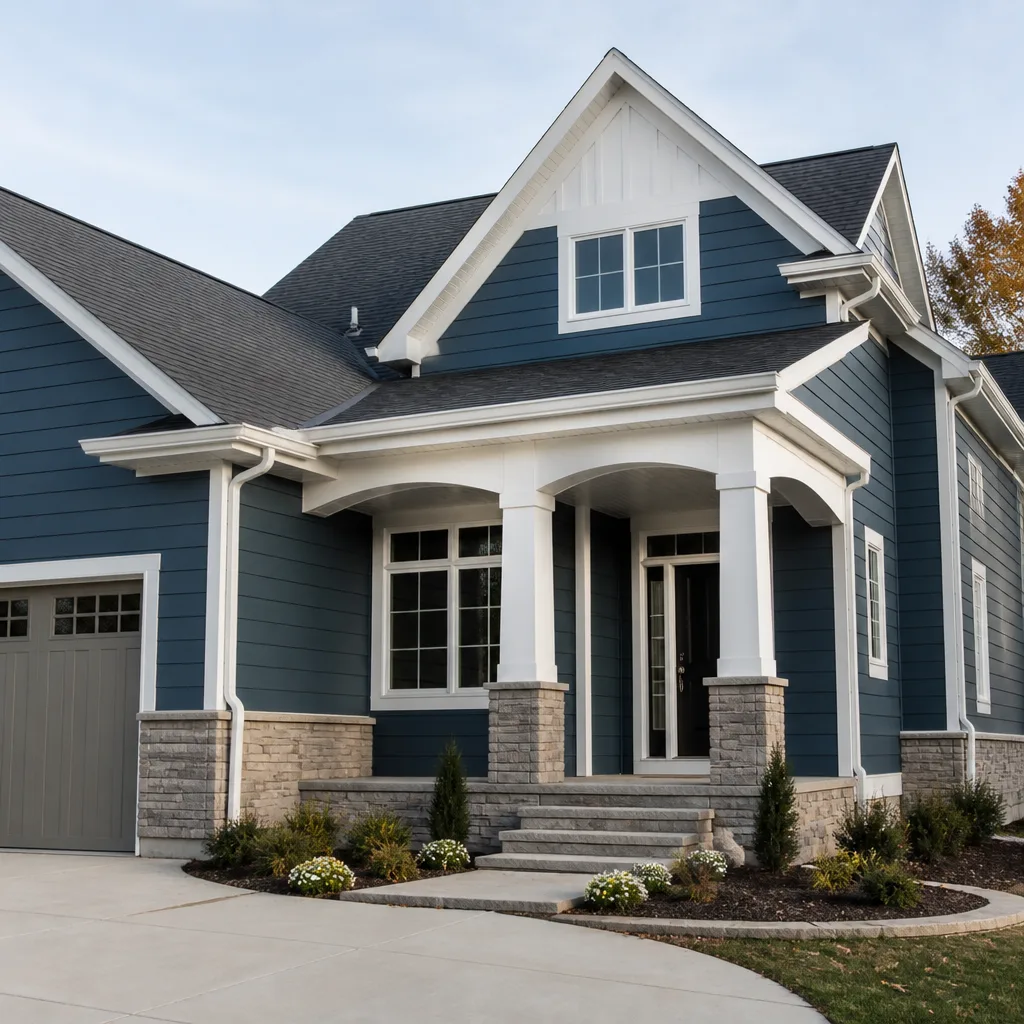
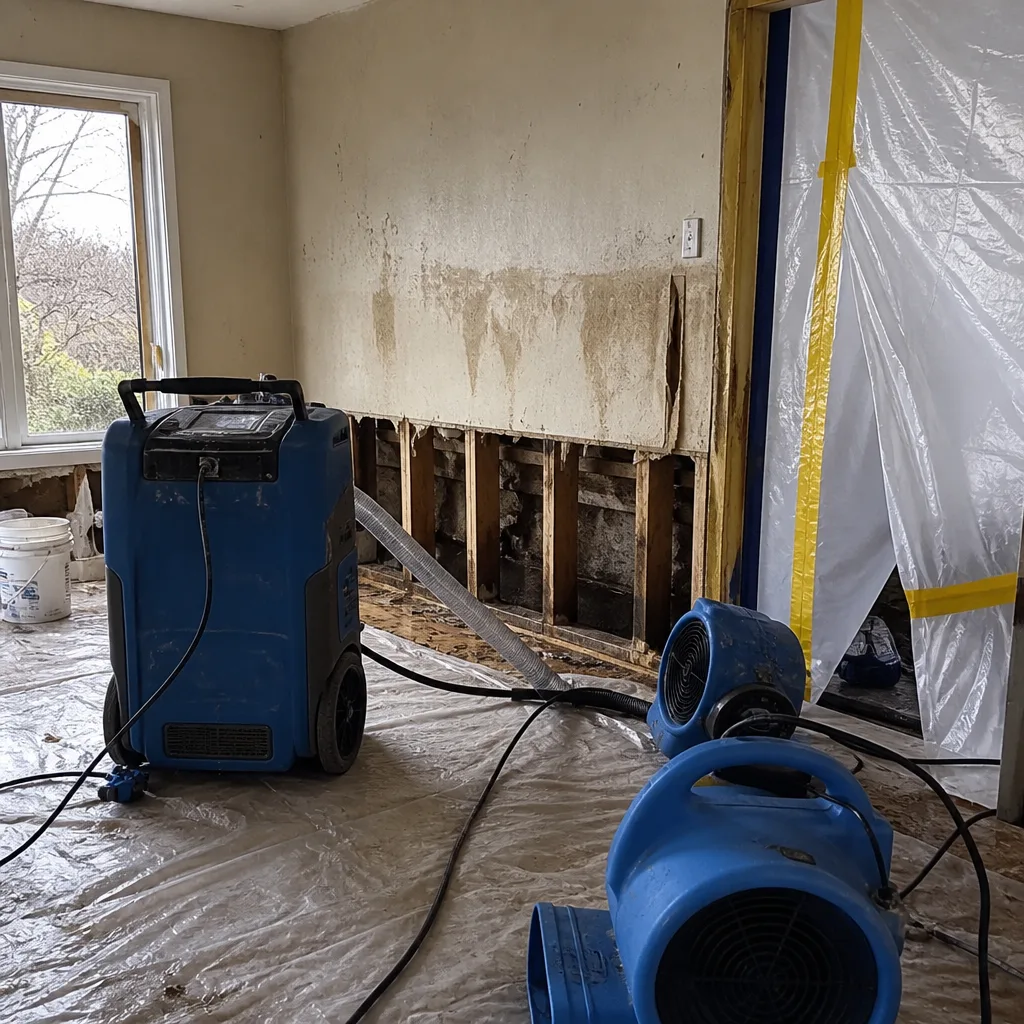 Before
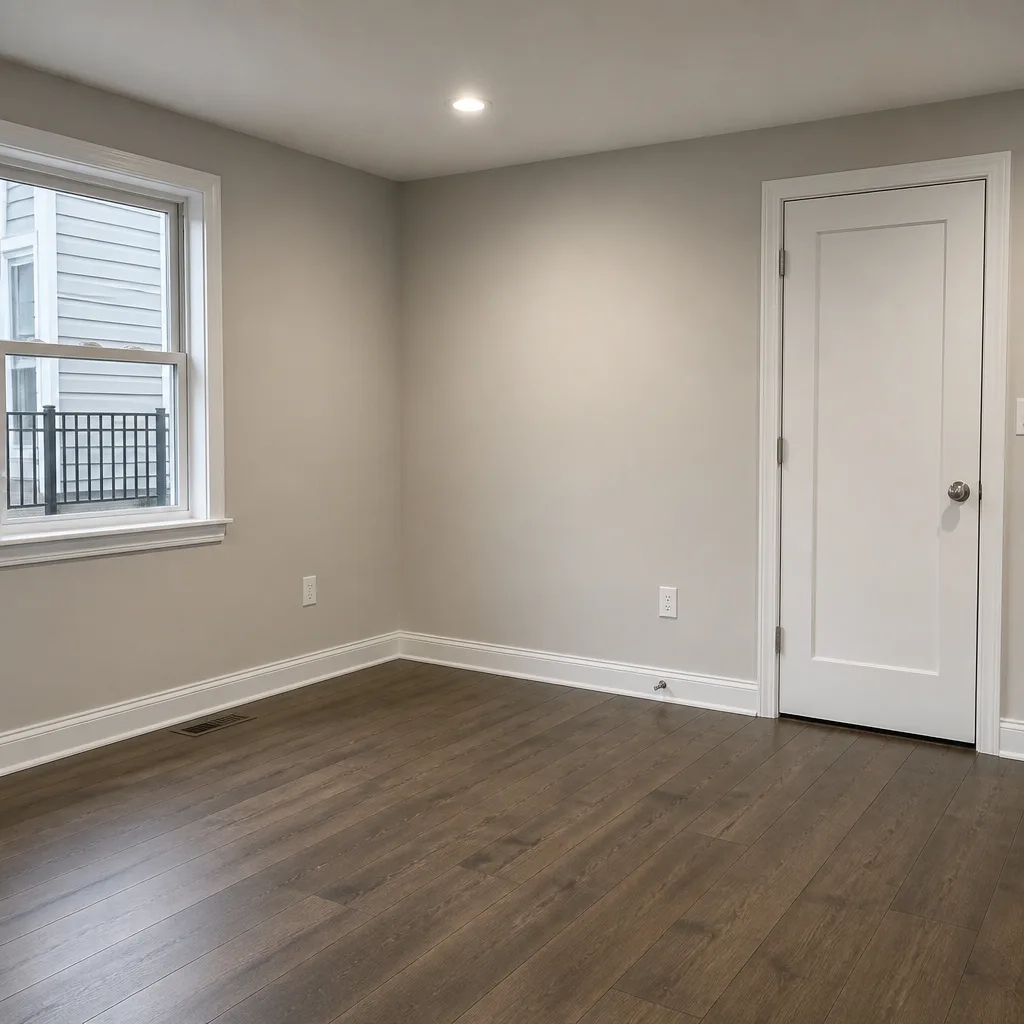 After
After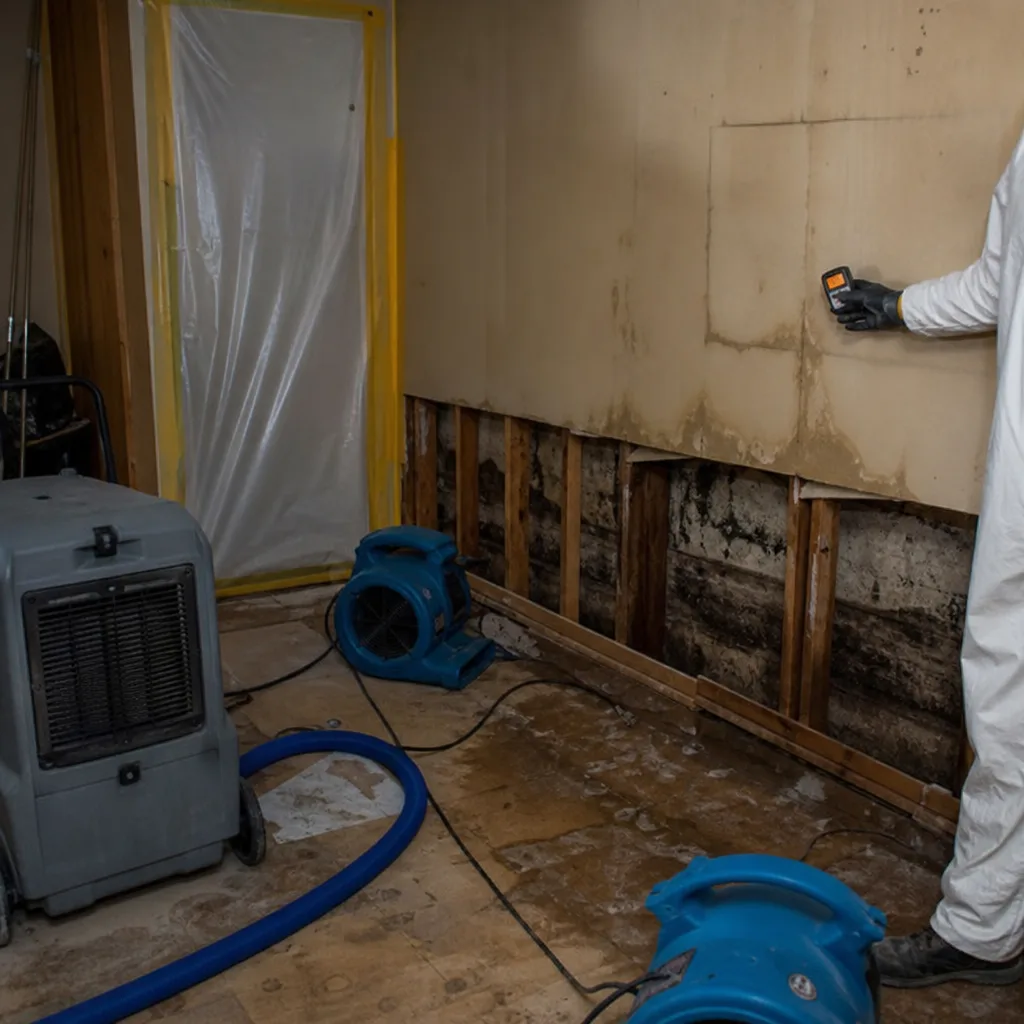 Before
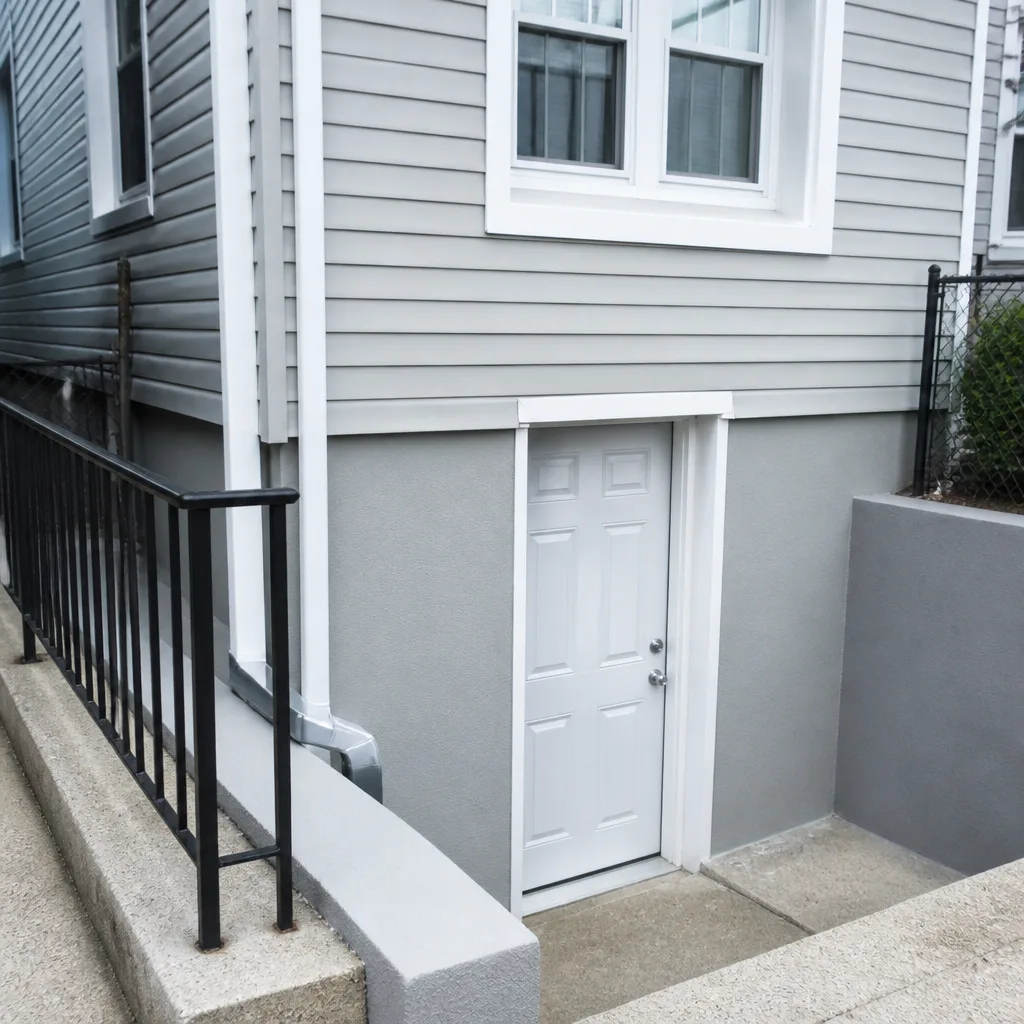 After
After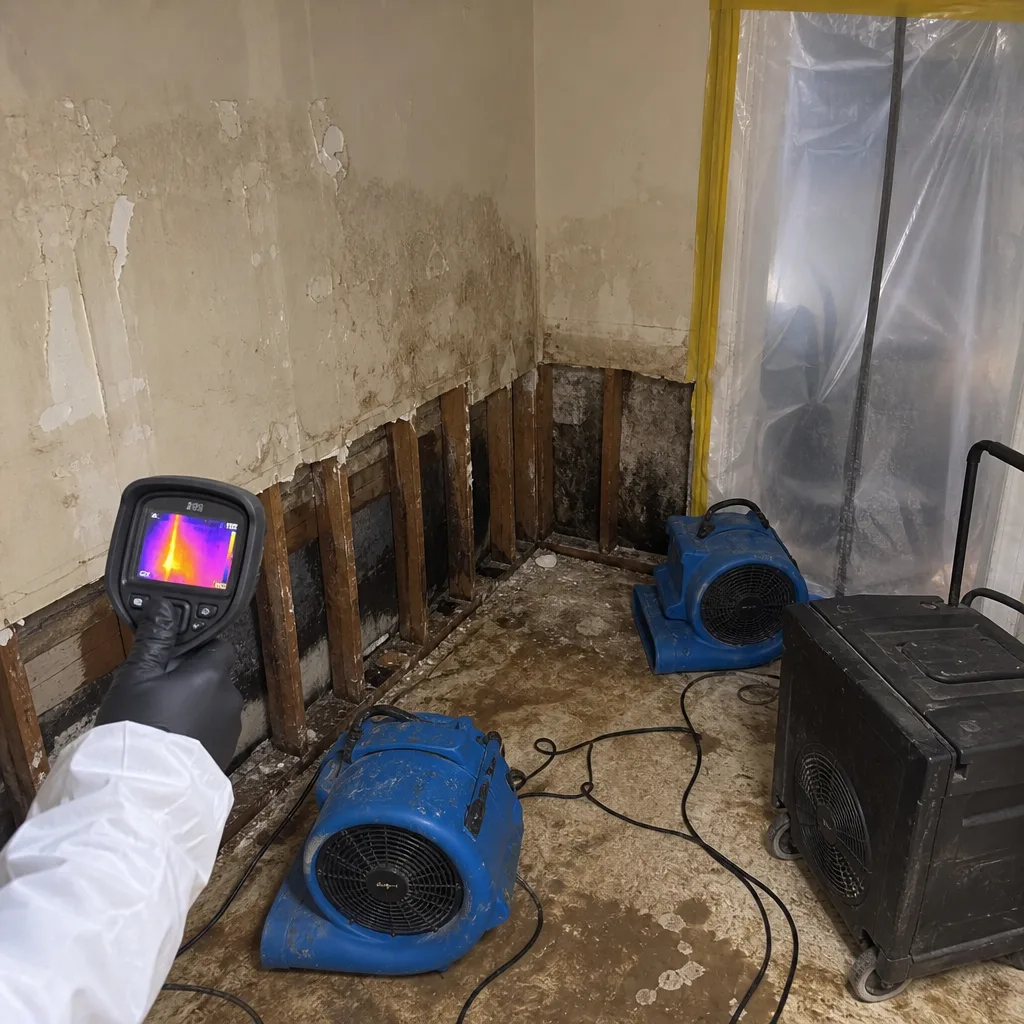 Before
 After
After24/7 Emergency Mold Remediation in Lower Manhattan
Mold in Lower Manhattan apartments rarely announces itself politely. What starts as a musty smell near a baseboard in a Tribeca loft or a faint stain on a Battery Park City ceiling can be a signal that moisture has been traveling behind drywall for weeks. If you’ve found mold in your Lower Manhattan home or building, the blunt truth is this: mold remediation in this part of the city typically runs between $1,800 and $7,500 for a contained room-level job, and most residential projects in Lower Manhattan can be started within 24 to 48 hours, with emergency containment often available same-day. Call Wade’s Restoration at (201) 740-2235 and a live person answers, every single time. Wade Ferris himself picks up, and his crews know the difference between a Financial District pre-war mechanical room and a Battery Park City living room.
The first hour matters. Mold colonies double in size every 24 to 48 hours under the right conditions, and Lower Manhattan’s humidity, dense building envelopes, and stubborn below-grade moisture mean the window for cheap, surface-level cleanup closes fast. Airborne spores move through HVAC risers, elevator shafts, and hallway chases in big buildings, so what looks like a one-unit problem often isn’t. We’ll do a free visual inspection, get you a scope in writing, and if mitigation needs to start immediately, we can be on-site fast.
Understanding Mold Remediation Severity in Lower Manhattan Properties
Mold remediation work is categorized by the size of the affected area and the level of contamination. Anything under 10 square feet of visible mold is generally considered a manageable cleanup job. Between 10 and 30 square feet requires full containment with negative air pressure and HEPA air scrubbing. Above 30 square feet, or any mold in a building with compromised occupants or shared air systems, demands full-scale remediation with controlled demolition, moisture mapping, and post-remediation clearance testing.
Lower Manhattan’s building stock makes this classification more urgent than the raw square footage suggests. The Financial District’s pre-war towers from the 1900s to 1940s were built with steel frames, terracotta cladding, and deep sub-basements housing mechanical systems that flood first and dry last. Tribeca’s cast-iron and masonry loft conversions from the 19th century have brick party walls that wick moisture horizontally between units. Battery Park City’s 1980s to 2000s residential towers sit on Hudson River landfill, which means groundwater rises from below during storm surge, not just from surface flooding. A small mold patch in one of these buildings is often the visible edge of a much larger hidden moisture problem. When we walk a Lower Manhattan job, we’re not just looking at the stain. We’re asking where the water came from, how long it’s been there, and whether the substrate behind the drywall is still wet.
Why Lower Manhattan Property Owners Choose Wade’s Restoration
- 45-minute response commitment for emergencies. When you call about active water intrusion or visible mold spreading, Wade heads out and can have containment started before a national chain would even return your call.
- 24/7 live answer, no voicemail, no answering service. The phone rings in Wade’s pocket. At 2 a.m. on a Tuesday, you get Wade himself, not a scripted call-center rep.
- IICRC-certified crews trained in WRT, FSRT, and AMRT protocols. That means water damage restoration, fire and smoke restoration, and applied microbial remediation – the exact certifications this work demands.
- Free visual inspection with no obligation. Wade will walk the unit, take moisture readings, and tell you straight if you need a $500 cleaning or a $6,000 remediation. No scare tactics.
- Direct insurance billing and adjuster communication. Wade deals with your carrier directly. You’re not stuck relaying information between two sides who don’t return calls.
- One team from extraction to reconstruction. Same crew sets containment, pulls wet board, dries the structure, treats the mold, and rebuilds. No handoff to a subcontractor you’ve never met.
Our Mold Remediation Process
Inspection & Assessment
We start with a visual inspection and moisture mapping using thermal imaging and penetrating moisture meters. In Lower Manhattan pre-war buildings, we’re specifically checking wall cavities, base plates, and sub-flooring, because that’s where hidden mold hides in concrete and masonry structures.
Containment & Stabilization
Before any moldy material moves, we seal the affected area with 6-mil polyethylene, establish negative air pressure, and set HEPA air scrubbers. This prevents spores from spreading through your unit or into shared building air systems, which matters enormously in dense Lower Manhattan occupancy.
Drying & Dehumidification
We run Dri-Eaz refrigerant dehumidifiers and XPOWER air movers, checking moisture readings daily. In Battery Park City and waterfront FiDi, we test substrate moisture in masonry and CMU block, not just surface air readings. Groundwater wicking behind drywall doesn’t dry the same way a Midtown pipe burst does.
Mold Removal & Sanitization
Affected drywall, insulation, and porous materials are cut out and bagged. Non-porous surfaces get HEPA vacuuming and antimicrobial treatment. We document everything with photos and moisture logs.
Air Quality Restoration
After remediation, we run post-remediation verification including air sampling and surface swabs to confirm spore counts have returned to normal background levels for Lower Manhattan’s baseline, not just to zero. You get the lab results.
Repairs & Restoration
We rebuild to pre-loss condition, which in Lower Manhattan means coordinating with your building’s flood compliance rules and selecting materials that match the building’s original character. One crew handles it all from start to finish.
Need Emergency Mold Remediation in Lower Manhattan Now?
Crews minutes away, answering live 24 hours a day. The sooner we start, the less it costs.
Working With Your Insurance Company
Mold claims in Lower Manhattan are not straightforward, and your carrier knows it. Covered water damage that leads to mold is usually compensable under a standard HO-3 or HO-6 policy, but you need documentation from the very first hour. That means photos of the water source, photos of the mold, moisture readings, and a written scope. We handle all of that. Wade documents everything, sends it to your adjuster, and talks to them directly. He’s been doing this since 2007, and he knows what adjusters need to see to approve a claim. You don’t get stuck playing telephone between a remediation contractor and an insurance company that won’t return calls. You call Wade once, and he stays on it.
What We Provide Your Insurer
- Thorough documentation of the loss
- Photos of all damage, room by room
- Moisture readings and drying logs
- A detailed, line-item scope of work
- Direct coordination with your carrier
Built for Lower Manhattan’s Loss Calendar
Lower Manhattan’s mold season doesn’t follow the same rhythm as the rest of the country. The biggest driver here isn’t summer humidity, though that doesn’t help. It’s storm surge and coastal flooding. Nor’easters hit between October and April, pushing water from the New York Harbor up through Battery Park City’s landfill and into the sub-basements of Financial District towers. Hurricane Sandy in 2012 was the catastrophic worst case, but smaller surge events happen regularly, and every one of them leaves behind wet mechanical rooms, wet elevator pits, and wet crawl spaces that become mold incubators within days.
January and February bring deep freezes that burst supply lines in unheated mechanical rooms and exterior wall cavities. Spring thaw adds groundwater pressure from below. Summer thunderstorms dump flash flooding through aging roof drains and into the upper floors of older towers. The net result: Lower Manhattan building managers and co-op boards need a mold remediation partner who’s on call year-round, not a fair-weather contractor who shows up in July. Our Mold Remediation team works this loss calendar twelve months a year.
Mold Remediation Across Lower Manhattan’s Neighborhoods
The work changes block by block here. In Battery Park City, we’re usually dealing with groundwater intrusion in buildings like the Gateway Plaza complex near South End Avenue. Those residential towers sit directly on Hudson River landfill, and after any significant surge event, the water table effectively rises inside the building envelope. Mold growth follows within 72 hours.
In the Financial District, around Wall Street and the areas near the Stock Exchange, the story is pre-war construction. These buildings have steam risers, original cast-iron plumbing, and basement mechanical rooms that haven’t been dry since the building opened. Mold remediation here almost always triggers asbestos abatement checks before we can legally pull moldy drywall or pipe insulation.
Tribeca’s cast-iron loft conversions along Greenwich Street and Hudson Street have their own pattern. Original brick party walls absorb water from leaking roofs and parapet failures on the upper floors, then wick that moisture down through multiple units. Residents on the third floor call about mold that actually started on the roof.
Along the water-adjacent corridors near the FDR Drive and South Street, we see a lot of wind-driven rain infiltration through aging curtain-wall systems. The mold shows up on interior soffits and around windows, but the water traveled in through failed sealant joints 30 stories up. Knowing these building-specific failure patterns is the difference between a remediation that holds and one that fails in six months. When you call Wade’s Restoration for Mold Remediation in Lower Manhattan, you’re getting a crew that knows this turf.
Specialized Mold Remediation Services We Offer in Lower Manhattan
Mold Inspection & Testing
If you smell mold but can’t see it, or if you’re buying a unit in a Financial District co-op and need a pre-purchase assessment, we do full inspections with moisture mapping, thermal imaging, and air sampling. In Battery Park City specifically, we’re testing for hidden moisture behind drywall, not just visible mold. You get lab results and a written report you can take to your board or your insurance company.
Mold Removal
Mold removal in Lower Manhattan means controlled demolition with full containment. We pull wet and moldy drywall, insulation, and baseboards, bag everything in the containment zone, and run HEPA air scrubbers throughout the process. After the source is gone, we treat the framing and substrate with antimicrobial products. In older Financial District buildings, we coordinate asbestos checks before any demolition starts.
Black Mold Remediation
Stachybotrys chartarum – what people call black mold – loves the damp, cellulose-rich materials common in older Lower Manhattan buildings. It shows up on drywall behind leaking pipes, on sub-flooring in flooded mechanical rooms, and on ceiling tiles below roof leaks. Black mold remediation follows the same IICRC S520 protocol as any other mold job, but containment is tighter and post-remediation verification is more rigorous. We don’t treat it as a scare tactic, and we don’t downplay it either. It gets the full protocol.
Air Quality Restoration
After mold removal, the air in your unit may still carry elevated spore counts from the demolition process. We run HEPA air scrubbers and, in some units, air filtration devices to bring indoor spore counts back to normal Lower Manhattan background levels. Post-remediation air sampling confirms the job is done. This matters for anyone with asthma, allergies, or a compromised immune system, and it matters for your property value.
Crawl Space Treatment
Some older Lower Manhattan buildings and townhouse-style units have crawl spaces under the first floor or above basement mechanical rooms. These spaces trap moisture, especially in buildings near the waterfront where groundwater is a constant factor. We install vapor barriers, encapsulation systems, and dehumidification where needed, then treat any mold already present. A damp crawl space is a mold factory, and in Lower Manhattan, it’s a problem that never solves itself.
Moisture & Humidity Control
The single best mold remediation is preventing mold in the first place. In Lower Manhattan’s dense, humid environment, we recommend and install crawl space encapsulation, basement dehumidification systems, and improved ventilation in problem areas. For Battery Park City buildings dealing with recurring groundwater, the solution often involves both drainage and dehumidification, not just one or the other.
What happens when you call
- 1
A real person answersNo phone trees - you reach a local pro.
- 2
You get an upfront price rangeHonest numbers before anyone is dispatched.
- 3
A background-checked tech heads outLicensed & insured, dispatched right away.
- 4
You approve before work beginsNothing starts until you say go.
Mold Remediation Costs in Lower Manhattan, NY
Let’s talk real numbers for Lower Manhattan. A contained mold cleanup in a single bathroom or closet typically runs $1,800 to $3,500. A full room remediation with containment, demolition, drying, treatment, and rebuild usually lands between $4,000 and $7,500. Multi-room or sub-basement jobs in Financial District buildings with asbestos abatement requirements can run $10,000 to $25,000 or more. Mold inspection and testing alone runs $400 to $900 for a typical apartment, depending on the number of air samples taken.
What moves the price in Lower Manhattan specifically is access and compliance. If your building requires a Flood Emergency Operations Plan review before materials can be specified, that adds coordination time. If the building is pre-1980 and requires asbestos testing, that adds lab fees and possible abatement. If mold is in a sub-basement reachable only through a narrow service stairwell, labor costs climb. Your insurance may cover remediation if it stems from a covered water event like a burst pipe or storm surge intrusion. The free visual inspection is the honest path to a firm number. Call (201) 740-2235 and we’ll come look. If you already have a written estimate from another company, ask about our free second opinion.
We Also Serve Cities Near Lower Manhattan
Wade’s Restoration handles mold remediation throughout the surrounding areas, including Financial District, Astoria, Midtown Manhattan, and Long Island City. If you’re across the East River in Queens or up in Midtown facing a similar issue, call the same number and you’ll get the same live person on the line.
Serving Lower Manhattan, NY - Our Local Coverage Area
We’re based in the Lower Manhattan area and know this community well. Use the map below to see our service coverage - if you’re nearby, we can almost certainly help.
Lower Manhattan Mold Remediation Questions, Answered
How does Battery Park City’s landfill geology affect mold remediation in my apartment?
Battery Park City sits on Hudson River landfill, which means groundwater rises from below during storm surge events, not just from surface flooding. Mold remediation here requires checking for hydrostatic pressure and below-grade moisture intrusion behind drywall, not just surface mold. A contractor who only checks air readings will stop drying too soon and the mold will come back.
Will my Financial District building’s post-Sandy flood rules change what materials I can use after mold removal?
Very likely yes. After Sandy, many Financial District co-ops and commercial condos rewrote their house rules to require flood-rated finishes below the base flood elevation. Replacing mold-damaged drywall with standard materials in a below-grade unit can fail a certificate-of-occupancy inspection. We check the building’s Flood Emergency Operations Plan before we specify any replacement materials.
Do I need asbestos testing before mold removal in a pre-war FiDi high-rise?
In most pre-1980 Financial District buildings, yes. Asbestos is endemic in pipe insulation, floor tiles, and fireproofing in that era’s commercial stock. Pulling moldy drywall or pipe insulation without confirming asbestos presence can trigger costly stop-work orders and regulatory violations. We coordinate testing before any demolition begins.
Can water extraction alone stop mold in a Lower Manhattan sub-basement?
No. Lower Manhattan sub-basements below the water table or near landfill are chronically wet from groundwater, not just from a single flood event. Extracting standing water helps, but without addressing the ongoing moisture source and drying the substrate properly, mold returns. In waterfront FiDi and Battery Park City, that often means drainage plus dehumidification plus proper drying protocols, not just a pump truck.
Why does mold seem to come back in our Tribeca cast-iron loft conversion after remediation?
Because the water source was never fixed. Tribeca’s brick party walls and aging roof parapets wick water horizontally and vertically through the building. We see remediation jobs where the moldy drywall was replaced but the leaking parapet or failed sealant joint 20 floors up was ignored. Mold always follows water. We trace the moisture to its source before we rebuild anything.
How fast can you get to my Lower Manhattan apartment for mold?
For active water intrusion or visible mold spreading, Wade heads out within 45 minutes and emergency containment can often start the same day. For a free visual inspection, we typically schedule within 24 hours. The phone is answered live around the clock at (201) 740-2235.
Will my insurance cover mold remediation in Lower Manhattan?
If the mold stems from a covered water event like a burst pipe or storm surge intrusion, most HO-3 and HO-6 policies cover at least partial remediation. The key is documentation from day one – photos, moisture readings, and a written scope. We provide all of that and coordinate directly with your adjuster. Every policy is different, but direct documentation strengthens any claim.
What should I do in the first 30 minutes after I find mold?
Stop trying to clean it yourself. Spraying bleach on a mold colony just spreads spores and makes the problem worse. Close the door to the affected area if possible, don’t run fans or HVAC, take photos from a distance, and call Wade at (201) 740-2235. The sooner we assess it, the smaller and cheaper the job stays.
Written by Wade Ferris, Owner at Wade’s Restoration, serving Lower Manhattan since 2007. If you’ve got mold, call (201) 740-2235 and Wade will answer. He’ll be there himself.