
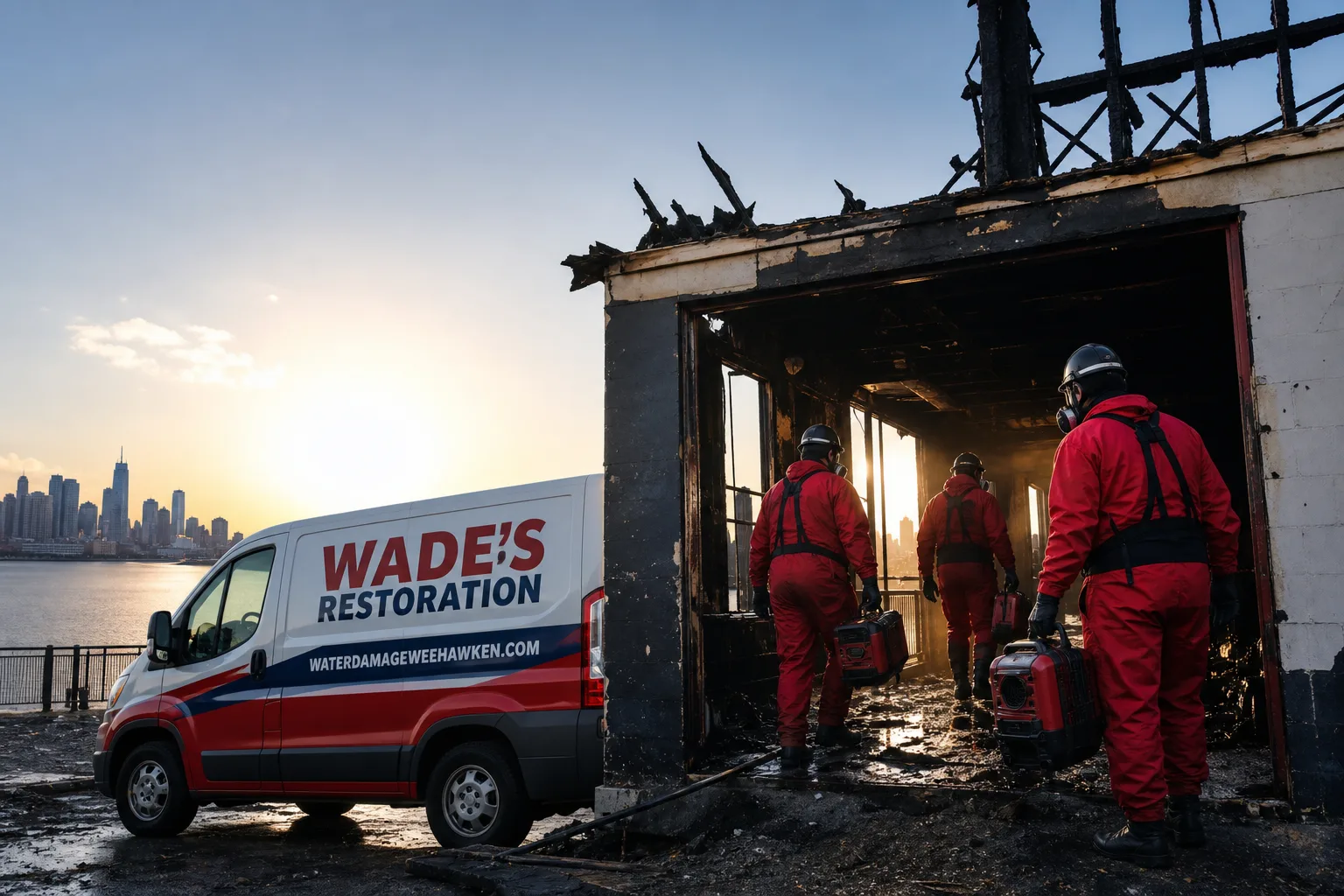
Free visual inspection and a written scope of work before any mitigation begins - photos, moisture readings, and drying logs go in your claim file
The scope we write is the scope we bill. Anything new gets shown to you, in writing, before we touch it.
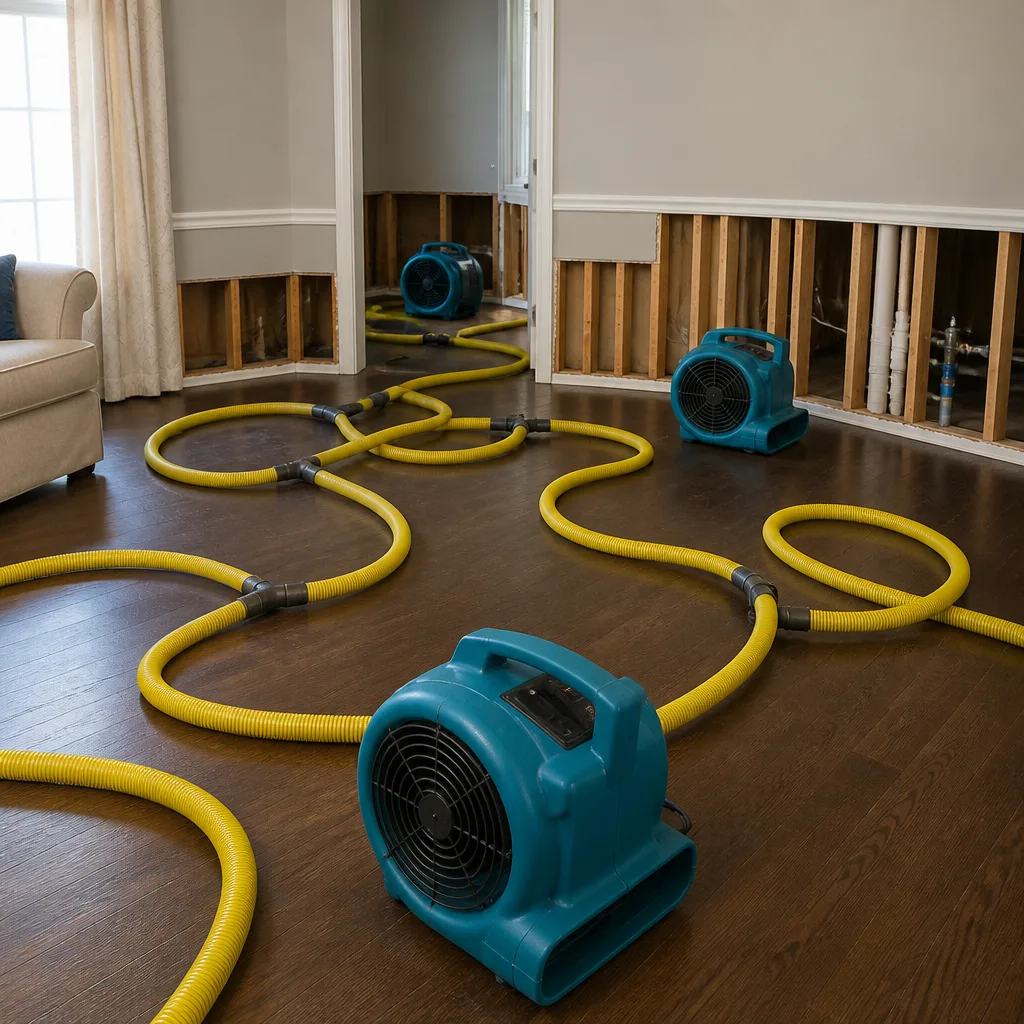
 Before
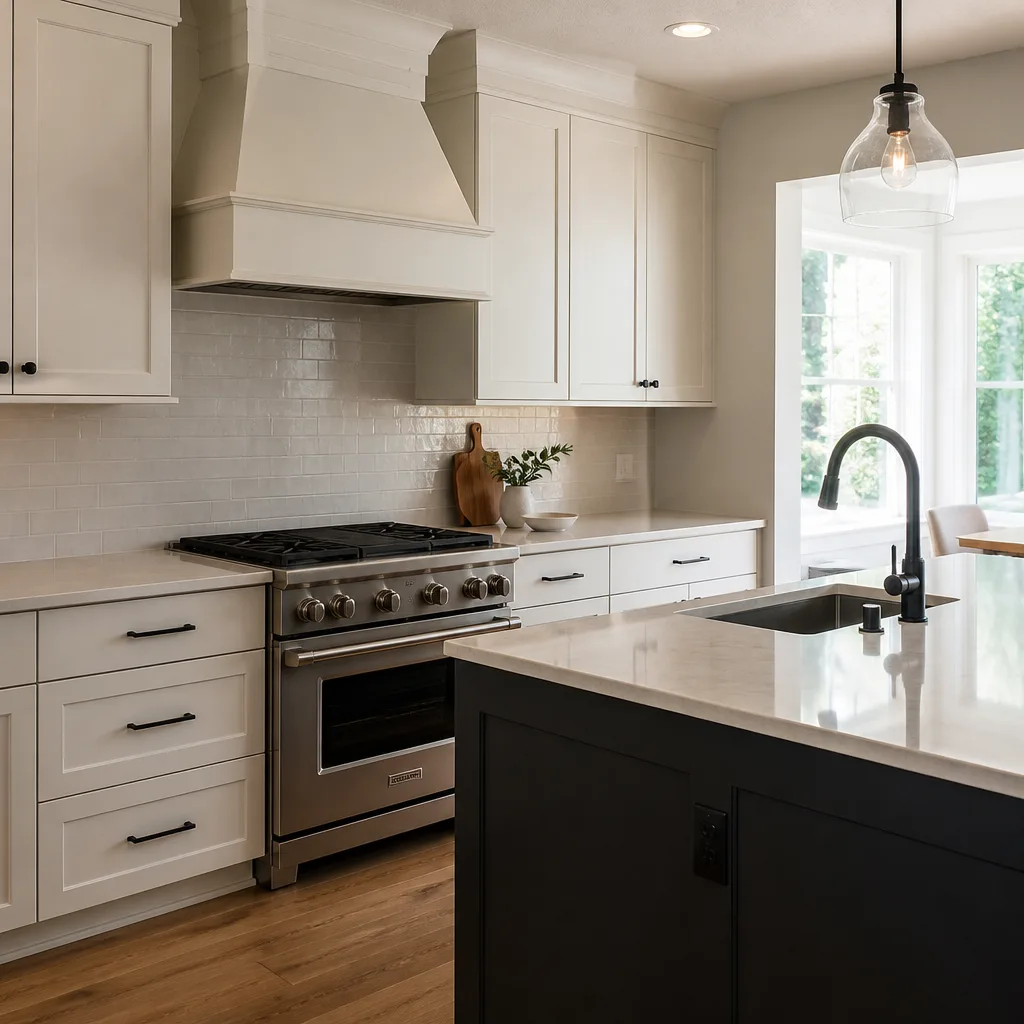
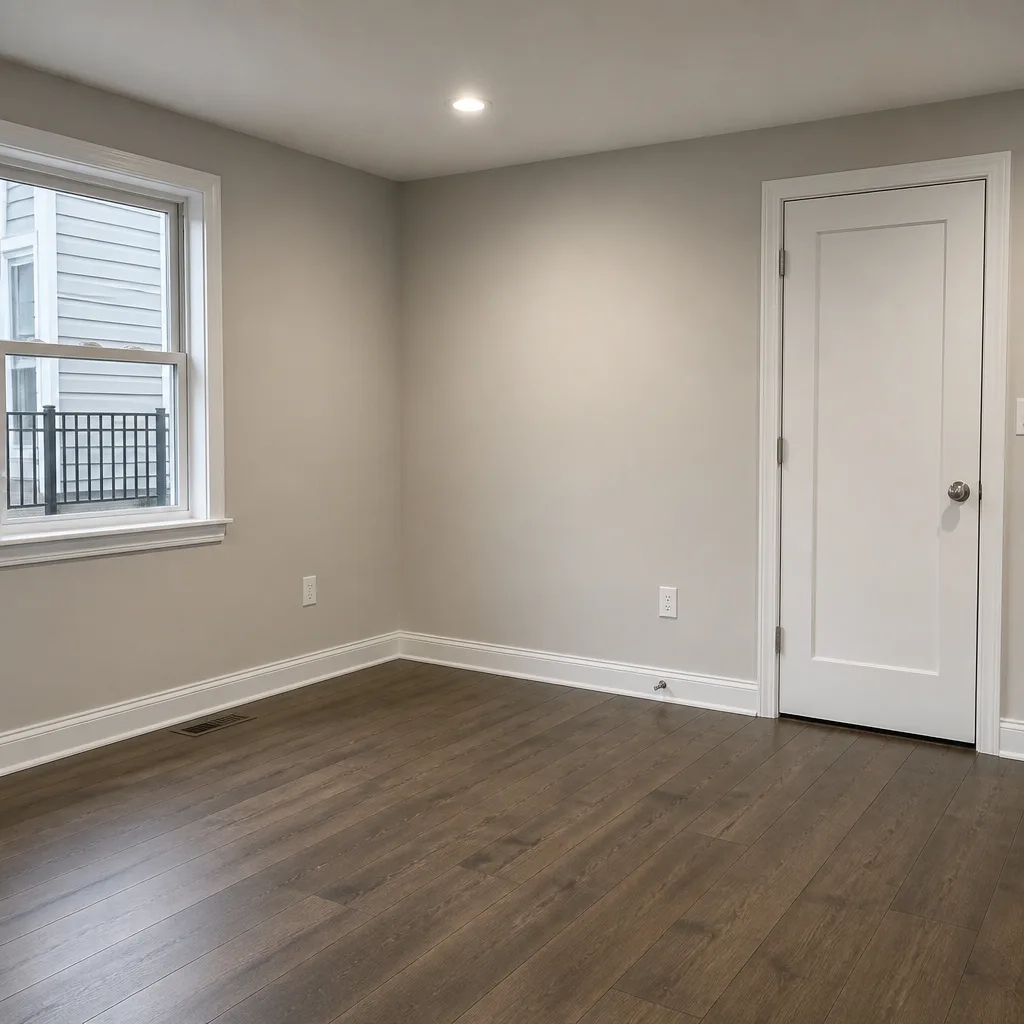 After
After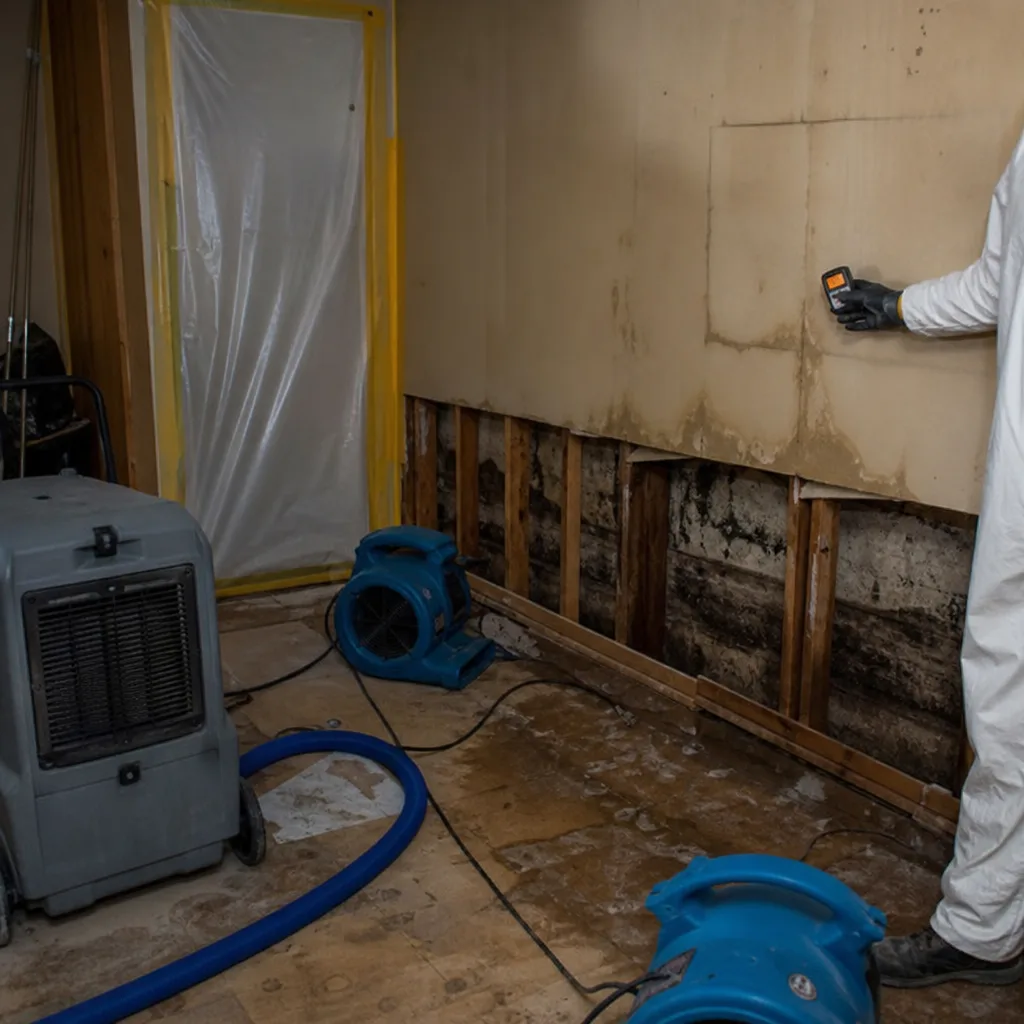 Before
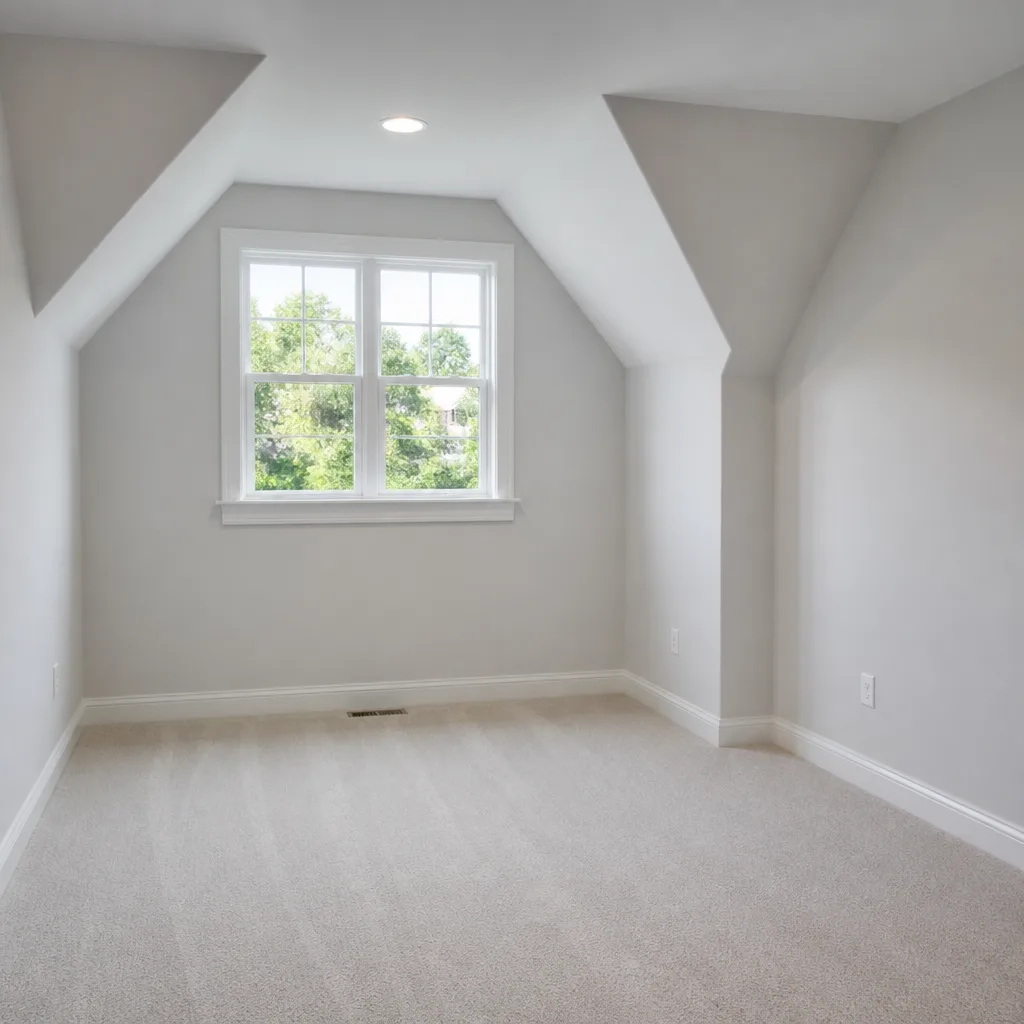
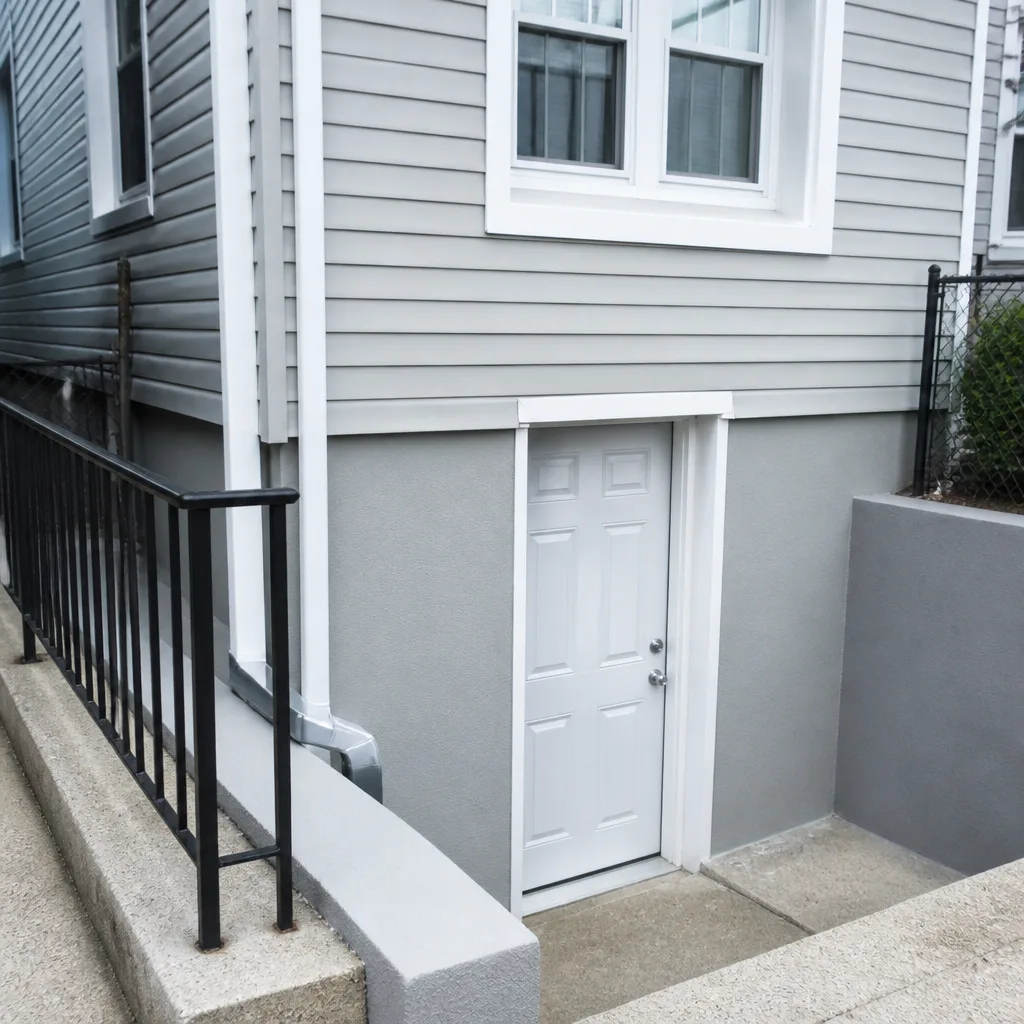 After
After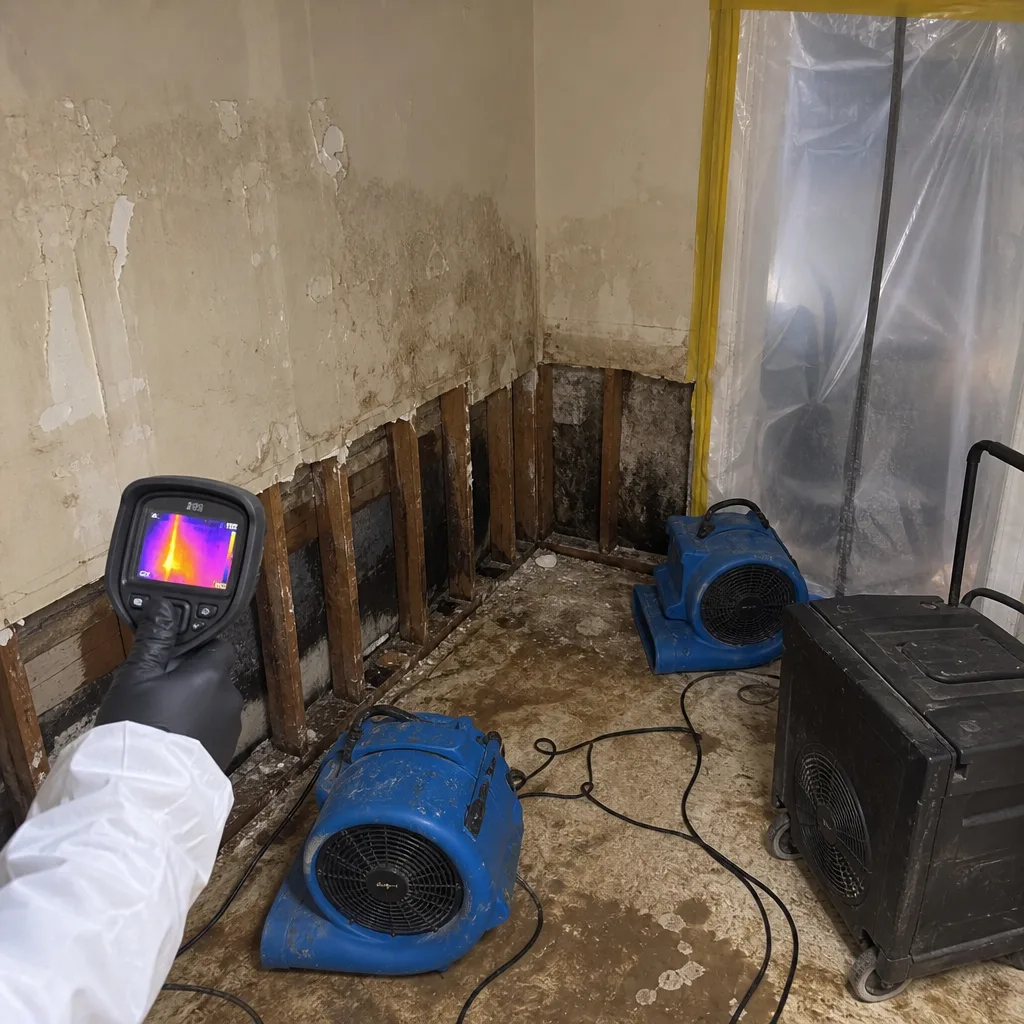 Before
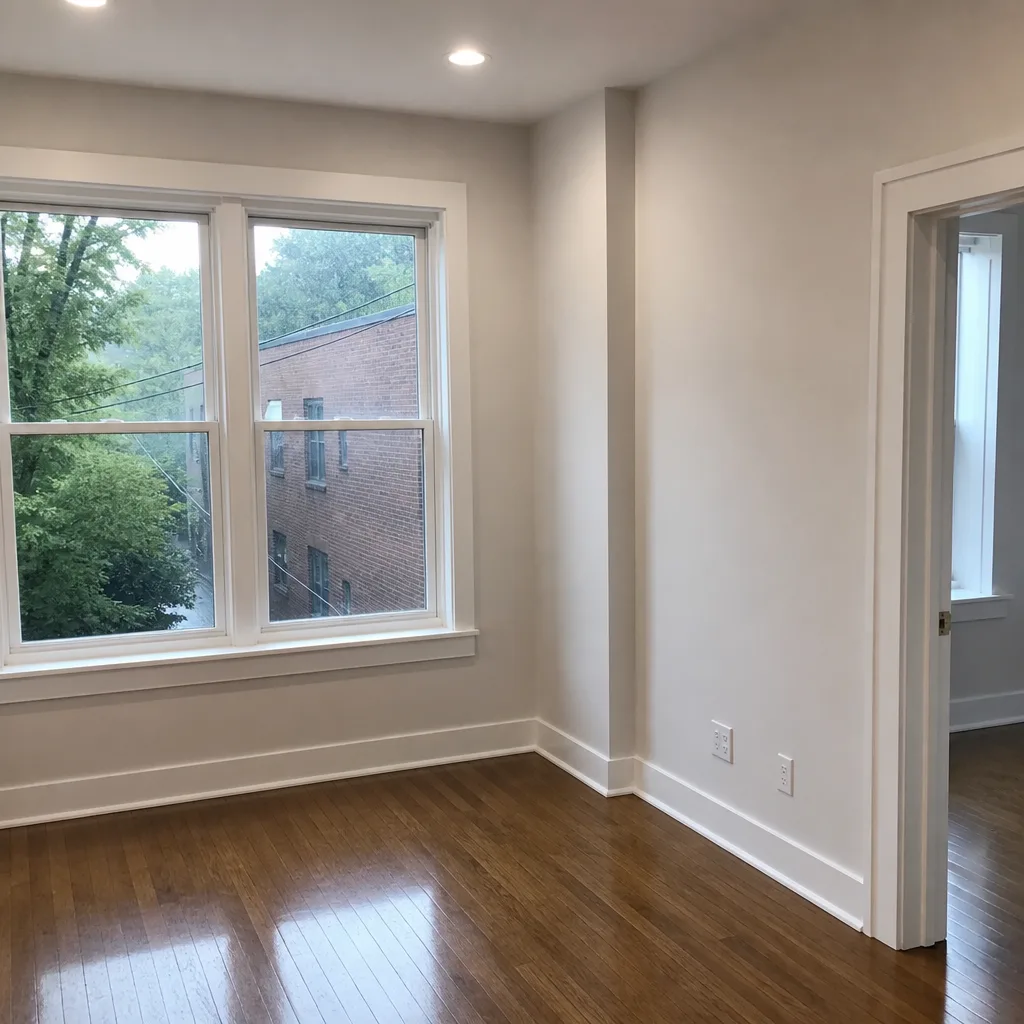 After
After24/7 Emergency Sewage Cleanup in Upper West Side
A category 3 sewage backup in an Upper West Side pre-war building typically costs $2,800 to $6,500 to remediate, and the first hour determines whether your herringbone parquet survives. Wade’s Restoration answers live around the clock and can have extraction running inside the hour. Call (201) 740-2235 the moment you see sewage backing up through a floor drain, a toilet, or a wall chase. Raw sewage is category 3 water: pathogenic, infectious, and aggressive on plaster, parquet, and marble. Every minute it sits, the contamination radius widens, the demolition line moves outward, and the co-op board’s questions get harder. In pre-war Upper West Side buildings, sewage travels impossible paths behind horsehair plaster and through century-old chases, so what looks like a contained bathroom overflow is often already weeping into the apartment below.
Understanding Sewage Cleanup Severity in Upper West Side Properties
Water damage is classified by ANSI/IICRC S500 into three categories. Category 1 is clean water from a supply line. Category 2 is gray water from washing machines or sump failures. Category 3 is black water: raw sewage, toilet backflow, and anything carrying human waste, pathogens, and the chemistry of what goes down a drain. On the Upper West Side, category 3 events usually start inside the walls, not on the floor. Century-old cast-iron waste stacks inside pre-war chases crack at hub joints and release sewage behind original plaster, where it travels silently before anyone smells it. By the time a stain blooms on the living room wall below a bathroom, the cavity behind the lath has often been wet for weeks. That means structural drying alone is not enough. Category 3 sewage demands contain-and-isolate protocol: sealed containment, HEPA air scrubbing, antimicrobial treatment, and disposal of porous materials that cannot be sterilized. This is not a mop-and-fan job.
Why Upper West Side Property Owners Choose Wade’s Restoration
- 45-minute response commitment. Wade coordinates crews already working the Upper West Side, so someone is on the road immediately, not dispatched from another borough.
- 24/7 live answer, from a real person. No voicemail, no answering service, no call center. Wade answers his own phone and heads out himself.
- IICRC-certified crews. Every technician carries current WRT (Water Restoration Technician) and AMRT (Applied Microbial Remediation Technician) credentials, and we apply them to pre-war construction, not suburban drywall.
- Free visual inspection. Wade shows up, figures out where the sewage came from, and tells you what he sees before any money changes hands.
- Direct insurance billing. We deal with the adjuster directly, document everything, and bill your carrier so you are not stuck relaying information.
- One team from extraction to reconstruction. Same people who set containment are the ones who restore your plaster moldings and parquet. No hand-off to a contractor you never met.
Our Sewage Cleanup Process
Inspection & Assessment
We trace the sewage to its source: a failed waste stack, a toilet wax ring, a clogged rooftop scupper. Thermal imaging and moisture meters map the contamination behind plaster before anyone opens a wall.
Extraction & Stabilization
Black water comes out with truck-mounted extractors and XPOWER submersible pumps. Contaminated carpet, padding, and saturated drywall are cut out and removed under containment.
Drying & Dehumidification
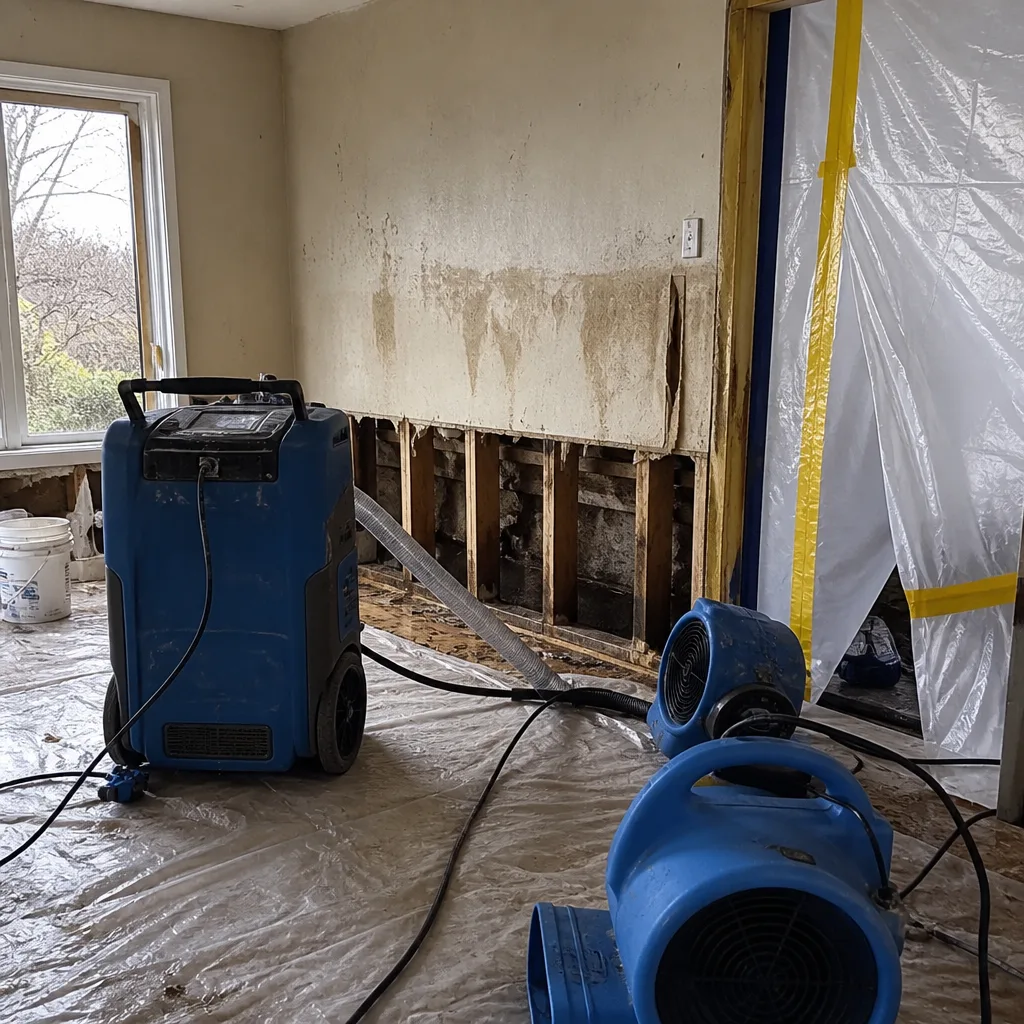
Phoenix LGR dehumidifiers and B-Air high-velocity air movers run continuously. For herringbone parquet and plaster walls, we dry in place where possible and document daily moisture readings.
Cleaning & Sanitization
All affected surfaces get antimicrobial treatment and HEPA vacuuming. Air scrubbers run until clearance air samples come back clean. Marble, tile, and non-porous finishes are cleaned and disinfected, not automatically torn out.
Pre-War Specialty Treatment
Horsehair plaster is cut conservatively and patched by craftsmen who match the original texture. Parquet boards are individually assessed; salvageable sections are dried, cleaned, and re-set, not ripped up in whole sheets.
Repairs & Restoration
We replace the failed cast-iron section or cleanout, rebuild what had to come out, and coordinate with your co-op board, building super, and insurance carrier throughout. The 90-Day Done Right Promise is in writing on every job.
Need Emergency Sewage Cleanup in Upper West Side Now?
Crews minutes away, answering live 24 hours a day. The sooner we start, the less it costs.
Working With Your Insurance Company
In a category 3 backup, your insurer will ask hard questions: where did the sewage originate, how long was it wet, what is the scope. We answer those questions with documentation, not vibes. From the first hour, we photograph every affected surface, log moisture readings room by room, and produce a line-item estimate that maps to IICRC standards. Wade deals with the adjuster directly, so you are not the one explaining a failed cast-iron hub joint in your East 79th Street co-op to someone in a claims office. Most UWS homeowner and co-op policies cover sewage backup as long as the source is sudden and accidental, and we document it that way. This matters in pre-war buildings where a slow weep behind plaster can look old. It was not old. It was wet.
What We Provide Your Insurer
- Thorough documentation of the loss, from first arrival to final clearance
- Photos of all damage, room by room and wall cavity by wall cavity
- Moisture readings and drying logs, taken daily by Wade’s crew
- A detailed, line-item scope of work with local pre-war restoration pricing
- Direct coordination with your carrier and your co-op board
Built for Upper West Side’s Loss Calendar
The Upper West Side has a sewage and water loss calendar shaped by its own weather and its own plumbing. In January and February, deep freezes stress the cast-iron waste stacks that run through uninsulated pre-war wall chases. Iron contracts, old hub joints crack, and sewage seeps where it has been seeping for the better part of a century. Spring brings rooftop thaw that overwhelms scuppers on flat-roofed walk-ups along Amsterdam and Columbus, sending gray water down interior shaft walls and into top-floor bathrooms. Summer convective thunderstorms dump water onto roofs faster than century-old through-wall scuppers can shed it, and the same happens. Nor’easters in fall clog scuppers with leaves and pigeon debris, backing category 2 water into top-floor units. None of these are rare. All of them are heavy on co-op boards, supers, and the people living below the breach.
Sewage Cleanup Across Upper West Side’s Neighborhoods
The Upper West Side is not one housing type. It is a patchwork of Riverside Drive courtyard buildings, Central Park West limestone towers, six-story walk-ups along West End, and the commercial corridors that bind them. A sewage backup in a Riverside Drive pre-war co-op usually means coordinating with a full-time super and a board that wants the original marble vestibule protected at all costs. In the walk-ups off West 86th Street and Broadway, the waste stack runs directly through the kitchen and bathroom of every unit below, so a fifth-floor toilet overflow becomes a ground-floor problem within minutes. Along Central Park West, where walls are thicker and finishes more ornate, the containment and drying strategy has to be gentler and more surgical because the plaster and parquet are irreplaceable. And in the amenity-heavy buildings around Lincoln Square, sewage backups often start in fitness center drains or basement laundry lines that the building’s own system backs into. Each of these requires a different sequence of access, coordination, and protection. Our Sewage Cleanup team knows the buildings, the supers, and the board expectations in each.
Last March, we responded to a category 3 backup in a six-story walk-up off West 86th Street where a failed cast-iron waste stack had been weeping sewage behind original horsehair-plaster walls. Our crew set containment around the marble vestibule, ran moisture mapping across the herringbone parquet, and coordinated with the co-op board and superintendent to replace the legacy brass cleanout with a code-compliant PVC riser while preserving the pre-war plaster moldings. The apartment smelled like a bathroom, but the board only cared about whether the moldings survived. They did.
Specialized Sewage Cleanup Services We Offer in Upper West Side
Sewage Backup Cleanup
In Upper West Side buildings, backups start at the stack, not the fixture. We remove the category 3 water, cut the contaminated wall material, and coordinate the plumbing repair so the restoration and the fix happen in the right order. One crew from start to finish, so the super does not get three different vendors to manage.
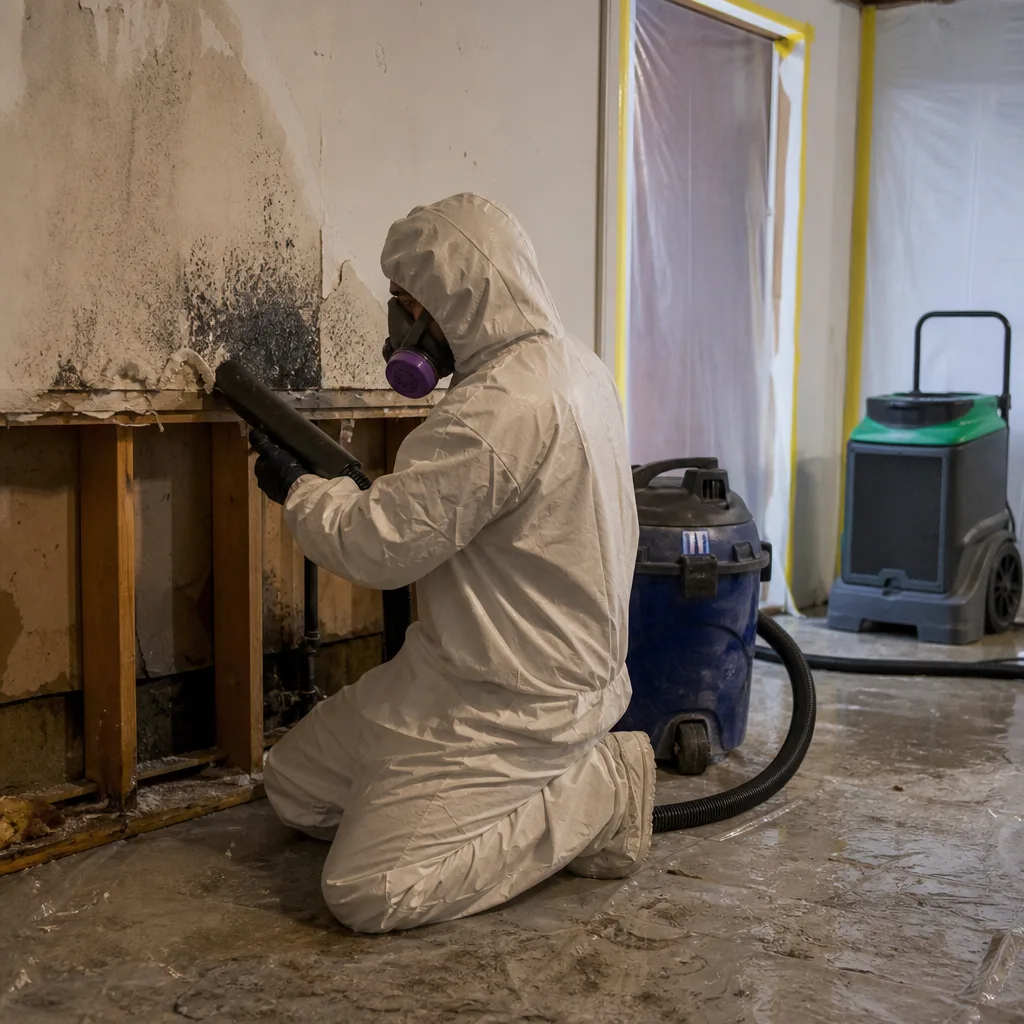
Toilet Overflow Cleanup
A toilet overflow in a pre-war bathroom above a herringbone parquet living room is an emergency. We extract, contain, and dry the parquet in place wherever possible. Salvage is always the first move; demolition is only what contamination forces.
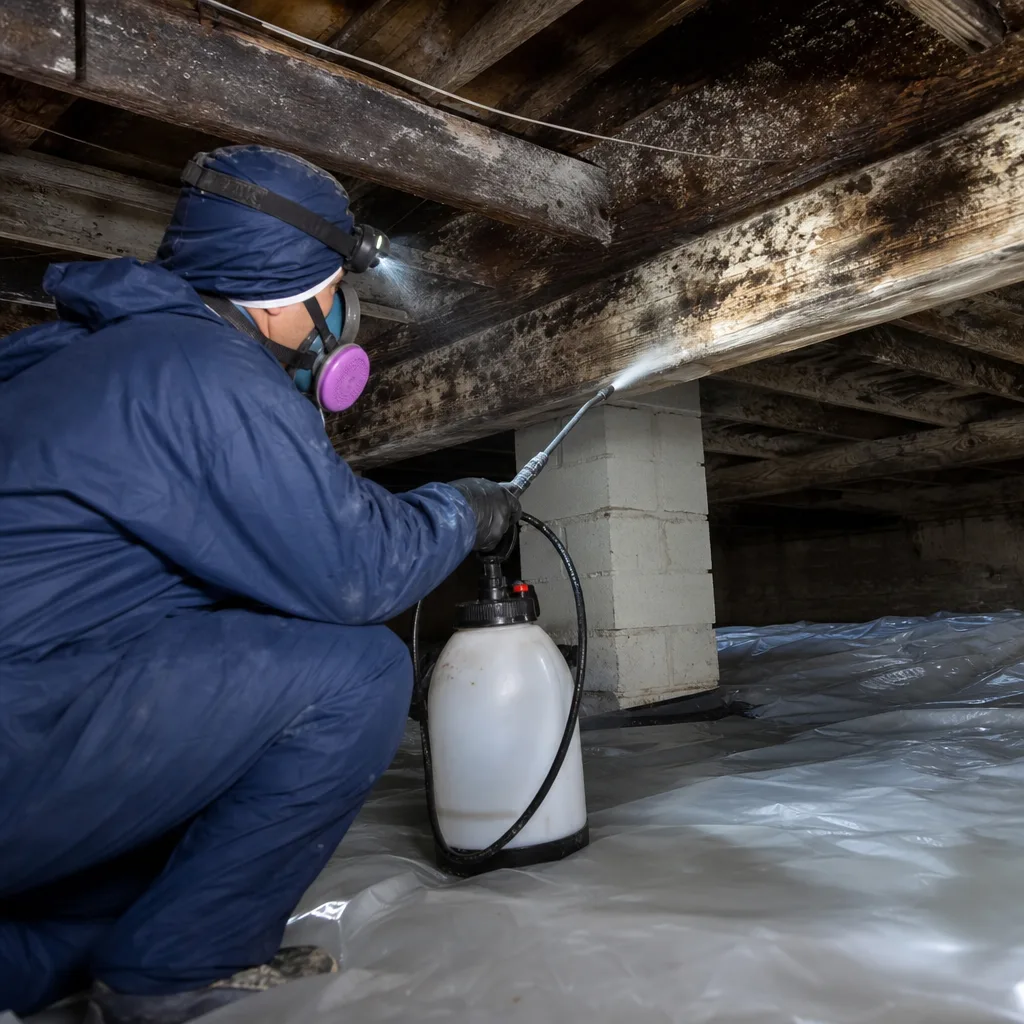
Septic Failure Cleanup
Rare on the Upper West Side itself, but when a neighboring building or a legacy private system fails, the hydrostatic pressure can push sewage up through basement drains in adjacent properties. We handle the extraction, sanitization, and structural drying, and we document it for whoever ends up liable.
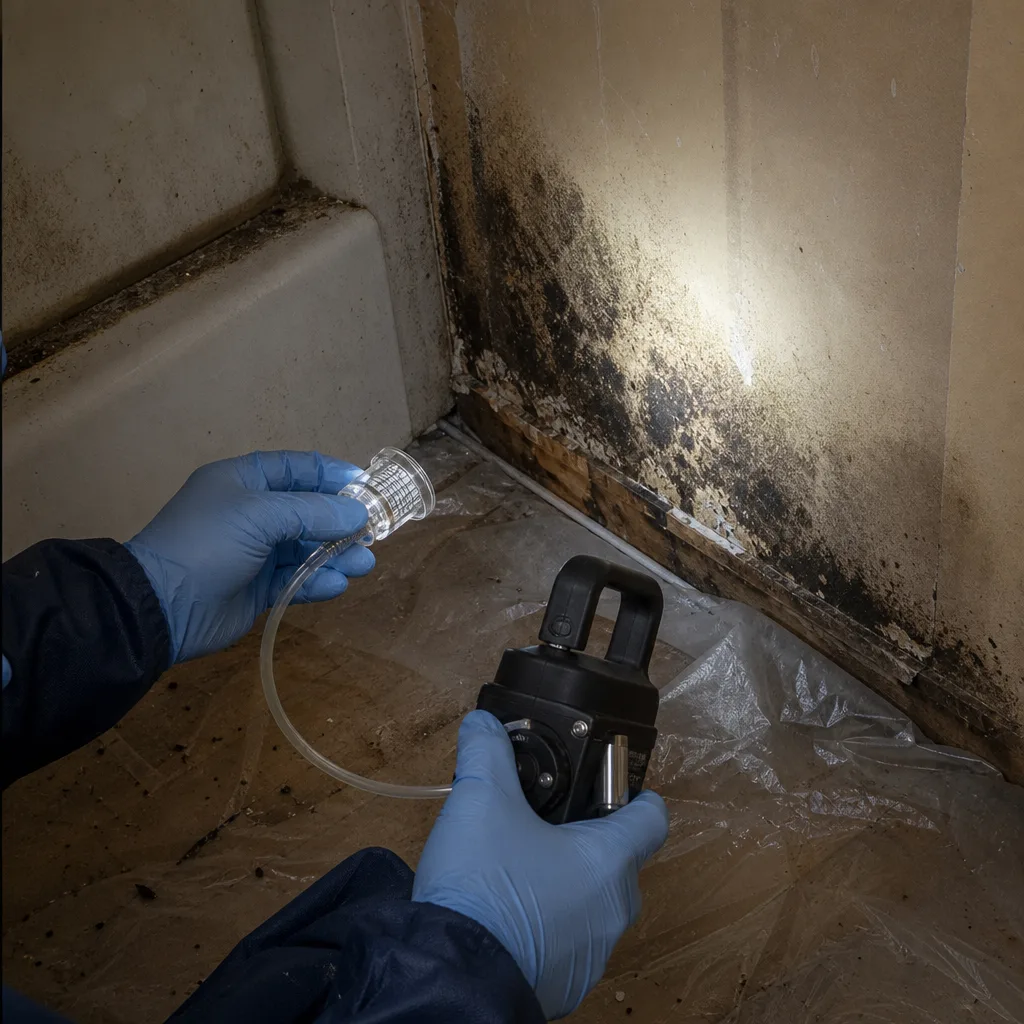
Black Water Extraction
Category 3 water moves fast and pours out of places it should not. Truck-mounted extraction equipment and XPOWER pumps get black water out of basements, mechanical rooms, and interstitial spaces. The longer it sits, the more plaster, parquet, and baseboard come out. Speed is the cheapest line item in a sewage job.
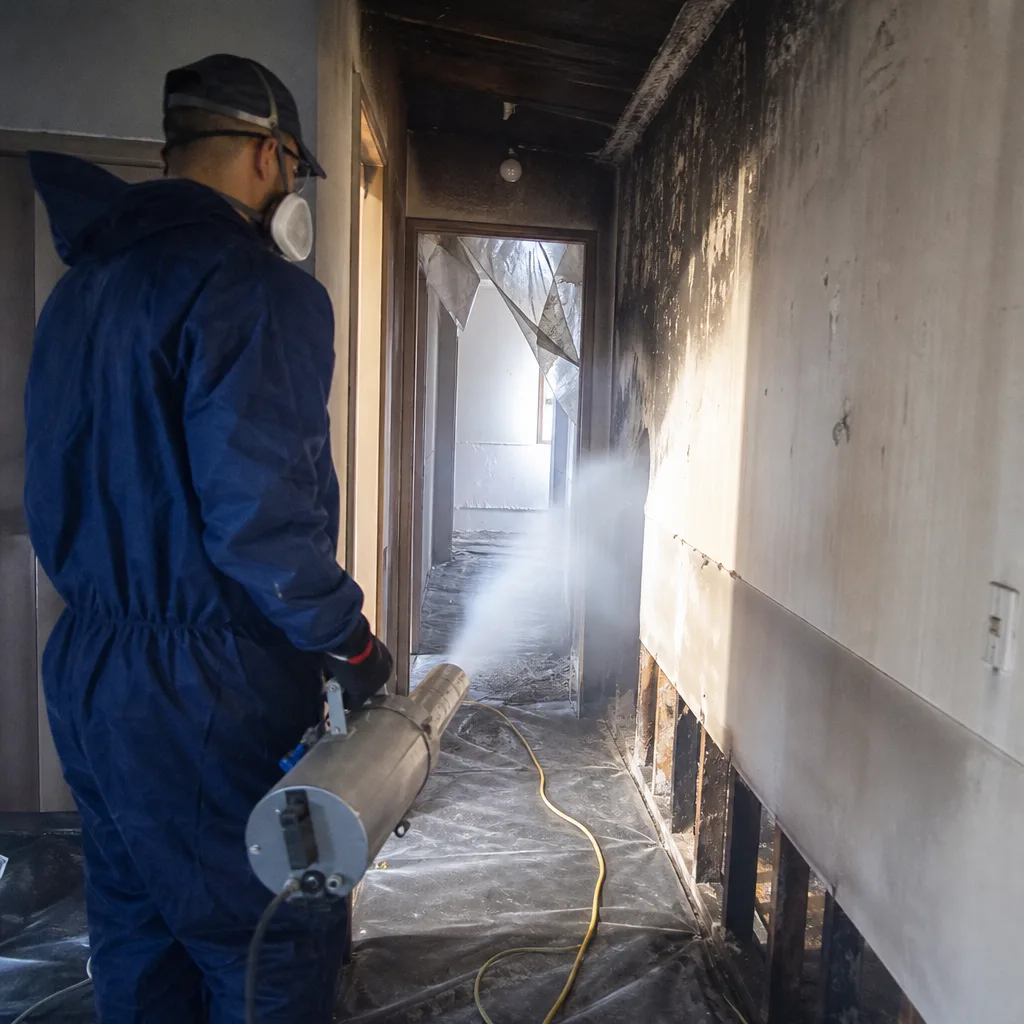
Sanitization & Disinfection
After extraction, we apply hospital-grade antimicrobial treatments to every contaminated surface, including the framing and plaster left in place. HEPA air scrubbers run throughout the job, and we take clearance air samples before anyone calls it done. In a pre-war building, you cannot see behind the plaster, so we prove the air is clean.
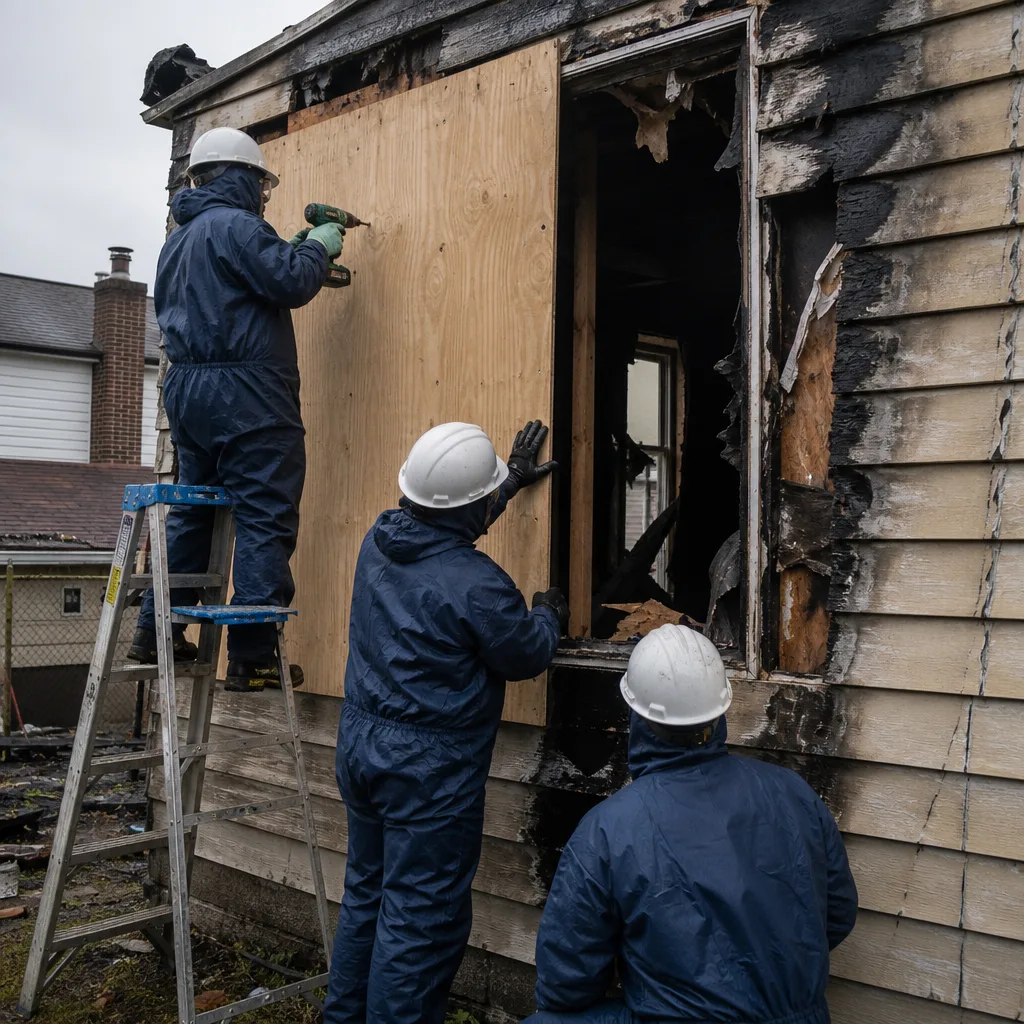
What happens when you call
- 1
A real person answersNo phone trees - you reach a local pro.
- 2
You get an upfront price rangeHonest numbers before anyone is dispatched.
- 3
A background-checked tech heads outLicensed & insured, dispatched right away.
- 4
You approve before work beginsNothing starts until you say go.
Sewage Cleanup Costs in Upper West Side, NY
What should an Upper West Side owner expect to pay? A toilet overflow contained to one bathroom typically runs $1,800 to $3,500. A sewage backup that travels behind plaster, requires wall opening, and demands drying equipment runs $3,500 to $7,000. A failed waste stack affecting multiple floors, with containment, abatement testing, and plaster restoration on the back end, can run $12,000 to $30,000 or more depending on how many apartments and what finishes. What moves the price: how far the sewage traveled, whether abatement testing is triggered, whether parquet can be dried in place or has to be pulled, and how much of the original plaster has to come out. Insurance covers most sudden and accidental backups, subject to deductible. Call (201) 740-2235 for a free visual inspection and an honest number before you sign anything.
We Also Serve Cities Near Upper West Side
Our crews work throughout Manhattan and the nearby boroughs. Besides Upper West Side, we regularly handle sewage cleanup and water damage in the Financial District, Lower Manhattan, Astoria, and Midtown Manhattan. Same live answer, same 45-minute response, same pre-war restoration standards.
Upper West Side Sewage Cleanup Questions, Answered
How does sewage cleanup differ in an Upper West Side pre-war co-op versus a modern condo?
A pre-war co-op means plaster-and-lath walls, herringbone or strip parquet, and a cast-iron waste stack that has been in the wall since Calvin Coolidge was president. Cleanup is slower because original finishes have to be dried and preserved, boards and co-op rules govern what comes in and out of the building, and asbestos testing is often mandatory before any wall is opened. A modern condo has drywall and engineered flooring that are faster and cheaper to replace. The price difference is real: pre-war restoration runs 30 to 60 percent higher per square foot.
Do you handle category 3 water extraction when the source is a failed cast-iron waste stack inside an Upper West Side pre-war wall?
Yes, and that is most of what we handle. We contain the area before the wall is opened, extract the sewage, cut out contaminated plaster only as far as the moisture line runs, and coordinate with the super and board on the replacement pipe. The cast-iron section gets replaced; the plaster gets patched by someone who matches the original texture. Same crew, one job.
Will you coordinate with my co-op board and superintendent during a sewage backup on Central Park West?
We coordinate with anyone who controls access to chases, risers, shutoffs, or building documentation. On Central Park West jobs, that usually means the super, the resident manager, the board’s architect or engineer, and two insurance carriers. Wade talks to them all directly. You get the outcome, not a phone tree.
Can you dry my herringbone parquet floor in place after a toilet overflow on the Upper West Side, or does it have to be pulled?
In most cases, we dry it in place. We use Phoenix dehumidifiers, B-Air air movers, and daily moisture readings to draw the water out of individual boards without lifting the floor. If a board has cupped beyond salvage, we remove and replace only that board, not the whole field. But parquet on lath over a wet plywood subfloor sometimes has to come up in sections. That call gets made with a moisture meter, not a guess.
What should I do immediately after a sewage backup in my Riverside Drive pre-war apartment before your crew arrives?
Stop using water. Shut off the toilet supply valve if the overflow is from the bowl. Keep everyone out of the affected room, especially pets and kids. Do not run ceiling fans or HVAC, because that spreads contaminated air. Move small valuables out of the path of the water, but do not wade through sewage without boots and gloves. Call (201) 740-2235 and Wade will walk you through it while he is on the road.
How fast can someone actually get to my Upper West Side building?
Within 45 minutes, and usually faster. Wade’s crew works the Upper West Side daily, so someone is already nearby. The call is answered by a live person, never a phone tree, and Wade heads out himself.
Does my insurance cover sewage backup damage in a pre-war co-op?
Most co-op and condo policies cover sudden and accidental sewage backup, subject to the deductible and any sublimit for backup. The key is proving the source and the timeline. We document everything from hour one, photograph the source, and handle the adjuster directly. When it turns out the event was caused by a neighboring unit’s line, we package it for the board’s carrier as well.
How long does sewage remediation take in an Upper West Side pre-war apartment?
Extraction and containment happen day one. Drying typically takes three to five days with continuous equipment. Sanitization and clearance testing happen after the drying goal is met. Plaster patching and parquet restoration add another week to ten days depending on how much finish work is required and how fast the board approves any wall or floor work. In total, most pre-war sewage jobs from first call to final coat of finish run two to three weeks.
Serving Upper West Side, NY - Our Local Coverage Area
We’re based in the Upper West Side area and know this community well. Use the map below to see our service coverage - if you’re nearby, we can almost certainly help.
Call Wade’s Restoration for Sewage Cleanup in Upper West Side
If you have sewage backing up in an Upper West Side apartment right now, call (201) 740-2235. Wade Ferris answers his own phone, day or night, and he will tell you what to do in the next thirty minutes while he is on the road. If you are staring at a stain on the ceiling below a bathroom and wondering if the waste stack is weeping behind your plaster, call for a free visual inspection. Wade will bring a moisture meter, a thermal camera, and an honest opinion. No charge for the inspection inside the county. No pressure. Just a straight answer from a neighbor you will run into again.
Written by Wade Ferris, Owner at Wade’s Restoration, serving Upper West Side since 2007.