
Free visual inspection and a written scope of work before any mitigation begins - photos, moisture readings, and drying logs go in your claim file
The scope we write is the scope we bill. Anything new gets shown to you, in writing, before we touch it.
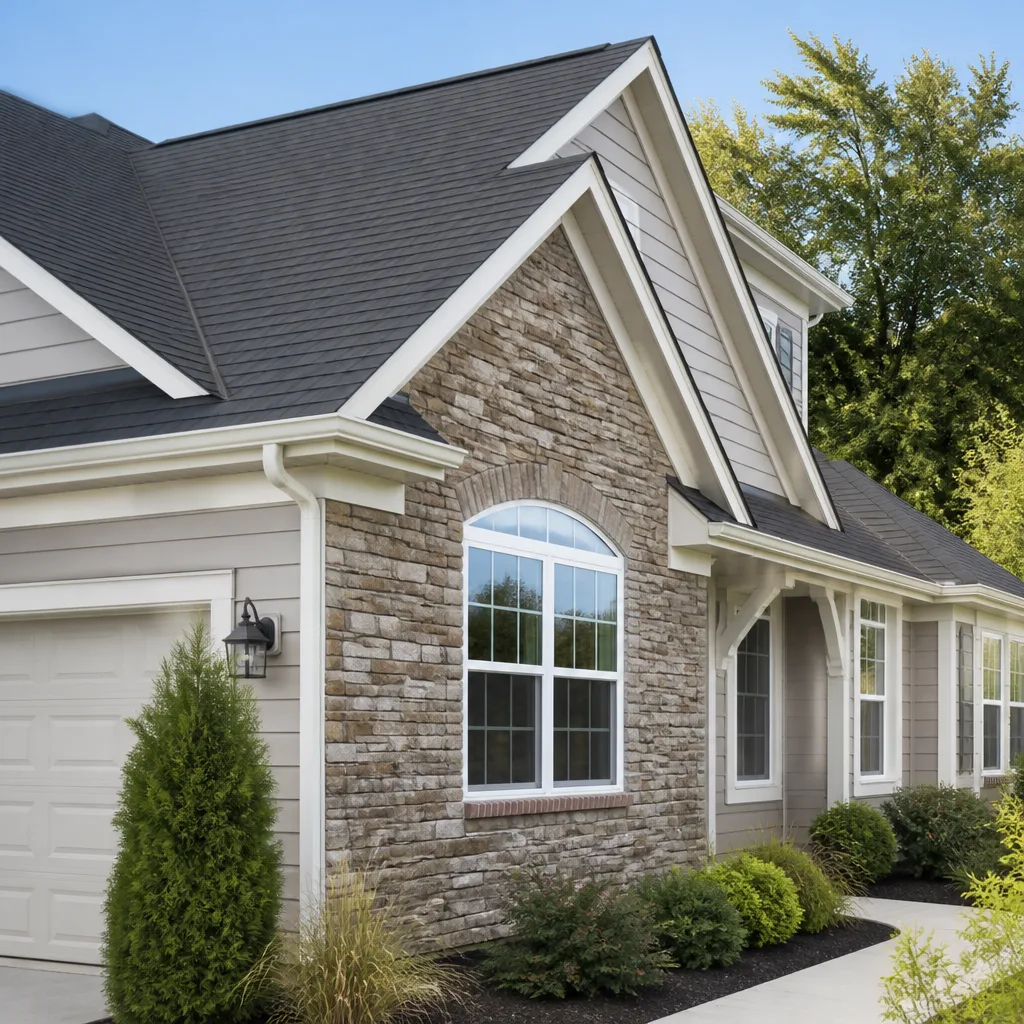
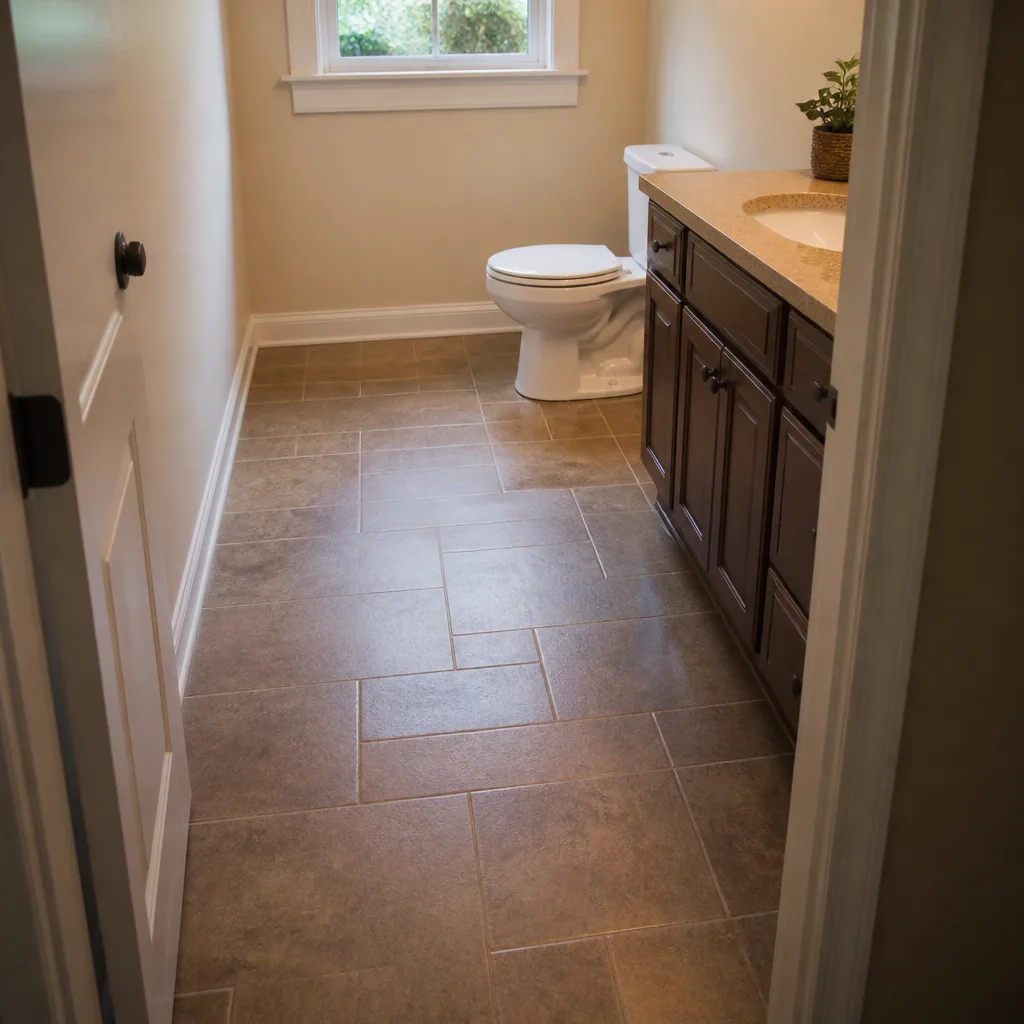
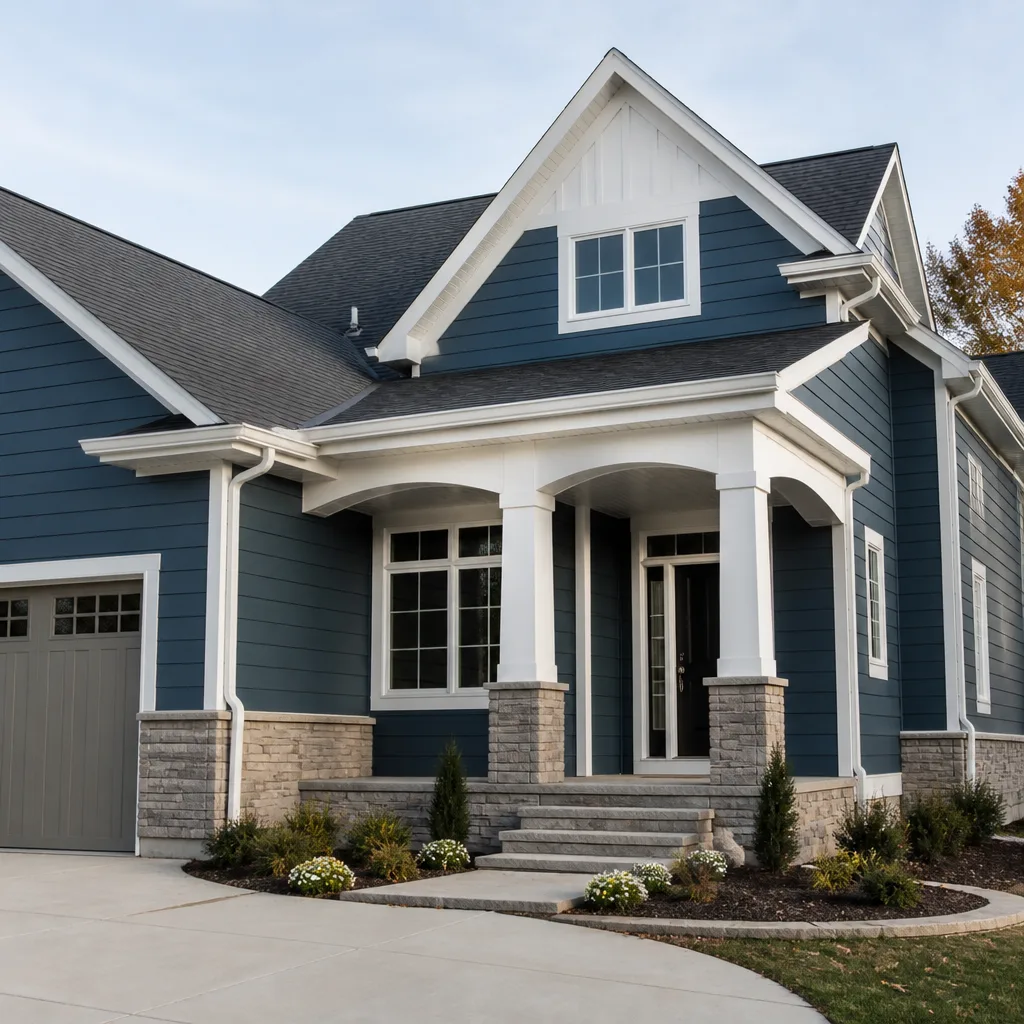
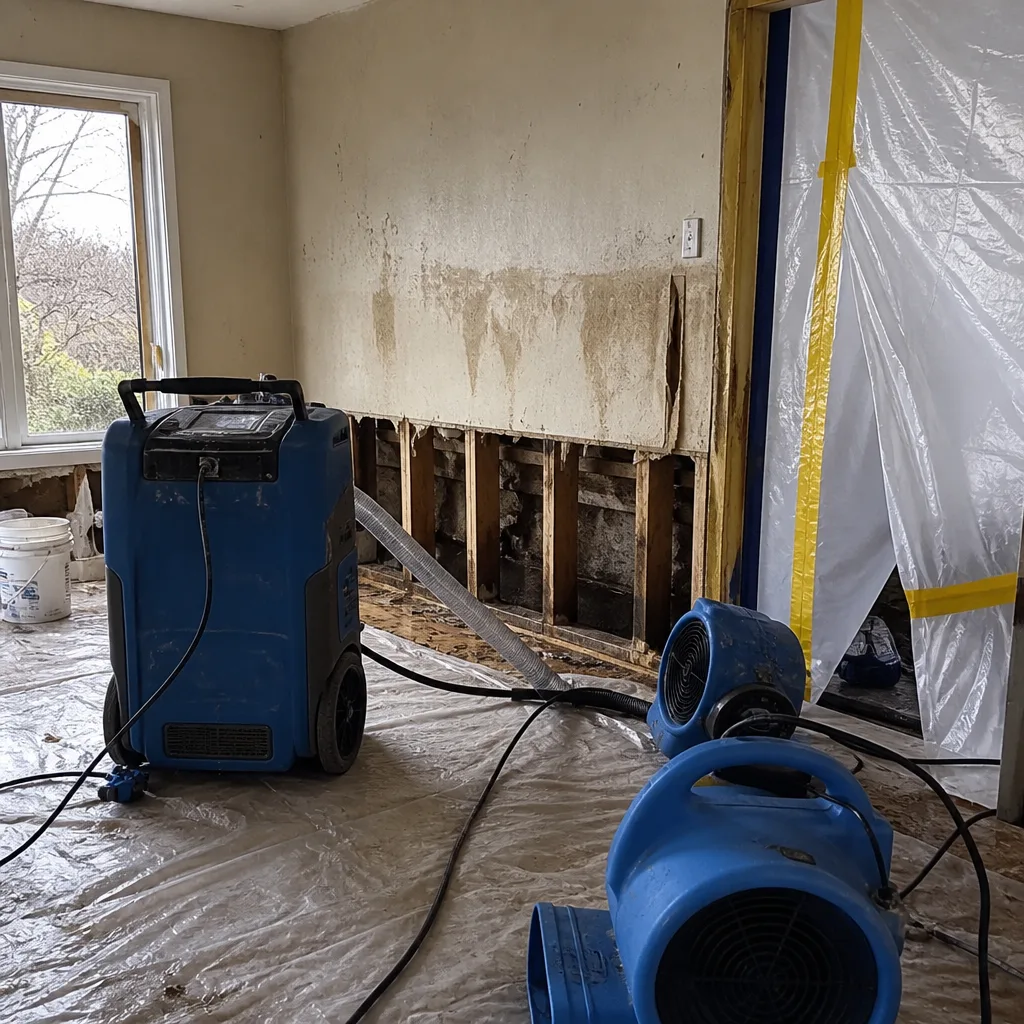 Before
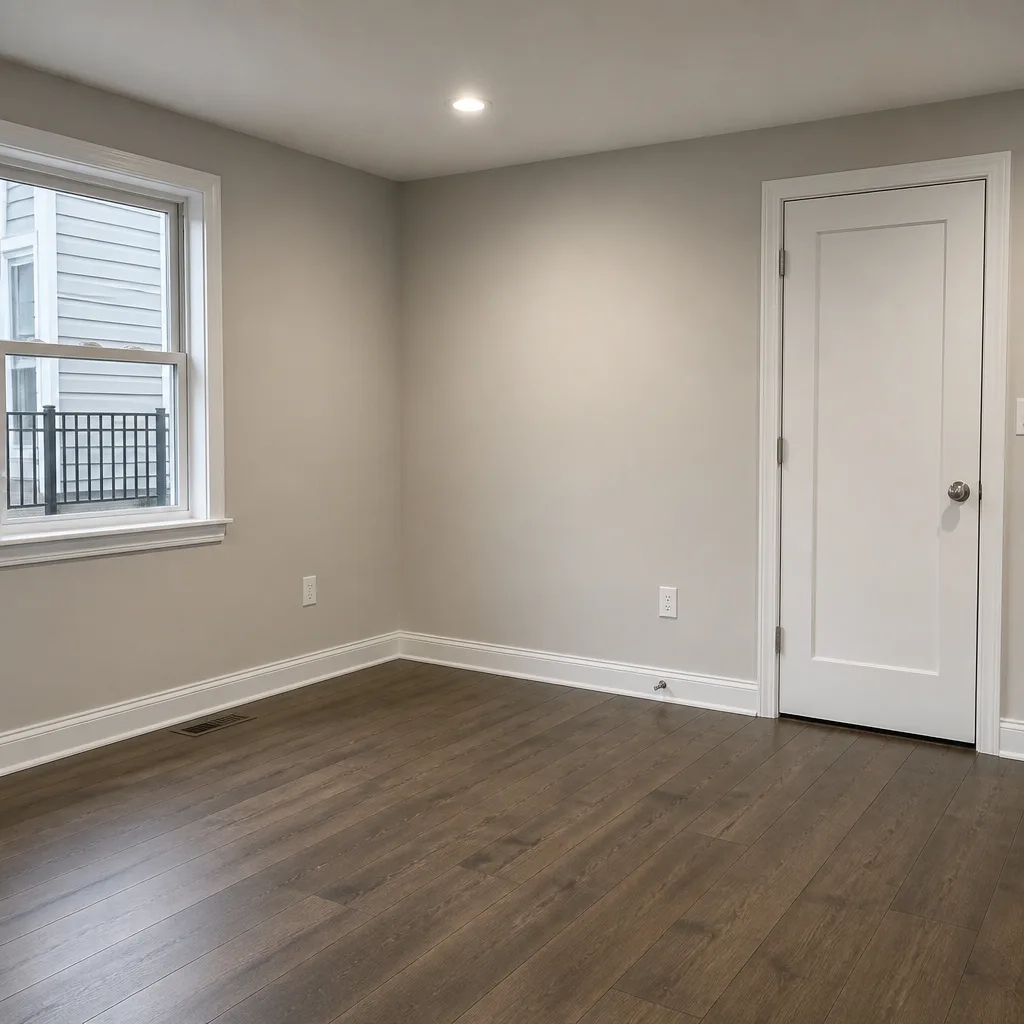 After
After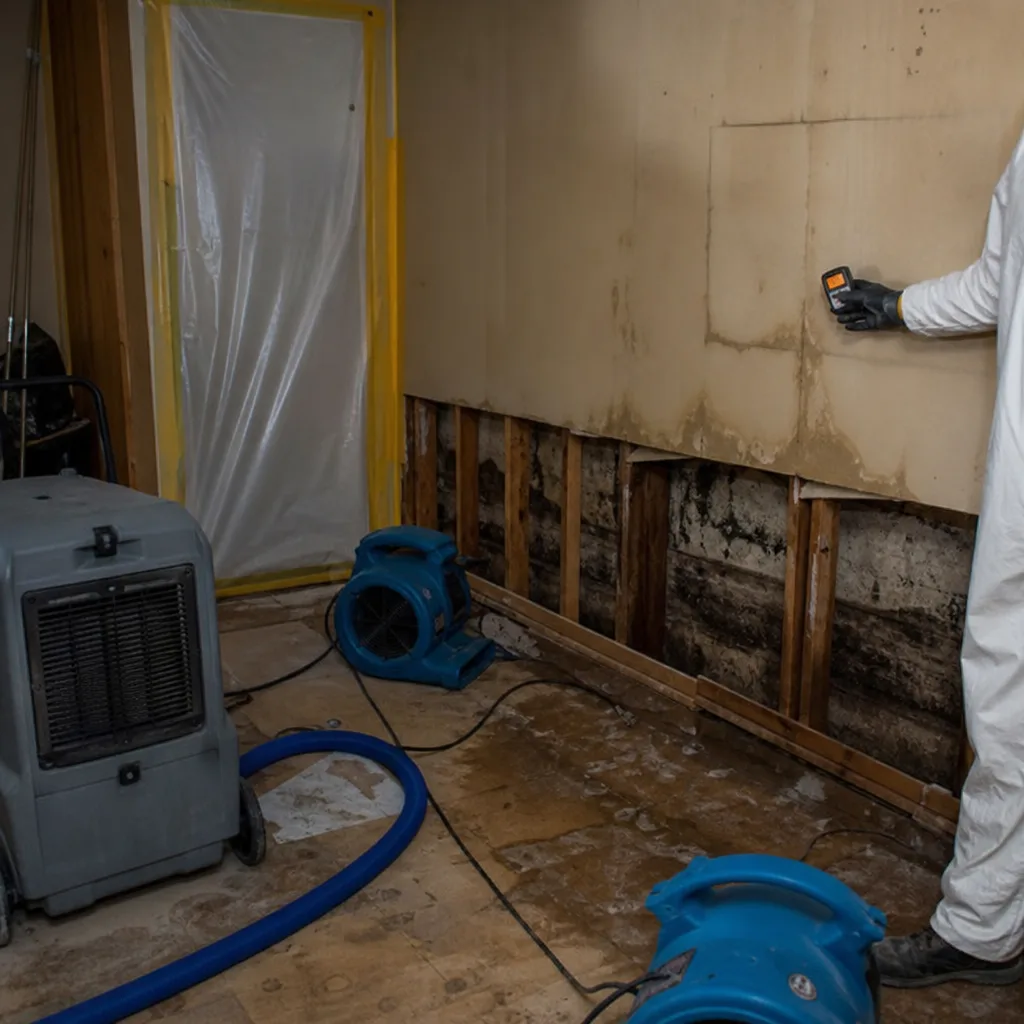 Before
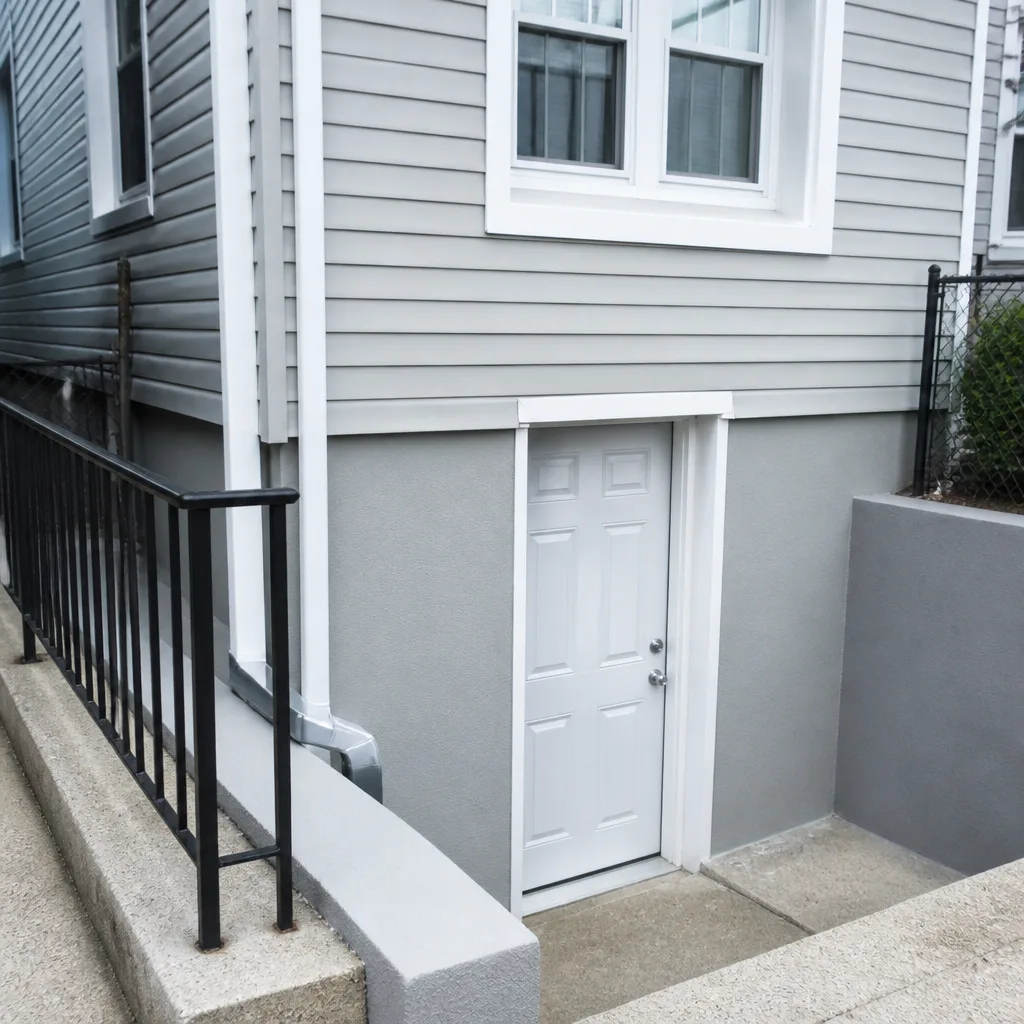 After
After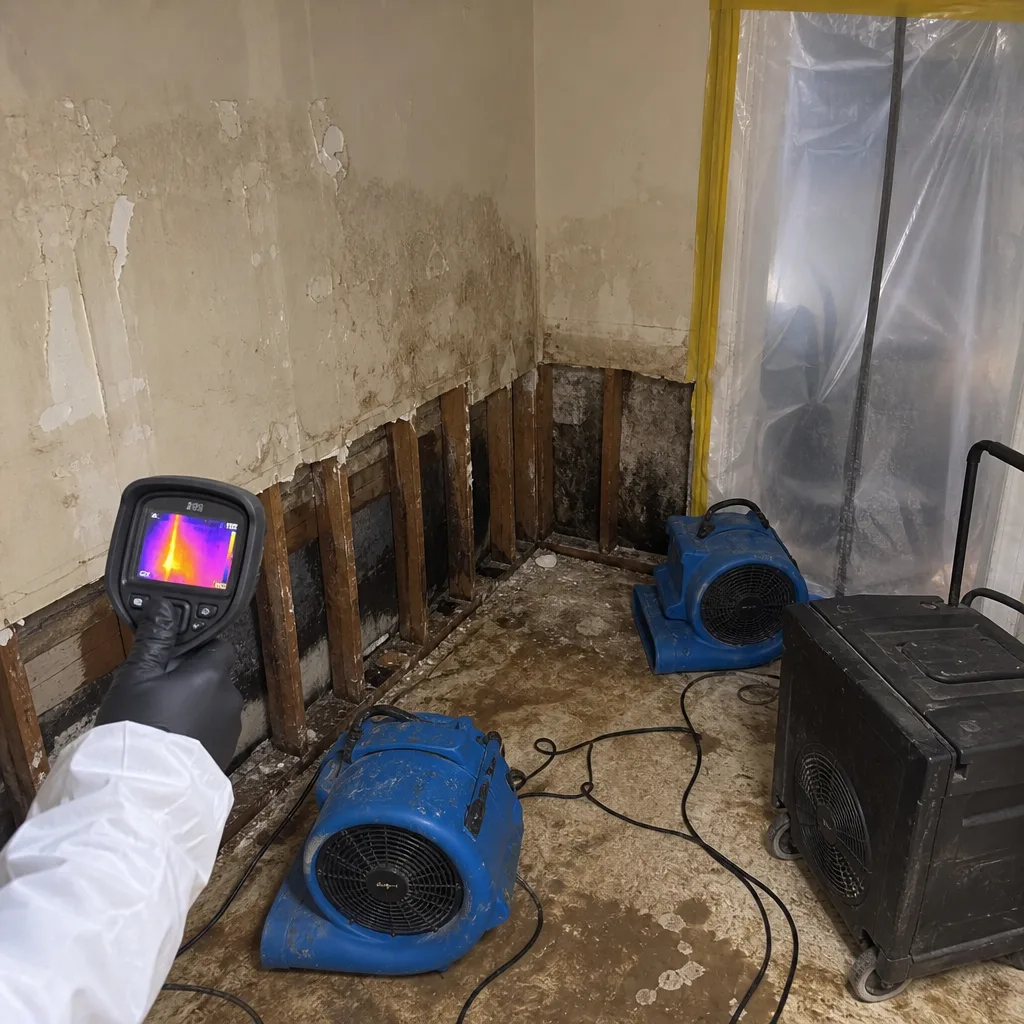 Before
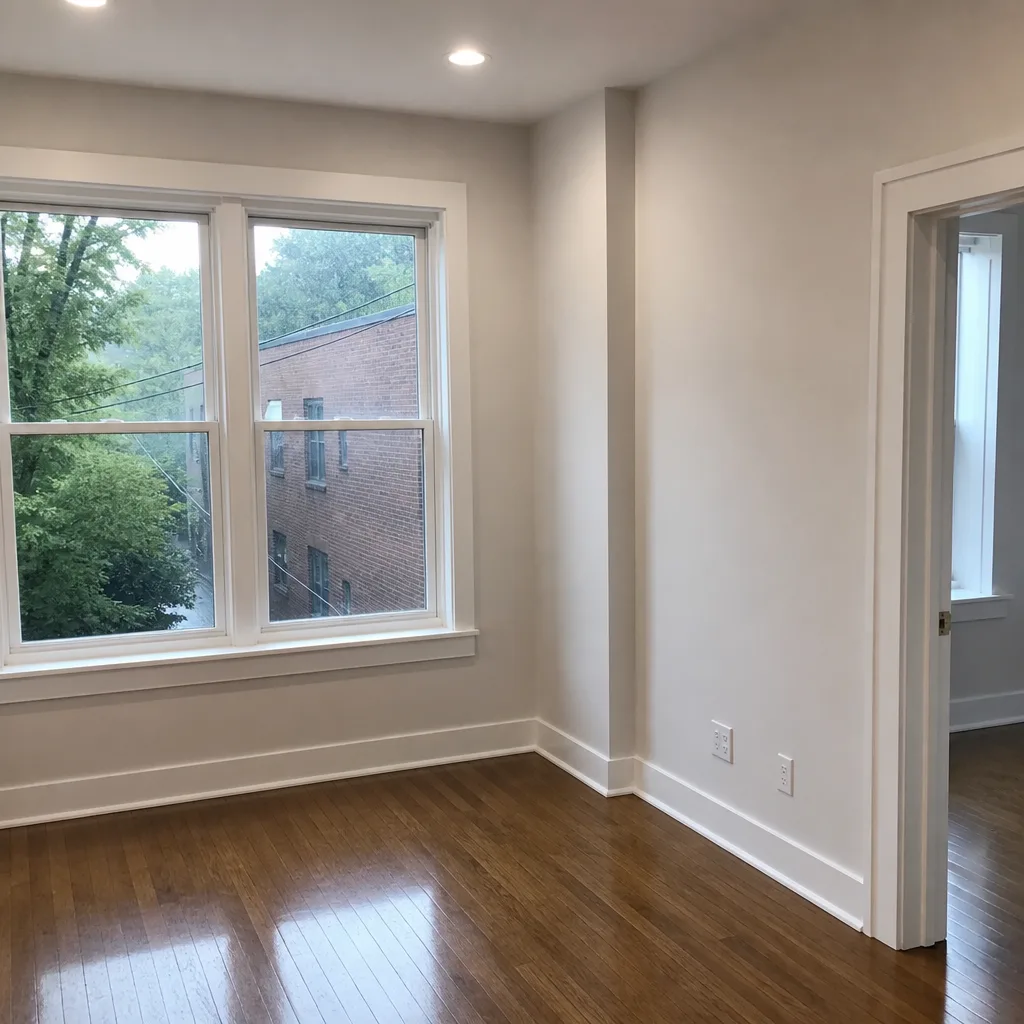 After
After24/7 Emergency Commercial Restoration in Upper West Side
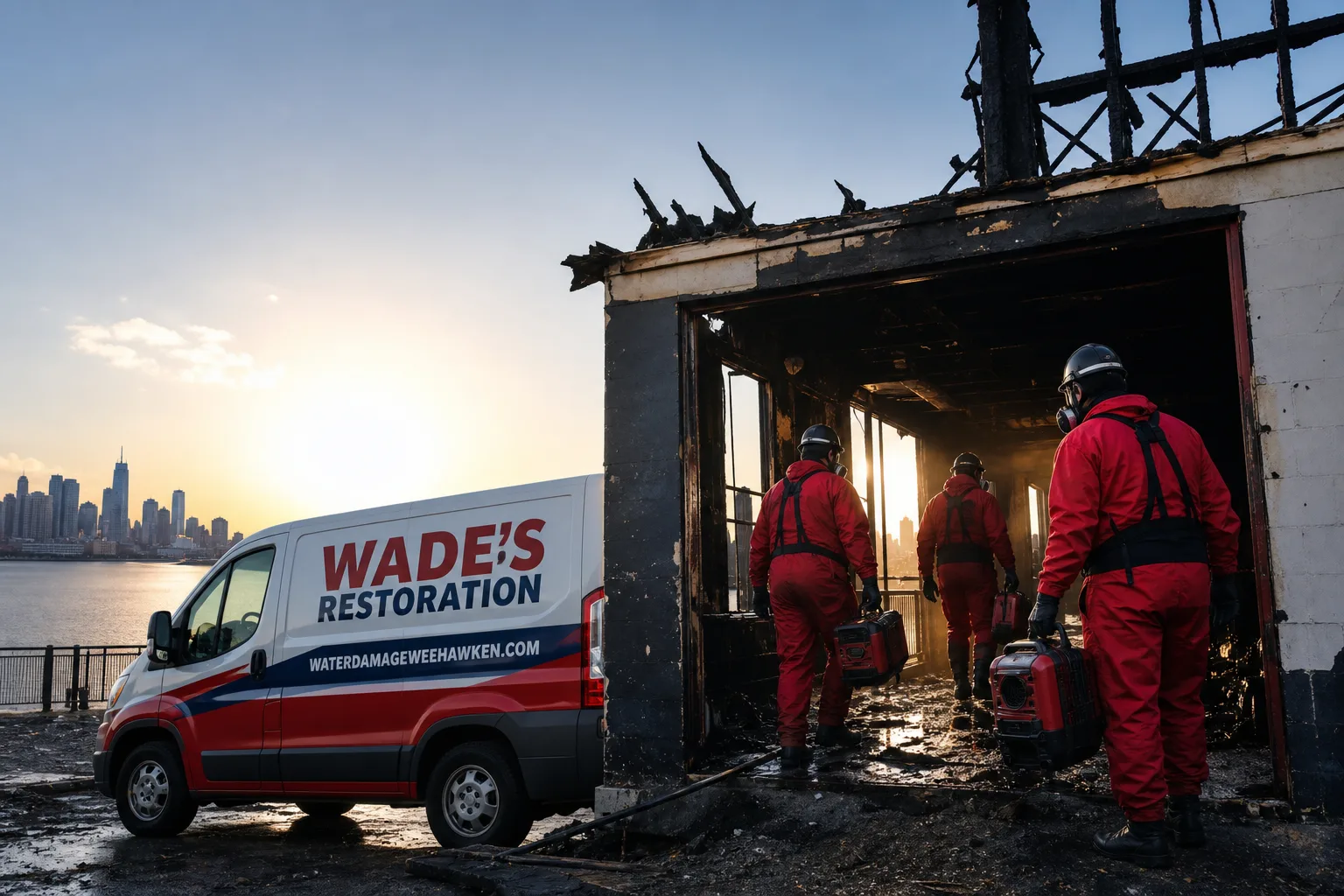
Commercial water, fire, or mold damage in Upper West Side doesn’t wait for business hours, and neither do we. Call (201) 740-2235 any hour and you’ll get a live person, not a queue. Wade and his crew head out immediately to Upper West Side properties, and in most cases we’re on site within the hour. The first hour after a burst riser pipe or a backed-up scupper matters because water moves fast through pre-war plaster, parquet, and between stacked apartments. A free visual inspection tells you exactly what you’re dealing with before any work starts. If a pipe let go at two in the morning above your retail space on Amsterdam Avenue, you don’t need a call center. You need boots on the ground, extraction running, and a straight answer about what comes next.
Understanding Commercial Restoration Severity in Upper West Side Properties
Not all water damage is the same, and in Upper West Side’s pre-war stock, severity is often hidden. Category 1 water comes from a clean supply line. Category 2 carries contaminants from washing machines or steam condensate. Category 3 is sewage, storm backflow, or river water, and it demands full containment, disposal of affected materials, and aggressive sanitizing. Fire losses layer in soot types: dry protein soot from kitchen fires, oily hydrocarbon soot from plastics and synthetics, and corrosive acidic soot from burned wiring or electronics. Each requires different chemistry and different abrasive cleaning methods. Mold in a UWS co-op or commercial space rarely announces itself the way a flood does. It hides behind horsehair plaster, inside chase walls, under herringbone floors. By the time bubbling paint or a musty odor appears, active colonization has usually been running for weeks or months. We use thermal imaging, moisture meters, and borescope inspection to map what’s actually wet, not just what looks wet. Severity drives scope. A 300-square-foot retail back room with saturated plaster and asbestos-wrapped steam pipes is a different animal from a fresh water leak in a post-war drywall office.
Why Upper West Side Property Owners Choose Wade’s Restoration
- 45-minute response commitment. Wade answers his own phone and can have a crew rolling into Upper West Side within the hour, not “sometime tomorrow.”
- 24/7 live answer, always. No answering service, no voicemail tree. You get Wade or a member of his crew, even at 3 a.m. on a holiday.
- IICRC-certified crews. Our people hold WRT, FSRT, and AMRT certifications. That’s water damage, fire and smoke, and applied microbial remediation. Not a weekend course.
- Free visual inspection. We’ll tell you what you actually need, not what we’d like to sell you. No charge for that.
- Direct insurance billing. We handle the carrier paperwork and deal with your adjuster directly, photo documentation included from the first hour.
- One team from extraction to reconstruction. You won’t get handed off between three different contractors. Wade’s crew starts the job and finishes it.
Our Commercial Restoration Process
Inspection & Assessment
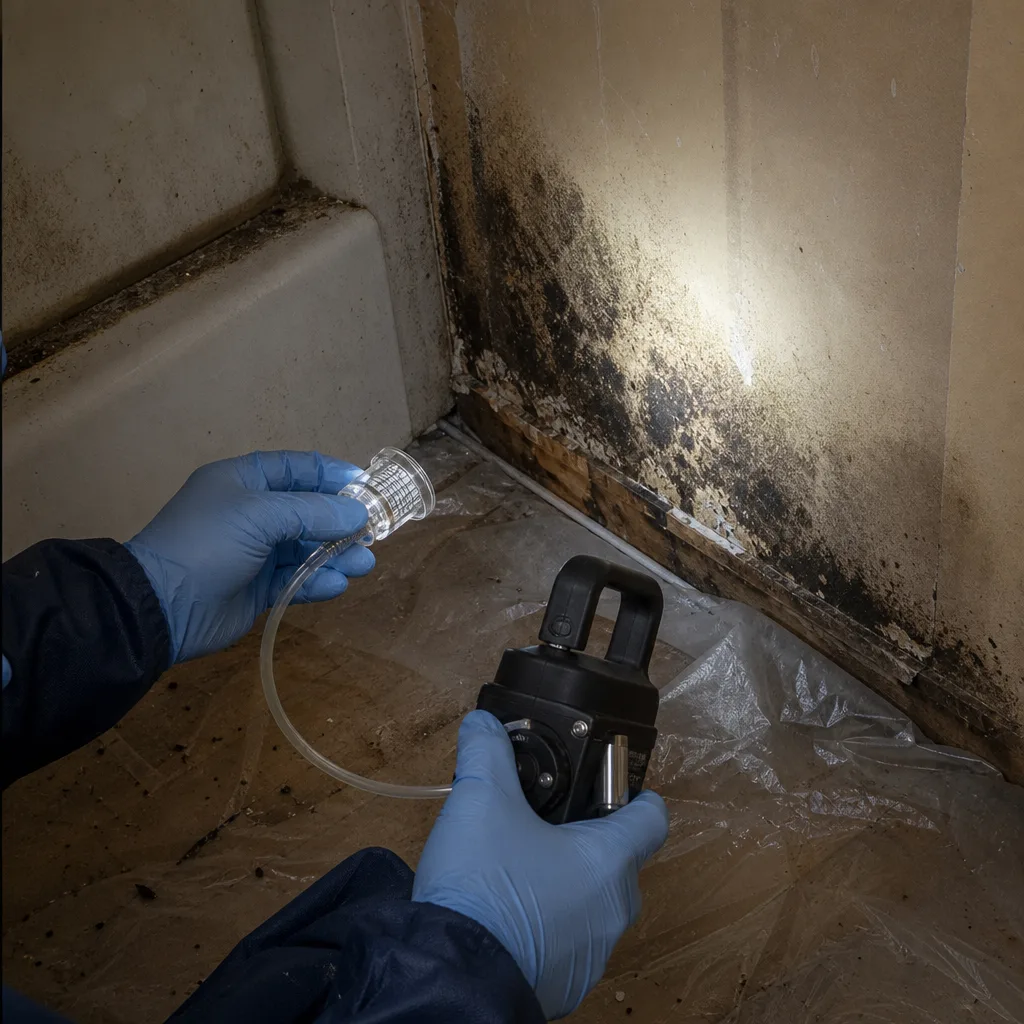
We walk your Upper West Side space with thermal imaging cameras and moisture meters, mapping every affected surface and hidden cavity. If asbestos-containing materials are likely, we recommend testing before any wall is opened. You get a written scope with a firm price before work begins.
Extraction & Stabilization
B-Air and XPOWER extractors pull standing water fast, and we contain the affected zone with negative air pressure to stop mold spores and soot from migrating into clean spaces. We board up, tarp, and secure the structure the same day.
Drying & Dehumidification
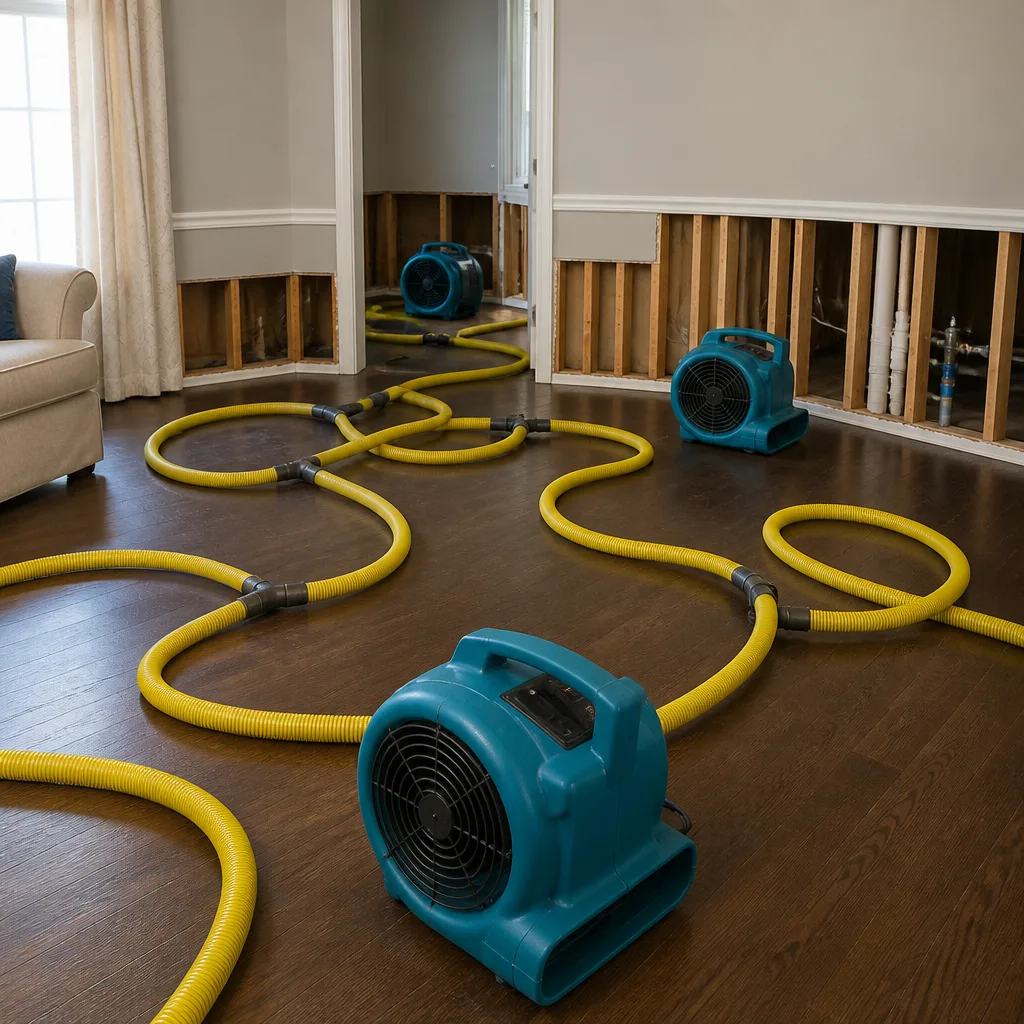
Commercial-grade Dri-Eaz and Phoenix dehumidifiers with Injectidry floor systems run 24/7 on the affected space. In pre-war plaster walls, this is where the patience pays off - horsehair plaster releases moisture slowly and pushing it too fast causes cracking.
Cleaning & Sanitization
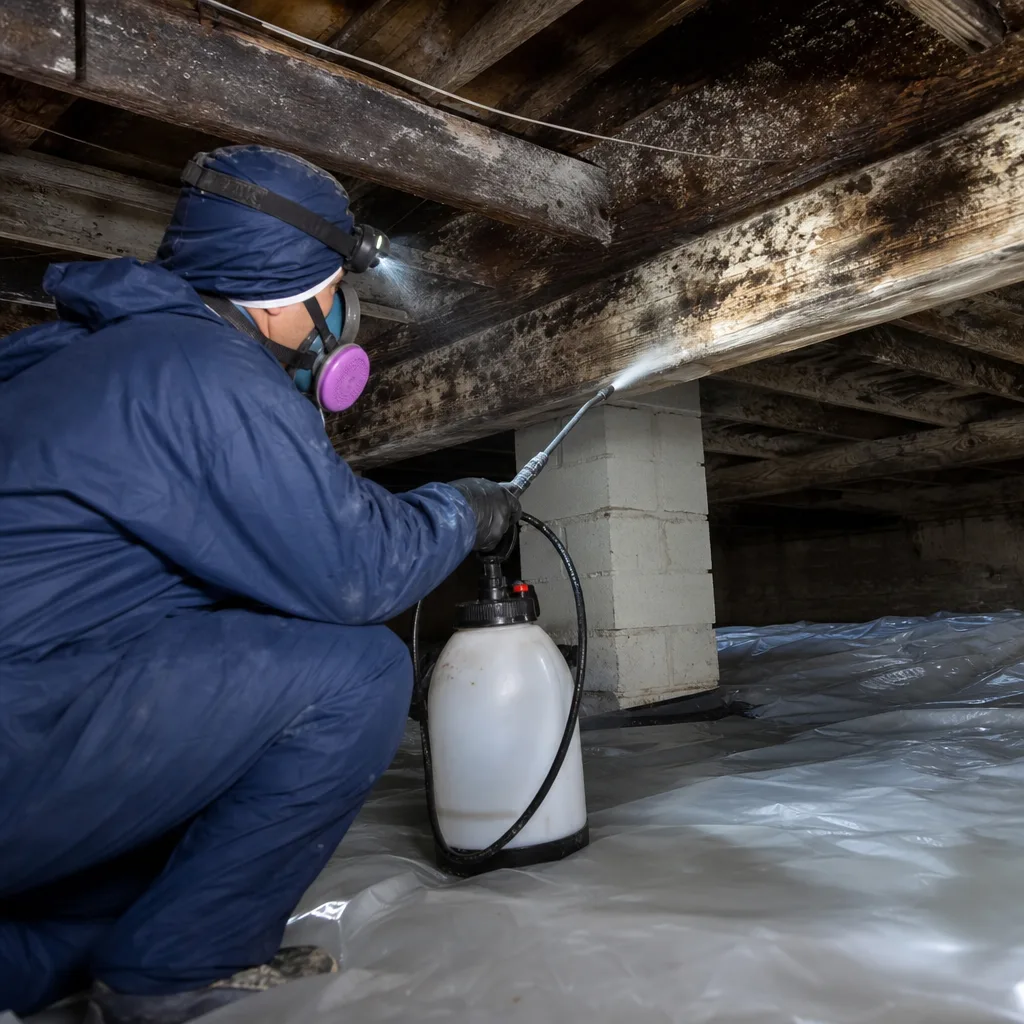
We clean soot, disinfect sewage-affected surfaces, and treat mold with EPA-registered antimicrobials inside full containment. HEPA air scrubbers run the entire time to protect occupants and prevent cross-contamination between units.
Specialty Treatment
Herringbone parquet gets Injectidry panel drying before sanding and refinishing. Plaster moldings get careful drying and patching by craftsmen who know pre-war profiles. Original terrazzo and mosaic tile are cleaned, not replaced, wherever salvage is possible.
Repairs & Restoration
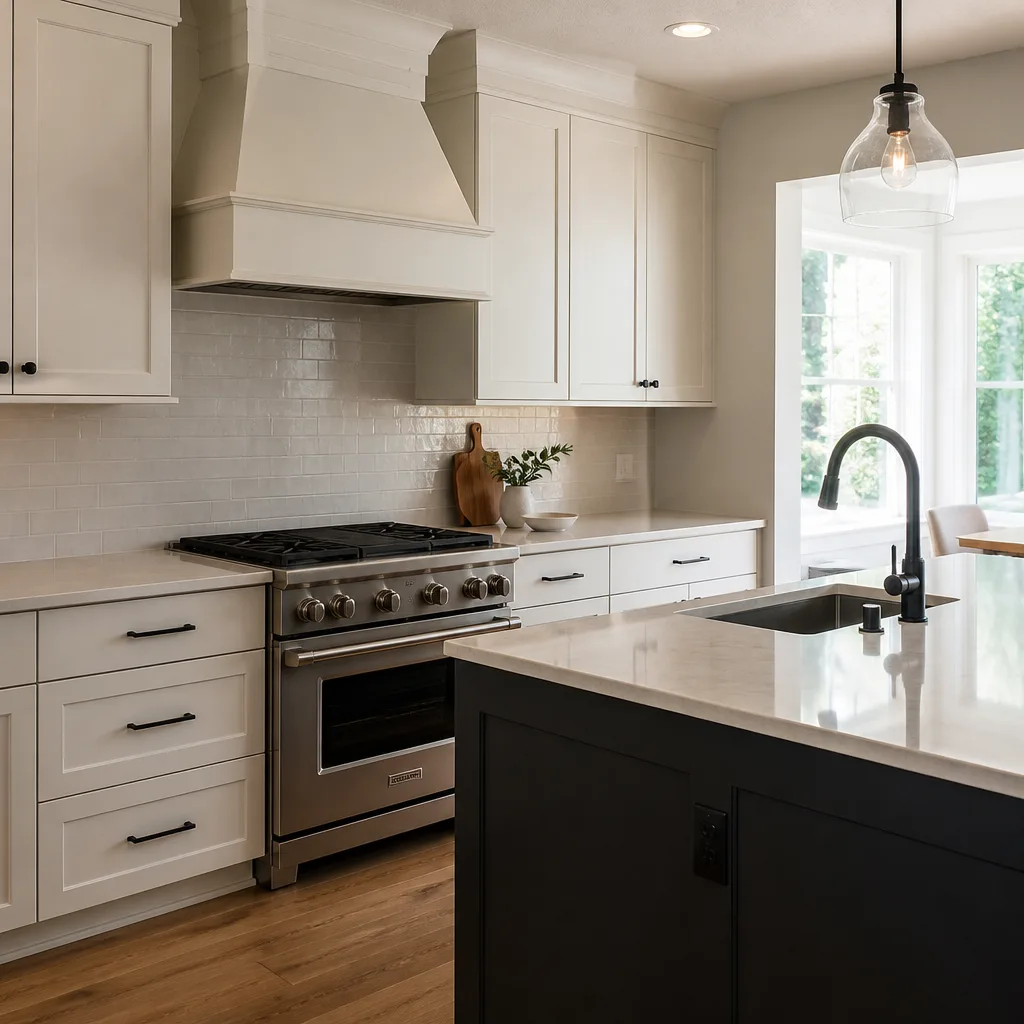
We rebuild to co-op board standards, match original profiles, and coordinate with the building superintendent and board from day one. You get daily moisture logs and a final walkthrough with written documentation of everything we did.
Need Emergency Commercial Restoration in Upper West Side Now?
Crews minutes away, answering live 24 hours a day. The sooner we start, the less it costs.
Working With Your Insurance Company
Insurance is almost always in the room when commercial restoration starts on the Upper West Side, even if nobody’s said it yet. We get that. Wade’s Restoration has been Commercial Restoration claim work since 2007, and we deal with adjusters directly so you’re not stuck relaying messages between two sides who speak different languages. From the first hour we’re photographing everything, logging moisture readings every day, and writing a line-item scope that your carrier can actually process. That daily moisture log is the difference between a paid claim and a disputed one. So a few of the things we hand your insurer without being asked:
What We Provide Your Insurer
- Thorough documentation of the loss
- Photos of all damage, room by room
- Moisture readings and drying logs
- A detailed, line-item scope of work
- Direct coordination with your carrier
Built for Upper West Side’s Loss Calendar
Upper West Side’s restoration problems follow a seasonal rhythm that a local contractor learns by living through it. January deep freezes stress the century-old galvanized supply lines in pre-war building chases, and when they burst, the water travels straight down through four to six stacked apartments before anyone even finds the shutoff. March and April bring thaw-and-refreeze cycles that work on aging parapet copings and rooftop flashings along Riverside Drive and Central Park West, producing slow leaks that show up as damage in an apartment two floors below the actual breach. July and August thunderstorms regularly overwhelm the original cast-iron through-wall scuppers on pre-war courtyards and top-floor setbacks, backing water into penthouse units and ornate lobby vestibules. And all through winter, the one-pipe steam radiators in nearly every UWS building weep from corroded air vents, feeding moisture into plaster cavities for months before bubbling paint gives it away. Call (201) 740-2235 as soon as you suspect any of it. Early containment changes the entire cost curve.
Commercial Restoration Across Upper West Side’s Neighborhoods
Upper West Side isn’t one kind of building stock, and restoration needs shift block by block. Along Riverside Drive, the big courtyard co-ops with their lobby terrazzo, ornamental plaster, and rooftop drainage systems mean a single scupper backup can involve the board, the super, three insurance carriers, and a five-figure lobby restoration. Central Park West’s limestone towers have massive steam systems and ornate public spaces; a riser leak there requires asbestos testing in the chases and plaster craftsmen who can match century-old profiles. The interior blocks between Amsterdam and Columbus are dense with six-story walk-ups where water from a fifth-floor apartment pours through four floors below it before the super even gets the call. Around the Columbia University area and Morningside Heights edge, older rental stock and landmark-adjacent buildings put preservation rules on top of everything else. West 72nd Street’s commercial corridors and the storefronts along Broadway and Amsterdam face their own pressure: business interruption. Every hour a retail space is closed for mitigation is an hour of lost revenue. We sequence the work to get you back open as fast as the drying allows.
Specialized Commercial Restoration Services We Offer in Upper West Side
Office & Retail Restoration
A burst supply line above a Broadway storefront can shut down a business in minutes. We extract, contain, and dry during off-hours where possible, and sequence the cleanup so your doors reopen with minimal downtime. Plaster repairs and parquet refinishing are matched to the original finishes so the space doesn’t look “restored” - it just looks like it did before.
Multi-Unit & HOA Restoration
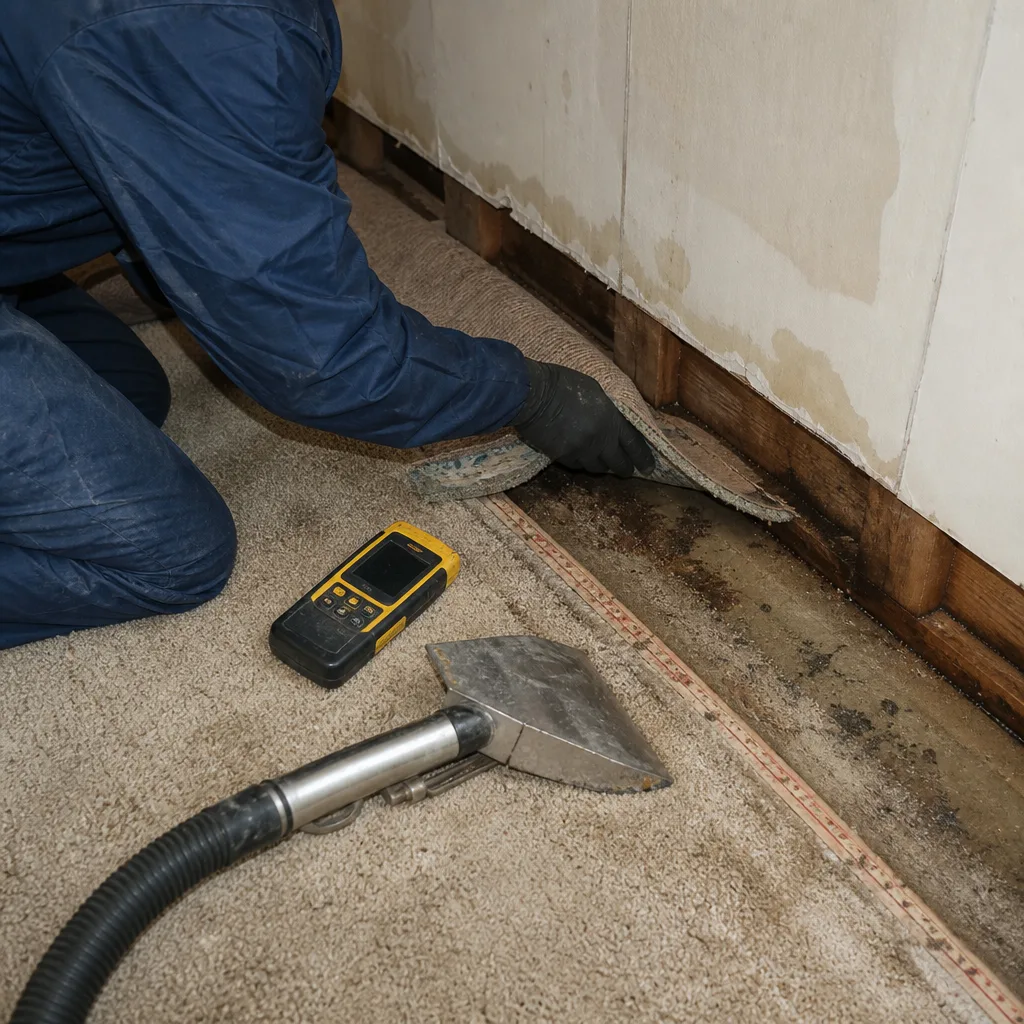
This is the core of Upper West Side work. Four to six stacked units affected by a single riser failure means we’re coordinating with the building super, the co-op board, each shareholder’s insurance carrier, and the city’s asbestos rules simultaneously. We’ve run this playbook hundreds of times. Daily moisture logs go to the board and every affected shareholder. No surprise scopes, no finger-pointing.
Industrial Facility Cleanup
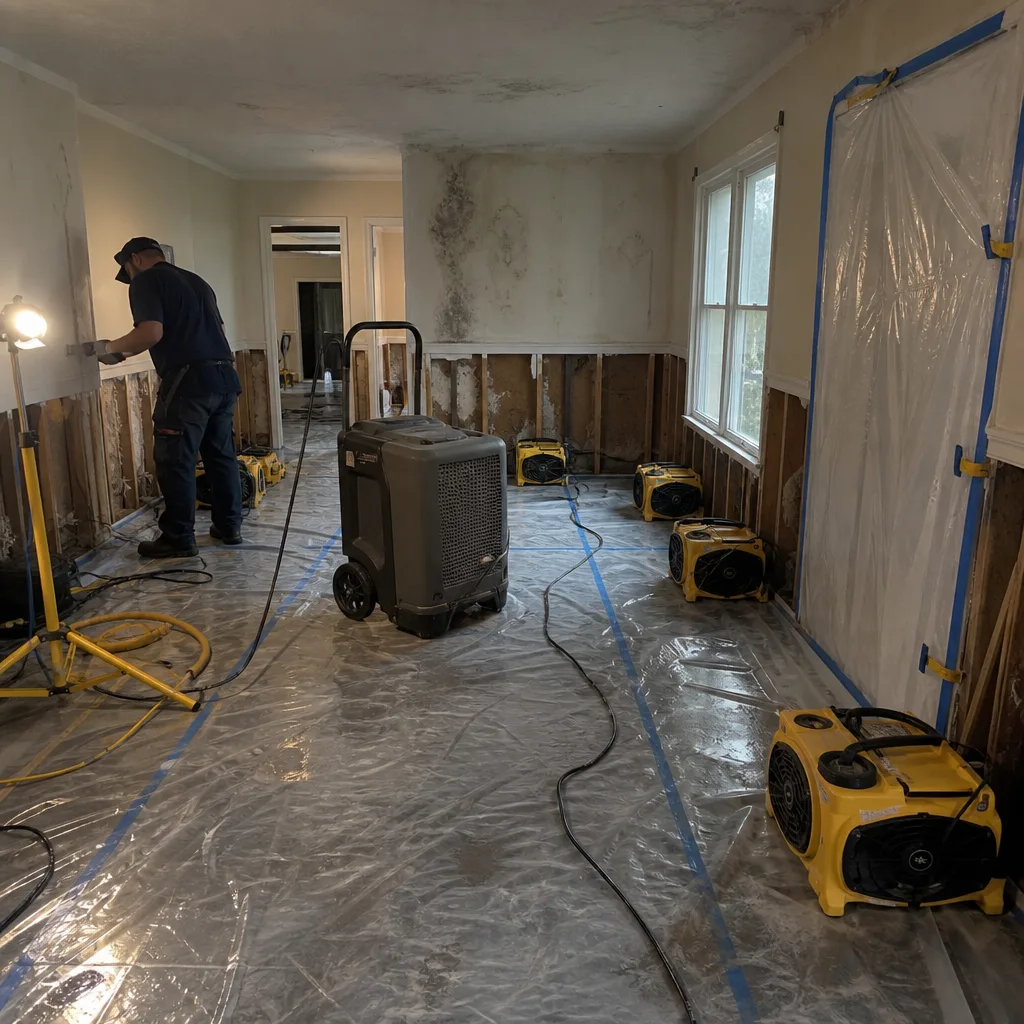
Mechanical rooms, boiler spaces, service corridors, and basement-level facilities in pre-war Upper West Side buildings carry old piping, asbestos-wrapped insulation, and decades of layered repairs. We bring full containment, negative air pressure, and IICRC protocols to spaces that most restoration companies won’t touch without a warning label.
Large-Loss Response
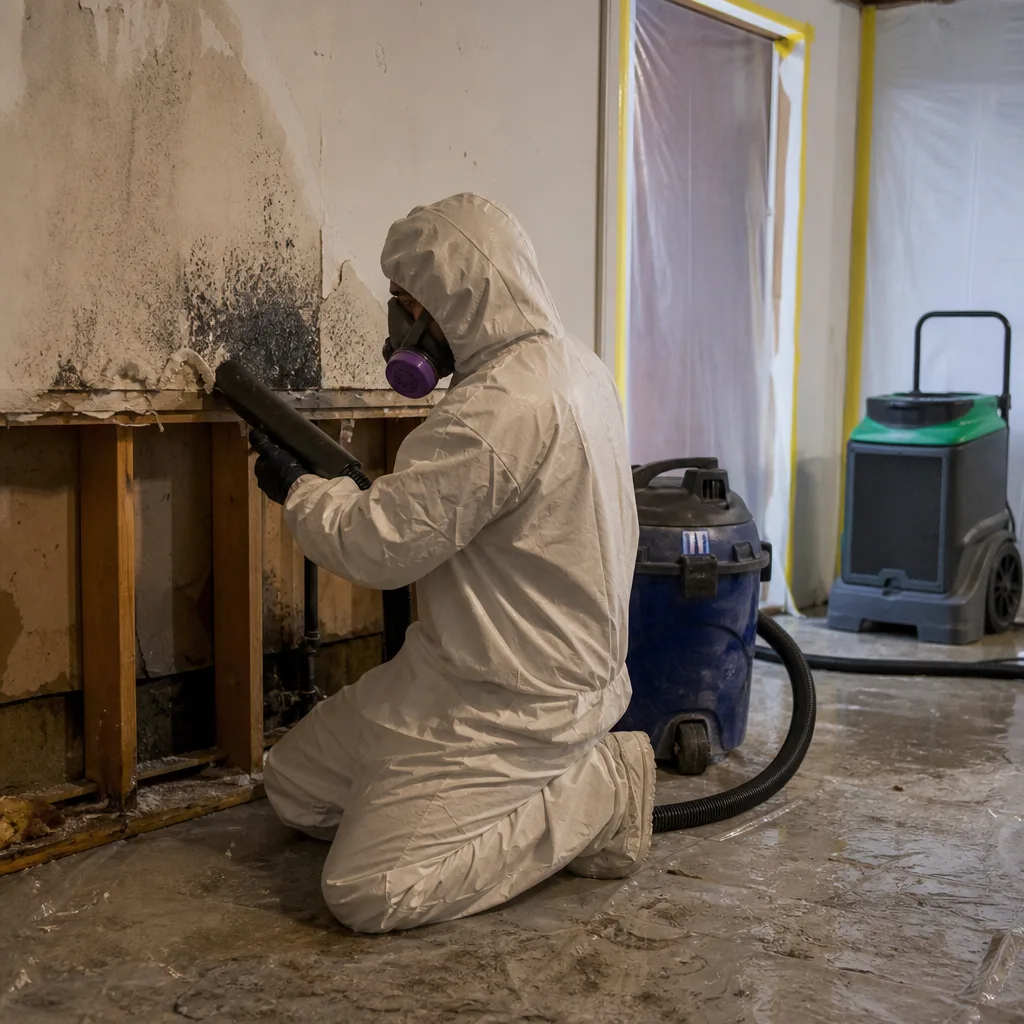
When a rooftop drain fails on a 16-story courtyard building and water pours down through six floors of apartments plus the lobby, you need more than one truck and a couple dehumidifiers. Wade’s crew brings multiple teams, industrial extraction, and a command structure that keeps the board, the adjusters, and the residents informed in real time.
Business Interruption Minimization
Every day a commercial space is closed for restoration costs real money. We map the fastest drying path that won’t destroy original finishes, run equipment overnight, and phase the work so partial occupancy can resume as soon as the affected zone is contained. This is built into our written scope, not an afterthought.
What happens when you call
- 1
A real person answersNo phone trees - you reach a local pro.
- 2
You get an upfront price rangeHonest numbers before anyone is dispatched.
- 3
A background-checked tech heads outLicensed & insured, dispatched right away.
- 4
You approve before work beginsNothing starts until you say go.
Commercial Restoration Costs in Upper West Side, NY
Commercial restoration pricing on the Upper West Side reflects the profile of the building stock more than any other factor. A straightforward Category 1 water extraction and drying in a small retail space typically runs $3,500 to $7,500, while a full Category 3 sewage or storm backup affecting a lobby with terrazzo and plaster restoration starts around $15,000 and commonly reaches $40,000 to $80,000 depending on the square footage and the extent of finish matching. Mold remediation in a pre-war co-op chase with hidden cavity colonization typically falls between $4,000 and $20,000, with asbestos abatement testing and removal adding $3,000 to $12,000 when materials test positive. Multi-unit riser failures involving four or more stacked apartments, asbestos-chase work, and like-for-like plaster reconstruction routinely exceed $75,000 and can top $250,000 on large pre-war elevator buildings. We give you a free visual inspection and a firm written scope before any work starts. Call (201) 740-2235 and we’ll price it straight.
We Also Serve Cities Near Upper West Side
Wade’s Restoration serves commercial properties throughout the surrounding area, including Upper West Side and nearby neighborhoods like Financial District, Lower Manhattan, Astoria, and Midtown Manhattan. We know the building stock, the co-op board realities, and the failure modes in each of these areas.
Serving Upper West Side, NY - Our Local Coverage Area
We’re based in the Upper West Side area and know this community well. Use the map below to see our service coverage - if you’re nearby, we can almost certainly help.
Upper West Side Commercial Restoration Questions, Answered
Why does water damage in Upper West Side pre-war buildings often look worse after we open the wall than it did from the outside?
Horsehair plaster acts like a thick sponge. It hides saturation behind an intact surface for months. By the time we open the wall, the cavity is often fully colonized with mold and the lath behind it is swollen and deteriorating. What looked like a small stain from the outside is often a 30-square-foot cavity problem. That’s why we moisture-map before we open anything on the Upper West Side. It prevents surprises and keeps your board from thinking the restoration contractor created the damage.
How do you handle asbestos when opening walls in a pre-war UWS commercial space during water mitigation?
We don’t open a wall in pre-war construction until asbestos testing has been done on the pipe insulation, plaster, and any suspect materials in the chase. If tests come back positive, a licensed abatement contractor does the removal under full containment before our drying equipment goes in. That sequence is non-negotiable on the Upper West Side, and we build it into the written scope so there’s no surprise bill or unsafe shortcut later.
Can you dry out original herringbone parquet floors in an Upper West Side co-op without replacing them?
Often yes. Injectidry panel systems push dry air through the underside of the flooring from below or through small access points, pulling moisture out slowly so the wood doesn’t cup, crown, or delaminate. Herringbone parquet on a gypsum subfloor is more forgiving than planks on plywood, but every floor is different. We assess each floor with moisture meters before recommending salvage versus replacement. Salvage costs less than like-for-like replacement and preserves the original character the board cares about.
What is the biggest difference between restoring a commercial space in a pre-war UWS building versus a post-war building?
Pre-war means plaster, parquet, steam pipes, and usually asbestos somewhere in the wall. Post-war means drywall, plywood subfloors, and modern plumbing. The pre-war space takes longer, costs substantially more, and requires craftsmen who can match original profiles and finishes. A post-war restoration might be dry and rebuilt in a week; a pre-war job with plaster castings and parquet salvage on the Upper West Side commonly runs three to six weeks from start to final walkthrough.
How do you coordinate a four-to-six-unit water damage restoration in an Upper West Side elevator building?
We establish one point of contact with the building superintendent and the board or managing agent, then create a single moisture map covering every affected unit. Daily moisture logs go to each affected shareholder’s insurance carrier and the board. We schedule extractions floor by floor, starting at the top of the affected run, and we consult with the super before shutting down any riser or radiator. No surprises, no units skipped, no silent drying gaps.
Written by Wade Ferris, Owner at Wade’s Restoration. Wade founded the company in 2007 and still answers his own phone, 24 hours a day.