
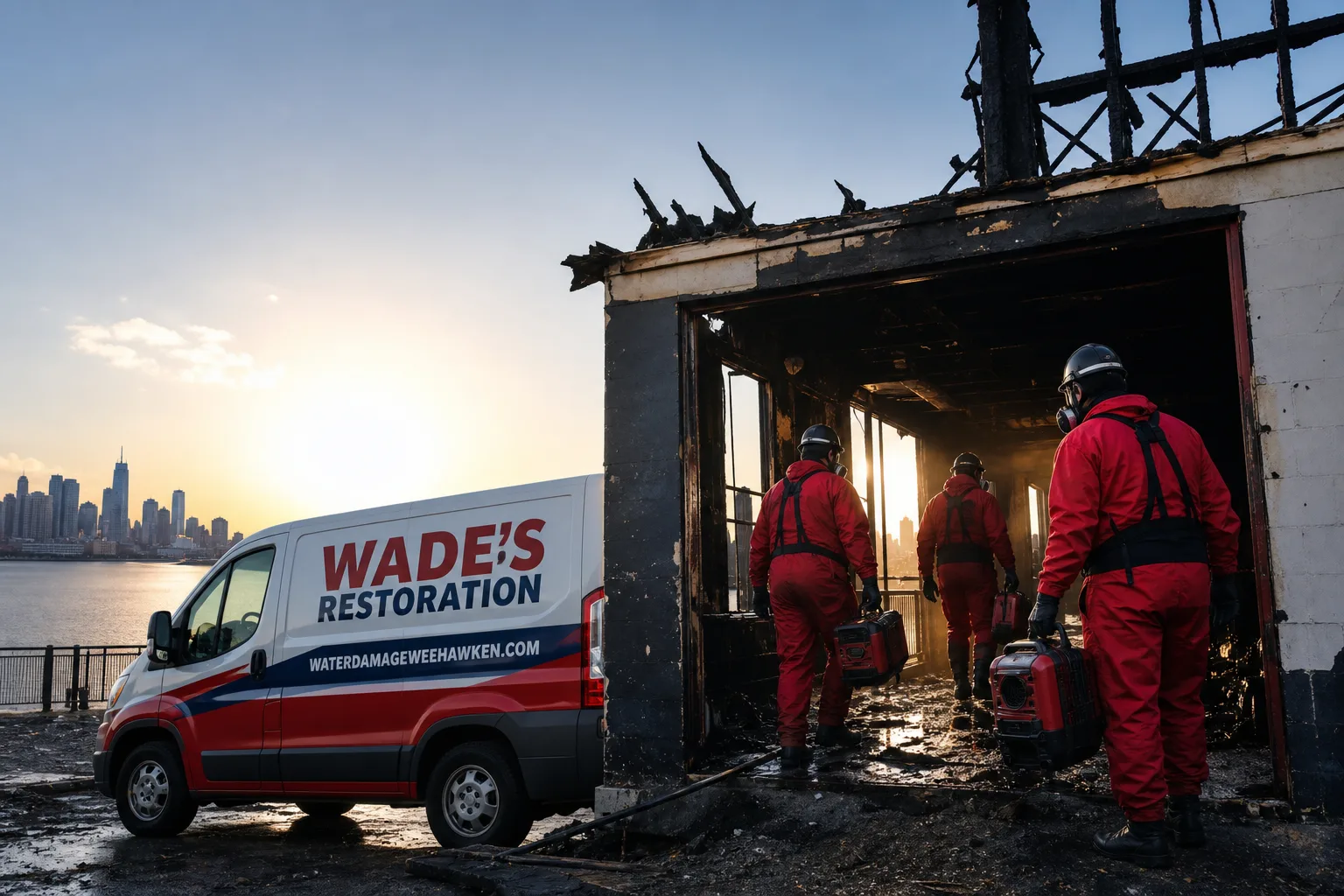
Free visual inspection and a written scope of work before any mitigation begins - photos, moisture readings, and drying logs go in your claim file
The scope we write is the scope we bill. Anything new gets shown to you, in writing, before we touch it.
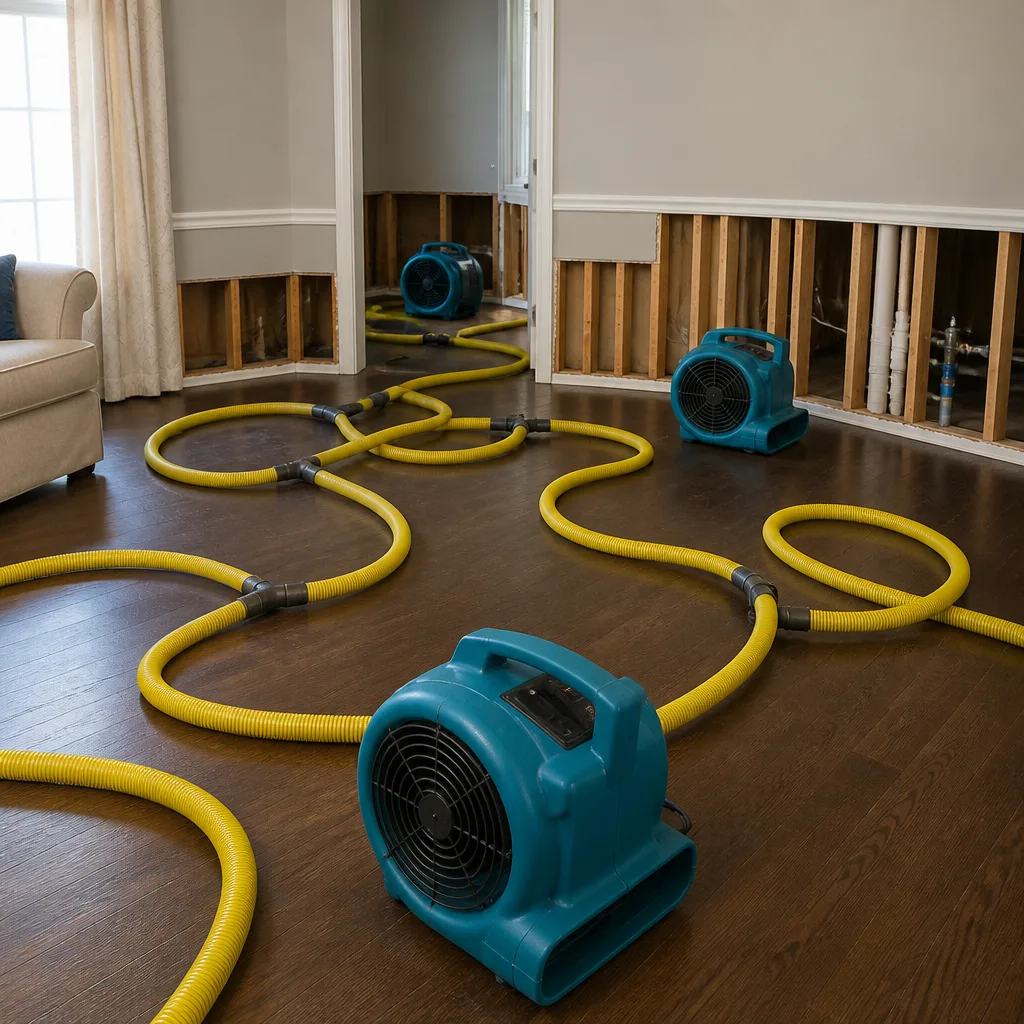
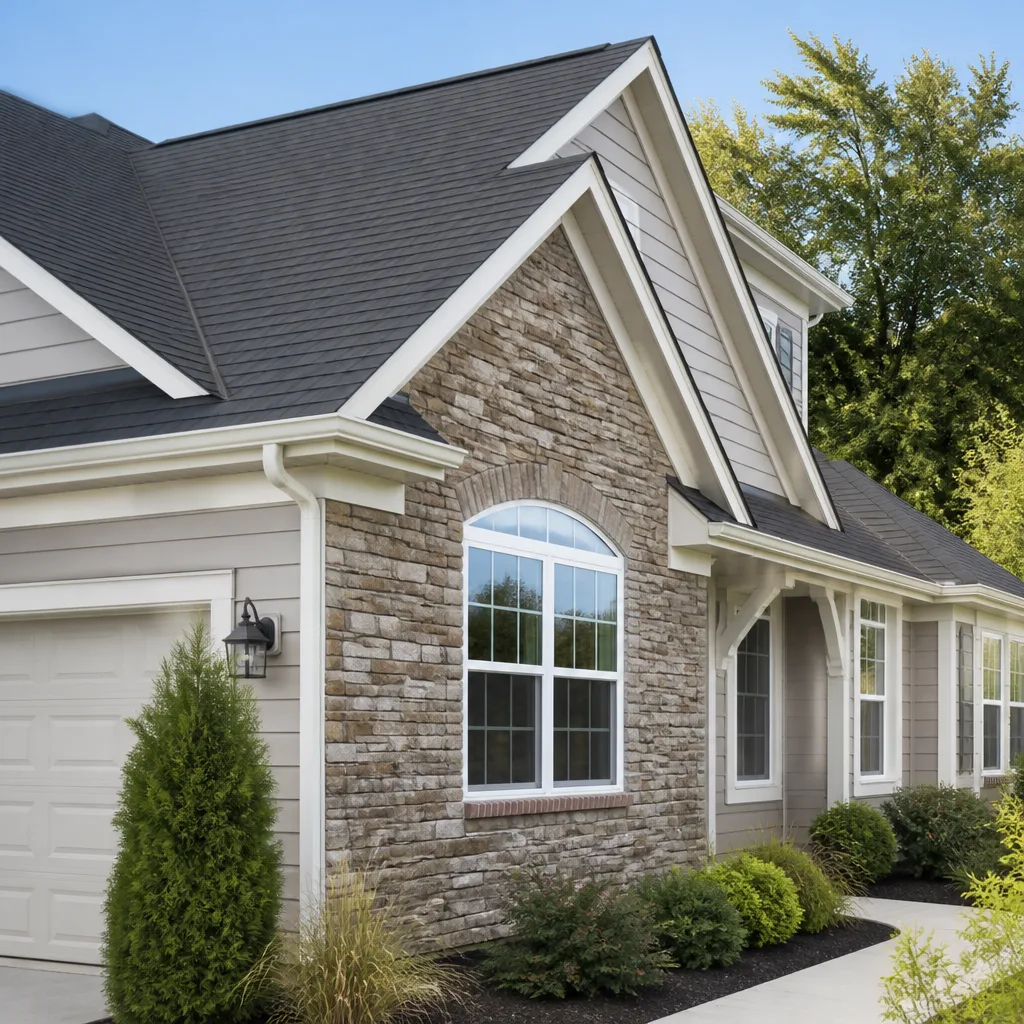
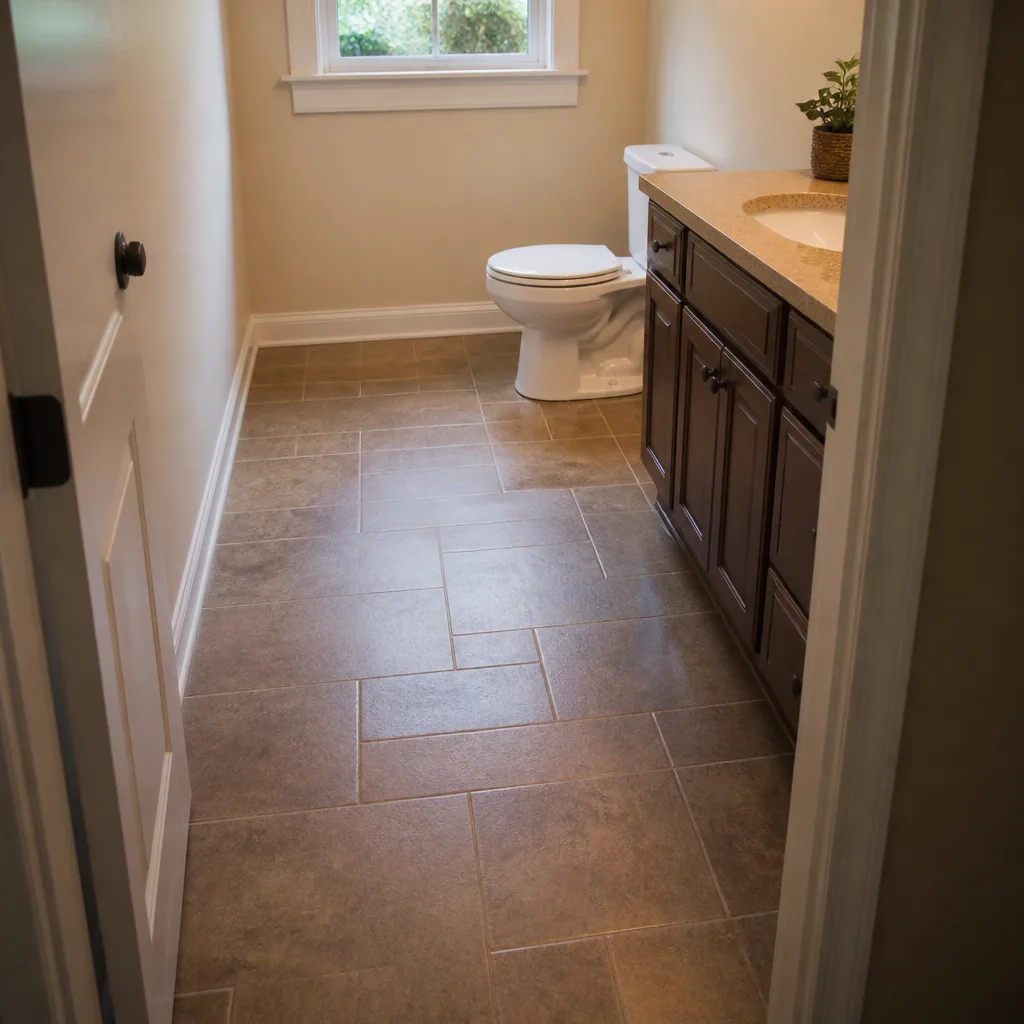
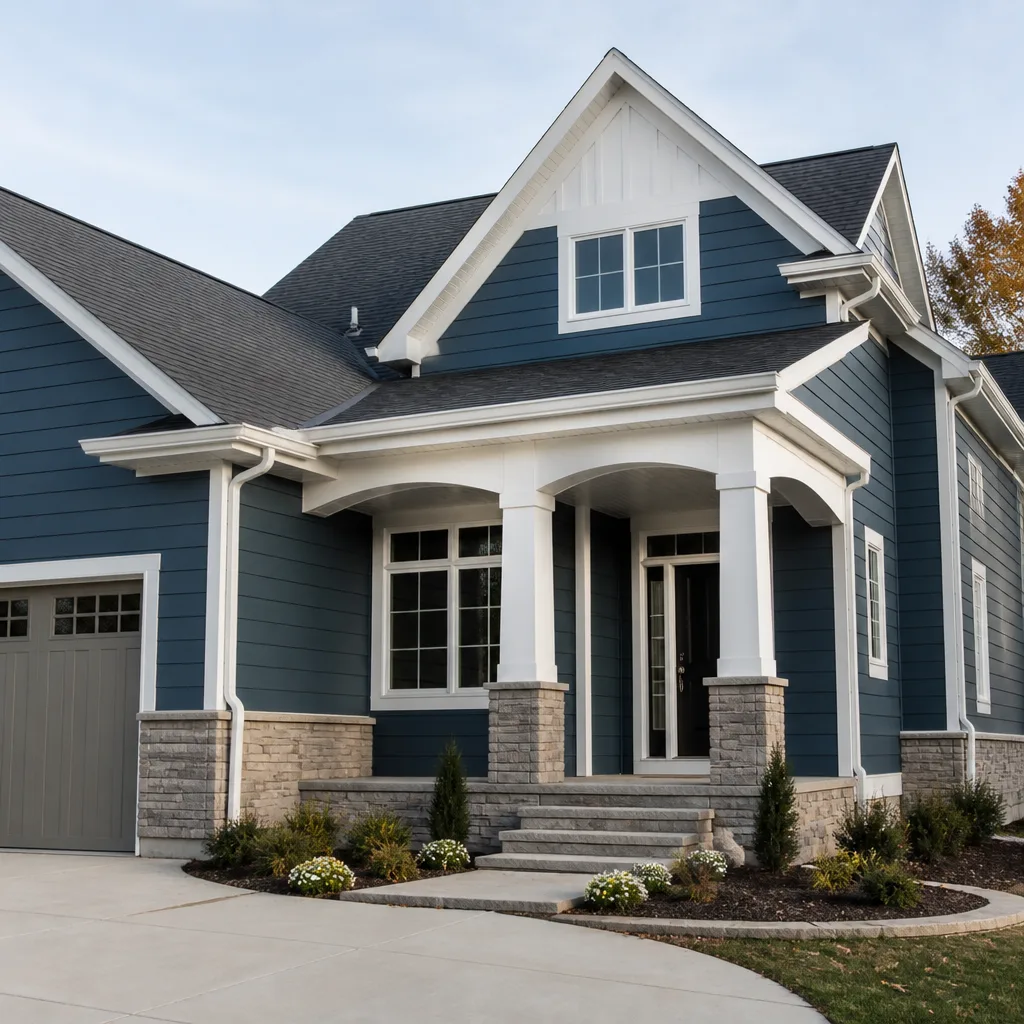
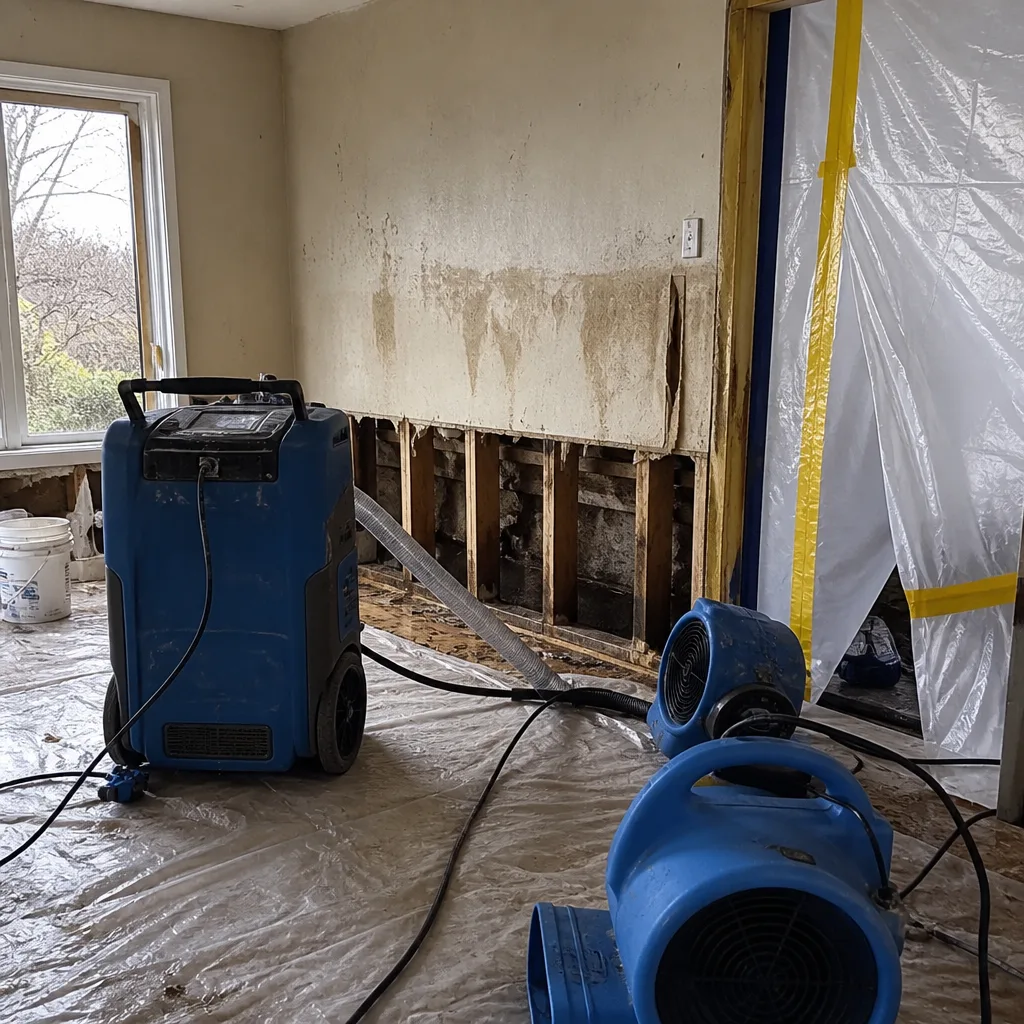 Before
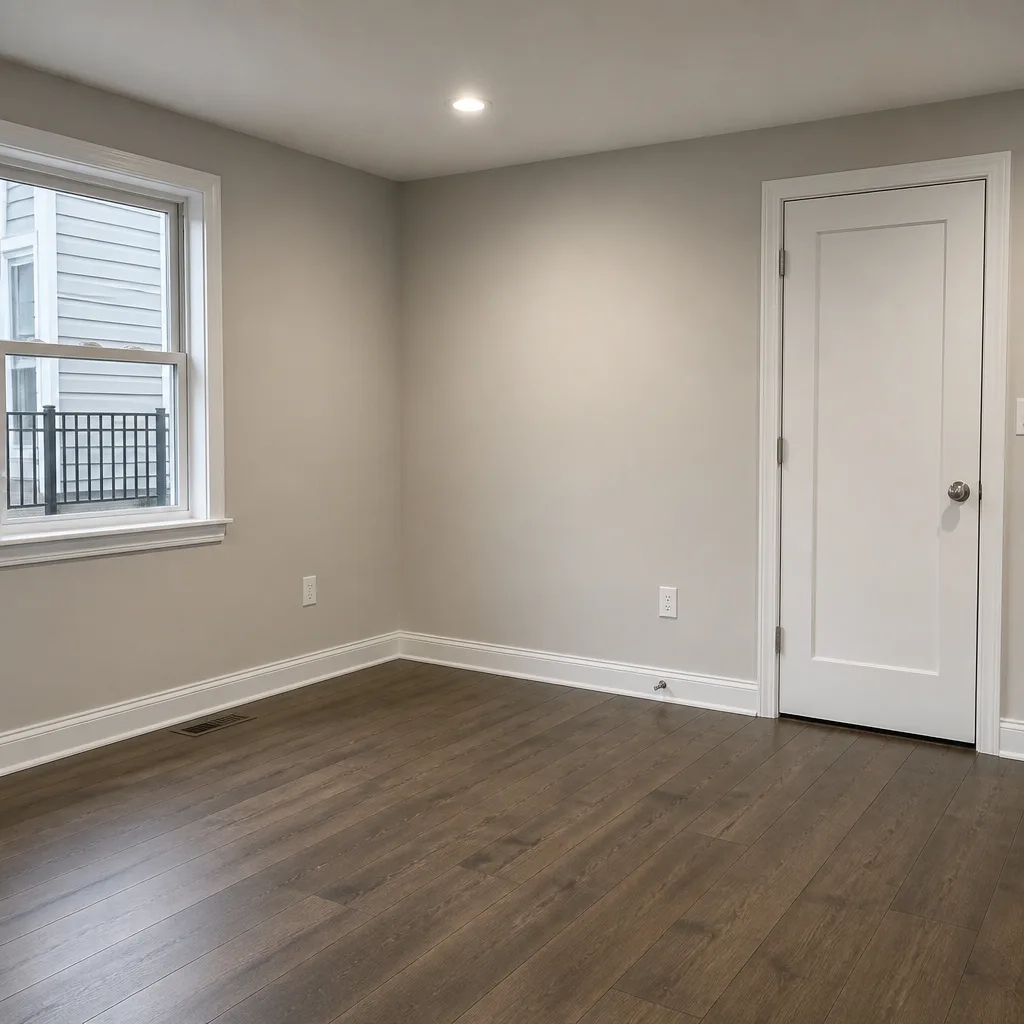 After
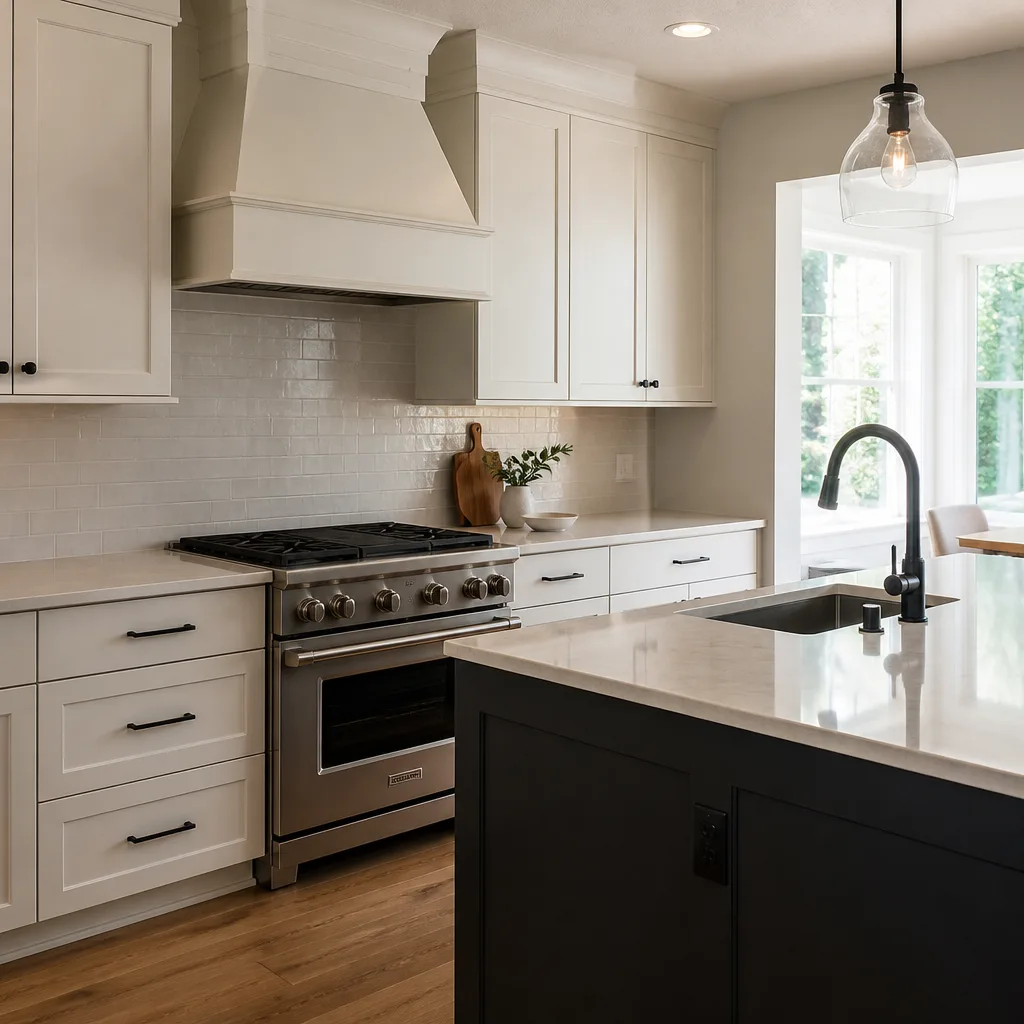
After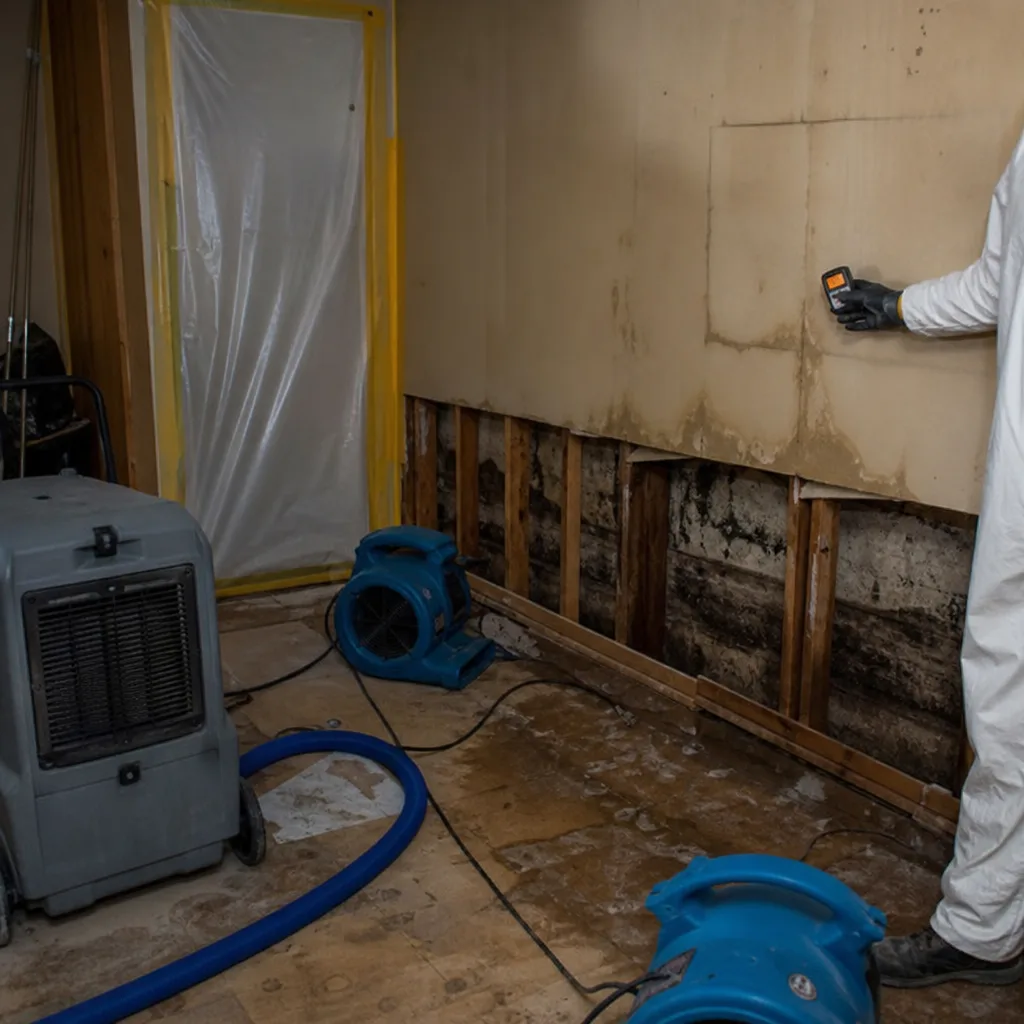 Before
 After
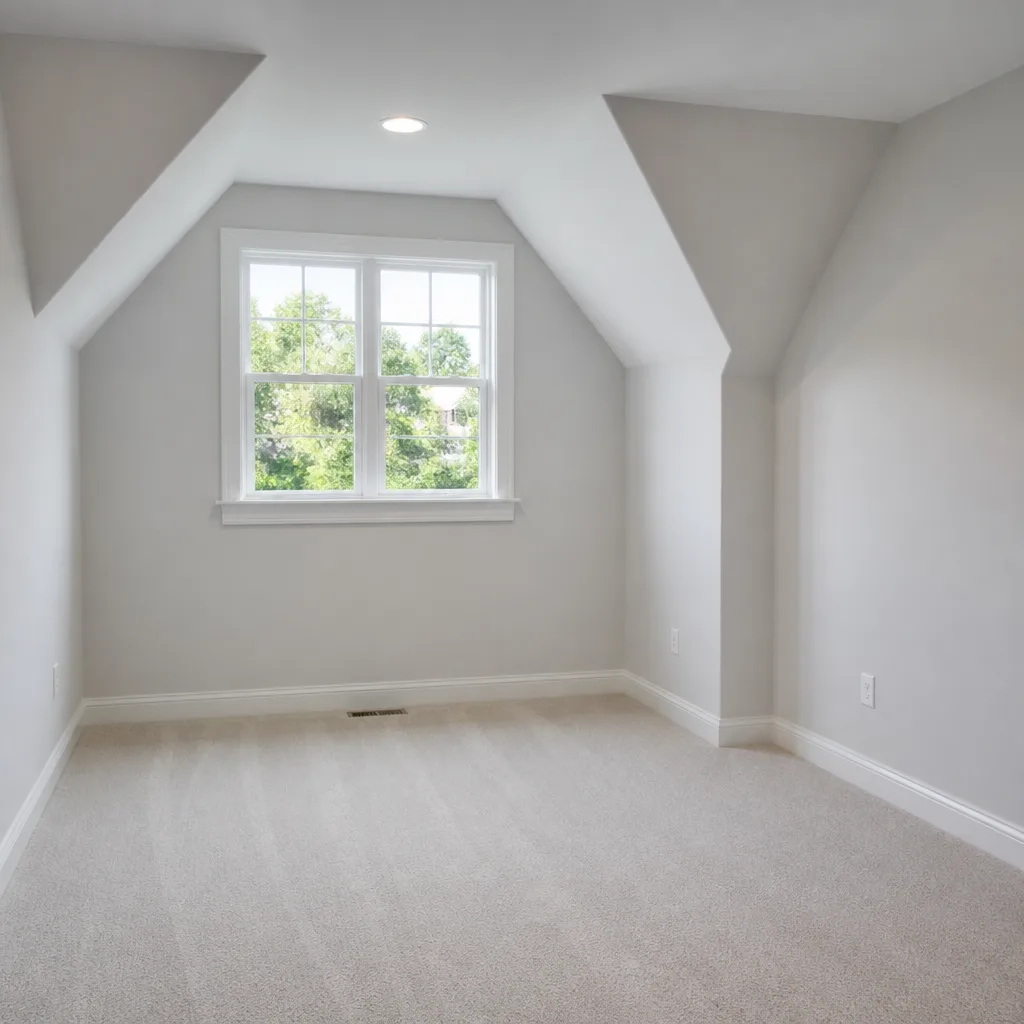
After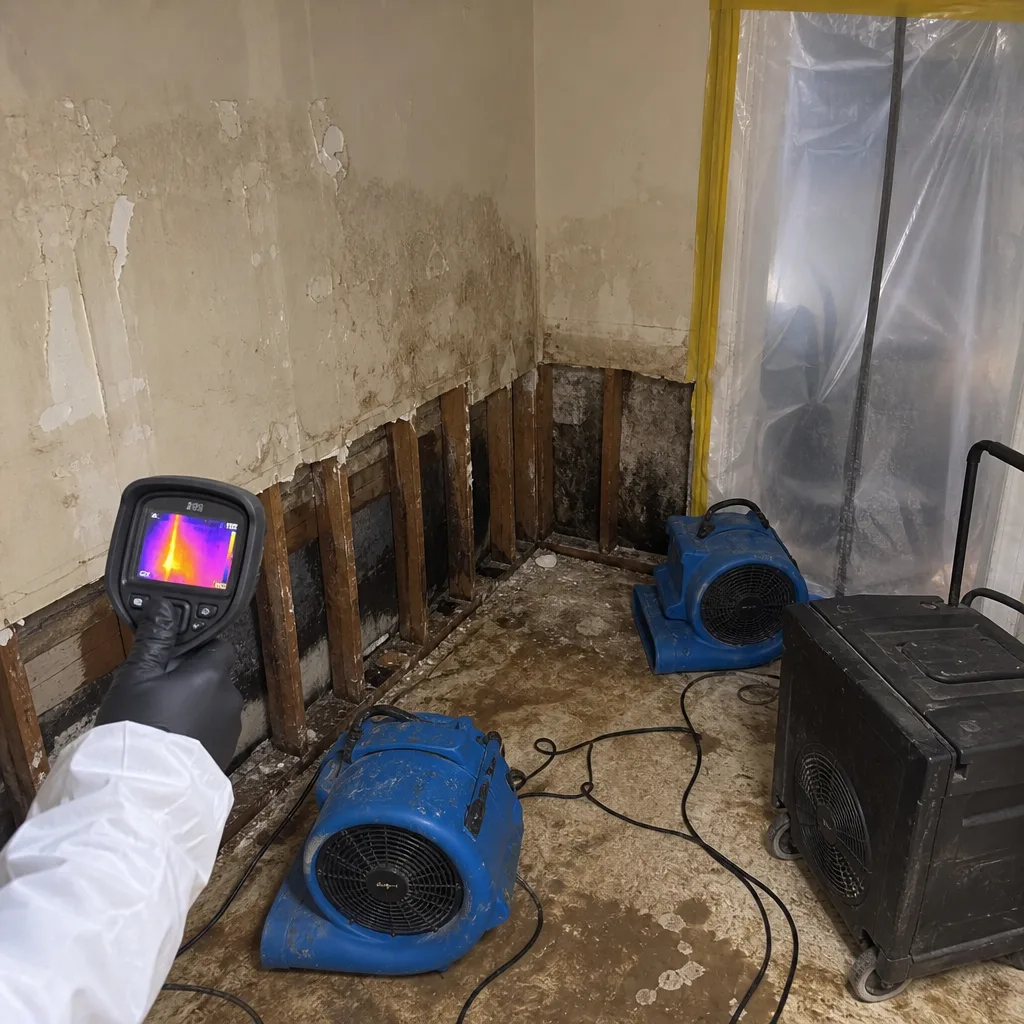 Before
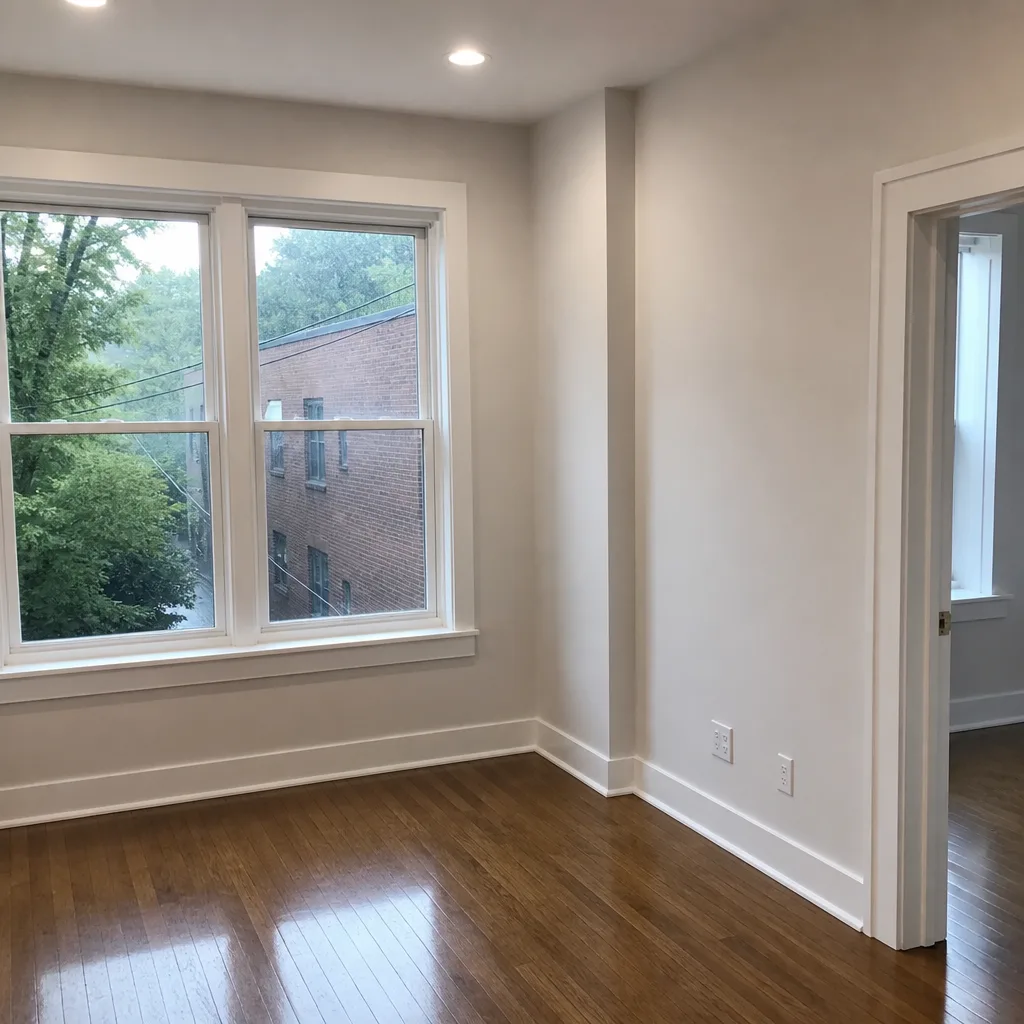 After
After24/7 Emergency Fire & Smoke Damage Restoration in Upper West Side
Fire and smoke damage in an Upper West Side co-op or condo moves fast, and so do we. Our crews answer live around the clock and can be inside your building, running containment, within the hour. Whether it’s a stovetop fire that filled four stacked apartments with soot or a smoldering electrical fire in a pre-war wall cavity, call (201) 740-2235 now for a free visual inspection and a straight answer about what it’ll take to fix it. Every hour soot sits on plaster and parquet, it etches deeper and costs more to reverse.
Understanding Fire & Smoke Damage Restoration Severity in Upper West Side Properties
Not all fire damage is the same, especially inside 1900-1940 construction. A grease fire in a Riverside Drive kitchen produces wet, protein-based soot that clings to marble and plaster with an acrid, stubborn film. An electrical burn inside a lath-and-plaster wall releases dry, powdery soot that travels through wall cavities and floor joists, resettling on herringbone parquet two rooms away. The worst cases involve synthetic smoke, the kind from burning PVC wire insulation or modern upholstery, which carries an oily residue that bonds to surfaces within minutes. In Upper West Side buildings with original horsehair-plaster walls and steam riser chases, smoke finds pathways a post-war drywall building simply doesn’t have. That’s why we treat severity by migration path, not just by square footage. Containment comes before cleanup, always.
Why Upper West Side Property Owners Choose Wade’s Restoration
- 45-minute response commitment. Wade heads out from the New York City office the moment you call. Upper West Side buildings need speed because smoke doesn’t wait for the co-op board to convene.
- 24/7 live answer. You get a real person, often Wade himself, on the line. No answering service. No “leave a message and we’ll get back to you after the weekend.”
- IICRC-certified crews. Our people carry FSRT (Fire & Smoke Restoration Technician) and OCT (Odor Control Technician) certifications, plus WRT for the water damage that firefighting always leaves behind.
- Free visual inspection. We walk the unit, map the soot migration, and hand you a written scope before any work starts. No charge for that. Ever.
- Direct insurance billing. We document the loss from hour one, send it to your carrier, and talk to the adjuster ourselves. You don’t become the messenger between two sides.
- One team from mitigation to reconstruction. The same crew that pulls soot-stained drywall also restores original plaster moldings and parquet. No handoffs. No finger-pointing.
Our Fire & Smoke Damage Restoration Process
Inspection & Assessment
We map every surface the smoke touched, including cavities behind intact-looking plaster. Thermal imaging and hygrometers tell us where heat and moisture went. You get a written scope and a firm line-item estimate.
Extraction/Stabilization
Firefighting water gets extracted immediately, because standing water inside a 1920s co-op floor assembly starts wicking into the apartment below within hours. We board up windows and tarp roof breaches as needed.
Drying & Dehumidification
Dri-Eaz and Phoenix air movers plus B-Air dehumidifiers pull moisture from plaster, subfloor, and cavity spaces. We log readings daily and hand you the full moisture log at job’s end.
Cleaning & Sanitization
HEPA scrubbers run continuously while we clean soot from every surface. Dry soot gets vacuumed with HEPA-filtered units; wet soot gets chemically broken down before it etches permanently.
Odor Removal & Deodorization
This is where most contractors fail on the Upper West Side. We don’t mask with fragrance. We treat cavities with thermal fogging and hydroxyl generators, then verify with a post-remediation odor test neighbor units won’t complain through the walls two weeks later.
Repairs & Restoration
We rebuild to the building’s original standard, not to a big-box store’s inventory list. Plaster moldings get restored. Herringbone parquet gets refinished. The co-op board signs off because we never touched a stock-trim shortcut.
Need Emergency Fire & Smoke Damage Restoration in Upper West Side Now?
Crews minutes away, answering live 24 hours a day. The sooner we start, the less it costs.
Working With Your Insurance Company
After a fire in an Upper West Side co-op, you’ve got your own carrier, the building’s carrier, and potentially the neighbor’s carrier all in the room. We’ve handled this before. Wade deals with adjusters directly. You don’t relay paperwork between three parties at midnight. We photograph everything from the first hour, write estimates in the same format carriers expect, and push back when an adjuster lowballs the plaster restoration. The 90-Day Done Right Promise applies here too: if it’s not done right, we make it right, in writing, on every fire restoration contract we sign in Upper West Side.
What We Provide Your Insurer
- Thorough documentation of the loss
- Photos of all damage, room by room
- Moisture readings and drying logs
- A detailed, line-item scope of work
- Direct coordination with your carrier
Built for Upper West Side’s Loss Calendar
Fire losses in Upper West Side don’t follow a single season the way burst pipes do. January drives up electrical fires from space heaters stuffed into pre-war apartments with original wiring. Spring and summer bring kitchen fires from holiday cooking on Riverside Drive terraces and courtyard grills too close to landmark-adjacent facades. Year-round, the neighborhood’s aging cast-iron steam risers and galvanized supply lines corrode, and electrical panels in 1910s basement rooms overheat under modern load. What ties every season together is the building type: the moment a fire is out, water and smoke spread through the same plaster-and-lath cavities that have been breathing for a century. We built our Fire & Smoke Damage Restoration process around exactly that failure pattern.
Fire & Smoke Damage Restoration Across Upper West Side’s Neighborhoods
The Upper West Side isn’t one building type. Along West End Avenue and Riverside Drive, you’ve got large pre-war elevator co-ops with marble vestibules and central courtyards. A kitchen fire on the third floor there sends smoke up two stairwells and into four or five stacked units through pipe chases and dumbwaiter shafts. Over by Central Park West, the limestone towers have oversized rooms and detailed plaster ceilings that eat smoke deeply into ornamental recesses. The interior blocks between Amsterdam and Columbus are full of six-story walk-ups where the fire escape and the stairwell are the same route, so containment has to fit around the building’s only egress. Down near the 10025 and 10024 ZIP boundaries, mixed-use buildings put commercial kitchens directly under residential apartments, which means a restaurant fire at 11 p.m. smokes out a dozen families above by 11:20. We route each response based on which of these patterns actually applies, not on a one-size-fits-none checklist.
After a stovetop fire in a six-story walk-up off West End Avenue, our techs ran containment and pack-out across three stack units before extracting smoke residue from original horsehair-plaster walls and herringbone parquet floors. The co-op board required moisture mapping and drying logs before pre-loss condition was restored, and our IICRC-certified crew worked with the super and two separate insurance carriers to complete the mitigation. That’s what Upper West Side fire work actually looks like, and it’s what we do every week here.
Specialized Fire & Smoke Damage Restoration Services We Offer in Upper West Side
Fire Damage Cleanup
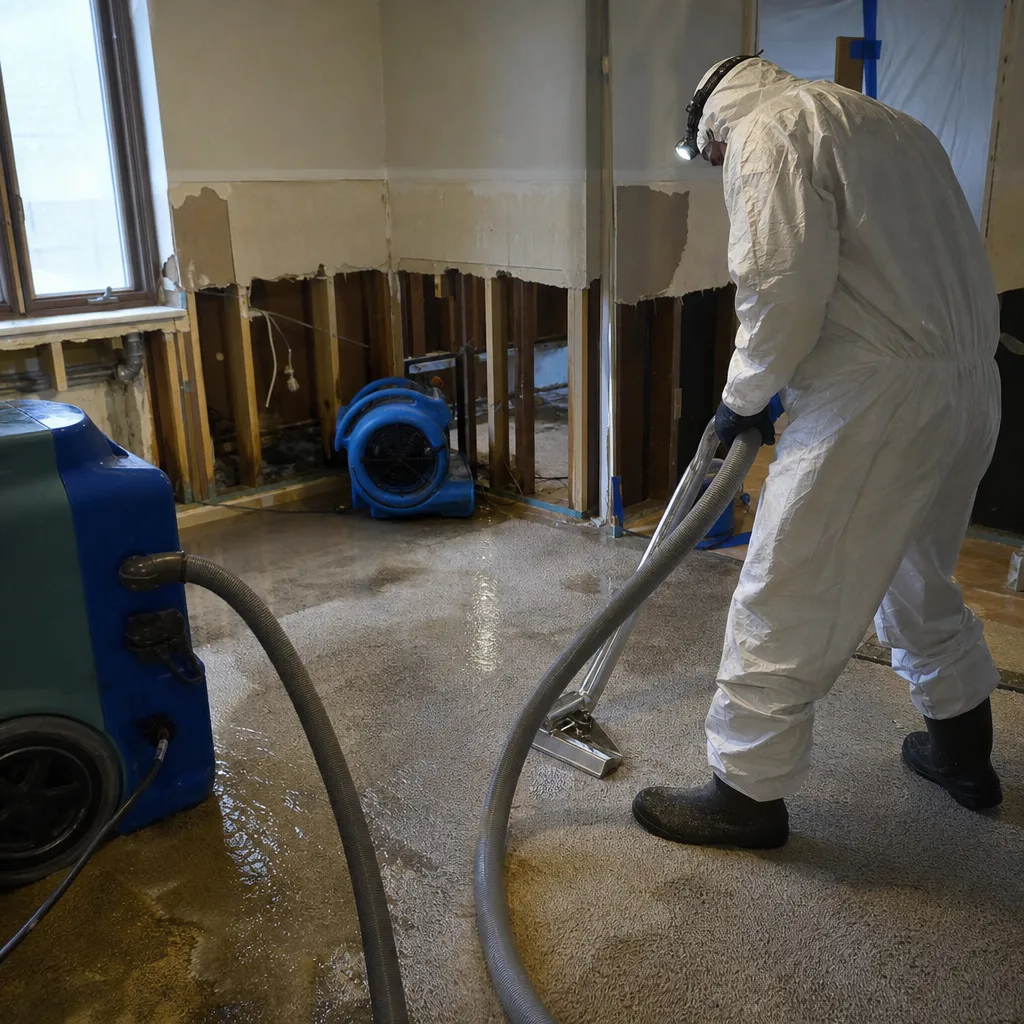
We remove charred material, compromised drywall or plaster, and fire-damaged insulation from wall cavities and floor assemblies. In pre-war Upper West Side buildings, this almost always triggers an asbestos test before we open anything, because original pipe insulation hides in those chases. We test first, remove second.
Smoke & Soot Removal
We clean every surface the smoke touched, including the interiors of closets, drawers, and the back side of radiator enclosures, which is where soot loves to hide in one-pipe steam buildings. Plaster gets dry-sponged before wet cleaning, because water drives soot deeper into porous lime plaster.
Odor Removal & Deodorization
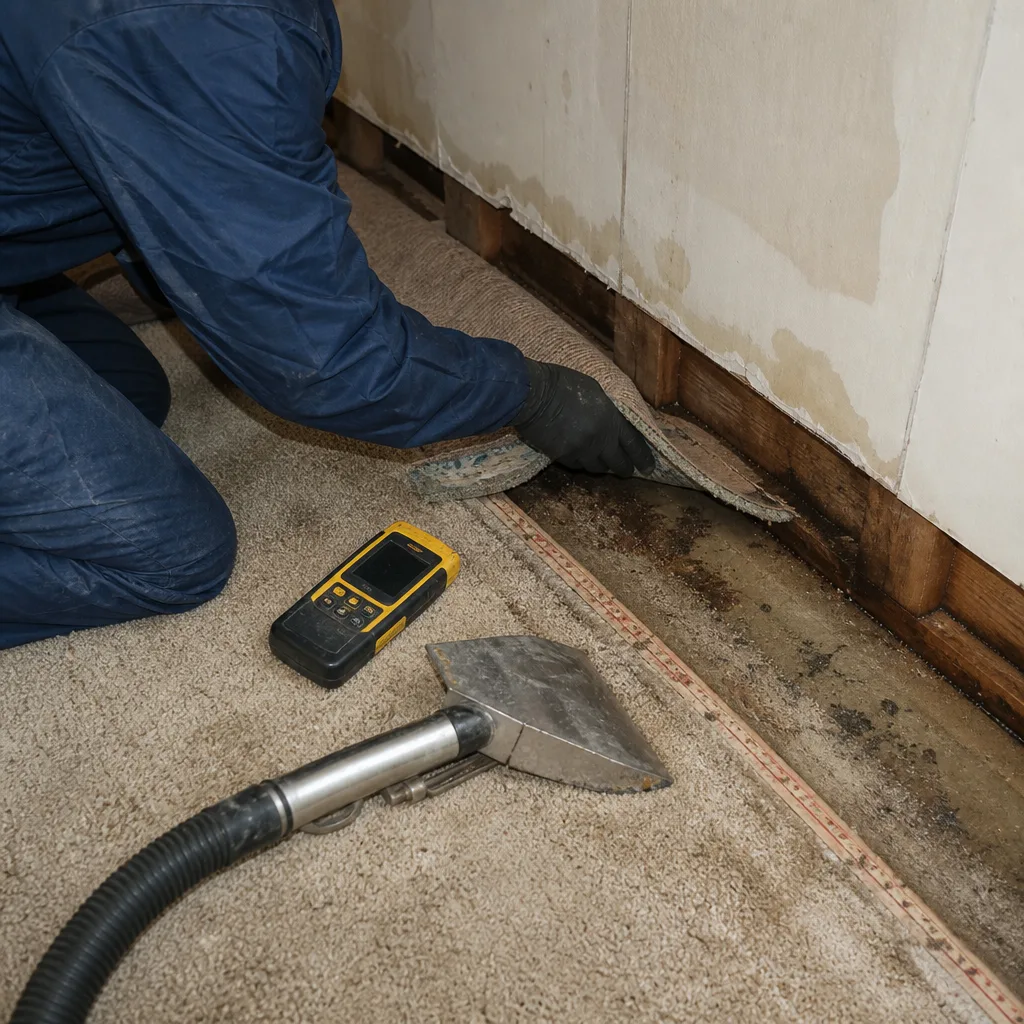
Smoke odor in a 1920s Upper West Side apartment travels through original plaster-and-lath wall cavities, floor joists, and even the shared vent stack, so units three floors away can smell like the original fire. We treat cavities with thermal fogging, run hydroxyl generators, and verify with a post-remediation walk-through before anyone moves furniture back. Masking with air freshener isn’t part of our vocabulary.
Contents Cleaning & Pack-Out
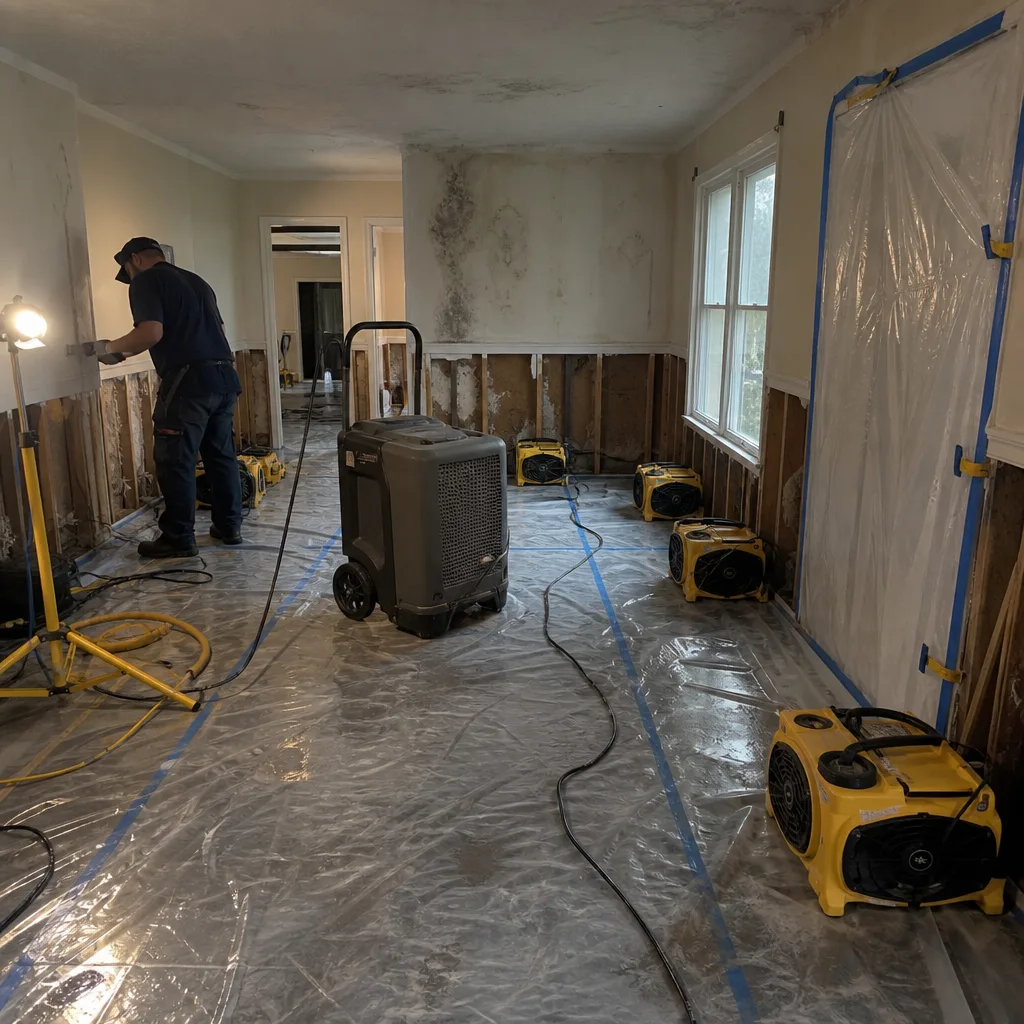
We pack out salvageable contents, inventory them, and clean them offsite using ultrasonic equipment for small items and hand-cleaning for books, art, and family photos. Co-op boards often want a contents manifest anyway for their own files. We give you one without you having to ask. Ask about our Senior & Veteran 10% discount on any contents restoration.
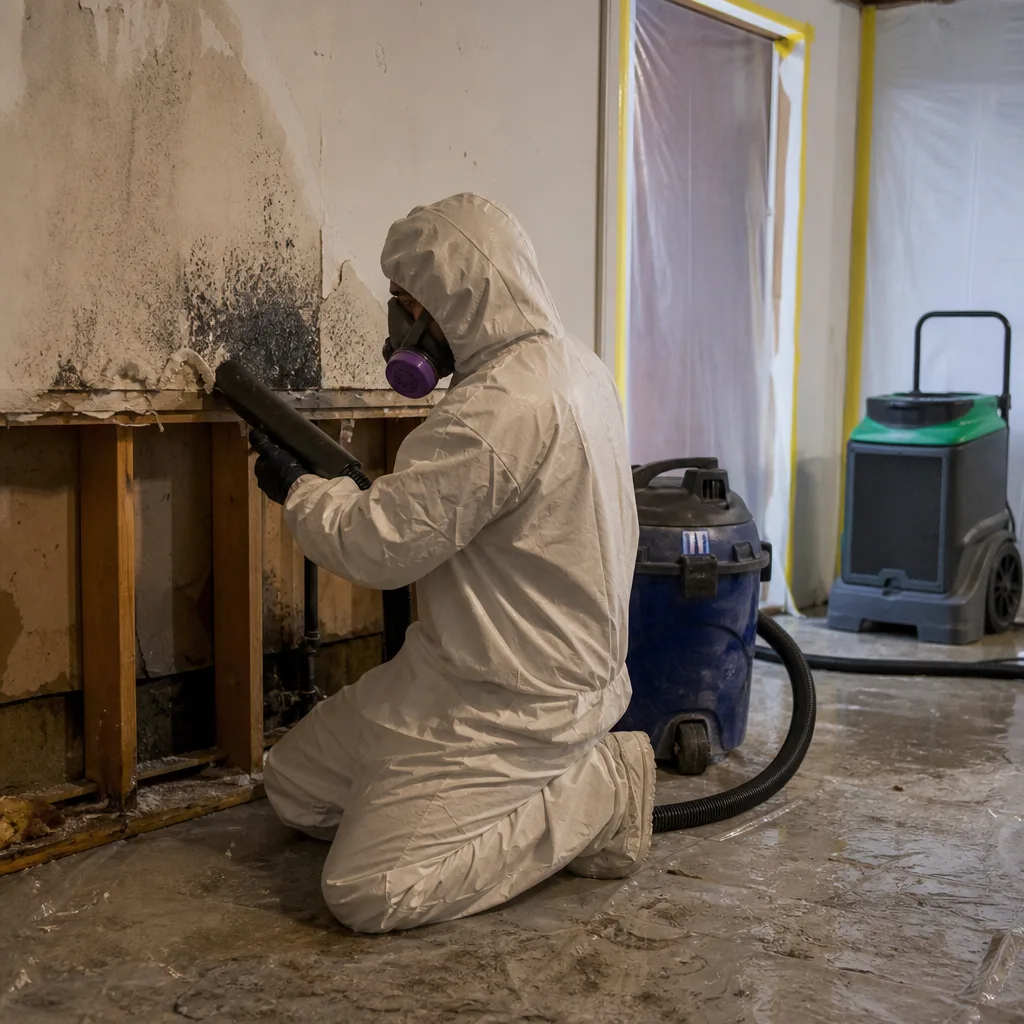
Emergency Board-Up & Tarping
After FDNY leaves, your windows might be gone and your door might be forced open. We board up with plywood cut to fit pre-war window openings, tarp roof breaches, and secure the unit the same night. No trip charge inside the county.
What happens when you call
- 1
A real person answersNo phone trees - you reach a local pro.
- 2
You get an upfront price rangeHonest numbers before anyone is dispatched.
- 3
A background-checked tech heads outLicensed & insured, dispatched right away.
- 4
You approve before work beginsNothing starts until you say go.
Fire & Smoke Damage Restoration Costs in Upper West Side, NY
Here are straight numbers for Upper West Side work, because you’ve probably already dealt with a contractor who wouldn’t give you one. Basic soot cleanup in a single pre-war apartment, no structural work, typically runs $3,500 to $8,000. Odor removal involving thermal fogging across multiple stacked units runs $5,000 to $15,000 depending on cavity access. Contents pack-out and cleaning starts around $2,500 and climbs with volume, especially for books, art, and upholstery. Full restoration with plaster molding repair and herringbone parquet refinishing runs $25,000 to $80,000 or more, depending on the size of the affected stack and the board’s finish standards. Insurance covers most of this when the scope is documented correctly. That’s why our free visual inspection matters, and why we write the scope before any work starts. Call (201) 740-2235 for an exact quote; estimates are free, and we honor our Free Second Opinion on Any Written Estimate offer if you already have a number from another outfit.
We Also Serve Cities Near Upper West Side
Our crews respond to fire and smoke damage throughout the surrounding boroughs and districts, including Financial District, Lower Manhattan, Astoria, and Midtown Manhattan. Same 24/7 live answer. Same 90-Day Done Right Promise. Same owner on the phone.
Serving Upper West Side, NY - Our Local Coverage Area
We’re based in the Upper West Side area and know this community well. Use the map below to see our service coverage - if you’re nearby, we can almost certainly help.
Upper West Side Fire & Smoke Damage Restoration Questions, Answered
How do you handle fire and smoke restoration in a pre-war Upper West Side co-op without violating the building’s alteration agreement?
We start by reading the alteration agreement before touching a wall. Most Upper West Side co-ops require board approval before any opening beyond cosmetic repair. Wade’s crew has restored plaster moldings, parquet, and marble vestibule details in dozens of pre-war buildings, so the scope we submit gets approved because it matches the building’s original standard. The superintendent gets a copy of the moisture log and the daily scope update. No surprises for the board.
What’s different about odor removal in a 1920s radiator-heated Upper West Side apartment versus a post-war building?
Plaster-and-lath cavities and original floor joists act as a chimney for smoke odor. In a post-war building, drywall traps less and the cavities are smaller. In a 1920s Upper West Side apartment, we treat the cavities themselves, not just the room surfaces, with thermal fogging and hydroxyl. Skip that step and the smell returns in the first humid week of summer.
How do you coordinate with a co-op board, the super, and multiple insurance carriers when a kitchen fire affects several stacked apartments?
Wade talks to the adjusters directly. We give each carrier the same documentation: photos, moisture readings, line-item scope, and a timeline. The board gets the same package. You get to sleep. This is a weekly occurrence in Upper West Side co-ops, not an exception.
Can you restore original herringbone parquet and plaster moldings after fire and smoke damage, or do they have to be replaced?
In most cases, yes, we restore them. Soot etches the finish, not the wood itself, unless there’s charring. We sand, refinish, and ream the joints where smoke residue settled. Plaster moldings get dry-sponged, then hand-cleaned, then recoated. Replacement is a last resort, and when it happens, we match the original profile, not a stock catalog.
What emergency fire damage services do you offer for an Upper West Side building where the fire department just left?
Board-up, tarping, water extraction from firefighting, soot containment, and pack-out of salvageable contents, all in the first visit. We also photograph everything for insurance before anything is moved. Call (201) 740-2235 and Wade heads out from the New York City office; crews reach Upper West Side buildings fast.
How fast can you actually get to an Upper West Side address?
We answer live, 24/7, and our response commitment is 45 minutes to your door for emergency fire and smoke work in Upper West Side. That’s not a call-center promise; that’s the time it takes from the New York City office to West End, Riverside, or Amsterdam.
Do I really need full remediation, or just a cleaning?
If smoke entered wall cavities or floor assemblies, it’s full remediation. Surface cleaning leaves odor and residue behind, and in a pre-war Upper West Side stack, that means complaints from neighbors who never saw the fire. Our free inspection tells you which one applies, and we’ll tell you straight if cleaning alone will do it. No charge for that honestly.
Will insurance cover the fire and smoke damage in my Upper West Side co-op?
Most standard HO-3 and co-op policies cover fire and smoke damage, but co-op situations get complicated when a neighbor’s fire affects your unit or the building’s policy handles structural elements. We’ve worked hundreds of these claims. We document everything from hour one and submit directly to your carrier so you don’t have to decode the master policy alone.
What should I do in the first 30 minutes after the fire department leaves?
Don’t touch anything with bare hands. Don’t run your HVAC or radiator system; it’ll pump soot through the whole stack. Open windows if safe. Call us. Then call your insurance company. In that order. The faster containment starts, the less you lose.
Written by Wade Ferris, Owner at Wade’s Restoration, serving Upper West Side fire and smoke restoration since 2007.