
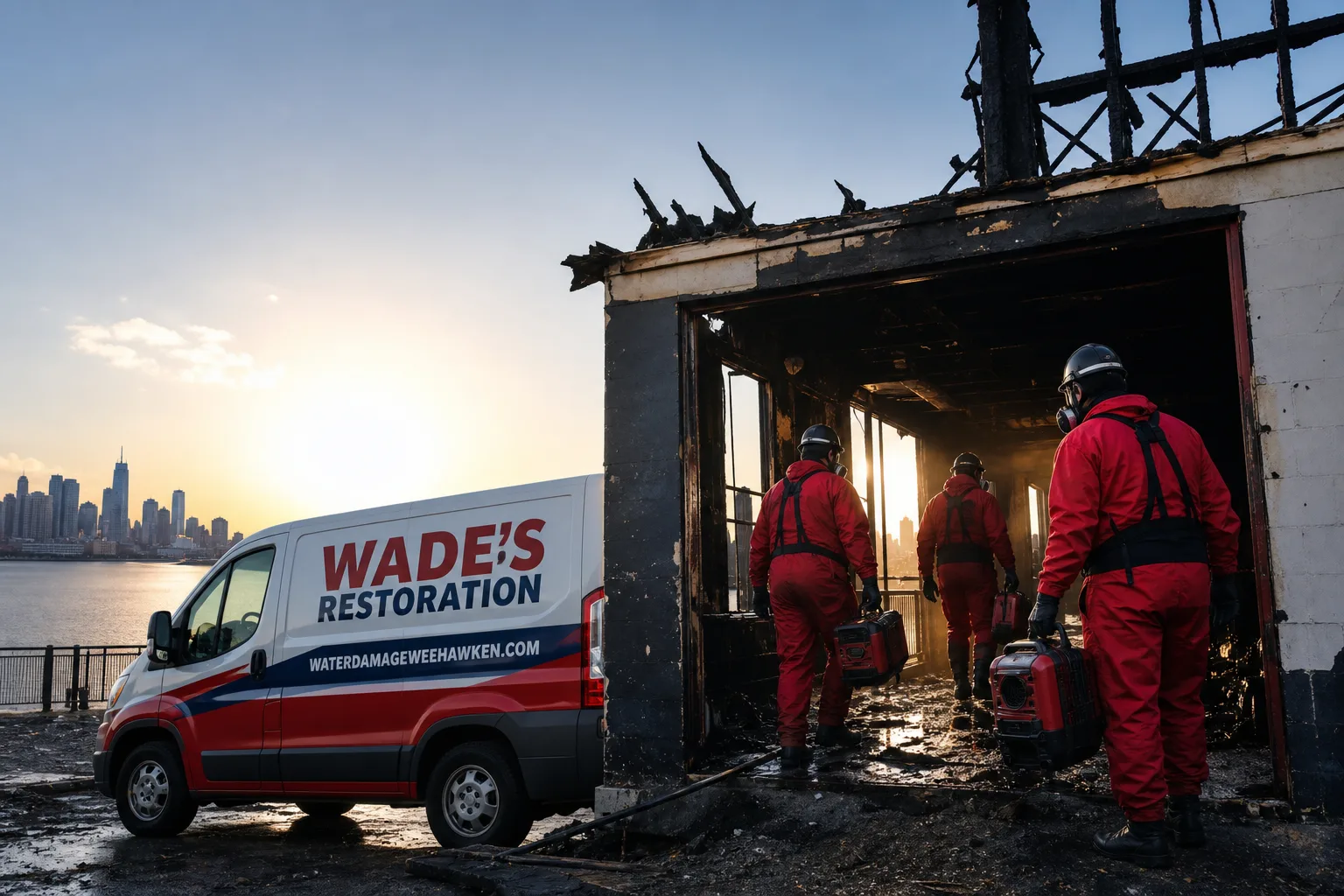
Free visual inspection and a written scope of work before any mitigation begins - photos, moisture readings, and drying logs go in your claim file
The scope we write is the scope we bill. Anything new gets shown to you, in writing, before we touch it.
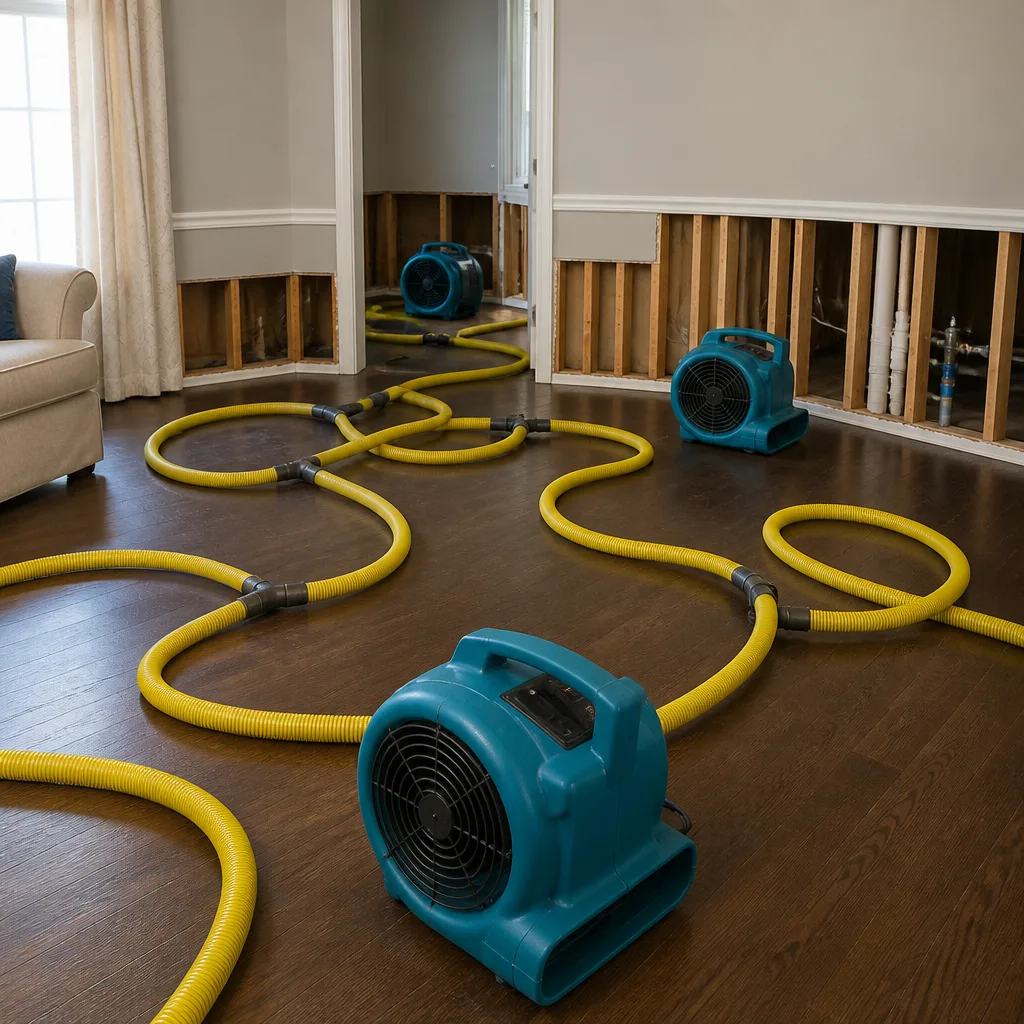
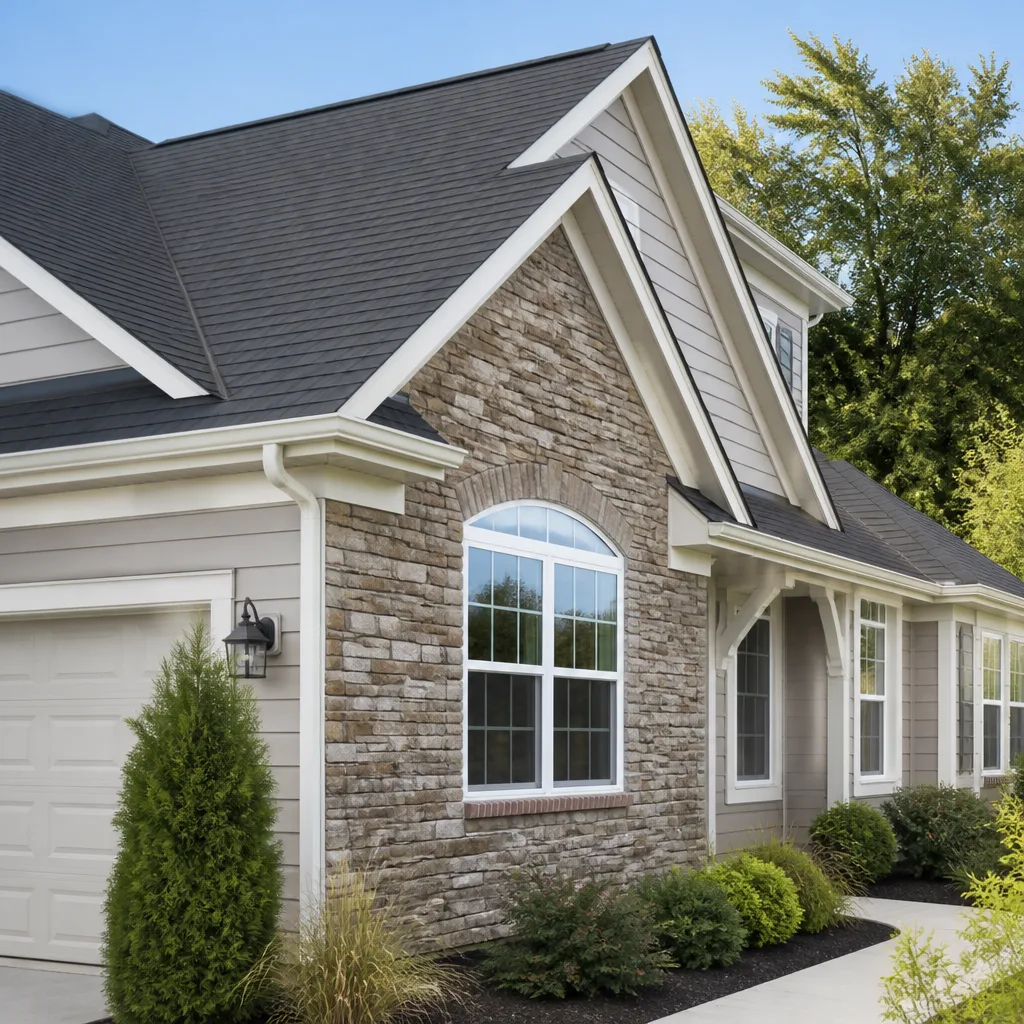
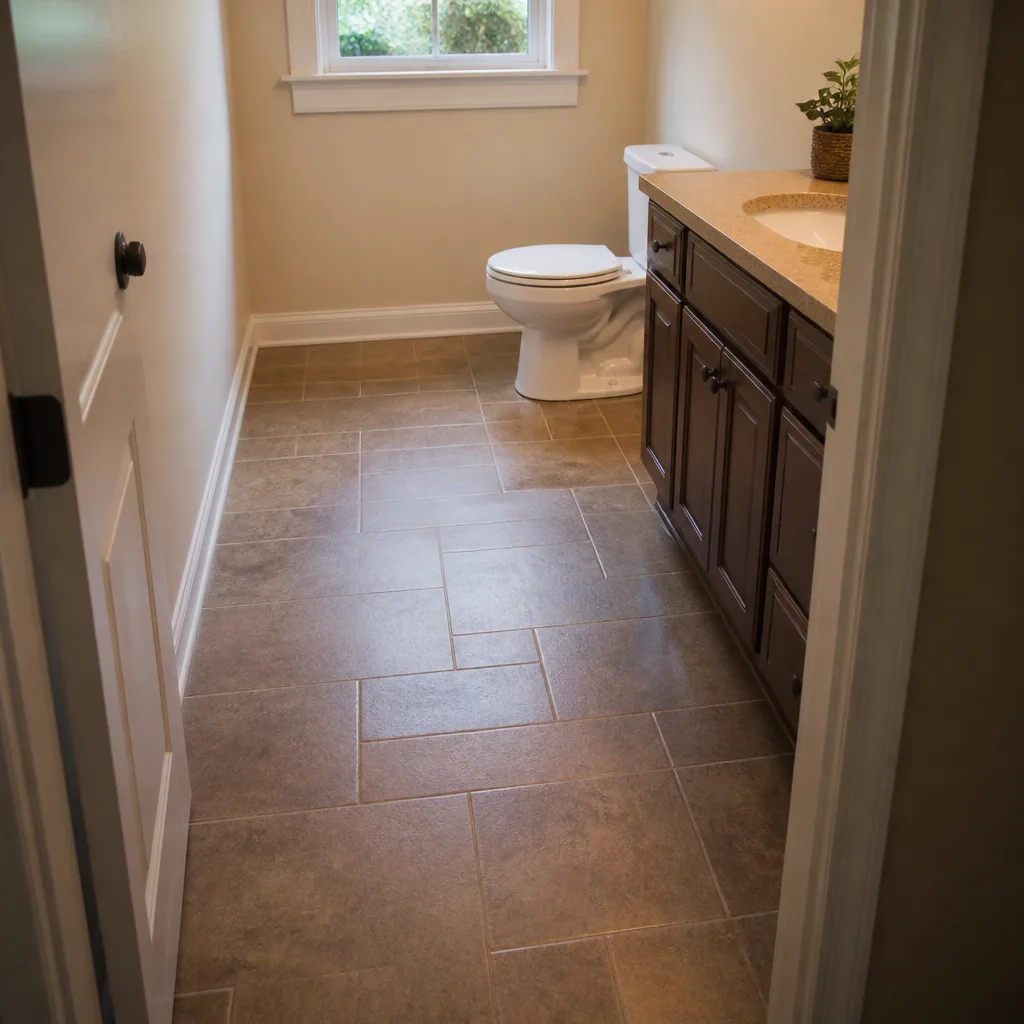
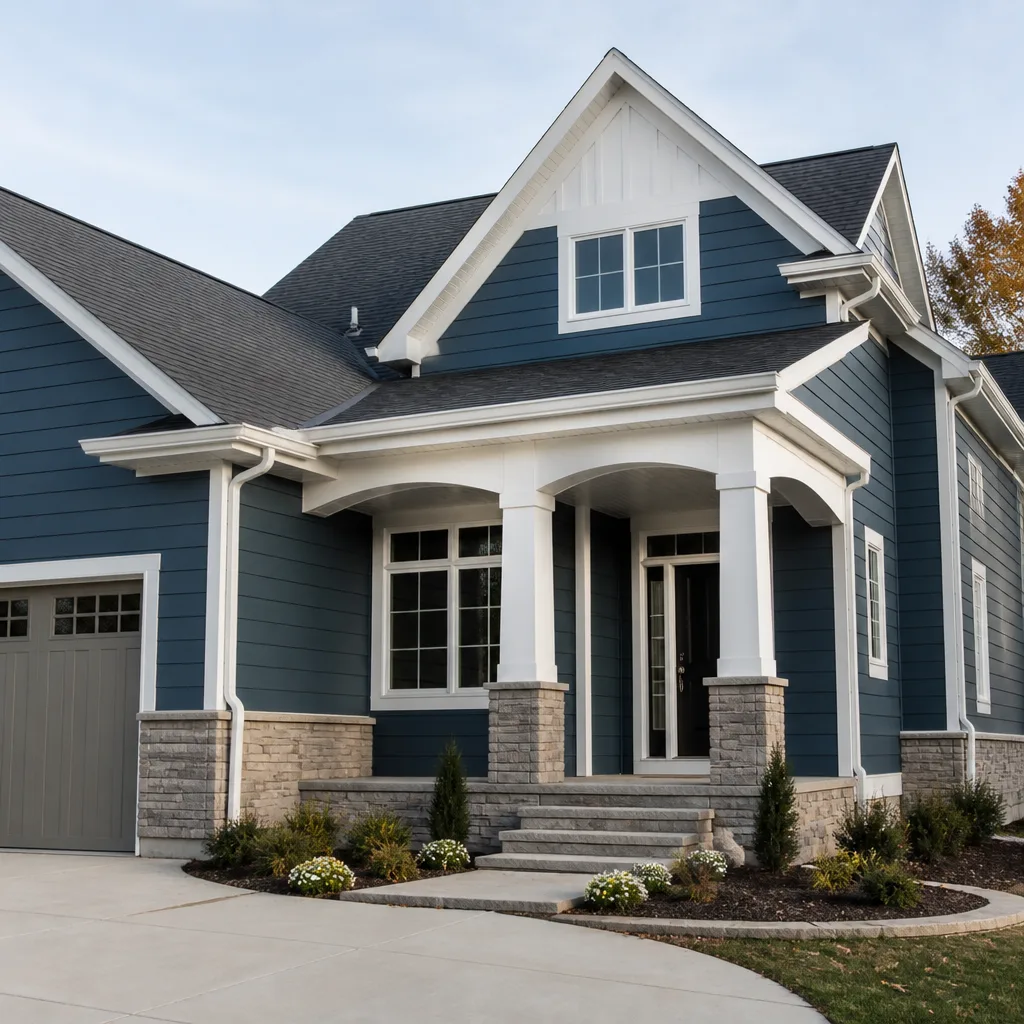
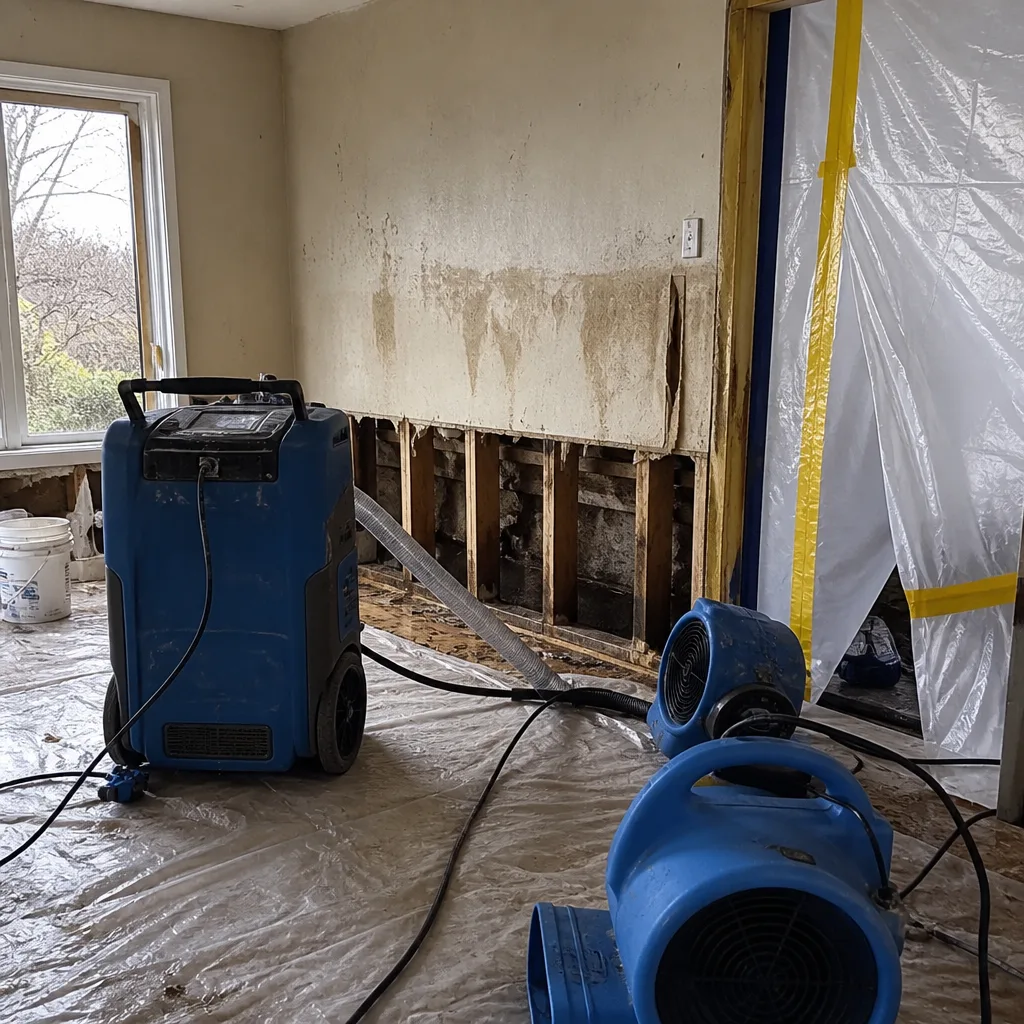 Before
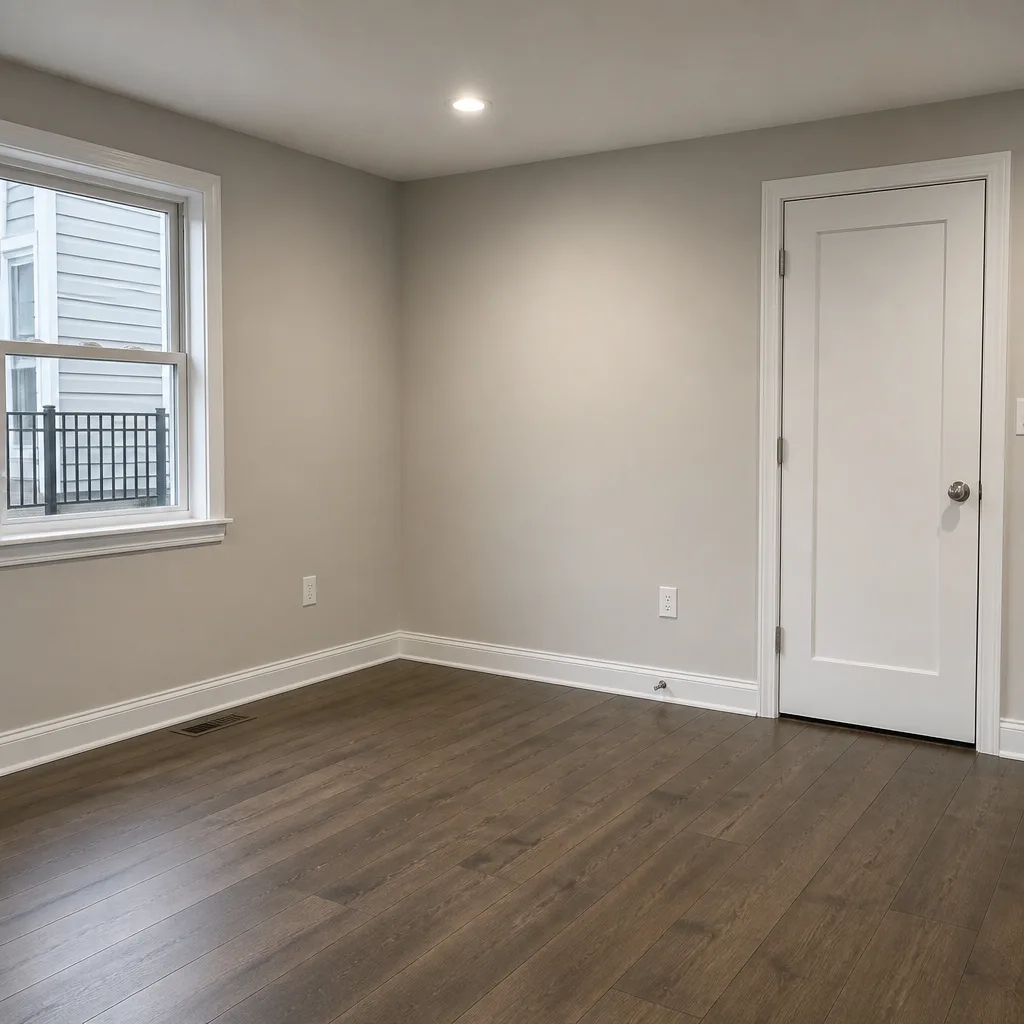 After
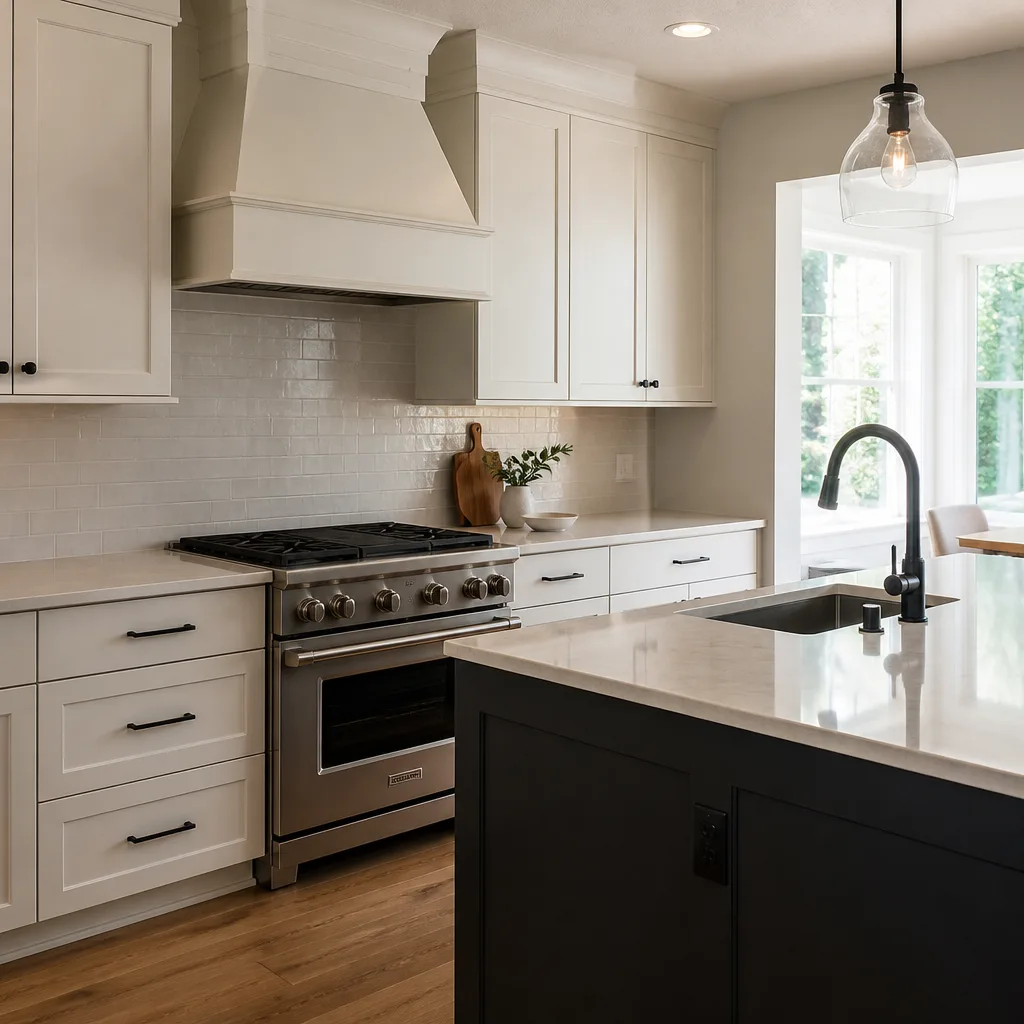
After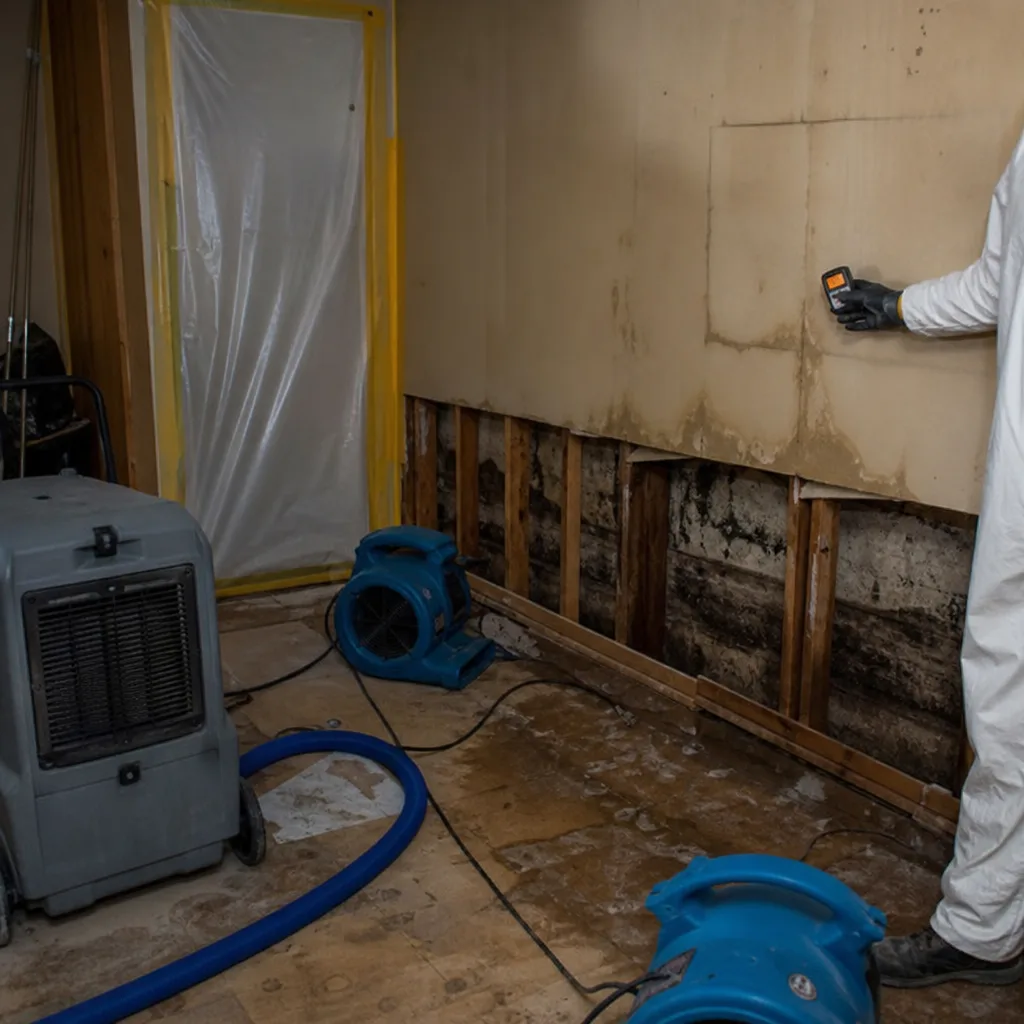 Before
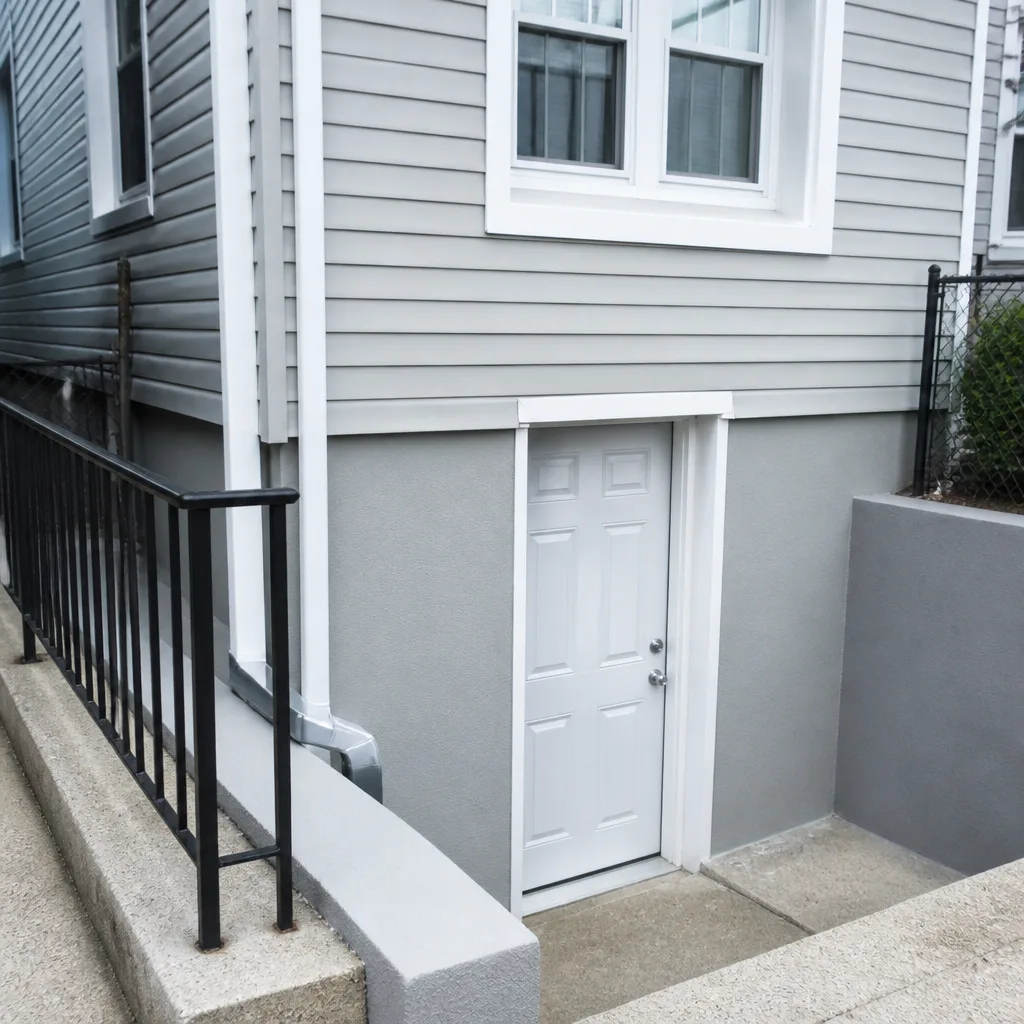 After
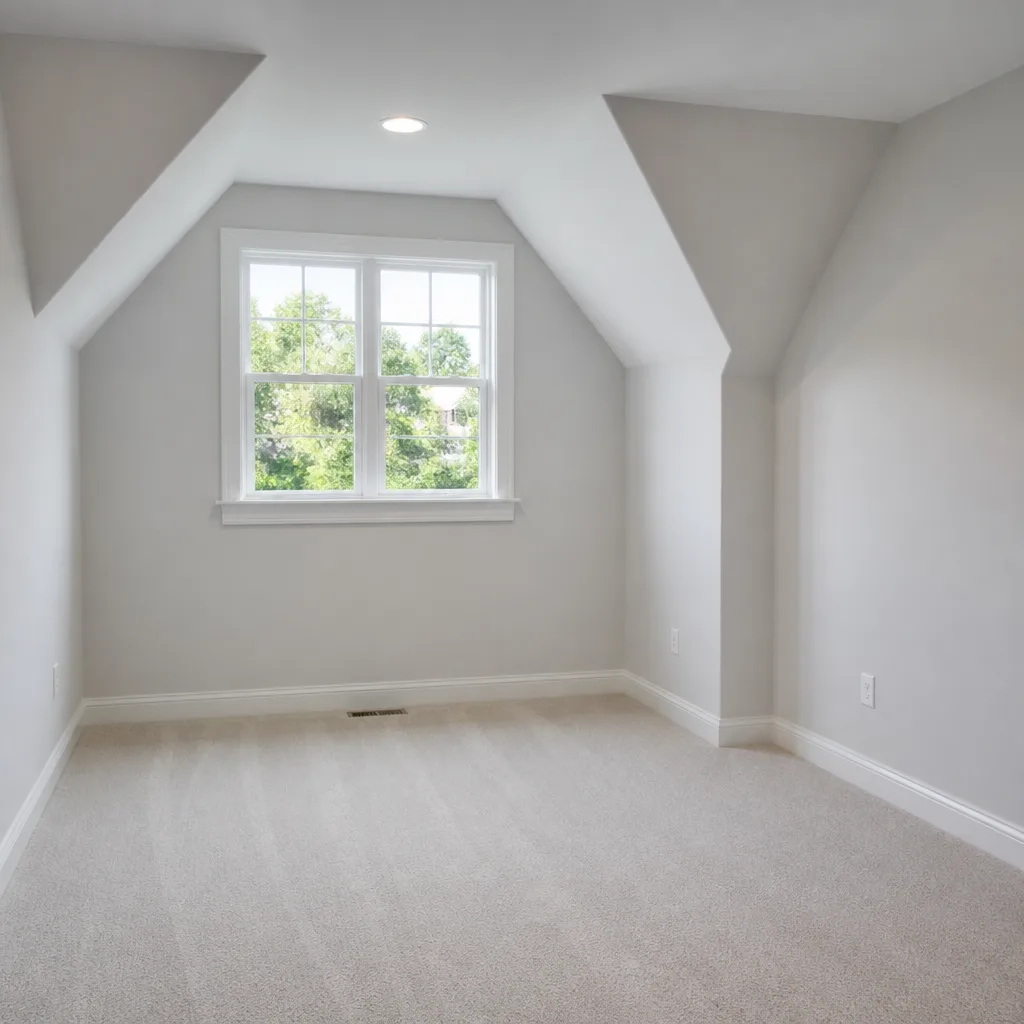
After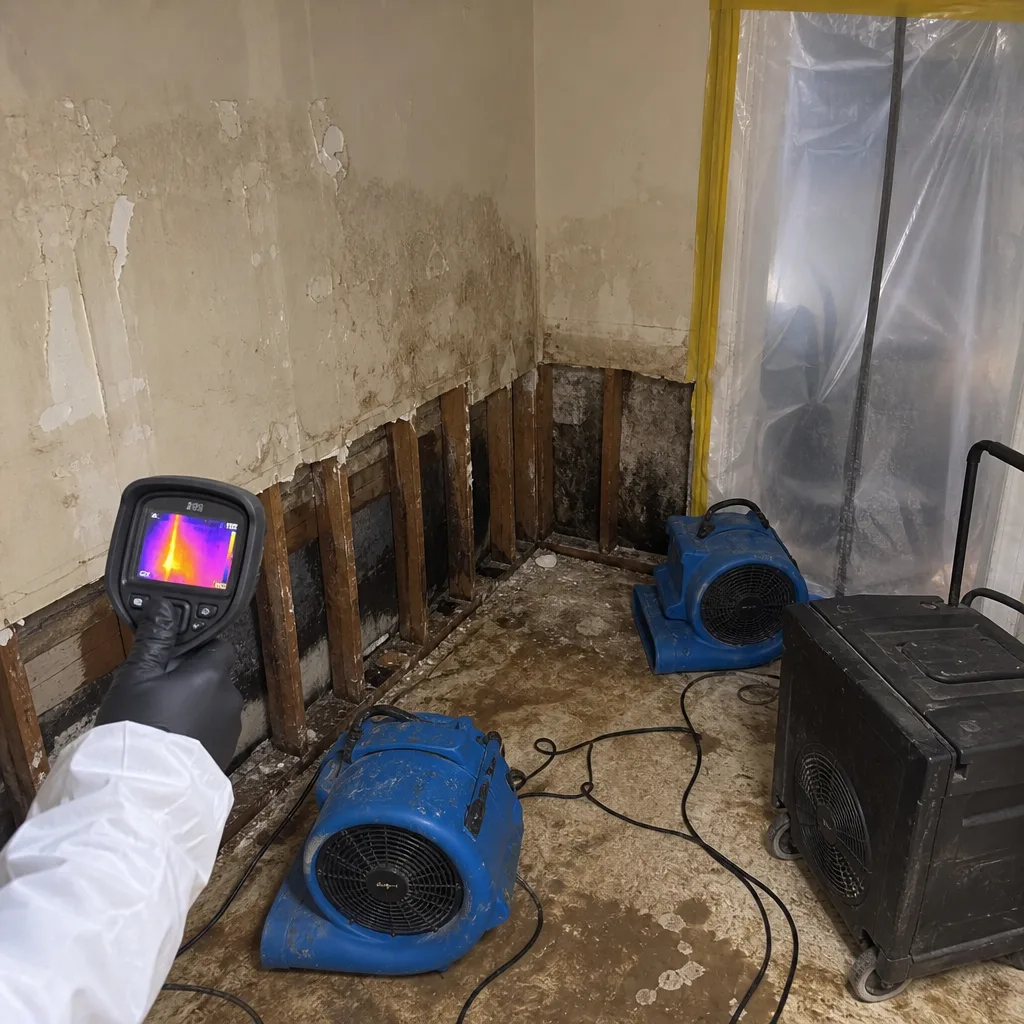 Before
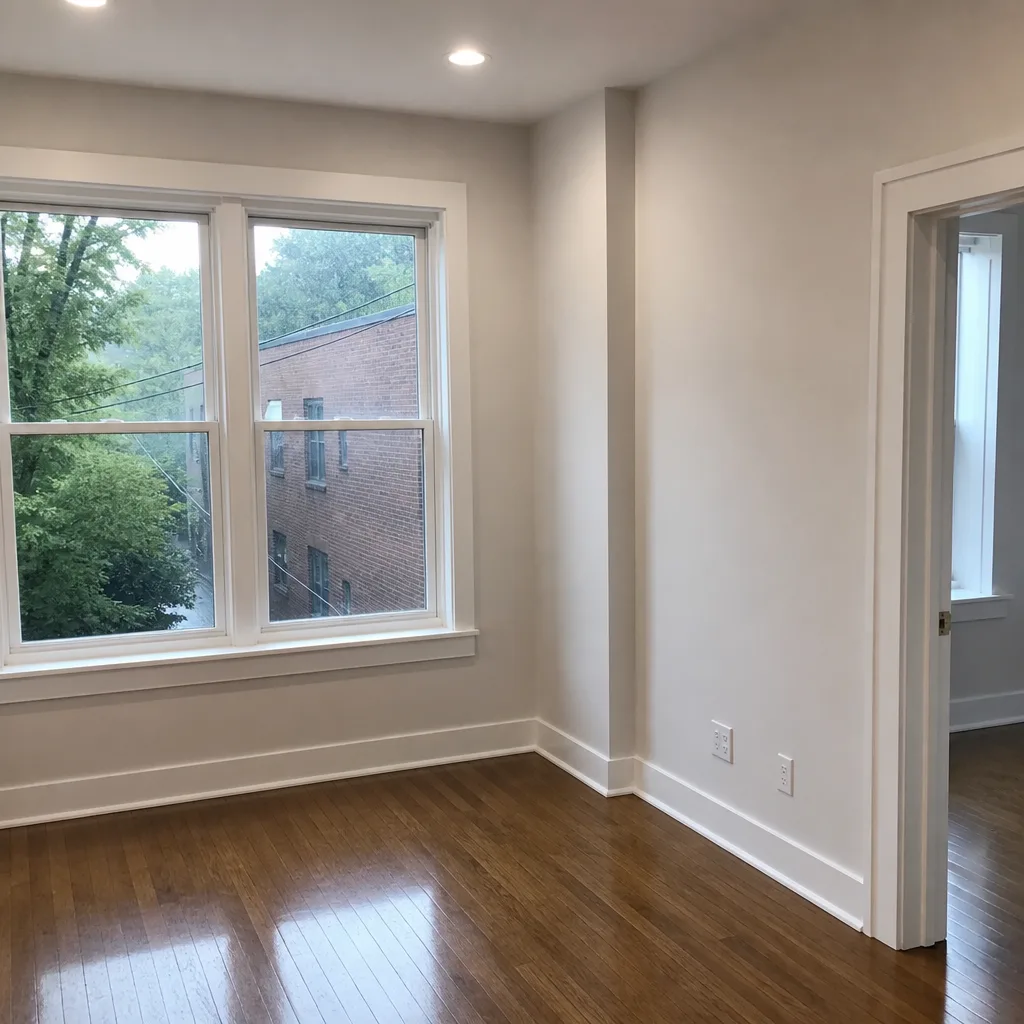 After
After24/7 Emergency Commercial Restoration in Midtown Manhattan
A commercial water loss in Midtown Manhattan rarely stays on one floor. A burst chilled-water line on the 30th floor of an office tower can travel through conduit, elevator shafts, and chase walls into 20 or more occupied floors below before anyone notices the ceiling tiles sagging. That’s why we answer live at (201) 740-2235 around the clock and get a crew moving toward your building within 45 minutes. Wade Ferris coordinates the response himself, and his crew arrives with commercial-grade extraction equipment and the moisture mapping tools needed to find water that already traveled past the obvious damage. The first hour matters because water inside a pre-war masonry high-rise starts wicking into concrete and plaster immediately, and what starts as a Category 1 clean-water event can degrade into a Category 3 contamination problem fast once it mixes with decades of dust, insulation, and building materials inside wall cavities. Call us now. Free visual inspection, direct insurance billing, and a written scope before any work begins.
Understanding Commercial Restoration Severity in Midtown Manhattan Properties
Commercial restoration in Midtown Manhattan is a different animal from residential work in the outer boroughs. The building stock here is dominated by pre-war masonry towers built between the 1920s and 1940s, mid-century steel-and-concrete high-rises, and modern glass curtain-wall skyscrapers. Nearly all of it is commercial or hotel use. Inside those buildings, original cast-iron standpipes and drain stacks run through concrete enclosures that have been renovated, re-clad, and re-plumbed multiple times over the decades. When a leak happens, water follows paths that no single blueprint shows. We classify water damage by category: Category 1 is clean water from a supply line or failed condensate pan. Category 2 carries contaminants, like the gray water from a steam trap discharge or a clogged drain line. Category 3 is grossly contaminated, which is what you get when a sprinkler head discharges into an occupied office and mixes with carpet adhesive, dust, and whatever else is in the floor assembly. Severity also depends on the materials. Water that hits a modern gypsum wallboard partition is easier to dry than water that saturates a 1930s-era concrete slab wrapped around a cast-iron waste stack. We use moisture mapping, infrared thermal imaging, and in-wall probe readings to determine how far the water has actually traveled, not just where it surfaced. That’s the difference between reopening a floor in five days and discovering mold behind a chase wall three weeks later.
Why Midtown Manhattan Property Owners Choose Wade’s Restoration
- 45-minute response commitment. We’re not coming from another borough. Our New York City office dispatches local crews into Midtown Manhattan, and Wade heads out himself when the call warrants it.
- 24/7 live answer, never an automated system. You call, a person picks up. Wade answers his own phone. If he’s on a job, his crew knows how to reach him and he calls back within minutes.
- IICRC-certified crews with the right codes for the job. Water restoration technicians hold WRT and ASD certifications. Fire and smoke work is handled by FSRT-certified techs. Mold remediation is run to AMRT standards.
- Free visual inspection. Before any work starts, we walk the affected floors, give you a straight read on what we found, and put the scope in writing.
- Direct insurance billing. We bill your carrier directly and deal with the adjuster so you and your building management aren’t stuck as the go-between.
- One team from first extraction to final reconstruction. We don’t hand your building off to a subcontractor halfway through. The same crew that pulls water out is the crew that rehangs drywall and reinstalls ceiling grid.
Our Commercial Restoration Process
Inspection & Assessment
We arrive with thermal imaging cameras, hygrometers, and moisture probes. We map every affected floor, including the two or three floors below the source, because in Midtown high-rises water travels down conduit and pipe chases before it ever shows up on a ceiling. You get a written assessment within hours.
Extraction & Stabilization
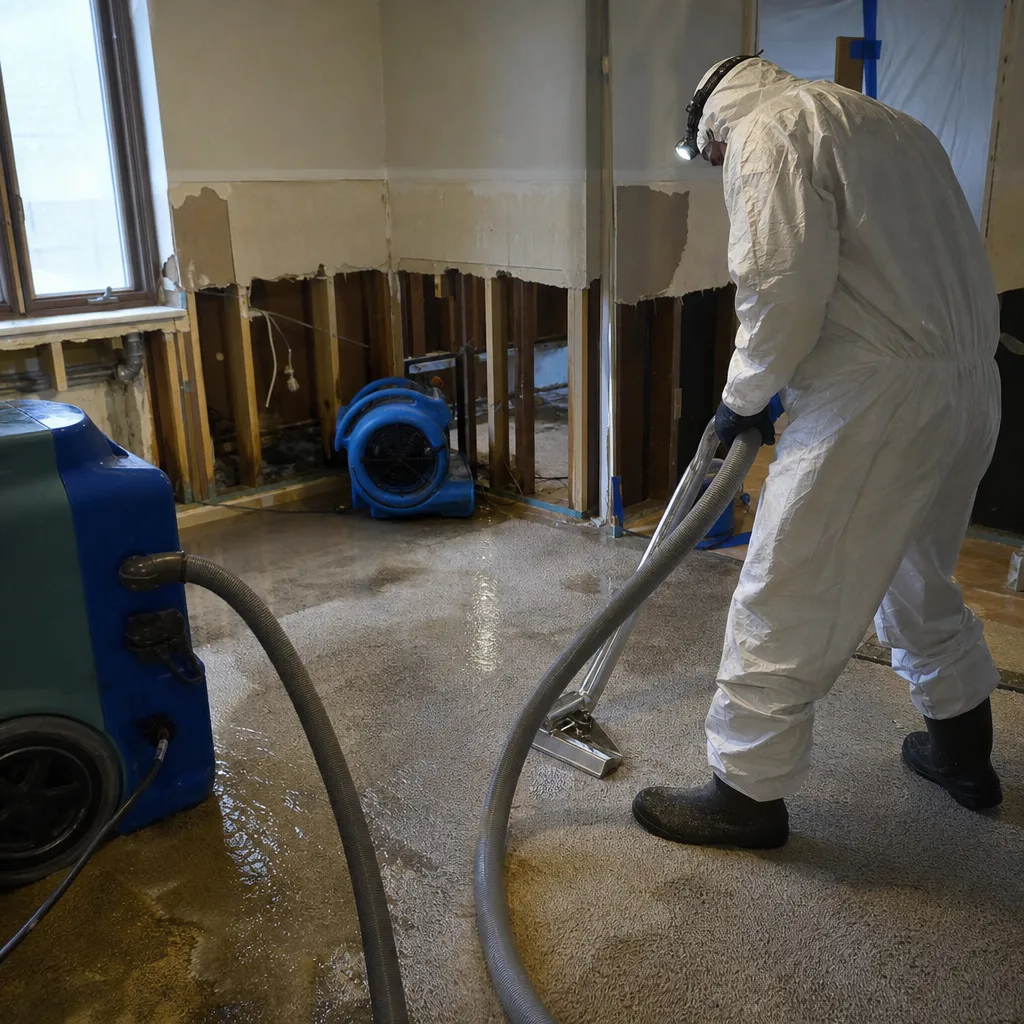
Commercial extraction starts with high-volume truck-mounted or portable extraction units from XPOWER and B-Air, plus Injectidry systems for trapped water inside wall cavities and under terrazzo or stone flooring. We stabilize the site, remove unsalvageable materials, and contain the affected area.
Drying & Dehumidification
We run Phoenix low-grain refrigerant dehumidifiers and high-heat drying systems sized for concrete and masonry, not residential drywall. In Midtown’s steam-heated buildings, we monitor for elevated humidity in mechanical rooms and subgrade spaces that standard drying protocols miss.
Cleaning & Sanitization
HEPA air scrubbers run during and after material removal. We clean surfaces, sanitize affected areas to the appropriate standard for the water category, and document everything with daily moisture readings and photos.
Specialty Treatment for Commercial Losses
Midtown jobs often require document and inventory recovery, post-construction cleaning, and odor control for occupied spaces. When a district steam line is involved, we adjust drying protocols for superheated moisture that behaves differently from a cold-water burst.
Repairs & Restoration
We repair or replace drywall, ceiling grid, flooring, and finishes. If your building has historic details, we match them. You get one written scope, one crew, and a 90-Day Done Right Promise on every water, fire, and mold restoration job.
Need Emergency Commercial Restoration in Midtown Manhattan Now?
Crews minutes away, answering live 24 hours a day. The sooner we start, the less it costs.
Working With Your Insurance Company
Commercial restoration claims in Midtown Manhattan involve layers that residential claims never see. There’s the building owner’s policy, each tenant’s policy, sometimes a hotel operator’s policy, and the building management’s own insurance. Wade deals with adjusters directly. He has been doing this since 2007 and he knows what carriers need to approve a claim without stalling: documentation from the first hour, industry-standard line-item estimates, and clear photos room by room. You are not the messenger running between your tenant, your management company, and your insurance carrier. We handle that. Here is what we hand your insurer:
What We Provide Your Insurer
- Thorough documentation of the loss
- Photos of all damage, room by room
- Moisture readings and drying logs
- A detailed, line-item scope of work
- Direct coordination with your carrier
Built for Midtown Manhattan’s Loss Calendar
Midtown Manhattan’s commercial restoration calendar does not look like the rest of New York. The biggest driver is not storms. It is aging mechanical infrastructure inside high-rise buildings. January deep freezes burst supply lines in pre-war towers along Madison and Park Avenues, especially in mechanical rooms that were never designed for the load they now carry. Nor’easters drive rain through failed window gaskets and clogged roof drains, sending water down interior columns and into occupied floors. Summer convective storms overwhelm roof drainage systems, and a sudden downpour can put an inch of water on the 40th floor before anyone knows it happened. But the year-round enemy is district steam. Midtown has one of the largest district steam networks in the world, and when steam traps fail or condensate return lines crack, they release superheated moisture that saturates concrete and masonry. That moisture supports rapid mold growth in the urban heat island’s already humid mechanical rooms and subgrade spaces. Every season has a failure mode here, and most of them involve water that moves vertically through a building that never sleeps.
Commercial Restoration Across Midtown Manhattan’s Neighborhoods
Midtown Manhattan is not one neighborhood. It is a collection of commercial districts with very different building profiles and very different loss patterns. The office towers along Sixth Avenue and Park Avenue are mostly mid-century steel-and-concrete construction with modern glass curtain walls, and when they leak, the water typically starts at a failed window gasket or a chilled-water line and travels down through plenum spaces and elevator shafts. The Garment District between 34th and 42nd Streets has a higher concentration of older loft buildings from the early 1900s, with heavy timber or reinforced concrete floors and aging standpipes that create slow, hidden leaks behind decades of renovation layers. Times Square and the theater district are dominated by hotels and entertainment venues running 24/7, which means any restoration work has to happen around occupancy, and containment is everything. The area east of Grand Central near Lexington and Third Avenues includes pre-war commercial buildings that are connected to Con Edison’s district steam network, and those jobs require drying protocols that out-of-market crews often get wrong. Bryant Park and the blocks around 42nd Street mix pre-war masonry with newer glass towers, and we regularly see roof-drain failures there after nor’easters. Every one of these areas has its own building type and its own failure mode. We know them because we work them constantly.
Specialized Commercial Restoration Services We Offer in Midtown Manhattan
Office & Retail Restoration
An office floor can look destroyed and be mostly salvageable if you get there fast. We dry in place wherever possible, move desks and file cabinets out of the way, and set up containment so your tenants can keep working on unaffected floors. Retail spaces in Midtown lose revenue every hour the doors are closed, so we prioritize extraction and drying speed without cutting corners on documentation.
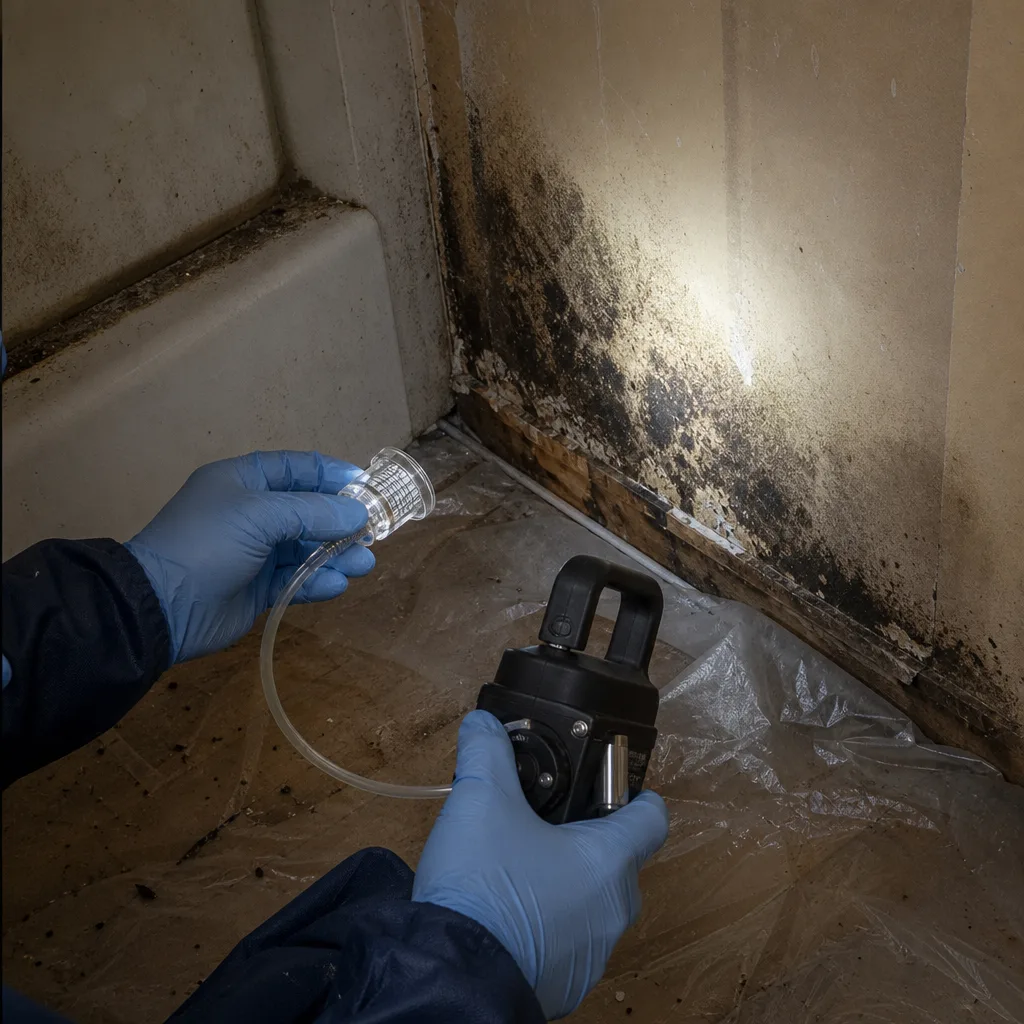
Multi-Unit & HOA Restoration
Midtown high-rises often mean multiple tenants on multiple floors filing claims from the same water event. We coordinate with building management, individual tenants, and multiple insurance carriers so no one gets contradictory information. One crew, one drying plan, one written scope that covers every affected unit. That keeps HOAs and condo boards from getting pulled in five directions at once.
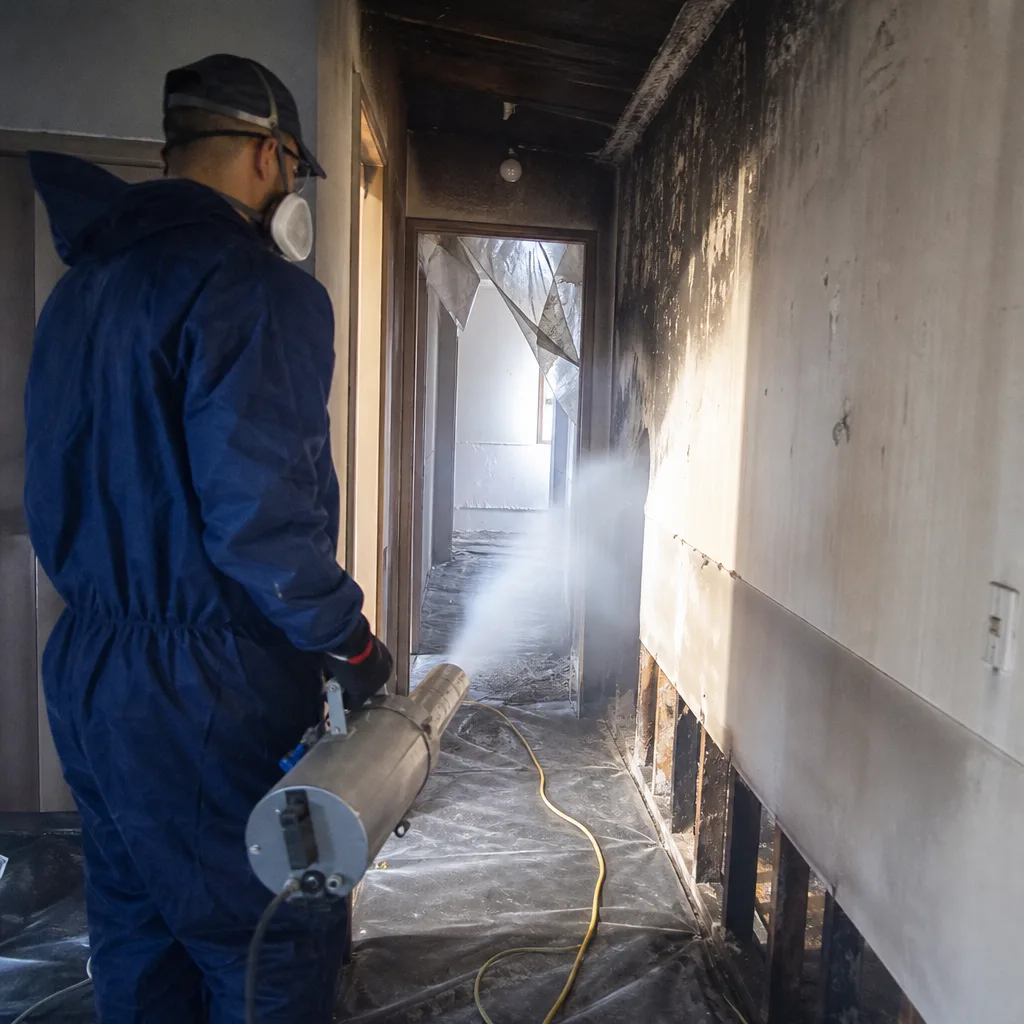
Industrial Facility Cleanup
Mechanical rooms, subgrade vaults, and loading docks are the forgotten spaces in Midtown buildings, and they are where water and humidity do the most damage over time. We are equipped for large-scale extraction and drying in industrial spaces, including confined areas where standard residential equipment is not rated to run safely. Con Edison vaults and transformer rooms still need their own protocols, and we coordinate with the utility when steam or electric infrastructure is involved.
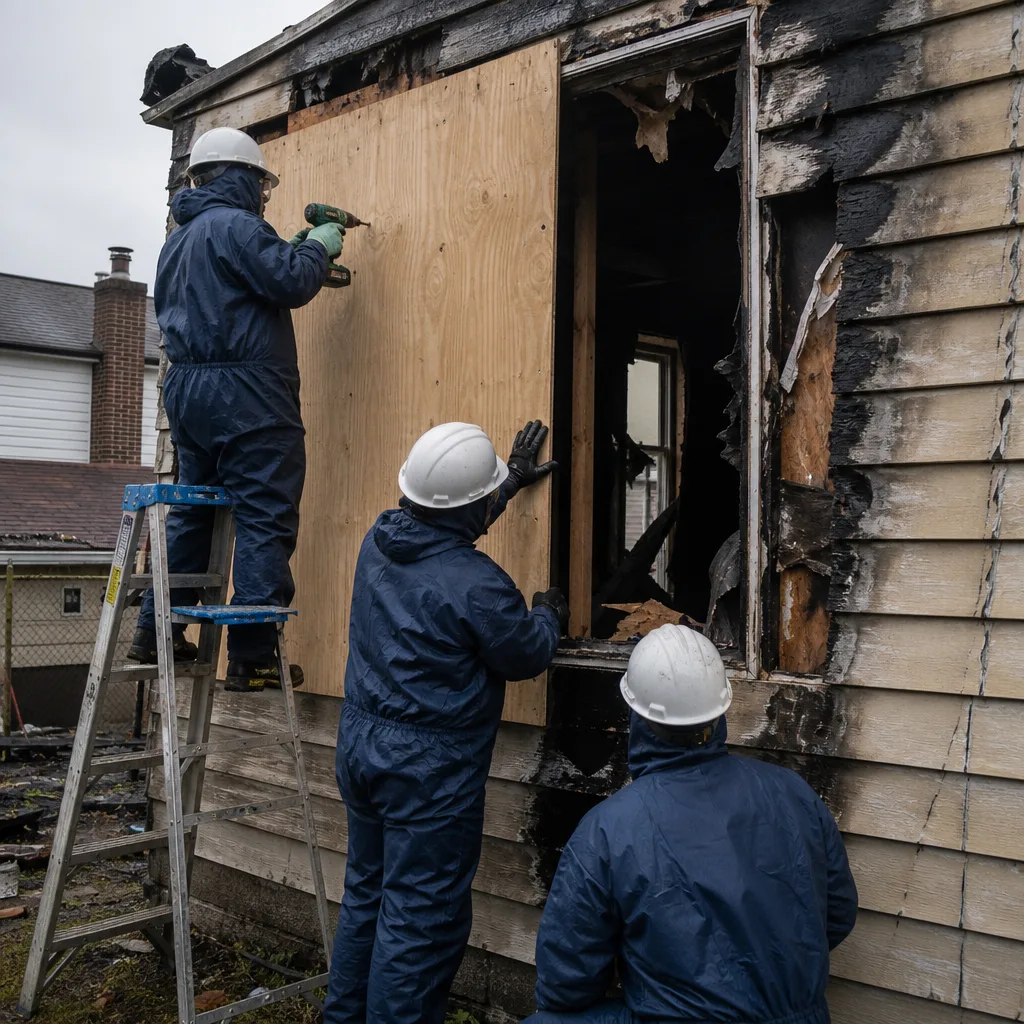
Large-Loss Response
When a chilled-water line lets go on the 30th floor of a Midtown tower, you need more than a van and two dehumidifiers. You need multiple crews, commercial drying equipment, a staging plan, and a single point of contact who has handled vertical-cascade losses before. We run large-loss response out of our New York City office and can scale crews up within hours. The job usually spans 20 or more floors by the time water stops moving, and we plan for that from the first phone call.
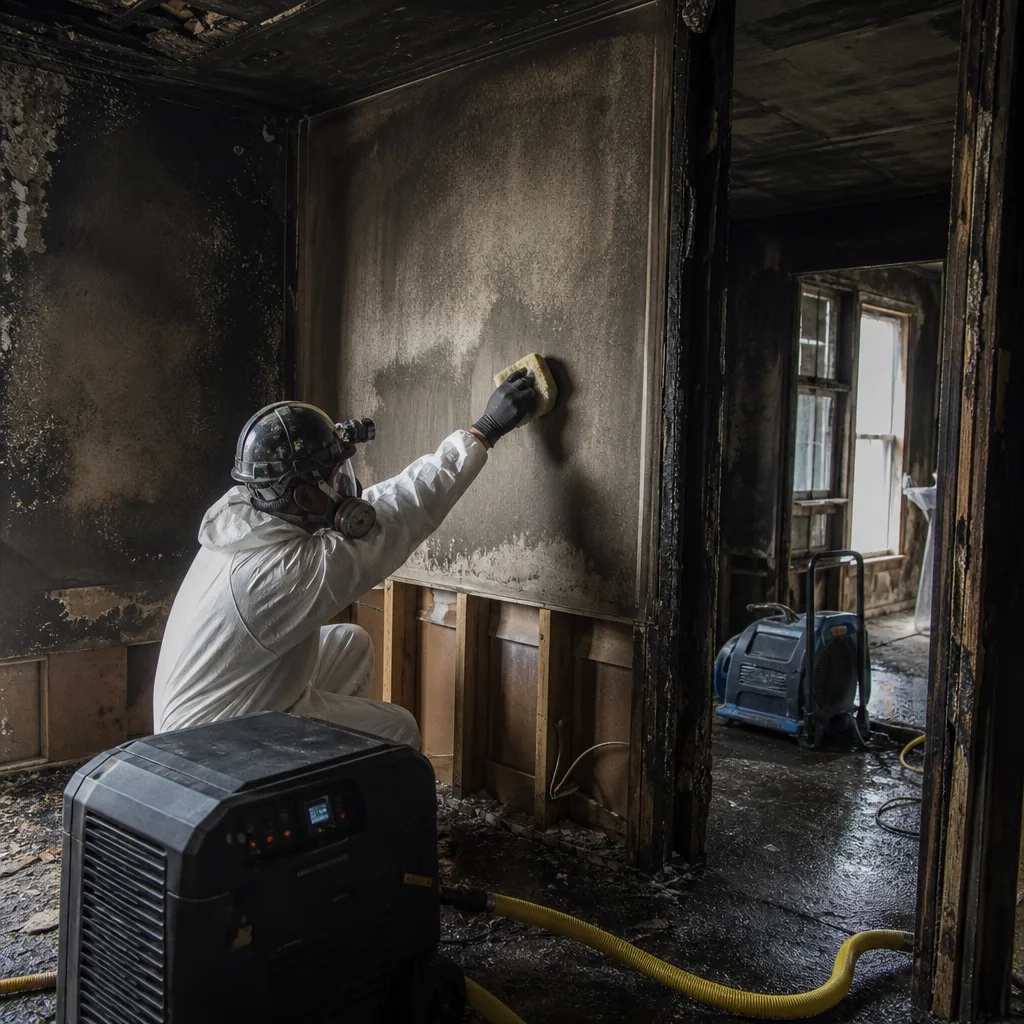
Business Interruption Minimization
Every day a commercial floor is closed costs real money. We work around your operating hours, set up containment so unaffected floors stay open, and give you a realistic timeline for drying and repair. When a hotel on Seventh Avenue has water on three floors, we isolate those floors and keep the rest of the property running. That is not a courtesy. That is the job.
What happens when you call
- 1
A real person answersNo phone trees - you reach a local pro.
- 2
You get an upfront price rangeHonest numbers before anyone is dispatched.
- 3
A background-checked tech heads outLicensed & insured, dispatched right away.
- 4
You approve before work beginsNothing starts until you say go.
Commercial Restoration Costs in Midtown Manhattan, NY
Commercial restoration costs in Midtown Manhattan run higher than suburban office parks for structural reasons: access is harder, buildings are taller, and labor and equipment have to move through freight elevators and loading docks. A small single-floor office water extraction with drying typically runs $4,000 to $8,000. A multi-floor vertical-cascade loss involving 10 or more floors, containment, structural drying, and repair work routinely lands between $40,000 and $150,000 depending on floor count, materials affected, and whether the loss is Category 2 or Category 3. Steam-line or district steam condensate losses add cost because the drying protocols are slower and the affected concrete and masonry require longer equipment runtimes. Insurance usually covers these losses under commercial property and business interruption policies, but the amount you recover depends heavily on documentation. That is why we provide daily moisture logs, photo documentation, and line-item estimates that adjusters recognize. Call (201) 740-2235 for a free visual inspection and a written scope before any work begins.
We Also Serve Cities Near Midtown Manhattan
Our crews regularly work Commercial Restoration in Midtown Manhattan and the surrounding areas, including the Financial District, Lower Manhattan, Astoria, and Long Island City. If your building is outside the immediate core, call us anyway. We know the access routes and building types across the whole metro.
Midtown Manhattan Commercial Restoration Questions, Answered
Why does commercial restoration in Midtown Manhattan take longer than in suburban office parks?
Mostly because of how Midtown buildings are constructed. Pre-war masonry towers and mid-century steel-and-concrete high-rises have concrete slabs, cast-iron standpipes, and masonry that soak up water and release it slowly. Unlike a suburban office park with wood-frame walls and gypsum board, drying concrete and masonry to an acceptable moisture content can take days longer, and you cannot rush it without leaving hidden moisture that feeds mold later. Access also slows things down: equipment moves through freight elevators, loading docks, and sometimes stairwells, not through a ground-level door.
Can you dry our Midtown office in place, or do we need to relocate?
Most of the time you can stay on unaffected floors while we dry the affected floor in place. We set up containment with negative air pressure so moisture and debris do not migrate, and we route drying equipment around your active operations. Full relocation is usually only necessary when the loss is Category 3, when the affected area includes the only access path or bathroom, or when ceiling grid and flooring have to come out on a wide scale. We give you a straight answer on that during the initial inspection.
How do you handle a steam-line leak in a Midtown building connected to Con Edison’s district steam?
Superheated moisture from a failed steam trap or cracked condensate return line behaves differently from a cold-water pipe burst, and standard cold-water drying protocols will not get the job done. We use high-heat dehumidifiers, extended runtimes, and moisture mapping in concrete and masonry to track how far the superheated moisture has traveled, because it penetrates deeper and holds in place longer than cold water does. We also coordinate with building management and Con Edison when the steam infrastructure itself needs isolation or repair before drying can proceed safely.
What does a large-loss commercial restoration project in Midtown typically involve beyond water extraction?
Beyond extraction, a large-loss job involves full moisture mapping across every affected floor, containment to prevent cross-contamination, structural drying of concrete and masonry, removal of unsalvageable materials like saturated ceiling tile and carpet, sanitization to the correct standard for the water category, and then reconstruction. You also need coordination with building management, multiple tenants, and multiple insurance carriers, plus daily documentation so the claim holds up. And in a vertical-cascade loss, you are usually managing floors that were never visibly wet but still hold moisture in concealed cavities.
How fast can you respond to a commercial water loss in Midtown Manhattan, and why does that matter?
We commit to a 45-minute response from the time you call (201) 740-2235, with crews dispatched from our New York City office. Speed matters because water in a Midtown high-rise starts wicking into concrete and masonry within the first hour, and every hour after that spreads the damage further into walls, conduits, and pipe chases. A fast response also means we can often dry in place instead of demolishing finishes, which keeps your business interruption shorter and your claim cleaner.
How does insurance handle a commercial restoration claim when multiple tenants are involved?
Each tenant’s policy typically covers their own contents and improvements, while the building owner’s policy covers the structure. We document everything separately and work with each carrier directly, so the building owner is not stuck mediating between tenants and adjusters. That documentation includes room-by-room photos, moisture logs, and a single scope of work that can be allocated across policies correctly.
How long does structural drying take in a pre-war Midtown high-rise?
Usually three to seven days for gypsum and light construction, but concrete slabs, masonry walls, and cast-iron pipe cavities can take longer, often a week to ten days depending on the material thickness and how deep the saturation went. District steam losses extend that timeline because superheated moisture penetrates deeper. We monitor moisture readings daily and do not call a job dry until the numbers say it is dry, not before.
What should I do in the first 30 minutes after discovering water in my Midtown building?
Call us at (201) 740-2235 first. Then, if it is safe to do so, cut power to the affected area, shut off the water source if you know where it is, and move electronics and documents out of the wet zone. Do not try to extract water from a high-rise mechanical room or steam line yourself, and do not open walls to look for hidden water. Let us do the moisture mapping with the right equipment. The first 30 minutes sets the tone for the whole claim, and what you do in that window either helps us dry fast or makes the job harder later.
Serving Midtown Manhattan, NY - Our Local Coverage Area
We’re based in the Midtown Manhattan area and know this community well. Use the map below to see our service coverage - if you’re nearby, we can almost certainly help.
Contact Wade’s Restoration for Commercial Restoration in Midtown Manhattan
If you have water moving through your building right now, call (201) 740-2235. Wade answers his own phone. If he is already on a job in Midtown, his crew knows how to reach him and he will call back in minutes. We will get someone to your building fast, walk the affected floors with you, and tell you honestly what you are dealing with. Free visual inspection. A written scope before any work starts. And a 90-Day Done Right Promise on every water, fire, and mold restoration job. This is what we do. We have been doing it since 2007, and we are proud to serve Midtown Manhattan’s commercial buildings and the people who run them. Call now, before the water finds another floor.
Written by Wade Ferris, Owner at Wade’s Restoration, serving Midtown Manhattan commercial properties with Commercial Restoration services.