
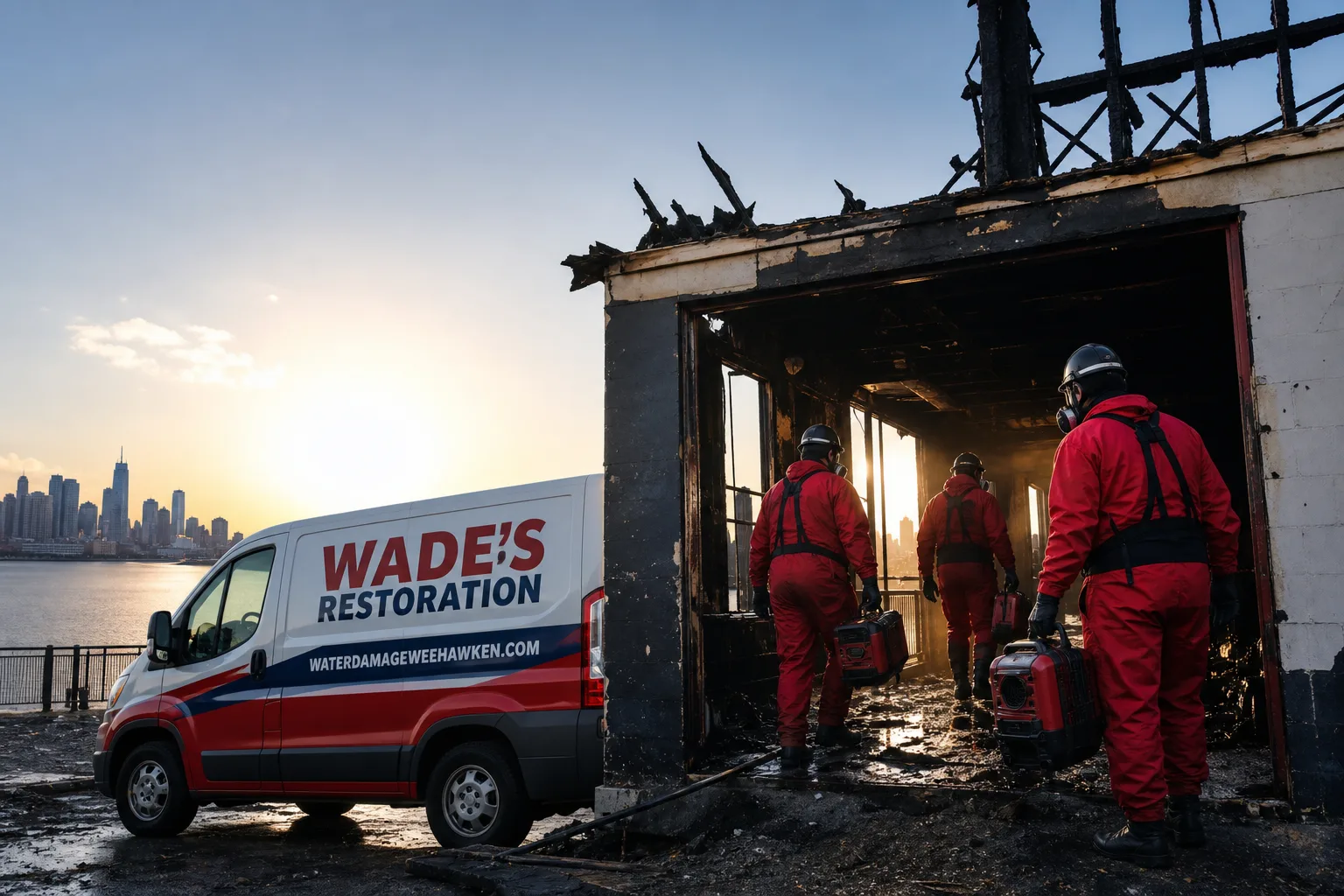
Free visual inspection and a written scope of work before any mitigation begins - photos, moisture readings, and drying logs go in your claim file
The scope we write is the scope we bill. Anything new gets shown to you, in writing, before we touch it.
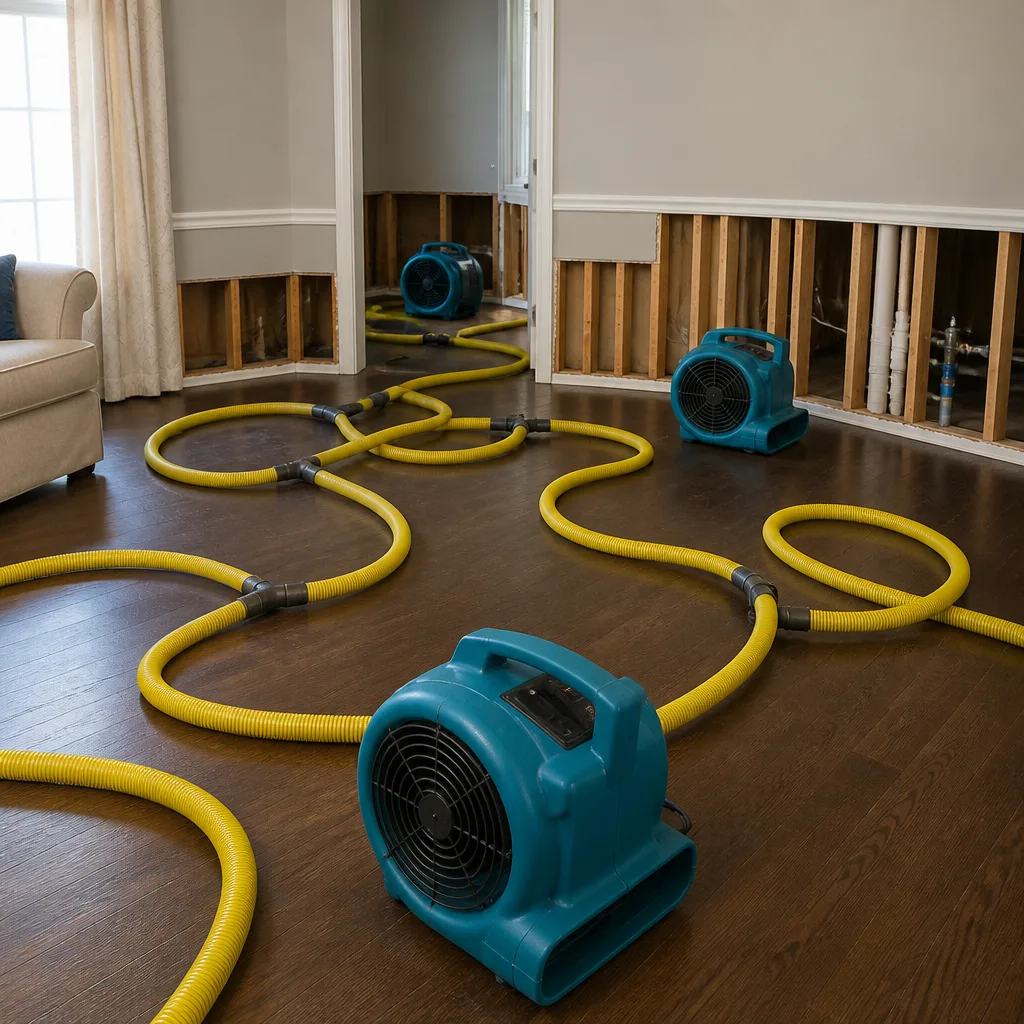
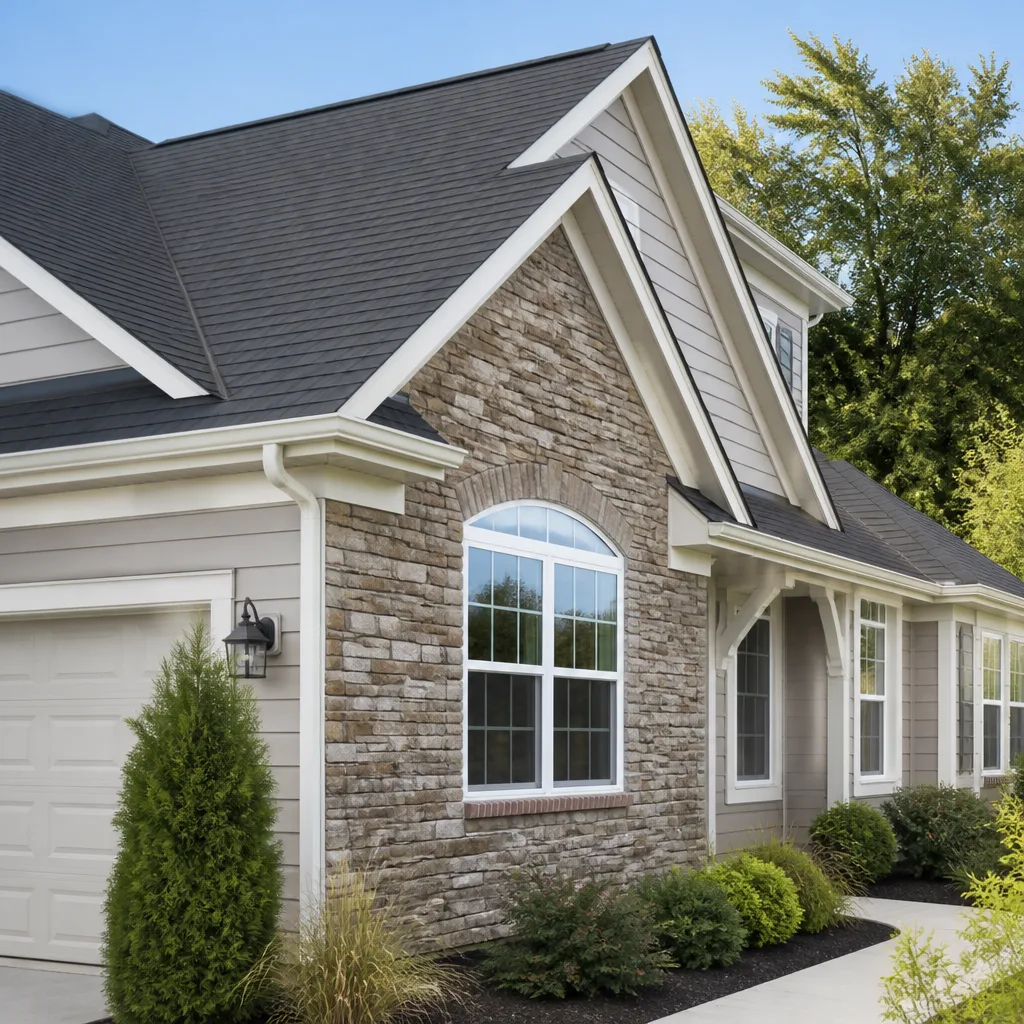
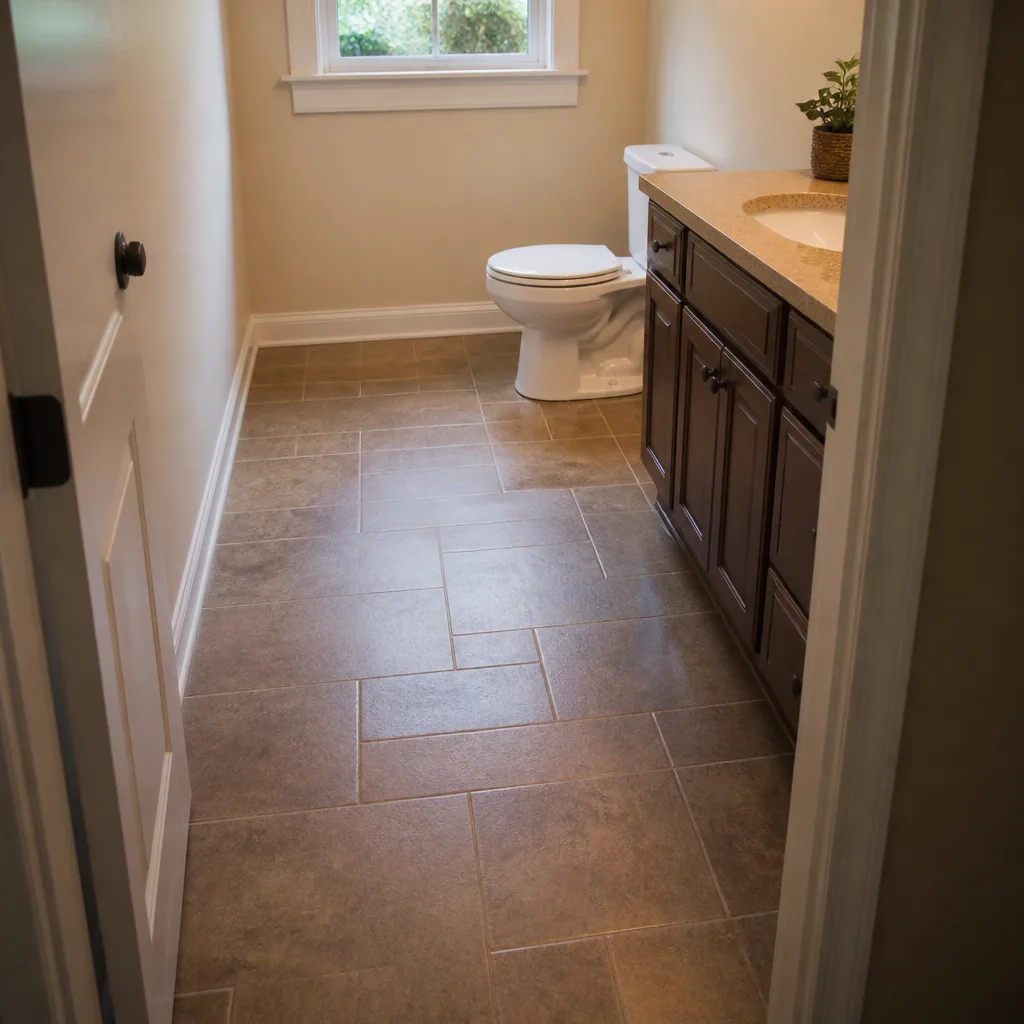
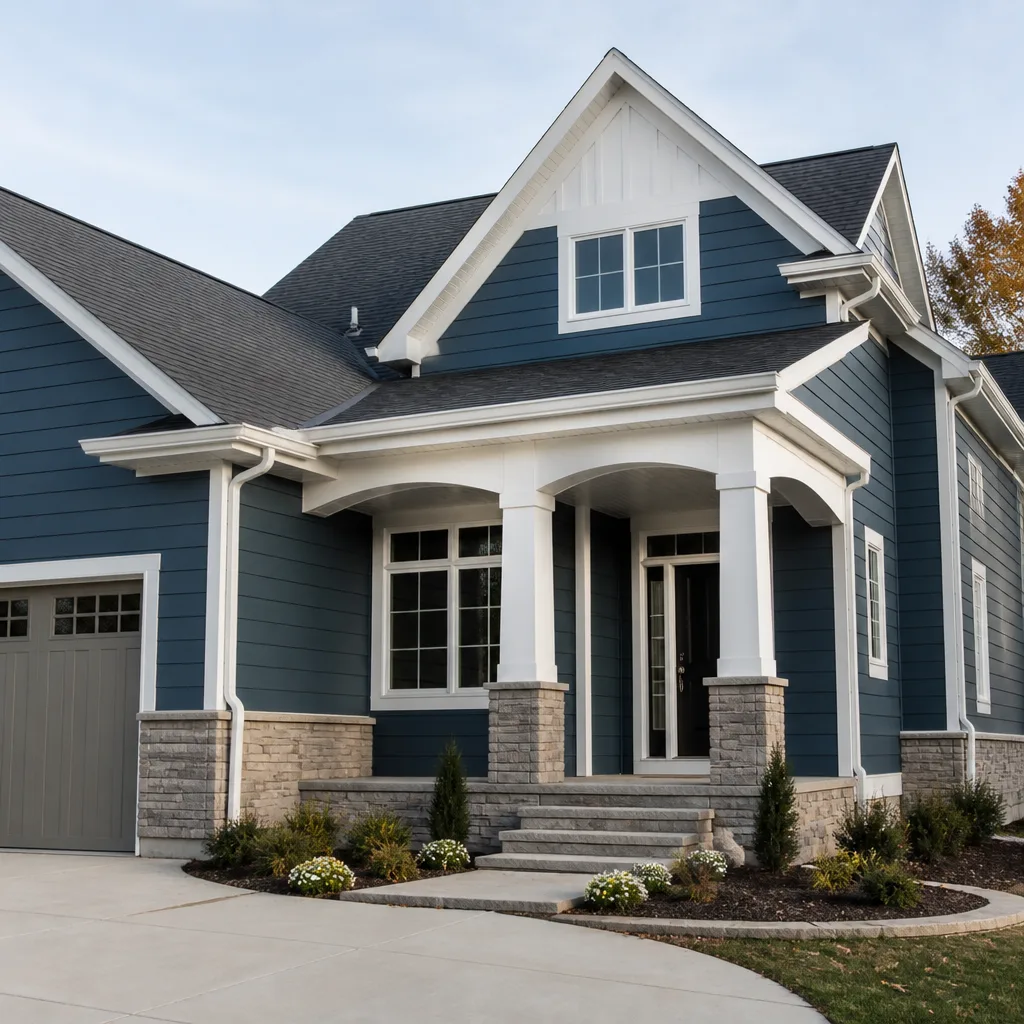
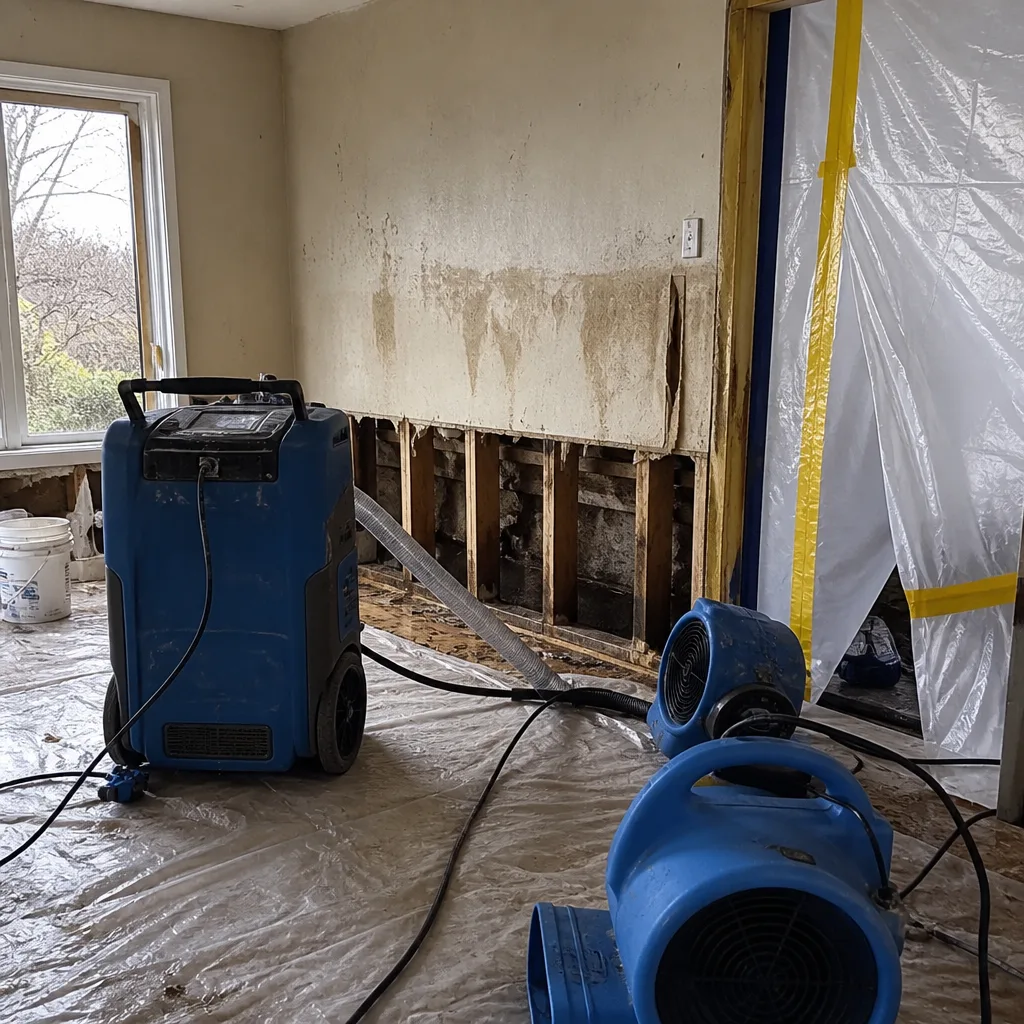 Before
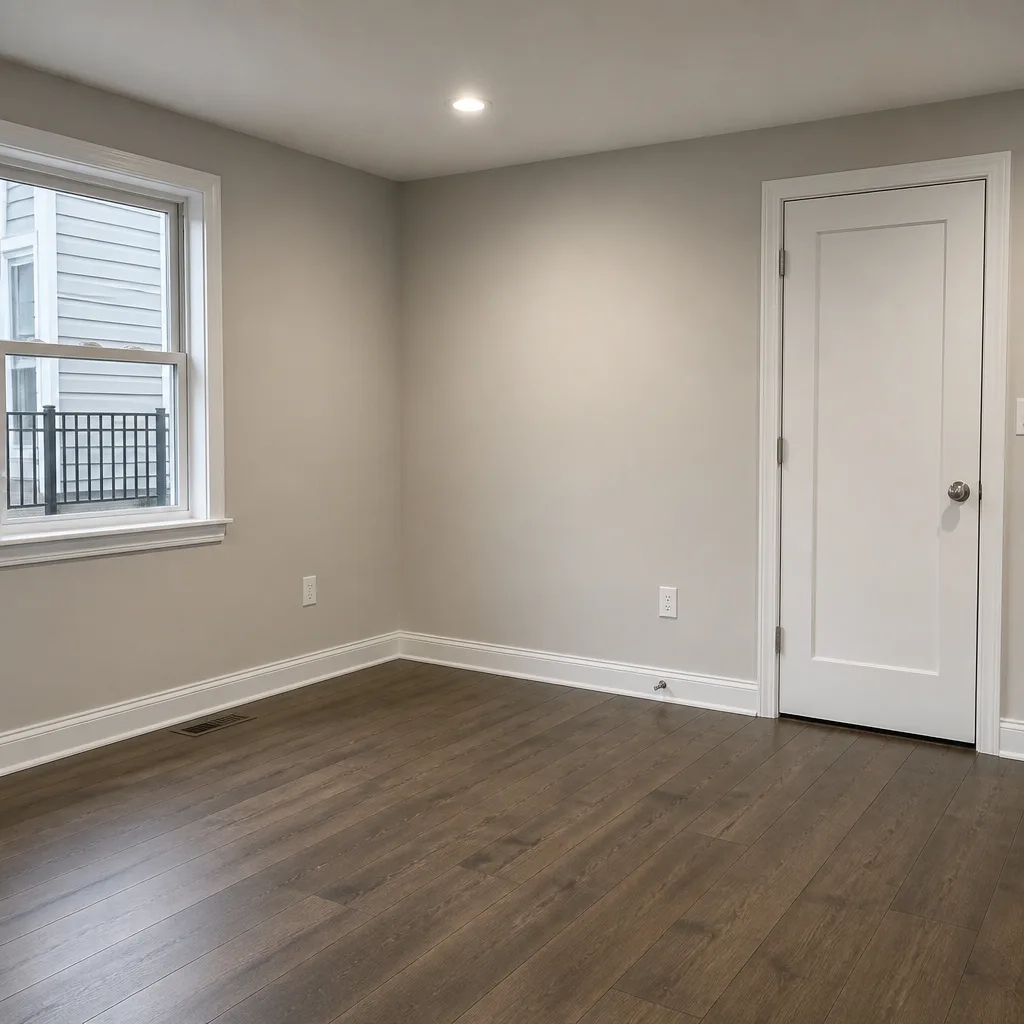 After
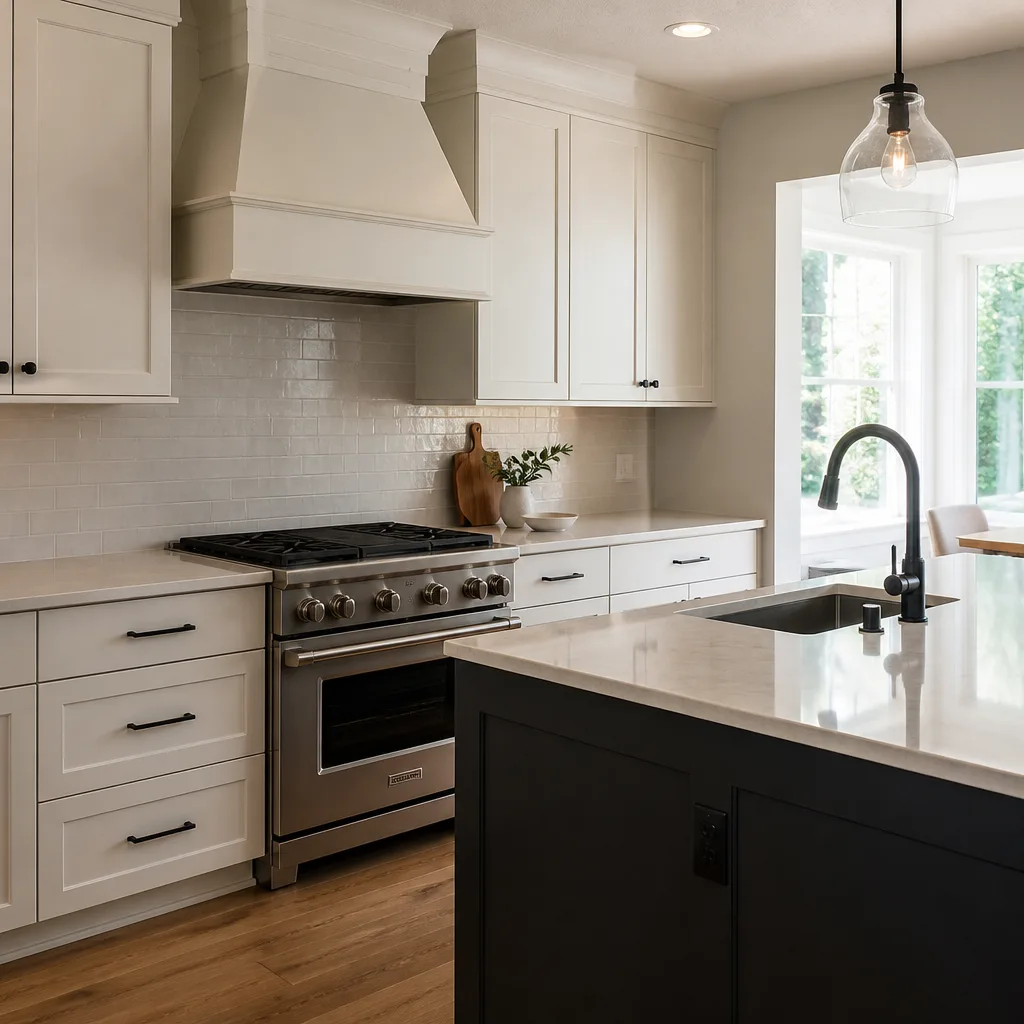
After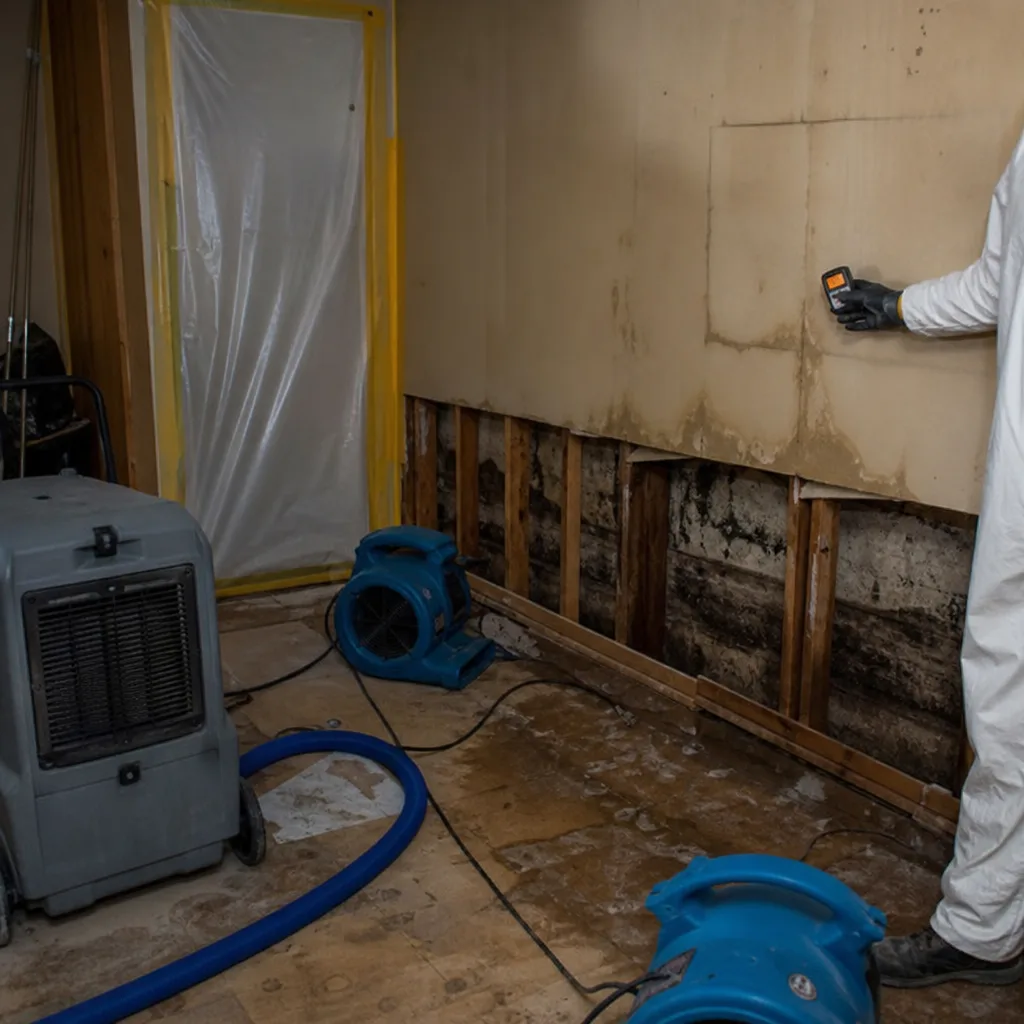 Before
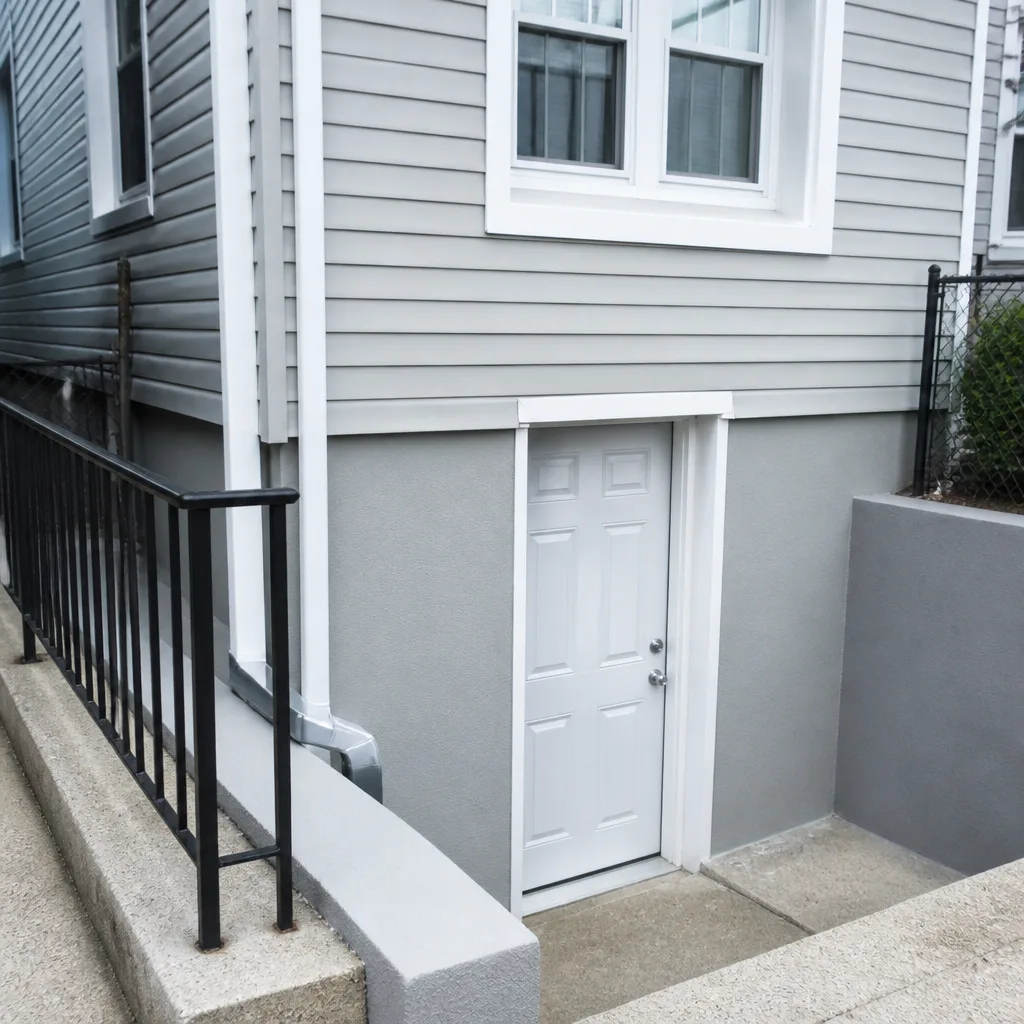 After
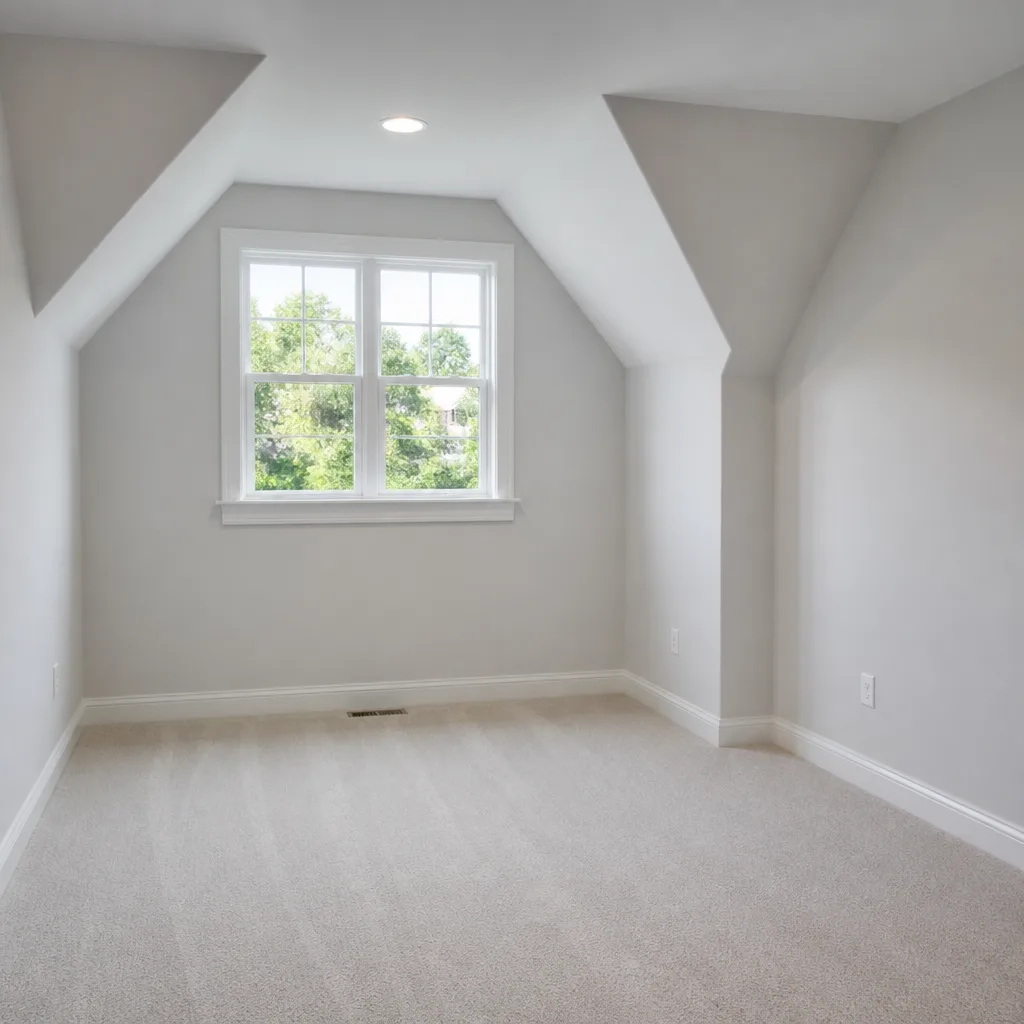
After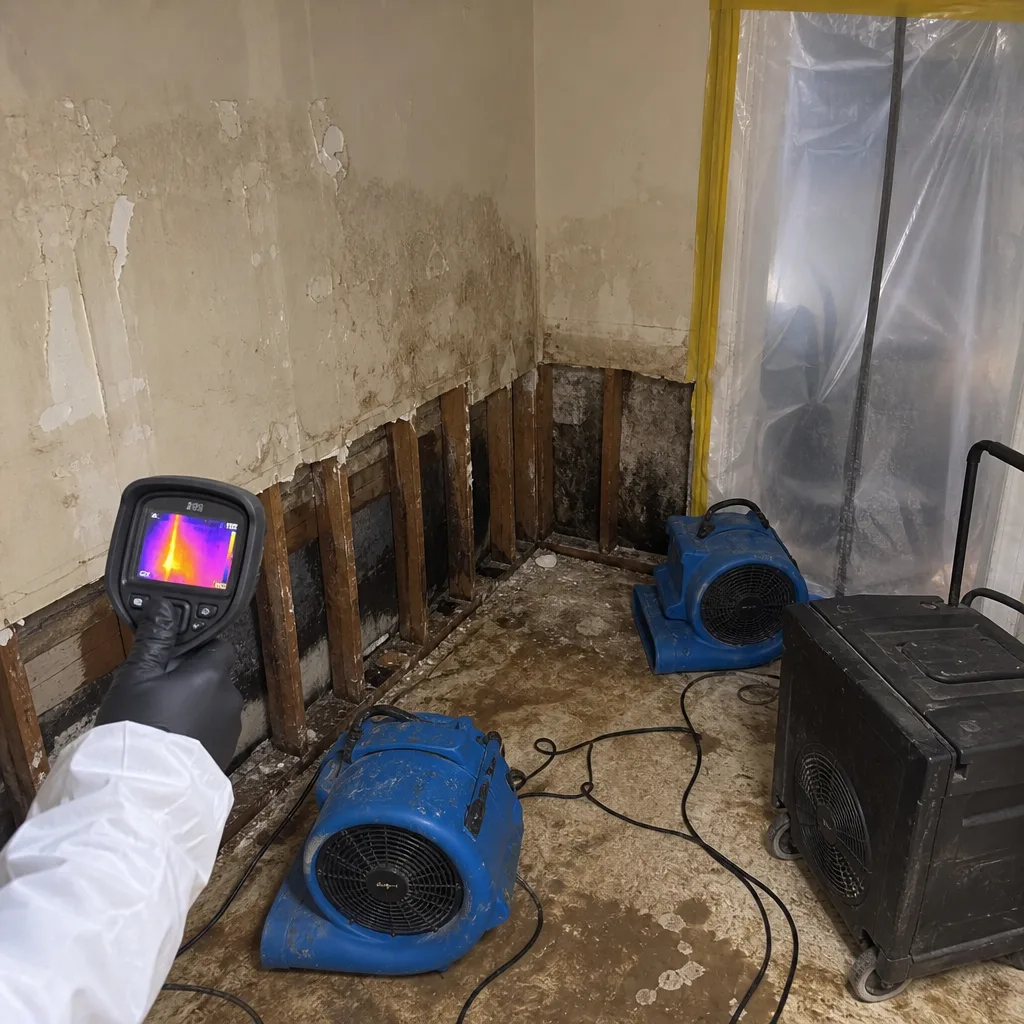 Before
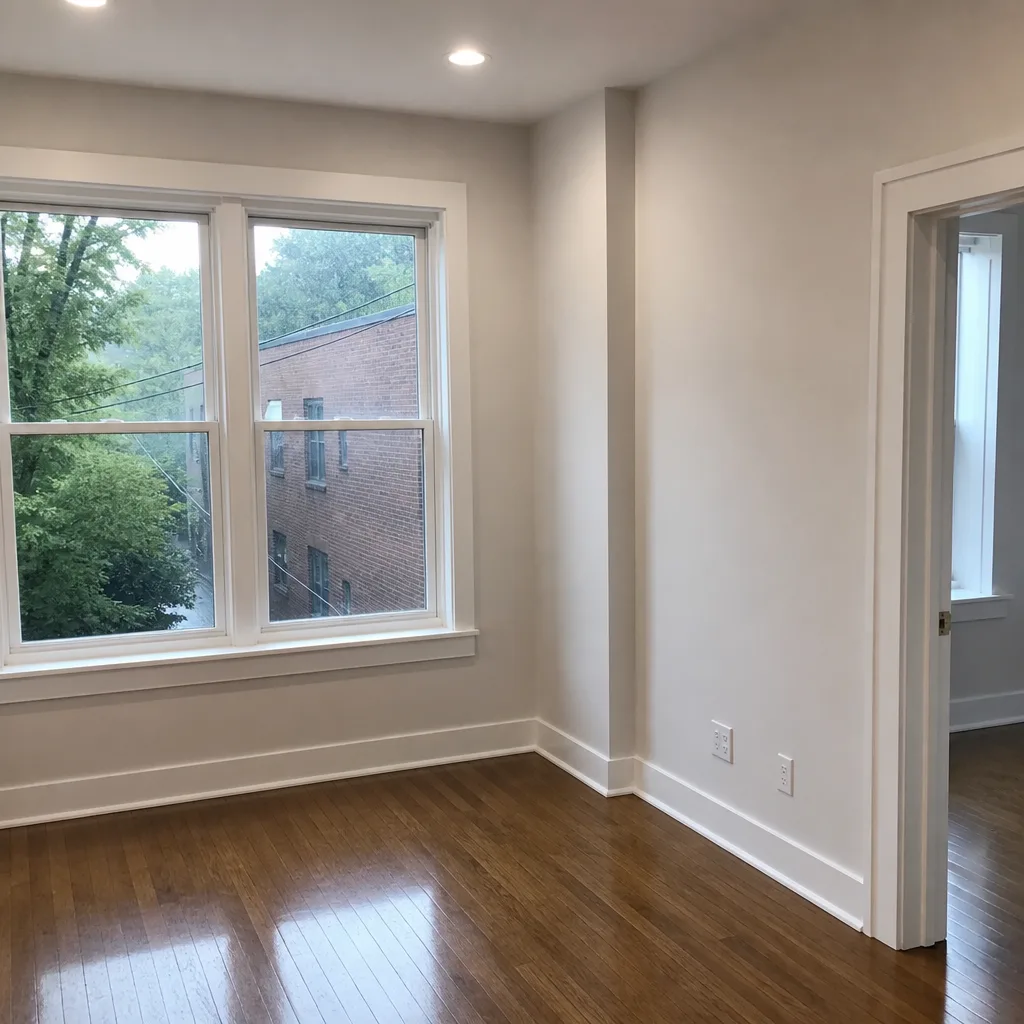 After
After24/7 Emergency Reconstruction & Cleanup in Midtown Manhattan
A burst chilled-water line on the 14th floor of a Midtown Manhattan office tower doesn’t stay on the 14th floor. It runs down elevator shafts, through conduit penetrations, inside concrete risers, and suddenly 22 floors of tenants are standing in an inch of water. That’s the call we get at 2 a.m., and it’s why Wade Ferris answers his own phone. Call (201) 740-2235 and you’ll get a real person, not a queue. Our crews stage from our New York City office and can be inside a Midtown building within the hour. The first hour determines whether you’re looking at drying and reconstruction or a full contents pack-out and multi-tenant displacement. Before you call anyone else, get a visual inspection and a straight answer on scope.
Understanding Reconstruction & Cleanup Severity in Midtown Manhattan Properties
Midtown Manhattan’s building stock changes how we classify every loss. A Category 1 water release from a clean supply line inside a pre-war masonry tower on Lexington Avenue behaves differently than the same volume of water in a wood-frame house in Queens. Concrete and masonry hold water in ways gypsum and stud framing never will. Moisture mapping with thermal imaging and penetrating hygrometers isn’t optional here. It’s the only way to know how far water traveled inside a concrete slab or behind a marble lobby wall. Category 2 and Category 3 water from sewage backups or steam condensate failures demand HEPA air scrubbing and negative-pressure containment before drying even starts. Add Midtown’s urban heat island effect, and subgrade mechanical rooms stay warm and humid all year. Mold colonizes in 48 to 72 hours in those spaces. We’ve seen it happen in parking garages under Sixth Avenue and in basement boiler rooms off Eighth Avenue. The severity ladder in Midtown isn’t residential. It’s commercial large-loss, every time.
Why Midtown Manhattan Property Owners Choose Wade’s Restoration
- 45-minute response commitment – Wade’s crew stages locally and heads out the moment you hang up. In Midtown traffic, that matters.
- 24/7 live answer – A real person picks up. Usually Wade himself. No automated system, no call center, no third-party dispatcher.
- IICRC-certified crews – Our lead technicians hold WRT, FSRT, and AMRT certifications. The codes matter when you’re drying a concrete high-rise.
- Free visual inspection – We’ll walk the floors with you and tell you honestly what needs reconstruction and what just needs cleaning.
- Direct insurance billing – We work with your carrier, your adjuster, and your building’s carrier. You’re not the relay point between three policies.
- One team from extraction to reconstruction – The same crew that sets containment is the crew that hangs drywall and lays flooring. Nothing falls through a handoff.
Our Reconstruction & Cleanup Process
Inspection & Assessment
We walk every affected floor with thermal imaging cameras and hygrometers. For Midtown towers, that means checking the floors above and below the visible damage. Water travels vertically through riser penetrations and horizontally inside poured concrete. We document everything before touching a wall.
Extraction & Stabilization
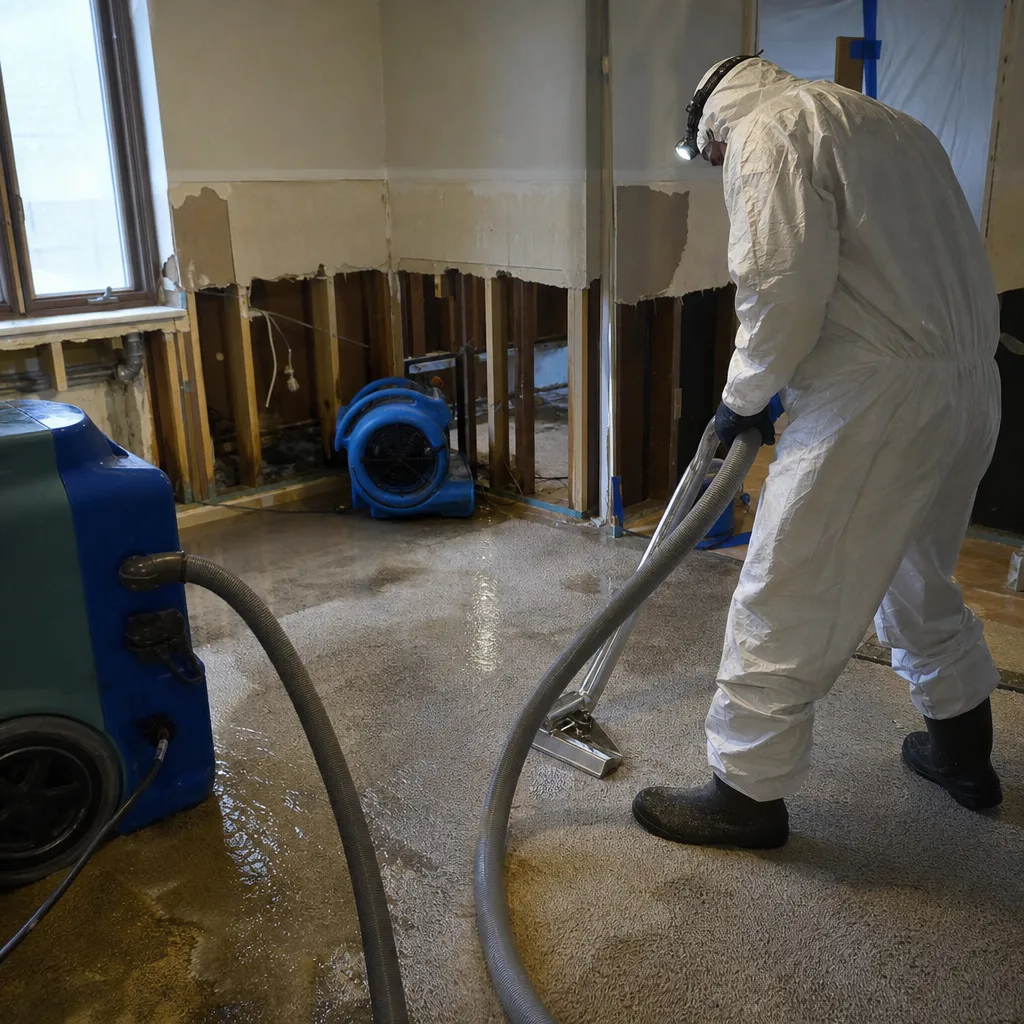
Using Phoenix and XPOWER extraction units, we pull standing water from carpet, hard surfaces, and elevator pits. We stabilize the building envelope first. In a 1920s masonry tower, that often means checking cast-iron drain stacks inside wall cavities before we seal anything.
Drying & Dehumidification
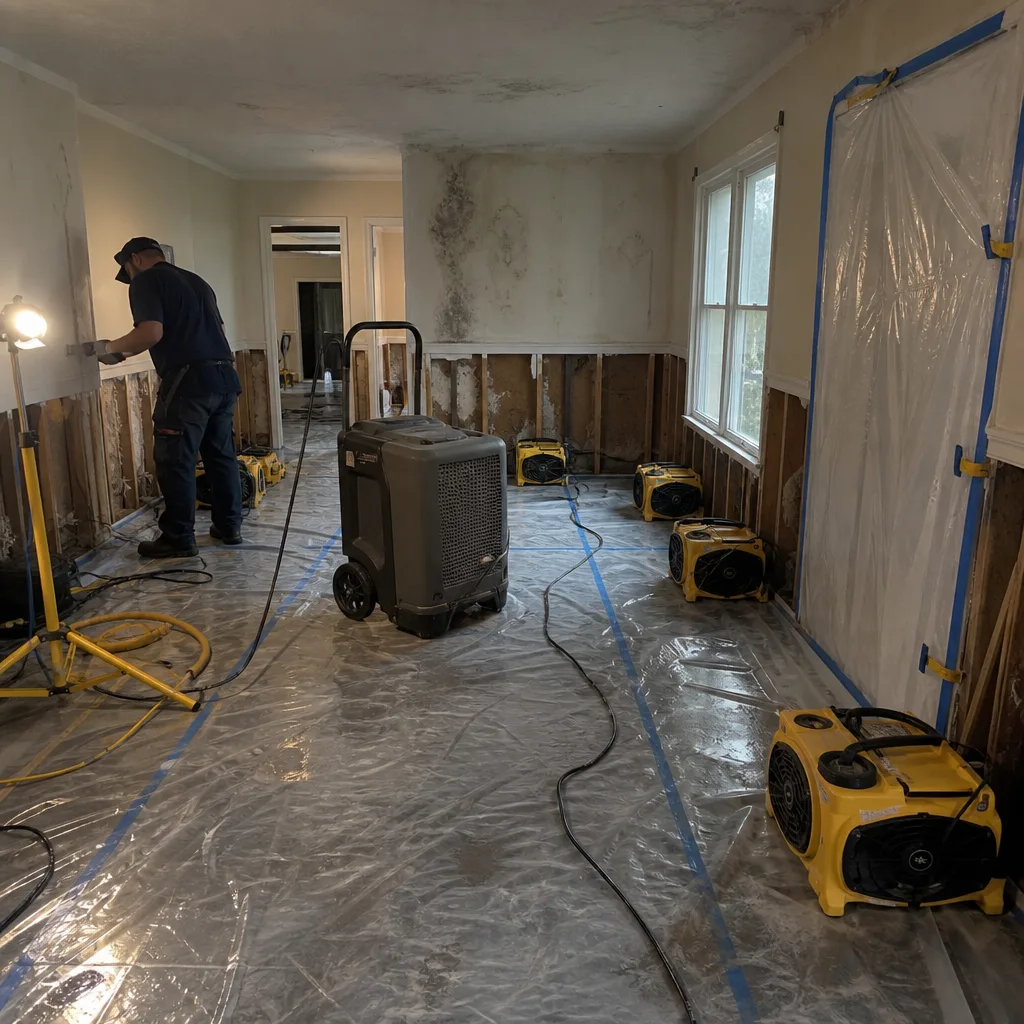
Concrete and masonry dry on a different timeline than drywall. We use B-Air and Dri-Eaz low-grain refrigerant dehumidifiers paired with Injectidry systems for wall cavities and under-slab drying. Daily moisture readings go into a log you keep. Nobody else does that.
Cleaning & Sanitization
HEPA air scrubbers run during the entire drying phase. All affected surfaces get antimicrobial treatment. Carpet and upholstery get extraction cleaning on site. Contents are triaged for pack-out when needed.
Post-Construction Cleanup
After reconstruction, we clean every surface. Dust from drywall sanding, cutting concrete, and hauling debris through occupied lobbies doesn’t belong on a tenant’s desk Monday morning. We leave the space move-in ready.
Repairs & Restoration
Full-service reconstruction means we rebuild what was torn out. Drywall, flooring, millwork, ceiling tiles, paint, carpet, and contents restoration. One signed scope before work starts. No surprises at the end.
Need Emergency Reconstruction & Cleanup in Midtown Manhattan Now?
Crews minutes away, answering live 24 hours a day. The sooner we start, the less it costs.
Working With Your Insurance Company
Midtown Manhattan losses almost never involve one policy. You’ve got the tenant’s carrier, the building owner’s policy, sometimes a lender with a stake in the property, and often a third-party property manager. We’ve done this dance before. From the first hour, we document the loss as if an adjuster is standing behind us. Because one will be. We photograph every room before demolition. We log every moisture reading with time and location. Our estimates are written in the same Xactimate language adjusters use, which means your claim moves faster and you’re not filing supplements for six months. We send the documentation directly to your carrier and talk to adjusters ourselves. You get a copy of everything. You get a signed scope before we start. You don’t get stuck in the middle.
What We Provide Your Insurer
- Thorough documentation of the loss
- Photos of all damage, room by room
- Moisture readings and drying logs
- A detailed, line-item scope of work
- Direct coordination with your carrier
Built for Midtown Manhattan’s Loss Calendar
Midtown’s reconstruction calendar tracks two weather systems and one infrastructure reality. Winter nor’easters drive wind-blown rain through failed curtain-wall gaskets on towers along Fifth Avenue and Park Avenue. January cold snaps freeze water lines in mechanical penthouses and burst sprinkler mains in unheated stairwells. Summer convective storms drop inches of rain in an hour, overwhelming roof drains on flat-roof towers and sending water down through occupied floors. But the quiet constant is Con Edison’s district steam network. When a steam trap fails or a condensate return line cracks, superheated moisture saturates concrete and masonry from the inside. That’s not a cold-water pipe burst. It demands a completely different drying protocol, and out-of-market crews routinely get it wrong. We’ve rebuilt enough Midtown mechanical rooms to know the difference on sight.
Reconstruction & Cleanup Across Midtown Manhattan’s Neighborhoods
The response route changes by block. In the Garment District, we’re working in 1920s loft buildings with original cast-iron standpipes and decades of layered renovations. Between Seventh and Eighth Avenues, the buildings are mostly pre-war masonry with subgrade loading docks that trap humidity. Over by Bryant Park and the Avenue of the Americas, modern glass towers put mechanical rooms on multiple floors, so a single water event can hit three different zones at once. Near Grand Central and Murray Hill, the Metro-North tunnels and steam infrastructure create subgrade spaces that stay damp year-round. On the far West Side by Hudson Yards, newer construction means different waterproofing failures, usually at plaza decks and curtain-wall transitions. Each neighborhood has its own failure profile, and our Midtown Manhattan crews know which one they’re walking into before they get there. That local knowledge is why one team can handle a Reconstruction & Cleanup from a vertical-cascade water event without burning days on discovery.
Specialized Reconstruction & Cleanup Services We Offer in Midtown Manhattan
Full-Service Reconstruction
We rebuild what water, fire, or steam destroyed. Drywall, ceiling systems, millwork, doors, flooring, paint, and finishes. In Midtown’s commercial and hotel towers, that means working around tenant schedules, building management rules, and freight elevator bookings. We’ve done full-floor rebuilds while the floors above and below stayed occupied. It’s logistics as much as carpentry.
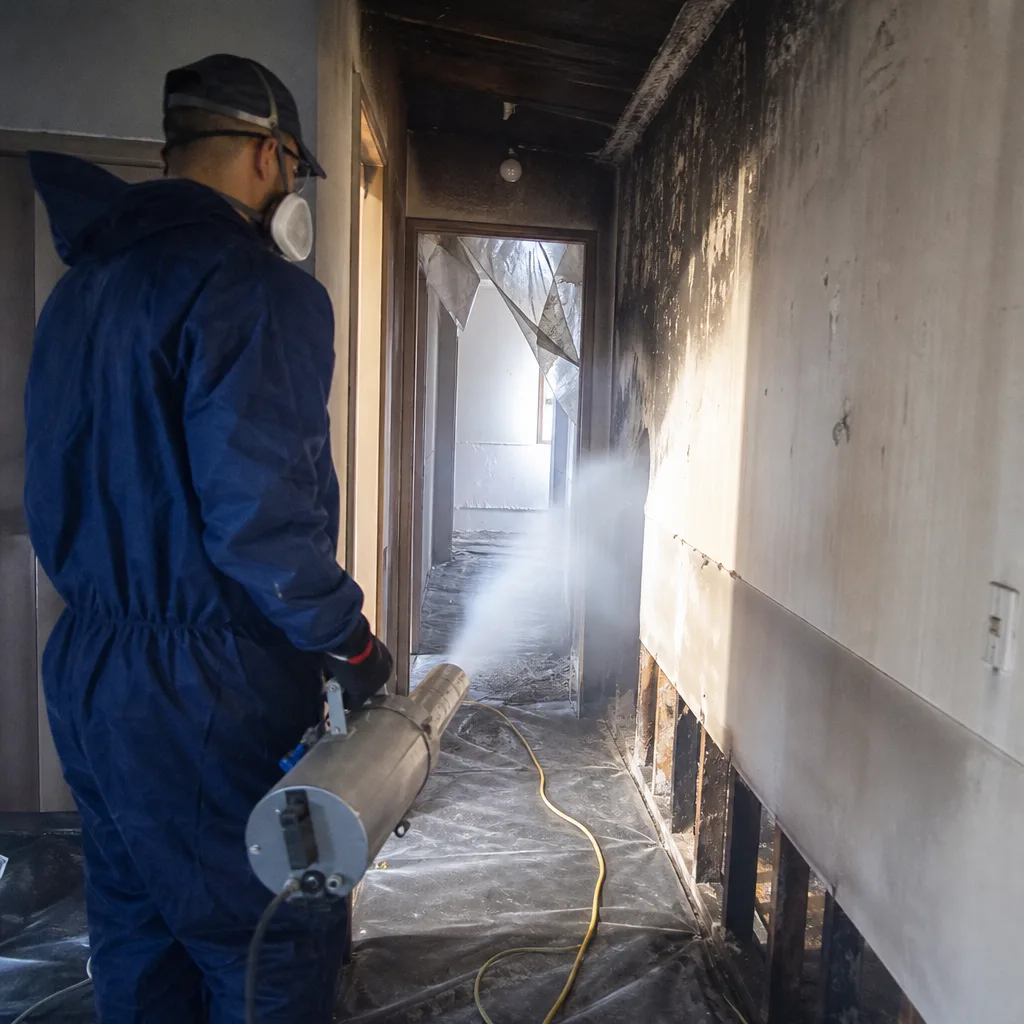
Drywall & Flooring Repair
Water from a chilled-water line on the 16th floor threatens drywall on the 15th and 14th before it ever reaches the lobby. We trace the path, cut what’s saturated, dry what’s salvageable, and patch properly. In masonry towers, that often means repairing plaster over concrete and matching floor finishes in elevator lobbies and corridors where original materials aren’t made anymore.
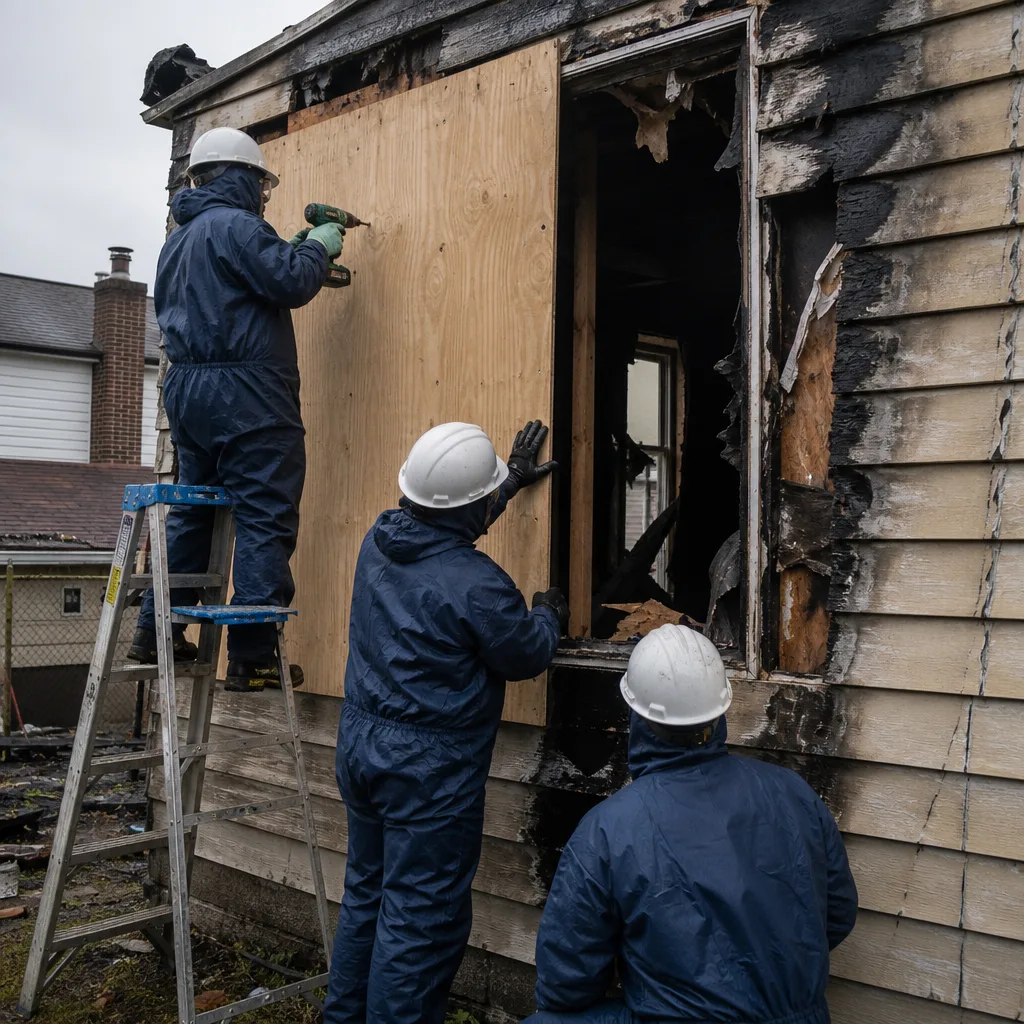
Contents Restoration & Pack-Out
When a Midtown office floor floods, we’re not just drying carpet. We’re packing out files, electronics, furniture, and art. Items go to our facility for cleaning, drying, and inventory. Every box is photographed, tagged, and tracked. When reconstruction is done, we bring it all back and set it up. Your tenants get a working space, not a storage puzzle.
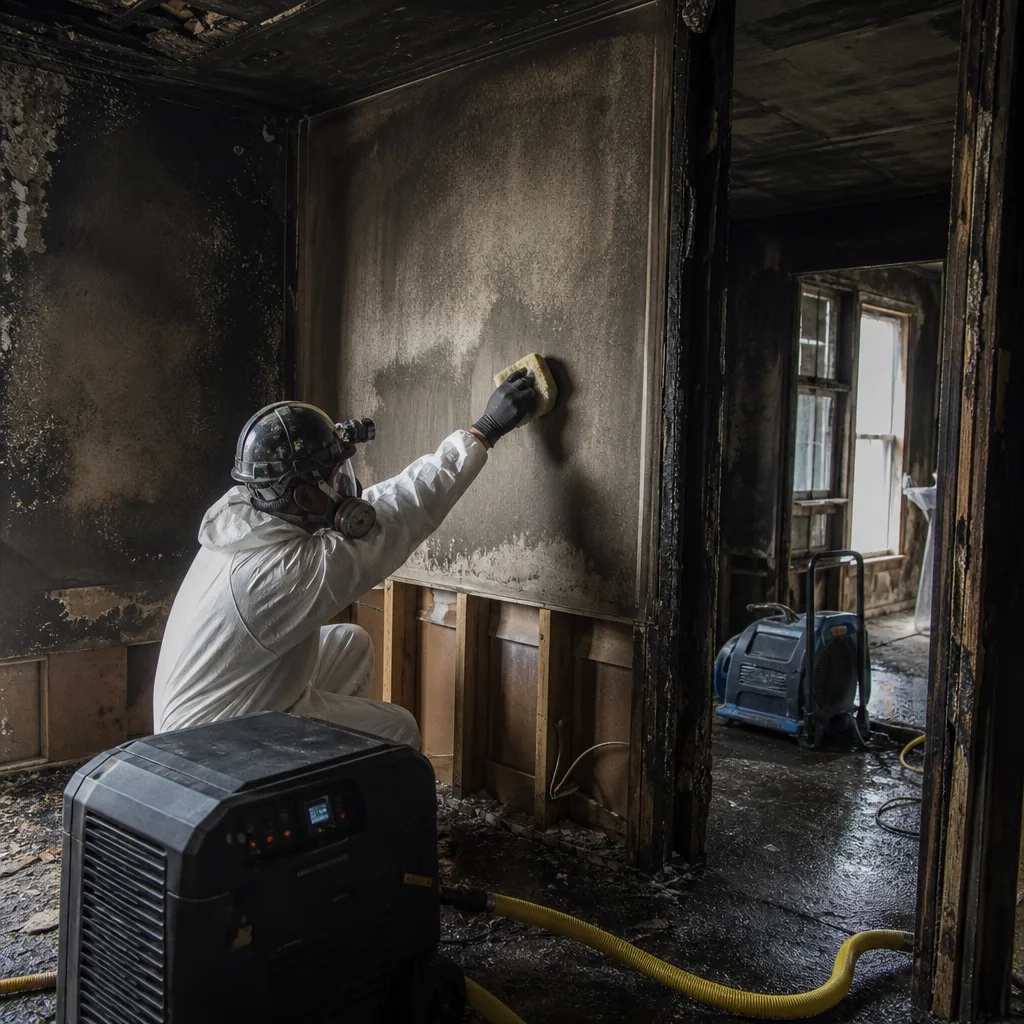
Carpet & Upholstery Cleaning
Post-water-event carpet in a Midtown hotel or office tower needs more than a rental machine. We extract, treat for microbial growth, and dry in place when possible, or pull and clean off-site when the padding is saturated. Upholstered lobby seating and conference room chairs get the same treatment. This is restoration-grade cleaning, not janitorial service.
Post-Construction Cleanup
Dust from drywall sanding migrates. In a high-rise, it travels through return-air plenums and lands on desks three floors up. After reconstruction, we run HEPA air scrubbers, wipe every surface, clean ducts when needed, and leave the space ready for occupancy. Building management shouldn’t have to call a second company to clean up after the first one.
Insurance Claim Documentation
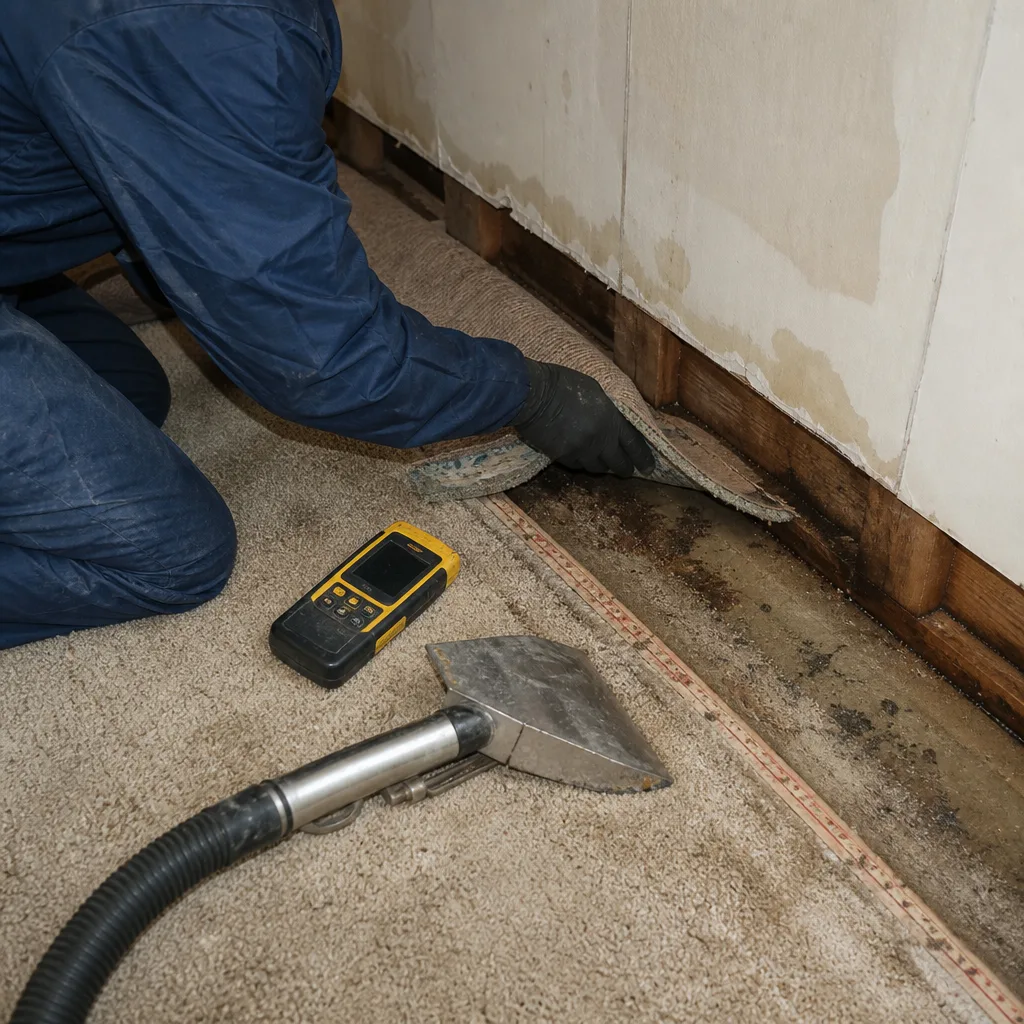
Multi-policy Midtown losses need documentation that holds up to scrutiny. Daily moisture logs with GPS-stamped photos, line-item scopes, and a clear chain of decisions. We build the file your adjuster needs, and we sit on the phone with them so you don’t have to.
What happens when you call
- 1
A real person answersNo phone trees - you reach a local pro.
- 2
You get an upfront price rangeHonest numbers before anyone is dispatched.
- 3
A background-checked tech heads outLicensed & insured, dispatched right away.
- 4
You approve before work beginsNothing starts until you say go.
Reconstruction & Cleanup Costs in Midtown Manhattan, NY
Reconstruction and cleanup pricing in Midtown Manhattan runs higher than the boroughs for the same volume of damage. Access is the reason. Freight elevator reservations, union building rules, street permits, and working around occupied tenants all add cost. A straight commercial-grade drywall patch and repaint after a small water event might run $1,800 to $4,200. A full post-water reconstruction of a single commercial floor typically lands between $18,000 and $75,000 depending on finishes and contents involvement. Carpet and upholstery cleaning with full drying runs $0.45 to $1.20 per square foot. Contents pack-out and restoration adds $3,500 to $30,000 depending on volume and item type. If the damage came from a district steam or sprinkler event with multiple tenants involved, you’re likely looking at a large-loss claim with several carriers at the table. The fastest way to a firm number is a free visual inspection and a written scope. We don’t give ballpark quotes over the phone and then find “surprises” on day three. Call (201) 740-2235 and we’ll walk the space with you.
We Also Serve Cities Near Midtown Manhattan
Our crews handle reconstruction and cleanup throughout the surrounding metro. We regularly work the Financial District, Lower Manhattan, Astoria, and Long Island City. If your building sits just outside Midtown proper, call us. We’re already nearby.
Serving Midtown Manhattan, NY - Our Local Coverage Area
We’re based in the Midtown Manhattan area and know this community well. Use the map below to see our service coverage - if you’re nearby, we can almost certainly help.
Midtown Manhattan Reconstruction & Cleanup Questions, Answered
How does a burst chilled-water line in a Midtown high-rise differ from a typical residential pipe burst?
A chilled-water line carries clean water under pressure through risers that serve entire buildings, so a burst releases far more volume than a residential supply line. The water travels vertically through pipe chases, conduit penetrations, and elevator shafts, hitting 10, 15, or 25 floors below the source. In a Midtown office tower, that means a Category 1 water event becomes a multi-tenant, multi-policy large loss. Our team sets containment at every affected floor, maps moisture with thermal imaging, and coordinates with building management and multiple insurance carriers. Call (201) 740-2235 if you’re looking at this right now.
What’s the biggest challenge when drying out a pre-war masonry building in Midtown after a water event?
Concrete and masonry hold water differently than wood-frame construction. Water doesn’t just evaporate; it migrates through the slab and into adjoining walls, sometimes traveling 20 feet from the visible wet spot. Pre-war towers on streets like West 42nd or Madison Avenue also have cast-iron waste stacks and drain lines buried inside concrete enclosures. You can’t see the wet pipe. We use penetrating moisture meters and Injectidry systems to pull water from inside wall cavities and under slabs. Drying takes longer, and the urban heat island keeps those subgrade spaces warm enough for mold to colonize in under 72 hours. Fast response is the only way to avoid a full gut job.
Why does Midtown’s district steam network create unique reconstruction needs after a leak?
Con Edison’s steam system runs beneath much of Midtown Manhattan. When a steam trap fails or a condensate return line cracks, it releases superheated moisture, not cold water. That steam saturates concrete and masonry, raising the moisture content deep inside structural elements. Cold-water drying protocols leave that trapped moisture behind, and you get hidden mold growth and efflorescence months later. We use low-grain refrigerant dehumidifiers and extended drying schedules built for steam-saturated masonry. Most out-of-market crews don’t know the difference. We do.
Can you perform reconstruction in a Midtown office tower while tenants remain open for business?
Yes, and we do it regularly. It requires negative-pressure containment, sealed elevator vestibules, dust controls at every exit point, and careful scheduling around a building’s freight elevator windows. We’ve rebuilt floors in occupied towers near Bryant Park and Grand Central without closing a single tenant. We work nights and off-hours when needed. Building management gets a daily log. Tenants get a construction schedule. Everyone stays open.
How do you document a large-loss Midtown restoration for multiple insurance policies?
We build a file that holds up across multiple carriers. That means room-by-room photos before demolition, daily moisture readings with time stamps, a line-item scope in Xactimate-compatible format, and a clear chain of decisions from first response through final reconstruction. We send everything directly to the involved adjusters and keep you copied. When three policies are at the table, documentation is the difference between a settled claim and a six-month fight. We’ve been through enough of these to know how to write it down the first time.
How fast can you actually get to a Midtown Manhattan building after I call?
We commit to 45 minutes from call to arrival for emergency reconstruction and cleanup in Midtown. Our crews stage from the New York City office, and Wade answers the phone himself at any hour. For a vertical-cascade water event, those first 45 minutes determine whether floors below the original leak get dried or get gutted. Call (201) 740-2235 the moment you know something’s wrong.
Do I need full reconstruction or just cleanup after a water event in my Midtown space?
It depends on what’s saturated and what the moisture readings say. Carpet and pad with Category 1 water can often be extracted, dried, and cleaned in place. Drywall that’s been wet for more than 48 hours, or anything touched by Category 2 or 3 water, usually comes out. The free visual inspection tells you the truth. We won’t sell you a full rebuild if you need a cleaning. That’s not how Wade runs his business.
What should I do in the first 30 minutes after discovering water damage in a Midtown high-rise?
Shut off the water source if you can do it safely. Don’t walk through standing water in a space with electrical equipment. Call us at (201) 740-2235 before you call anyone else. Take photos with your phone, especially where water is visible on multiple floors and any elevator shafts or stairwells. Move portable electronics and paper files to dry areas if safe to do so. Don’t use a shop vac on a commercial high-rise water event. You’ll just push water into places the insurance company will fight you about later.
Written by Wade Ferris, Owner at Wade’s Restoration, serving Midtown Manhattan since 2007.