
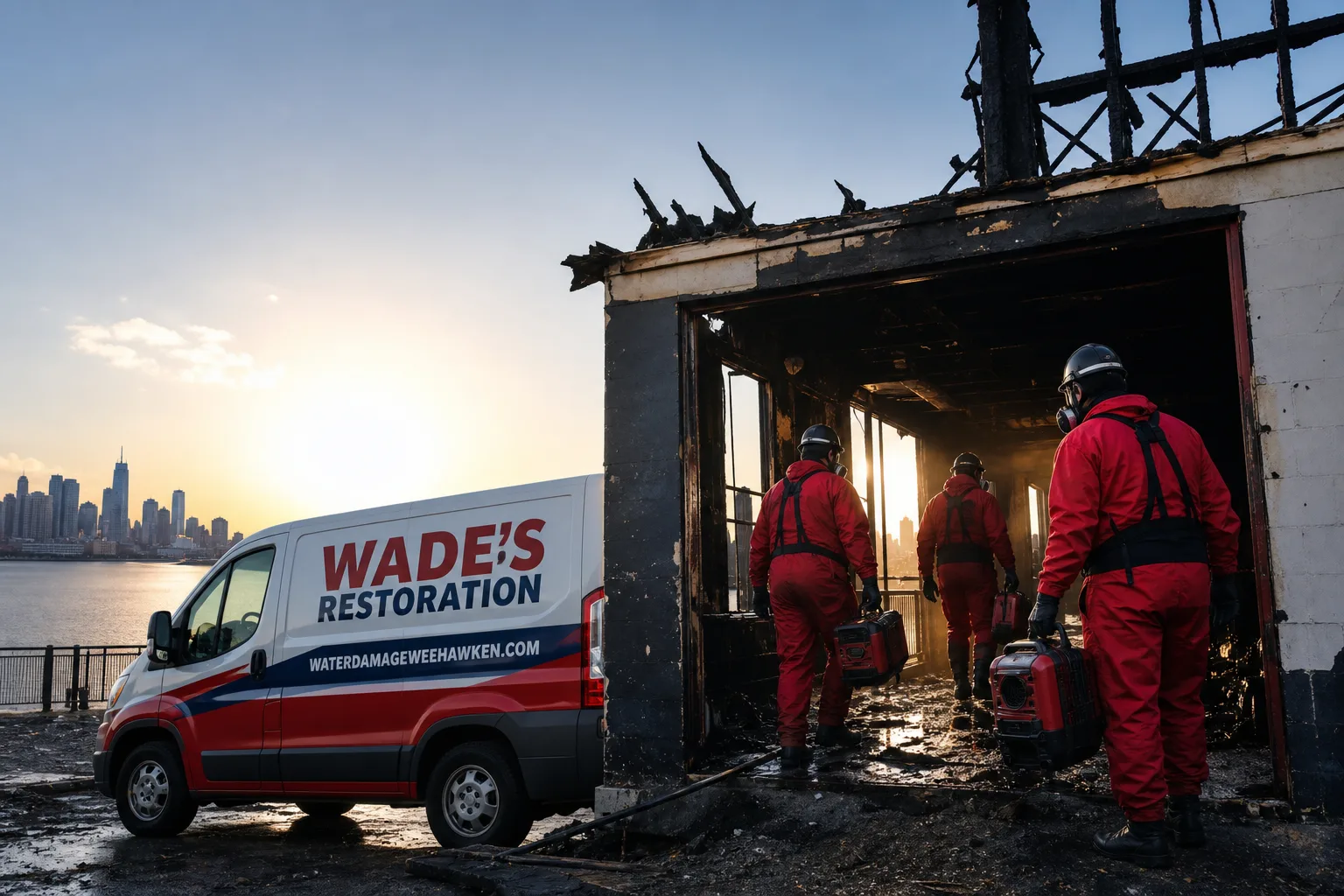
Free visual inspection and a written scope of work before any mitigation begins - photos, moisture readings, and drying logs go in your claim file
The scope we write is the scope we bill. Anything new gets shown to you, in writing, before we touch it.
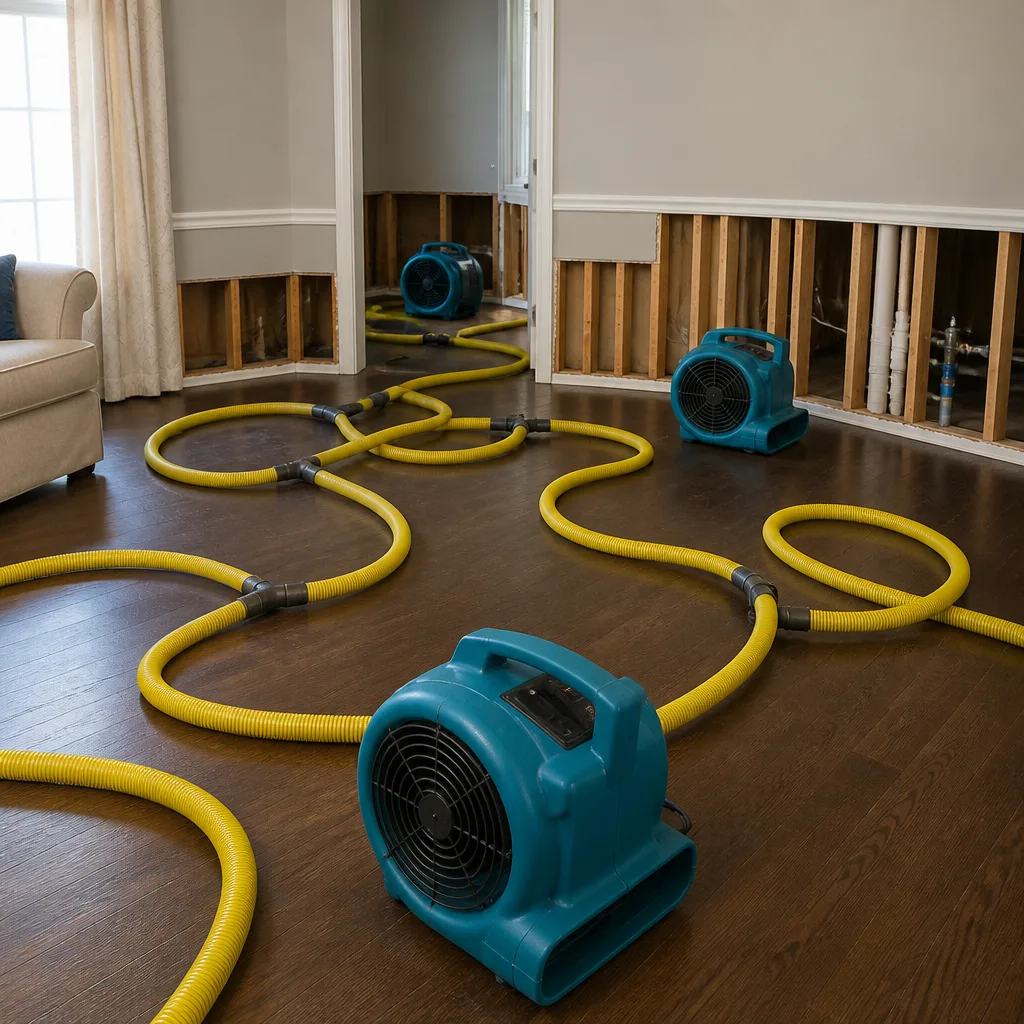
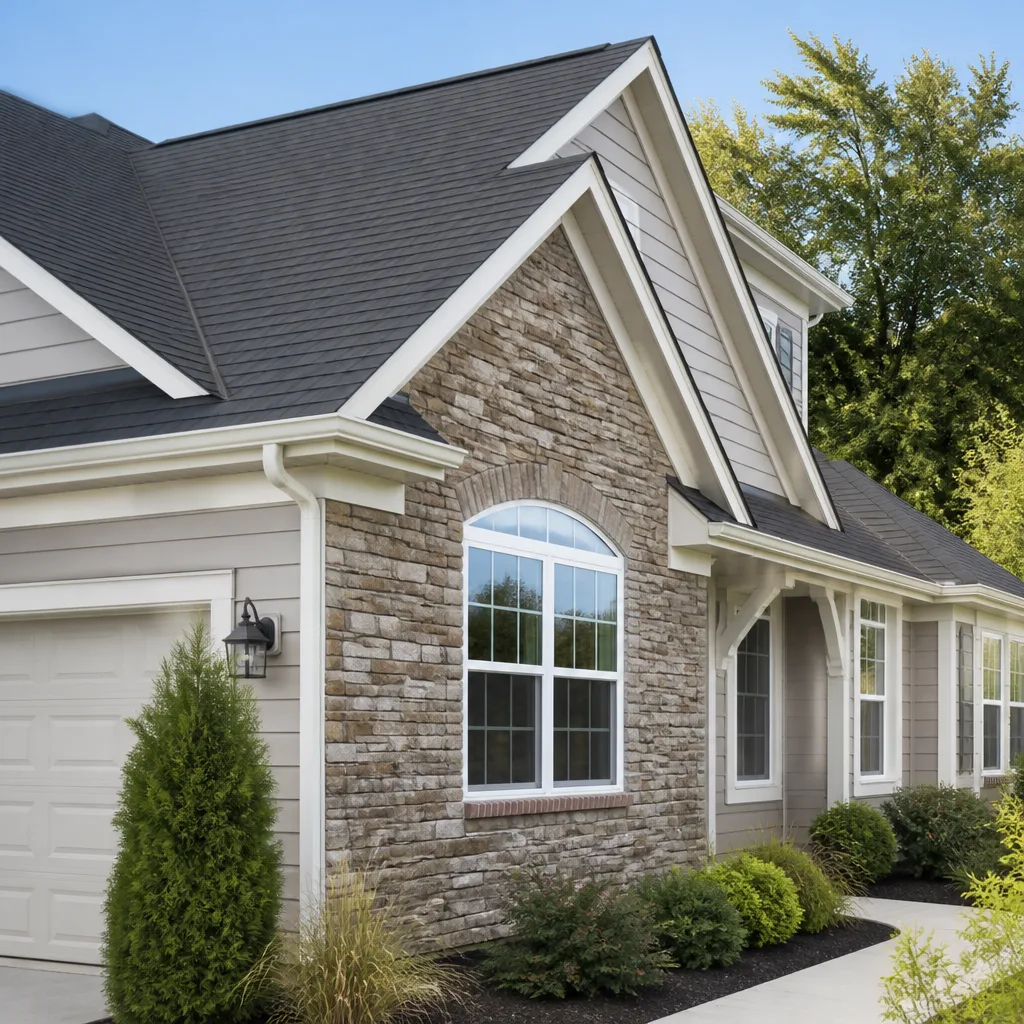
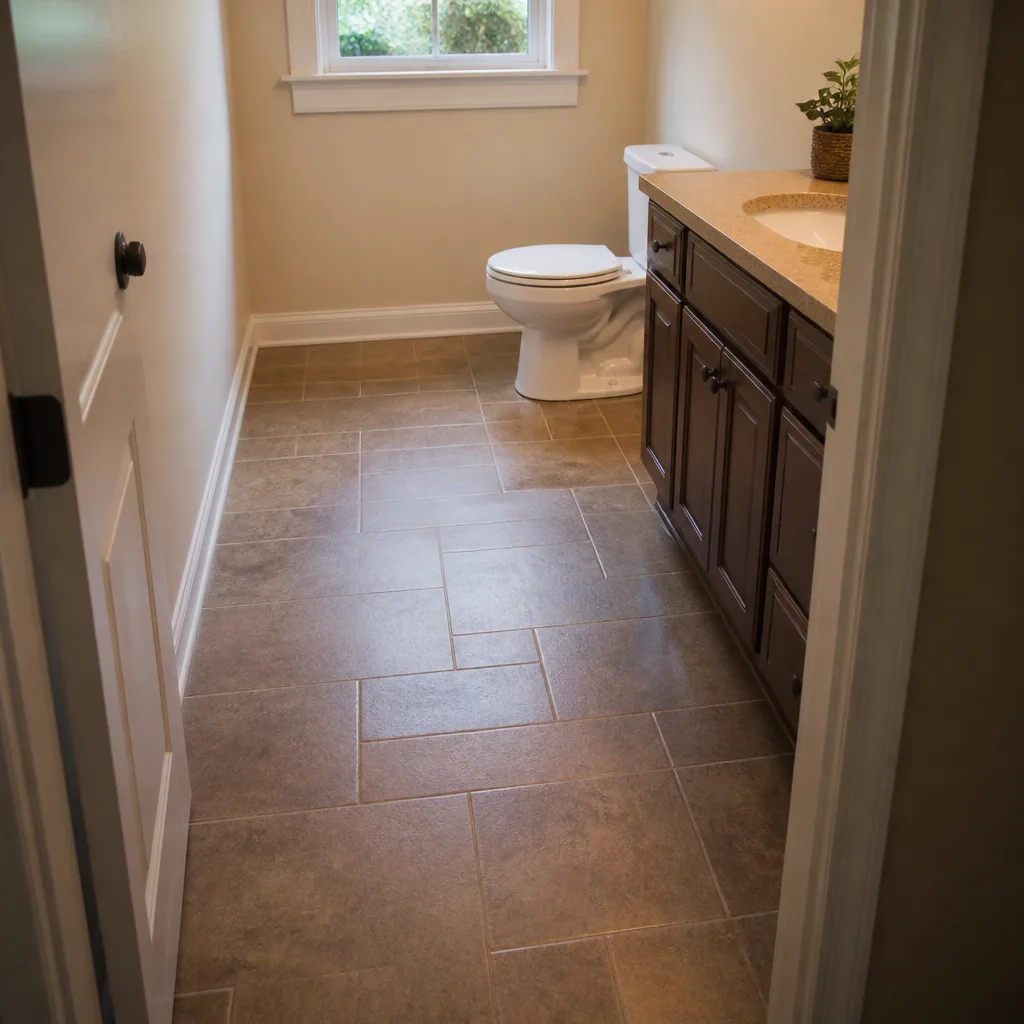
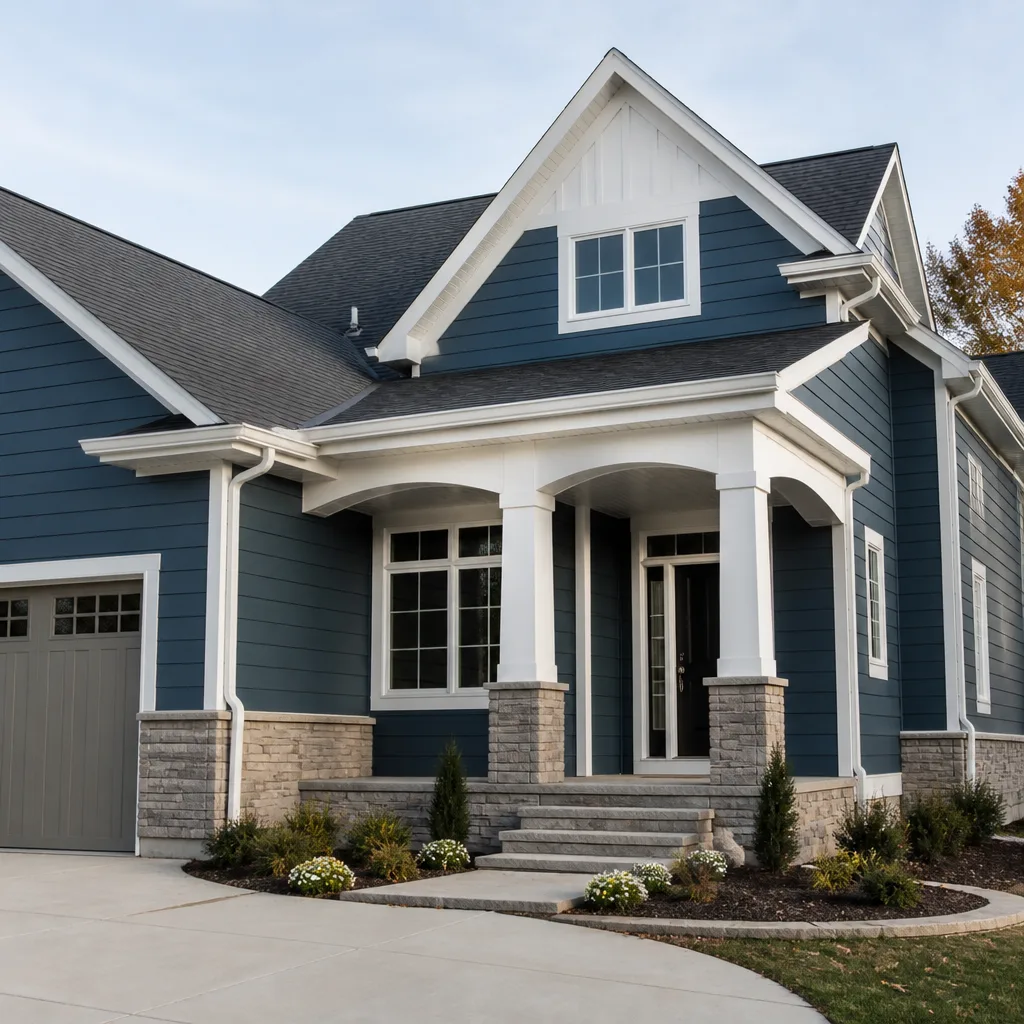
 Before
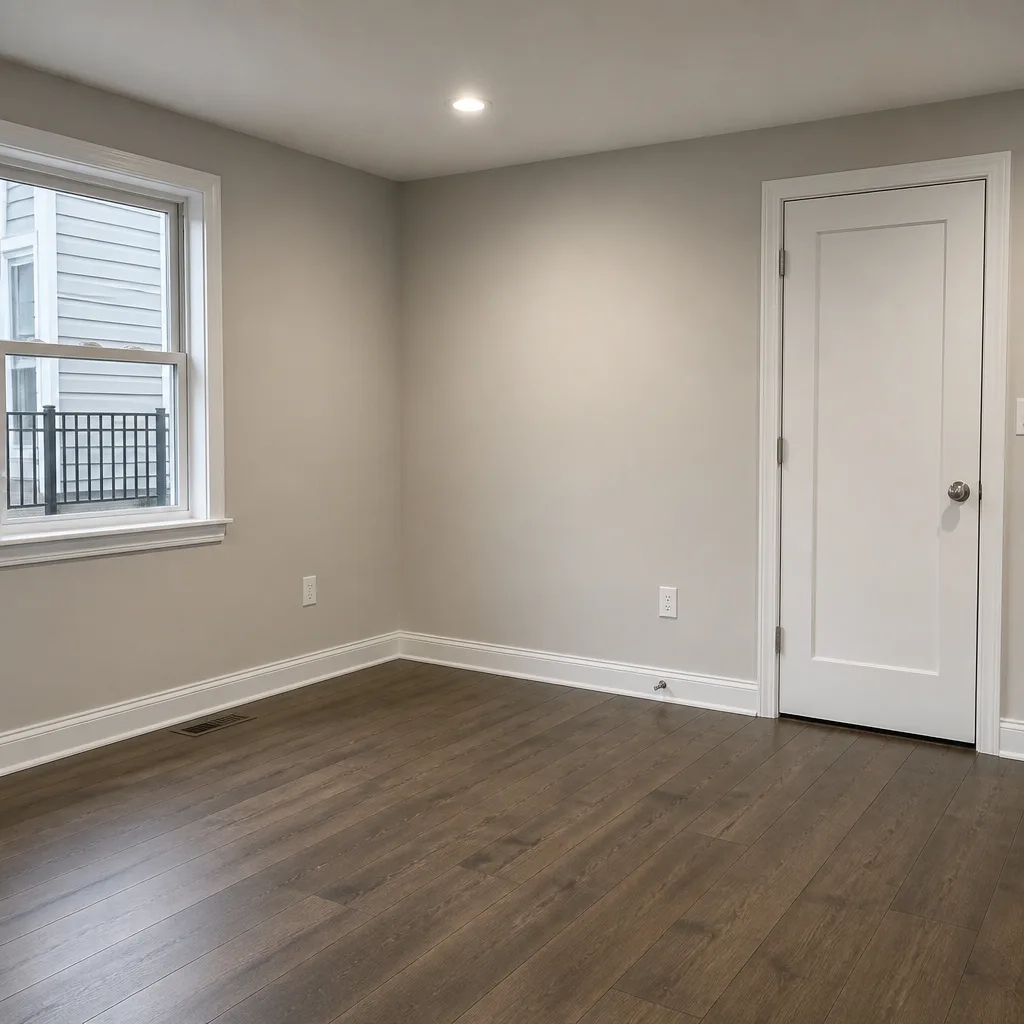 After
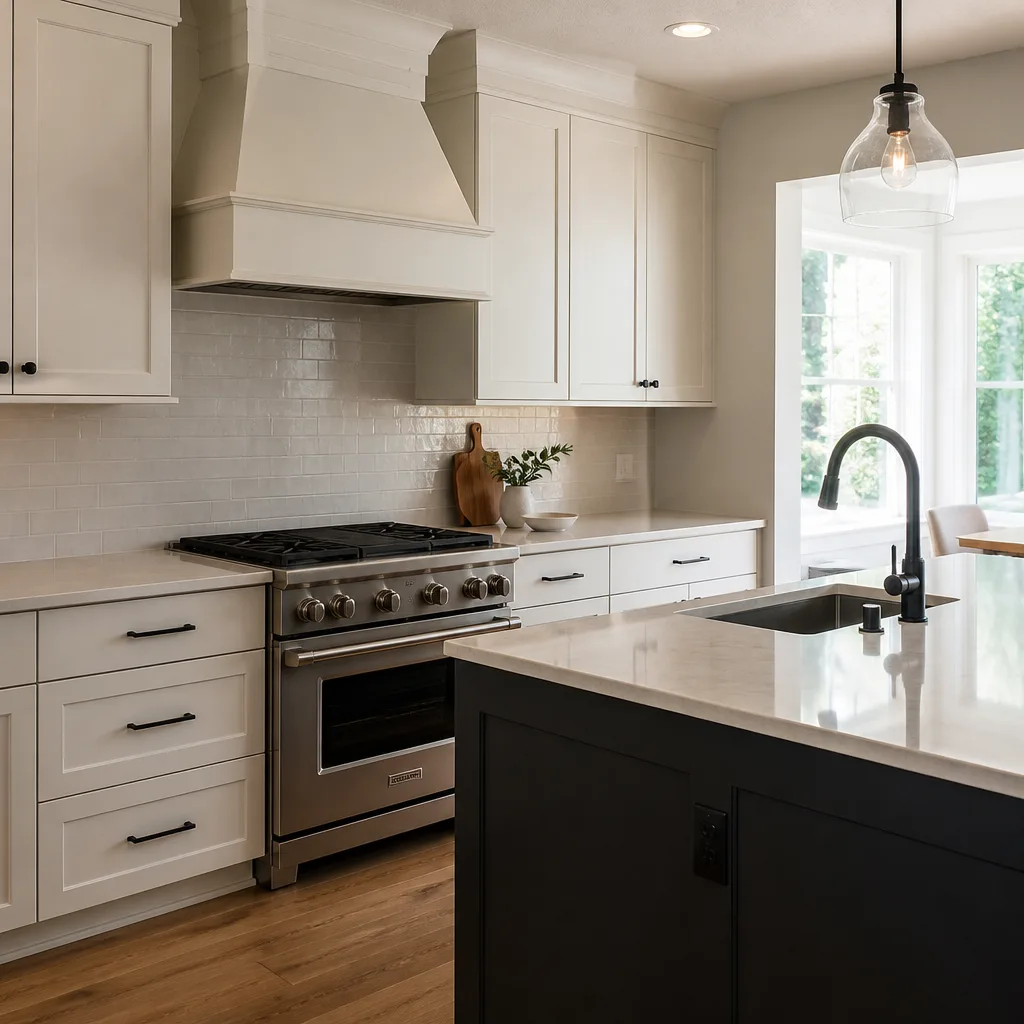
After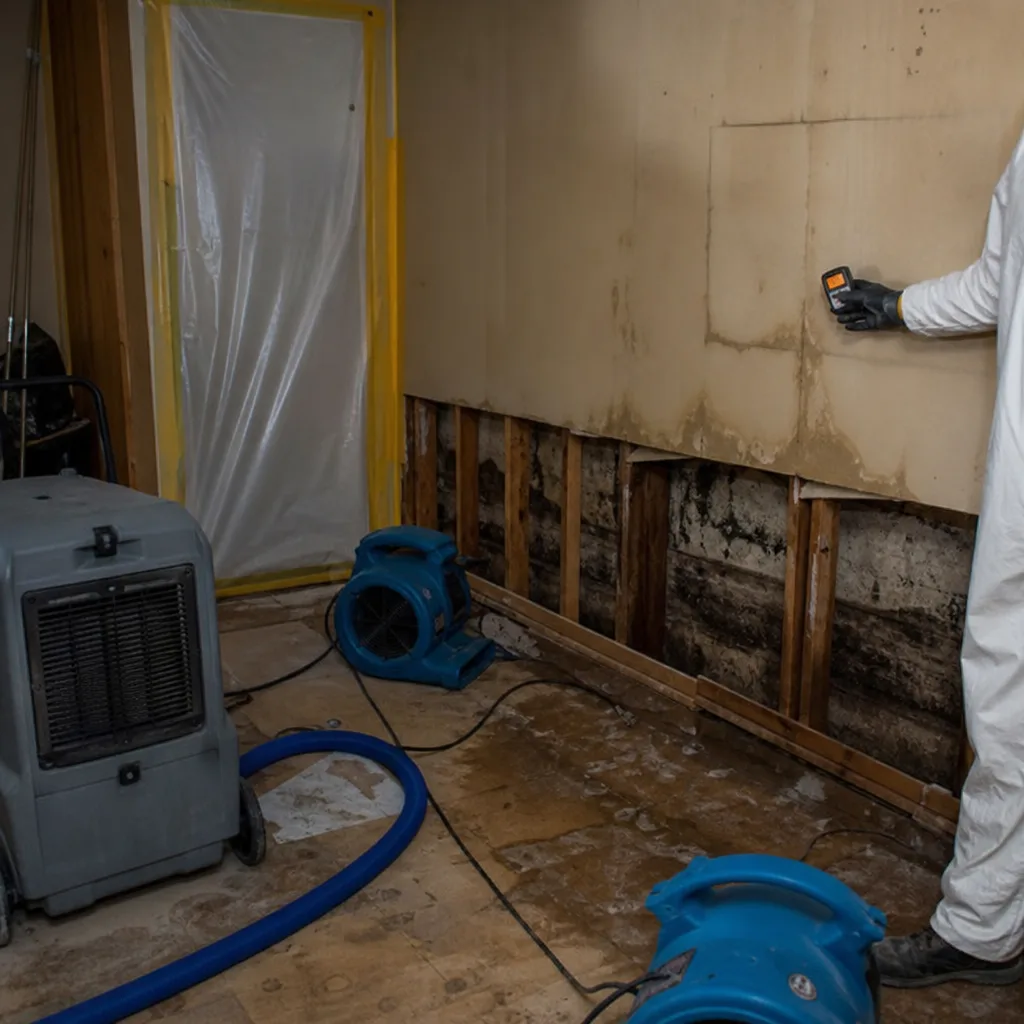 Before
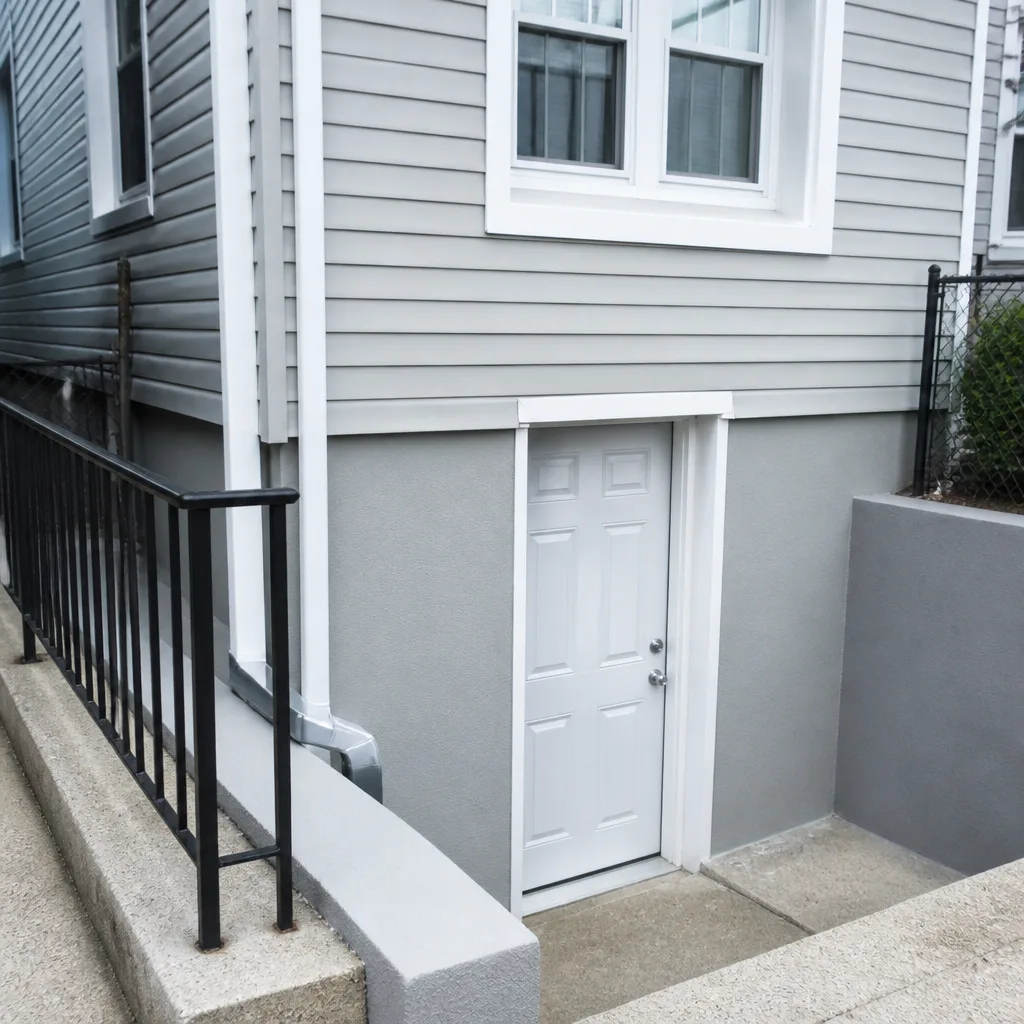 After
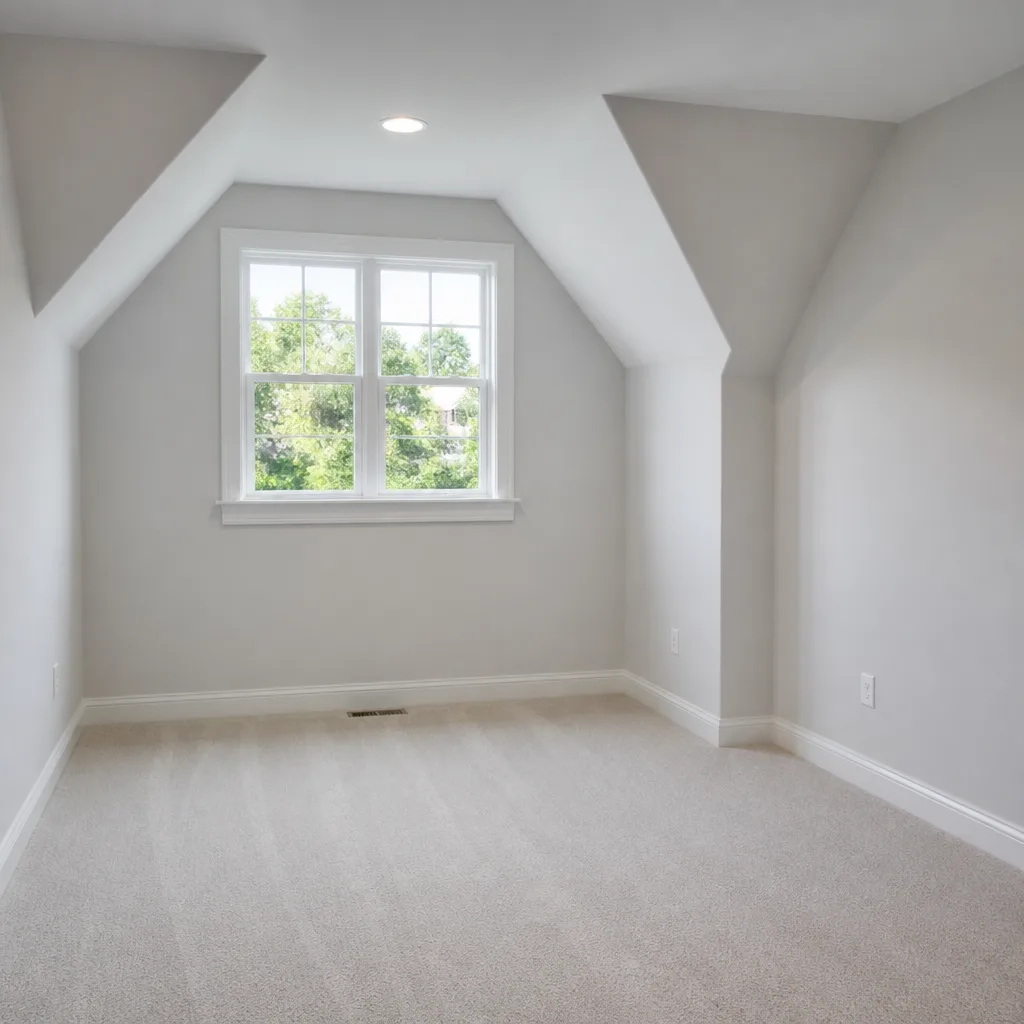
After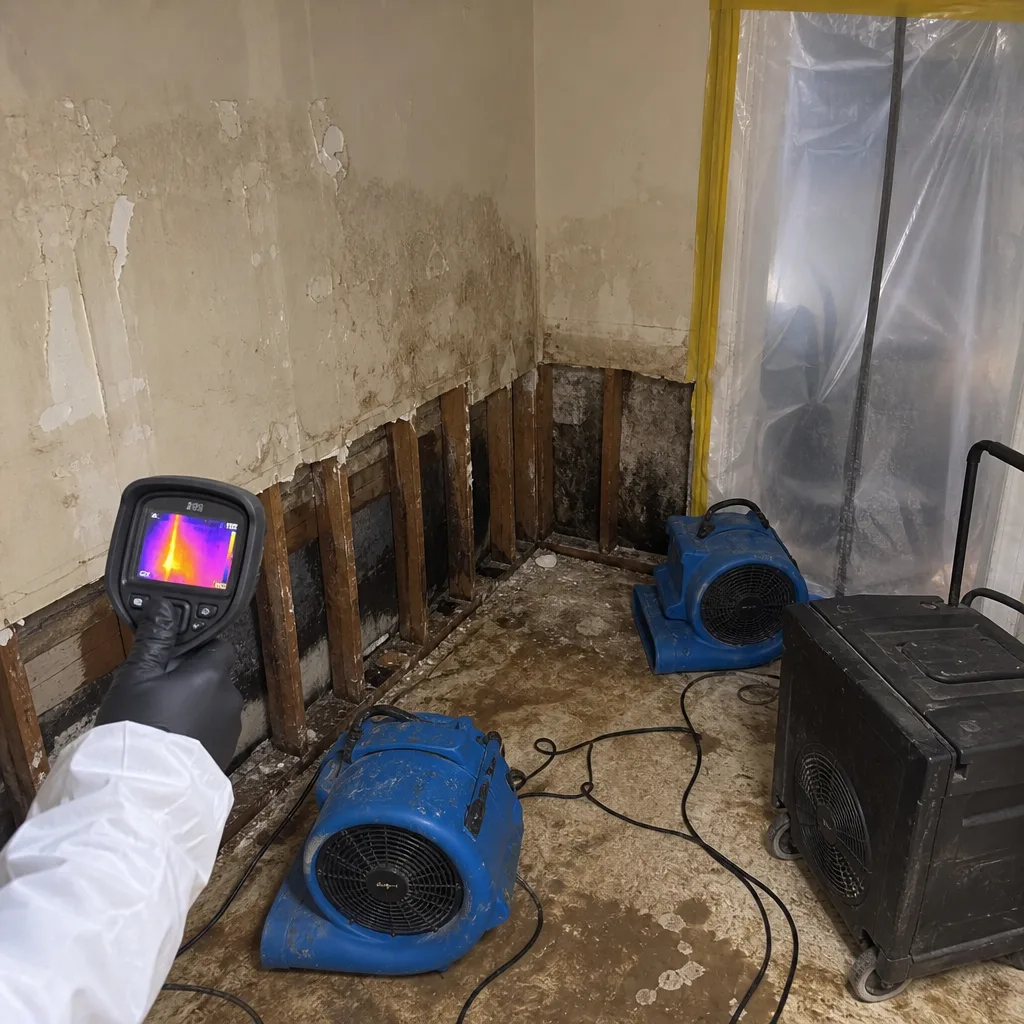 Before
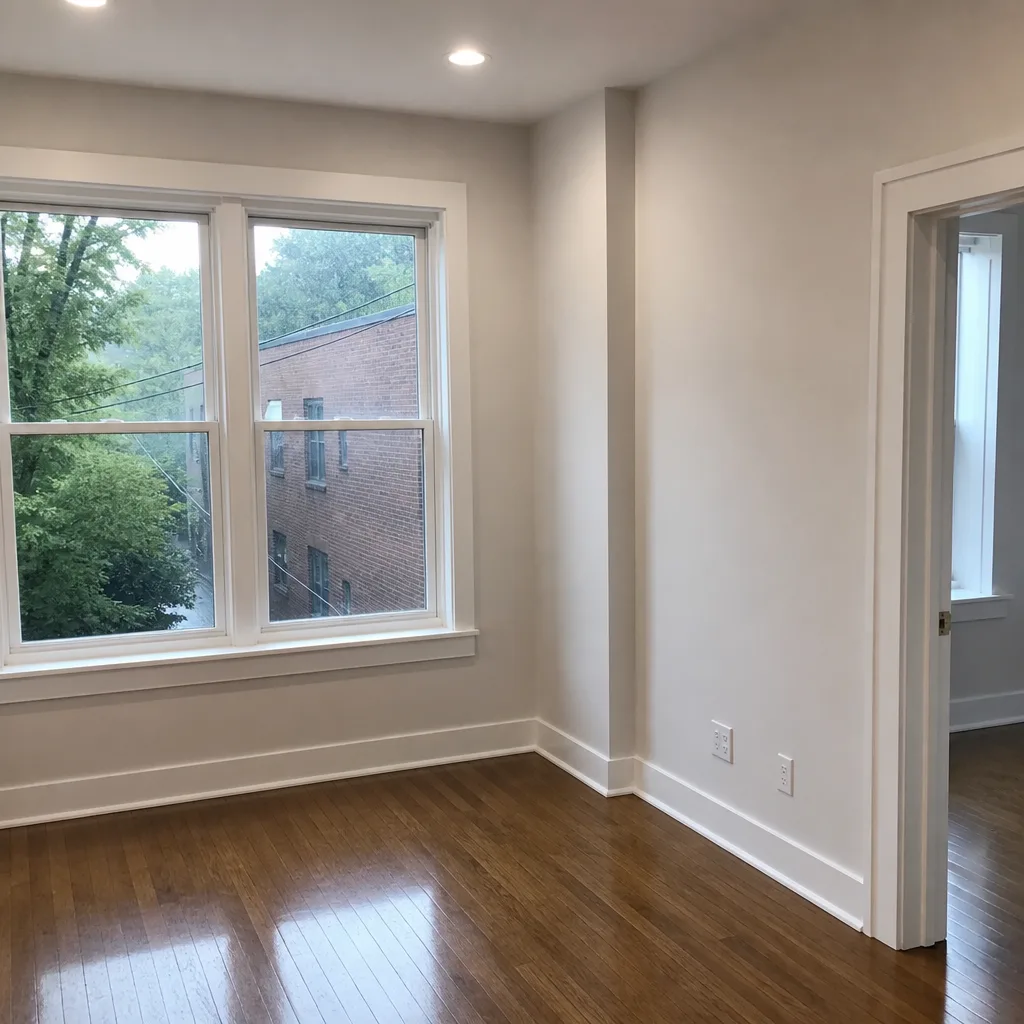 After
After24/7 Emergency Water Damage Restoration in Midtown Manhattan
Water damage in Midtown Manhattan rarely starts small. A burst chilled-water line on the 18th floor of a commercial tower can be in the basement mechanical room inside twenty minutes. That’s why we answer live, around the clock, and can have extraction crews moving through Midtown Manhattan inside the hour. Call (201) 740-2235 the moment you see water, and you’ll get a real person, not an answering service. Wade Ferris takes calls himself. If it’s after midnight and a sprinkler head has let go in a hotel corridor, you’ll still get Wade. The first hour decides whether you’re drying wet drywall or replacing it, whether carpets can be saved or get cut up and hauled out. Free visual inspection, no trip charge inside our own county. The earlier we start, the less this costs you.
Understanding Water Damage Restoration Severity in Midtown Manhattan Properties
Midtown’s building stock makes severity calls harder than anywhere else in the metro. We’re dealing with Category 2 and 3 water more often than you’d think, because water trapped in a 1930s masonry cavity wall or a concrete slab isn’t clean after 48 hours. It picks up decades of dust, rust from cast-iron drain stacks, and whatever’s been living in the wall cavity since the Roosevelt administration. Moisture mapping here means thermal imaging against six inches of plaster over brick, not drywall over studs. We use non-invasive meters to track saturation through multiple layers of renovation, because a leak that started in a 1940s standpipe can travel through three floors of 1980s-era office build-out before it shows up on a ceiling tile. Category 1 water from a clean supply line can become Category 2 or 3 within days if it saturates concrete and masonry, which holds moisture far longer than wood framing. Structural drying in Midtown means drying the building, not just the finish surfaces.
Why Midtown Manhattan Property Owners Choose Wade’s Restoration
- 45-minute response commitment - Wade heads out the moment you hang up. Crews are already staged in the Midtown Manhattan area, not dispatched from a warehouse in another borough.
- 24/7 live answer - a real person picks up, every time. Wade answers his own phone. No voicemail tree, no call center, no “we’ll get back to you within one business day.”
- IICRC-certified crews - WRT and ASD certified, with RIA affiliation. The people Wade sends know how to dry a curtain-wall tower, not just a suburban basement.
- Free visual inspection - no charge to assess the damage and tell you honestly whether you need full extraction or just dehumidification.
- Direct insurance billing - we work with your carrier’s adjuster directly, line by line, so you’re not the middleman relaying information between two parties.
- One team from extraction to reconstruction - the same crew that pulls the water out is the crew that replaces the drywall and paint, so nothing gets lost between handoffs.
Our Water Damage Restoration Process
Inspection & Assessment
We start with thermal imaging and non-invasive moisture meters to find every wet surface, including water that’s traveled behind walls or through concrete slabs. In Midtown’s multi-layer buildings, we map the entire affected area before we touch anything.
Extraction & Stabilization
Truck-mounted and portable extraction units pull standing water out fast. We stabilize the space to stop further spread, especially critical in high-rises where water moves vertically through floor assemblies.
Drying & Dehumidification
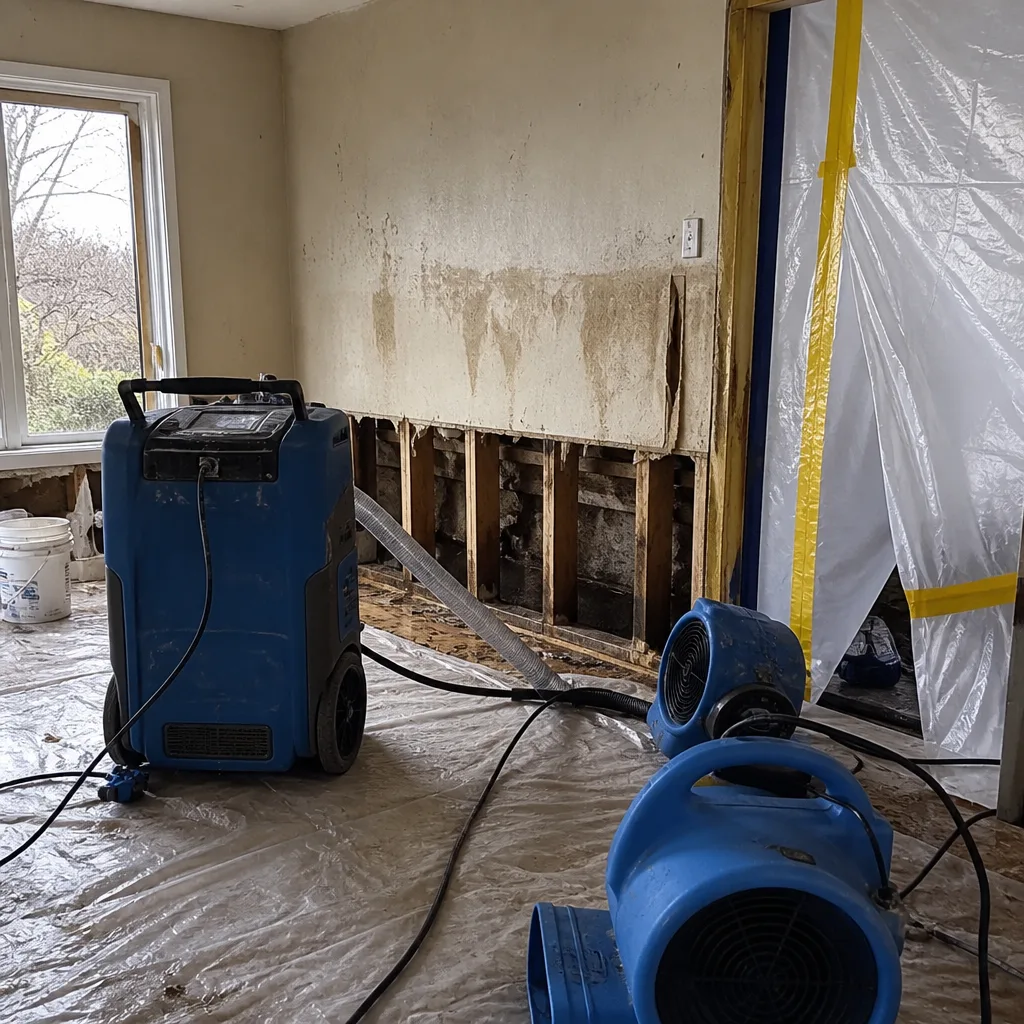
We deploy desiccant and low-grain refrigerant dehumidifiers matched to the space, plus high-temp-rated air movers where steam or district-heat systems are involved. Daily moisture readings track progress. You get the full log at the end.
Cleaning & Sanitization
HEPA air scrubbers and antimicrobial treatments address what the naked eye can’t see. In occupied buildings, we set containment so we’re not pushing dust or spores into hallways and neighboring tenant spaces.
Core Water Damage Restoration
Specialized sub-surface drying systems, like Injectidry, pull moisture from inside wall cavities and under flooring without ripping everything out, which matters when you’re working inside a 24/7 hotel or office floor.
Repairs & Restoration
We rebuild to pre-loss condition: drywall, paint, flooring, millwork, whatever the space needs. Same crew, same warranty. The job isn’t done until it looks like water never happened.
Need Emergency Water Damage Restoration in Midtown Manhattan Now?
Crews minutes away, answering live 24 hours a day. The sooner we start, the less it costs.
Working With Your Insurance Company
We’ve handled enough Midtown Manhattan claims to know that commercial policies, hotel policies, and condo association master policies all have different wrinkles. What stays the same is this: documentation wins claims. We photograph everything before we move a single piece of equipment. We take moisture readings every day and log them. We write a line-item scope that your adjuster can actually read instead of a vague paragraph that says “dry and restore.” Then Wade or our team talks directly to your adjuster, walking them through exactly what we found, what we did, and what it cost. You’re never stuck as the middleman relaying technical information between two sides that don’t speak the same language. For a free second opinion on any written estimate, call us. No charge for that.
What We Provide Your Insurer
- Thorough documentation of the loss
- Photos of all damage, room by room
- Moisture readings and drying logs
- A detailed, line-item scope of work
- Direct coordination with your carrier
Built for Midtown Manhattan’s Loss Calendar
Midtown’s water damage calendar doesn’t look like the suburbs’. January deep freezes burst supply lines in pre-war masonry towers where pipes run through uninsulated exterior walls. February is when steam traps on Con Edison’s district steam network start failing after a season of hard use, releasing superheated condensate into mechanical rooms and occupied floors. March brings thaw-and-refreeze cycles that stress aging standpipes and drain stacks. Summer brings the opposite problem: intense convective storms that dump rain faster than Midtown’s flat roofs and aging drain systems can handle, and the urban heat island keeps humidity elevated inside mechanical rooms all year, which accelerates mold colonization after any water event. Nor’easters in autumn and early winter drive wind-driven rain through failed curtain-wall gaskets and window seals. Every season has a signature loss pattern here, and after 17 years in this business, Wade knows them all.
Water Damage Restoration Across Midtown Manhattan’s Neighborhoods
We work the whole spine of Midtown, from the glass towers along Sixth Avenue to the pre-war brick buildings west of Eighth Avenue. In the Garment District, we see a lot of old freight-elevator shafts and loading docks where water collects unnoticed for days, and where cast-iron drain lines original to the 1920s buildings finally give out. Around Bryant Park and the blocks east of it, we’re in and out of 1930s masonry towers where steam risers run through occupied office floors and a trap failure means coordinating with property management, tenant reps, and the building’s engineering staff before we can even set up equipment. Times Square and the theater district present their own challenge: 24/7 occupancy means we’re often drying a hotel floor at 3 a.m. while guests sleep two floors below. The blocks near Columbus Circle and the southern edge of the Upper West Side bring us into older residential co-ops and condos where the board wants everything documented and the super wants to be in the loop on every decision.
Specialized Water Damage Restoration Services We Offer in Midtown Manhattan
Emergency Water Extraction
Standing water in a Midtown tower isn’t just a puddle, it’s a weight problem. Thousands of gallons can collect in a dropped ceiling or floor slab before anyone notices. We pull water out fast with truck-mounted extraction where access allows, and portable units where we’re working around elevator shafts, tight stairwells, and active hotel corridors.
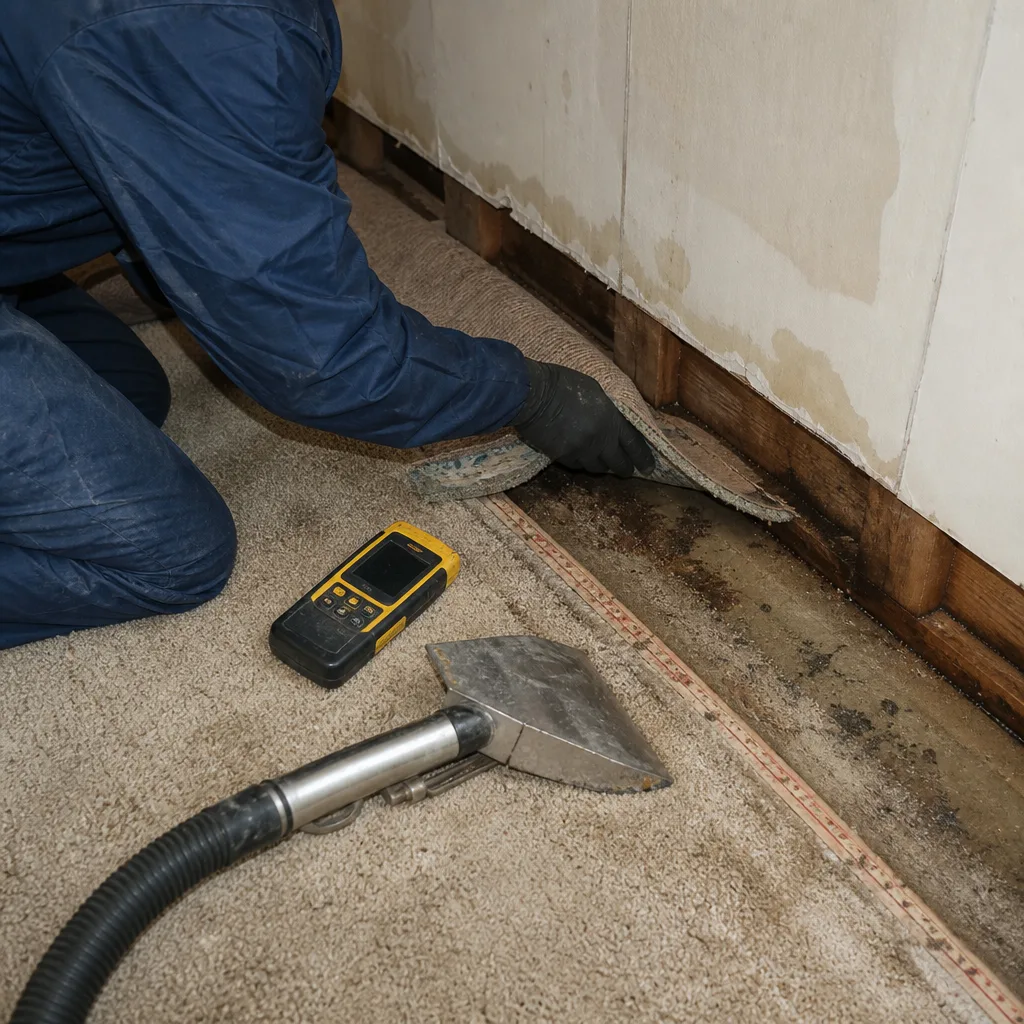
Structural Drying & Dehumidification
This is where Midtown jobs get complicated. Concrete and masonry hold water differently than wood, and it takes desiccant dehumidifiers and high-temp-rated air movers to dry them properly. We also handle the district-steam-specific problem: steam-heated interiors and mechanical rooms with elevated humidity that can stall drying if you’re not tracking vapor pressure, not just relative humidity.
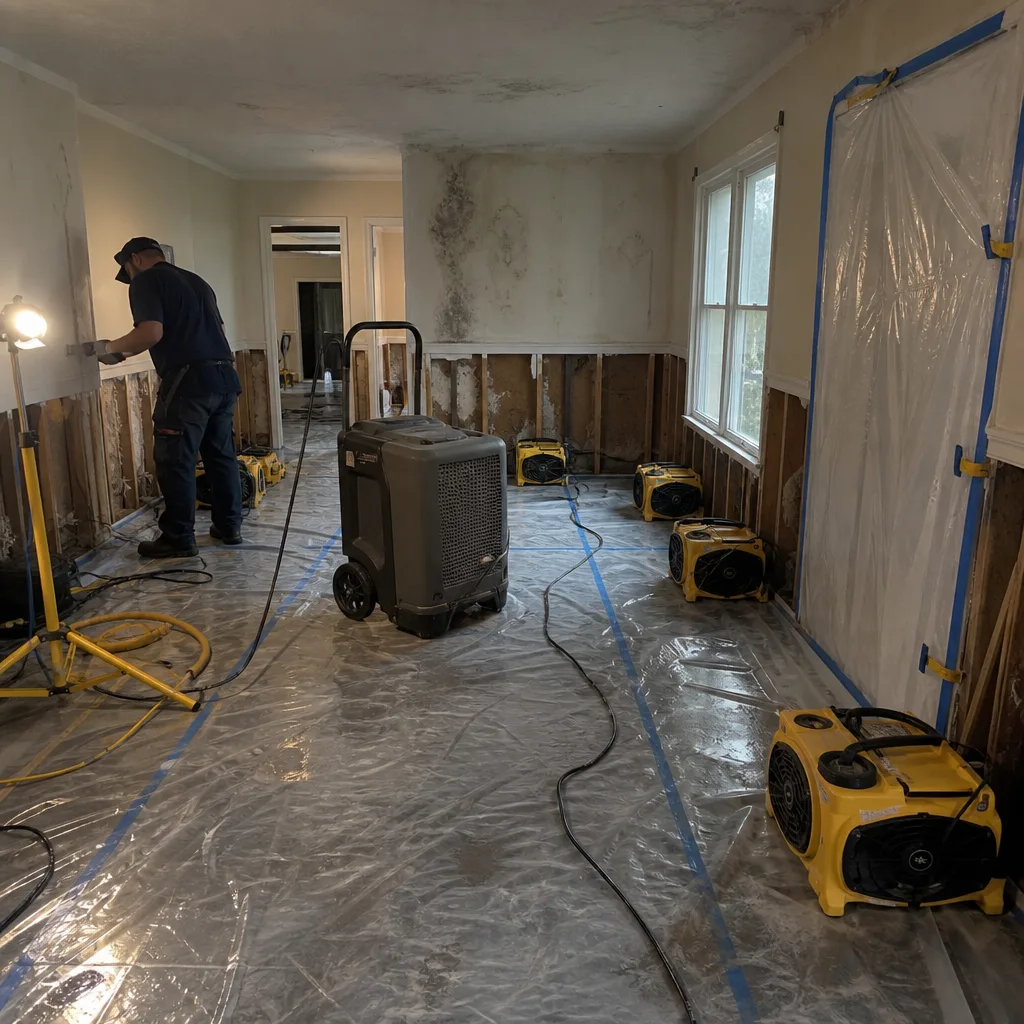
Flood Cleanup
Nor’easter-driven storm water and flash flooding from overwhelmed roof drains bring contaminated water through Midtown’s curtain-wall systems, and we treat it as Category 2 or 3 from the start. That means containment, HEPA air scrubbing, and antimicrobial treatment, not just mopping and hoping.
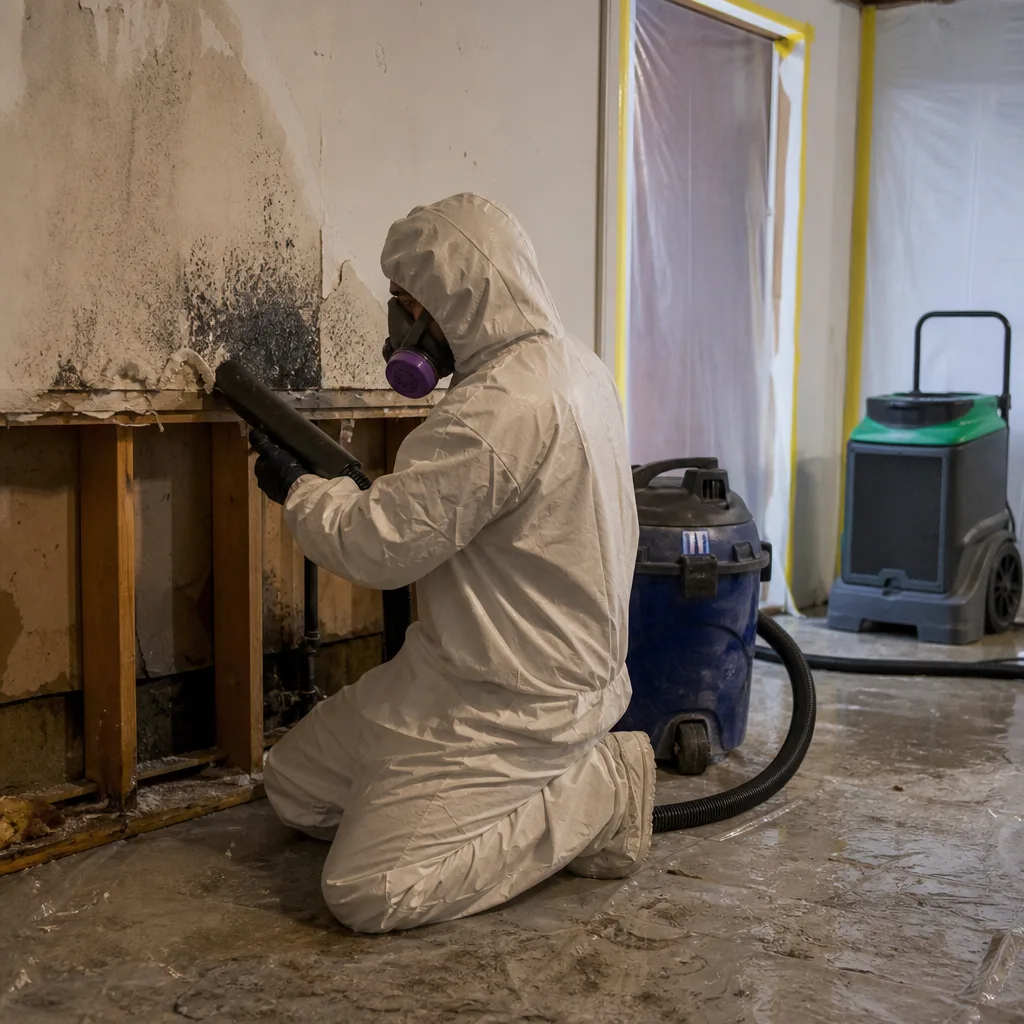
Burst Pipe Restoration
A frozen supply line on the north side of a Midtown tower in January or a failed sprinkler pipe in a stairwell can release hundreds of gallons before the building’s shutoff valves are found. We trace the full water path, including water that traveled down three floors and across ceilings, then dry and restore every affected surface.
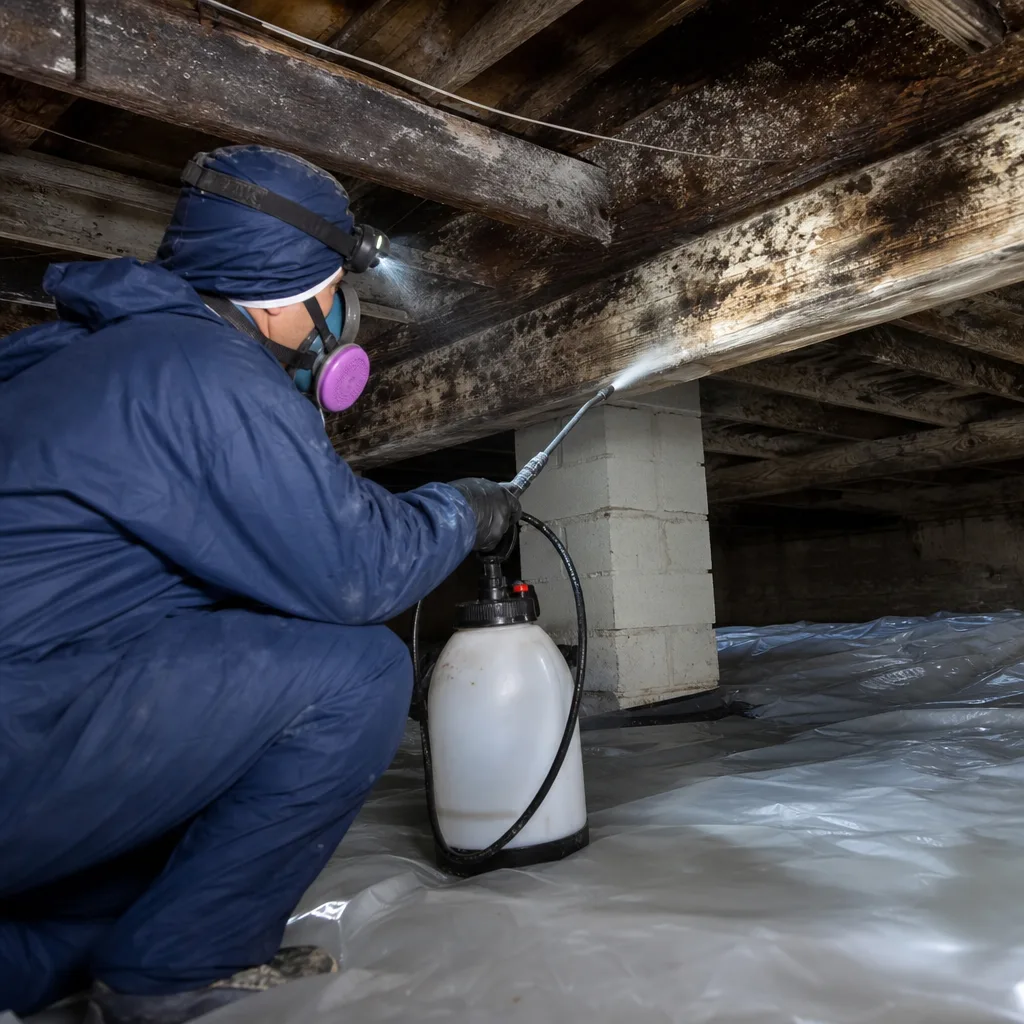
Basement Water Removal
Midtown basements and subbasements are where sump pumps, ejector pits, and old drainage systems live, often below the sewer line. When those fail, we’re pumping out contaminated water and drying concrete and masonry in spaces that haven’t seen dry conditions in decades.
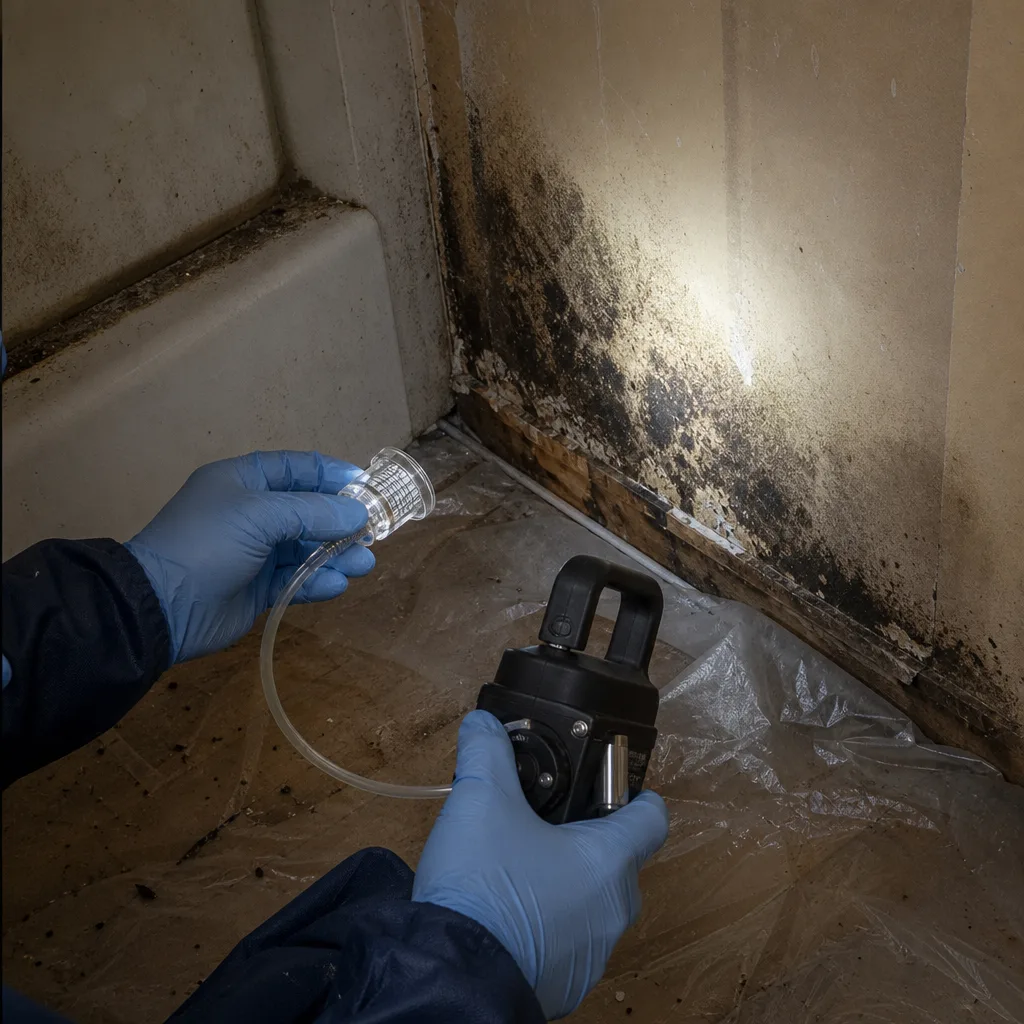
Ceiling & Roof Leak Water Damage
Flat roofs, failed roofing membranes, clogged scuppers, and aging window gaskets all funnel water into Midtown’s occupied floors. We dry the ceiling, the wall cavity, and the floor below, not just the visible stain, because the leak usually starts higher than where the water shows up.
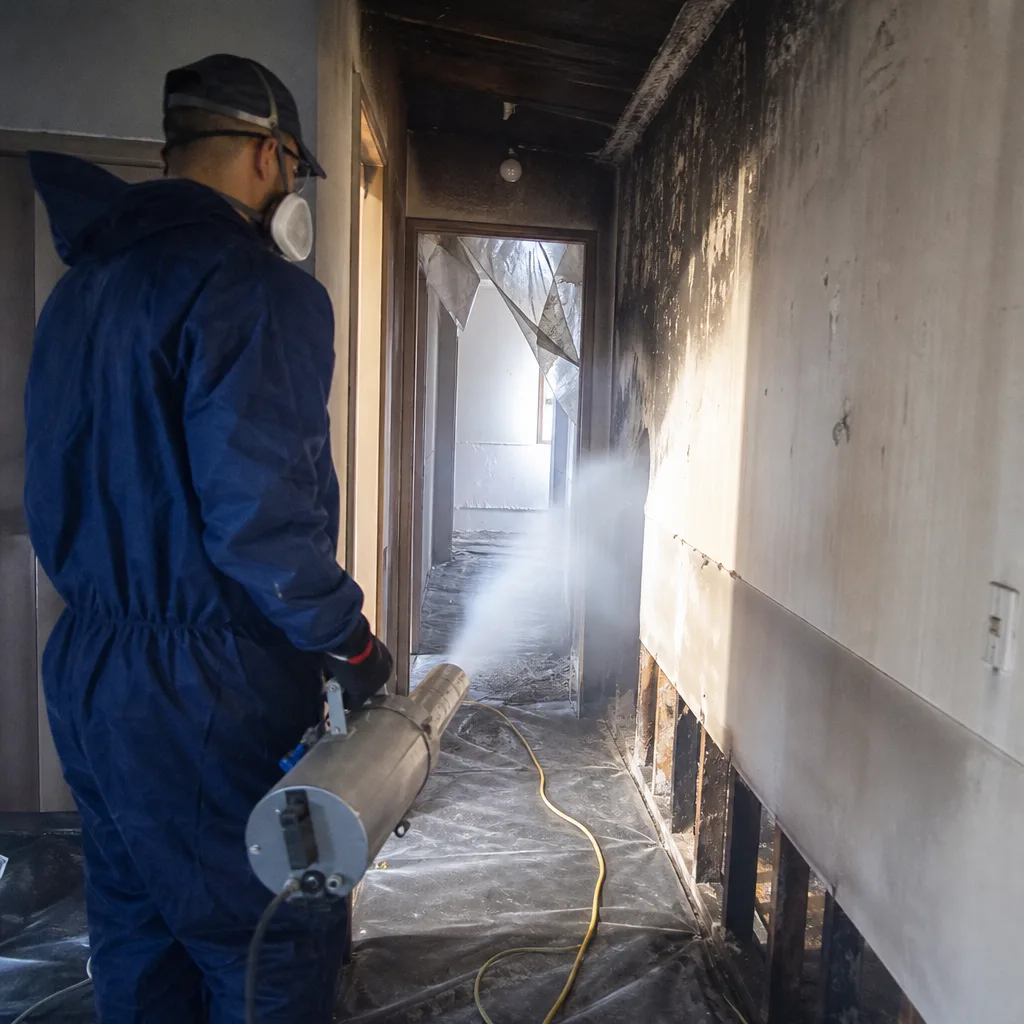
What happens when you call
- 1
A real person answersNo phone trees - you reach a local pro.
- 2
You get an upfront price rangeHonest numbers before anyone is dispatched.
- 3
A background-checked tech heads outLicensed & insured, dispatched right away.
- 4
You approve before work beginsNothing starts until you say go.
Water Damage Restoration Costs in Midtown Manhattan, NY
In Midtown Manhattan, emergency water extraction for a typical single-floor office or hotel event runs $1,200 to $4,500, depending on square footage and access. Structural drying with desiccant equipment for a small to medium space typically lands between $2,000 and $8,000. A burst pipe restoration with wall cavity drying and finish repair usually runs $3,500 to $15,000 or more when multiple floors are involved. Ceiling and roof leak water damage, including drying and repainting, typically runs $1,800 to $7,500. What moves the price: how many floors are affected, whether we’re working around active business operations, whether masonry or concrete saturation requires extended drying, and whether access requires after-hours work or special logistics. Most commercial policies in Midtown cover these losses, and we bill your carrier directly. For a free visual inspection and a firm written scope, call (201) 740-2235. No trip charge, and if you already have an estimate from another company, Wade will give you a free second opinion.
We Also Serve Cities Near Midtown Manhattan
Wade’s Restoration also handles water damage calls in Midtown Manhattan and the surrounding metro: the Financial District, Lower Manhattan, Astoria, and Long Island City. Same live answer, same 45-minute response commitment, same owner on the phone.
Serving Midtown Manhattan, NY - Our Local Coverage Area
We’re based in the Midtown Manhattan area and know this community well. Use the map below to see our service coverage - if you’re nearby, we can almost certainly help.
Midtown Manhattan Water Damage Restoration Questions, Answered
What makes drying a Midtown high-rise different from a suburban home?
Concrete and masonry hold moisture far longer than wood framing, and drying a Midtown high-rise means drying the building itself, not just drywall and carpet. We use desiccant dehumidifiers and track vapor pressure because Midtown’s steam-heated interiors and urban heat island keep humidity elevated in mechanical rooms and subgrade spaces, which stalls standard drying. A suburban protocol fails here. That’s why we’ll never send a crew trained only on residential wood-frame jobs into a 40-story tower.
Can you handle a steam-line break in a district-steam building?
Yes, and this is one of the things that separates Wade’s Restoration from out-of-market crews. Con Edison’s district steam network serves many Midtown buildings, and when a steam trap fails or a condensate return line cracks, superheated moisture saturates concrete and masonry in ways a cold-water pipe burst never does. We run high-temp-rated equipment and drying protocols built for exactly this. Call (201) 740-2235 and we’ll walk you through it.
How do you dry a space with multiple tenants and no single owner?
We coordinate with building management, tenant representatives, and sometimes multiple insurance carriers simultaneously. A vertical cascade affecting 20 floors isn’t one job, it’s 20 small jobs stacked on top of each other, each with its own stakeholder. Wade’s team has done this enough times to know who needs what information, when, and in what format. You’re not coordinating it. We are.
Do I need a pack-out in a high-rise?
Sometimes, especially in occupied hotel floors or law offices where wet files, furniture, and equipment can’t stay in place while we dry. We’ll tell you honestly whether a pack-out is necessary. If it is, we inventory everything, move it to a secure location, and bring it back when the space is dry. If it’s not necessary, we won’t sell you one.
How quickly can you stop water from a sprinkler or chilled-water line in a commercial tower?
Inside the hour: that’s the commitment. The first step is shutting off the source, which often means coordinating with building engineering staff who know where the valves are. We can walk building staff through that on the phone while Wade is already on the road. By the time we arrive, the water is usually stopped and we’re starting extraction. Call (201) 740-2235 right now if you’re in this situation.
Will my insurance cover water damage restoration in Midtown Manhattan?
Most commercial, hotel, condo, and co-op policies cover sudden and accidental water damage, including burst pipes, sprinkler discharges, and storm-related intrusion. What they don’t cover is gradual damage from long-term leaks or deferred maintenance. We photograph everything, log moisture readings daily, and communicate with your adjuster directly so the claim reflects what actually happened. If you’re not sure whether you’re covered, call (201) 740-2235 and we’ll help you figure it out before any work starts.
How long does structural drying take in a Midtown building?
For a typical single-floor event with masonry or concrete saturation, expect three to five days of active drying. Multi-floor vertical cascades can take longer, especially when steam-heated interiors keep humidity elevated and we’re working around active business operations. We’ll give you a written drying plan with target dates, and we’ll update you on progress with the daily moisture readings we take anyway.
What should I do in the first 30 minutes after water damage in Midtown Manhattan?
Call us at (201) 740-2235. Then, if you can do so safely, shut off the water source if it’s a plumbing leak and move valuables out of the wet area. Don’t use electrical appliances in wet spaces, and don’t try to dry high-rise concrete or masonry yourself with fans from the hardware store. Those won’t make a dent. A trained crew with desiccant equipment will. Wade’s on the road now.
Got water where it shouldn’t be in Midtown Manhattan? Call (201) 740-2235 now. Wade answers his own phone, day or night, and can have extraction running inside the hour. Free visual inspection. Free second opinion on any written estimate. No trip charge inside our own county. The sooner you call, the less this costs.
Written by Wade Ferris, Owner at Wade’s Restoration, serving the NYC metro since 2007.