
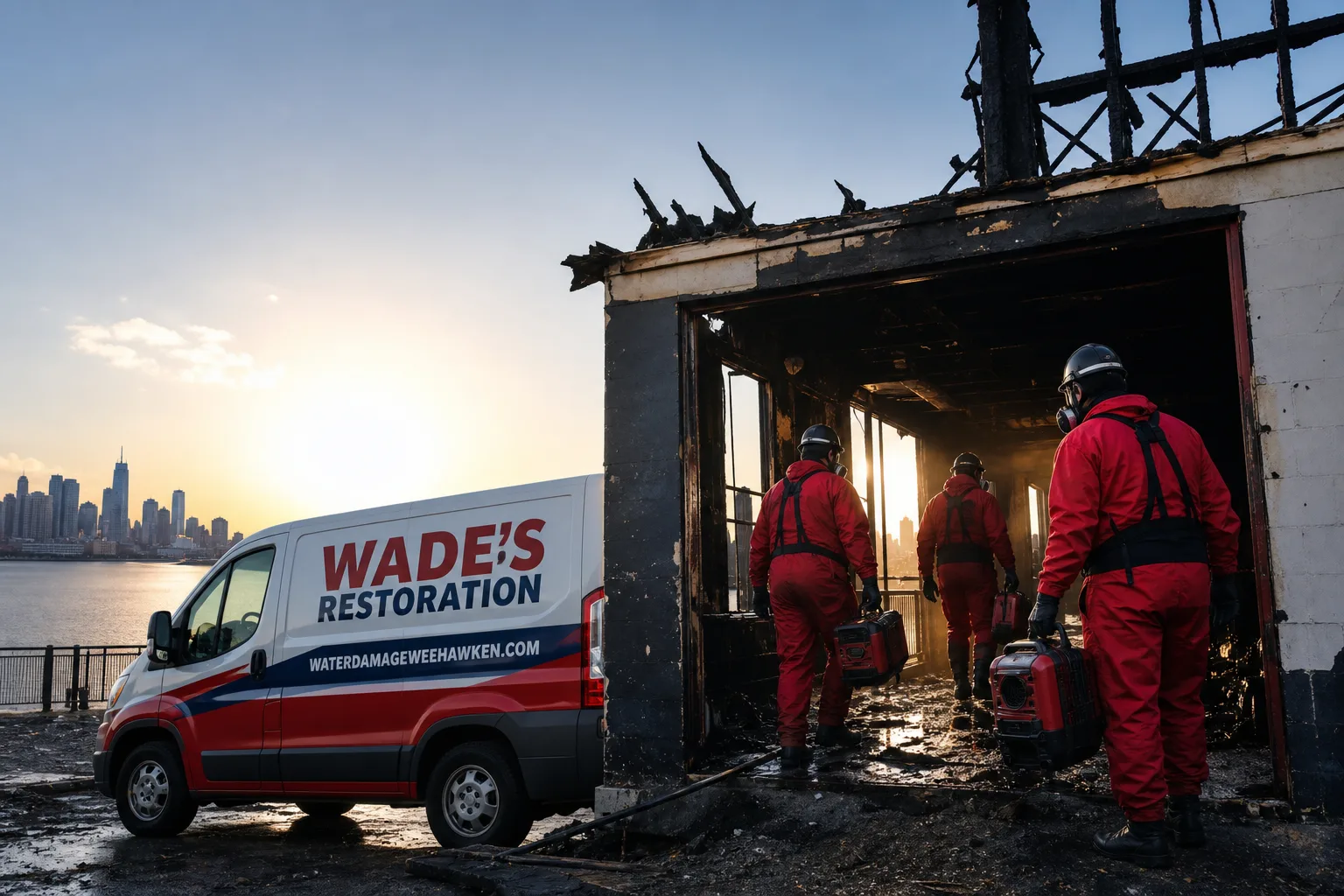
Free visual inspection and a written scope of work before any mitigation begins - photos, moisture readings, and drying logs go in your claim file
The scope we write is the scope we bill. Anything new gets shown to you, in writing, before we touch it.
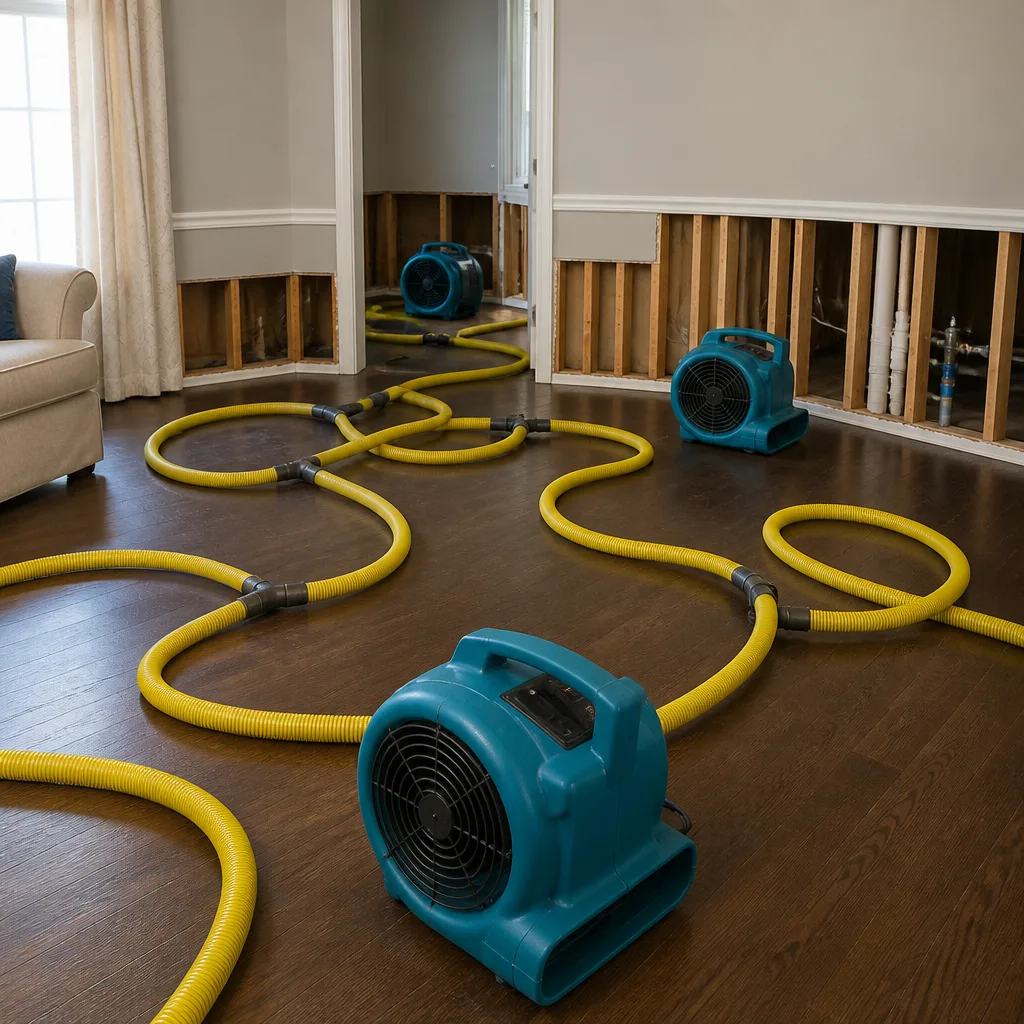
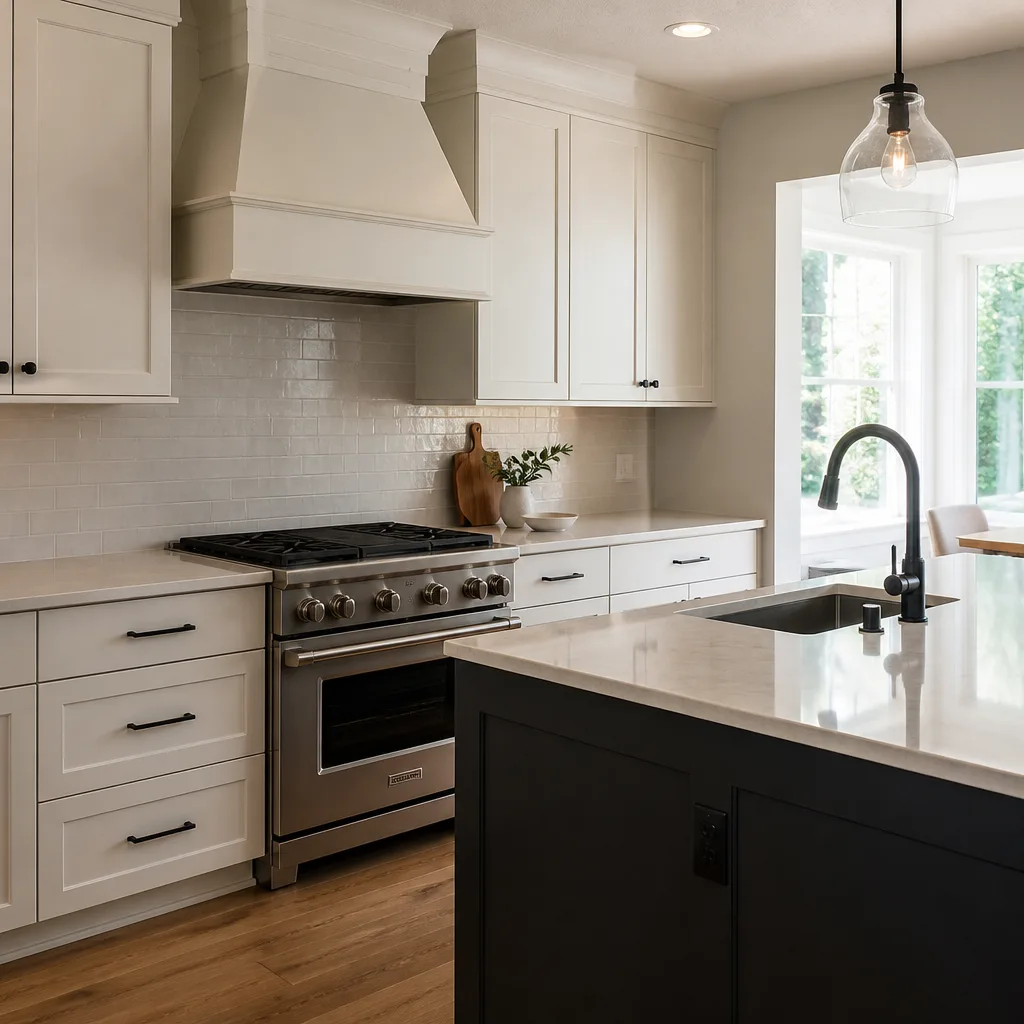
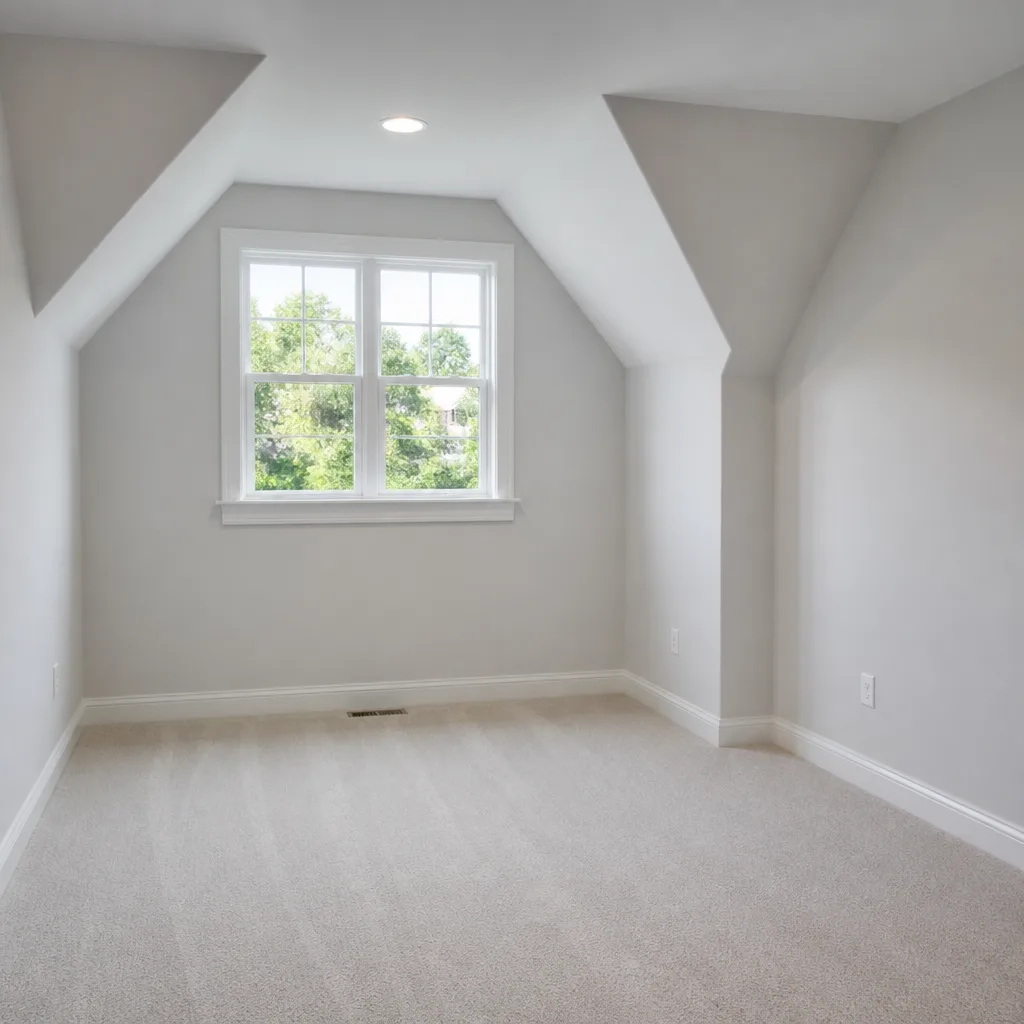
 Before
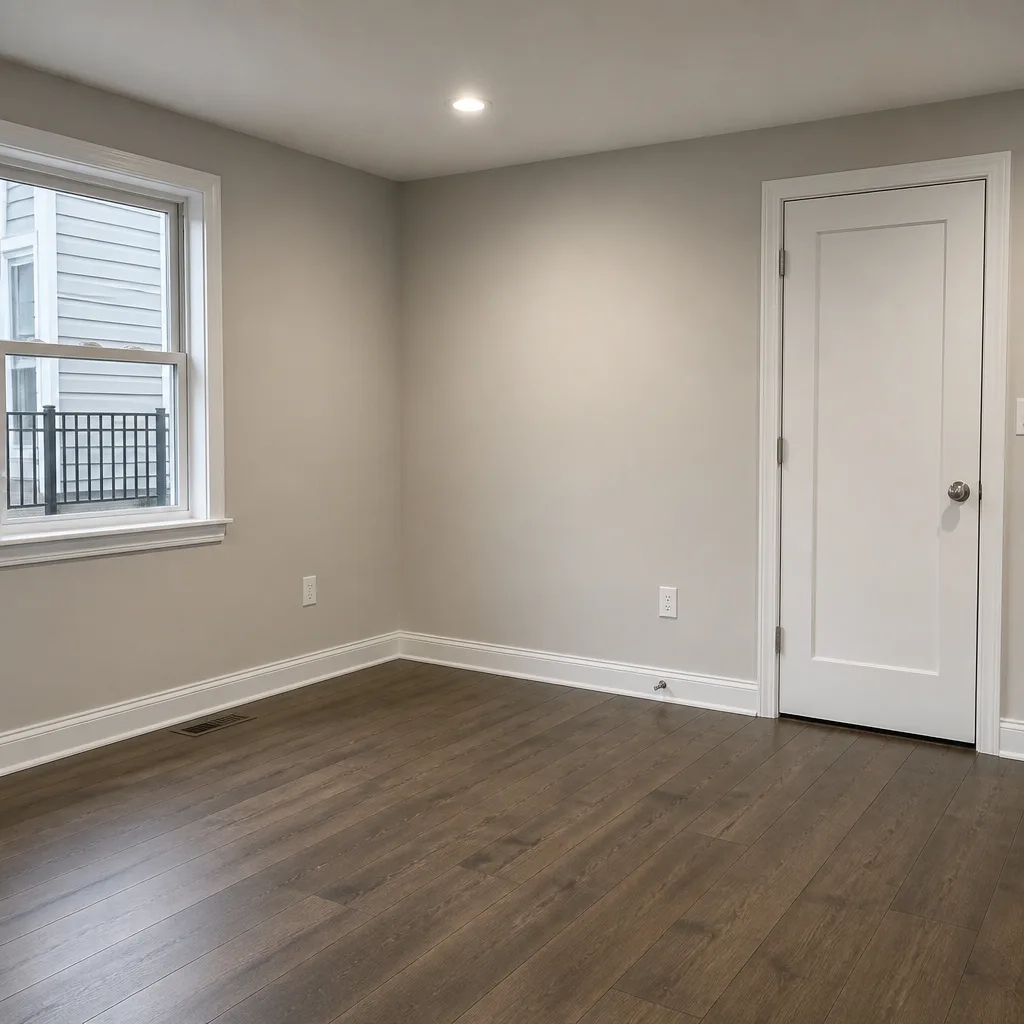 After
After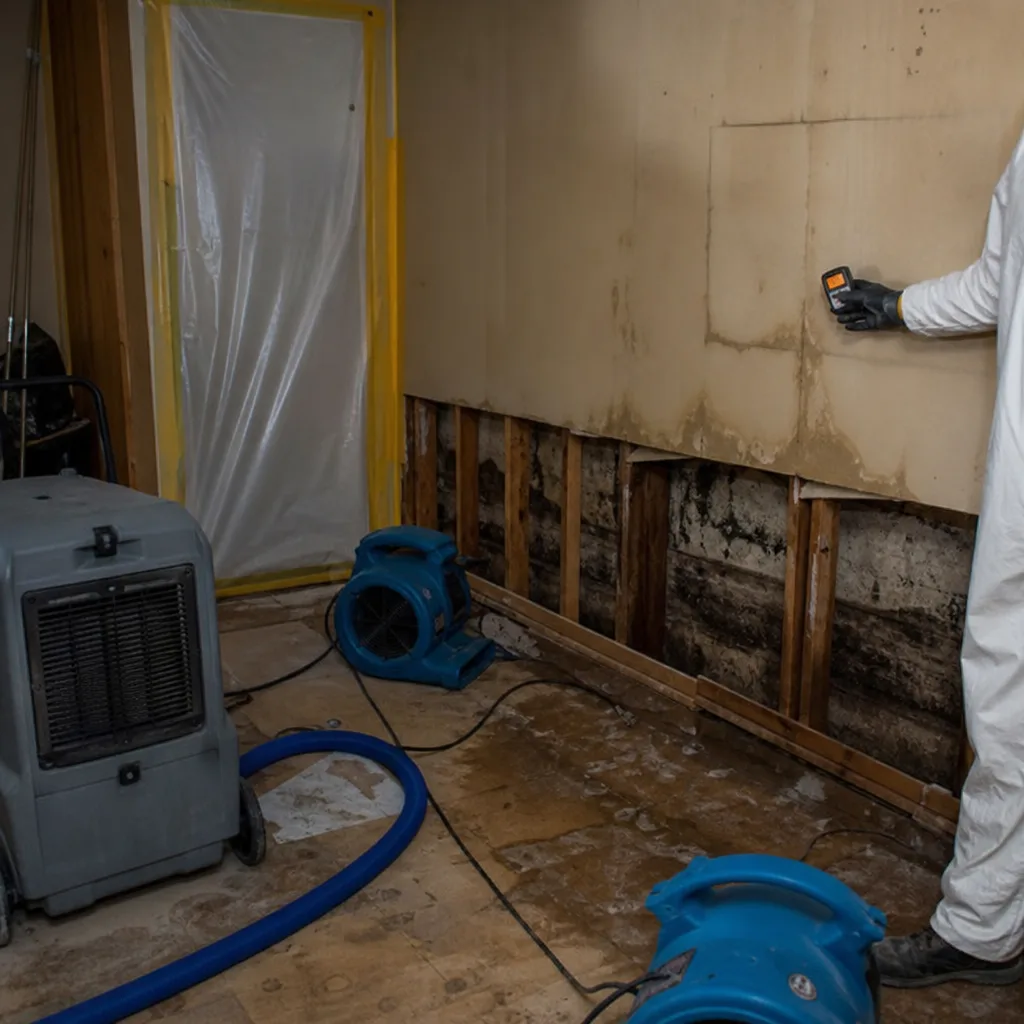 Before
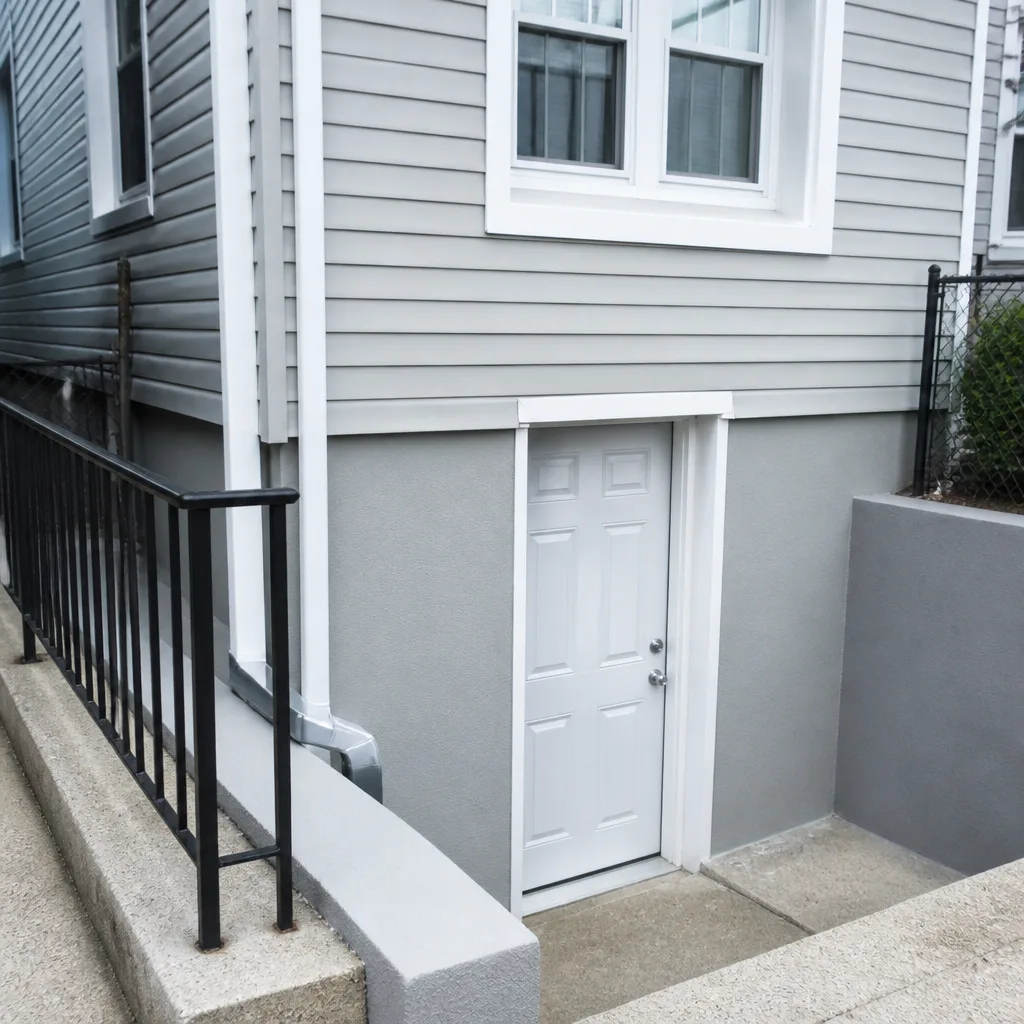 After
After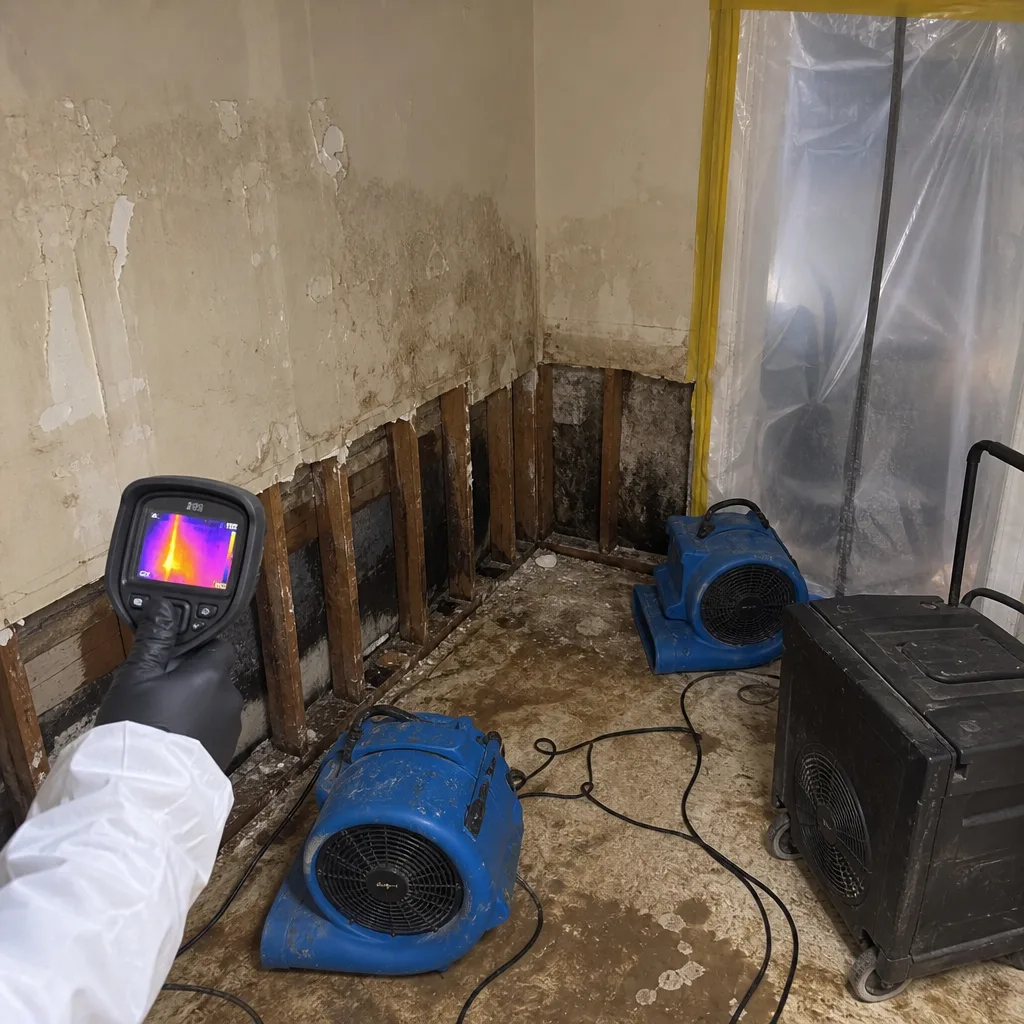 Before
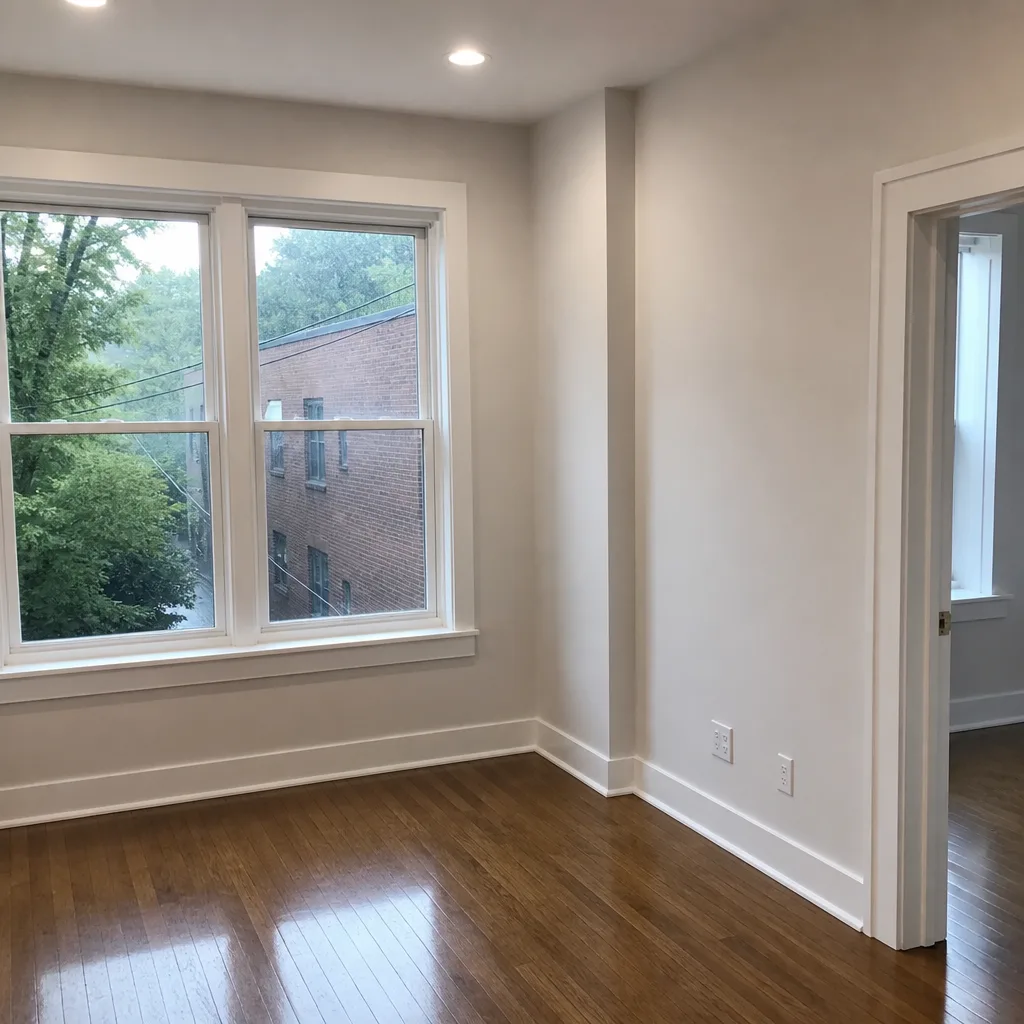 After
After24/7 Emergency Reconstruction & Cleanup in Long Island City
When water blows through a ground-floor loft near Court Square or a sewer line backs up into a cellar off Jackson Avenue, the clock starts before you’ve even found the shutoff. Wade’s Restoration answers live around the clock, and Wade himself heads out to Long Island City jobs, not a call center three states away. Call (201) 740-2235 and you’ll get a real person on the first ring, a crew rolling toward your block, and a free visual inspection once they arrive. The first hour decides whether your drywall gets cut out and dried or torn out and replaced. In LIC’s converted factory stock, that first hour also decides whether a Category 2 water loss stays Category 2 or crosses into contamination territory that triggers abatement and hazmat hauling. We get it. We’ve been doing this since 2007.
Understanding Reconstruction & Cleanup Severity in Long Island City Properties
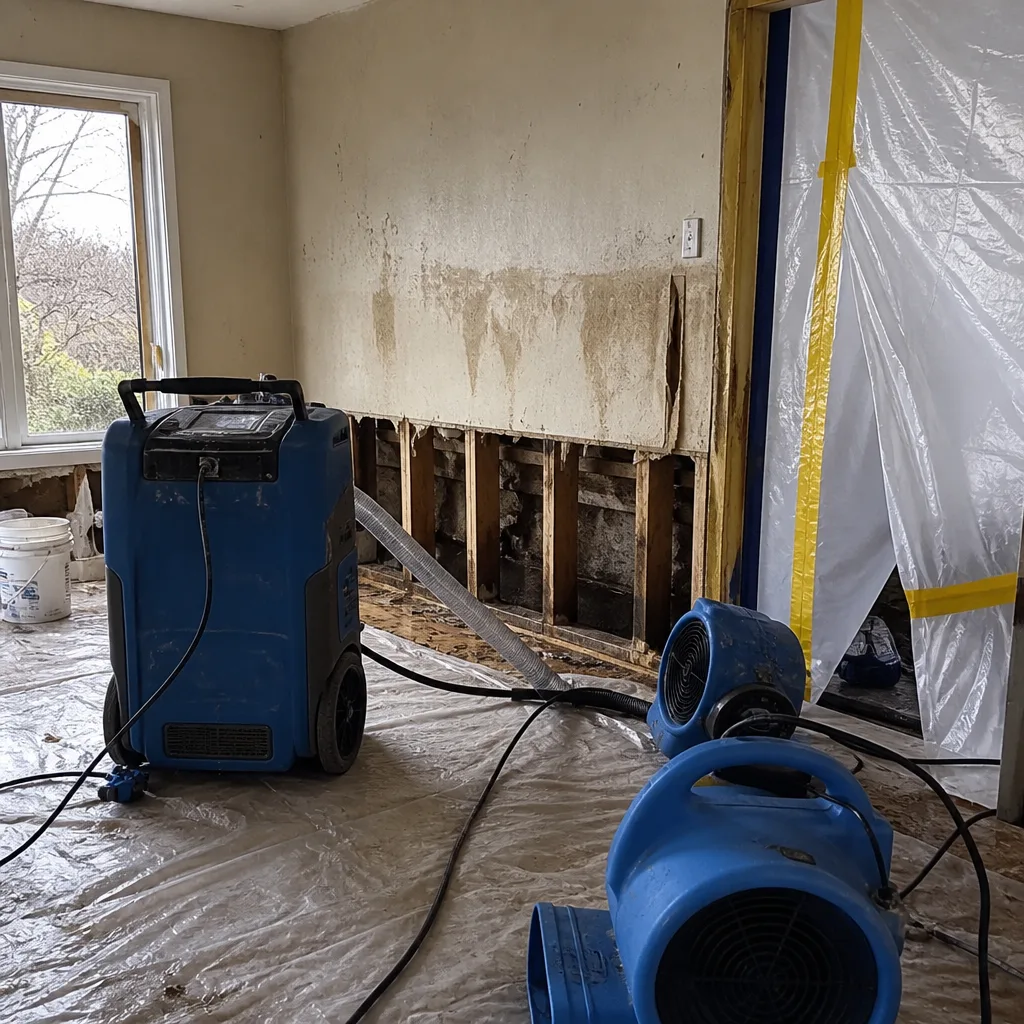
Long Island City properties don’t fail the way a standard suburban ranch does. You’re dealing with three distinct building generations: early-20th-century brick factories converted to residential lofts, pre-war walk-up tenements, and post-2010 glass-and-steel high-rises along the waterfront. Each one changes how we classify and attack a loss. Water damage here runs the full IICRC spectrum: Category 1 clean water from a burst supply line, Category 2 gray water from a washing machine overflow, and Category 3 black water from sewage or Newtown Creek infiltration. The last one is the one people underestimate. In Long Island City, even a shallow basement flood from a storm backup can carry petroleum, heavy metals, and industrial solvent residue from the creek’s documented plume. Moisture mapping with thermal imaging tells us where the water actually went, structural drying with Dri-Eaz and B-Air equipment gets it out, and containment with HEPA air scrubbers keeps whatever was in the water from spreading through your living space. Fire and smoke jobs follow a similar discipline: we identify soot residue types, track smoke migration through open floor plates, and neutralize odor at the source before any cosmetic work begins.
Why Long Island City Property Owners Choose Wade’s Restoration
- 45-minute response commitment. When you call from Long Island City, Wade or a member of his crew is on the road immediately. No queued callbacks, no “we’ll get there when we can.”
- 24/7 live answer, every single time. You’ll never reach voicemail at two in the morning. Wade answers his own phone. That’s not a gimmick; that’s the business model.
- IICRC-certified crews. Our team holds WRT and FSRT certifications, with AMRT credentialing for the mold and sewage work that LIC’s building stock routinely demands.
- Free visual inspection. We’ll put eyes on the damage before you’re committed to anything. If it’s a small cleanup, our crew will tell you that. If it’s a full reconstruction, you’ll hear it straight.
- Direct insurance billing. We deal with your adjuster directly, so you’re not the one relaying messages between two sides that speak different languages.
- One team from extraction to reconstruction. The same people who dry out your Hunters Point loft are the ones who rebuild it. Nothing gets lost between vendors.
Our Reconstruction & Cleanup Process
Inspection & Assessment
Wade arrives, walks the property, and checks what’s actually wet, burned, or compromised. In LIC, this includes a hard look at whether the water came from inside your building or backed up through the combined sewer lateral, which helps us determine the right Water Damage Restoration in Long Island City approach. Thermal imaging and moisture meters document where the damage stops and starts.
Extraction & Stabilization
Standing water comes out first, using truck-mounted and portable extraction units. We stabilize what can be saved and isolate what can’t. If we opened a wall and found spray-applied asbestos fireproofing on structural steel, this is the moment we’d stop, contain, and call for abatement clearance.
Drying & Dehumidification
Air movers and dehumidifiers from Dri-Eaz, Phoenix, and B-Air run continuously. Wade takes moisture readings every single day and hands you the full log when the job is done. Almost nobody in this trade does that. We do, because you should know the walls are dry before we hang drywall.
Cleaning & Sanitization
HEPA scrubbers run throughout the drying phase to capture airborne contaminants. Hard surfaces get antimicrobial treatment appropriate to the water category. Soft goods and contents that can be saved move into our pack-out program.
Reconstruction-Specific Treatment
For sewer backups near Newtown Creek, we treat the affected area as classified contamination and document everything for your insurer, including disposal manifests. For loft conversions, we check for asbestos and lead before cutting. For waterfront high-rises, we verify full structural drying before any custom millwork or smart-home hardware goes back in.
Repairs & Restoration
Drywall, trim, flooring, custom door jambs, paint, and finishes go back to pre-loss condition. If smart-home openers or custom hardware were involved, we coordinate with your integrator so nothing gets reinstalled on a frame that’s still moving. Our 90-Day Done Right Promise backs the work in writing.
Need Emergency Reconstruction & Cleanup in Long Island City Now?
Crews minutes away, answering live 24 hours a day. The sooner we start, the less it costs.
Working With Your Insurance Company
Your insurer wants documentation. We give them everything they need, from the first hour on site. Photos of every affected room. Moisture readings taken daily and logged. A line-item scope of work that spells out exactly what’s happening and why. We coordinate directly with your adjuster, so when they ask whether the Newtown Creek contamination triggered Category 3 classification, we answer with data, not opinion. LIC losses get complicated fast because of the abatement and hazmat layers that other neighborhoods don’t carry. We’ve handled enough of these claims to know what adjusters need to see, and we write it up the first time.
What We Provide Your Insurer
- Thorough documentation of the loss
- Photos of all damage, room by room
- Moisture readings and drying logs
- A detailed, line-item scope of work
- Direct coordination with your carrier
Built for Long Island City’s Loss Calendar
Long Island City takes hits on a schedule. January deep freezes burst supply lines in buildings with exposed plumbing chases, especially in the pre-war walk-ups along Vernon Boulevard where original risers run through unheated stairwells. Spring thaw brings basement seepage through the block-foundation walls of the older industrial stock. Summer thunderstorms dump enough rain in an hour to overwhelm NYC’s combined sewer system, which means raw sewage backs into ground-floor and cellar spaces along the low-lying western waterfront. Fall nor’easters push East River storm surge up against the FEMA Flood Zone AE line, and every time it happens, we get calls from waterfront high-rises whose lobby-level mechanical rooms are under water. The pattern is predictable. The preparation shouldn’t be an afterthought. When a storm is coming and your building sits west of 21st Street, the smart move is to check your backflow preventers and know who you’re calling when they fail. Call (201) 740-2235 before the water shows up, and Wade will tell you straight whether you’re looking at a pump-out or a full reconstruction job.
Reconstruction & Cleanup Across Long Island City’s Neighborhoods
Each part of Long Island City fails in its own way, and we’ve worked enough jobs across the neighborhood to know the difference. Hunters Point, with its converted warehouse lofts and newer waterfront towers, sees a lot of storm-drain backups and mechanical-room floods. Court Square’s pre-war stock runs on aging risers and cast-iron waste lines that let go without warning. The blocks between Jackson Avenue and the East River sit low enough that any combined sewer overflow pushes into basements before it recedes. Over near Queens Plaza, the adaptive-reuse industrial buildings carry the full legacy of the neighborhood’s manufacturing past: spray-applied asbestos fireproofing, lead paint on structural steel, and non-standard slab assemblies that complicate every drying and reconstruction timeline. When we get a call from the Dutch Kills area, we already know the job is going to involve more than sheetrock and paint. That’s not a problem. It’s just what the work is here. Our Reconstruction & Cleanup team is built for it.
Specialized Reconstruction & Cleanup Services We Offer in Long Island City
Full-Service Reconstruction
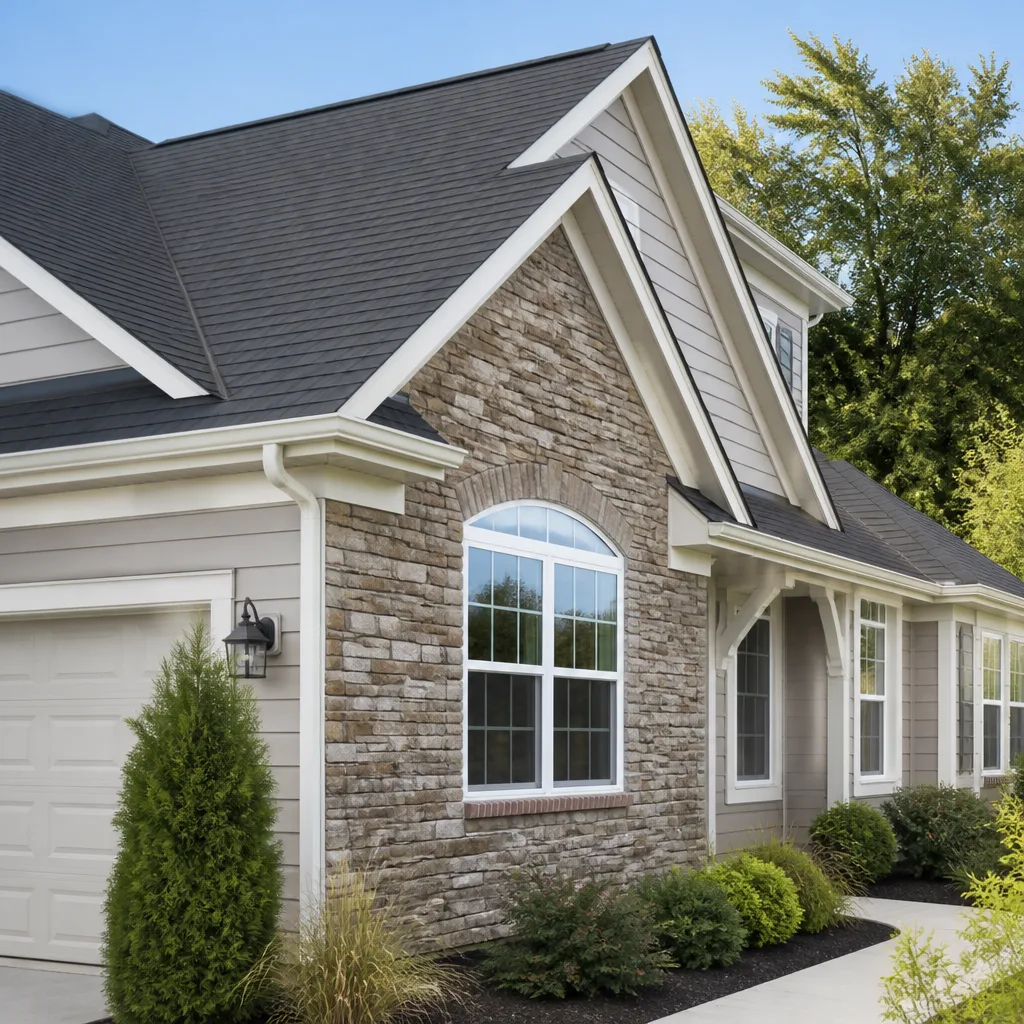
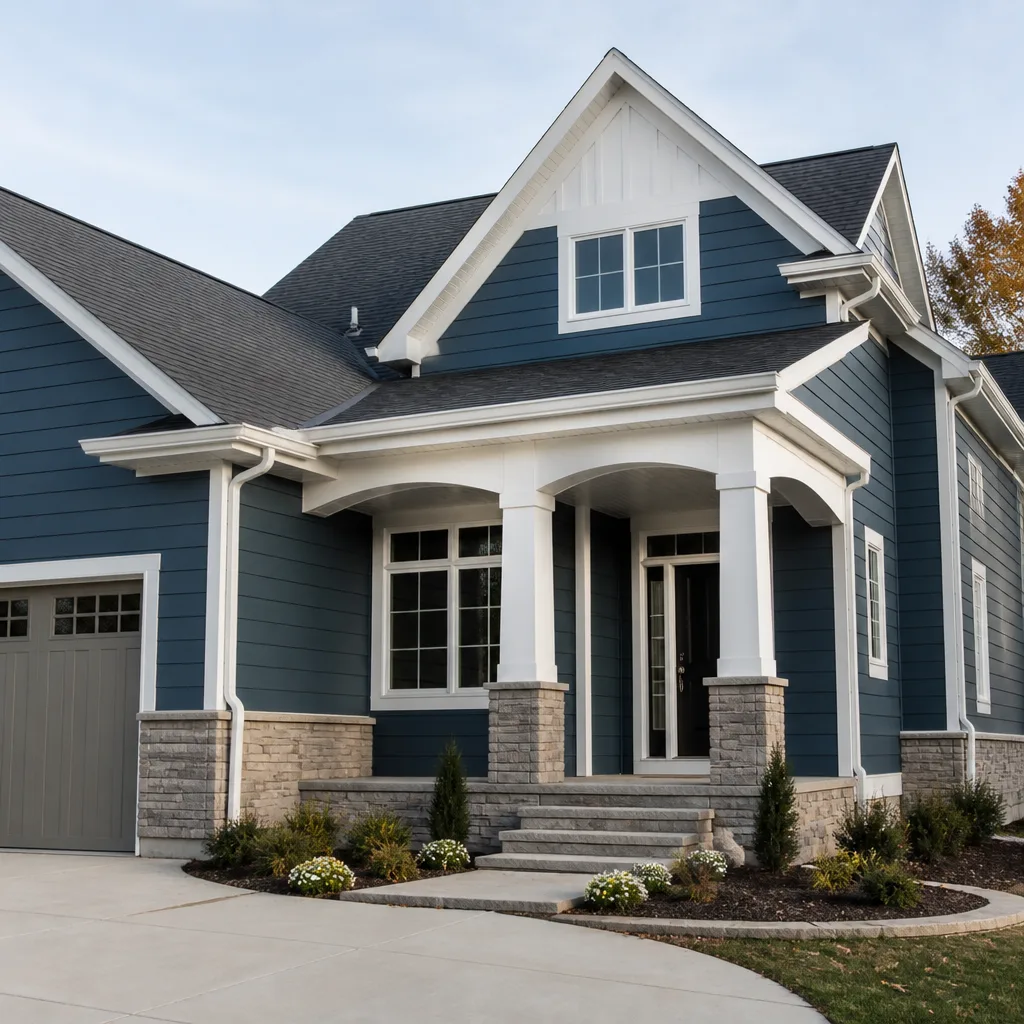
We take your Long Island City property from soaked and stripped back to finished and lived-in with full-service Long Island City Commercial Restoration. Drywall, trim, paint, flooring, custom door jambs, and the details that matter in a converted loft. One crew, one scope, one written promise: the 90-Day Done Right Promise.
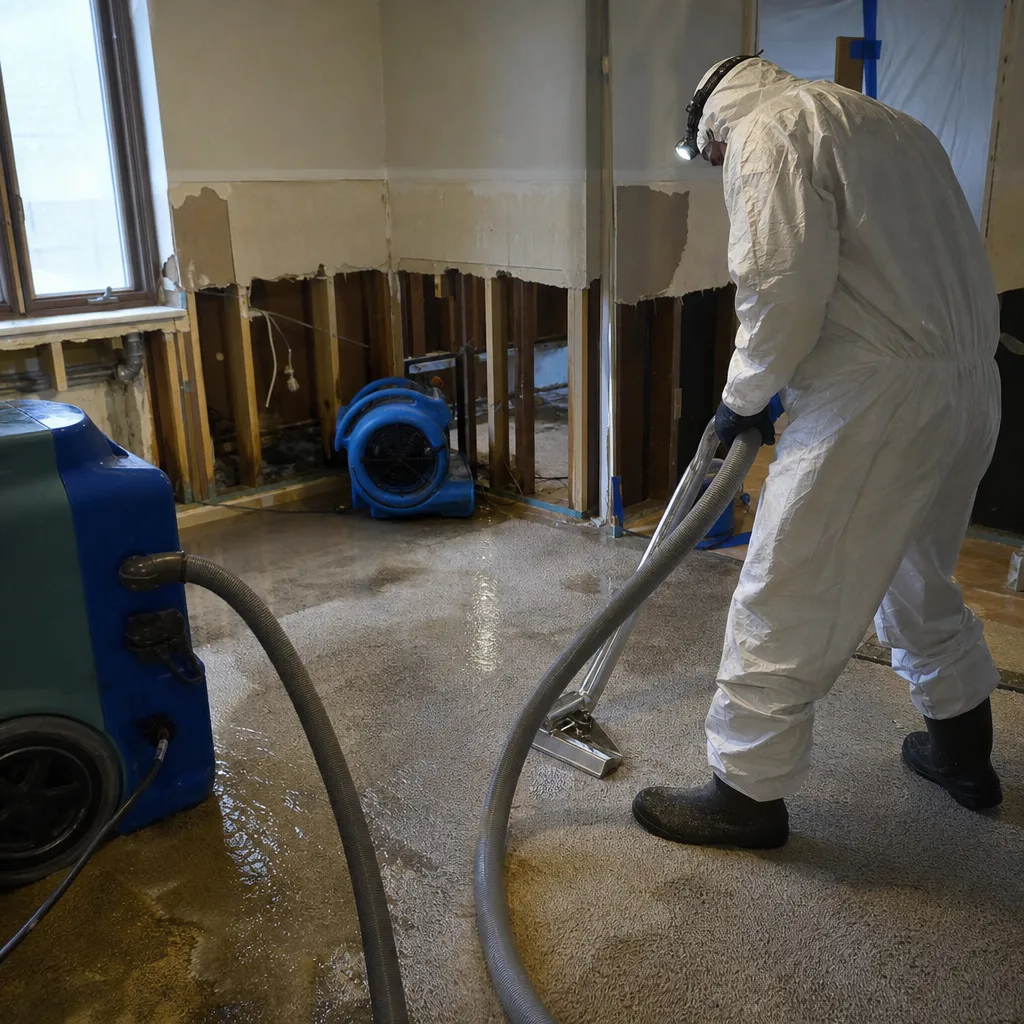
Drywall & Flooring Repair
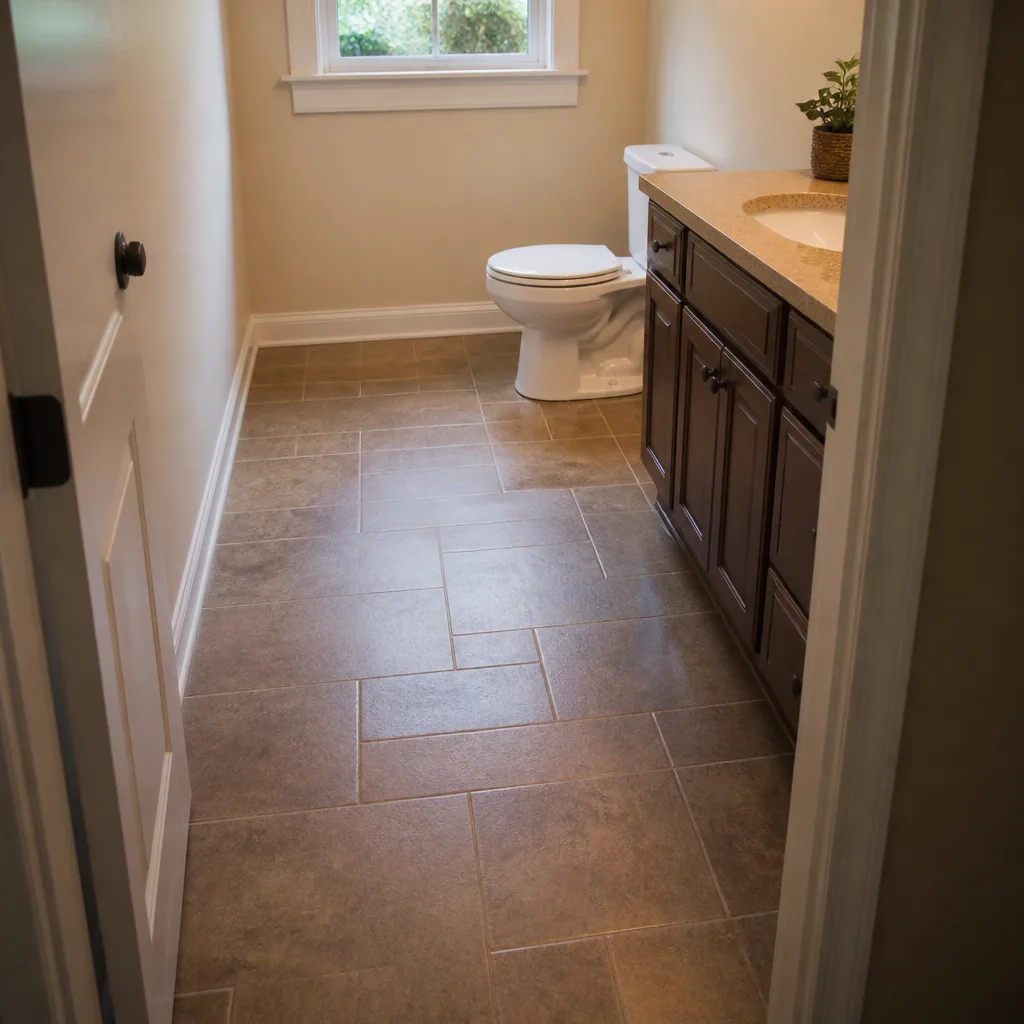
LIC’s older buildings hide surprises behind the walls. When we replace drywall in a converted factory or pre-war tenement, we check for asbestos fireproofing and lead paint before we cut. On the floor side, we match materials to the building’s era, whether that’s wide-plank oak in a Hunters Point loft or engineered flooring in a waterfront high-rise.
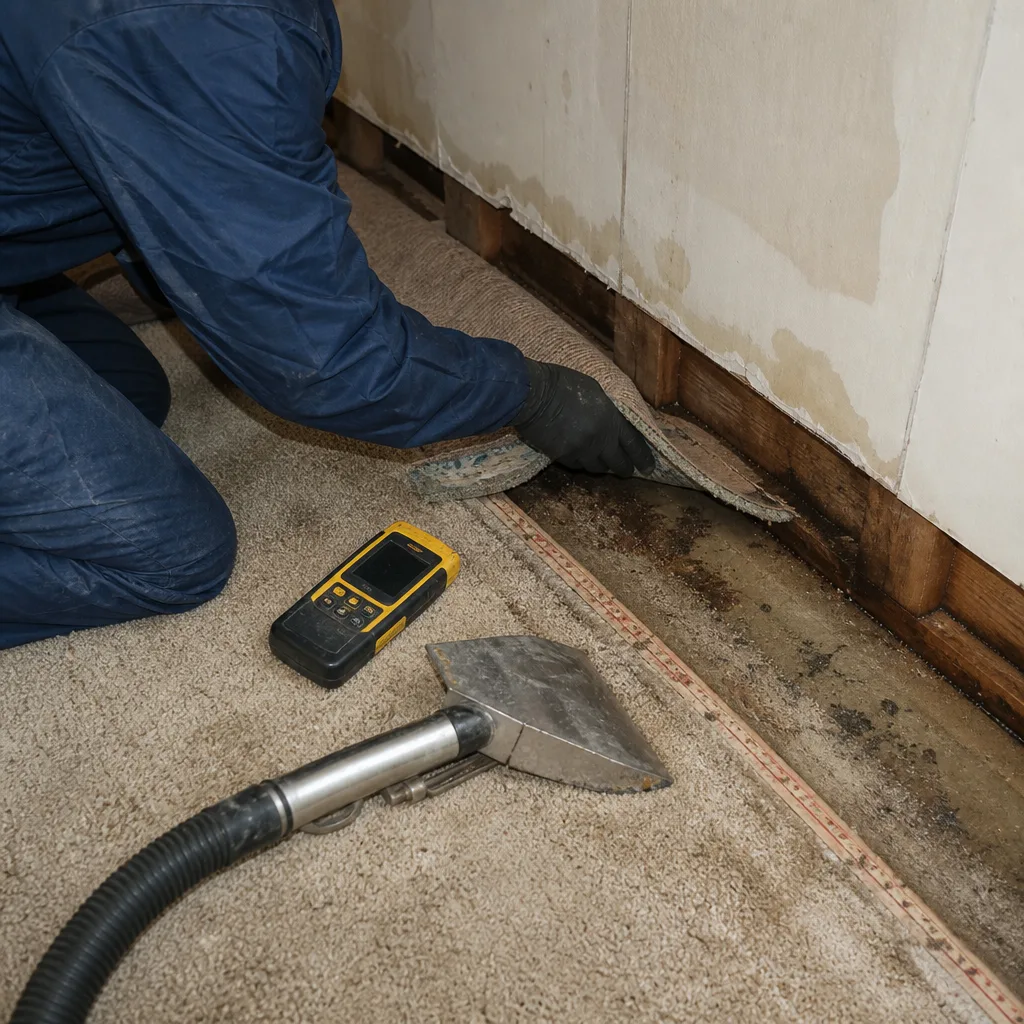
Contents Restoration & Pack-Out
When a Long Island City loft has both water damage and asbestos concerns, your belongings need a careful path out and often professional Mold Remediation - Long Island City may be needed as well. We pack out, document, clean, and store contents until the space is cleared for occupancy again. Every item gets photographed and logged. Nothing disappears.
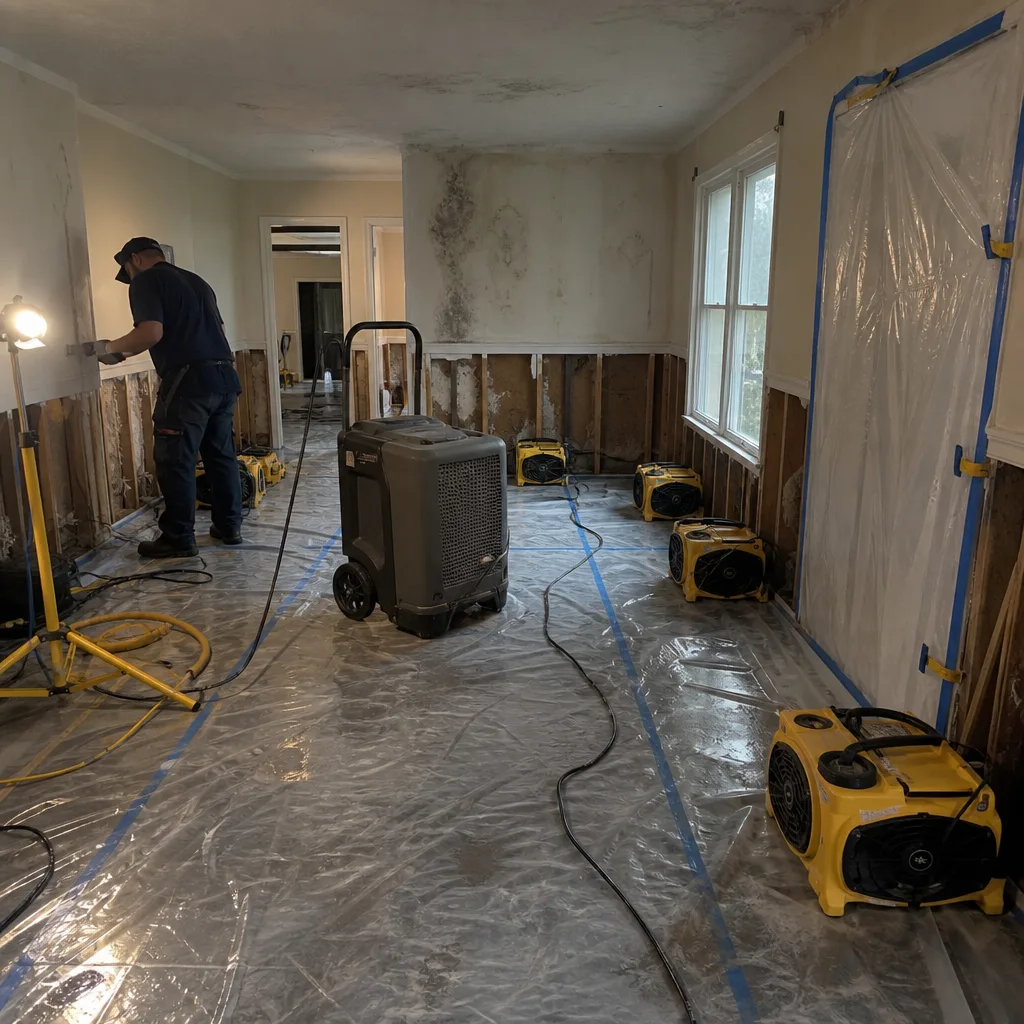
Carpet & Upholstery Cleaning
Post-water and post-smoke, soft surfaces hold contaminants and odor. We clean carpet and upholstery with professional extraction equipment, and we’ll tell you honestly whether something can be saved or needs to be replaced. No four-hour sales pitch attached.
Post-Construction Cleanup
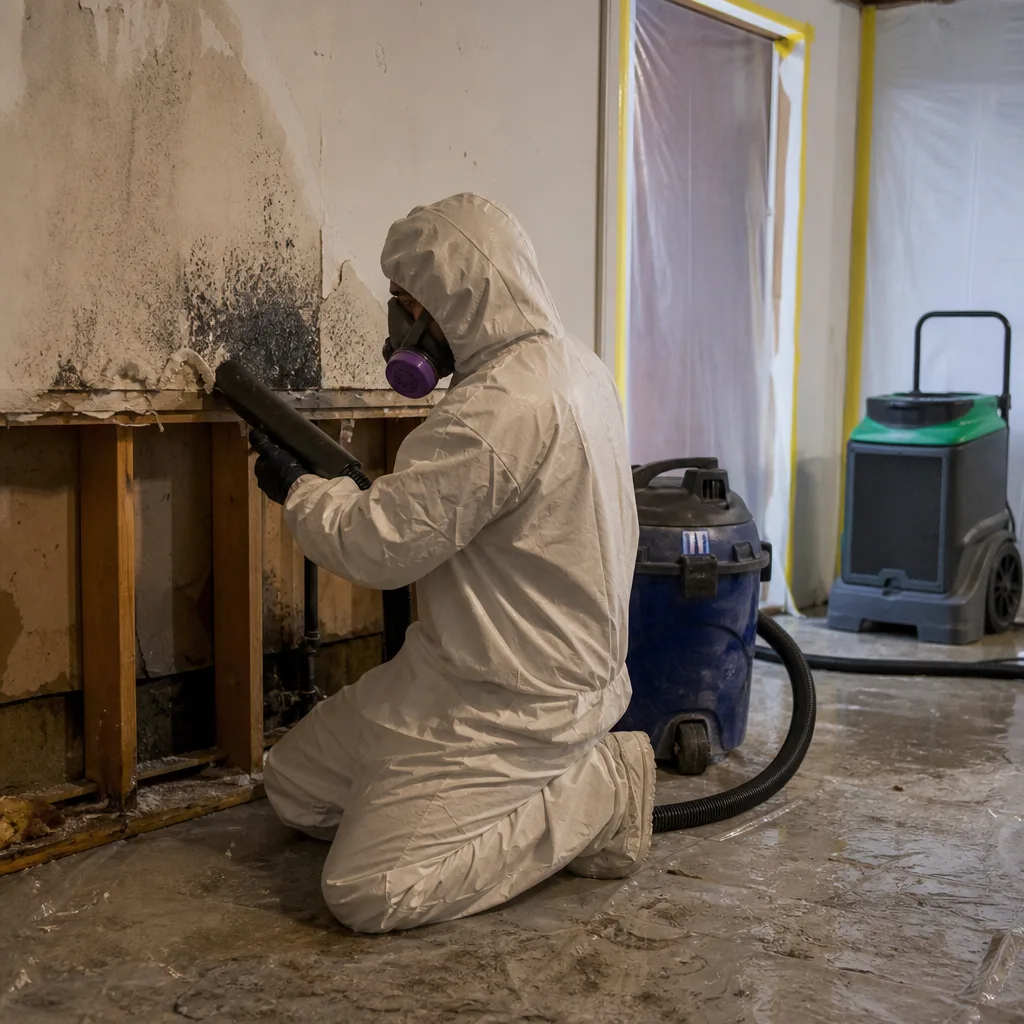
After reconstruction, the dust doesn’t leave on its own. We perform full post-construction cleanup with HEPA filtration so you’re not living in a film of drywall dust for the next three months.
What happens when you call
- 1
A real person answersNo phone trees - you reach a local pro.
- 2
You get an upfront price rangeHonest numbers before anyone is dispatched.
- 3
A background-checked tech heads outLicensed & insured, dispatched right away.
- 4
You approve before work beginsNothing starts until you say go.
Reconstruction & Cleanup Costs in Long Island City, NY
Long Island City reconstruction runs higher than the outer-borough average, and the reasons are structural, not inflationary. A straightforward drywall and paint job after a clean water loss in a standard apartment might run $3,000 to $8,000. Add asbestos abatement clearance on a converted loft and you’re looking at $10,000 to $25,000 before a single sheet of drywall goes up. Full reconstruction after a Category 3 sewer backup that requires hazmat hauling and disposal manifests can push $40,000 to $80,000 depending on square footage and finish level. Carpet and upholstery cleaning after a water event runs $300 to $900 per room. Contents pack-out and storage typically runs $1,500 to $5,000 depending on volume. What moves the price: the age of your building, what’s behind your walls, how quickly the water was addressed, and whether your insurer’s adjuster agrees with the contamination classification. The free visual inspection gives you a firm scope before you commit to anything. And if you’ve already got a written estimate from another outfit, bring it in. Wade offers a Free Second Opinion on Any Written Estimate. No trip charge inside our own county, and a Senior & Veteran 10% discount on every job, permanently.
We Also Serve Cities Near Long Island City
Our crews work throughout the area. If you’re across the border in Long Island City, we’re already minutes away. We also serve Astoria, where the building stock shifts to brick rowhouses and six-story walk-ups, but the sewer and storm surge risks stay the same.
Serving Long Island City, NY - Our Local Coverage Area
We’re based in the Long Island City area and know this community well. Use the map below to see our service coverage - if you’re nearby, we can almost certainly help.
Long Island City Reconstruction & Cleanup Questions, Answered
Why does Long Island City treat sewer backups as Category 3 black water, even during a small flood?
Because Newtown Creek’s documented plume of petroleum, heavy metals, and industrial solvents infiltrates the local combined sewer lateral infrastructure during high-water events. What looks like routine water in a basement near the creek is presumed contaminated until testing proves otherwise.
What regulatory delays should I expect when reconstructing a converted factory loft in Hunters Point?
If we open a wall and find spray-applied asbestos fireproofing or lead paint on structural steel, work stops until a licensed abatement contractor clears the area. That typically adds three to seven days to the timeline. It’s not a delay we created; it’s a safety requirement we won’t skip.
Can my luxury waterfront high-rise’s custom wood doors be dried and saved after a flood, or will they need to be replaced?
Custom wood doors can often be saved if full structural drying is confirmed before any refinishing or reinstallation. If we reinstall smart-home hardware or finish-grade millwork on a frame that’s still moving, you get warped frames and dead boards. We verify dryness first, then rebuild. You get a straight answer on whether replacement is required.
Does insurance cover the extra hazmat-level cleanup required in Long Island City flood zones?
Most policies cover hazmat-level cleanup when it’s a direct result of a covered loss, but the classification has to be documented properly. We provide the moisture readings, contamination testing, and line-item scope that gives your adjuster what they need to approve the work. Call (201) 740-2235 for a free estimate and we’ll help you understand your coverage.
How do you handle contents restoration and pack-out when a LIC loft has both water damage and asbestos concerns?
We seal the affected area, coordinate with a licensed abatement contractor to contain and clear the asbestos, then move contents out through a controlled path. Every item gets documented, cleaned, and stored until the space is safe to reoccupy. Call (201) 740-2235 for an exact quote on your specific situation.
How quickly can you actually get to my Long Island City property?
Our 45-minute response commitment covers Long Island City. Wade answers his own phone and heads out immediately. When you’re looking at rising water or a fresh fire scene, that’s the difference between a cleanup and a full reconstruction.
Will I need to move out during reconstruction?
Depends on the scope. A single-room drying job is often livable. A Category 3 contamination event with abatement clearance usually isn’t. We’ll tell you straight during the initial inspection what you’re facing.
What should I do in the first 30 minutes after I discover the damage?
Shut off the water source if you can do it safely. Kill power to the affected area if water is near outlets. Then call (201) 740-2235. We’ll walk you through the next steps on the phone while Wade heads your way. Don’t open walls. Don’t move contaminated items through clean areas.
Written by Wade Ferris, Owner at Wade’s Restoration, serving Long Island City since 2007.