
Free visual inspection and a written scope of work before any mitigation begins - photos, moisture readings, and drying logs go in your claim file
The scope we write is the scope we bill. Anything new gets shown to you, in writing, before we touch it.



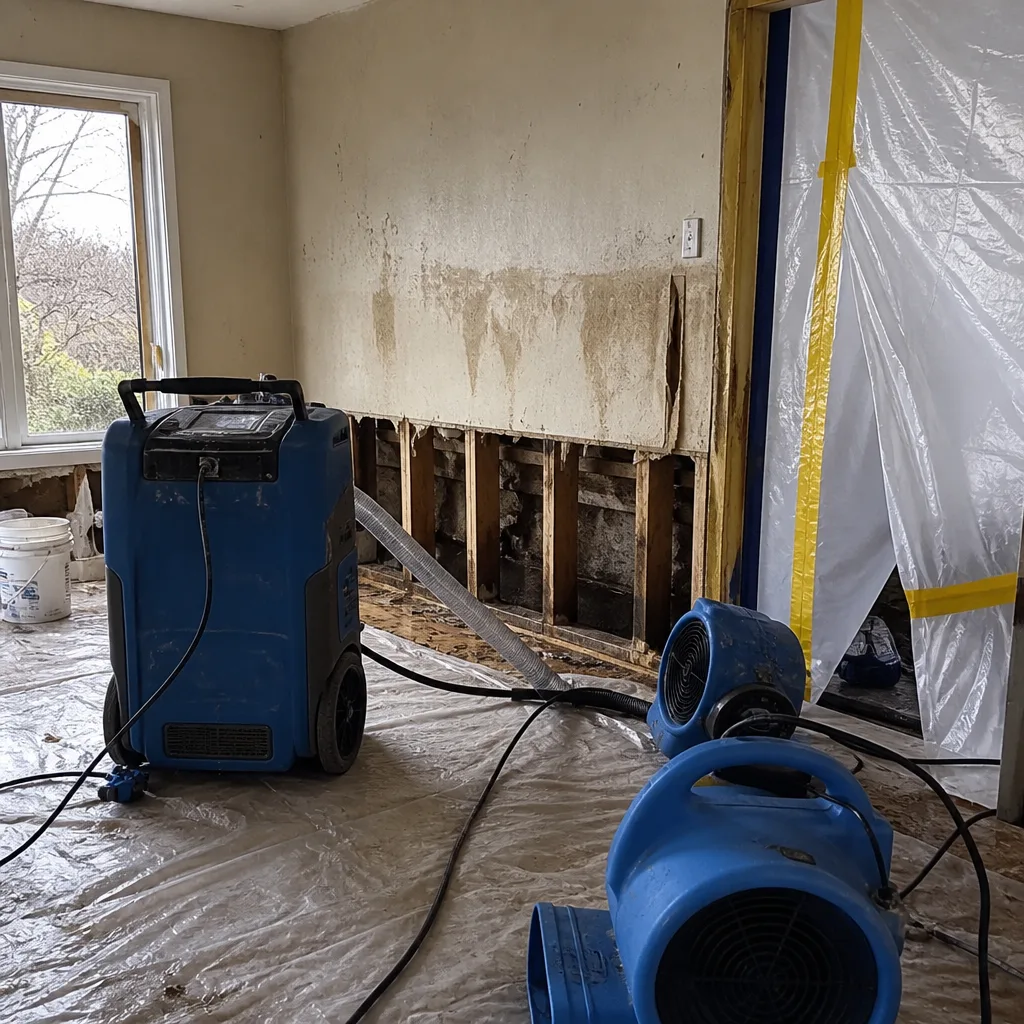 Before
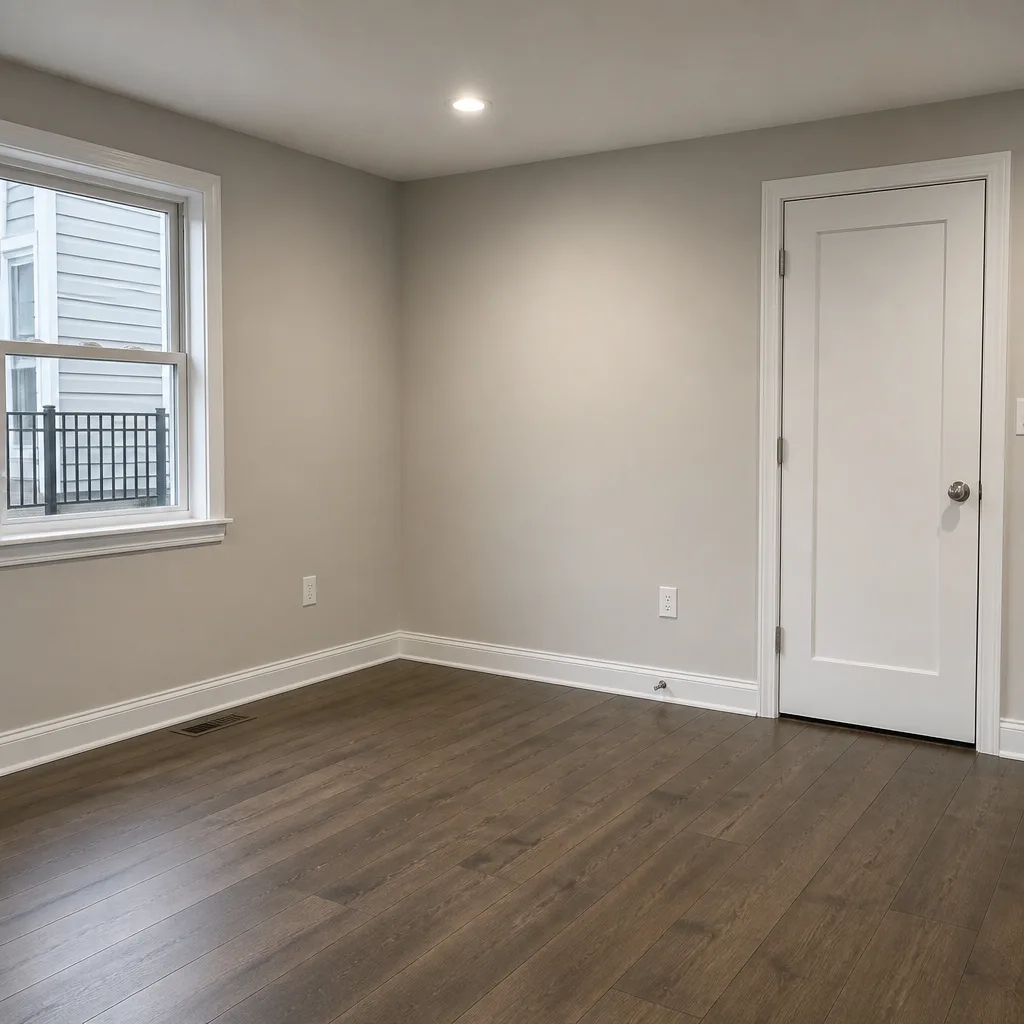 After
After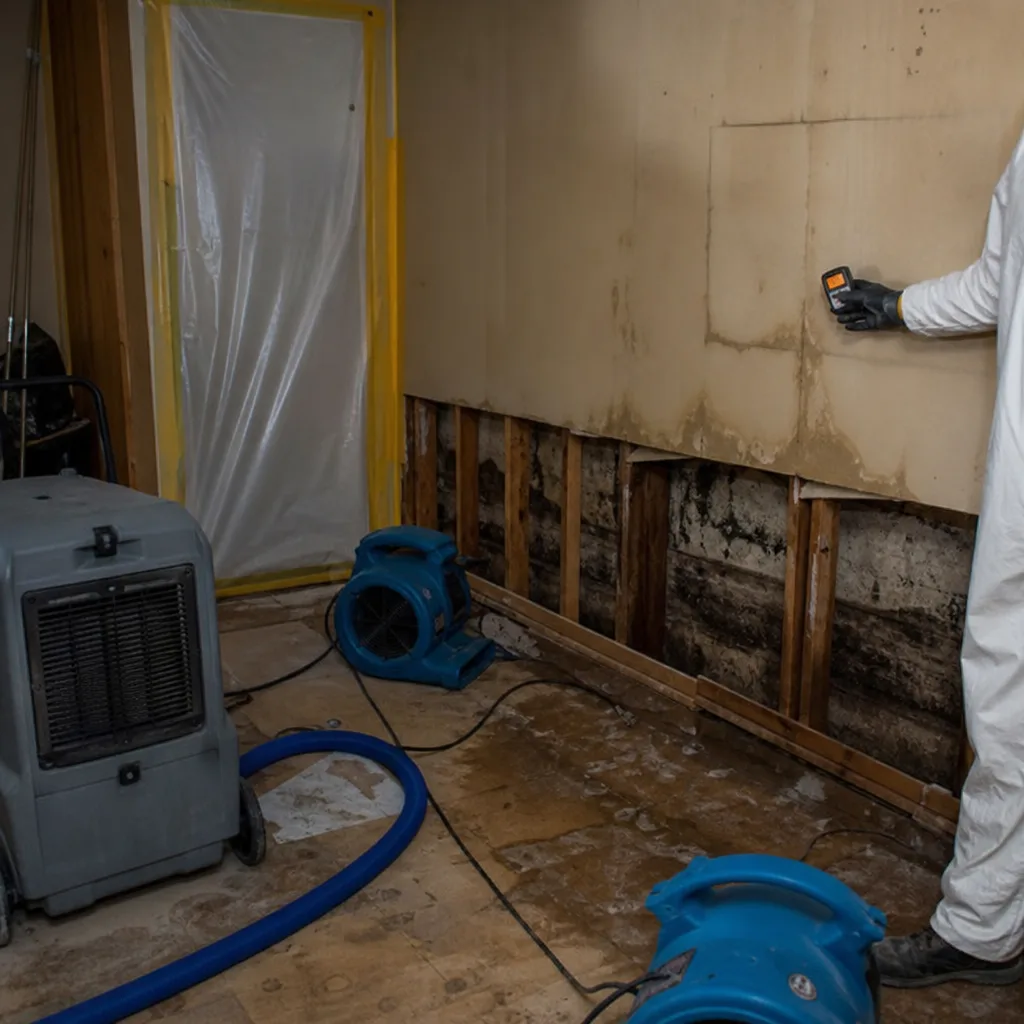 Before
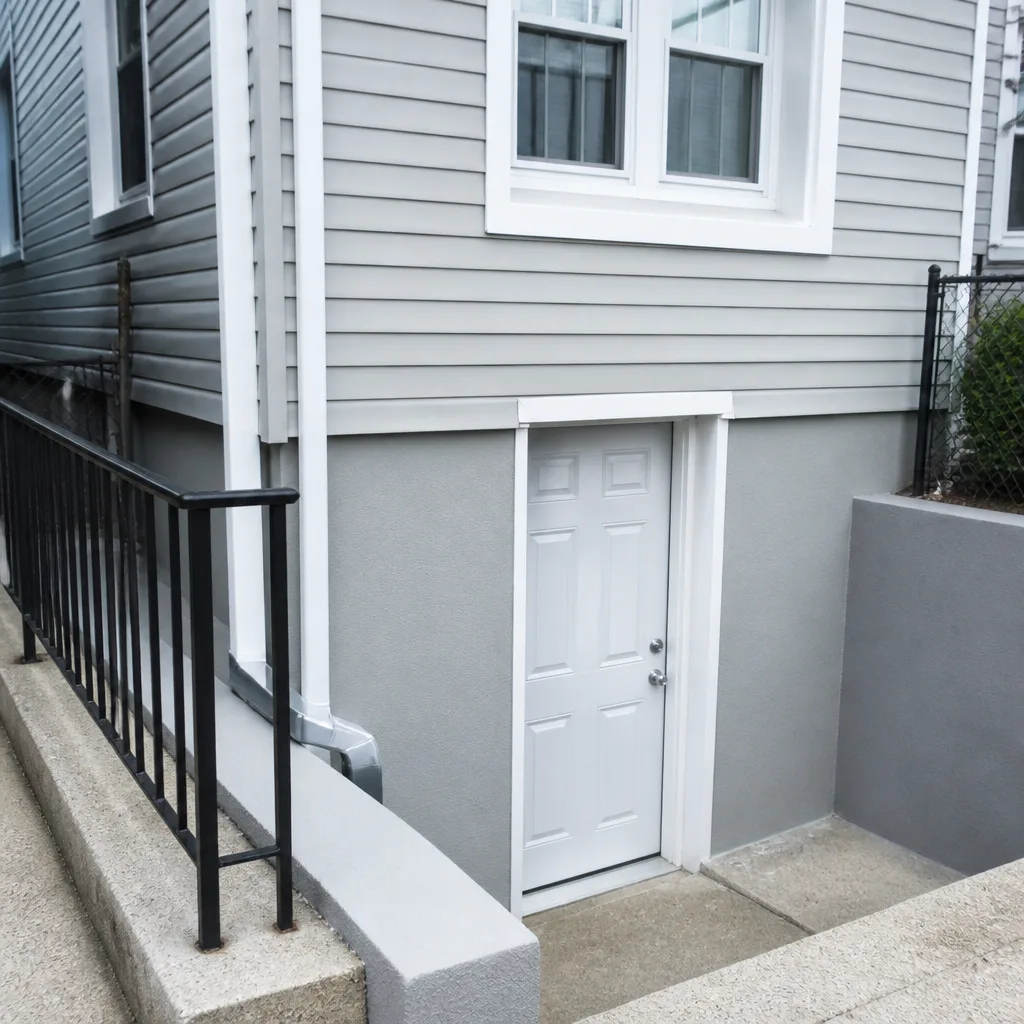 After
After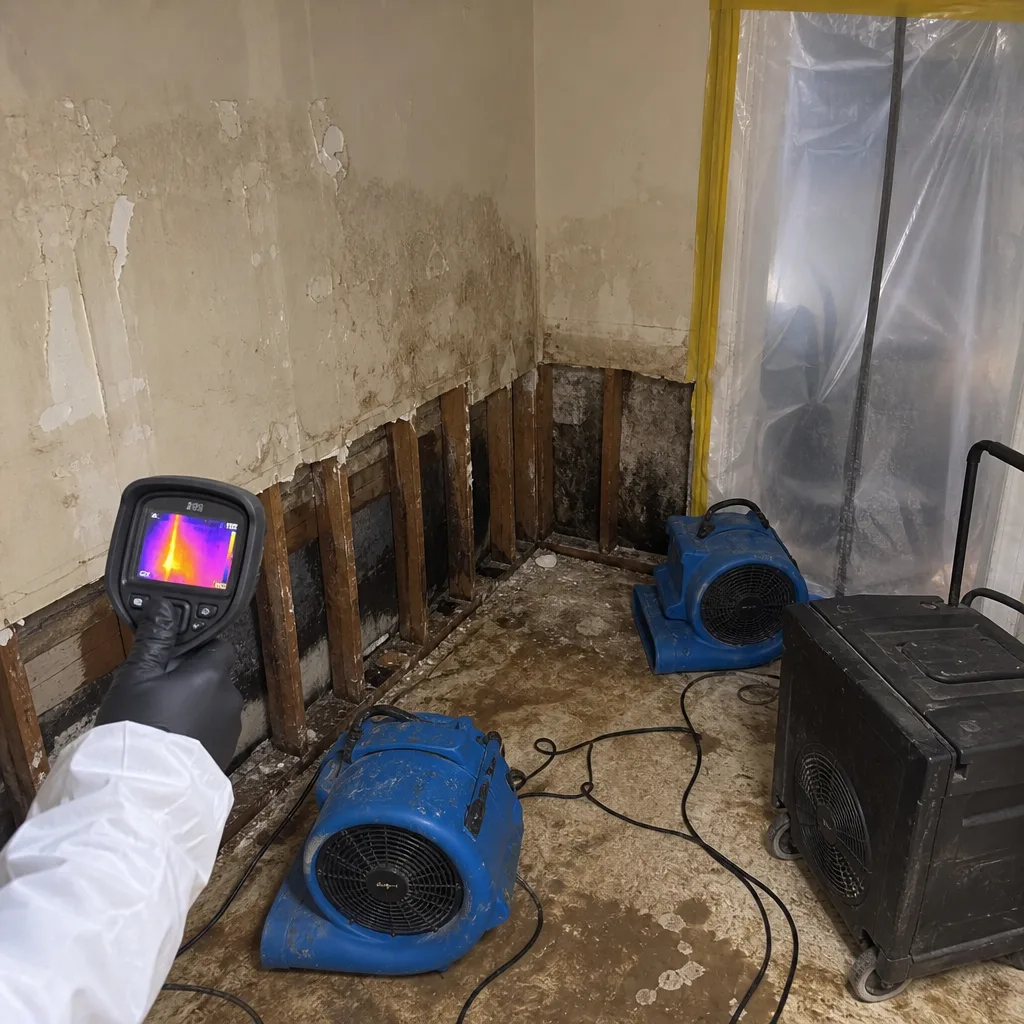 Before
 After
After24/7 Emergency Water Damage Restoration in Long Island City
Water damage restoration in Long Island City typically costs $1,800 to $6,400 depending on how far the water traveled and what it touched. The first call should happen within minutes, not days. Wade Ferris answers his own phone at (201) 740-2235, and his crew can be running extraction equipment in Long Island City inside the hour. Every minute water sits in LIC’s converted lofts and pre-war walk-ups, it wicks upward through drywall, soaks into non-standard concrete slabs, and starts the clock on contamination spreading from Newtown Creek’s sewer laterals. We do a free visual inspection before you owe us a dime. Most Long Island City losses get their first moisture reading within two hours of the call.
Understanding Water Damage Restoration Severity in Long Island City Properties
The restoration industry classifies water into three categories. Category 1 is clean water from a burst supply line or an overflowing bathtub. Category 2 carries significant contamination, like washing machine discharge or sump pump failures. Category 3 is black water, meaning raw sewage, flood water from the East River, or any water that has passed through Long Island City’s combined sewer system during a storm event. Here’s the thing about LIC: our baseline is different. Because the neighborhood sits at the mouth of Newtown Creek, a Superfund site with documented petroleum and heavy metal contamination in its sediment and groundwater, even “routine” basement flooding from a sewer backup gets treated as presumptive Category 3. We don’t guess. We take moisture readings, map the affected area, and treat contamination as present until testing says otherwise. Structural drying in LIC also means contending with spray-applied asbestos fireproofing hidden in converted factory buildings, which must be abated before drying fans even go in.
Why Long Island City Property Owners Choose Wade’s Restoration
- 45-minute response commitment: Wade heads out personally for most Long Island City calls, and his crew is familiar with the loading docks, freight elevators, and narrow pre-war stairwells that shape how restoration work actually gets done here.
- 24/7 live answer, always a person: There’s no answering service between you and Wade. He answers his own phone at 2 AM, and for over 29 years he’s been the one you’ll run into at the hardware store afterward.
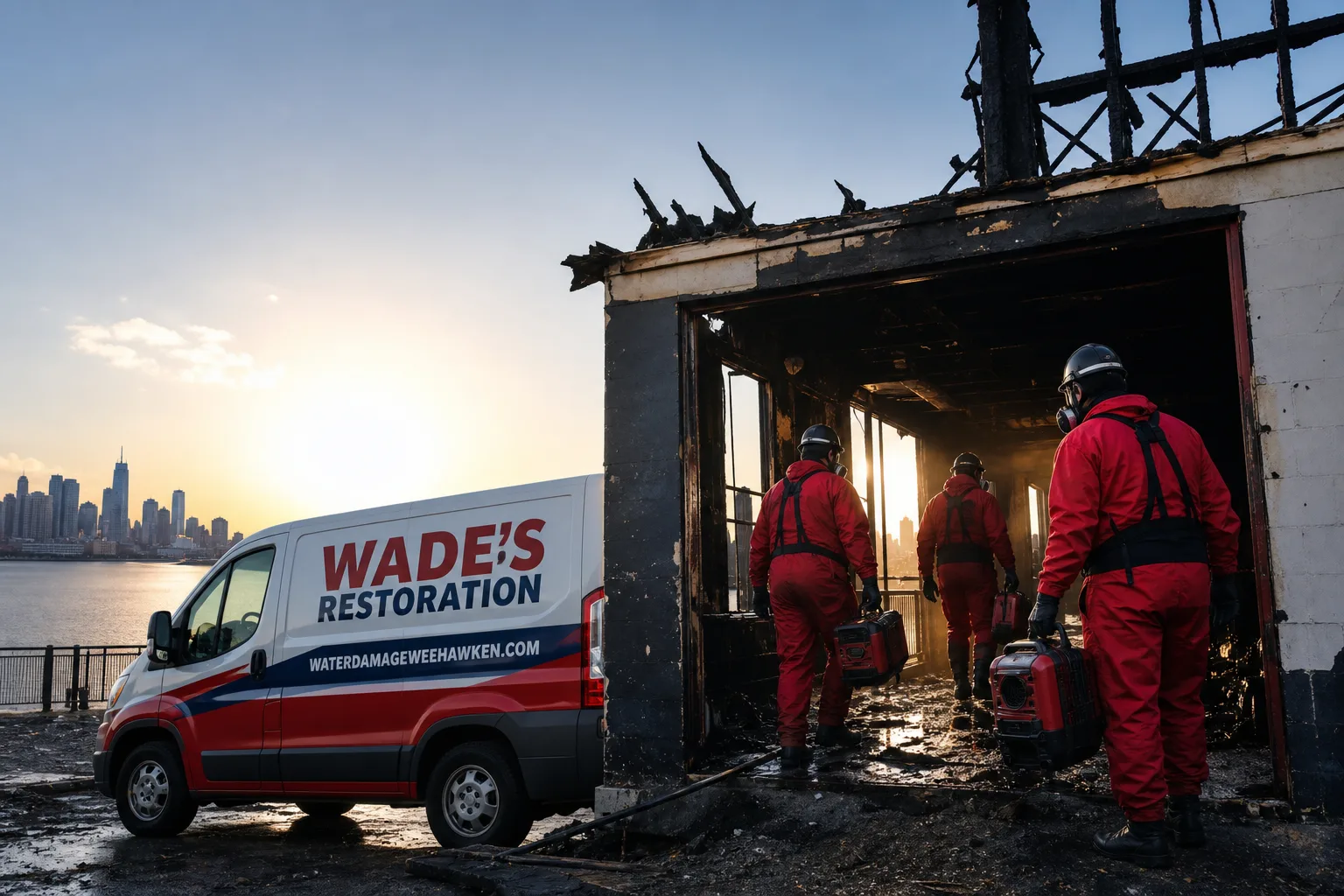
- IICRC-certified crews (WRT, FSRT, AMRT): The people Wade sends carry current IICRC credentials for water restoration, fire and smoke, and applied microbial remediation. That matters when a Category 3 job near Hunters Point requires written protocols.
- Free visual inspection with no obligation: You get a straight answer about what you’re dealing with before anyone signs anything, and Wade hands you a written scope before work starts.
- Direct insurance billing and adjuster coordination: Wade talks to your adjuster himself, with photo documentation and daily moisture logs that the carrier can actually use. You’re never the one relaying information between two sides.
- One team from extraction to reconstruction: The same crew that pulls water and sets drying equipment is the crew that hangs drywall and repaints. No handoffs, no new faces, no duplicate markups.
Our Water Damage Restoration Process
Inspection & Assessment
We map the water’s path with thermal imaging and moisture probes, classify the water category, and check for hidden contamination risks like Newtown Creek sewer infiltration or exposed asbestos fireproofing in older industrial conversions. You get a written scope with the specific drying plan before work starts.
Extraction / Stabilization
We bring truck-mounted and portable extraction units, pull standing water fast, and stabilize the structure by opening baseboards, drilling weep holes where necessary, and setting up containment if Category 3 water is in play. Speed here determines how much drywall survives.
Drying & Dehumidification
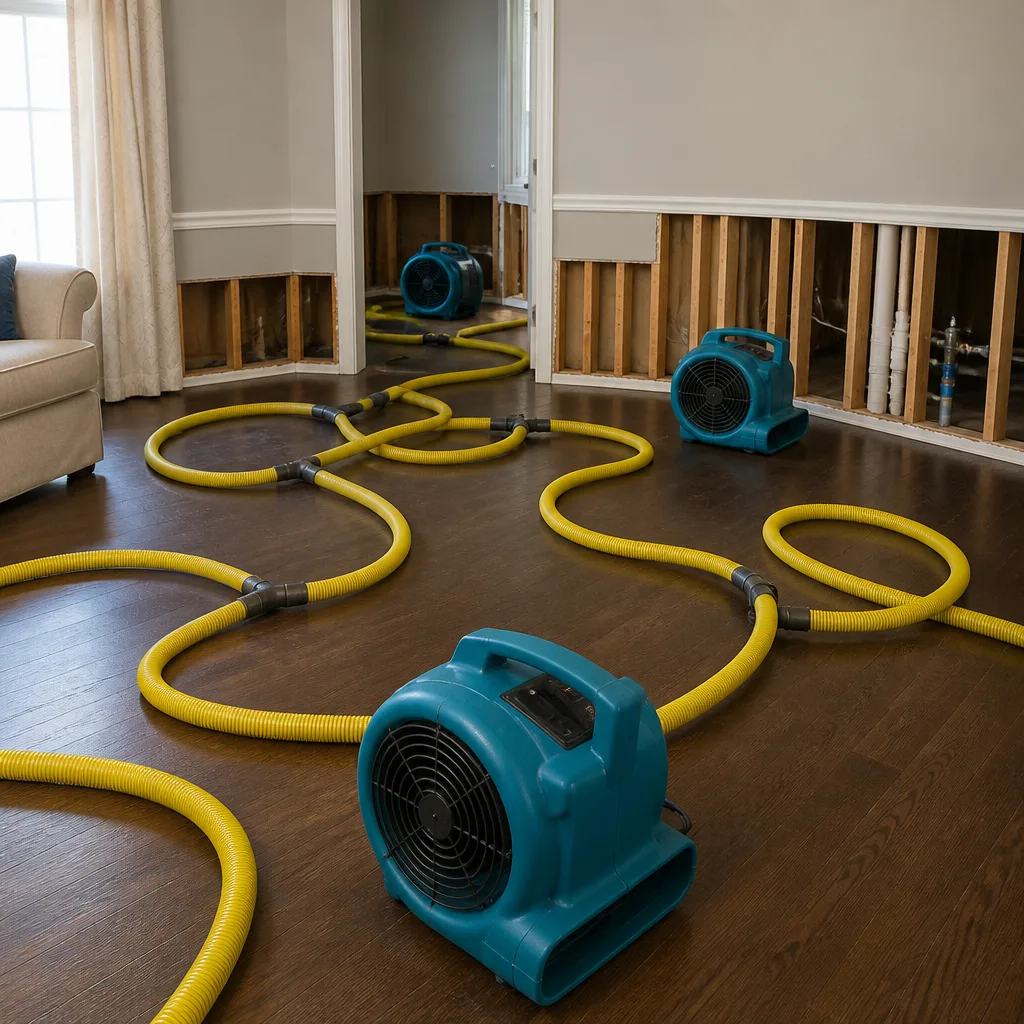
Dri-Eaz dehumidifiers and XPOWER air movers run on a calculated layout based on cubic footage and moisture content readings. Wade takes moisture readings every single day and logs them. At the end of the job you get the full log, not a summary.
Cleaning & Sanitization
After drying targets are met, we clean and sanitize the affected space, using HEPA-filtered air scrubbers where Category 3 or mold growth was present. Surfaces get antimicrobial treatment appropriate to what the water carried.
Contamination Clearance & Specialty Treatment
In Long Island City, this step often means abatement clearance when asbestos or lead paint was disturbed, and documentation for licensed hazardous-waste disposal when extracted water came from sewer laterals beneath Newtown Creek zones. We handle the paperwork with the right vendors, not shortcuts.
Repairs & Restoration
We replace the drywall, flooring, or trim that could not be saved, match the character of pre-war plaster or loft-style finishes where required, and hand you a completed drying log with the bill. The 90-Day Done Right Promise covers all water, fire & smoke damage restoration in Long Island City, and mold restoration work, in writing.
Need Emergency Water Damage Restoration in Long Island City Now?
Crews minutes away, answering live 24 hours a day. The sooner we start, the less it costs.
Working With Your Insurance Company
Most Long Island City water damage claims are covered by standard homeowners policies, but the details get complicated fast when a sewer backup or Superfund-related contamination is involved. We document everything from the first hour: arrival photos, room-by-room damage photos, moisture readings at every stage, daily drying logs, and a line-item scope of work that matches the carrier’s own estimating software. Wade calls the adjuster directly and handles the back-and-forth, so you’re not stuck explaining IICRC drying standards to someone at a claims desk. In LIC specifically, we have seen carriers initially deny sewer backup claims until the documentation showed Newtown Creek’s plume affected the lateral, which flips the claim into covered territory. That kind of local knowledge is why you want someone who works this neighborhood, not a national call center.
What We Provide Your Insurer
- Thorough documentation of the loss
- Photos of all damage, room by room
- Moisture readings and drying logs
- A detailed, line-item scope of work
- Direct coordination with your carrier
Built for Long Island City’s Loss Calendar
The losses we see in Long Island City follow the seasons, and they don’t look like the losses in inland boroughs. January and February bring deep freezes that split supply lines in pre-war walk-ups along 36th Avenue and in older brick factories converted to lofts near Court Square. March and April thaw turns perimeter walls and basement slabs into seepage points as groundwater rises, especially west of Jackson Avenue where the water table sits high against the East River. Summer thunderstorm flash flooding overwhelms the aging combined sewer system, sending raw sewage and Newtown Creek backflow into ground-floor and subterranean spaces across the neighborhood. Fall nor’easters bring storm surge along Vernon Boulevard and Center Boulevard, where ground-floor high-rise units in newer towers take on brackish East River water through foundation weep holes and mechanical room vents. Every season here has a pattern. We’ve worked enough of these jobs to know what to expect when the next cycle hits.
Water Damage Restoration Across Long Island City’s Neighborhoods
Our crew runs different response routes for different parts of Long Island City because the buildings tell us what we’ll find before we even park. In Hunters Point, the converted warehouse and factory stock along Vernon Boulevard and 44th Drive often hides spray-applied asbestos fireproofing on structural steel columns, and a Category 3 sewage backup in those buildings means containment and abatement clearance before drying equipment goes in. Over in Court Square, the cluster of pre-war tenements and early 20th-century commercial buildings around Jackson Avenue has cast-iron waste pipes and original wood floor joists that have been soaked more than once, and moisture wicks through plaster walls much faster than in modern drywall construction. Along the waterfront near Center Boulevard and Gantry Plaza State Park, post-2010 concrete high-rises pose a different problem entirely: the ground-floor mechanical rooms and amenity spaces sit below the FEMA Flood Zone AE elevation, and tidal surge brings East River water directly into those spaces during nor’easters. In the Dutch Kills area near Queens Plaza, the older mixed-use rows have shallow basements with rat-slab concrete floors that were never designed for hydrostatic pressure, so even a moderate rain event can push ground water up through floor cracks. Each zone has its own failure profile. That’s what local means.
Specialized Water Damage Restoration Services We Offer in Long Island City
Emergency Water Extraction
Standing water in LIC basements is not just water. When the source is a sewer lateral near Newtown Creek or an East River surge event, we run extraction as a contamination job from minute one. We bring truck-mounted extractors, set up a decontamination zone, and document water category before anything gets discharged. This protects you down the line if testing or disposal becomes an issue.
Structural Drying & Dehumidification
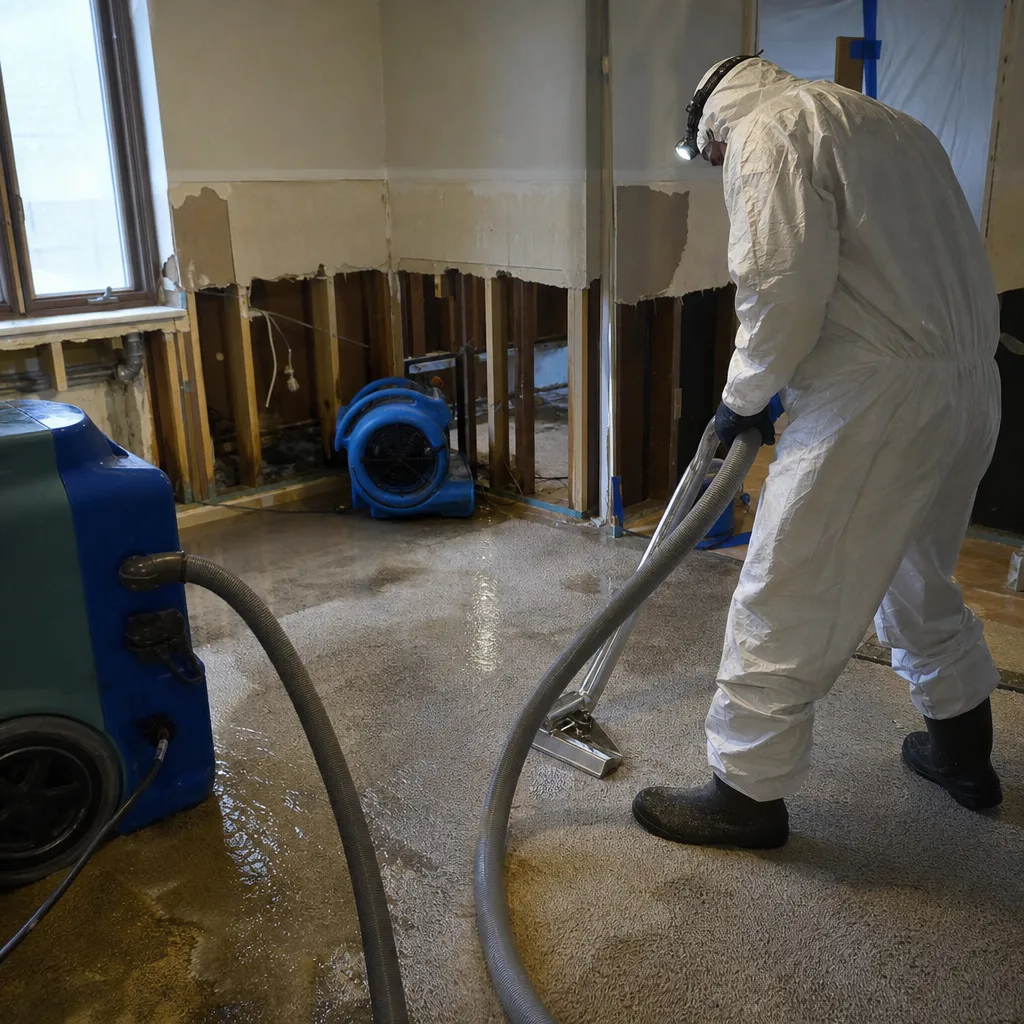
Drying LIC’s converted industrial lofts requires understanding that original red brick and century-old timber respond differently than gypsum drywall in a 2015 high-rise. We calculate drying chamber cubage, use Dri-Eaz dehumidifiers and XPOWER air movers sized to the space, and take daily moisture readings that get handed to you and your adjuster. Drying stops when the numbers say so, not when the schedule does.
Flood Cleanup
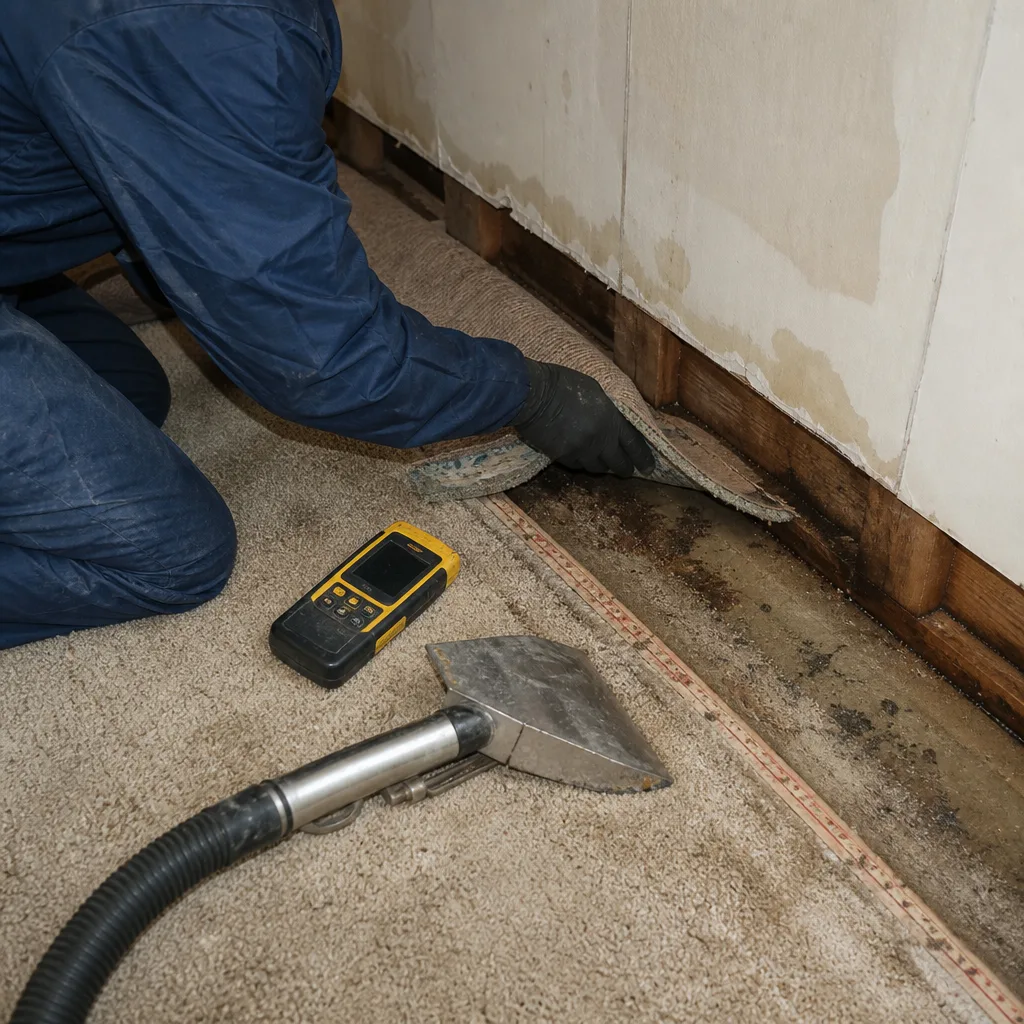
Flooding from the East River means salt water, not clean water. Corrosion starts within hours on electrical components that stay wet, and the contaminated sediment load in tidal water means flood cleanup becomes a disposal job as much as a drying job. We handle FEMA Flood Zone AE losses with the same Category 3 protocols we use for sewer backups.
Burst Pipe Restoration
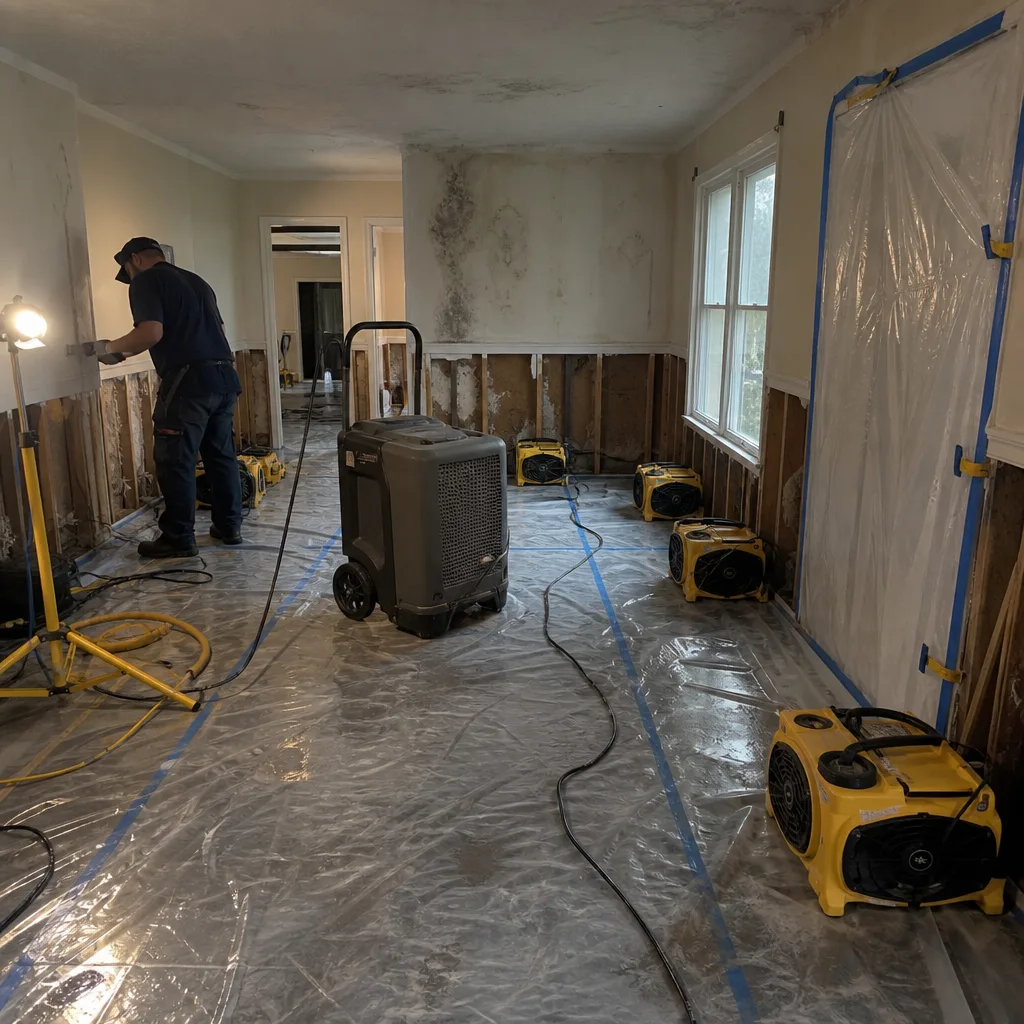
Frozen supply lines in pre-war LIC buildings snap at threaded fittings, not at the pipe midpoint. The water finds paths through original plaster, through subflooring, and through the joist bays where knob-and-tube wiring sometimes still lives. We trace the path with thermal cameras, not guesswork, and dry the cavity before mold can establish itself in warm interior voids.
Basement Water Removal
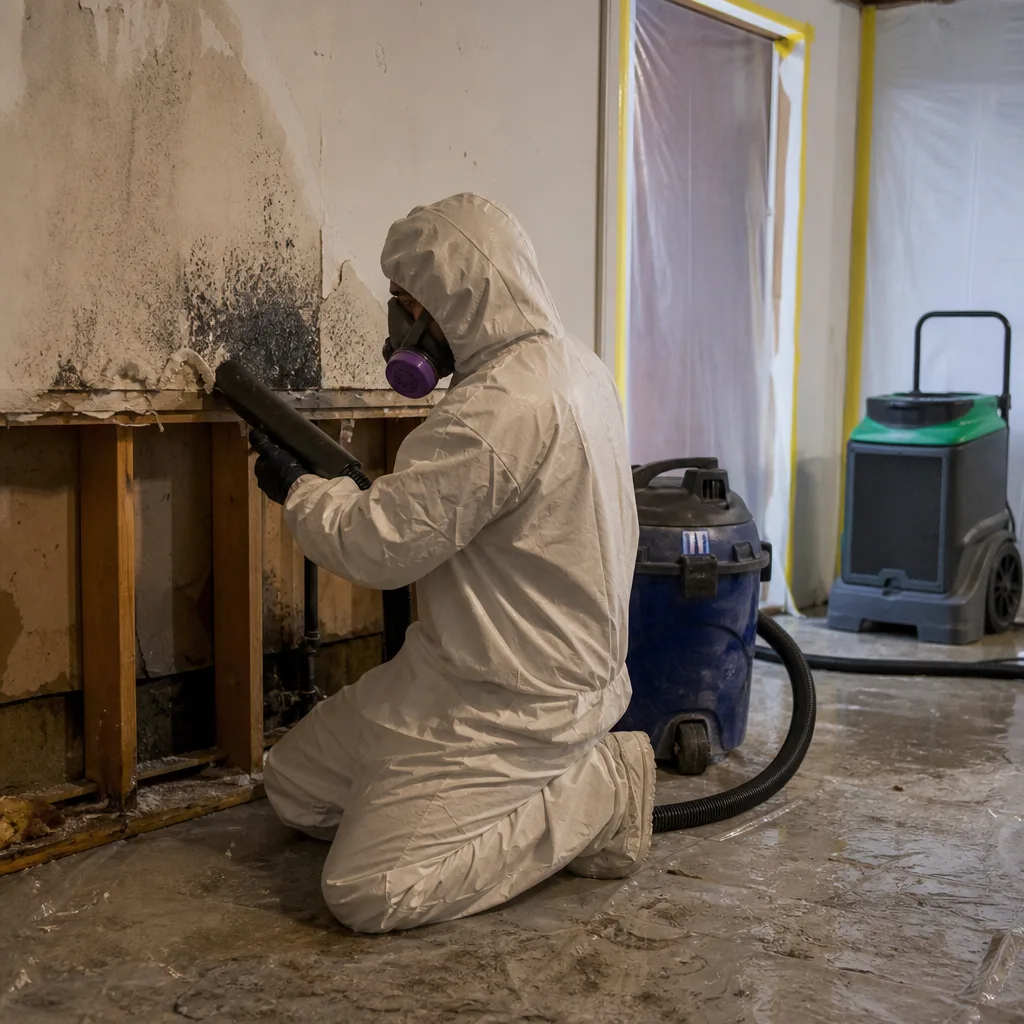
Basements in Long Island City sit in a high water table zone west of the Queens Midtown Expressway, and the combined sewer system has been backing up more often as storms get heavier. We pump, extract, and remove the contaminated water, then determine whether the slab needs a vapor barrier or a sump upgrade before the space can be dried and rebuilt. Basement water removal here is a structural conversation, not just a pump-out.
What happens when you call
- 1
A real person answersNo phone trees - you reach a local pro.
- 2
You get an upfront price rangeHonest numbers before anyone is dispatched.
- 3
A background-checked tech heads outLicensed & insured, dispatched right away.
- 4
You approve before work beginsNothing starts until you say go.
Water Damage Restoration Costs in Long Island City, NY
A typical burst pipe restoration in Long Island City runs $2,200 to $4,800, including extraction, drying, and minor drywall repair. A flooded basement from a sewer backup costs more, usually $3,500 to $7,200, because Category 3 containment, sanitization, and hazmat documentation come with the job. Flood cleanup after an East River surge event can run $6,400 to $12,000 or more depending on square footage and how long the water sat. What moves the price: the water category, how many rooms got wet, whether asbestos or lead paint got disturbed, and whether we’re drying in place or removing and replacing flooring. Insurance covers many LIC water losses, especially when waterproofing, burst pipe, or storm surge language is in your policy. The free visual inspection is the fast way to get a firm number, not a phone quote that changes when we walk in the door. Call (201) 740-2235 and Wade will come out and look before you owe a dollar.
We Also Serve Cities Near Long Island City
Our crews run into Long Island City daily and also serve the surrounding area, including Astoria. If your building sits right at the boundary, call (201) 740-2235 and Wade will tell you straight which route gets to you fastest.
Long Island City Water Damage Restoration Questions, Answered
Why is ordinary basement flooding in Long Island City treated as Category 3 black water instead of clean water?
Because Long Island City’s combined sewer system incorporates lateral infiltration from Newtown Creek, a Superfund site with documented petroleum, heavy metal, and industrial solvent contamination. When the sewer backs up into a basement during heavy rain, that water has mixed with the creek’s contaminant plume and is classified as Category 3. Treating it as anything less is a documented mistake that can leave contaminated materials inside your walls.
How does the proximity to the East River and Newtown Creek affect how quickly mold can start growing after water damage in LIC?
Mold growth starts in 24 to 48 hours in any humid environment, but LIC’s location between the East River and Newtown Creek means higher ambient humidity and warmer groundwater temperatures for much of the year. In ground-floor and basement spaces near the waterfront, we regularly see mold colonization begin faster than the standard 48-hour benchmark. That’s why we start drying the same day we arrive.
What extra containment and documentation steps are required for water damage in converted industrial lofts in Hunters Point or Court Square?
Converted lofts in Hunters Point and Court Square often have spray-applied asbestos fireproofing on original steel and lead paint on cast iron or brick. Before water extraction or drying can proceed, we set up containment and bring in a licensed abatement contractor to clear any disturbed material. We document the entire sequence for your insurer because it changes the scope and timeline of the restoration.
Can interior finishes in LIC’s newer waterfront high-rises be dried and reused after a sewage backup, or must they be removed?
In most Category 3 sewage cleanup situations in Long Island City, porous materials like drywall, carpet, and unsealed wood are removed, not dried in place. The newer waterfront towers near Center Boulevard are built with concrete and steel, but interior finishes are still gypsum, MDF, and carpet that wick contaminated water. We dry what’s salvageable and remove what is not, with the same containment standards we use in older buildings.
How does the EPA’s Superfund designation for Newtown Creek impact the disposal of water and debris from a basement pump-out in LIC?
Water extracted from a sewer backup near Newtown Creek is treated as hazardous waste and must be hauled by a licensed hazardous-waste transporter to an approved disposal facility. Debris like contaminated drywall and flooring receives the same classification. We coordinate the disposal and hand you the paperwork, which your insurer will want for the claim.
How fast can a crew actually get to a Long Island City address?
Wade answers the phone and heads out as soon as the call ends. For most Long Island City addresses, first response with extraction equipment runs 45 to 90 minutes depending on traffic at Queens Plaza or the Pulaski Bridge. He will tell you the real ETA when you call, not a dispatch window that means nothing.
Will insurance cover water damage restoration in Long Island City?
Most standard homeowners policies cover sudden and accidental water damage like a burst pipe or an overflowing appliance. Sewer backups and storm surge are often covered by riders or separate flood policies that many LIC building owners have because of the FEMA Flood Zone AE designation. Wade has worked with carriers on hundreds of LIC claims and knows how to document a loss so the claim holds up. Call (201) 740-2235 for a straight answer about your policy.
What should I do in the first 30 minutes after discovering water damage in my LIC property?
Shut off the water at the main valve if the source is a pipe. Kill power to the affected area if water is near electrical outlets or your electrical panel, but don’t walk through standing water to do it. Move what you can safely carry high. Then call (201) 740-2235. Don’t open walls or lift carpet yourself if the water came from a sewer backup, because you may spread contamination.
Serving Long Island City, NY - Our Local Coverage Area
We’re based in the Long Island City area and know this community well. Use the map below to see our service coverage - if you’re nearby, we can almost certainly help.
Why Water Damage Restoration in Long Island City Is Different
Here’s what the national franchises won’t tell you when they answer the phone: Long Island City is one of the only residential neighborhoods in America where a routine basement pump-out can legally require hazardous-waste hauling and abatement clearance before your drywall ever gets put back. The FEMA Flood Zone AE boundary along the East River and the EPA’s Superfund designation on Newtown Creek don’t just sit on a map somewhere. They sit directly under and around the buildings we work in, including the converted factory lofts along Vernon Boulevard and the pre-war walk-ups on Jackson Avenue. When the combined sewer backs up during a heavy rain event, the water is carrying whatever Newtown Creek is carrying. That’s not scare talk. It’s the reason our crews set up containment first on jobs here, the reason we take daily moisture readings and hand you the log, and the reason Wade shows up himself. If you’ve had a water loss in Long Island City, call (201) 740-2235 and Wade will be there. Free visual inspection, a written scope before work starts, and the Water Damage Restoration crew that knows this neighborhood’s buildings better than the ones who fly a crew in from another state.
Written by Wade Ferris, Owner at Wade’s Restoration, founded in 2007 and serving Long Island City with 24/7 water damage restoration, mold remediation, and fire damage response.