
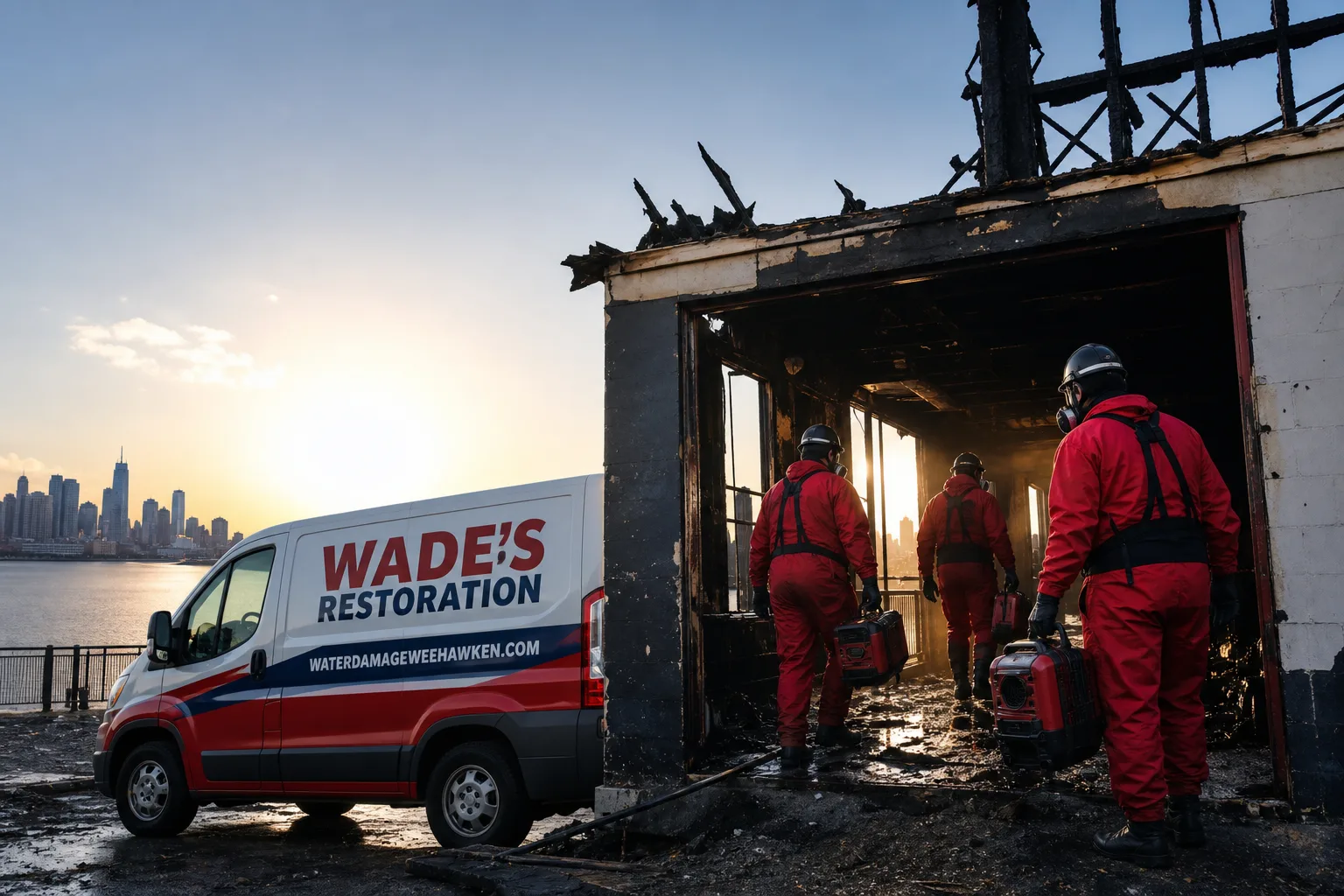
Free visual inspection and a written scope of work before any mitigation begins - photos, moisture readings, and drying logs go in your claim file
The scope we write is the scope we bill. Anything new gets shown to you, in writing, before we touch it.
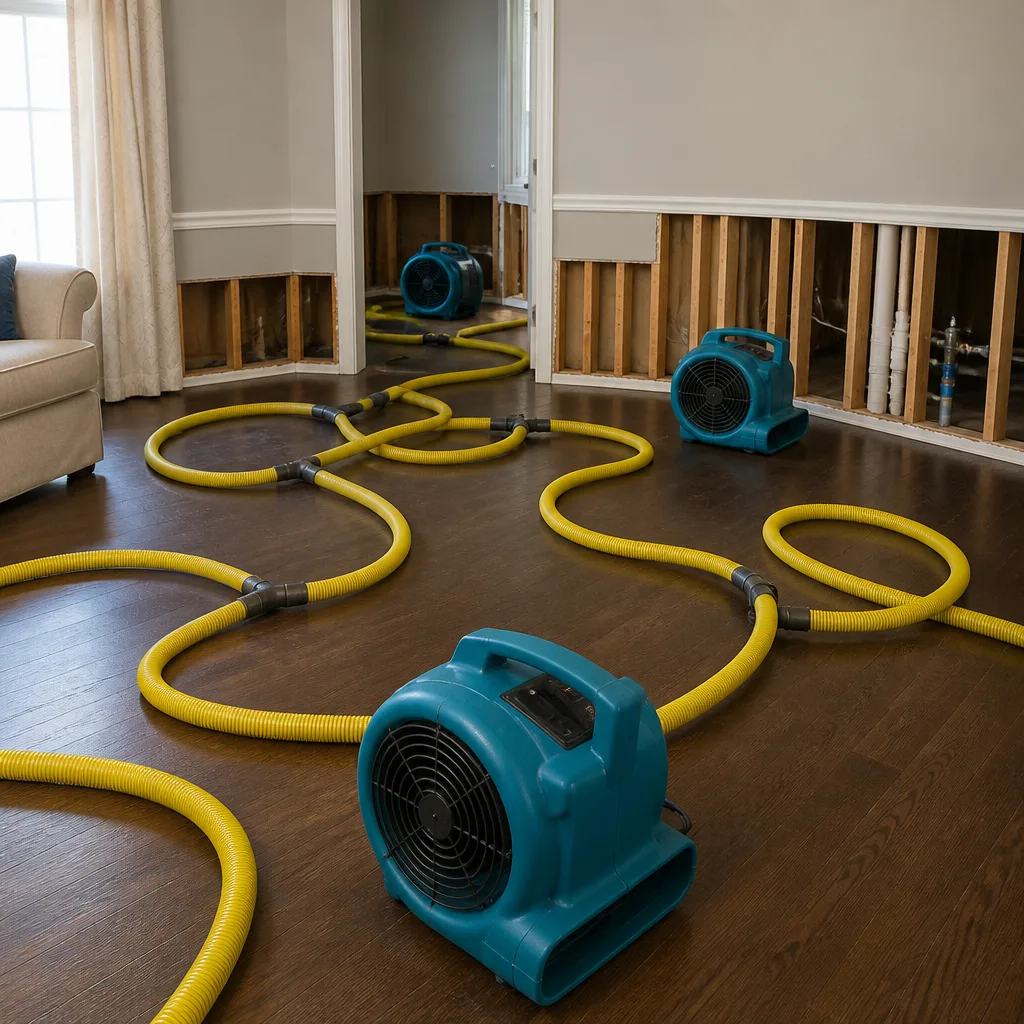

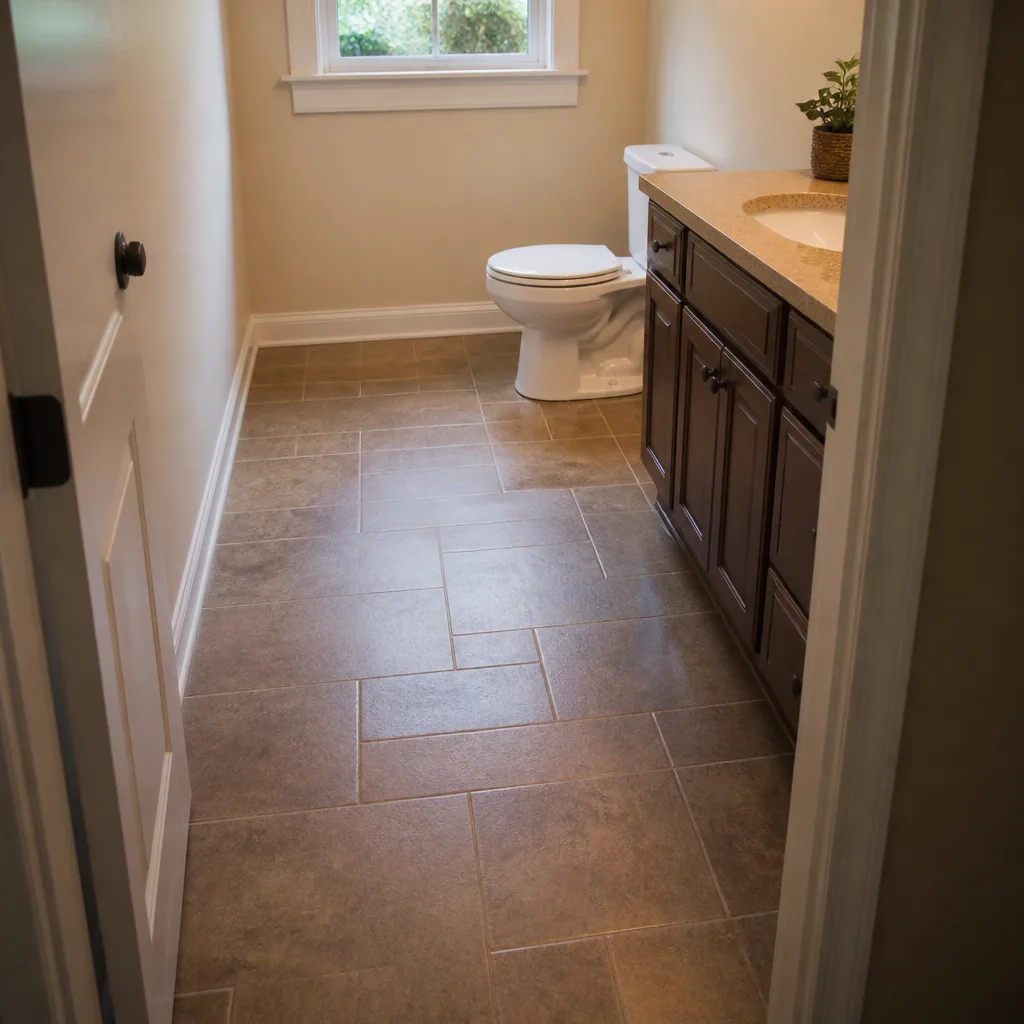
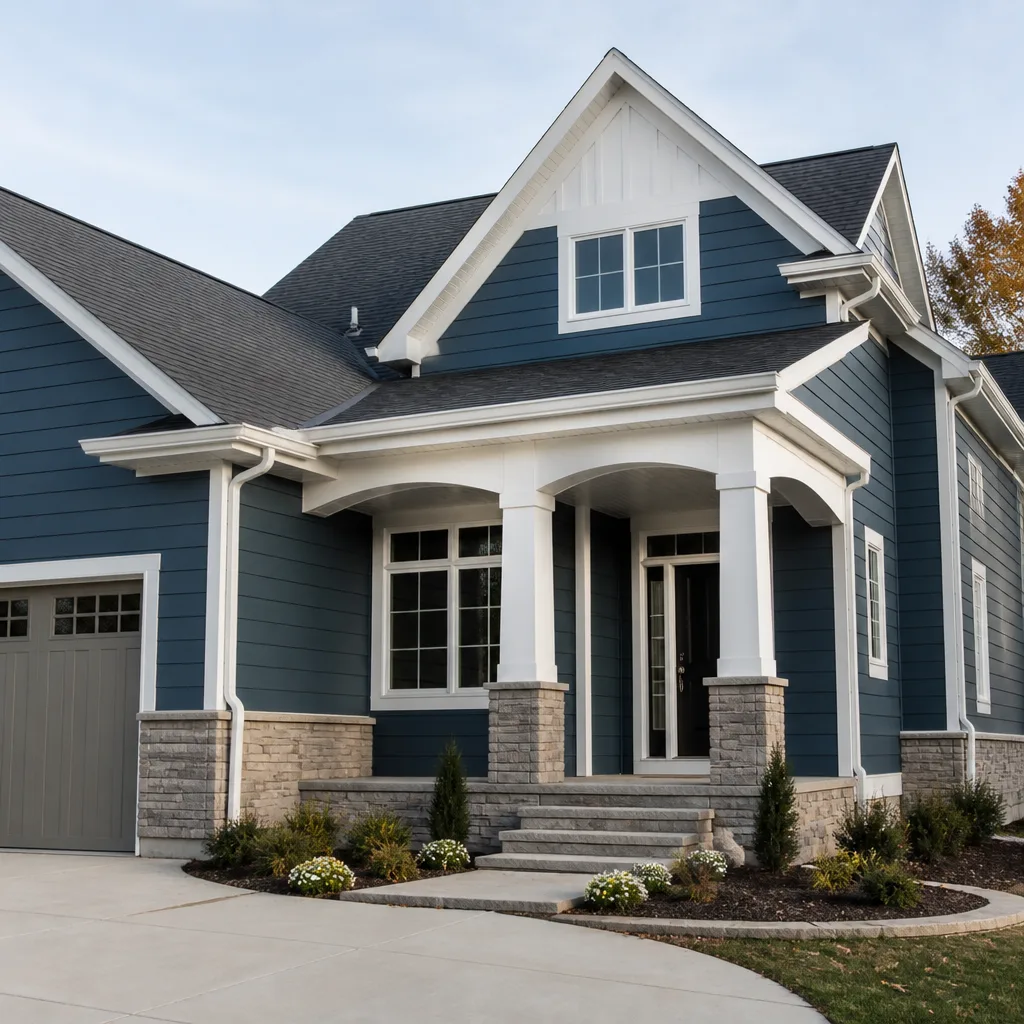
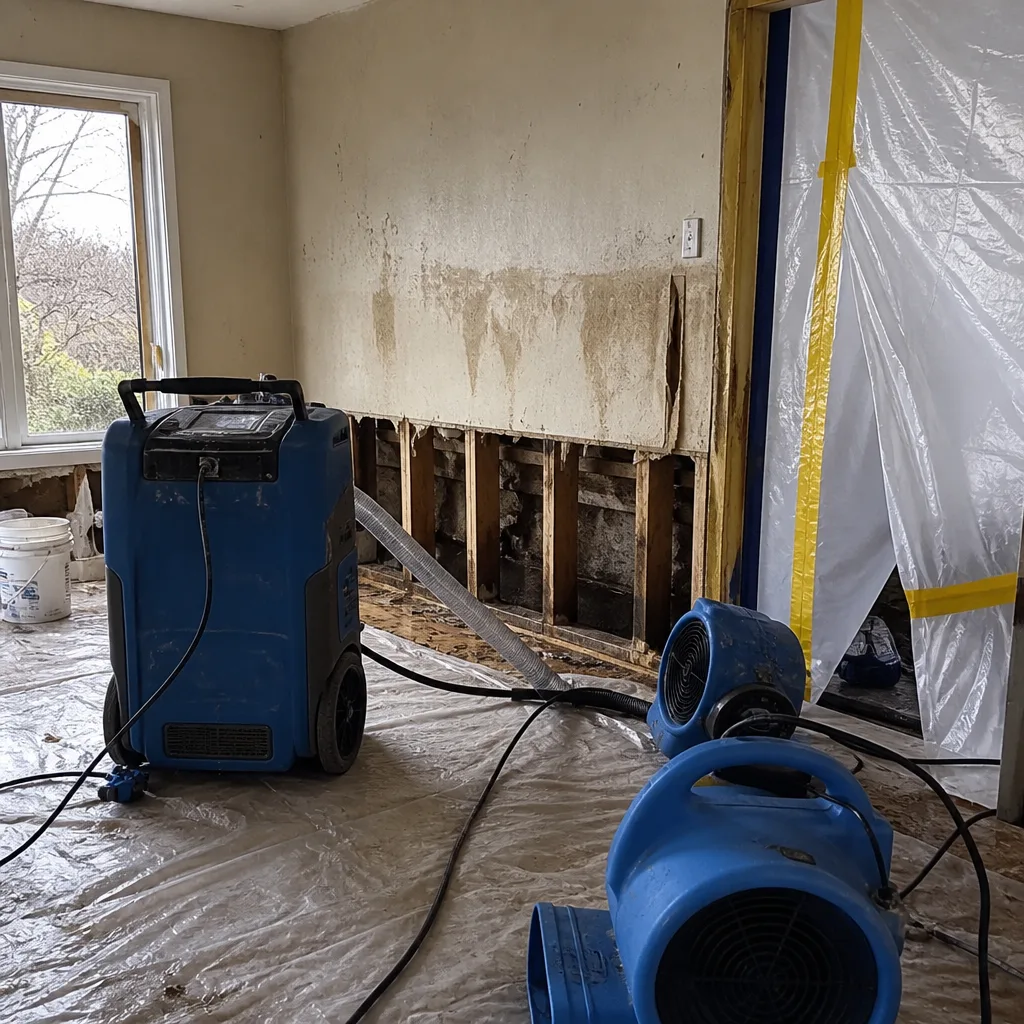 Before
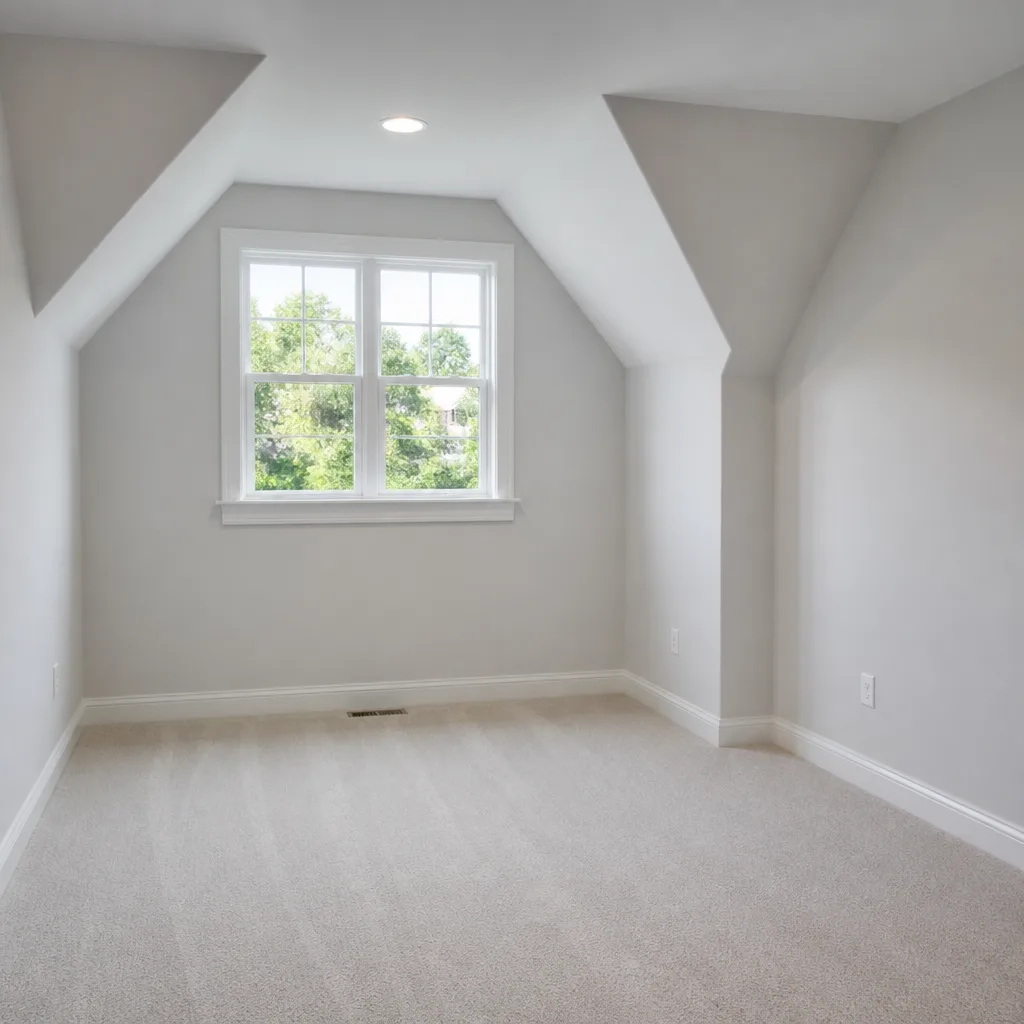
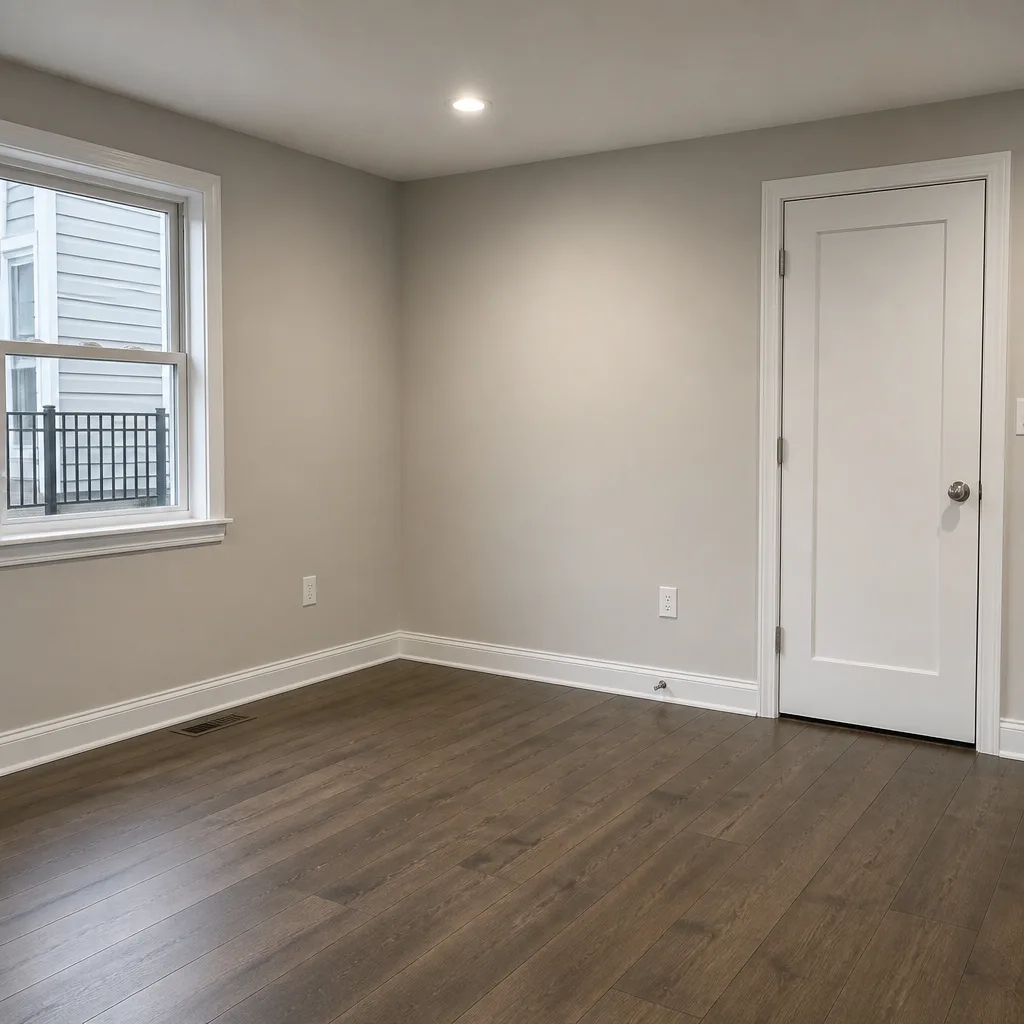 After
After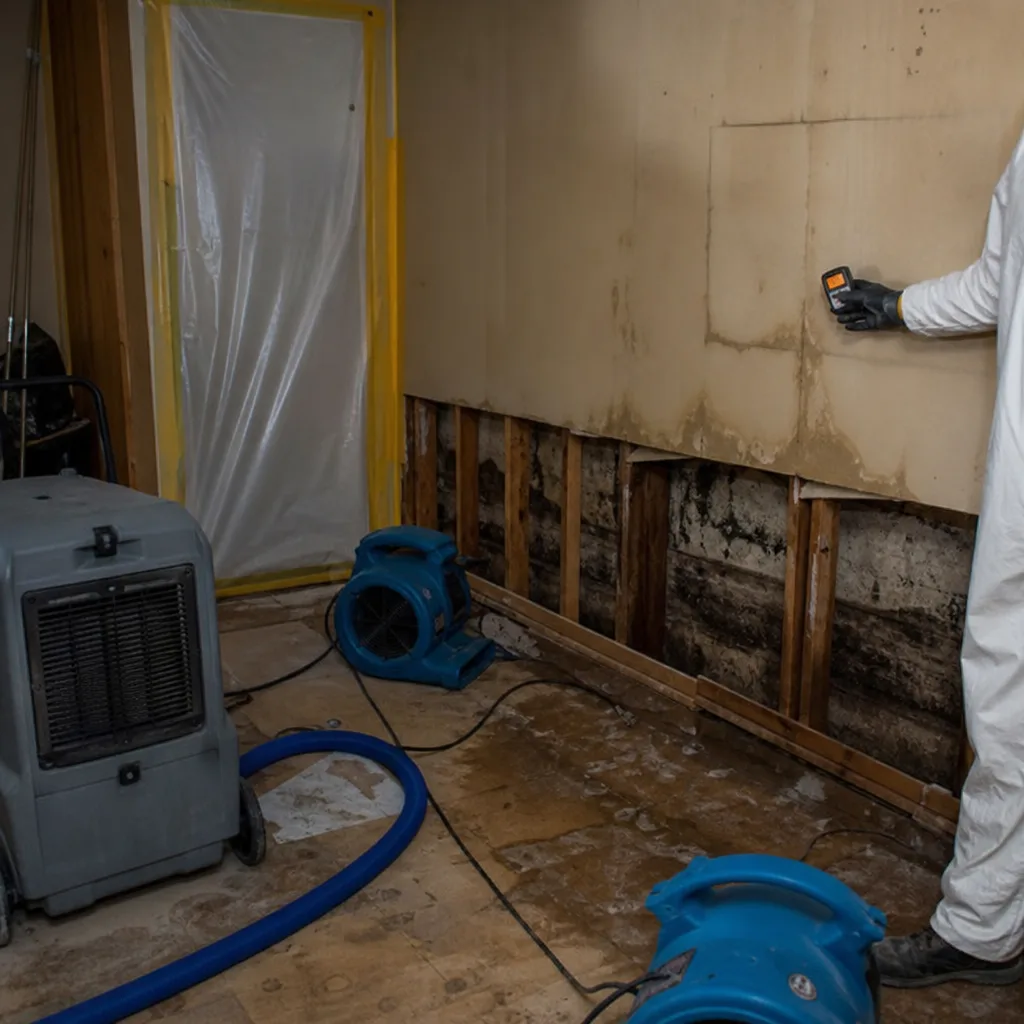 Before
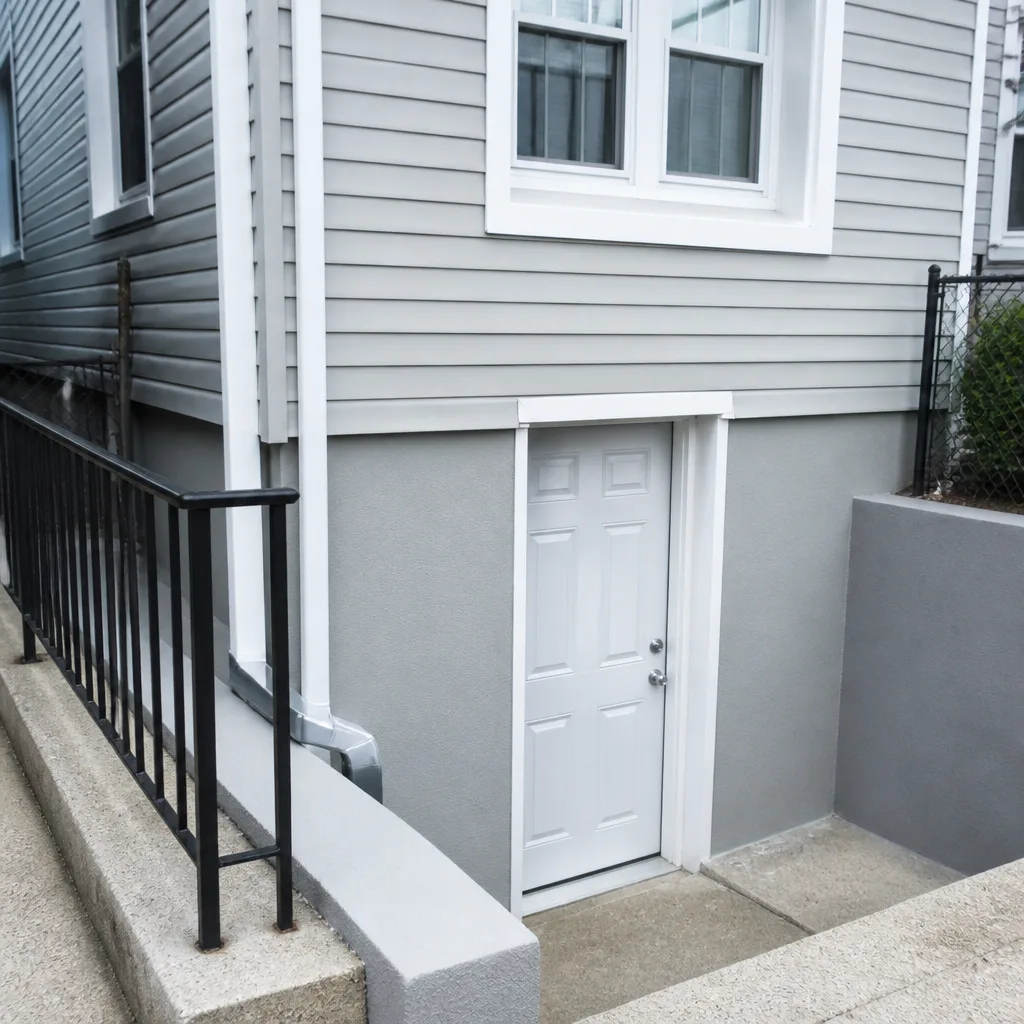 After
After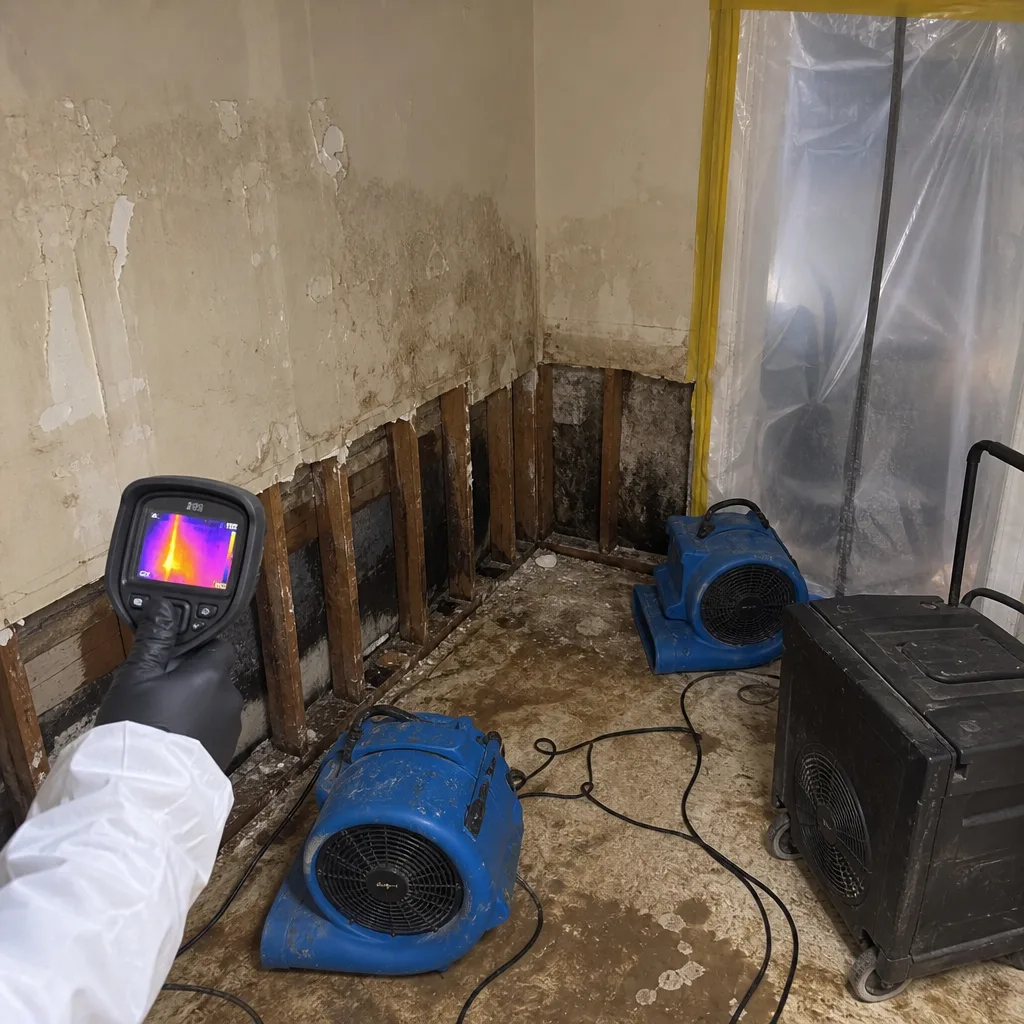 Before
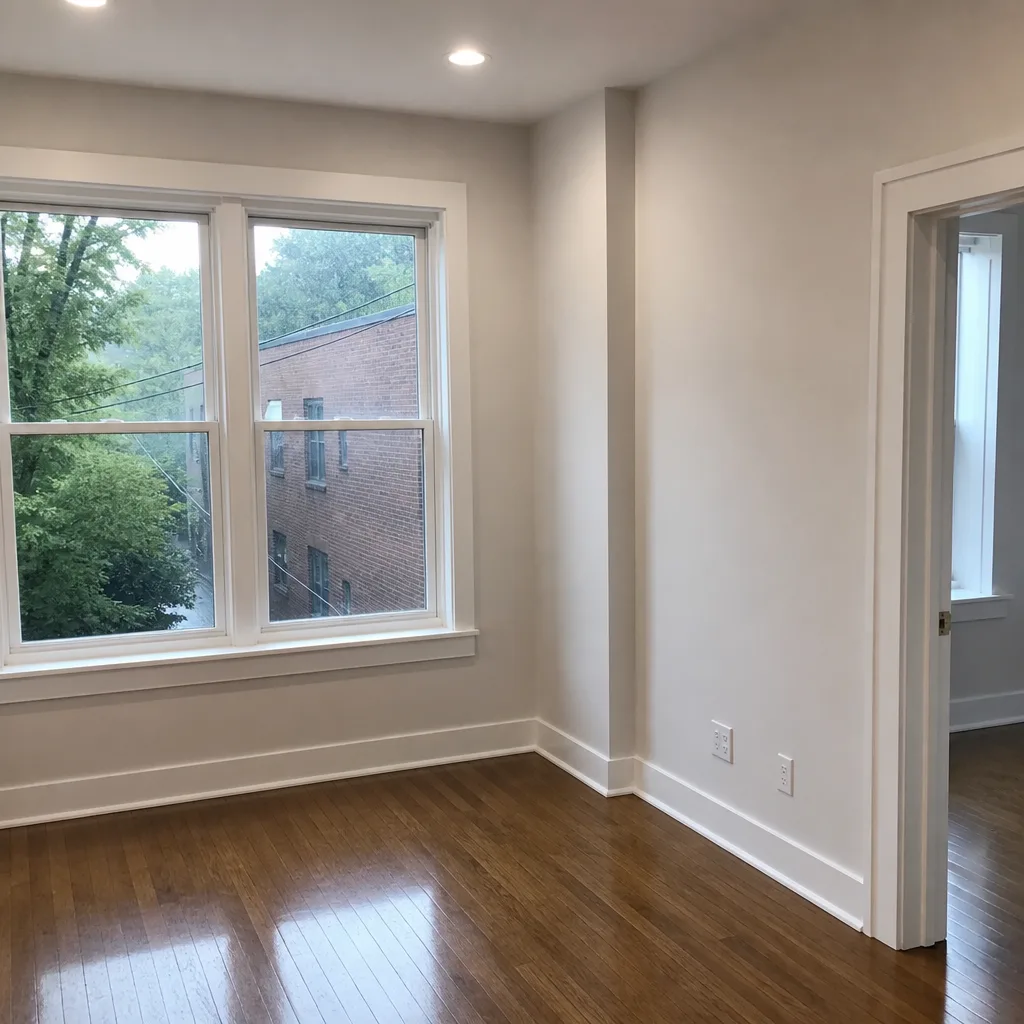 After
After24/7 Emergency Fire & Smoke Damage Restoration in Midtown Manhattan
A kitchen fire on the 14th floor doesn’t stay on the 14th floor in Midtown Manhattan. Smoke travels up through vertical chases, old cast-iron standpipe enclosures, and utility penetrations, and within an hour it’s in offices and hotel rooms three, five, eight floors above the source. If you call (201) 740-2235 right now, you’ll get a live person, not a menu, and Wade’s crew can be on site inside the hour. We start with a free visual inspection, set up HEPA containment to stop the soot from migrating further, and walk you through exactly what happened, what’s damaged, and what it’ll take to fix it, before any work begins. The first hour matters because soot is acidic. It etches glass, corrodes metal finishes, and bonds to painted surfaces fast. Fire & Smoke Damage Restoration in Midtown Manhattan isn’t like the work we do on the rural edges of the metro area. It’s vertical, it’s concrete, and it’s urgent.
Understanding Fire & Smoke Damage Restoration Severity in Midtown Manhattan Properties
Most restoration crews out there learned their trade on wood-frame houses. Midtown Manhattan is almost the opposite. You’ve got pre-war masonry towers from the 1920s and 1930s, steel-and-concrete mid-century buildings, and modern glass curtain-wall skyscrapers all sharing the same blocks. When a fire happens in one of these buildings, smoke doesn’t have to find its way through an attic. It uses the building’s own skeleton. Open cavities inside concrete enclosures, old drain stacks, elevator shafts, riser closets. These become smoke flues. Soot residue types matter here more than anywhere else. Wet soot from a grease fire in a restaurant below grade behaves differently than dry soot from an electrical fire in a switchgear room. Protein soot from a hotel kitchen is almost invisible but the odor is brutal and it clings to vinyl wallcoverings and HVAC coils. Each soot type needs a different cleaning method and different chemistry. Add in steam-heated interiors and the urban heat island effect, and you’re dealing with surfaces that stay warm and humid, which makes odor molecules release more aggressively during the first 72 hours. This is why every Fire & Smoke Damage Restoration job in Midtown starts with a soot-type assessment, not just a visual walkthrough.
Why Midtown Manhattan Property Owners Choose Wade’s Restoration
- 45-minute response commitment. We don’t “dispatch” anyone. Wade heads out, or one of his senior leads does. From our New York City office, we can be anywhere in Midtown Manhattan fast, and we tell you who’s coming before they arrive.
- 24/7 live answer, always. No answering service. No callback queue. A real person picks up the phone, including Wade himself, and he’ll talk you through the first moves before the crew is even on the road.
- IICRC-certified crews. Our fire and smoke technicians carry FSRT and OCT certifications, and our water extraction team carries WRT. The letters mean they’ve trained on the same standards the insurance industry recognizes.
- Free visual inspection. No charge to come out, look at the damage, and tell you honestly whether this is a cleanup or a full restoration. If all you need is a cleaning, we’ll tell you that.
- Direct insurance billing. We bill your carrier directly and coordinate with your adjuster from the first call through the final invoice, so you’re not the one stuck playing messenger.
- One team from extraction to reconstruction. The same crew that does the board-up and the soot removal is there for the rebuild. No handoffs between subcontractors who never talk to each other.
Our Fire & Smoke Damage Restoration Process
Inspection & Assessment
We walk every affected floor, and the floors above and below. Thermal imaging shows us what’s hot inside walls. We identify soot type, map smoke migration paths, and check ceilings, riser penetrations, and mechanical spaces. You get a written scope with photos before anything else happens.
Stabilization & Containment
HEPA air scrubbers go in at every floor penetration and vertical chase. We seal off damaged areas with negative-air containment so soot and odor don’t spread to occupied floors. If there’s water from sprinkler discharge or a burst supply line, extraction starts immediately using truck-mounted or portable units.
Drying & Dehumidification
Concrete in Midtown high-rises holds water differently than wood framing. We set up Dri-Eaz dehumidifiers and high-velocity air movers, and we take moisture readings every day until the structure reaches its dry standard. You get the full log at the end, not a summary.
Cleaning & Sanitization
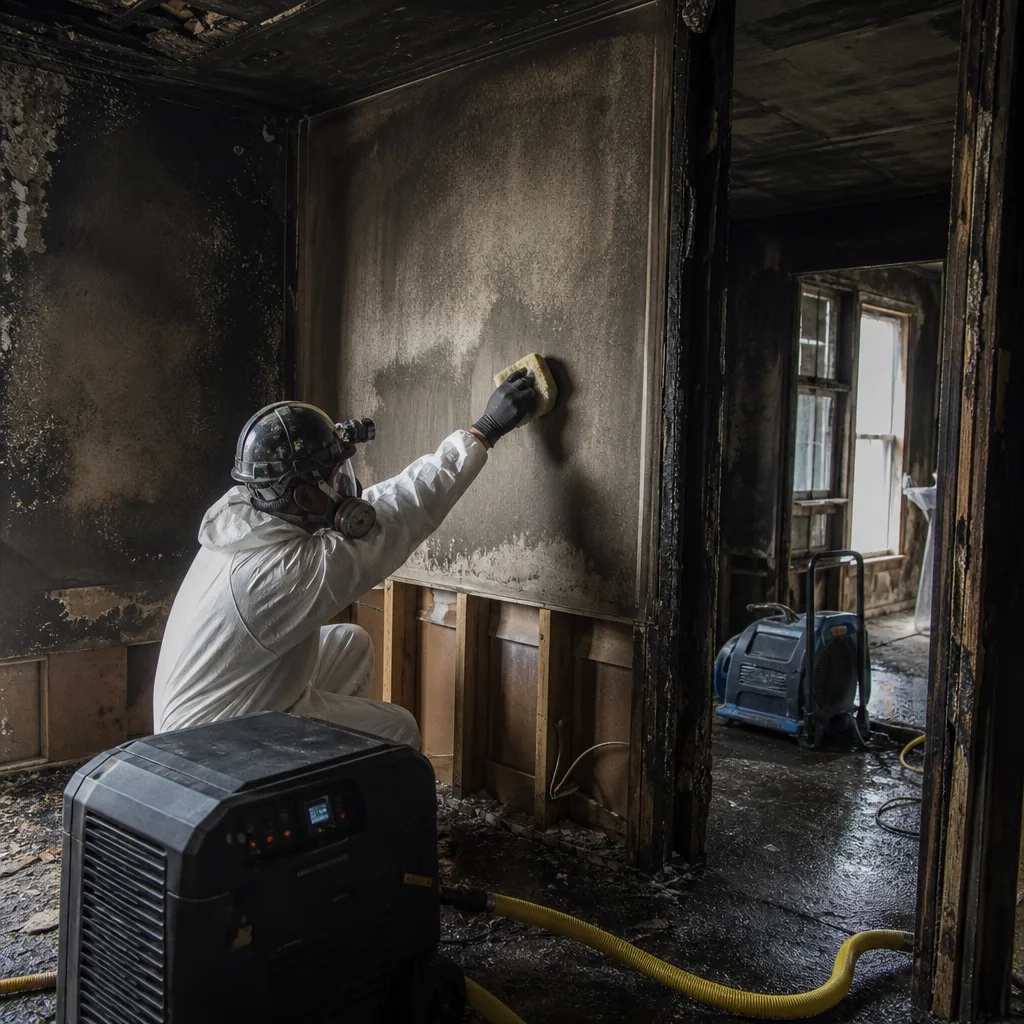
Every surface type gets cleaned differently. Dry sponge cleaning for painted walls with light soot. Chemical cleaning for heavy residues. HEPA vacuuming for carpets and upholstery. We also clean inside duct runs and HVAC returns where smoke particles settle and keep re-releasing odor.
Odor Removal & Deodorization
We don’t mask smoke odor. We remove the source, then treat remaining odor molecules with hydroxyl generators or ozone where appropriate. In Midtown’s older towers, this often means getting into vertical chases and treating the void spaces behind riser enclosures, not just the occupied rooms.
Repairs & Restoration
Drywall replacement, paint, flooring, trim, and any structural work that comes after. Because we do the whole job, we know exactly where the smoke went and what was opened up, so the rebuild is tight and complete. No crew showing up cold to a half-documented job.
Need Emergency Fire & Smoke Damage Restoration in Midtown Manhattan Now?
Crews minutes away, answering live 24 hours a day. The sooner we start, the less it costs.
Working With Your Insurance Company
Here’s the part most restoration companies won’t say out loud. In Midtown Manhattan, a fire loss in a commercial building usually involves multiple policies. The building owner’s policy, each tenant’s commercial policy, sometimes a separate policy for the mechanical systems. If your crew doesn’t document everything from hour one, you’ll get stuck in a dispute about what was fire damage and what was pre-existing. We photograph every room, every wall cavity we open, every piece of equipment we run. We use industry-standard estimating software, the same one your adjuster uses, so the line items match up. Wade deals with the adjuster directly. He’ll send the photos, the moisture readings, the soot test results, and he’ll explain the scope in plain English. You shouldn’t have to become an insurance negotiator because your building had a fire.
What We Provide Your Insurer
- Thorough documentation of the loss
- Photos of all damage, room by room
- Moisture readings and drying logs
- A detailed, line-item scope of work
- Direct coordination with your carrier
Built for Midtown Manhattan’s Loss Calendar
Midtown Manhattan’s fire and smoke damage season doesn’t follow the same rhythm as the suburbs. January brings deep freezes that crack domestic water lines in older masonry towers, and the water finds its way into electrical rooms and mechanical spaces, shorting panels and igniting small fires. Spring thaw and heavy nor’easter rain push water through failed window gaskets and overloaded roof drains, soaking ceiling assemblies above occupied floors, and when that water hits energized lighting or degraded wiring, you get a smoldering event that fills a floor with acrid smoke. Summer thunderstorms bring lightning strikes to rooftop mechanicals and cooling towers, and the intense convective storms can overwhelm curtain-wall seals on the newer glass towers along Sixth Avenue and Park Avenue. The one constant is the district steam system. When a steam trap fails in a mechanical room and the condensate return line cracks, you get superheated moisture saturating concrete and masonry, which creates the kind of persistent humidity that makes smoke odor from even a small incident impossible to clear without real drying. That’s the Midtown calendar, and we staff for it.
Fire & Smoke Damage Restoration Across Midtown Manhattan’s Neighborhoods
Midtown Manhattan isn’t one neighborhood. It’s a patchwork of commercial corridors, hotel rows, and the occasional residential pocket, and each area has its own loss pattern. Around Times Square and the Theater District, you’ve got aging hotels with decades of renovation layers, and when a kitchen fire starts on a lower floor, the old cast-iron drain stacks act like chimneys, carrying soot into guest rooms ten floors up. Over in Murray Hill, the pre-war apartment buildings have fire escapes and interior courts that complicate ladder access and containment. Along Fifth Avenue and Madison Avenue, the Class A office towers have central HVAC systems that spread smoke through shared return plenums faster than any fire spreads through a wall. Down by Herald Square and the Garment District, the buildings are older, many from the 1910s and 1920s, with original shaft walls that were never fire-stopped to modern code, meaning smoke travels through gaps that shouldn’t exist. And in the Plaza District along Central Park South, we work around building management gatekeepers, landmark restrictions, and tenant schedules that only allow after-hours access on occupied floors. We know the routes, the buildings, and the people who run them.
Specialized Fire & Smoke Damage Restoration Services We Offer in Midtown Manhattan
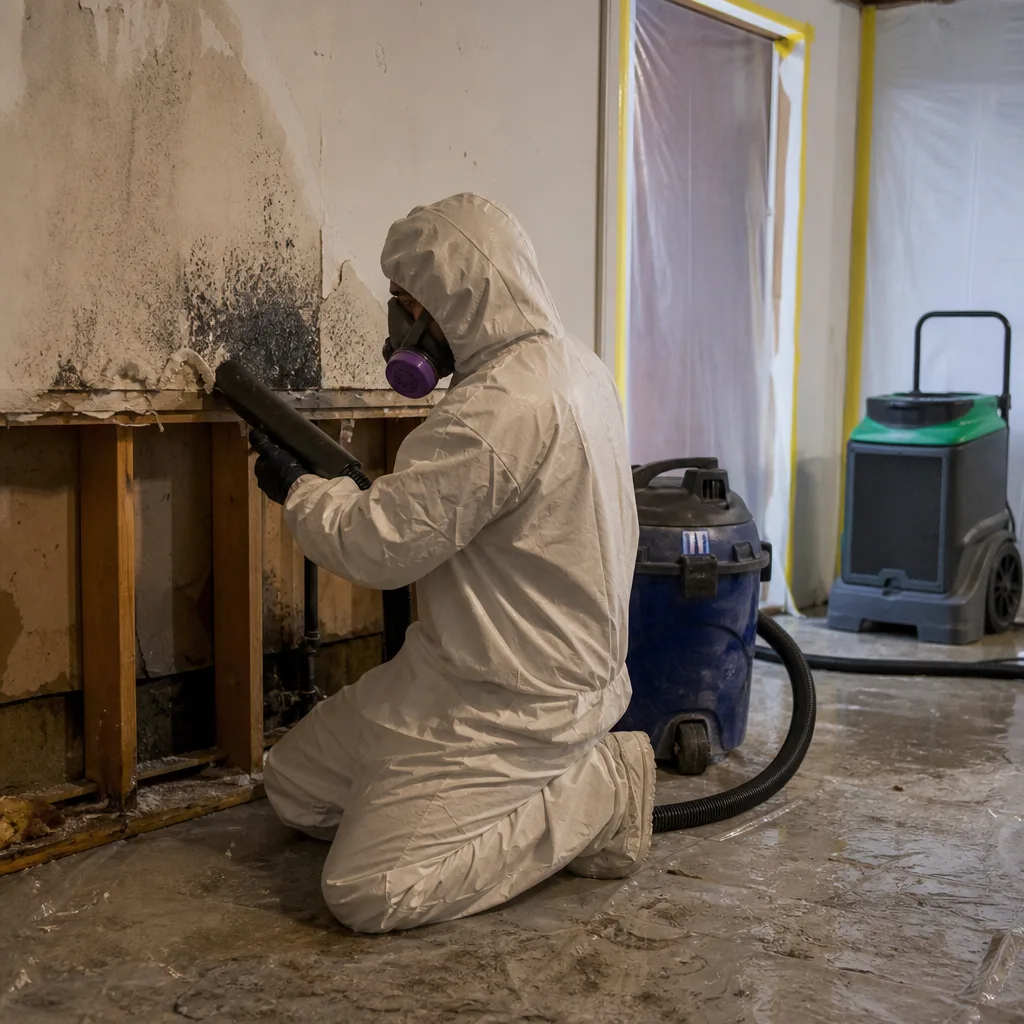
Smoke & Soot Removal
This is where Midtown jobs get complicated. Soot in a vertical building settles in places you can’t see without opening walls and ceilings. We clean every exposed surface, then trace migration paths through riser penetrations, pipe chases, and conduit runs, treating what’s hidden, not just what’s visible. Injectidry vacuum systems let us pull soot out of tight cavities without tearing everything open.
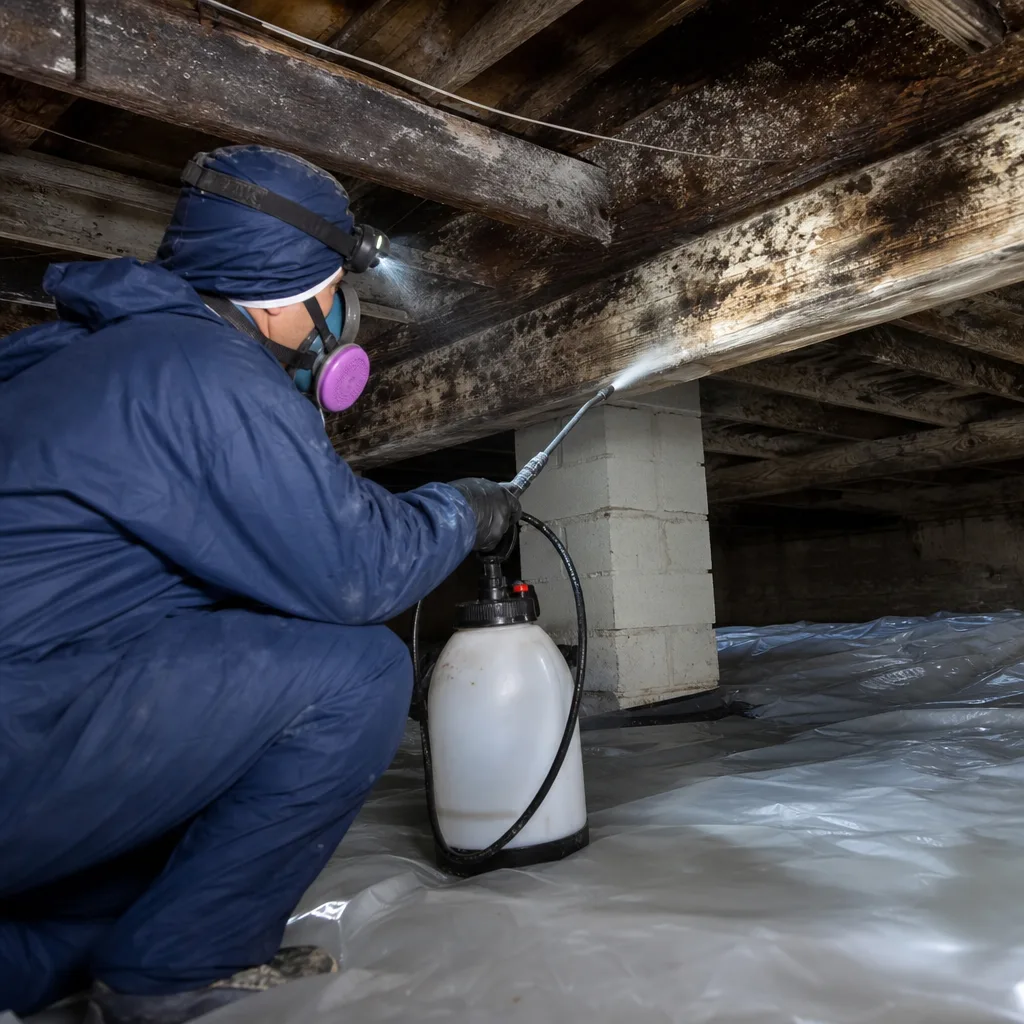
Odor Removal & Deodorization
Smoke odor in a high-rise is a physics problem. Warm air rises, and in a tall building it rises fast, carrying odor molecules up through elevator shafts and stairwells into floors that never saw a flame. We set up air scrubbing at each affected level, treat void spaces behind riser enclosures, and use hydroxyl generators in occupied spaces where ozone can’t be used safely. The goal is to make a floor that was on fire smell like a floor that wasn’t.
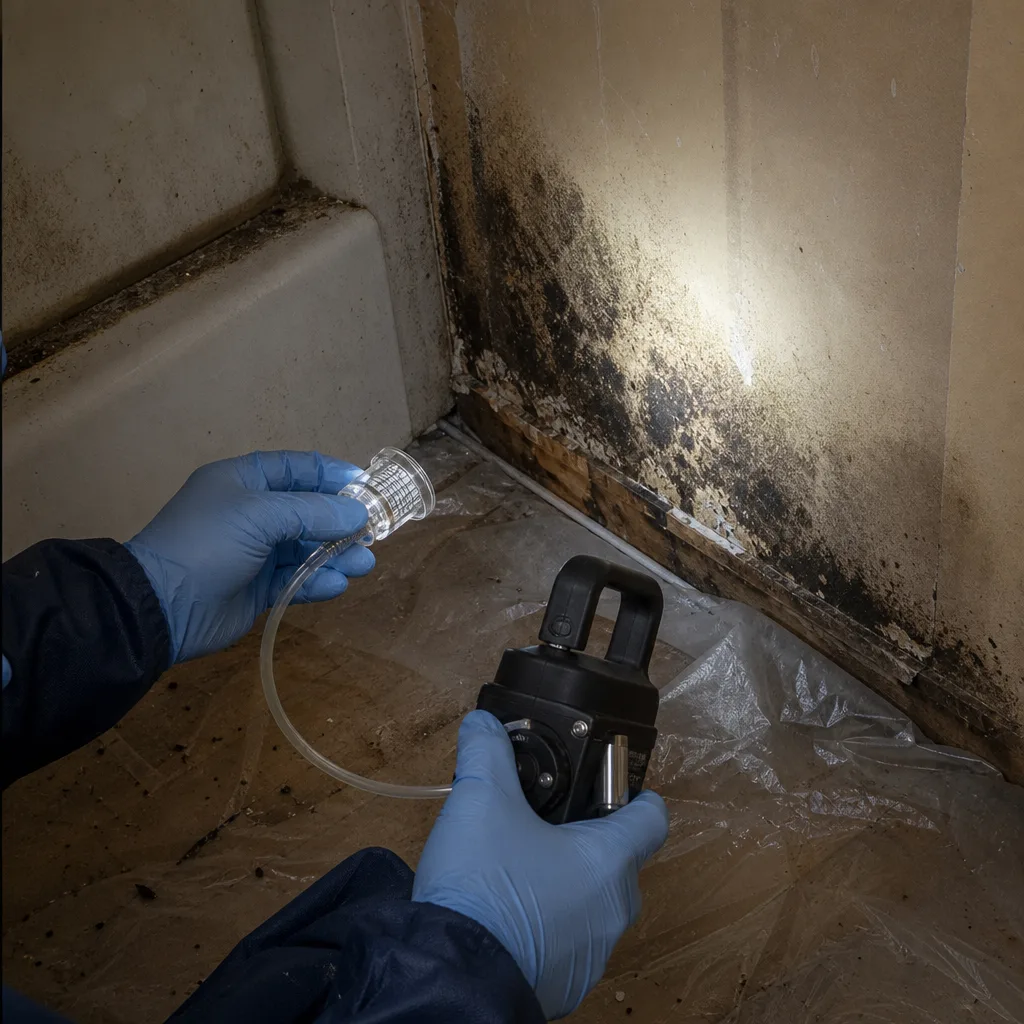
Contents Cleaning & Pack-Out
Office furniture, hotel linens, files, artwork, electronics. We inventory everything with photos, pack out what needs cleaning, and clean it in a controlled environment off-site or in a sealed room on-site. For a Midtown office floor with 200 workstations, that’s a coordinated logistics job, not a few trash bags. We give you a room-by-room inventory sheet your adjuster can use directly.
Emergency Board-Up & Tarping
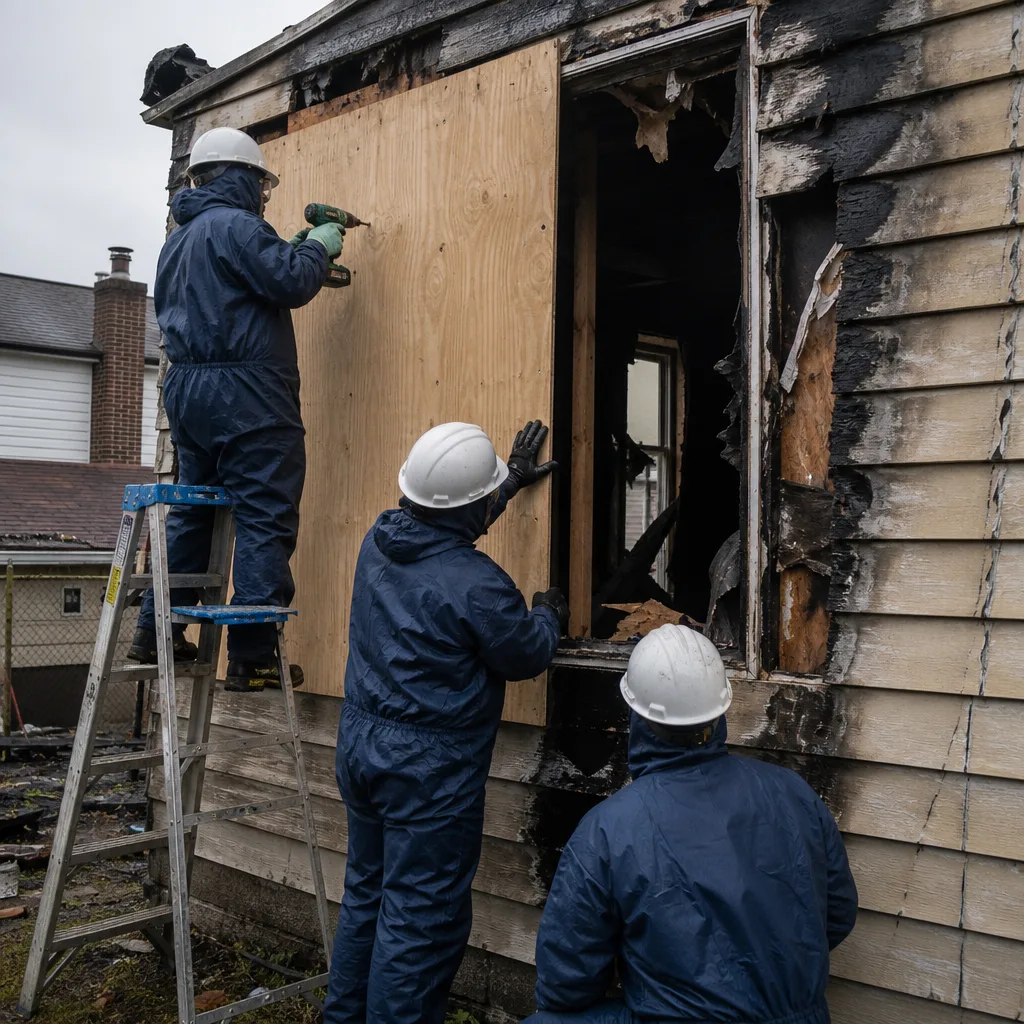
If a fire took out a window or a section of roof on an upper floor, we board it up and tarp it immediately. In Midtown Manhattan, that means working from interior access where street-level scaffolding isn’t possible, and coordinating with building security so the work happens without disrupting operations below. The goal is to stop weather and pigeon intrusion the same night, not next week.
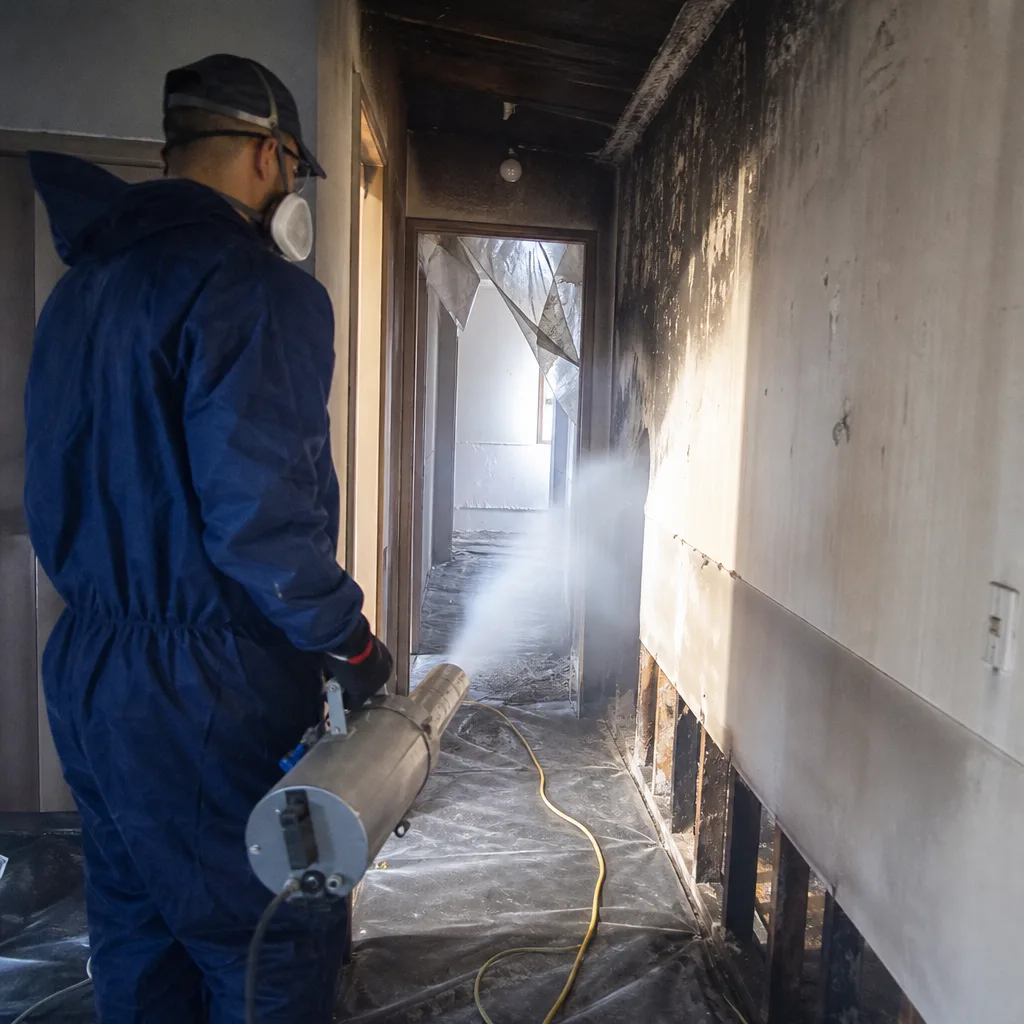
Fire Damage Cleanup
Before any restoration happens, the debris has to go. Burned wallboard, charred framing, melted fixtures, water-soaked insulation. We remove it, sort salvageable materials, and get the area down to a clean substrate so the rebuild can start on solid footing. In older Midtown buildings, this often means working around original plaster and cast-iron components that have to be protected, not demoed.
Structural Fire Repair
When a fire compromises steel members, concrete encasement, or wood blocking in an older building, we bring in structural engineers and rebuild to code. That includes fire-stopping the vertical chases and penetrations that let the smoke spread in the first place. A repair that doesn’t address the smoke pathways just sets you up for the next fire.
What happens when you call
- 1
A real person answersNo phone trees - you reach a local pro.
- 2
You get an upfront price rangeHonest numbers before anyone is dispatched.
- 3
A background-checked tech heads outLicensed & insured, dispatched right away.
- 4
You approve before work beginsNothing starts until you say go.
Fire & Smoke Damage Restoration Costs in Midtown Manhattan, NY
Let’s talk real numbers for Midtown Manhattan. A small smoke cleanup in a single apartment or office suite, no water, light soot, maybe a day of work, runs $1,200 to $3,500. A restaurant kitchen fire with moderate soot through a floor or two, plus water from the suppression system, typically runs $12,000 to $45,000. A large-loss event in a hotel or commercial tower, the kind that affects five-plus floors with soot, odor, water, and rebuild, starts around $75,000 and can go past $500,000 depending on occupancy density and finish level. What moves the price in Midtown specifically is access. Working on occupied floors means after-hours labor, multiple containment setups, and coordination with tenant schedules. Vertical work is slower than horizontal work. You’re moving equipment up service elevators, setting containment at multiple floor levels, and dealing with building management protocols that don’t exist in a single-family home. Insurance covers nearly all of this for commercial properties. For condo owners, your unit policy and the building master policy may split responsibility. That’s where our documentation makes the difference. Call (201) 740-2235 and we’ll do a free visual inspection, give you a firm scope in writing, and tell you exactly what it should cost before you sign anything. No trip charge inside our county, and we’ll give you a free second opinion on any written estimate you already have.
We Also Serve Cities Near Midtown Manhattan
If your building is just outside Midtown, we cover the Financial District, Lower Manhattan, Astoria, and Long Island City as well. Same crews, same 45-minute response commitment, same direct adjuster coordination. Midtown Manhattan is our home base for this vertical work, but we know the whole metro.
Serving Midtown Manhattan, NY - Our Local Coverage Area
We’re based in the Midtown Manhattan area and know this community well. Use the map below to see our service coverage - if you’re nearby, we can almost certainly help.
Midtown Manhattan Fire & Smoke Damage Restoration Questions, Answered
How do you access concrete-encased cast-iron standpipes in a 1920s Midtown high-rise to clean smoke damage without closing an active office floor?
We open targeted access points at each floor where the standpipe enclosure shows soot staining or where our thermal imaging flags temperature anomalies, set up containment around each opening, and clean the void space with HEPA vacuuming and chemical sponging without ever closing the whole floor. Most of the work happens inside the shaft enclosure itself, which means the office outside the containment keeps running.
What’s the difference between drying a Midtown high-rise after a steam-trap failure versus a burst cold-water pipe?
A cold-water burst saturates materials at ambient temperature, and standard drying protocols work fine. Steam-trap failures release superheated moisture that drives deeper into concrete and masonry, raising the vapor pressure inside the material, which means we run longer drying times, use desiccant dehumidifiers instead of just refrigerant units, and monitor internal concrete moisture with penetrating probes, not just surface readings.
How do you handle smoke odor that traveled from a basement restaurant fire into upper-office floors through legacy drain stacks?
We treat the drain stacks as a continuous smoke flue, which means cleaning the interior of each stack segment we can access, treating the void space around the stack at every floor, and running air scrubbers at each floor penetration to capture odor molecules as they off-gas. Then we do clearance odor testing on the affected floors before we remove containment.
Why is structural drying so complex in Midtown Manhattan’s older high-rises compared to wood-frame buildings?
Concrete and masonry hold water differently than wood. They release it slowly, and the water often sits inside material that’s enclosed by other material, so there’s no airflow to the surface. In a wood-frame house, you can cut holes and get air moving. In a pre-war high-rise, you’re dealing with concrete enclosures, fire-rated assemblies, and multiple layers of renovation. Drying takes longer, requires more equipment per square foot, and demands daily moisture readings to track progress.
Can you restore original 1940s steel-and-concrete office floors after a fire without triggering a full-building evacuation?
Yes, and we do it by working within contained zones on each affected floor, using negative-air pressure so nothing escapes into common areas or adjacent floors, and coordinating with building management on access scheduling. The building stays occupied. Only the affected floors get sealed off, and only for as long as the work requires. We’ve done it in occupied Midtown towers where tenants never even noticed the crew upstairs.
How fast can someone actually get here?
Inside Midtown Manhattan, we aim for 45 minutes from your call to our arrival at the curb, and often faster depending on where you are. The phone is answered live, the crew is notified immediately, and the truck is on the road within minutes. Call (201) 740-2235 and you’ll speak to a person who can tell you exactly who’s coming and when.
Will insurance cover this?
In almost every Midtown Manhattan fire loss, insurance is involved, whether it’s a commercial building policy, a tenant policy, or a condo unit policy. What determines coverage isn’t whether the fire happened, it’s whether the scope is documented properly. We provide line-item estimates, daily moisture logs, and direct adjuster communication so the claim moves through without the usual back-and-forth. Wade will talk to your adjuster directly, so you don’t have to relay anything.
What should I do in the first 30 minutes after a fire?
Call us first at (201) 740-2235. Then, if it’s safe and you’re able, turn off HVAC fans that could be spreading smoke, and open windows if the weather allows. Don’t wipe soot off walls yourself, you’ll grind it into the paint. Don’t turn on ceiling fans or computers. Don’t eat food that was out during the fire. We’ll walk you through the rest when we arrive, and we’ll have a written plan for you within hours, not days.
Written by Wade Ferris, Owner at Wade’s Restoration, serving Midtown Manhattan and the surrounding metro with straight answers and documented work since 2007.
If your building has smoke in places it shouldn’t, call (201) 740-2235 now. You’ll get a live person, a straight answer, and a crew that understands what a vertical fire loss really means in Midtown Manhattan.