
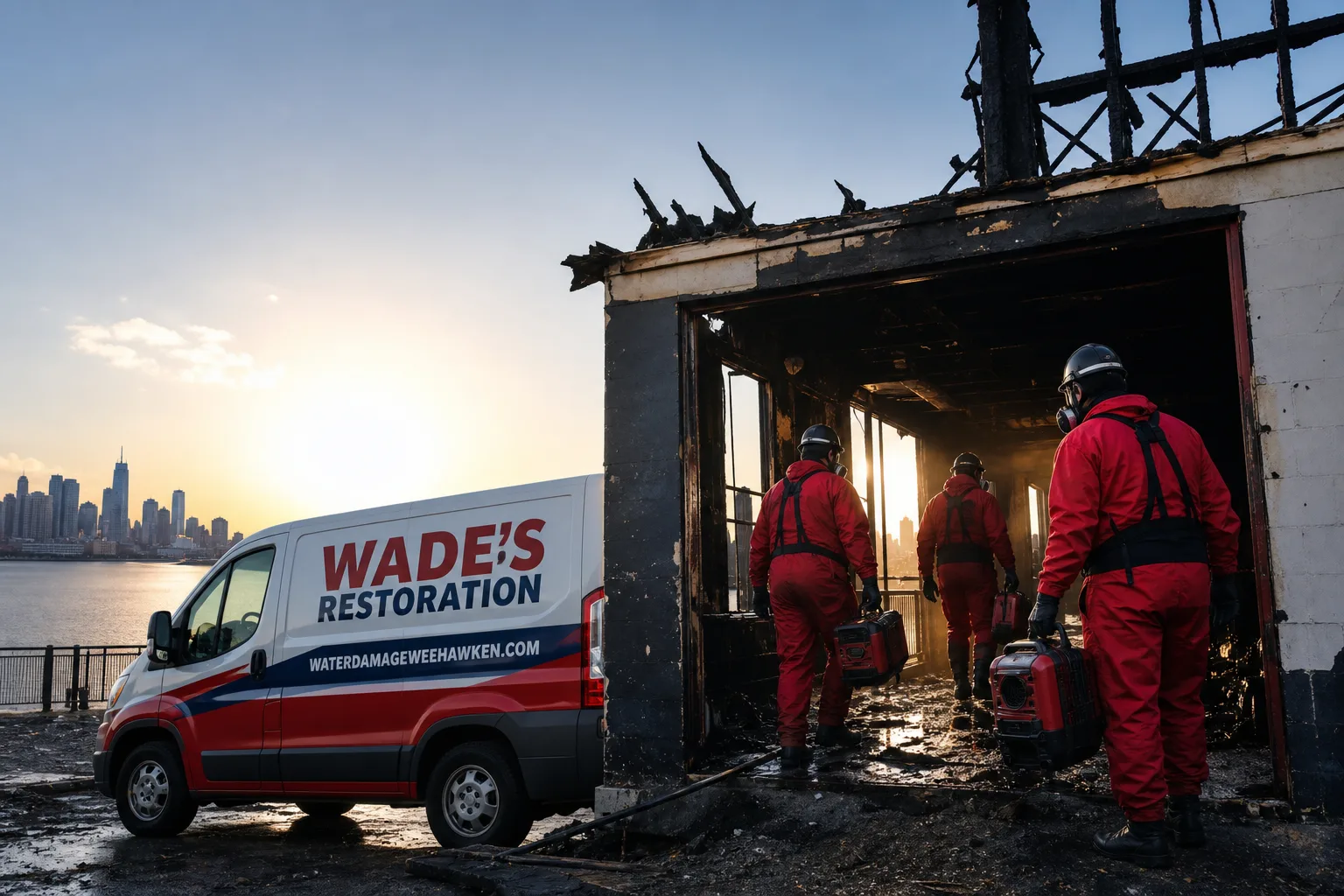
Free visual inspection and a written scope of work before any mitigation begins - photos, moisture readings, and drying logs go in your claim file
The scope we write is the scope we bill. Anything new gets shown to you, in writing, before we touch it.
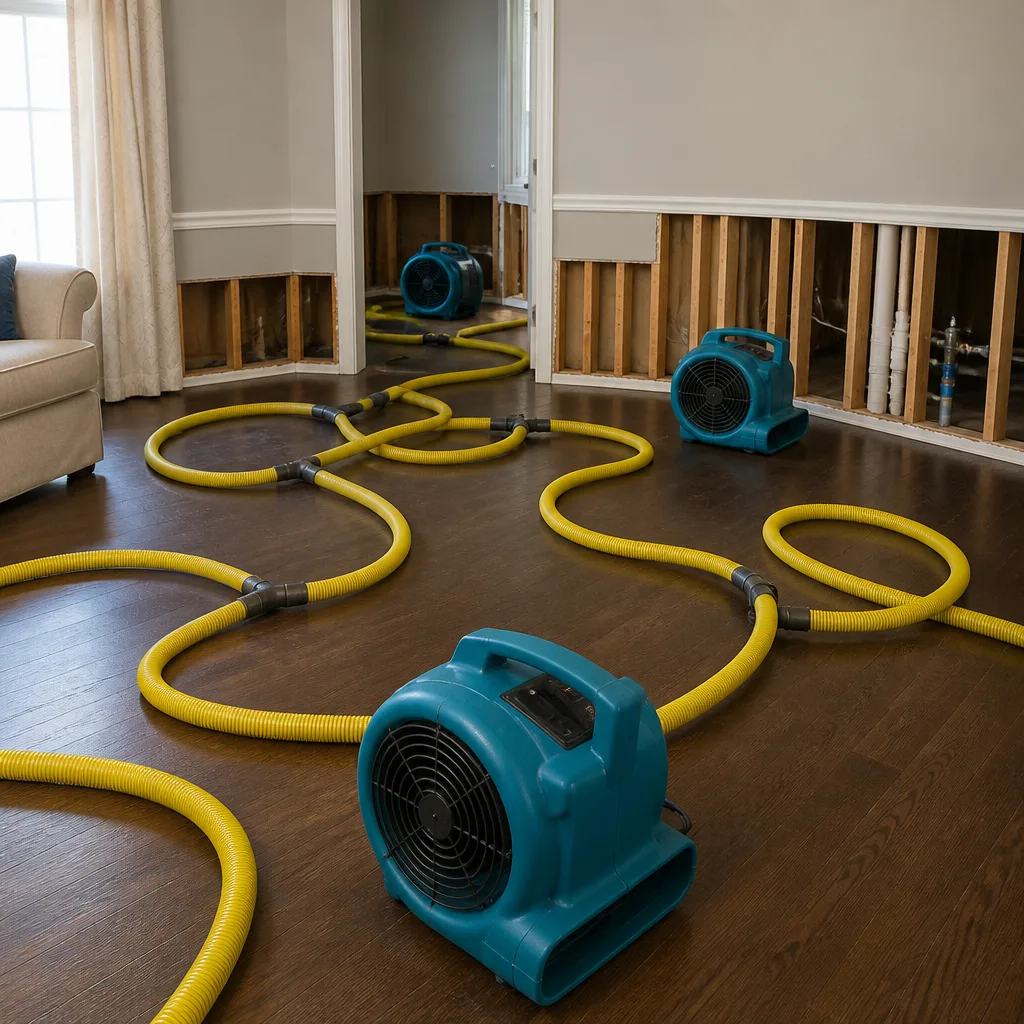

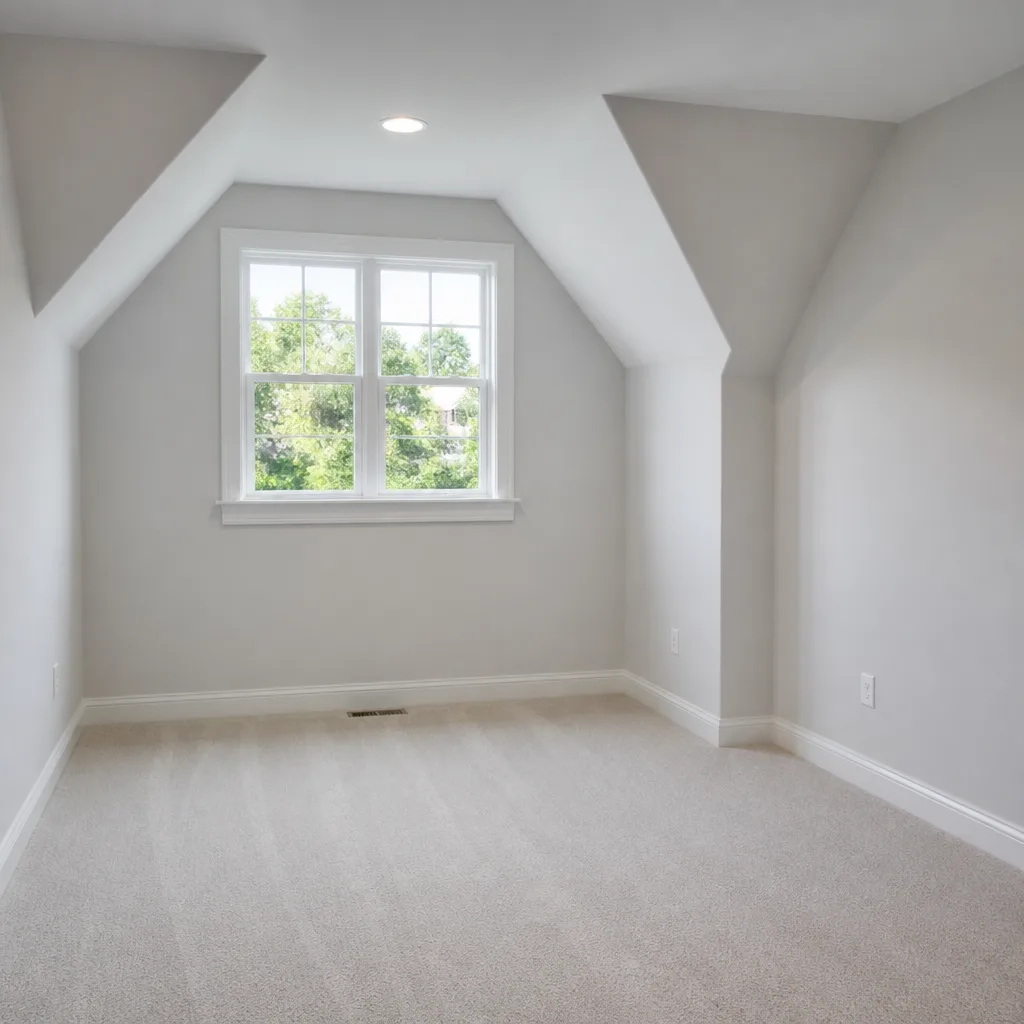
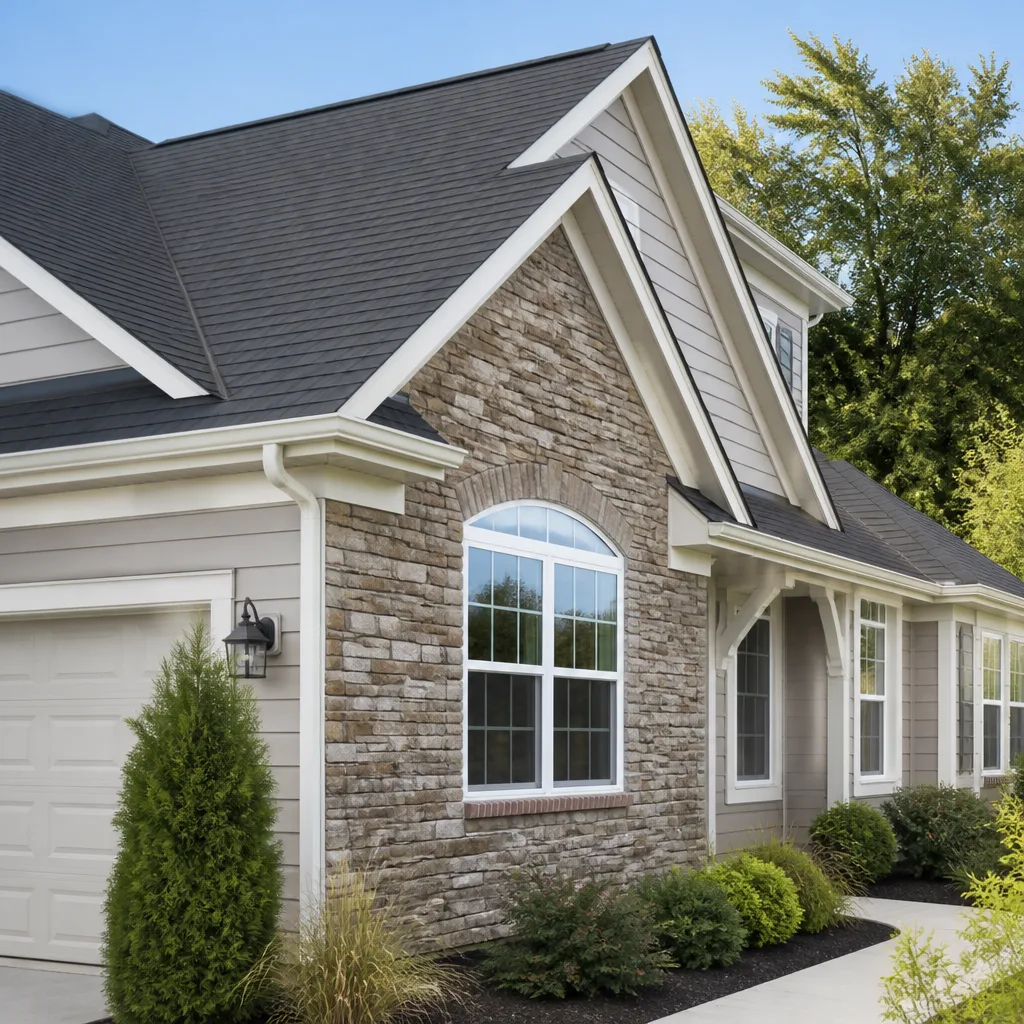
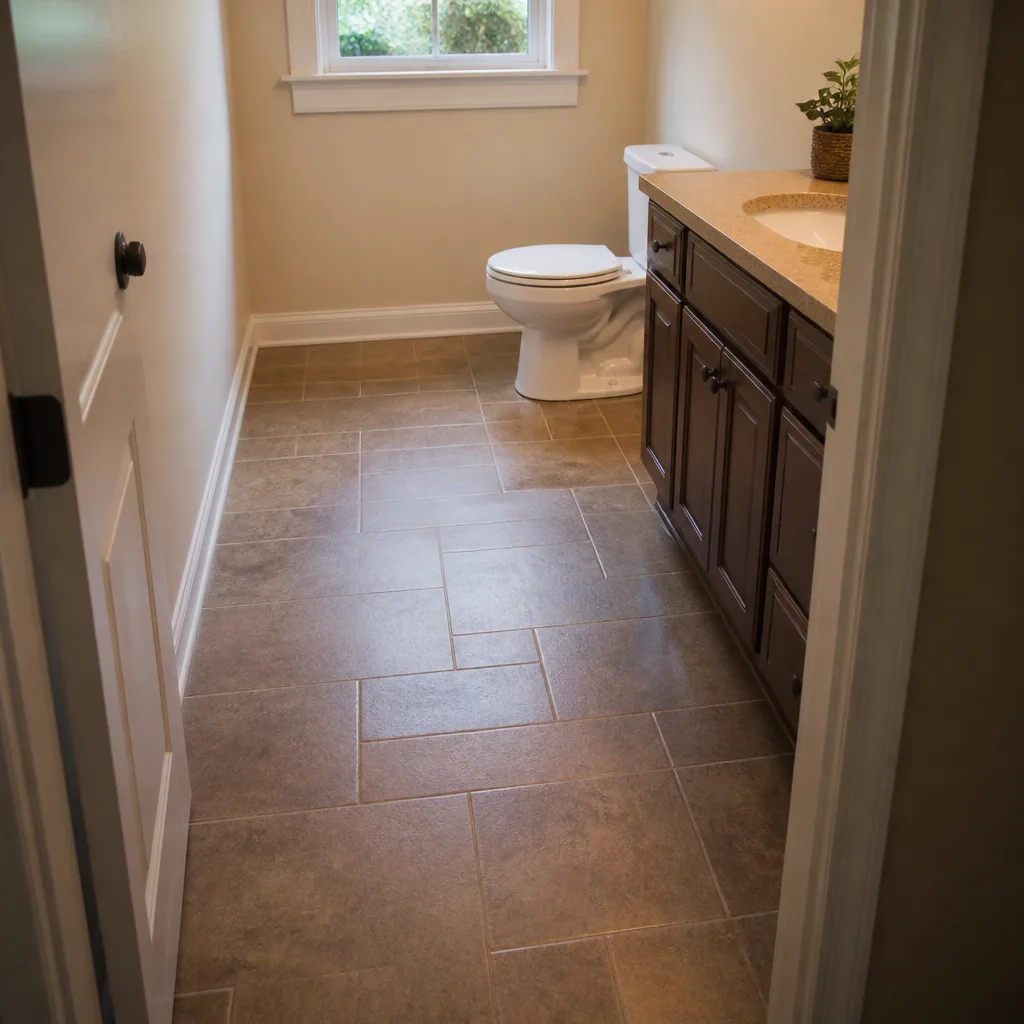
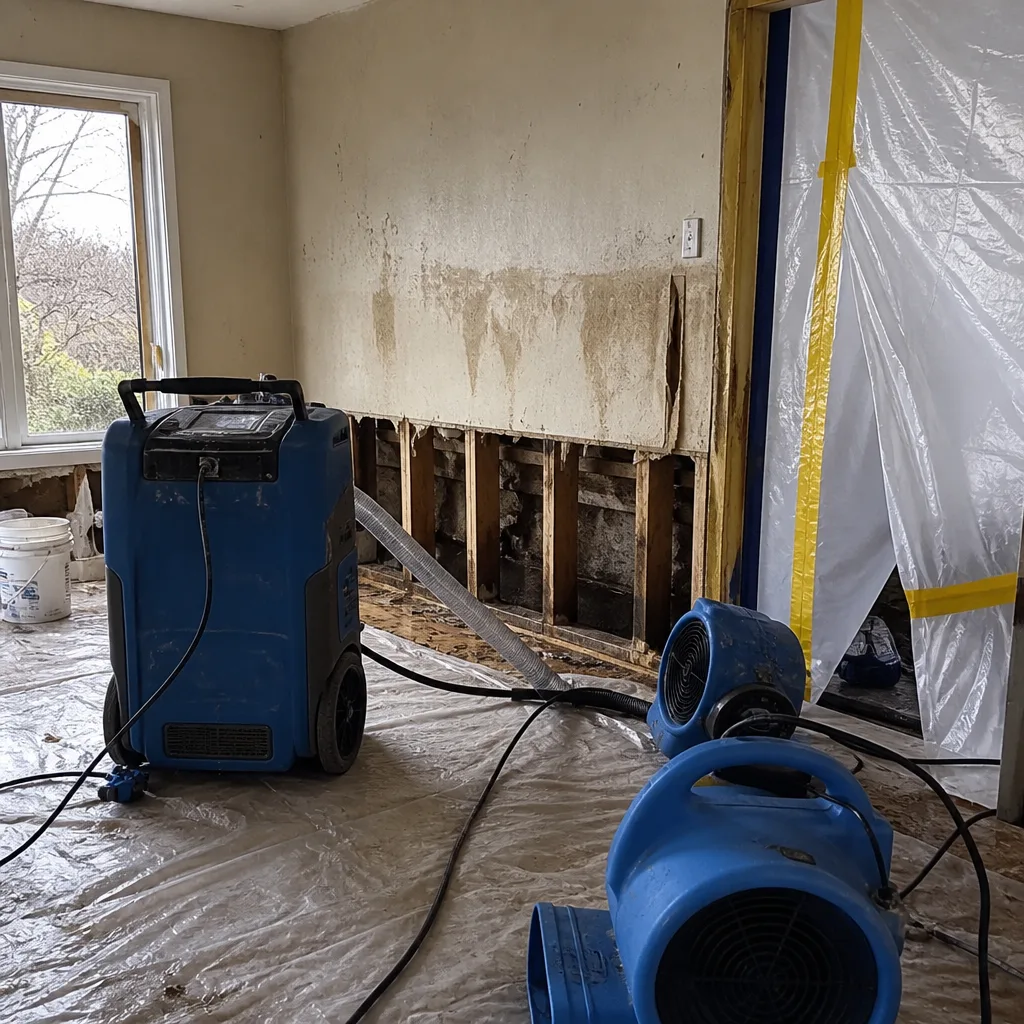 Before
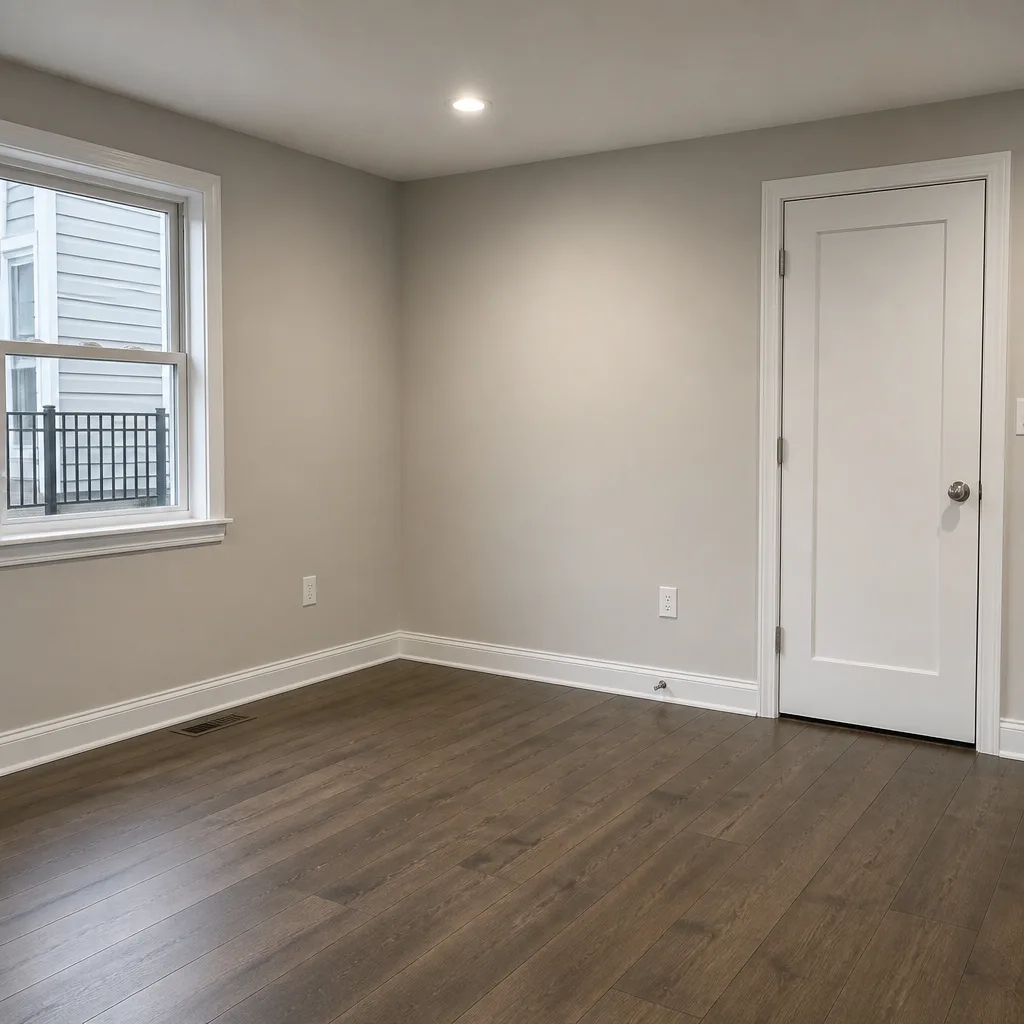 After
After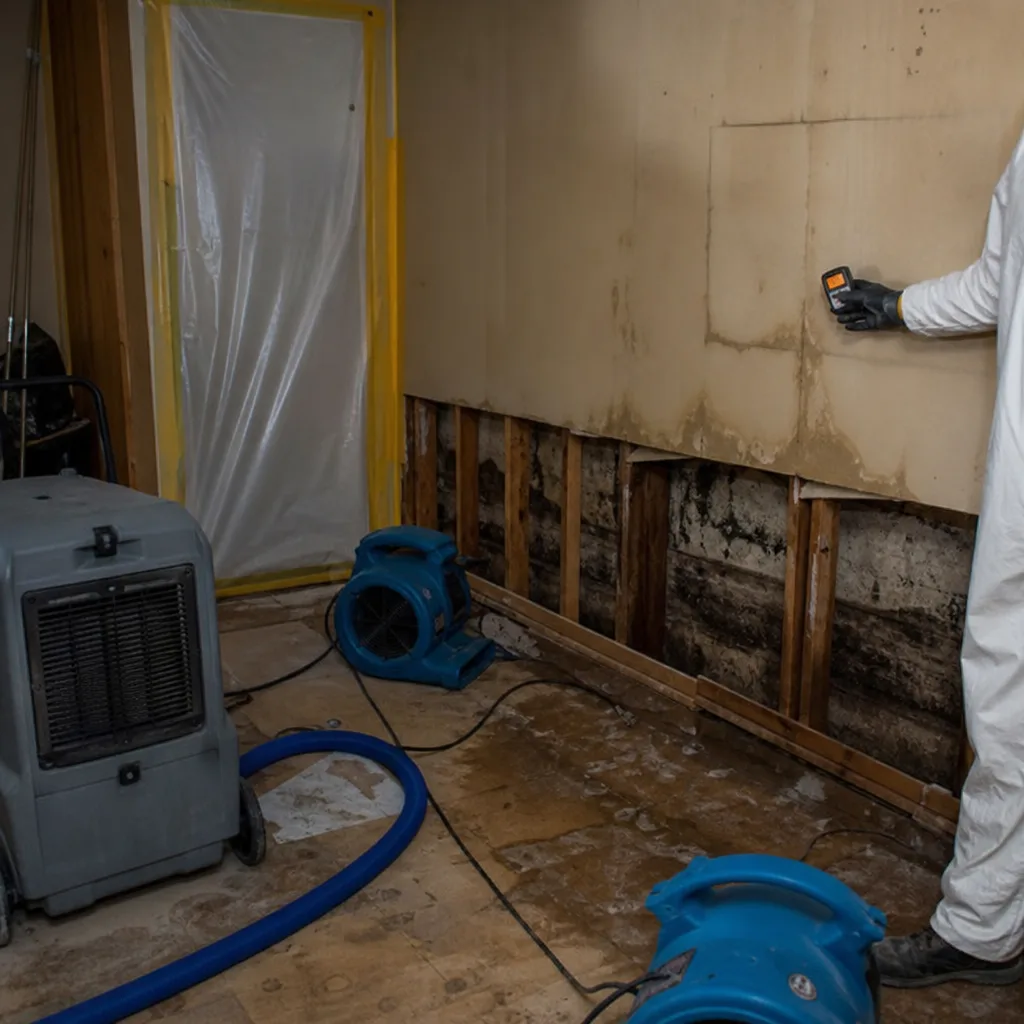 Before
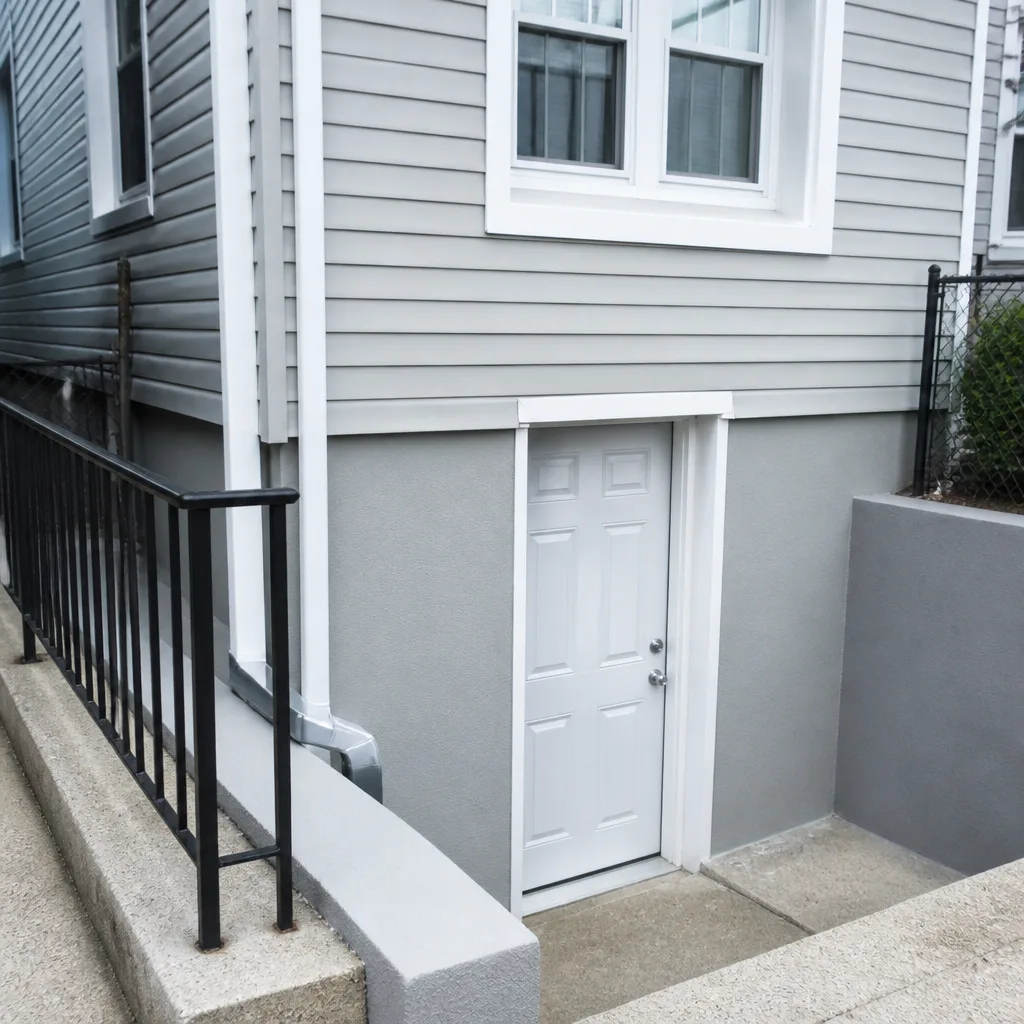 After
After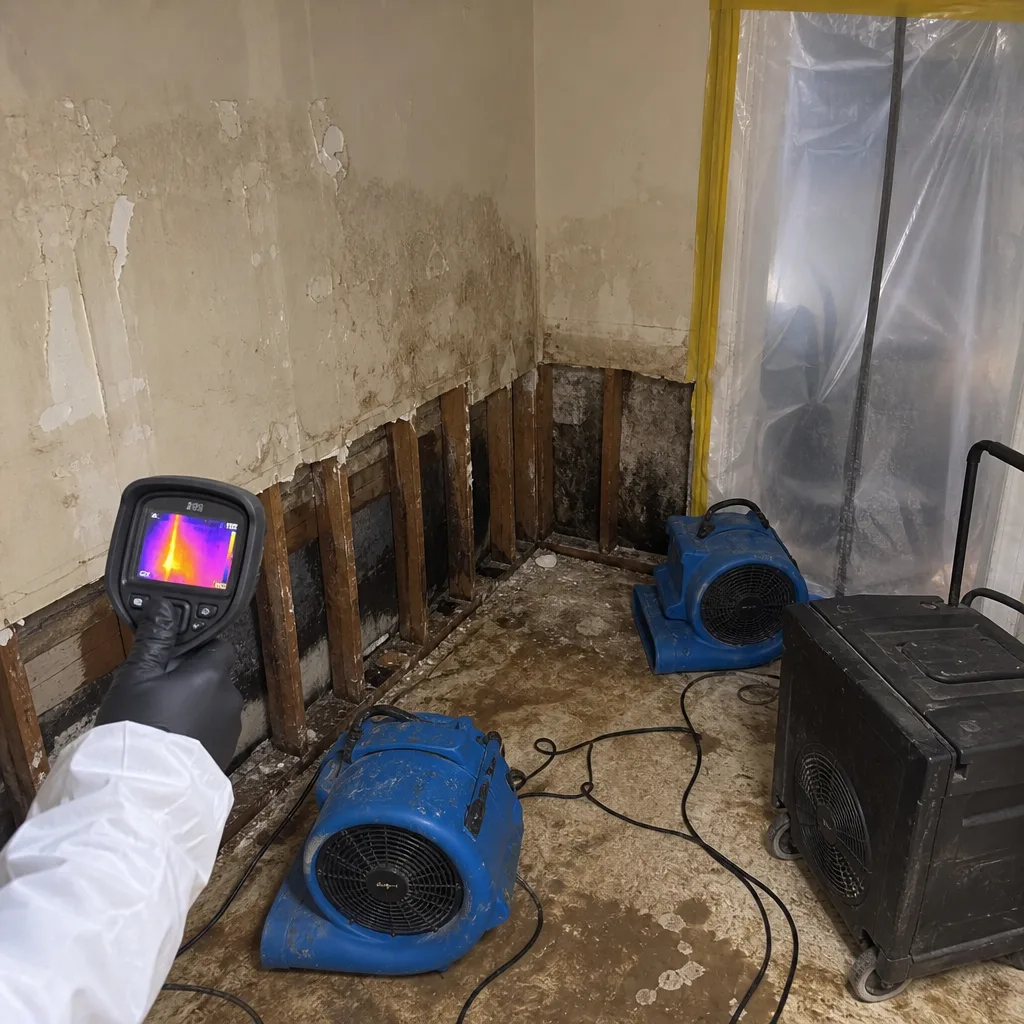 Before
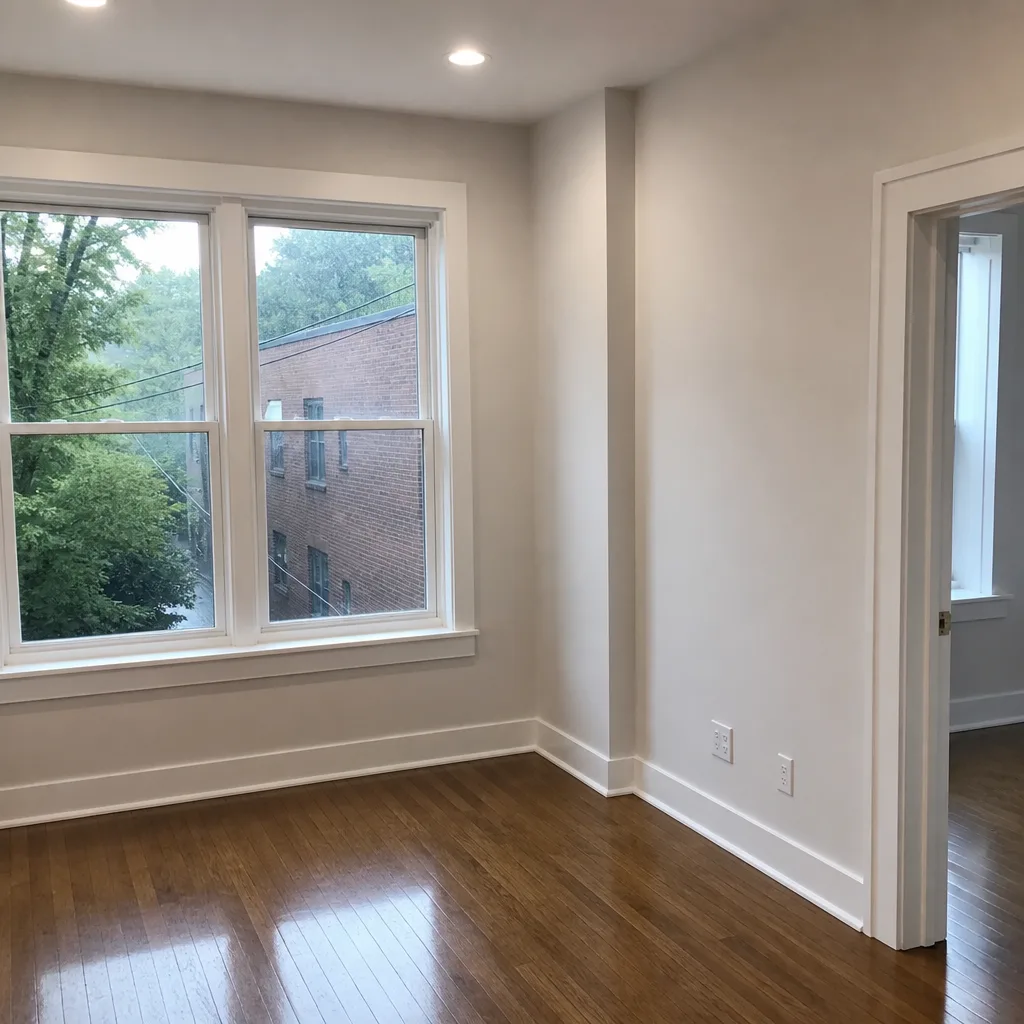 After
After24/7 Emergency Biohazard & Crime Scene Cleanup in Lower Manhattan
Biohazard and crime scene cleanup in Lower Manhattan typically runs $1,800 to $6,500 depending on the scope, and because these situations involve bloodborne pathogens, decomposing matter, or chemical contamination, waiting even a few hours makes the problem worse. Call (201) 740-2235 and you’ll get a live person, not a voicemail tree. We deploy crews into every part of Lower Manhattan, from Battery Park City to the Financial District to Tribeca, usually within 45 minutes of your call. The first hour matters because bodily fluids and sewage-borne bacteria soak into grout, concrete, subflooring, and drywall fast. What starts as a confined spill becomes a deeper contamination problem if it sits. We’re Biohazard & Crime Scene Cleanup specialists who’ve handled everything from unattended deaths in co-op units to hoarding conditions in pre-war lofts to sewage backups in sub-basement mechanical rooms. Wade Ferris founded this company in 2007 and still answers his own phone. That’s not marketing copy. That’s how we work.
Understanding Biohazard & Crime Scene Cleanup Severity in Lower Manhattan Properties
Biohazard contamination falls into categories that determine how aggressively we have to treat the space. Blood and bodily fluids are Category 3, the highest-risk classification, because they carry bloodborne pathogens like hepatitis B, hepatitis C, and HIV. Sewage backups are also Category 3, and in Lower Manhattan they’re uniquely dangerous because of where the water comes from and where it goes. The older pre-war buildings in the Financial District have cast-iron waste lines that have been in service since the 1920s and 1930s. When those fail, the backup flows into sub-basements that share walls with mechanical rooms, elevator pits, and storage areas. In Tribeca’s cast-iron loft buildings, the original plumbing chases run through floors that have since been converted into million-dollar residences. That means what starts as a Category 3 sewage event in one unit can migrate through common chases and affect neighbors. Hoarding conditions add a second layer: debris loads, rodent and insect activity, and ammonia from decaying waste require different PPE and a longer containment phase than a clean crime scene. We classify every job before we touch it. No guesswork.
Why Lower Manhattan Property Owners Choose Wade’s Restoration
- 45-minute response commitment: When you call about a biohazard situation in Lower Manhattan, our crew is on the road immediately, not “sometime today.”
- Live answer, 24/7: Wade Ferris answers his own phone. You’ll never sit through an automated system while a contaminated space sits untreated.
- IICRC-certified crews: Our technicians hold WRT, FSRT, and AMRT certifications and train specifically on biohazard containment and pathogen decontamination.
- Free visual inspection: Before any work starts, we walk the space with you, explain what we found, and put a written scope in your hand. No charge for that.
- Direct insurance billing: We document everything, photograph everything, and deal with your adjuster directly so you’re not the one stuck in the middle.
- One team, start to finish: The same crew that does the initial assessment handles the cleanup, the decontamination, and any reconstruction. No handoffs.
Our Biohazard & Crime Scene Cleanup Process
Inspection & Assessment
We walk the full space, identify all affected materials, and map out containment zones before anything else happens. In Lower Manhattan buildings, this means checking floor drains, slab cracks, and common chases for contamination paths. We document everything with photos and written notes for your insurer.
Extraction & Stabilization
For sewage and fluid contamination, we extract standing material using truck-mounted and portable extraction units. Damaged porous materials like carpet, pad, and saturated drywall are cut out and bagged for proper disposal. The goal is to remove the source before decontamination begins.
Drying & Dehumidification
We place high-capacity air movers and dehumidifiers from Dri-Eaz and Phoenix, and we run them until the concrete, subfloor, or wall cavities hit their pre-loss moisture targets. In Battery Park City’s landfill substrate, we take moisture readings daily because groundwater can wick back into slabs from below.
Cleaning & Sanitization
Every affected surface gets cleaned with EPA-registered antimicrobials and disinfectants. On blood and bodily fluid jobs, we follow IICRC S540 guidelines, treating all splatter and transfer areas, not just the visible stain. HEPA air scrubbers from B-Air run continuously to catch airborne particulates.
Odor & Pathogen Neutralization
After cleaning, we use hydroxyl generators or ozone treatment where appropriate to break down residual odors from decomposition, sewage, or chemical events like tear gas. For hoarding jobs, this phase runs longer because contaminants are embedded in multiple material layers.
Repairs & Restoration
Once the space passes clearance testing, we rebuild what was removed: drywall, flooring, trim, paint. Because we handle construction in-house, you get one crew from the first assessment to the final walkthrough. The whole job is covered by our 90-Day Done Right Promise, in writing.
Need Emergency Biohazard & Crime Scene Cleanup in Lower Manhattan Now?
Crews minutes away, answering live 24 hours a day. The sooner we start, the less it costs.
Working With Your Insurance Company
Biohazard and crime scene cleanup claims get scrutinized more closely than water damage claims. Insurance companies want proof that the contamination was real, the scope was necessary, and the work was done to industry standard. We handle that from the first hour. Every job gets photo documentation room by room before we touch anything. We run moisture readings, keep daily drying logs, and write a line-item scope of work that your adjuster can actually verify. When your building’s post-Sandy Flood Emergency Operations Plan or Local Law compliance requirements are in play, we document how our work satisfies those standards. Wade Ferris has dealt with hundreds of adjusters across the New York metro. He’ll talk to yours directly, so you’re not the one explaining Category 3 water classifications over the phone.
What We Provide Your Insurer
- Thorough documentation of the loss
- Photos of all damage, room by room
- Moisture readings and drying logs
- A detailed, line-item scope of work
- Direct coordination with your carrier
Built for Lower Manhattan’s Loss Calendar
Lower Manhattan’s biohazard problems don’t follow a tidy seasonal pattern the way basement flooding does in the suburbs. Nor’easters between October and March are the big driver here. Storm surge from the Hudson River, East River, and New York Harbor pushes water up through floor drains in Battery Park City’s landfill-based ground, and that water isn’t clean. It’s harbor water mixed with sewage overflow, and it brings Category 3 contamination into sub-basements and elevator pits. January deep freezes burst supply lines in older Financial District buildings, which floods mechanical rooms and then sits until it grows bacteria. Summer thunderstorms send flash flooding into below-grade garages and storage areas off West Street and South Street. The common thread: in Lower Manhattan, water finds its way into spaces that are expensive to treat and expensive to ignore. Our crews know which buildings near the Seaport flood first, which Battery Park City towers have sump pump failures after heavy rain, and which Tribeca loft buildings have plumbing stacks that back up when the tide is high. That local knowledge cuts response time and prevents contamination from spreading.
Biohazard & Crime Scene Cleanup Across Lower Manhattan’s Neighborhoods
Lower Manhattan isn’t one building type. It’s a patchwork of construction eras, and each neighborhood has its own failure patterns. In Battery Park City, the residential towers sit on Hudson River landfill, so groundwater contamination rises from below through floor drains and slab cracks during storm surge events, not just from surface flooding. Our crews know to check the building’s Flood Emergency Operations Plan before specifying any replacement finishes below the base flood elevation. In the Financial District, the pre-war skyscrapers on Wall Street, Broad Street, and Exchange Place have deep sub-basements loaded with mechanical systems, and many still have asbestos in pipe insulation and floor tiles. Any biohazard job there requires abatement protocols before cleanup can start, or you risk contaminating the entire containment zone. In Tribeca, the cast-iron loft buildings from the 1860s to 1890s have original timber joists and masonry party walls that absorb fluids differently than modern construction. A decomposition event in a Tribeca loft on Hudson Street or Franklin Street means treating not just the floor surface but the joist bays below. And in the Seaport District, the older masonry buildings near Front Street and South Street have shallow foundations and are among the first to take on water during a nor’easter. Each area demands a different approach. One template doesn’t work here.
Specialized Biohazard & Crime Scene Cleanup Services We Offer in Lower Manhattan
Crime Scene Cleanup
When police and emergency responders leave, the scene is yours to deal with. Blood, bodily fluids, and other biological material require professional decontamination under IICRC S540 standards. We work with building management and co-op boards in Lower Manhattan to restore the unit quickly, discreetly, and in compliance with all local building rules.
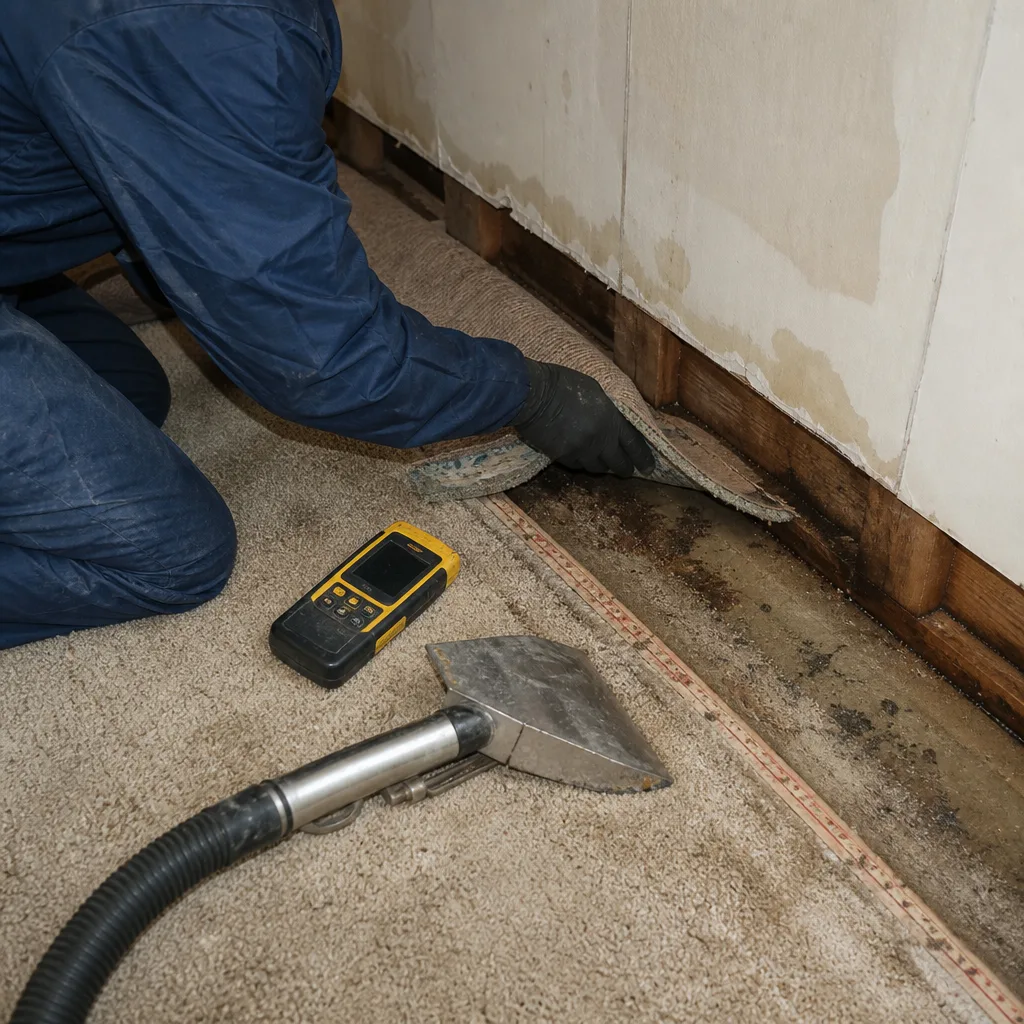
Trauma & Unattended Death Cleanup
Unattended deaths in Lower Manhattan apartments and condos often go undiscovered for days or weeks. Decomposition fluids penetrate flooring, subflooring, and sometimes wall cavities. We remove all affected materials, treated surfaces with antimicrobials, and run hydroxyl treatment for odor. In Tribeca lofts, this often means removing and replacing original hardwood floor sections that have absorbed fluids.
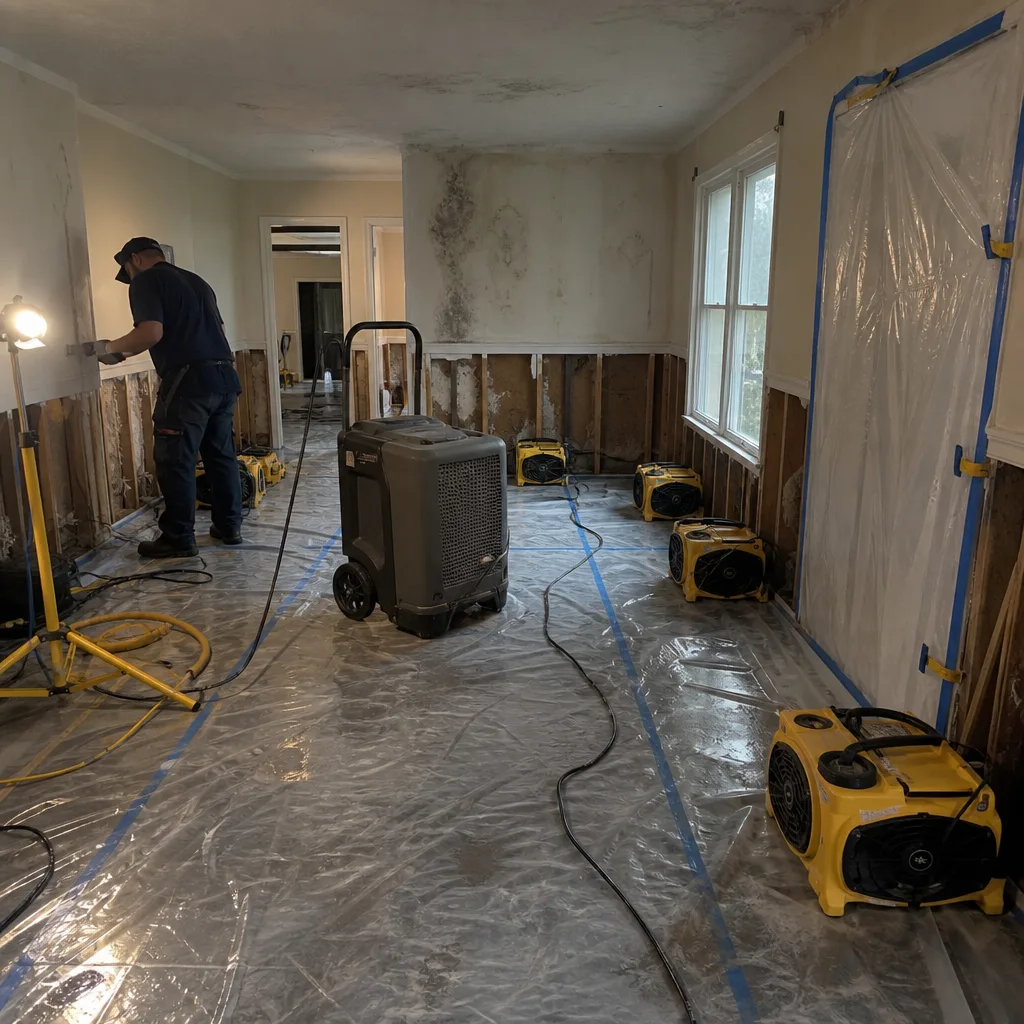
Hoarding Cleanup
Hoarding conditions in pre-war Lower Manhattan buildings present unique challenges: heavy debris loads on older joist systems, rodent and insect activity, ammonia from decomposing waste, and fire load concerns in buildings with original wood framing. We bring in extra dumpster capacity, sort salvageable items, and coordinate with building management on hallway and elevator access. It’s a slower, more careful process than standard biohazard work, and it has to be.
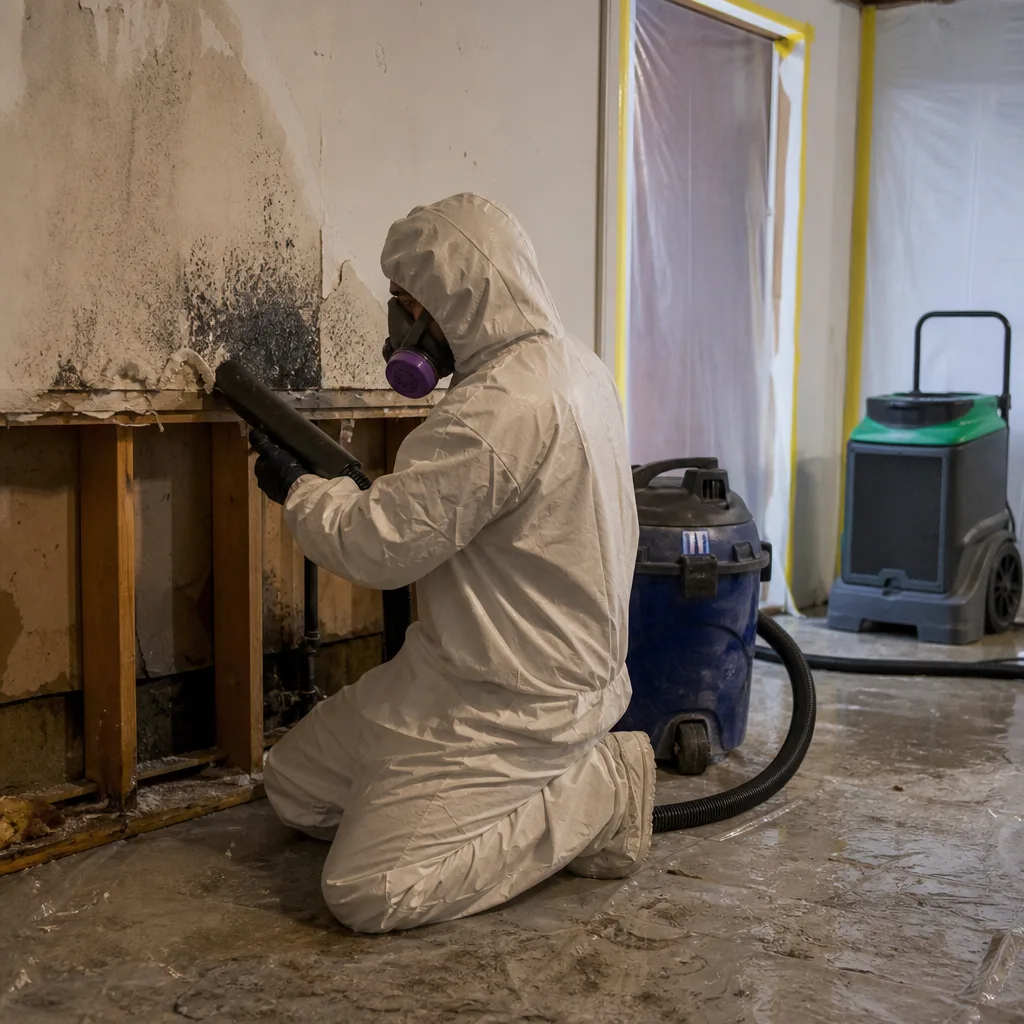
Blood & Bodily Fluid Cleanup
Blood spills in Lower Manhattan apartments, commercial spaces, or common areas require more than a mop and bleach. Bloodborne pathogens can survive on surfaces for days. We treat all splatter and transfer areas, not just the visible stain, and we dispose of all biohazard waste through licensed medical waste carriers under New York state regulations.
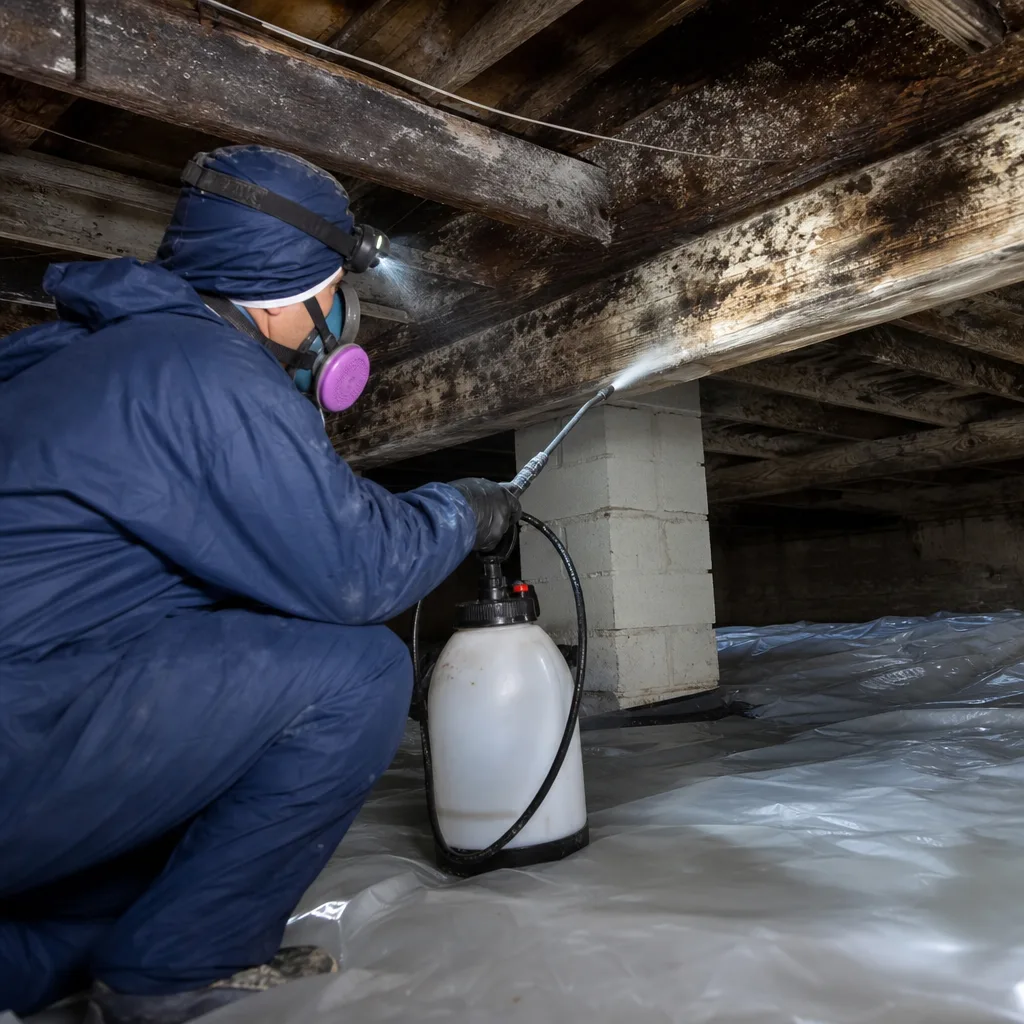
Infectious Disease Disinfection
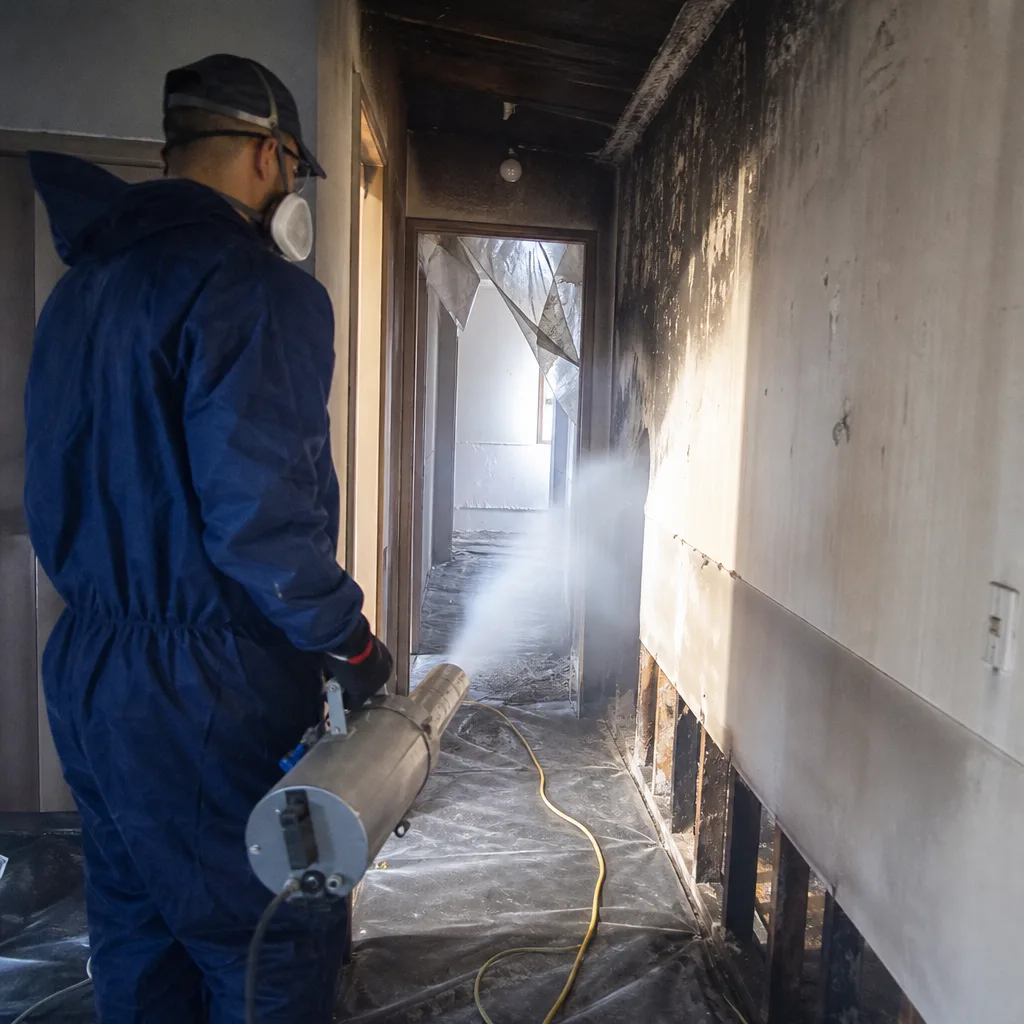
When someone in a Lower Manhattan building is diagnosed with a contagious illness, building management often needs a documented disinfection of the unit and common areas. We fog and wipe with EPA-registered hospital-grade disinfectants, covering all touchpoints, and we provide written documentation of what was treated and which products were used. That documentation matters for co-op boards and commercial landlords.
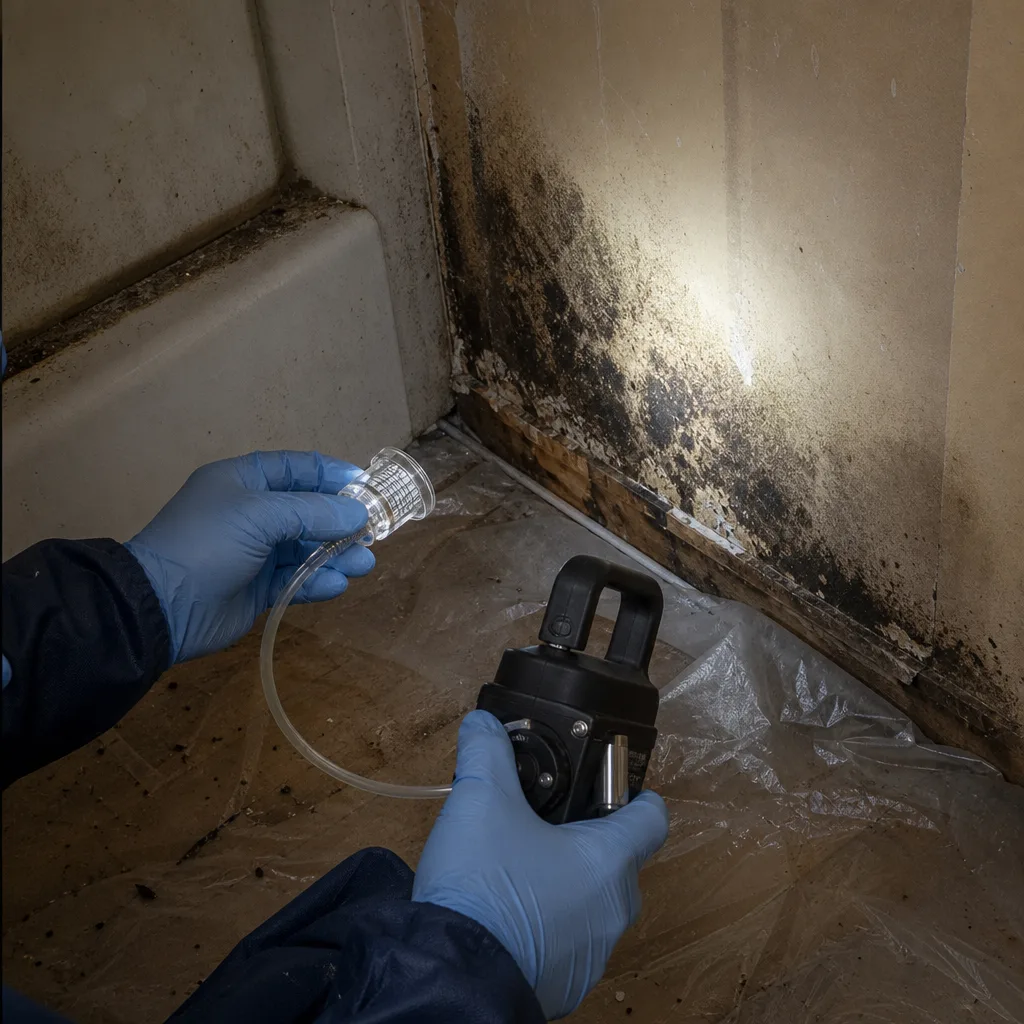
Tear Gas & Chemical Cleanup
Tear gas and chemical residue in Lower Manhattan commercial or residential spaces requires specialized decontamination because the particulates embed in porous surfaces and keep off-gassing. We use HEPA air scrubbing and surface treatment protocols specific to chemical irritants, not just standard biohazard cleaning.
What happens when you call
- 1
A real person answersNo phone trees - you reach a local pro.
- 2
You get an upfront price rangeHonest numbers before anyone is dispatched.
- 3
A background-checked tech heads outLicensed & insured, dispatched right away.
- 4
You approve before work beginsNothing starts until you say go.
Biohazard & Crime Scene Cleanup Costs in Lower Manhattan, NY
Here’s what you’re actually looking at in Lower Manhattan. A contained blood or bodily fluid cleanup in a single unit typically runs $1,800 to $4,500. An unattended death with decomposition fluids in flooring and subflooring runs $4,000 to $8,500, sometimes more if joist bays or wall cavities are involved. Hoarding cleanup in a typical Tribeca or Financial District one-bedroom runs $6,000 to $15,000 depending on debris volume, rodent activity, and how long the condition has existed. Sewage backup cleanup from a sub-basement mechanical room runs $3,500 to $9,000, and that number climbs if the building’s Flood Emergency Operations Plan requires flood-rated replacement finishes below base flood elevation. Most homeowner’s and commercial policies cover biohazard cleanup, but you’ll get a lot less pushback from your insurer if the scope is documented the way we document it. Call (201) 740-2235 and we’ll do a free visual inspection, then hand you a written scope. No surprises, no phone quote that morphs into something else when the crew walks in the door.
We Also Serve Cities Near Lower Manhattan
Our crews work across the whole metro. You’ll find us regularly in Financial District, Astoria, Midtown Manhattan, and Long Island City, handling the same biohazard, trauma, hoarding, and infectious disease work we do in Lower Manhattan. Same crews, same equipment, same live answer when you call.
Serving Lower Manhattan, NY - Our Local Coverage Area
We’re based in the Lower Manhattan area and know this community well. Use the map below to see our service coverage - if you’re nearby, we can almost certainly help.
Lower Manhattan Biohazard & Crime Scene Cleanup Questions, Answered
Does Lower Manhattan’s landfill geology affect biohazard cleanup in sub-basement units?
Yes, and it’s one of the biggest differences between Lower Manhattan and other boroughs. Battery Park City and the western Financial District waterfront sit on Hudson River landfill. During storm surges, groundwater rises from below, pushing contaminated water up through floor drains and slab cracks into habitable space. If you only treat surface contamination, the biohazard returns within days. Our crews check for groundwater intrusion paths on every sub-basement job here.
Are there special building permits required for crime scene cleanup in Lower Manhattan co-ops?
Most co-op buildings in Lower Manhattan require written approval from the board or managing agent before any major remediation work starts, especially if it involves opening walls or replacing flooring in common chases. Some buildings also require certificates of insurance naming the co-op as an additional insured. We handle that paperwork for you and coordinate directly with building management.
How does pre-war construction affect hoarding cleanup in Tribeca lofts?
Pre-war loft buildings have original timber joists, cast-iron columns, and masonry party walls. Hoarding debris adds significant weight to those older joist systems, and decomposing organic matter penetrates deep into wood fibers. We assess joist condition before we start removing debris, because you don’t want to pull a load-bearing floor member without knowing what’s holding up the unit above. We also coordinate with the building on hallway protection and elevator access, since many Tribeca loft buildings have single small elevators.
What category water is typical after a Lower Manhattan sewage backup?
Category 3. Sewage backups are always Category 3, which means the water contains pathogenic, toxigenic, or other harmful agents. In Lower Manhattan, the concern is compounded by the fact that harbor water during storm surge events is also Category 3, and both can enter the same sub-basement spaces. Category 3 requires full PPE, containment, and removal of affected porous materials. You can’t just dry it out and paint over it.
Does a biohazard cleanup in the Financial District trigger NYC Local Law compliance?
Often yes. After Hurricane Sandy, NYC updated Appendix G flood provisions, and many Financial District buildings rewrote their house rules to require flood-rated finishes below base flood elevation. If your cleanup involves replacing flooring, drywall, or mechanical components in a below-grade or ground-floor space, the replacement materials may need to meet specific flood-resistance standards. We check the building’s Flood Emergency Operations Plan before we specify anything, so you don’t fail a certificate-of-occupancy inspection later.
How fast can someone actually get here?
We commit to 45 minutes for emergency response in Lower Manhattan. Wade Ferris answers his phone directly, and he can have a crew rolling from our New York City office within minutes of your call. For non-emergency assessments, we schedule same-day or next-day walkthroughs. There’s no trip charge anywhere in Lower Manhattan, and the visual inspection is free.
Can I stay in my unit during biohazard cleanup?
It depends on the scope. For a contained blood cleanup in a single room, you can usually stay if we seal off that space with negative air pressure. For hoarding conditions, unattended death with decomposition, or sewage contamination that has affected living areas, we recommend vacating until the containment zone is cleared and post-remediation testing confirms the space is safe. We’ll tell you straight, not leave you guessing.
What should I do in the first 30 minutes after I discover a biohazard situation?
Call us at (201) 740-2235. Then close the door to the affected area, turn off any HVAC or central air that could circulate contaminated air through the building, and keep people and pets away. Don’t try to clean blood, sewage, or decomposition material yourself. You’ll spread the contamination and you risk serious illness. Take photos from the doorway if you can, but don’t enter the space. Let us handle it with proper PPE and containment.
If you’re dealing with a biohazard situation in Lower Manhattan right now, call (201) 740-2235. Wade answers the phone himself. We’ll walk you through what to do in the next five minutes, send a crew if it’s urgent, and give you a straight, written scope before any work starts. Free visual inspection, free second opinion on any written estimate, and a 10% discount for seniors and veterans. Same rules every job, same neighbor you’ll run into again on a Saturday.
Written by Wade Ferris, Owner at Wade’s Restoration, serving Lower Manhattan since 2007.