
Last updated August 27, 2026
Free visual inspection and a written scope of work before any mitigation begins - photos, moisture readings, and drying logs go in your claim file
The scope we write is the scope we bill. Anything new gets shown to you, in writing, before we touch it.
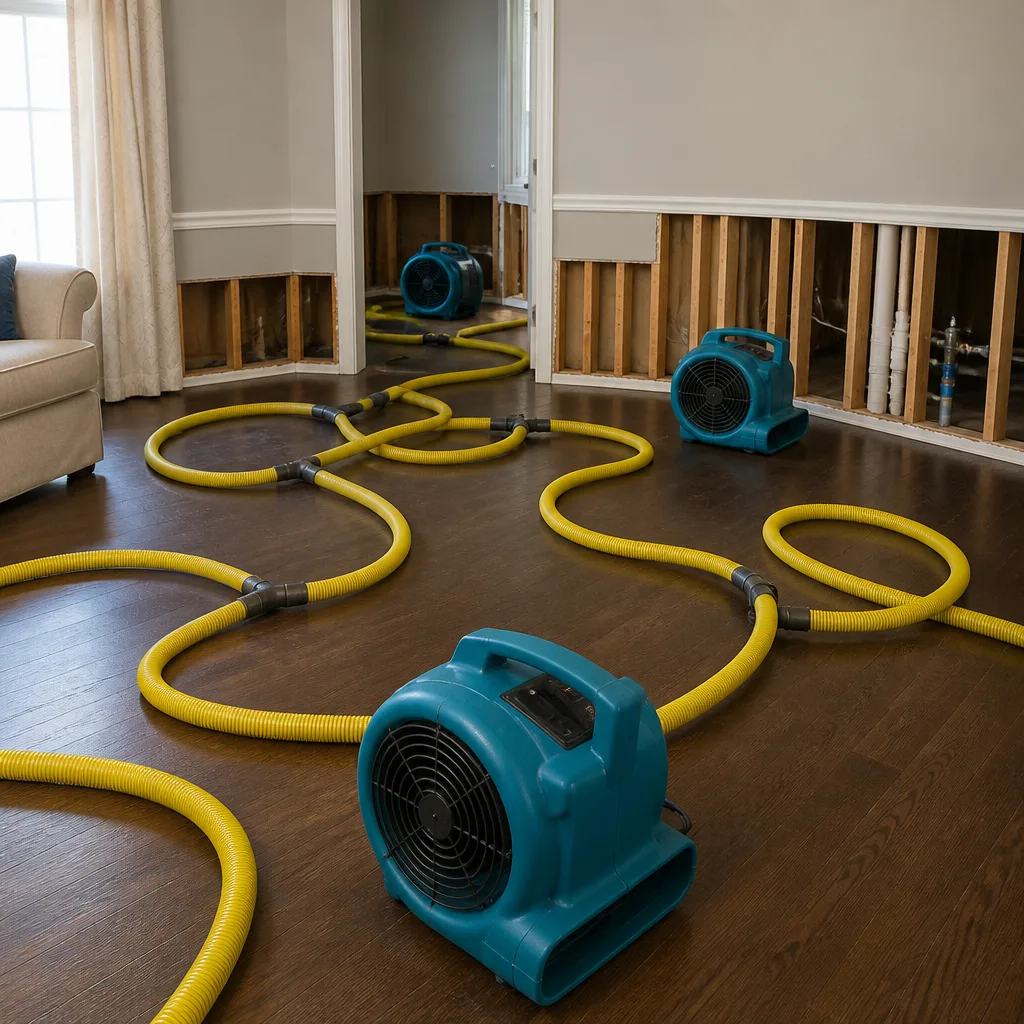





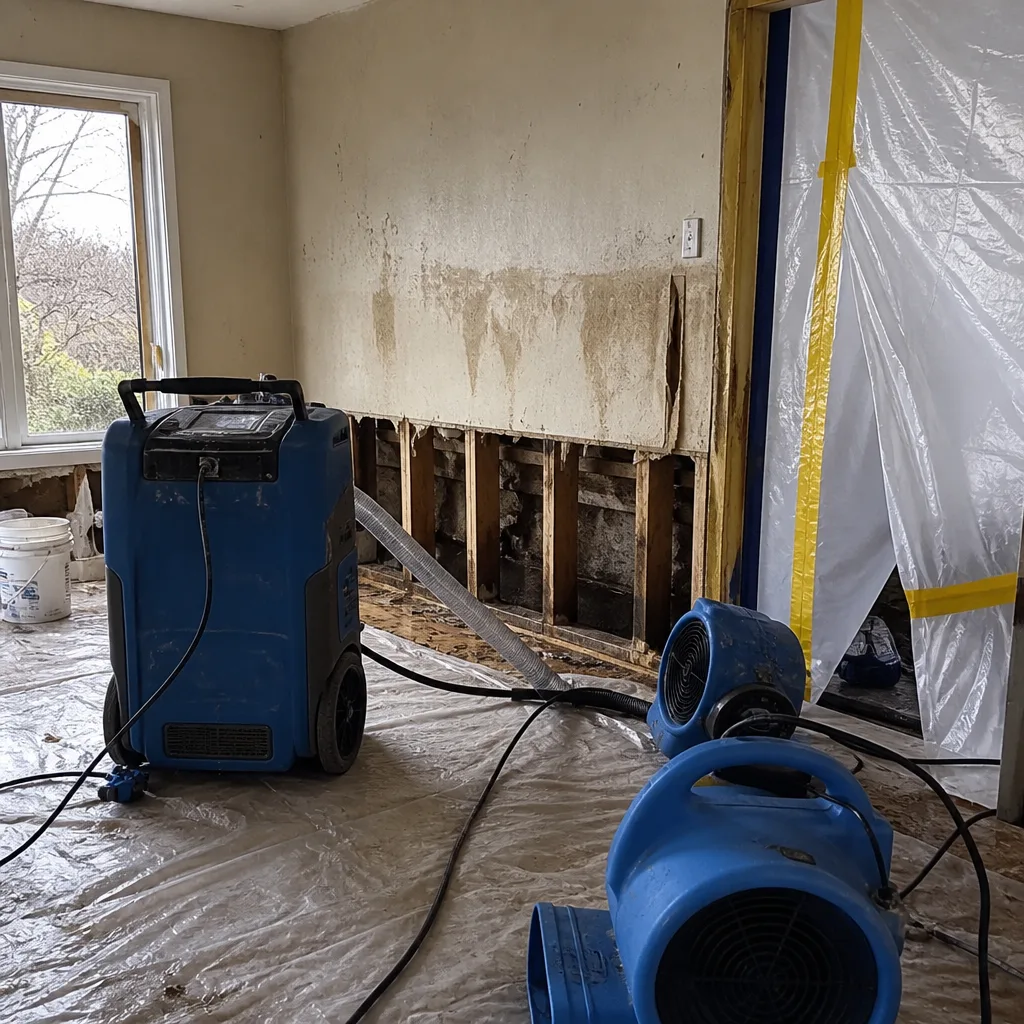 Before
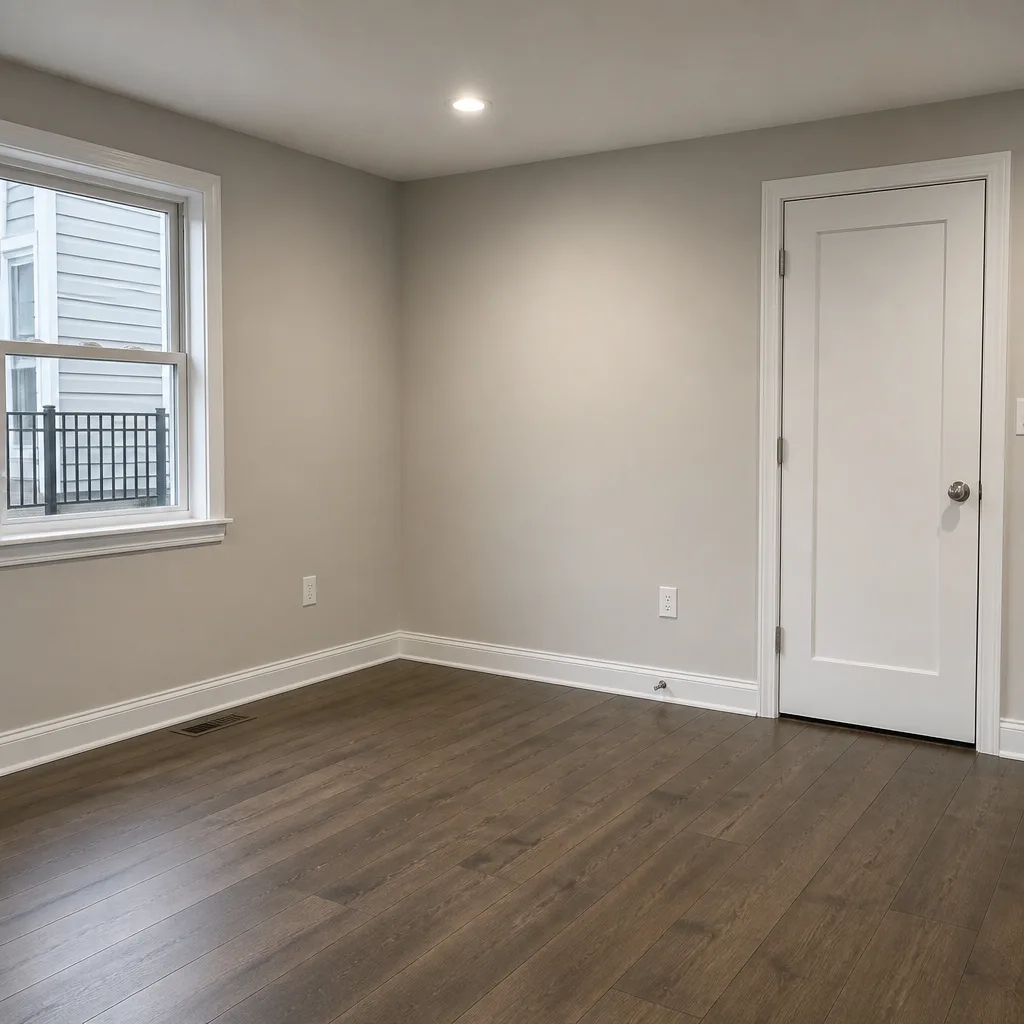 After
After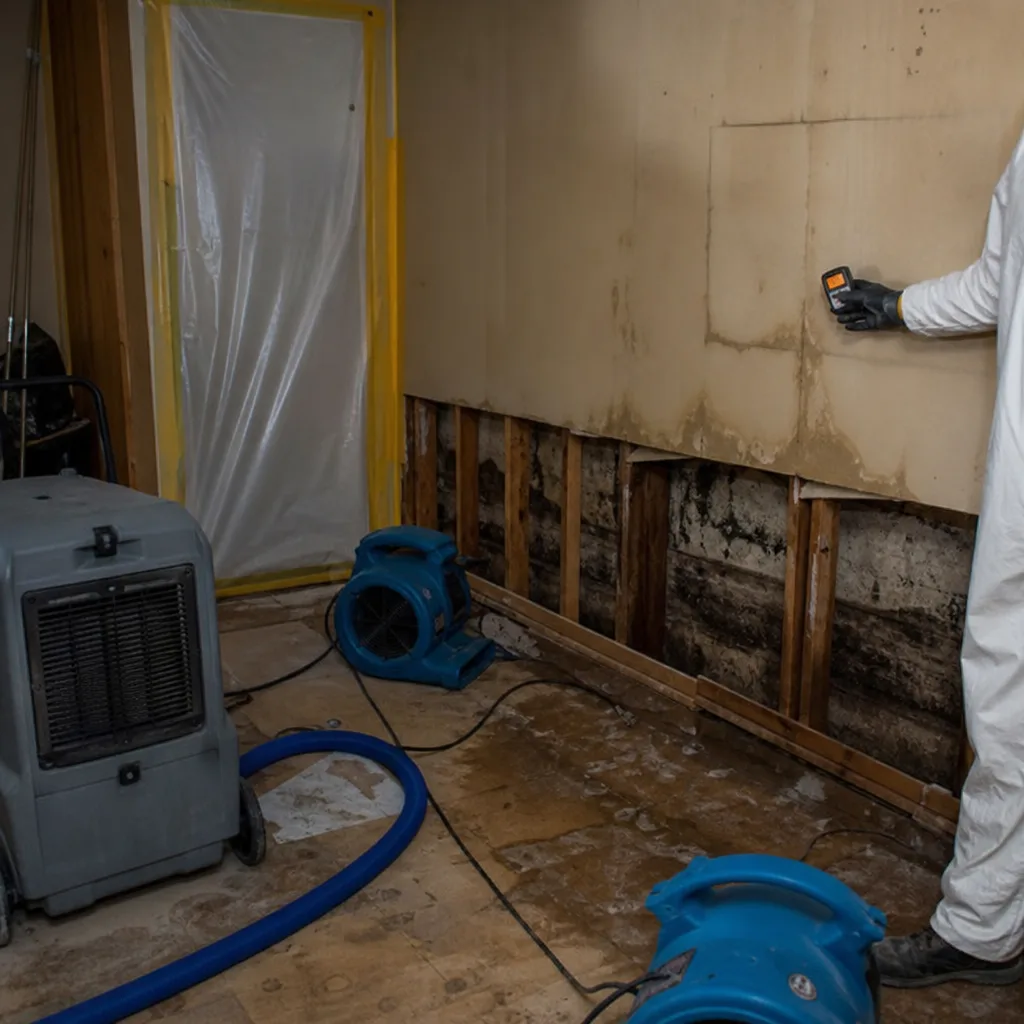 Before
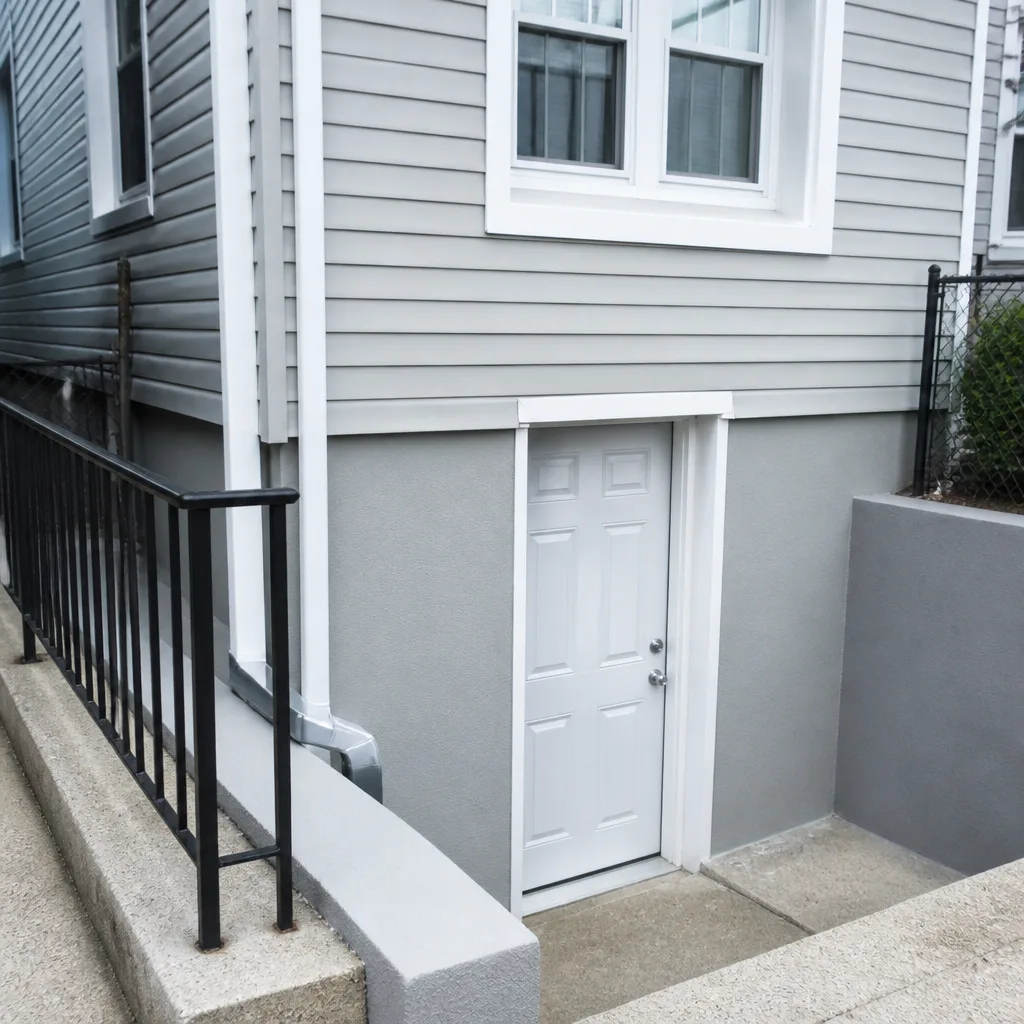 After
After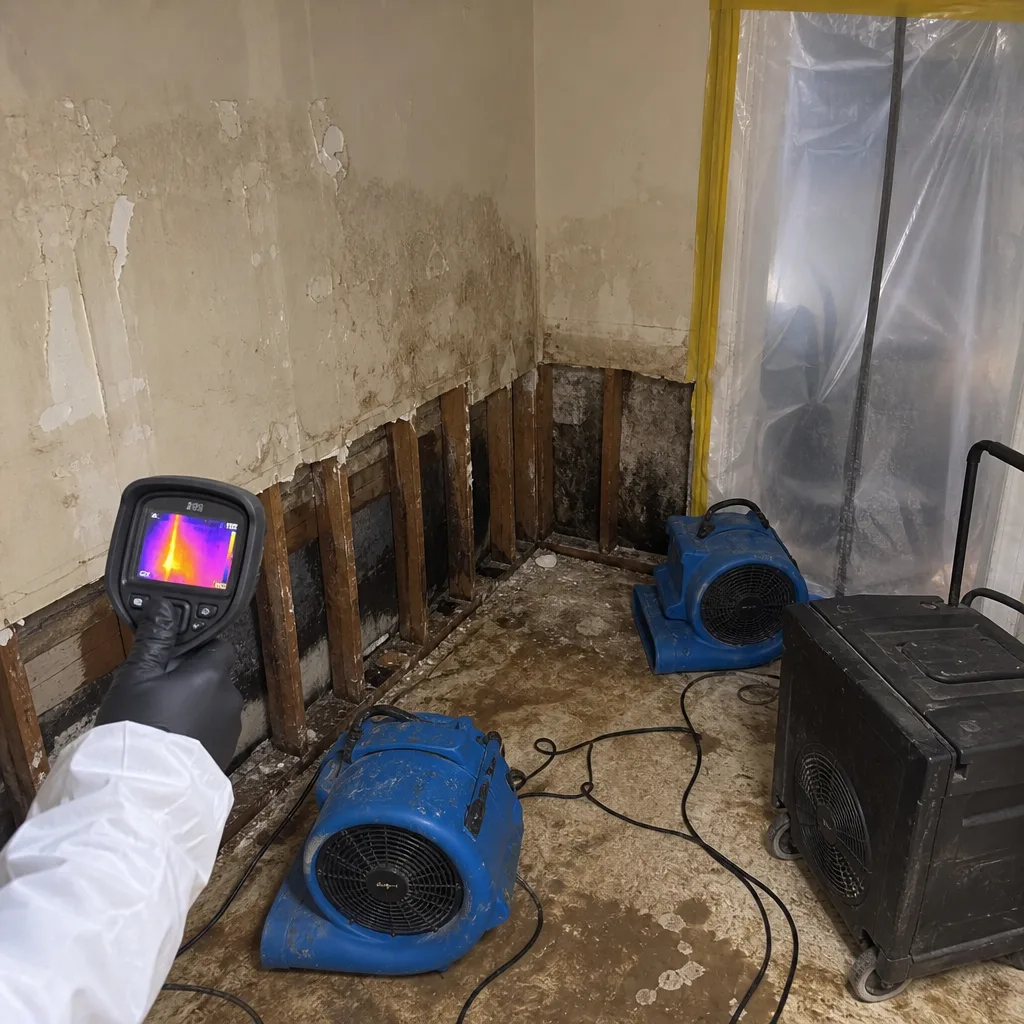 Before
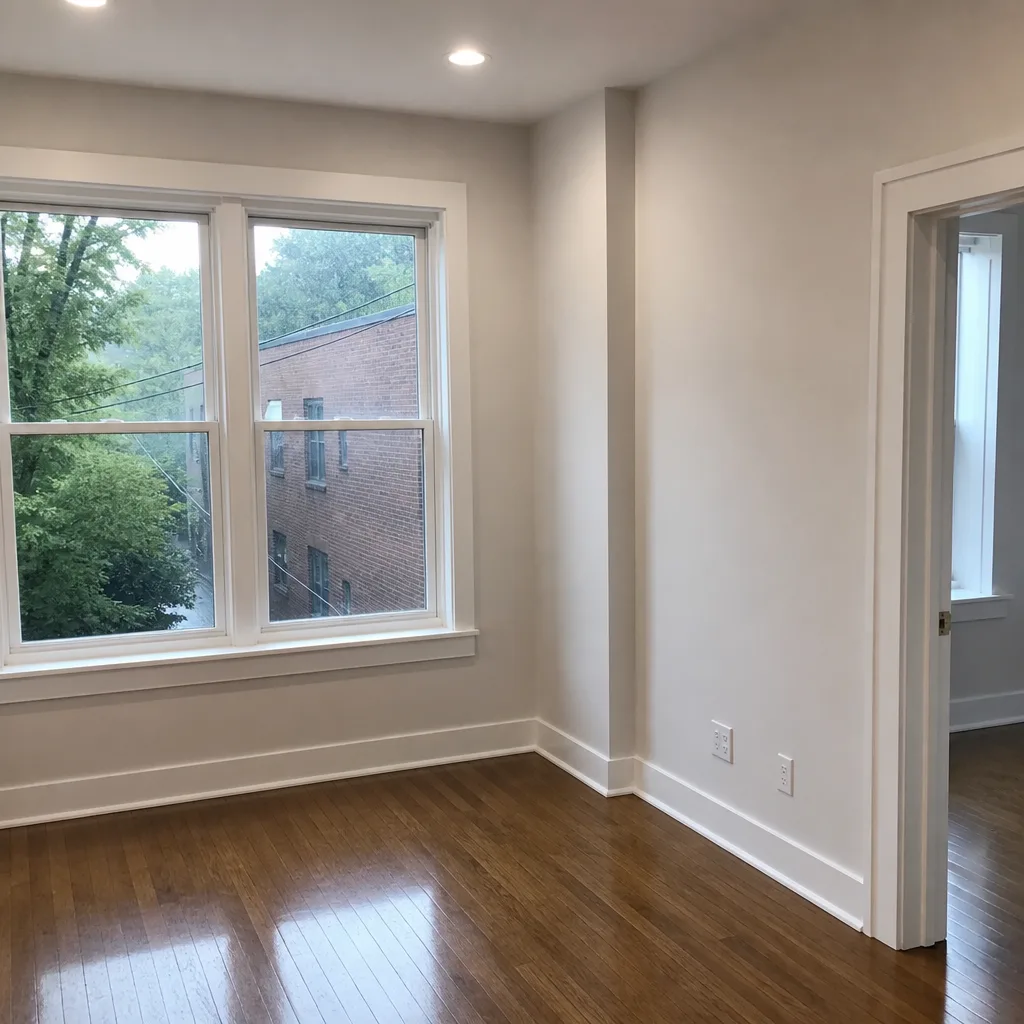 After
AfterSeasonal Damage Restoration Care for Weehawken: Year-Round Homeowner’s Guide
October is the most important month in Weehawken for avoiding winter water damage, and most homeowners spend it raking leaves. The gutter clogs from those leaves are the first chapter of a story that ends with a wet ceiling in January. Weehawken’s four distinct damage seasons each have their own failure patterns, and the work you skip in September shows up as an emergency call in February. Our Complete Guide to Damage Restoration in Weehawken walks through what actually causes damage in this town, when the prevention window opens and closes, and what to do when you’re already too late. You’ll find a printable month-by-month calendar tied to real Hudson County weather patterns, not generic advice written for a house in Ohio.
Quick Answer
Weehawken’s damage cycle follows the weather: fall leaf debris blocks gutters and backs water into foundations, winter freeze-thaw cycles split pipes and form ice dams on varied roof pitches, spring snow melt and rain saturate already-compromised foundations, and summer humidity drives mold growth in older homes with poor ventilation. Homeowners who follow our Water Damage Restoration Maintenance Checklist for Weehawken Homeowners-cleaning gutters in October, inspecting the sump pump before the first freeze, and checking the foundation perimeter after March’s thaw-prevent roughly 70% of the emergency calls we see every year. The rest comes down to how fast water gets extracted once it’s already inside.
Table of Contents
- Fall: The Season That Decides Your Winter
- Winter: Ice Dams, Frozen Pipes, and the Damage You Can’t See Yet
- Spring: Snow Melt, Rain, and the Foundation Audit
- Summer: Humidity, Mold, and the Crawl Space Problem
- The Weehawken Seasonal Maintenance Calendar
- Common Mistakes to Avoid
- When to Call a Professional
- Frequently Asked Questions
Fall: The Season That Decides Your Winter
Weehawken sits on the Hudson River palisades, which means two things: steep grades everywhere, and a lot of mature trees dropping leaves from mid-October through November. The connection between those leaves and a January water damage call is direct. Gutters fill, water spills over the edge, and instead of being carried away from the house, it runs straight down the foundation wall. In Weehawken, where many homes are built into slopes, that water doesn’t have far to travel before it finds a crack, a window well, or a basement wall that’s been holding up since the 1920s.
The gutter cleaning itself isn’t complicated, but the downspout direction is where most people make the mistake. A downspout that dumps water three feet from the foundation is still dumping water into the soil that presses against your basement wall. We want that water moving at least six feet away, and on a sloped lot, we want it moving downhill, not across the face of the house. In our experience, a five-dollar downspout extension prevents more basement water problems than any other single fall task.
Before the first freeze in Weehawken, which typically lands in late November or early December, there’s one piece of equipment that deserves ten minutes of your time: the sump pump. Check the discharge line for debris, pour a bucket of water into the pit to confirm the float triggers, and make sure the discharge pipe outside hasn’t been buried under fall landscaping. A sump pump that fails quietly in November becomes a flooded basement in January when the ground is frozen and the water has nowhere to go but in.
Fall checklist for Weehawken homeowners
- Clean gutters and downspouts in late October, then again after the last leaves fall in mid-November.
- Extend downspouts to discharge at least six feet from the foundation, pointed downhill where possible.
- Test the sump pump by pouring water into the pit and watching the discharge line clear.
- Check window wells for leaf accumulation and add covers where uphill runoff is a concern.
- Walk the foundation perimeter and mark any new cracks with tape and a date before winter hides them.
If you find evidence of water already getting in, this is the time to address it, not after the ground freezes. Fall repairs are less expensive, faster, and far less disruptive than the mitigation calls that start rolling in after the first hard thaw. Read more about Water Damage Restoration in Weehawken if you’ve already got signs of moisture in the basement.
Winter: Ice Dams, Frozen Pipes, and the Damage You Can’t See Yet
Weehawken’s housing stock is a mix of 19th-century frame houses, mid-century brick, and newer construction, and that variety means every block has a different roof pitch and a different ice dam risk. An ice dam forms when heat escapes from the living space, melts the snow on the upper roof, and the water runs down to the cold eaves where it refreezes. The ice builds up, water pools behind it, and eventually it backs up under the shingles and into the attic. The first sign is rarely a visible leak. It’s usually a water stain on the ceiling, a musty smell in an upstairs closet, or paint that starts bubbling along an exterior wall.
The interior signs appear before the damage becomes visible because the water travels along rafters and down wall cavities long before it soaks through drywall. If you’re in Weehawken and you notice a faint brown discoloration along a ceiling edge in January or February, don’t wait for it to get worse. By the time water is dripping, the insulation above is already saturated, and saturated insulation loses its R-value, which causes more heat loss, which causes more melting, which makes the ice dam worse. It’s a feedback loop that a single warm afternoon can accelerate dramatically.
Frozen pipes are the other winter culprit, and in Weehawken they show up most often in uninsulated crawl spaces, exterior wall cavities on older homes, and any plumbing running through an unheated mudroom or garage. A pipe that freezes doesn’t always burst the first time. The expansion creates micro-fractures that hold through one or two freeze-thaw cycles, then let go on the third. When that happens, a quarter-inch crack can release several gallons per minute, and if nobody’s home, that’s thousands of gallons inside the house before anyone notices.
What to do during a hard freeze
- Open cabinet doors under kitchen and bathroom sinks on exterior walls so warm air reaches the pipes.
- Let a thin stream of water run from any faucet on an exterior wall; moving water freezes slower than still water.
- Keep the thermostat at a consistent temperature day and night; a setback of more than a few degrees overstresses pipes in walls.
- Check the attic for signs of condensation or frost on the underside of the roof deck after a cold snap.
If a pipe does burst, shut off the main water valve immediately, then call a restoration company before the water wicks into drywall and flooring. The first hour matters more than the first day, and you can read about what immediate steps prevent secondary damage in the linked guide above. For fire-related winter damage, which peaks when space heaters and old wiring combine, see our Fire & Smoke Damage Restoration in Weehawken page.
Spring: Snow Melt, Rain, and the Foundation Audit
March and April in Weehawken are the months when Hudson County’s snow melt and spring rain combine into a single continuous source of groundwater. The ground is already saturated from winter precipitation, the soil is still partially frozen below the surface, and every new rainstorm has nowhere to go except sideways into basement walls and foundation cracks. It’s the primary reason March is our busiest water mitigation month, not January.
The foundation perimeter audit we recommend every spring is not complicated. Walk the entire exterior of your house after the ground has thawed, typically by early to mid-March in Weehawken, and look for three things. First, any cracks or gaps in the foundation that are new or noticeably wider than they were in the fall. Second, any areas where the soil has settled and created a depression that slopes toward the house, because that’s a channel for surface water. Third, any staining or white mineral deposits on the interior basement walls, which tell you water moved through the masonry over the winter.
Window wells deserve particular attention in the spring on Weehawken’s hillside lots. The combination of snow melt running downhill and spring rain can fill a window well faster than the drain at the bottom can handle. When that happens, the water pressure against the window frame eventually forces water through the seal, and it runs straight into whatever room is on the other side. A simple plastic well cover, available at any hardware store, prevents more spring flooding than most people would believe.
Spring foundation audit steps
- Walk the perimeter after the last frost and photograph every crack, even small ones, from the same angle each year.
- Check that the ground slopes away from the house at least two inches over the first four feet.
- Look inside the basement or crawl space for new staining, efflorescence, or damp spots on the floor.
- Clear window well drains and test them with a garden hose on a dry afternoon.
If you find evidence of moisture, especially in a finished basement, treat it seriously. What looks like a small damp patch in March can support mold growth by June. Our Mold Remediation in Weehawken guide explains what’s actually involved in removing mold versus just cleaning it, and the difference matters more than most homeowners realize.
Summer: Humidity, Mold, and the Crawl Space Problem
Weehawken’s older homes, and there are a lot of them, were built before vapor barriers and sealed crawl spaces were standard practice. That means summer in Weehawken, with its Hudson River humidity and regular afternoon storms, creates the perfect conditions for mold growth in crawl spaces, basements, and any enclosed space that doesn’t breathe. The window for prevention is narrower than most people think, and we’ve seen uninspected crawl spaces become a significant mold problem in a single summer.
The mechanism is straightforward. Warm, humid air enters the crawl space through foundation vents. The air cools when it contacts the colder surfaces below grade, the relative humidity rises, and condensation forms on floor joists, subflooring, and insulation. Once wood surfaces stay above 20% moisture content for more than a few weeks, mold spores that are already present, in every home, start to colonize. The first sign is often a musty smell in the house that nobody can pinpoint, followed by warped hardwood floors above the crawl space, and eventually visible mold on the joists themselves.
An unvented, uninsulated crawl space in Weehawken will typically develop measurable mold within 60 to 90 days of sustained summer humidity if there’s any ground moisture present. That’s not a scare number; it’s what we document in moisture logs on the jobs we take over from other contractors who missed it. The fix is often a combination of a proper vapor barrier on the ground, sealing foundation vents, and installing a dehumidifier sized for the space, but the exact approach depends on the home’s construction and drainage.
Summer humidity checks for older Weehawken homes
- Check the crawl space at least once in June and once in August. Bring a flashlight and look at the floor joists, not just the ground.
- Run a dehumidifier in the basement and empty it regularly; a basement that stays below 50% relative humidity is an inhospitable environment for mold.
- Make sure bathroom exhaust fans vent to the outside, not into the attic, which is a surprisingly common defect in older Weehawken homes.
- Pay attention to musty smells after rainstorms; that smell is airborne mold compounds and it means moisture is active somewhere.
If you’ve got visible mold or a persistent musty smell, don’t ignore it through the summer. Mold doesn’t go dormant in the heat; it thrives in it. More on that in the Mold Remediation in Weehawken section linked above.
The Weehawken Seasonal Maintenance Calendar
This is the one-page calendar we hand to homeowners in Weehawken, along with more guides & resources. Print it, put it on the refrigerator, and let it remind you what actually matters each month. It’s built around real weather patterns in Hudson County, not generic national averages.
October
- Clean gutters and downspouts after the first heavy leaf drop.
- Test the sump pump before the ground freezes.
- Extend downspouts away from the foundation.
- Walk the foundation and photograph any cracks.
November
- Clean gutters again after the last leaves fall.
- Disconnect garden hoses and drain outdoor faucets.
- Insulate any exposed pipes in crawl spaces or unheated areas.
- Check attic insulation for even coverage and signs of past leaks.
December-February
- Keep cabinet doors open on exterior-wall sinks during hard freezes.
- Monitor ceilings and closets for new stains or musty smells.
- Clear snow from around basement window wells and downspout outlets.
- Keep the thermostat consistent; avoid deep setbacks during cold snaps.
March-April
- Walk the foundation perimeter after the ground thaws.
- Check for soil settlement around the foundation and fill low spots.
- Clear window well drains and test them with a hose.
- Inspect the basement for winter moisture staining or efflorescence.
May-June
- Start the dehumidifier in the basement and set it to 50%.
- Do the first crawl space inspection of the season.
- Check that downspouts are still connected and draining properly after winter.
- Clean or replace the air conditioner filter; a clogged filter increases indoor humidity.
July-September
- Do a second crawl space inspection before the hottest stretch of summer.
- Look for musty smells, warped floors, or condensation on pipes and windows.
- Inspect the roof for damaged or missing shingles before fall rains arrive.
- Make any exterior repairs, including grading and drainage, before October.
This calendar reflects what we’ve learned handling restoration work across Weehawken for years. The seasonal rhythm is real, and the homeowners who stay ahead of it rarely meet us for the first time at two in the morning.
Common Mistakes to Avoid
- Ignoring gutter maintenance because “it’s just leaves.” Leaves in gutters are the single most preventable cause of winter water damage in Weehawken. A clogged gutter system redirects thousands of gallons of water against the foundation over a single season.
- Pointing downspouts wrong. A downspout that dumps water two feet from the wall is better than nothing, but it’s not enough. The water still saturates the soil against the foundation, especially on Weehawken’s sloped lots where runoff concentrates.
- Waiting until a leak is visible to address it. By the time water is dripping through a ceiling, the damage has been happening for weeks. Stains, musty smells, and bubbling paint are the early warnings, and they’re the cheapest to address.
- Running the dehumidifier in the basement with the windows open. In summer, this defeats the purpose entirely. You’re trying to dehumidify the outdoors, which doesn’t work, and the moisture load makes the machine work harder for nothing.
- Assuming the sump pump works because it’s plugged in. Sump pumps fail in two common ways: the float sticks, or the discharge line freezes or clogs. Neither is detectable by looking at the unit. You have to test it with water.
- Putting off foundation cracks because “the basement only gets damp after big storms.” That’s the crack telling you what it does under load. Every storm that brings water through that crack widens it a little more, and the repair only gets more involved.
- Hiring a contractor based on a phone quote without a written scope. We hear this story constantly in Weehawken: a national outfit quoted one number on the phone and a very different one at the door. Get the scope in writing before work starts, every time, no matter who you hire.
When to Call a Professional
Some things you handle with a gutter scoop and an afternoon. Other things need equipment, training, and insurance. Call a professional when water has touched drywall, flooring, or insulation, because those materials wick moisture and the hidden damage spreads fast. Call when mold is visible on any surface or when a musty smell persists after you’ve dried things out. Call when a fire has left soot or smoke residue anywhere, because the acidic residue keeps etching surfaces long after the flames are out. Call when sewage is involved, period, because the contamination risk is severe and the cleanup requires proper PPE and disposal. And call before you’ve spent days trying to dry it yourself with fans from the hardware store, because the cost of the call is less than the cost of the mold that grows while you wait. Wade’s Restoration offers free estimates in Weehawken, call (201) 740-2235 and Wade himself will talk you through what you’re looking at.
Frequently Asked Questions
Water damage restoration in Weehawken typically runs from $500 for a small, contained leak to $5,000 or more for a flooded finished basement requiring full extraction, drying, and material removal-see our Damage Restoration Cost Breakdown: The Weehawken Homeowner’s Reference for 2026 for full details. The final number depends on the square footage affected, how long the water sat, and whether drywall, flooring, or cabinetry needs to come out. Call (201) 740-2235 for a free estimate with a written scope before any work starts.
Wade’s Restoration answers calls with a live person 24/7, and in Weehawken, Wade can have extraction equipment running inside the hour on most calls. The first hour after water intrusion matters more than the first day, and the faster the water comes out, the less material gets torn out and replaced.
Most homeowners policies cover sudden and accidental water damage, like a burst pipe or a storm-driven leak, but not gradual damage from neglected maintenance, like a gutter that’s been clogged for months. The difference usually comes down to whether the damage was sudden or ongoing. Wade’s team documents everything with photos and moisture readings and handles adjuster communication directly, so you’re not stuck translating between two sides.
If the mold covers more than about ten square feet, it’s not a cleaning job, it’s a remediation job. Cleaning visible mold without addressing the moisture source and the spores already in the air means it comes back, usually within a few months. Weehawken’s older homes are particularly susceptible because the humidity and construction patterns create persistent moisture that cleaning alone doesn’t fix.
The biggest difference is who shows up at your door and whether they’ll still be around if something goes wrong. Wade Ferris owns Wade’s Restoration, answers his own phone, and lives in the community he serves. You’ll see him at the hardware store. That’s an accountability mechanism no national franchise can replicate.
At minimum, twice a year: once in May or June before summer humidity peaks, and once in October before the wet season. If your home sits on a sloped lot with poor drainage, or you’ve had moisture issues before, inspect it quarterly. A crawl space that goes uninspected through a single summer can develop mold that costs thousands to remediate.
The Bottom Line
Weehawken’s damage seasons are predictable, and that’s the good news. Fall leaves, winter freeze-thaw cycles, spring groundwater, and summer humidity each leave early warning signs that cost very little to address and a lot to ignore. The homeowners who clean their gutters in October, test their sump pumps before the freeze, audit their foundations in March, and check their crawl spaces in June rarely see the inside of a restoration truck. The ones who don’t end up calling us anyway, and we’re glad to help, but the repair is always more expensive than the prevention. When prevention fails, call (201) 740-2235. Wade will answer the phone himself. Learn more about Wade’s Restoration home services or reach out for a free estimate on any water, mold, or fire damage concern in Weehawken.
Written by Wade Ferris, Owner at Wade’s Restoration, serving Weehawken since 2007.