
Last updated August 27, 2026
Free visual inspection and a written scope of work before any mitigation begins - photos, moisture readings, and drying logs go in your claim file
The scope we write is the scope we bill. Anything new gets shown to you, in writing, before we touch it.
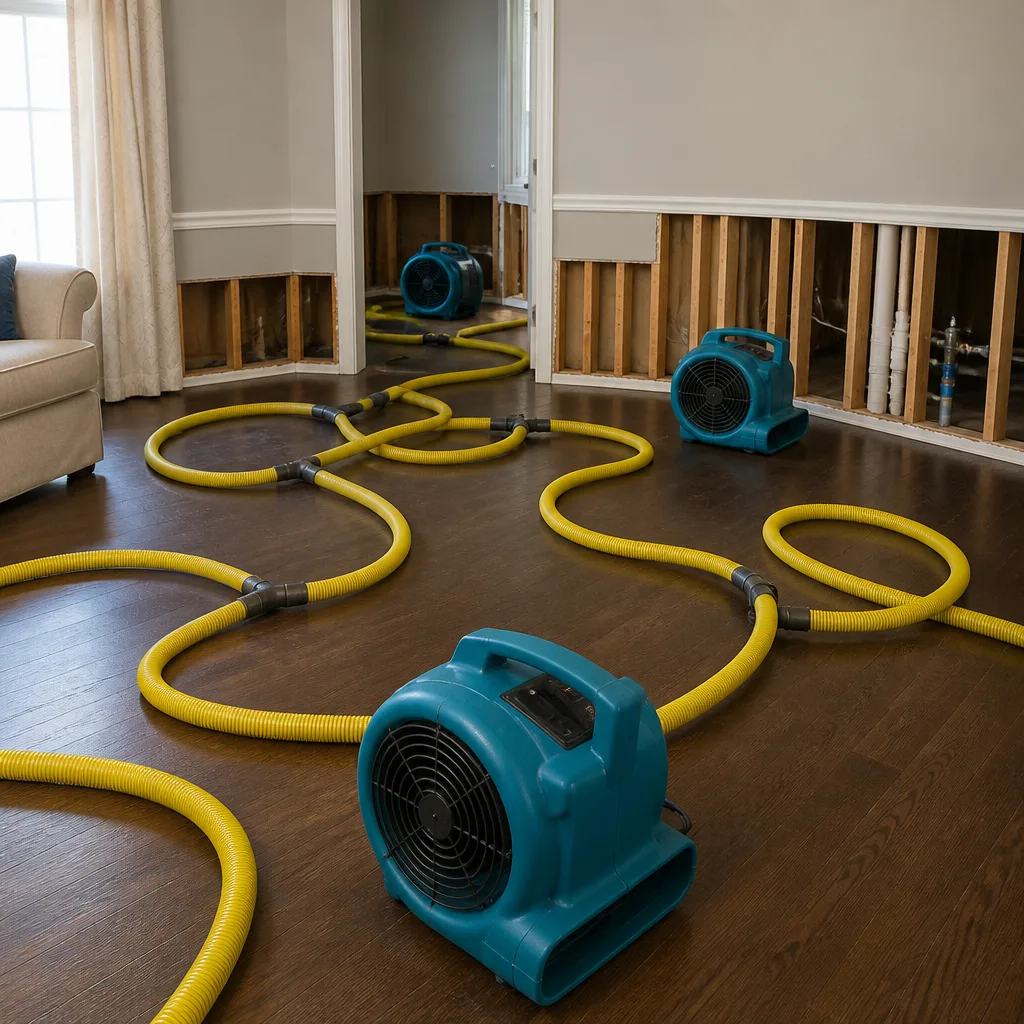

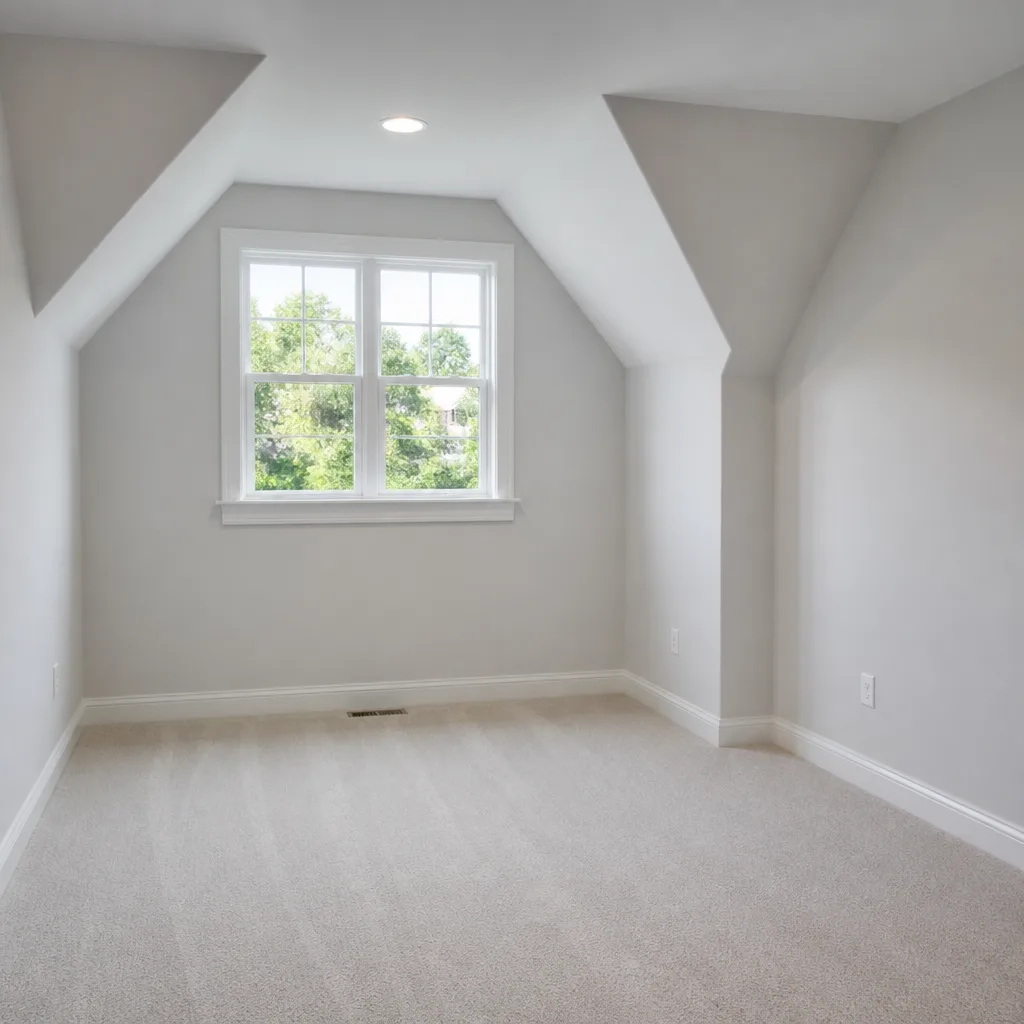

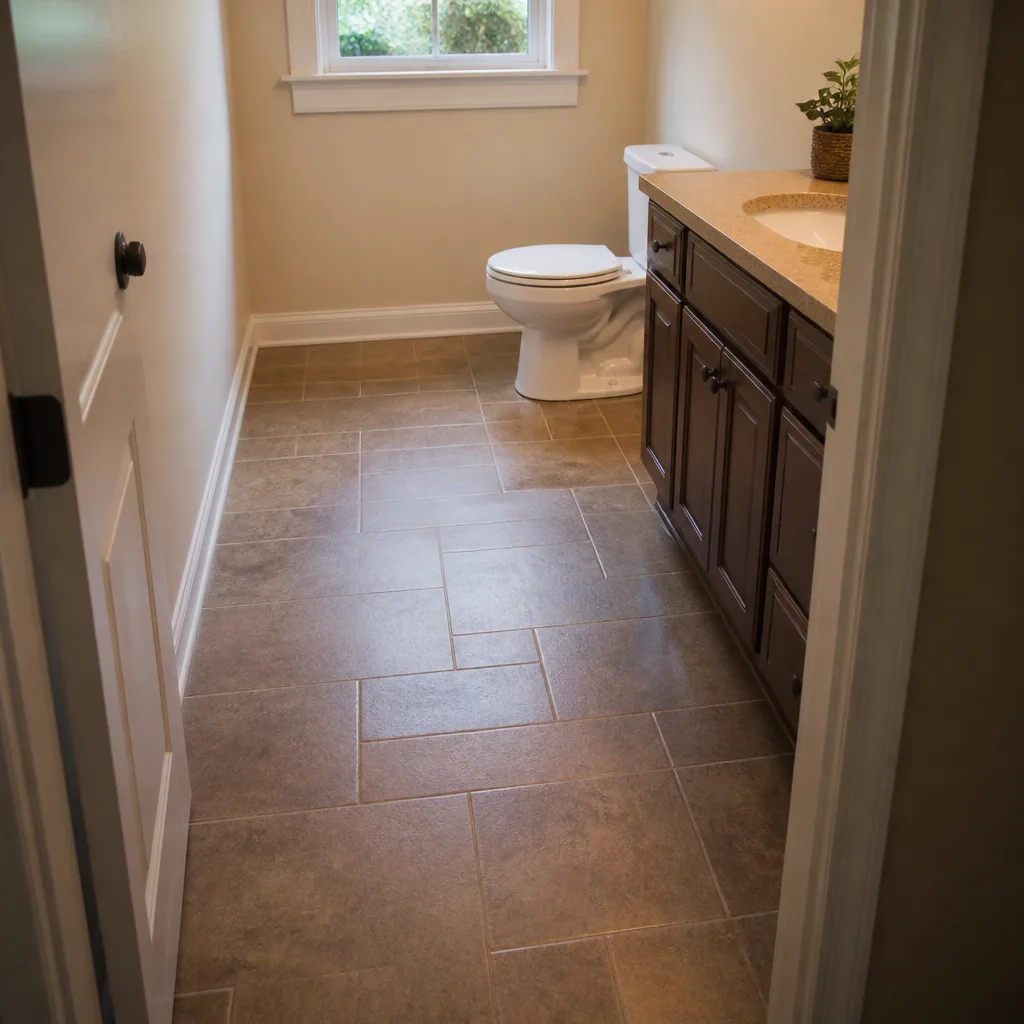

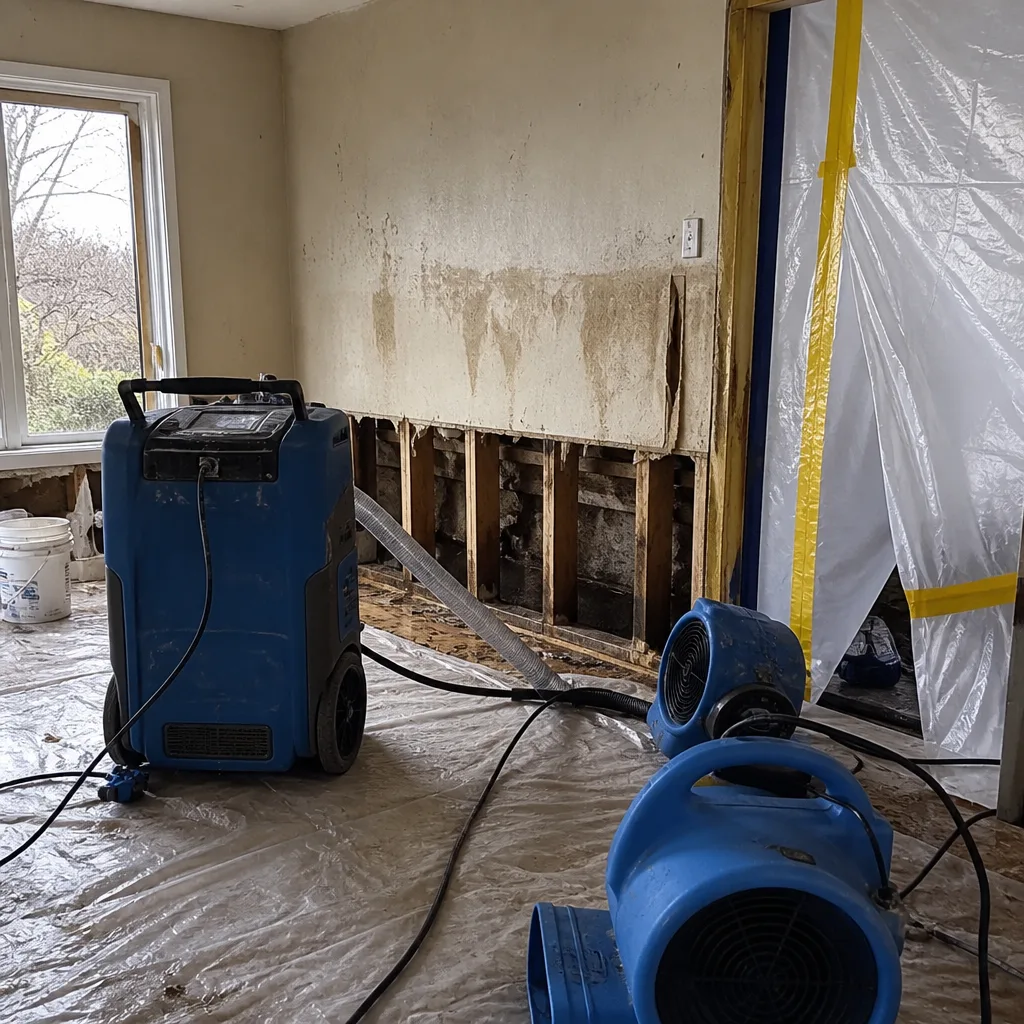 Before
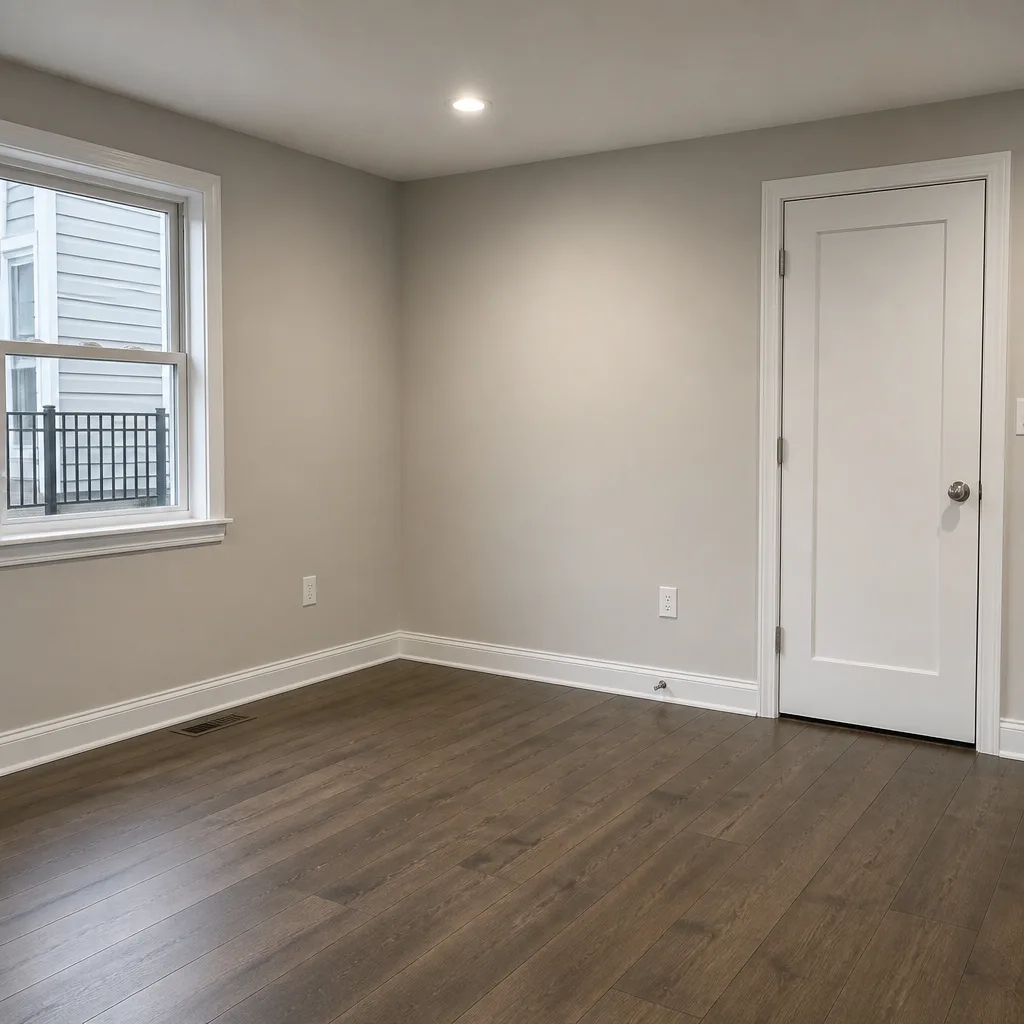 After
After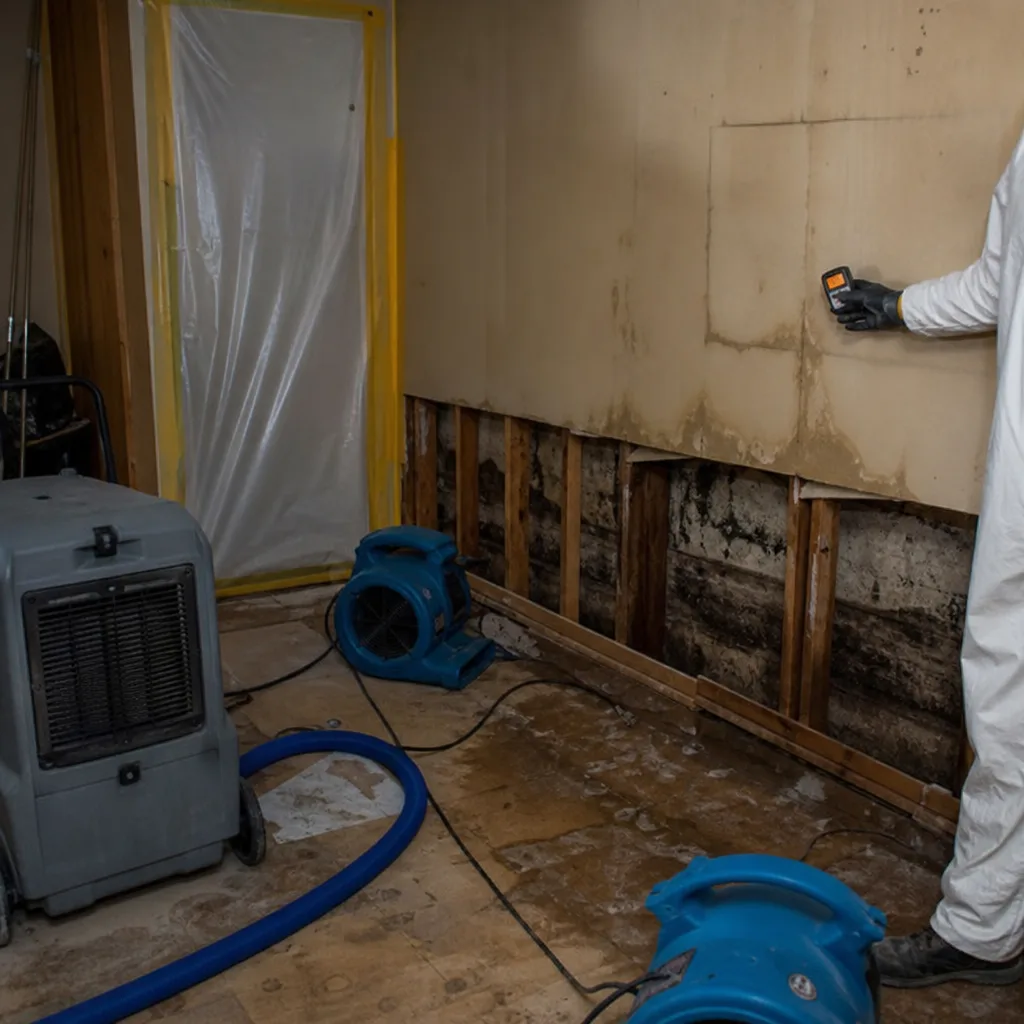 Before
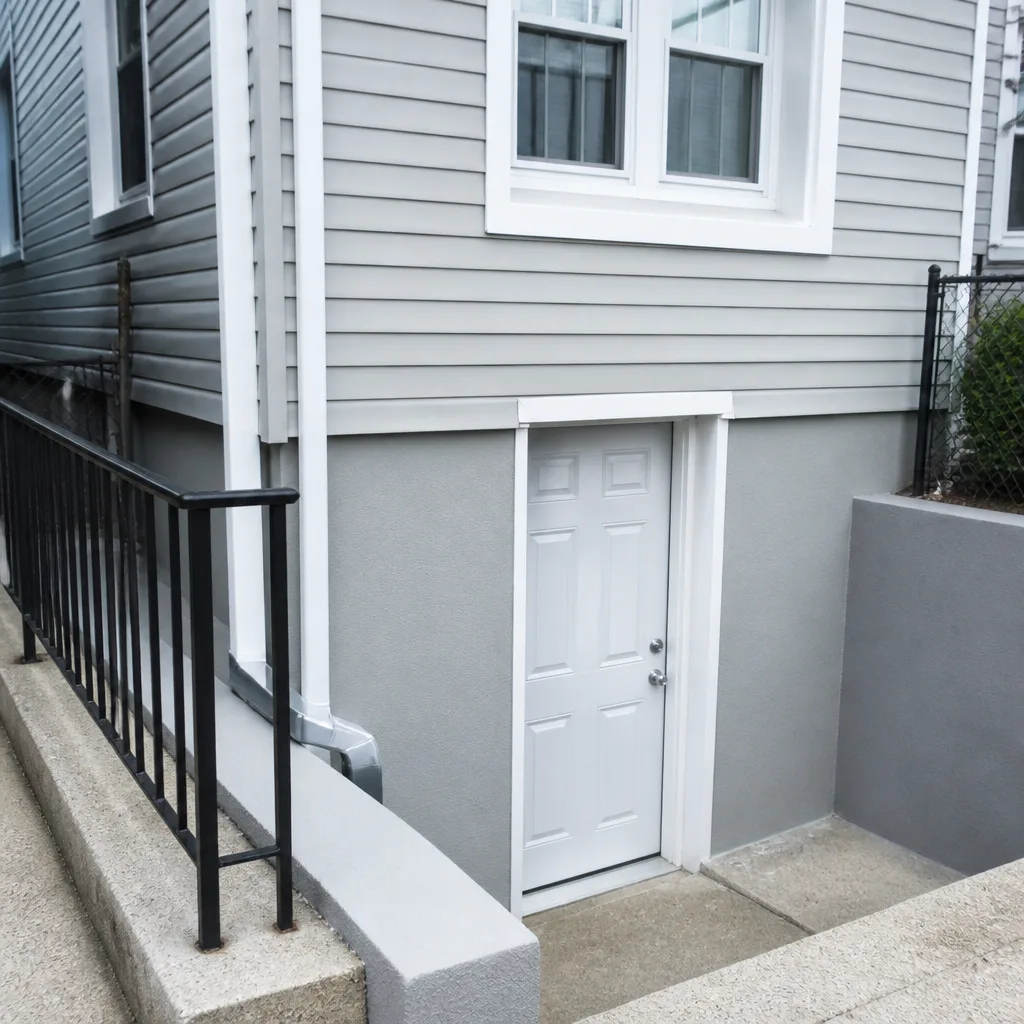 After
After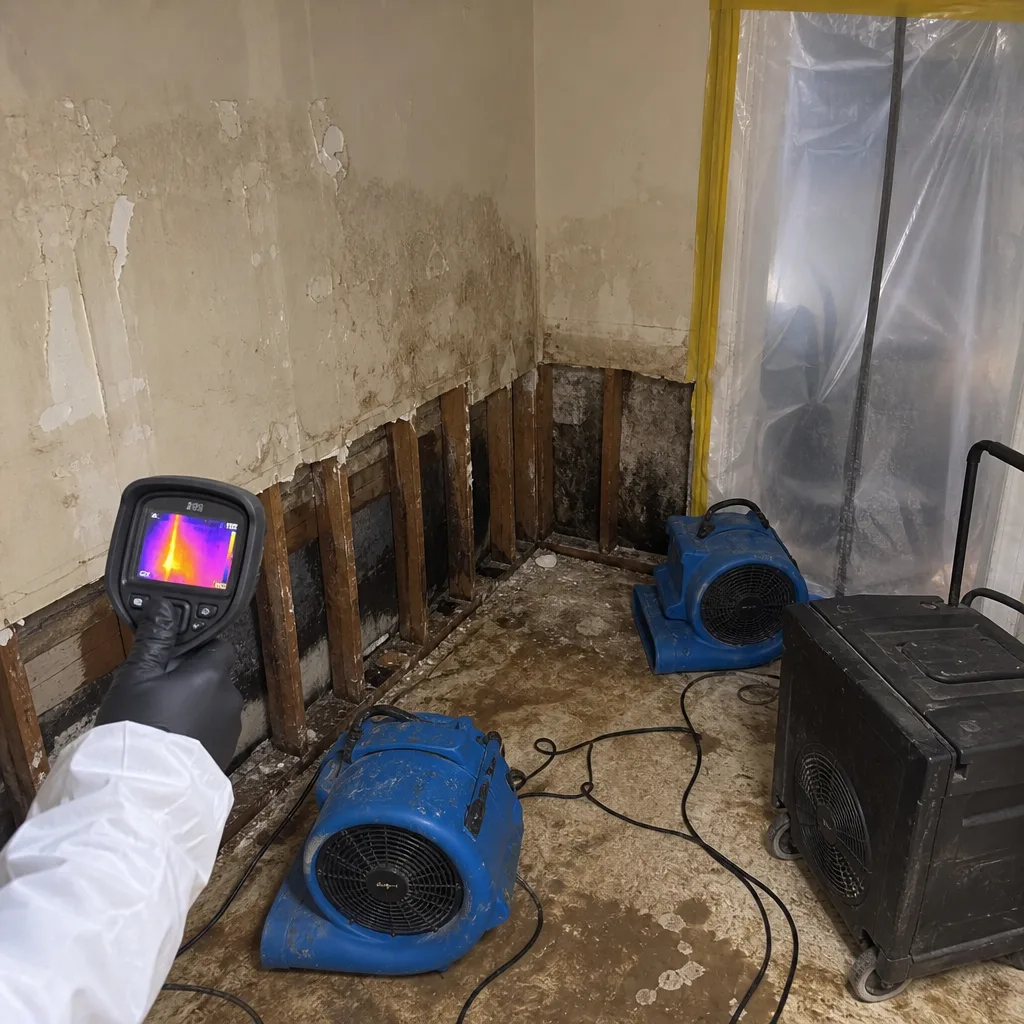 Before
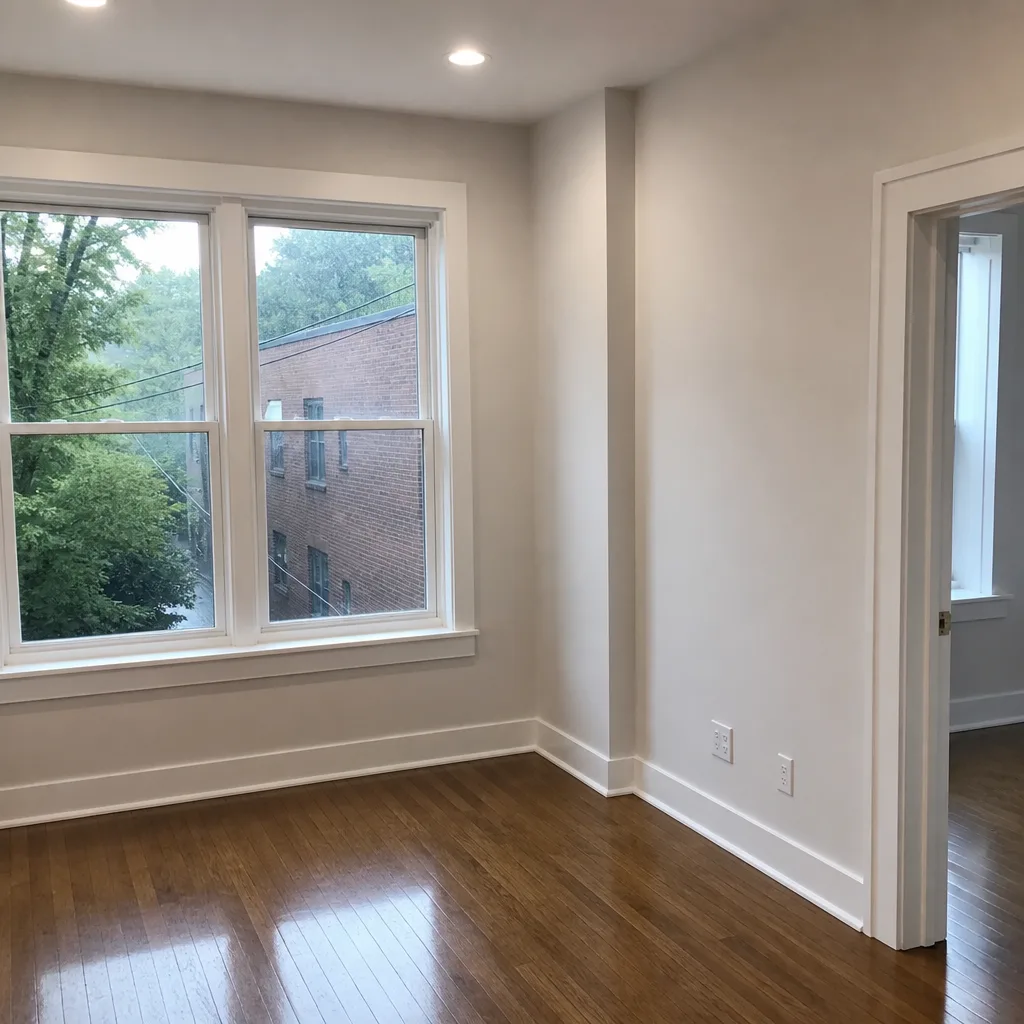 After
AfterThe Complete Guide to Damage Restoration in Weehawken
Weehawken sits on one of the most water-stressed corridors in New Jersey, yet most restoration guides written for this area are copy-pasted from a Phoenix template. The first thing that gets homeowners in trouble is treating a Weehawken water claim like it’s average. This guide walks through the actual restoration sequence, the local variables that change how jobs run, and the damage restoration warning signs to watch for and questions to ask a contractor before, during, and after the work. By the end, you’ll know how to manage a job from first call to final sign-off without getting steamrolled by a chain company that won’t be around to answer for its work.
Quick Answer
Damage restoration in Weehawken covers water, mold, fire, storm, sewage, and biohazard cleanup, followed by reconstruction. In this area, the job runs differently than it does inland because of topography, dense housing, and storm infrastructure that pushes water into places it shouldn’t go. A full water restoration typically follows this order: emergency response, extract, dry, treat, rebuild. Homeowners get the best outcome when they hold a written scope, a daily moisture log, and a straight line of communication with the adjuster.
Table of Contents
- How Weehawken Geography Changes Restoration
- The Restoration Sequence: Who Shows Up and When
- Mitigation vs. Reconstruction: Where the Money Leaks
- How to Read a Moisture Log (and Why You Should Demand One)
- Weehawken Building Department: Permits and What Gets Skipped
- Working With Your Insurance Adjuster Without Losing Your Mind
- Choosing a Restoration Company You’ll Actually See Again
- Common Mistakes to Avoid
- When to Call a Professional
- Frequently Asked Questions
- The Bottom Line
How Weehawken Geography Changes Restoration
Weehawken is a narrow ridge town. The Palisades drop sharply to the Hudson on the east, and the western slope runs down toward the Hackensack floodplain. That means water moves fast downhill, and basements on the western edge of town catch runoff that started blocks away. The township also sits on top of and alongside major rail infrastructure: the light rail runs along the riverfront, the Lincoln Tunnel approach cuts through the middle of town, and older storm drains back up faster than the system can carry during a heavy nor’easter or summer downpour.
What this means in practice: a basement flood in Weehawken is rarely just a broken pipe. It’s often a combination of ground saturation, a taxed storm sewer, and water finding its way through foundation cracks that haven’t moved in twenty years until the soil around them finally gave. We have walked into homes where the owner thought a supply line failed, and the moisture meter showed water entering from three directions at once. In this town, you assume multiple sources until proven otherwise.
For Water Damage Restoration in Weehawken, this shapes everything about how a job starts. The first hour isn’t about finding the single source. It’s about mapping every surface that’s wet and tracing where the water is traveling, because in a house built into a slope, water moves through wall cavities and under slab floors in ways that have nothing to do with where the puddle is. If a contractor starts setting up air movers before they’ve done a full moisture map, that’s a problem.
The Restoration Sequence: Who Shows Up and When
A legitimate restoration job follows a defined order. Skipping a step, or doing them out of order, is how you end up with mold behind drywall six months later and a warranty that already expired. Here’s the sequence as it should happen on a Weehawken water job, and most of the same logic applies to fire and storm damage.
- First contact and triage. You call, a real person answers, and they ask specific questions about what’s wet, where it’s coming from, and whether electricity or gas systems are involved. Expect them to tell you what to turn off if it’s safe to do so. On our calls, Wade asks about the age of the home, whether there’s a sump pump, and what the water smells like. That tells a lot before anyone leaves the driveway.
- Emergency response. For standing water and active leaks, a crew should be on-site within an hour or two in Weehawken, not next Tuesday. The first work is extraction: getting water out with pumps and truck-mounted or portable extractors. On a typical basement flood, we’re extracting within the hour of arrival. Water left standing more than 24 hours dramatically increases the odds of mold and structural damage.
- Moisture mapping and documentation. Before any drying equipment goes in, the technician should use moisture meters and infrared cameras to map affected areas. This produces a baseline reading on every wall, floor, and ceiling section that’s been touched. You should see these numbers. A contractor who won’t show you the baseline is a contractor who doesn’t want to be held to it.
- Drying. Air movers, dehumidifiers, and specialty drying systems go in based on the moisture map, not based on what “looks wet.” In Weehawken’s humid summers, drying takes longer than the national averages would suggest. Equipment runs continuously. The contractor should return daily to take readings and adjust placement.
- Antimicrobial treatment and controlled demolition. Only after surfaces reach an agreed drying goal should removal of unsalvageable material start. Cutting out drywall too early means you tear out things that could have dried. Cutting too late means mold gets a head start. The log informs this call.
- Reconstruction. Framing, drywall, paint, flooring, and trim go back in. This is a separate phase from mitigation, with a written scope and cost estimate before work starts.
Each step comes with paper: initial assessment, daily moisture readings, work authorization, and a final log at handoff. Don’t accept a verbal summary. If it isn’t written down, it didn’t happen, and your insurance company will treat it that same way.
Mitigation vs. Reconstruction: Where the Money Leaks
Here’s a pattern we see regularly in Weehawken restoration work: the emergency contractor handles the mitigation, everything dries, the invoice gets paid, and then the homeowner sits in a half-gutted house for six weeks while they try to find someone to put it back together. The mitigation crew moved on, the reconstruction people want a full scope before they’ll even look, and the insurance adjuster has moved to the next file.
The gap between “mitigation done” and “reconstruction complete” is where homeowners lose money. It’s where unlicensed handymen pick up work at top dollar. It’s where permits get skipped. It’s where the homeowner ends up as a project manager between three different parties, none of whom talk to each other.
The fix is to work with a company that handles both phases, or at minimum hands you a written reconstruction scope before mitigation wraps. You should know what it will cost to put the house back before the last air mover leaves the driveway. That scope should include materials, a timeline, and what’s covered by insurance versus what’s coming out of your pocket.
We run Fire & Smoke Damage Restoration in Weehawken the same way. Smoke and soot cleanup is its own science, and the transition into rebuild is where code compliance, material selection, and insurance documentation all collide. A fire job isn’t done when the smell is gone. It’s done when the structure is repaired, the ductwork is clean, and the local building official has signed off. Walking through that with one company is a very different experience than juggling three.
How to Read a Moisture Log (and Why You Should Demand One)
Almost nobody in this trade hands the homeowner a complete moisture log at the end of a job. That’s the standard, and it’s a shame, because the log is the single best proof of whether the job was done right. Wade takes readings every single day and hands the full log over at job’s end. It’s not magic. It’s just discipline.
A moisture reading tells you how much water is in a material, expressed as a percentage or a relative scale. Wood that’s dry measures under 12% to 16% depending on species. Drywall should be back near its dry standard before it’s painted over. The log should show readings for the same points over multiple days, trending downward. If a contractor can’t show you a downward trend that matches the equipment they’re running, something’s off.
Here’s what to look for:
- Baseline readings before equipment goes in. If the first readings are only from after the blowers started, you don’t know where you started.
- Daily or near-daily entries. A log with three entries over two weeks tells you nobody was actually checking. Drying needs adjustment as conditions change.
- Readings from multiple areas. One number for “the basement” is meaningless. A real log shows specific points: north wall at baseboard, subfloor under fridge, ceiling joist by stairwell.
- A final set of readings at or below the dry standard. Not “looks dry.” A number.
Equipment matters here too. Professional-grade gear from Dri-Eaz and Phoenix pulls water out of air and materials much faster than the rental units from a big-box store. A rental dehumidifier in a flooded Weehawken basement in August is a losing battle. The humidity alone will keep the space wet enough for mold even after the standing water is gone.
If a restoration company won’t show you the moisture log mid-job, that’s your signal to ask harder questions. Legitimate drying is measurable, and a company that knows what it’s doing will be proud of the numbers.
Weehawken Building Department: Permits and What Gets Skipped
Restoration work touches construction law. In Weehawken, any structural repair, electrical work, plumbing changes, or major rebuild triggers a permit through the township building department. This isn’t bureaucracy for its own sake. A permit means an inspector has looked at the work and confirmed it meets code. It also creates a public record that matters when you sell the house.
A contractor who tells you a permit “isn’t necessary” for significant reconstruction is probably telling you that because it saves them time and cost. The permit process takes days and requires drawings and scheduling. Skipping it is faster. And when the sale falls through three years later because the unpermitted electrical work on the panel shows up in the title search, the contractor who saved you a week is long gone.
Here’s the practical guide, in plain terms:
- Water mitigation and drying: no permit required. Extraction, moisture mapping, drying, demolition of wet materials. This is emergency work and the township treats it as such.
- Replacing drywall and flooring like-for-like: generally no permit. You’re restoring, not changing the structure.
- Electrical panel replacement, new wiring, or relocating outlets after a flood: permit required. This is a safety inspection issue, full stop.
- Structural repair of any kind: permit required. Sill plates, joists, load-bearing walls, foundation work. If a flood rotted the rim joist, that’s structural.
- Reconstruction that changes the floor plan or adds square footage: permit required.
Anyone in the restoration trade in this area should know the local building department’s process. If you’re getting vague answers about permits, call the township yourself. They’ll tell you straight.
Working With Your Insurance Adjuster Without Losing Your Mind
The insurance process on a Weehawken restoration job can take weeks or months, and the homeowner usually gets caught as the messenger between the adjuster and the restoration company. You shouldn’t be the interpreter. When Wade works a job, he talks to the adjuster directly. The homeowner is copied, not relaying.
This matters because adjusters work in a world of specific line items, depreciation schedules, and coverage determinations. A restoration company that serves your area should know how to document a claim in the language the adjuster expects. That means photo records at every phase, itemized equipment usage logs, and written scopes that match insurance categories.
Direct adjuster communication also protects you from the classic gap: the adjuster approves a smaller scope than the contractor says is needed, and you’re stuck covering the difference, or the contractor starts work before the scope is approved and you’re on the hook for whatever isn’t covered. A restoration company that has been through a few hundred of these conversations in New Jersey knows what to push back on and what to let go.
If you’re reading this while standing in a wet basement at midnight, the order is: stop the water, document everything with photos, call your restoration company, then call the insurance company. Get the claim number. And let the restoration outfit deal with the adjuster from there. You have better things to do.
Choosing a Restoration Company You’ll Actually See Again
This is a small town. Not literally small in population, but small in the way that matters: you run into people. You run into the guy who owns the hardware store, you run into the plumber at the diner, and you run into Wade at the post office on a Saturday. That’s the oldest accountability mechanism there is, and it’s the main reason a national chain with an 800 number and a rotating cast of subcontractors will never be held to the same standard as a company whose owner’s name is on the truck.
Here’s what we’d tell you to check before you let anyone into your home:
- Is the owner reachable? Wade answers his own phone. That’s not a gimmick. At midnight, when the water is rising and you call, the person who answers should be the same person who signs the contract. If it’s a call center in another state, you’re already handling a chain, not a neighbor.
- Is the address real? A restoration company that only lists a P.O. box or a phone number is hiding something. Wade publishes his name, his address, and his license number. You should be able to drive past the place. You should be able to find a real human there.
- Is the work guaranteed in writing? Our 90-Day Done Right Promise is stamped on every water, fire, and mold restoration contract. If it’s not done right, Wade makes it right. Not a courtesy call. Not a “we’ll review.” It’s in writing because that’s the only way a promise survives a disagreement.
- Are the technicians trained and background-checked? The people in your home should be credentialed. IICRC certification, RIA affiliation, IFA recognition. Uniformed. Background-checked. You should know who’s walking through your front door.
- What equipment do they run? Brands like Dri-Eaz, Phoenix, XPOWER, Injectidry, and B-Air are professional-grade tools. A company showing up with homeowner-grade rental fans is not a restoration company. They’re renting you a machine and hoping for the best.
None of this is complicated. It’s just inconvenient to ask. The homeowners who get burned are the ones who skip these questions in the panic of the moment and sign whatever gets handed to them. Take five minutes. Ask. Any company worth hiring will answer.
Common Mistakes to Avoid
- Waiting to call. A flooded basement becomes a massive problem in 24 to 48 hours. In Weehawken’s humid summer, mold can begin establishing in as little as 24. Call the same hour you notice the water.
- Calling the insurance company before stopping the water. Every minute standing water sits, the damage spreads. Turn off the water source if you can do so safely, then call the restoration company, then file the claim.
- Accepting a verbal estimate. If it isn’t written down, it doesn’t exist. Get a written scope before work starts. No exceptions.
- Not asking about permits. Unpermitted structural or electrical work might save a few days now and torpedo a home sale later. Ask straight.
- Using a shop vac and a fan for a multi-room flood. A shop vac will move some water. It will not dry the framing. Professional extraction and drying equipment is the only way to get the structure dry before mold takes hold.
- Ignoring the moisture log. If a contractor can’t show you daily moisture readings, you’re flying blind. Demand the log.
- Signing with a chain because the phone quote was lower. The phone quote and the final invoice have a way of not matching. A local owner who will see you at the hardware store has a different incentive structure than an 800 number.
When to Call a Professional
Some water problems are manageable with a mop and a dehumidifier. A spilled drink, a slow drip under the sink that you caught early, a window leak that’s been there for one rain. Those are homeowner issues. But the moment the water is more than a shallow puddle, or it came from a source that isn’t clean, or it ran through walls or under cabinetry, call someone who does this every day. Sewage backups are never a DIY job. Fire damage is never a DIY job. Mold that smells but you can’t see is never a DIY job. In any of these cases, Wade’s Restoration offers free estimates in Weehawken, call (201) 740-2235. We’ll walk you through what you’re looking at, whether you hire us or not.
Frequently Asked Questions
Water mitigation in Weehawken typically runs $2,500 to $12,000 depending on the size of the affected area, the water category, and how long it sat. Fire and smoke restoration usually runs higher, from $5,000 to $30,000 or more for significant structural involvement. Mold remediation for a typical basement section ranges from $3,000 to $9,000. These are ranges, not quotes. Every job is different, and the only honest answer for your situation is a written scope after a real assessment. Call (201) 740-2235 for a free in-person evaluation.
Most standard homeowner policies cover sudden and accidental water damage, like a burst pipe, and fire damage almost universally. Flood damage from groundwater, storm surge, or river overflow requires a separate flood policy, and many Weehawken homeowners don’t carry one. Sewage backup is often a rider that has to be added, not automatic. The best way to know is documentation: photos, moisture readings, and an itemized scope submitted in the format your adjuster expects. We handle adjuster communication directly on every job.
If you call Wade’s Restoration at (201) 740-2235, a live person answers immediately. For standing water, extraction can be running inside the hour in most parts of Weehawken. For non-emergency calls, we schedule a walkthrough as soon as it works for you.
Visible mold is rarely the whole story. Mold grows in wall cavities, behind baseboards, under flooring, and in places you cannot see. Surface cleaning without addressing trapped moisture means the mold returns. If a mold issue is small and isolated, say under two square feet, cleaning may be sufficient. For anything larger, or anything that smells but isn’t visible, professional Mold Remediation in Weehawken is the only safe answer.
In Weehawken, with the slope and the pressure from uphill runoff, foundation intrusion is common. Telltale signs: water that appears without a plumbing source, damp walls that never fully dry, efflorescence (white powdery deposits) on block walls, and water entering after heavy rain but not during regular use. A moisture map from a professional assessment will show the pattern. If the readings point to the foundation rather than a pipe, that’s a structural conversation, not a plumbing one.
First, stop the source if you can do it safely. Second, kill power to the affected area if water is near outlets or electrical. Third, take photos of everything before you move anything. Fourth, call (201) 740-2235. Fifth, call your insurance company to open a claim. The order matters: water first, evidence second, help third, paperwork fourth.
The Bottom Line
Damage restoration in Weehawken is a local job with local variables that most generic guides never address. The geography, the humidity, the stormwater patterns, and the age of the housing stock all shape how water and fire damage should be handled here. The main lessons hold regardless of the type of damage: move fast, demand documentation, get everything in writing, and work with a company that has a real name and a real address in this community. If you want to talk to someone who has been doing this since 2007, Wade’s Restoration home is where you’ll find the number. Call us at (201) 740-2235, ask for Wade, and we’ll walk you through it. Free estimate, no runaround.
Written by Wade Ferris, Owner at Wade’s Restoration, serving Weehawken since 2007.