
Last updated August 27, 2026
Free visual inspection and a written scope of work before any mitigation begins - photos, moisture readings, and drying logs go in your claim file
The scope we write is the scope we bill. Anything new gets shown to you, in writing, before we touch it.
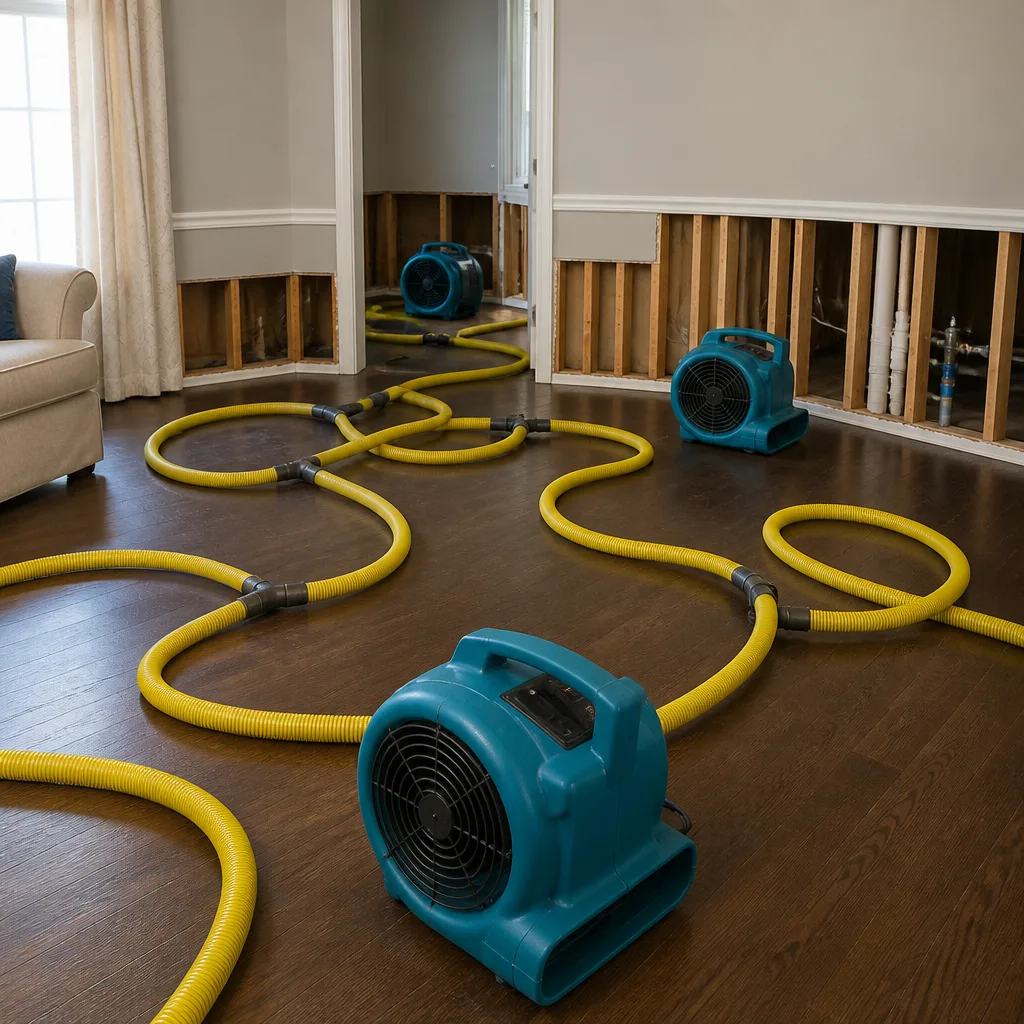
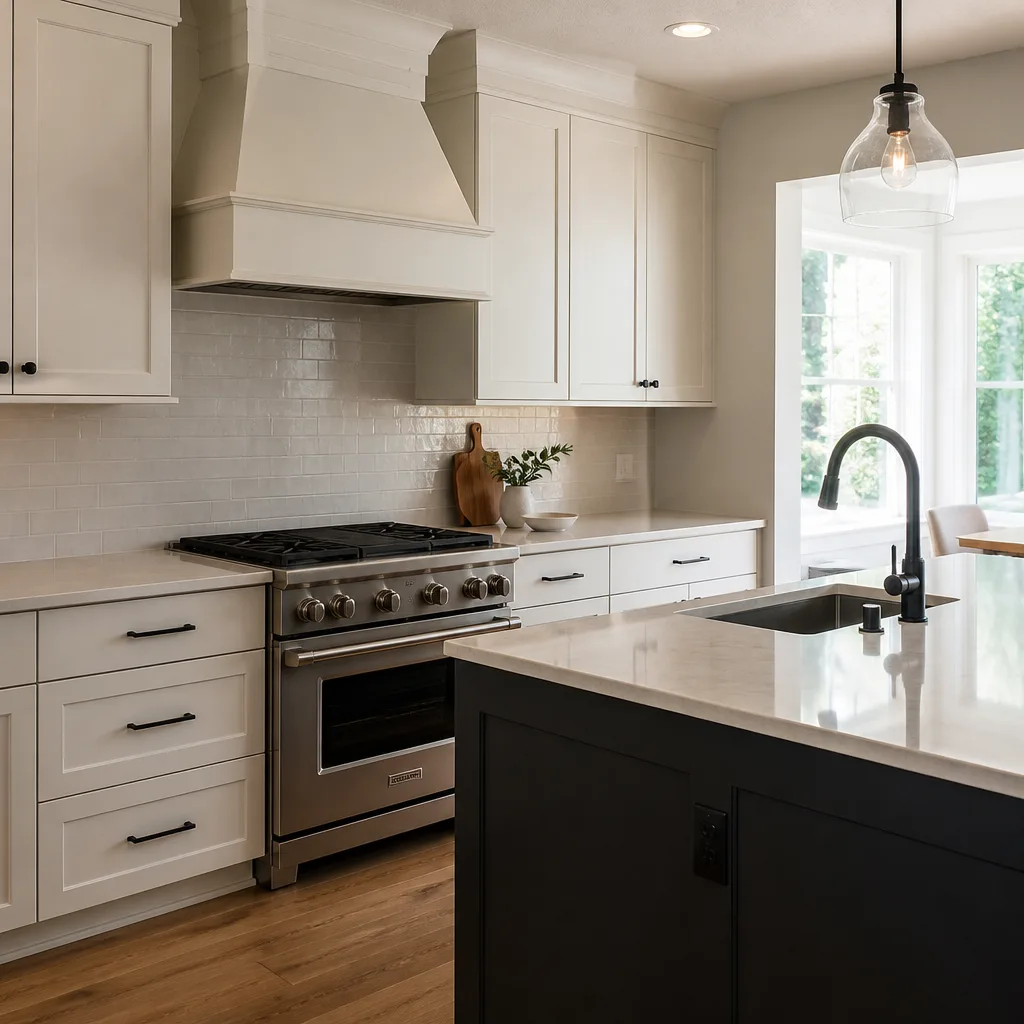
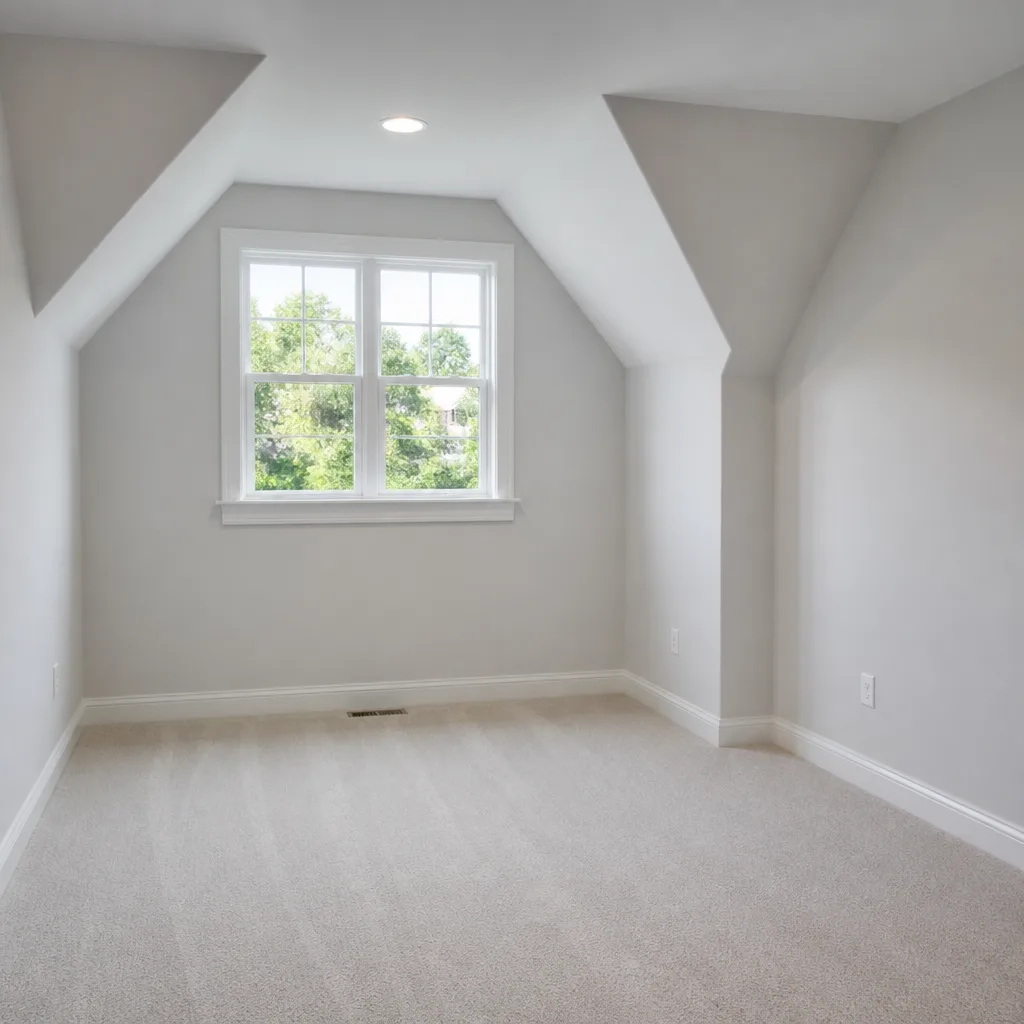
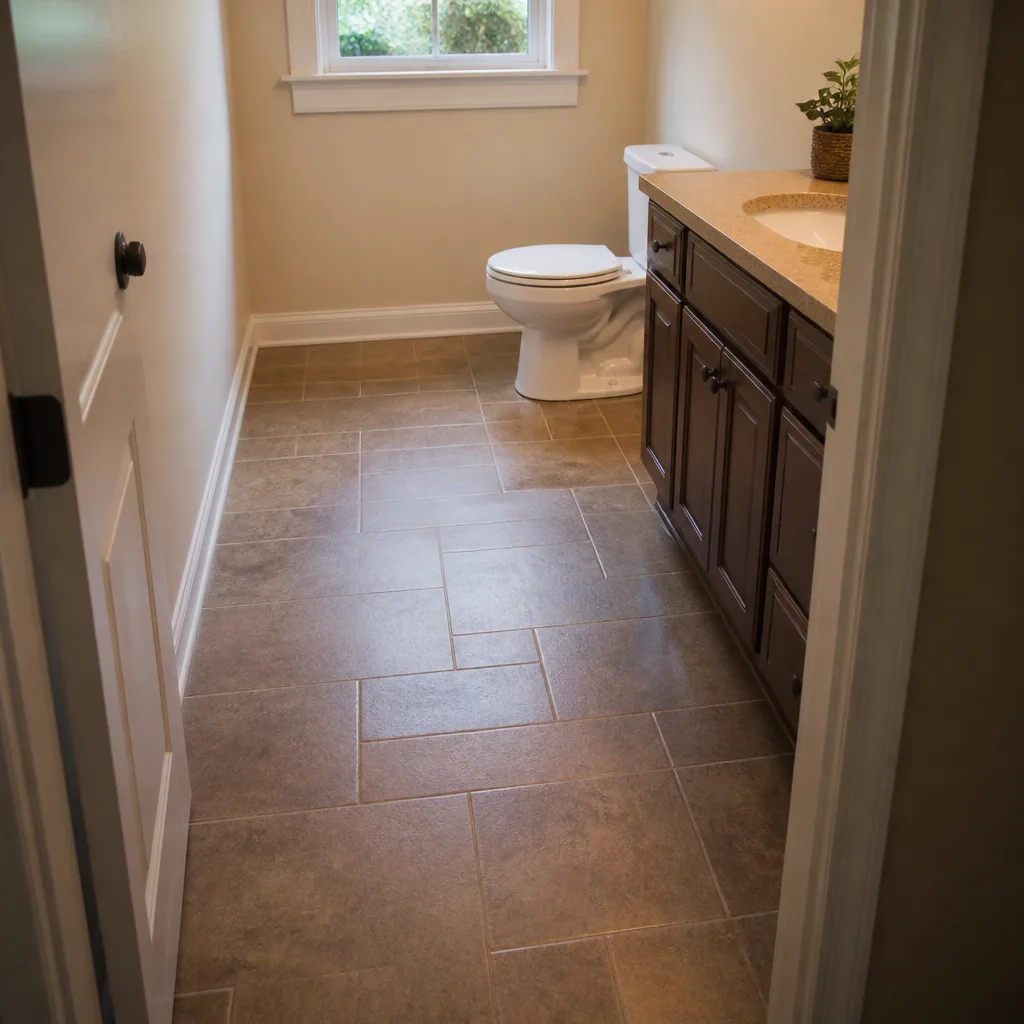
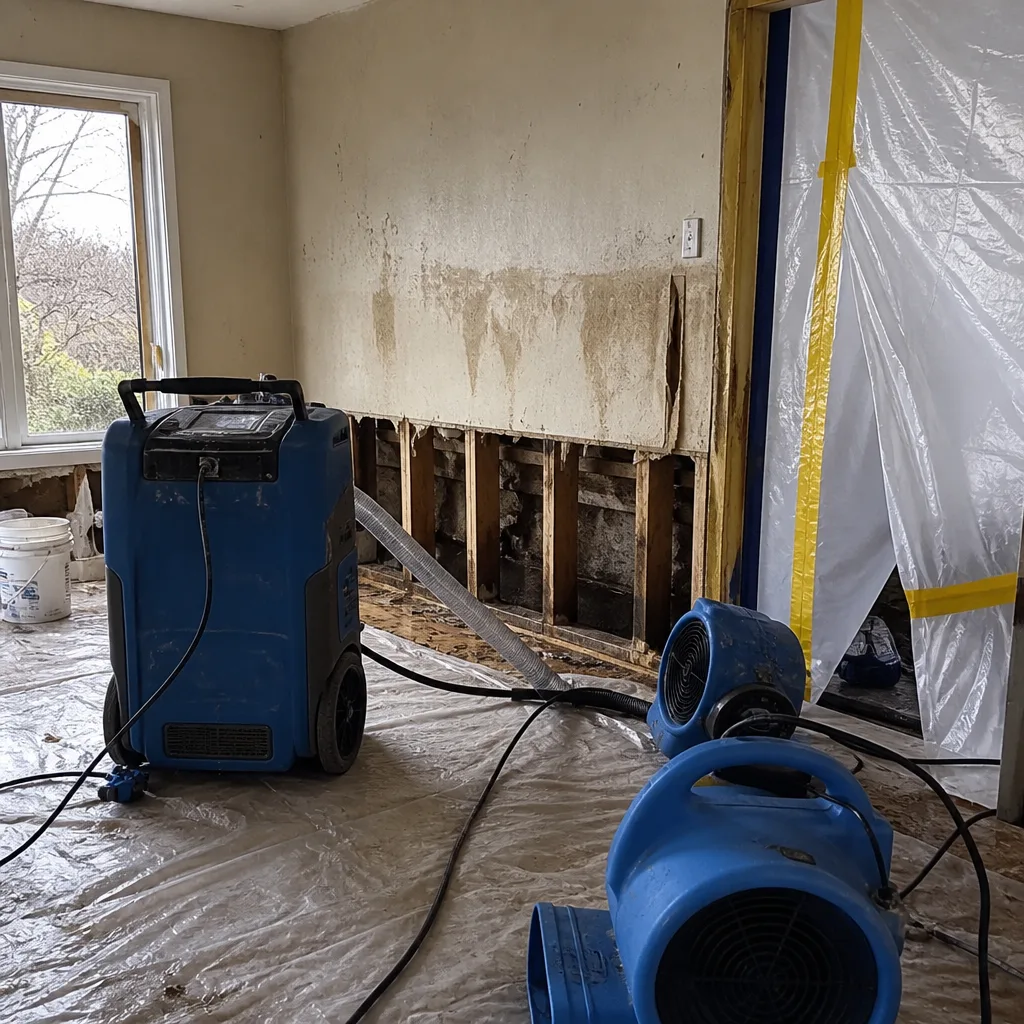 Before
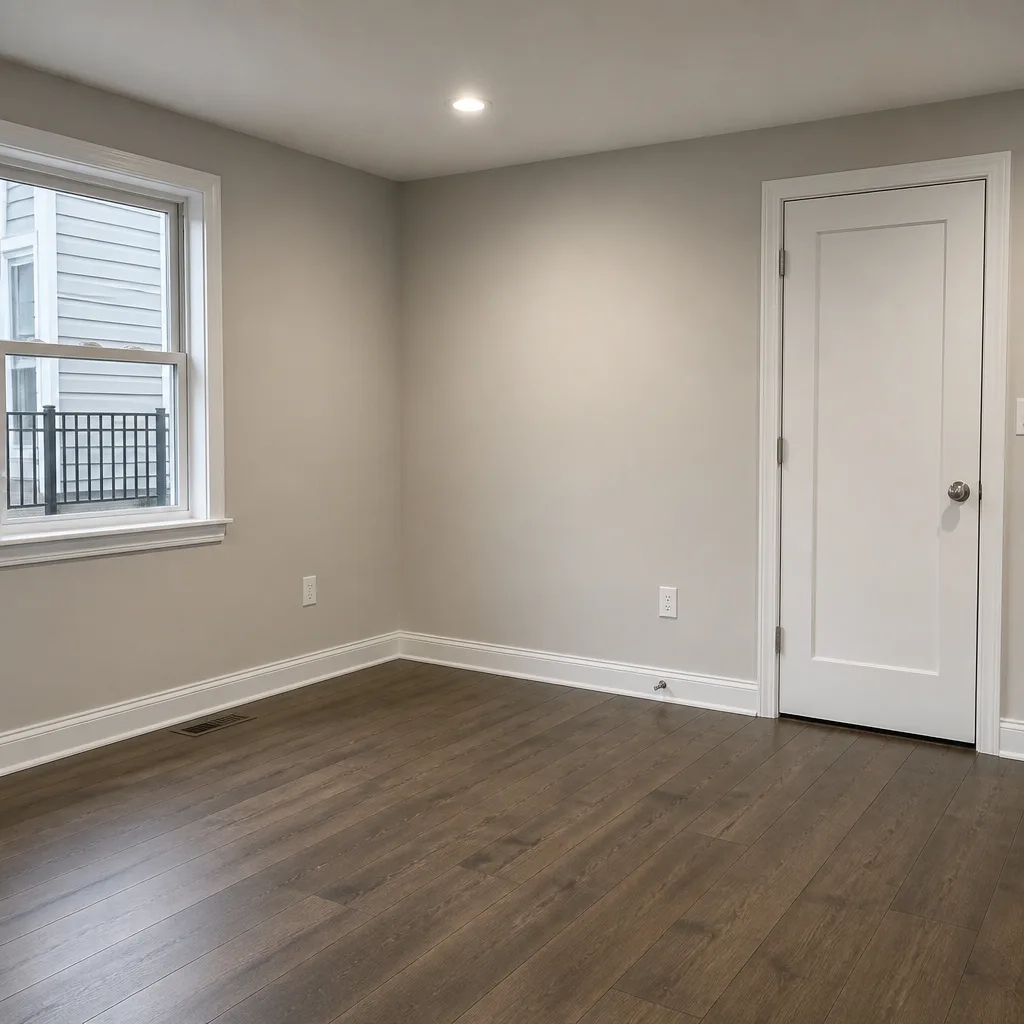 After
After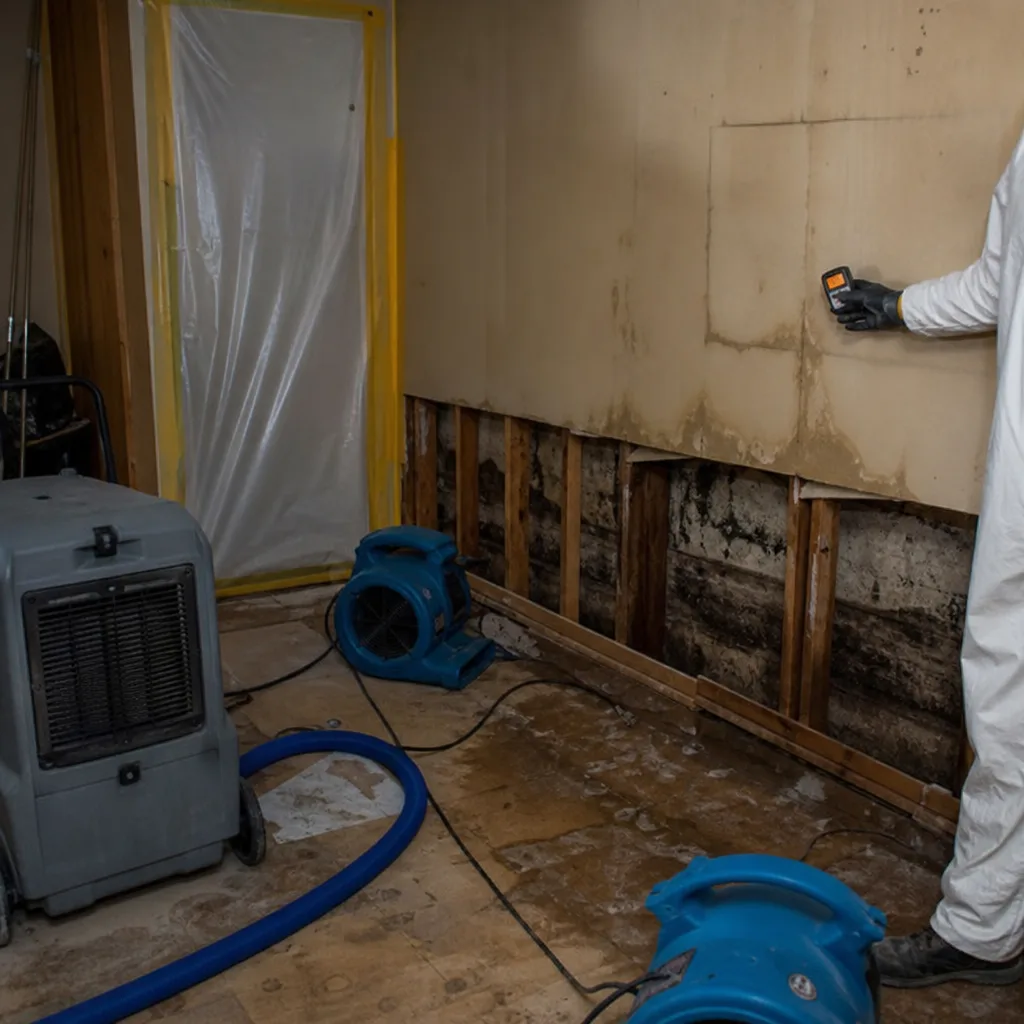 Before
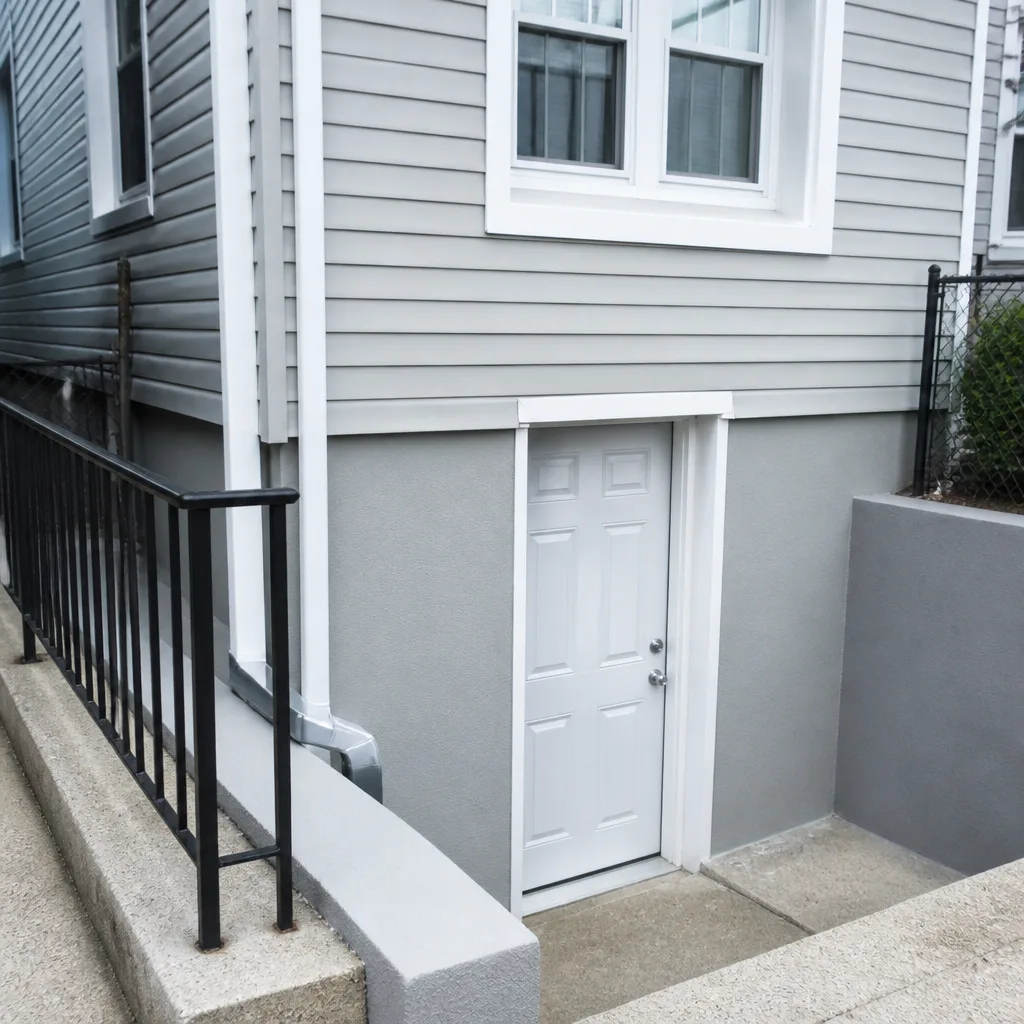 After
After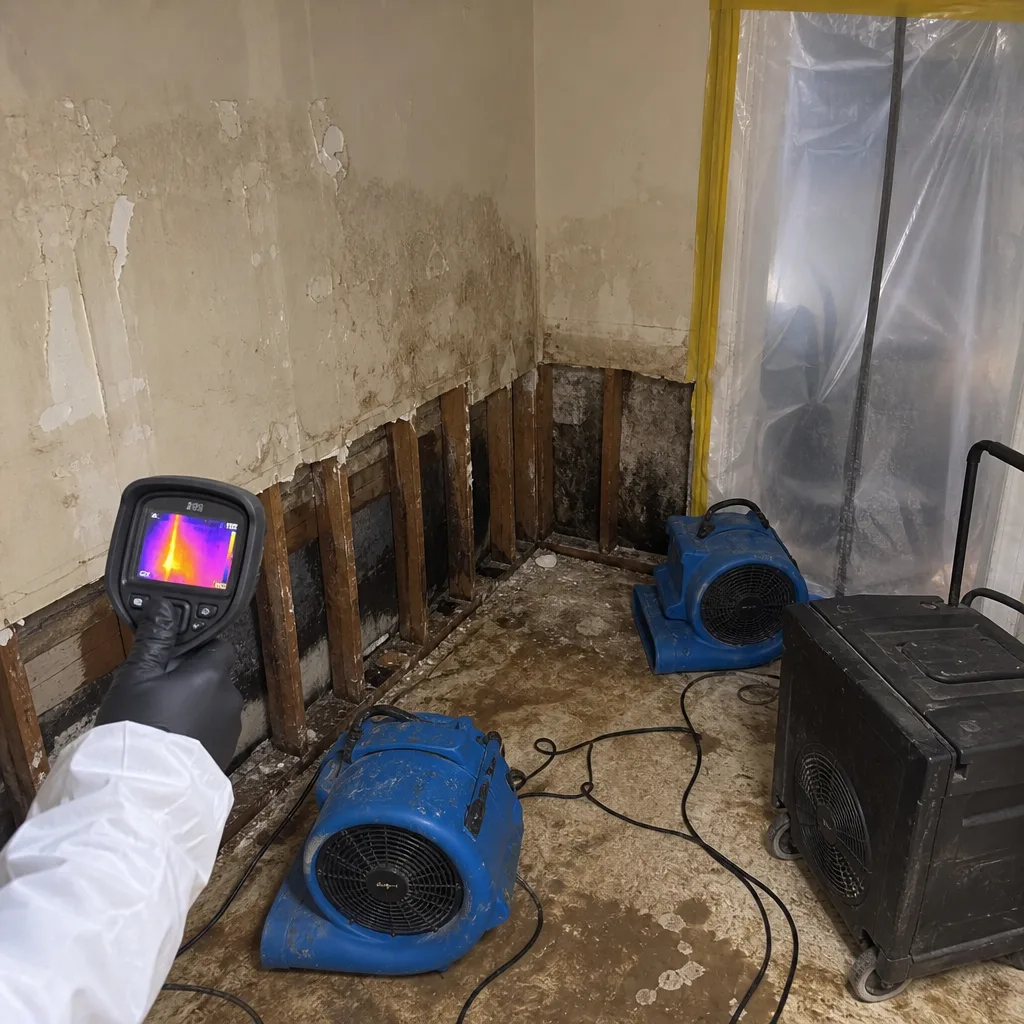 Before
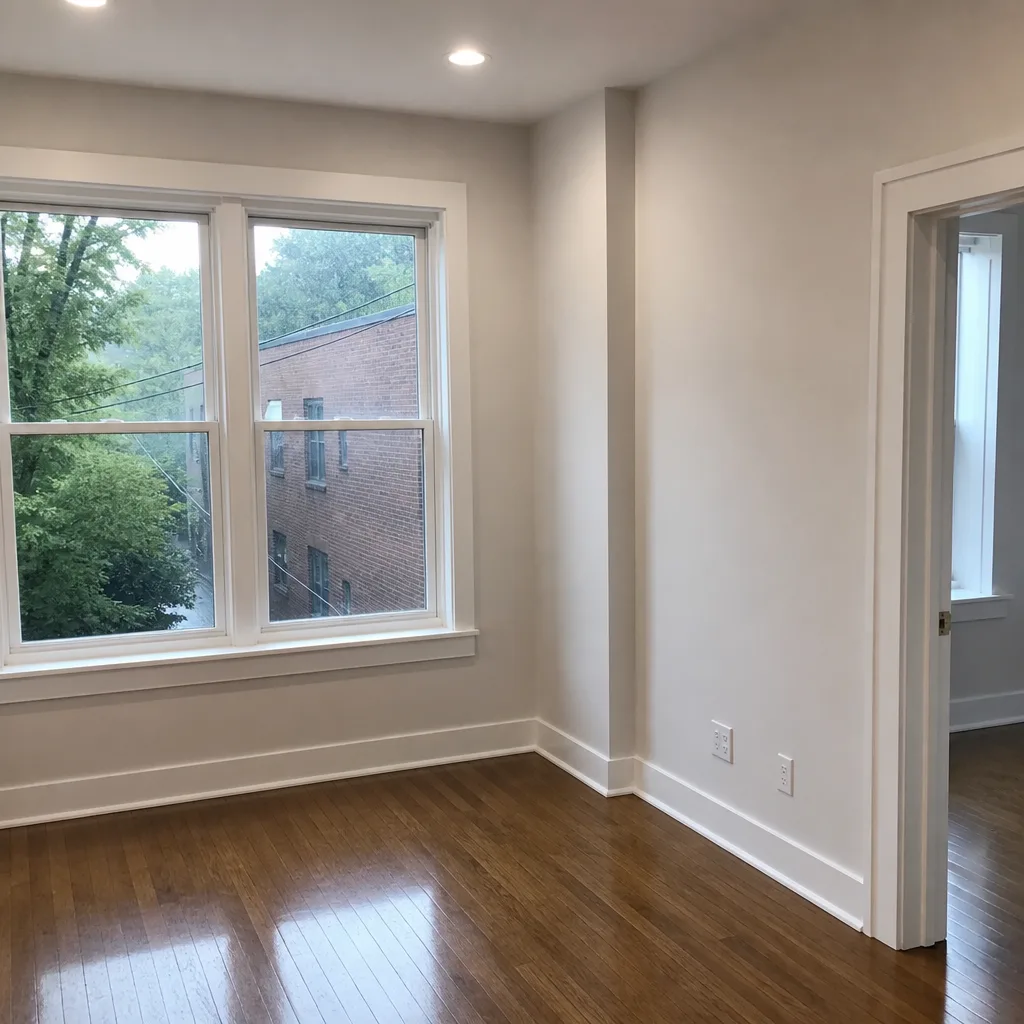 After
AfterDamage Restoration Cost Breakdown: The Weehawken Homeowner’s Reference for 2026
The average water damage restoration invoice in New Jersey has a line item called “equipment monitoring” that can range from $200 to $1,800 for the exact same job. That range isn’t based on your damage. It’s based on whether the contractor thinks you’re paying attention. This guide and our Damage Restoration Warning Signs: A Weehawken Homeowner’s Reference Guide exist because Weehawken homeowners deserve better than a number pulled out of the air at two in the morning. You’ll learn what each phase of restoration actually costs in this market in 2026, which line items are legitimate and which are padding, how insurance actually calculates your payout, and why Weehawken pricing runs different from the rest of the state. By the end, you’ll know enough to spot a padded estimate before you sign it.
Quick Answer
Water damage restoration in Weehawken typically costs between $3 and $7 per square foot for extraction and drying, with most homes falling in the $2,500 to $8,000 range for a standard single-room incident. Fire damage restoration runs $10 to $30 per square foot depending on severity, and mold remediation averages $1,800 to $6,000 per affected area. Reconstruction after any of these events adds $75 to $150 per square foot, and the gap between what insurance pays (actual cash value) and what rebuilds cost (replacement cost value) is where most homeowners get surprised.
Table of Contents
- Emergency Extraction: What the First 24 Hours Cost in Weehawken
- Structural Drying: The Line Item That Separates Honest Companies From the Rest
- Mold Remediation Costs When Water Sits Too Long
- Fire and Smoke Damage: What Recovery Actually Costs
- Reconstruction: The Phase Insurance Often Underfunds
- How Insurance Calculates Your Payout: ACV vs. Replacement Cost
- Why Weehawken Costs Run Higher Than Statewide Averages
- How to Get a Second Estimate Without Blowing Your Claim Timeline
- Line-Item Breakdown: Legitimate Costs vs. Padding
Emergency Extraction: What the First 24 Hours Cost in Weehawken
When water is standing in your Weehawken home, the first call is for extraction. This is the phase where speed genuinely matters, and it’s also where pricing varies the least. Extraction itself, which means pumping standing water out and removing saturated materials like carpet padding, runs $500 to $2,000 for a typical single-room event. If water has reached multiple rooms or a finished basement, expect $2,000 to $5,000. The cost is driven primarily by labor hours and the volume of water, not by equipment, which is why it’s actually the most honest phase of a restoration invoice.
Weehawken’s housing stock matters here. Many homes in this township are older frame construction with finished basements, and finished basements hold water differently than unfinished ones. We’ve pumped water out of basements on streets near Boulevard East where the water had wicked into drywall 18 inches up before we even arrived. That changes the extraction scope. It’s not just pumping. It’s cutting, hauling, and disposing. If your basement is finished, the extraction bill will be higher because there’s more to remove, and it has nothing to do with anyone padding the invoice. It’s just more material.
What you should expect from an honest extraction: a moisture map of the affected area, a written scope of what’s being removed and why, and a drying plan before equipment goes in. If a company won’t show you moisture readings before and during the job, that’s a red flag. Wade Ferris at Wade’s Restoration home has been giving Weehawken homeowners written scopes before work starts since 2007, and he still does. It’s the only way to know what you’re paying for.
Structural Drying: The Line Item That Separates Honest Companies From the Rest
Structural drying is where the pricing games happen. Once standing water is gone, water that has soaked into drywall, subfloor, and framing has to be dried with industrial air movers and dehumidifiers. This phase typically costs $1,000 to $4,000 for a standard room, and it takes three to five days. But here’s the number most homeowners don’t know: equipment rental from a supply house runs $40 to $75 per day per unit for professional-grade equipment. A company running 10 air movers and 2 dehumidifiers is paying roughly $600 to $900 per day for that setup. If your invoice shows $1,800 per day for “equipment and monitoring,” you’re being charged a monitoring fee on top of the equipment, and that monitoring fee is the single most padded line item in this industry.
Legitimate monitoring means someone actually shows up, takes moisture readings with a meter, and adjusts the equipment layout based on those readings. That’s worth paying for. It takes 20 to 40 minutes per visit and keeps the job from dragging on. What’s not legitimate is “daily monitoring” that’s actually a tech rolling by, glancing at the machines, and checking a box. Ask this question: “Can I see the daily moisture log?” If there’s hesitation, you have your answer. Wade takes moisture readings every single day on every Water Damage Restoration in Weehawken job and hands the homeowner the complete log at the end. Almost nobody in this trade does that, and it’s the difference between drying that’s verified and drying that’s assumed.
Weehawken’s climate affects drying time. The township sits right on the Hudson, and humidity runs high, especially from June through September. That means dehumidifiers work harder and drying takes longer than it would inland. An honest contractor will tell you that upfront. A company padding your bill will use the humidity as an excuse to extend equipment days. The difference is whether they can show you the daily moisture readings trending down. If they can’t show you that, they can’t justify the extra days.
Mold Remediation Costs When Water Sits Too Long
Mold remediation in Weehawken costs $1,800 to $6,000 for a contained area, and the range is wide because mold jobs vary enormously in scope. A surface mold patch on drywall from a one-time leak is a one-day job. Mold that has spread behind walls, into insulation, or across framing is a multi-day project requiring containment, negative air pressure, and sometimes structural removal. You need to know which one you have before you sign anything.
Here’s the sequence that matters: mold doesn’t appear overnight. It takes 48 to 72 hours of moisture for visible mold to develop, which means if you’re looking at mold, the water problem wasn’t addressed within the first two days. That’s a hard truth, but it matters for cost. Early intervention on Mold Remediation in Weehawken jobs is always cheaper than waiting. A $1,800 containment and removal is a bargain compared to a $6,000 job that requires rebuilding drywall and replacing insulation. The difference between those two numbers is time, nothing else.
A legitimate mold estimate will tell you three things: the moisture source that fed the mold, the square footage of affected material, and the containment plan. If you get a quote that just says “mold remediation” with no square footage and no containment description, walk away. That’s a quote built on guesswork, and guesswork in this trade means the bill changes after the work starts. Wade’s crew has been doing Mold Remediation in Weehawken for almost two decades, and every quote states the containment plan and the affected area in writing because if it’s not written down, it didn’t happen.
Fire and Smoke Damage: What Recovery Actually Costs
Fire damage restoration in Weehawken runs $10 to $30 per square foot, and the wide range reflects a truth most homeowners don’t understand until they’re in it: the fire itself is rarely the expensive part. It’s the smoke. Smoke penetrates everything it touches, including materials in rooms the fire never reached. A kitchen fire that stays in the kitchen is a $10,000 job. A kitchen fire that smokes out the second floor is a $30,000 job. Same fire, different smoke travel, three times the cost.
The phases are consistent: structural board-up and securing, soot and smoke cleanup, odor neutralization with ozone or hydroxyl treatment, and then reconstruction. The cleanup phases cost $3 to $8 per square foot. The reconstruction is where the bill climbs. And smoke, unlike water, can’t be fully “cleaned” from some materials. Saturated insulation gets replaced. Sealed drywall gets sealed again or replaced. The honest contractor tells you what can be saved and what can’t, with reasons. The padded estimate just replaces everything and calls it necessary.
For fire and smoke work specifically, insurance adjusters tend to be more involved, and that’s a good thing for you. The adjuster is the one paying, and they’ll push back on inflated removal. Our experience with Fire & Smoke Damage Restoration in Weehawken is that homeowners who let a restoration company talk directly to their adjuster get better outcomes. When the homeowner is stuck relaying information between two sides, details get lost and bills get contested. Wade deals with adjusters directly so you don’t have to spend your week on the phone, and that’s one of the reasons his repeat customers in Weehawken say the same thing at the hardware store: “He just handled it.”
Reconstruction: The Phase Insurance Often Underfunds
Reconstruction is not mitigation, and the distinction matters for your budget. Mitigation, the extraction, drying, and cleanup, is emergency work billed at $3 to $7 per square foot and priced by the hour and by the day. Reconstruction is the rebuild, priced at $75 to $150 per square foot in Weehawken, and it is scheduled, scoped, and priced in writing like a remodel because that’s what it is. The National Association of the Remodeling Industry publishes cost data showing kitchen remodels in the New Jersey market averaging $60,000 to $90,000, and a fire-damaged kitchen rebuild lands in the same range because you’re not just repairing, you’re replacing.
Here’s the trap: insurance pays actual cash value on damaged materials, which means depreciation is subtracted from what your stuff was worth. Your 12-year-old kitchen isn’t worth what a new kitchen costs. It’s worth what a 12-year-old kitchen is worth. The difference between that number and what a new kitchen actually costs is your out-of-pocket exposure, and it’s usually $8,000 to $25,000 on a kitchen rebuild. No restoration company can make that gap disappear, but an honest one will tell you the real number before demo starts so you’re not finding out at the cabinet selection meeting. Ask for the rebuild estimate in writing before the mitigation phase ends. If the company doing your mitigation can’t or won’t produce a written reconstruction scope, that’s your signal to get a second opinion.
How Insurance Calculates Your Payout: ACV vs. Replacement Cost
Actual cash value, ACV, is what your damaged property was worth the moment before the damage happened. Replacement cost value, RCV, is what it costs to replace it with something of similar kind and quality. The difference is depreciation, and depreciation is calculated by the adjuster based on the age, condition, and expected lifespan of every damaged item. Your policy might say “replacement cost coverage,” and that’s good, but most policies pay ACV first, then reimburse the difference once you’ve actually completed the replacement and submitted receipts. That means you’re fronting money for the gap even when your policy covers it eventually.
Let’s say a pipe bursts in your Weehawken bathroom and destroys a 10-year-old vanity, flooring, and drywall. The adjuster calculates what a 10-year-old vanity is worth, not what a new one costs. If your vanity had a 20-year expected life, you get roughly half its replacement cost. Your flooring might get 70% depending on its age. The drywall, which has a long lifespan, might get 90%. Add it up, and you’re looking at a $3,000 to $7,000 gap on a $15,000 bathroom repair. That gap is yours, and no restoration company controls it. But a good restoration company will document everything in a way that maximizes your claim, with photo documentation of every damaged item before it’s removed, a line-item inventory that matches the adjuster’s format, and direct communication with the adjuster so nothing gets missed. That’s not padding your claim. It’s making sure the claim reflects what actually happened. IICRC standards govern how restoration work gets documented, and companies that follow them, rather than writing sloppy notes, get better outcomes for their homeowners.
Why Weehawken Costs Run Higher Than Statewide Averages
Weehawken restoration pricing runs 15 to 25% above New Jersey statewide averages, and the reasons are structural, not exploitative. The first is labor. Weehawken sits in Hudson County, where the cost of living is high and trades workers commute from further away. A restoration tech working in Weehawken is paid more than one working in Sussex County, and that shows up in your hourly rate. The second is disposal. Weehawken’s transfer station access and dump fees in Hudson County run measurably higher than state averages, and demolition debris from a flood or fire has to go somewhere. The third is permitting. Work that requires permits in Weehawken, particularly anything structural, moves through a township building department that’s busy and exacting, which adds time and cost to reconstruction phases. For details, see our guide to Damage Restoration Permits, Codes & Inspections in NJ: What You Need to Know.
Then there’s parking and access. Weehawken’s streets are tight, particularly in the older sections up the hill from the waterfront. Equipment trucks need to park, unload, and sometimes shuttle gear from blocks away. That adds labor hours to every job. A restoration company that’s been working Weehawken for years has this figured into their pricing already. A company that doesn’t usually work the township will either underbid and make it up later, or show up and discover the access problems on your dime. Ask any company you’re considering how many jobs they’ve done in Weehawken specifically. If they don’t have an answer, that’s an answer.
How to Get a Second Estimate Without Blowing Your Claim Timeline
There’s a myth that getting a second estimate will slow down your insurance claim, and it’s a myth that benefits exactly one party: the company that gave you the first estimate. The truth is you have the right to get a second opinion, and most policies don’t require you to use any particular contractor. Here’s how to do it without creating friction:
- Call your adjuster first. Say this: “I’ve received one estimate and I’m getting a second opinion before I sign anything. I’ll send you both.” That’s all you say. You’re not asking permission. You’re informing them. Adjusters hear this all the time and it signals you’re paying attention.
- Get the second estimate within 24 to 48 hours. The claim timeline matters because mitigation gets more expensive the longer water or smoke sits. A two-day delay for a second opinion is fine. A two-week delay is not. Schedule the second walkthrough immediately after receiving the first estimate.
- Compare line items, not totals. Two companies can quote $6,000 for the same job and one can be honest while the other is padding. The difference is in the line items. Look at equipment days, monitoring fees, and disposal charges side by side. That’s where the padding lives.
- Say no to anything that pressures you to sign today. Mitigation is urgent. It is not “sign this contract in the next 15 minutes or your house collapses” urgent. Any company that won’t give you a day to compare estimates is telling you something about how they’ll treat you on day three of the job.
Wade offers a free second opinion on any written estimate, and it’s not a marketing gimmick. He’ll walk the job, look at the other company’s line items, and tell you straight whether it’s fair. About half the time, it is. The other half, he finds things worth questioning. That’s the whole service. Call (201) 740-2235 and ask for it.
Line-Item Breakdown: Legitimate Costs vs. Padding
Most restoration invoices in 2026 are line-itemed, which means you can see what you’re paying for. Most homeowners never read them. Here’s what’s legitimate and what’s padding on the typical water restoration estimate in Weehawken:
- Emergency response / after-hours callout: $150 to $400. Legitimate if the call happened after hours, which in this trade means after 5pm or on weekends. This fee covers the labor of getting a crew rolling when you’d rather be asleep. If your call happened at 2pm on a Tuesday, this fee should not be on the invoice.
- Extraction labor: $75 to $150 per hour per tech. Legitimate. Two techs for four hours is $600 to $1,200, and that’s honest work. If you see three techs billed for a one-room extraction, ask why three techs were needed in a room that two could handle.
- Equipment rental per day: $40 to $75 per unit. Legitimate at this range. This is what professional-grade Dri-Eaz and Phoenix equipment actually costs to rent from a supply house. If your invoice shows $150 per day per air mover, you’re being charged retail markup on top of the rental, and you can push back.
- “Equipment monitoring” or “daily check” fees: $50 to $150 per visit. Legitimate only if someone actually visits and takes moisture readings. If the monitoring fee is folded into the daily equipment charge, that’s standard. If it’s a separate line item for $300 to $500 per day, that’s padding, full stop.
- Disposal and hauling: $200 to $1,500 depending on volume. Legitimate and varies widely. In Weehawken, dump fees and transfer station costs are real, and they run higher than the state average. But a specific number should be explained, not just dropped on the invoice. Ask what’s being disposed and where.
- Containment and negative air setup: $400 to $1,200. Legitimate for mold or sewage work. This is the plastic sheeting, tape, and air filtration equipment that keeps contamination from spreading through your house. It’s real work with real materials. If this line shows up on a clean-water extraction, ask why.
- “Project management” or “supervision” fees: 10 to 20% of the total. This is the line item that’s most often padding. On a $10,000 job, a 20% project management fee is $2,000 for work that’s already being paid for in the labor hours. Legitimate oversight is part of the job and should be built into the labor rate, not added on top. Push back on this one.
The whole truth about restoration pricing is that honest companies don’t hide their margins in made-up line items. They charge a fair labor rate, a fair equipment rate, and they tell you what you’re paying before work starts. The padding appears when a company thinks you’re not reading the invoice. Read the invoice.
Common Mistakes to Avoid
- Signing the first estimate you receive under pressure. Mitigation is urgent but not “sign in the next 20 minutes” urgent. A company that pressures you is a company that benefits from you not comparing. Take the hour to make a phone call.
- Assuming your insurance covers everything. The ACV-to-RCV gap is real, and it can be $3,000 to $25,000 depending on what was damaged. Know your exposure before demo starts, not at the rebuild meeting.
- Ignoring the daily moisture log. If you’re paying for days of equipment and monitoring, you should see proof the drying is actually progressing. No log, no legitimacy. Wade hands every Weehawken homeowner their complete moisture log at the end of the job, and every other company should too.
- Hiring a company without a local presence. A restoration company that doesn’t regularly work Weehawken will discover the parking and access problems on your dime. Ask how many jobs they’ve done in the township. If they stammer, that’s your answer.
- Letting the restoration company and your adjuster communicate through you. You become the middleman, details get lost, and your claim gets contested. Let the professionals talk to each other. You hired a restoration company to handle it. Let them.
- Waiting on mold because it “doesn’t look that bad.” Mold behind walls is always worse than mold on walls. A $1,800 job becomes a $6,000 job faster than you think. The cost of delay is the single biggest controllable factor in restoration pricing.
- Not asking about the 90-Day Done Right Promise. Every restoration company will tell you they stand behind their work. Get it in writing. If they won’t put a warranty on paper, the warranty doesn’t exist.
When to Call a Professional
Standing water in your home, sewage backup, visible mold growth, or smoke damage after a fire are all calls you should make immediately. Not tomorrow. These problems compound by the hour, and the difference between a $3,000 mitigation and a $15,000 rebuild is almost always time. Electrical components, gas lines, and high-voltage equipment should never be touched by a homeowner, and any water involving sewage or floodwater carries health risks that require professional containment and disposal. If you’re in Weehawken and you’re looking at any of these, Wade’s Restoration offers free estimates, no trip charge inside the county, and calls are answered by a live person 24 hours a day, seven days a week. Call (201) 740-2235 and tell Wade what you’re looking at. He’ll tell you straight whether you need a crew tonight or whether it can wait until morning, and there’s no charge for that conversation.
Frequently Asked Questions
Water damage restoration in Weehawken costs $3 to $7 per square foot for extraction and drying, with most standard single-room jobs landing between $2,500 and $8,000. The Weehawken market runs 15 to 25% above New Jersey statewide averages due to labor costs, disposal fees, and access challenges specific to the township. Call (201) 740-2235 for an exact quote, and estimates are free.
Insurance covers sudden and accidental water damage, like a burst pipe or an appliance failure, but not gradual damage like a slow leak that’s been running for months. Flood damage from rising water outside your home requires separate flood insurance. When coverage applies, you’re paid actual cash value first, with replacement cost reimbursement after the work is completed and receipts are submitted. The gap between those numbers is your out-of-pocket exposure.
In Weehawken, a restoration crew can be on-site within the hour if you call a company that answers its own phone. Wade Ferris answers his own phone 24/7 and can have extraction equipment running inside an hour for emergency calls in the township. That speed matters because every hour of standing water expands the damage footprint and the final bill. Call (201) 740-2235, and a live person answers, no voicemail, no answering service, no runaround.
Mitigation is the emergency phase: extraction, drying, and preventing further damage. Restoration is the rebuild phase: replacing drywall, flooring, and anything that couldn’t be saved. Mitigation is urgent and billed by the hour and day. Restoration is scoped, scheduled, and priced in writing like a remodel. Most companies do one well and the other poorly. Ask which one you’re hiring before you sign.
If mold is visible on drywall, insulation, or framing, a surface cleaning isn’t enough. Mold grows into porous materials, and cleaning the surface leaves the colony alive underneath. Remediation means containment, removal of affected material, and treatment of the area to prevent regrowth. A surface cleaning on a surface-only problem is sometimes adequate, but the only way to know is a moisture inspection that finds the water source. If a company quotes you without finding the moisture source, keep looking.
A good restoration company deals with your adjuster directly so you don’t have to spend your week relaying information between two sides. Wade Ferris at Wade’s Restoration has been talking to insurance adjusters on behalf of Weehawken homeowners since 2007, and he documents every job with photo evidence and line-item inventories that match the adjuster’s format. If your restoration company won’t talk to your adjuster directly, you’ve hired the wrong company.
The Bottom Line
Restoration pricing in Weehawken in 2026 is knowable. Water damage runs $2,500 to $8,000 on a standard job. Fire damage runs $10 to $30 per square foot. Mold remediation runs $1,800 to $6,000 per area. Reconstruction runs $75 to $150 per square foot, and the gap between actual cash value and replacement cost is your number to know before any of it starts. The difference between a fair estimate and a padded one lives in the line items, specifically equipment monitoring, project management fees, and disposal charges. Read the invoice. Ask to see the moisture log. Get a second opinion. For more guides & resources, visit our blog. And if you want someone who’ll show you the numbers before he asks for a signature, call Wade Ferris at (201) 740-2235. He’s been doing this in Weehawken since 2007, and to wade is what you do through a flooded basement at two in the morning. It happens to be his name.
Written by Wade Ferris, Owner at Wade’s Restoration, serving Weehawken since 2007.