
Last updated August 27, 2026
Free visual inspection and a written scope of work before any mitigation begins - photos, moisture readings, and drying logs go in your claim file
The scope we write is the scope we bill. Anything new gets shown to you, in writing, before we touch it.
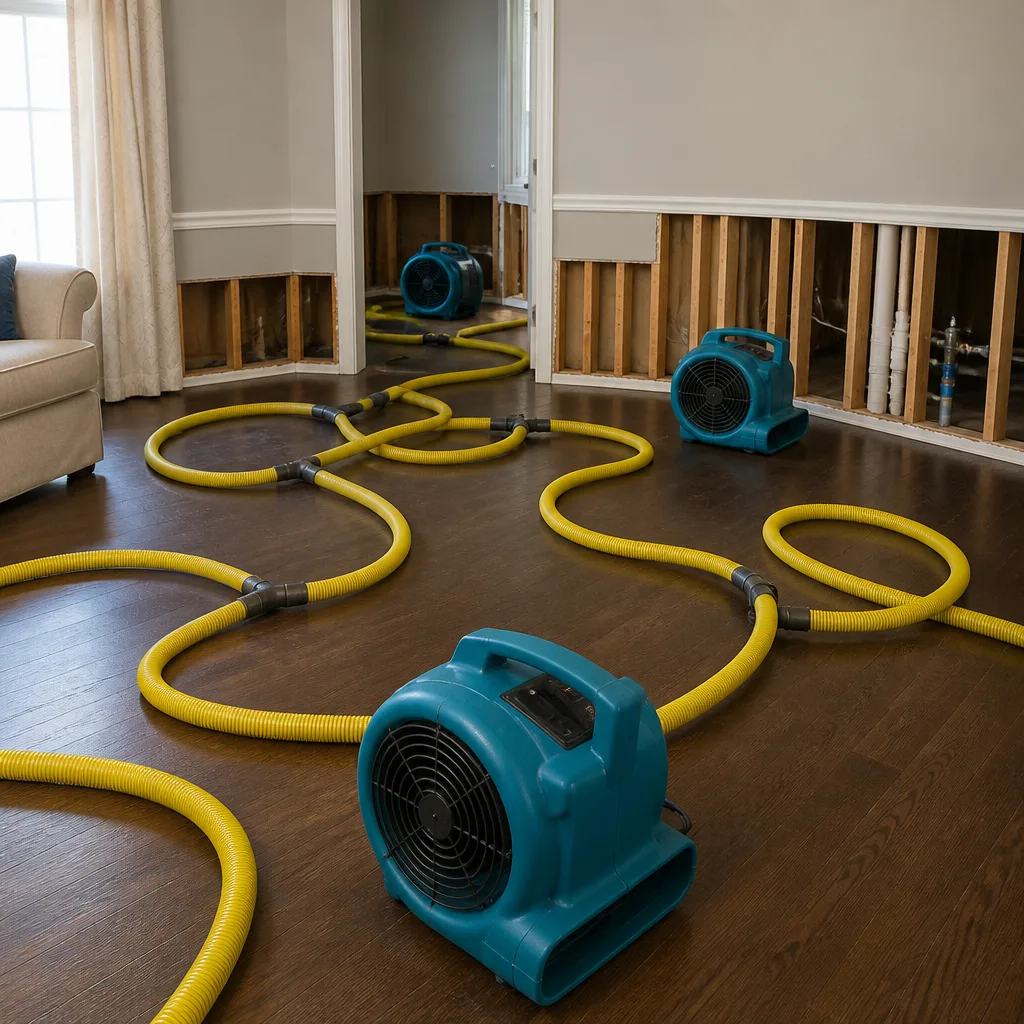

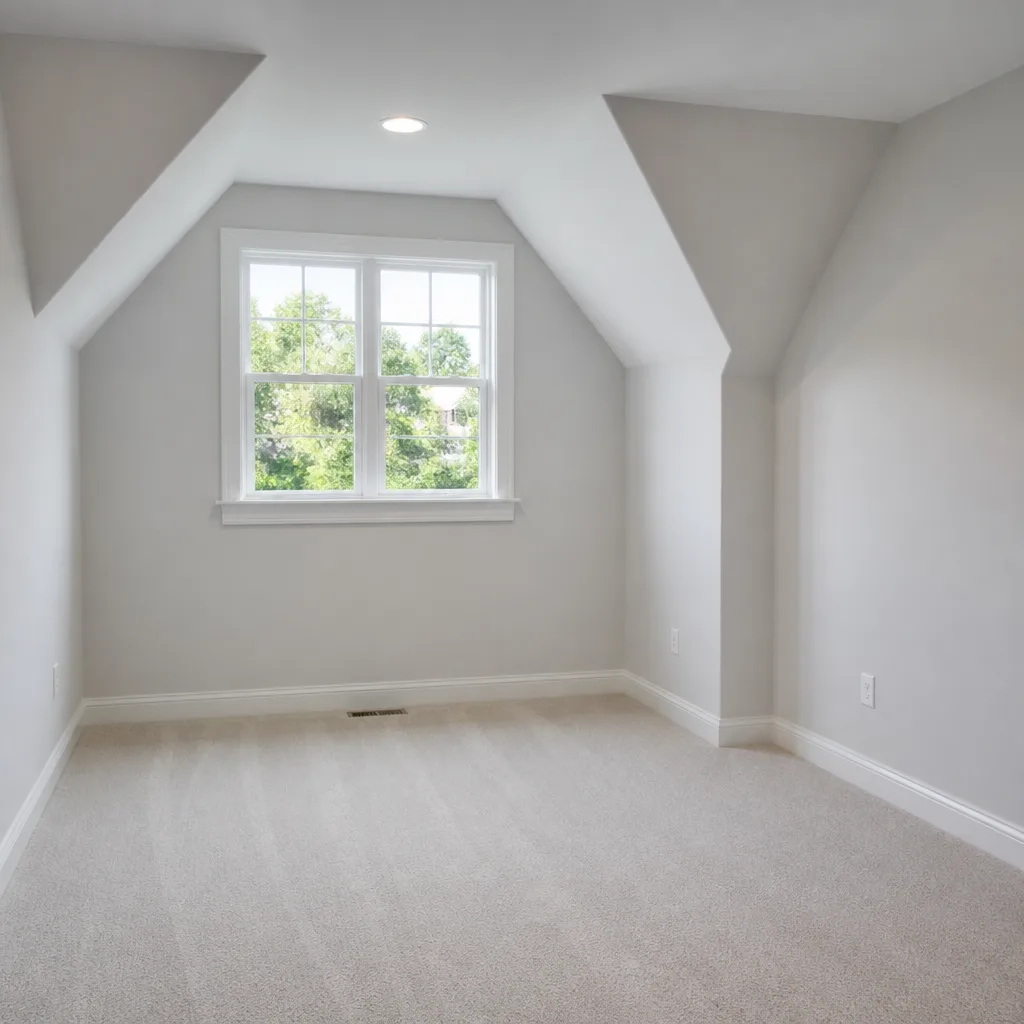

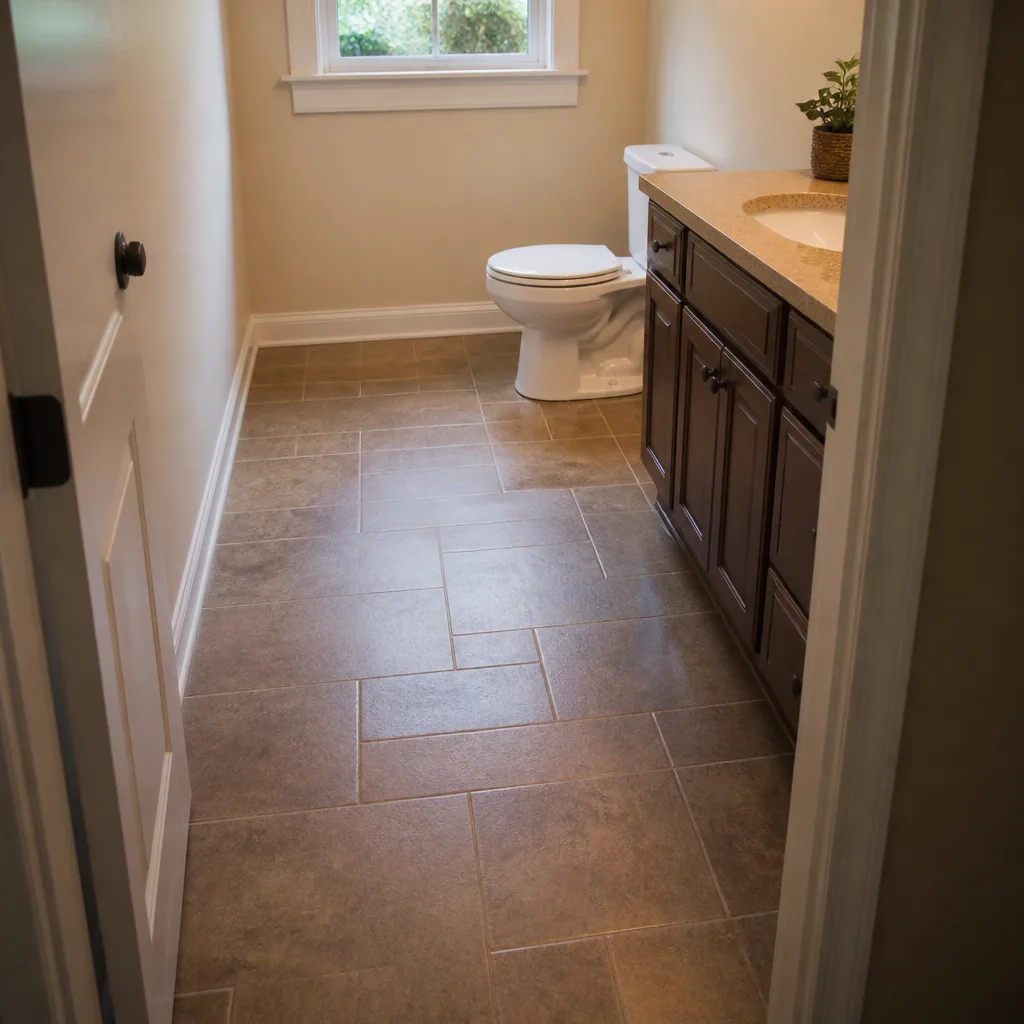

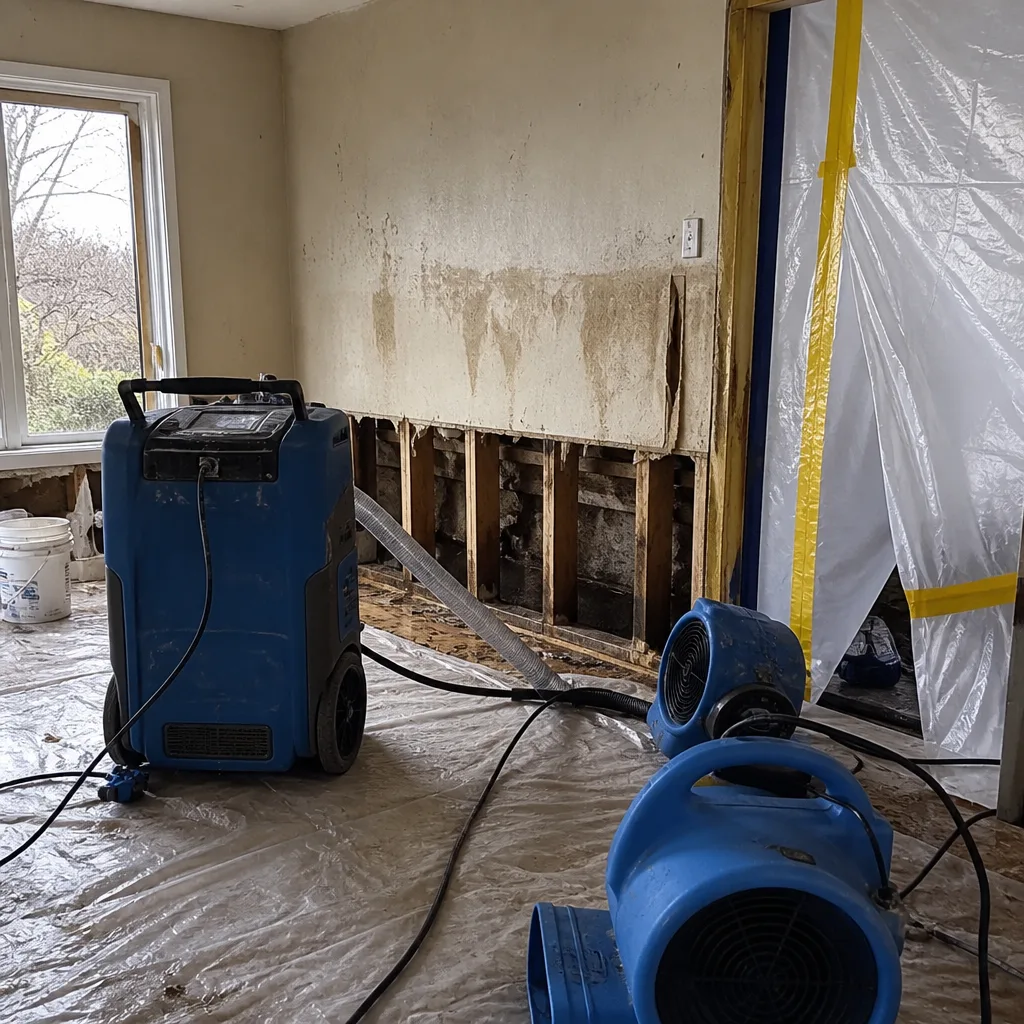 Before
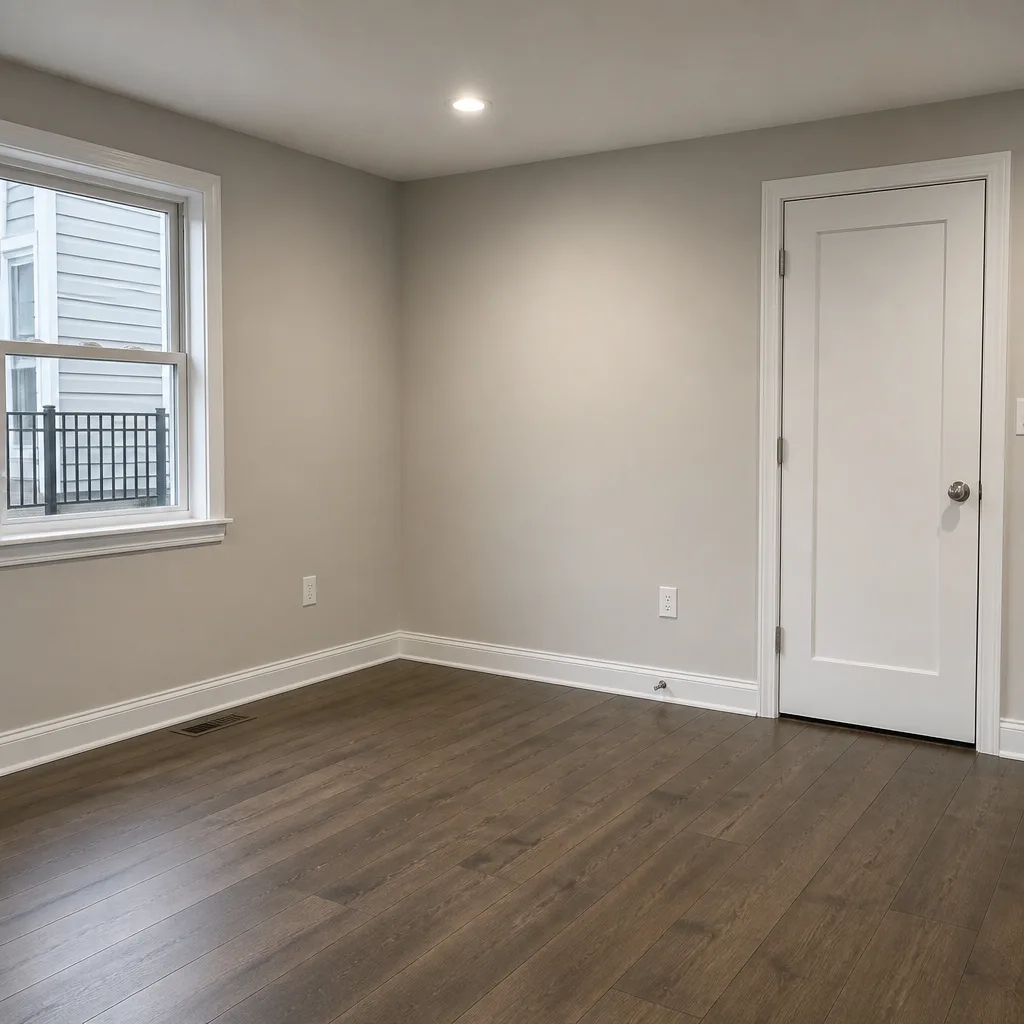 After
After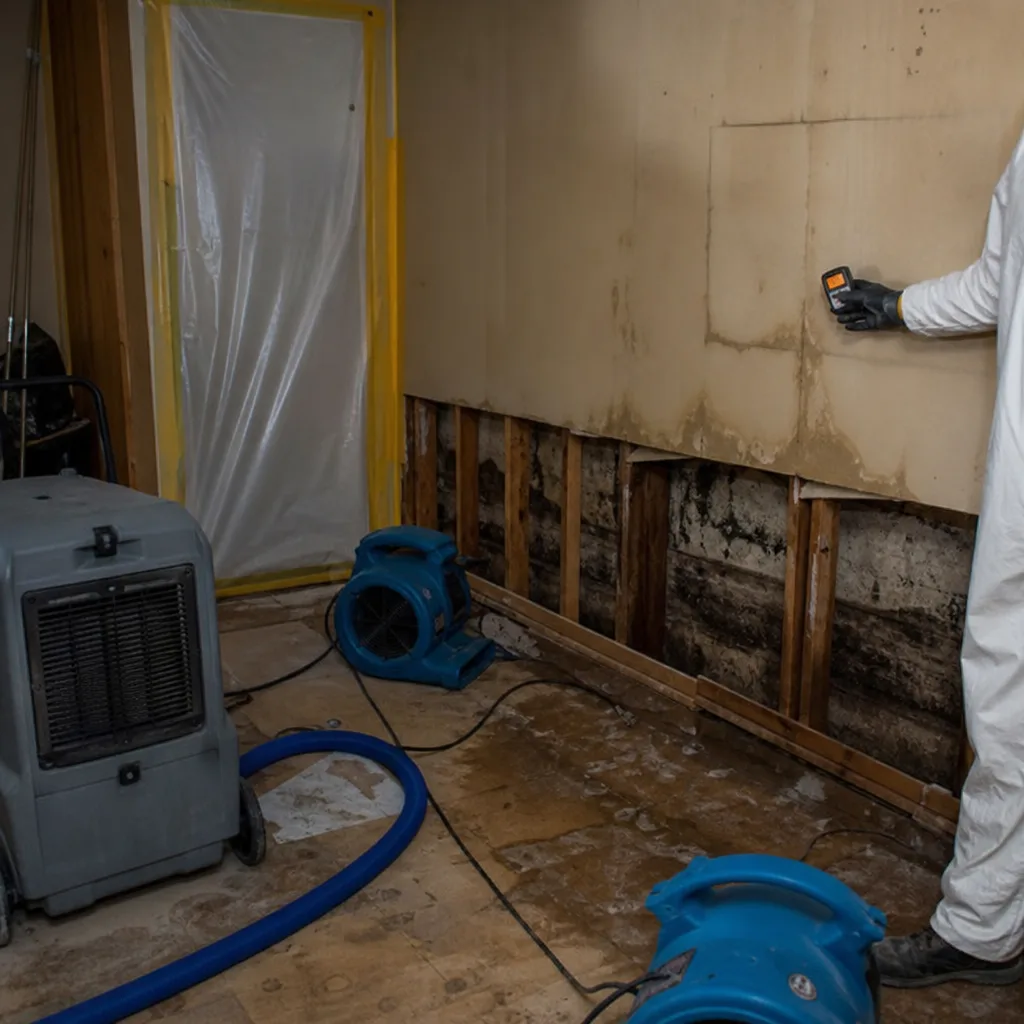 Before
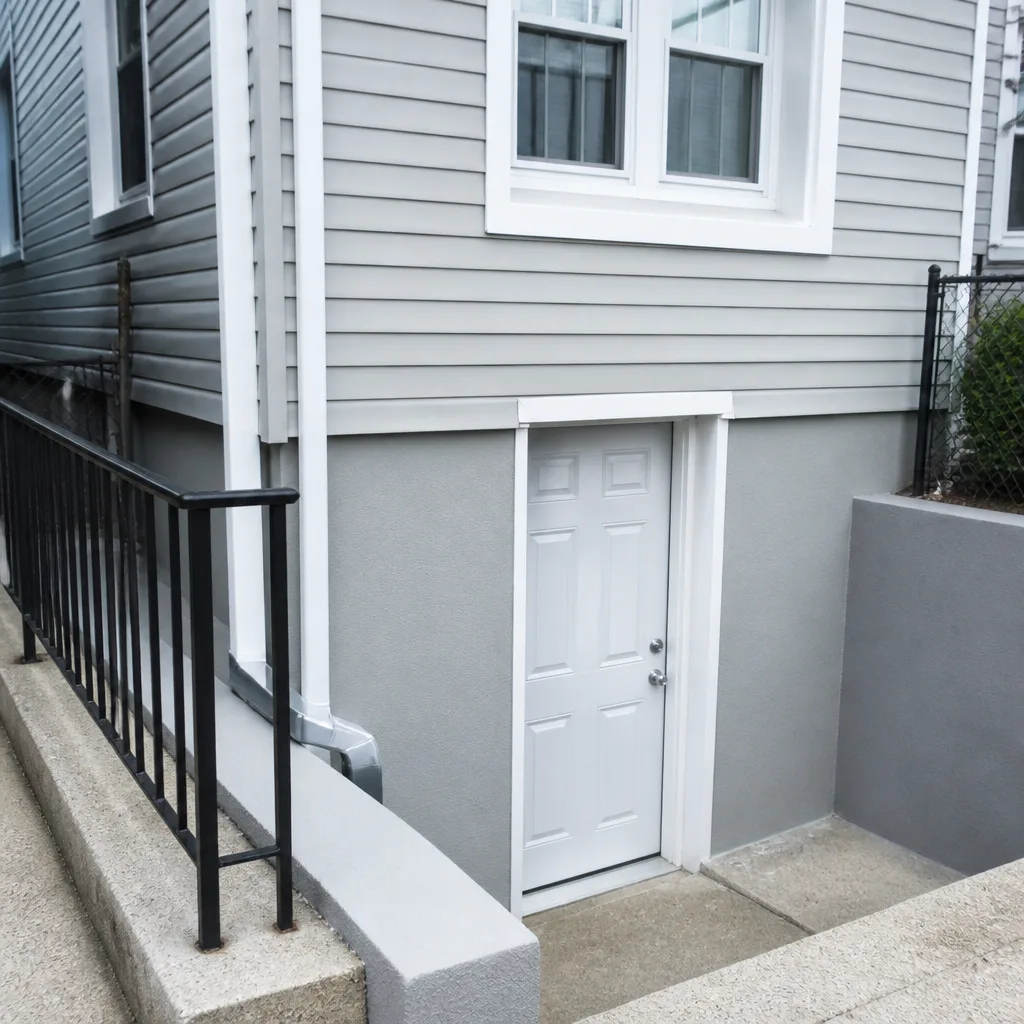 After
After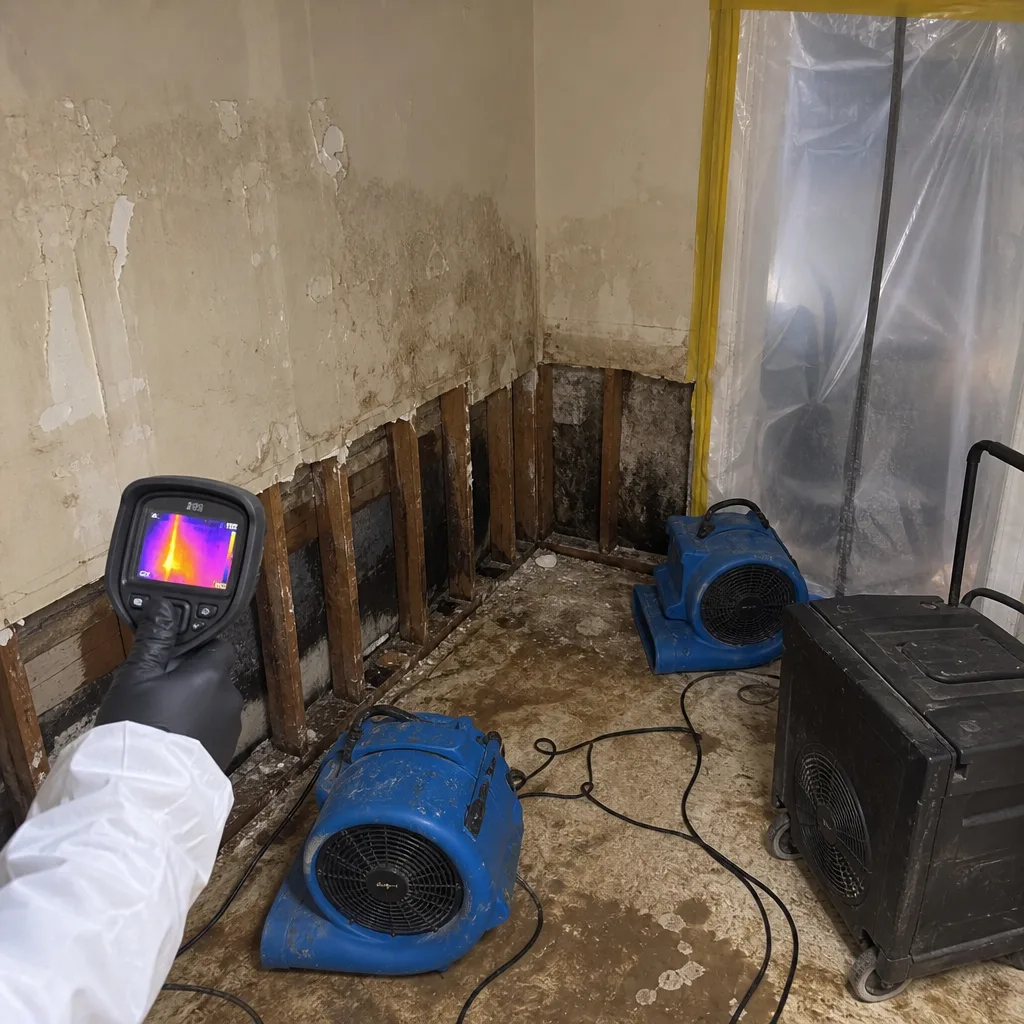 Before
 After
AfterDamage Restoration Warning Signs: A Weehawken Homeowner’s Reference Guide
Here’s the thing about water and fire damage in Weehawken: by the time you can see it, it’s already expensive. The mold on the baseboard, the stain on the ceiling, the warped floorboard, those are symptoms that have been building for months. What saves Weehawken homeowners real money is catching the quiet signs, the ones you walk past every day without a second thought. This guide is about those signs. We’ll walk through what your nose is telling you, what your basement walls are showing you, what your doors and windows are doing, and what the outside of your house is quietly signaling. None of this requires special training. It just requires knowing what to look for, and not talking yourself out of it.
Quick Answer
The earliest signs of water damage in a Weehawken home are usually invisible to the eye: a musty smell that comes and goes, a door that starts sticking in the same spot every summer, white chalky powder on basement walls, and humidity readings above 60% in rooms that should be dry. If you catch these signs early, you’re often looking at a $400 drying job instead of a $14,000 mold remediation. If you ignore them, Weehawken’s humidity and older housing stock will make sure you pay for it eventually.
Table of Contents
- The Smell Signs: What Your Nose Knows Before Your Eyes Do
- Efflorescence on Basement Walls: The White Powder That’s Trying to Warn You
- Sticking Doors and Windows: When It’s Not Just the Weather
- The $25 Tool That Finds Mold Conditions Before Mold Appears
- Exterior Warning Signs: Grading, Downspouts, and Foundation Gaps
- Fire and Smoke Warning Signs That Get Ignored
- Sewage and Drain Warning Signs in Weehawken’s Older Pipes
- Common Mistakes to Avoid
- When to Call a Professional
- Frequently Asked Questions
- The Bottom Line
The Smell Signs: What Your Nose Knows Before Your Eyes Do
A musty smell in a Weehawken basement that only shows up after rain isn’t “just the old house smell.” It’s telling you something specific about where water is moving inside your walls. Most homeowners ignore it for two years before calling someone, and by then the smell has usually become the least of the problems.
Mold and mildew odors are volatile organic compounds released by fungi as they digest building materials. That odor is detectable long before the colony is visible. In Weehawken, where many homes were built before 1950 with lath-and-plaster walls and stone or brick foundations, water doesn’t just sit on the surface. It wicks upward and sideways through porous materials, creating smell patterns that shift with the weather.
Here’s what different smells tend to indicate:
- Earthy, damp soil smell after rain – This is usually groundwater pressure against the foundation or a downspout discharging too close to the house. In Weehawken’s tight lots and hillside streets, foundation leaks after heavy rain are among the most common calls we get.
- Sweet or sickly musty smell that never goes away – This suggests active fungal growth inside a wall cavity or under flooring. It’s not going to dry on its own.
- Sharp, pungent odor near drains or in the basement after dry spells – This points to a dry trap in a floor drain or a cracked sewer line, and in Weehawken’s older homes, clay sewer pipes from the 1940s and 1950s crack and separate more often than people realize.
- Rotting wood smell near windows or baseboards – Water is getting in somewhere and the wood is slowly decomposing. Termites follow damp wood, by the way, so this is never a “wait and see” situation.
The smell is not the problem. The smell is the evidence. When someone tells us they’ve been living with a basement odor for two summers, we know the mold behind that smell has had 24 months of warm, humid Weehawken weather to spread. A mold remediation job in Weehawken after two years of ignored odor is fundamentally different from one caught in the first season.
Efflorescence on Basement Walls: The White Powder That’s Trying to Warn You
That white chalky powder on your basement walls has a name: efflorescence. And here’s what it’s actually telling you: water is moving through your foundation walls, evaporating on the inside surface, and leaving behind dissolved mineral salts. The powder itself is harmless. The water pathway behind it is not.
In Weehawken, where many homes sit on dense clay soil and stormwater runoff from the Palisades creates real hydrostatic pressure, efflorescence shows up most often on the lower third of basement walls, especially on the downhill side of the house. Homeowners see it, wipe it off, and sometimes paint over it. Painting over efflorescence is the worst possible response for one simple reason: the water is still moving through the wall. Sealing one side just forces the moisture to find another exit, which means it either pushes the paint off in sheets or moves inward, into the framing.
What to actually do:
- Map where it appears. Take photos of exactly where the white powder forms. Is it low on the wall? Around a crack? Near the floor-wall joint? The location tells you where the water is entering.
- Check the exterior at that spot. In Weehawken, the answer is often a downspout that discharges against the foundation, a driveway pitched toward the house, or a clogged area drain on a hillside lot.
- Don’t paint it. Fix the water problem first, then address the cosmetics. If you paint over active efflorescence, you’ve just walled the moisture in.
- Watch for it to return. Efflorescence that comes back within weeks of cleaning indicates ongoing water intrusion, not a past event. Past efflorescence is powder you can brush off and it stays gone. Active efflorescence regenerates.
We’ve walked through Weehawken basements where the homeowner has repainted the same wall three times in five years. Each coat of paint hid the warning sign for a season. The mold behind the wall didn’t care about the paint.
Sticking Doors and Windows: When It’s Not Just the Weather
Wood expands and contracts with humidity, so yes, a door that sticks in August might just be summer swelling. But here’s the pattern that matters: when a door or window sticks in the same place, in the same season, year after year, and it’s only one door in the house, something structural is moving. And in a Weehawken home, structural movement is often moisture movement.
Water damage doesn’t just rot wood. It causes swelling, shifting, and settlement as soils expand and contract around the foundation. Here’s how to read the signs:
- One door sticking while the one next to it is fine. Seasonal humidity affects all wood in the house roughly equally. One door binding while its neighbor swings free suggests a localized problem, often a moisture source behind that wall or a foundation point settling unevenly.
- A door that stuck last winter and sticks worse this winter. Progressive movement means the underlying cause is still active. A slow foundation settlement from poor drainage doesn’t fix itself.
- Windows that crack paint at the corners or show diagonal gaps at the top sash. This pattern indicates the rough opening is distorting, which water-related foundation movement causes over time.
- Basement door frames pulling away from the wall. If you can see daylight or feel a draft between the frame and the wall, the floor system above is losing strength, very often from long-term moisture against the sill plate.
Weehawken’s housing stock includes a lot of 100-year-old construction. That’s not a liability on its own. Old-growth timber and hand-set foundations are sturdy. But they depend on drainage. When a 100-year-old house sits on a hillside lot with modern stormwater runoff from newer construction uphill, the foundation waterproofing that worked for decades suddenly has more water to handle. The doors are the first ones to notice.
The $25 Tool That Finds Mold Conditions Before Mold Appears
Here’s the most useful $25 a Weehawken homeowner can spend. A digital humidity meter, sometimes called a hygrometer, reads the relative humidity in any room. Mold needs sustained humidity above roughly 60% to start growing on organic materials. Below 50%, it’s dormant. Between 50% and 60%, it’s waiting. Above 60% for days or weeks at a time in a warm house, it’s actively growing somewhere the air is still.
The trick is not just reading the number. It’s comparing rooms and watching the trend. Here’s the method:
- Buy a basic digital humidity meter. You don’t need a lab instrument. A $25 unit with a temperature and humidity readout is fine. Accuracy within 3-5% is enough for this.
- Take a baseline reading in every room, including closets and the basement. Write the numbers down. Most Weehawken homes in summer will read 55-70% without air conditioning. With AC running, you want to see 35-50% in living spaces.
- Compare rooms. If the living room reads 48% and the back bedroom reads 63%, something is different about that bedroom. Maybe it’s a bathroom next door with a fan that vents into the attic. Maybe it’s a window that leaks. Maybe it’s a slab foundation wicking groundwater. But the meter just narrowed your search from “the whole house” to “one room.”
- Check the basement separately. Basements have different rules. A Weehawken basement in August without a dehumidifier will read 65-80%. That means you need one. A dehumidifier that keeps the basement at 50-55% is doing real work. A basement that won’t drop below 65% even with a dehumidifier running has an ongoing water intrusion, not just ambient humidity.
- Re-check after rain. The most useful reading is the one you take 24 hours after a heavy storm. If a room spikes from 50% to 65% after rain, water is entering somewhere. The meter just proved it.
This is the same basic method we use on water damage restoration jobs in Weehawken, and it’s the difference between catching a damp wall cavity in month one and discovering mold in month twelve. You don’t need our equipment to do the screening. You need the meter and the habit of writing numbers down.
Exterior Warning Signs: Grading, Downspouts, and Foundation Gaps
Weehawken homeowners walk past warning signs every single day, because the most important water damage indicators are on the outside of the house, and nobody looks at them twice. Here’s what to start noticing.
Grading. The ground around your foundation should slope away from the house at least six inches over the first ten feet. If the soil sits flat or, worse, slopes toward the foundation, every rainstorm is directing water straight at your basement wall. Walk the perimeter during a heavy rain. Watch where the water goes. If puddles form against the foundation, you’re watching the source of your future water damage happen in real time.
Downspout discharge. If your downspouts empty within three feet of the foundation, or if they’ve been disconnected and the water just dumps at the wall, you’re pumping roof runoff directly into the soil pressed against your foundation. Weehawken’s tight lots mean many homes have downspouts that discharge right at the property line or onto a neighbor’s driveway, which is its own set of problems. The fix is often inexpensive: extend the downspout discharge several feet away from the house with a plastic or metal extension, or run it into a dry well.
Foundation gap patterns. Look for gaps between the foundation wall and the soil, cracks in the foundation that widen at one end, or a visible separation between the foundation and the house framing. These openings are not just structural concerns. They’re water channels. In freeze-thaw cycles, water in a foundation crack expands when it freezes and widens the crack. Weehawken gets enough freeze-thaw days each winter to do this work over a decade or more.
Stains that look like water ran down the wall. White or dark streaks on the foundation exterior above grade often indicate water that’s getting into the wall system and carrying minerals or staining as it goes. A rust-colored stain near a window or door corner points to a flashing failure.
None of these exterior signs is expensive to fix early. Regrading a small flower bed, reconnecting a downspout, or pointing a foundation crack might cost a few hundred dollars. Replacing the rotted rim joist that those issues caused, plus the mold remediation behind it, is a different number entirely. That’s why we call this the cheap side of the warning-sign equation.
Fire and Smoke Warning Signs That Get Ignored
Fire damage warning signs are a different category. They’re not about slow moisture movement. They’re about conditions that still exist in the house after a fire has been put out, and the most dangerous one in Weehawken is odor.
Here’s the pattern we see repeatedly: a small kitchen fire or an electrical fire is extinguished quickly. The damage looks minor, a scorched cabinet, some soot on the ceiling. The homeowner cleans what they can see, repaints, and moves on. A month later, the smoke smell is back. Six months later, it’s embedded in every soft surface in the house.
What happened is that smoke penetrated porous materials, drywall, insulation, the gaps around ductwork, and the homeowner cleaned only the surface. The odor molecules stayed in the material, and now every humid day in Weehawken releases them again. The warning signs of inadequate fire cleanup are:
- Smoke smell that returns in warm weather or when the HVAC runs. Heat and air movement release trapped odor molecules. If the smell comes back with the furnace, the ducts or the return air path are carrying soot.
- Yellowing that appears on walls or ceilings weeks after cleanup. This is soot residue that wasn’t fully removed, and it will keep appearing until the surface is properly cleaned or sealed.
- Cold air smell near outlets and switches after a fire. Soot travels through wall cavities and electrical boxes. If the outlets smell like fire months later, the wall cavity still contains soot.
- Rust on metal surfaces that wasn’t there before the fire. Soot is acidic. It corrodes metal, and a fire that left invisible soot film on registers, hinges, and appliances will slowly eat at those surfaces.
The full answer to fire cleanup is not a deeper scrub. It’s structural cleaning, sometimes sealing, and often replacement of porous materials that can’t be cleaned. You can read the full scope on our fire and smoke damage restoration page for Weehawken. The warning sign to watch for is any smell or discoloration that returns after you thought the problem was handled.
Sewage and Drain Warning Signs in Weehawken’s Older Pipes
Sewage backups don’t usually happen without warning. The warning signs show up in drains and fixtures before the failure, and in Weehawken’s older housing stock, those signs deserve attention, because many homes still run on original clay or cast-iron pipes that have been in the ground since before the interstate was built.
Here’s what to watch for:
- Gurgling sounds from drains when you run water elsewhere. A toilet that bubbles when the washing machine drains, or a tub that gurgles when the sink runs, means air is moving through the drain lines in a way it shouldn’t. That’s usually a partial blockage or a venting problem, and it’s the earliest sign of a developing backup.
- Multiple slow drains at the same time. One slow drain is usually a local clog. Three slow drains on different floors is a main line problem. In Weehawken, main line problems in older homes often mean tree roots in the sewer lateral or a collapsed clay pipe segment.
- Sewage odor in the yard or from a cleanout cap. If you can smell sewage outside your house, the line is likely broken somewhere between the house and the street. That’s not a household plumbing fix. That’s an excavation.
- Water backing up into the lowest fixture. The lowest drain in the house, often a basement floor drain or a ground-level shower, is the first place a main line backup shows. If you see water in that drain after running the washing machine, stop using water and get the line checked.
Sewage is the one category where we tell homeowners not to wait at all. A sewage backup isn’t just water. It’s water with bacteria, pathogens, and whatever else was in the pipe. The category of water matters for cleanup protocols, and sewage is Category 3, the worst classification. If you suspect a sewage line problem in Weehawken, the cheapest fix is always the one that happens before the backup, not after.
Common Mistakes to Avoid
- Painting over efflorescence or water stains. This hides the evidence without fixing the water movement, and the stain will return, usually larger. In the meantime, the wall cavity has stayed wet for another season.
- Assuming a dehumidifier in the basement “handles it.” A dehumidifier controls ambient humidity. It does nothing for water moving through a foundation wall or a pipe leak inside a wall cavity. If the basement reads below 50% with a dehumidifier running, great. If it never drops below 65%, you have an intrusion, not a humidity problem.
- Waiting for the smell to get worse before calling someone. By the time a musty smell is strong enough to notice from across the room, the mold colony behind it has been growing for months. The smell is the warning, not the emergency.
- Assuming new construction doesn’t have water problems. Some of the worst water intrusion cases we see in Weehawken are in homes built in the last 20 years, often because of grading shortcuts during construction or waterproofing that failed prematurely. Age of the house is not a protection.
- Cleaning visible mold with bleach and calling it done. Bleach kills surface mold but doesn’t reach the roots in porous materials, and the moisture that feeds the mold is still there. Within weeks, the mold is back.
- Ignoring a door that sticks because “it’s been like that for years.” Progressive movement is the key. If it’s worse this year than last, the cause is still active. Houses don’t settle forever.
- Not checking the exterior after heavy rain. The single most educational thing a Weehawken homeowner can do is walk the perimeter during a downpour and watch where water pools, pours, and runs. Most water damage starts with water against the foundation.
When to Call a Professional
Call a professional when the warning signs stop being a question and start being a conclusion: a smell you can’t localize that persists for more than a few weeks, a humidity reading that won’t drop below 60% in an occupied room, water stains that grow between rains, or any sign of sewage. These are not DIY fixes, and the longer they wait, the more they cost. If you’re in Weehawken, Wade’s Restoration home offers free estimates. Call (201) 740-2235 and Wade Ferris will walk the house with you, moisture meter in hand, and tell you what’s actually happening. No charge for the visit if you’re in the county.
Frequently Asked Questions
Water damage restoration in Weehawken typically runs $2,500-$6,500 for a standard category 1 or 2 water event like a burst supply line or appliance leak, including extraction, drying, and basic repairs. The range shifts dramatically with the size of the affected area, the water category, and how long the water sat before extraction started. Weehawken’s older homes sometimes require additional demolition if water reached lath-and-plaster walls or settled in floor joists that had been wet before. Call (201) 740-2235 for an exact quote after a walkthrough, estimates are free.
Most homeowners policies in Weehawken cover sudden and accidental water damage, like a burst pipe or a supply line failure, but not gradual damage from a long-term leak or groundwater seepage. The distinction usually comes down to whether the damage was caused by a sudden event or by maintenance deferred over time. Wade Ferris documents everything with photos and moisture readings and talks to your adjuster directly, so you’re not stuck as the go-between. Call (201) 740-2235 and we can explain what your specific situation likely means for coverage.
Yes, and it does constantly. Mold grows inside wall cavities, under flooring, and in insulation where humidity stays above 60% and air doesn’t circulate. Weehawken’s summer humidity and older construction create exactly these conditions. The smell usually shows up first, which is why a persistent musty odor is the most reliable early indicator. A $25 humidity meter placed in suspect rooms will confirm whether conditions support mold growth even when you can’t see the mold itself.
Wade Ferris answers his own phone and can have extraction running inside the hour for water emergencies in Weehawken and the surrounding area, so if you need help now, check our How to Hire a Damage Restoration Contractor in Weehawken: A Step-by-Step Guide to know what to ask. The call goes to a live person, not a voicemail or an answering service. Water damage is a clock problem; the faster the water comes out and the drying starts, the less demolition and mold remediation you’re paying for later. Call (201) 740-2235 anytime, day or night.
It depends on the size of the affected area, the material it’s growing on, and whether the moisture source is still active. EPA guidance says mold covering less than 10 square feet on non-porous surfaces is often manageable as a cleaning project, but anything larger, anything on drywall or insulation, or anything where the moisture source isn’t eliminated requires professional remediation. Weehawken homes with mold behind walls or under floors almost always fall into the remediation category, because the problem is never just what you can see.
Wade deals with the adjuster directly. He documents the damage, provides the moisture logs and photos, and talks through the scope with your insurance company, so you’re not relaying information between two sides. That’s been part of how Wade’s Restoration handles water damage in Weehawken since 2007, and it’s one of the reasons local homeowners keep his number. Call (201) 740-2235 and ask for Wade directly.
The Bottom Line
The warning signs that save Weehawken homeowners the most money are quiet. A smell after rain. White powder on the basement wall. A door that sticks a little more each winter. A bedroom that reads 63% humidity when the rest of the house reads 48%. These are not emergencies. They’re evidence. And the evidence is pointing at a water problem that’s already moving through the house. Catch it early and you’re paying for drying and a downspout extension. Ignore it for two years and you’re paying for mold remediation and a reconstruction project. The house is always telling you something. The only question is whether you’re listening.
Written by Wade Ferris, Owner at Wade’s Restoration, serving Weehawken since 2007.