
Last updated August 27, 2026
Free visual inspection and a written scope of work before any mitigation begins - photos, moisture readings, and drying logs go in your claim file
The scope we write is the scope we bill. Anything new gets shown to you, in writing, before we touch it.
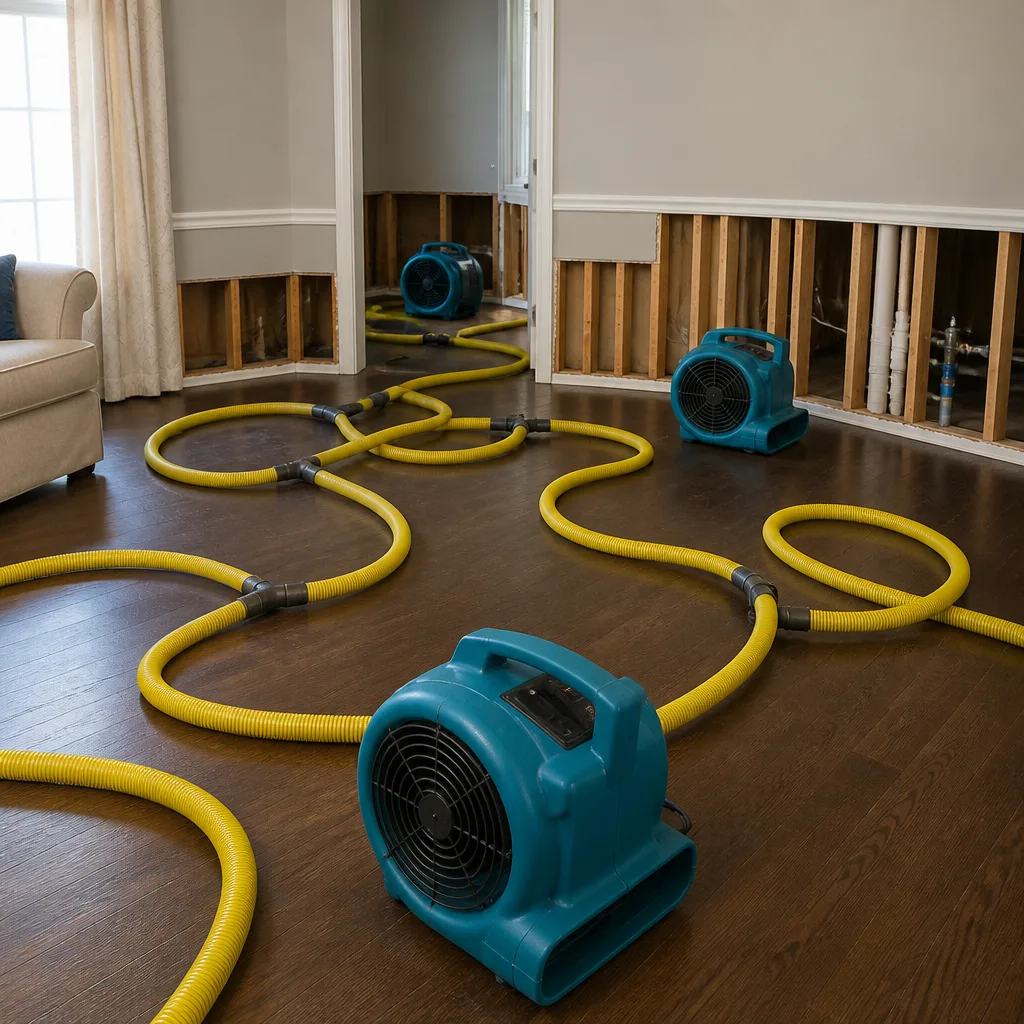

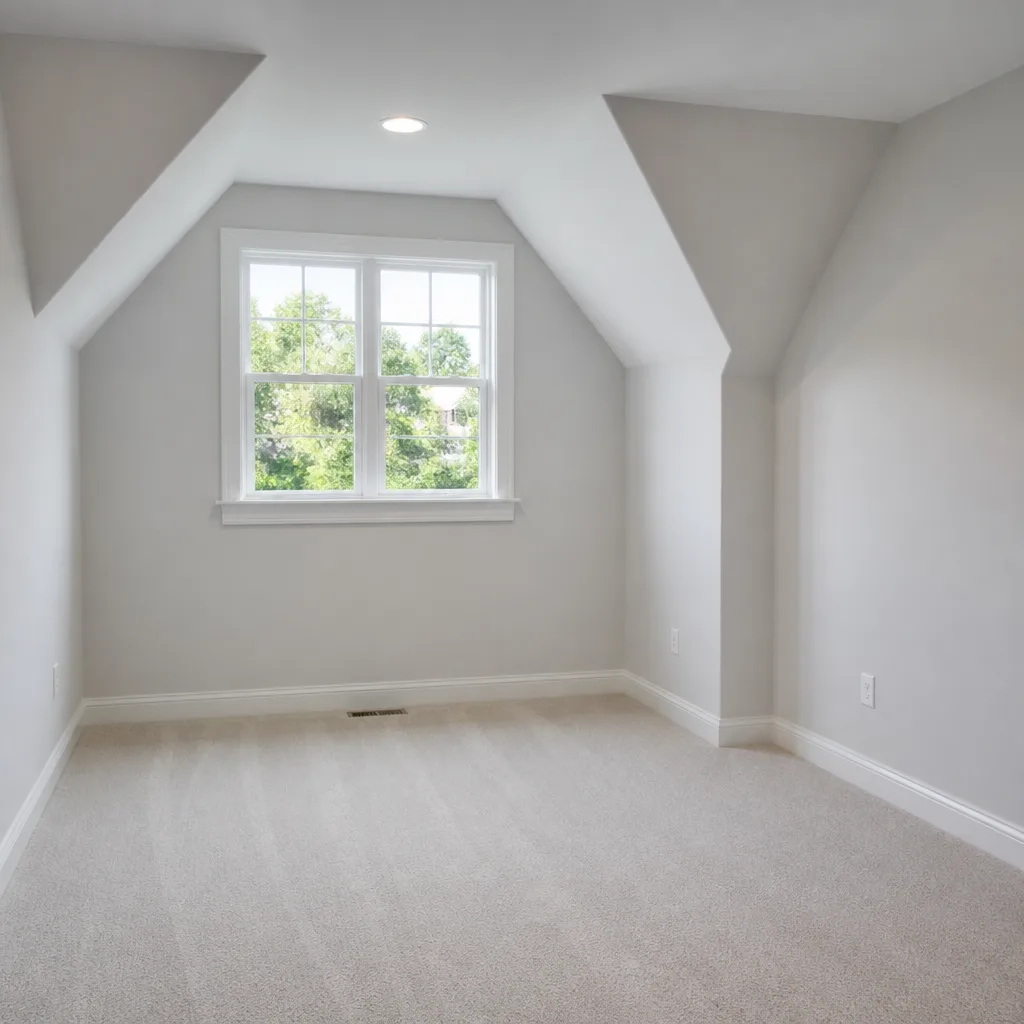

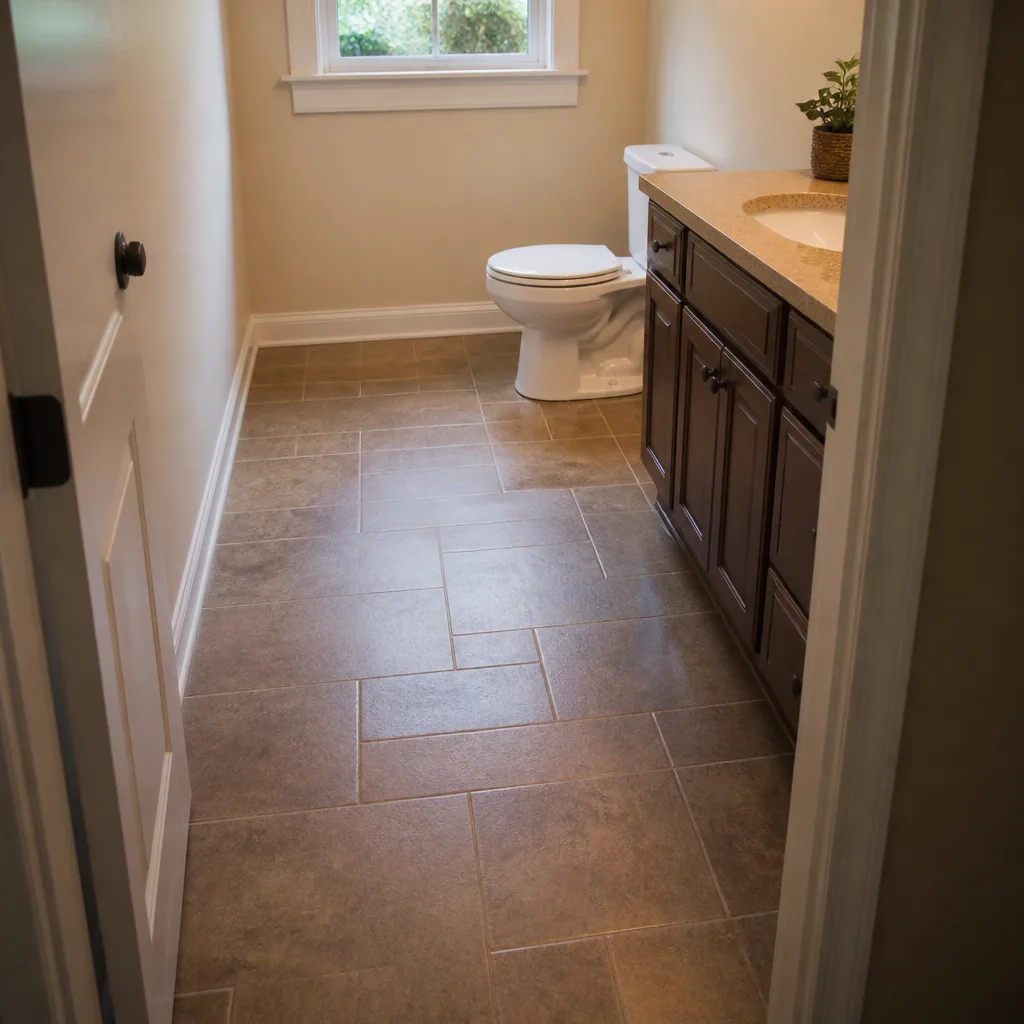

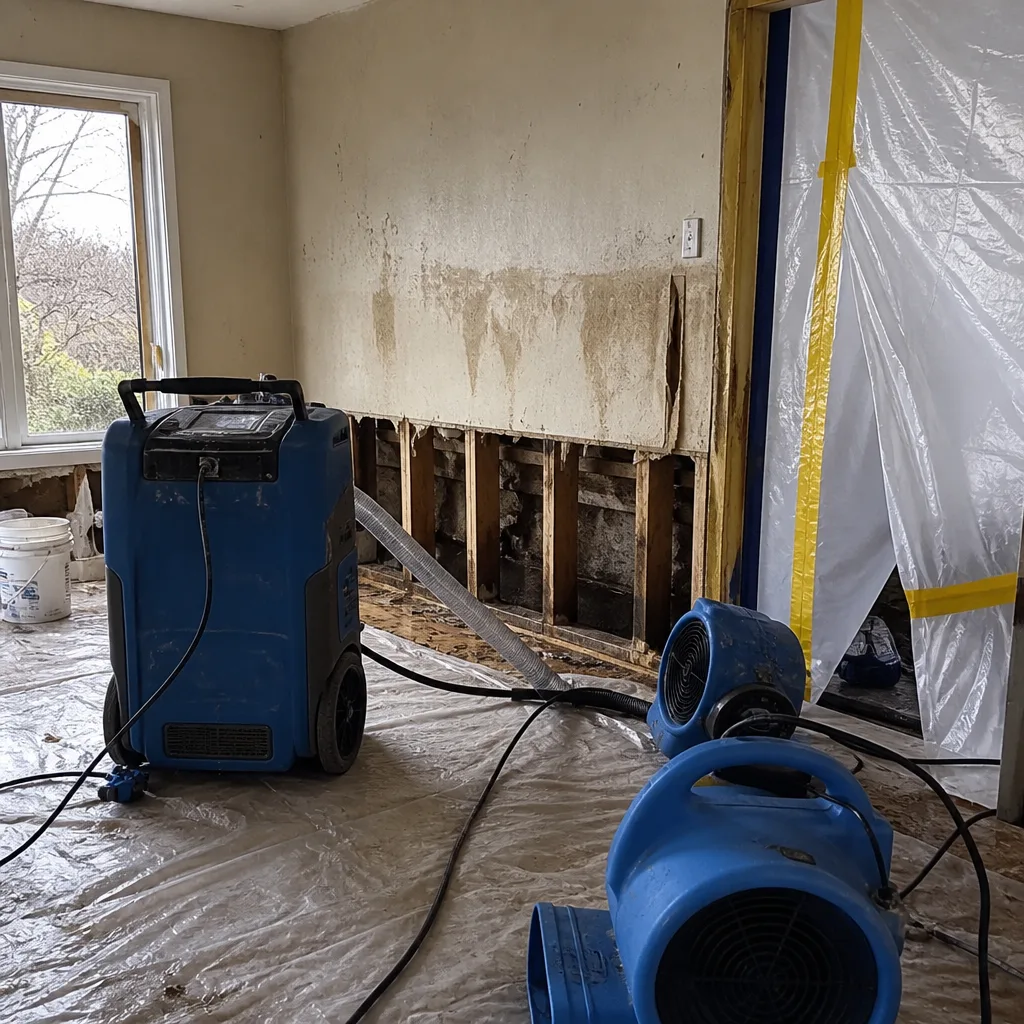 Before
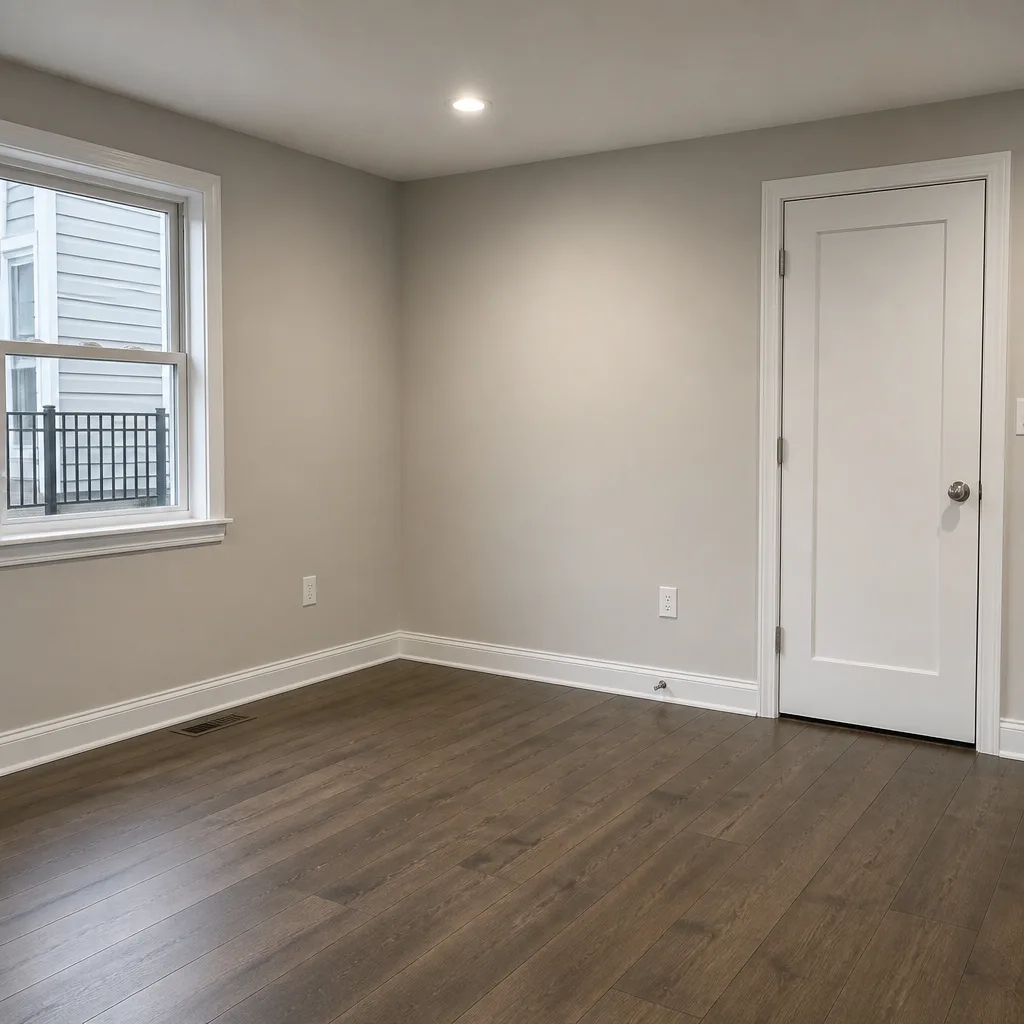 After
After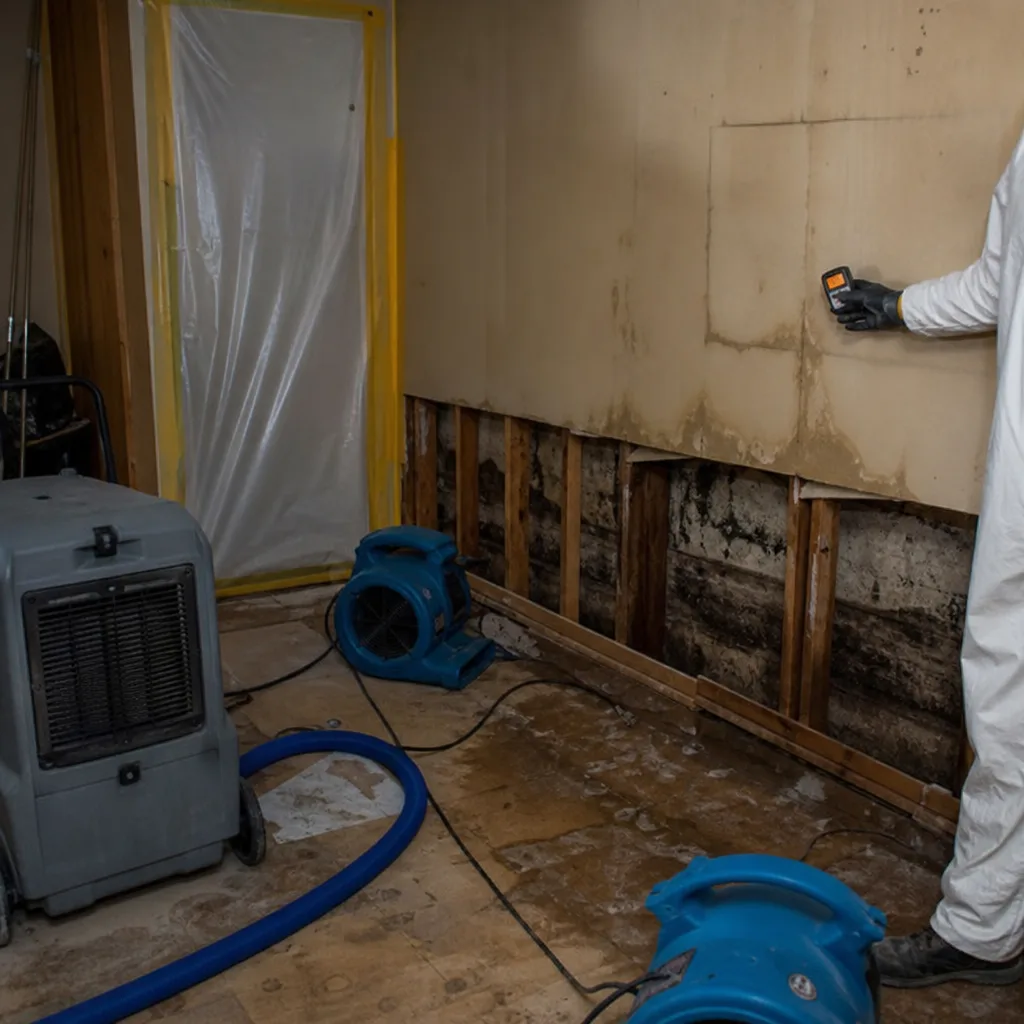 Before
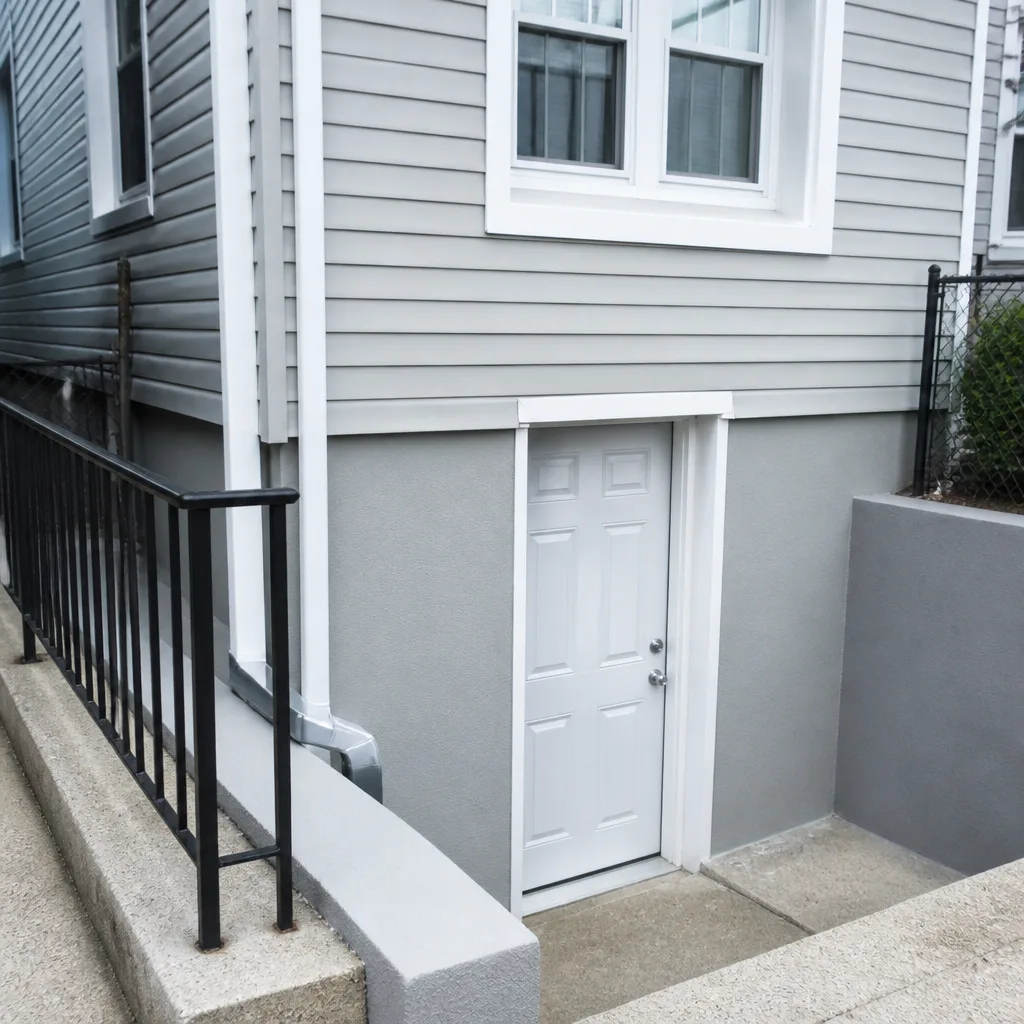 After
After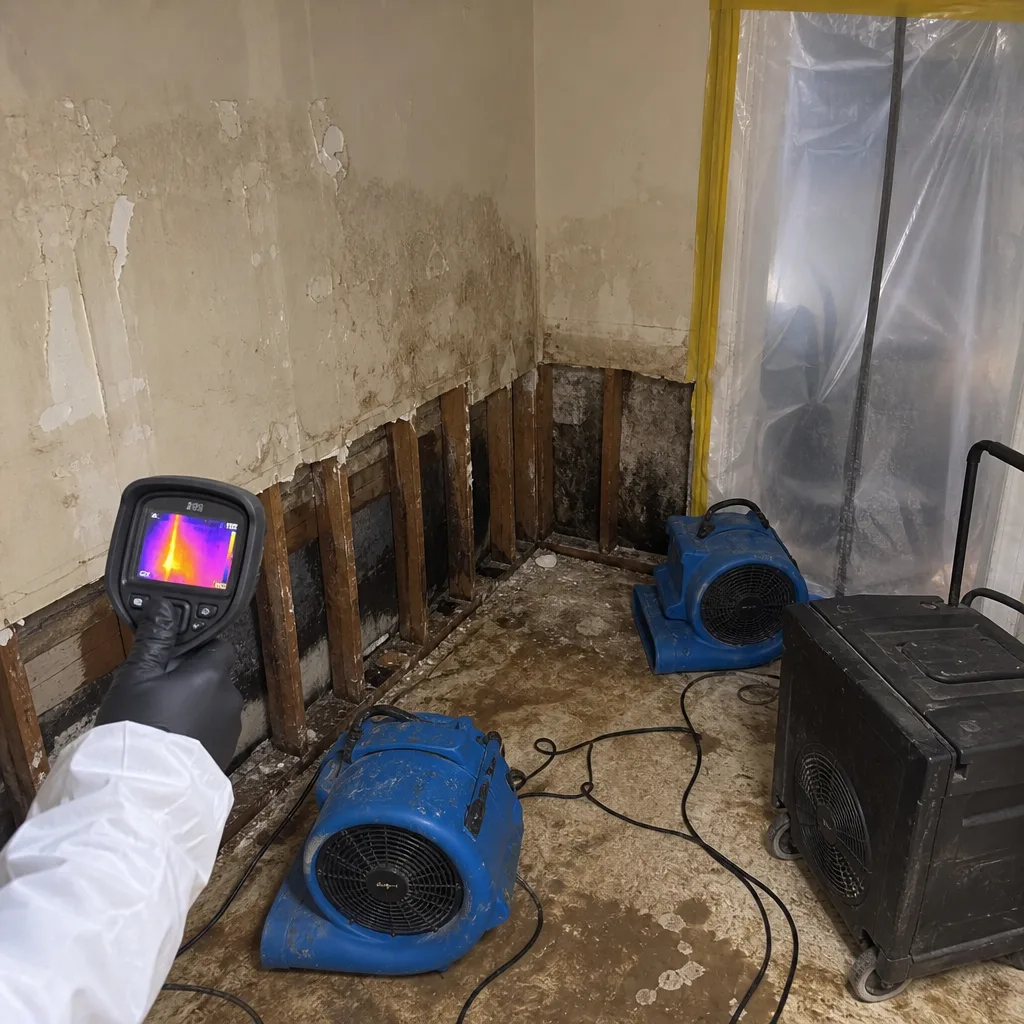 Before
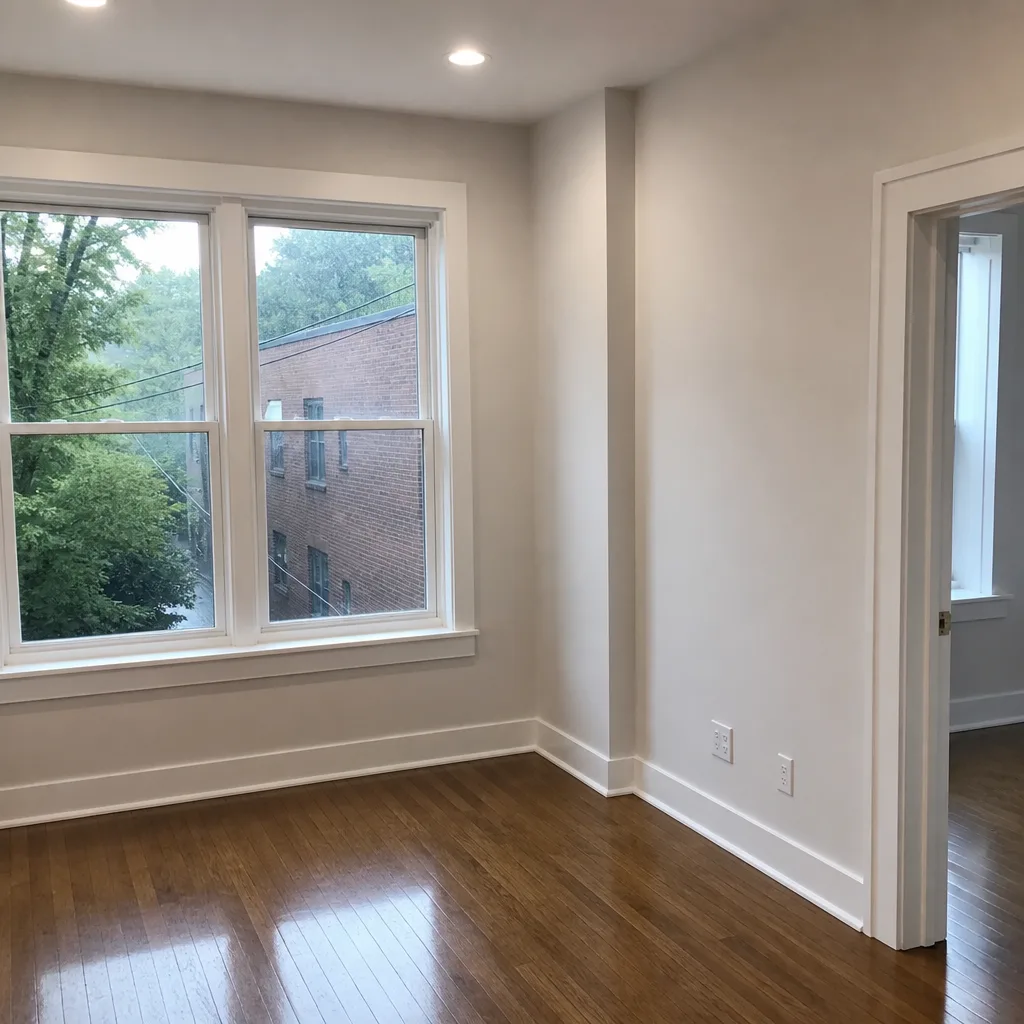 After
AfterDamage Restoration Permits, Codes & Inspections in NJ: What You Need to Know
Here’s a number most homeowners never hear until it’s too late: in New Jersey, roughly one in three restoration jobs that should have a permit doesn’t get one. Contractors skip the paperwork because it slows them down or because an inspector would see corners they cut. What they don’t tell you is that the permit is the only proof you have that the work was done to code. A Weehawken homeowner learned this the expensive way when a rebuilt basement failed two years later and the insurance adjuster used the missing permit to shave thousands off the claim. This guide explains exactly when NJ law requires a permit for restoration work, what the inspection process actually looks like, and how to protect yourself before the drywall goes up. For more guides & resources, see our blog.
Quick Answer
In New Jersey, restoration work that replaces like for like (drying, cleaning, painting, replacing a section of drywall with the same material) usually doesn’t need a permit. But any work that changes a building’s structure, electrical system, plumbing lines, or egress windows does. The threshold: if a contractor is cutting into framing, moving a wall, rewiring, or replacing more than a small section of a system, you likely need a permit from your local construction office, and skipping it can void insurance coverage and complicate any future sale of the home.
Table of Contents
- What Requires a Permit vs. What Counts as Maintenance
- How the Weehawken Construction Department Handles Restoration Permits
- FEMA’s Substantial Improvement Rule and Hudson County Flood Zones
- What Happens to Your Insurance Claim When Work Isn’t Permitted
- How to Verify a Permit Before the Walls Go Up
- Inheriting Unpermitted Work From a Previous Owner
- Common Mistakes to Avoid
- When to Call a Professional
- Frequently Asked Questions
What Requires a Permit vs. What Counts as Maintenance
New Jersey follows the Uniform Construction Code (UCC), which sets one standard for the whole state. Local offices like Weehawken’s Construction Department enforce it, but the rules don’t change from town to town. The dividing line is simple in theory: a permit is required when work alters the structure or regulated systems of a building. It is not required when work restores a building to its pre-damage condition using the same materials.
Here’s what that means in practice on a water damage job. Pulling baseboards, cutting out wet drywall, running fans and dehumidifiers, and replacing the drywall with new drywall of the same thickness: no permit. That’s considered maintenance and repair. But if the water got into the wall and the contractor has to remove and replace insulation, you’re still fine, no permit. The line gets crossed when the work touches anything structural or any regulated system.
Work that requires a permit in New Jersey:
- Any change to load-bearing walls, beams, columns, or floor joists
- Replacing or altering electrical wiring beyond a simple fixture swap
- Replacing or extending plumbing drain, waste, or vent lines, not just a fixture
- Any work on a gas line, even moving it a few inches
- Replacing a water heater, boiler, or furnace after flood or fire damage
- Cutting new window openings or enlarging existing ones for egress
- Any change to the building’s footprint or roofline
- Structural repairs to a foundation wall or floor slab after water or fire damage
Work that does not require a permit:
- Water extraction, drying, and dehumidification
- Mold remediation that doesn’t involve structural removal
- Replacing drywall, flooring, or trim with the same material type
- Painting and refinishing
- Replacing a sink, toilet, or faucet without moving the plumbing line
- Replacing light fixtures and outlets without changing the wiring
Fire damage is where homeowners get surprised most often. Charred framing is rarely safe to leave in place, and replacing a burned stud or joist is structural work. A fire in a Weehawken rowhouse can also affect a party wall shared with a neighbor, and any repair to a shared wall triggers a permit and often a fire subcode review. The rule of thumb we give people in Weehawken before any work starts: if the contractor is cutting wood that holds the house up, or touching wire, pipe, or gas, ask to see the permit application. We cover the full scope of this work on our Fire & Smoke Damage Restoration in Weehawken page.
How the Weehawken Construction Department Handles Restoration Permits
Weehawken’s Construction Department processes restoration permits under the same UCC rules as every other Hudson County town, but there are local realities worth knowing. The department is small, and the people who review applications are the same ones who conduct inspections. That’s actually a good thing for a homeowner: you’ll typically deal with one or two people from application to sign-off, not a faceless queue.
In our experience across Weehawken, a restoration permit for straightforward work (say, replacing fire-damaged framing in a single room) takes about two to three weeks from application to approval when the paperwork is complete. The clock starts when the application is actually accepted, not when it’s submitted. Missing details are the biggest source of delay. A survey showing the property lines, a signed contractor’s registration from the NJ Division of Consumer Affairs, and a scope of work signed by both the owner and the contractor are all standard requirements.
For emergency work, New Jersey law allows a contractor to begin work before the permit is issued under what’s called an emergency work provision. The key detail: the contractor must file the permit application within five business days of starting work. If a contractor says they’ll “file later” and then doesn’t, the unpermitted work becomes your problem, not theirs. In Weehawken, the Construction Department offers guidance by phone at their office in the Municipal Complex, and we always suggest homeowners call and ask what specifically needs to be filed for their project type before a contractor starts. The permit cost itself is based on the estimated cost of work and an NJ state-mandated formula, which means a small job pays a small fee and a large structural rebuild pays proportionally more.
FEMA’s Substantial Improvement Rule and Hudson County Flood Zones
If your Weehawken home sits in a FEMA-designated flood zone, and many homes along the Hudson River do, you need to know about the Substantial Improvement Rule before you spend a dollar on restoration. The rule says: if the cost of repairs or improvements over any period of time equals or exceeds 50% of the building’s market value before the damage, the entire building must be brought up to current floodplain construction standards. That can mean elevating mechanical systems above the Base Flood Elevation, installing flood vents, or in extreme cases elevating the entire structure.
This is not a municipal rule. It’s federal, it’s tied to the National Flood Insurance Program (NFIP), and it applies whether or not you have flood insurance through FEMA. The calculation is based on the market value of the structure only, not the land, and it uses the cost of all repairs made since the last improvement project began. A partial repair that seems modest, like replacing flooring and drywall after a flood, can push a home over the 50% threshold if the home’s structure was already old and the land value in Weehawken is unusually high.
What this means practically: a contractor who doesn’t know the rule, or doesn’t want to deal with it, may suggest a repair that quietly crosses the threshold. The homeowner discovers the issue years later when a flood insurance claim is denied because the property was never brought into compliance. Hudson County flood zone maps change over time, and the FEMA maps for Weehawken were updated within the last decade. You can check your property’s flood zone designation on FEMA’s Map Service Center for free in a few minutes. If your home is in an A or V zone and the damage estimate is substantial, call the Weehawken Floodplain Administrator, who works out of the Construction Department, before you sign a restoration contract.
What Happens to Your Insurance Claim When Work Isn’t Permitted
Insurance policies in New Jersey contain a provision that sounds like fine print but isn’t: the homeowner is responsible for complying with all laws and ordinances. A missing permit is a violation of law. When an adjuster discovers that restoration work was done without required permits, they don’t typically deny the entire claim, but they can and do reduce the payout on the affected portion. Sometimes they deny coverage for the repair itself and pay only for the damage, leaving the homeowner to fund the unpermitted portion out of pocket.
The problem compounds when future claims occur. The adjuster who shows up for a second water loss, a fire, or a mold claim is now looking at repair work done after the first loss. If that work was unpermitted, the burden shifts to the homeowner to prove the unpermitted work was not the cause of, or a contributing factor to, the new damage. That’s a hard thing to prove without a paper trail. This is exactly what happened to the Weehawken homeowner we described at the top of this guide: the second pipe burst was unrelated to the first restoration, but the absence of a permit turned a straightforward claim into a negotiation.
There’s also a seller disclosure issue. New Jersey doesn’t require a seller to disclose unpermitted work in every case, but a buyer’s home inspector will likely flag work that doesn’t match building records. A $20,000 restoration job that was never permitted can become a $10,000 price reduction at closing, or a deal that falls through entirely. The permit isn’t just a legal formality. It’s the record that says the work was done right, and it protects the value of the home whether you’re living in it or selling it.
How to Verify a Permit Before the Walls Go Up
This is the step almost nobody does, and it’s the single most protective thing you can do as a homeowner. Once drywall is hung and painted, you cannot see what’s behind it. The permit is the only verification that the work behind the wall met code. Here’s how to verify it in five minutes, in order:
- Ask the contractor for the permit number and the municipal construction office where it was filed. Write both down.
- Call the Weehawken Construction Department at the Municipal Complex and ask to confirm the permit number is active and matches your address and the scope of work. You can also ask this in person during business hours.
- Ask for the name of the subcode official assigned to the job. Every NJ permit has one. If the contractor can’t or won’t provide this, that’s a red flag.
- Confirm the required inspections schedule before work begins. On a structural repair, there will typically be a rough inspection before walls are closed and a final inspection after.
- Attend the inspection if you can. You don’t need to understand the details. Just being there, with a clipboard and the permit number, changes how carefully the inspector and contractor both work.
One more thing about timing: an active permit doesn’t mean the work is done right. A final sign-off from the subcode official is what actually closes the permit. In Weehawken, some permits stay open for months or years because the contractor never scheduled the final inspection. A permit that was never closed is almost as bad as one that was never pulled. Sure, the record exists, but it’s incomplete, and the same insurance and resale problems follow it. When the work is done, your contractor’s last job on your project should be scheduling that final inspection and handing you a copy of the signed close-out. If you’re weighing whether to hire help, our DIY vs Professional Damage Restoration: The Weehawken Homeowner’s Decision Guide can help. If they disappear before that happens, the open permit is in your name.
Inheriting Unpermitted Work From a Previous Owner
Buying a Weehawken home only to discover that the previous owner finished a basement or rebuilt a bathroom without a permit is common, especially in older buildings where work was done decades ago. The good news: you are not automatically liable for work you didn’t do. The bad news: the unpermitted work is now attached to your house, and you’ll deal with it when you sell or make a claim.
The first step is to find out what the town actually has on record. A property file search at the Weehawken Construction Department is a public records request. It costs a small fee and shows you every permit ever pulled for the address that’s still in their records. Many older files are digitized now, but some pre-1990s records sit in paper files, and the staff may need a few days to pull them. For a home built before the UCC took effect in 1977, construction records may simply not exist, and that’s not necessarily a problem; the UCC didn’t apply until then.
If you find unpermitted work that’s recent enough to matter, you have options. You can apply for a permit after the fact, which is exactly what it sounds like. The subcode official will inspect what they can see, and may require opening a wall or ceiling to verify what’s behind it. This costs money and creates a mess, but it converts the work from a liability into a legal, permitted improvement. Some homeowners choose to leave the issue alone and disclose it honestly at sale. I’d caution against that path. Unpermitted work that involves electric, plumbing, or structural changes is a live risk fire, flood, collapse, or denial of a claim, and no disclosure form protects you from that.
For buying a home in Weehawken or anywhere in Hudson County, ask the seller for the permit history as part of your due diligence. A seller who refuses or is evasive hasn’t necessarily hidden anything, but you should factor the possibility of unpermitted work into your offer.
Common Mistakes to Avoid
- Trusting a contractor who says “we don’t need a permit for this.” We hear this from homeowners all over Hudson County, and it’s sometimes the contractor’s way of avoiding an inspection. If the job touches structure, electrical, plumbing, or gas, you need a permit. If the contractor won’t get one, find a different contractor.
- Not checking whether the permit was ever closed. An open permit is an unfinished job in the eyes of the town. Your contractor’s final task should be the final inspection and the signed close-out. Many never do it. Hold them to it.
- Letting a contractor do emergency work with no paper trail. New Jersey’s emergency work provision lets a contractor start right away, but the application must be filed within five business days. A contractor who doesn’t file is leaving you holding the unpermitted work.
- Ignoring the FEMA Substantial Improvement Rule in a flood zone. A repair that costs more than 50% of the structure’s pre-damage value can trigger a federal requirement to bring the entire building to flood code. Some contractors don’t know the rule; some hope you won’t, either.
- Paying in full before the final inspection. The final payment is your only leverage to get the contractor to close the permit and fix any items the inspector flags. Once you’ve paid, you’ve lost that leverage.
- Assuming home insurance will cover the cost of bringing unpermitted work up to code. Most policies cover repairs to the pre-loss condition, not upgrades to current code unless you specifically bought ordinance or law coverage. Read your policy before you sign a restoration contract.
- Closing walls without taking photos. Every restoration contractor should photograph the exposed framing, wiring, and plumbing before drywall goes up. If a question comes up later, those photos are evidence. We document every job this way, and any reputable contractor should do the same.
When to Call a Professional
If your restoration job requires a permit, it involves structural work, electrical, plumbing, or gas, and that’s work you don’t want to learn on the job. The question isn’t whether you can watch a video and figure out how to sister a joist. It’s whether the inspector will pass the work and the insurance company will accept it. For anyone in Weehawken looking at a flood, fire, or mold job where a permit is on the table, a call to a professional who knows the local process is worth the time. Our Water Damage Restoration in Weehawken and Mold Remediation in Weehawken pages explain how we handle each type of project, and every job includes the permit application and inspection scheduling. Wade’s Restoration offers free estimates in Weehawken, call (201) 740-2235.
Frequently Asked Questions
Not for drying, cleaning, or replacing drywall and flooring with the same materials. You do need a permit if the water damage requires structural repairs, electrical work, or plumbing line replacement. The rule of thumb: if a contractor is cutting into framing or touching wire or pipe, a permit is required under the NJ Uniform Construction Code.
Plan on two to three weeks for a straightforward restoration permit in Weehawken, longer if the application is incomplete or the job involves structural or fire subcode review. Emergency work can begin before the permit is issued, but the contractor must file within five business days of starting.
Insurance companies in New Jersey can reduce or deny coverage for damage tied to unpermitted work. Even if the unpermitted work wasn’t the cause of the new damage, the adjuster may use it as grounds to lower the payout. A valid, closed permit is your best protection in a claim.
The Substantial Improvement Rule requires homes in FEMA flood zones to be brought to current floodplain standards when repair costs reach 50% of the structure’s pre-damage value. It applies to many Weehawken homes along the Hudson River that sit in A or V flood zones. Check your flood zone on FEMA’s Map Service Center before planning major restoration work.
Request a property file search at the Weehawken Construction Department. For a small fee, they’ll provide every permit on record for your address. If you find unpermitted work that touches structural, electrical, or plumbing systems, you can apply for an after-the-fact permit to bring it into compliance.
Contact the Weehawken Construction Department immediately and explain the situation. Then tell the contractor to file the permit application that day. If the contractor won’t, you have a decision to make about whether to continue with them. The longer unpermitted work goes unfiled, the harder it is to resolve.
Call (201) 740-2235 and Wade will talk you through your specific situation. Estimates are free, and there’s no charge for the call.
The Bottom Line
Permits aren’t bureaucracy for its own sake. They’re the only independent verification that restoration work was done to code, and they’re the paper trail that protects you when an insurance claim or a home sale comes around. In New Jersey, the line between maintenance and permit-required work is clear once you understand it: structural, electrical, plumbing, and gas work all require a permit, and in flood zones, the FEMA Substantial Improvement Rule adds another layer. Most homeowners who get burned on unpermitted work didn’t know they needed a permit until it was too late. Now you know. Check before the walls close. Wade’s Restoration has served Weehawken since 2007, and we’re happy to answer permit questions at (201) 740-2235, no charge, no pressure.
Written by Wade Ferris, Owner at Wade’s Restoration, serving Weehawken since 2007.