
Last updated August 27, 2026
Free visual inspection and a written scope of work before any mitigation begins - photos, moisture readings, and drying logs go in your claim file
The scope we write is the scope we bill. Anything new gets shown to you, in writing, before we touch it.



 Before
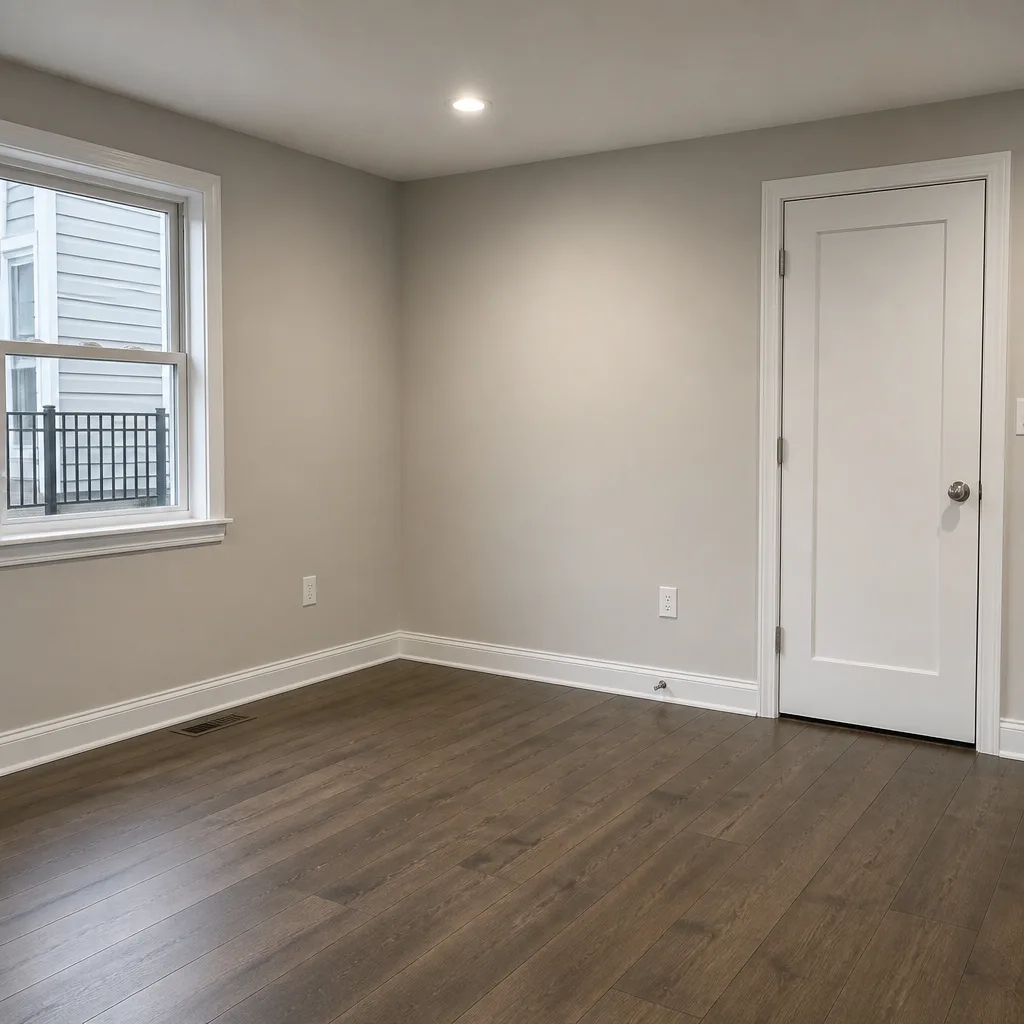 After
After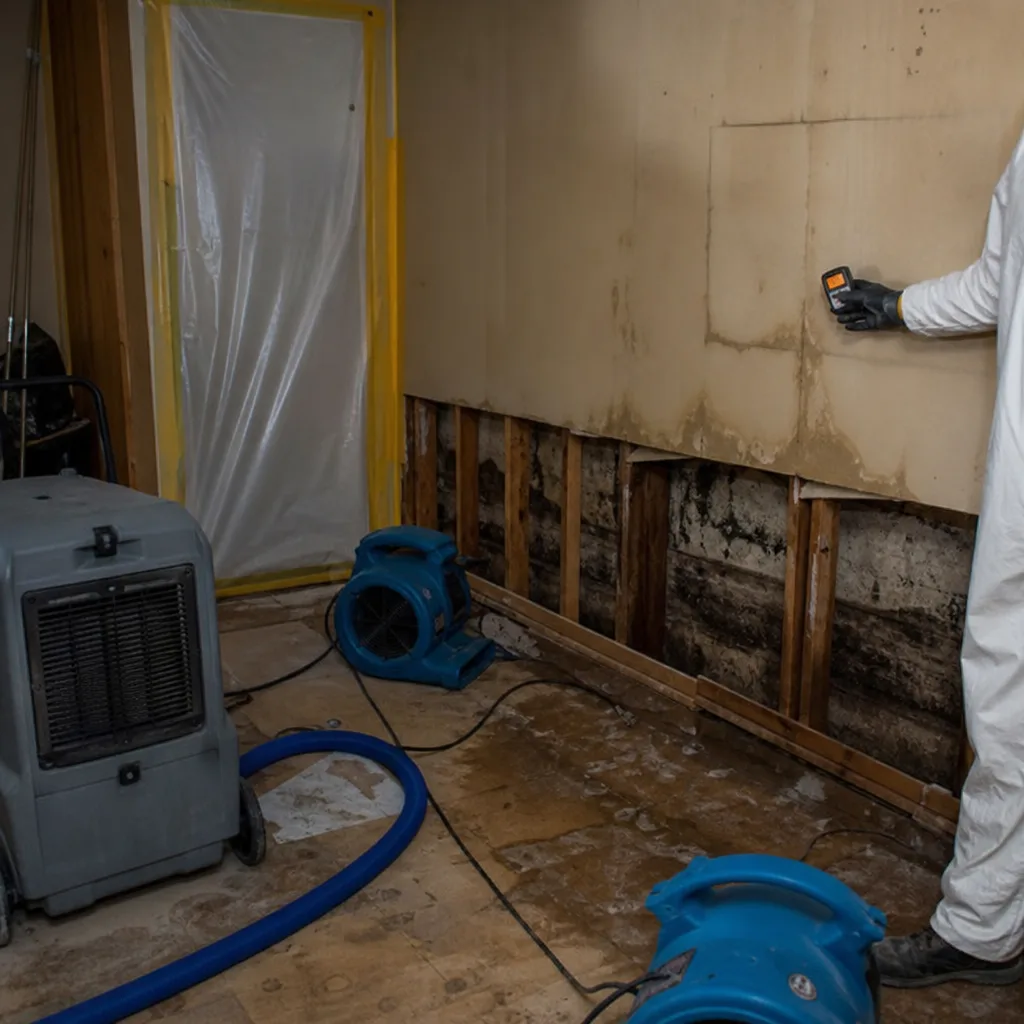 Before
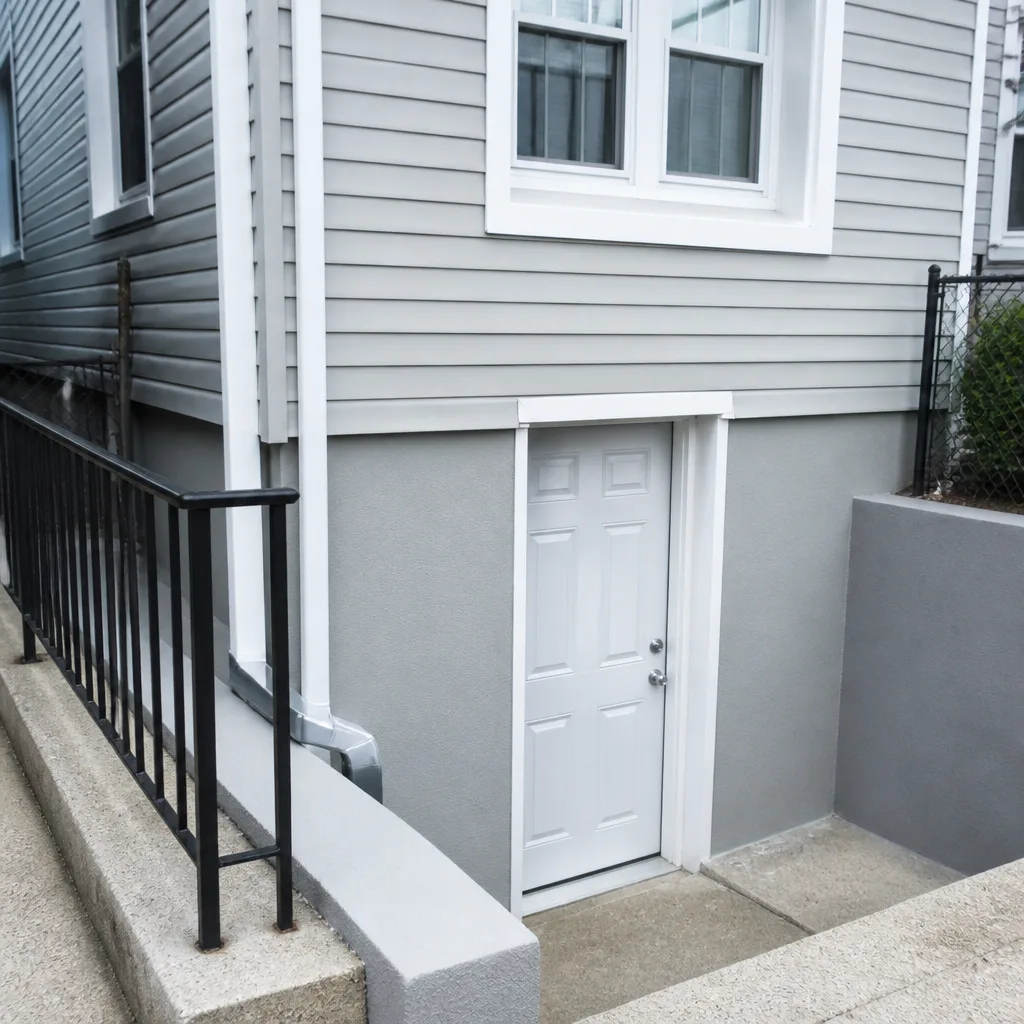 After
After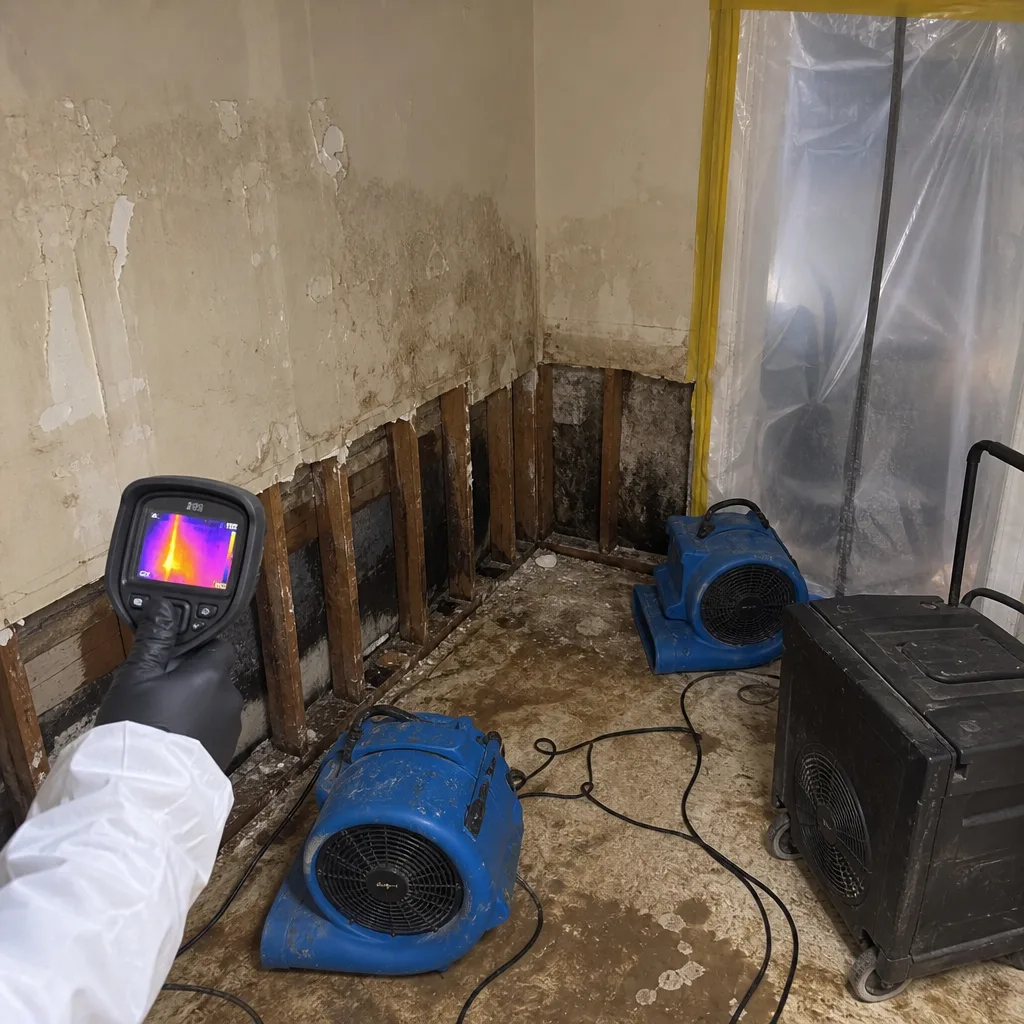 Before
 After
AfterHow to Hire a Damage Restoration Contractor in Weehawken: A Step-by-Step Guide
After every major storm that rolls through Hudson County, out-of-state restoration companies flood the area like the water itself. Some are legitimate. Some won’t answer the phone once your check clears. The difference isn’t always obvious at midnight with a foot of water in your finished basement and a sopping drywall wall starting to sag, but it is checkable if you know what to look for. This guide walks you through exactly how to vet a damage restoration contractor in Weehawken, whether you’re planning ahead or standing in the middle of an emergency right now. For a broader overview, see The Complete Guide to Damage Restoration in Weehawken. We’ll cover the five questions that separate accountable local contractors from volume-chasing nationals, how to verify licenses, what IICRC certification actually means, and the red flags hiding in the fine print of a restoration estimate.
Quick Answer
To hire a damage restoration contractor in Weehawken, verify the contractor’s New Jersey Home Improvement Contractor license, confirm they carry liability and workers’ compensation insurance, ask whether the owner or an employee will do the physical work, get a written line-item estimate before any work begins, and check that their business address is local and published. The single most important step is choosing a locally owned, owner-operated company whose principal is reachable by phone after the job ends.
Table of Contents
- Why Choosing Before the Emergency Matters in Weehawken
- Five Questions That Separate Accountable Contractors from Volume-Chasers
- How to Verify a New Jersey Contractor License and What IICRC Actually Means
- Red Flags in a Restoration Estimate: Vague Scope, No Line Items, and AOB Clauses
- Why a Published Address and a Written Warranty Beat Five-Star Reviews
- Managing Your Contractor and Your Insurance Adjuster Without Getting Caught in the Middle
- The Step-by-Step Hiring Process for Weehawken Homeowners
- Common Mistakes to Avoid
- When to Call a Professional
- Frequently Asked Questions
- The Bottom Line
Why Choosing Before the Emergency Matters in Weehawken
Weehawken sits on the Hudson River waterfront with a mix of older brick rowhouses, mid-century apartment buildings, and newer condos. The town’s position at the base of the Palisades means stormwater and groundwater don’t always drain where you’d hope. After a heavy rain, basements in the lower streets near the waterfront take on water through foundation cracks and floor drains. In the upper elevations along Boulevard East, the same water that pounds the Palisades finds its way into older building envelopes through parapet walls and aging roofs. For year-round preparation tips, see our Seasonal Damage Restoration Care for Weehawken: Year-Round Homeowner’s Guide.
Now consider what happens when that water shows up at 11 PM. You’re tired, the damage is spreading, and someone’s phone number is on a magnet stuck to your refrigerator. You call. They answer. They show up. And in that moment, you’ve just hired a restoration contractor without checking a license, a certificate of insurance, an address, or a single reference. That’s not a decision, it’s a coin toss.
The smart move is to do the vetting now, before the next nor’easter or burst pipe, so that when the emergency comes you’re calling a name you already trust. In our experience serving Weehawken since 2007, the homeowners who fare best after a water or fire loss are the ones who had a plan in place before the damage happened. Our Water Damage Restoration Maintenance Checklist for Weehawken Homeowners can help you build that plan.
We’ve seen what happens when that planning doesn’t occur. A homeowner on Highwood Terrace hired an out-of-state crew after a summer storm backed up the sewer line into his basement. The crew extracted the water, set up a couple of box fans from a big-box store, and handed him an invoice for $14,000. Three weeks later the baseboards were swelling and the smell was back. He called the number on his invoice. Nobody answered. He called us. By that point the mold had spread behind the drywall, and the total cost to actually fix the problem was double the original bill.
That scenario replays itself across Hudson County after every major weather event. The difference between a bad outcome and a good one almost always comes down to what the homeowner asked before letting anyone through the door.
Five Questions That Separate Accountable Contractors from Volume-Chasers
Here are five questions to ask any restoration contractor you’re considering for work in Weehawken. The answers will tell you more than any online review ever could.
Question 1: Is the person I’m talking to the person who will do the work?
This is the question most homeowners never think to ask. National restoration franchises and storm-chaser outfits operate on a model where a salesman or project manager signs the contract, then hands the work off to a crew of subcontractors who may or may not have training, credentials, or accountability to the homeowner. The person who promised you the world disappears, and the person in your basement may be a day laborer getting paid by the hour with no stake in the outcome. Ask directly: “Who will physically be doing the extraction, the drying, the demolition, and the rebuild? Are they your employees, or are you subcontracting this out?”
With Wade’s Restoration, the answer is straightforward. Wade Ferris founded the company in 2007 and remains the person who shows up, takes moisture readings, and oversees the crew. The crew are background-checked employees, not day labor. When you call (201) 740-2235, Wade or one of his team answers directly. No answering service, no call center, no runaround.
Question 2: What equipment will you use to dry my house?
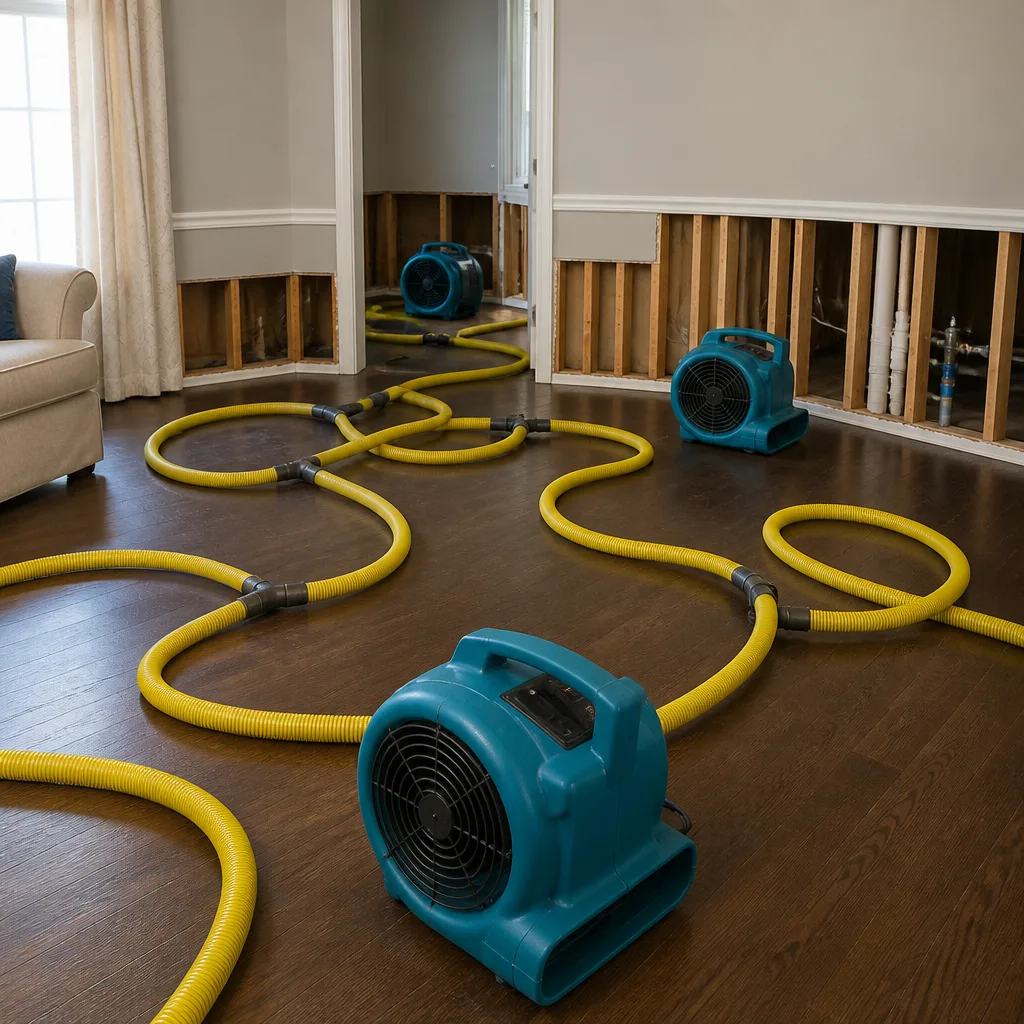
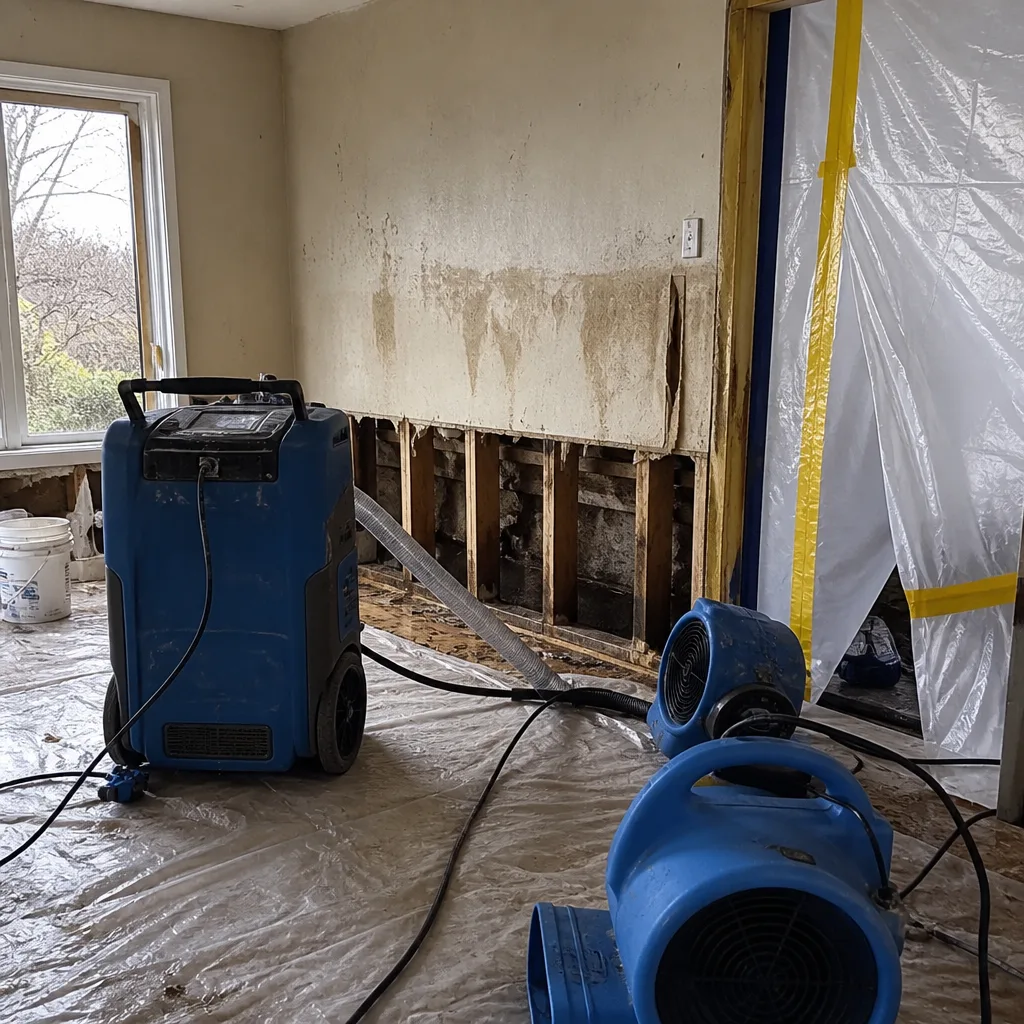
A box fan and a wet-dry vac from a hardware store will move some air around. That’s not professional drying. True structural drying requires professional-grade air movers, dehumidifiers, and injection drying systems like those from XPOWER, B-Air, Injectidry, and Dri-Eaz. Wade’s crew runs these machines and takes moisture readings every day, logging the numbers as the structure dries. At the end of the job, you get the full moisture log. That’s not standard practice in this trade. It should be.
Ask the contractor what equipment they run, what brand, and how they’ll document the drying process. If the answer is vague, that’s your answer.
Question 3: What’s your physical address?
A restoration company that doesn’t publish a street address is a red flag. It suggests a post office box, a virtual office, or a company that wants to be hard to find after the job is done. Owners who stand behind their work publish their names and addresses. Wade Ferris publishes his name, his address, and his license number. He works in Weehawken and the surrounding communities. He’ll run into you at the hardware store or on the street, and that’s the oldest accountability mechanism there is.
Question 4: What happens if I’m not satisfied after the job is done?
The contractor’s answer here reveals everything. Listen for specifics. “We’ll work with you” is not an answer. “We’ll fix it” with no timeline and no written guarantee is also not an answer. Wade’s Restoration puts it in writing on every water, fire, and mold restoration job: the 90-Day Done Right Promise. If it’s not done right, Wade makes it right. One call brings Wade back. That’s the kind of answer you want.
Question 5: Can I see your certificate of insurance?
Any legitimate restoration company carries general liability insurance and workers’ compensation. Ask to see the certificate. Call the insurance carrier to verify it’s active. If the contractor hesitates, that’s a signal to look elsewhere. This isn’t just about protecting the contractor; it’s about protecting yourself from liability if a worker is injured on your property and the company’s coverage doesn’t exist.
How to Verify a New Jersey Contractor License and What IICRC Actually Means
New Jersey requires home improvement contractors, including restoration companies, to register with the New Jersey Division of Consumer Affairs. The registration is formally called a Home Improvement Contractor (HIC) registration. You can verify a contractor’s registration status on the Division of Consumer Affairs website by searching the business name or registration number. If a restoration company in Weehawken can’t produce a valid NJ HIC registration number and you can’t verify it online, do not let them into your home.
Here’s the step-by-step verification process:
- Ask the contractor for their NJ Home Improvement Contractor registration number.
- Go to the New Jersey Division of Consumer Affairs website and search the registration database.
- Confirm that the business name on file matches the name on the contract you’ll sign.
- Confirm the registration is active, not expired or revoked.
- Ask for a certificate of insurance naming you as additional insured for the duration of the job.
Now, about IICRC certification. The Institute of Inspection, Cleaning and Restoration Certification (IICRC) is the main credentialing body in the restoration industry. A contractor who is IICRC-certified has completed coursework in water damage restoration, applied structural drying, fire and smoke restoration, or mold remediation. Wade’s Restoration holds IICRC certification, along with affiliation with the Restoration Industry Association (RIA) and recognition from the International Franchise Association (IFA).
But here’s what IICRC certification doesn’t guarantee: it doesn’t guarantee the certified individual will be the one doing the work on your job. A company can have one certified tech on staff while sending untrained crews to job sites. Ask who on the job will hold the IICRC certification. If the answer is “our project manager” and the project manager isn’t on site, that’s a problem. Wade and his crew do the work themselves, with the credentials to back it up.
Red Flags in a Restoration Estimate: Vague Scope, No Line Items, and AOB Clauses
A restoration estimate is a legal document, but too many homeowners treat it like a formality. After an emergency, the instinct is to sign whatever’s put in front of you so the work can start. That instinct costs people thousands of dollars in Weehawken every year. Here’s what to look for before you sign.
Red Flag 1: Vague scope language
If the estimate says “dry affected areas” without specifying which areas, what equipment will be used, how many days the equipment will run, and what “dry” means in measurable terms, you’re signing a blank check. A professional estimate names the rooms, the square footage, the equipment count, the drying targets, and the monitoring schedule. Wade’s Restoration provides a written scope of work before any job begins. No exceptions.
Red Flag 2: No line-item breakdown
An estimate that lumps everything into one number is useless for comparing bids and useless for arguing with an insurance adjuster. You need a line-item breakdown: extraction at X dollars, equipment rental for X days at Y dollars per day, demolition at Z dollars, disposal at W dollars. If the contractor won’t break it down, walk away.
Red Flag 3: Assignment of Benefits (AOB) clauses
An Assignment of Benefits clause signs over your insurance claim rights to the contractor. Once you sign an AOB, the contractor can bill your insurance company directly and, in some cases, without your involvement or approval of the final invoice. AOB abuse has been a serious problem in states like Florida, and while New Jersey has stronger consumer protections, you should still read every word before signing. The plain-English advice: don’t sign an AOB unless you understand exactly what it does and you’re comfortable ceding control of your insurance claim. Wade’s Restoration never asks for an AOB. We work with your adjuster directly, but you stay in control of your claim.
Red Flag 4: The estimate was written without moisture readings
Any water restoration estimate written before the contractor takes a moisture reading is guesswork. In Weehawken’s older homes, water travels in unpredictable ways. A puddle in the finished basement may have wicked up through the sill plate into the wall cavities of the first floor. Wade takes moisture readings before quoting and continues taking them every day of the job. If a contractor quotes you a number without opening up a wall or checking the moisture content of the framing, they’re guessing.
Why a Published Address and a Written Warranty Beat Five-Star Reviews
Online reviews are easy to fake, easy to buy, and easy to manipulate. A contractor can have a five-star rating built from jobs done in another state, or from customers who never existed. That doesn’t mean reviews are worthless; it means they’re secondary evidence. The primary evidence of accountability is simpler and harder to fake.
First, the physical address. A restoration contractor who publishes a street address in Weehawken, or a neighboring Hudson County town, is telling you they’re not going anywhere. They have a lease, a shop, equipment storage, and a local reputation to protect. A contractor whose address is a P.O. box or a virtual office in a different state is telling you something else entirely.
Second, the written warranty. If a contractor is proud of their work, they’ll put a guarantee in writing. Wade’s Restoration started in 2007 with a simple principle: if it’s not done right, Wade makes it right. That’s now the 90-Day Done Right Promise, stamped in writing on every water, fire, and mold restoration contract. No fine print, no exceptions, no “subject to exclusions.” One call brings Wade back.
Ask anyone on your street who’s had water damage. Ask them if the contractor who did the work still answers the phone. Ask them if a warranty claim was honored. That’s the social proof that matters, the kind rooted in the neighborhood rather than a star rating from a stranger.
Managing Your Contractor and Your Insurance Adjuster Without Getting Caught in the Middle
The relationship between a restoration contractor and an insurance adjuster can go one of two ways. Ideally, they work together: the contractor documents the damage, the adjuster approves the scope, and the work proceeds with transparency. Too often, though, the dynamic is adversarial or, worse, collusive. The contractor and the adjuster are working against each other, or they’re both working against you.
The most common failure mode is the homeowner caught in the middle, relaying information between two parties who should be talking directly. The adjuster asks for a moisture log. You call the contractor, who emails you a PDF, which you forward to the adjuster. The adjuster has questions about the PDF, which you relay back to the contractor. This is inefficient and it leads to mistakes.
Wade Ferris deals with the insurance adjuster directly. That’s been his practice since 2007. It means the adjuster gets the moisture readings, the photos, the scope of work, and the line-item estimate straight from the person doing the work. You’re not stuck translating between two sides. You’re kept informed, but you’re not the switchboard.
Here’s what to look for in a contractor’s insurance process:
- Does the contractor document damage with photos before any work begins? (Wade’s crew does, photo-documenting every affected area.)
- Does the contractor provide written documentation to your adjuster, or leave you to explain what happened? (Wade provides the full file.)
- Does the contractor bill your insurance directly and keep you informed of what’s approved and what’s not? (Direct insurance billing is standard for Wade’s Restoration.)
- Does the contractor push back when an adjuster under-scopes a job, or do they just accept it? (Wade fights for the correct scope based on documented evidence.)
Insurance is almost always in the room after a water or fire loss, even when it’s unspoken. Most homeowners in Weehawken have homeowner’s insurance, and most restoration work is at least partially covered. The question is whether the coverage process runs smoothly or becomes a second crisis on top of the first. Choosing a contractor who handles insurance professionally, with documentation and direct communication, makes the difference.
The Step-by-Step Hiring Process for Weehawken Homeowners
Here’s the complete process, start to finish, for hiring a damage restoration contractor in Weehawken. Follow these steps before an emergency strikes, and you’ll be ready when it does. For more guides & resources, visit our blog.
Step 1: Build a shortlist now, not later
- Get recommendations from neighbors in Weehawken who’ve had restoration work done.
- Verify each contractor’s NJ Home Improvement Contractor registration online.
- Check that each contractor has a published physical address in the area.
- Note which contractors answer the phone with a live person, not a queue.
- Save the phone number of your top choice in your phone. For water, fire, or sewage emergencies, our number is (201) 740-2235.
Step 2: During an emergency, call immediately
- Shut off the water source if you can safely reach the shutoff valve.
- Call your restoration contractor first. The longer water sits, the more damage it does.
- Document the damage with your phone camera before anything is moved.
- Move valuables out of the affected area if it’s safe to do so.
- Do not use your home’s HVAC system if sewage or contaminated water is involved.
Step 3: Before work begins, get everything in writing
- Review the written scope of work. Make sure it names rooms, equipment, timelines, and drying targets.
- Review the line-item estimate. Question any line you don’t understand.
- Confirm the warranty terms. Wade’s 90-Day Done Right Promise is in writing on every restoration contract.
- Do not sign an Assignment of Benefits clause unless you’ve had it reviewed by someone you trust.
- Confirm who will be on site doing the work and that they’re background-checked employees.
Step 4: During the job, stay informed
- Expect daily moisture readings. If your contractor isn’t taking them, ask why.
- Expect photo documentation of the damage and the progress.
- Expect direct communication with your insurance adjuster, not a relay through you.
- Ask questions when something doesn’t make sense. A good contractor welcomes questions.
Step 5: After the job, verify the work
- Ask for the complete moisture log at the end of the job. Wade hands over the full log on every water job.
- Check that all affected areas are dry to the contractor’s documented targets.
- Keep a copy of the written warranty and the contractor’s contact information.
- If anything isn’t right, call. Wade’s 90-Day Done Right Promise means one call brings him back.
For water damage restoration in Weehawken, speed matters more than in any other restoration scenario. Water keeps moving through building materials long after it stops being visible on the floor. The faster extraction starts, the less structural damage occurs. Wade’s team can have extraction running inside the hour when you call (201) 740-2235.
For mold remediation in Weehawken, the approach is different: slower, more deliberate, and governed by containment protocols. Mold remediation is about isolating the affected area, filtering the air, and removing contaminated materials without spreading spores through the rest of the house. It requires specialized equipment and training.
For fire and smoke damage restoration in Weehawken, the process involves board-up, smoke odor removal, structural cleaning, and reconstruction. Fire damage is unique because the damage extends beyond the flames themselves to smoke residue that penetrates every porous surface in the home.
Whatever the damage, start with the steps above and choose a contractor you’d be comfortable running into at the grocery store. That’s the true test.
Common Mistakes to Avoid
- Hiring the first contractor who answers the phone during an emergency. In Weehawken after a storm, the first available contractor is often the storm-chaser. Availability is not a qualification.
- Signing an estimate without a line-item breakdown. If the numbers aren’t itemized, you can’t compare bids, argue with an adjuster, or know what you paid for. Insist on detail.
- Trusting that the salesman will be the one doing the work. In many restoration companies, the person who signs the contract never returns to the job site. Ask who does the physical work before you sign.
- Delaying extraction or mitigation while you wait for an insurance adjuster. Most policies require you to mitigate additional damage promptly. Waiting can hurt your claim and your house. Start mitigation now, document everything, and sort out coverage in parallel.
- Using a shop-vac and box fans for anything beyond a small spill. A flooded basement in a Weehawken rowhouse needs structural drying equipment. Box fans move air over surfaces but don’t extract moisture from wall cavities. The damage continues invisible while the surface looks dry.
- Not checking the New Jersey HIC registration before work begins. This takes five minutes online and it’s the single most effective consumer protection in the entire state. If the registration isn’t valid, walk away.
- Signing an Assignment of Benefits without understanding it. You’re signing away control of your insurance claim. Understand exactly what it means before you agree.
When to Call a Professional
Call a restoration professional in Weehawken any time the water you’re dealing with is more than a small spill you can mop up in ten minutes. That means any water intrusion from a burst pipe, a sewer backup, a roof leak, a flood, or a storm event. Also call after any fire, no matter how small, because smoke residue is corrosive and carcinogenic and it doesn’t respect room boundaries. Call for any mold you can see or smell, especially if it covers more than ten square feet or if anyone in the household has respiratory issues. And call immediately after any sewage backup, which is contaminated with pathogens and requires professional sanitation. If you’re in Weehawken and you’re not sure whether you need professional help, call (201) 740-2235. Wade’s Restoration offers free estimates in Weehawken, and there’s no charge for a phone conversation to figure out whether you have a problem worth addressing now.
Frequently Asked Questions
Water damage restoration in Weehawken typically costs between $1,200 and $8,000 depending on the size of the affected area, the category of water, and whether demolition and reconstruction are required. A small clean-water leak under a sink might run $1,000 to $2,000; a flooded finished basement with sewage backup can exceed $10,000 once demolition, drying, sanitizing, and rebuild are complete. The only way to get an accurate number is a written, line-item estimate after moisture readings. Call (201) 740-2235 for a free estimate from Wade’s Restoration.
Wade’s Restoration can typically have extraction equipment running within the hour for water emergencies in Weehawken and the surrounding communities. Wade answers his own phone, 24 hours a day, seven days a week, and he heads out as soon as he knows what he’s dealing with. The sooner water extraction starts, the less structural damage occurs, so call (201) 740-2235 immediately after shutting off the water source.
Whether insurance covers water damage depends on the source of the water and the terms of your specific policy. Sudden and accidental water damage from a burst pipe is generally covered. Gradual damage from a long-term leak is often not. Flooding from rising river water or storm surge is typically not covered by standard homeowner’s insurance and requires a separate flood policy. Wade’s Restoration works directly with insurance adjusters and can help document the damage in a way that gives you the strongest possible claim. Call (201) 740-2235 to discuss your specific situation.
Water mitigation is the emergency response phase: stopping the water, extracting standing water, and beginning structural drying. Water restoration is the repair phase: replacing damaged drywall, flooring, and trim after the drying is complete. Some homeowners only need mitigation; most need both. A contractor who does only mitigation and then walks away leaves you with a dried-out, torn-apart house and no path to normal. Ask any contractor whether they handle both phases. Wade’s Restoration handles the full process, from first response to final punch list, including reconstruction.
If the mold covers less than ten square feet and the water source has been fixed, a thorough cleaning with appropriate products may be sufficient. If the mold covers more than ten square feet, if it’s behind walls, if it recurs after cleaning, or if anyone in the home has respiratory symptoms, you need professional mold remediation. Weehawken’s older homes often have hidden mold in wall cavities and behind baseboards that never shows on the surface. Wade’s Restoration offers free estimates in Weehawken to help you figure out whether you have a cleaning problem or a remediation problem. Call (201) 740-2235.
Wade Ferris founded Wade’s Restoration in 2007, and the name is his own. To wade is what you do through a flooded basement at two in the morning, and it happens to be his name. It’s a coincidence that fits the work. More importantly, it means the name on the truck is the name on the contract is the name of the man who shows up. That’s the kind of accountability you can’t get from a franchise brand.
The Bottom Line
Hiring a damage restoration contractor is a decision most homeowners make under pressure, in bad conditions, with incomplete information. The way to improve the odds is to prepare before the pressure arrives: verify licenses, demand written estimates, ask who’s doing the actual work, and choose a contractor whose name and address you can verify and whose warranty is in writing. The goal is a contractor you’d trust to make things right, and a contractor who’d still answer the phone if something went wrong. In Weehawken, that’s what Wade’s Restoration has been doing since 2007. Call (201) 740-2235 for a free estimate. We’re here, we’re local, and we answer the phone.
Written by Wade Ferris, Owner at Wade’s Restoration, serving Weehawken since 2007.