
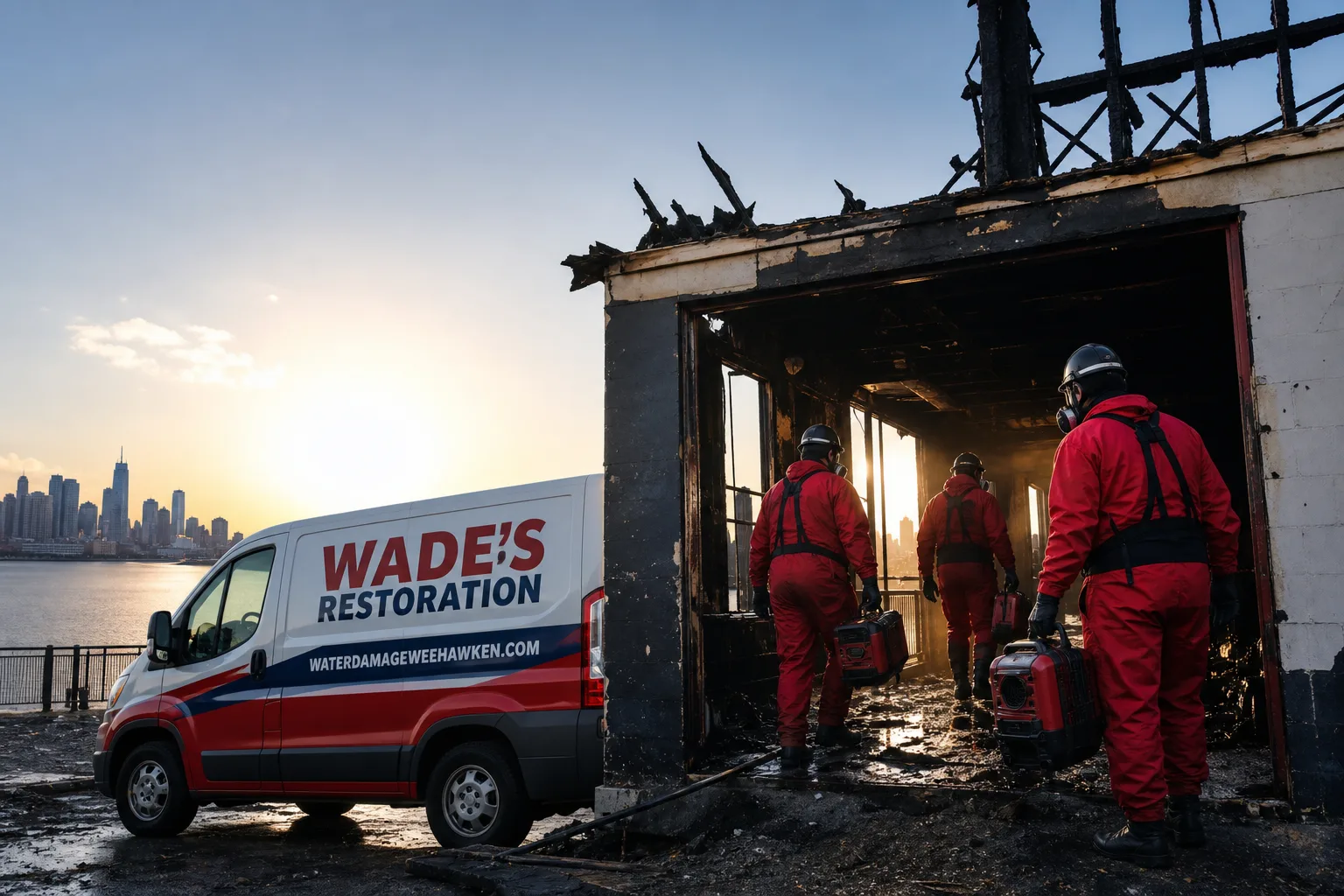
Free visual inspection and a written scope of work before any mitigation begins - photos, moisture readings, and drying logs go in your claim file
The scope we write is the scope we bill. Anything new gets shown to you, in writing, before we touch it.
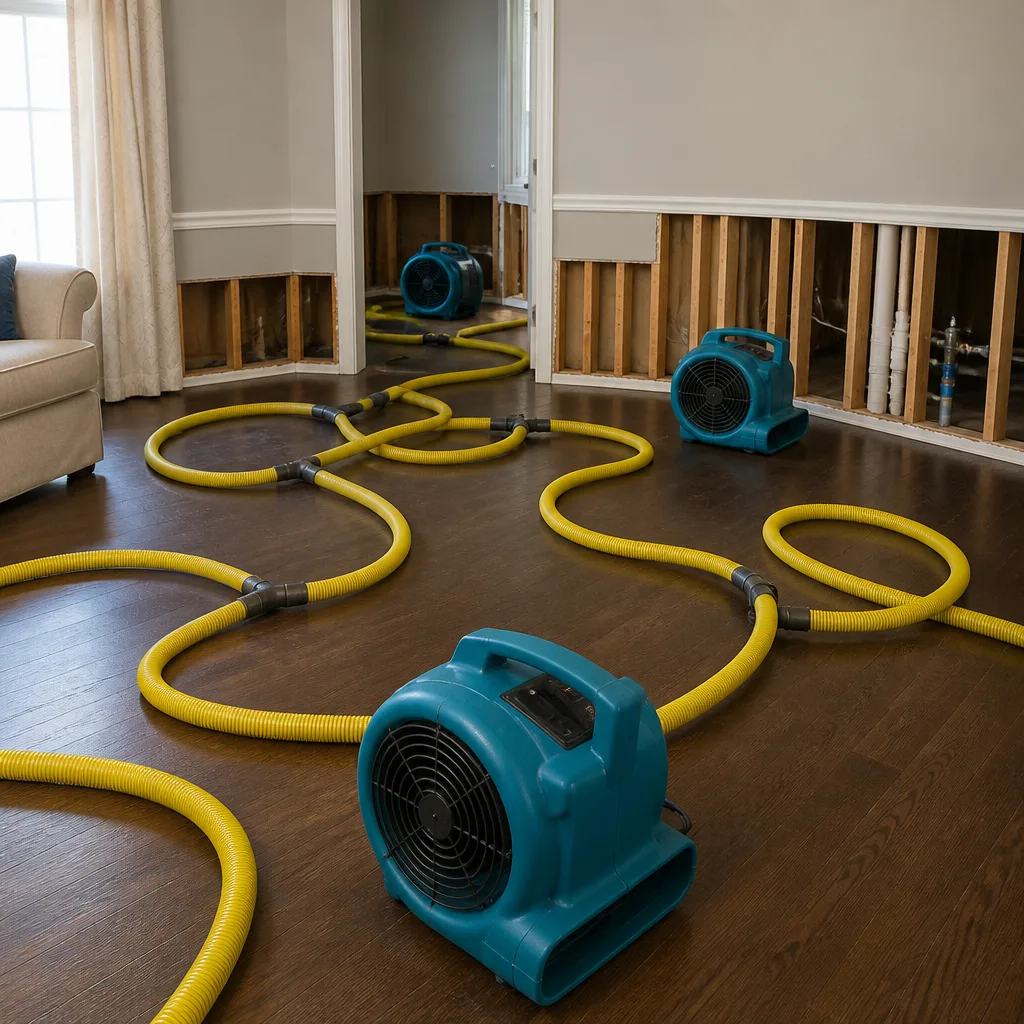
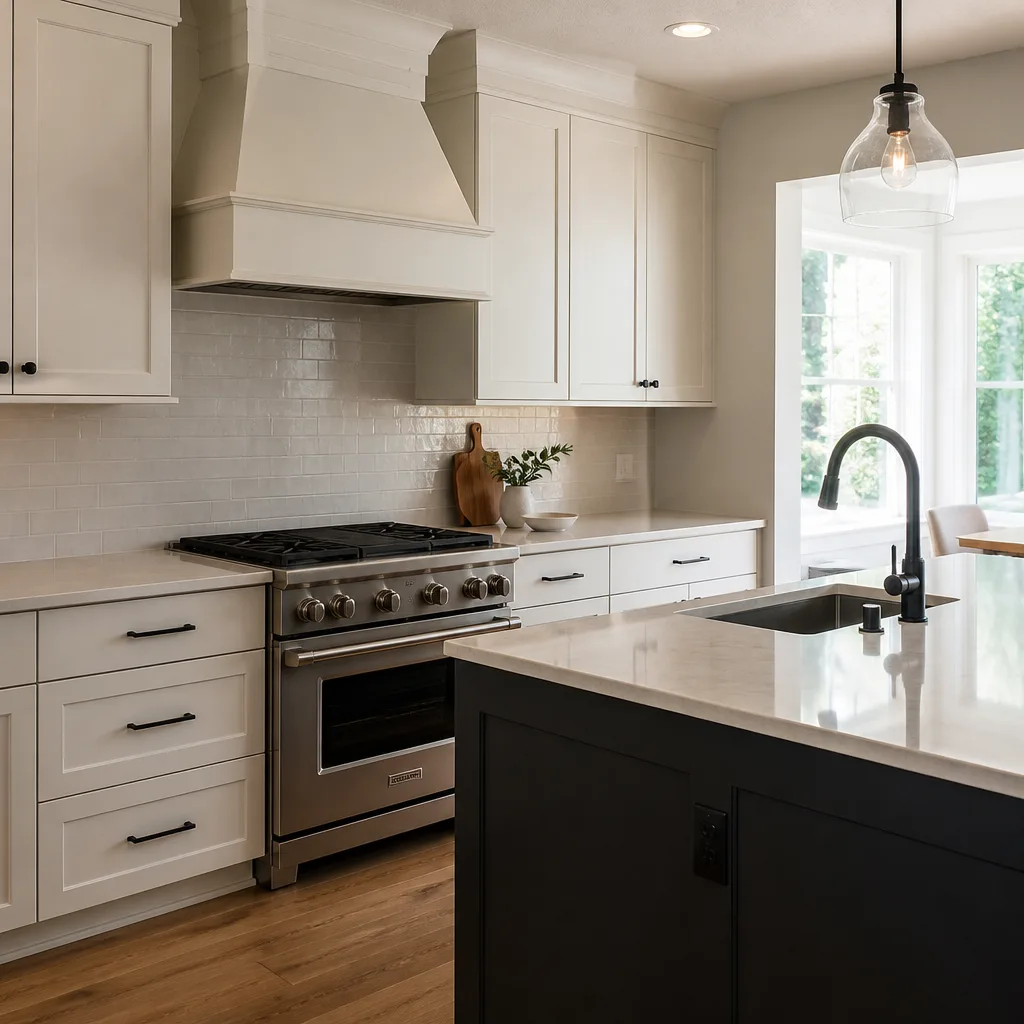
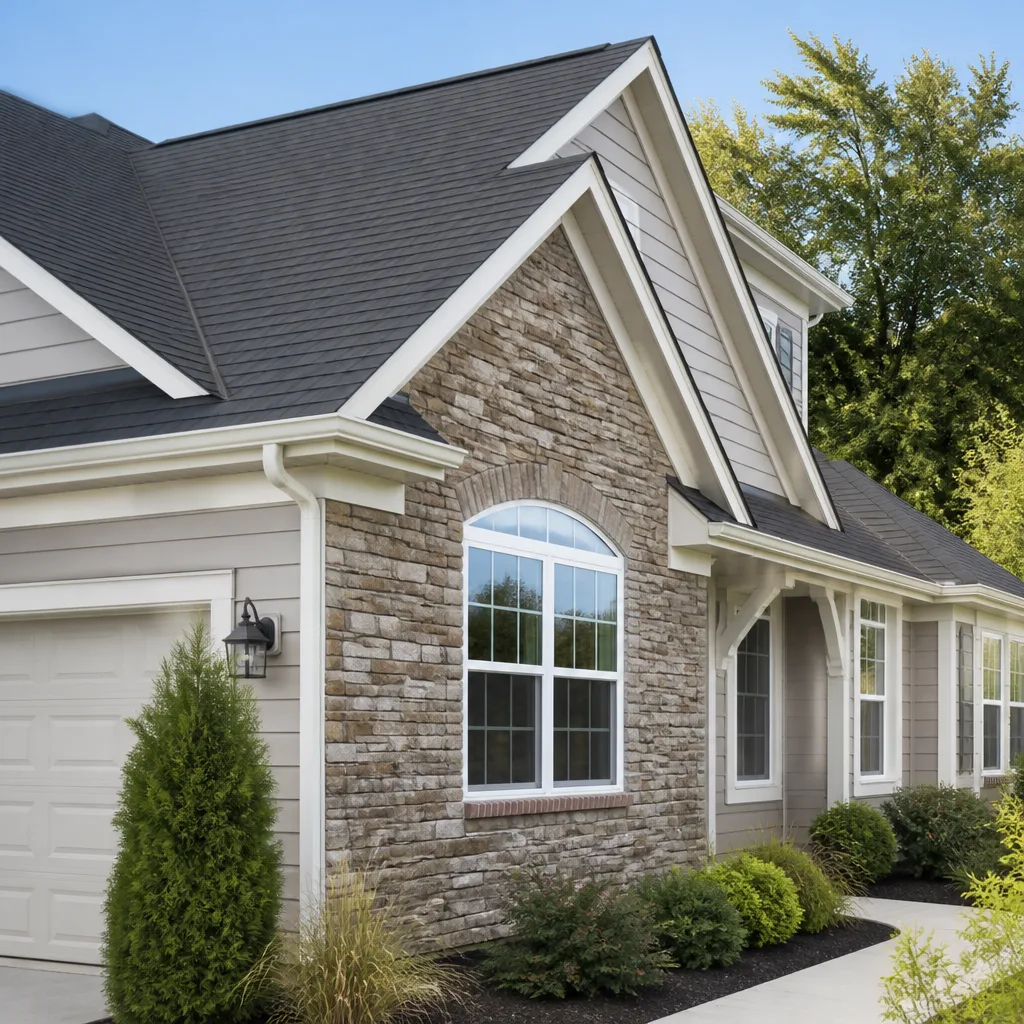
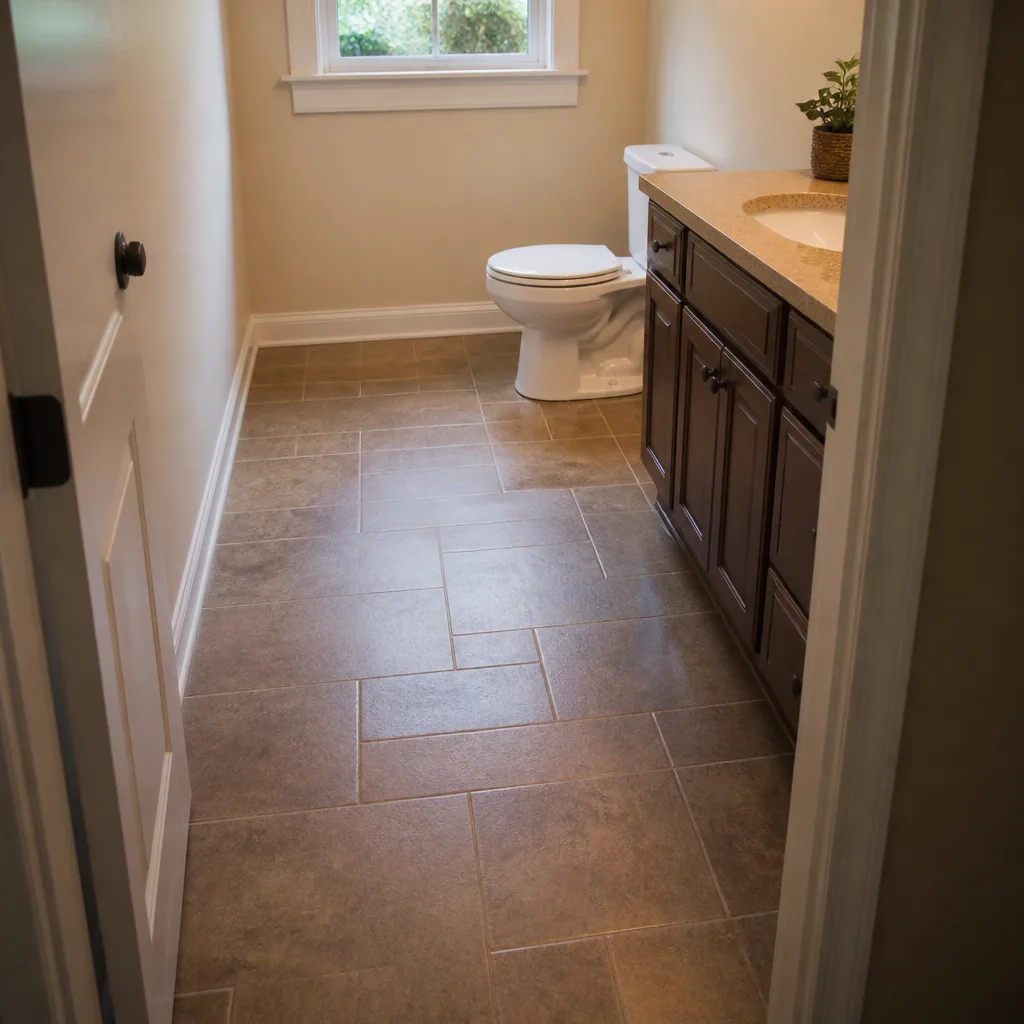
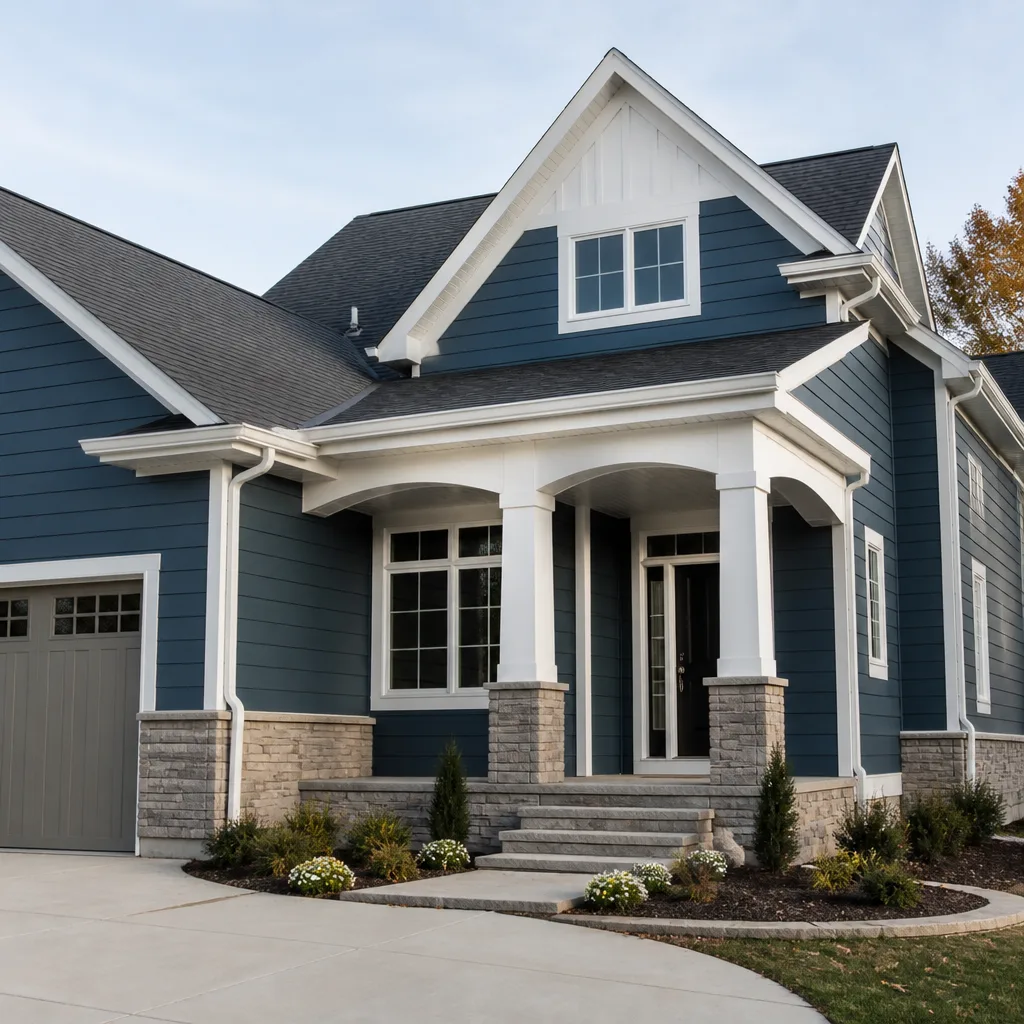
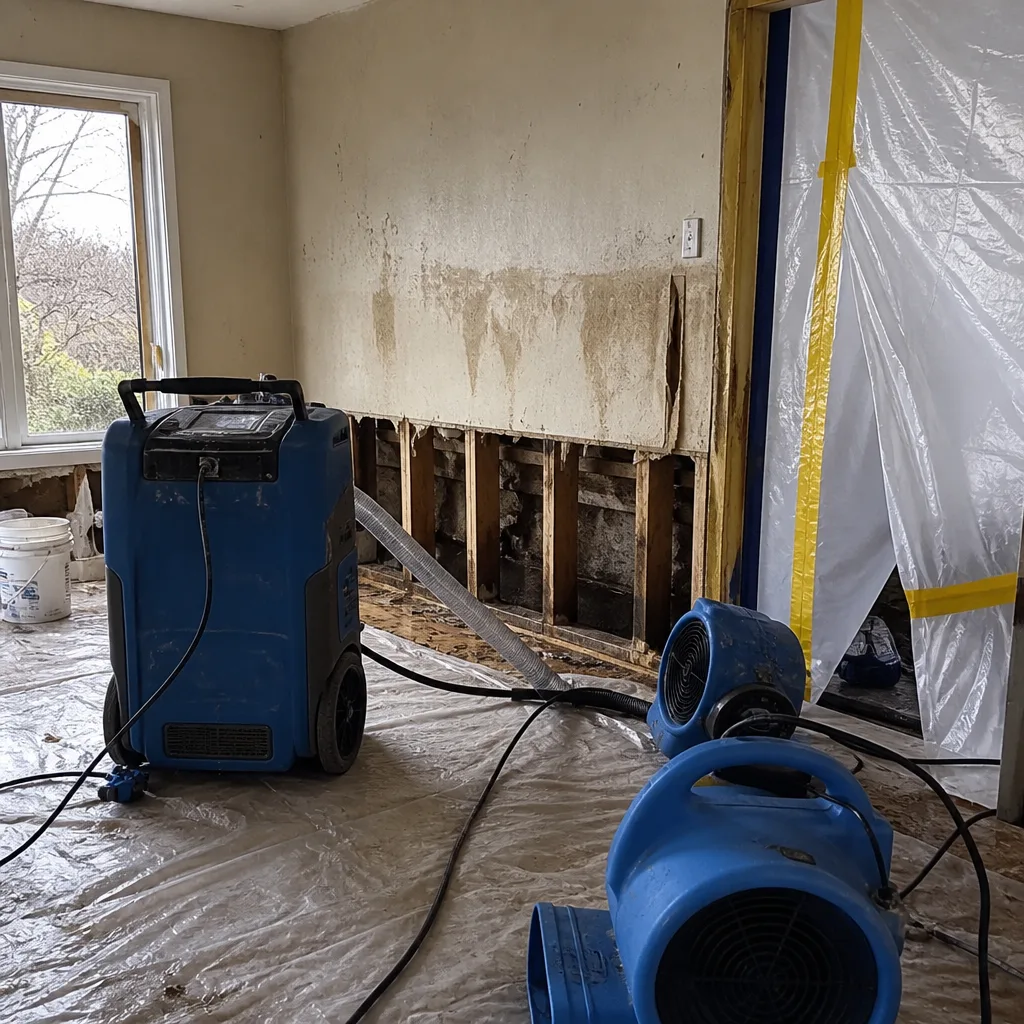 Before
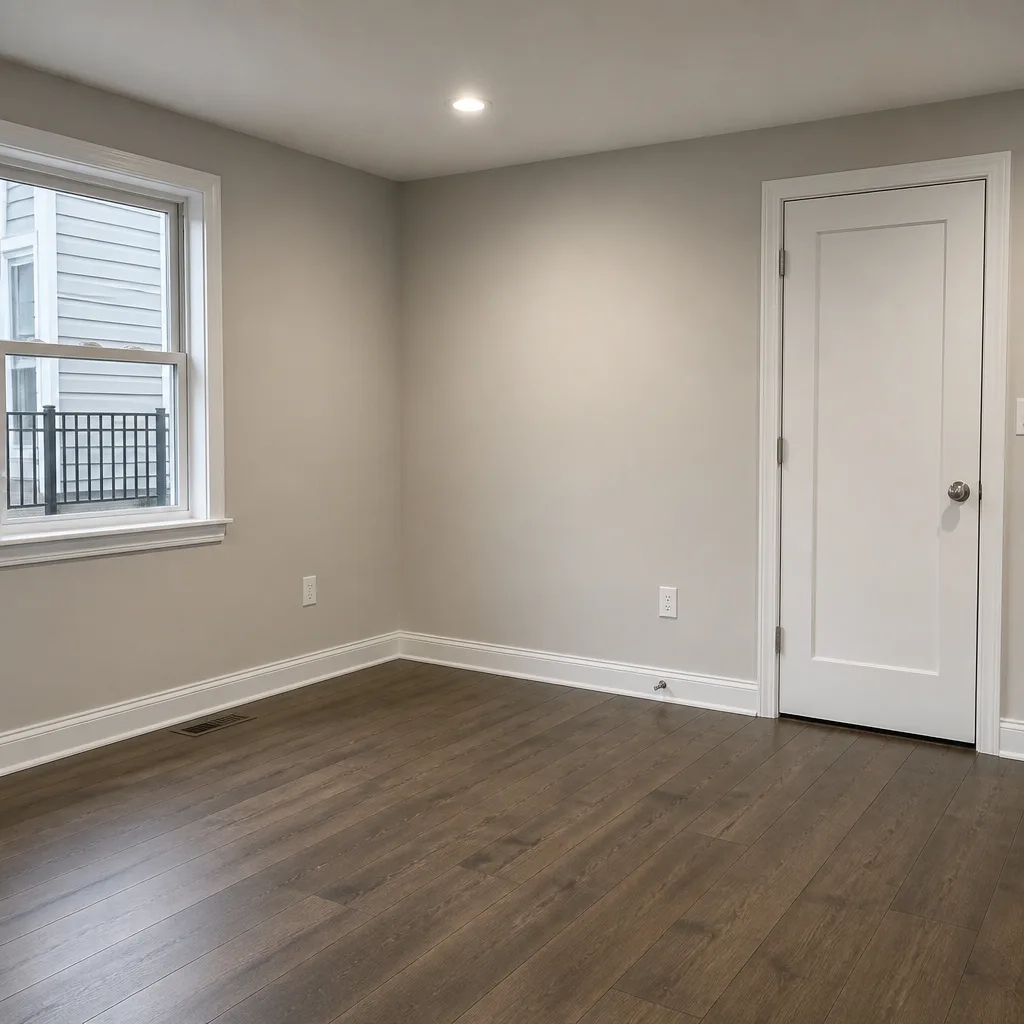 After
After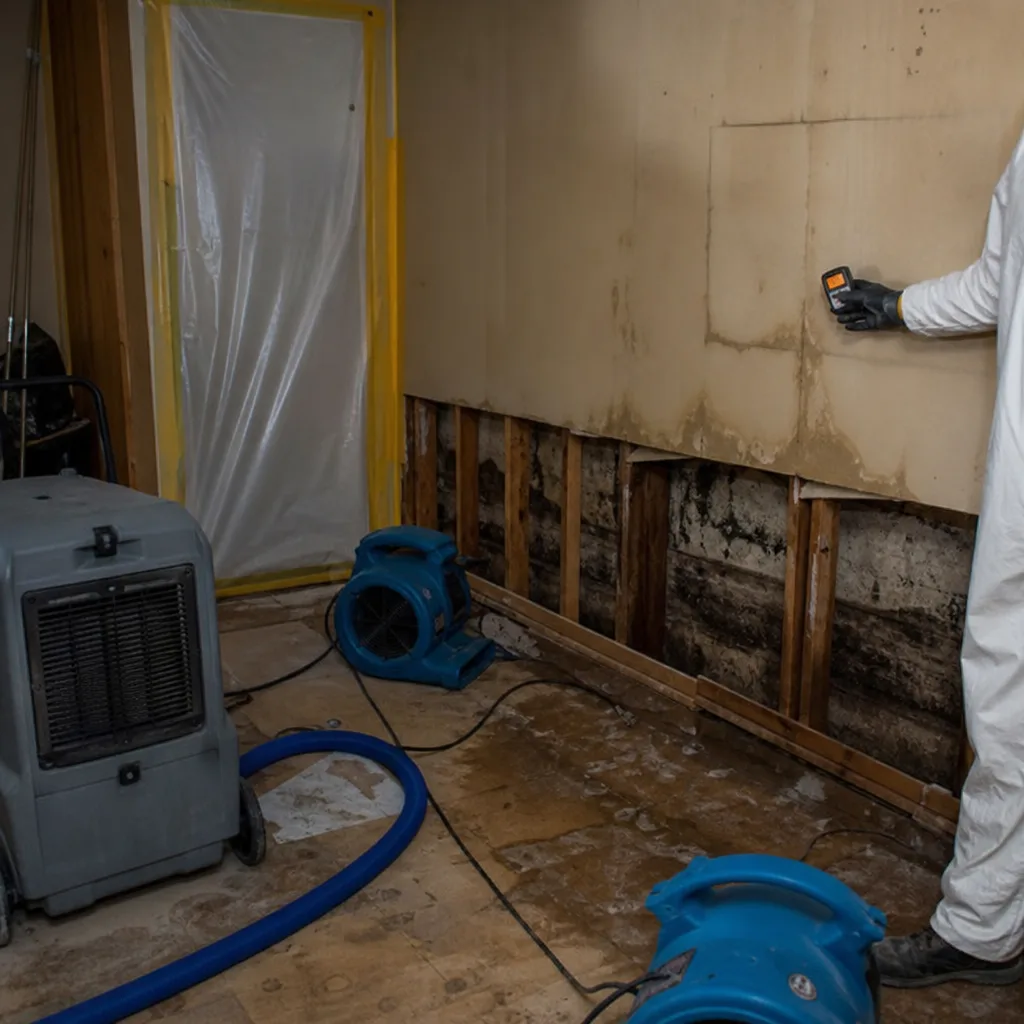 Before
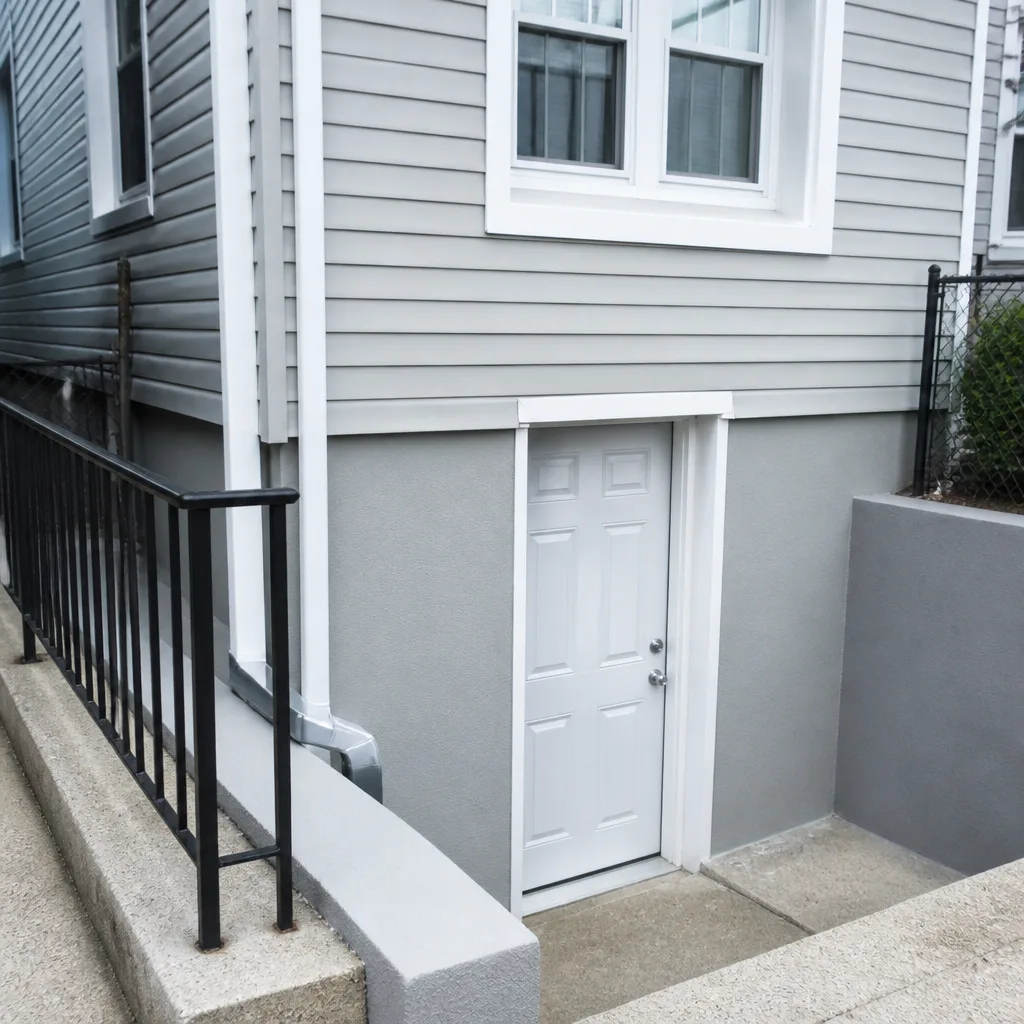 After
After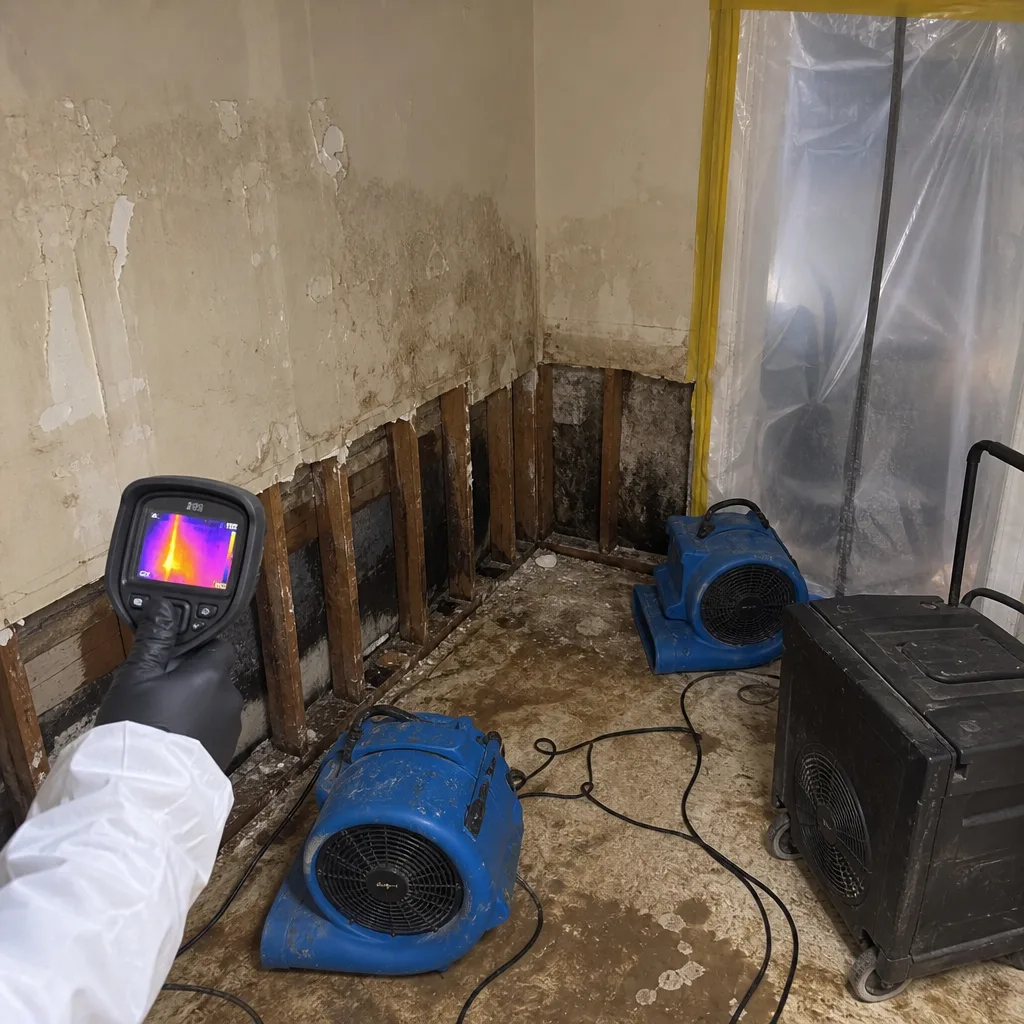 Before
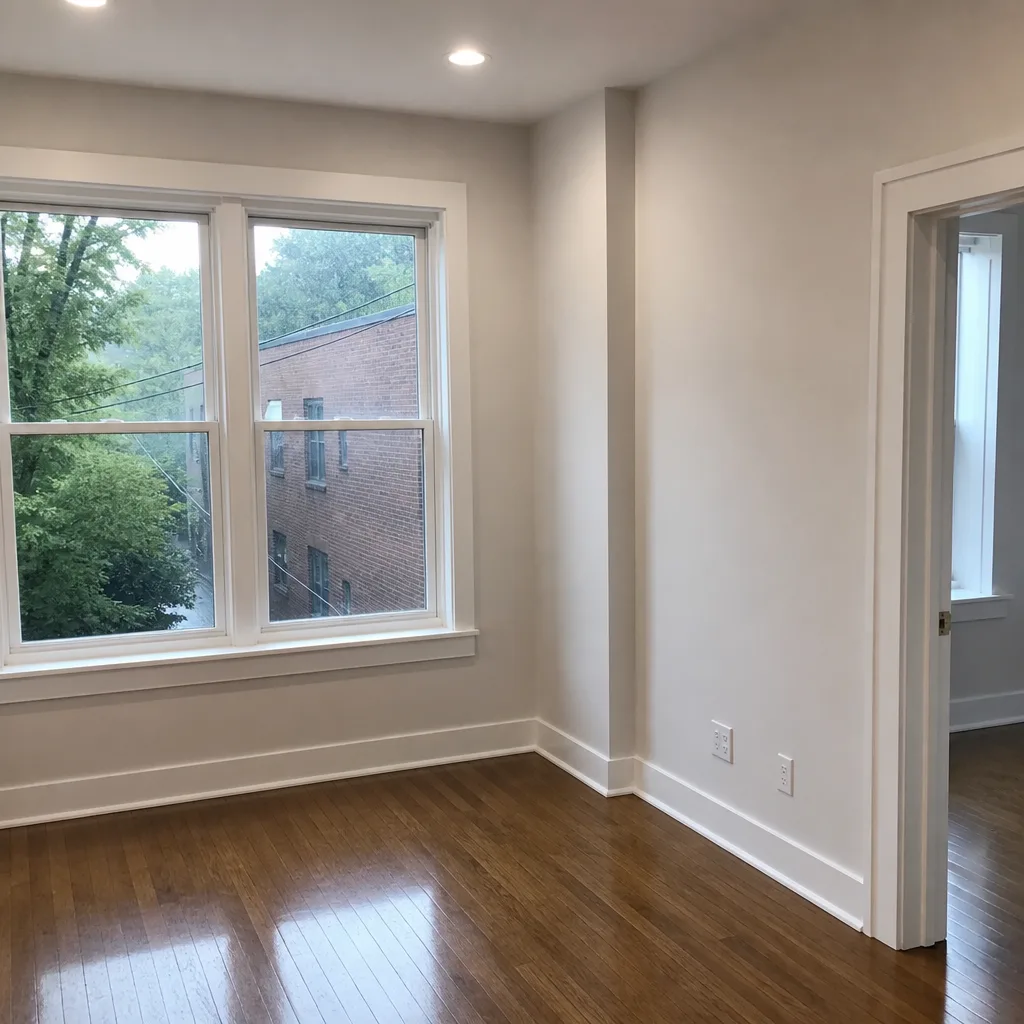 After
After24/7 Emergency Water Damage Restoration in Lower Manhattan
Water damage restoration in Lower Manhattan typically costs $2,800-$7,500 for a standard two-bedroom apartment flood, and emergency extraction crews can reach most addresses below Chambers Street inside 45 minutes. That speed matters more here than almost anywhere in Manhattan, because the neighborhood’s landfill geology and pre-war building stock let water migrate into party walls, elevator pits, and sub-basement mechanical rooms faster than drying equipment can chase it. If you just found water where it shouldn’t be, call Wade’s Restoration at (201) 740-2235 right now. Wade answers his own phone, day or night, and he’ll have extraction running before your insurance adjuster even returns your call.
The first hour decides whether you’re looking at a $3,000 dry-out or a $30,000 rebuild. In Lower Manhattan, that first hour is even more compressed. Water pouring through a century-old plaster ceiling on Greenwich Street doesn’t just soak your unit. It seeps into the cast-iron framework, wicks into the masonry fire barriers, and finds its way into the electrical bus ducts that run vertically through the entire pre-war tower. Every minute it sits, the damage radius expands one floor down and one wall over. Wade’s crew knows this. That’s why the trucks are staged locally, the equipment is loaded, and the phone gets answered by a person who can dispatch a team while you’re still standing in the puddle.
We’re licensed, insured, and IICRC-certified. We carry professional-grade drying equipment from Dri-Eaz, Phoenix, and Injectidry. And every job comes with Wade’s 90-Day Done Right Promise in writing. If it’s not done right, he makes it right. That’s not marketing copy. That’s a local business owner who’s going to run into you at the Oculus or on the ferry, and he’d rather shake your hand than explain why a corner he dried three months ago is growing mold.
Understanding Water Damage Restoration Severity in Lower Manhattan Properties
Not all water is the same, and in Lower Manhattan the building itself changes how you treat it. Restoration professionals classify water in three categories. Category 1 is clean water from a burst supply line or overflowing bathtub. Category 2 is gray water with contamination from washing machines, dishwashers, or seepage that’s picked up soil. Category 3 is black water, sewage, storm surge, or harbor water, and it requires full containment, antimicrobial treatment, and disposal of porous materials like drywall and carpet. Lower Manhattan sees all three every single week. What’s different here is the building fabric around the water.
The 1900s-to-1940s Financial District towers were built with terracotta block, steel framing, and asbestos-containing pipe insulation that was never designed to get wet. When a riser lets go on the 23rd floor of a Maiden Lane office conversion, the water travels down through chase ways, soaks the fireproofing on the structural steel, and pools in the sub-basement where the building’s main electrical gear lives. Drying that isn’t just about running air movers. It’s about moisture mapping every affected floor plate, pressurizing the cavities, and documenting readings until the structure hits its dry standard, not just until the surface feels dry. In Battery Park City, the complication is reversed. The towers are newer, but they sit on Hudson River landfill, and groundwater rises from below during storm events. You’ll have a bone-dry lobby and a parking garage with water pushing up through the slab. A technician who only checks for surface water will miss it entirely. Moisture mapping with penetrating meters and thermal imaging catches what your eyes can’t.
Why Lower Manhattan Property Owners Choose Wade’s Restoration
- 45-minute response commitment to any address south of Chambers Street. Wade’s crew is staged locally, not dispatched from a warehouse in New Jersey. When a pipe bursts at 2 a.m. on Beekman Street, the extraction pump is running before the water reaches the elevator shaft.
- 24/7 live answer, always a real person. No automated tree, no answering service in another state. Wade Ferris answers his own phone. You’ll talk to the man whose name is on the truck, and he’ll tell you what he’s sending and when it’ll arrive.
- IICRC-certified crews (WRT, FSRT, AMRT) who know the difference between drying a 1985 Battery Park City drywall wall and mitigating a 1910 Tribeca cast-iron party wall. Same certification, wildly different technique, and ours know which one they’re standing in front of.
- Free visual inspection with no obligation. Wade will walk the loss with you, explain what he sees, and tell you honestly if you need full mitigation or just a wet-vac and some fans. No pressure, no upsell. Ask anyone on your street.
- Direct insurance billing and adjuster coordination. We photograph everything from the first hour, our estimates match the carrier’s format, and Wade talks to your adjuster directly. You’re not the middleman between two sides who don’t want to talk to each other.
- One team from extraction to reconstruction. We don’t dry you out and hand you to an unknown contractor. Wade’s crew handles the whole job, start to finish, with the same face you met on day one running the site on day twenty.
Our Water Damage Restoration Process
Inspection & Assessment
Wade arrives and walks the entire affected area, not just the visible puddle. He uses thermal imaging cameras to find water behind walls, hygrometers to measure ambient humidity, and penetrating moisture meters to map how far the water has traveled. In Lower Manhattan buildings, he’s also checking the ceiling below you and the elevator pit beneath the sub-basement. The full written scope comes before any work starts.
Extraction & Stabilization
Truck-mounted and portable extraction units remove standing water fast. On a Duane Street loft with flooded finished floors, we bag and tag portable contents, set up containment if the water is Category 2 or 3, and cut out saturated drywall only where it’s actually wicking. Stabilization means stopping the spread: shutting the riser, isolating the electrical panel, and protecting unaffected rooms.
Drying & Dehumidification
This is where the science is. We size air movers and LGR dehumidifiers to the cubic footage of each affected space, not the whole apartment. In a Battery Park City apartment with concrete sub-flooring, we’re drying the wall cavities, not just the air. Daily moisture readings track progress against the dry standard, not against “it feels dry.” You get the full log when the job ends. Almost nobody in this trade hands over their readings. We do.
Cleaning & Sanitization
Category 1 water that sat for hours or any gray or black water means antimicrobial treatment on every affected surface. HEPA air scrubbers run during the job to keep airborne particles out of your living space. In pre-1980 buildings, we check for asbestos-containing materials in the affected cavities before aggressive agitation. If it’s there, abatement protocols come first, and we’re not going to disturb it until they’re in place.
Structural Drying & Specialty Treatment
Lower Manhattan’s old masonry and terracotta are porous in ways modern drywall isn’t. We use Injectidry systems to push air into wall cavities from the inside, drying the structure without destroying the plaster. For the cast-iron and timber framing common in Tribeca lofts, we monitor with penetrating meters until the substrate reaches its target moisture content. That’s the part that keeps mold from showing up in your walls three months later.
Repairs & Restoration
Once the structure is dry and the pre-loss moisture baseline is reached, Wade’s crew rebuilds what was removed. Drywall, flooring, trim, paint, millwork. Where a Flood Emergency Operations Plan applies, we spec materials that meet Flood Insurance Rate Map and building code requirements for below-grade and ground-floor spaces. We don’t just patch it. We put it back so it meets the post-Sandy rules your building must follow.
Need Emergency Water Damage Restoration in Lower Manhattan Now?
Crews minutes away, answering live 24 hours a day. The sooner we start, the less it costs.
Working With Your Insurance Company
We document from the first hour, because we’ve handled too many Lower Manhattan claims where the carrier tried to lowball a dry-out after a month of back-and-forth. Moisture readings, photos of every affected room, the full extraction log, a line-item scope of work in the carrier’s own format. Wade sends it all to your adjuster directly. If a second opinion is needed, we’ll walk your adjuster through the job ourselves, on site, with readings in hand. You don’t need to understand IICRC standards to argue with a desk adjuster. That’s our job. And if you’re covering it out of pocket, Wade will give you a firm scope before any work starts so you know the number on day one, not day ten.
What We Provide Your Insurer
- Thorough documentation of the loss
- Photos of all damage, room by room
- Moisture readings and drying logs
- A detailed, line-item scope of work
- Direct coordination with your carrier
Built for Lower Manhattan’s Loss Calendar
Lower Manhattan’s water damage season doesn’t follow the same calendar as the rest of the city. January and February here are when the real pipe-freeze losses happen, especially in the old masonry towers along John Street and William Street where perimeter supply lines run through uninsulated exterior walls. A -10° night followed by a thaw cycle is when a pinhole leak becomes a burst riser that floods six floors before the super can find the shutoff valve from 1929. Spring brings a different problem: heavy rain saturating the landfill under Battery Park City, raising groundwater until it finds the path of least resistance through sub-basement slabs and elevator pits. Summer thunderstorms drive the flash floods at street level, backing up storm sewers and garage drains. And October through December, nor’easters push Hudson River surge against the western bulkhead while wind-driven rain pries through aging curtain-wall seals on the Financial District towers. Every season has a pattern. We know the patterns because we work this peninsula week in and week out.
Water Damage Restoration Across Lower Manhattan’s Neighborhoods
Each part of Lower Manhattan fails differently when water is involved. In the Financial District, the cast-iron and steel-frame office conversions between Broadway and Water Street run vertical riser systems through original masonry chases, so a leak on the 18th floor often shows up first as water pushing through the ceiling of the 5th. We send a crew that works top-down, not bottom-up. Over in Tribeca, the 19th-century loft buildings have original wood joists and terracotta arch floors that wick water horizontally into shared party walls, which means drying one unit often requires access to the neighbor’s space, and Wade’s team knows how to navigate the co-op board and the neighbor’s lawyer to make that happen.
Battery Park City is different again. The residential towers there are modern, the slabs are concrete, and the problem is groundwater from below, not plumbing from above. When the Hudson rises, water moves up through the slab and soaks the drywall from the back side. Standard top-down drying never works there. You need floor-level extraction, cavity drying, and sub-slab depressurization in the worst cases. The South Street Seaport and the blocks around Fulton Street blend old masonry with modern retrofits, and the water travels through utility penetrations that have been patched and re-patched for decades. Knowing which building type you’re dealing with changes the entire mitigation plan. This is what we mean when we say we know Lower Manhattan, and it’s what a national call center can’t possibly replicate.
Specialized Water Damage Restoration Services We Offer in Lower Manhattan
Emergency Water Extraction
When a supply line lets go on Water Street at 11 p.m., you need pumps, not promises. Wade’s crew arrives with truck-mounted extraction units, portable wands for tight spaces, and the judgment to know what’s salvageable and what’s already compromised. In Lower Manhattan’s older buildings, that means extracting fast enough to protect the structural elements you can’t replace, cast-iron columns, terracotta arches, original wood joists, from absorbing water they’ll hold for months.
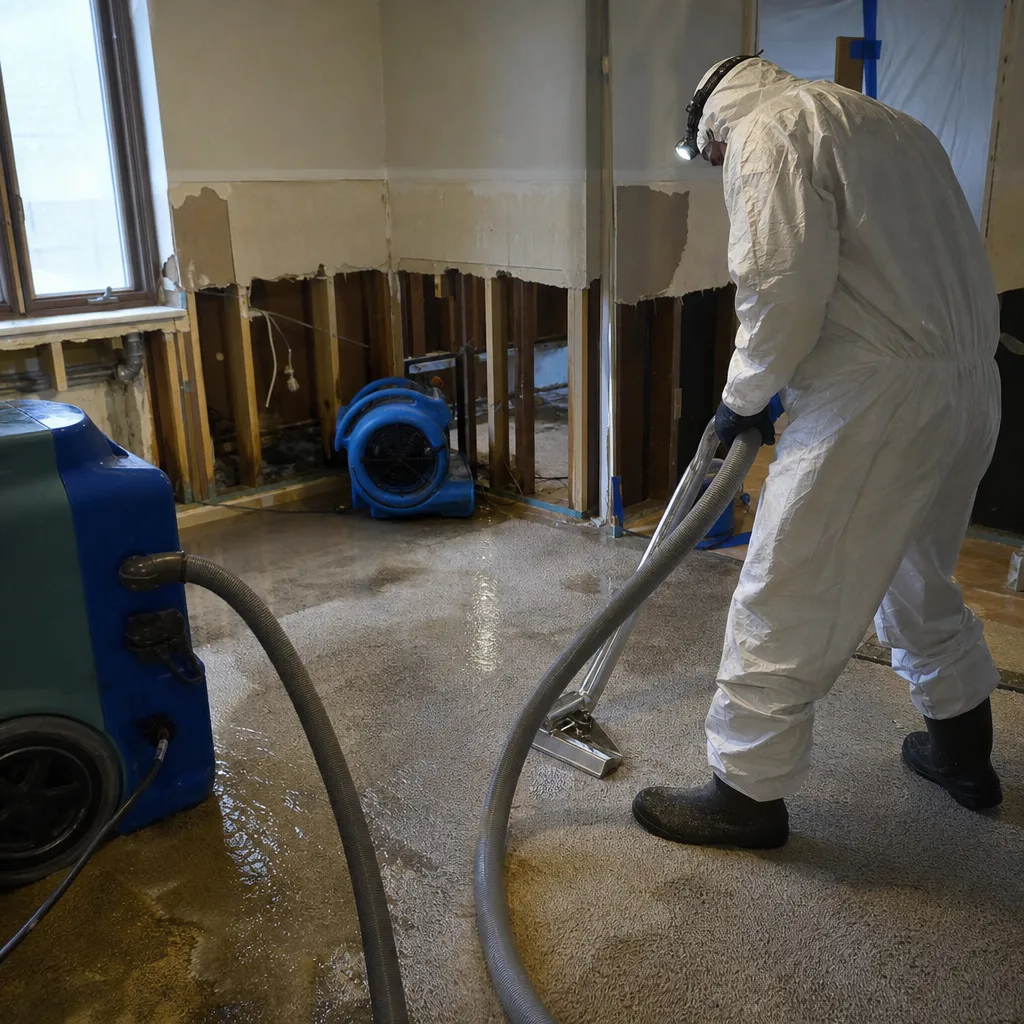
Structural Drying & Dehumidification
Drying a Lower Manhattan apartment means drying the cavities, the masonry, and the sub-floor, not just the surfaces. We use LGR dehumidifiers sized to the space, air movers positioned for cross-flow, and Injectidry systems to pull moisture from inside walls without gutting them. Daily readings, written logs, and a structural dry standard that gets met before we even talk about putting things back.
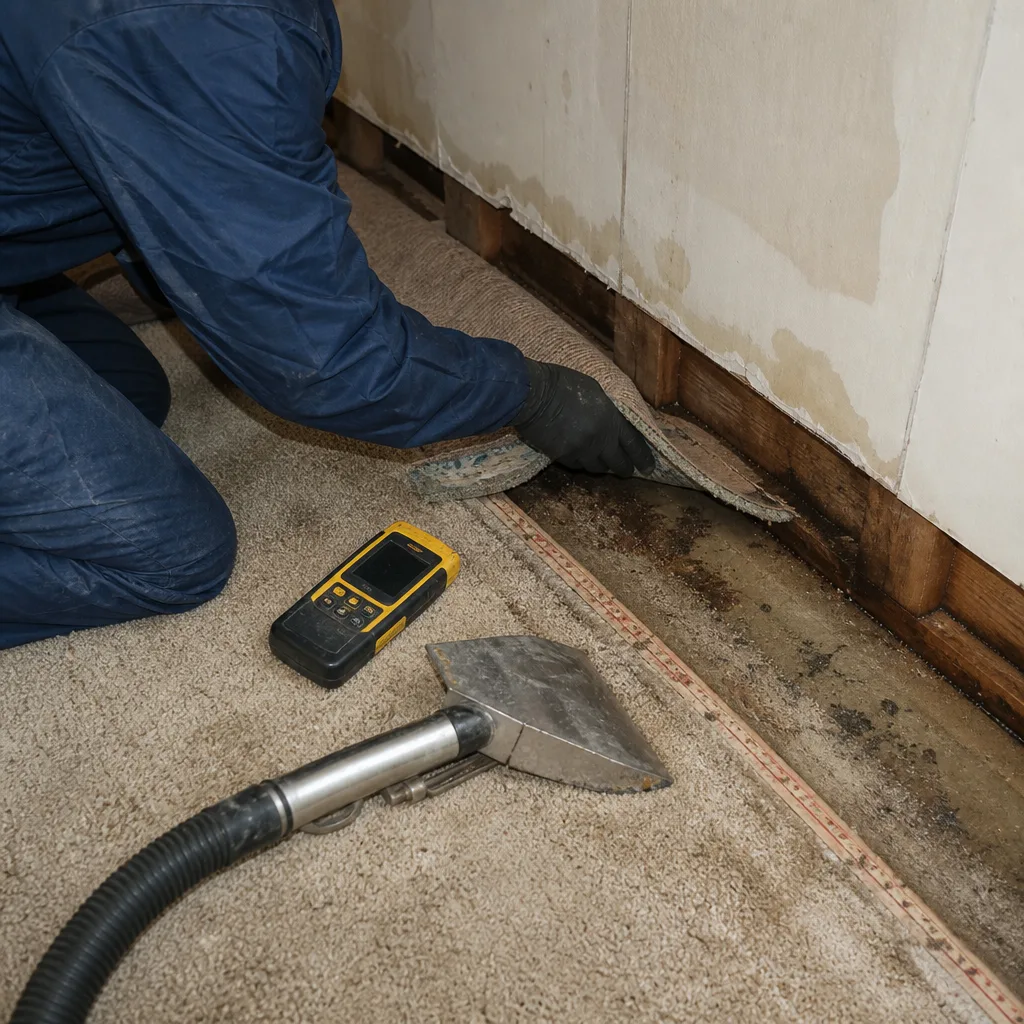
Flood Cleanup
Hudson River surge, nor’easter groundwater, a backed-up storm drain on Water Street during a July thunderstorm. Flood water here is never clean. We treat it as contaminated until proven otherwise, with containment where needed, antimicrobial application, and removal of saturated porous materials. In Battery Park City, where water comes up through the slab, we check the building’s Flood Emergency Operations Plan before specifying anything in the below-grade space.
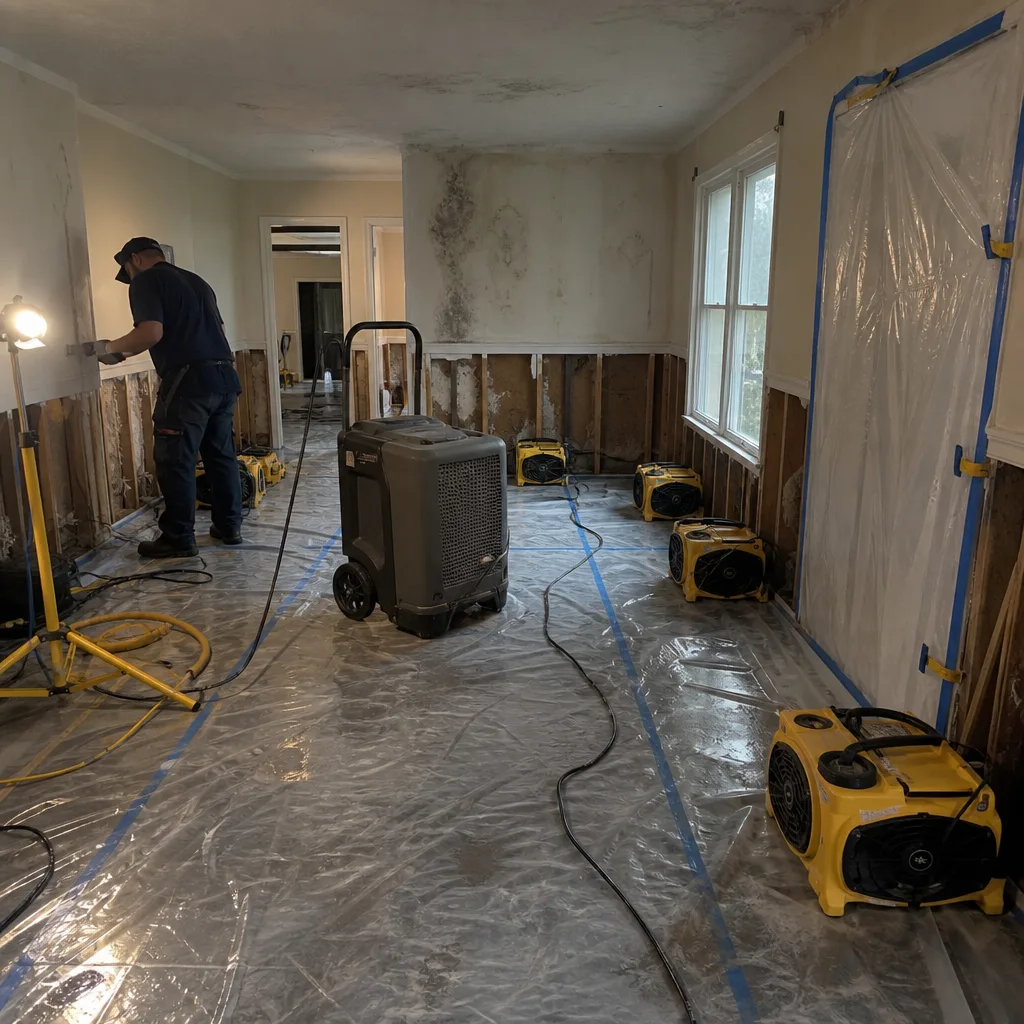
Burst Pipe Restoration
Frozen supply lines in January, corrosion creep in century-old galvanized risers, a rolled gasket on a newer PEX fitting. When a pipe fails, the water follows gravity and building shafts. Wade’s crew traces the full travel path, not just the obvious puddle. Restoration includes drying behind the plaster, treating the structural wood, and rebuilding so the same failure doesn’t recur in the same wall three years from now.
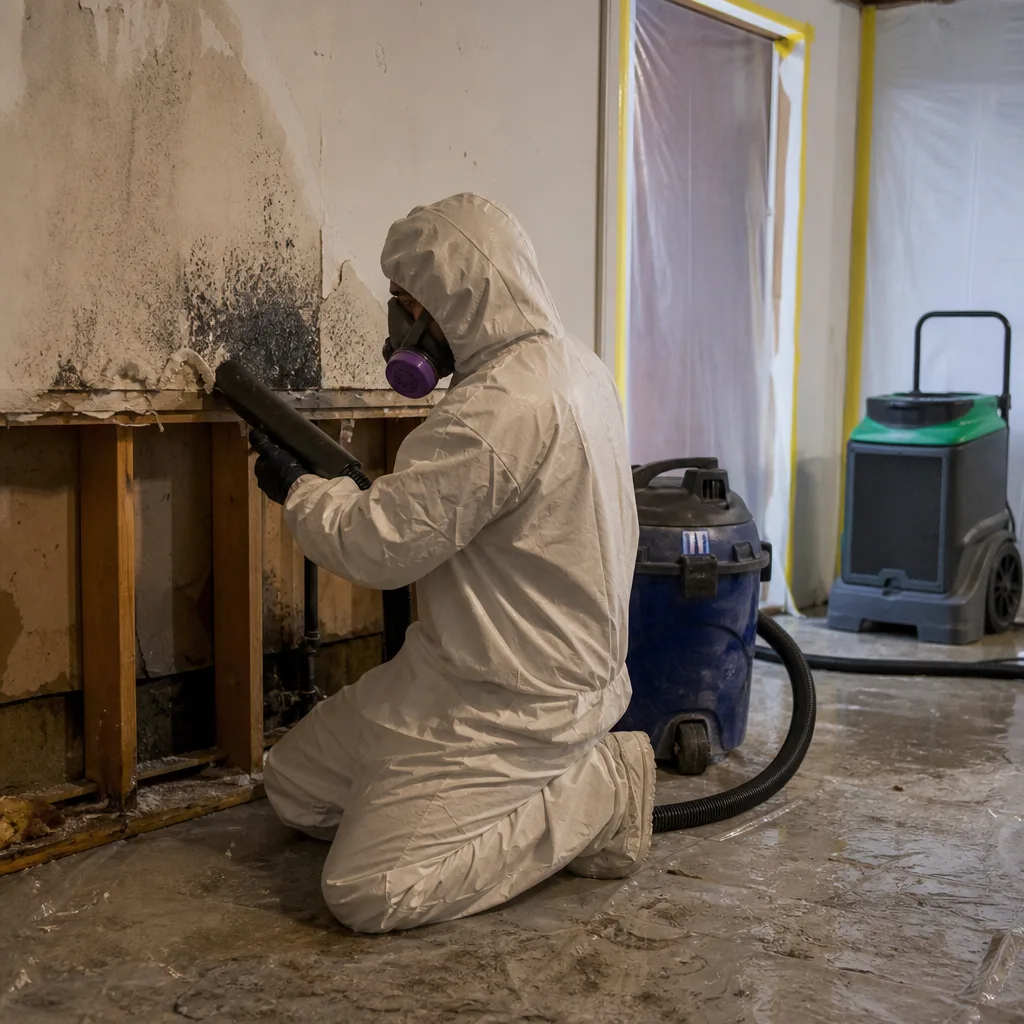
Basement Water Removal
Below-grade space in Lower Manhattan means sub-basements under skyscrapers, cellar-level mechanical rooms in Tribeca lofts, and the underground parking levels under Battery Park City buildings. These spaces flood from above, from below, and from the sides all at once. Wade’s team has the submersible pumps, the gas-powered backup units for power outages, and the training to work safely in a flooded space with live electrical systems. Basement water removal here is infrastructure work, not a mop job.
Every one of these services falls under our broader Water Damage Restoration practice, and every one comes with the same written scope, the same daily logs, and the same Wade’s on-site presence.
What happens when you call
- 1
A real person answersNo phone trees - you reach a local pro.
- 2
You get an upfront price rangeHonest numbers before anyone is dispatched.
- 3
A background-checked tech heads outLicensed & insured, dispatched right away.
- 4
You approve before work beginsNothing starts until you say go.
Water Damage Restoration Costs in Lower Manhattan, NY
Here are real numbers for this market. Emergency water extraction alone in a Lower Manhattan apartment typically runs $1,200-$2,800 depending on the square footage and the category of water. Full structural drying with dehumidification and daily monitoring lands between $2,500 and $6,000 for a standard one-bedroom or studio. A burst riser that floods multiple floors in a Financial District tower, requiring containment, asbestos checks, and multi-level drying, can run $10,000-$35,000 before reconstruction. Category 3 water from a Hudson River surge or sewage backup pushes costs higher because of antimicrobial treatment, controlled demolition, and disposal costs. Insurance covers most of these scenarios on a standard homeowner or condo policy, minus your deductible. The best way to get a real number is to let Wade walk the space with a meter and give you a written scope. That’s free.
We Also Serve Cities Near Lower Manhattan
Wade’s Restoration works throughout the immediate area. If you’re in the Financial District, Astoria, Midtown Manhattan, or Long Island City, the same crew, the same equipment, and the same live-answer phone line are available to you. We know the building types in each neighborhood and we plan our drying strategy accordingly.
Lower Manhattan Water Damage Restoration Questions, Answered
How does water damage restoration in Battery Park City differ from the Upper East Side when a nor’easter hits?
Battery Park City sits on Hudson River landfill, so nor’easter damage there comes up through the ground as groundwater intrusion, not just through windows and roofs. We dry from below, set up sub-slab extraction where needed, and check the building’s Flood Emergency Operations Plan before touching below-grade spaces. The Upper East Side loses windows and top floors in a nor’easter. Battery Park City loses sub-basements. Different failure, different equipment, different drying sequence.
Can you dry out a 1908 Financial District building’s sub-basement without triggering an asbestos stop-work order?
Yes, if the right checks happen before aggressive drying begins. Pre-1980 Financial District buildings almost always have asbestos in pipe insulation, fireproofing, or floor tile. Wade’s crew surveys the affected cavities before mobilizing high-velocity air movement that could disturb those materials. If asbestos is present, we bring in a licensed abatement contractor to handle removal before drying equipment goes in. The sequence matters: asbestos first, drying second, reconstruction last. Skipping step one halts the job and doubles the cost.
What are the drying logs and moisture readings required by Tribeca co-op boards after a burst riser?
Most Tribeca co-op boards require a daily moisture log showing readings from each affected unit, the party walls, and the common areas, plus a final report documenting that all materials reached their structural dry standard before reconstruction. Wade’s Restoration provides exactly that: dated readings, target moisture content, daily drying progress, and the equipment list. We hand you the full log at the end of the job. It’s the document your board wants and your insurance carrier expects.
Why did my downstairs neighbor get a permit for water extraction but ours in the same Financial District building did not?
Permit requirements in New York City depend on the scope, not just the event. If your neighbor’s job required removing drywall below the flood line, cutting into asbestos-containing materials, or touching the building’s structural systems, a permit gets pulled. If your loss was limited to extraction and contained drying with no material removal, no permit is typically required. Wade knows which scenario applies before we start, and if a permit is needed, it’s in the scope from day one. We don’t surprise you with a stop-work violation.
How do you handle category 3 water in an underground parking garage that flooded during a Hudson River surge?
Category 3 water means full PPE, containment, and controlled disposal. We pump the water out with submersible pumps, pressure-wash contaminated surfaces, apply EPA-registered antimicrobial agents, and bag all saturated porous materials for disposal. In Battery Park City garages, the drainage system and below-grade electrical gear get inspected before power is restored. The concrete gets moisture-tested for weeks afterward because saltwater intrusion into concrete is a corrosion problem long after the visible water is gone.
How fast can you actually get to my apartment in Lower Manhattan right now?
Forty-five minutes or less to most addresses below Chambers Street, day or night. Wade’s crew lives in the metro area, the trucks are loaded, and the equipment is staged. When you call (201) 740-2235, you’ll talk to a real person, not a recording. If Wade isn’t already on another call, you’ll talk to Wade himself. He’ll tell you exactly what to do before the crew arrives and when they’ll pull up.
Do I really need full structural drying, or can I just wet-vac it and run some fans?
Depends on the water volume, the category, and what got wet. A small overflow on a tile floor that’s caught immediately might only need extraction and a few days of air movement. Water that wicked into drywall, under hardwood, or into a masonry party wall needs professional drying. The problem with the fan approach is what you can’t see: moisture trapped inside a wall cavity becomes mold in two to three weeks, and by then the repair cost is triple what the drying would have been. Wade’s free inspection includes moisture readings, so you’ll know for certain, not guess.
What should I do in the first 30 minutes after I find water pouring into my Lower Manhattan apartment?
Call Wade at (201) 740-2235 first, then shut the water at the nearest working valve if you can do it safely. Don’t touch electrical panels, don’t walk through standing water in a room with outlets near the floor, and don’t try to tear out anything yourself, especially in a pre-1980 building where hidden asbestos might be in the wall. Move what’s salvageable to a dry spot, put a photo on your phone of the standing water, and wait for the crew. The first half hour is about stopping the source and documenting it. Everything else is our job.
Serving Lower Manhattan, NY - Our Local Coverage Area
We’re based in the Lower Manhattan area and know this community well. Use the map below to see our service coverage - if you’re nearby, we can almost certainly help.
Call Wade’s Restoration for Water Damage Restoration in Lower Manhattan
Water is moving through your building right now. The longer it sits, the further it travels, the more it costs. Call (201) 740-2235 and you’ll talk to Wade Ferris, the man whose name is on the truck, who answers his own phone at 3 a.m., and who will have extraction running inside the hour. Free visual inspection, free second opinion on any written estimate, a 10% discount for seniors and veterans, and a 90-Day Done Right Promise in writing on every job. No trip charge inside our own county. No national call center. Just a local crew that knows Lower Manhattan’s buildings because we work on them every week. To wade is what you do through a flooded basement at two in the morning, and it happens to be his name. Call now.
Written by Wade Ferris, Owner at Wade’s Restoration, serving Lower Manhattan and the surrounding metro with water damage restoration, mold remediation, and fire damage restoration since 2007.