
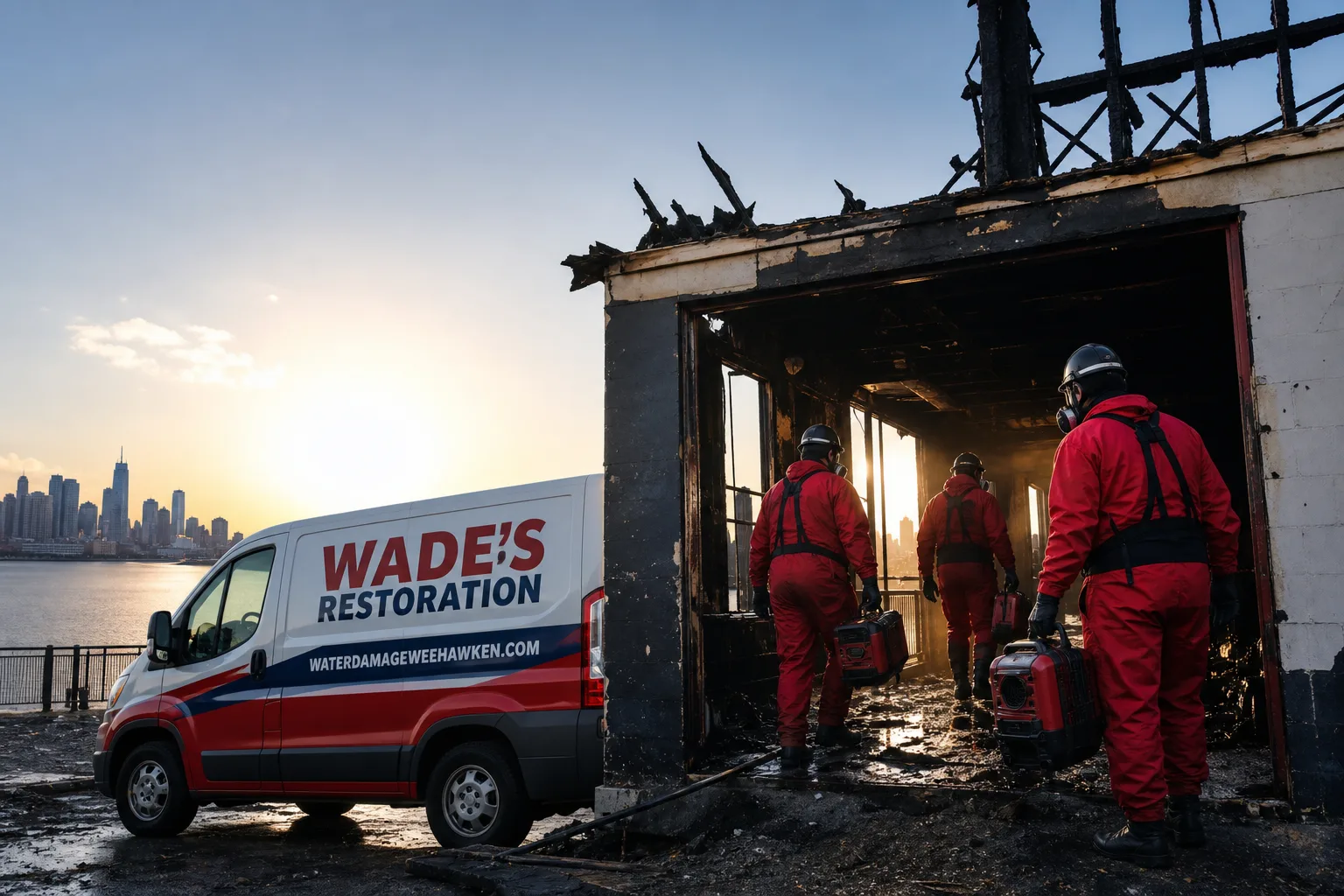
Free visual inspection and a written scope of work before any mitigation begins - photos, moisture readings, and drying logs go in your claim file
The scope we write is the scope we bill. Anything new gets shown to you, in writing, before we touch it.
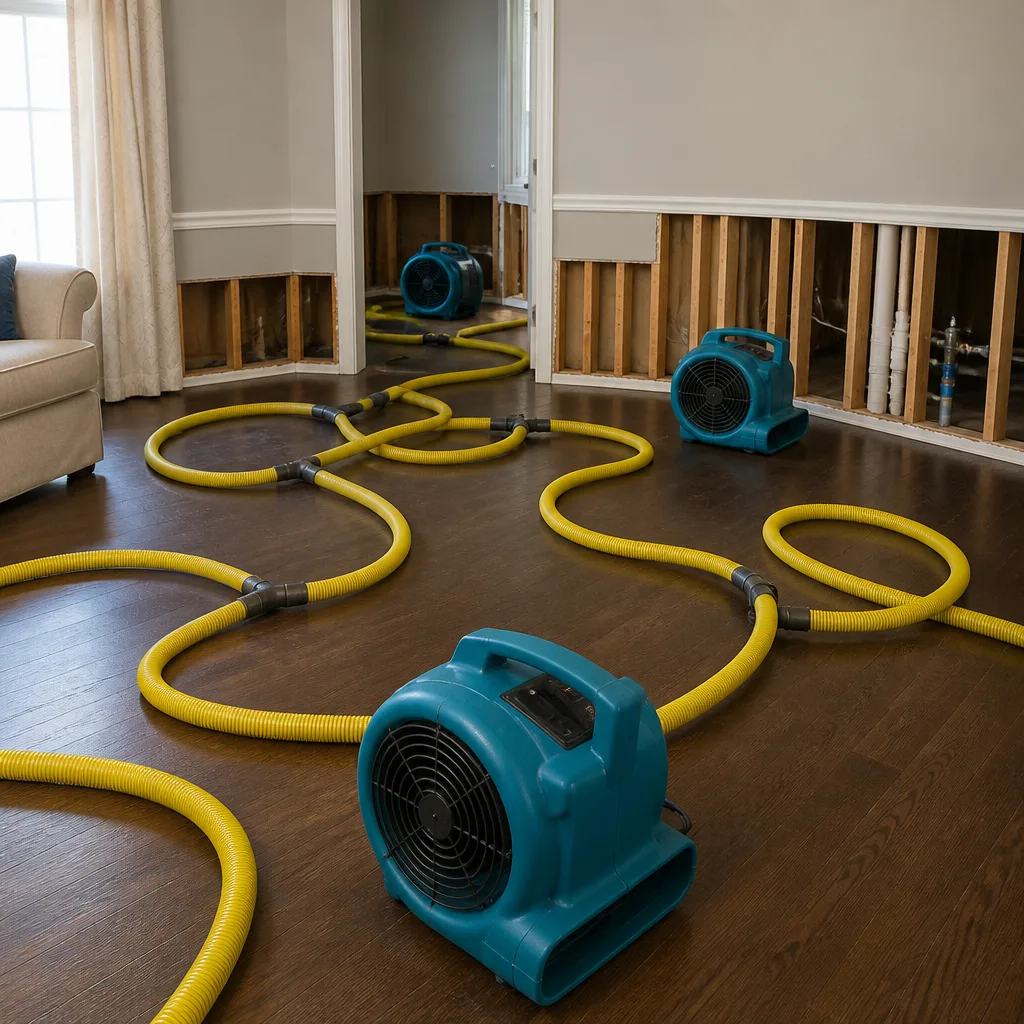

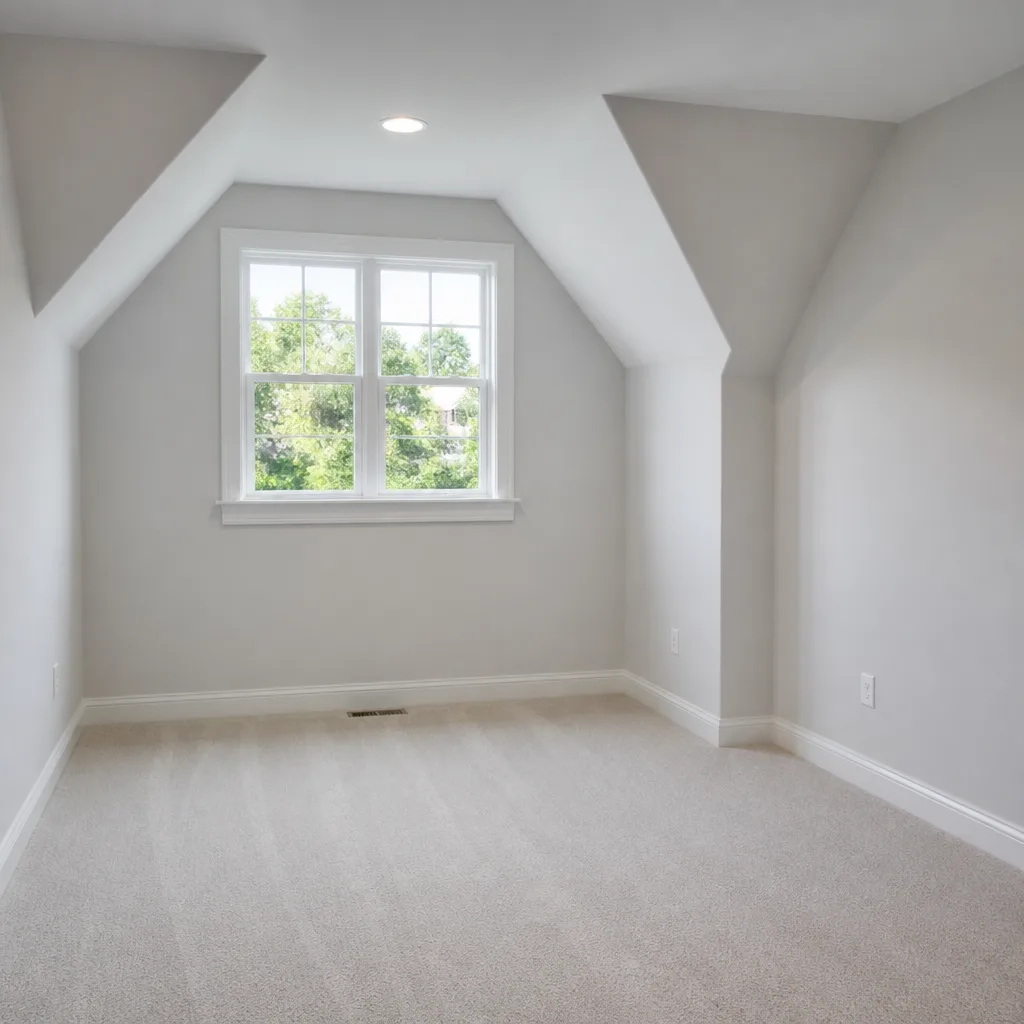

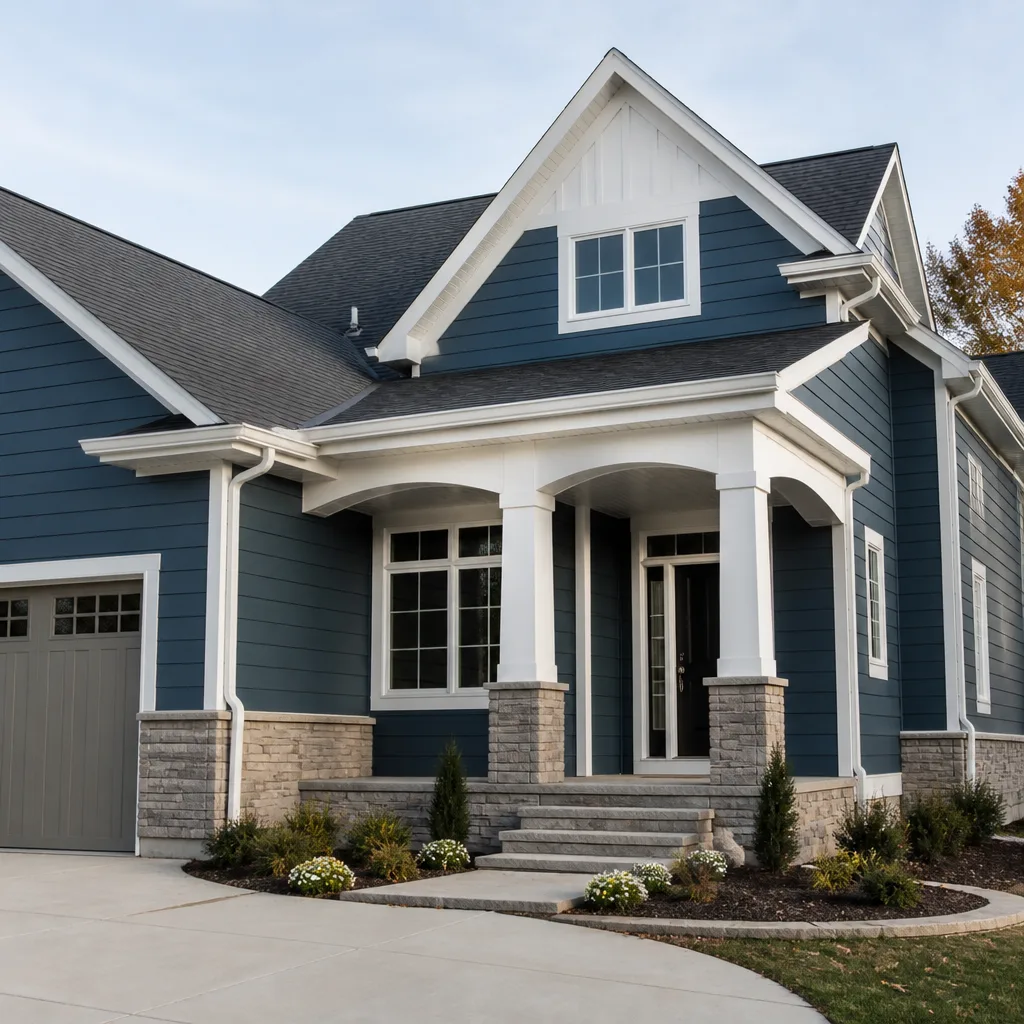
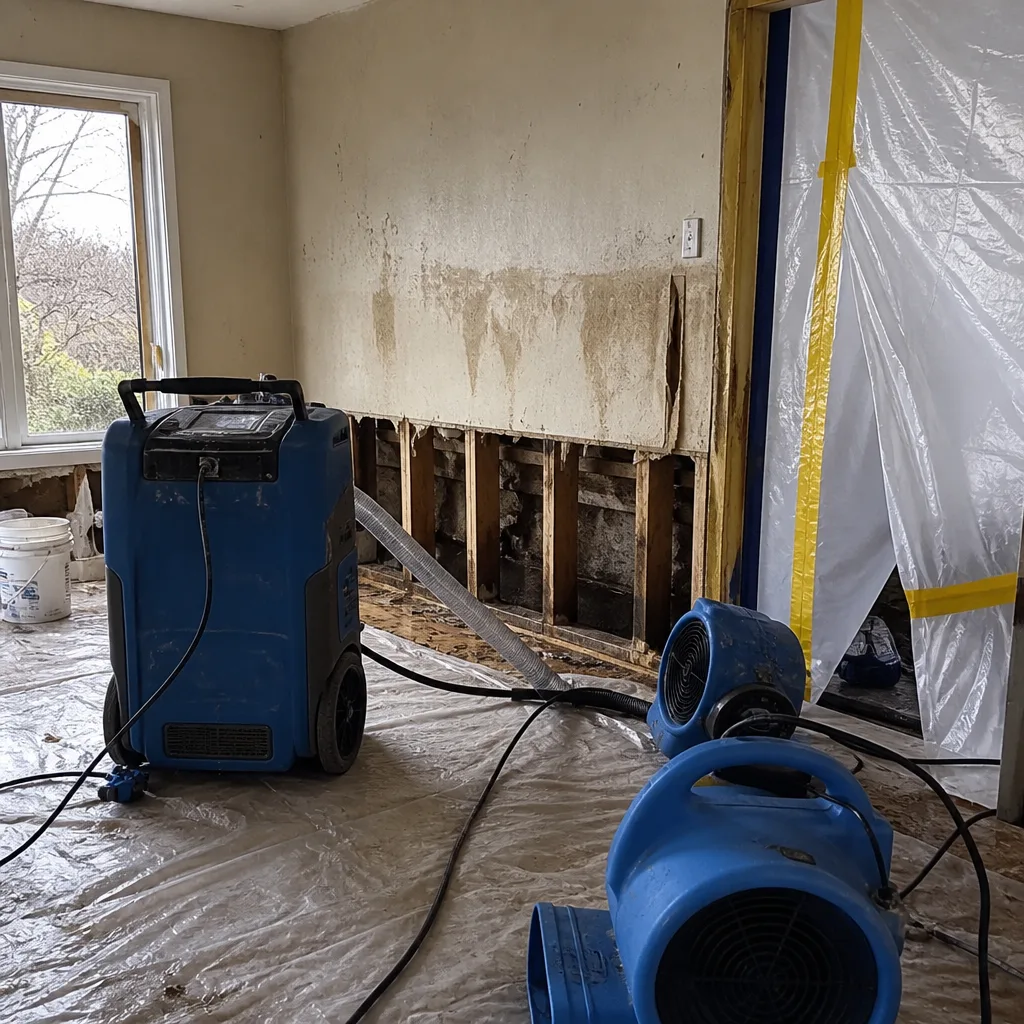 Before
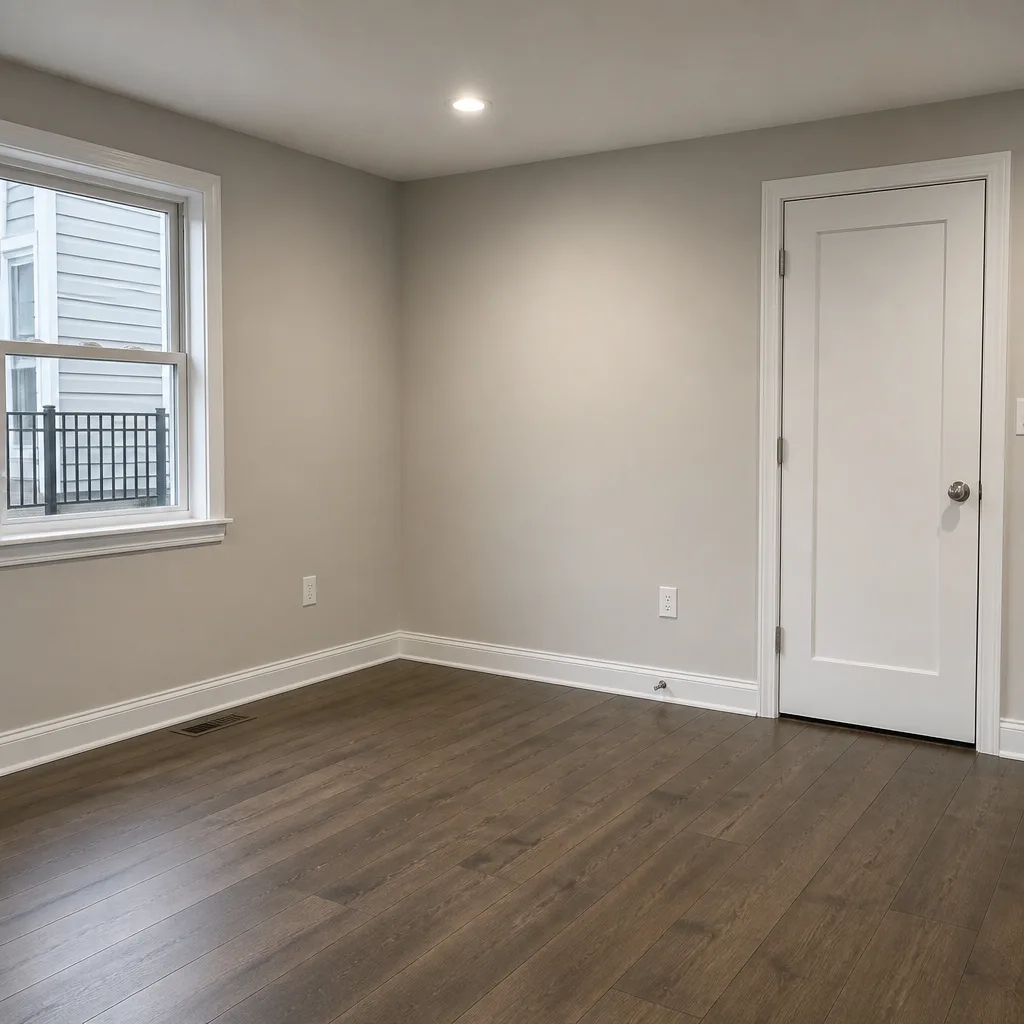 After
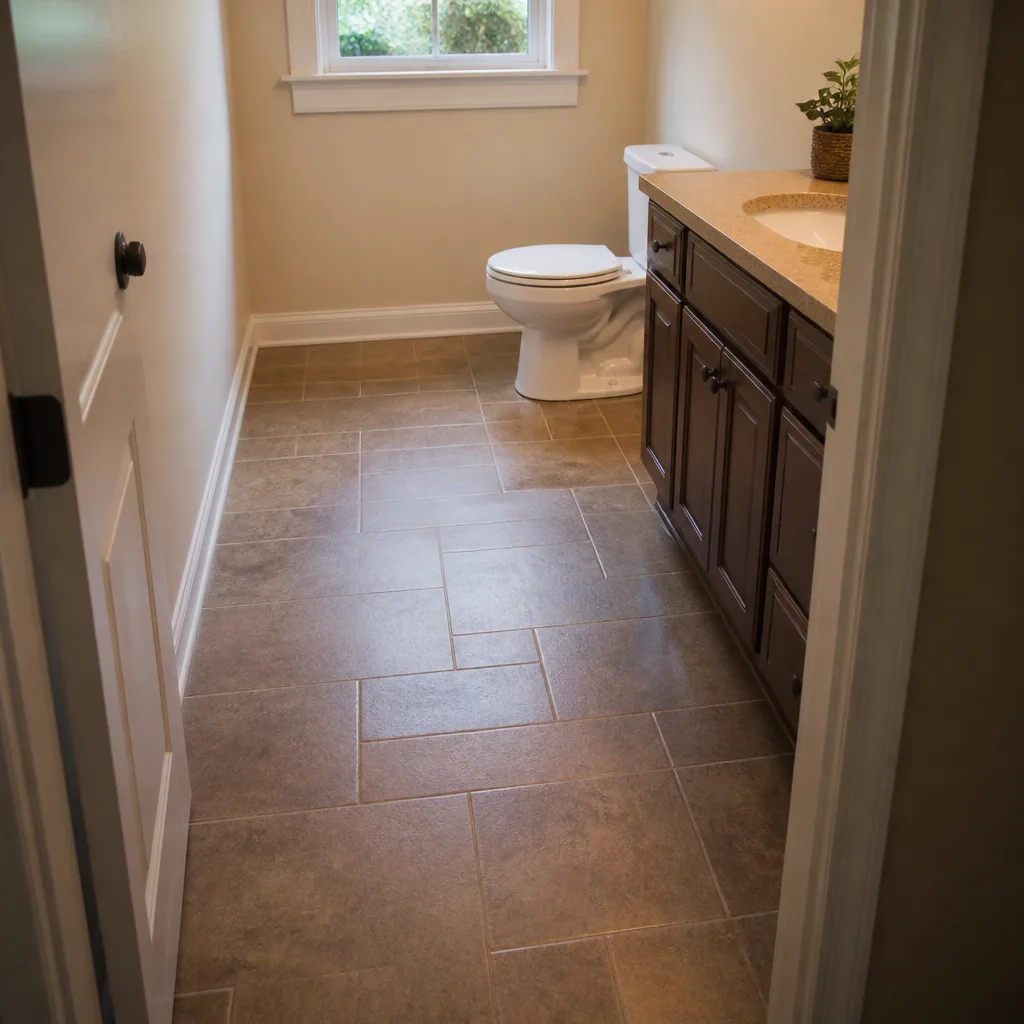
After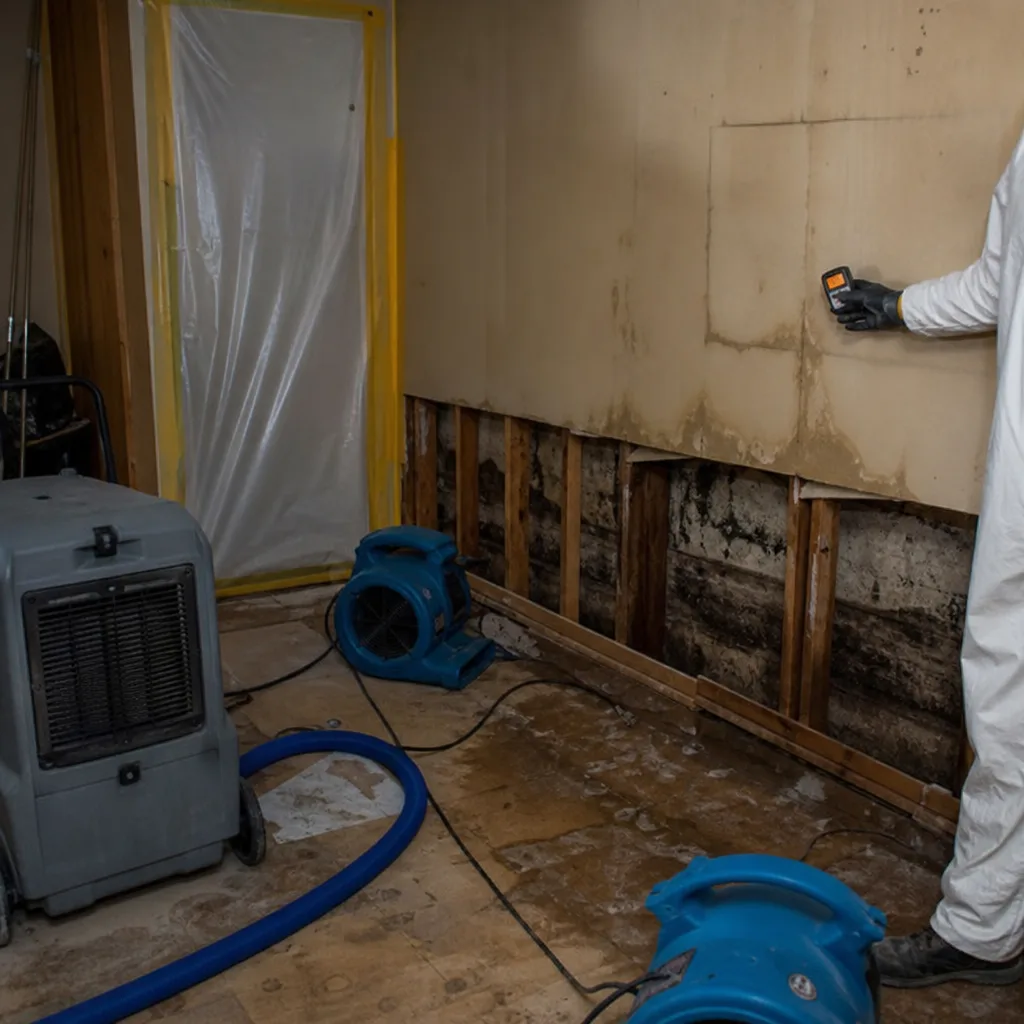 Before
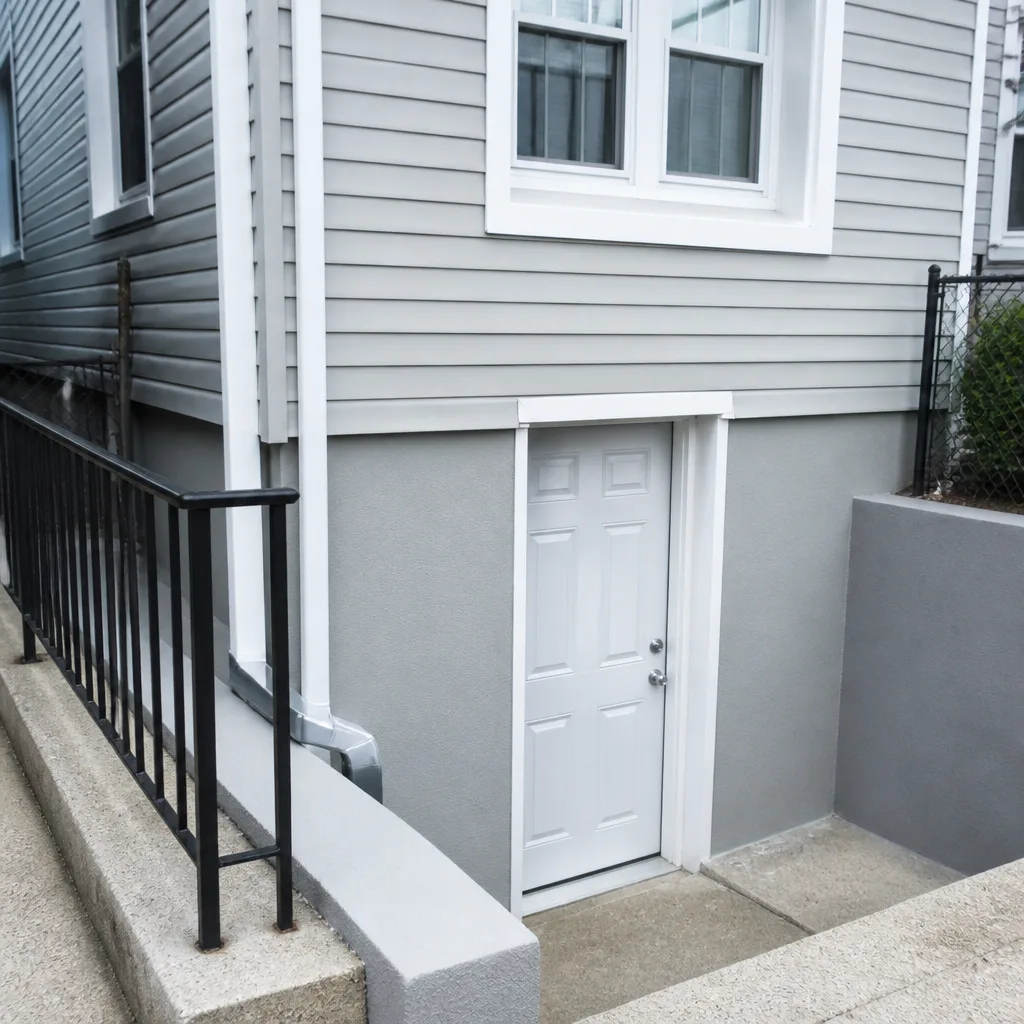 After
After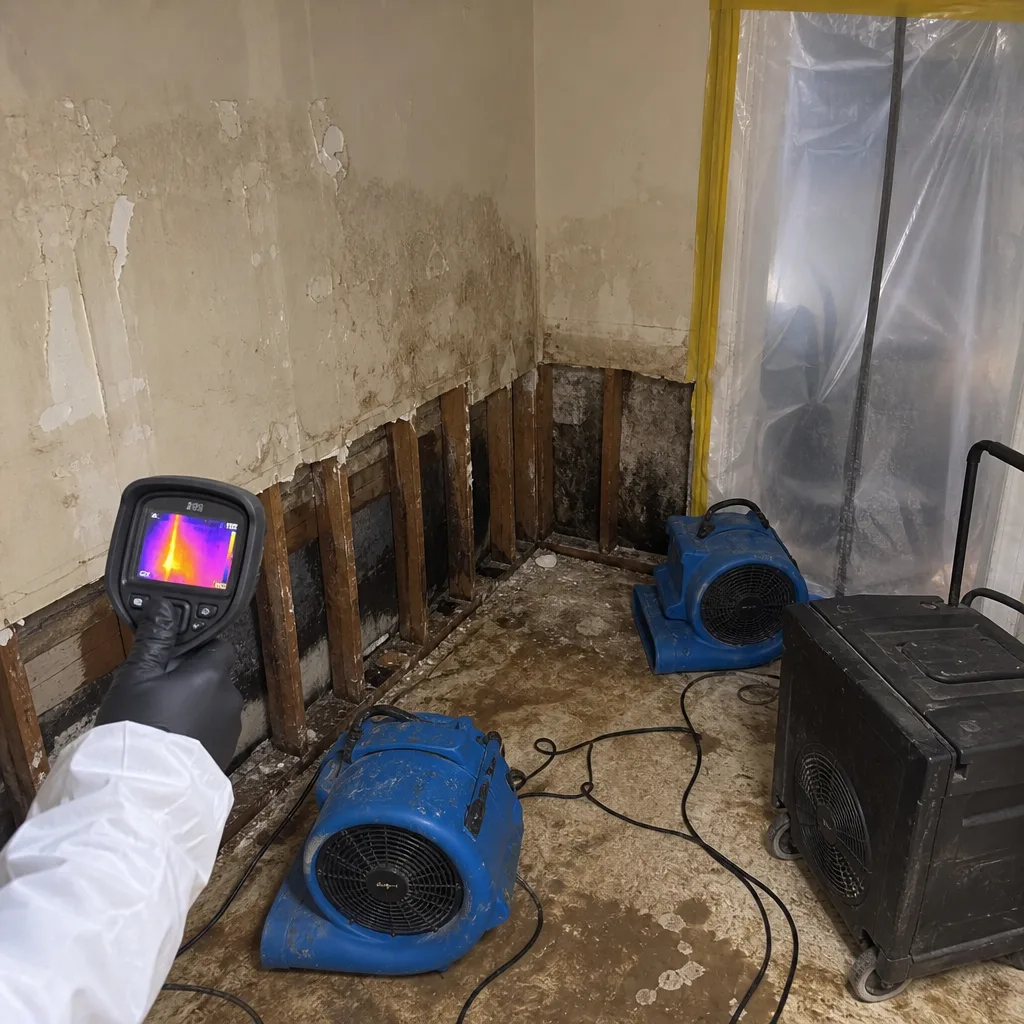 Before
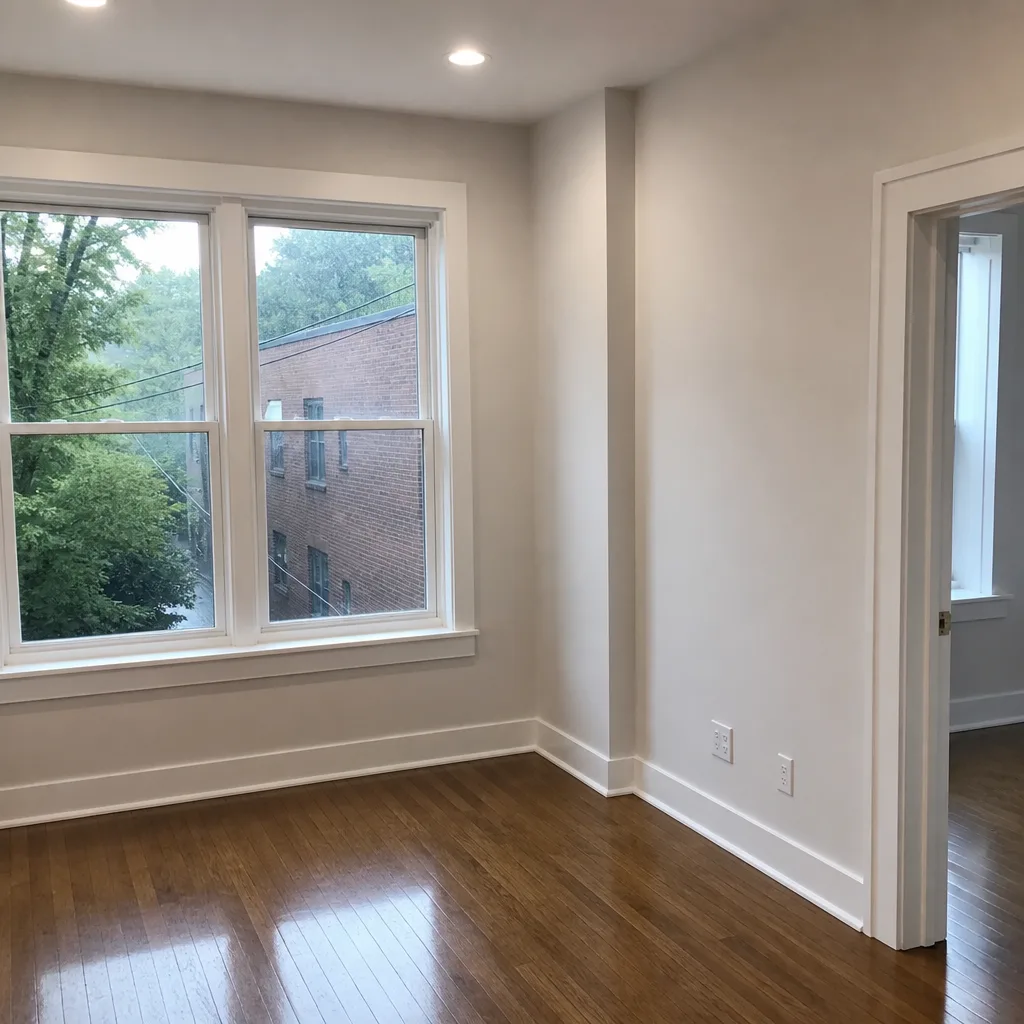 After
After24/7 Emergency Water Damage Restoration in Financial District
Water damage in Financial District towers doesn’t wait for business hours, and neither do we. A pipe failure on the 35th floor can dump water through elevator shafts and into sub-basement vaults within minutes. If you’re standing in water right now, call (201) 740-2235. Wade Ferris answers his own phone. He can have a crew at your FiDi building inside the hour, running extraction equipment while the water is still moving. The first hour decides whether you’re looking at drying or full gut-and-rebuild. Every minute water sits against plaster, marble, and cast-iron risers, it works deeper into places you can’t see. The free visual inspection takes about 20 minutes. The damage doesn’t wait, and neither should you.
Understanding Water Damage Restoration Severity in Financial District Properties
Water damage gets classified by contamination level, not by how bad it looks. Category 1 is clean water from a supply line or burst pipe. Category 2 carries biological or chemical contaminants, the kind you get when water passes through wall cavities or picks up decades of dust from steam risers. Category 3 is grossly contaminated: harbor surge, sewage, or the mix of saltwater and heating oil that floods FiDi sub-basements when passive flood gates fail. Financial District’s converted skyscrapers compound the problem. The late-19th and early-20th-century buildings were engineered with steam heating systems and cast-iron plumbing never intended for residential occupancy. When a riser fails on the 40th floor of an Art Deco tower, water cascades through pipe chases, behind plaster, and into elevator pits a hundred feet below. Moisture mapping with thermal imaging matters here more than anywhere else. What looks dry on the surface is often saturated behind a lime-and-horsehair wall that’s been holding moisture for a century. Structural drying is a math problem: temperature, humidity, air movement, and water weight per square foot. We log every reading daily and hand you the full log when the job’s done, because you deserve to know what your building actually dried to.
Why Financial District Property Owners Choose Wade’s Restoration
- 45-minute response commitment: Wade heads out the moment you call. Not a call center, not a dispatcher three states away. He knows the FiDi grid and can have extraction running inside the hour.
- 24/7 live answer, always a real person: You’ll never reach a voicemail or an answering service. Wade answers his own phone at 3 a.m. because that’s when pipes burst.
- IICRC-certified crews: Wade’s team carries WRT and ASD certifications, with AMRT credentials for mold and Category 3 work. You’re not getting a franchise trainee with a worksheet.
- Free visual inspection: We assess the damage, explain what we found, and give you a written scope before any work starts. No charge for that, ever.
- Direct insurance billing: We bill your carrier directly and Wade talks to your adjuster himself, so you’re never relaying information between two sides.
- One team from extraction to reconstruction: The same crew that pulls the water also rebuilds the walls. No handoffs, no subcontractors you’ve never met, no finger-pointing.
Our Water Damage Restoration Process
Inspection & Assessment
We walk the entire affected area, including spots you can’t see. Thermal imaging cameras and hygrometers map moisture behind walls, under floors, and inside elevator pit walls. You get a written scope before any equipment gets unloaded.
Extraction / Stabilization
Submersible pumps and truck-mounted extractors pull standing water from floors, vaults, and sumps. In FiDi’s deep sub-basements, this stage often means working in tight mechanical rooms with limited access. We stabilize the structure first, then move to drying.
Drying & Dehumidification
Dri-Eaz and Phoenix dehumidifiers run alongside XPOWER air movers positioned for cross-flow. In old FiDi buildings, cavities behind plaster get special attention. We take moisture readings every single day and adjust the equipment layout based on what the numbers say.
Cleaning & Sanitization
Antimicrobial treatments knock down bacteria and prevent mold before it starts. HEPA air scrubbers filter airborne particulates during the entire drying cycle, not just at the end. For Category 3 water, we follow hazmat protocols.
Salt & Corrosion Treatment
Saltwater surge leaves chloride residue in concrete and masonry that accelerates spalling. We treat affected surfaces to draw out salts before reconstruction begins. Skip this step and you’ll be repairing crumbling concrete in two years.
Repairs & Restoration
Once moisture readings hit pre-loss conditions, Wade’s crew rebuilds: drywall, plaster, flooring, trim. The 90-Day Done Right Promise covers the entire restoration, in writing. If it’s not done right, Wade comes back and makes it right.
Need Emergency Water Damage Restoration in Financial District Now?
Crews minutes away, answering live 24 hours a day. The sooner we start, the less it costs.
Working With Your Insurance Company
Insurance claims for water damage in Financial District high-rises involve multiple parties: unit owners, building management, the co-op or condo board, and the carrier. Wade deals with your adjuster directly, so you’re not stuck playing telephone. From the first hour, we document everything: photos of standing water, moisture readings from every affected surface, the exact square footage of saturated materials, and a line-item scope that your carrier can actually read. We know what FiDi properties cost to restore, and we write estimates in the language adjusters expect. No inflated numbers to pad a claim, and no lowball guesses that leave you paying out of pocket later. You’ll get a copy of everything we send to your insurer, including the daily moisture logs.
What We Provide Your Insurer
- Thorough documentation of the loss
- Photos of all damage, room by room
- Moisture readings and drying logs
- A detailed, line-item scope of work
- Direct coordination with your carrier
Built for Financial District’s Loss Calendar
Financial District water damage follows a seasonal pattern as predictable as the tide charts. January and February bring deep freezes that snap supply lines in uninsulated pipe chases, especially in prewar towers where cast-iron risers run through exterior walls. March brings spring thaw and the first heavy rains, pushing groundwater into sub-basement sumps that haven’t been serviced since autumn. Summer thunderstorms overwhelm the district’s storm drains, sending street-level runoff toward Battery Park and into basement entries where passive flood gates weren’t seated properly. Then comes nor’easter season, when storm surge from Upper New York Bay pushes harbor water past drop-in flood gates and into sub-basements that sit below sea level every single day. This is the only residential neighborhood in New York where Category 3 saltwater intrusion is a recurring seasonal event, not a once-a-century catastrophe. Wade’s Restoration plans for it. We keep hazmat-level extraction equipment staged year-round because we know the next surge is coming.
Water Damage Restoration Across Financial District’s Neighborhoods
The Financial District runs from Chambers Street down to Battery Park, and the water damage patterns shift block by block. Around Wall Street and Broad Street, you’re looking at Art Deco towers with deep mechanical vaults and elevator pits that flood when risers fail or surge tops the flood gates. Along Water Street and Front Street, the former shipping warehouses and commodity exchanges now converted to residential lofts have cast-iron columns and thick masonry walls that hold moisture for weeks after a Category 1 leak. Down by South Street Seaport, the building stock sits directly on the East River, and nor’easter surge floods ground-level retail and basement units with brackish harbor water that requires full Category 3 protocols. Over near the World Trade Center site and Greenwich Street, the newer high-rises have better plumbing but larger floor plates, so a single sprinkler discharge can soak 10,000 square feet of drywall before anyone notices. The Fulton Street corridor’s older mid-rise office-to-residential conversions share steam risers between units, meaning one neighbor’s pipe failure becomes your ceiling leak. Every sub-neighborhood has its own failure mode, and Wade’s crew knows the difference.
Specialized Water Damage Restoration Services We Offer in Financial District
Emergency Water Extraction
Standing water in a FiDi sub-basement needs pumps with enough head pressure to lift water up multiple levels to the street. We arrive with submersible pumps, truck-mounted extractors, and wet vacuums sized for high-volume removal. The goal is simple: get the water out before it migrates into elevator pits, mechanical rooms, and neighboring units.
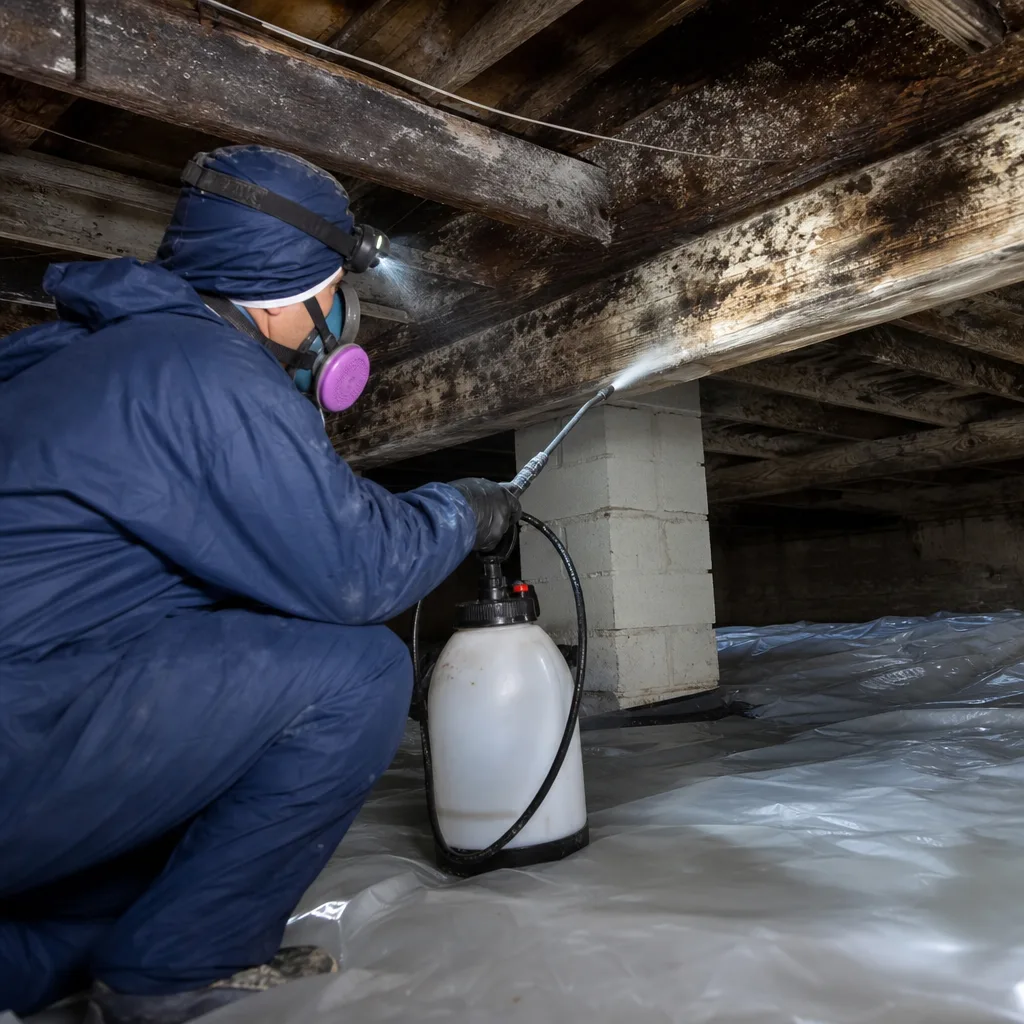
Structural Drying & Dehumidification
Drying a prewar skyscraper is different from drying a suburban ranch. Plaster walls, terrazzo floors, and cast-iron structural members all release moisture at different rates. We use industrial-grade Dri-Eaz dehumidifiers and Phoenix axial air movers, with daily moisture readings to track progress. In FiDi, we also watch the ambient humidity from the harbor, which can stall drying if you’re not compensating for it.
Flood Cleanup
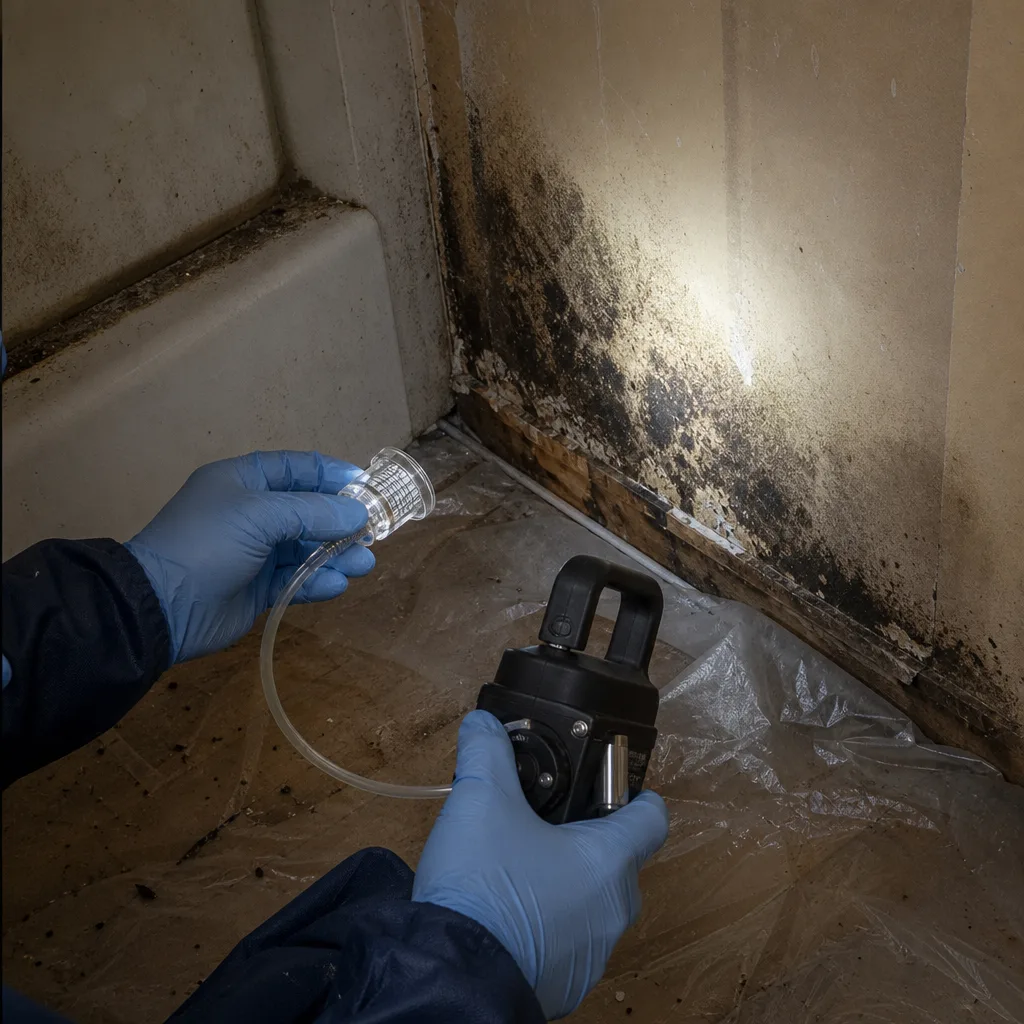
When Hurricane Sandy’s 14-foot surge flooded sub-basements around Battery Park, many buildings were never properly dried. That legacy moisture is why mold remediation is a baseline expectation in this neighborhood. For storm surge floods, we treat the water as Category 3, run full containment, and remove contaminated materials before drying begins. Harbor water mixed with heating oil from old fuel tanks makes this hazmat work, not just water removal.
Burst Pipe Restoration
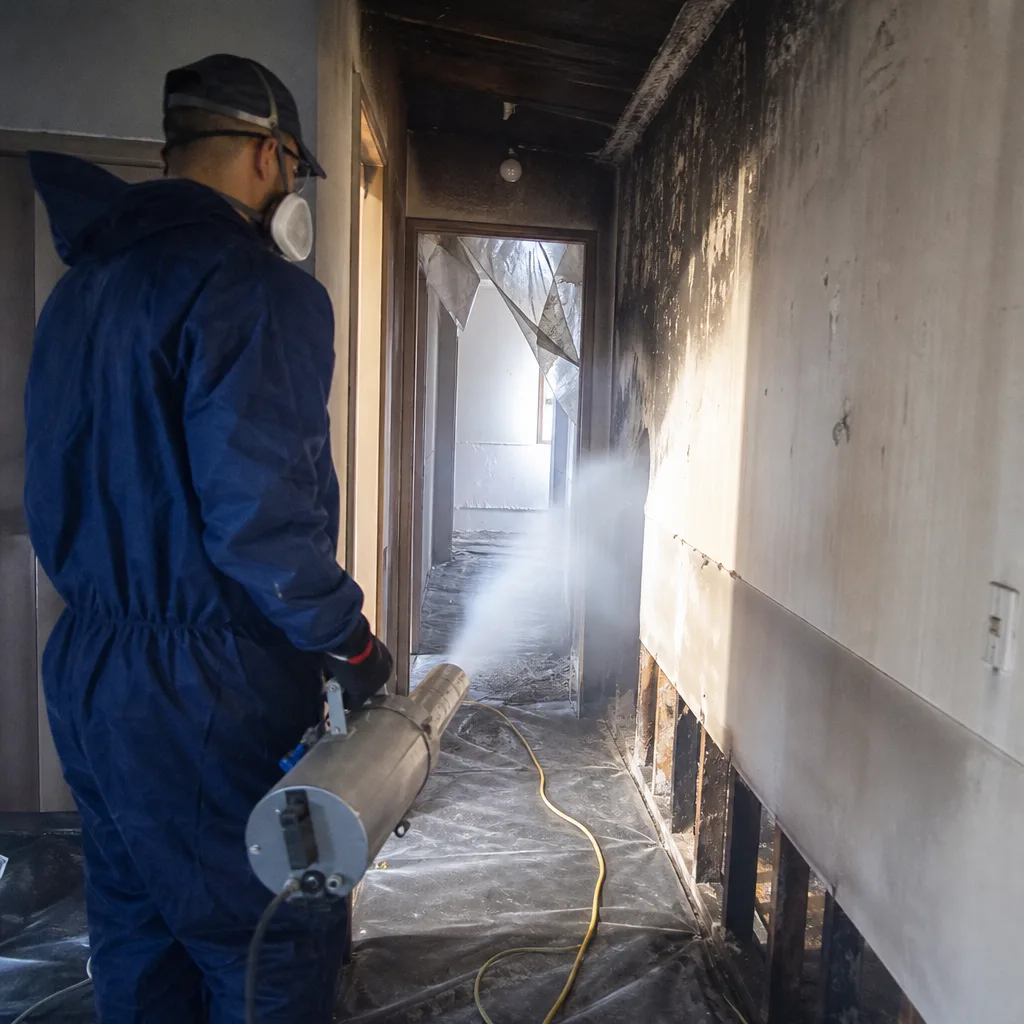
A 35th-floor pipe break near Wall Street can cascade through dozens of units below. We map the migration path, open only the walls that need opening, and dry the cavities before mold takes hold. In buildings with original steam risers, a pipe failure often means steam has flash-vaporized and saturated wall cavities from the inside out. That requires thermal imaging, not guesswork.
Basement Water Removal
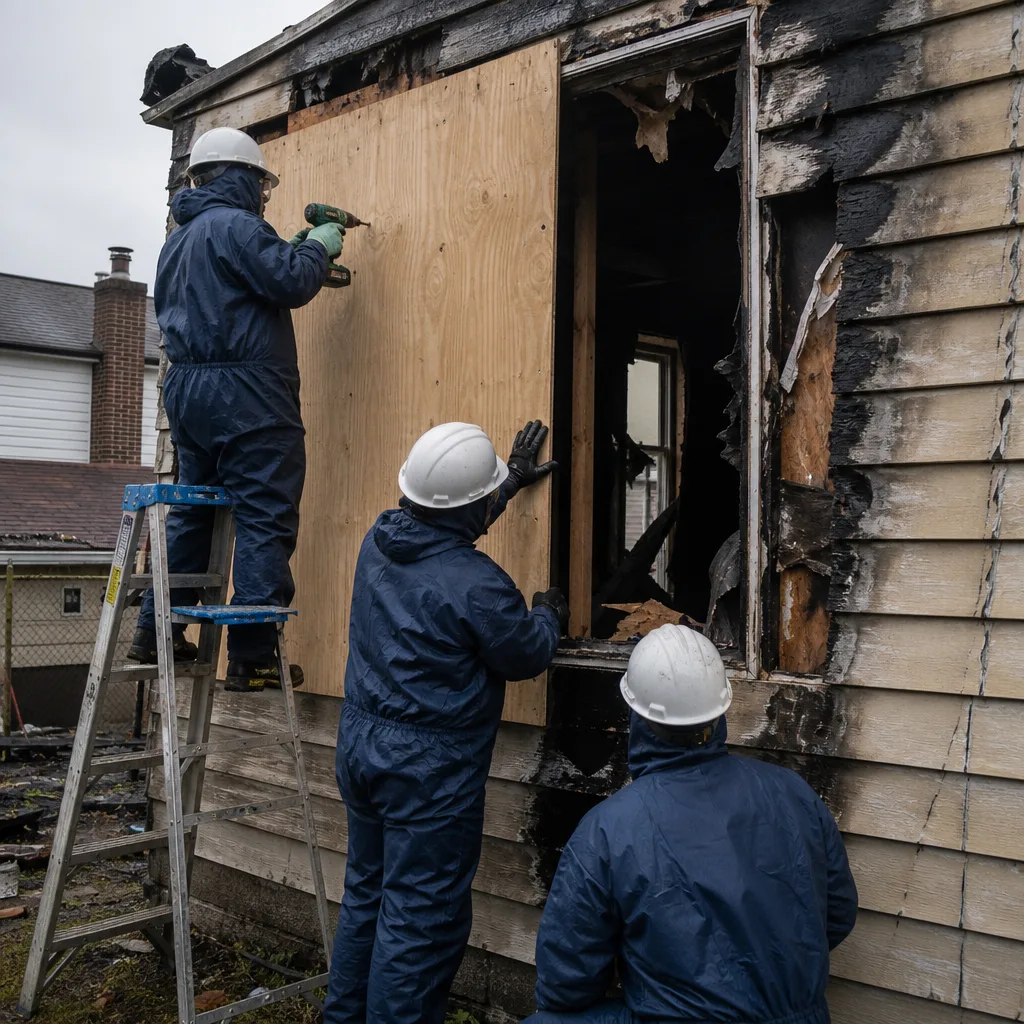
In Financial District, basements are often four or five levels below street grade, below the water table, and protected only by sump pumps and flood gates. When those fail, the water comes in fast and stays. We bring pumps rated for deep lifts, extract the water, and then tackle the salt and oil residue that harbor surge leaves behind.
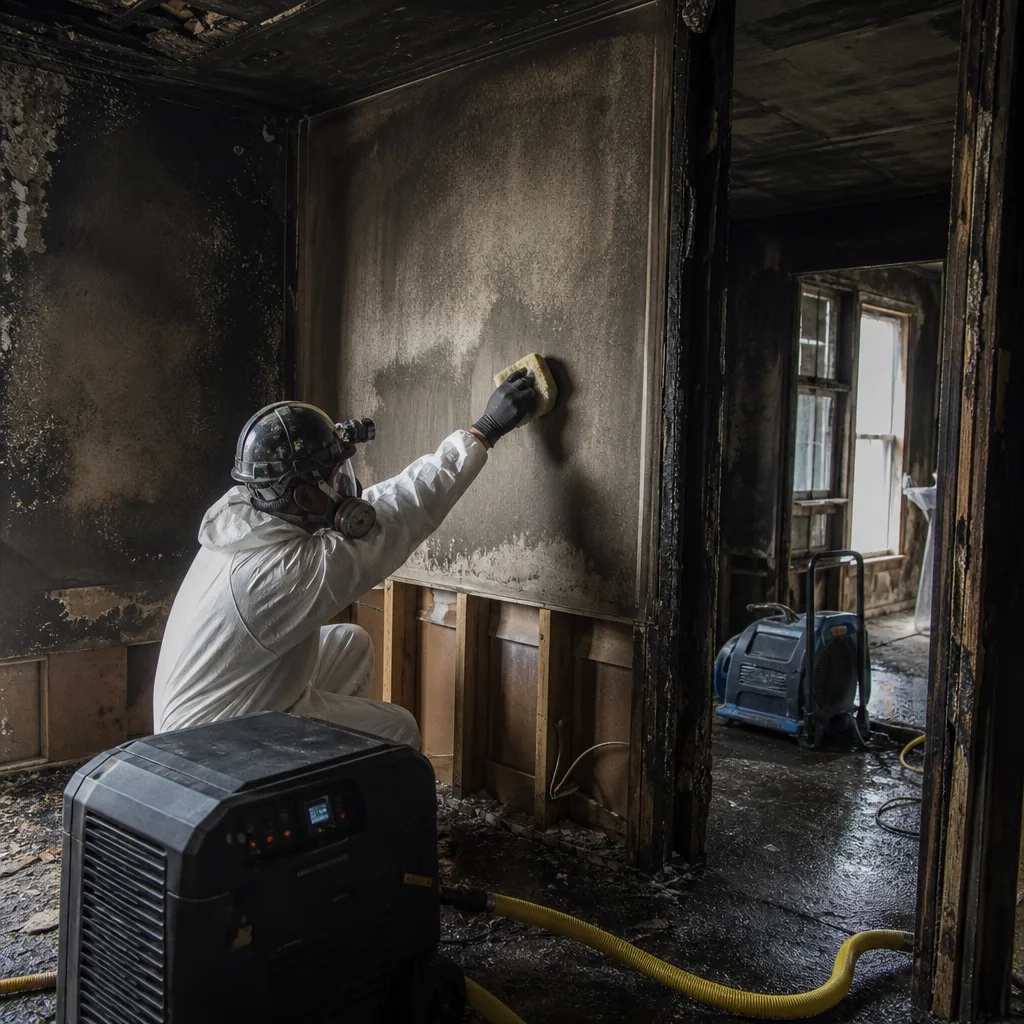
What happens when you call
- 1
A real person answersNo phone trees - you reach a local pro.
- 2
You get an upfront price rangeHonest numbers before anyone is dispatched.
- 3
A background-checked tech heads outLicensed & insured, dispatched right away.
- 4
You approve before work beginsNothing starts until you say go.
Water Damage Restoration Costs in Financial District, NY
You’ll hear numbers like “$5,000 for water damage” from national franchises, but Financial District pricing works differently. Emergency water extraction in a typical FiDi condo runs $1,200 to $3,200 depending on the affected square footage and how far down the water traveled. Sub-basement flood cleanup with Category 3 saltwater intrusion runs $4,500 to $12,000 for a single residential unit, because hazmat protocols, containment, and contaminated material disposal are mandatory. Burst pipe restoration in a converted tower unit typically lands between $2,800 and $7,500 when you factor in opening walls, drying cavities, and rebuilding plaster. The big cost driver is how many floors the water migrated through before we contained it. A 40th-floor leak that reaches the elevator pit costs far more than a contained bathroom supply line failure. Insurance covers most of these scenarios. If the leak is sudden and accidental, your HO-6 or building policy typically pays for extraction, drying, and rebuild, minus your deductible. Call us for a free visual inspection and a written estimate before you decide anything. No pressure, just numbers on paper.
We Also Serve Cities Near Financial District
Wade’s Restoration serves Financial District and the surrounding New York communities, including Lower Manhattan, Astoria, Midtown Manhattan, and Long Island City. If you’re just across the bridge or uptown and standing in water, call. We’ll head your way.
Serving Financial District, NY - Our Local Coverage Area
We’re based in the Financial District area and know this community well. Use the map below to see our service coverage - if you’re nearby, we can almost certainly help.
Financial District Water Damage Restoration Questions, Answered
How fast can you actually get to Financial District?
Wade commits to a 45-minute response inside Financial District. He answers his own phone around the clock, and his crew is staged locally. For sub-basement floods where water is actively rising, call (201) 740-2235 and he’ll have pumps moving inside the hour.
How do you handle a sub-basement flood in a FiDi high-rise when the water is a mix of harbor surge and fuel oil?
That’s Category 3 water, and we treat it as hazmat. We set up full containment, pump the water into holding tanks for proper disposal, and run air scrubbers to protect the rest of the building. The oil leaves a residue that standard water extraction won’t touch. Call (201) 740-2235 and Wade will explain exactly what you’re dealing with.
Why does mold show up faster after a pipe break in an old FiDi skyscraper than in a newer tower uptown?
Old plaster walls and horsehair insulation hold moisture longer than modern gypsum. In prewar converted office towers around Wall Street, the wall cavities are deep, sealed behind multiple layers of lead paint and lime plaster, and warm from original steam risers. Mold starts colonizing within 24 to 48 hours. Speed matters. If you’ve had a leak, call (201) 740-2235 today.
Do FEMA Flood Zone AE rules change how you dry out a residential condo after a surge event at the Battery?
Yes. Flood Zone AE buildings are subject to FEMA’s Substantial Improvement rules, which affect how much of the damaged area can be rebuilt versus what has to be elevated or floodproofed. We document pre-loss conditions and dry to standards that satisfy both your insurer and FEMA. Wade can walk you through what applies to your building. Call (201) 740-2235 and ask for a free inspection.
Can you really dry out an elevator pit in an Art Deco tower without shutting down the whole building?
Most of the time, yes. We work with building management to set up containment around the elevator shaft and run drying equipment inside the pit without interrupting service to occupied floors. The key is sealed poly barriers and negative air pressure. We’ve done it in converted towers on Broad Street and Wall Street. Call (201) 740-2235 and Wade will tell you what’s possible for your building.
What’s the first thing Wade’s Restoration does when a cast-iron pipe bursts on the 40th floor of a converted office tower?
We stop the water at the nearest isolation valve, then trace the migration path down through the building. Water follows the pipe chase and elevator shaft, so we’re checking every floor below for saturation before we start extraction. Moisture mapping comes first, then pumps. If you’ve got a burst riser, call (201) 740-2235 immediately.
Will my insurance cover a water damage claim from a burst pipe in my Financial District condo?
In most cases, yes. Sudden and accidental pipe failures are covered under HO-6 policies for condo owners, subject to your deductible. Storm surge damage is trickier and often requires a separate flood policy, especially in FEMA Flood Zone AE. Wade reviews your policy language and talks directly to your adjuster. Call (201) 740-2235 with your policy number handy.
What should I do in the first 30 minutes after I notice water damage?
If it’s safe, shut off the water source. Kill power to affected areas if water is near outlets or panels. Move valuables up off the floor. Then call (201) 740-2235. Don’t wait to see if it stops. In FiDi’s converted towers, water travels through walls and shafts faster than you’d believe, and 30 minutes of delay can add thousands to the final bill.
Water Damage Restoration in Financial District is not a one-size-fits-all job. This neighborhood’s elevation, housing stock, and surge history make it unlike anywhere else in New York. Wade Ferris has been answering calls about flooding, burst pipes, and sub-basement saltwater intrusion at the Battery since 2007. He’ll show up himself, take the moisture readings himself, and hand you the full drying log when the job is done. If it’s not done right, the 90-Day Done Right Promise means he comes back and makes it right, in writing. Call (201) 740-2235 for a free estimate. Wade will answer.
Written by Wade Ferris, Owner at Wade’s Restoration, serving Financial District with owner-operated water damage restoration since 2007.