
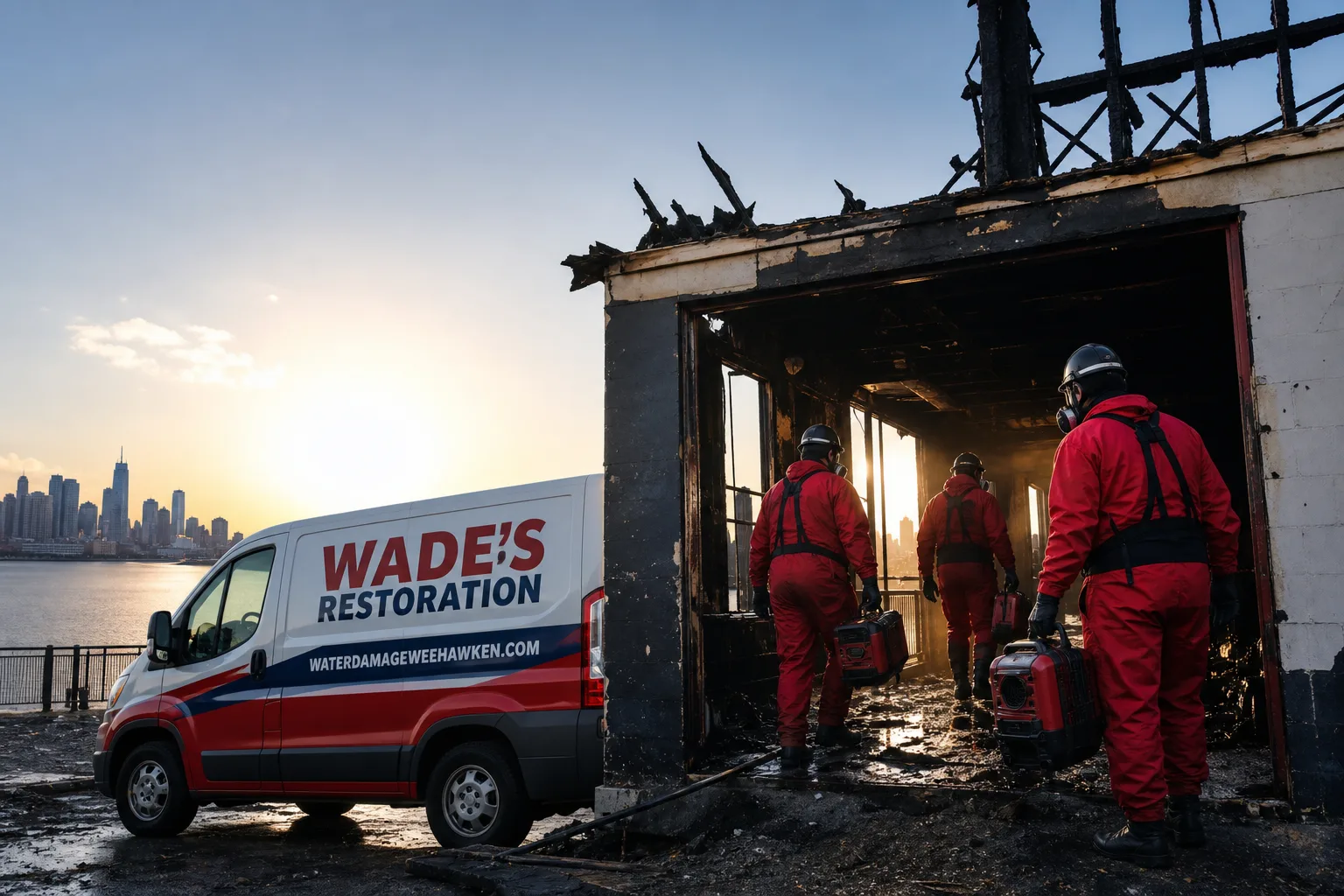
Free visual inspection and a written scope of work before any mitigation begins - photos, moisture readings, and drying logs go in your claim file
The scope we write is the scope we bill. Anything new gets shown to you, in writing, before we touch it.
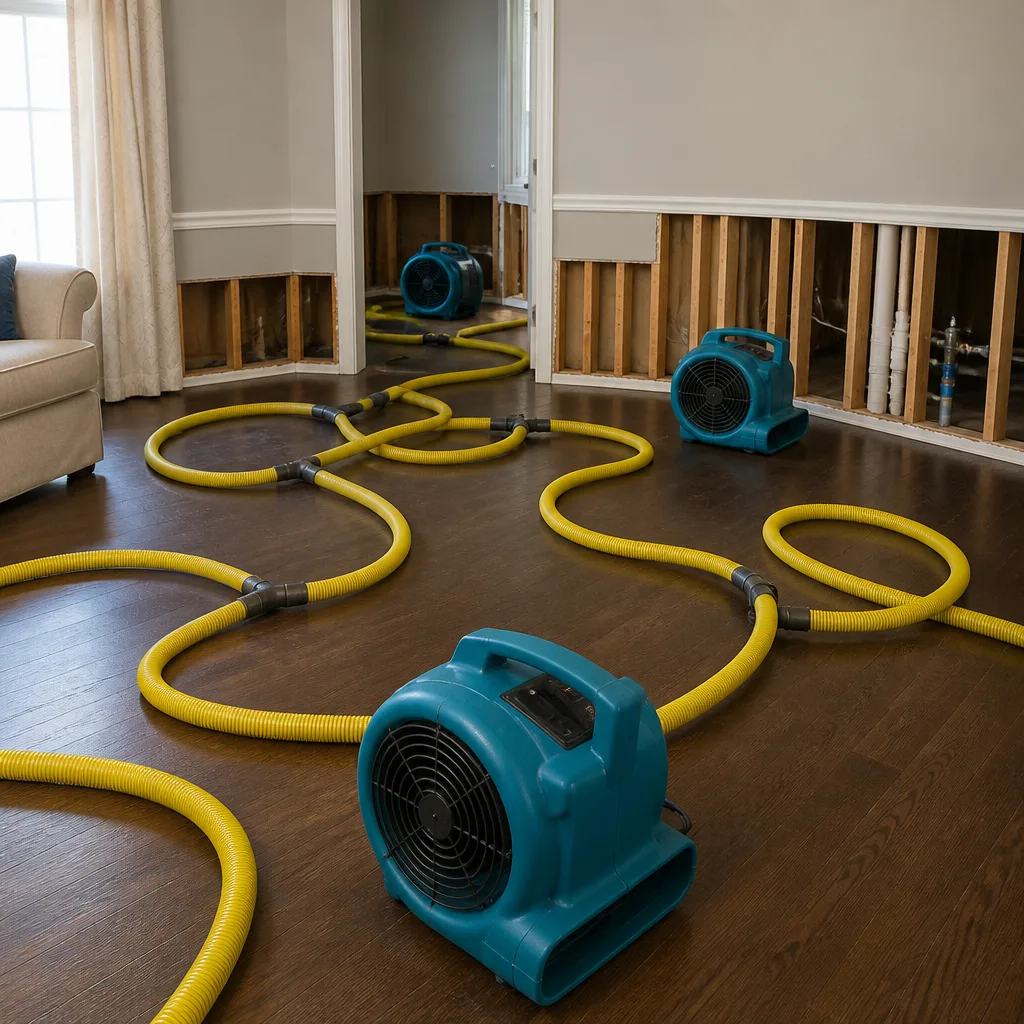

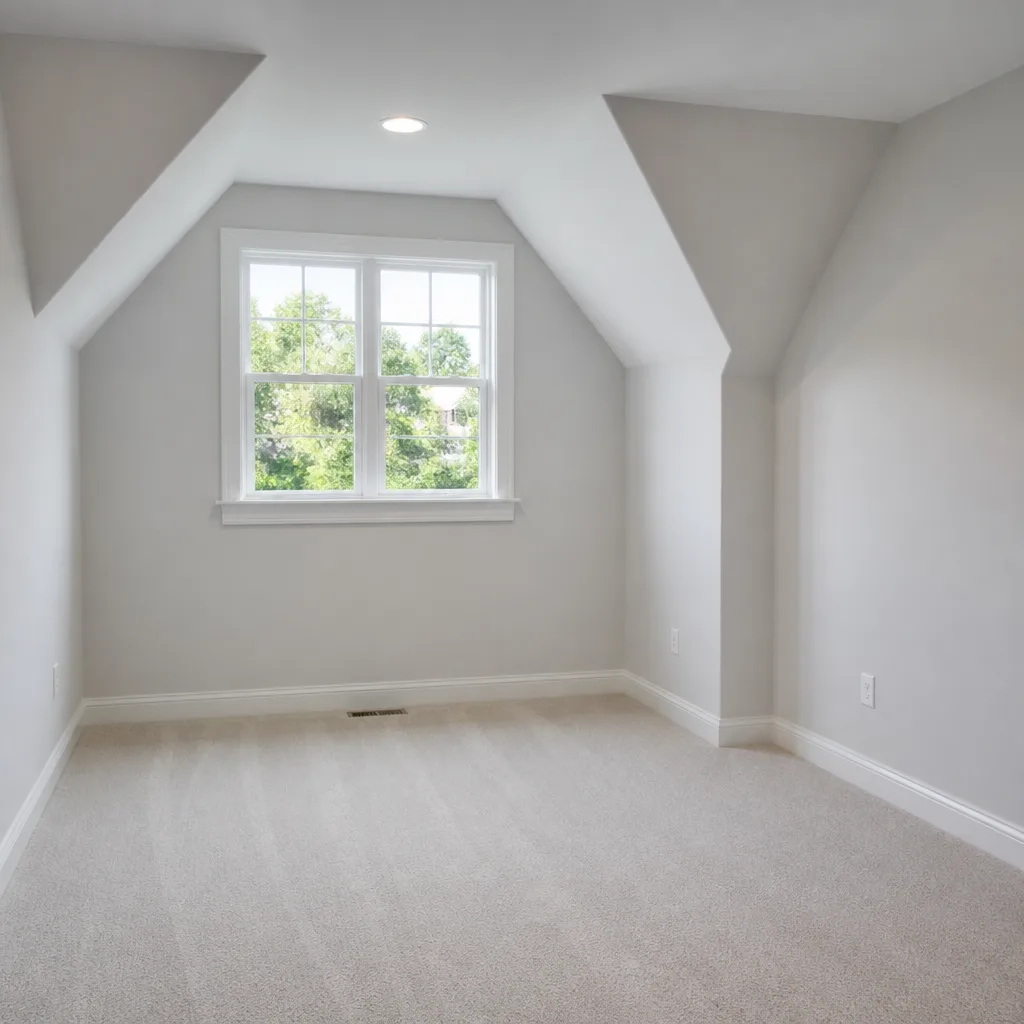

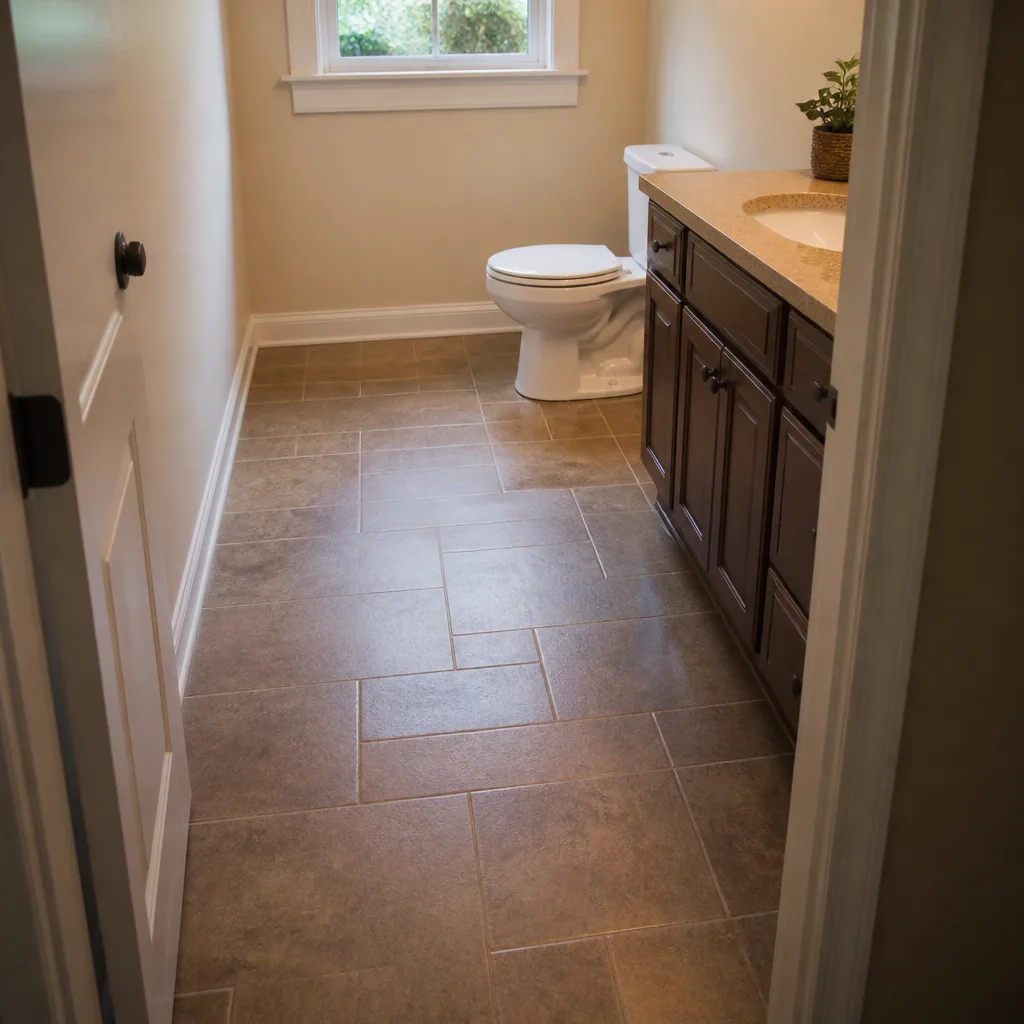

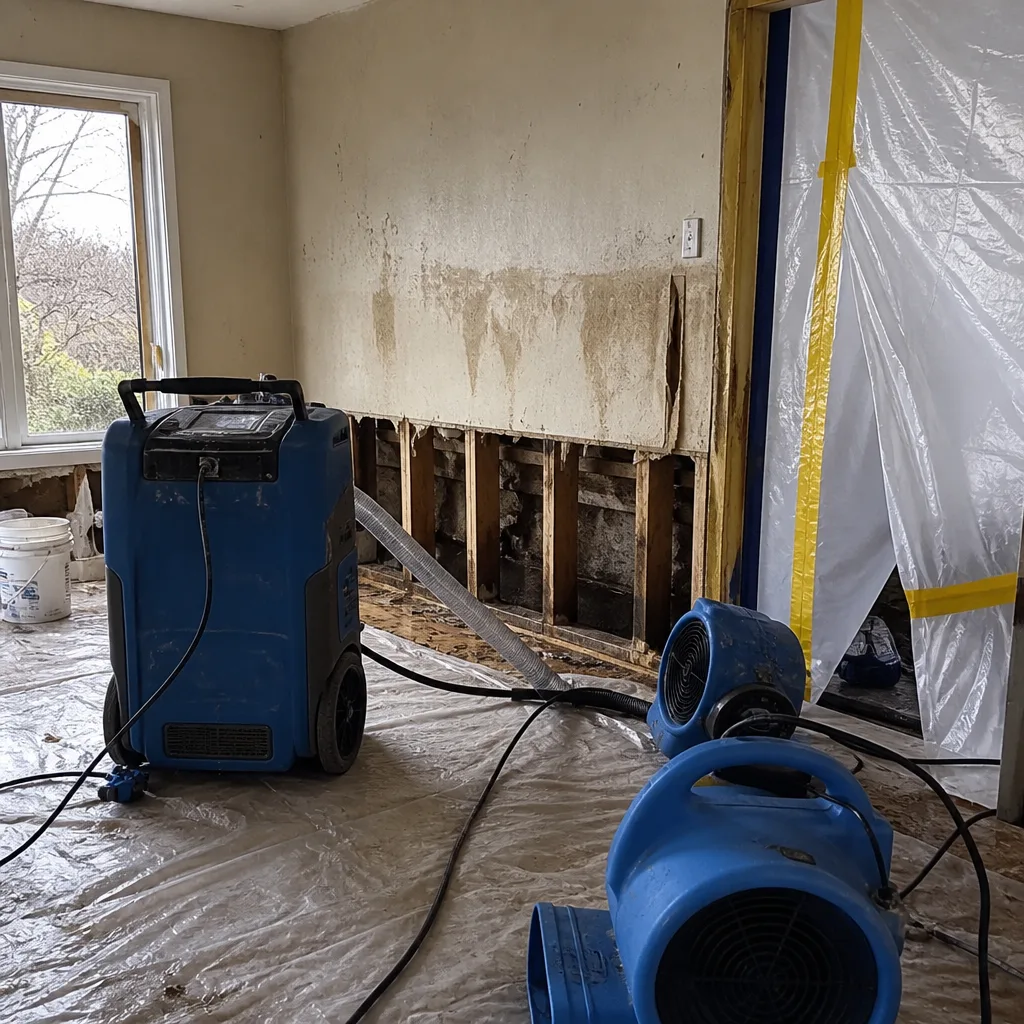 Before
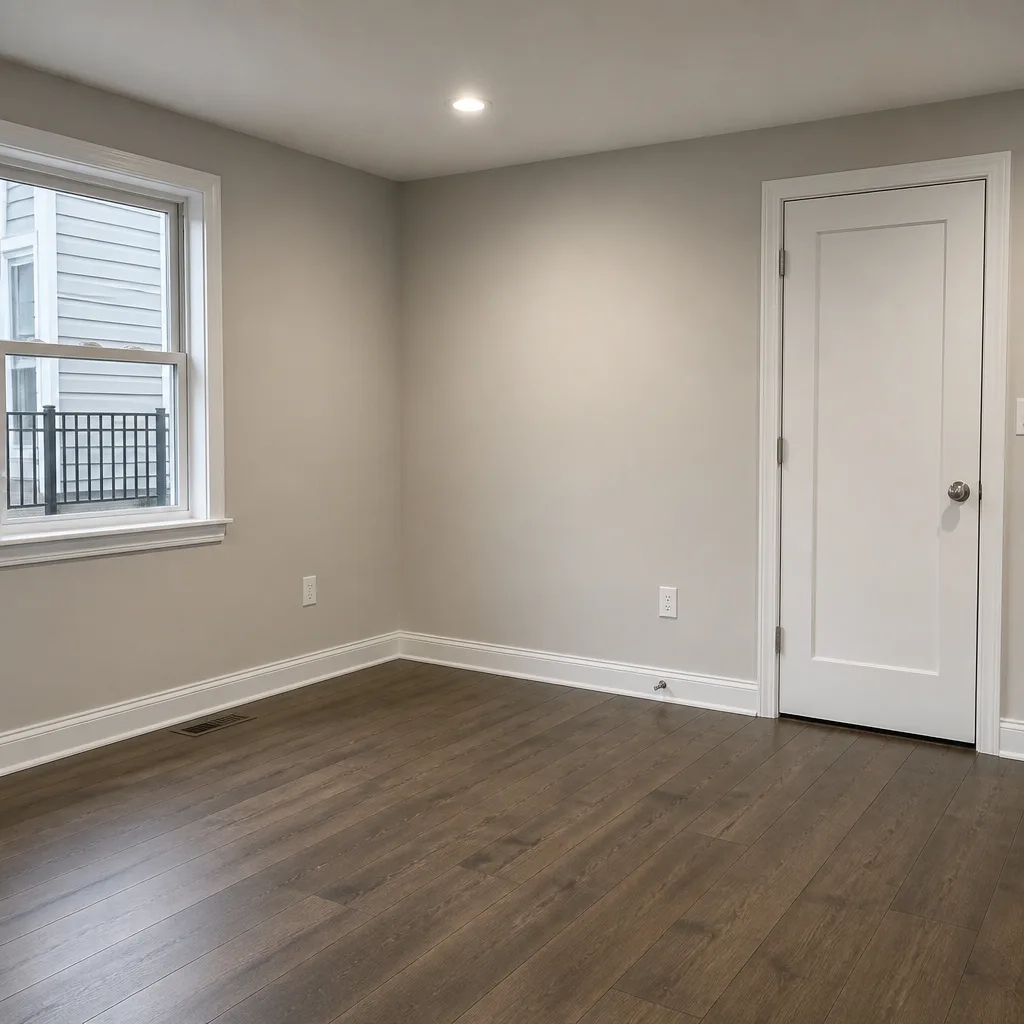 After
After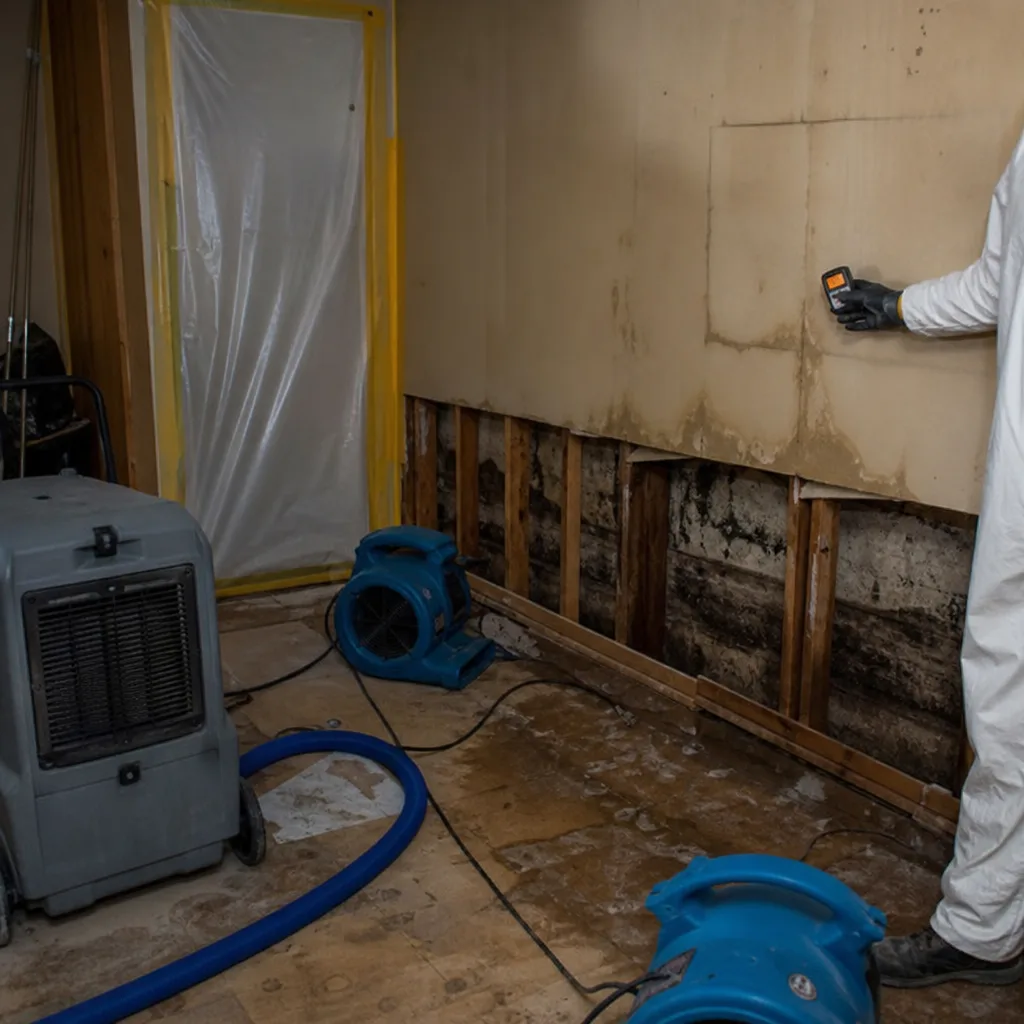 Before
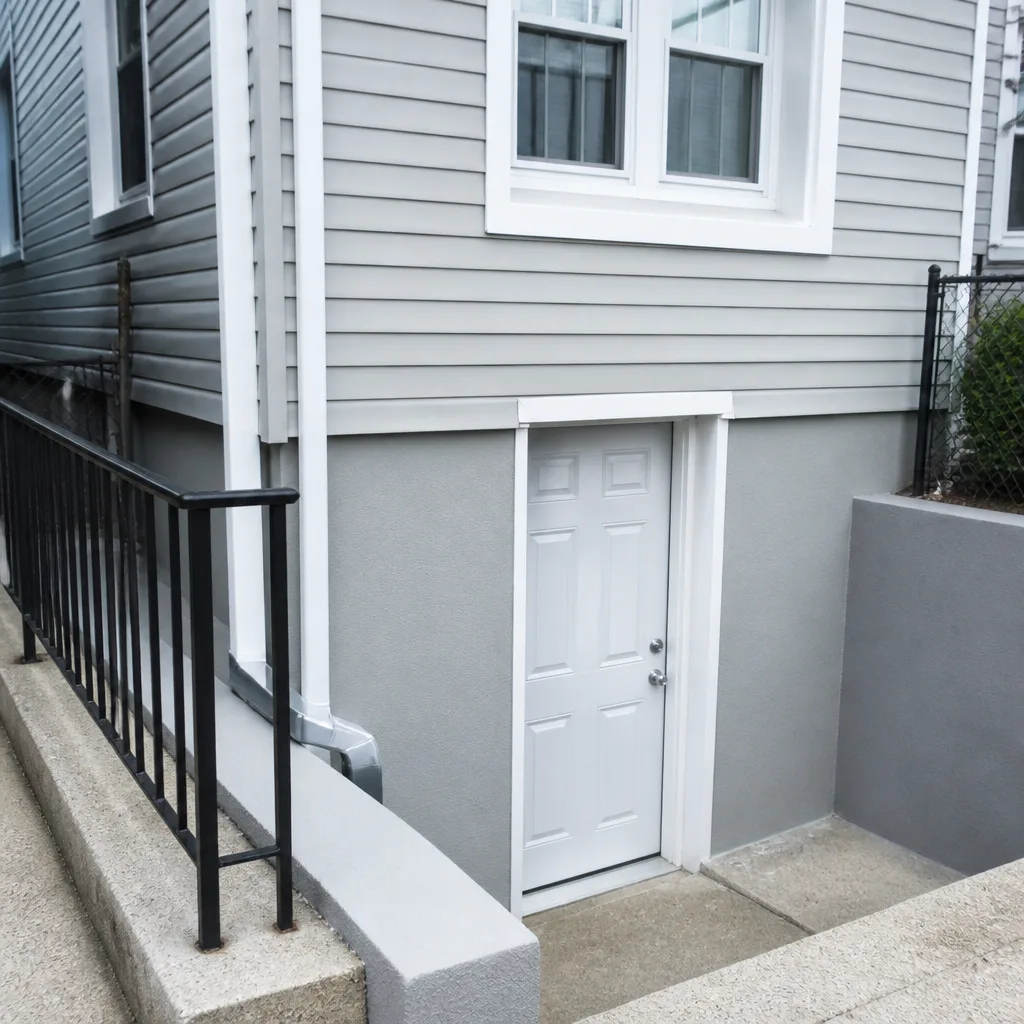 After
After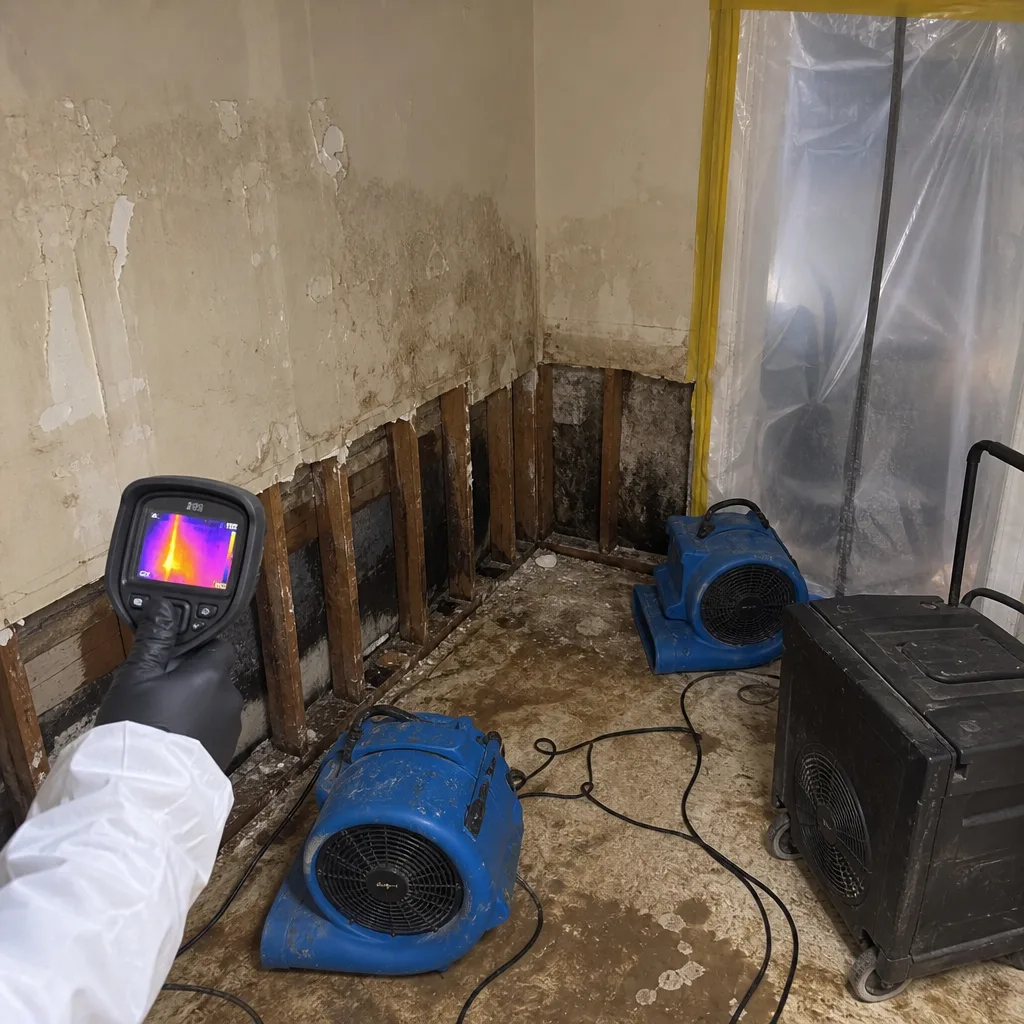 Before
 After
After24/7 Emergency Sanitization Services in Long Island City
Sanitization services in Long Island City carry a higher baseline than almost anywhere else in the five boroughs, because a routine backup here can become a documented hazardous-waste event in under an hour. If you’re standing in a flooded ground-floor unit or a converted loft near Newtown Creek, call (201) 740-2235 right now. Wade Ferris answers his own phone, and his crew can be on-site in Long Island City within 45 minutes. We don’t run a voicemail queue. We don’t route you through a call center in another state. The first hour matters because Category 3 water, the kind that routinely surfaces here, doesn’t just sit still. It aerosolizes. It migrates. It turns drywall into a biology experiment before a second crew would even pick up the phone.
What happens when you call
- 1
A real person answersNo phone trees - you reach a local pro.
- 2
You get an upfront price rangeHonest numbers before anyone is dispatched.
- 3
A background-checked tech heads outLicensed & insured, dispatched right away.
- 4
You approve before work beginsNothing starts until you say go.
Understanding Sanitization Services Severity in Long Island City Properties
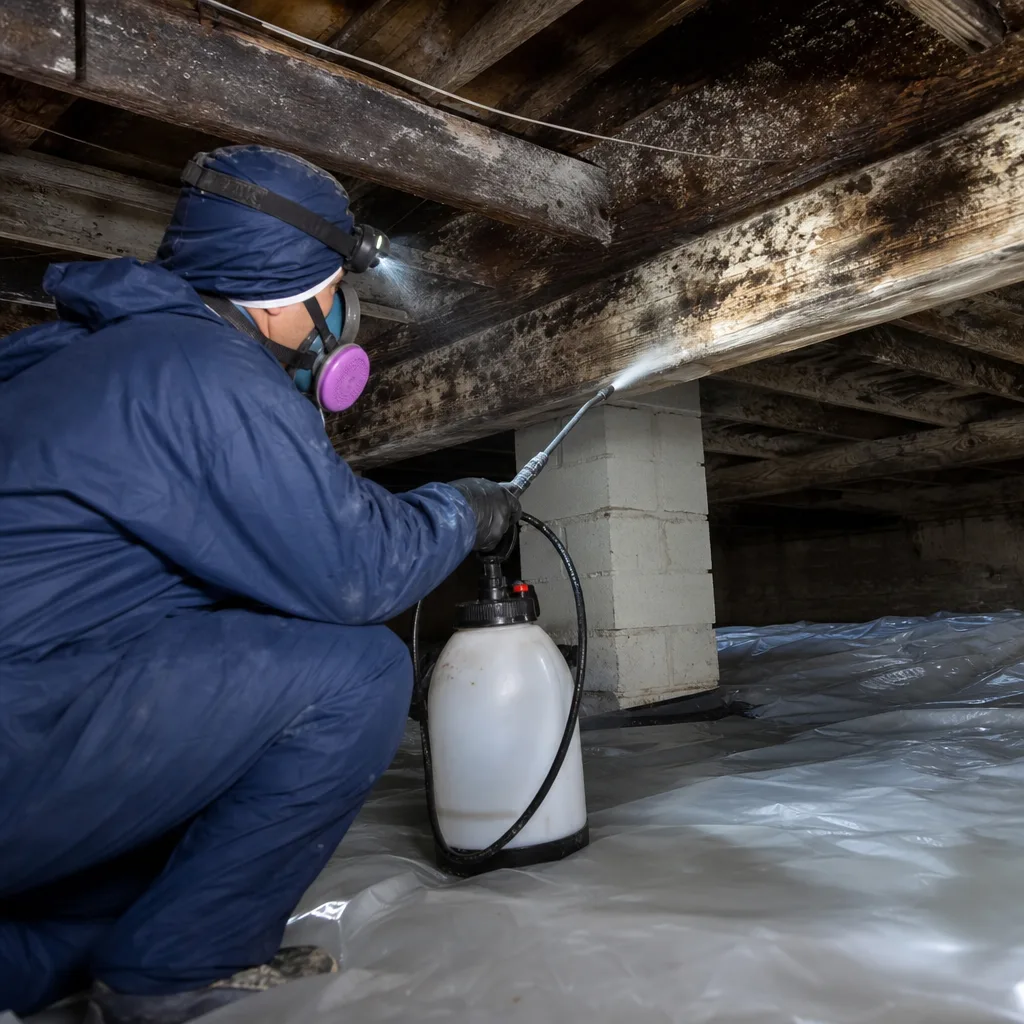
Sanitization in Long Island City is not a one-size spray-and-wipe job. The severity question hinges entirely on water category, and in this neighborhood the default assumption is Category 3, meaning contaminated, the highest classification on the IICRC scale. Category 1 is clean water from a supply line. Category 2 carries some contamination, maybe from a washing machine overflow. Category 3 is black water, sewage, river water, Superfund-adjacent groundwater, and it demands full microbial containment, HEPA air scrubbing, and disposal documentation that a Category 1 job never requires. Here the assumption matters because LIC’s two contaminated waterways, the East River to the west and Newtown Creek to the south, mean the water inside your building often has an industrial pedigree. Add older stock, converted brick factories with spray-applied asbestos fireproofing and lead paint on structural steel, and you’re looking at regulated material handling before drying even starts. Wade’s crew carries commercial-grade fogging equipment and XPOWER air movers, plus the IICRC training to know when a “routine” cleanup is legally and biologically something else.
Why Long Island City Property Owners Choose Wade’s Restoration
- 45-minute response commitment in Long Island City. Wade’s crew is already in the neighborhood, not coming from New Jersey dispatch. You’ll see a truck, not a tracking link.
- A real person answers, 24/7. Wade Ferris answers his own phone. At 2 a.m. during a sewer backup, you get the owner, not an answering service.
- IICRC-certified crews trained in WRT and AMRT protocols. This matters when the water in your lobby came through combined sewers that run beside a Superfund site.
- Free visual inspection. No trip charge inside our own county. We come, we assess, we give you a written number before anyone touches anything.
- Direct insurance billing. Wade deals with your adjuster directly. You’re never the one relaying moisture logs between two sides.
- One team from first extraction to final reconstruction. Same crew, same accountability. Wade’s name is on the truck and the contract.
Our Sanitization Services Process
Inspection & Assessment
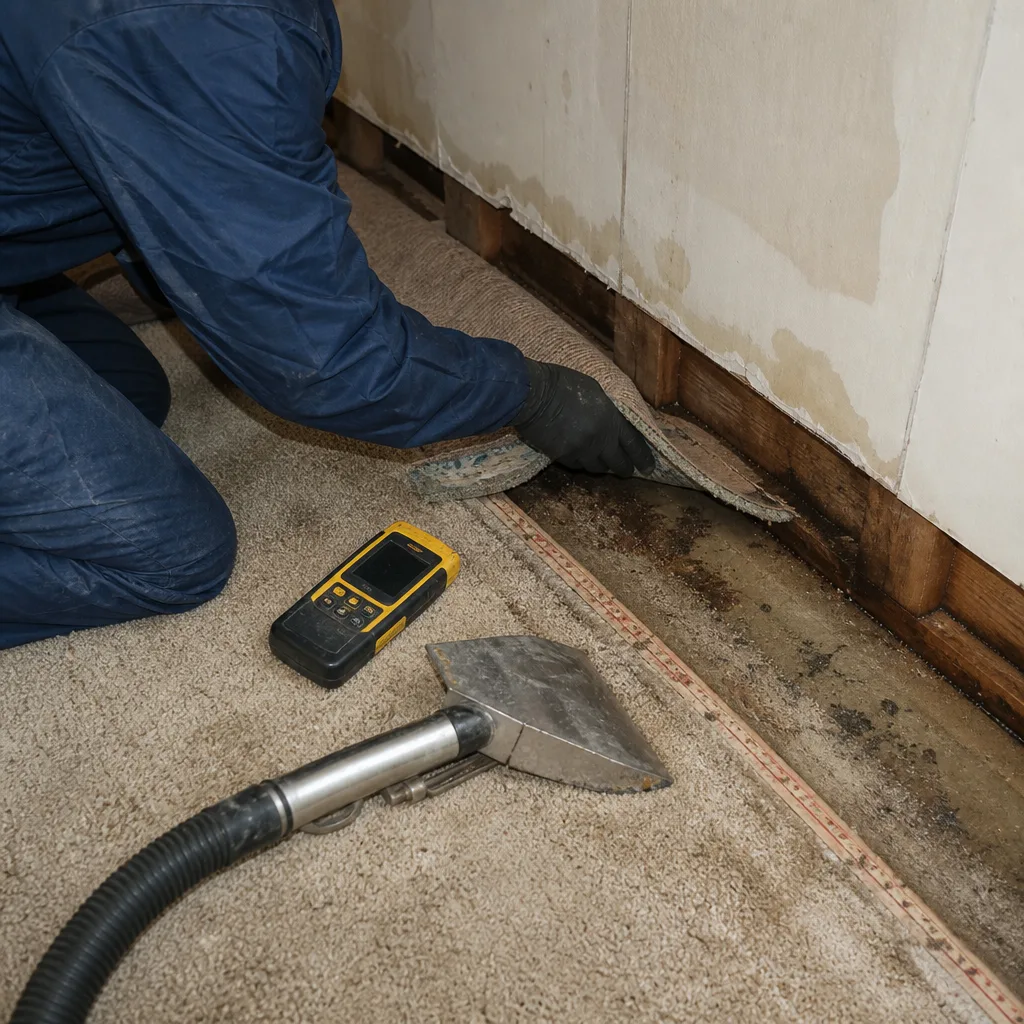
Wade or a senior crew member walks the affected space with a moisture meter and thermal imaging. We map the full extent of the water, not just the visible puddle. In Long Island City, that includes checking for water that tracked along old brick party walls and under non-standard concrete slabs, which is why Long Island City Water Damage Restoration starts with proper mapping.
Extraction / Stabilization
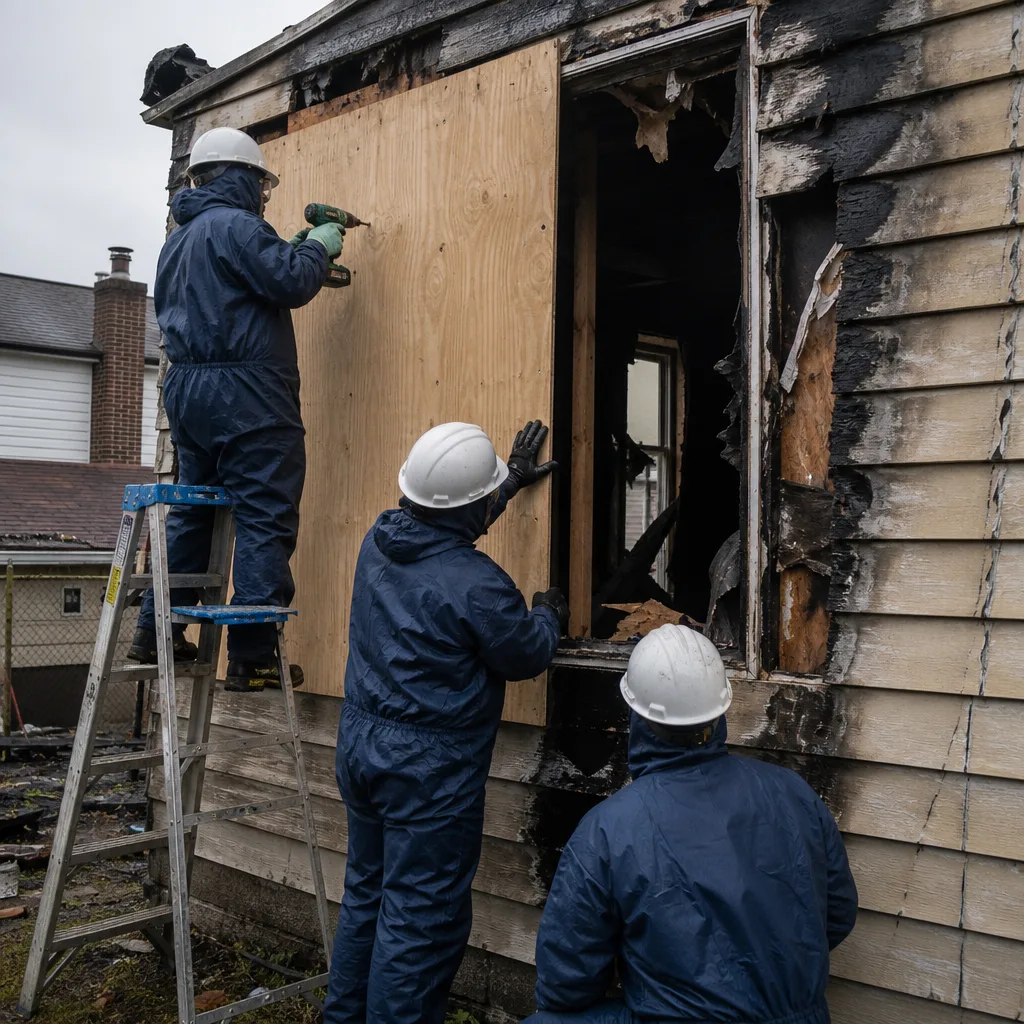
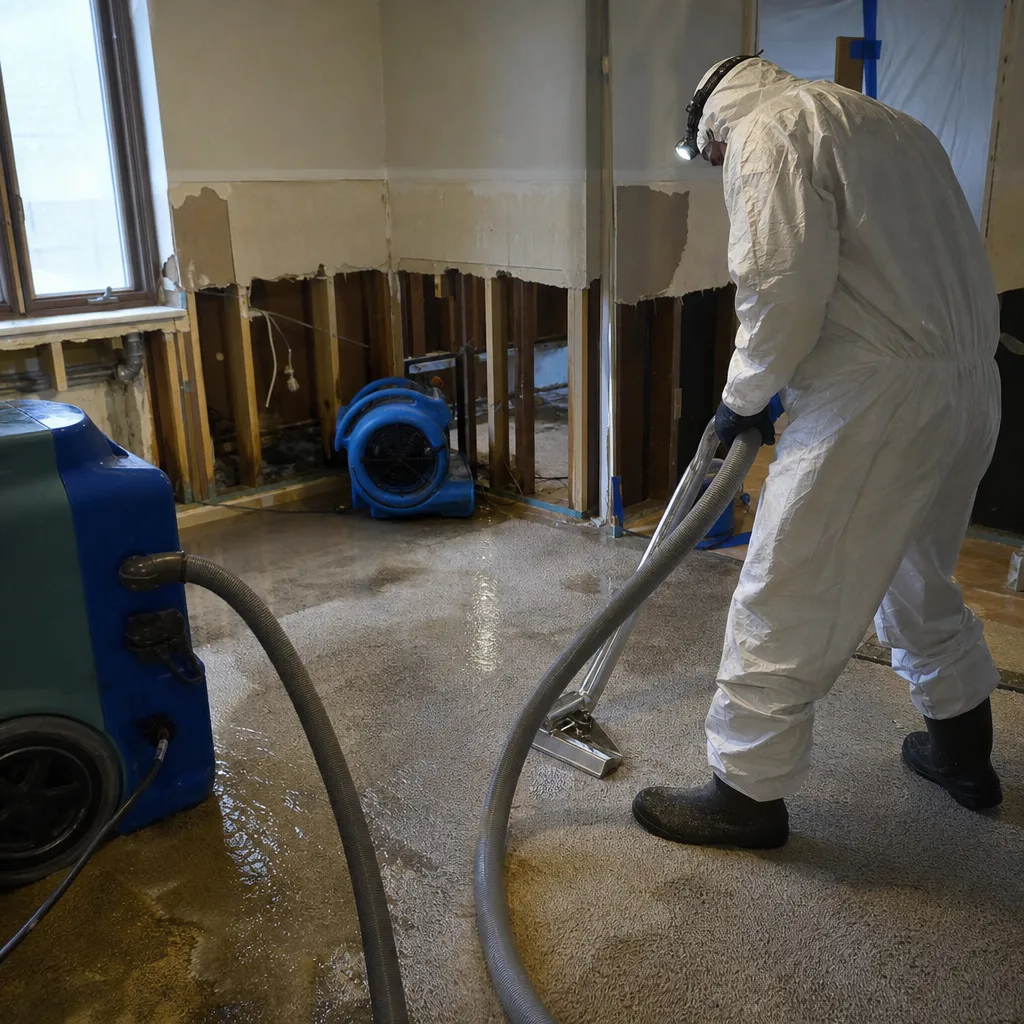
We remove standing water and contaminated material using truck-mounted extraction when the building allows it, or portable units in tight basement stairwells. If the water is Category 3, we set physical containment before any air movement begins, because you don’t want aerosolized pathogens drifting into a neighboring loft or up a shared stairwell.
Drying & Dehumidification
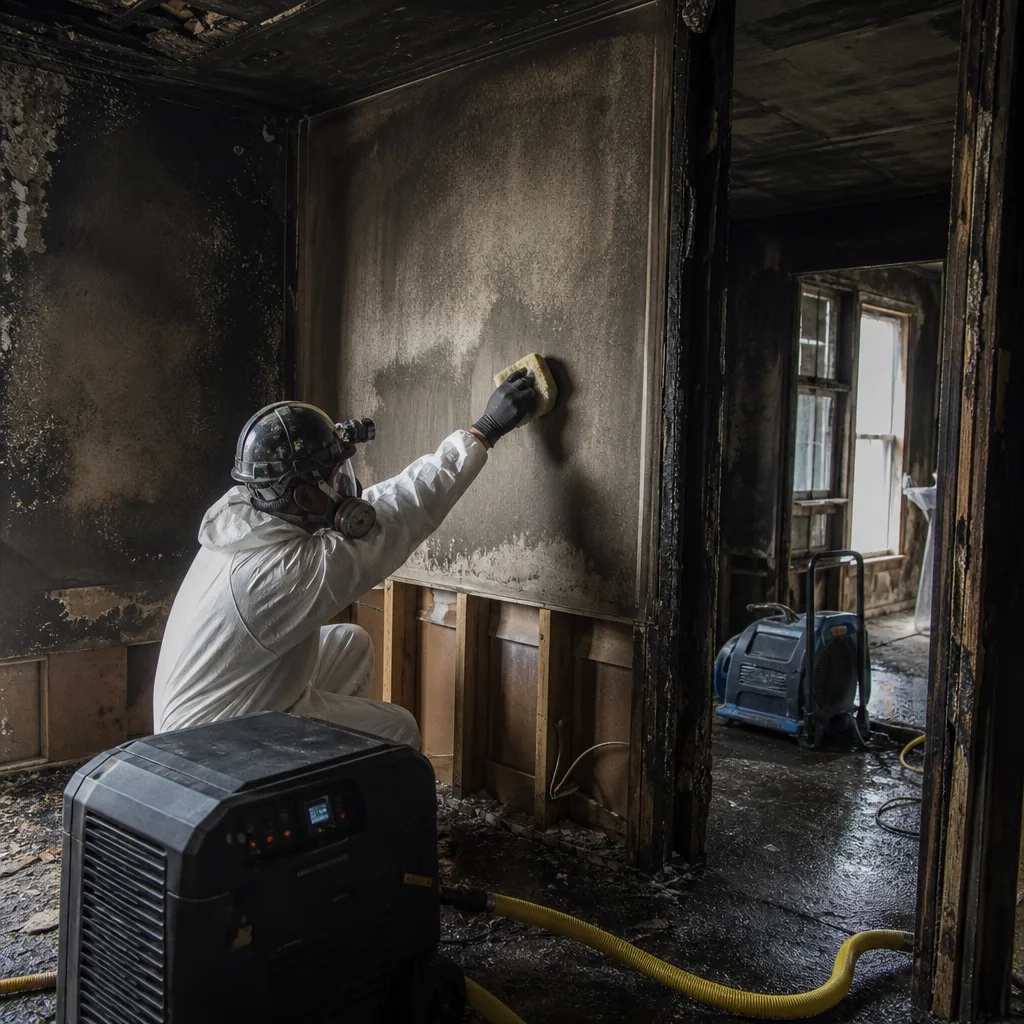
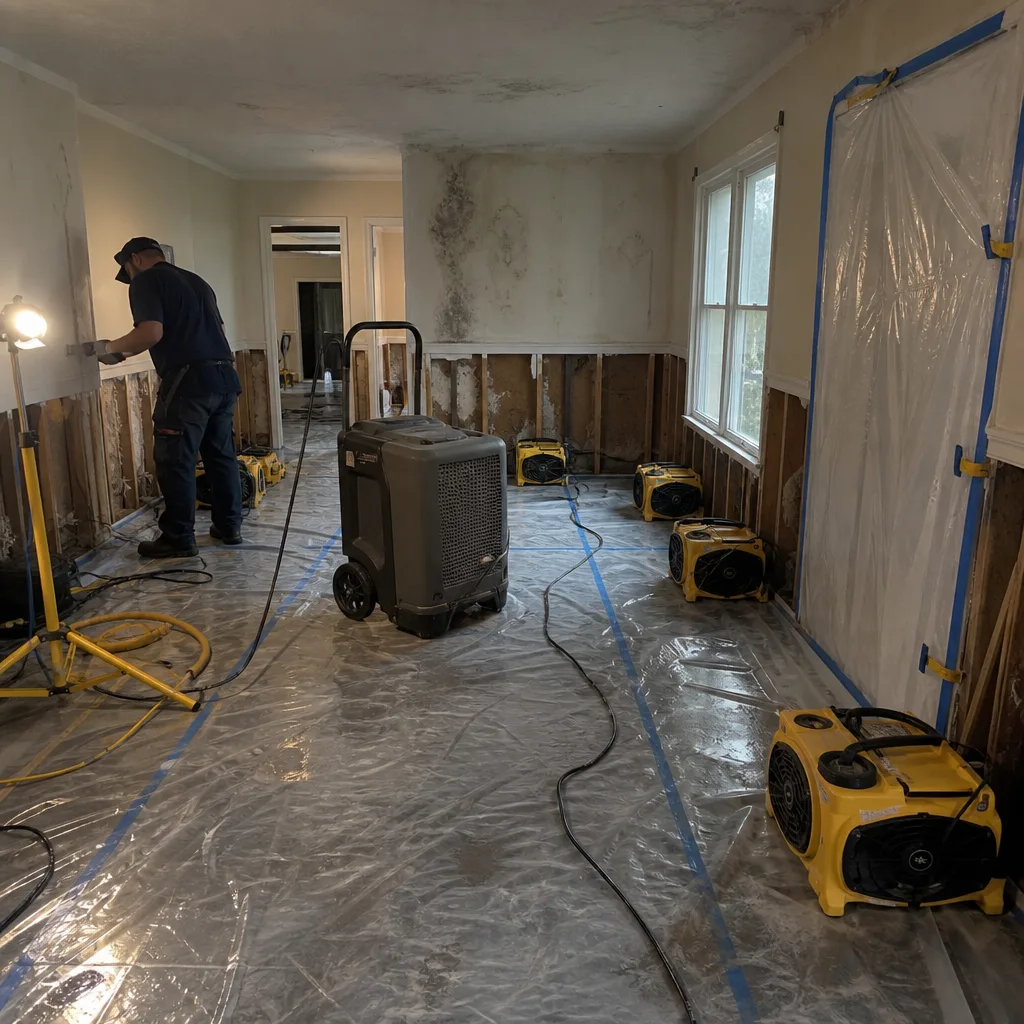
Structural drying starts only after stabilization and, in many LIC conversions, only after an abatement check on what’s inside the walls. We run Dri-Eaz dehumidifiers and XPOWER air movers on a grid calculated for the cubic footage, not a guess. Wade documents moisture readings daily.
Cleaning & Sanitization
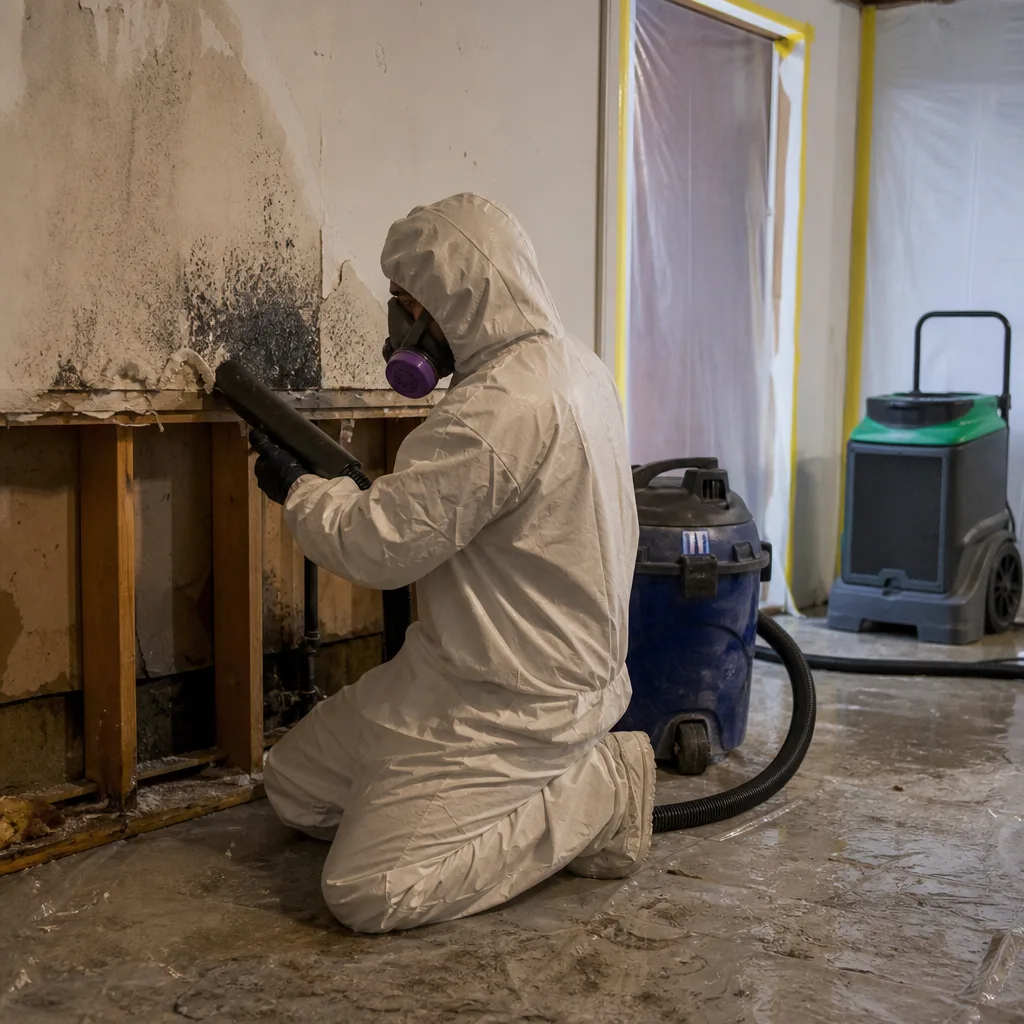
This is where commercial-grade fogging comes in. For a Category 3 event, we fog the containment zone with EPA-registered antimicrobial agents to knock down what you can’t see. Then we wipe every surface an occupant might touch, from door hardware to light switches.
Specialty Treatment for Long Island City Properties
If your building sits in the Newtown Creek corridor or the Hunters Point waterfront, we perform odor neutralization and virus and bacteria decontamination as a documented protocol, not an add-on, as part of Fire & Smoke Damage Restoration in Long Island City and related services. We treat exposed brick, timber beams, and steel columns with methods that clean without saturating historic or custom finishes.
Repairs & Restoration
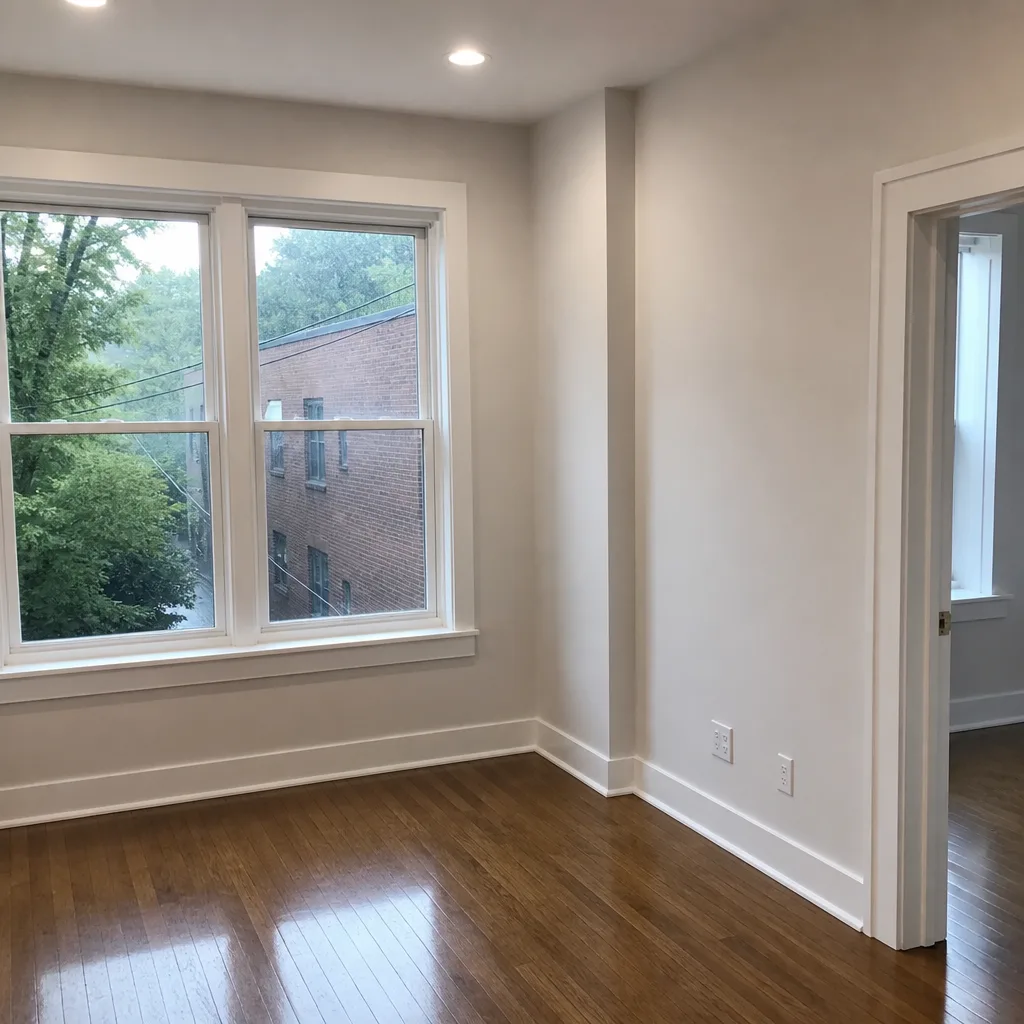
Once the affected space passes our post-sanitization clearance, we rebuild: drywall, flooring, paint. One crew handles it all, so there’s no finger-pointing later. You get a written 90-Day Done Right Promise on the restoration work.
Need Emergency Sanitization Services in Long Island City Now?
Crews minutes away, answering live 24 hours a day. The sooner we start, the less it costs.
Working With Your Insurance Company
Insurance is almost always in the room for a Long Island City sanitization job, even when nobody says it aloud. The good thing is that Wade handles adjusters directly. From the first hour, we document everything: photos of the standing water, room-by-room damage shots, moisture readings taken at intake and every day after, and a full drying log you can hand to anyone. The carrier gets a line-item scope of work with actual numbers, written in the software adjusters already use. This isn’t a handshake estimate. And because the Newtown Creek contamination angle is a thing, we document exactly why a given job required Category 3 protocols and licensed hazardous-waste hauling. That documentation is what gets a claim approved instead of kicked back for “insufficient evidence.”
What We Provide Your Insurer
- Thorough documentation of the loss
- Photos of all damage, room by room
- Moisture readings and drying logs
- A detailed, line-item scope of work
- Direct coordination with your carrier
Built for Long Island City’s Loss Calendar
The LIC loss calendar is a study in water pressure and infrastructure age. January and February bring deep freezes that burst supply lines in unheated ground-floor units in pre-war walk-ups along 36th Avenue and 31st Street. Spring thaw seeps into cellar spaces already saturated by decades of poor drainage. Summer thunderstorm flash flooding overwhelms the combined sewer system, sending raw sewage back through floor drains in converted factory lobbies. Autumn nor’easters push East River surge into the low-lying western waterfront, the FEMA Flood Zone AE areas around Center Boulevard and Gantry Plaza State Park. Add in a building stock split between 1920s brick warehouses, pre-war tenements, and post-2010 glass high-rises, and you get three very different sanitization needs: porous masonry that holds odor, tight floor plates that trap aerosols, and vertical concrete towers where water cascades down elevator shafts. It’s a two-waterway town, and that shows up on the calendar.
Sanitization Services Across Long Island City’s Neighborhoods
We move through Long Island City constantly. Hunters Point, with its waterfront towers and ground-floor retail, gets its share of East River surge events and sewage backups along Vernon Boulevard. In Court Square, the converted factory buildings often have original timber columns and masonry party walls, and a ground-floor backup in one of those spaces can wick six feet up through old brick in a day, so containment and fast drying matter more there. Dutch Kills, which backs onto Newtown Creek, is a whole different animal: we treat even shallow basement flooding there as presumptive Category 3, no exceptions. The development clusters near Queens Plaza and Jackson Avenue have their own pattern, mostly broken supply lines during cold snaps in buildings with mechanical rooms packed tight. And the blocks off 47th Avenue, where the heavy conversion work happened, bring the abatement questions. Asbestos fireproofing, lead paint on structural steel, non-standard slab assemblies. These details change what sanitization means.
Specialized Sanitization Services Services We Offer in Long Island City
Deep Disinfection
Deep disinfection in Long Island City means more than wiping counters. After a Category 3 event, we treat every horizontal surface, plus the verticals most people miss: stair risers, door frames, baseboards, the inside of electrical outlet plates. In a converted factory lobby with exposed brick, we use methods that kill pathogens without forcing disinfectant deep into porous masonry where it would linger and off-gas.
Virus & Bacteria Decontamination
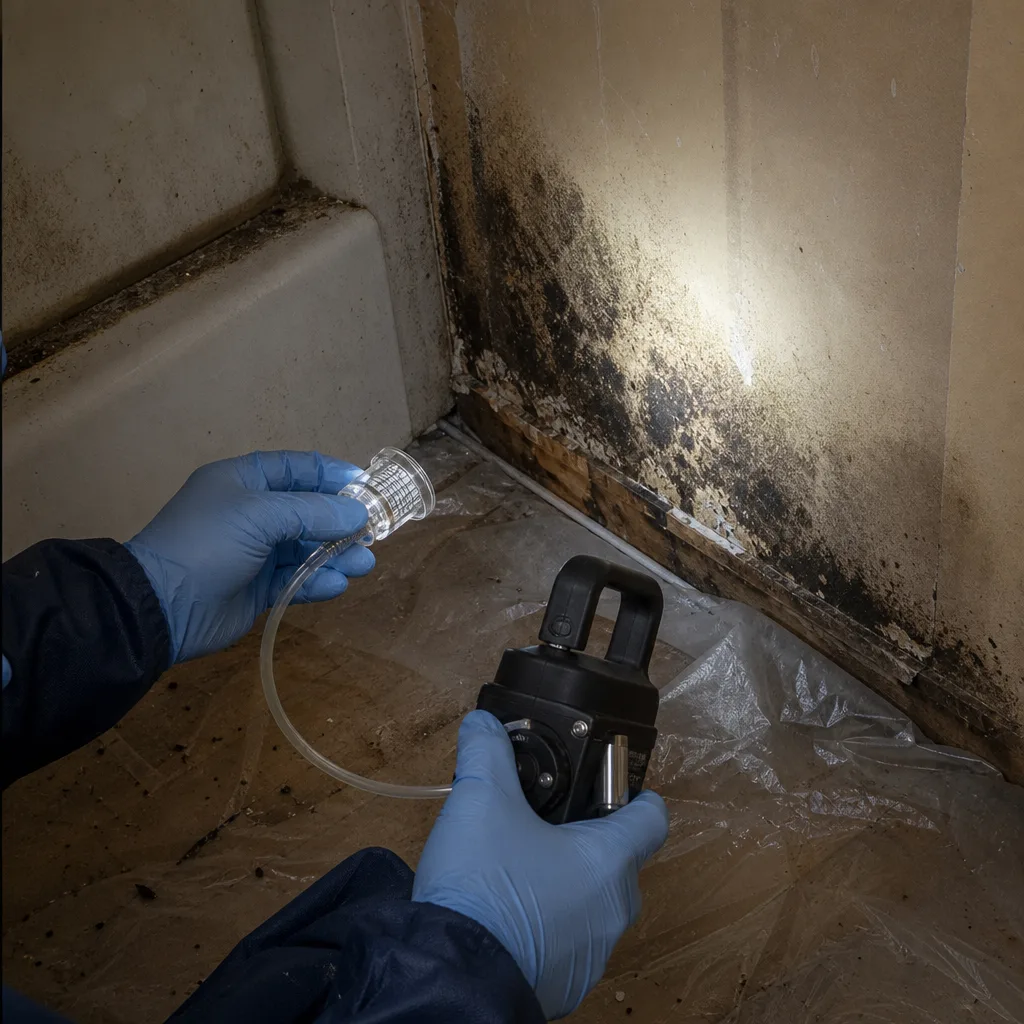
When a sewer backup or flood introduces viral and bacterial contaminants into a ground-floor apartment or a shared corridor, we treat it as a biohazard until proven otherwise. Our virus and bacteria decontamination protocol in Long Island City includes full containment, negative air pressure with HEPA filtration, and post-treatment surface sampling to show clearance. We don’t spray and walk away.
Odor Neutralization
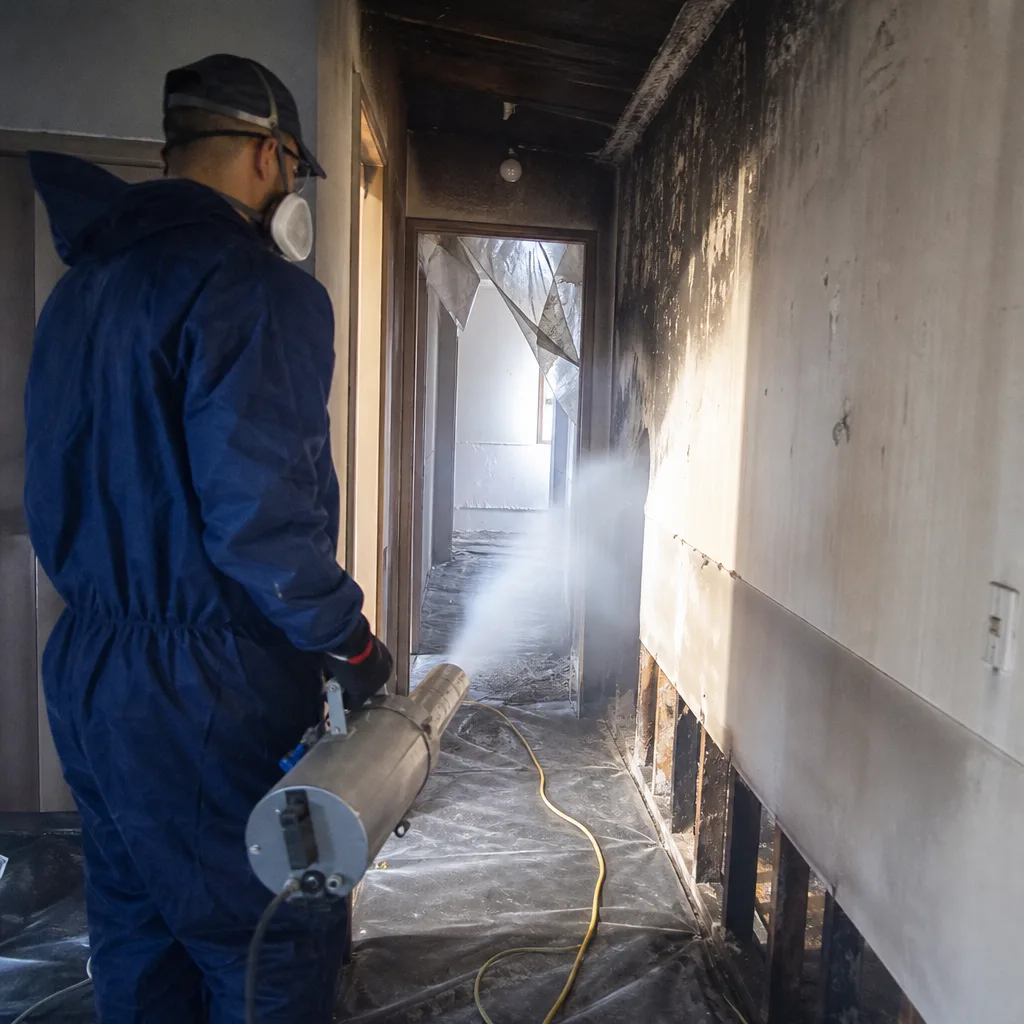
Odor is the thing people complain about months after the water is gone, especially in older LIC buildings where brick and wood have absorbed floodwater. We use commercial-grade fogging plus targeted neutralization on porous materials, and we don’t mask it with air freshener. If the odor source is still wet, we dry it first. Masking doesn’t work; removing the source does.
Air Duct Sanitization
Ductwork in Long Island City runs through every building type, from forced-air retrofits in pre-war walk-ups to central systems in new high-rises. If a Category 3 event happened anywhere near a mechanical return, we inspect and sanitize the ducts so you’re not blowing residual contamination through the entire unit. This is often the difference between a one-time sanitization and a recurring odor problem.
Commercial-Grade Fogging
For large spaces, converted lobbies, shared corridors, or a 40-story tower floor, we fog the affected volume with EPA-registered antimicrobial agents. Fogging reaches surfaces that wiping physically cannot: the gap between joists, the back of built-in shelving, the inside of a bulkhead. In densely occupied LIC buildings, we combine fogging with containment so we’re not pushing aerosolized product into a neighbor’s unit through shared plumbing chases or hallway door gaps.
Sanitization Services Costs in Long Island City, NY
A typical deep disinfection after a Category 1 or 2 water event in Long Island City runs $450 to $1,200 depending on square footage and surface types. A Category 3 sewer backup sanitization with containment, fogging, and clearance sampling, the kind we see near Newtown Creek and along the East River waterfront, realistically runs $3,500 to $9,000 or more, because the job includes hazardous-waste disposal documentation, negative air setup, and post-sanitization verification. Air duct sanitization alone runs $350 to $900 per unit, more if there are multiple returns or accessible plenums. Commercial-grade fogging in a converted loft or high-rise floor starts around $1,200 and climbs with cubic footage. What moves the price: building age, presence of asbestos or lead that triggers abatement clearance, how far water wicked into brick or concrete, and whether the event is Category 2 or Category 3. Insurance typically covers sanitization when it’s tied to a covered loss, especially with our documentation. For an exact number, call (201) 740-2235 and we’ll do a free visual inspection. The written scope comes before any work starts, so you know the number before we touch anything.
We Also Serve Cities Near Long Island City
We run sanitization calls across the immediate area, and a lot of our Long Island City work comes from referrals in nearby Astoria, where the buildings are slightly newer but the sewer infrastructure runs into the same combined system. If you’re just over the border and asking yourself whether it makes sense to call a Long Island City crew, it does. Wade heads out to Astoria regularly, same response time, same live human on the phone. Our full Sanitization Services team covers the neighboring blocks as part of the neighborhood, and our local page for Sanitization Services in Long Island City has the detail on what we see most.
Long Island City Sanitization Services Questions, Answered
Does a basement sewer backup in Long Island City always require Category 3 sanitization, or can it sometimes be treated as Category 2?
In Long Island City, a sewer backup is treated as Category 3 unless there’s clear evidence the water came from a clean source and stayed clean. The reason is simple: the local combined sewer system has documented infiltration from Newtown Creek’s plume of petroleum, heavy metals, and industrial solvents during high-water events. That fact, combined with FEMA Flood Zone AE along the East River, means we default to the highest category and adjust down only with evidence. Treating what looks like a routine pump-out as Category 2 in LIC is the mistake that gets people sick months later and leaves disposal documentation vulnerable. Call (201) 740-2235 and we’ll assess the actual water source and category honestly.
How do you sanitize a converted factory loft without damaging custom finishes or exposed brick?
We start by identifying what’s actually porous. Exposed brick absorbs and releases slowly, so we avoid saturating it with liquid disinfectants. Instead we use commercial-grade fogging to reach the surface with a fine antimicrobial mist, combined with targeted wiping on sealed surfaces like finished wood, metal, and glass. For custom finishes, we test a small area first. For exposed brick that has wicked contaminated water, drying comes before sanitizing, and we use controlled drying with moisture monitoring so the brick doesn’t spall or salt-stain. It’s slower, but it preserves the material. The fast approach ruins it.
What containment protocols do you use in a 40-story glass-and-steel high-rise when sanitizing after a flood?
In a high-rise, we set physical containment around the affected unit or floor using 6-mil poly sheeting and negative air pressure with HEPA-filtered air scrubbers. We seal off elevator shafts, stairwell openings, and shared plumbing chases when they’re part of the migration path. The point is to create a pressure differential so airborne contaminants flow into our containment and through the HEPA filter, not out into the hallway where your neighbors are walking by. For glass-and-steel towers near the waterfront, we also check mechanical rooms and common corridors, because water from an upper-floor pipe break doesn’t stay on one floor. It follows the risers down.
How fast can mold start growing in a Long Island City ground-floor unit after water intrusion?
Mold can begin colonizing porous materials within 24 to 48 hours of water intrusion, and in Long Island City’s ground-floor units the clock runs faster, making our Mold Remediation in Long Island City time-critical. The high relative humidity near Newtown Creek and the East River, plus the dense older masonry that holds moisture, creates conditions where mold takes hold quickly if drying hasn’t started. Which is why the first hour matters. If you’re in a ground-floor unit off Vernon Boulevard or in Dutch Kills and water came in, call (201) 740-2235 and get extraction running. Waiting a weekend is the most expensive decision in this trade.
Do I need to vacate my apartment during sanitization after a Category 3 flood?
It depends on the extent of the contamination and the layout of the unit. For a contained Category 3 event in a single room, we can often sanitize with the occupant staying if the containment zone is sealed and the living space is isolated from the affected area by a physical barrier and negative air. If the contamination spread across the entire unit, or if there are vulnerable occupants, children, elderly, immunocompromised, we recommend relocating during the active sanitization and drying period, which is typically three to five days. We’ll give you a straight answer at inspection, not after we’ve started.
How fast can you actually get to my Long Island City building?
Wade answers the phone live and can have a crew on-site in Long Island City within 45 minutes in most cases. That’s not a scripted promise from a call center; it’s the time it takes to drive from where the crew is working to where you’re standing. For sanitization emergencies, especially anything involving sewage or floodwater near Newtown Creek or the East River, that first hour determines whether the damage stays localized or spreads. Call (201) 740-2235. A real person answers.
Is sanitization after a sewer backup covered by insurance?
Most standard homeowners and commercial policies in Long Island City cover sanitization when it’s part of a covered loss, which a sewer backup usually is, provided the policy includes sewer and drain backup coverage. Some older policies exclude it unless it was added by endorsement. What makes the difference in whether the claim pays is documentation: we prove the water was Category 3, we show the containment we set, we log the moisture readings daily, and we provide the hazardous-waste disposal documentation if applicable. Direct adjuster communication from Wade saves you from being the messenger. We’ll tell you honestly at inspection whether the claim is likely to fly.
What should I do in the first 30 minutes after water comes into my Long Island City unit?
First, do not walk through standing water in a basement or ground-floor space if there’s any chance it’s connected to the sewer system. That water may be electrically charged from submerged outlets and biologically contaminated from the combined sewer. Turn off the power to the affected area at the breaker if you can do so without standing in water. Call (201) 740-2235. Move what you can from the path of the water if it’s safe, and stop using water in the unit to reduce what’s flowing back through the drain. Don’t attempt to sanitize or spray anything yourself. Category 3 water needs containment and proper disposal, not bleach from a spray bottle. That part matters in Long Island City more than almost anywhere.
Serving Long Island City, NY - Our Local Coverage Area
We’re based in the Long Island City area and know this community well. Use the map below to see our service coverage - if you’re nearby, we can almost certainly help.
One More Thing Long Island City Property Owners Should Know
The biggest mistake we see in Long Island City is treating a sewer backup as a normal flood. It isn’t. The neighborhood sits between two contaminated waterways, and the local sewer infrastructure has documented interaction with one of the most industrially polluted creeks in the country. We responded to a three-story converted warehouse off 47th Avenue where a combined-sewer backup had left six inches of Category 3 water across the ground-floor lobby. Our crew set full containment around the affected area, ran moisture mapping and moisture readings on the non-standard concrete slab, and used XPOWER air movers and Dri-Eaz dehumidifiers to begin structural drying only after a licensed hazardous-waste hauler removed the contaminated water and sediment. Because the building’s pre-loss condition included spray-applied asbestos fireproofing on structural columns, we coordinated with an abatement team before any further restoration could proceed. That’s what a correct job looks like here. It’s slower, it’s documented, and it’s the only way that doesn’t create a bigger legal and health problem six months later. Skip the documentation on a Newtown Creek-adjacent disposal and you’re looking at EPA/CERCLA exposure. Start drying before asbestos testing and you’ve just sent the problem into the air system. These aren’t corner cases in LIC. They’re the default. That’s why we run sanitization as a containment-driven protocol, not a spray-down.
Written by Wade Ferris, Owner at Wade’s Restoration, serving Long Island City with local crews and a live answer on the phone, 24/7.
Why Long Island City Chooses Wade's Restoration
We set the standard for sanitization services in Long Island City.
Documented for Your Claim
Every job is photographed before, during and after, with moisture logs where they apply. We hand the full file to your adjuster and bill your insurance directly - you are never the one relaying it.
Licensed & Insured
Fully certified technicians who meet all local and state licensing requirements.
Upfront Pricing
No hidden fees, no surprises. You approve the price before any work begins.
Guaranteed Work
Every repair and installation is backed by our workmanship warranty and satisfaction guarantee.
How It Works in Long Island City
Getting your sanitization services handled is simple and fast.
Call or Request a Free Estimate
Tell us about your sanitization services needs and we provide an upfront, transparent quote - no obligation, no hidden fees.
Licensed Technician Dispatched
A background-checked, certified technician arrives in Long Island City - typically within 30-60 minutes, with parts stocked on the truck.
Problem Solved, Guaranteed
We complete the job to your full satisfaction, backed by our warranty and 100% satisfaction guarantee.
What happens when you call
- 1A real person answersNo phone trees - talk to a local sanitization services pro.
- 2You get an upfront price rangeHonest numbers before anyone is dispatched. No surprises.
- 3We come out and measureLicensed & insured, at a time that suits you - the visit and the quote are both free.
- 4You get the price in writingLine-itemed, yours to keep, and nothing starts until you say go.
What Long Island City Customers Say
Trusted by homeowners across Long Island City and surrounding areas.
"Same company did the dry out and then the rebuild, so there was no gap where I had to go and find a builder myself with the house half open."
"Sewer backup into the basement, which is about as bad as it gets. Full protective gear, everything porous out and bagged, sanitised properly, and you would never know now."
"He talked me through what would happen next while I was still standing in the water crying down the phone at him. That was worth as much to me that night as the equipment."
Our Work in Long Island City
A look at recent damage restoration projects across Long Island City and surrounding areas.
Ready for Sanitization Services in Long Island City?
Call now for a free estimate - or request one below. Licensed, insured, and here with fast after-hours help in Long Island City.
(201) 740-2235Request a Free Estimate in Long Island City
Tell us about your sanitization services needs - we'll respond within the hour.