
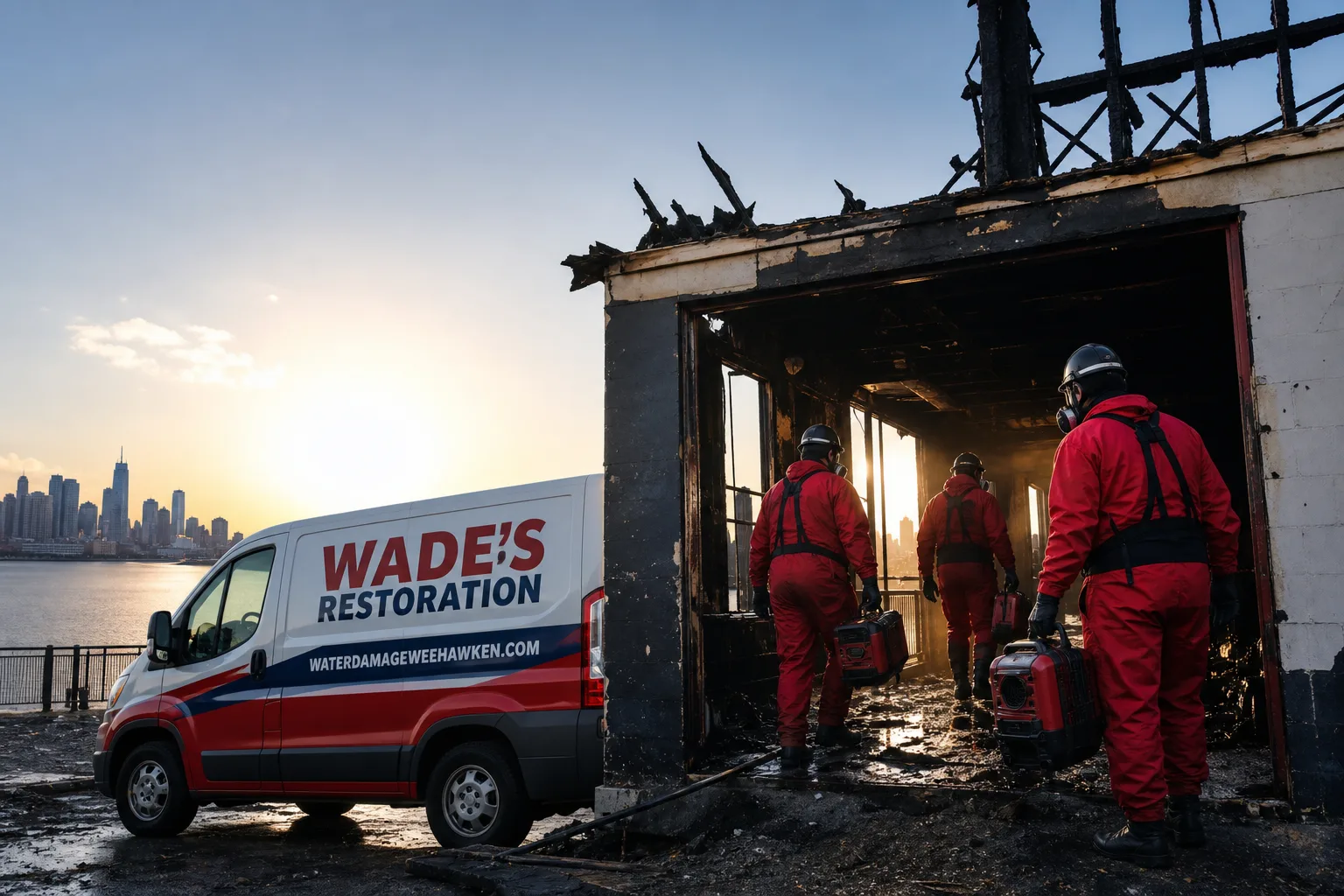
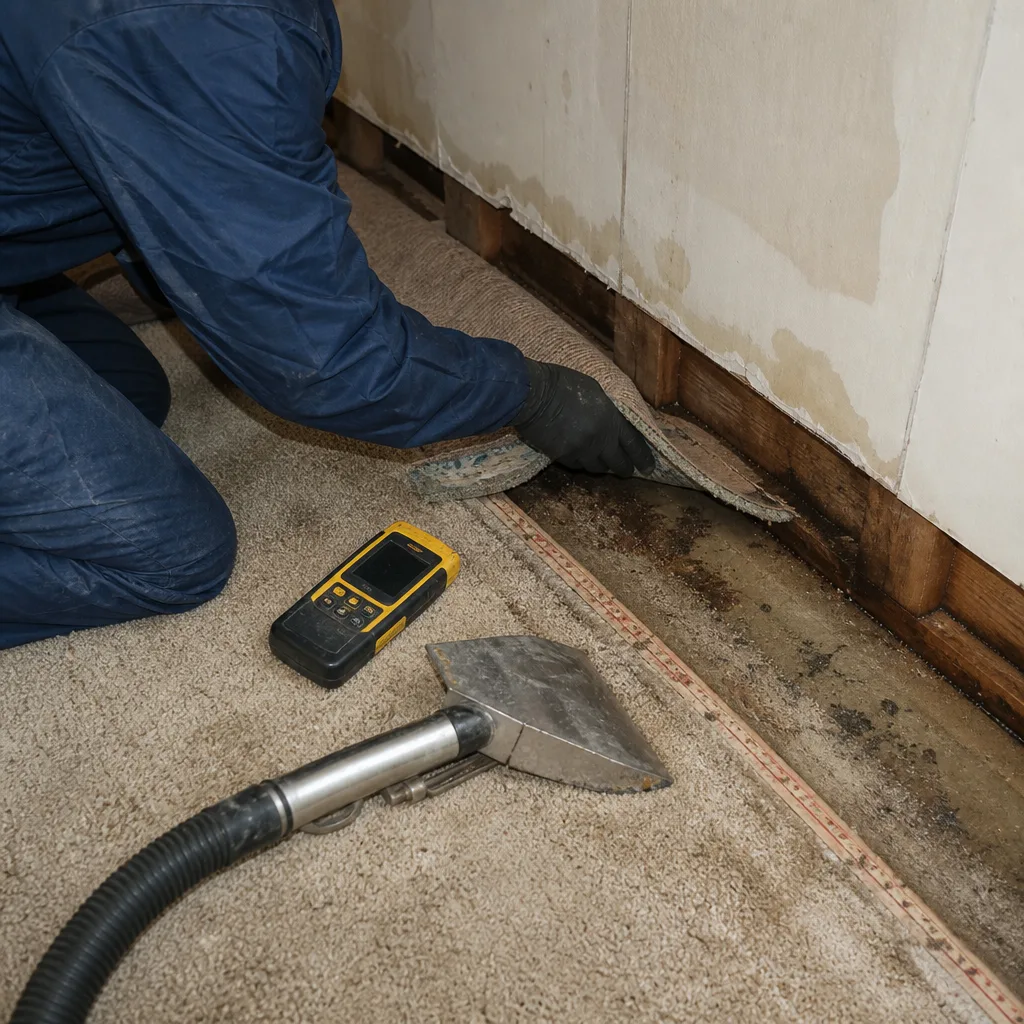
Free visual inspection and a written scope of work before any mitigation begins - photos, moisture readings, and drying logs go in your claim file
The scope we write is the scope we bill. Anything new gets shown to you, in writing, before we touch it.

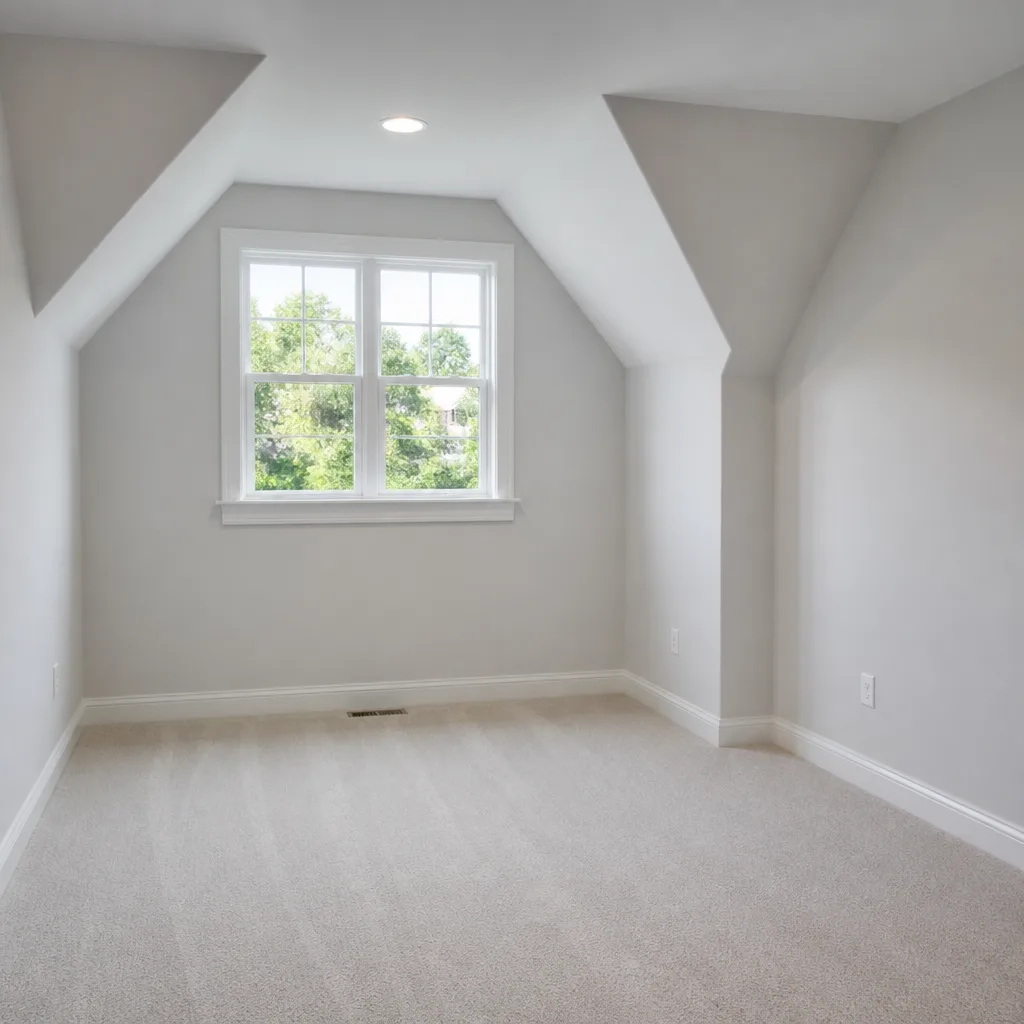
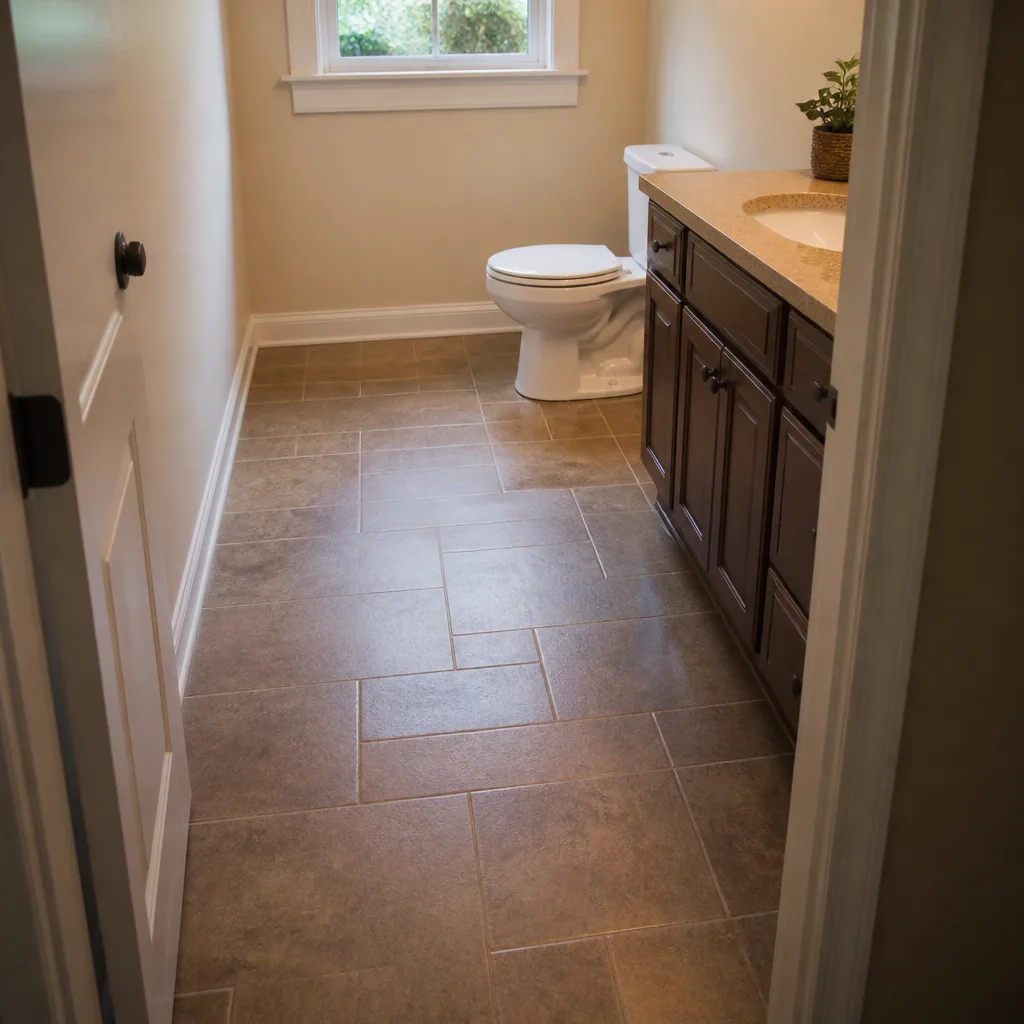
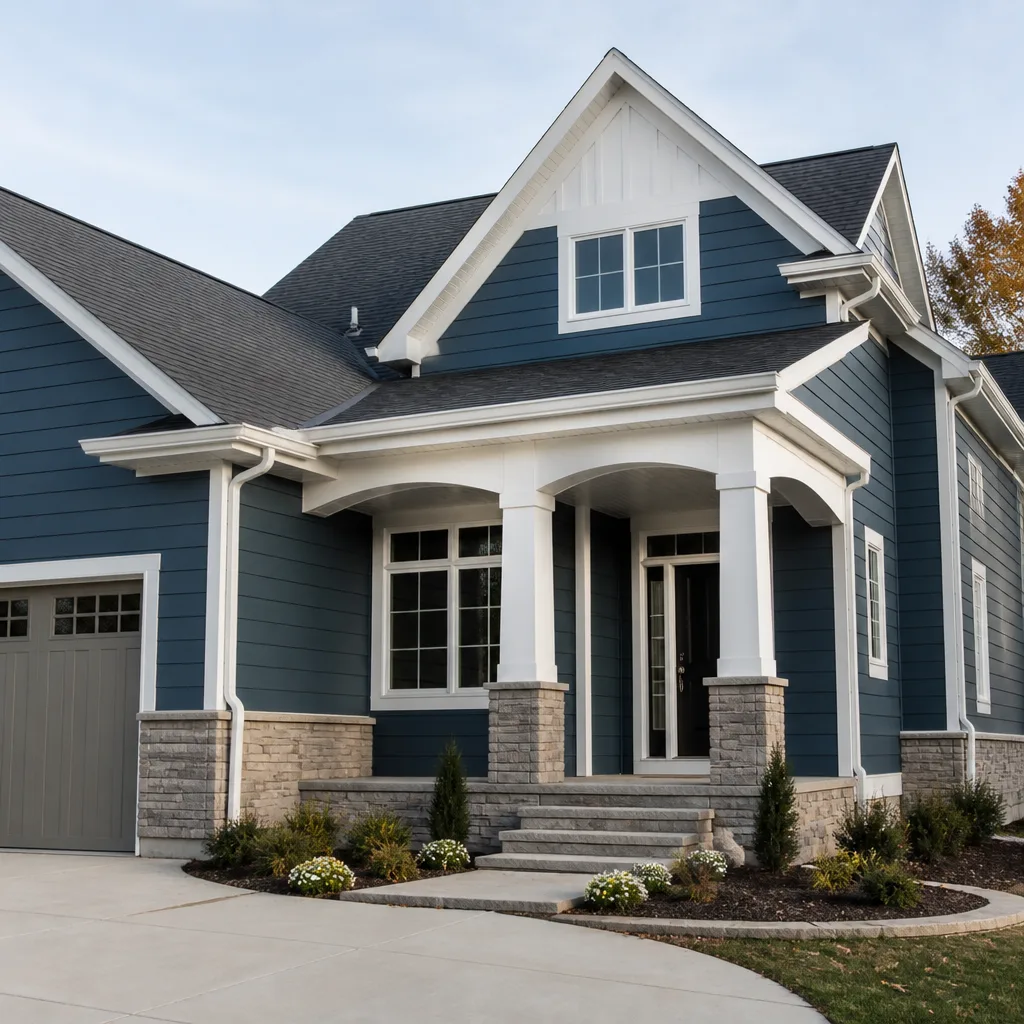
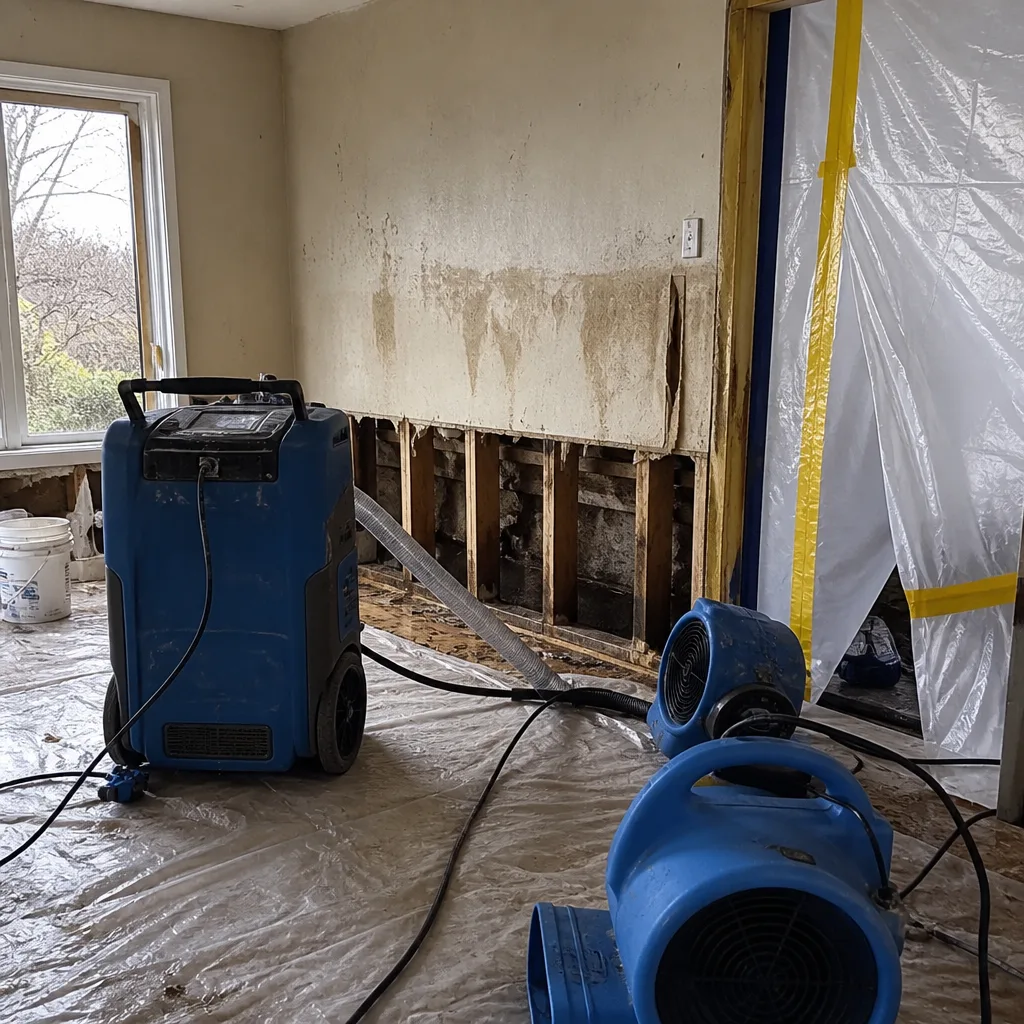 Before
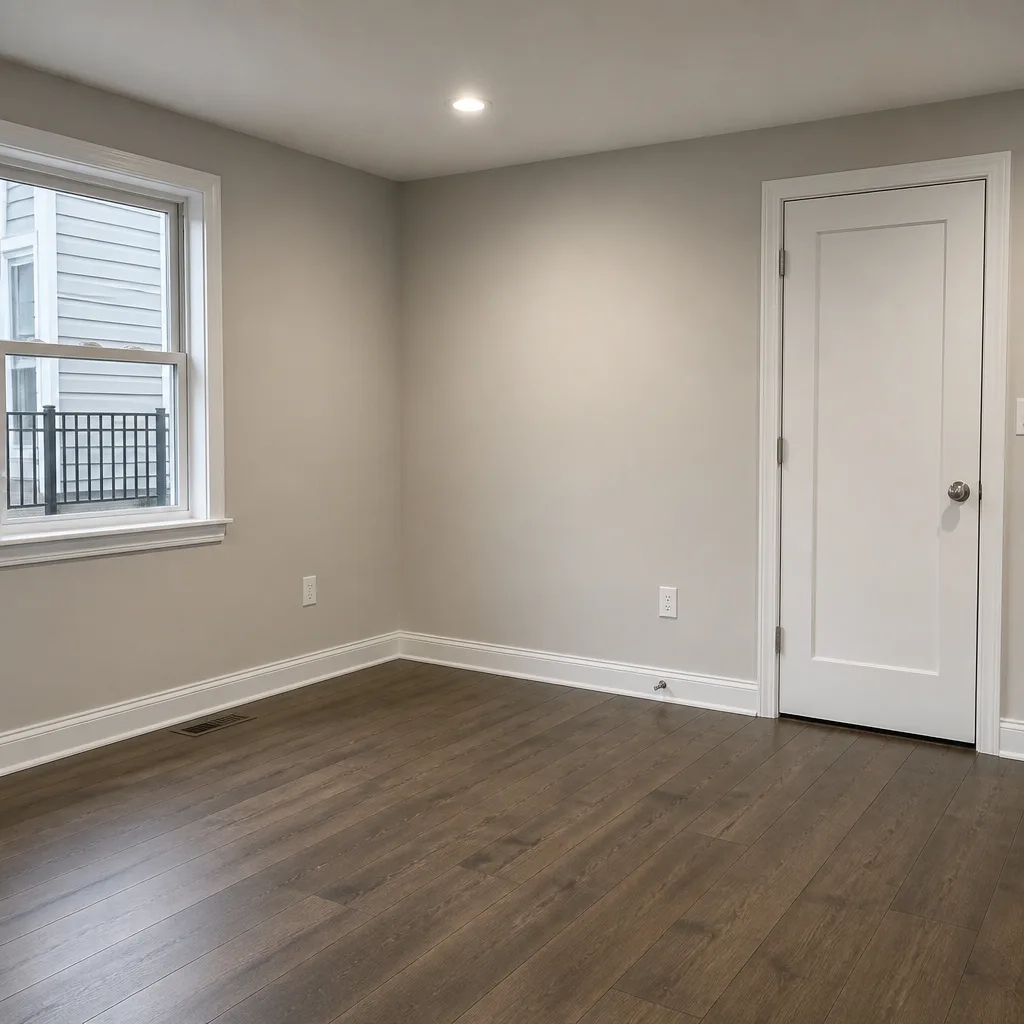 After
After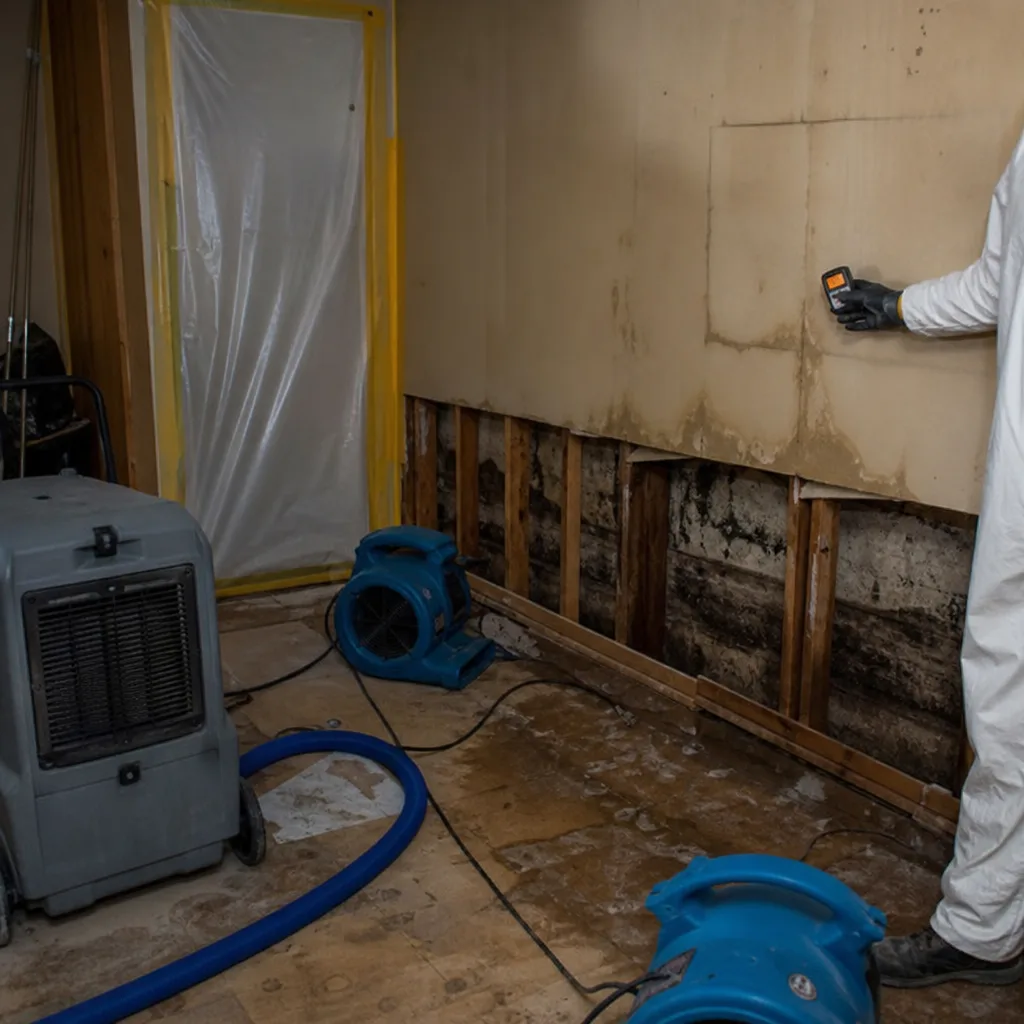 Before
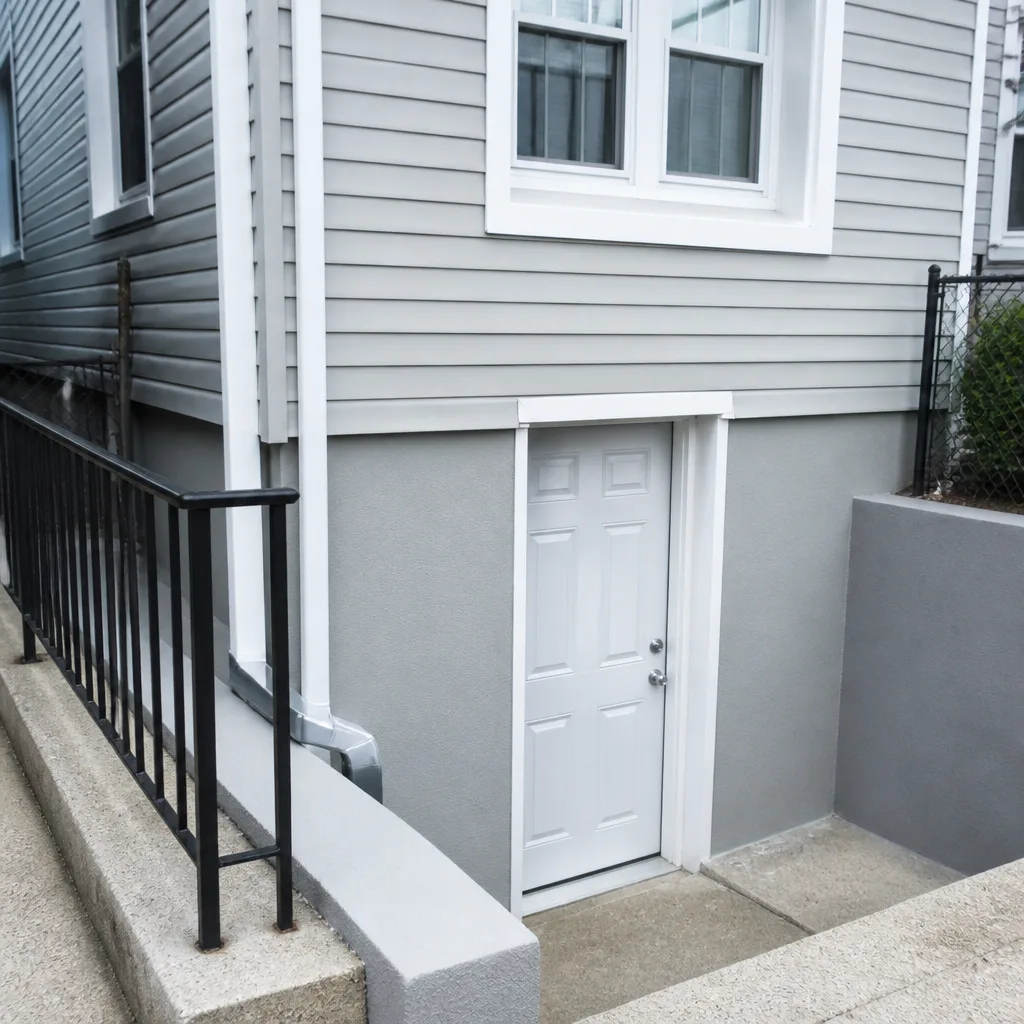 After
After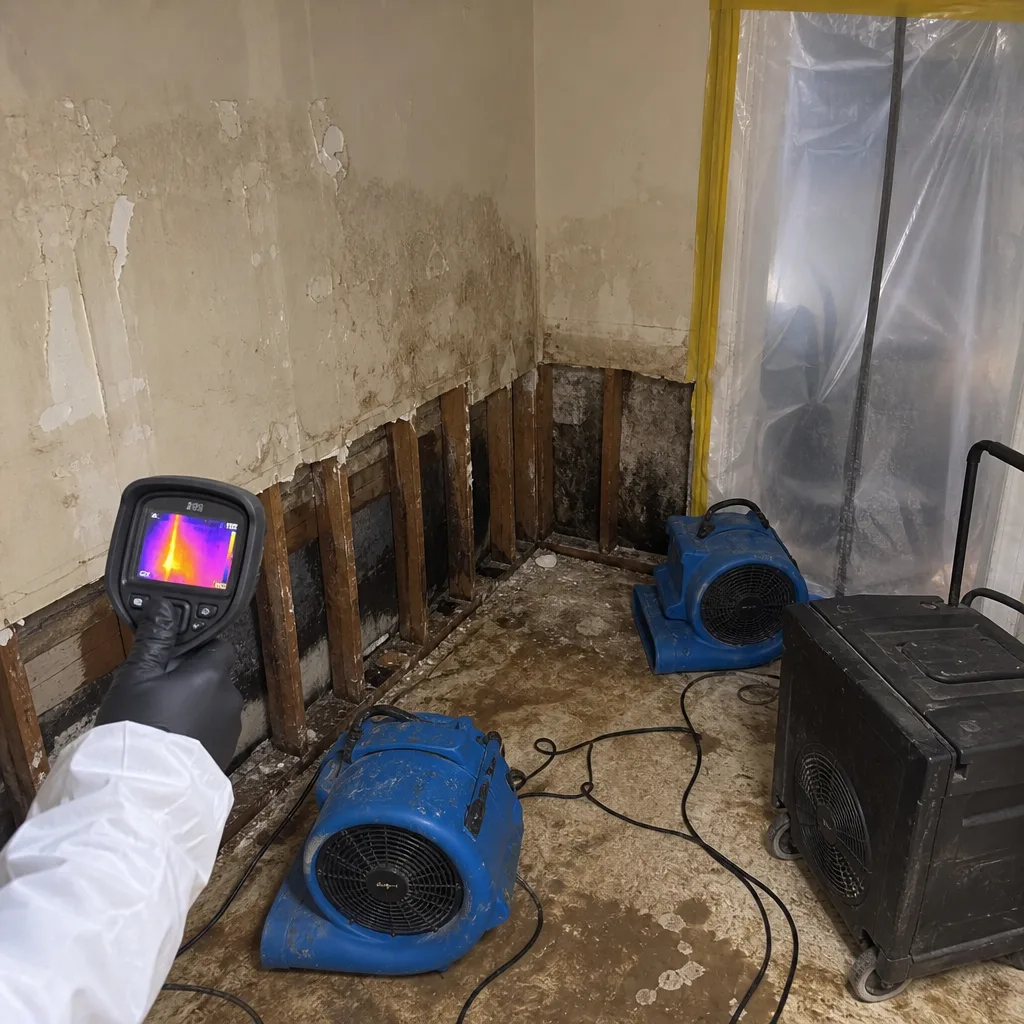 Before
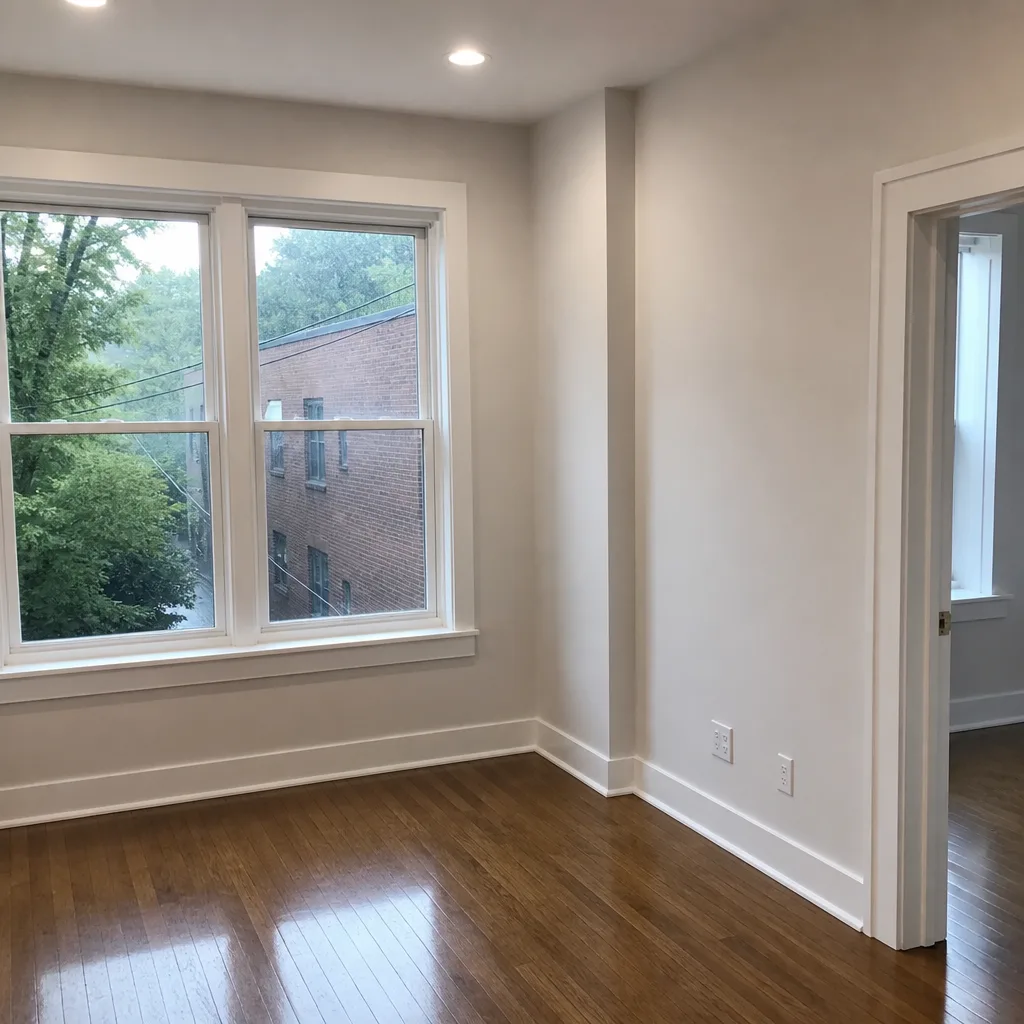 After
After24/7 Emergency Fire & Smoke Damage Restoration in Long Island City
Fire and smoke restoration in Long Island City isn’t a nine-to-five job, because fire doesn’t check the clock. Our crews answer live around the clock and head into Long Island City the moment you call (201) 740-2235. The first hour after a kitchen fire or electrical burn matters most: soot is acidic and begins etching glass, grout, and metal fixtures within hours, and smoke odor drives deeper into drywall, wood, and fabric the longer it sits. We do a free visual inspection and get containment and air scrubbing running fast, so the damage stops spreading while you figure out the insurance side. Wade Ferris answers his own phone, day or night. If a fire hits your home in Hunters Point, Court Square, or anywhere else in the 11101 or 11109 zip codes, you’ll talk to a person who can have a crew on the road, not a call center in another state.
Understanding Fire & Smoke Damage Restoration Severity in Long Island City Properties
Not all smoke is the same, and Long Island City’s building stock makes the differences sharper than in most neighborhoods. Protein fires, the kind from burnt food, leave a thin, nearly invisible residue that stinks for weeks and coats cabinets and walls. Synthetic fires, from plastics and foam in modern furnishings, produce thick black soot that smears when wiped wrong and requires chemical sponges plus HEPA vacuuming before anything gets repainted. Natural fires, from wood and paper, leave an easier-to-clean grey ash. But the real complication in LIC is the building itself. Early-1900s converted factories in Hunters Point and Court Square often have open floor plates and exposed steel columns with spray-applied asbestos fireproofing. Smoke drives soot into that coating’s surface texture, which means structural drying and odor treatment can’t legally proceed until a licensed abatement team tests and clears the material. In a pre-war walk-up, smoke travels through chase ways, party walls, and original plaster, leaving odor reservoirs that show up weeks later if the crew only sealed the visible walls. Post-2010 high-rises near the waterfront have modern fire suppression and compartmentalization, but smoke still migrates through HVAC returns and shared corridors. Severity here isn’t just about flame damage. It’s about what the smoke touched, what the building is made of, and what tests come back before anyone rebuilds.
Why Long Island City Property Owners Choose Wade’s Restoration
- Wade answers his own phone. Not a dispatcher, not an answering service. The owner picks up at 2 a.m. and heads out himself.
- Crews inside Long Island City fast. We commit to a 45-minute response for emergencies, and we’re already familiar with LIC’s converted lofts, walk-ups, and high-rises.
- IICRC-certified crews. FSRT for fire and smoke, WRT for water damage from suppression, and AMRT where mold from extinguisher water is a risk. The certifications match the job.
- Free visual inspection, always. We look, we tell you what we see, and you decide. No charge for that.
- Direct insurance billing and adjuster communication. Wade talks to your carrier, sends the photos and the scope, and you’re not the one relaying messages between two sides.
- One team from board-up to rebuild. The same crew that sets containment also handles the structural repair, so nobody blames somebody else at the end.
Our Fire & Smoke Damage Restoration Process
Inspection & Assessment
We walk the whole property, not just the burn room. Thermal imaging shows heat damage behind walls, and we test surfaces for soot type. In LIC’s converted factories, that includes looking at exposed steel and any suspect spray-applied fireproofing before we touch it.
Extraction & Stabilization
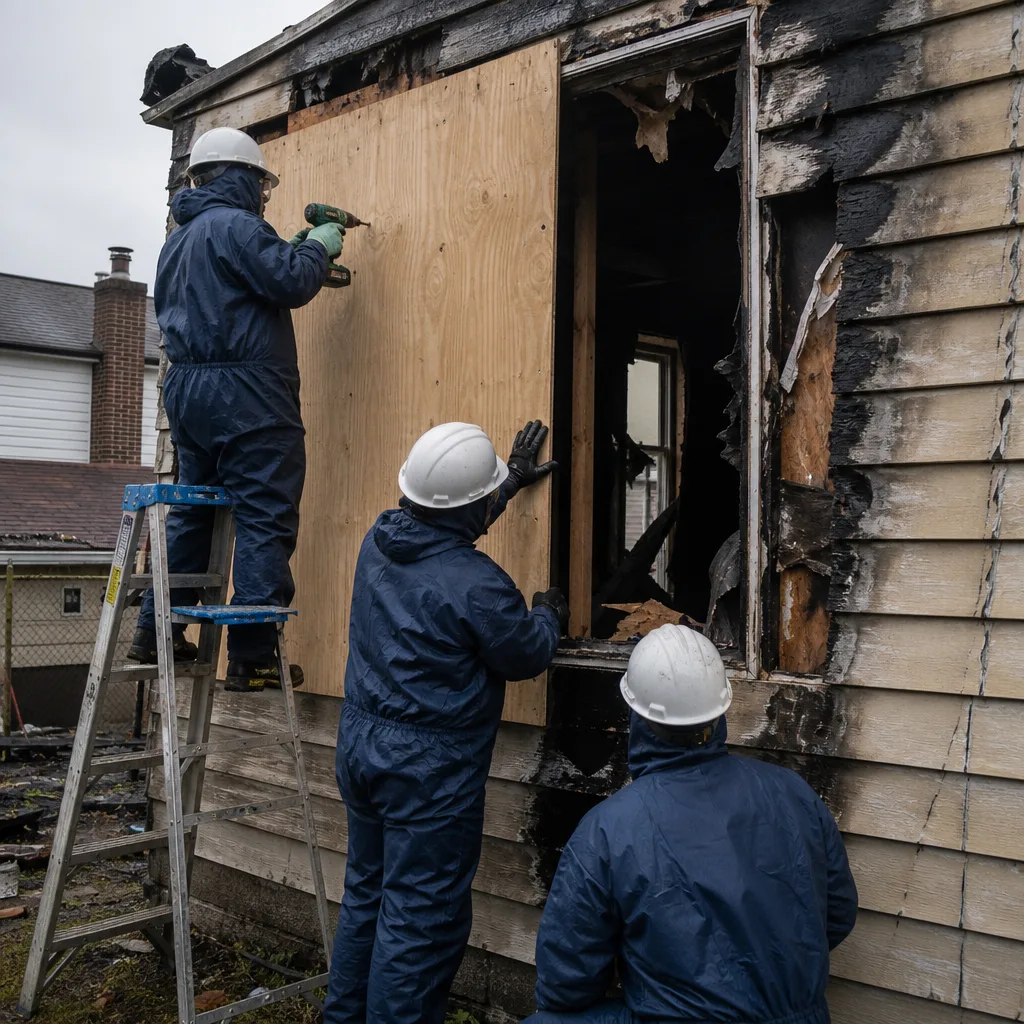
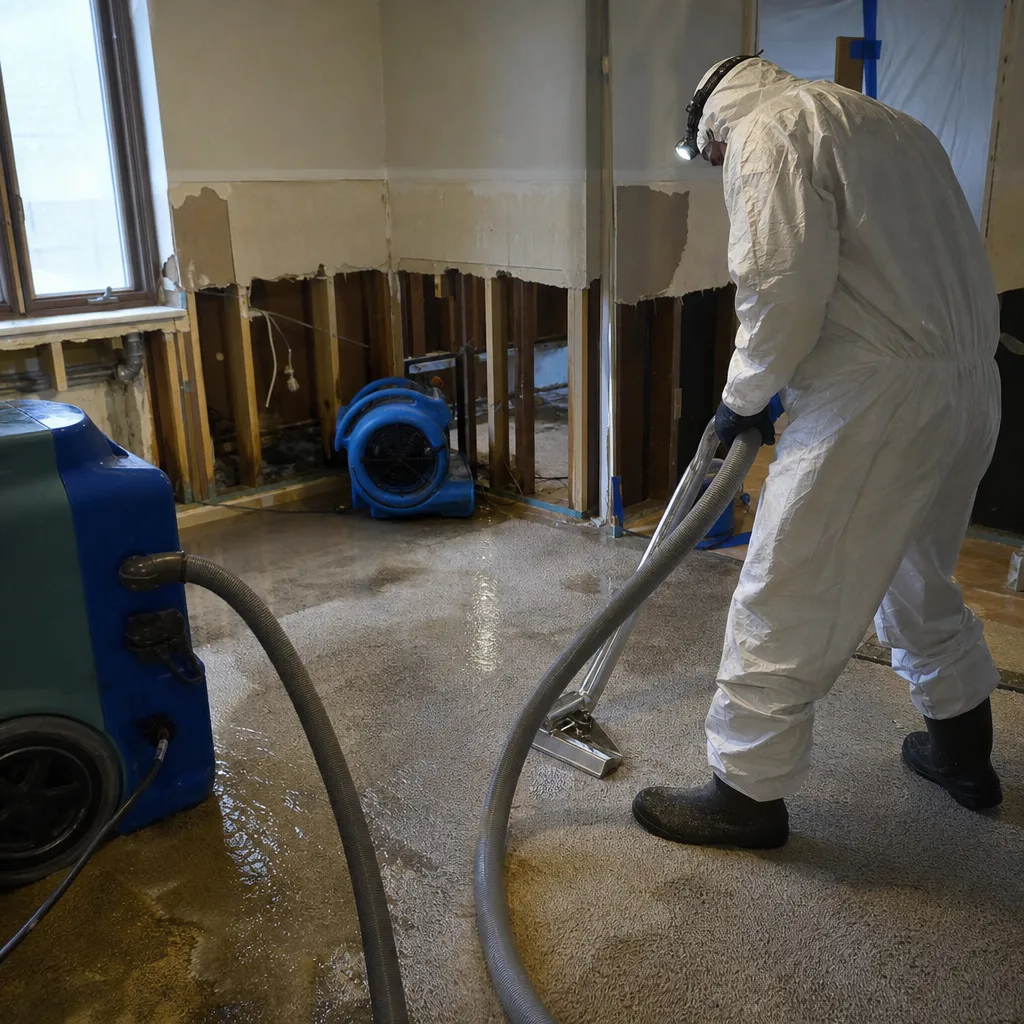
Fire suppression leaves water everywhere. Portable extractors pull standing water from floors and cavities, and we remove charred, unsalvageable material. If the fire broke windows or compromised the roof, board-up and tarping goes up on the first visit to stop weather and trespassers.
Drying & Dehumidification
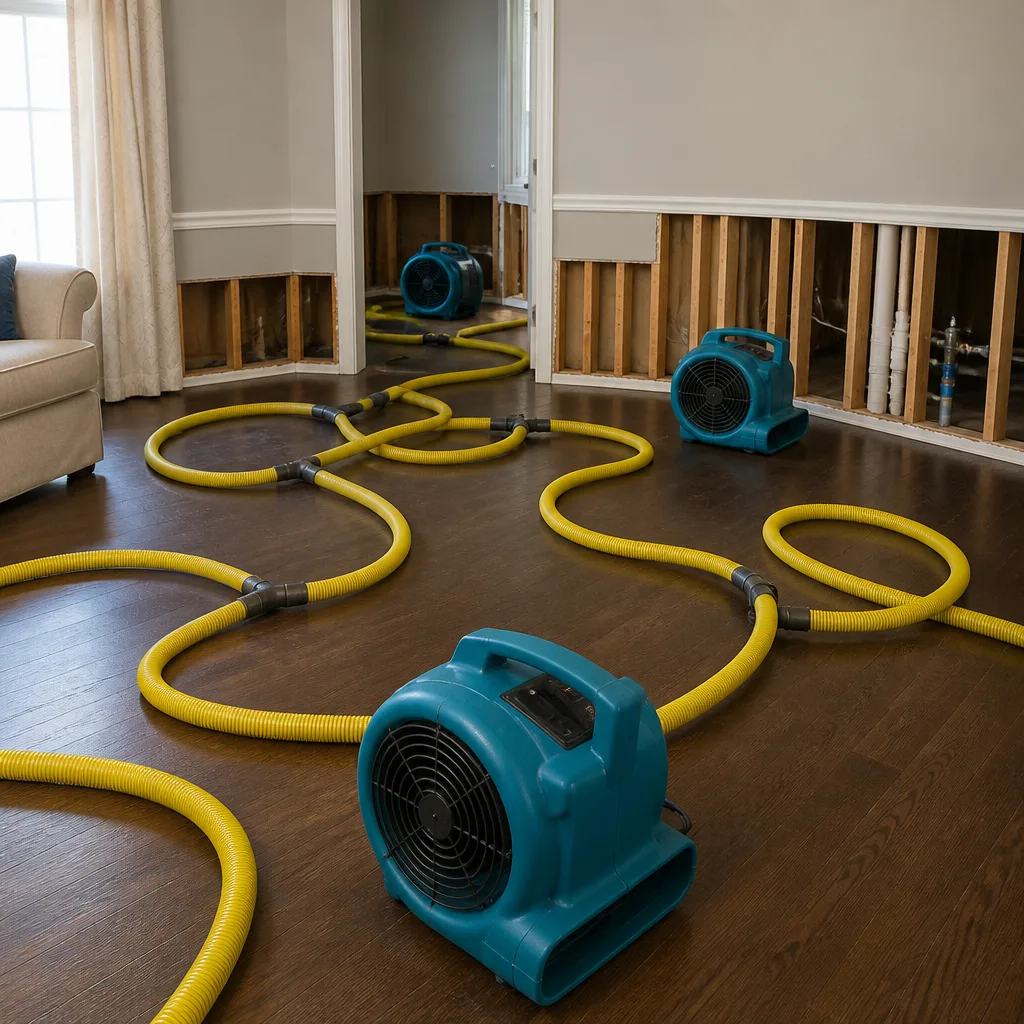
Air movers and LGR dehumidifiers from B-Air and XPOWER run until moisture readings hit the dry standard. We log readings daily and hand you the full log at the end. In pre-war walk-ups, we watch shared wall cavities so drying one unit doesn’t breed mold in the neighbor’s.
Cleaning & Sanitization
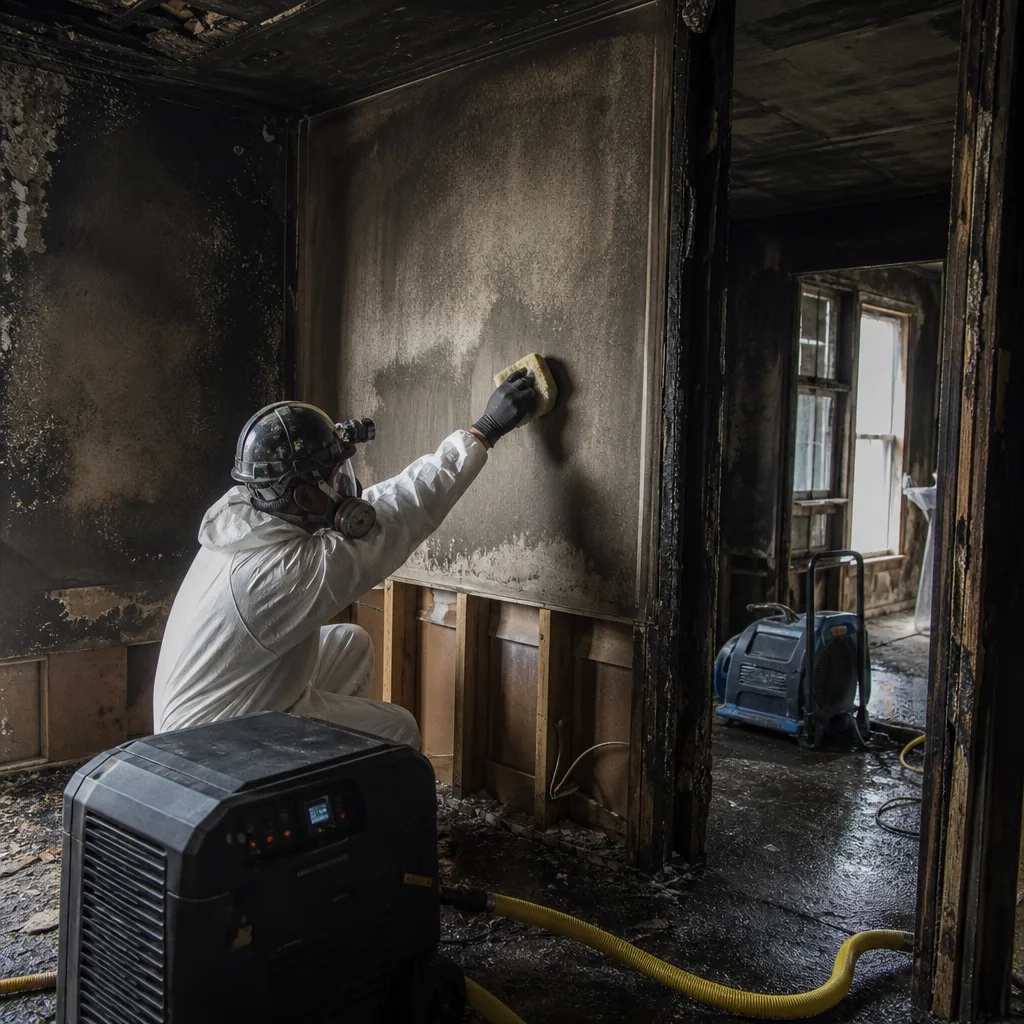
HEPA air scrubbers run throughout to pull airborne soot, and we use chemical sponges, HEPA vacuums, and appropriate cleaning agents room by room. Soot in mortar joints and brick party walls gets special attention; a surface wipe here isn’t enough.
Odor Removal & Deodorization
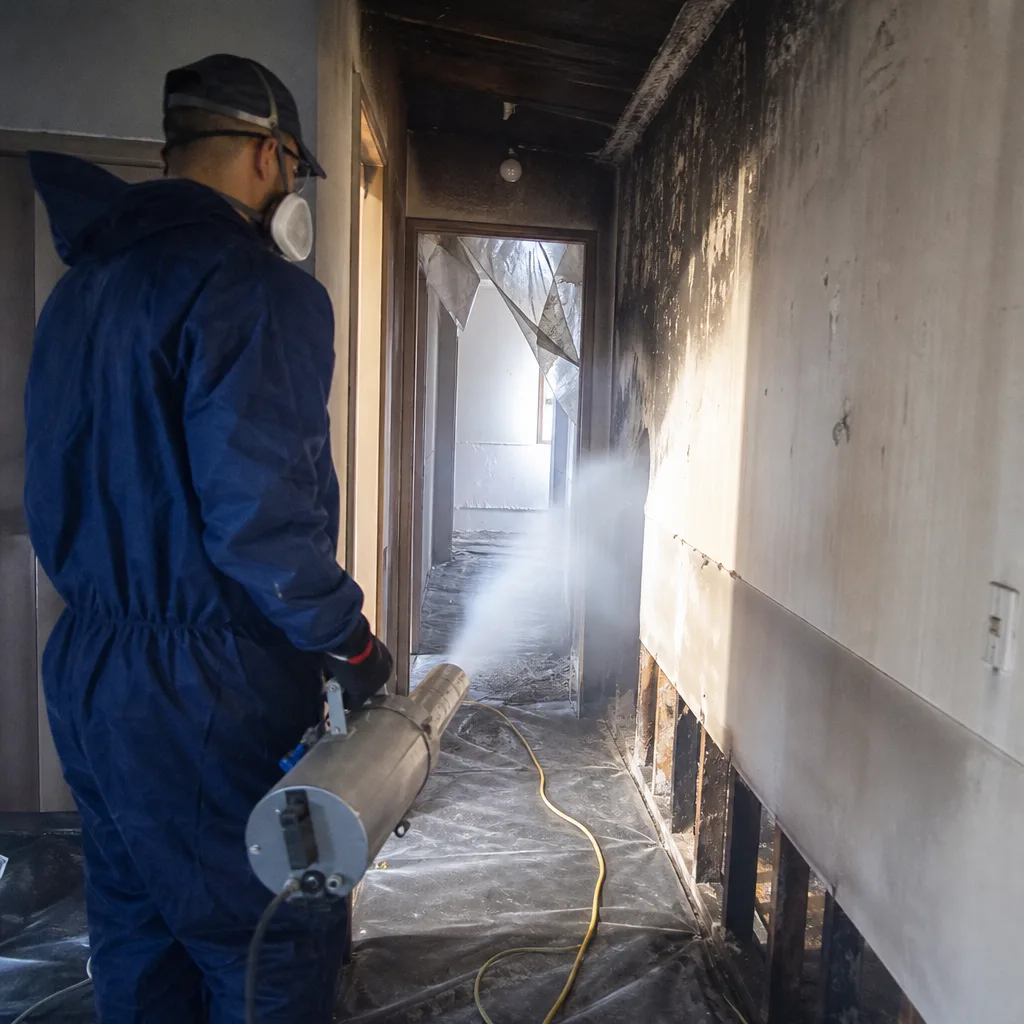
Thermal fogging, hydroxyl generators, and sometimes ozone treatment, depending on the space and what’s in it. We find and treat the reservoirs: inside wall cavities, around pipe chases, under baseboards. If odor comes back in three weeks, we didn’t find the source. Wade’s 90-Day Done Right Promise means we return and fix it, in writing.
Repairs & Restoration
Once everything’s clean, dry, and cleared, we rebuild through our Reconstruction & Cleanup in Long Island City: drywall, flooring, trim, paint, fixtures. Same crew, same standard, and every water, fire, and mold job carries the 90-Day Done Right Promise in writing.
Need Emergency Fire & Smoke Damage Restoration in Long Island City Now?
Crews minutes away, answering live 24 hours a day. The sooner we start, the less it costs.
Working With Your Insurance Company
Insurance adjusters need documentation, not stories. We start building the file in the first hour: photos of every room before we move anything, the source of the fire, the path of smoke, and the water damage from suppression. Every step gets logged. Moisture readings daily, photos of containment, the line-item scope of work. Wade talks directly with your adjuster, so the adjuster hears from the person who actually did the assessment, not a third-party call center. For co-op and condo claims in Long Island City, where the building’s master policy meets your individual policy, the documentation standard is different and the board or management company often wants extra paperwork. We’ve handled enough LIC co-op claims to know what the management office will ask for, and we provide it before they ask. The 90-Day Done Right Promise is in the contract, so if something comes back after the check clears, we come back too.
What We Provide Your Insurer
- Thorough documentation of the loss
- Photos of all damage, room by room
- Moisture readings and drying logs
- A detailed, line-item scope of work
- Direct coordination with your carrier
Built for Long Island City’s Loss Calendar
Long Island City’s fire season isn’t a single season. It’s a calendar of different causes. Deep winter months bring space heaters and overloaded circuits in pre-war walk-ups with old wiring, plus the occasional holiday-cooking surge. Spring and summer thunderstorms stress the combined sewer system, backing water into basements and ground-floor spaces during the same weeks when window AC units strain old panels. Nor’easters in the fall knock tree limbs into power lines and sometimes take out transformers, and the salt air off the East River is quietly corroding electrical connections and outdoor breaker boxes year-round. Buildings near the waterfront, in the FEMA Flood Zone AE area along the East River, add storm surge and tidal risk to the mix: a fire that happens during a flood event means smoke damage on top of Category 3 water. That combination changes the cleanup protocol entirely. We plan for what LIC actually throws at homes, not a generic “fire season” from a national playbook.
Fire & Smoke Damage Restoration Across Long Island City’s Neighborhoods
Hunters Point is where we see the most fire jobs in converted factory lofts. Vernon Boulevard, 47th Avenue, and the blocks near Gantry Plaza State Park hold dozens of early-1900s brick warehouse buildings where open floor plates and exposed steel are part of the design. Smoke from a kitchen fire on the third floor of one of these buildings doesn’t stay on the third floor; it follows the open stairwells and original column bays, coating structural fireproofing as it goes. Court Square and Queens Plaza, with their mix of old factory conversions and newer residential towers, bring high-rise smoke migration through shared HVAC returns and corridor pressurization, which means containment has to account for neighbors above and below. Dutch Kills, further northeast, has more pre-war tenements and older wood-frame homes where smoke drives into party walls and plaster lathe, leaving odor reservoirs that only reveal themselves after a surface-level cleaning. Near the Newtown Creek side, south of the Sunnyside Yards, we treat any fire suppression water as presumptively contaminated because of the creek’s documented plume and the area’s combined sewer laterals. The neighborhood dictates the approach, and our Fire & Smoke Damage Restoration crews know the difference between a Hunters Point loft and a Dutch Kills tenement before the truck parks.
Specialized Fire & Smoke Damage Restoration Services We Offer in Long Island City
Fire Damage Cleanup
Charred drywall, melted wiring, burned framing. We cut out what can’t be saved, clean what can, and prep the space for drying and rebuild. In LIC’s converted factories, that often means working around original brick and steel that the building’s character depends on keeping.
Smoke & Soot Removal
Soot is acidic, and it etches fast. We use chemical sponges for dry soot, HEPA vacuums for loose residue, and appropriate wet cleaning methods where the surface allows. Pre-war brick party walls get mechanical cleaning of mortar joints, because a simple wipe leaves enough soot to smell for years.
Odor Removal & Deodorization
This is the service that separates a real restoration from a paint job. Thermal fogging penetrates where surface sprays can’t, and hydroxyl generators work around occupied spaces. We open wall cavities, inspect pipe chases, and treat the reservoirs, not just the air. If the smell comes back in a month, the 90-Day Done Right Promise means Wade comes back and does it again.
Contents Cleaning & Pack-Out
Clothes, furniture, books, electronics; smoke gets into everything. We do on-site cleaning where practical and full pack-out to our facility when the damage is severe. Every item is inventoried, photographed, and cleaned to pre-loss condition. For LIC renters in high-rise waterfront buildings, we coordinate with building management on freight elevator access and move-in protocols.
Emergency Board-Up & Tarping
After a fire, an open window or a breached wall is an invitation. We board and tarp on the first visit, before we do anything else. In LIC’s high-rise waterfront buildings, that often means working with building management on window replacement specs and wind-load ratings for tarps above the 20th floor, where the East River wind doesn’t mess around.
What happens when you call
- 1
A real person answersNo phone trees - you reach a local pro.
- 2
You get an upfront price rangeHonest numbers before anyone is dispatched.
- 3
A background-checked tech heads outLicensed & insured, dispatched right away.
- 4
You approve before work beginsNothing starts until you say go.
Fire & Smoke Damage Restoration Costs in Long Island City, NY
Straight numbers, because hidden pricing is the thing Wade built this company against. A small kitchen fire with light smoke cleanup in a Long Island City walk-up typically runs $3,500 to $8,000. A full-room fire with structural damage, pack-out, odor treatment, and rebuild usually lands between $12,000 and $35,000. Converted factory lofts with asbestos-containing fireproofing complications add abatement costs that can push the high end past $50,000, but those costs are almost always insurance-covered when documented correctly. Smoke and soot removal alone, without structural repair, runs $2,000 to $6,000 depending on square footage and how far the smoke traveled. Contents cleaning and pack-out generally adds $2,500 to $10,000. The free visual inspection gives you a written scope before you commit to anything, and direct insurance billing means you’re not floating thousands out of pocket while the adjuster reviews the file. Call (201) 740-2235 and Wade will walk the property himself. No charge for that.
We Also Serve Cities Near Long Island City
Our crews regularly respond to fire and smoke losses in Long Island City and the surrounding area, including Astoria, where pre-war tenements and rowhouses bring similar smoke migration and shared-wall drying challenges. If you’re nearby and dealing with fire, smoke, or water damage, call and we’ll let you know how fast we can get there.
Serving Long Island City, NY - Our Local Coverage Area
We’re based in the Long Island City area and know this community well. Use the map below to see our service coverage - if you’re nearby, we can almost certainly help.
Long Island City Fire & Smoke Damage Restoration Questions, Answered
Does fire damage restoration in Long Island City require special handling for buildings near Newtown Creek or the East River?
Yes. Fire suppression water in buildings near Newtown Creek or the East River waterfront is treated as presumptively contaminated because of the combined sewer system, the creek’s industrial history, and FEMA Flood Zone AE designations. That means the water from putting out your kitchen fire gets handled as Category 3 until tests say otherwise, which changes containment, disposal, and documentation requirements for Long Island City Biohazard & Crime Scene Cleanup. Call (201) 740-2235 and we’ll explain what applies to your specific building.
How do you remove smoke odor from a converted factory loft without disturbing original asbestos fireproofing?
You don’t touch the fireproofing until it’s tested. We set containment, run HEPA air scrubbers and hydroxyl generators, and clean every surface we can safely reach. If the fireproofing itself is soot-impregnated, a licensed abatement team has to remove or encapsulate it before we proceed with structural drying and odor treatment. Skipping that step just paints contamination over, and it shows up later when the smell returns or a future renovation opens the wall. Call for a free inspection if you suspect your loft has original spray-applied fireproofing.
What’s different about board-up and tarping after a fire in LIC’s high-rise waterfront buildings?
Wind load. The East River does not mess around above the 20th floor, and high-rise building management usually has spec requirements for window coverings and tarp anchors. We coordinate with the building’s management office before we put anything up, and we use rated materials that won’t become a projectile in a nor’easter. Call (201) 740-2235 and we’ll handle the building office too.
Can you dry out a pre-war walk-up after a fire without causing mold in the shared walls?
Yes, but it requires monitoring. We take moisture readings daily in the party walls and floor cavities, not just the fire unit. Air movers and dehumidifiers run until every reading hits the dry standard, and we hand you the full log at the end. That’s the difference between drying your apartment and drying the building. The 90-Day Done Right Promise covers mold that appears because we missed something. Call for a free visual inspection if fire suppression water is sitting in your walls right now.
Does your fire damage cleanup meet the documentation standards for LIC co-op and condo insurance claims?
Yes. Co-op and condo claims come with a master policy, a board, a management office, and often a second adjuster. We provide the documentation all of them need: dated photos, moisture logs, line-item scopes, and direct communication with your carrier. We’ve handled enough LIC co-op claims to know exactly what the management office will ask for before they ask it. Call (201) 740-2235 and Wade will walk your unit and explain your claim path.
How fast can you actually get to my place in Long Island City?
We commit to a 45-minute response for emergencies in Long Island City. Wade answers the phone himself, and if he’s not already in the neighborhood, he’s on the road. Evening and weekend calls get the same response as a Tuesday afternoon. Call (201) 740-2235 right now and find out.
Is fire damage restoration in Long Island City more expensive than nearby areas?
Sometimes. Converted factory lofts with asbestos fireproofing, pre-war brick that holds soot in its mortar joints, and high-rise buildings with management specs all add labor and documentation hours that a standard suburban house doesn’t carry. A small kitchen fire cleanup in LIC might run $3,500 to $8,000, where the same fire in a frame house in Astoria could land a little lower. The free inspection gives you a written scope, so you know before you commit. No charge for that.
What should I do in the first 30 minutes after a fire in my Long Island City home?
Get everyone out, call 911 if it’s still active, then call (201) 740-2235. Don’t wipe the soot; you’ll drive it into the surfaces. Don’t turn on the HVAC; it’ll spread smoke further. Don’t touch anything that got wet from the fire hoses; the water may be contaminated. Turn off the electrical at the panel if you can safely reach it. Then wait for us. We’ll get there, set containment, and stop the clock on the damage.
Written by Wade Ferris, Owner at Wade’s Restoration, serving Long Island City and the surrounding area since 2007.