
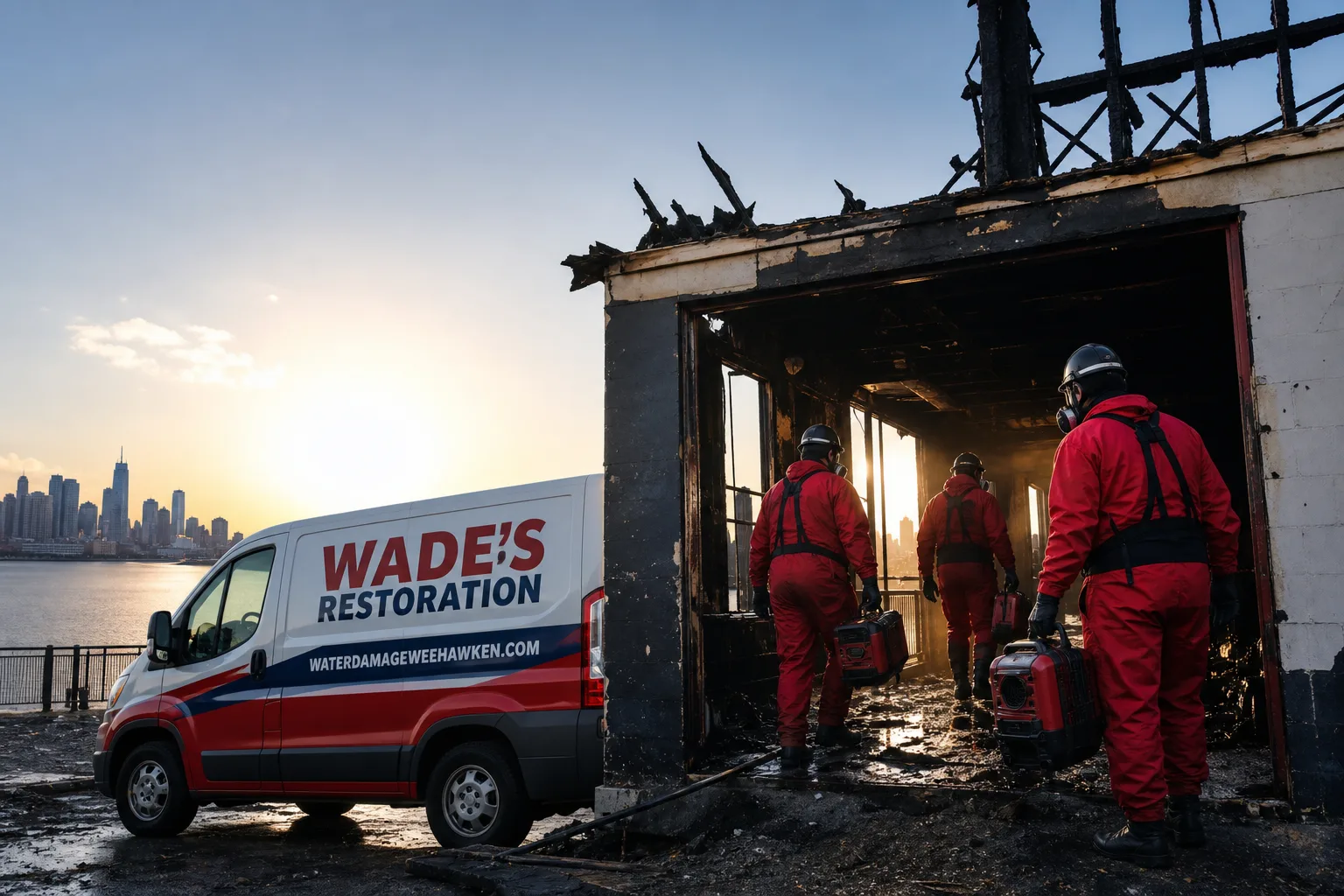
Free visual inspection and a written scope of work before any mitigation begins - photos, moisture readings, and drying logs go in your claim file
The scope we write is the scope we bill. Anything new gets shown to you, in writing, before we touch it.
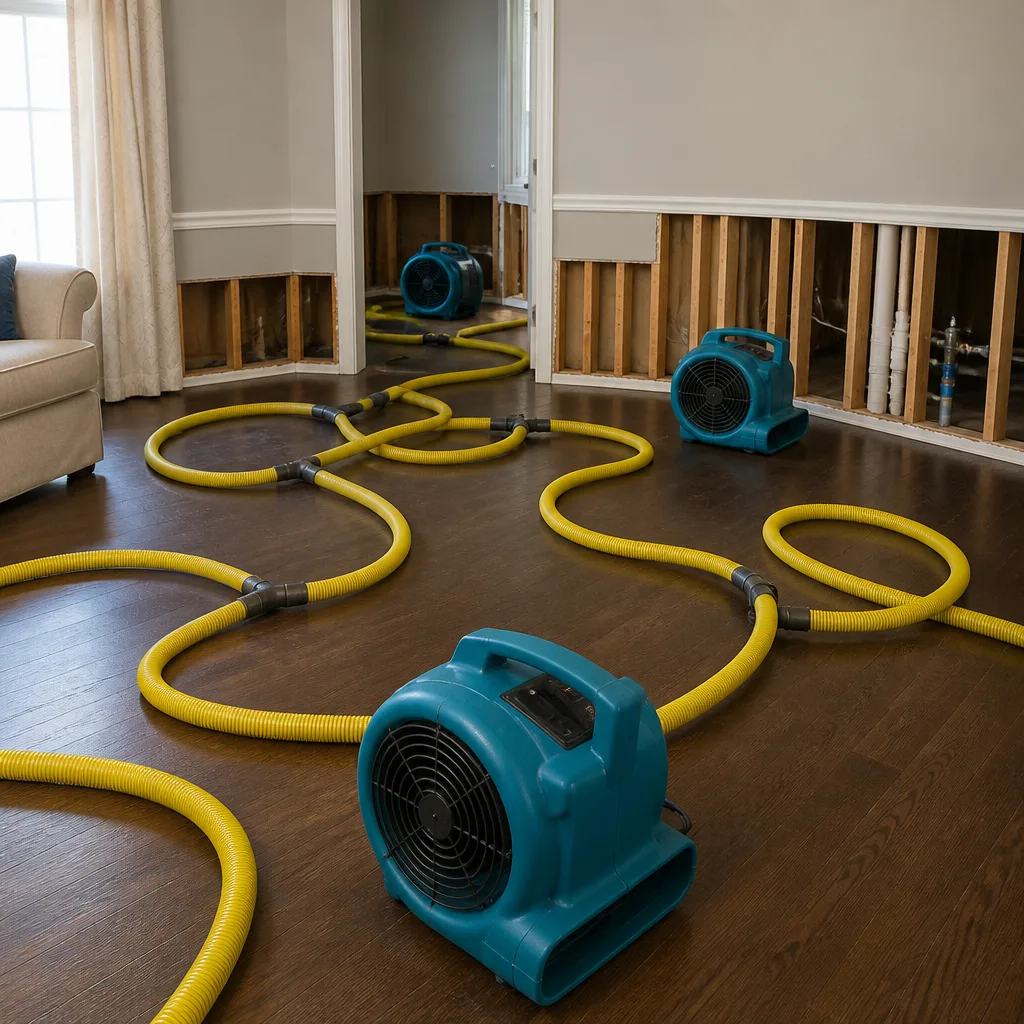
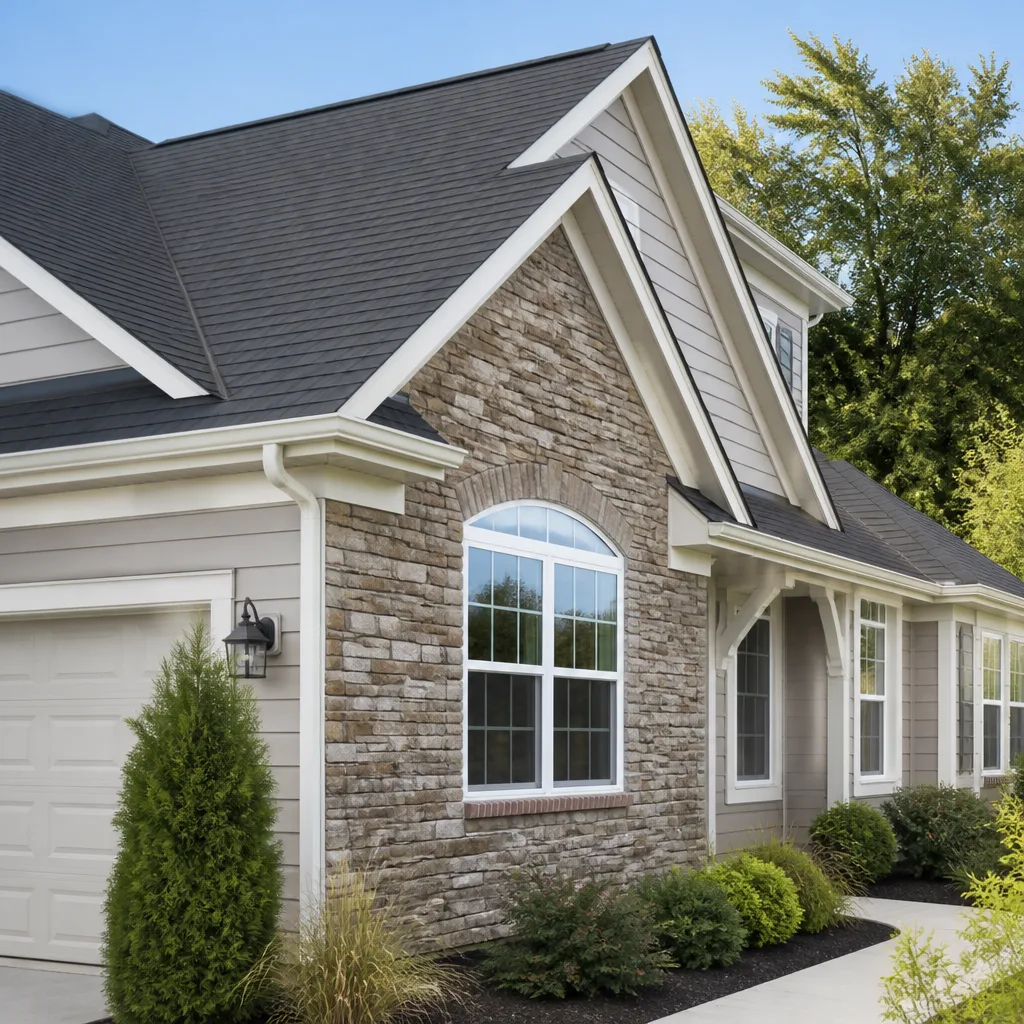
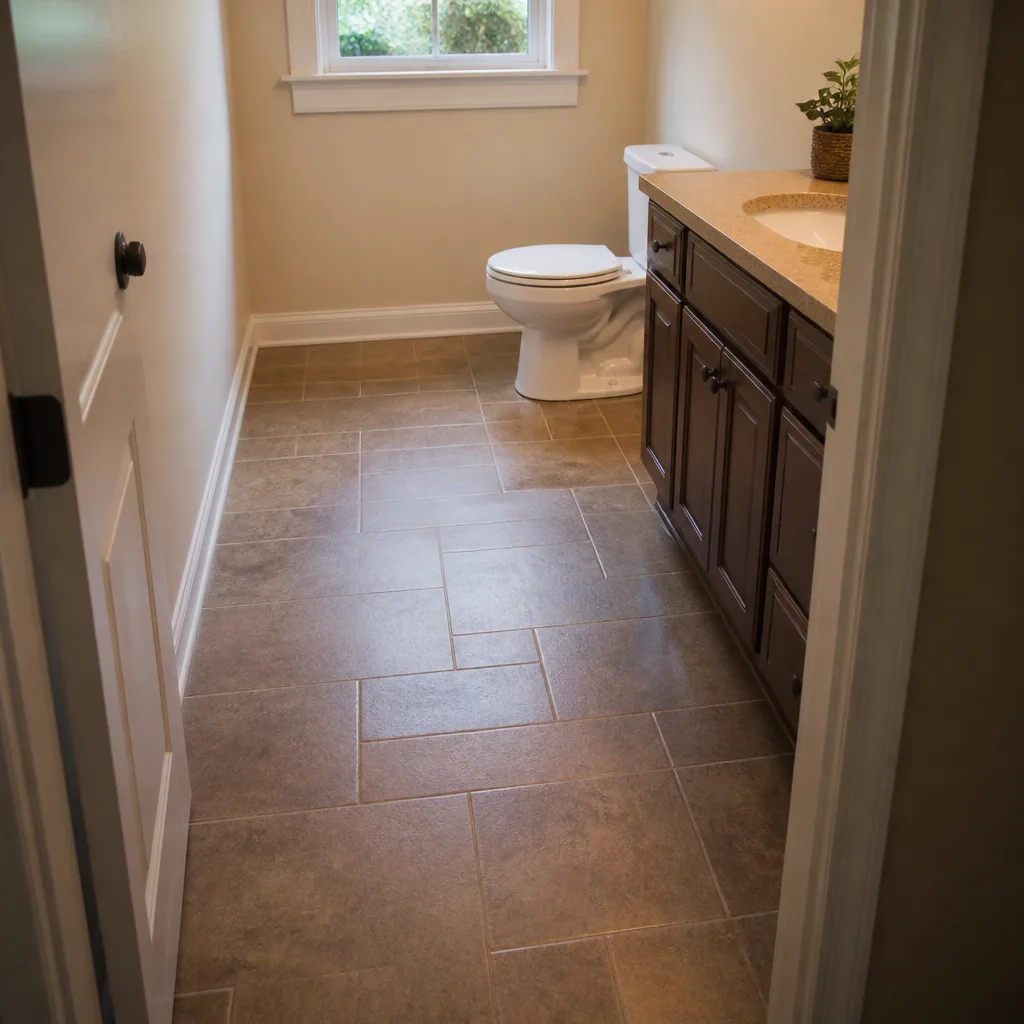
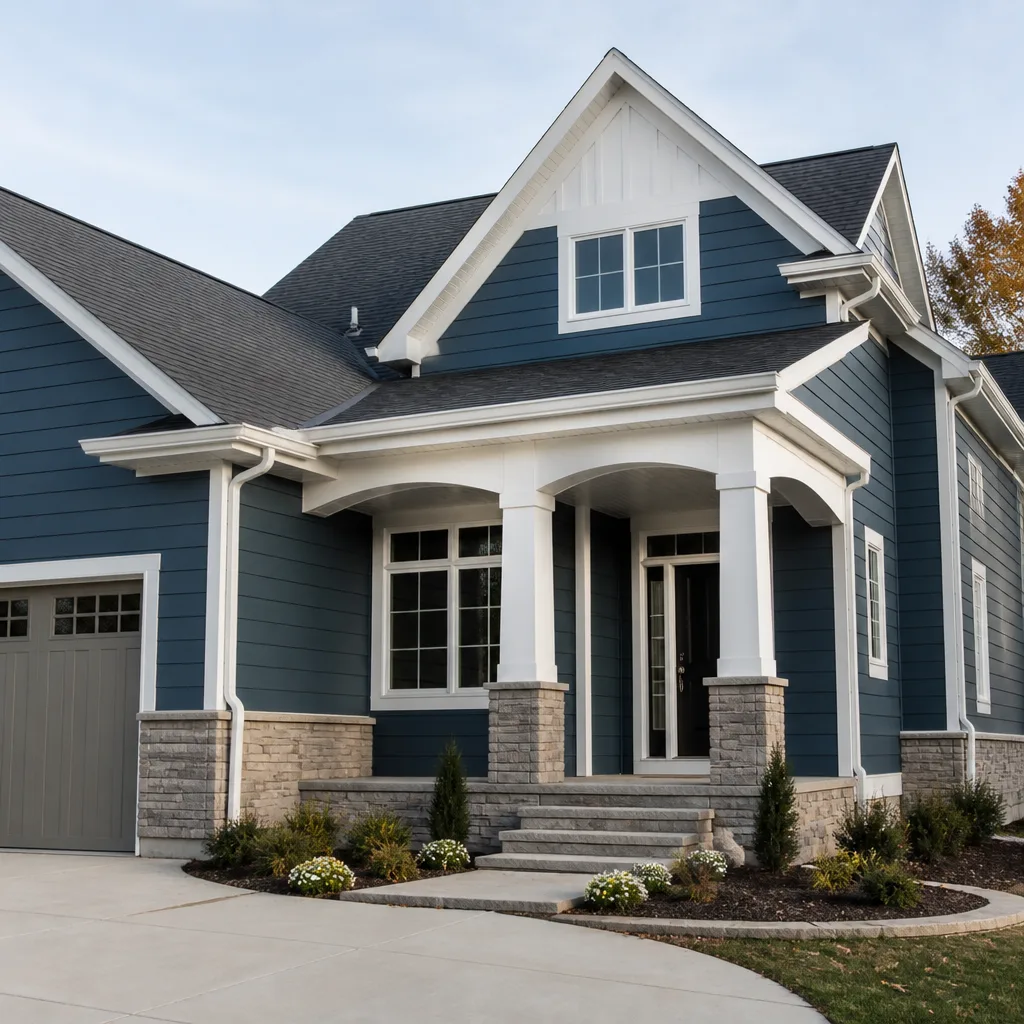
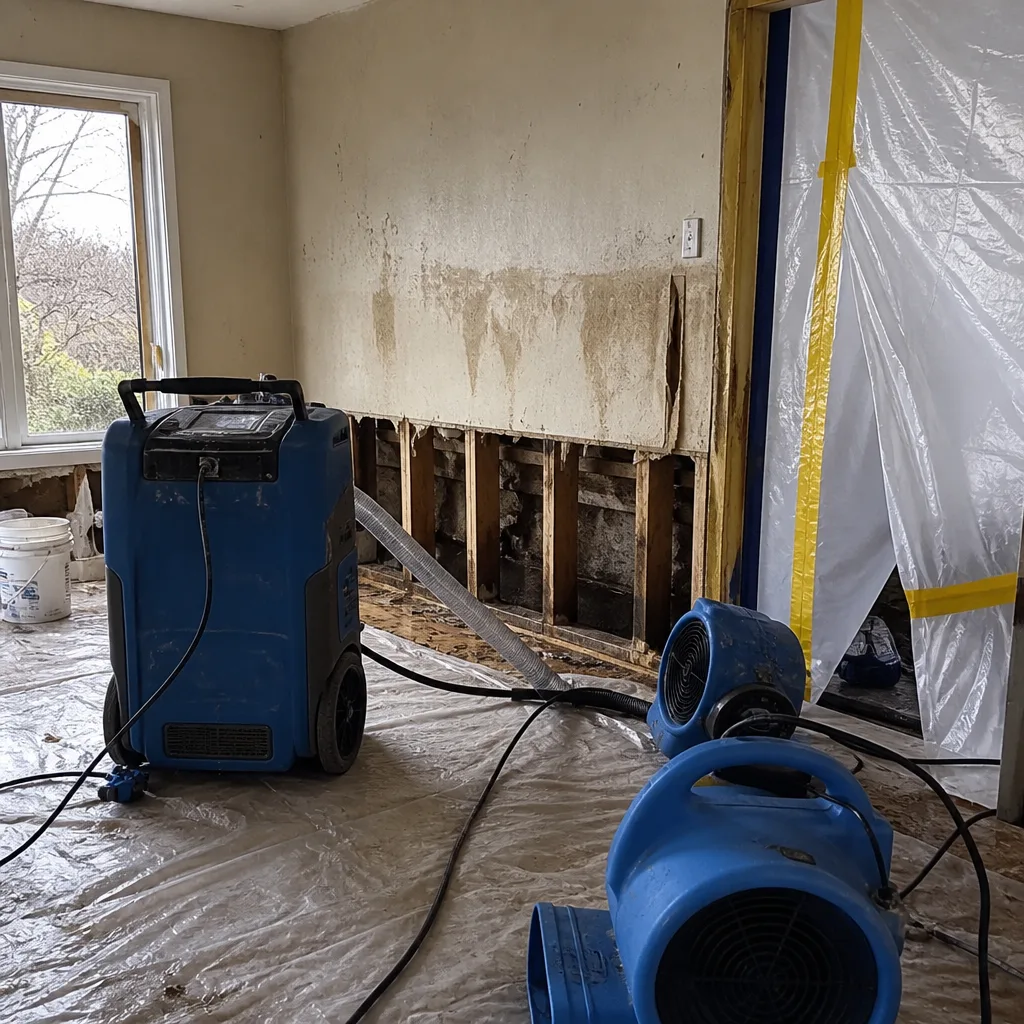 Before
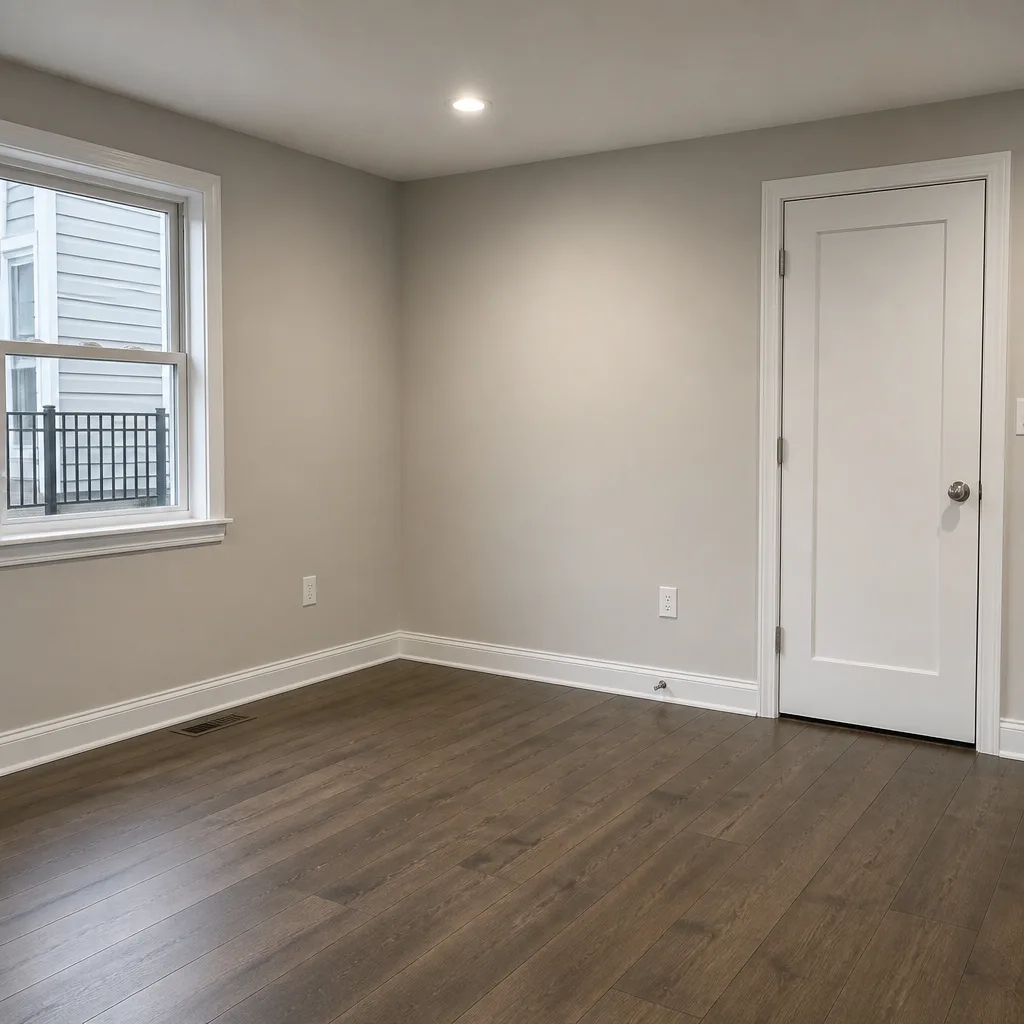 After
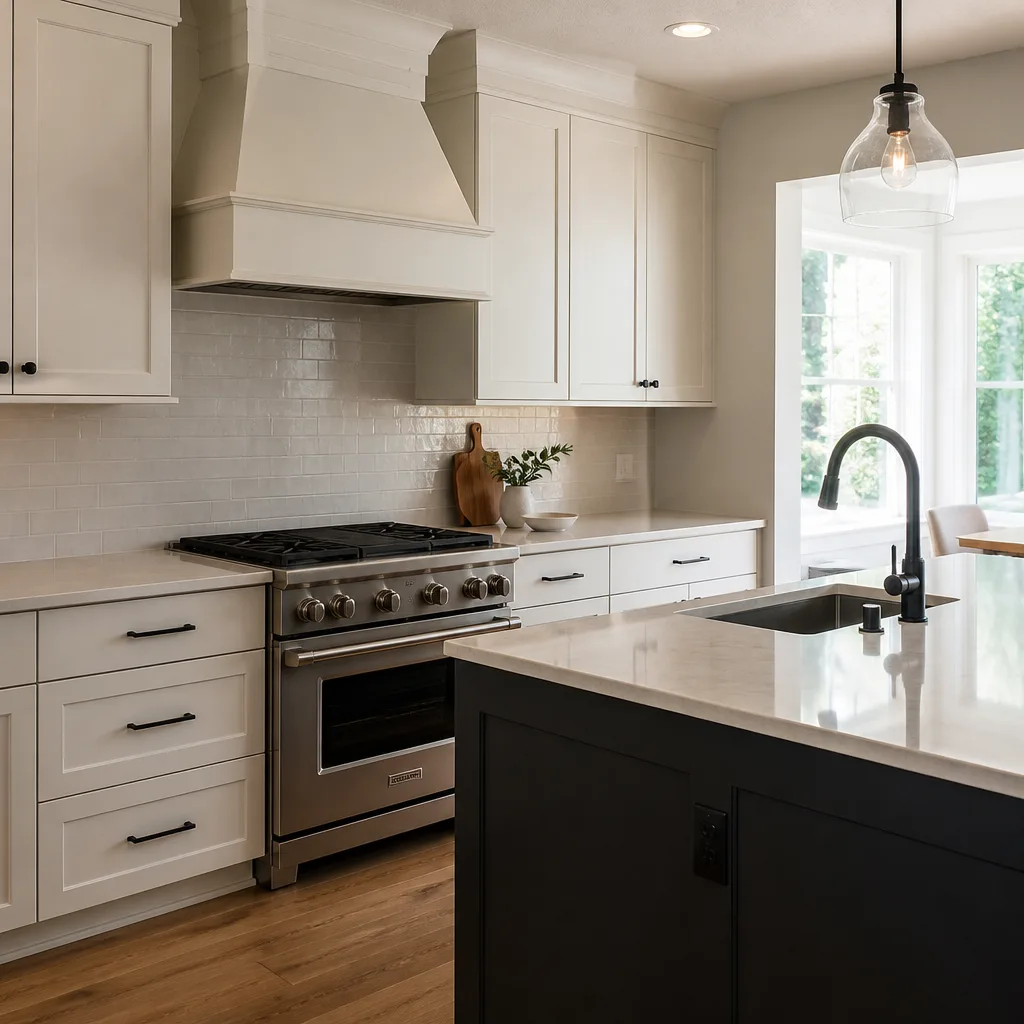
After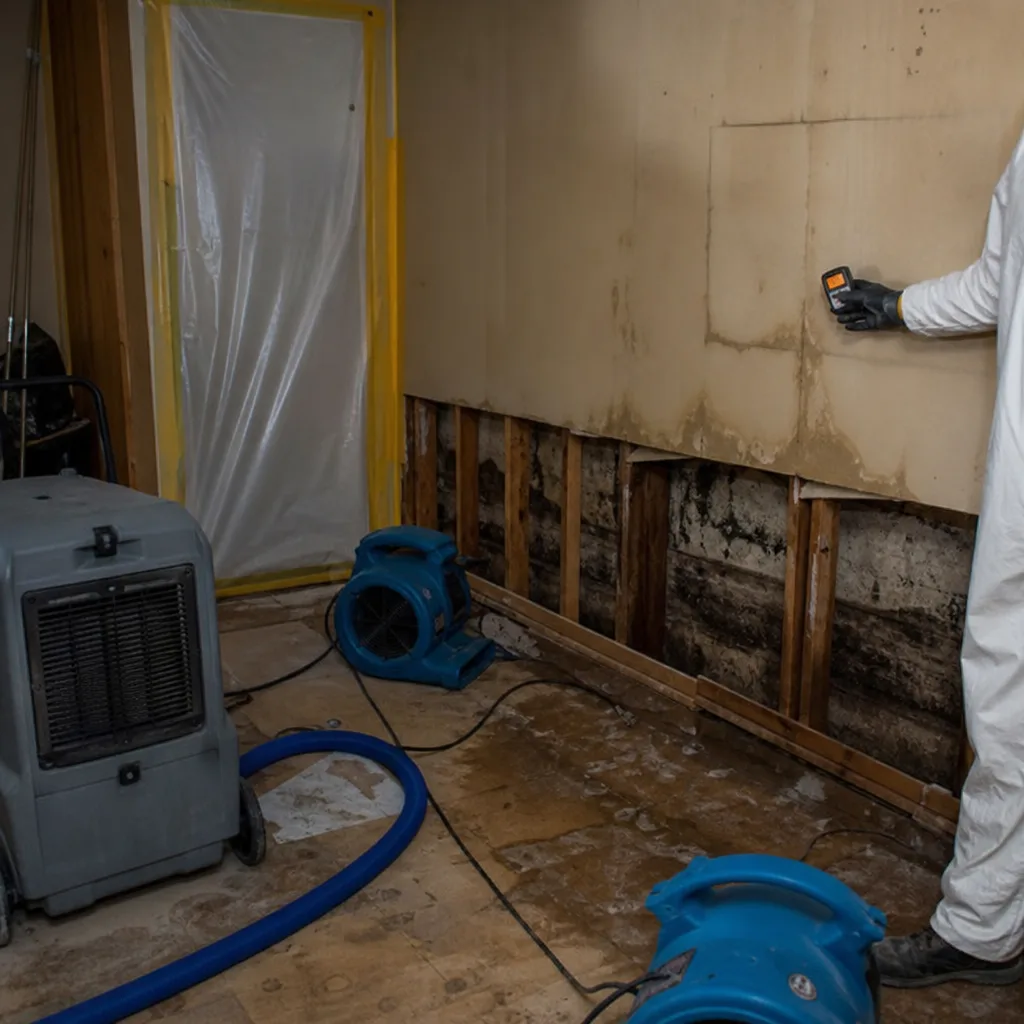 Before
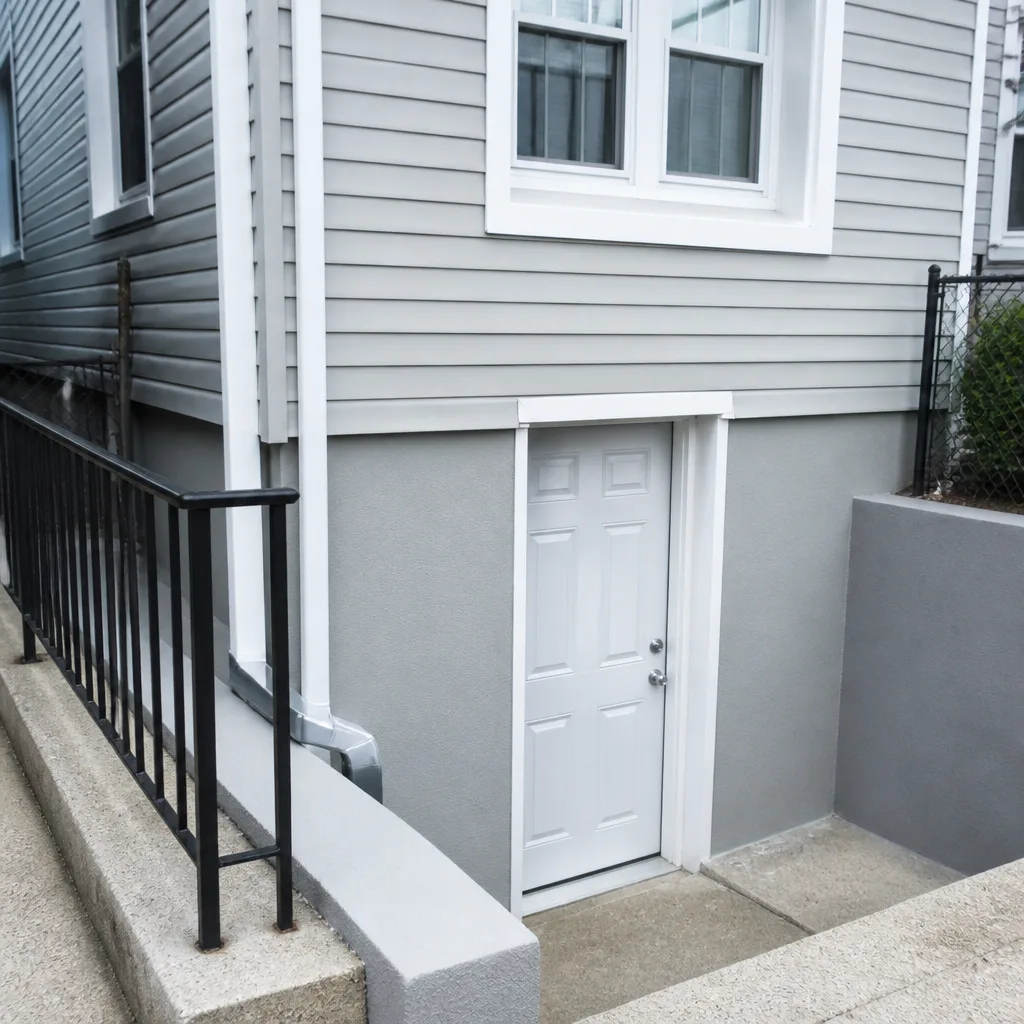 After
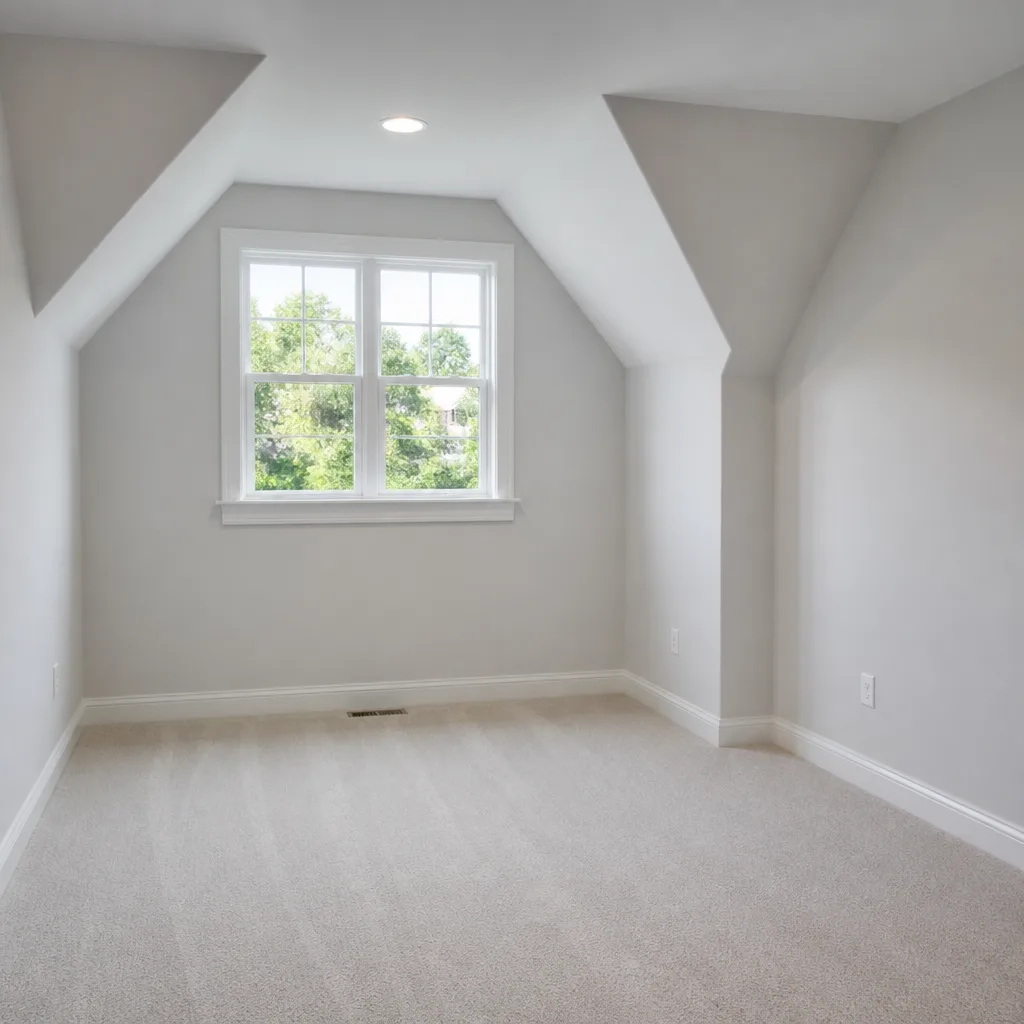
After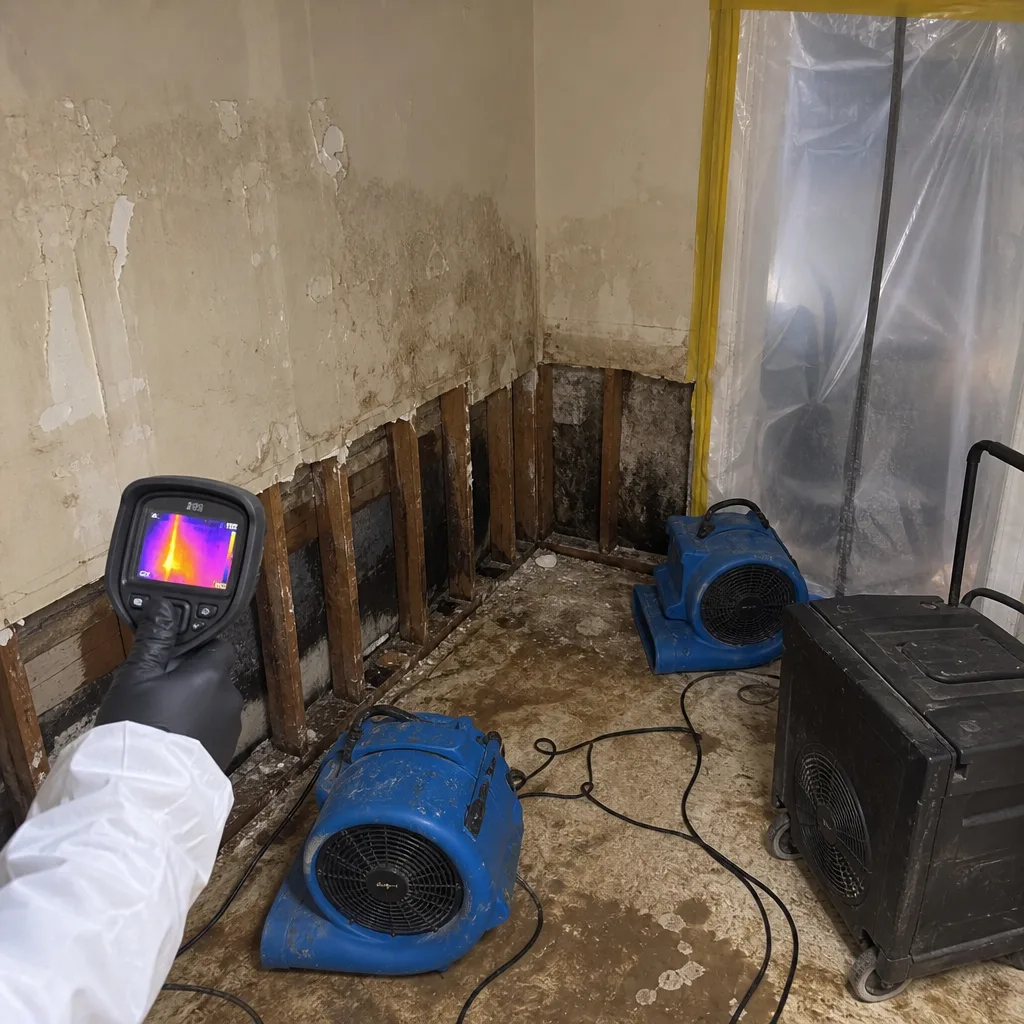 Before
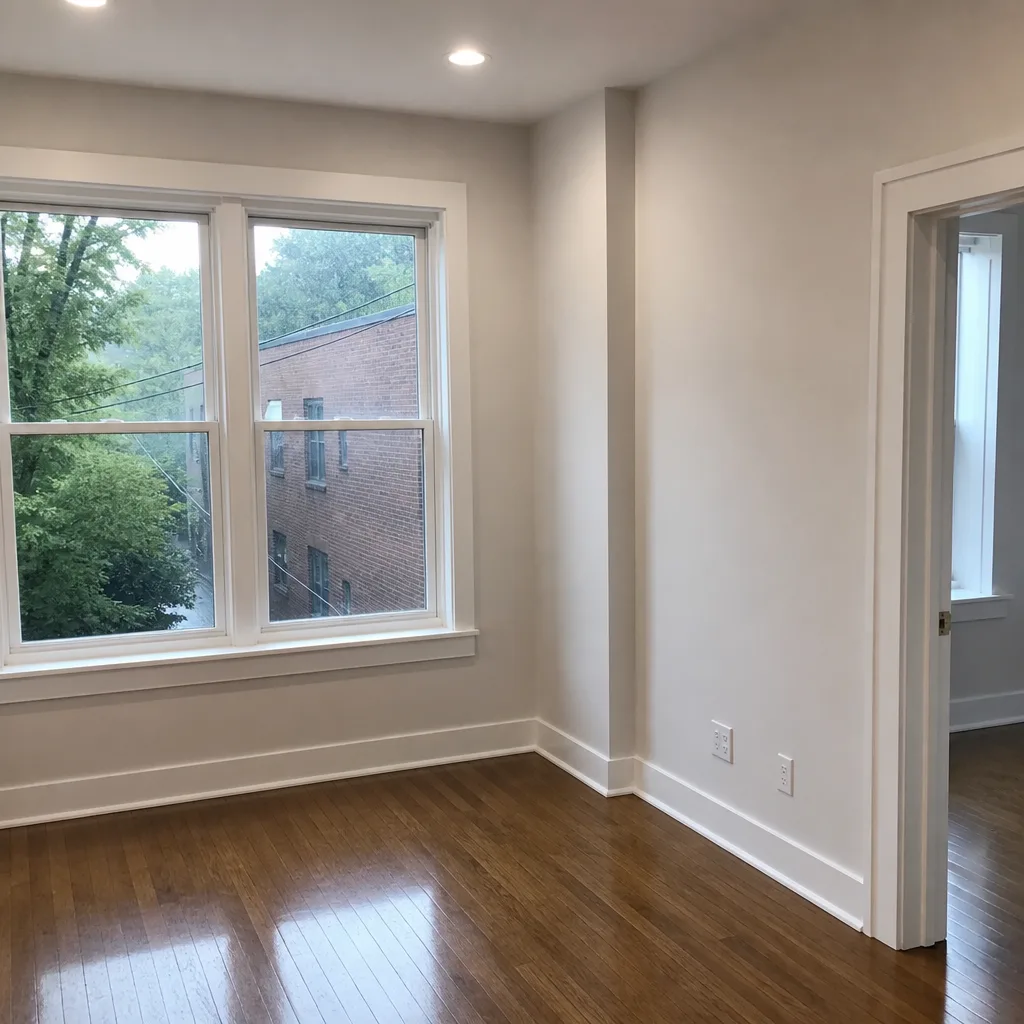 After
After24/7 Emergency Reconstruction & Cleanup in Upper West Side
When a burst riser pipe floods four stacked apartments in a pre-war co-op on West 86th Street, or a rooftop drain backs up into a landmark-adjacent limestone tower, the first call Upper West Side residents make is to (201) 740-2235. We answer live, every hour of every day. Wade Ferris and his crew can be on-site inside 45 minutes, walking the damage with a thermal camera and moisture meter before the water has finished migrating into the horsehair plaster. The first hour decides whether you’re looking at drying and drywall repair or full plaster teardown, asbestos abatement, and months of co-op board coordination.
We’re a locally owned, owner-operated Reconstruction & Cleanup company, not a franchise with a call center in another state. Wade publishes his name, his license number, and his cell phone. He runs the crew himself. If you’re standing in a wet apartment at two in the morning in the Upper West Side, the person who shows up is the person whose name is on the truck.
Understanding Reconstruction & Cleanup Severity in Upper West Side Properties
The Upper West Side’s housing stock is overwhelmingly pre-war: six-story walk-ups, elevator co-ops from the 1920s and 30s, limestone-and-brick courtyard buildings along Riverside Drive and Central Park West. That means the damage you’re dealing with is rarely a simple flood-and-dry scenario. We categorize water damage in three classes: Category 1 (clean supply water), Category 2 (grey water with contaminants), and Category 3 (sewage or outside floodwater). In a one-pipe steam building, a weeping radiator air vent produces Category 2 water that saturates the plaster-over-lath wall cavity for weeks or months before you see bubbling paint. The cavity hosts active mold colonies, and the intact-looking plaster hides a structural drying problem that requires full containment, negative air pressure, HEPA air scrubbing, and clearance testing before reconstruction can begin.
Fire and smoke damage in these buildings carries its own signature. Wet smoke residue clings to original plaster moldings and herringbone parquet differently than dry soot clings to modern drywall. Soot migrates through the abandoned dumbwaiter shafts and vertical chases common to pre-war construction. If you don’t map the smoke migration with thermal imaging, you’ll be repainting a hallway that reeks again in three months. Our IICRC-certified crews carry WRT, FSRT, and AMRT certifications for water, fire/smoke, and applied microbial remediation, and we use Phoenix and XPOWER drying equipment with full moisture logging from day one. That log is yours to keep, and we hand it over whether your insurance carrier asks for it or not.
Need Emergency Reconstruction & Cleanup in Upper West Side Now?
Crews minutes away, answering live 24 hours a day. The sooner we start, the less it costs.
Why Upper West Side Property Owners Choose Wade’s Restoration
- 45-minute response commitment. Wade answers his own phone and heads out immediately. You’re not waiting on a dispatcher in another city to route a subcontractor.
- 24/7 live answer, every single time. A real person picks up, not an automated system, not a voicemail at 3 a.m. That’s Wade’s rule, and he’s the one who answers.
- IICRC-certified crews (WRT, FSRT, AMRT). Our technicians carry the industry’s water, fire, and mold certifications. We know what pre-war construction demands, and we’re trained to the highest standard.
- Free visual inspection. No charge for the first look. Wade walks the damage, gives you a straight read on severity, and writes a proposal only after you understand the scope.
- Direct insurance billing and adjuster coordination. Wade talks to your adjuster directly. You’re never the person relaying messages between your carrier and the crew.
- One team from extraction to reconstruction. We don’t hand you off. The same crew that tears out the wet plaster rebuilds it to co-op board standards, with period-appropriate materials.
Our Reconstruction & Cleanup Process
Inspection & Assessment
We arrive with thermal imaging and a moisture meter, map every wet cavity behind the horsehair plaster, and document the damage before we touch a wall. You get a written scope in plain language, not a worksheet of guesswork.
Extraction & Stabilization
We remove standing water with truck-mounted extraction and set up containment to stop the damage from spreading to neighboring units. In a pre-war building, that often means coordinating with the super to shut down the steam riser or isolate the leaking supply line.
Drying & Dehumidification
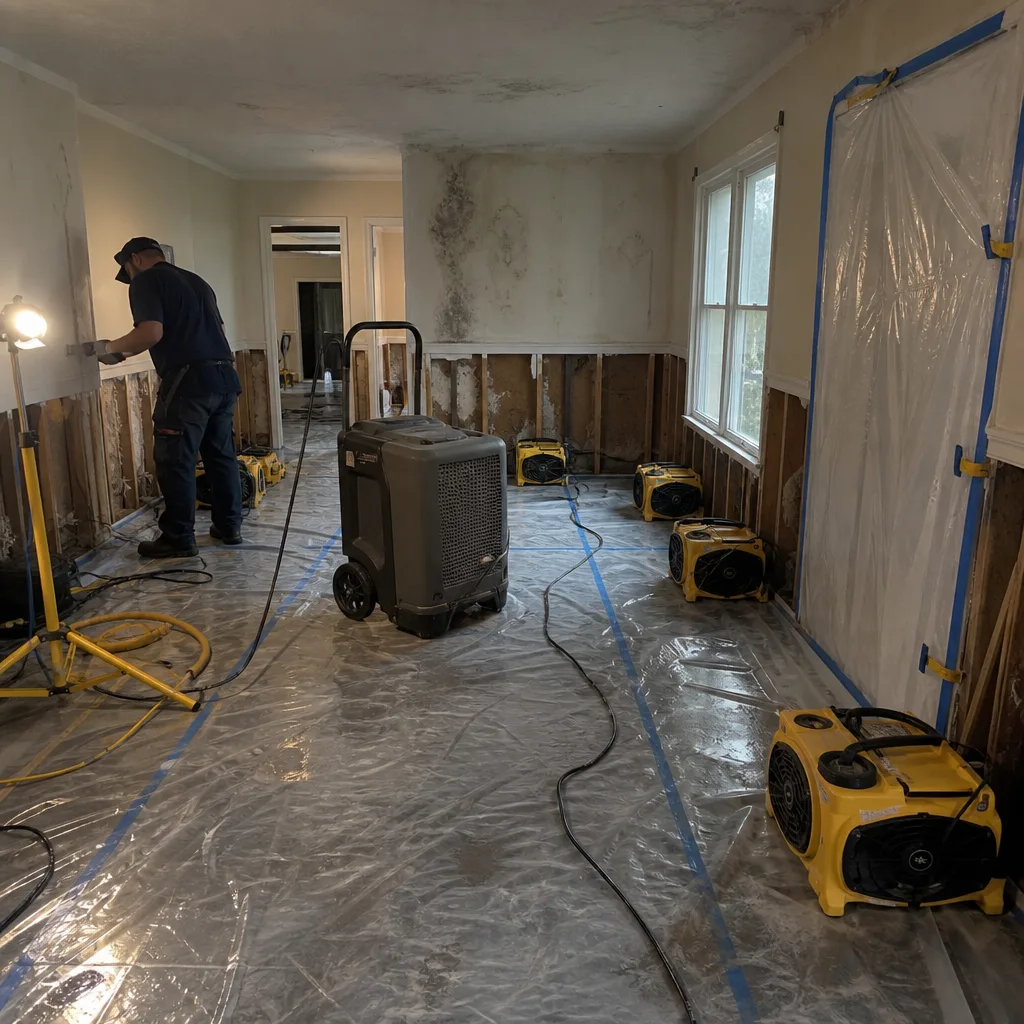
Phoenix and B-Air dehumidifiers with Injectidry injection drying systems go into wall cavities, not just the room. Daily moisture readings feed a drying log you read, your adjuster reads, and our crew works from. Nothing gets closed up until the numbers prove the cavity is dry.
Cleaning & Sanitization
HEPA air scrubbers run throughout the drying and demolition process to capture airborne mold spores and lead dust. All affected surfaces get antimicrobial treatment, and we follow IICRC S520 and S500 standards for mold and water.
Period-Appropriate Restoration
In Upper West Side pre-war buildings, this means matching original horsehair plaster, replicating coffin-corner moldings, lath-and-plaster repairs, and parquet floor repair. We work with the co-op board to meet their standards and your insurance carrier to meet their pre-loss condition documentation requirements.
Repairs & Reconstruction to Completion
Drywall, flooring, trim, paint, and fixtures go back to pre-loss condition. If the job sits under the 90-Day Done Right Promise, it stays under it: anything not done right gets made right, in writing, at our expense.
Working With Your Insurance Company
Most Upper West Side reconstruction jobs involve insurance, and Wade has spent 29 years dealing with adjusters across the five boroughs. Here’s what we do differently: we document the loss from the first hour, with photos of every affected room, moisture readings from every cavity we open, and a line-item scope of work that mirrors the line items your carrier will actually approve. Most restoration contractors hand you a one-page estimate and let you fight for coverage. Wade hands the adjuster a documented file, speaks with them directly, and gets you from loss to approval without the middleman confusion. We don’t inflate scopes to meet a carrier’s allowance, and we don’t lowball them to close a job. We write what the work actually costs and stand behind it.
What We Provide Your Insurer
- Thorough documentation of the loss
- Photos of all damage, room by room
- Moisture readings and drying logs
- A detailed, line-item scope of work
- Direct coordination with your carrier
Built for Upper West Side’s Loss Calendar
The Upper West Side’s reconstruction calendar tracks the weather and the century-old building systems that take the hit. January deep freezes burst supply lines in buildings where original galvanized steel risers have been corroding since the 1920s. By the time temperatures drop below 20 degrees, we’re running multiple extraction crews across the neighborhood. Spring thaw brings the next wave: slow-melting snow and ice work through aging parapet copings and rooftop membrane flashings, producing leaks that travel down interior shaft walls and appear as damage one or two floors below the actual breach. Occupants on the fifth floor call about a water stain in their bedroom; the breach is the roof membrane on the seventh.
Summer convective thunderstorms are the third season we plan for. Century-old cast-iron through-wall scuppers on tall pre-war buildings can’t handle the volume of a heavy downpour, and water backs up into top-floor units, ornate lobby vestibules, and the electrical closets that sit right below the roof drain. Come September, the nor’easter season starts, and we’re back on water extraction while simultaneously managing fire and smoke jobs from space heaters and overloaded pre-war wiring. If you own or manage property in the Upper West Side, you learn the calendar by living it. We plan our crews and equipment around it, because we live it too.
Reconstruction & Cleanup Across Upper West Side’s Neighborhoods
The Upper West Side stretches from 59th Street to 110th Street, between Central Park and the Hudson River, and the building types shift significantly from south to north. Along Central Park West and Riverside Drive, the limestone towers and large courtyard co-ops need restoration crews who understand landmark-adjacent rules and board-mandated materials. We work in a co-op on West 86th Street off Riverside Drive where a failed radiator air vent in a one-pipe steam system had been weeping behind horsehair plaster for months. Our moisture mapping found Category 2 water trapped in the cavity and active mold behind what looked like intact walls. We set containment, removed the affected plaster, performed antimicrobial treatment, and coordinated drying logs with the building super and two insurance carriers, then rebuilt the wall with period-appropriate lath and plaster to match the co-op board’s standards. That’s the job description up here.
In the interior blocks between Broadway and Amsterdam, the six-story walk-ups with their narrow stairwells and basement-level mechanical rooms demand careful equipment placement and dust containment. Morningside Heights and Bloomingdale on the northern end carry the same pre-war bones with more student housing and smaller units, where contents restoration and pack-out often means moving a lifetime of paperwork and heirlooms from a 450-square-foot one-bedroom without bruising the hallways. West End Avenue’s larger apartments and the townhouse rows off Columbus and Amsterdam each have their own access constraints, co-op rules, and finish materials. We route crews accordingly, and we bring the right equipment for the building, not just the damage.
Specialized Reconstruction & Cleanup Services We Offer in Upper West Side
Full-Service Reconstruction
From the first extraction to the final coat of paint, we rebuild Upper West Side co-ops and apartments to pre-war standards, not “good enough” standards. Original horseshair plaster, coffin-corner moldings, herringbone parquet floors, and marble vestibule details get matched to period, not swapped for stock drywall and modern trim. The co-op board signs off, your insurance approves, and the apartment looks like it should.
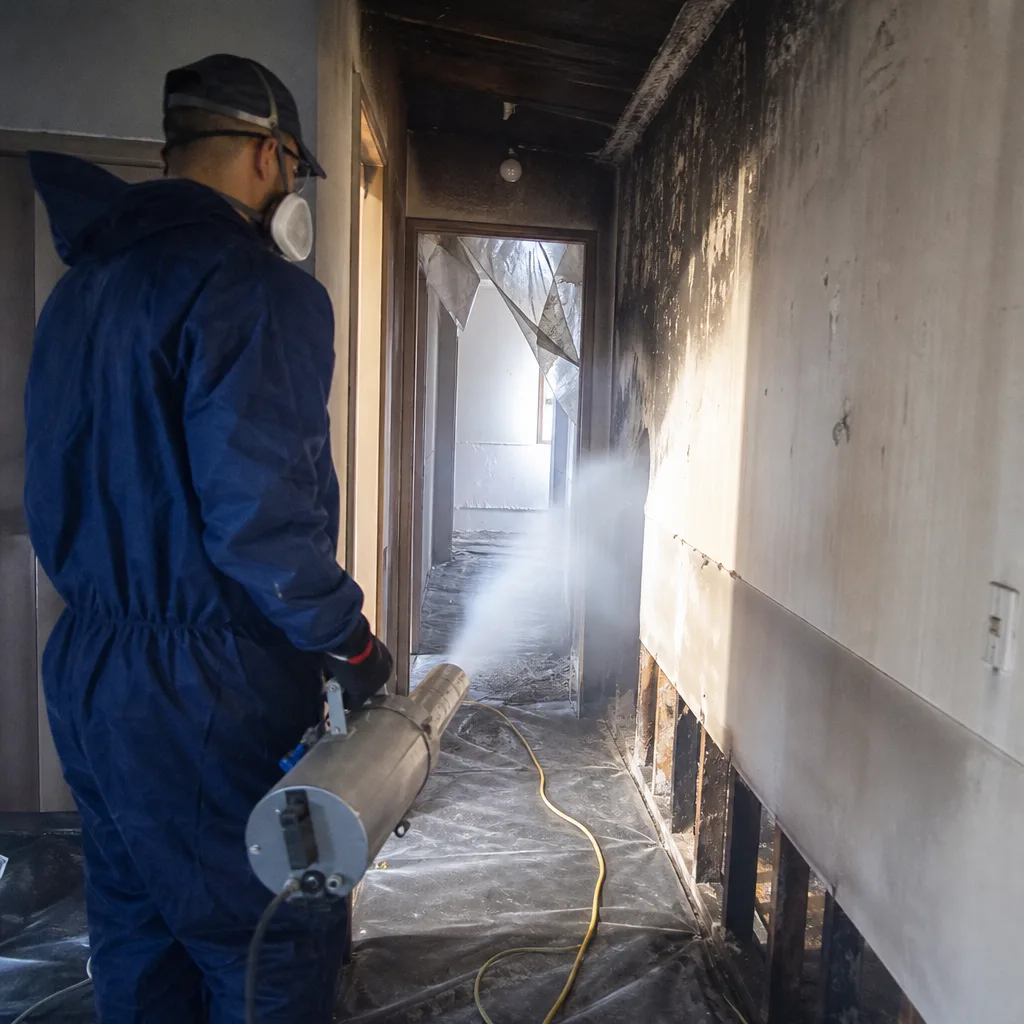
Drywall & Flooring Repair
Where standard drywall is appropriate, we install to New York City fire-code specifications and finish to match the existing texture and paint. For floor damage, we repair or replace herringbone and parquet planks, refinish damaged sections, and if the patch can’t meet the original, we flag it as a line item before the board sees it, not after.
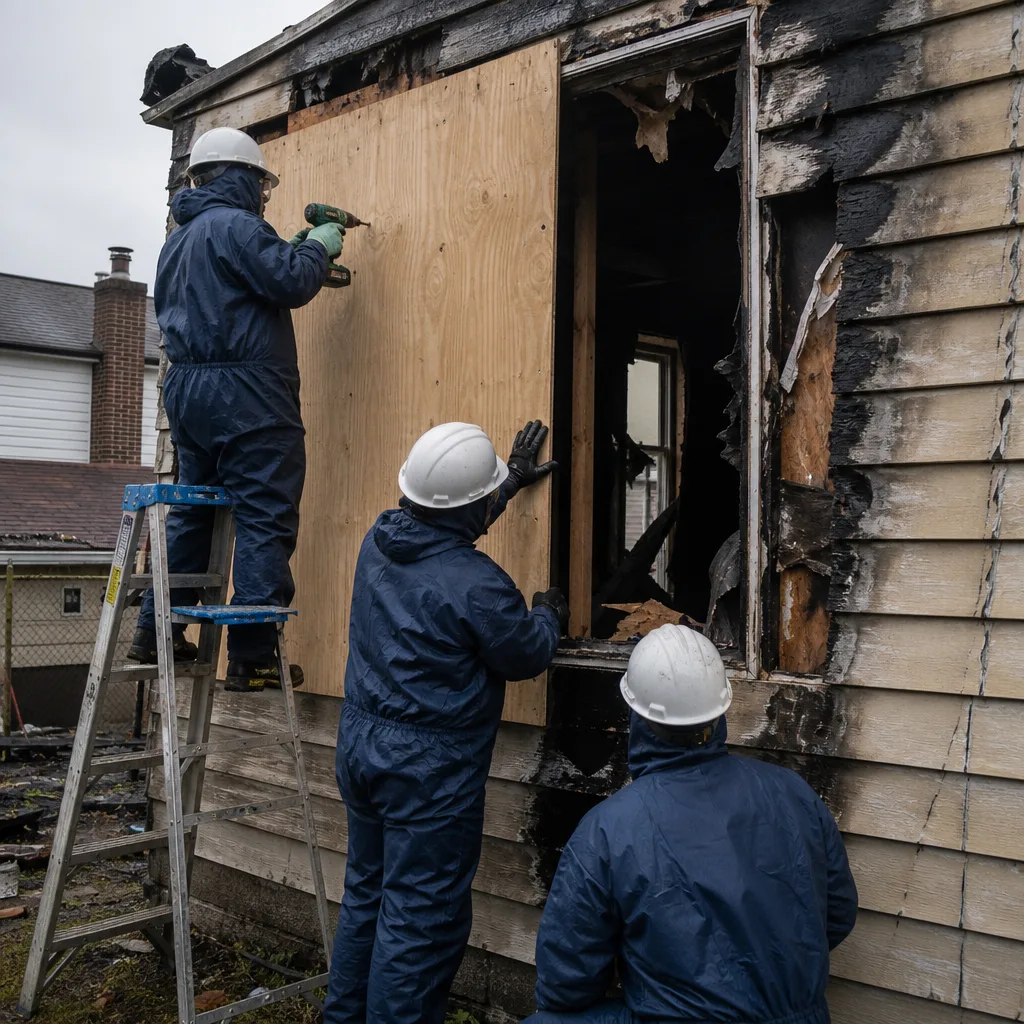
Contents Restoration & Pack-Out
When a upper-floor leak damages contents across multiple stacked units, we pack out clean and salvage items, inventory everything, and provide a contents list in adjuster-ready format. We coordinate with the super and board to ensure common areas stay clean and undamaged during the move. Contents come back when the unit is rebuilt, cleaned, and cleared.
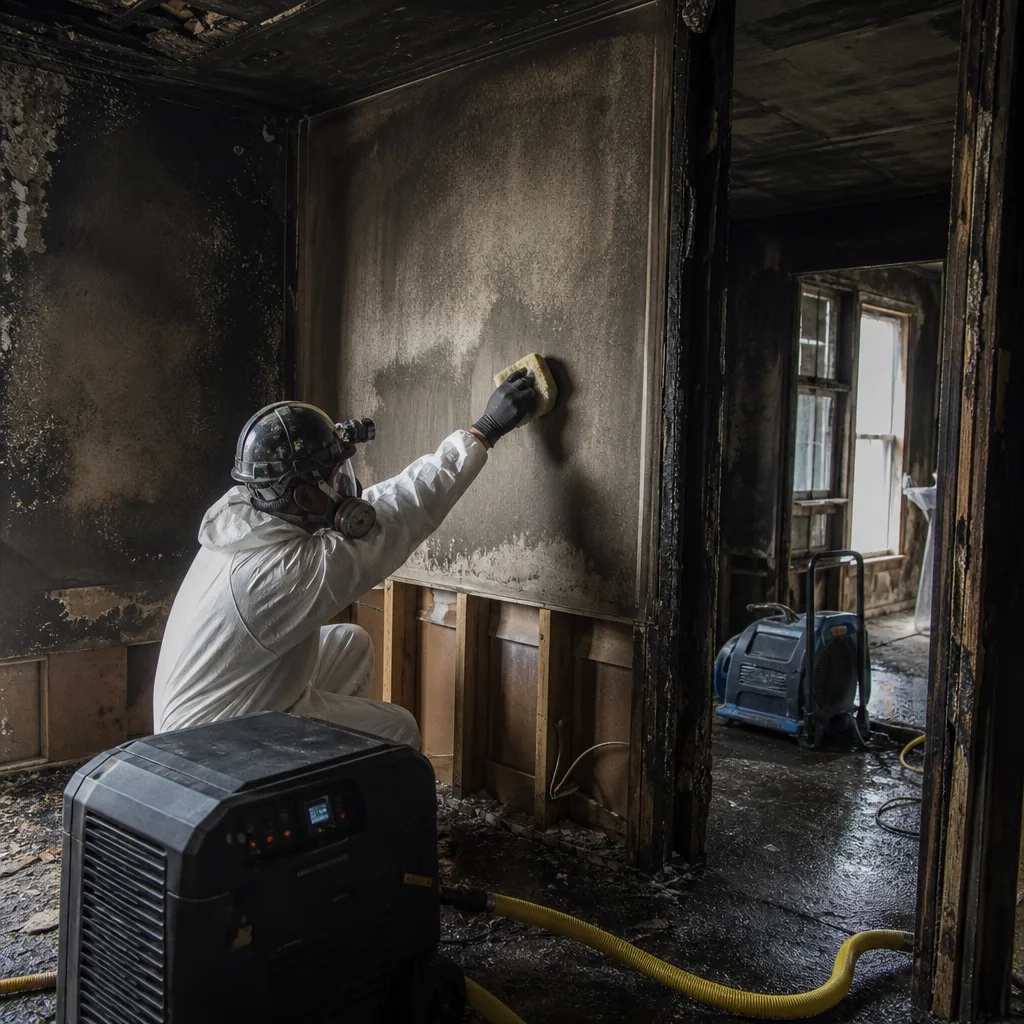
Carpet & Upholstery Cleaning
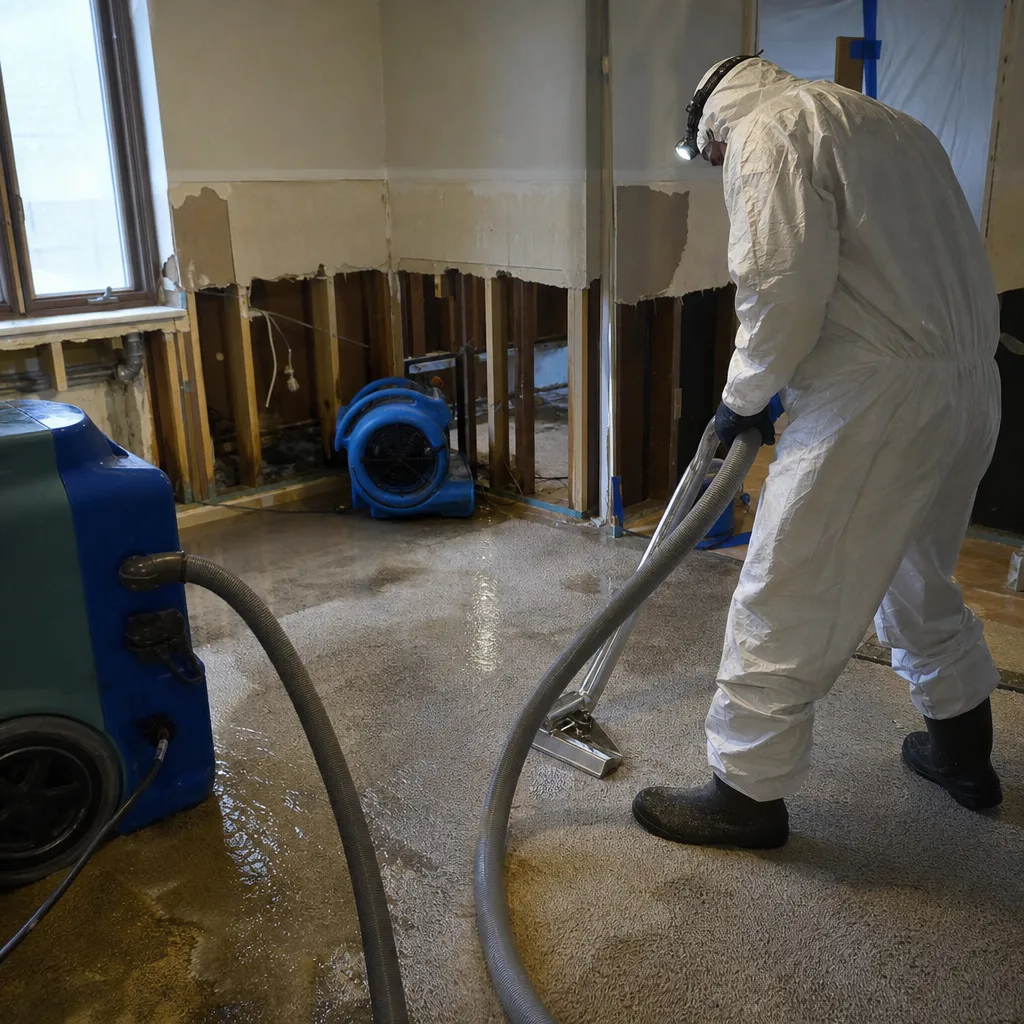
Water damage and smoke from a neighbor’s unit settles into carpets, rugs, and upholstered furniture. We clean these with truck-mounted hot-water extraction after the primary loss is handled, or as a standalone service when you’re trying to decide whether a rug can be saved. A pre-war Oriental carpet with Category 1 water damage is often restorable; the same rug with Category 3 sewage contact typically is not. We’ll tell you which one you have, straight.
Post-Construction Cleanup
After reconstruction is complete, the dust from sanding plaster, cutting drywall, and refinishing floors coats every surface in the apartment. We clean it thoroughly: HEPA vacuuming, wipe-down of all surfaces, duct and vent cleaning where needed, and disposal of debris per building rules. You walk into a finished apartment, not a work site.
Insurance Claim Documentation
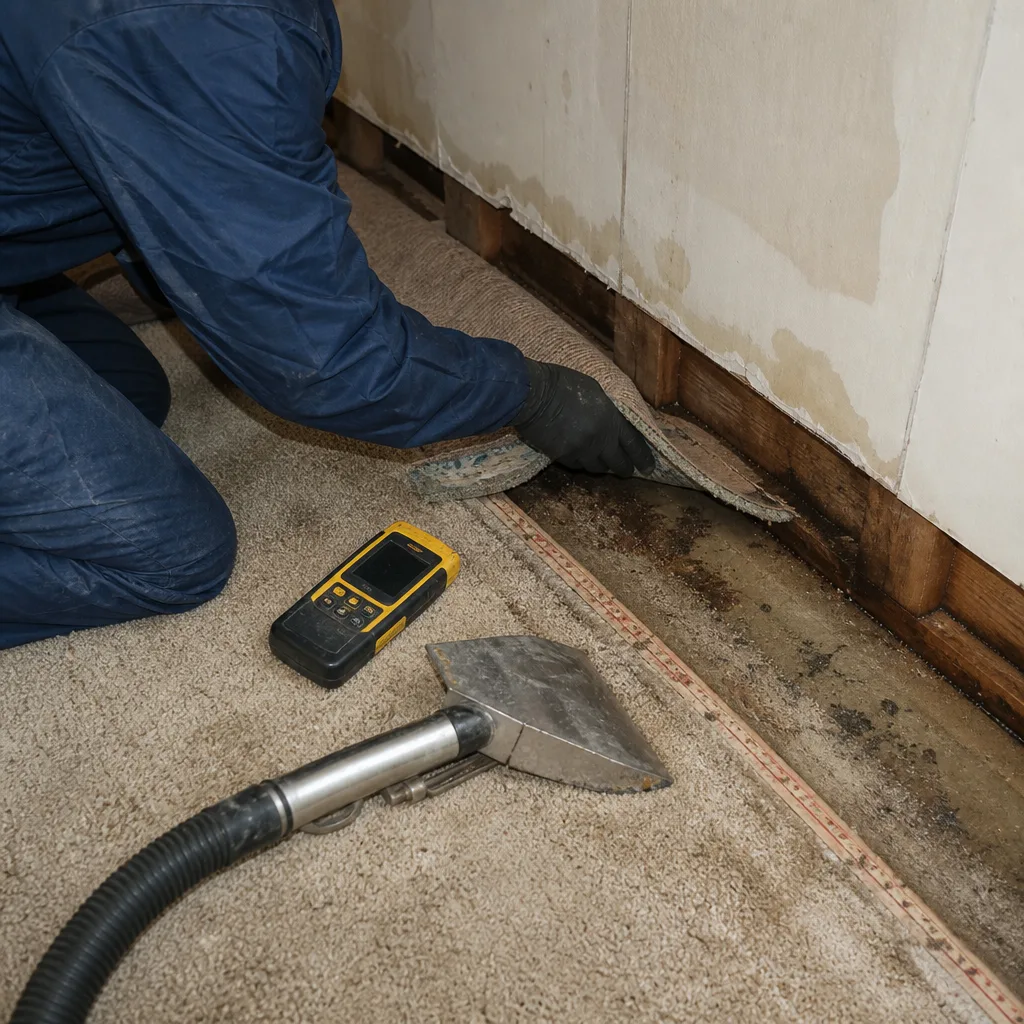
The single most common mistake Upper West Side owners make is letting a restoration crew start demolition before the loss is documented. We photograph everything before we touch it, log moisture readings daily, and provide a file your adjuster actually accepts. Wade talks to the carrier directly, so you don’t spend your week playing telephone tag between the super, the board, and the insurance desk.
What happens when you call
- 1
A real person answersNo phone trees - you reach a local pro.
- 2
You get an upfront price rangeHonest numbers before anyone is dispatched.
- 3
A background-checked tech heads outLicensed & insured, dispatched right away.
- 4
You approve before work beginsNothing starts until you say go.
Reconstruction & Cleanup Costs in Upper West Side, NY
Here is what we see in the Upper West Side market, and what actually drives the number. A small, contained water-damage repair with demolition, drying, and finish work typically runs $3,000 to $8,000 for a Standard apartment where the loss is caught within a few days. The same loss in a pre-war unit where water has been migrating for weeks behind horsehair plaster and the damage requires full cavity remediation runs $8,000 to $18,000. A multi-unit riser burst affecting four to six stacked apartments routinely exceeds $40,000 in combined reconstruction, with each carrier handling its own unit’s line items. Fire and smoke restoration in a pre-war apartment starts around $5,000 for a contained kitchen loss and goes up sharply from there, because soot removal from ornate plaster and refinishing parquet is slow, skilled work. Contents pack-out and restoration adds $2,000 to $10,000 depending on volume. We offer a free visual inspection and a written line-item scope before any work starts, so you know your number before we open a wall. Senior and veteran discounts apply at 10% always. Call (201) 740-2235 for an exact quote.
We Also Serve Cities Near Upper West Side
We handle reconstruction and cleanup jobs across New York City, including the Financial District, where high-rise sprinkler activations and water main breaks create multi-floor water migration. We serve Lower Manhattan, Astoria, and Midtown Manhattan with the same owner-operated crew and the same 45-minute response commitment.
Upper West Side Reconstruction & Cleanup Questions, Answered
How do you handle mandatory asbestos testing in Upper West Side pre-war buildings before opening walls for water damage reconstruction?
We stop and test. In pre-war Upper West Side buildings, asbestos pipe insulation is common in wall chases and vertical riser sleeves, and opening those walls without a negative-result air sample violates New York City regulations and puts our crew and your family at risk. We bring in a licensed asbestos inspector before any wall is opened, and if testing confirms asbestos, we work with a certified abatement contractor to clear the area before reconstruction begins. This can add one to three days to the timeline, but skipping it is never an option. Wade will explain the testing step during the free inspection. Call (201) 740-2235.
Can you match original horsehair plaster and coffin-corner moldings after a top-floor leak in a landmark-adjacent UWS co-op?
Yes, because we’ve done it on enough pre-war Upper West Side jobs to know exactly what’s involved. We use period-appropriate lath and hand-applied plaster, not modern drywall and prefab trim, and our crew includes plasterers who replicate the original corner profiles and moldings. The co-op board gets to approve the material spec before work starts, and your insurance carrier gets documentation showing we matched pre-loss condition, not worse. Call (201) 740-2235 for a free inspection and a straight answer on whether your wall is original or already a replacement.
My radiator air vent was weeping behind the wall for months, and the plaster looks fine. Do I need full reconstruction or just drying?
The plaster looks fine because horsehair plaster holds its shape long after the wall cavity behind it has turned into a mold incubation chamber. We map the moisture and open a small inspection port first. If the readings show saturated material and visible mold, we need full containment, controlled demolition, cavity drying, antimicrobial treatment, and rebuild. If the leak just started and the moisture is still contained, spot drying and targeted repair may be enough. The only way to know is with a thermal camera and moisture meter, and we do that free during the initial inspection. Call (201) 740-2235.
We have damage across six units in our pre-war co-op from a burst riser. How do you coordinate with three different insurers, the super, and the board during reconstruction?
We coordinate directly with all parties because we’ve been doing it for 29 years, and because Wade is on-site, not a project manager three states away. We map the damage unit-by-unit, photograph and log everything, then sit down with the super, the board, and each adjuster to walk through the scope and timeline. We keep a single shared daily log of moisture readings, drying progress, and work completed, so all parties see the same information at the same time. When one carrier stalls, we move the other units forward without stalling the whole job. Call (201) 740-2235 and we’ll walk the building with you.
Can you pack out and restore contents from an Upper West Side co-op without disturbing co-op common areas or marble vestibules?
We pack out contents through the service entrance when the building has one, and through the main entrance only when it doesn’t, with floor runners and corner protectors on every common area we pass through. We’ve moved furniture and heirlooms out of slender pre-war doorways and down service stairwells, and we patch and paint any scuff we cause. Your board’s rules dictate the route, and we follow them. Call (201) 740-2235 to set up a walk-through.
How fast can you actually get to a building in Upper West Side?
Forty-five minutes or less, from the moment you call. Wade answers the phone himself, and he heads out immediately. We keep equipment and crews staged to reach the Upper West Side quickly, and we plan for the neighborhood’s building types, so we arrive with the right access and containment gear. Call (201) 740-2235 right now and we’ll be on the road before you hang up.
How long does reconstruction take after a water loss in a pre-war UWS apartment?
Drying typically takes three to five days with our equipment and daily monitoring. Reconstruction then runs anywhere from one to three weeks for a typical single-apartment water loss, depending on the plaster work, flooring, and board approvals. If asbestos testing is required, add one to three days up front. Fire and smoke restoration in an ornate pre-war apartment often runs four to six weeks because of the finish work involved. We’ll give you a written timeline as part of your scope. Call (201) 740-2235 for a free assessment.
What should we do in the first 30 minutes after we see water pouring through the ceiling?
Call us at (201) 740-2235 first. Then, if you can do it safely, shut off the water supply to the apartment or ask the super to isolate the riser. Move small belongings out of the water’s path, put a bucket under the leak if the ceiling hasn’t opened yet, and don’t touch any electrical fixtures in the wet area. Don’t open walls to ‘let them dry’ - that spreads contaminated dust and over-complicates the insurance claim. Wade will be there inside 45 minutes and we’ll take it from there.
Serving Upper West Side, NY - Our Local Coverage Area
We’re based in the Upper West Side area and know this community well. Use the map below to see our service coverage - if you’re nearby, we can almost certainly help.
The Upper West Side Difference: Pre-War Buildings Demand Pre-War Skills
You can’t run a generic drywall-and-paint response in a neighborhood where the walls are 100 years old and the co-op board reads the material spec before they let you park a dumpster on the sidewalk. The Upper West Side’s dense inventory of pre-war elevator co-ops and limestone towers means water damage moves differently here. A single burst riser pipe in a Riverside Drive courtyard building cascades down through four to six stacked units, behind original plaster walls, past asbestos-wrapped riser insulation, and into the parquet floors of the family below. Restoring that damage is not a cleanup job; it’s a coordinated rebuild that involves a building super, a co-op board, multiple insurance carriers, and a crew that knows how to match 1920s lath and plaster. That’s what we do. Wade Ferris founded Wade’s Restoration in 2007 to be exactly this kind of company: the one that shows up with the right equipment, the right certifications, and the right respect for old buildings.
If you’re standing in a wet pre-war apartment or coaxing a board through a multi-unit loss, call (201) 740-2235. Wade answers. The estimate is free, the inspection is free, and the 90-Day Done Right Promise is on every water, fire, and mold reconstruction contract we write, in writing.
Written by Wade Ferris, Owner at Wade’s Restoration, serving Upper West Side and New York City with locally owned, owner-operated reconstruction and cleanup.