
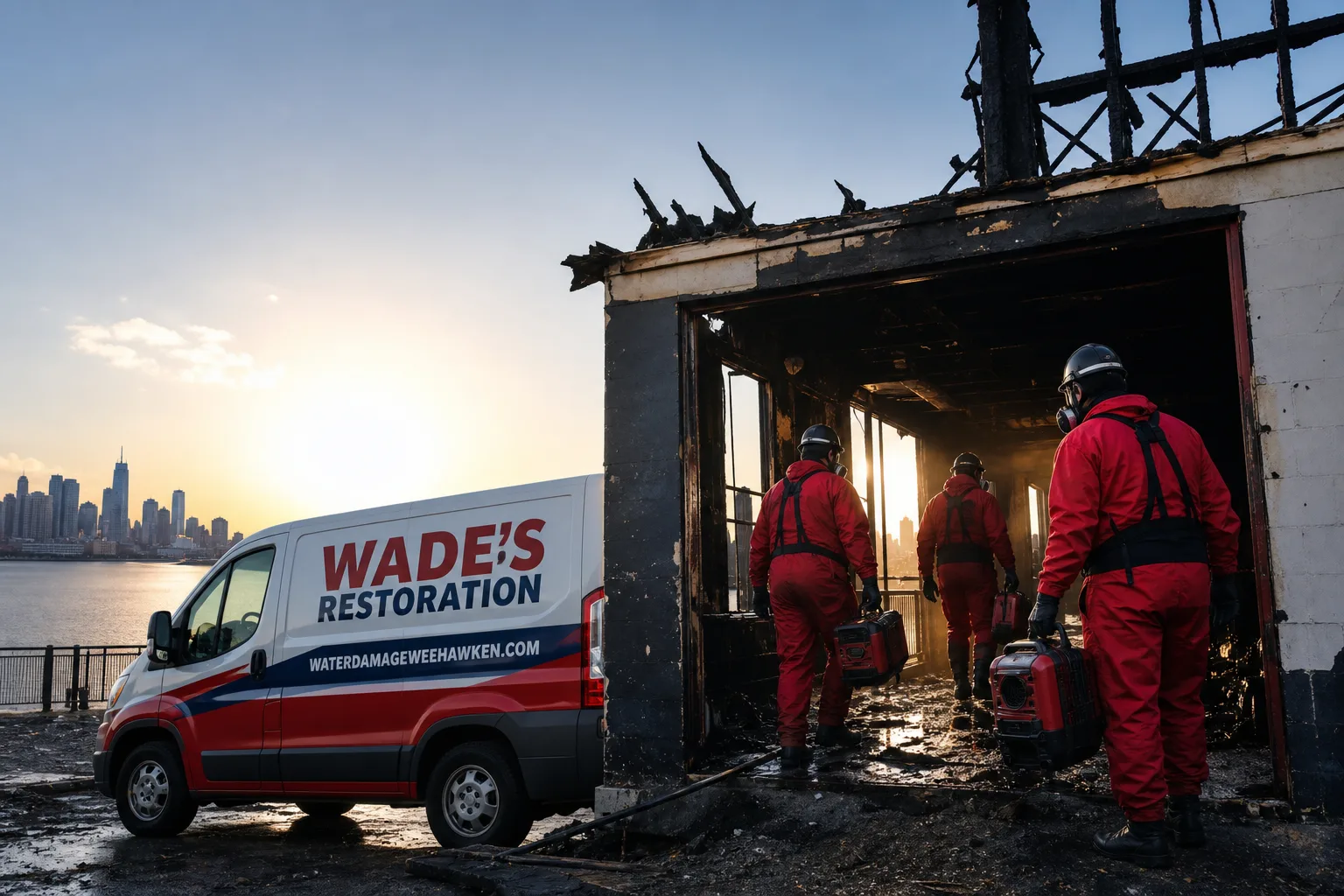
Free visual inspection and a written scope of work before any mitigation begins - photos, moisture readings, and drying logs go in your claim file
The scope we write is the scope we bill. Anything new gets shown to you, in writing, before we touch it.
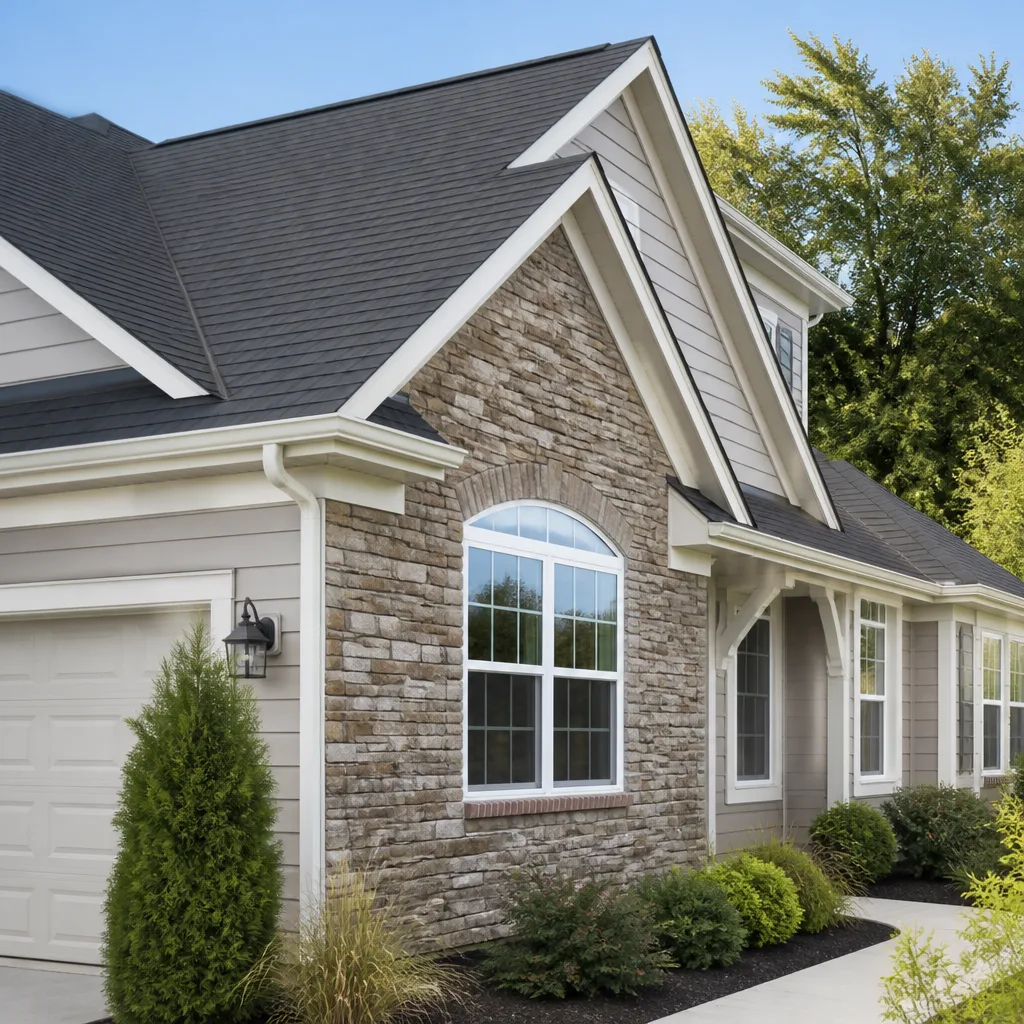
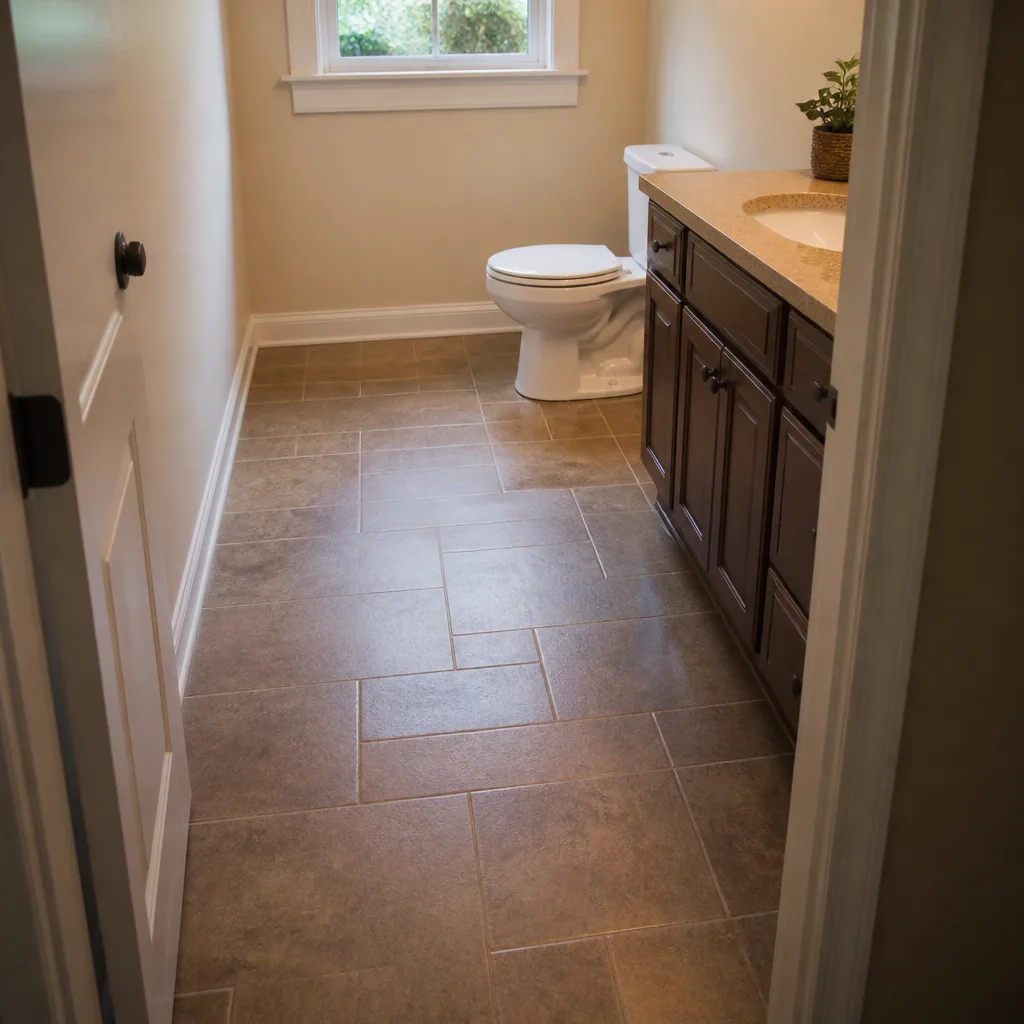
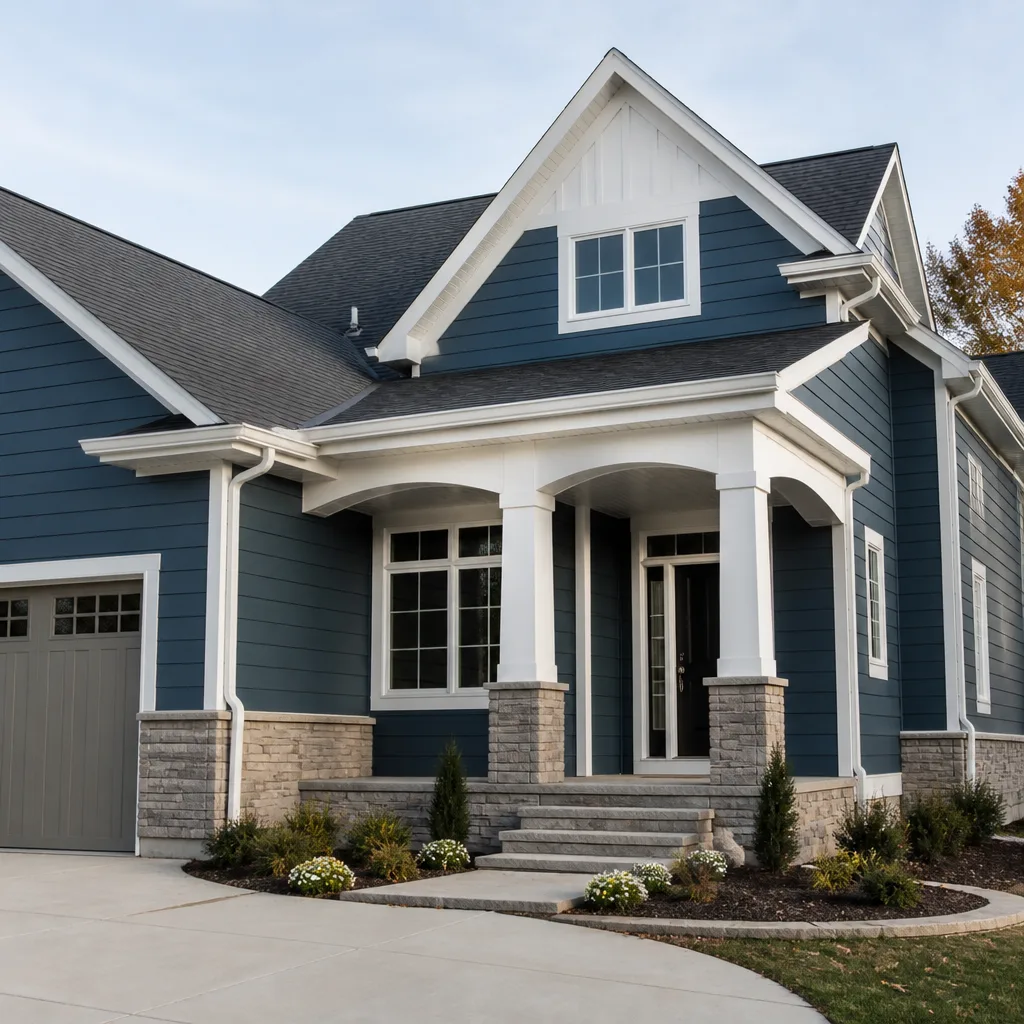
 Before
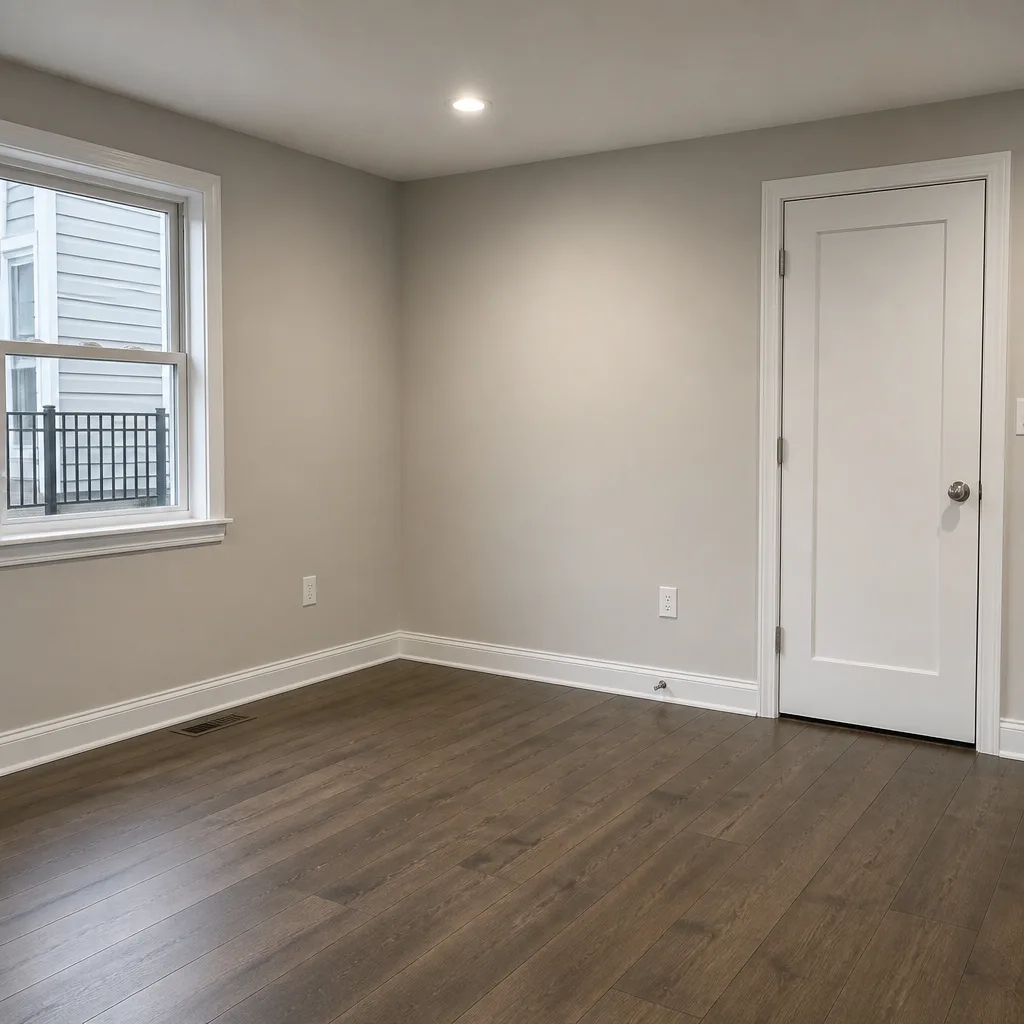 After
After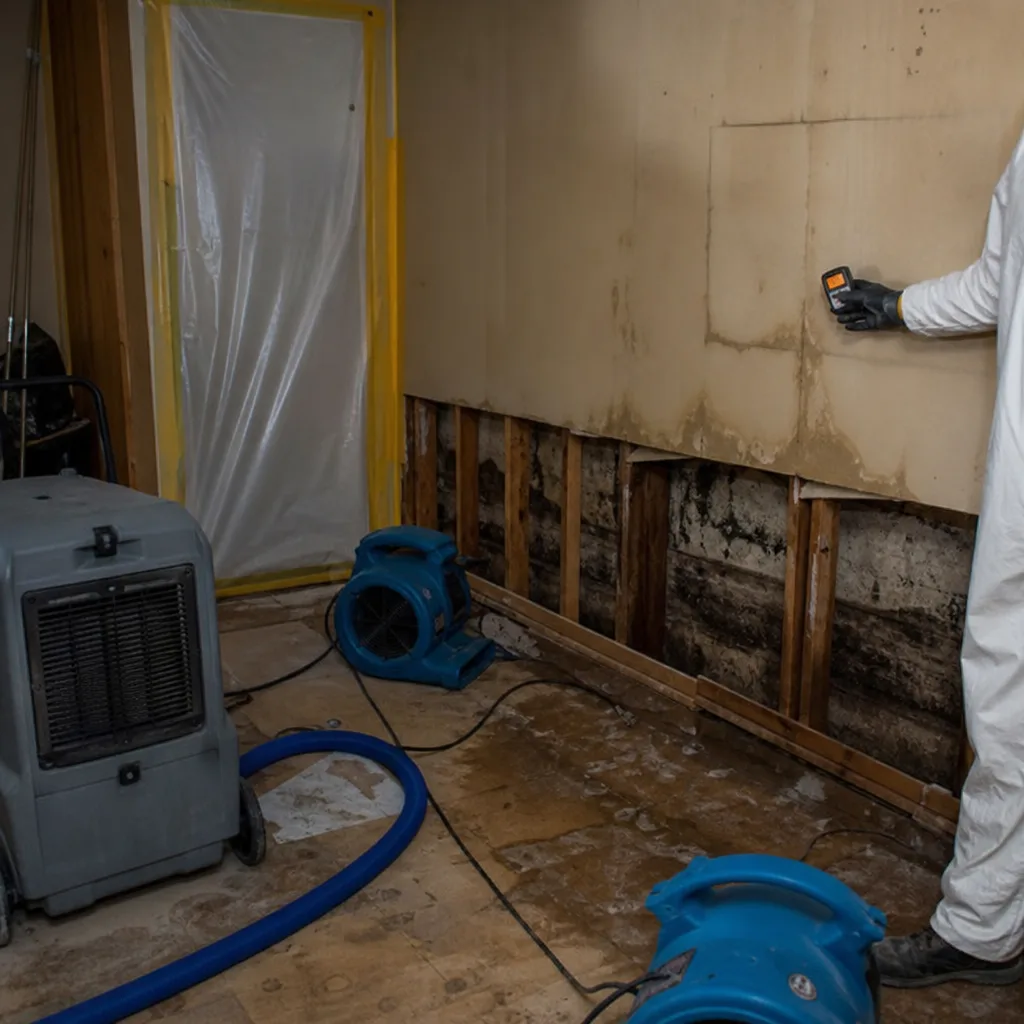 Before
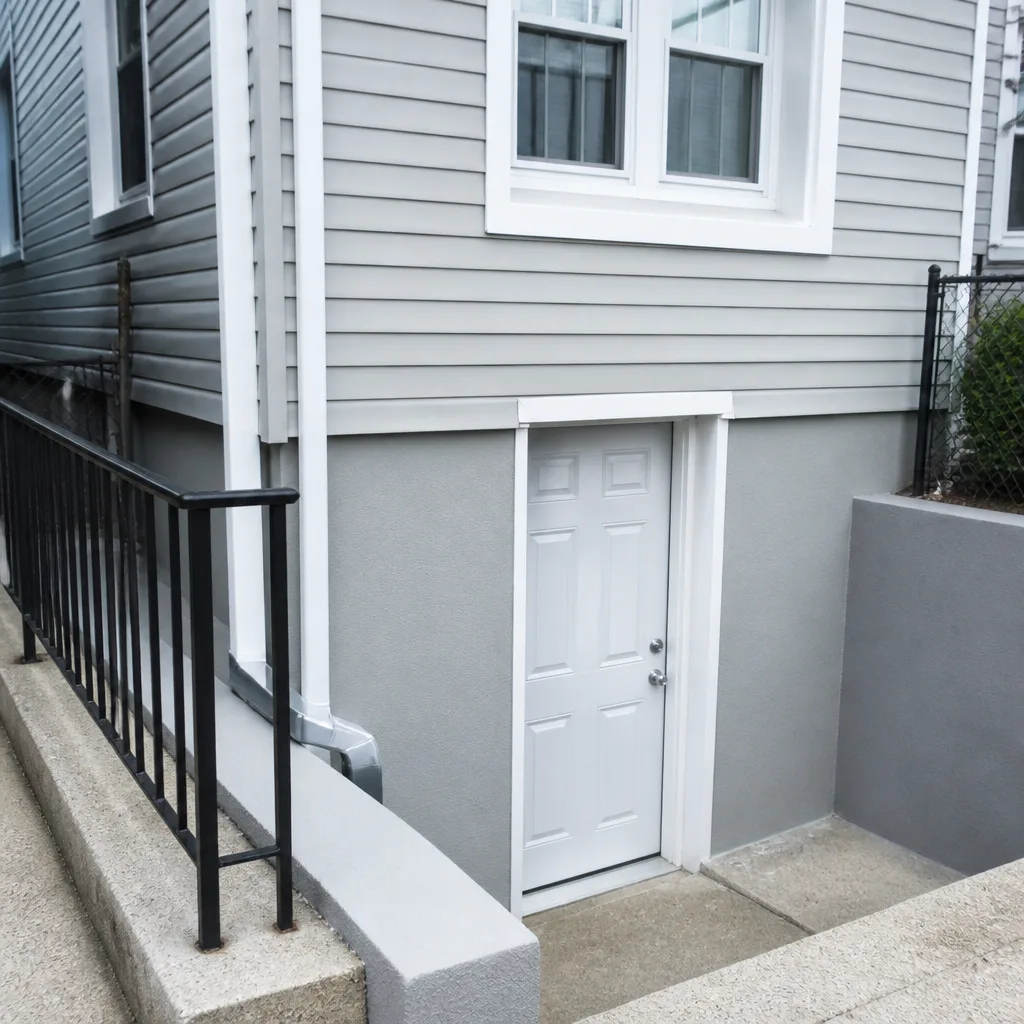 After
After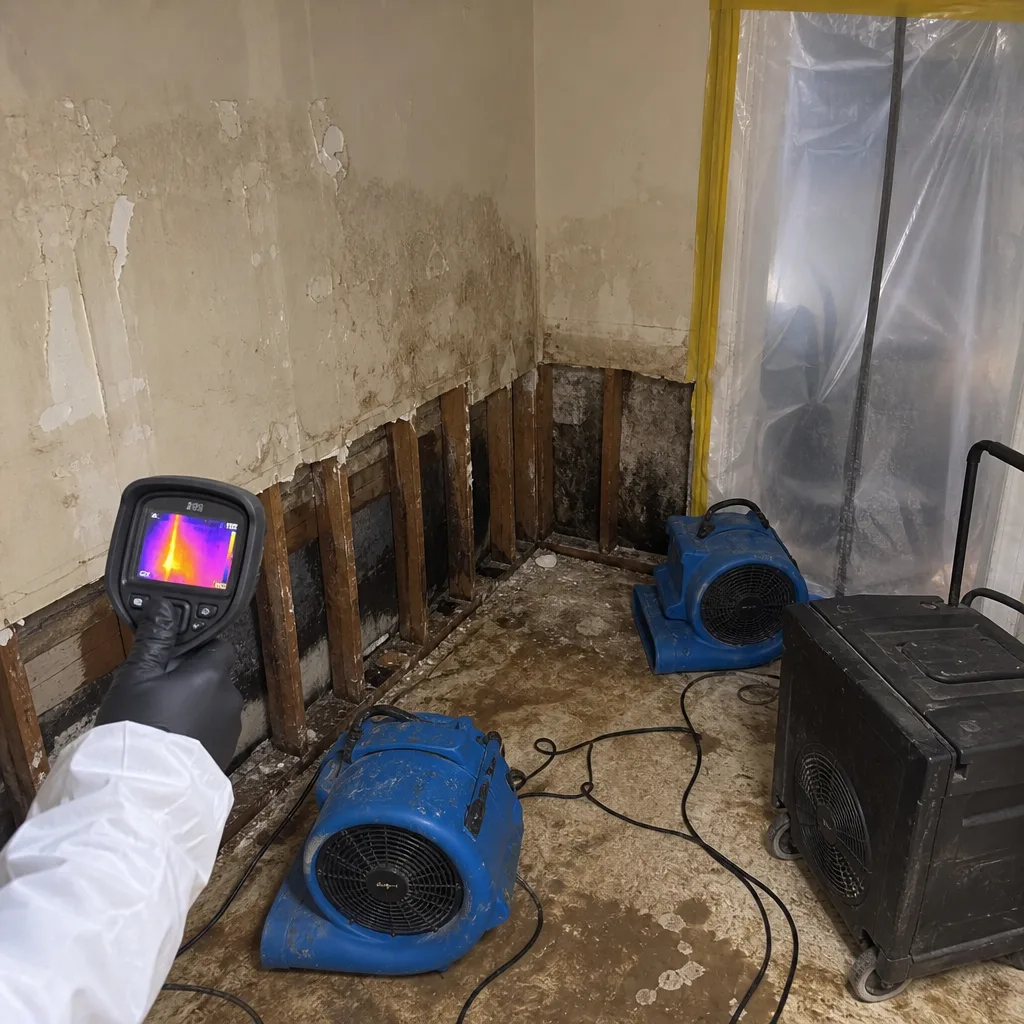 Before
 After
After24/7 Emergency Reconstruction & Cleanup in Astoria
Reconstruction after a water, fire, or sewage loss in Astoria means one thing first: the damage doesn’t wait. The older attached housing stock here shares walls, floor assemblies, and drain laterals between neighbors. When water moves, it moves fast and far. Wade Ferris and his crew answer the phone live, 24 hours a day, every day. If your basement apartment or rowhouse took on water, call (201) 740-2235 right now. The first hour determines what can be dried versus what has to be torn out and rebuilt. We’re minutes away from 30th Avenue, Steinway Street, and Ditmars, and we show up with extraction equipment, dehumidifiers, and a written scope before anyone starts guessing.
Understanding Reconstruction & Cleanup Severity in Astoria Properties
Astoria’s buildings are mostly attached brick rowhouses, two- and three-family semi-detached homes, and six-story pre-war apartment buildings. Most were built between the 1920s and 1950s. That age matters when something fails. A category 1 clean-water break from a galvanized supply line becomes a category 2 gray-water problem once it passes through the plaster, old floorboards, or deteriorated underlayment between units. If a combined sewer backs up, you’re in category 3 territory: black water loaded with bacteria, sewage, and whatever else the pipe carried. In Astoria, that’s not rare. The 1930s-era drain laterals along blocks between the waterfront and 31st Street often share a single connection under the alley. One blockage can push category 3 water into multiple basement apartments across two or three buildings at once. Severity here is structural. Water wicks through shared brick party walls, saturates the joist pockets, and climbs the plaster on the neighbor’s side. If the drying plan doesn’t account for that migration path, you’re picking out mold a month later. That’s why our crew does daily moisture readings, not a once-and-done check. We map the moisture and hand you the log at the end of the job.
Why Astoria Property Owners Choose Wade’s Restoration
- 45-minute response commitment: Wade’s crew is based near the neighborhood. On a category 3 backup off Broadway or 34th Avenue, extraction starts within the hour, not tomorrow.
- 24/7 live answer, always a real person: Wade answers his own phone. No answering service, no voicemail tree, no nationwide call center. You call, a human picks up.
- IICRC-certified crews: Water damage techs hold WRT and ASD certifications. Fire and smoke work follows FSRT protocols. Mold jobs run under AMRT and contain the air, not just the surface.
- Free visual inspection: Before any work starts, Wade or a senior tech walks the property with you. You get a written scope, not a verbal estimate that changes behind a clipboard.
- Direct insurance billing and documentation: We take the photos, log the moisture readings, and talk straight to your adjuster. You’re not the messenger between two parties that never answer the phone.
- One team from extraction to reconstruction: The same crew that pulls the water rebuilds the wall. No hand-off to a sub nobody vetted. Wade’s name stays on the job until the last coat of paint is dry.
Our Reconstruction & Cleanup Process
Inspection & Assessment
We arrive for Water Damage Restoration - Astoria, walk the entire affected area with you or your property manager, and take initial moisture readings. Thermal imaging shows where water migrated inside the walls and under floors that look dry on the surface. You get a written scope of work before we cut anything.
Extraction & Stabilization
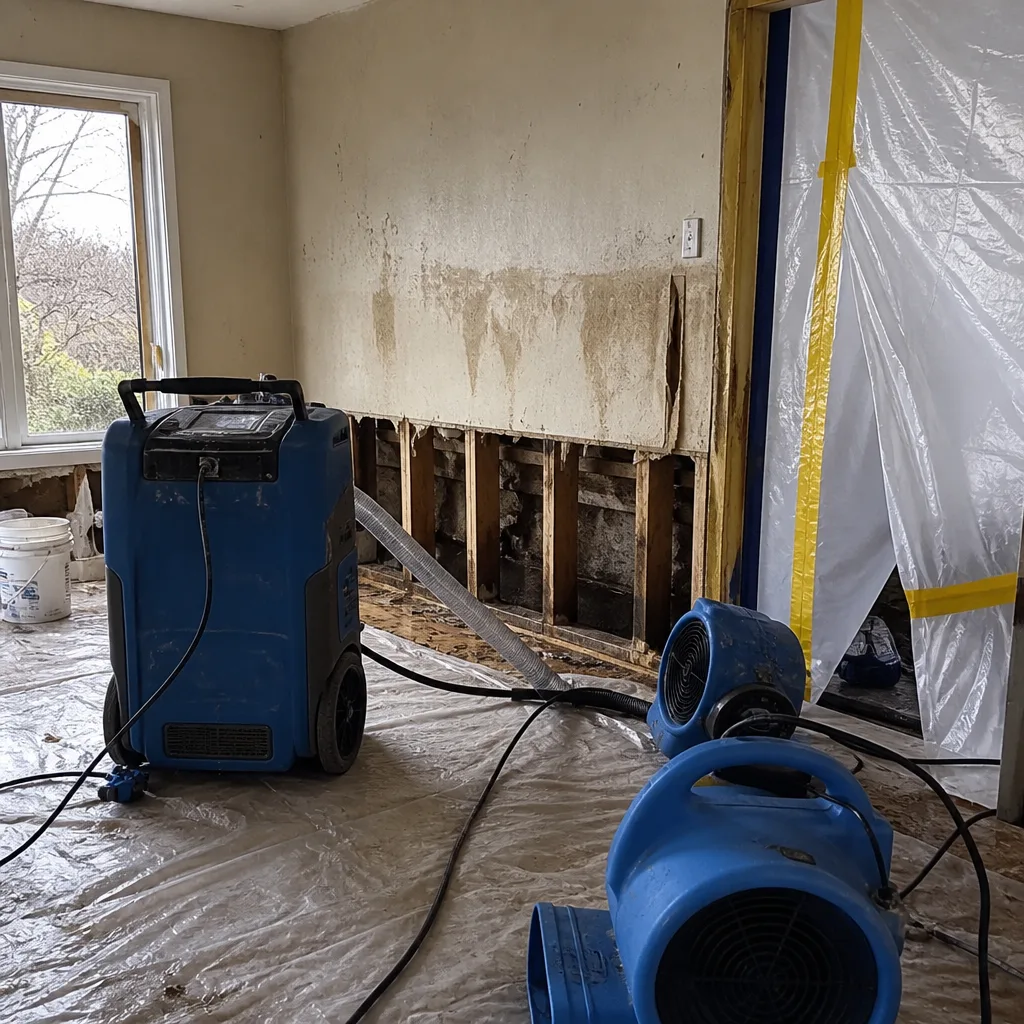
Portable and truck-mounted extraction pulls standing water from basement units, garden-level apartments, and upper-floor pipe breaks. We set containment and remove saturated materials that will never dry: padding, wet drywall, compromised insulation.
Drying & Dehumidification
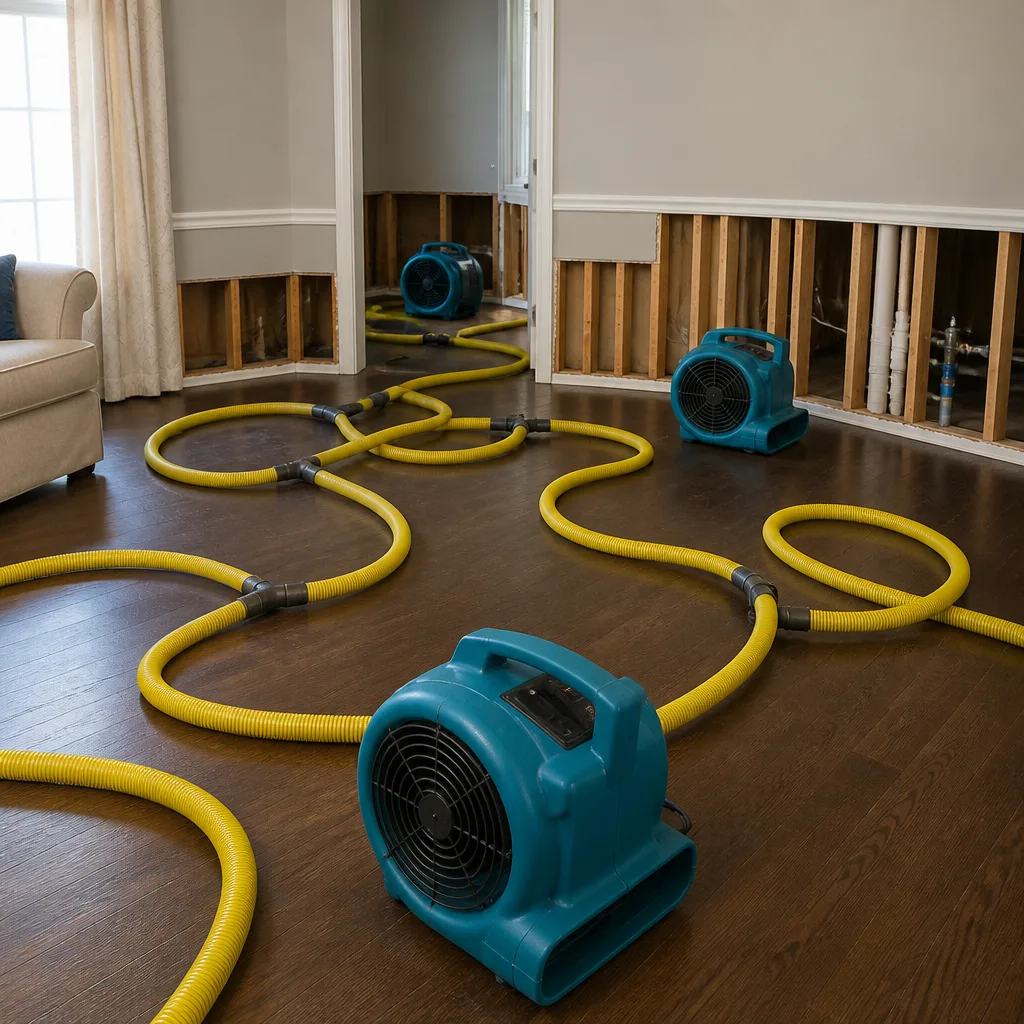
Low-grain refrigerant and desiccant dehumidifiers (Dri-Eaz, Phoenix) paired with high-velocity air movers are placed against shared party walls, not just the open floor. We take hygrometer readings daily and adjust the layout until the structure hits dry standard.
Cleaning & Sanitization
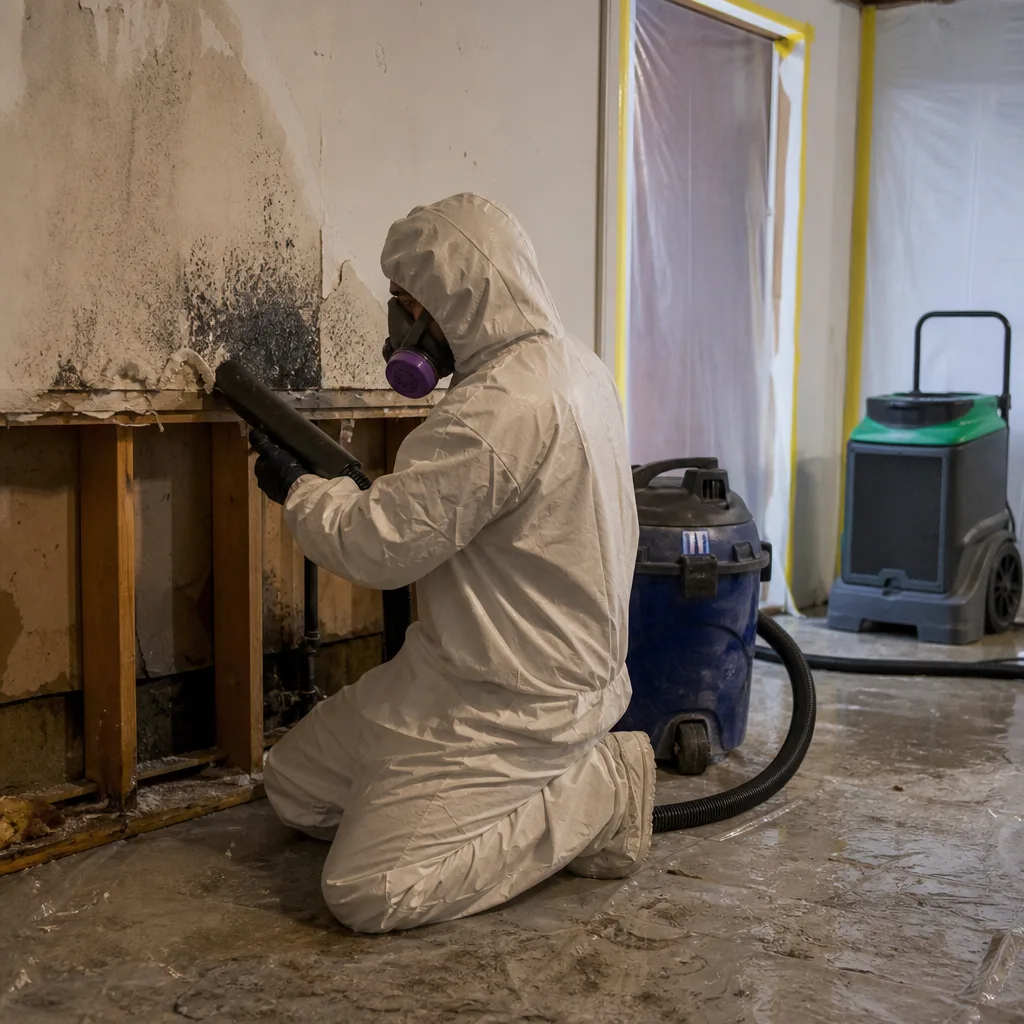
For category 2 and 3 losses, we apply antimicrobial treatments and run HEPA air scrubbers. Sewage-impacted surfaces get disposed of, not just sprayed. Contents that can be saved are cleaned, sanitized, and documented item by item.
Contents Restoration & Pack-Out
Furniture, rugs, clothing, and electronics from flooded basement apartments move to our facility for cleaning and storage. We photograph everything, label every box, and send an inventory to your insurer. Nothing gets tossed without written approval.
Repairs & Reconstruction
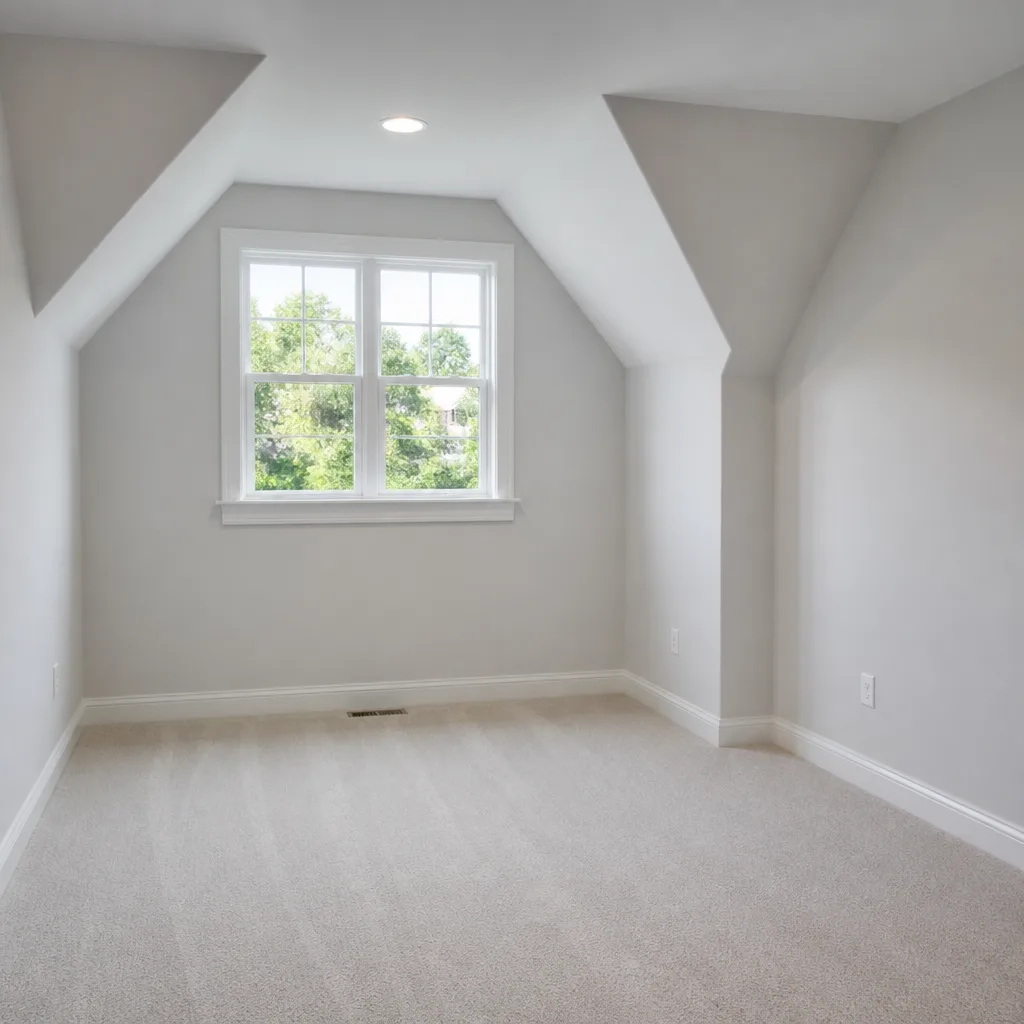
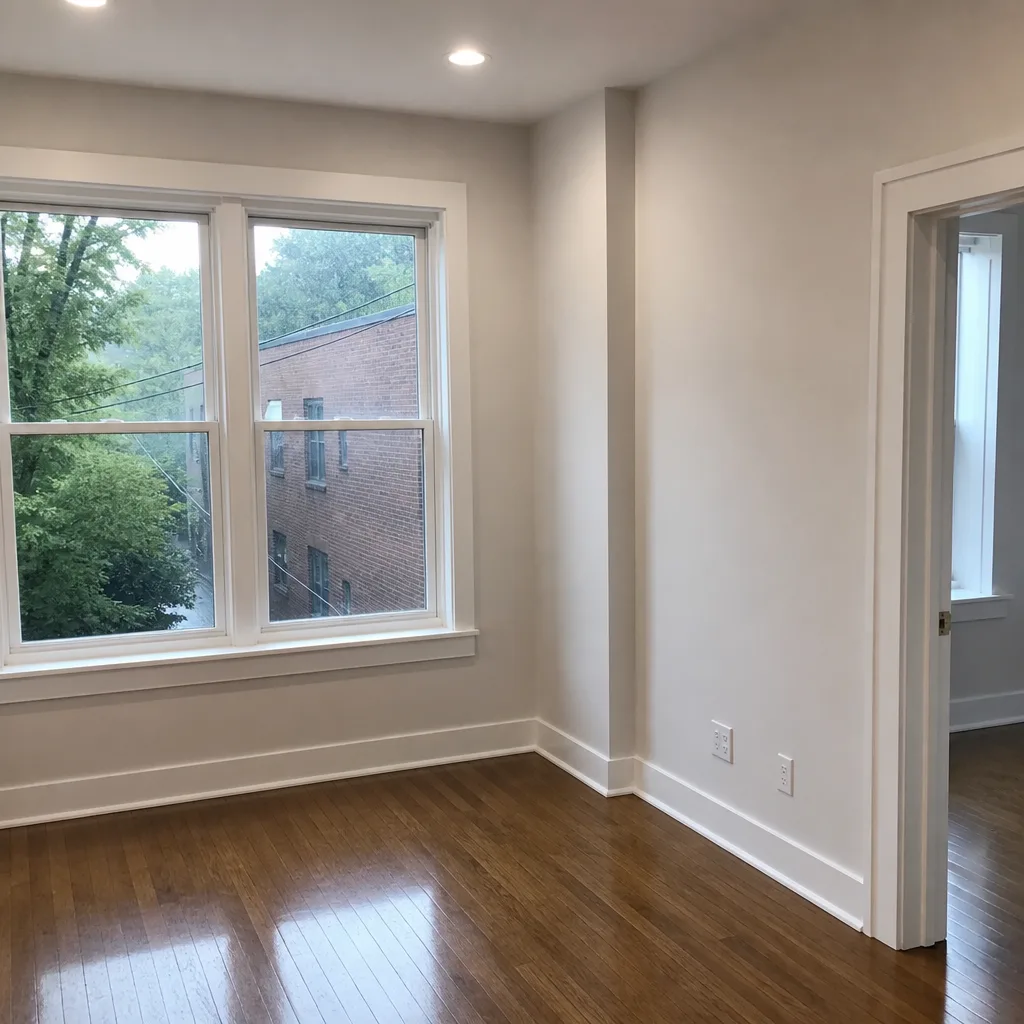
Drywall cut to fit through Astoria’s narrow stairwells and 24-inch basement doorways. We rebuild to the original condition or better, coordinate with your landlord or co-op board, and leave a home you can live in.
Need Emergency Reconstruction & Cleanup in Astoria Now?
Crews minutes away, answering live 24 hours a day. The sooner we start, the less it costs.
Working With Your Insurance Company
Insurance claims in Astoria get complicated fast. When one sewer lateral serves three attached buildings, there are three policies, three adjusters, and three landlords all pointing at the same pipe. Wade’s Restoration has handled this for years. We document everything from the first hour: photos of the loss before demolition, moisture readings from the day we arrive to the day we pull the drying equipment, detailed line-item scopes that match Xactimate conventions, and direct adjuster communication. You get a full drying log when the job ends, not just a final invoice. Wade talks to the adjuster directly. If the adjuster has questions about why a party wall in a rowhouse needs to be opened, we explain it in construction terms, with the data behind it. We also know how NYC Housing Court paperwork and rent-stabilized lease obligations affect what a landlord’s policy covers versus what the tenant’s renter insurance has to pick up.
What We Provide Your Insurer
- Thorough documentation of the loss
- Photos of all damage, room by room
- Moisture readings and drying logs
- A detailed, line-item scope of work
- Direct coordination with your carrier
Built for Astoria’s Loss Calendar
Astoria has a loss calendar, not just a loss season. January and February are the deep-freeze months when galvanized supply lines in pre-war rowhouses let go. The first sign is usually the sound of water running inside a wall at 3 a.m. Spring brings thaw and rain. Melting snow on flat built-up tar roofs ponds at the parapet seams, and the water finds its way down through stacked floor assemblies. By summer, heavy thunderstorms overwhelm the combined sewer system. The hardscape from Ditmars to Broadway can’t absorb the runoff, so the sewers back up into the garden-level rental units that sit below grade. Nor’easters and tropical systems, like Sandy showed us, push storm surge up the East River at Hell Gate and into the waterfront blocks. Fall is the quiet month, but it’s when smart landlords and homeowners in Astoria get their drain laterals camera-inspected before winter. The shared-lateral reality means the building next door is part of your risk profile, like it or not.
Reconstruction & Cleanup Across Astoria’s Neighborhoods
The work changes block by block. Along Ditmars-Steinway, the mix of attached brick rowhouses and older multi-family walk-ups means most jobs are upper-floor pipe breaks that migrate down through the joist bays into the unit below. Tight interior stairwells make equipment staging a puzzle. We hand-carry air movers up and the debris down. Over near Astoria Park and the East River waterfront, storm-related water intrusion is the recurring story. These blocks sit closer to the flood zone near Hell Gate, and the older basements there take on river water during heavy coastal events. The 30th Avenue corridor, especially the blocks between 29th and 34th Streets, is where we’ve seen the worst shared-lateral sewage backups. Those garden-level apartments sit below the street, and multiple addresses link to one aging combined sewer pipe under the alley. Up around Steinway Street and Broadway, mixed commercial and residential buildings add another wrinkle: a pipe break in a first-floor storefront wicks into the apartments above, and reconstruction has to work around the business’s operating hours. We schedule that work in coordinated phases. And on the blocks off 21st Street near the waterfront, the semi-detached two-family homes have unique grading issues. Rear additions often drain toward the foundation, and a heavy rain funnels straight into the basement doorway. Our Reconstruction & Cleanup team plans for that before we set the first fan.
Specialized Reconstruction & Cleanup Services We Offer in Astoria
Full-Service Reconstruction
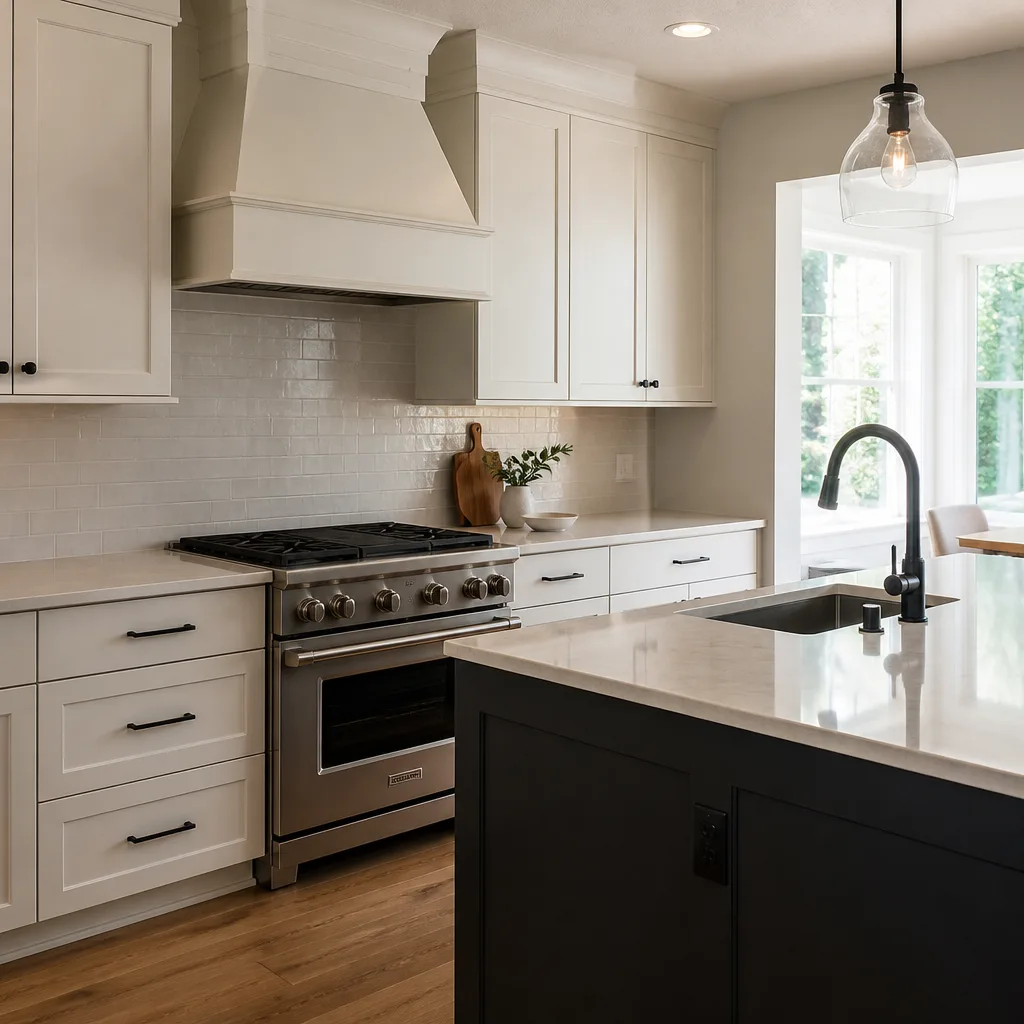
We rebuild what the water or fire took out. In Astoria’s pre-war buildings, that means matching plaster profiles, re-framing around old brick chimneys, and cutting drywall to fit through basement stairwells that were never designed for standard 4×8 sheets. We finish the job: trim, paint, flooring, doors. One crew from start to finish.
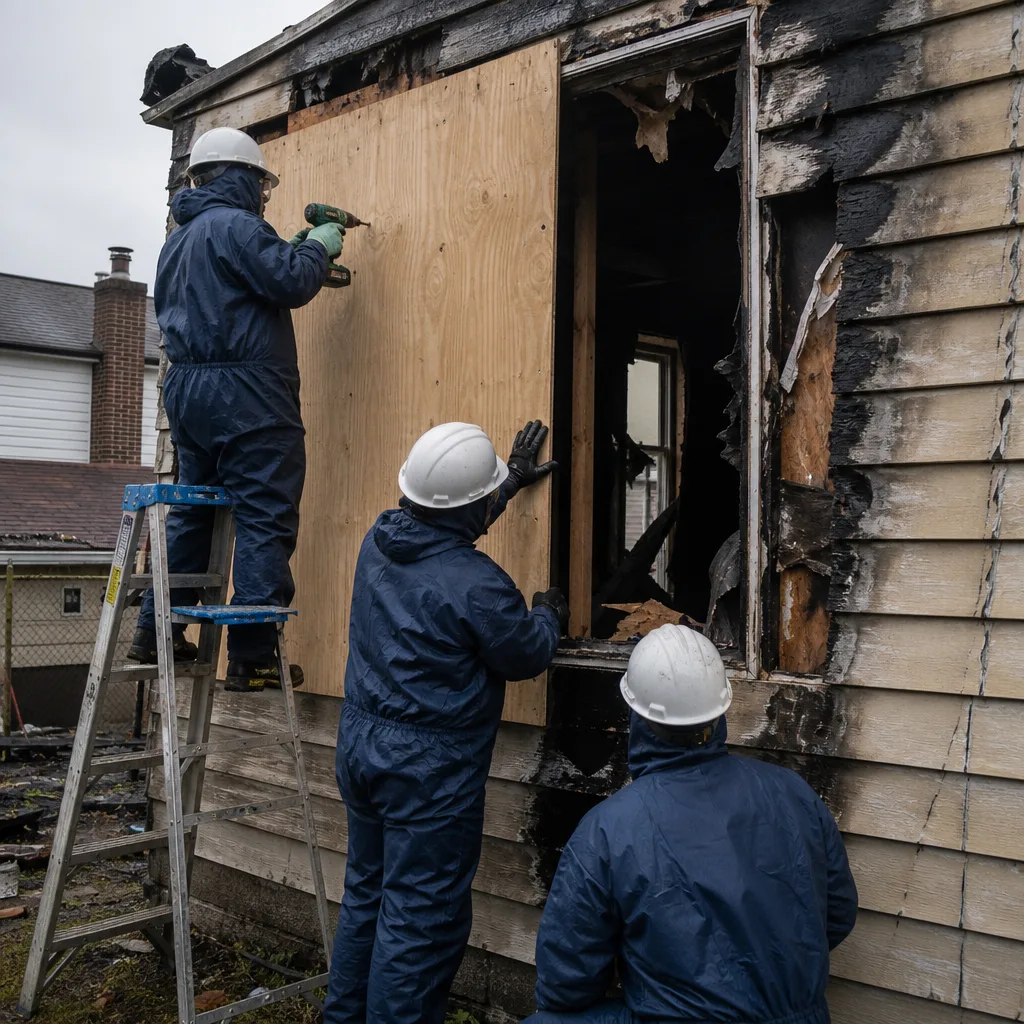
Contents Restoration & Pack-Out
When a garden-level apartment floods off 30th Avenue, everything in it is under water: rugs, clothing, furniture, family photos. We pack it out, clean what can be saved, and store it until the unit is rebuilt. Every item gets photographed and inventoried for the insurance claim. Nothing disappears into a storage unit without a paper trail.
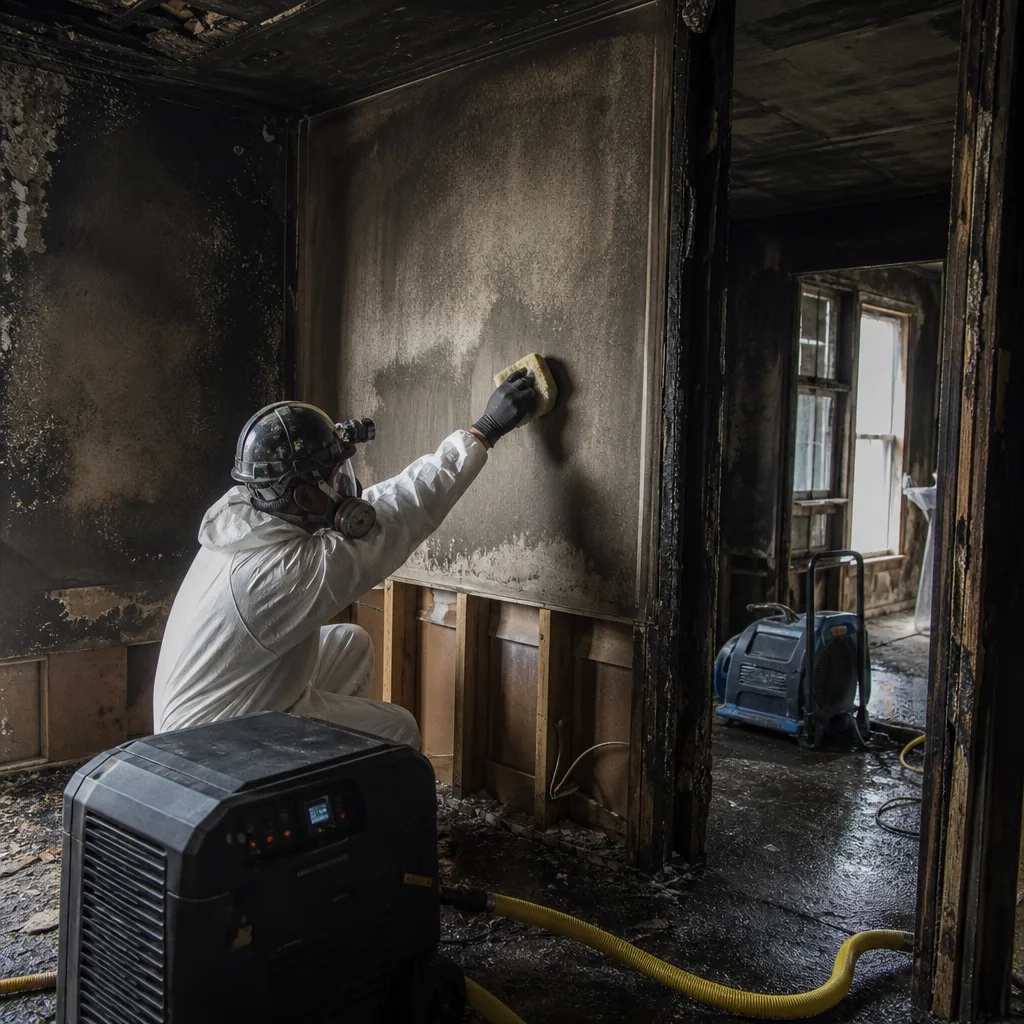
Insurance Claim Documentation
This is the biggest difference between us and a crew that just wants to cut drywall. We document the loss like a claim adjuster would: daily moisture logs, room-by-room photos, line-item scopes, equipment run times. When three landlords and three insurers are looking at the same basement flood, documentation is the only thing that keeps the settlement honest.
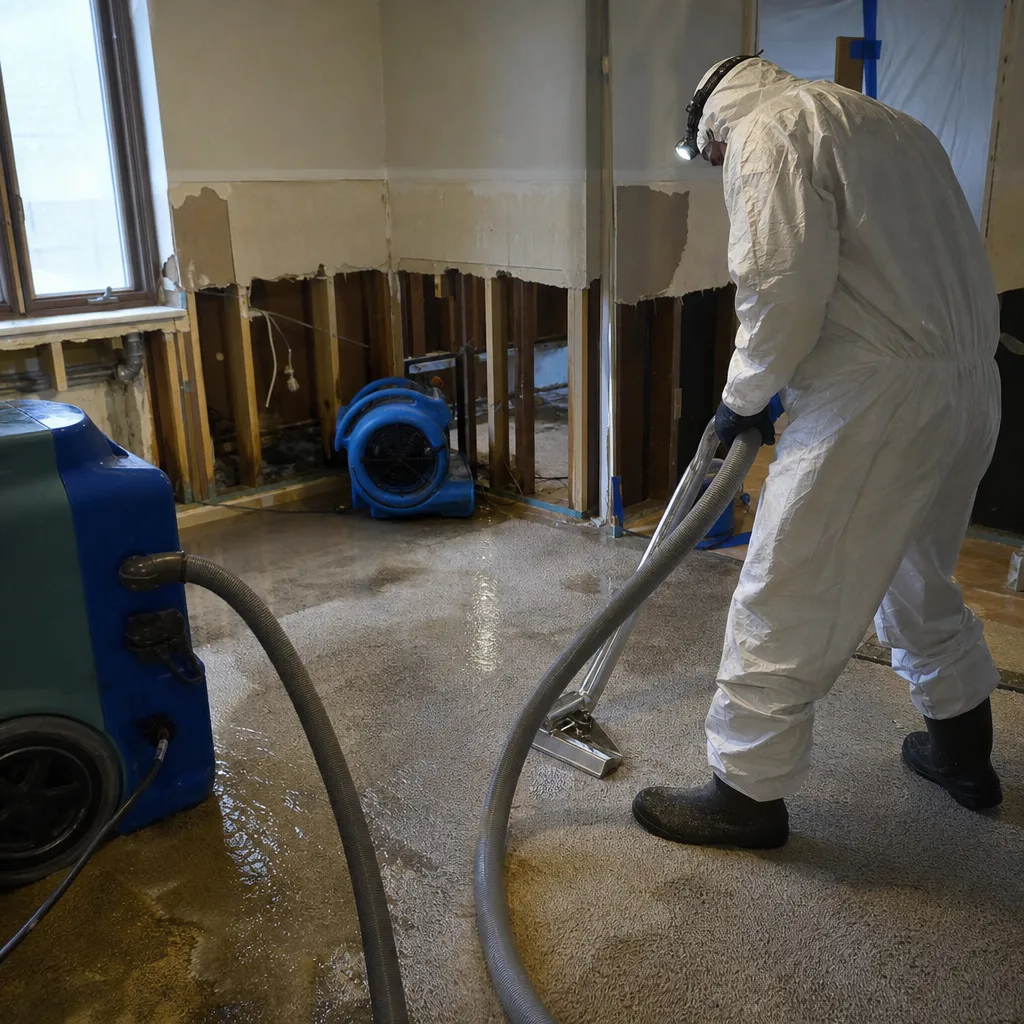
Drywall & Flooring Repair
Water damage means open ceilings, sagging plaster, buckled hardwood, delaminated subfloor. We repair and replace to match the original. In Astoria’s older units, that often means matching narrow plank oak flooring that’s been gone from supply yards for decades. Wade sources reclaimed materials when the building demands it.
Carpet & Upholstery Cleaning
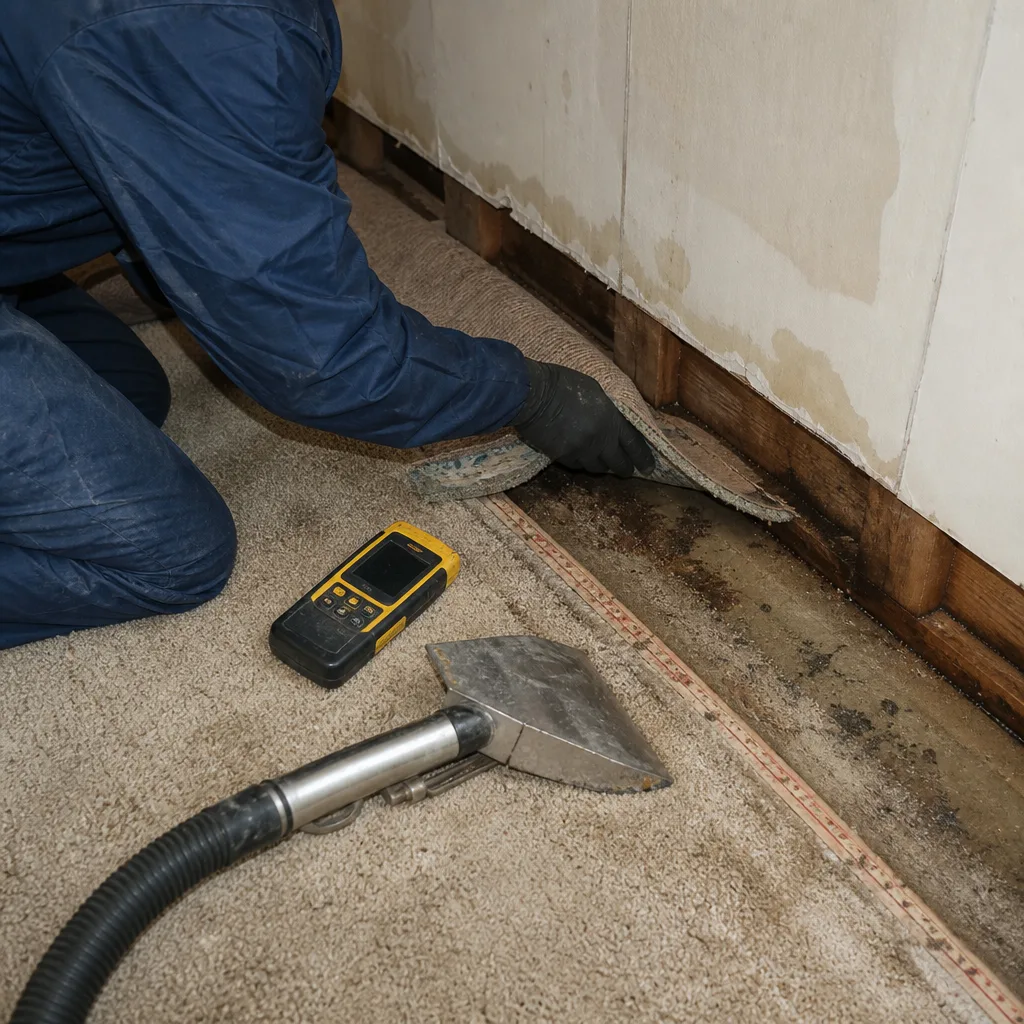
Not every rug needs to be torn out. We deep-clean and deodorize salvageable carpet and upholstery after category 1 and clean category 2 jobs. We use professional-grade hot water extraction equipment. If a rug tested positive for category 3 sewage, it goes. We don’t gas-cover a health hazard with a steam wand.
Post-Construction Cleanup
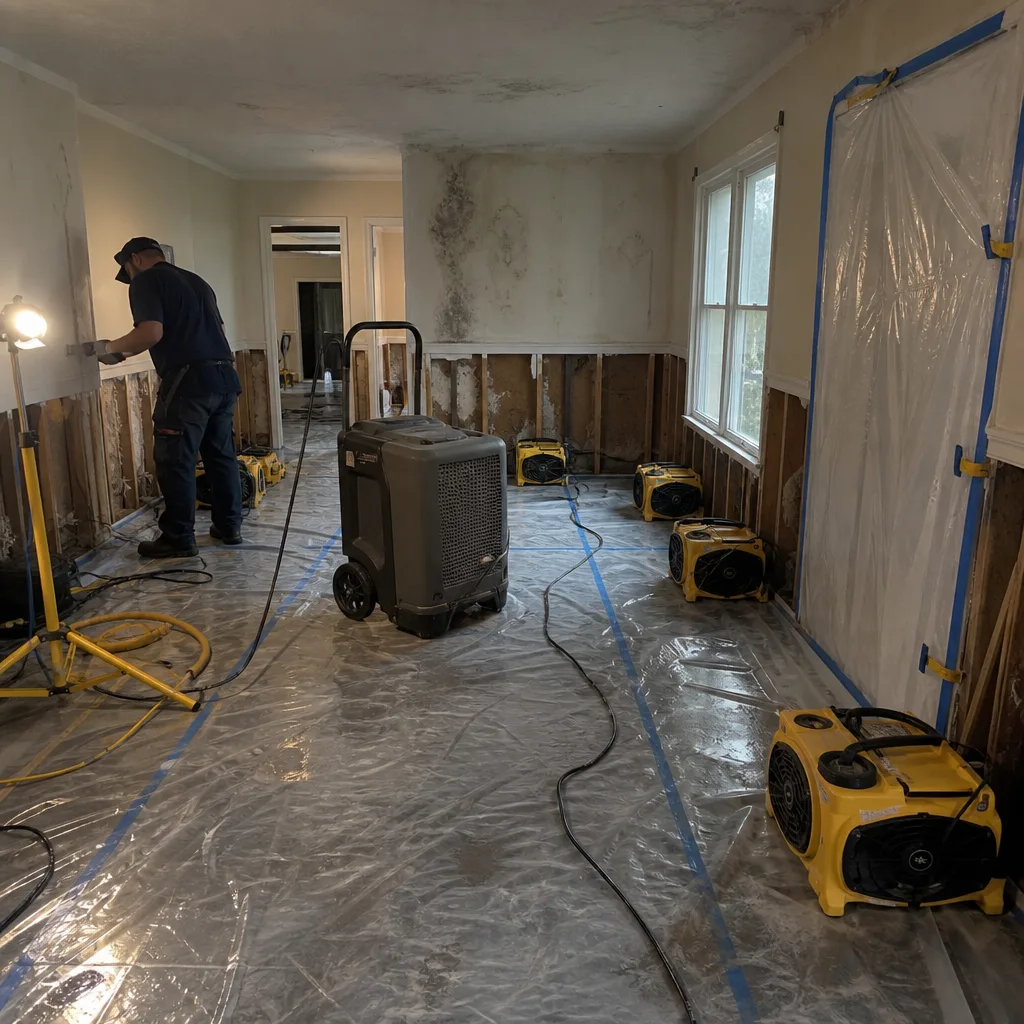
After the reconstruction is done, the dust is everywhere. We remove construction debris, HEPA-vacuum every surface, and clean the place so it’s actually livable. That includes the stairwells and shared hallways. Your neighbors never see a mess spilling onto their side.
What happens when you call
- 1
A real person answersNo phone trees - you reach a local pro.
- 2
You get an upfront price rangeHonest numbers before anyone is dispatched.
- 3
A background-checked tech heads outLicensed & insured, dispatched right away.
- 4
You approve before work beginsNothing starts until you say go.
Reconstruction & Cleanup Costs in Astoria, NY
We quote actual numbers. A small clean-water dry-out in a single Astoria basement apartment runs $1,500 to $3,500 when the water is caught early and the drying plan works. A category 3 sewage backup involving one garden-level unit with contaminated carpet, drywall, and contents pack-out typically lands between $5,000 and $12,000. Full reconstruction of a flooded basement apartment in a pre-war rowhouse, including drywall, trim, flooring, electrical, and paint, commonly runs $18,000 to $40,000 depending on the size of the space and the finish level. Party wall work costs more than a freestanding home because we have to dry and rebuild the shared side too. The shared-lateral situations where four or five units flood at once? Those claims run past $80,000 combined across the affected buildings. Your out-of-pocket portion depends on the policy language. Flood damage from a river or storm surge is not covered by standard homeowner’s insurance, which is why Sandy hit Astoria so hard. Sewer backup coverage is an add-on many policies include by default now, but older policies do not. The right move is to call us at (201) 740-2235 for a free visual inspection. You get a written scope and real numbers, and you can hand that straight to your adjuster. There is no charge for the visit, no trip charge in the county, and no obligation to move forward.
We Also Serve Cities Near Astoria
The crew regularly works in Long Island City, where the newer high-rise towers and older industrial conversions present a different set of reconstruction problems. Same team, same live answer, same written scope before any work begins.
Serving Astoria, NY - Our Local Coverage Area
We’re based in the Astoria area and know this community well. Use the map below to see our service coverage - if you’re nearby, we can almost certainly help.
Astoria Reconstruction & Cleanup Questions, Answered
We live in a pre-war brick rowhouse in Astoria. Our neighbor’s basement flooded from a sewer backup, but our unit is dry. Do we still need reconstruction or mitigation?
If your unit is truly dry, you may not need mitigation. But the shared brick party wall is the wild card. Water can wick through the masonry and into your floor joists without ever leaving a puddle. We recommend a moisture inspection whenever an attached neighbor has a category 3 backup. It takes 20 minutes and shows whether moisture is migrating through the wall cavity toward your side. Catching that early is a $500 drying set-up; missing it is a $15,000 Mold Remediation in Astoria and reconstruction bill.
The only access to our basement apartment is a narrow alley stairwell with a 26-inch-wide door. Can you still handle full reconstruction down there?
Yes. Astoria’s pre-war basement stairwells are notoriously tight. We carry smaller equipment to those jobs, hand-carry drywall in cut sections, and plan material staging from the street or the alley so nothing gets wedged or damaged. We’ve done full bathroom rebuilds and basement apartment reconstructions through 24- and 26-inch doorways off 30th Avenue, 28th Avenue, and way down near Broadway. It adds some labor, but it is nothing we haven’t done many times. Wade’s crew plans for that from the first walk-through.
How do you handle insurance documentation when one backup floods several basement units across different buildings in Astoria?
We treat each unit as its own claim, but we photograph and document the shared connection that caused the damage so every policy has the same factual record. That means separate drying logs for each apartment, separate photo sets, separate line-item scopes all from the same set of facts. The 1930s-era shared lateral under the alley is the root cause. We document that with camera footage. Then each adjuster for each policy works from the same evidence. Wade talks to all of them directly.
What is the realistic timeline for drying out a small garden-level apartment in Astoria after a clean-water pipe break?
In a pre-war building with solid masonry walls and an open joist ceiling, a small clean-water loss typically dries in 3 to 5 days with proper equipment. Add a day or two if the party wall on the neighbor’s side is involved. If the water came from a sewer backup or went through old flooring and sat for more than 24 hours, plan on a week or more and note that porous materials like carpet padding, particle boards, and soaked drywall and insulation get replaced, not dried. Wade takes moisture readings daily, so you’ll see the numbers moving toward dry standard.
Do you need special access or parking arrangements for your restoration vehicles on narrow Astoria streets?
Most of the time we can work around street parking, but double-parking a box truck on a street like 33rd Street between Broadway and 31st Avenue is no way to start a job with your neighbors. For big reconstruction jobs, we’ll coordinate with you, your property manager, or the local parking authority. We plan the equipment loads to match the access window. On emergency water extractions, we get in fast, set up, and move the van as soon as possible. The crew knows the streets. We have worked around the alternate-side days and understand where we can and can’t stage equipment.
I live in an apartment near Astoria Park. Does flood water from the East River count as a different kind of loss than a pipe break?
Yes. River water is classified as category 3 immediately. Storm surge carries fuel, sewage, and whatever the tide picks up along the waterfront. It needs full personal protective equipment for the crew, full containment, disposal of all absorbent and porous materials, and antimicrobial treatment on everything that stays. Insurance coverage is also different. A standard policy that covers a burst pipe often excludes surface water and storm surge. When we show up for a flood job near the East River, the first thing we do is help you understand what your policy actually says before you’re staring at a denial letter.
How often do you see the shared-lateral problem cause multiple units to flood at once in Astoria?
More often than people think. On the pre-war blocks between the waterfront and 31st Street, the drain laterals from two or three adjoining buildings often join one combined sewer connection under the alley. When that connection blocks, water comes up into all of them at once. We saw four basement apartments across three attached rowhouses flood from one clog last month. It’s one reason we start every sewage claim with a camera inspection of the lateral. Treating one unit’s floor drain while the shared pipe is still blocked buys you a re-flood, not a dry home.
What should I do in the first 30 minutes after a pipe breaks or a drain backs up in my
Astoria apartment?
Turn off the water at the fixture or the main if you know where it is. Do not walk through standing sewage water barefoot or in regular shoes. Call your landlord if you rent and call us at (201) 740-2235. Do not try to dry a category 3 mess with a box fan. Do not run a shop vac you are not prepared to disinfect properly. The first call gets Wade’s crew rolling and the first professional assessment moving. The right containment and extraction in the first hour is the difference between a $3,000 dry-out and a $25,000 reconstruction.
Written by Wade Ferris, Owner at Wade’s Restoration, serving the Astoria area since 2007.