
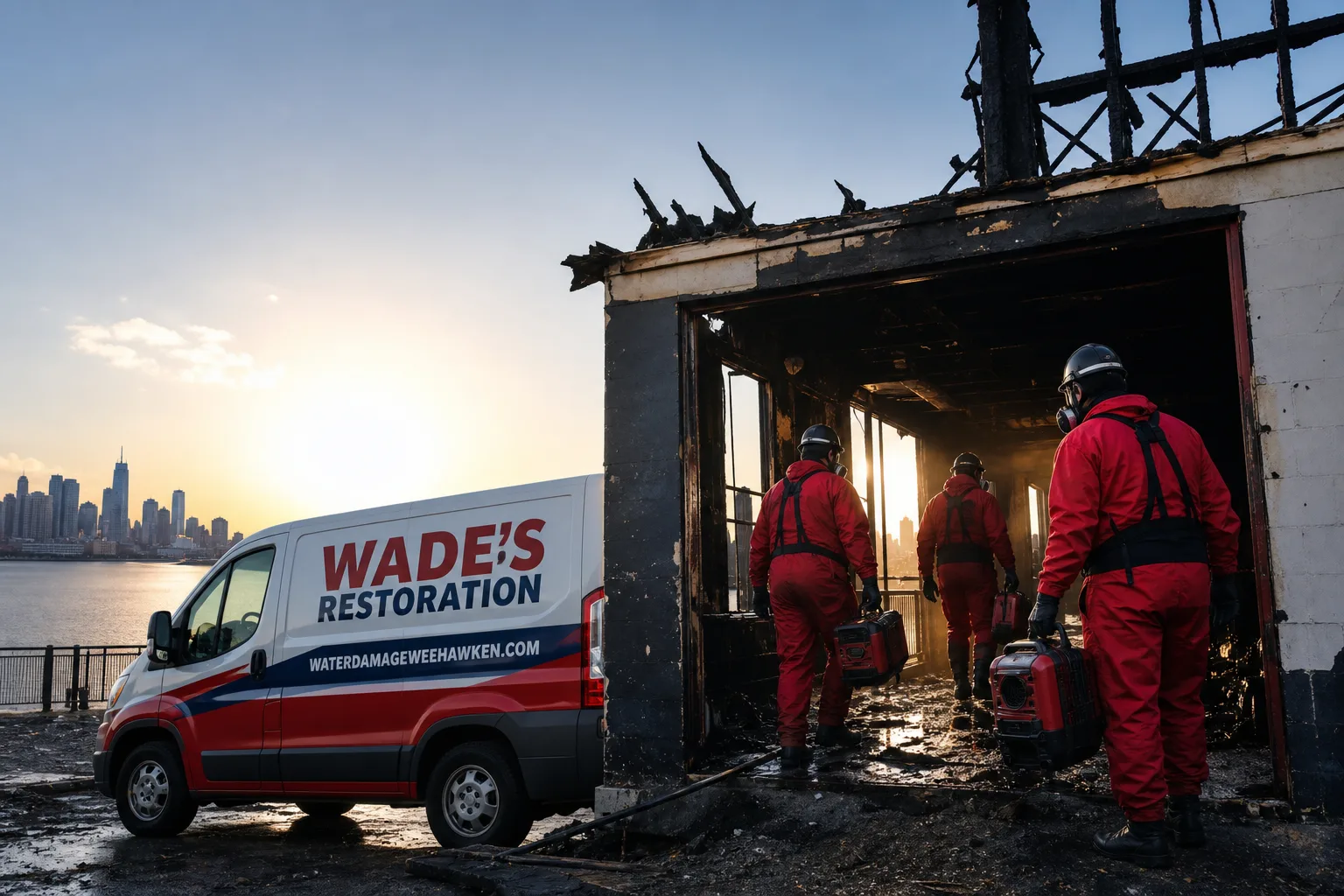
Free visual inspection and a written scope of work before any mitigation begins - photos, moisture readings, and drying logs go in your claim file
The scope we write is the scope we bill. Anything new gets shown to you, in writing, before we touch it.

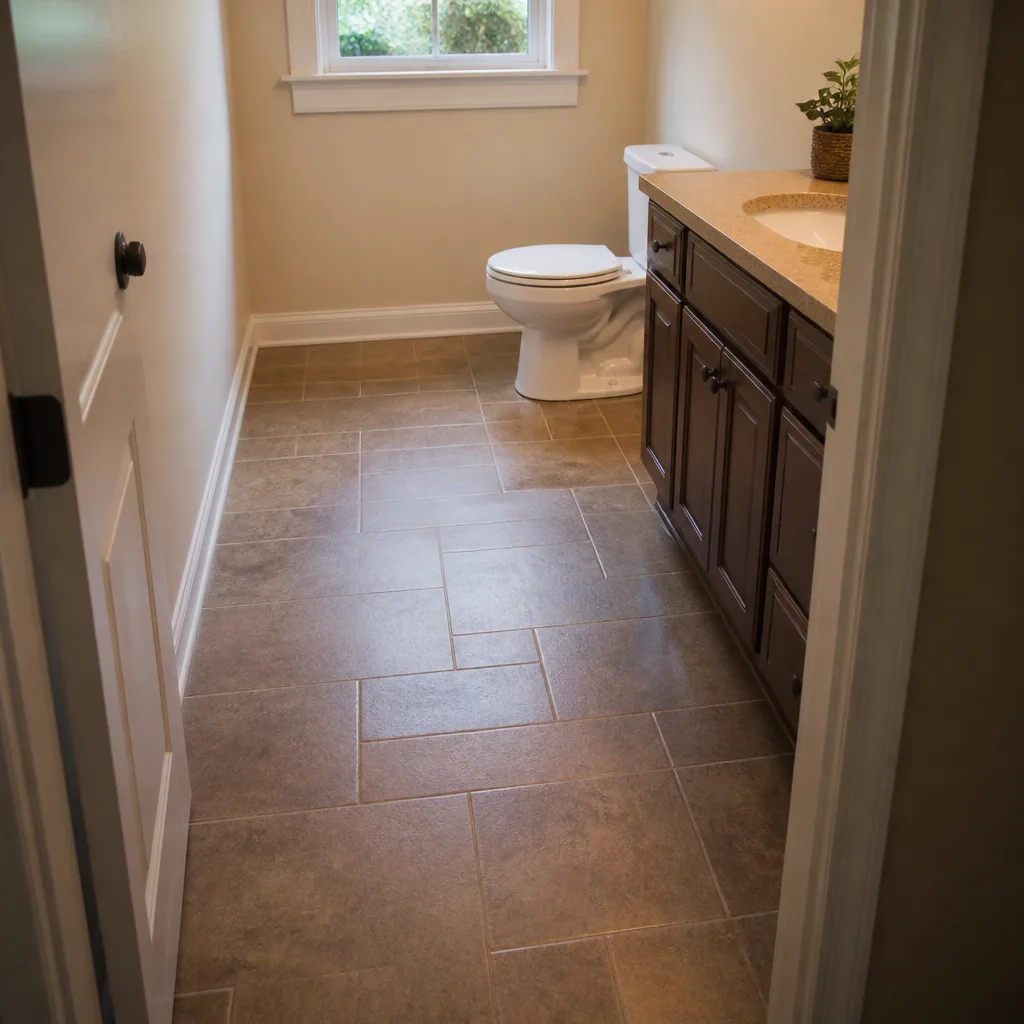
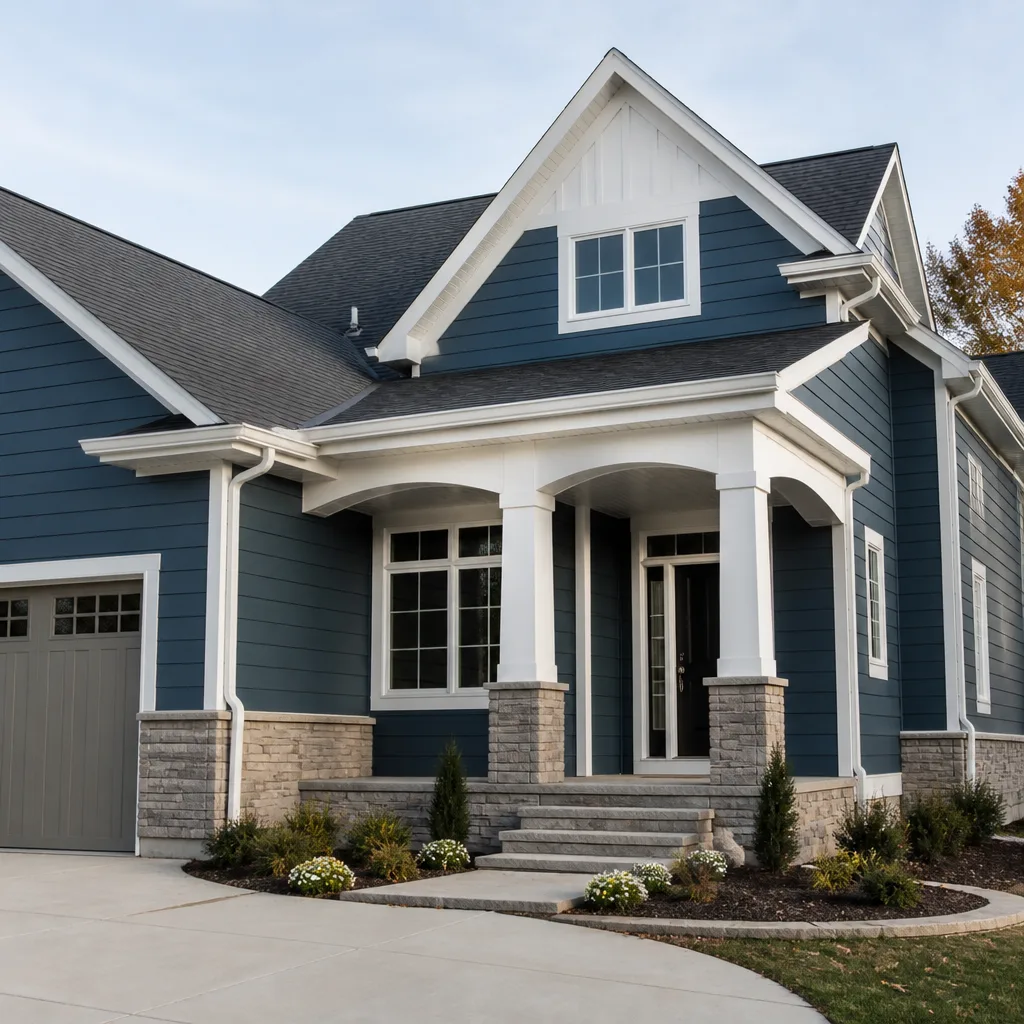
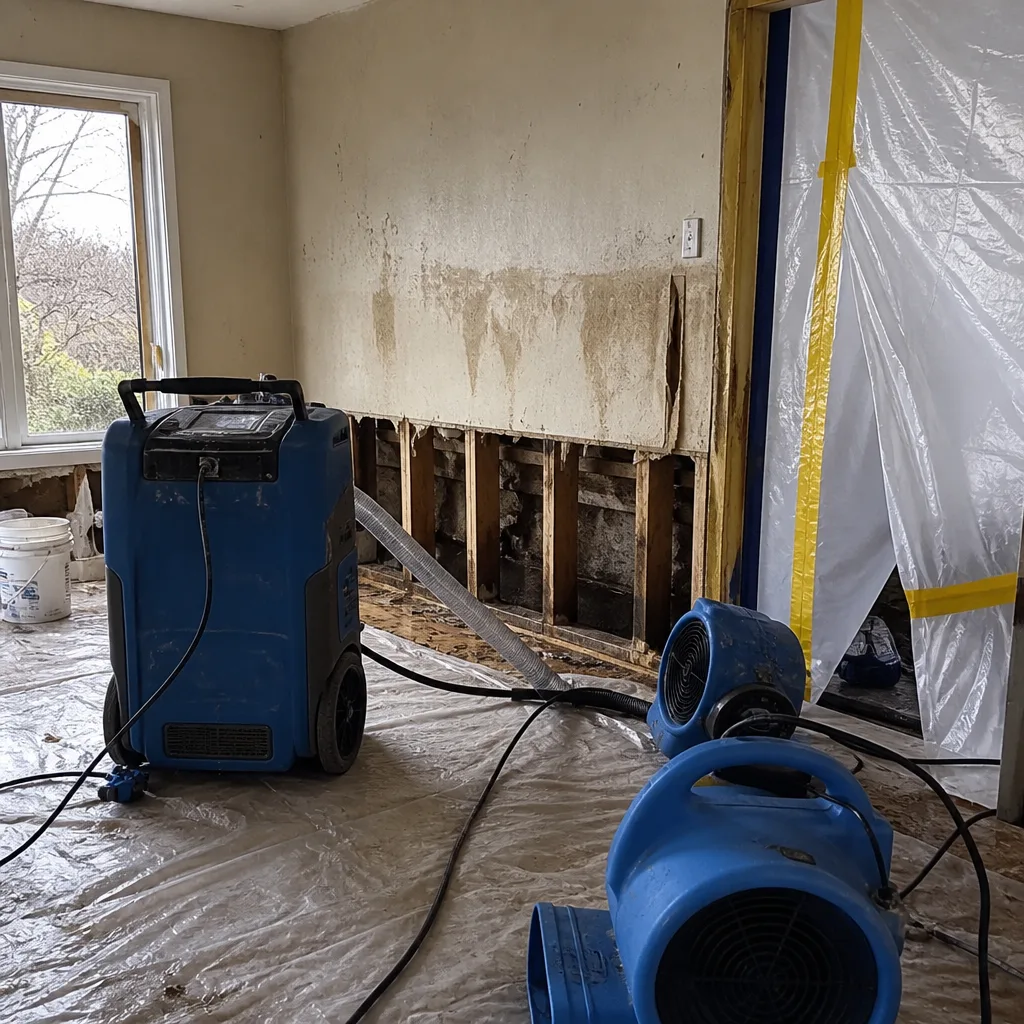 Before
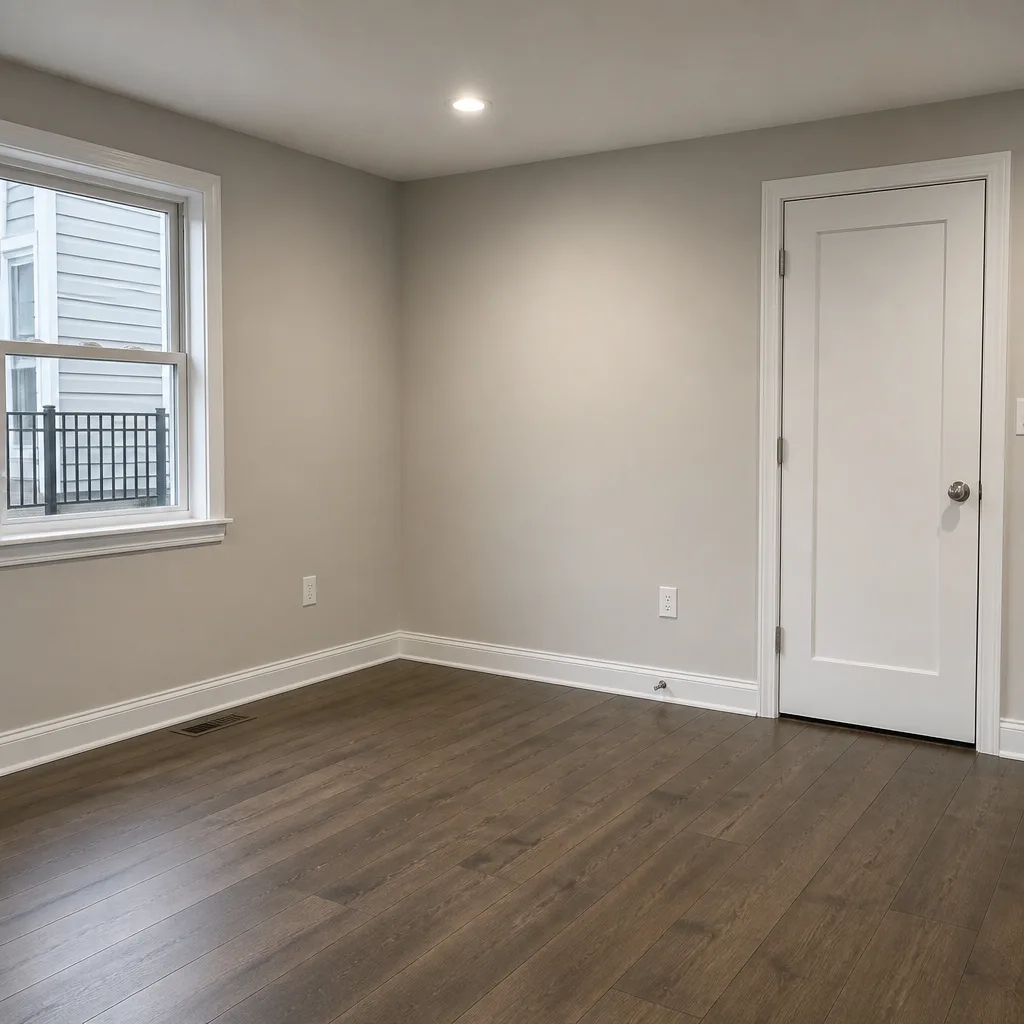 After
After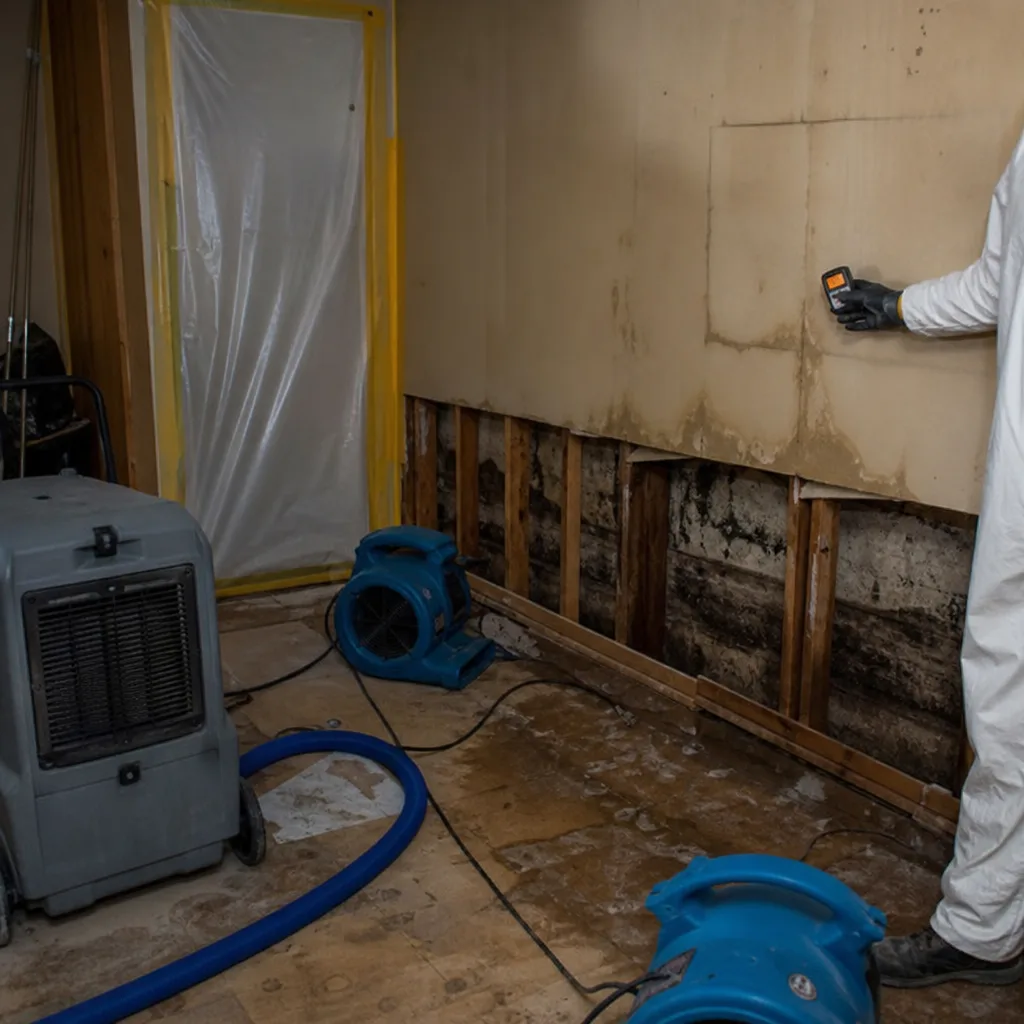 Before
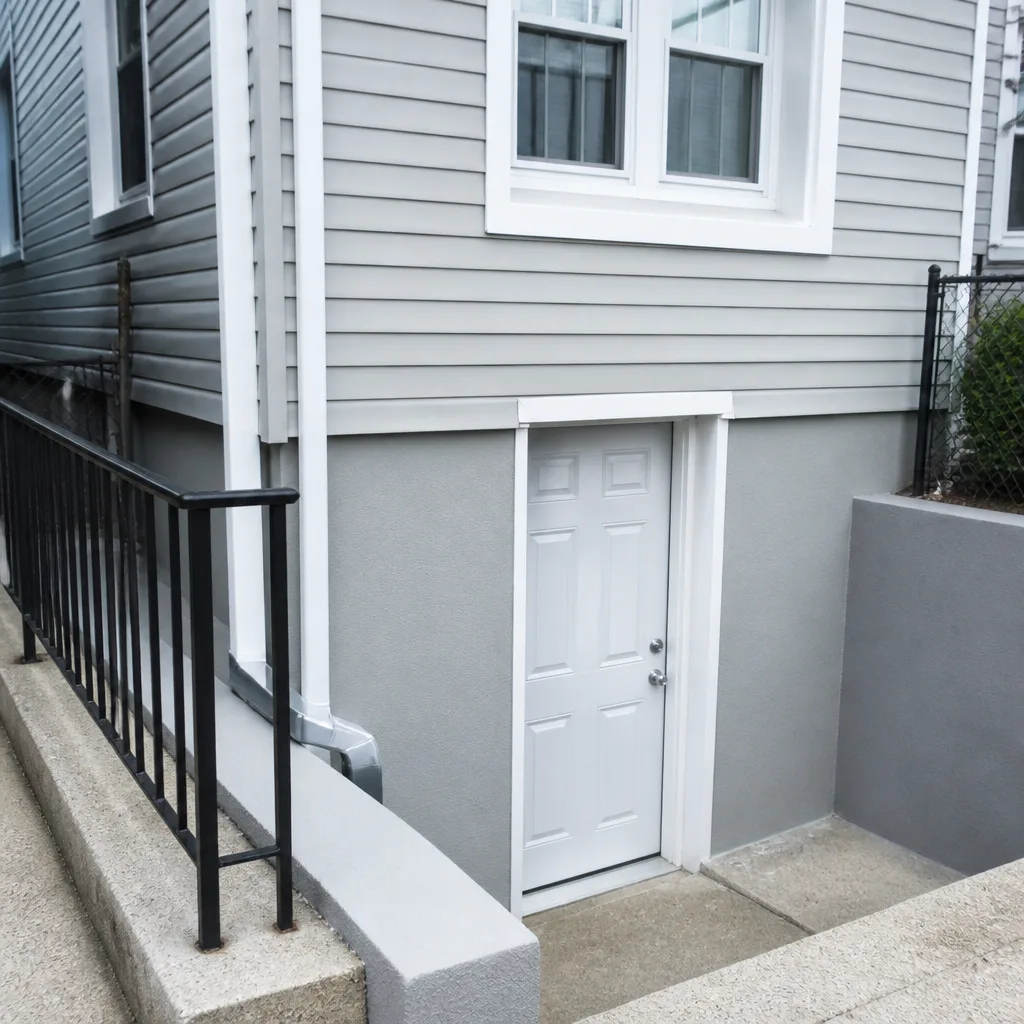 After
After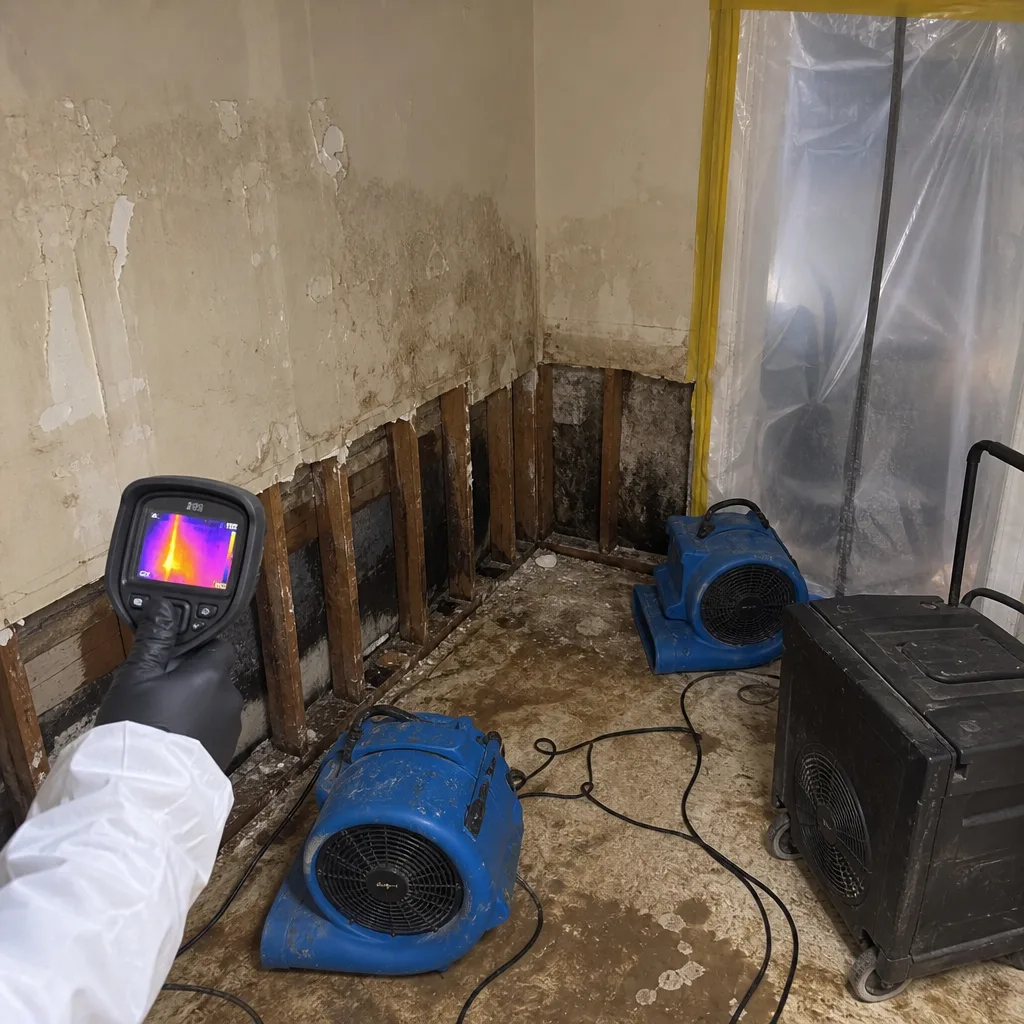 Before
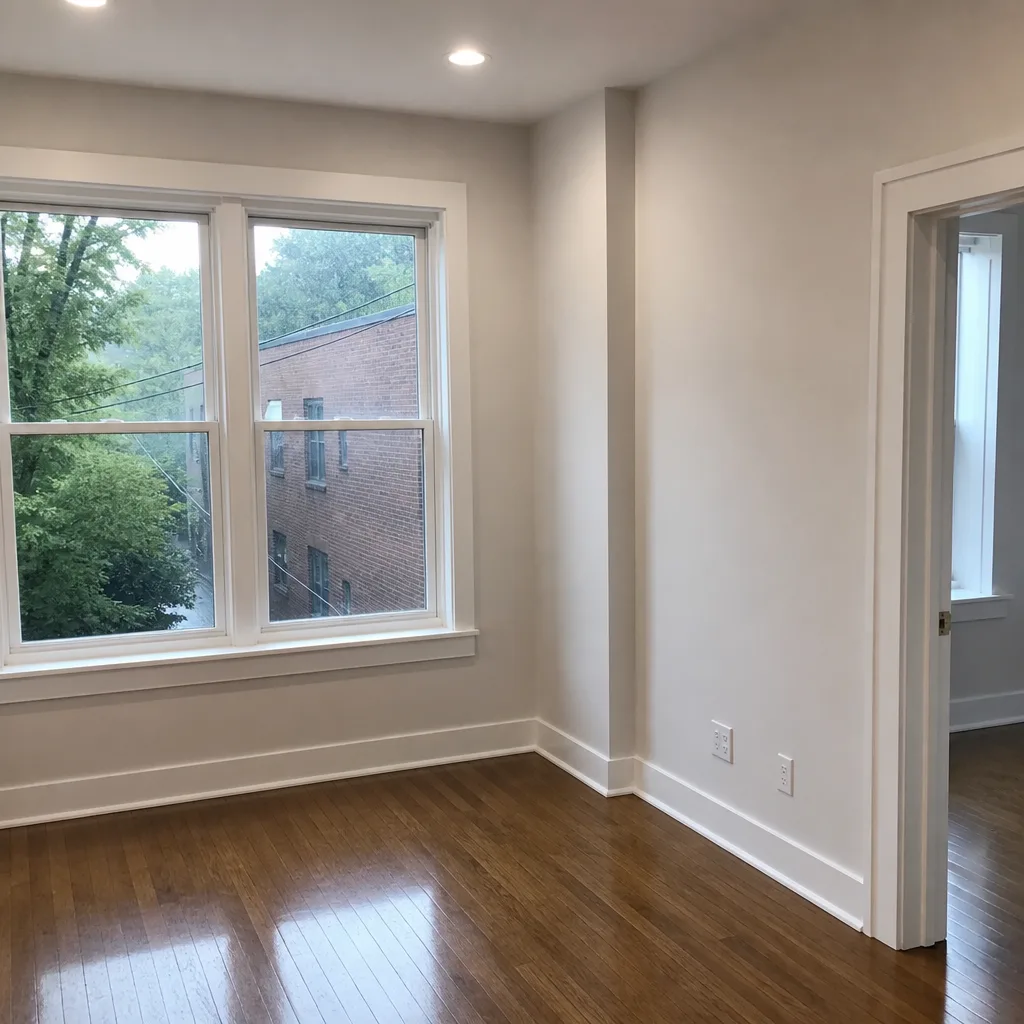 After
After24/7 Emergency Fire & Smoke Damage Restoration in Financial District
Fire damage in a Financial District high-rise moves fast, and so do we. Smoke doesn’t stay on the fire floor. It travels through elevator shafts, stairwells, and pipe chases into shared corridors and neighboring units within hours. If you’re standing in a condo on John Street or an office suite on Wall Street right now with soot on the walls and a fire crew pulling out, call (201) 740-2235. Wade Ferris answers his own phone, day or night, and he can have a crew at your building while the board-up contractor is still quoting. The first hour after suppression matters more than the next three days. Soot residue is acidic and starts etching glass, corroding metal fixtures, and embedding itself in drywall and fabric before the elevator inspector even files a report.
Understanding Fire & Smoke Damage Restoration Severity in Financial District Properties
Fire damage in Financial District buildings presents challenges that a detached home in the outer boroughs simply doesn’t have. Pre-war Art Deco and Beaux-Arts towers from the 1890s through the 1930s were built with cast-iron structural columns, steam risers, and open-butt elevator shafts that act as chimneys during a fire event. Smoke is driven upward and outward by stack effect, coating vertical surfaces in a greasy, protein-based residue that bonds to paint and plaster within 48 hours. The soot types we most often encounter here fall into three categories: dry soot from paper and wood combustion, oily soot from kitchen or heating-oil fires, and wet soot from plastics and synthetics common in modern office build-outs. Each requires a different cleaning chemistry. Wet soot smears if you wipe it with water. Oily soot resists standard cleaners entirely. And in FiDi’s converted commercial towers, a kitchen fire on the 18th floor can leave soot residue in the sub-basement elevator pit, three floors below ground, because the shaft geometry pulls smoke downward as well as up. That’s the kind of migration pattern crews who only work walk-ups in Queens never see. Proper severity assessment here means smoke-mapping every vertical chase, not just the unit of origin.
Why Financial District Property Owners Choose Wade’s Restoration
- Wade is the one who shows up. Not a rotating crew from a national franchise’s nearest hub. Wade Ferris has been doing restoration work since 2007 and his name is on the truck, the contract, and the 90-Day Done Right Promise.
- We answer live, 24/7. No voicemail, no answering service, no “press 2 for emergencies.” Wade picks up the phone himself at 2:00 a.m. when the fire department just rolled out.
- IICRC-certified crews. FSRT certification for fire and smoke restoration, WRT for water damage from sprinkler discharge, and AMRT applied when asbestos or lead concerns require engineered controls in pre-war buildings.
- We know high-rise access. Our crews coordinate with building management, freight elevator schedules, and loading dock rules before arriving, so we’re not standing on the curb with equipment while the super explains it’s a passenger-only lobby.
- Free visual inspection and written scope. No charge to walk the unit, assess the damage, and hand you a line-item scope of work before anyone touches a surface.
- One team from board-up to final coat of paint. Emergency stabilization, content cleaning, structural repair, and odor-removal verification are all handled by the same crew, with the same documentation, so your adjuster deals with one point of contact.
Our Fire & Smoke Damage Restoration Process
Inspection & Assessment
We walk the entire affected zone, including elevator shafts, stairwells, and any sub-basement spaces that share airflow with the fire floor. Soot deposition patterns tell us where the smoke traveled. We document everything with photos and moisture readings before any work begins, then give you a written scope.
Emergency Board-Up & Stabilization
Broken windows, burned-out doors, and missing sections of wall get secured the same day. In Financial District buildings, this often means coordinating with building security for access hours and arranging materials delivery through freight elevators. We handle that coordination, not you.
Water Extraction & Drying
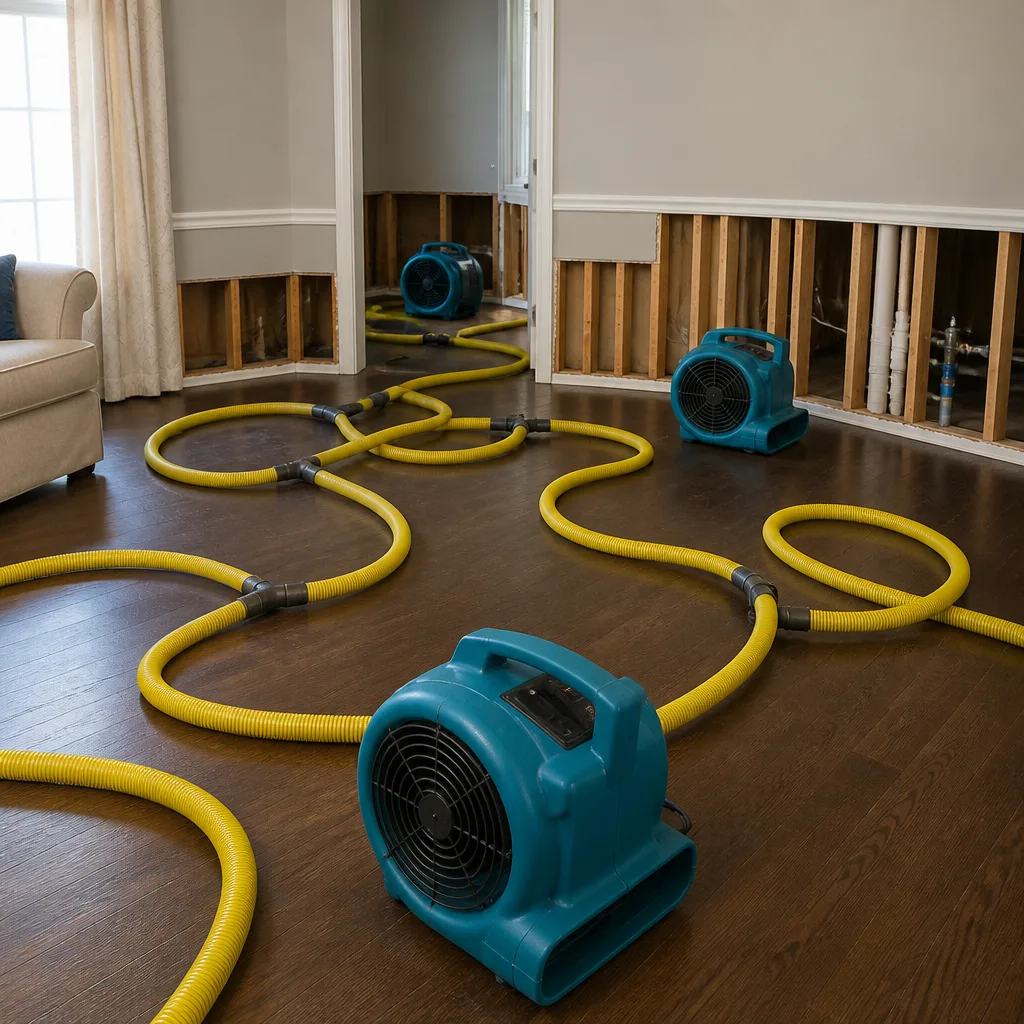
Sprinkler discharge and fire-hose water saturate floors, walls, and sometimes the units below the fire floor. In pre-war towers, that water picks up decades of cast-iron pipe scale and steam-system residuals. We use Dri-Eaz dehumidifiers, Phoenix air movers, and Injectidry systems to dry the structure, with daily moisture logs handed to you at the end of the job.
Soot & Smoke Residue Removal
Surfaces get cleaned based on the soot type present. Dry-ice blasting cleans cast-iron columns and masonry without water. Chemical sponges lift soot from painted walls. HEPA vacuuming captures particulate from every horizontal surface. We don’t paint over soot or cover it with Kilz and call it done.
Odor Removal & Deodorization
Smoke odor lives in porous materials, and in FiDi buildings that includes plaster walls, wood subfloors, and elevator shaft liners. Our odor removal uses thermal fogging, ozone treatment where appropriate, and hydroxyl generators with XPOWER equipment for continuous air scrubbing. If there’s a residual smoke smell, we find the source before we sign off.
Structural Repair & Final Restoration
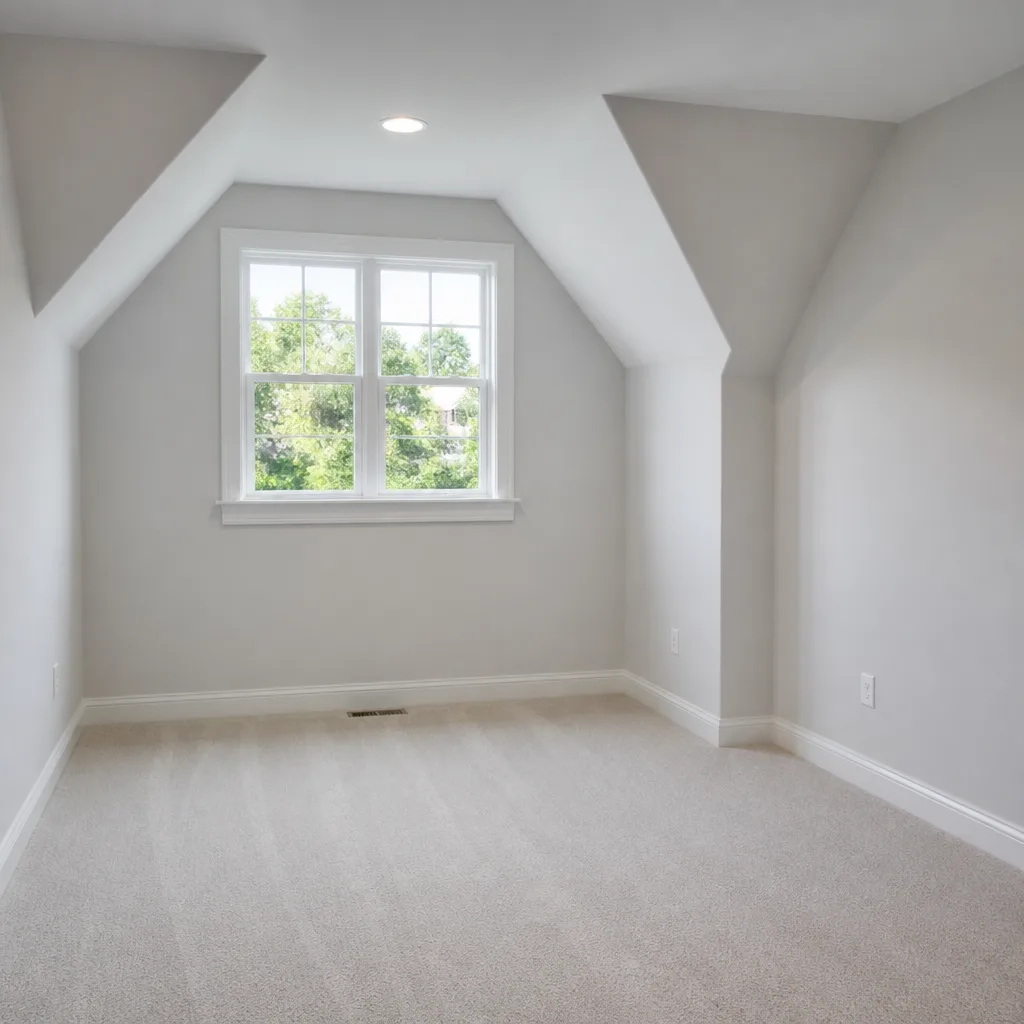
Drywall replacement, flooring repairs, paint, trim, and any needed reconstruction are completed by our own crews. When it’s done, you get a compiled documentation package for your insurer or co-op board: photos, moisture logs, drying records, and the line-item scope we agreed on before work started.
Need Emergency Fire & Smoke Damage Restoration in Financial District Now?
Crews minutes away, answering live 24 hours a day. The sooner we start, the less it costs.
Working With Your Insurance Company
Most Financial District condo and co-op owners are covered for fire damage under their individual unit policy, while the building’s master policy typically covers common areas, structural elements, and sometimes the original fixtures. That split creates exactly the kind of gray area adjusters argue over. Our Fire & Smoke Damage Restoration team handles it from day one. We document the loss from the first hour, photograph every room and every damaged surface, and produce a line-item scope that uses industry-standard estimating software your carrier recognizes. Wade talks to your adjuster directly, so you’re not relaying messages between two parties who each want something different. When the adjuster asks why a sub-basement elevator pit needs cleaning after a seventh-floor kitchen fire, we have the photos and the smoke-migration mapping to back it up.
What We Provide Your Insurer
- Thorough documentation of the loss
- Photos of all damage, room by room
- Moisture readings and drying logs
- A detailed, line-item scope of work
- Direct coordination with your carrier
Built for Financial District’s Loss Calendar
Financial District fire damage follows a pattern tied as much to the building stock as to the season. January and February are the worst months we see. Pre-war steam heating systems in these converted office towers run at full pressure during cold snaps, and when a supply line on the 22nd floor of a Beaux-Arts tower lets go, it can saturate a dozen floors before anyone notices. But the fire losses come from a different angle: space heaters. Units in older Financial District conversions often have inadequate electrical service for modern living, and residents plug portable heaters into circuits built for a 1930s office. When those circuits overload, the result is an electrical fire. Summer brings another FiDi-specific pattern: window AC units straining outdated wiring. The district’s historic district rules often prohibit central air retrofits, which means window units on circuits that were never designed for that load. And then there are the cooking fires. Small galley kitchens in converted rental units produce grease fires that fill entire floors with protein soot. The common thread in every one of these is a building envelope and infrastructure that predates modern fire codes, where even a small fire becomes a column-wide smoke event.
Fire & Smoke Damage Restoration Across Financial District’s Neighborhoods
The Financial District isn’t a uniform grid of identical buildings. Along Maiden Lane, the mid-rise commercial conversions from the 1920s present narrow stairwells and deep sub-basements where smoke settles and refuses to clear without mechanical air movement. Our team responded to a kitchen fire in one of those Maiden Lane towers and set up containment on three floors while running HEPA air scrubbers continuously and dry-ice blasting the cast-iron columns. We finished with thermal fogging for odor removal and the tenants below never had to relocate. Over on Water Street, the larger postwar office towers converted to residential use have different problems: freight elevators that double as construction access, loading docks on Nassau Street’s tight corners, and building management that requires certificates of insurance on file before anyone steps onto the property. South of Wall Street near Battery Park, where several buildings sit in FEMA Flood Zone AE, post-Sandy flood barriers and passive gates now surround basement entries. When a fire sprinkler discharge and a storm surge event happen in the same sub-basement, you’re dealing with harbor water mixed with heating-system fuel oil, and that’s a hazmat-level extraction, not standard water remediation. We know which buildings along Broadway and Exchange Place have those passive barriers, because we’ve worked around them. Stone Street’s historic low-rise buildings present their own set of challenges: original wood joists, landmark facade restrictions, and LPC oversight that slows structural repairs unless the contractor knows the approval pathway.
Specialized Fire & Smoke Damage Restoration Services We Offer in Financial District
Fire Damage Cleanup
Fire damage cleanup in a Financial District tower starts with understanding what burned and how far the residue traveled. Protein fires from cooking leave a greasy film that alcohol-based cleaners alone won’t remove. Synthetic materials common in modern unit renovations burn differently than the original plaster and wood, producing a fine, oily soot that gets into every seam and crevice. We remove charred debris, bag it for disposal per city regs, and start surface cleaning immediately. The goal is stopping the acid in the soot from etching glass, pitting chrome, and permanently yellowing painted surfaces.
Smoke & Soot Removal
In FiDi’s converted office buildings, smoke and soot removal is rarely confined to the unit where the fire started. Elevator shafts act like chimneys, and the pressure differentials in high-rise buildings push smoke into hallways, neighboring units, and down into stairwell pressurization systems. We map where the smoke went using surface testing and visual inspection of shaft openings on every affected floor. Dry-ice blasting handles the cast-iron columns without introducing moisture. Chemical sponges and HEPA vacuuming clear the soot from plaster walls without smearing it into the substrate. If soot settled inside an elevator shaft, that gets cleaned too, because the next time those doors open, the smell comes back.
Odor Removal & Deodorization
Smoke odor in a pre-war building lives in places you can’t see: behind lath and plaster, inside elevator shaft liners, in the insulation around steam risers, and in the wood subfloor under layers of old flooring. We use thermal fogging to push a deodorizing vapor into porous materials, and hydroxyl generators to break down odor molecules continuously while we work. Ozone treatment is an option in unoccupied spaces only, and we’ll tell you when it’s warranted and when it’s overkill. The test, always, is that the odor stays gone after we pack up. If a smell resurfaces two weeks later, the 90-Day Done Right Promise means we come back and find what we missed.
Contents Cleaning & Pack-Out
For a small FiDi unit, a full pack-out may not make sense. For a larger condo or an office floor with a significant smoke event, contents cleaning and pack-out is the difference between salvaging your belongings and spending the next month replacing everything. We inventory, photograph, and box every item, then clean it off-site where appropriate or on-site where that’s faster and safer. Paper documents, electronics, and textiles each get their own protocol. The written inventory we produce serves double duty: it’s your claim documentation and your move-back list.
Emergency Board-Up & Tarping
A broken window on the 14th floor of a Financial District high-rise isn’t a plywood-and-nails job. Wind loads at altitude require proper anchoring, and the building’s facade restrictions often dictate what materials are allowed. We coordinate with building management and the landmarks commission where required, and we work within freight elevator schedules and loading dock hours. Street-level access on William Street or Broadway means coordinating with the NYPD and DOT when a lane closure is needed for equipment staging. None of that coordination falls on you.
What happens when you call
- 1
A real person answersNo phone trees - you reach a local pro.
- 2
You get an upfront price rangeHonest numbers before anyone is dispatched.
- 3
A background-checked tech heads outLicensed & insured, dispatched right away.
- 4
You approve before work beginsNothing starts until you say go.
Fire & Smoke Damage Restoration Costs in Financial District, NY
Fire and smoke restoration pricing in Financial District runs higher than the outer boroughs, and it’s mostly about access and building requirements, not labor greed. A basic smoke-damage cleanup in a single FiDi condo typically runs $2,500 to $7,000 depending on square footage and how far the smoke traveled. Full odor removal with thermal fogging and hydroxyl treatment adds $1,500 to $4,500. Content cleaning and pack-out for a one-bedroom runs $3,000 to $8,000. Emergency board-up on a mid-rise window or door runs $800 to $2,500, with high-rise flagpole access or landmark facade work pushing higher. Structural repair, including drywall and paint after a small kitchen fire, typically lands in the $8,000 to $25,000 range. The variables that move these numbers in FiDi specifically are freight elevator scheduling, building insurance certificate requirements, sub-basement access for drying equipment, and the presence of asbestos or lead paint requiring abatement protocols. Insurance covers most of this on standard HO-6 condo policies, though deductibles vary and the building’s master policy may pick up structural common areas. Call (201) 740-2235 and Wade will do a free visual inspection and write you a firm scope before you commit to anything.
We Also Serve Cities Near Financial District
Wade’s Restoration covers the Financial District and the surrounding waterfront. We regularly take calls from Lower Manhattan, Astoria, Midtown Manhattan, and Long Island City. If your building sits a few blocks outside the district line, you’re still within our response area, and the same live-answered phone applies.
Financial District Fire & Smoke Damage Restoration Questions, Answered
How does fire damage restoration in the Financial District handle smoke that travels through shared elevator shafts and sub-basements?
We treat elevator shafts and sub-basements as part of the affected zone, even when the fire was confined to a single unit. Smoke migrates vertically and downward through shaft openings, and in pre-war FiDi towers the elevator shaft often acts as a chimney that deposits soot on every floor it passes. Our process includes accessing the shaft, documenting deposition, and cleaning the surfaces inside, then running HEPA air scrubbers positioned to draw smoke out of the shaft rather than pushing it into other units. Sub-basement pits get the same attention because that’s where smoke settles and where odor sources hide. Call (201) 740-2235 and we’ll walk your building to map where the smoke actually went.
After a fire in a converted office building, are there special concerns about asbestos or lead paint during structural repairs?
Yes, and in Financial District buildings built before 1980, the answer is almost always yes. Original steam-pipe insulation, floor tiles, and plaster often contain asbestos. Lead paint is common on any surface painted before 1978. We don’t cut into walls or remove demolition debris in these buildings without surface testing and, where needed, a licensed abatement contractor working under containment. That’s what the AMRT credential is for. It adds cost and time, and it’s non-negotiable. A contractor who skips this step in a pre-war FiDi tower is putting your building’s entire air-handling system at risk. We handle testing coordination and include abatement scope in the written estimate before work starts.
What does ‘pack-out’ mean for our high-rise condo after a kitchen fire, and is it worth it in a small FiDi unit?
Pack-out means we inventory, photograph, box, and remove your belongings to clean them off-site and store them while structural repairs happen. For a small one-bedroom Financial District unit, the math is different than for a brownstone in Brooklyn. If the fire was contained to the kitchen and the smoke event was moderate, on-site cleaning is often faster and cheaper. If smoke penetrated the bedroom closets and coats your clothing in soot, a partial pack-out of soft goods and textiles makes sense. We’ll give you an honest assessment. We don’t push full pack-outs on 600-square-foot units where an afternoon of on-site HEPA cleaning gets the same result.
How quickly can you board up a broken window or fire door in the Financial District, given street access restrictions?
We can usually have a board-up crew on-site within 45 minutes to an hour of your call, but the actual work timeline depends on the building. On a low-rise storefront on Stone Street, materials go in through the front door and the job takes a couple of hours. On a mid-rise with broken glass above street level, we need the freight elevator, and that means building management’s schedule. For anything requiring a sidewalk shed, flagpole access, or a DOT lane closure on a load-bearing street like Broadway or Water Street, the coordination adds a day or more. The best thing you can do is call us first, not after the building super tells you it’s impossible. We know which buildings have after-hours freight access and which ones don’t. Call (201) 740-2235.
Do FiDi buildings require different drying methods after a fire sprinkler discharge compared to other parts of Manhattan?
Yes. In a pre-war Financial District tower, sprinkler discharge picks up decades of cast-iron pipe scale, steam-system condensate, and whatever residue lives in the ceiling chase. That water is not clean, and drying time is longer because the building envelope traps moisture. We use a combination of Dri-Eaz dehumidifiers and Phoenix air movers placed to force air through wall cavities and subfloor spaces rather than just across exposed surfaces. In converted office buildings, original plaster and masonry wick moisture differently than the gypsum board in newer construction, and sub-basement elevator pits hold water long after the upper floors look dry. The drying logs we hand you at the end show exactly how many days each area took and why.
Will my condo or co-op insurance cover fire and smoke restoration in a Financial District high-rise?
Most HO-6 condo policies cover fire and smoke damage to your unit’s interior and personal property, while the building’s master policy typically covers the structural shell, common elements, and original fixtures. The line between “your unit” and “common element” in a converted FiDi office building is where disputes happen. We document with photos and a line-item scope from day one, and Wade coordinates directly with your adjuster so you’re not the one deciding what’s covered. If there’s a dispute, our documentation package is built to support your claim. Call (201) 740-2235 and we’ll help you figure out what your policy actually covers.
Can we stay in our Financial District unit while smoke and soot remediation happens?
It depends on the severity and the building’s air-handling setup. In a converted office tower with shared HVAC, we often recommend temporary relocation during active soot removal because the HEPA scrubbers are pulling contaminants through the same air pathways your neighbors use. In a smaller building with window units and self-contained ventilation, staying in place during a moderate cleanup is sometimes fine. The deciding factors are soot type, square footage affected, and whether children, elderly, or anyone with respiratory conditions is living in the unit. We’ll tell you honestly which side of the line your situation falls on. Nobody pays us to run a hotel shuttle.
What should I do in the first 30 minutes after a fire is out in my Financial District apartment or office?
First, make sure the fire department has cleared the space and power and gas are shut off. Then call (201) 740-2235. Don’t wipe down walls, don’t run fans that you found in the closet, don’t try to wash anything. Soot is acidic and wiping with water can smear oily residue permanently into painted surfaces. Running a standard fan stirs up particulate and spreads it. Take photos if you can do so safely, then let our crew handle everything from the documentation onward. The faster we get containment set up, the fewer surfaces need to be replaced rather than cleaned. Early action on smoke damage saves thousands in a Financial District unit where every wall is shared with a neighbor.
Serving Financial District, NY - Our Local Coverage Area
We’re based in the Financial District area and know this community well. Use the map below to see our service coverage - if you’re nearby, we can almost certainly help.
Get Fire & Smoke Damage Restoration in Financial District Started Today
When a fire happens in a Financial District high-rise, waiting costs real money and spreads the damage into your neighbors’ units and the building’s common spaces. Call (201) 740-2235 now and Wade will answer. You’ll get a straight answer about what needs to happen, a free visual inspection, and a written scope of work before any of our crews touch a surface. We’ve been doing Fire & Smoke Damage Restoration in Financial District long enough to know every building access quirk, every sub-basement that floods, and every elevator shaft that carries smoke three floors below the fire. That knowledge is the difference between a cleanup that lasts and one that resurfaces as a smell six months later. Wade stands behind the work with the 90-Day Done Right Promise, in writing, on every job.
Written by Wade Ferris, Owner at Wade’s Restoration, serving Financial District since 2007.