
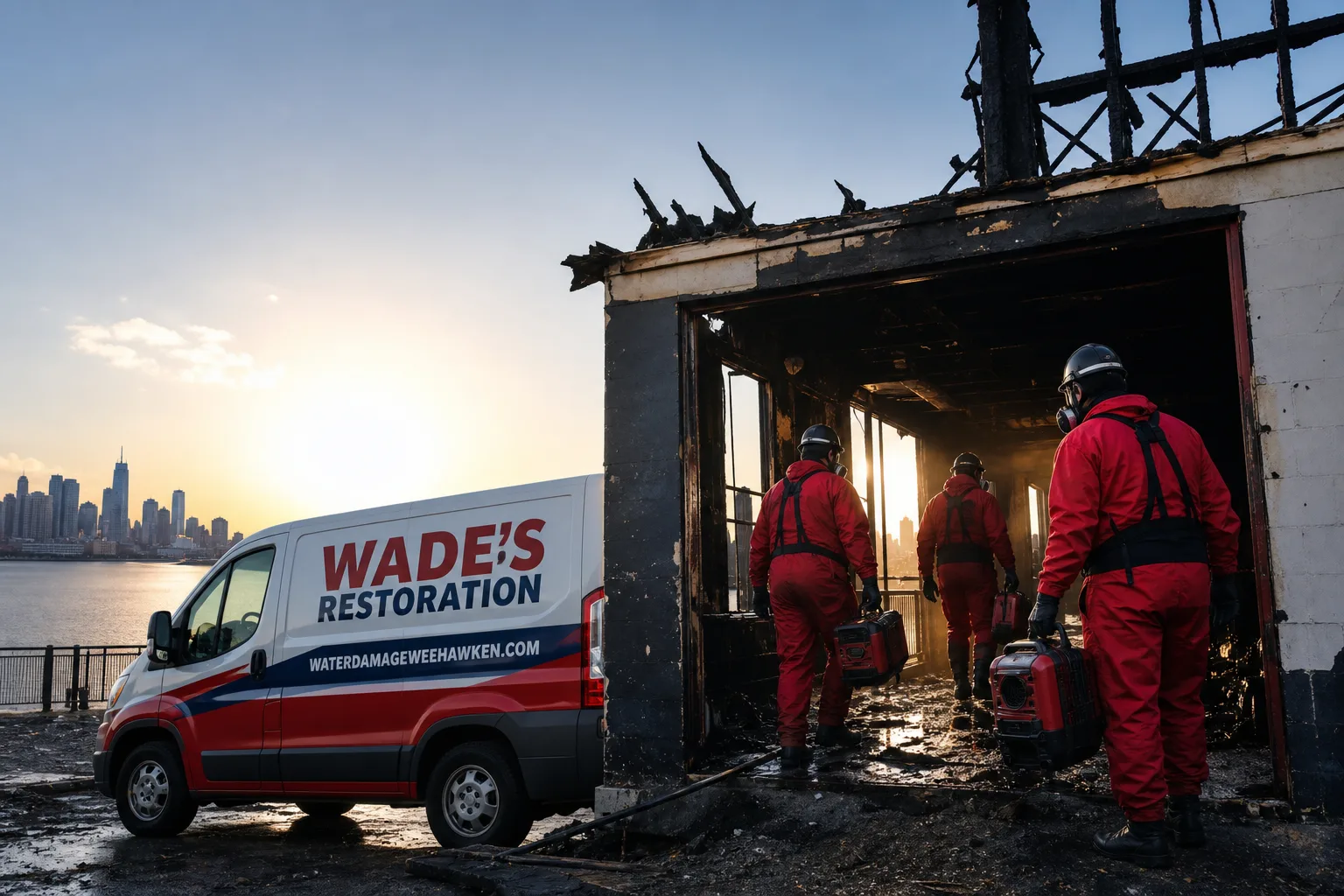
Free visual inspection and a written scope of work before any mitigation begins - photos, moisture readings, and drying logs go in your claim file
The scope we write is the scope we bill. Anything new gets shown to you, in writing, before we touch it.
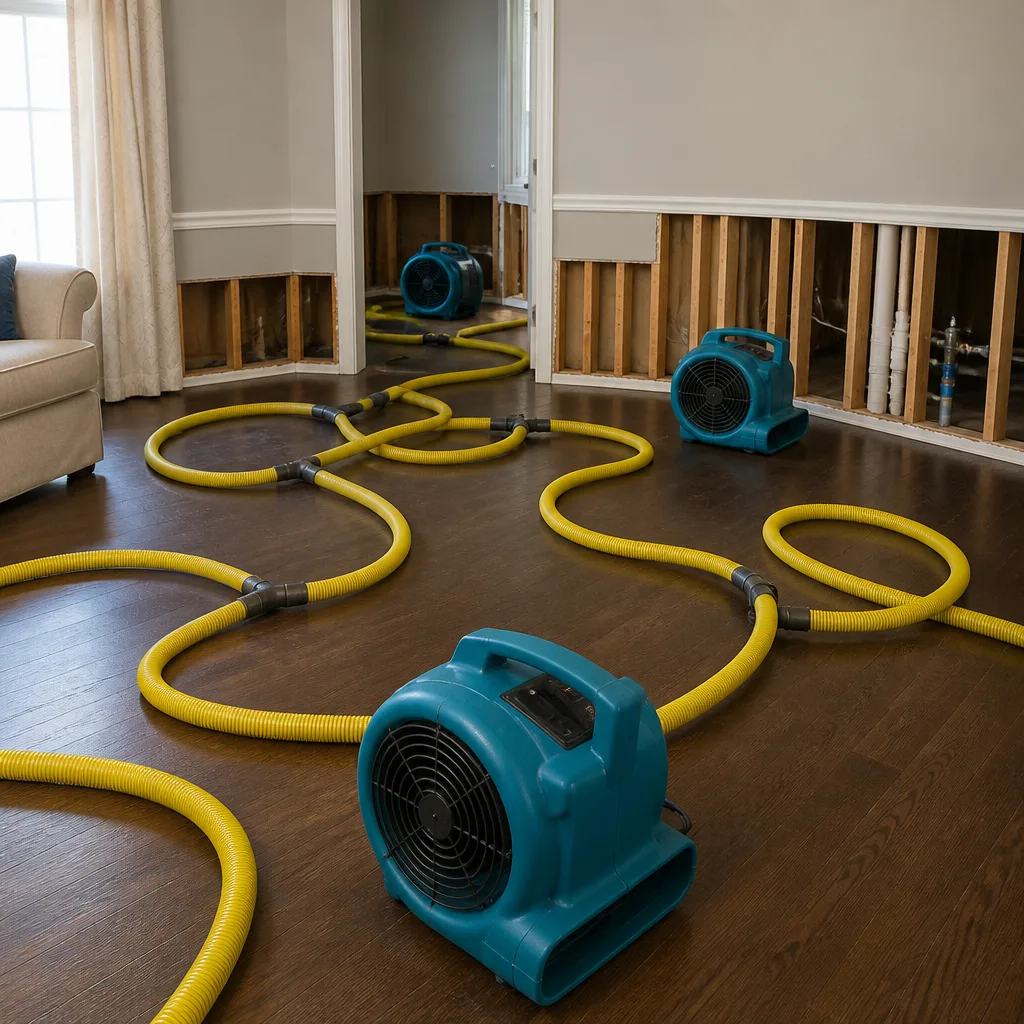

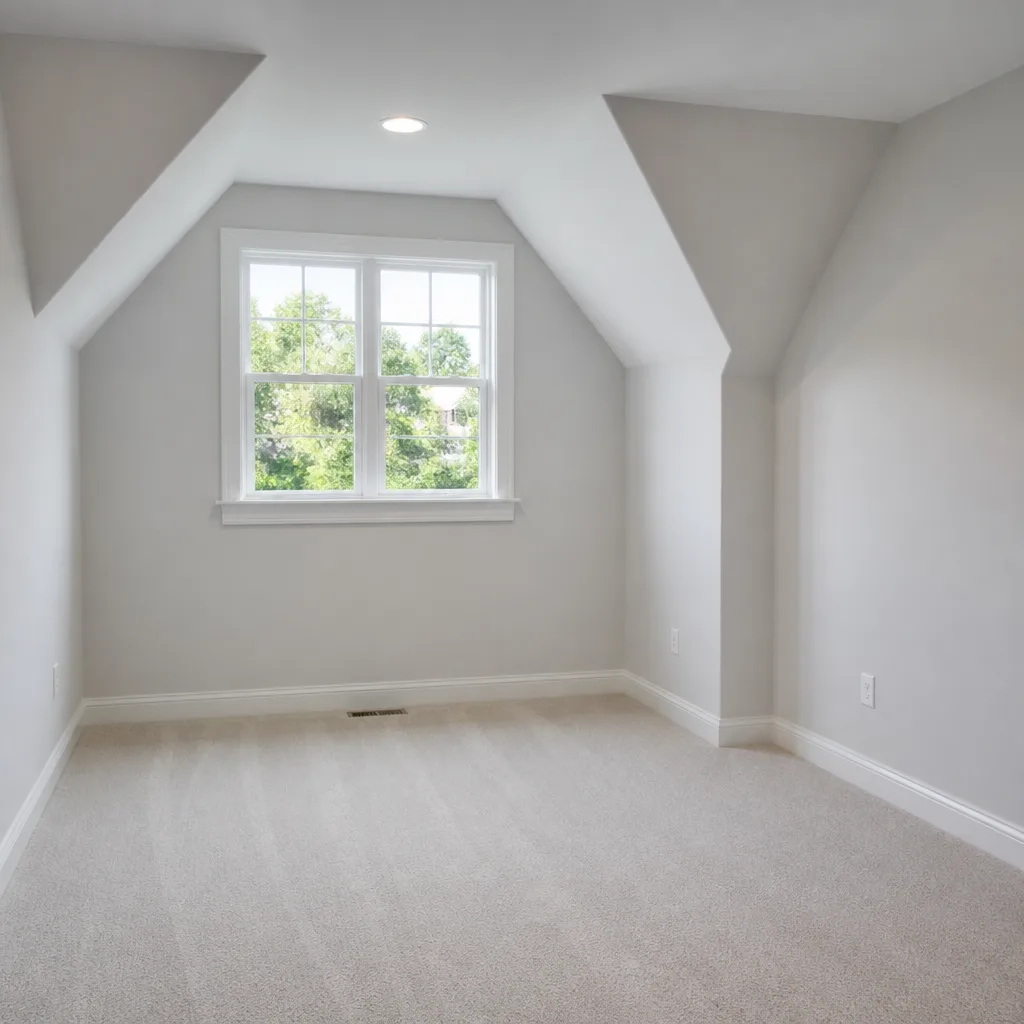
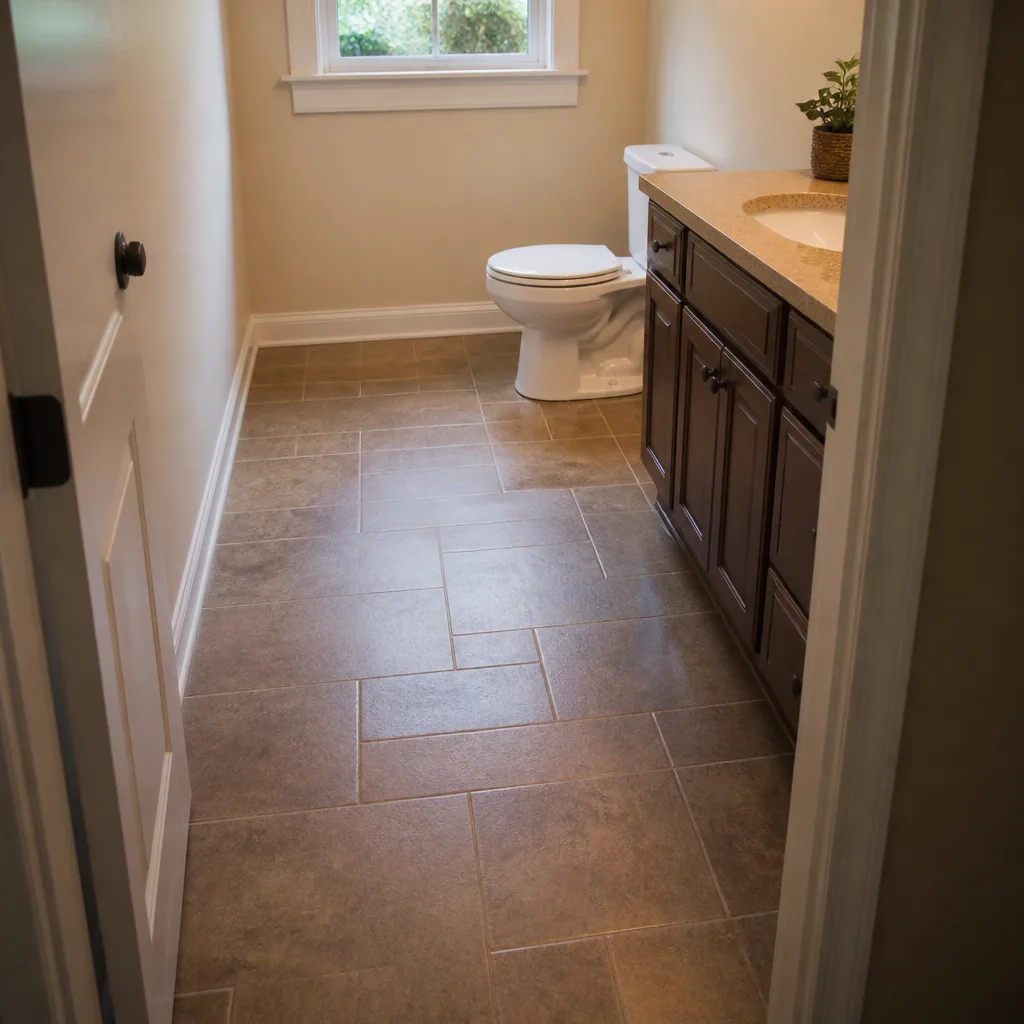
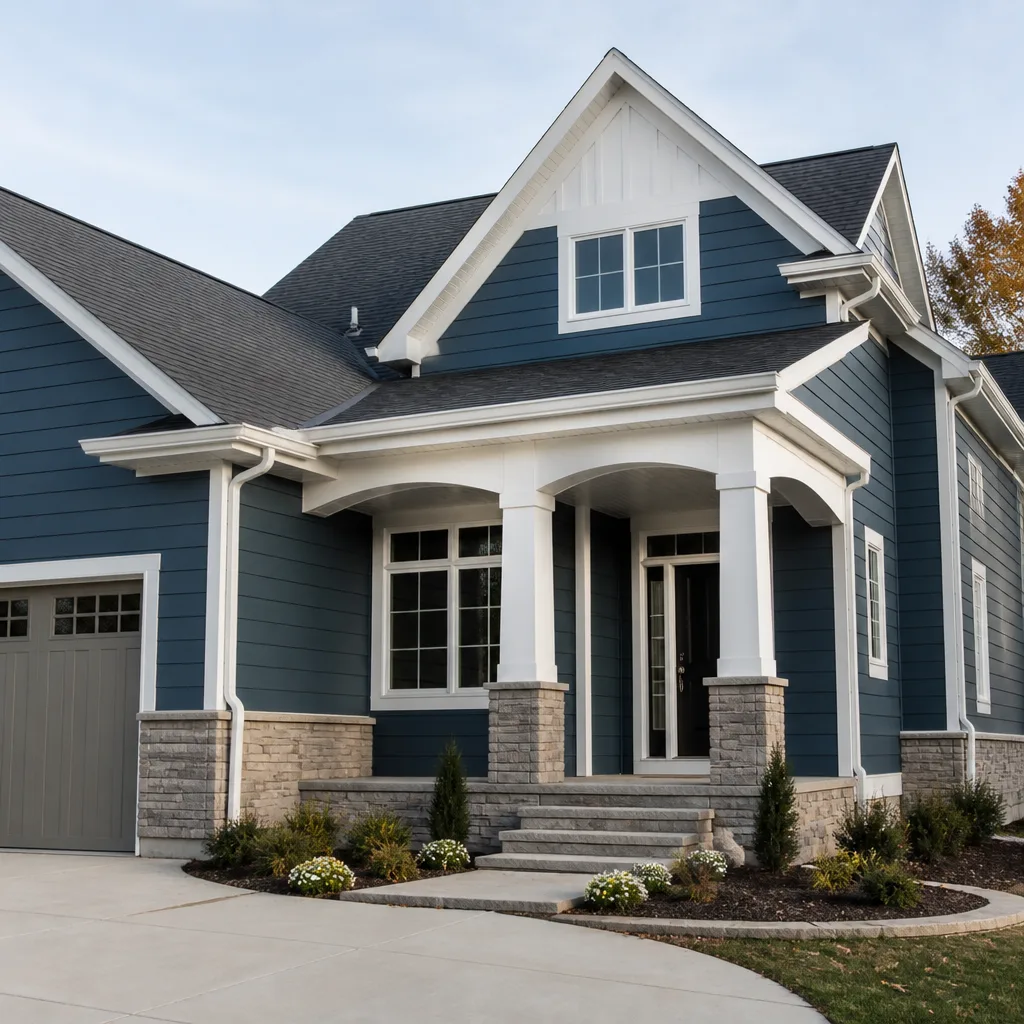
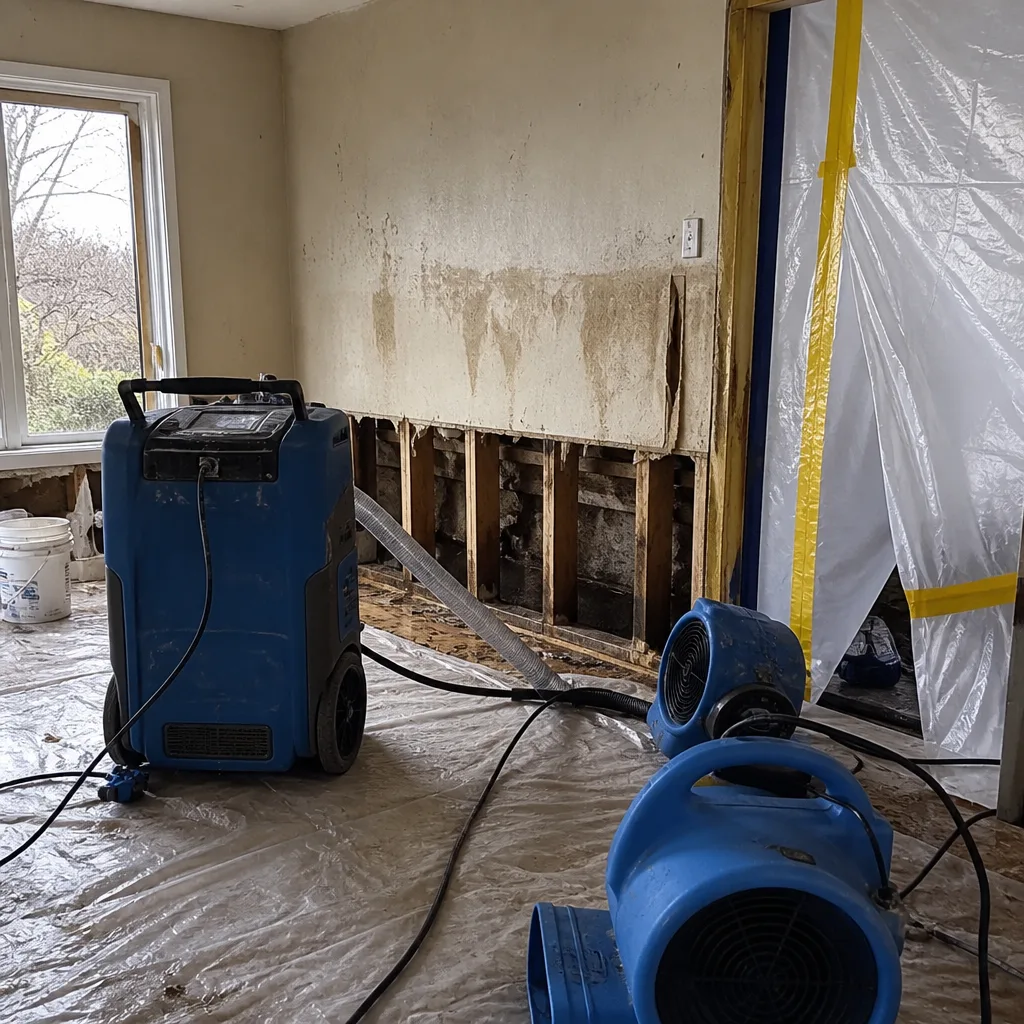 Before
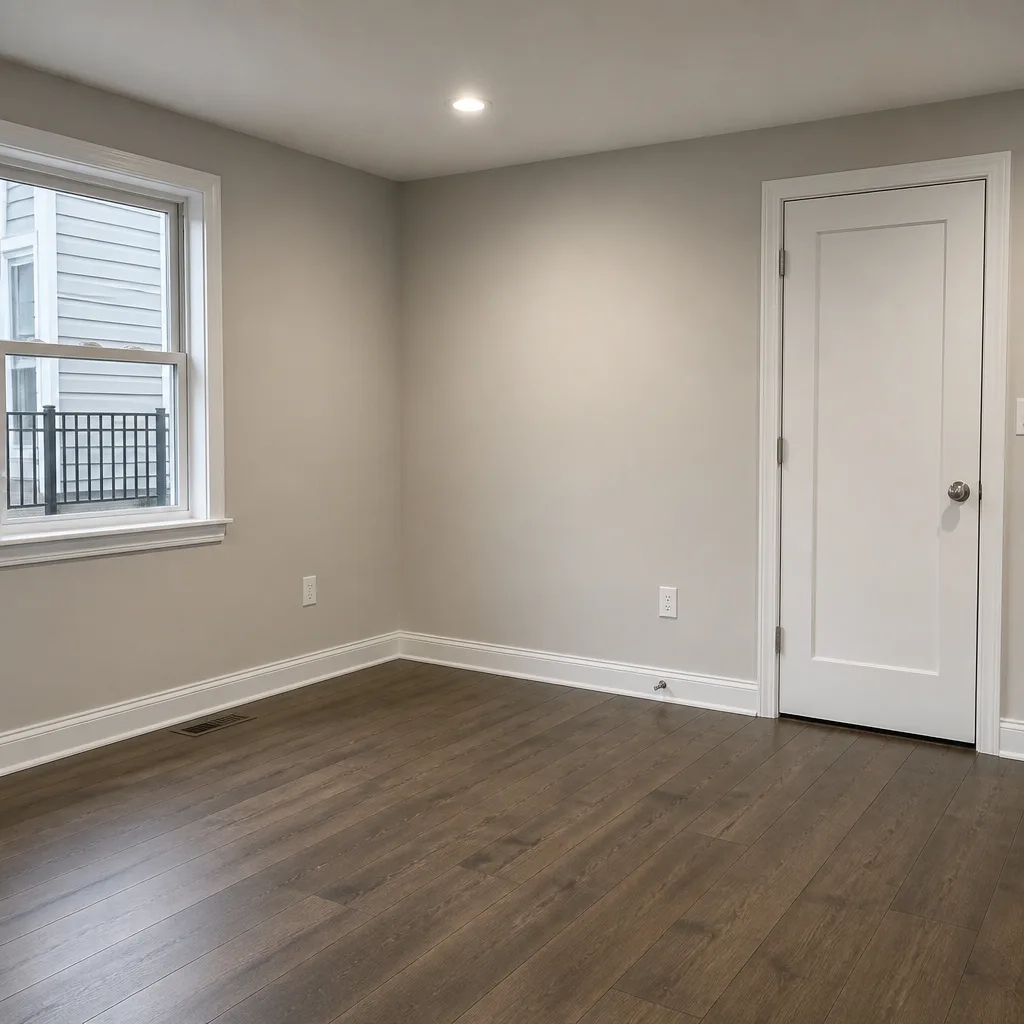 After
After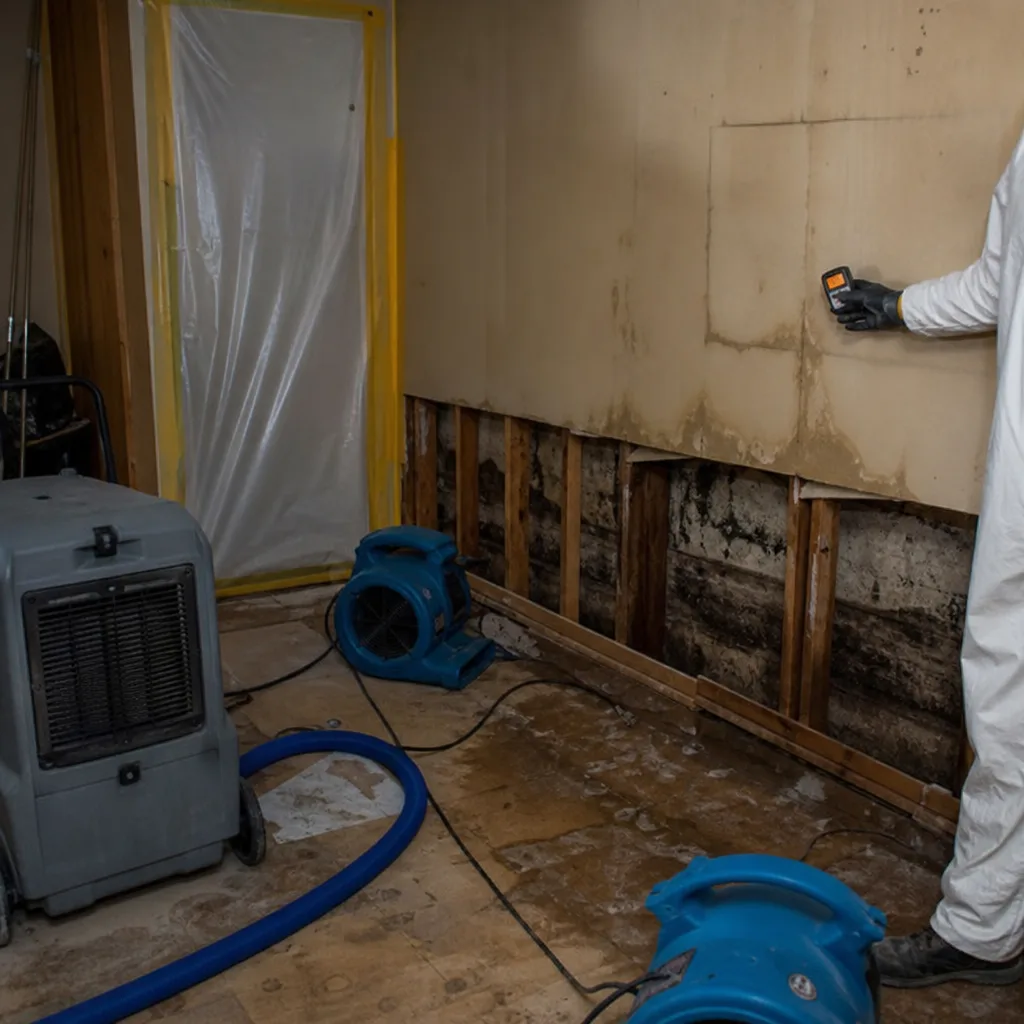 Before
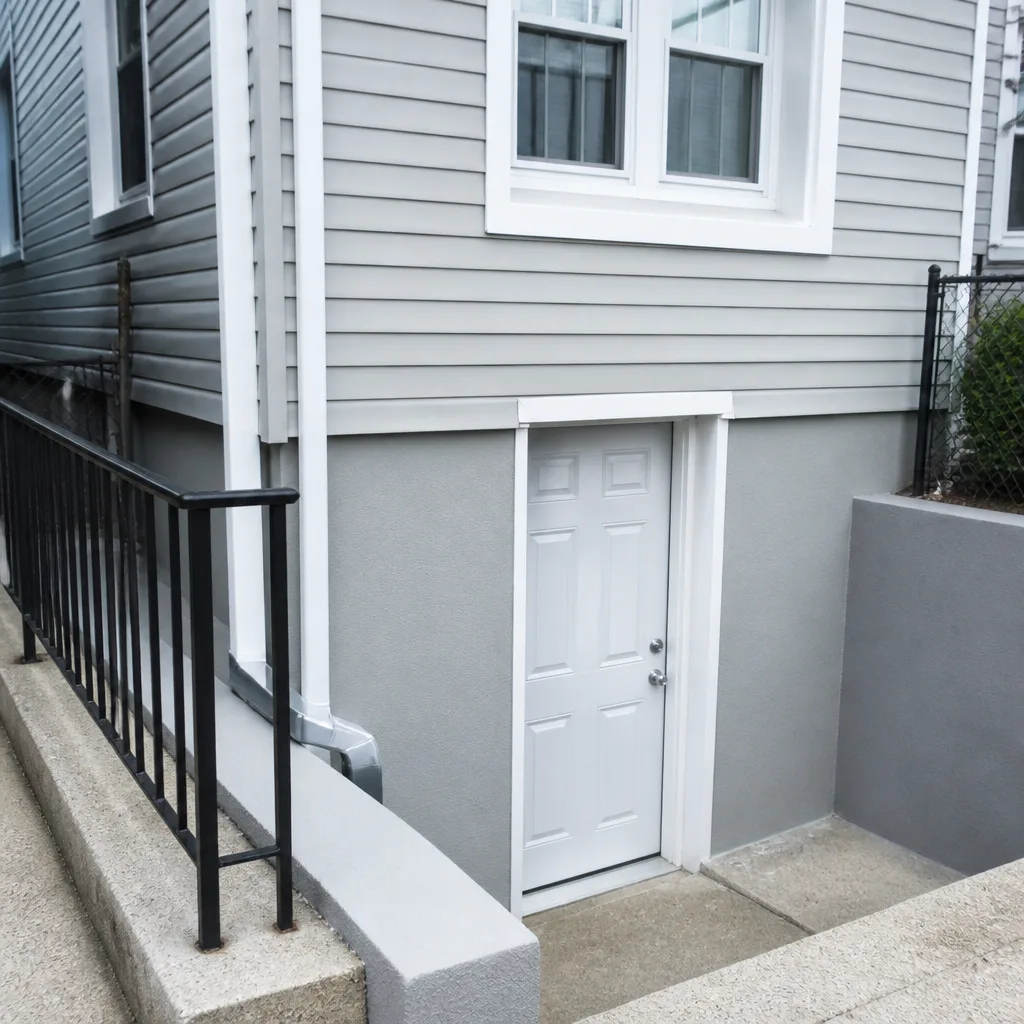 After
After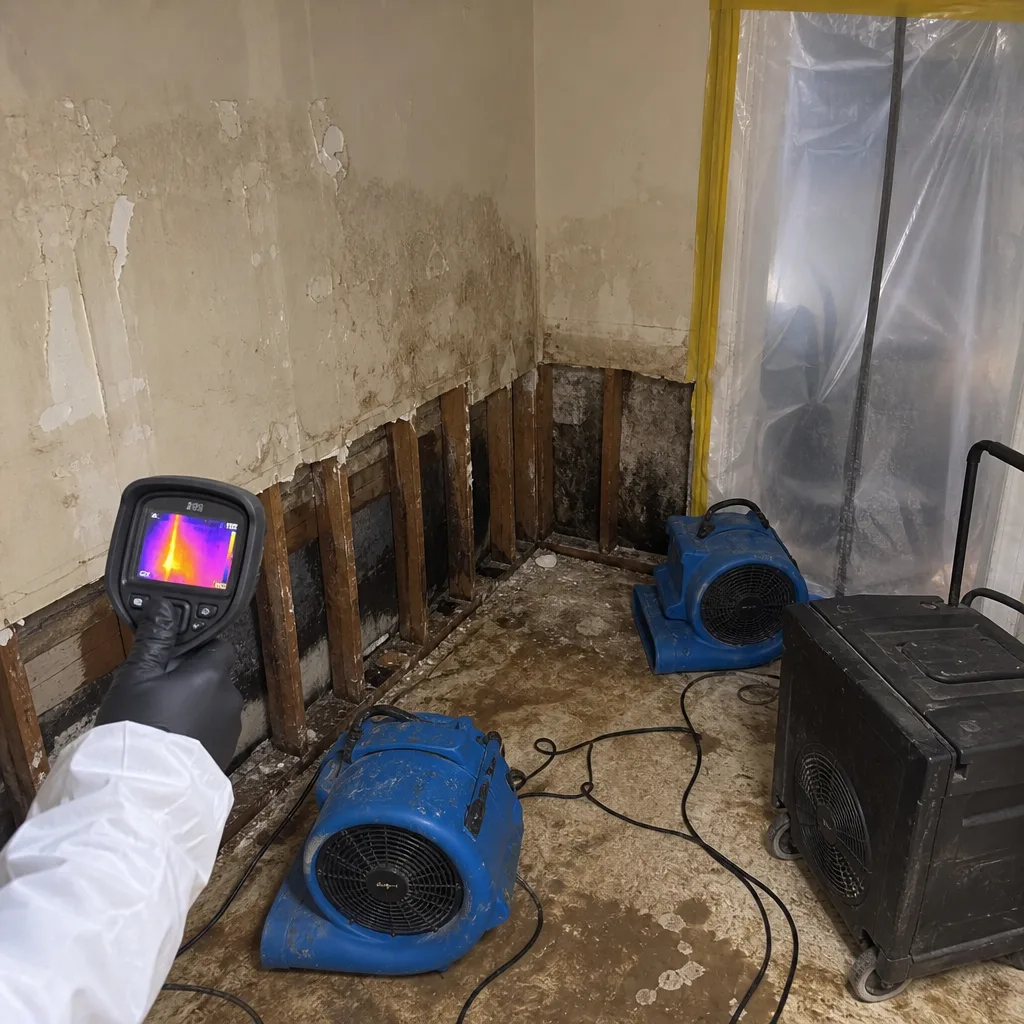 Before
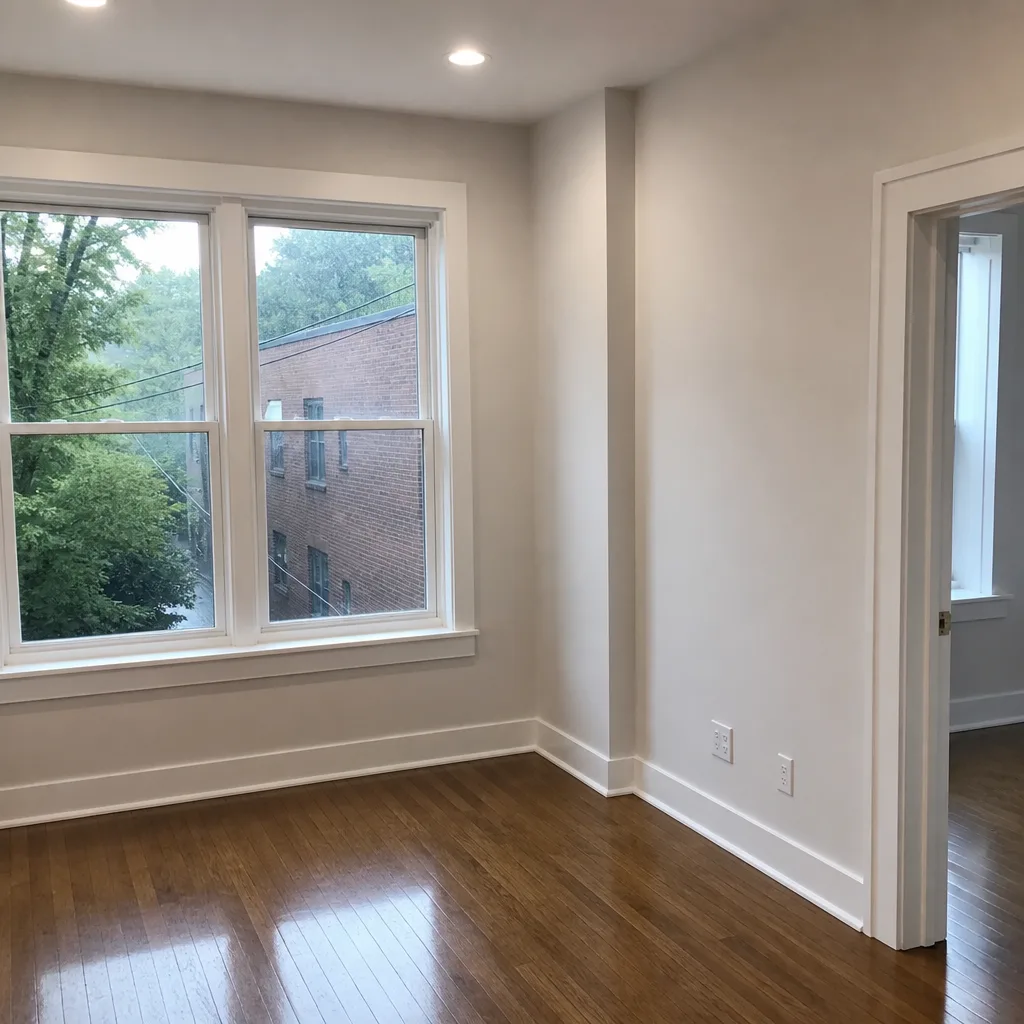 After
After24/7 Emergency Commercial Restoration in Lower Manhattan
When a nor’easter drives harbor water into a Financial District sub-basement at 2 a.m., or a pre-war riser lets go on the 23rd floor of a Tribeca loft conversion, you need a crew that knows Lower Manhattan’s buildings the way a doorman knows his tenants. We answer live, 24 hours a day. Call (201) 740-2235 and Wade Ferris picks up, not a call center. We’ll have a crew in lower Manhattan inside the hour, walking your property with thermal imaging and moisture meters while the water is still rising. The first hour determines whether you’re dealing with a cleanup or a gut renovation. We’ve seen both, in buildings from Rector Street to Battery Park City, and we’ll tell you which one you’re facing before we write anything down.
Understanding Commercial Restoration Severity in Lower Manhattan Properties
Commercial restoration in Lower Manhattan runs on a different severity scale than anywhere else in the five boroughs. The building stock here splits into three distinct risk profiles: pre-war Financial District skyscrapers with steel-frame construction and terracotta cladding from the 1900s to 1940s, 19th-century cast-iron loft conversions in Tribeca, and Battery Park City’s 1980s-to-2000s planned residential towers. All three share one vulnerability: deep sub-basements housing mechanical systems that sit below the water table. When surge water enters, we’re not just extracting Category 3 water from floors. We’re drying elevator pits, switchgear rooms, fire pump rooms, and transformer vaults where standing water lingers long after the surface looks fine. Moisture mapping in these spaces requires thermal imaging and hygrometers placed against mass masonry walls that hold water for weeks. Asbestos in pipe insulation and floor tiles is endemic in the pre-1980 stock, which means containment protocols often begin before drying can. A proper severity assessment here means knowing the difference between a floor that’s wet and a building that’s compromised.
Why Lower Manhattan Property Owners Choose Wade’s Restoration
- 45-minute response commitment. We’re positioned to reach Lower Manhattan fast. Wade was on Rector Street at 5 a.m. once, looking at four feet of surge water in a sub-basement before the sun came up.
- A real person answers, always. No automated system, no answering service. Wade answers his own phone at 3 a.m. because he knows what a flooded transformer vault means for tomorrow’s trading floor.
- IICRC-certified crews. Our people hold WRT, FSRT, and AMRT certifications. They know what Category 3 water means in a Battery Park City sub-basement and how to set up containment before cross-contamination spreads.
- Free visual inspection. No charge for Wade or his crew to walk your building and tell you what you’re actually looking at. No obligation, no pressure.
- Direct insurance billing. We work with your adjuster directly. You get the documentation, not the relay.
- One team, start to finish. From the first pump running to the final occupancy inspection, the same crew handles your building. Nobody hands your property off to a subcontractor you’ve never met.
Our Commercial Restoration Process
Inspection & Assessment
We walk the loss site with thermal imaging, moisture meters, and a camera. For Lower Manhattan buildings, we check the mechanical rooms, elevator pits, and sub-basements first, because that’s where surge water hides. We document everything before anyone moves a wall.
Extraction / Stabilization
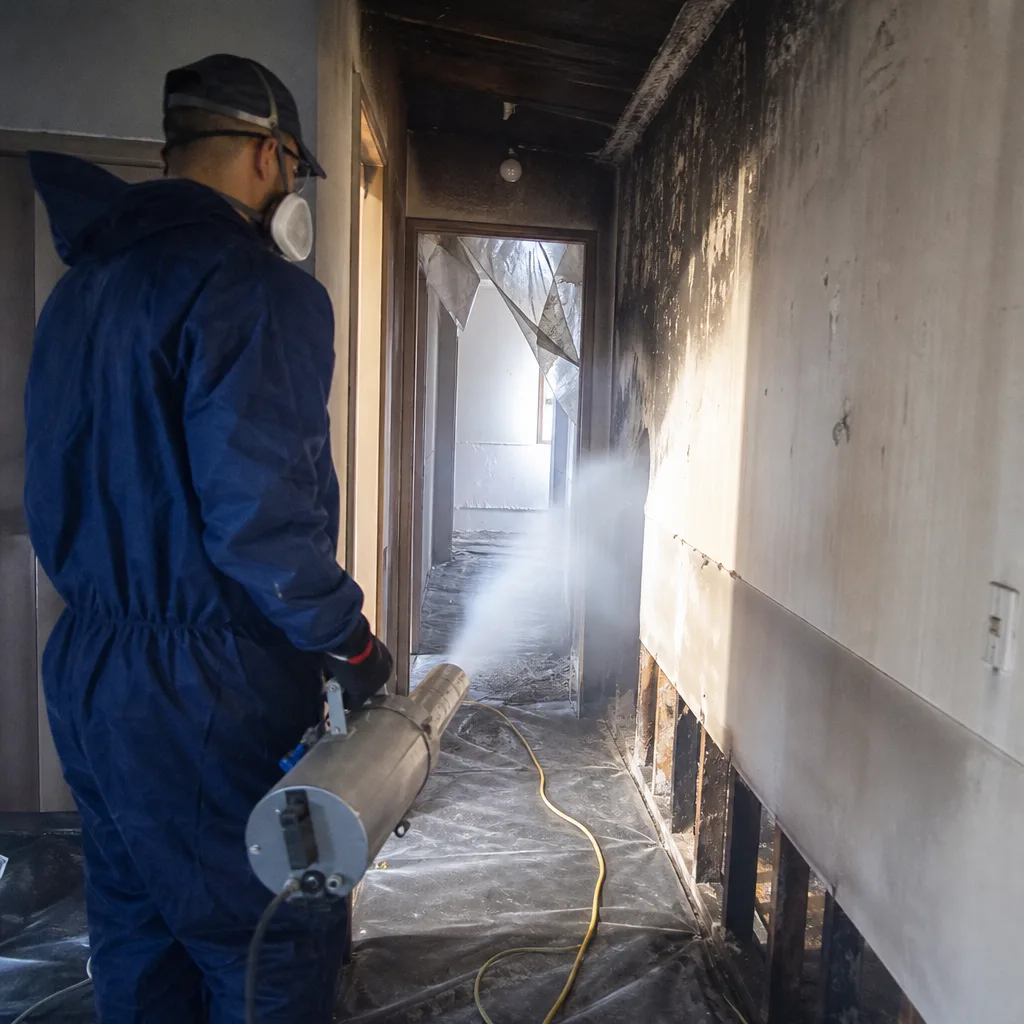
Category 3 water from a sewer backup or harbor surge gets extracted with Dri-Eaz pumps and truck-mounted extraction units. We set up containment barriers immediately if asbestos or sewage is present. The building gets stabilized before drying starts.
Drying & Dehumidification
Phoenix air movers and dehumidifiers go in, sized for the actual cubic footage and the mass-masonry walls that hold moisture. In Battery Park City’s landfill geology, groundwater can keep wicking up from below, so we run drying logs and adjust equipment daily, not just on day one.
Cleaning & Sanitization
Surfaces get cleaned and sanitized with professional-grade products appropriate for the building material, not a one-size-fits-all spray. HEPA air scrubbers run during the work to keep airborne particulates from migrating to occupied floors.
Specialty Treatment for Commercial Losses
Document recovery, electronics cleaning, inventory assessment, and business interruption minimization get handled by people who understand Lower Manhattan tenants: trading floors that need to reopen, retail spaces that can’t stay dark, co-op boards that need paper trails for FEMA and insurance.
Repairs & Restoration
The same crew that did the extraction does the repairs. No handoff. We match flood-rated finishes where your building’s Flood Emergency Operations Plan requires them, and we stand behind the work with the 90-Day Done Right Promise in writing.
Need Emergency Commercial Restoration in Lower Manhattan Now?
Crews minutes away, answering live 24 hours a day. The sooner we start, the less it costs.
Working With Your Insurance Company
Insurance claims in Lower Manhattan commercial buildings are rarely simple. Hurricane Sandy taught every building manager in the Financial District that adjusters need more than a handwritten list of damages. We document from the first hour: photos room by room, moisture readings logged daily, drying equipment placement tracked, and a line-item scope of work that matches the actual loss. Your adjuster doesn’t have time to visit every sub-basement in Lower Manhattan, so we communicate with them directly. You get copied on everything. Nothing gets done that isn’t documented. That’s how a claim gets paid without a fight.
What We Provide Your Insurer
- Thorough documentation of the loss
- Photos of all damage, room by room
- Moisture readings and drying logs
- A detailed, line-item scope of work
- Direct coordination with your carrier
Built for Lower Manhattan’s Loss Calendar
Lower Manhattan’s damage season runs from late October through April. Nor’easters are the primary driver, pushing Atlantic storm surge up the Hudson and East River simultaneously, which is why this narrow peninsula takes on water that Midtown never sees. January deep freezes burst aging supply lines in pre-war office towers along Broadway and Wall Street. The spring thaw brings hydrostatic pressure up through Battery Park City’s landfill, leaving sub-basement floors damp even when it hasn’t rained in a week. Summer thunderstorms are a smaller threat but fast, dropping two inches of rain in an hour and overwhelming the storm drains that feed into the city’s combined sewer system. Then there are the building-specific failures: pre-war riser pipes, elevator pit sump pumps that haven’t been tested since Sandy, and terra cotta facades that leak wind-driven rain through failed mortar joints. If you manage a building in Lower Manhattan, the calendar doesn’t ask whether you’ll need restoration work. It asks when.
Commercial Restoration Across Lower Manhattan’s Neighborhoods
Each neighborhood in Lower Manhattan has its own loss profile, and we respond accordingly. In the Financial District, the pre-war towers along Wall and Broad Streets run deep mechanical systems in sub-basements that flood during surge events; when a transformer vault takes on water, the whole building’s power is at risk. Battery Park City is built on Hudson River landfill, which means groundwater rises from below during storms, not just from surface flooding. In Tribeca, the 19th-century cast-iron loft conversions hide asbestos in pipe insulation and floor tiles, so any water or fire damage triggers containment protocols before drying begins. Over near South Street Seaport, the older masonry buildings face wind-driven rain intrusion through aging facades and rooftop bulkheads. These patterns repeat enough that we know what to expect before we arrive, and that saves hours.
Specialized Commercial Restoration Services We Offer in Lower Manhattan
Office & Retail Restoration
A flooded retail space on Broadway can’t stay closed for two weeks waiting on a national chain’s schedule. We focus on getting your doors back open. Document recovery, inventory triage, and priority drying for high-traffic areas come first.
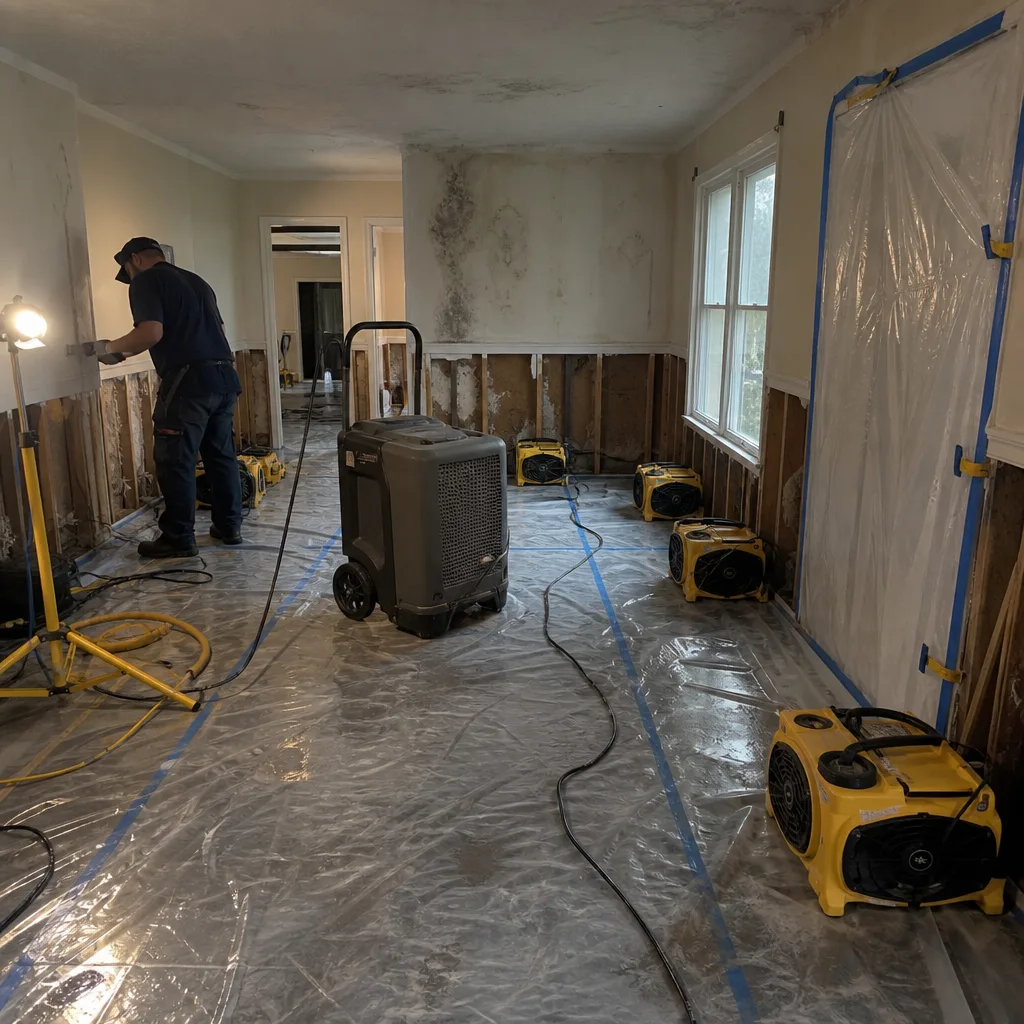
Multi-Unit & HOA Restoration
Co-op and condo boards in Battery Park City and Tribeca have a paper-trail obligation that single-family homes never face. We produce the moisture logs, abatement documentation, and Flood Emergency Operations Plan compliance records your board needs for insurance, FEMA, and the next shareholders’ meeting.
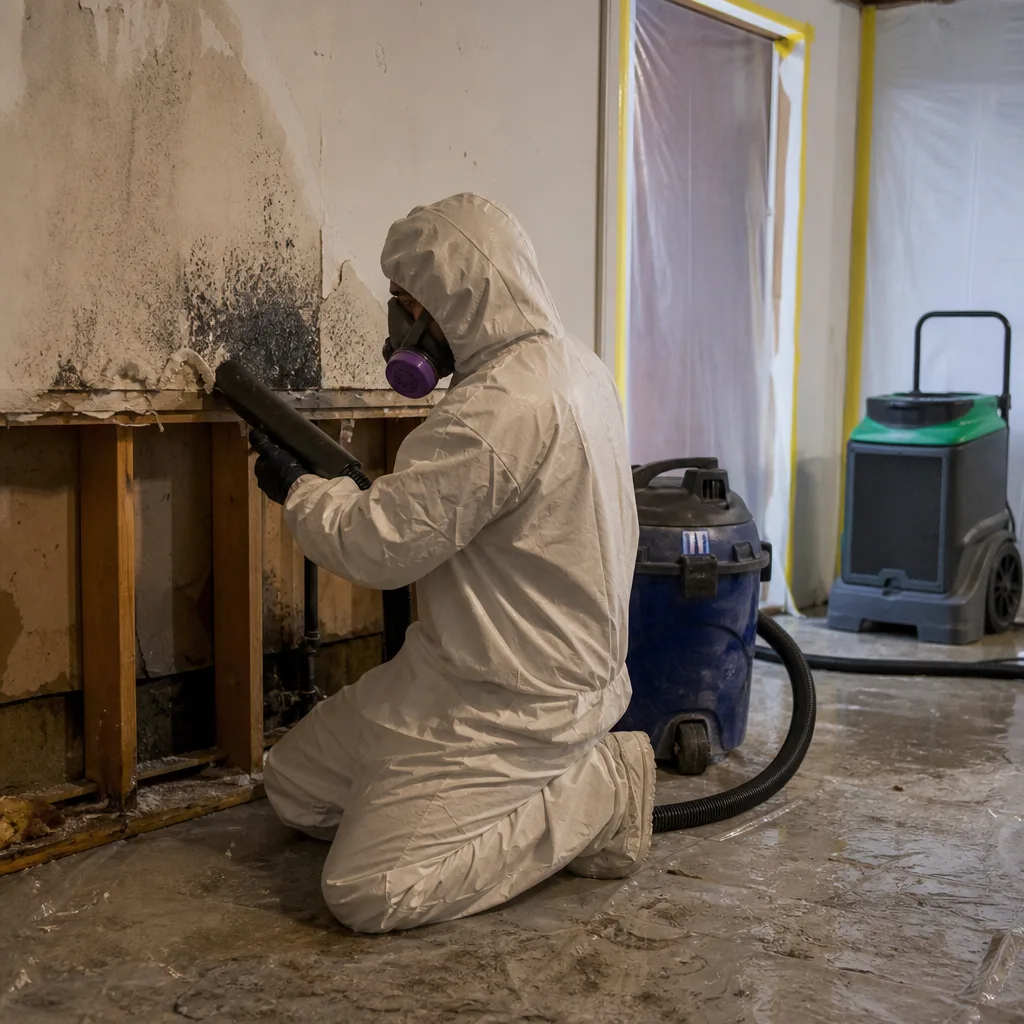
Industrial Facility Cleanup
Lower Manhattan still has working mechanical rooms, loading docks, and utility spaces tucked under office towers. We handle water intrusion and fire damage in industrial spaces where the critical equipment is the priority, not the carpet.
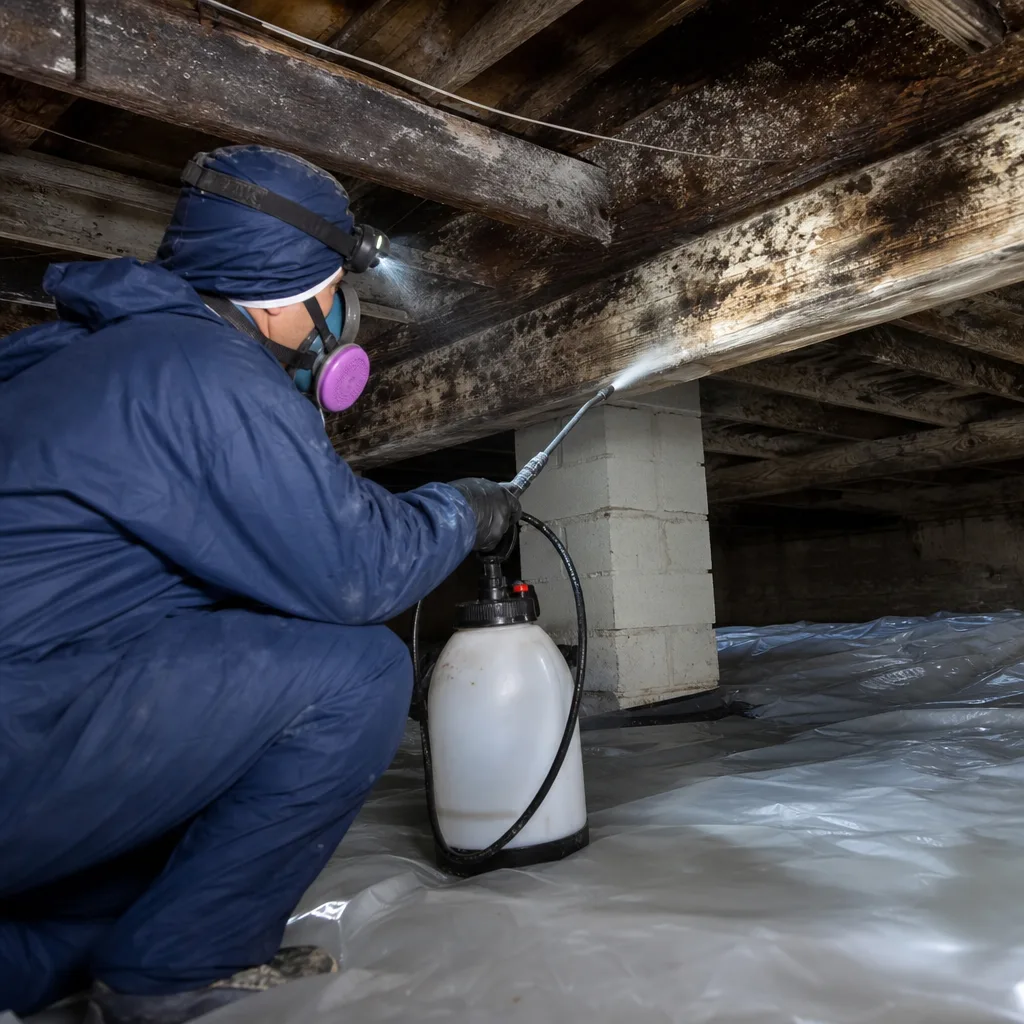
Large-Loss Response
When a riser fails and drops water through eight floors, or a surge floods an entire sub-basement, you don’t need a clean-and-dry crew. You need a response team that can set up multiple containment zones, run dozens of air movers and dehumidifiers, and manage the job like a project, not a punch list.
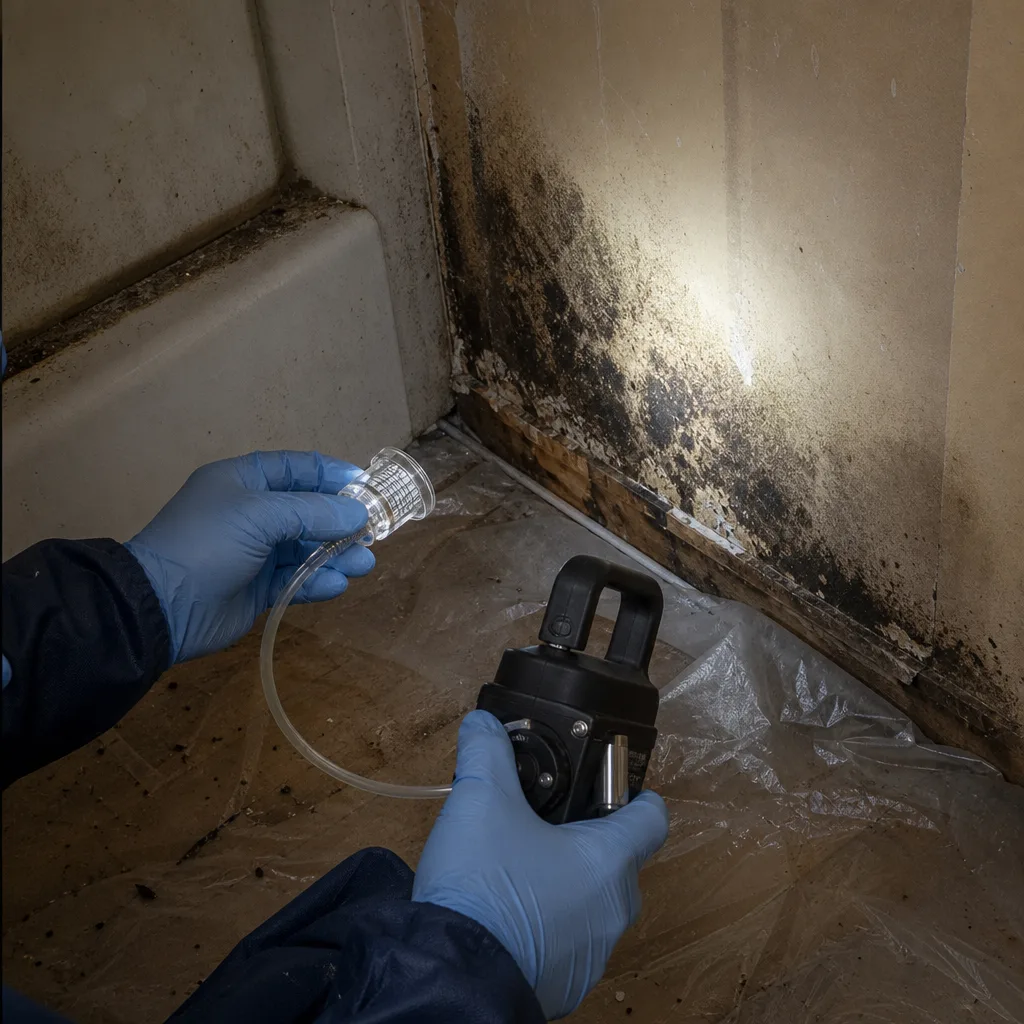
Business Interruption Minimization
Every hour a Lower Manhattan business is closed costs real money. We prioritize tenant spaces that need to reopen, move drying equipment around occupied areas, and work nights or weekends when the building is empty. The goal isn’t just dry floors. It’s your business running.
For all of these, you’re working with Commercial Restoration people who know the difference between a Midtown office and a Financial District sub-basement. We’ve done both.
What happens when you call
- 1
A real person answersNo phone trees - you reach a local pro.
- 2
You get an upfront price rangeHonest numbers before anyone is dispatched.
- 3
A background-checked tech heads outLicensed & insured, dispatched right away.
- 4
You approve before work beginsNothing starts until you say go.
Commercial Restoration Costs in Lower Manhattan, NY
Lower Manhattan pricing runs higher than most of the metro area, because the buildings are older, the access is tighter, and the compliance requirements are heavier. A small commercial water loss, like a single tenant space with soaked carpet and drywall, typically runs $4,000 to $9,000. A sub-basement flood in a Financial District tower with Category 3 water, asbestos containment, and elevator pit drying often lands between $35,000 and $120,000 depending on square footage and how long the water sat. Fire damage in a commercial space starts around $15,000 for a small kitchen or electrical fire and can exceed $250,000 when smoke migrates through multiple floors and abatement is required. Insurance covers most of these losses, but the deductible and any code-upgrade costs are out-of-pocket. The smart move is a free visual inspection before you sign anything. Wade will walk the building, tell you what’s actually wet, and give you a written scope. No charge for that, anywhere in Lower Manhattan.
We Also Serve Cities Near Lower Manhattan
If your building sits just outside Lower Manhattan, we’ve got you covered too. Our crews regularly work in Financial District, Astoria, Midtown Manhattan, and Long Island City. Same team, same standards, same 24/7 live answer. Call (201) 740-2235 and we’ll confirm we can be there fast.
Serving Lower Manhattan, NY - Our Local Coverage Area
We’re based in the Lower Manhattan area and know this community well. Use the map below to see our service coverage - if you’re nearby, we can almost certainly help.
Lower Manhattan Commercial Restoration Questions, Answered
Does a commercial restoration job in Battery Park City require anything different than a similar job in Midtown?
Yes. Battery Park City sits on Hudson River landfill, so groundwater rises from below during surge events. Drying equipment sized only for surface water leaves sub-basements wet and mold-prone. We’ve seen it repeatedly, and we adjust accordingly.
How quickly can mold start growing in a flooded Financial District sub-basement?
Mold can begin within 24 to 48 hours in a hot, humid sub-basement with standing water. The mass masonry walls in pre-war buildings hold moisture for weeks, so the window is shorter than you’d like. Call (201) 740-2235 and we’ll get extraction running fast.
What does Category 3 water mean for our Lower Manhattan office tower after a sewer backup?
Category 3 water is grossly contaminated, carrying bacteria, sewage, or seawater. Anything it touches requires either removal or professional sanitization. In a Lower Manhattan office tower, that often means removing soaked drywall and carpet, not just drying them.
Why do so many Lower Manhattan commercial buildings have mandatory asbestos abatement before we can even start drying?
Most pre-1980 Financial District buildings have asbestos in pipe insulation, floor tiles, and fireproofing. When water or fire disturbs those materials, regulations require abatement before restoration work continues. Skipping containment risks contaminating occupied floors.
Our Battery Park City residential tower lost power for two weeks after Sandy. Can you minimize business interruption this time?
Yes. We coordinate with building management to keep essential systems running while restoration work proceeds. That means temporary power for critical equipment, phased drying around occupied areas, and schedules that work around tenant needs, not the other way around.
How fast can someone actually get to our Lower Manhattan building?
We commit to 45 minutes. We’re positioned to reach the Financial District, Tribeca, Battery Park City, and the Seaport quickly. Call (201) 740-2235 and Wade answers. He’s on the road while you’re still on the phone.
Will insurance cover our commercial restoration in Lower Manhattan?
Most water and fire losses in commercial buildings are covered under the property policy, but flood damage from storm surge requires a separate flood policy. We document everything from hour one and deal with your adjuster directly, so you don’t get stuck in the middle.
What should we do in the first 30 minutes while we wait for your crew?
Shut off power to affected areas if it’s safe to do so. Move inventory, documents, and electronics to higher ground. Take photos. Don’t enter standing water in a sub-basement with electrical equipment. We’ll be there fast and take it from there.
Written by Wade Ferris, Owner at Wade’s Restoration, serving Lower Manhattan with documented, no-nonsense commercial restoration since 2007.