
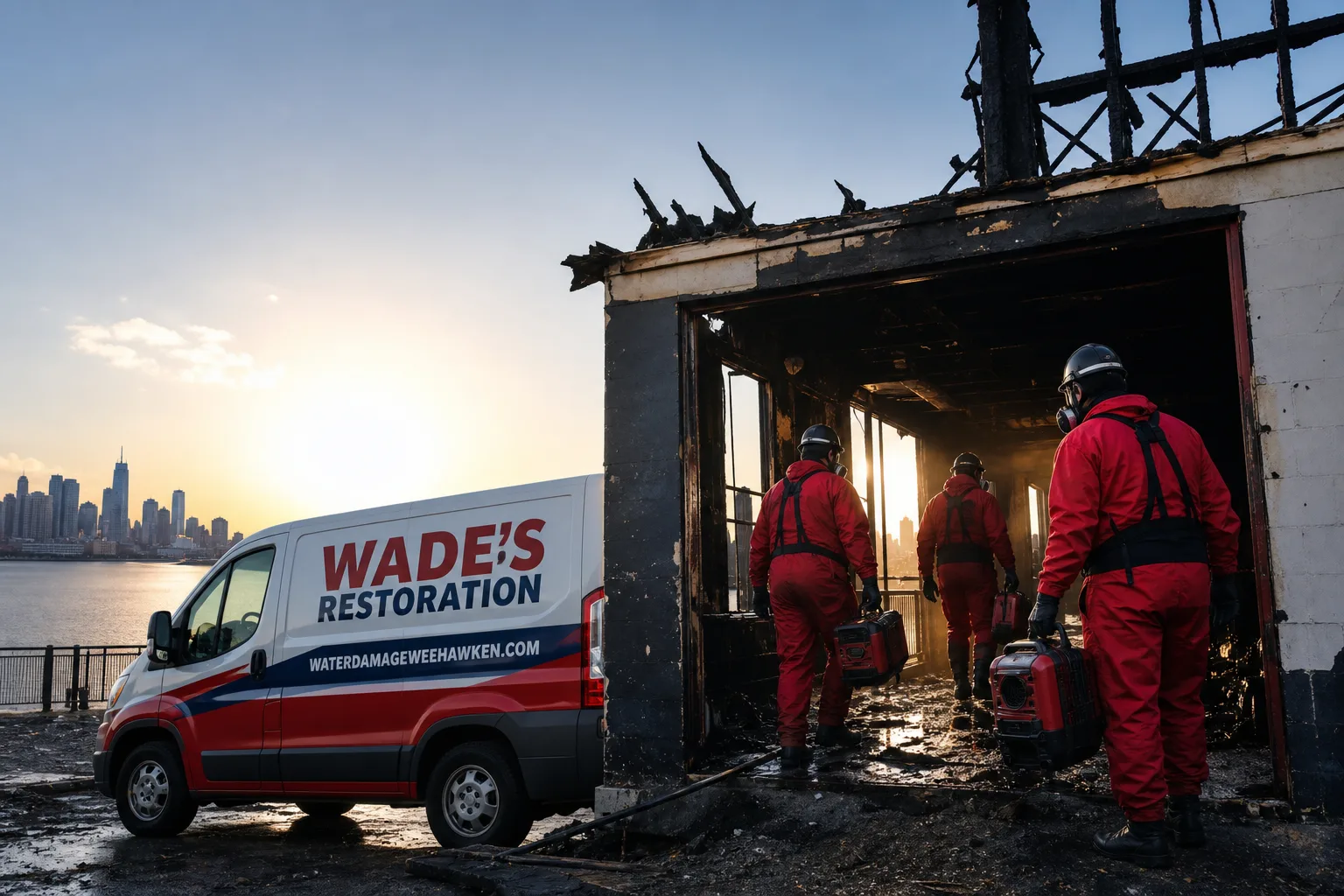
Free visual inspection and a written scope of work before any mitigation begins - photos, moisture readings, and drying logs go in your claim file
The scope we write is the scope we bill. Anything new gets shown to you, in writing, before we touch it.
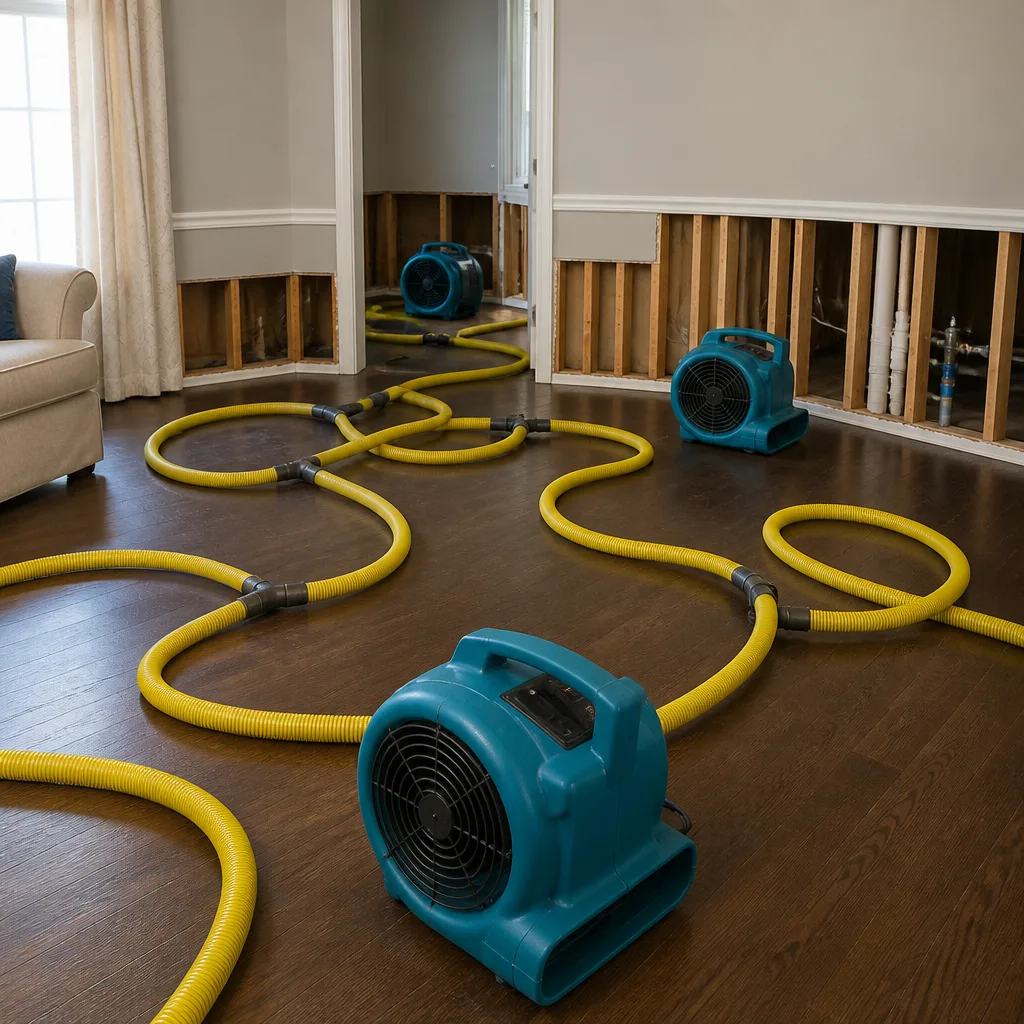

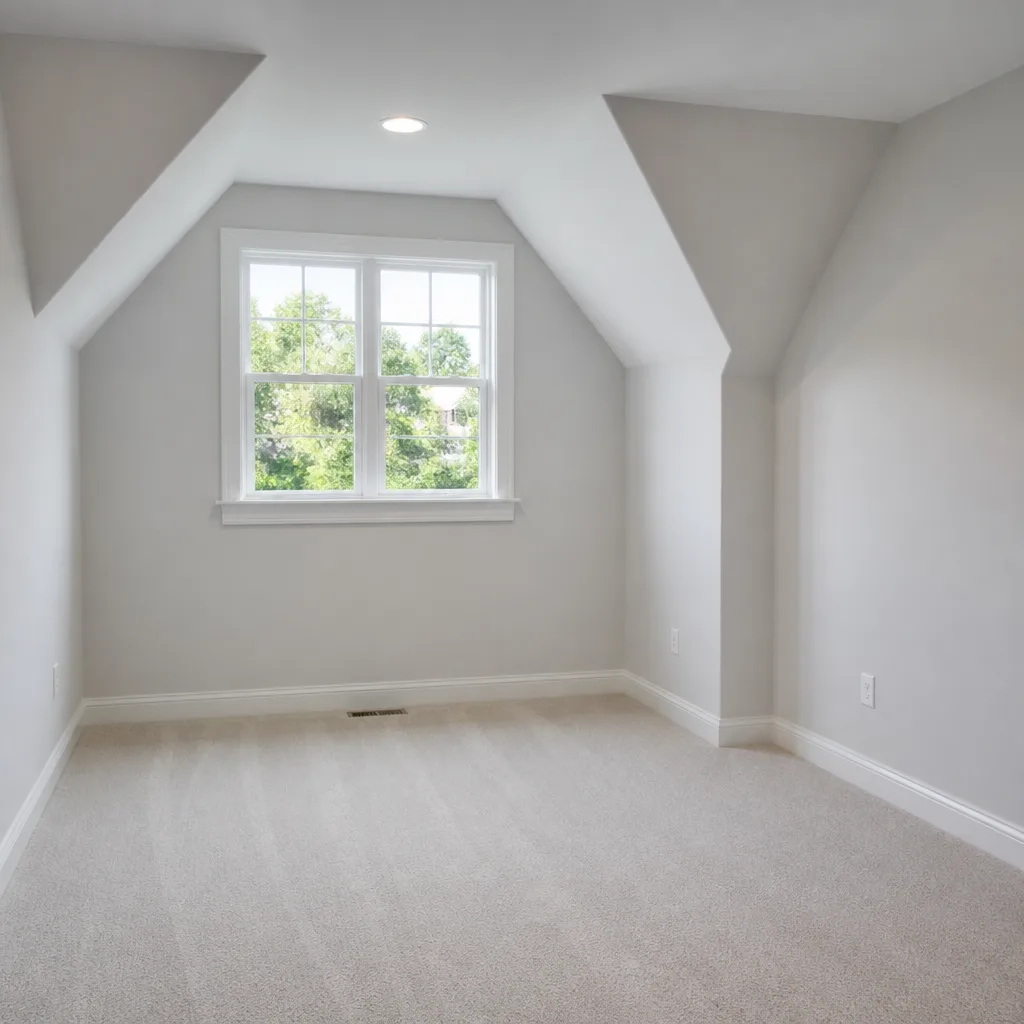


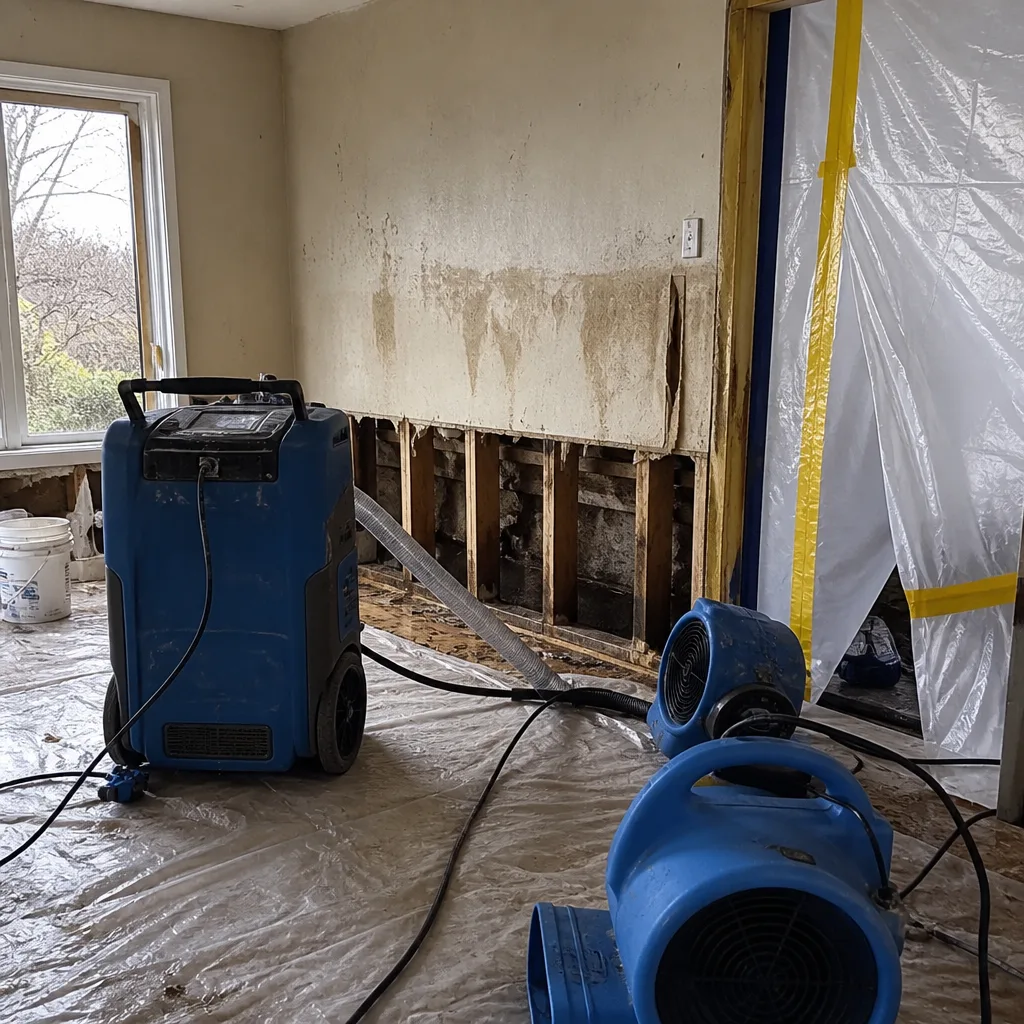 Before
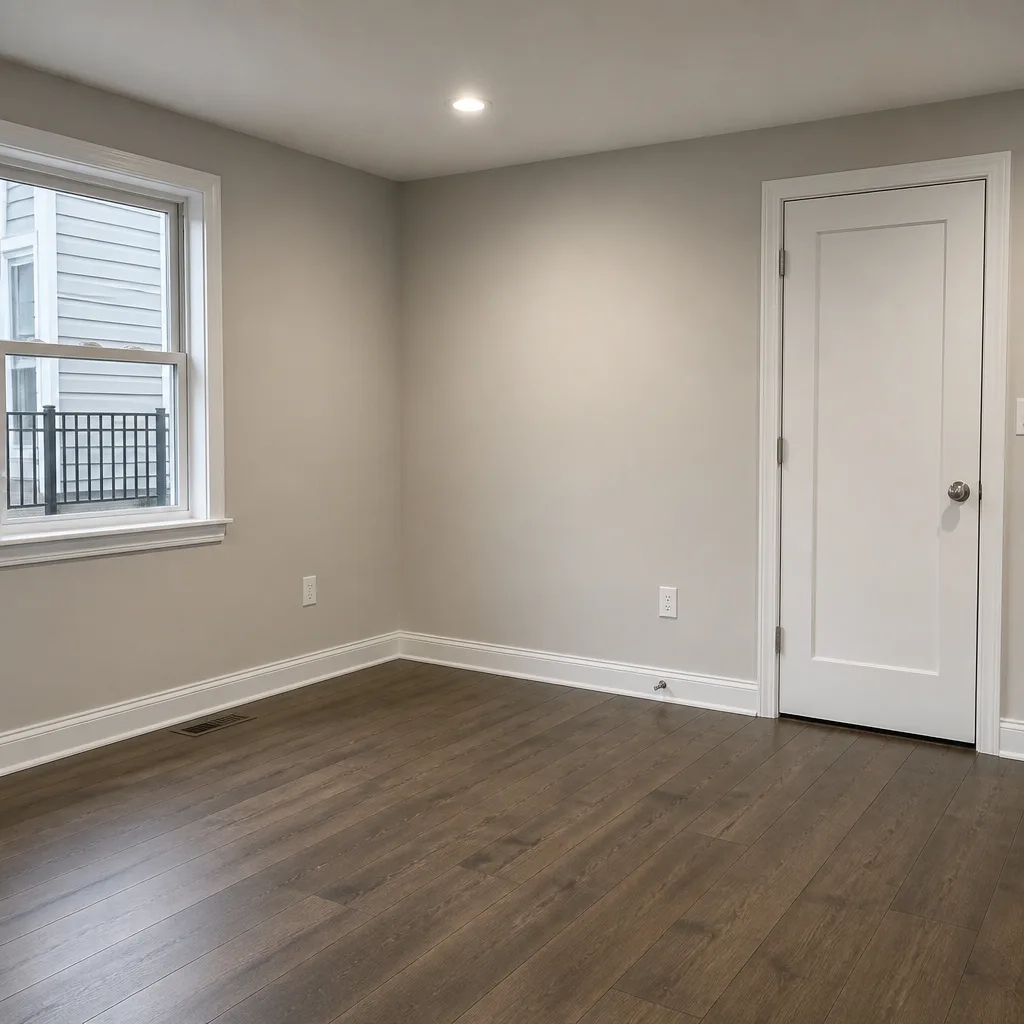 After
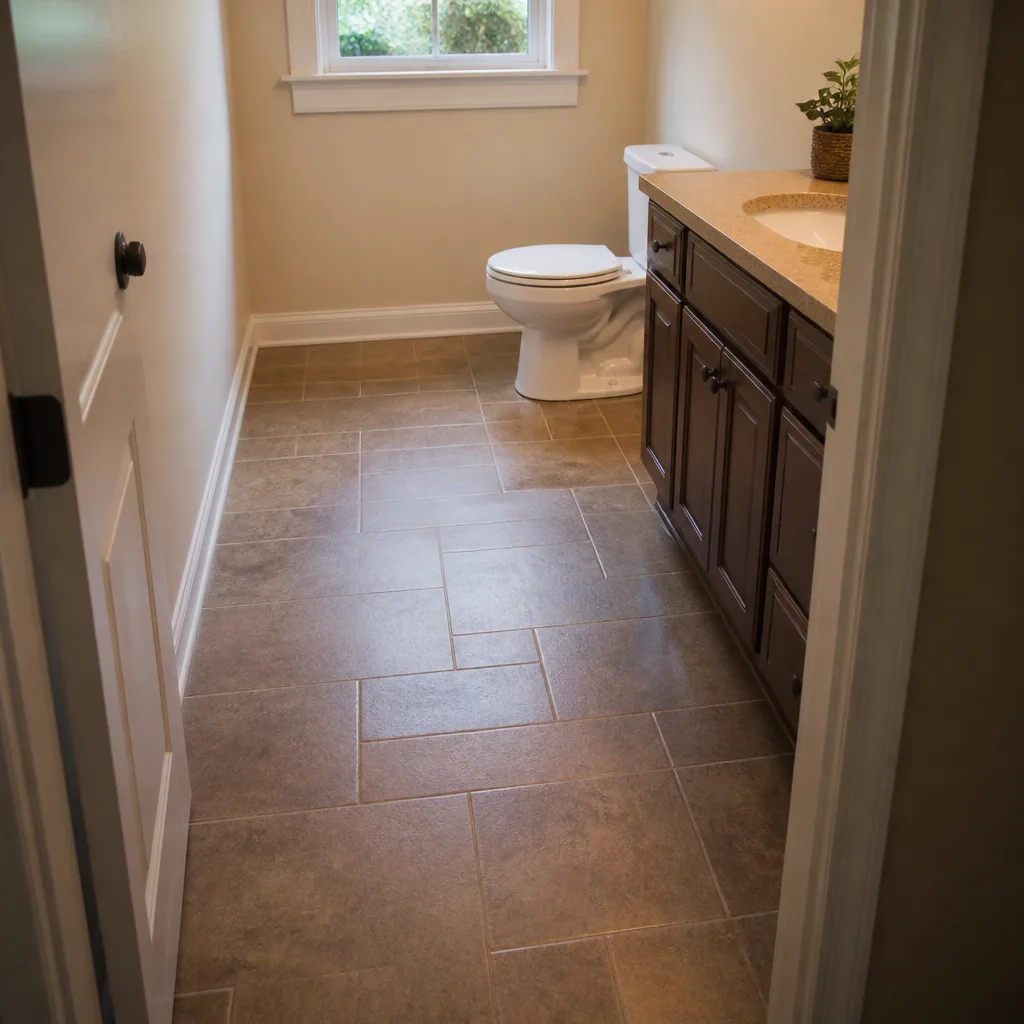
After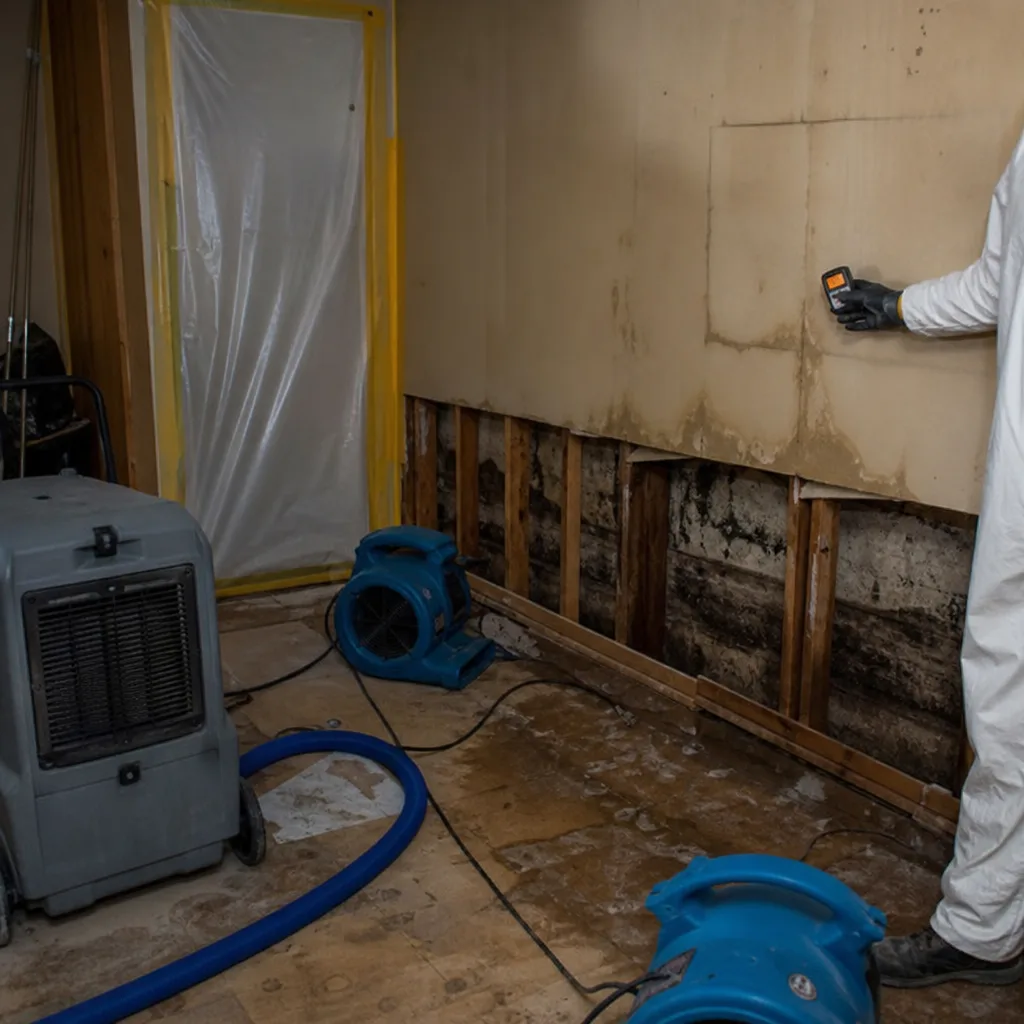 Before
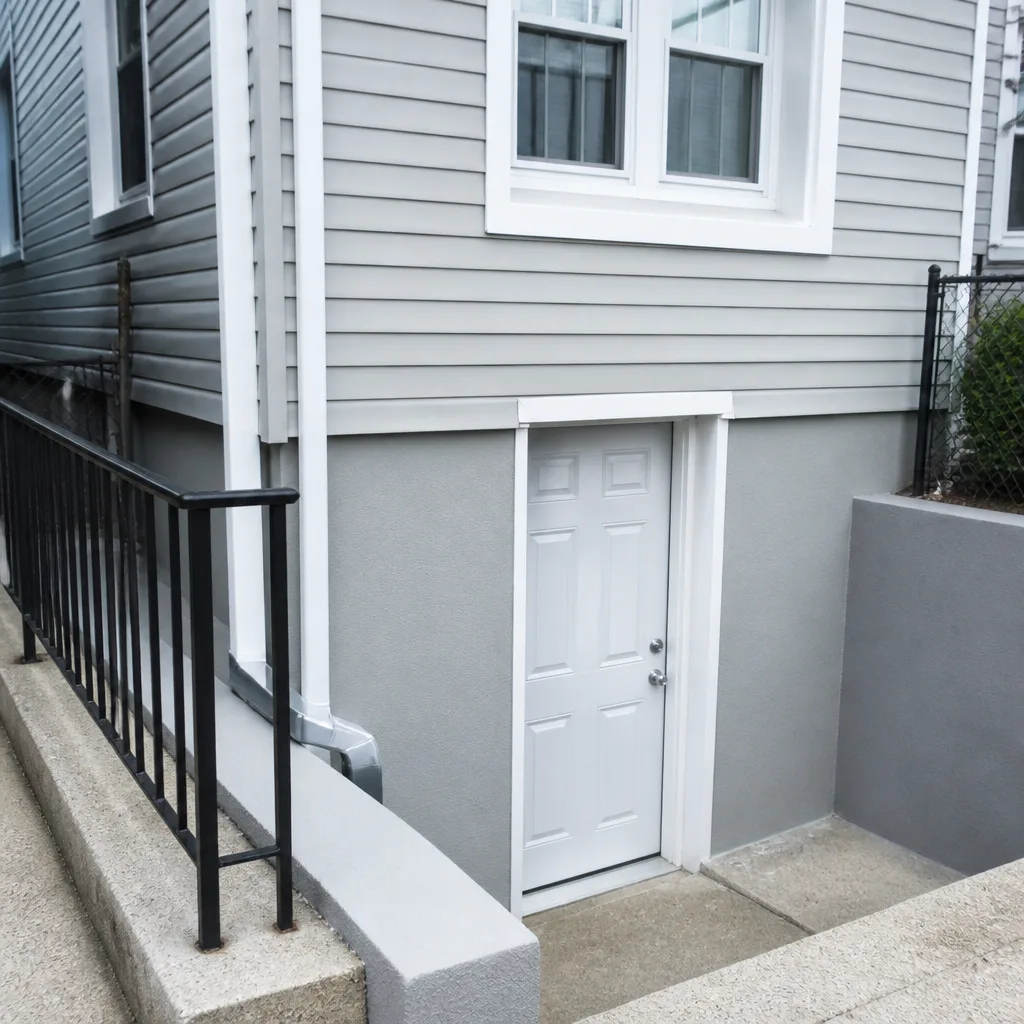 After
After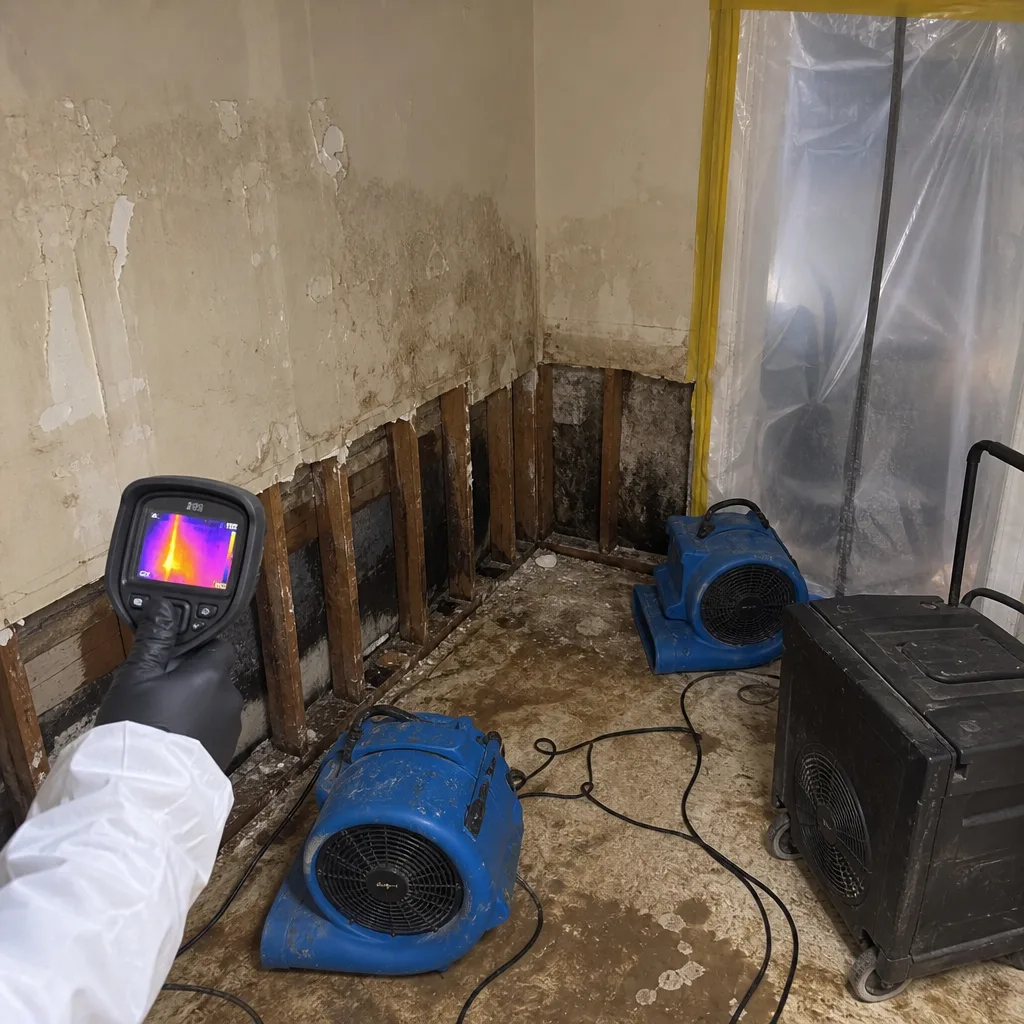 Before
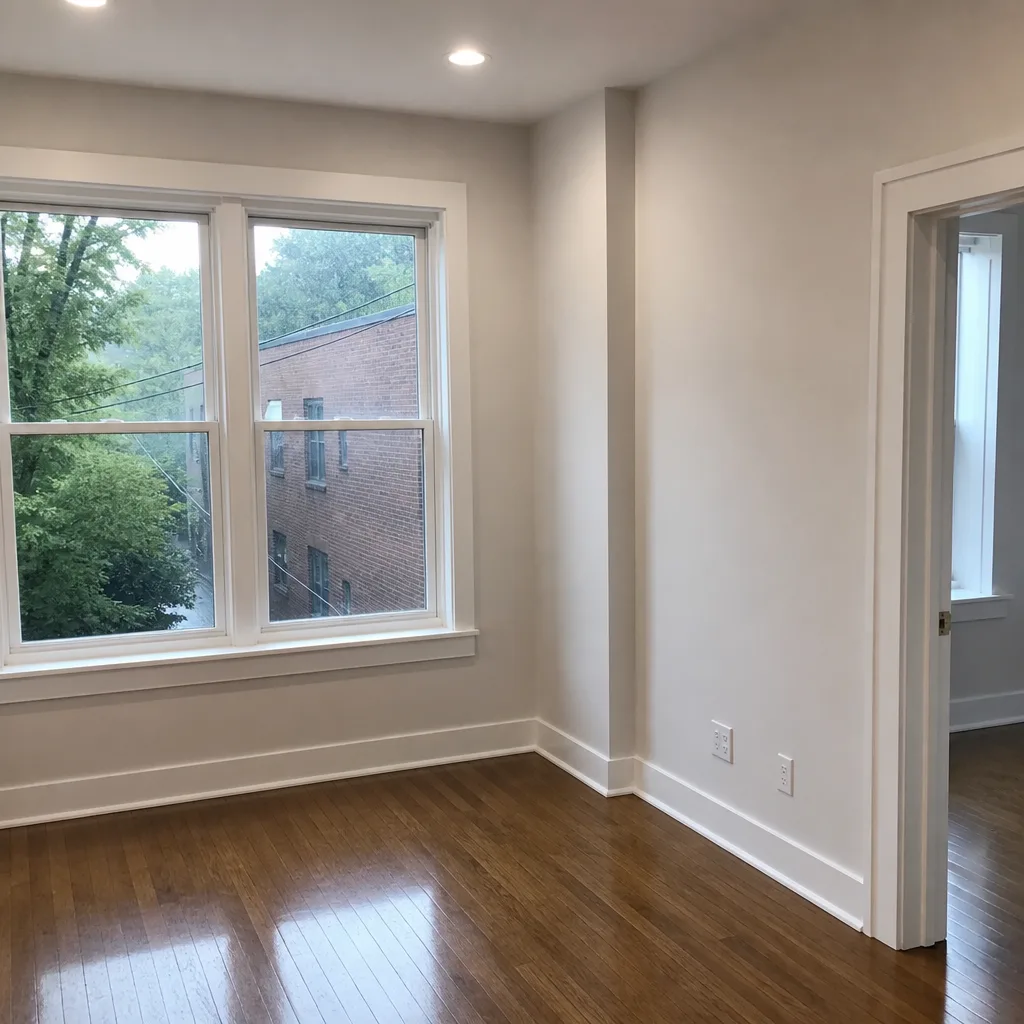 After
After24/7 Emergency Biohazard & Crime Scene Cleanup in Long Island City
A biohazard event in Long Island City is not a cleanup you can wait on. Blood, bodily fluids, and sewage-borne pathogens multiply fast in LIC’s converted loft buildings where ventilation is often limited and shared systems run between units. Call (201) 740-2235 and Wade Ferris answers himself, any hour. We send a fully equipped crew into Long Island City immediately, not tomorrow morning.
Wade made his name here by showing up when he said he would and handing you the documentation when the job is done. Free visual inspection. No trip charge inside our own county. You’ll get a written scope before any work starts, so there’s no surprise invoice at the end. The first hour matters because contamination spreads through porous materials faster than most people realize, and in Long Island City, the building stock itself can make that spread worse.
Understanding Biohazard & Crime Scene Cleanup Severity in Long Island City Properties
Here’s what property owners in Long Island City face that owners in other parts of Queens do not. We treat any basement or ground-floor water intrusion anywhere near the East River or Newtown Creek as presumptive Category 3 black water from the very first moisture reading, which is why our Water Damage Restoration - Long Island City team responds immediately. This isn’t caution for its own sake. The Newtown Creek plume, documented by the EPA for decades, has infiltrated the combined sewer lateral infrastructure along the waterfront blocks. When a sewer backup happens near Creek Street or along 44th Drive, what comes up through the drains is not clean water, and the disposal path is regulated as hazardous waste.
Long Island City’s housing stock makes containment harder. The converted factory buildings in Hunters Point and Court Square have old brick and heavy timber assemblies that wick contaminated moisture upward and sideways. Pre-war tenements share partition walls between units. The post-2010 glass towers near the waterfront have complex mechanical systems where aerosolized contaminants can travel through shared HVAC runs. Bloodborne pathogen cleanup in a Long Island City loft means sealing the work zone with full containment barriers and running HEPA air scrubbers continuously, because the building envelope doesn’t reseal itself after we leave. We test, we treat, and we document every step of the way.
Why Long Island City Property Owners Choose Wade’s Restoration
- 45-minute response commitment. When you call about blood or sewage contamination in Long Island City, Wade’s crew is on the road immediately. You’ll know who’s coming and when.
- 24/7 live answer. No automated phone tree. A real person answers, and Wade answers his own cell. Ask anyone on your street.
- IICRC-certified crews. Our biohazard and trauma cleanup technicians hold current IICRC certifications, including AMRT for microbial remediation and HST for health and safety. You can verify credentials before we start.
- Free visual inspection. We come out, look at the scope, and give you a straight written estimate. No charge for that.
- Direct insurance billing. We document everything from the first hour with photos, moisture logs, and line-item scopes. Wade deals with your adjuster directly so you’re not the one stuck relaying information.
- One team, start to finish. The same crew that stabilizes the biohazard handles cleaning, sanitization, and any structural repairs. No handoffs to strangers.
Our Biohazard & Crime Scene Cleanup Process
Inspection & Assessment
We start with a full walkthrough using thermal imaging and moisture meters, and we test for contamination before touching anything. In Long Island City’s converted industrial buildings, we also check for pre-existing asbestos and lead before any tear-out begins. You get a written scope.
Extraction & Stabilization
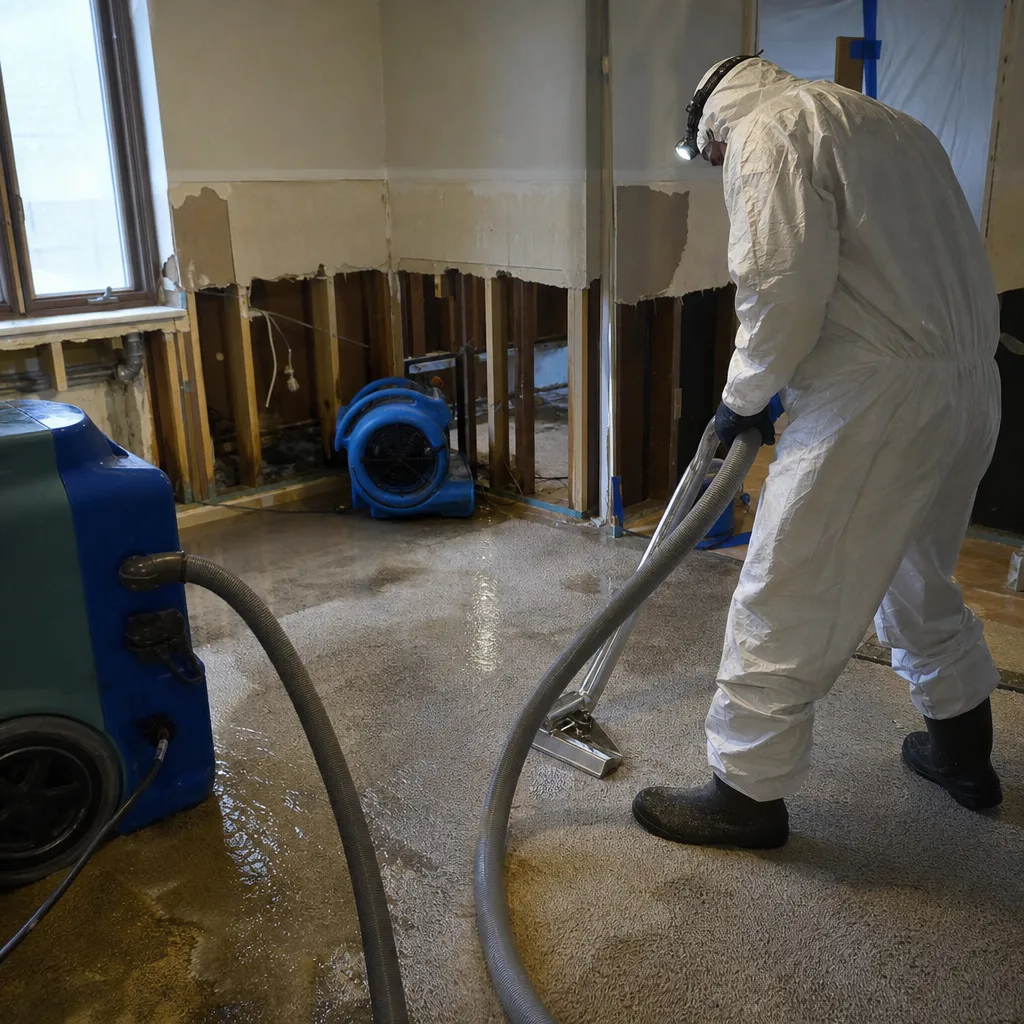
We remove standing fluids and gross contamination using professional-grade extraction equipment from XPOWER and B-Air. Affected materials are bagged and documented for regulated disposal. The goal is to stop spread within the first hour.
Containment & Air Scrubbing
We build a negative-air containment zone around the affected area and run HEPA air scrubbers to capture airborne particulates and pathogens. In Long Island City lofts with open floor plans, this means hard barriers, not just plastic sheeting.
Cleaning & Sanitization
We remove saturated drywall, flooring, and insulation under biohazard protocols. Then we treat structural members with EPA-registered antimicrobial agents. All contaminated materials are disposed of through licensed hazardous-waste haulers, with documentation you keep.
Specialty Biohazard Treatment
For bloodborne pathogen events, unattended death, or infectious disease disinfection, we follow IICRC standards for trauma scene remediation and complete ATP testing to verify surfaces are clean. You get the test results.
Repairs & Restoration
If structural materials were removed, our own crew handles the rebuild through our Commercial Restoration in Long Island City. We match materials to your building’s era and style, whether that’s a Hunters Point loft or a pre-war walk-up. One team from first call to final walkthrough.
Need Emergency Biohazard & Crime Scene Cleanup in Long Island City Now?
Crews minutes away, answering live 24 hours a day. The sooner we start, the less it costs.
Working With Your Insurance Company
Biohazard and crime scene cleanup claims get denied more often than they should, usually because the homeowner couldn’t produce documentation that the insurer could verify. Wade has handled hundreds of these claims in the New York metro area, and he has been dealing with adjusters directly since 2007. That means you’re not the one trying to explain vapor barriers and contaminated drywall to someone on a phone line in another state. Wade’s crew photographs everything from the first hour, logs every moisture reading and air sample, and writes a line-item scope that uses the same language insurance carriers expect. He will call your adjuster himself, walk them through the loss, and keep the claim moving. When a Long Island City basement near Newtown Creek floods with sewage, the difference between a paid claim and a months-long fight is usually the paper trail.
What We Provide Your Insurer
- Thorough documentation of the loss
- Photos of all damage, room by room
- Moisture readings and drying logs
- A detailed, line-item scope of work
- Direct coordination with your carrier
Built for Long Island City’s Loss Calendar
Long Island City gets hit by different loss types depending on the month, and each one carries its own biohazard exposure risk for our Biohazard & Crime Scene Cleanup team. January deep freezes burst supply lines in the older tenement buildings along Vernon Boulevard and Jackson Avenue, and the resulting water runs through plaster and lath that has been absorbing city grime for eighty years. In March and April, snowmelt and spring rain find their way into below-grade cellar spaces that were never designed to be dry, especially in the older brick factory buildings.
Summer brings thunderstorms that overwhelm the combined sewer system, and that’s when we get the raw sewage backups in ground-floor and cellar spaces. This is the season when Long Island City’s proximity to the East River and Newtown Creek matters most. A basement backup in August near the waterfront is presumed black water, full stop, because the sewer laterals there are infiltrated by tidal surges and the creek’s chemical plume. Fall nor’easters push storm surge up the East River and into Hunters Point and the areas west of 21st Street. Every one of these events requires contamination testing as a baseline, not as an afterthought. This is our home turf. We know the calendar and we know what each season does to these buildings. Our full Long Island City crew has worked every one of these scenarios, and we come prepared.
Biohazard & Crime Scene Cleanup Across Long Island City’s Neighborhoods
Long Island City is not one neighborhood. It’s a patchwork of building types that changes block by block, and each area has its own failure patterns when biohazard events happen. In Hunters Point, the luxury towers along Center Boulevard and 44th Drive have complicated mechanical and plumbing systems where a backed-up sewer line on one floor can aerosolize into the hallways. The converted warehouses along Court Square and Dutch Kills have old brick party walls and shared drains that move contamination horizontally between units. In the pre-war walk-ups near Queens Plaza, we often find shared cellar spaces where a single sewer backup exposes an entire building’s worth of storage to black water. Along Vernon Boulevard, the ground-floor commercial spaces have their own set of issues, especially where aging clay pipes meet the city’s combined sewers. Our crews know these streets, know which buildings have what kind of plumbing, and know how to get a truck and equipment into tight urban blocks without blocking traffic or your neighbors. That local knowledge changes response time and changes outcomes.
Specialized Biohazard & Crime Scene Cleanup Services We Offer in Long Island City
Blood & Bodily Fluid Cleanup
Blood spills, medical incidents, or trauma events in a Long Island City apartment require professional remediation because bloodborne pathogens like hepatitis and HIV survive on porous surfaces for days. We follow IICRC trauma scene standards, remove all affected materials, and disinfect the entire area with EPA-registered antimicrobials. You get written documentation of the cleanup for your records, your landlord, or your insurer.
Infectious Disease Disinfection
An infectious disease event in a shared building, whether that’s a norovirus outbreak in a tenement on 36th Avenue or a COVID exposure in a Court Square office, requires whole-space disinfection using fogging equipment and hospital-grade disinfectants. We use professional-grade foggers from B-Air to reach every surface, including ductwork and behind fixtures, as part of our Sanitization Services - Long Island City protocol. This is not spray-and-wipe work; it’s a controlled protocol with verification testing afterwards.
Crime Scene Cleanup
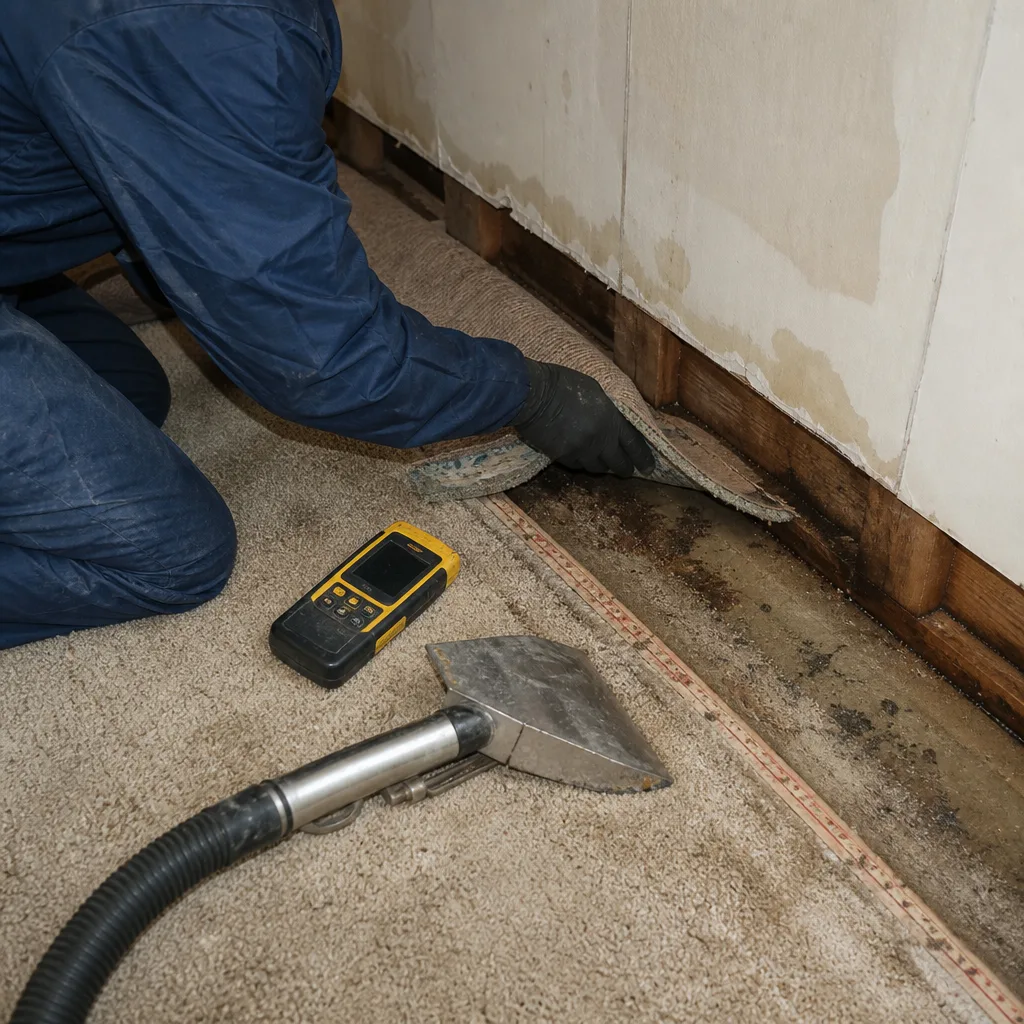
After law enforcement releases the scene, the property owner is legally responsible for the cleanup. In Long Island City’s converted lofts and older buildings, that often means working around uneven floor slabs, exposed brick, and unusual wall assemblies. We handle removal of all biohazardous materials, disposal through licensed haulers, and restoration of the space to a safe, clean condition. We deal with the documentation so you don’t have to.
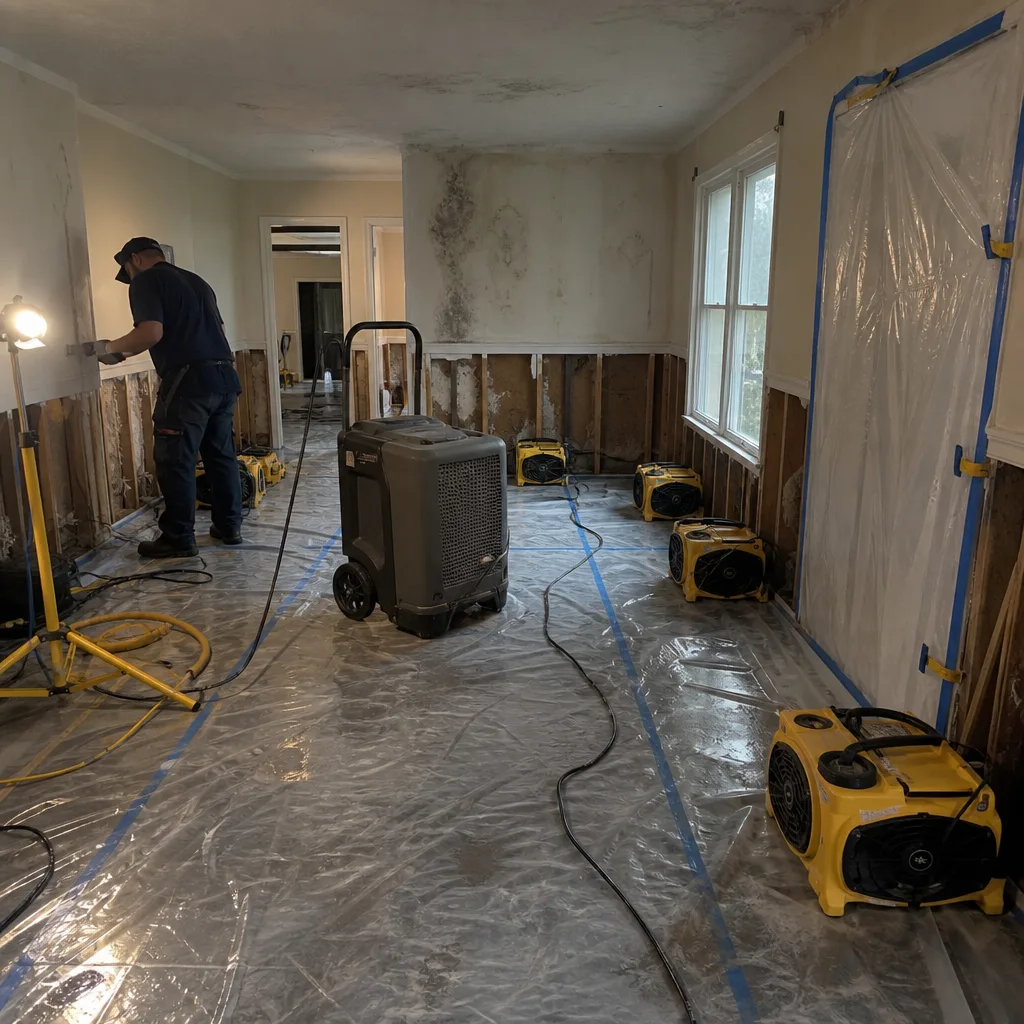
Trauma & Unattended Death Cleanup
An unattended death in a Long Island City apartment is discovered too late, and the decomposition process has already begun affecting floors, walls, and sometimes the unit below. We handle this with discretion, speed, and complete containment. Our crews wear full PPE and use HEPA air scrubbers to prevent odors and particulates from spreading through shared hallways. We restore the unit as close to its original condition as possible.
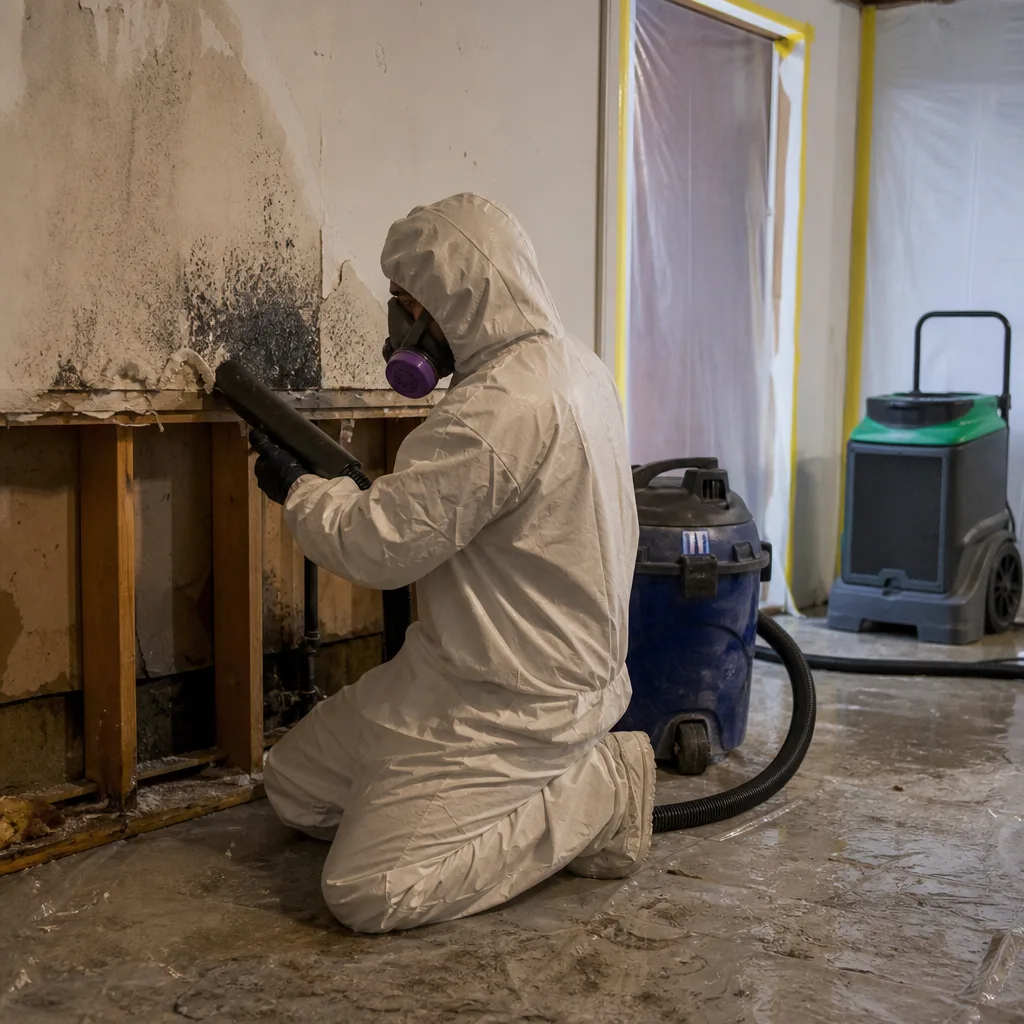
Hoarding Cleanup
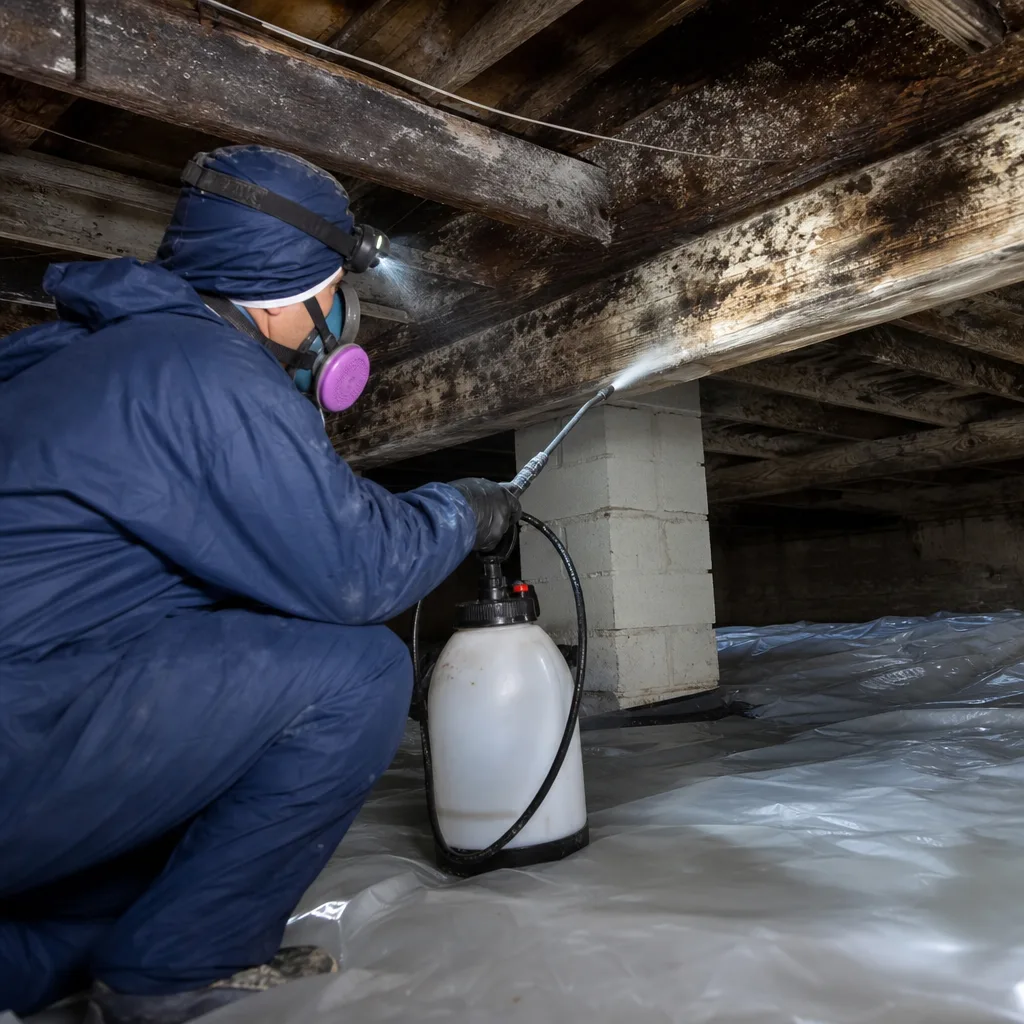
Hoarding cleanup in a Long Island City tenement building means working inside shared hallways and stairwells, often with neighbors on both sides. We remove the material in stages, respecting the resident’s dignity while understanding the building and fire code requirements for LIC’s older stock. We sort for valuables, medications, and documents, and we coordinate with building management on disposal. We wear respirators and full protective gear, because years of accumulated material creates its own biohazard conditions.
What happens when you call
- 1
A real person answersNo phone trees - you reach a local pro.
- 2
You get an upfront price rangeHonest numbers before anyone is dispatched.
- 3
A background-checked tech heads outLicensed & insured, dispatched right away.
- 4
You approve before work beginsNothing starts until you say go.
Biohazard & Crime Scene Cleanup Costs in Long Island City, NY
Let’s talk real numbers for Long Island City’s market. A standard blood cleanup on hard flooring in a residential unit typically runs $450 to $900. An unattended death cleanup with decomposition in a Long Island City apartment usually falls between $2,800 and $6,500, depending on how long the body was undiscovered and whether flooring or drywall has to come out. A sewer backup in a basement near Newtown Creek that requires black-water protocols, containment, and hazardous-waste disposal typically costs $3,000 to $9,000, because the disposal path is regulated and the documentation is non-negotiable. Infectious disease disinfection of an entire ground-floor commercial space in Court Square can run $1,200 to $4,000. What moves the price is the amount of porous material that has to be removed, the age of the building, and whether asbestos or lead testing is required before tear-out. Insurance covers most of these scenarios when the documentation is done right, and that’s where we earn our keep. Call (201) 740-2235 for an exact quote. Estimates are free and there’s no trip charge inside our county.
We Also Serve Cities Near Long Island City
Our trucks and crews roll out to every corner of Long Island City daily, but we also cover the surrounding streets across the neighborhood line. Astoria gets the same live answer, the same 45-minute response commitment, and the same written scope before any work begins. If you’re just across the border, you’re already in our service area.
Serving Long Island City, NY - Our Local Coverage Area
We’re based in the Long Island City area and know this community well. Use the map below to see our service coverage - if you’re nearby, we can almost certainly help.
Long Island City Biohazard & Crime Scene Cleanup Questions, Answered
How does being near Newtown Creek change the way you handle a basement flood in Long Island City?
Being near Newtown Creek means we treat any basement flood or sewer backup as presumptive Category 3 black water from the first moisture reading. The creek’s industrial contamination plume has infiltrated the combined sewer laterals along the waterfront, which means what comes up through the drains can carry petroleum residues, heavy metals, and sewage. That changes the entire protocol: full containment, hazardous-waste documentation, and disposal through licensed haulers. Call (201) 740-2235 and we’ll explain exactly what applies to your building.
Do you need special permits for crime scene cleanup in LIC’s converted factory buildings?
Permits are not required for the biohazard cleanup itself, but the building’s age often triggers other requirements. In Long Island City’s converted warehouse lofts, tearing out contaminated drywall or flooring can require asbestos and lead testing first, and if either is present, abatement clearance before we proceed. We handle all of that internally and include it in the written scope, so you’re never left coordinating with a separate abatement contractor.
What happens if my ground-floor apartment in a Hunters Point luxury tower gets a sewer backup - is it really black water?
Yes, in that location it is. The ground-floor and below-grade units in the Hunters Point towers near the East River sit in FEMA Flood Zone AE, and the sewer laterals there see tidal influence and infiltration from the Newtown Creek plume. A sewer backup in that zone is treated as Category 3 black water, which means full containment, removal of saturated drywall, antimicrobial treatment on structural members, and hazardous-waste disposal documentation. This isn’t optional caution; it’s the standard that applies.
How quickly can you respond to an unattended death in a Long Island City loft, and does the building age matter?
We respond within 45 minutes to any address in Long Island City, 24 hours a day. Building age matters a great deal in the loft conversions. Older brick and timber buildings absorb decomposition fluids into the porous masonry and wood framing, and the open floor plans mean odors travel farther. We assess the full extent with moisture meters and thermal imaging before we set containment, so we’re not discovering hidden contamination after the fact. Call (201) 740-2235 any hour.
Do you handle hoarding cleanup in LIC tenement buildings with shared hallways?
We do, and we’ve done many of them. The challenge in Long Island City tenements is that everything we move goes through shared hallways and stairwells, often while neighbors are home. We use sealed bags and HEPA-filtered air machines during the whole process, and we protect the common areas with floor and wall coverings. We also sort carefully for valuables, medications, and documents before anything leaves the building, because a hoarding cleanout in a Long Island City apartment is as much about respect as it is about removal.
Will my insurance cover biohazard or crime scene cleanup in Long Island City?
In most cases, yes, if the cause of loss is covered under your policy. Sewage backups from the combined sewer system, trauma events, and unattended deaths are commonly covered, but the claim has to be documented the way the carrier expects. We photograph everything, log every moisture reading and air sample, write a line-item scope in industry terms, and coordinate directly with your adjuster. Wade has been doing that for New York metro homeowners since 2007, and he’ll deal with the insurance side so you don’t have to.
Do I really need full biohazard remediation, or can this just be cleaned up with bleach?
You need full remediation. Bleach does not kill everything, it does not remove what has soaked into porous materials like drywall and wood, and it creates its own health hazards in confined spaces. In a Long Island City building near Newtown Creek or the East River, the contamination is not just biological; it can include industrial residues that require hazardous-waste disposal. Bleach will not do that. Bleach will often make the hidden problem worse by driving moisture and contaminants deeper into the material. Call (201) 740-2235 and we’ll tell you honestly what the scope actually is, even if it’s smaller than you feared.
What should I do in the first 30 minutes after discovering a biohazard situation in my Long Island City apartment?
Get everyone out of the affected area and close the door. Do not walk through the contamination and track it into other rooms. Do not open windows, because that can spread aerosolized particles further. Do not try to clean anything yourself, and do not turn on any fans or HVAC units, because that pushes contaminated air through shared ductwork. Then call (201) 740-2235. Wade answers his own phone, and we’ll have a crew on the way to your Long Island City address within the hour.
Written by Wade Ferris, Owner at Wade’s Restoration, serving Long Island City and the surrounding New York metro area. Founded in 2007, locally owned and owner-operated. If it’s not done right, Wade makes it right, in writing.