
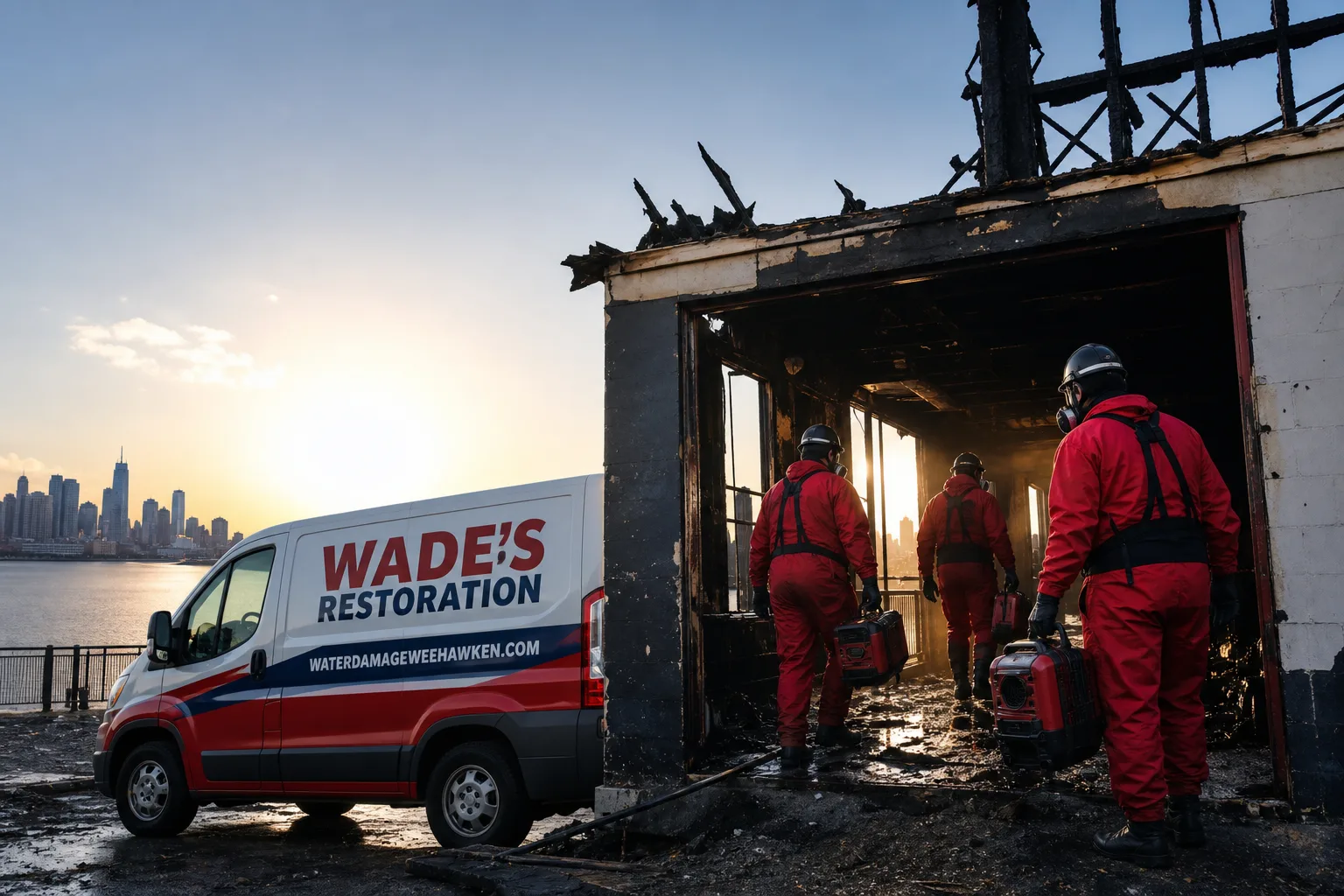
Free visual inspection and a written scope of work before any mitigation begins - photos, moisture readings, and drying logs go in your claim file
The scope we write is the scope we bill. Anything new gets shown to you, in writing, before we touch it.
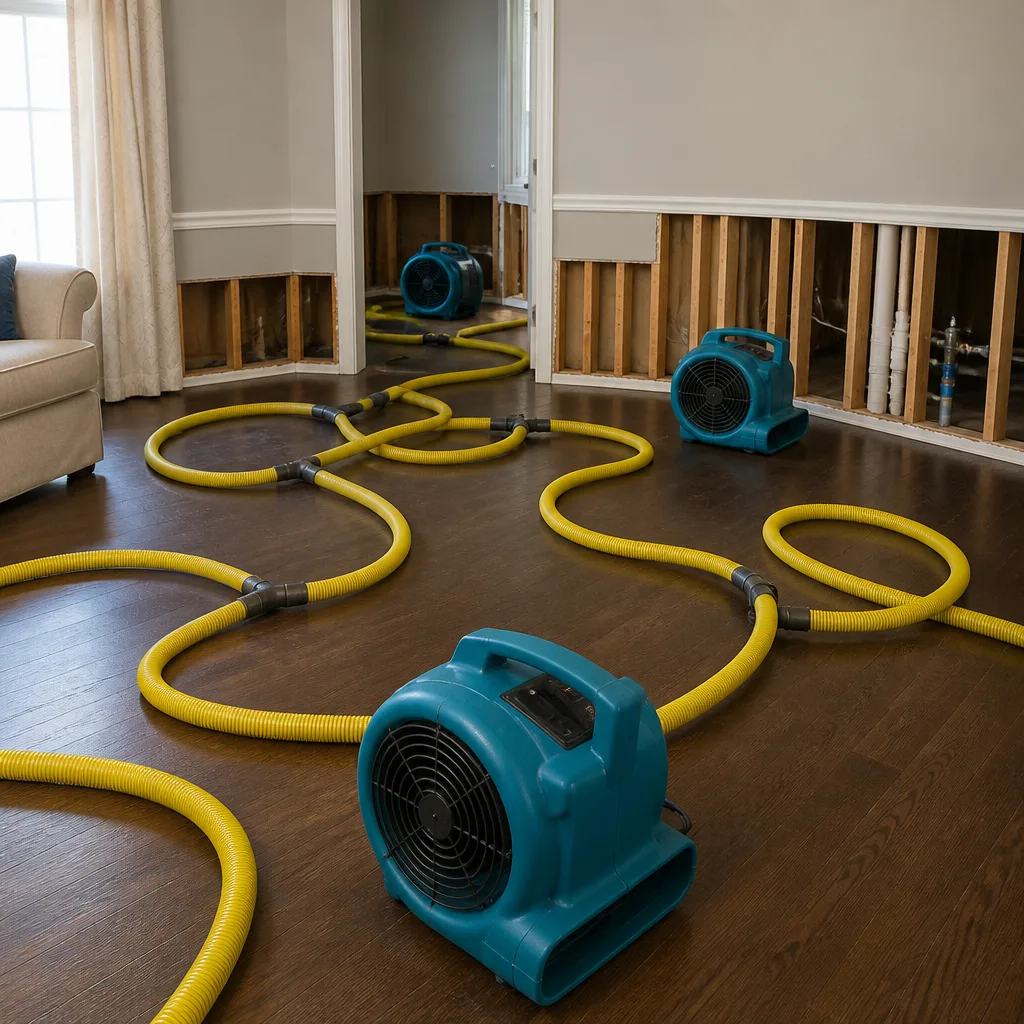
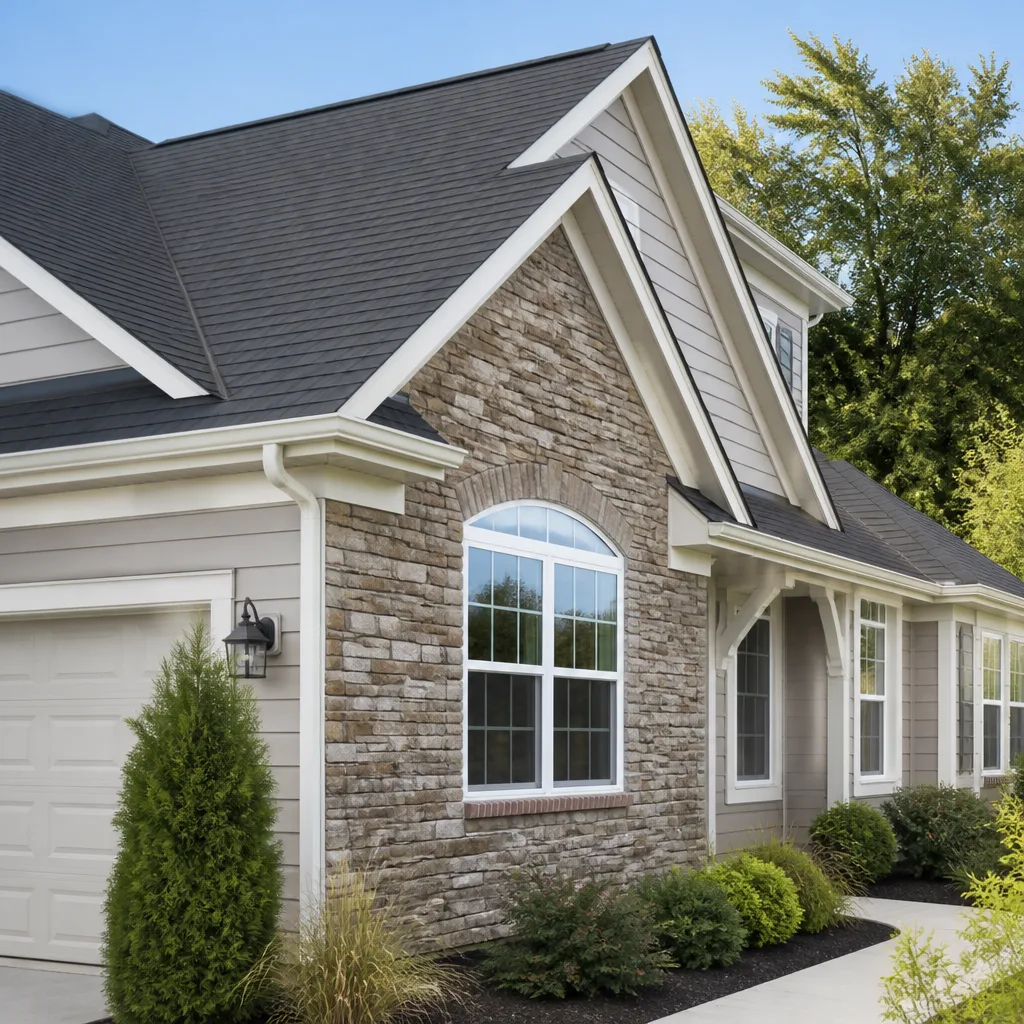
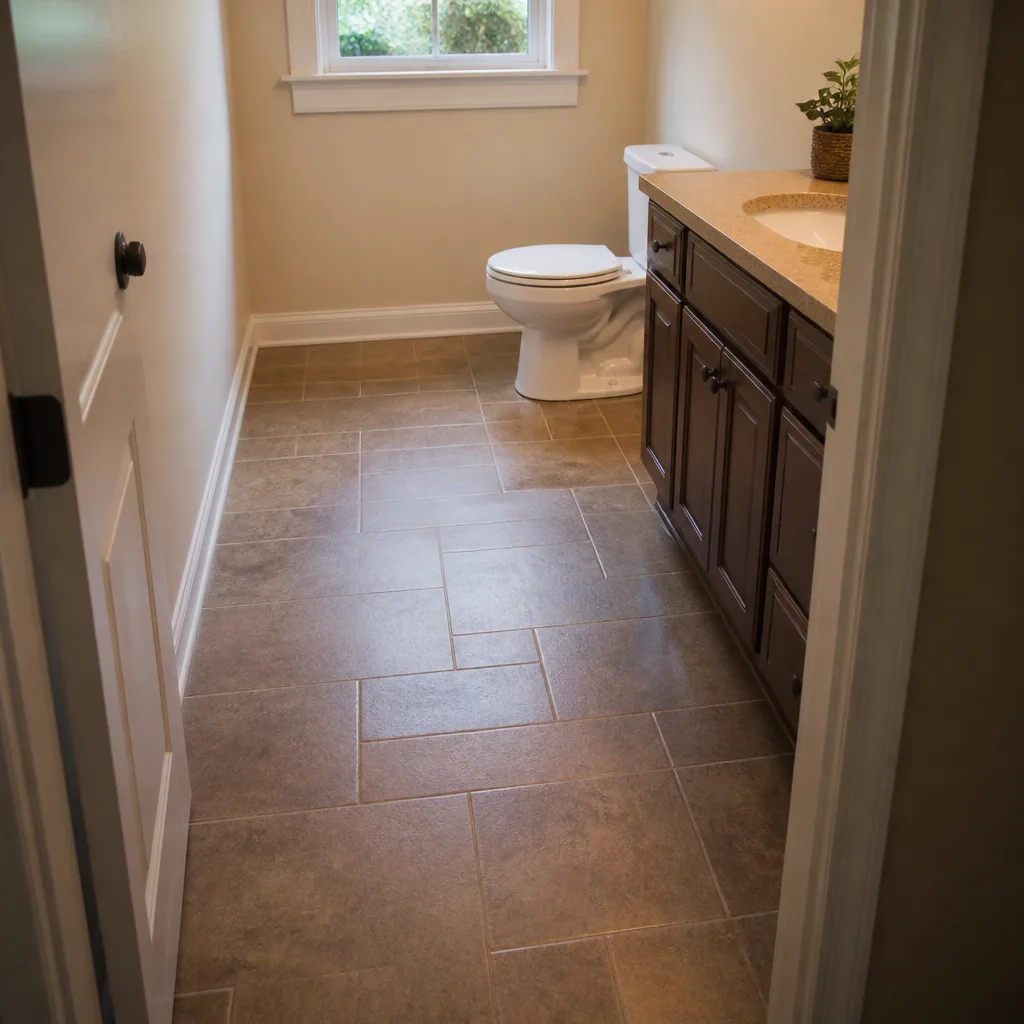
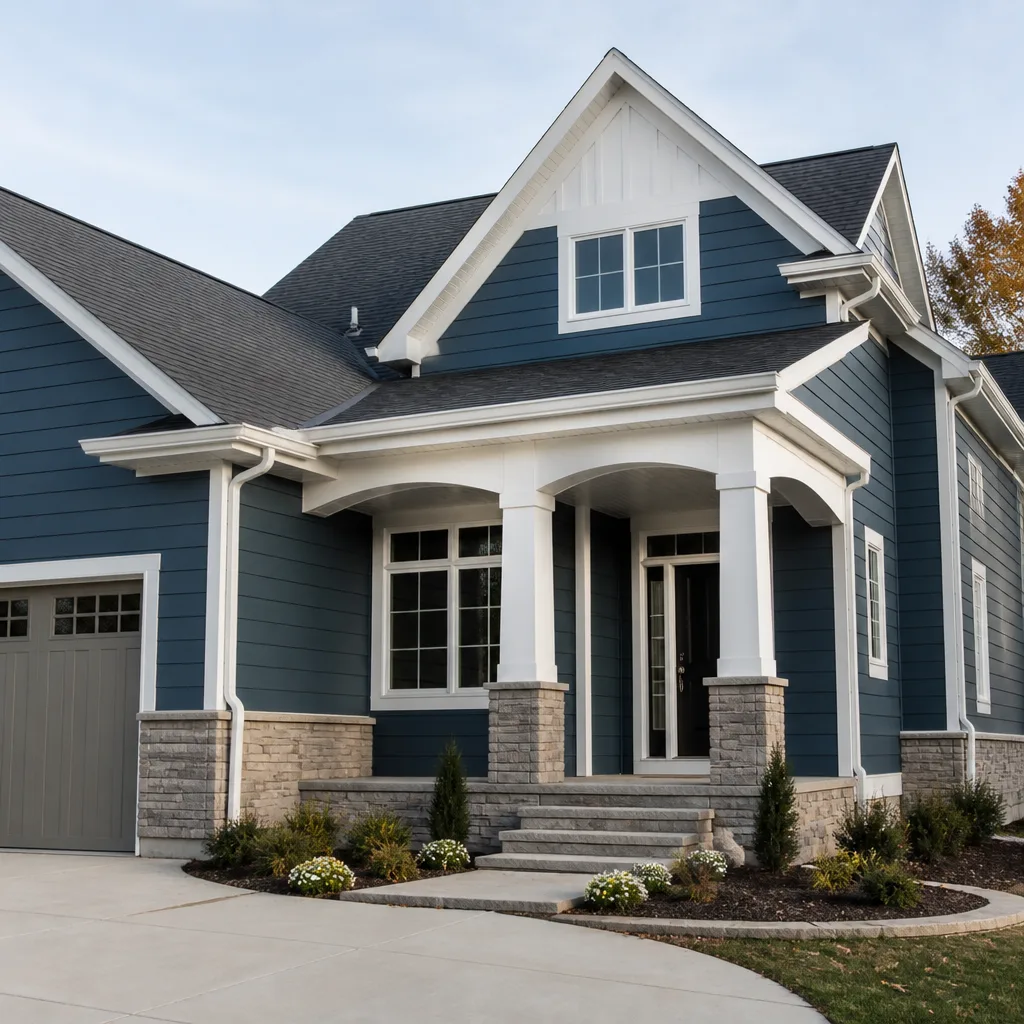
 Before
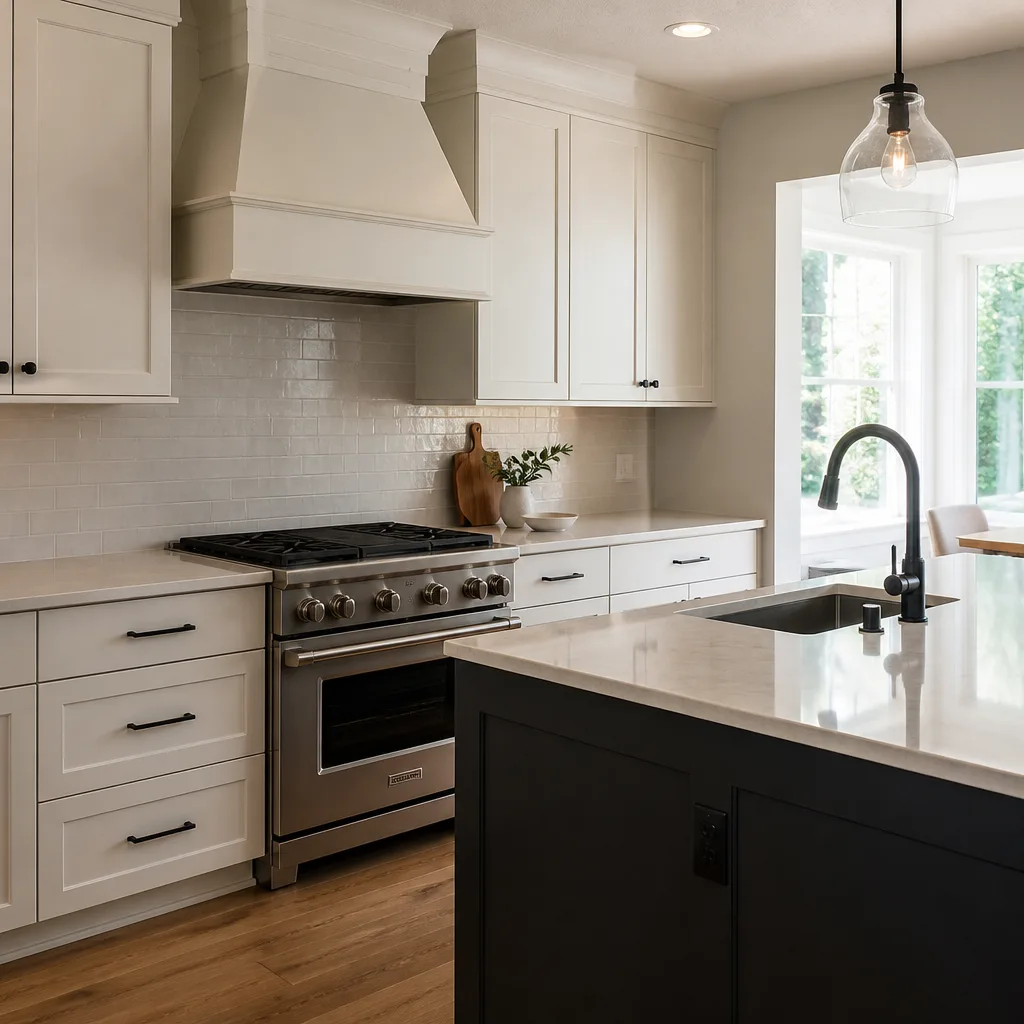
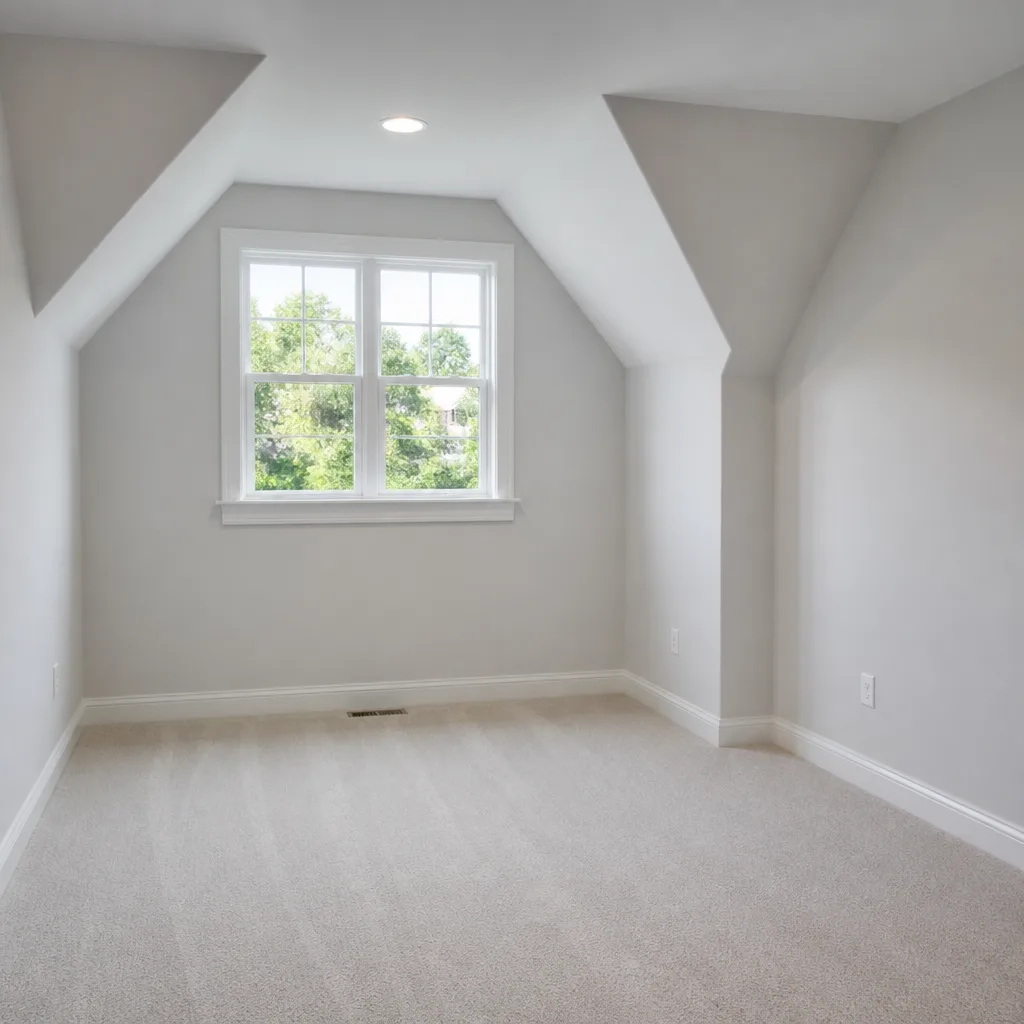
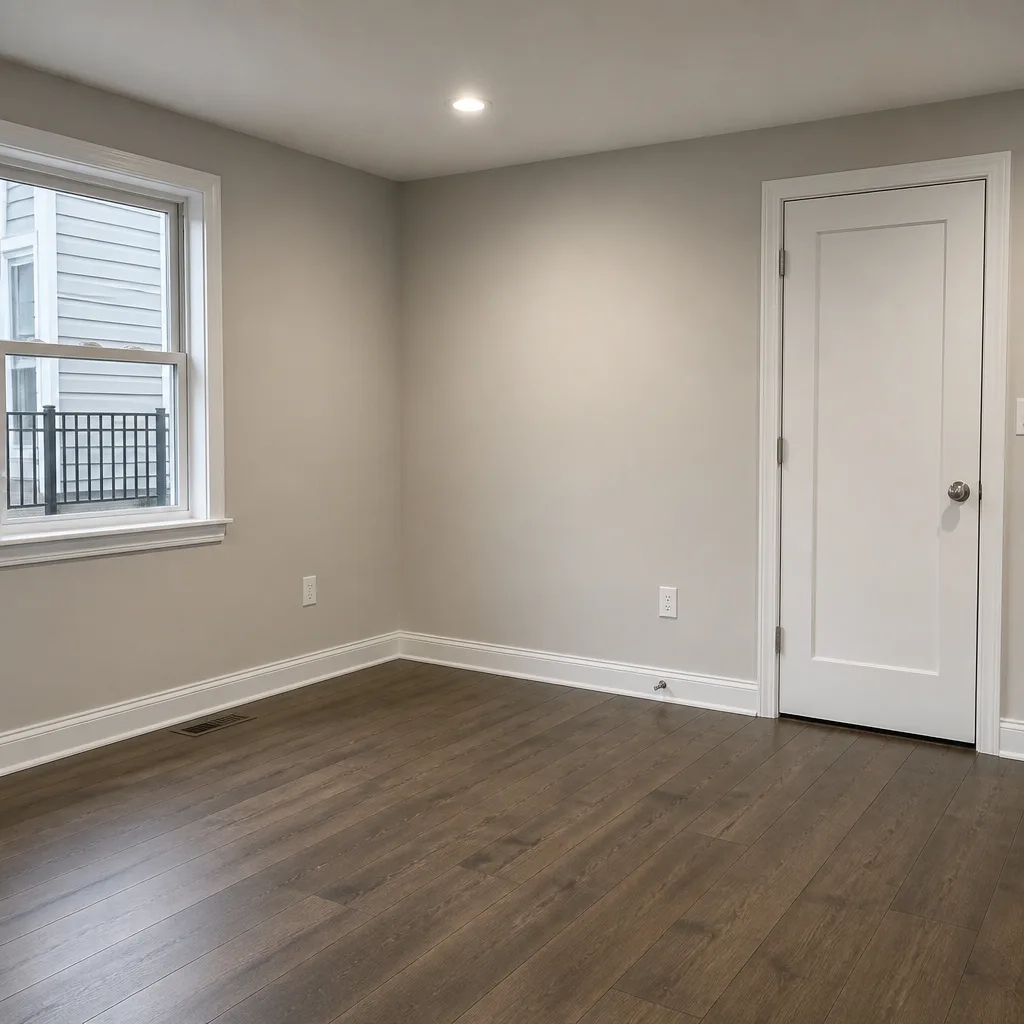 After
After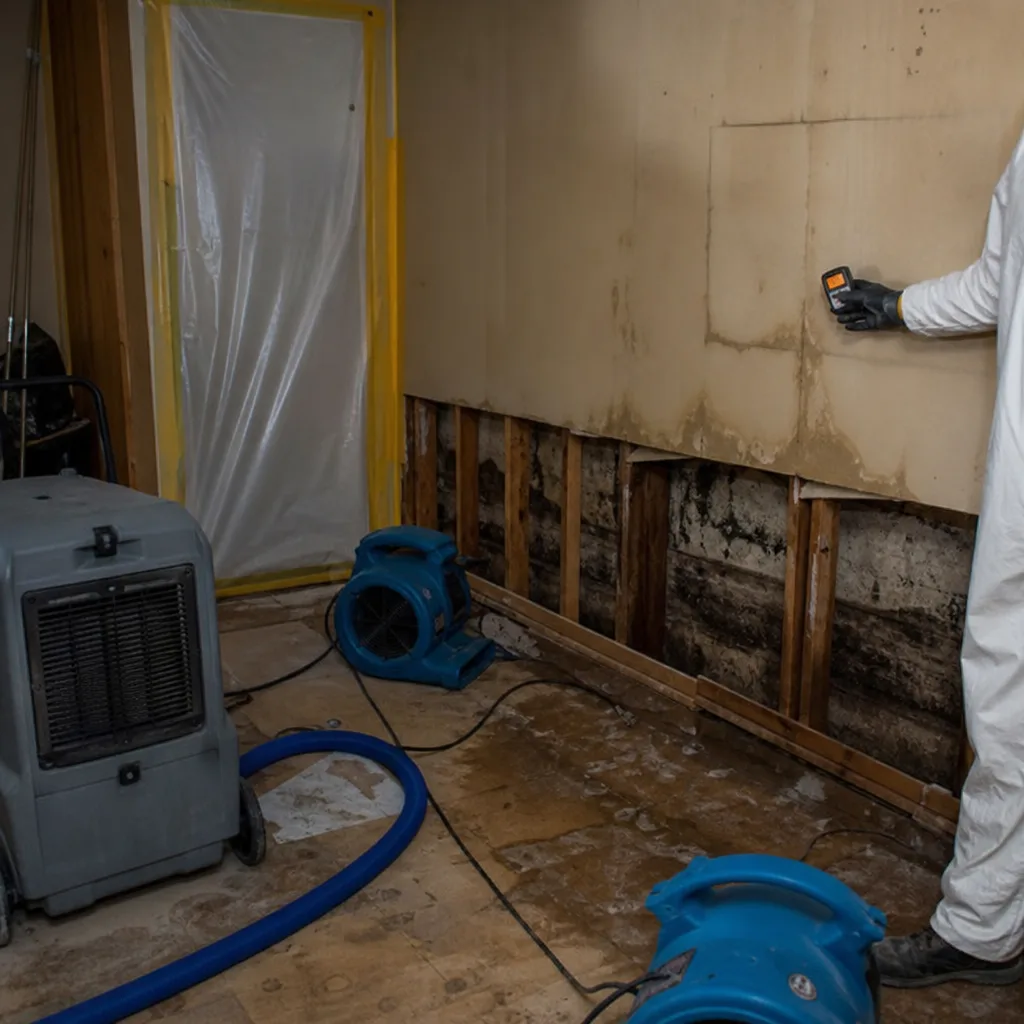 Before
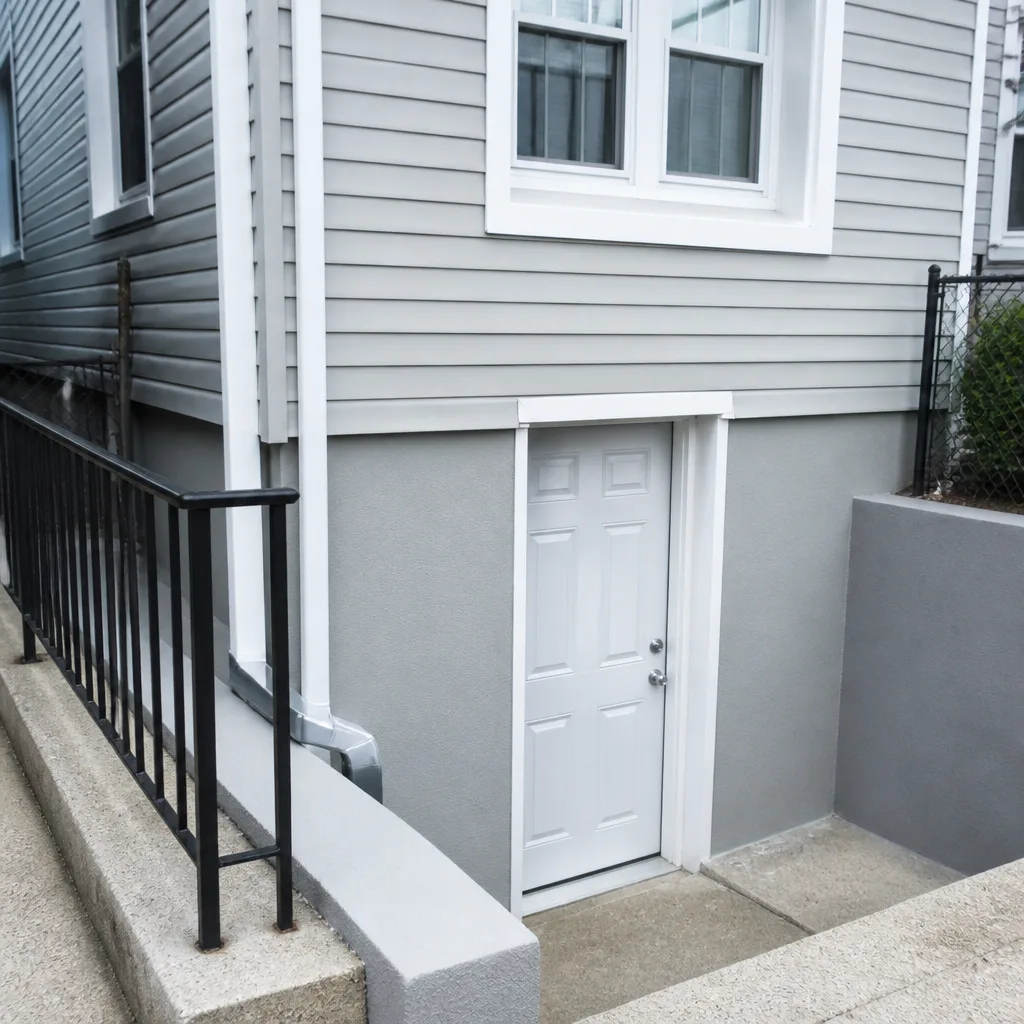 After
After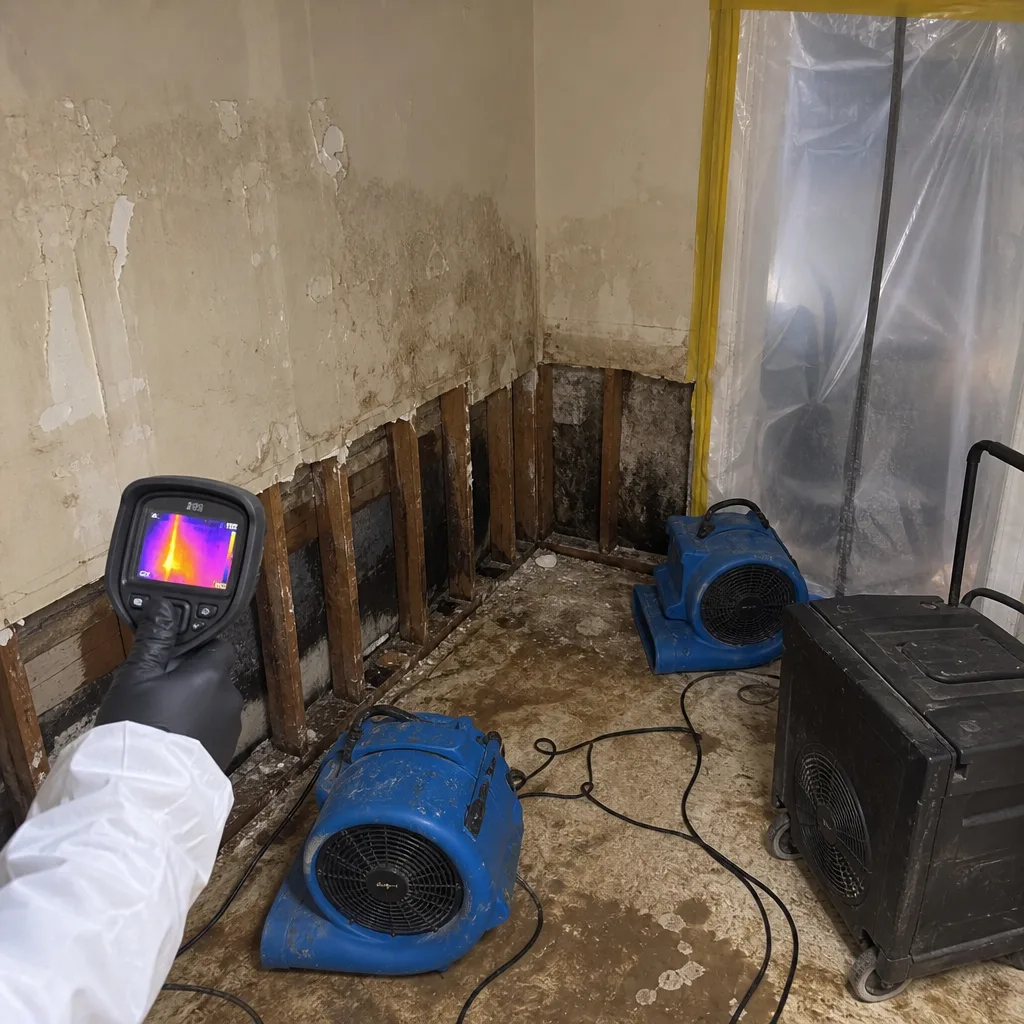 Before
 After
After24/7 Emergency Water Damage Restoration in West New York
Water damage restoration in West New York typically costs between $1,800 and $6,500 for a multi-unit apartment loss, and the first call you make determines whether that number climbs or stays put. We answer live, 24 hours a day, and Wade heads out himself or sends his crew into West New York within 45 minutes of your call. Call (201) 740-2235 right now if water is moving through your walls, ceilings, or floors. In West New York’s stacked brick buildings, every hour of delay means water traveling further down shared chases, through more plaster, into more units. The extraction equipment is already loaded, and the first visual inspection costs you nothing.
Understanding Water Damage Restoration Severity in West New York Properties
We classify every water loss by category before touching a wall, because the category dictates the entire job. Category 1 is clean water from a burst supply line or a failed appliance hose. Category 2 is gray water from a washing machine overflow or a sump pump that backed up, carrying detergents and biological contaminants. Category 3 is black water: sewage, river flooding, or storm surge from the Hudson side of West New York, which carries pathogens and requires full containment, antimicrobial treatment, and disposal of porous materials. In West New York’s pre-WWII brick and plaster buildings, severity compounds fast. Plaster over masonry has no vapor barrier, so water doesn’t dry outward. It sits inside the wall cavity, wicking upward and sideways through lath and joists. Moisture mapping with thermal imaging and hygrometers tells us where the water actually is, which is almost never where the tenant sees the stain. Structural drying in these buildings demands commercial air movers and desiccant dehumidifiers running around the clock, with daily moisture logs tracking the drying curve until the readings hit dry standard, not just until the wall feels dry to the touch.
Why West New York Property Owners Choose Wade’s Restoration
- 45-minute response commitment – Wade’s crew is dispatched from the metro office and rolls into West New York inside 45 minutes for emergency extraction. The equipment is staged before the call ends.
- 24/7 live answer, always a person – No voicemail, no answering service, no call center. Wade answers his own phone at two in the morning, and he can have extraction running inside the hour.
- IICRC-certified crews – Our techs hold IICRC WRT and ASD certifications, and the company carries RIA affiliation. The standards those credentials require are the floor, not the ceiling.
- Free visual inspection – We walk the unit, read the moisture, and give you a written scope before any work begins. No charge for the visit inside our own county.
- Direct insurance billing – We bill your carrier directly and send the adjuster the documentation they need: photos, drying logs, line-item scope. You don’t relay information between two sides.
- One team, extraction through reconstruction – The crew that pulls the water out is the crew that rebuilds the wall. No handoffs to a subcontractor you’ve never met.
Our Water Damage Restoration Process
Inspection & Assessment
We arrive, walk the entire affected area, and use thermal imaging plus penetrating moisture meters to map how far the water has traveled. In West New York’s vertical buildings, that means checking the units above and below, not just the room with the stain. You get a written scope and a firm price before any work begins.
Extraction & Stabilization
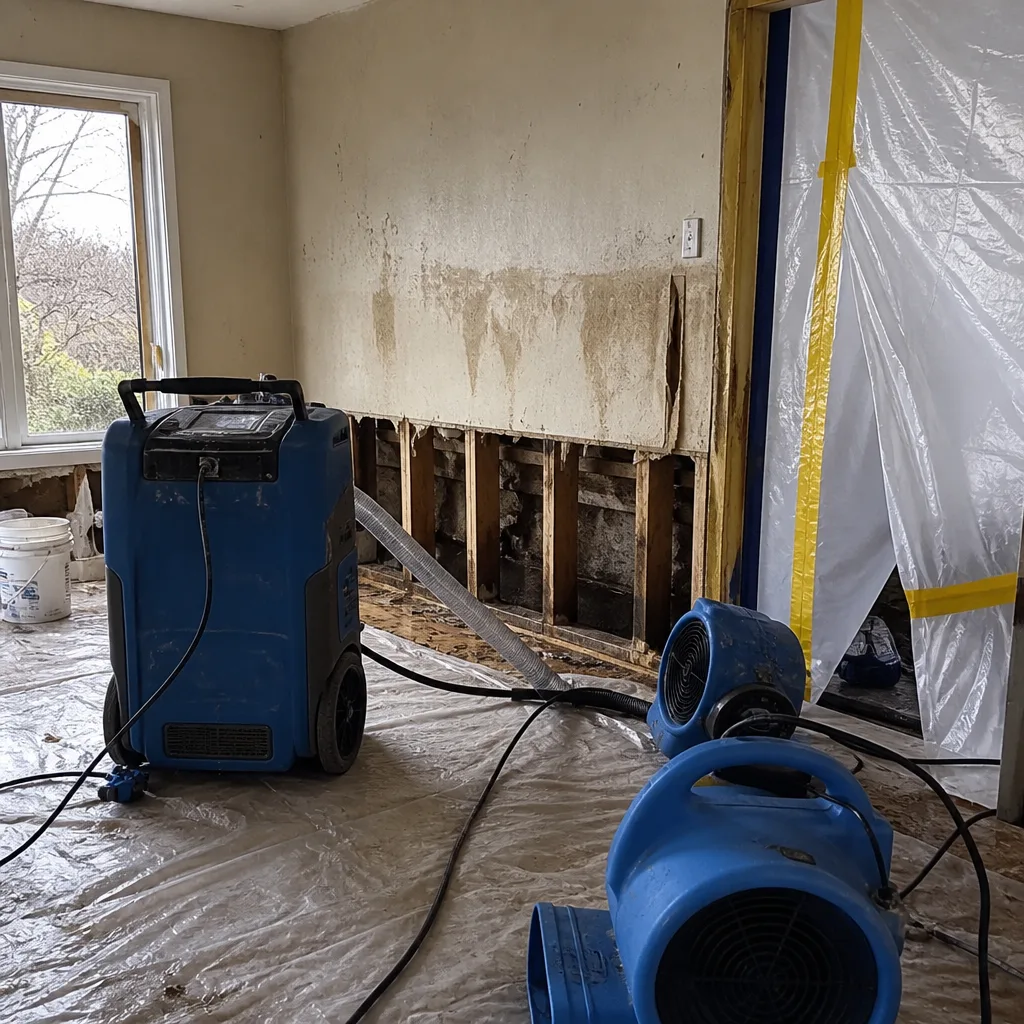
We pull standing water with truck-mounted and portable extraction units, remove saturated carpet and pad, and contain the affected area with plastic sheeting and negative air pressure if the water is Category 2 or 3. The goal is to stop lateral spread into adjacent rooms and the units next door.
Drying & Dehumidification
Dri-Eaz and Phoenix air movers go into the wet areas, along with desiccant dehumidifiers sized for the structure’s density. Injectidry wall-drying systems pull moisture from inside plaster and masonry cavities that box fans can’t reach. We take moisture readings every single day and log them.
Cleaning & Sanitization
Salvageable surfaces are cleaned and treated with an antimicrobial agent. For Category 3 water, we follow IICRC protocols for sewage and flood contamination: remove porous materials, clean hard surfaces, and run HEPA air scrubbers to capture airborne spores and particulates.
Structural Drying Verification
We don’t close a wall until the daily moisture log shows readings at or below dry standard across every area we mapped on day one. You get the full log handed to you at the end of the job. Almost nobody in this trade does that. We’ve done it since 2007.
Repairs & Restoration
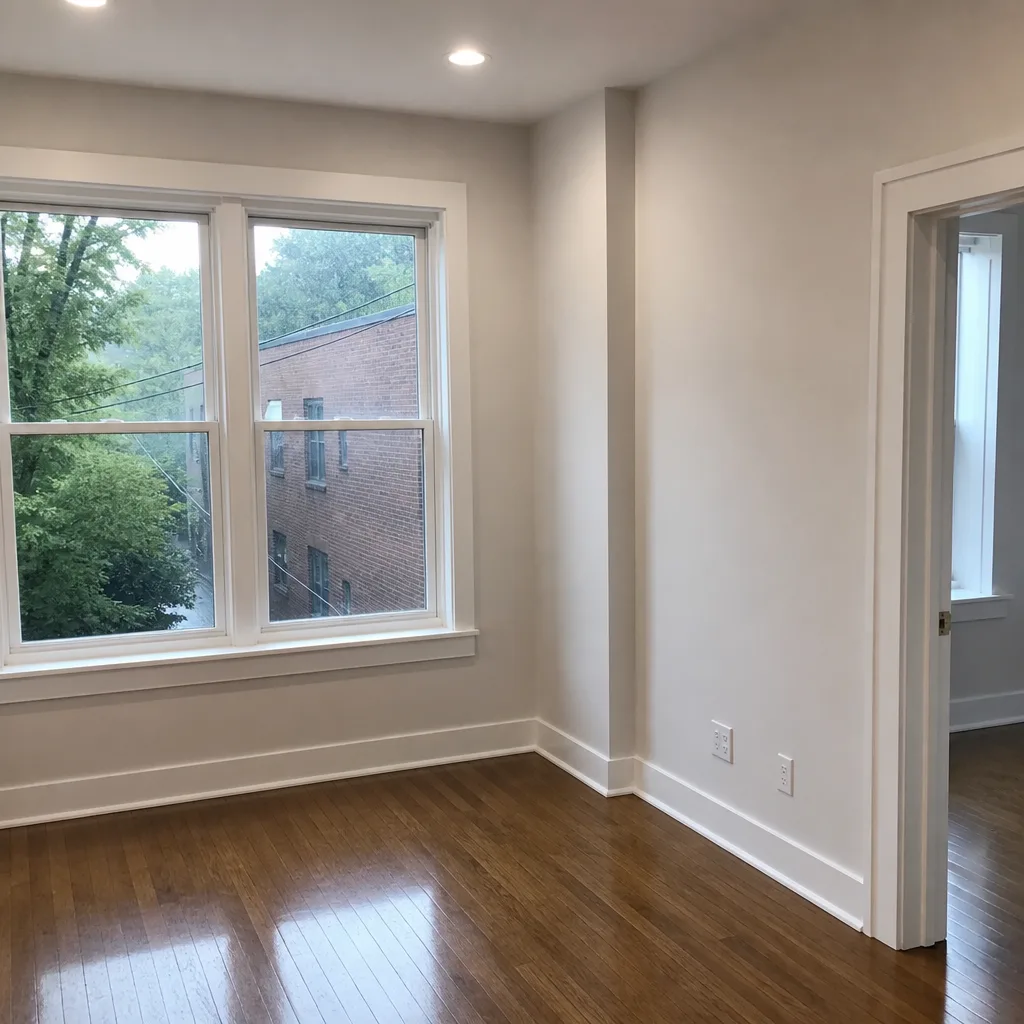
New drywall over framing or plaster patch to match the original profile, paint, trim, and flooring as needed. In West New York’s older buildings, we match plaster walls and ceiling profiles so the repaired unit looks like it belongs, not like a patch job.
Need Emergency Water Damage Restoration in West New York Now?
Crews minutes away, answering live 24 hours a day. The sooner we start, the less it costs.
Working With Your Insurance Company
Insurance claims in West New York apartment buildings are complicated. A single roof drain failure can mean three tenants, one landlord, and three separate adjusters all looking at the same wet wall. We handle the documentation from the first hour on site, so nobody has to guess what was wet, how wet, and for how long. Our estimates follow industry-standard line-item formats your carrier recognizes, and Wade communicates with adjusters directly. You don’t play telephone between your insurer and the contractor. The photo documentation starts before extraction begins and continues through structural drying and final repairs. If your policy covers the loss, we bill the carrier directly. If you’re paying out of pocket, you get the same line-item scope, and we honor our standing offers: $40 off any repair over $200, free second opinion on any written estimate, no trip charge inside our own county, and a permanent 10% senior and veteran discount.
What We Provide Your Insurer
- Thorough documentation of the loss
- Photos of all damage, room by room
- Moisture readings and drying logs
- A detailed, line-item scope of work
- Direct coordination with your carrier
Built for West New York’s Loss Calendar
West New York’s water damage seasons follow the weather patterns of the lower Hudson Palisades, but the building stock makes every season worse than it would be in a frame house. January and February bring deep freezes that burst supply lines in uninsulated exterior walls and roof parapets. In a six-story brick tenement, a frozen pipe on the top floor is a waterfall by the time anyone on the second floor notices. Spring thaw and heavy rain saturate the ground around foundations that have been there since before anyone thought about waterproofing, and basement units along the lower tier near the riverfront take on seepage. Summer thunderstorms dump an inch of rain in an hour onto flat roofs with shared drains that haven’t been cleaned since the last storm. Fall nor’easters drive wind-driven rain into parapet flashings and window lintels. The freeze-thaw cycle is the quiet killer: it stresses old flashing, opens hairline cracks in masonry, and lets water in through paths that didn’t exist in October. In West New York, the loss calendar never actually stops. It just changes cause.
Water Damage Restoration Across West New York’s Neighborhoods
West New York packs over 52,000 people into one square mile, and the building types shift block by block. Down along the lower tier near the Hudson riverfront, the older brick buildings took direct storm surge during Sandy, and their basement mechanical rooms and ground-floor units remain flood-prone whenever the river rises or a coastal storm pushes water up the Palisades. Up the hill along Bergenline Avenue, the commercial corridors run through mid-century apartment buildings where aging galvanized plumbing in shared vertical chases means a pinhole leak on the fourth floor shows up as a ceiling stain in the second-floor unit. The blocks off 60th Street and the side streets between Boulevard East and Kennedy Boulevard are dense with pre-WWII tenements where shared roof drains and internal downspout stacks carry rainwater down through occupied units, not exterior leaders. When those drains clog, water tracks inside walls for days before anyone calls. We know the response routes from the metro office into every corner of West New York, and we’ve worked enough loss sites from the riverfront to the top of the hill to know how a six-story building dries differently than a four-story one. Our Water Damage Restoration team approaches every West New York building as its own study in water travel.
Specialized Water Damage Restoration Services We Offer in West New York
Emergency Water Extraction
Standing water in a West New York apartment is an emergency in a way it isn’t in a single-family home. The water is moving down through the structure while you wait. We get extraction equipment running inside the hour, pulling water from floors, carpets, and wall cavities before it reaches the next unit below. The clock starts the moment water touches plaster, and in these buildings, plaster is a sponge.
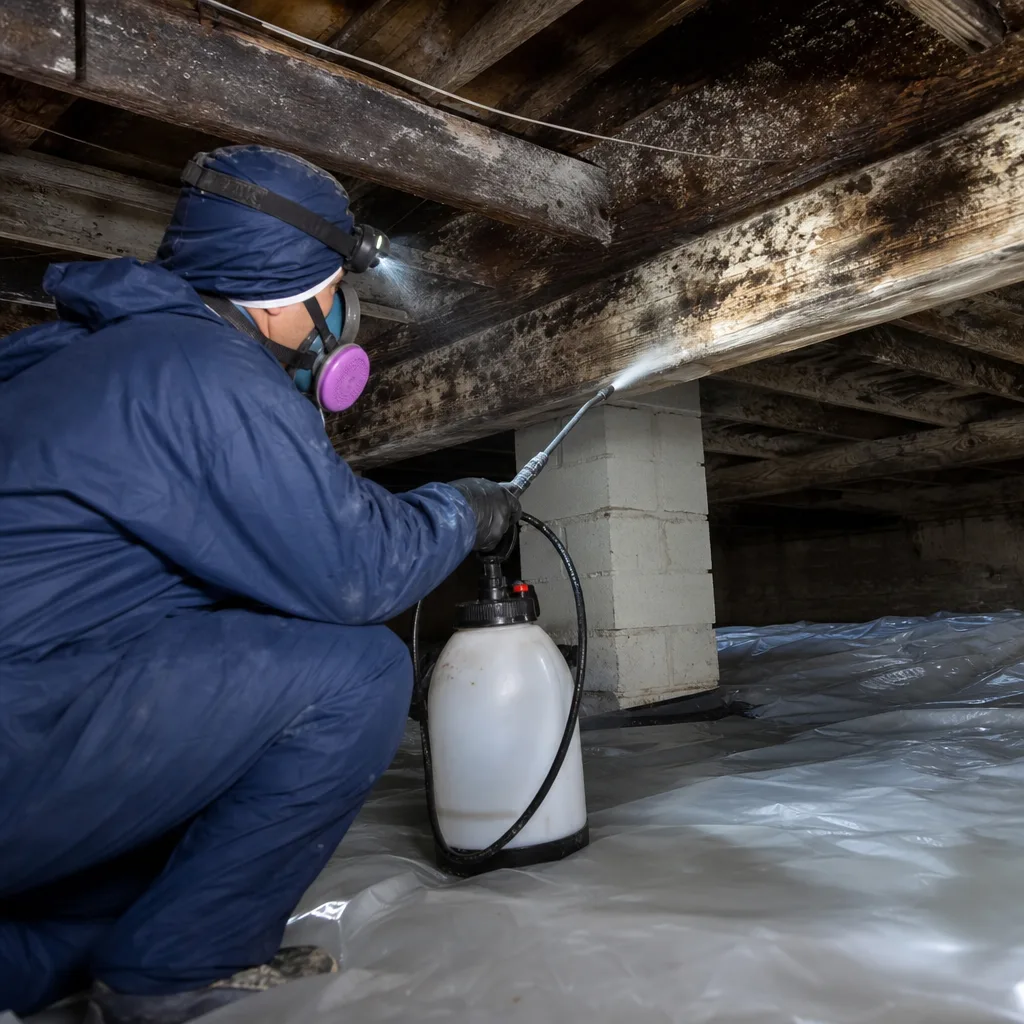
Structural Drying & Dehumidification
West New York’s masonry buildings hold moisture in ways frame construction doesn’t. Without a vapor barrier, water inside a plaster-over-brick wall can take weeks to dry on its own, and mold starts growing in 24 to 48 hours. We run commercial dehumidifiers and air movers sized for the space, with Injectidry wall-drying systems drawing moisture from inside cavities. Daily moisture readings prove the drying curve, and the log is yours at the end.
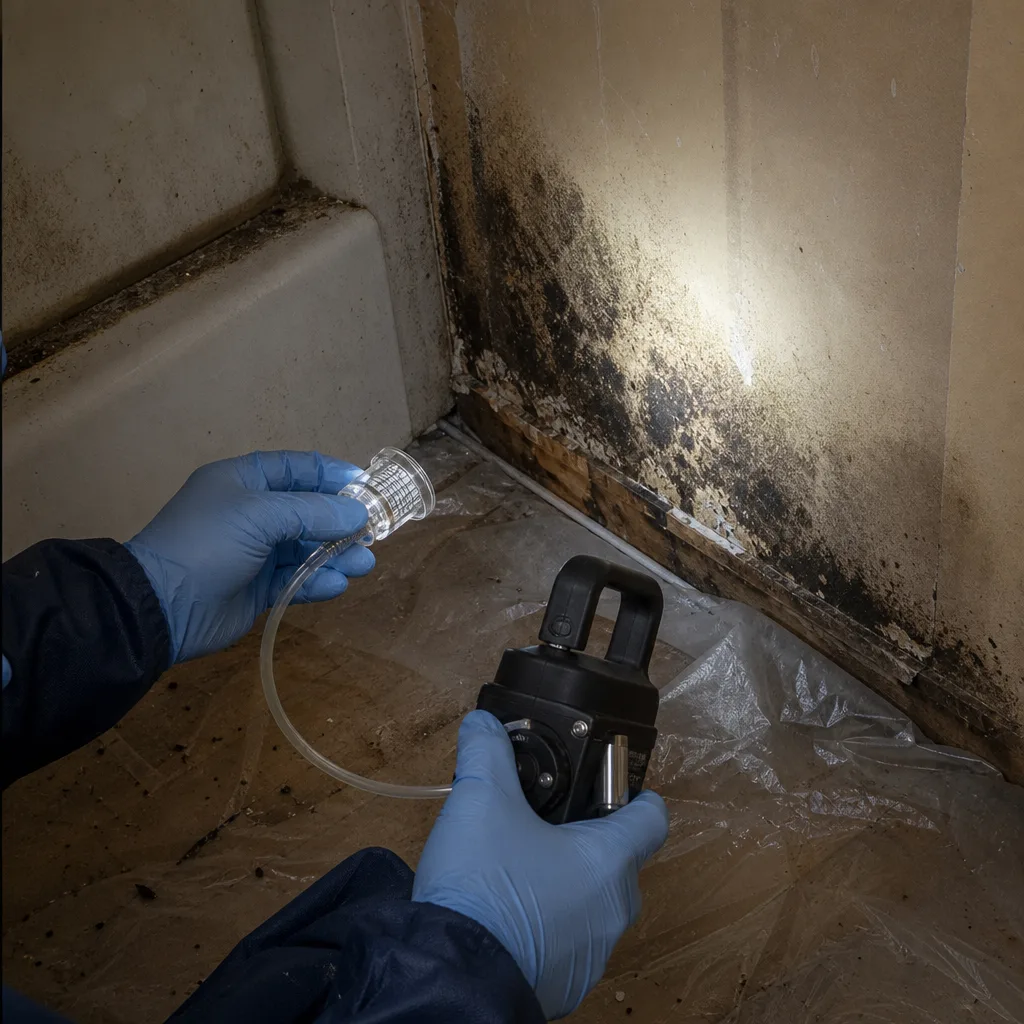
Flood Cleanup
River flooding and storm surge on the lower tier of West New York bring Category 3 water, which means sewage, fuel, and river contaminants in your home. Flood cleanup here requires full containment, proper disposal of saturated porous materials, and antimicrobial treatment of every surface the water touched. We handle the entire scope, including coordination with your carrier when the claim involves multiple units.
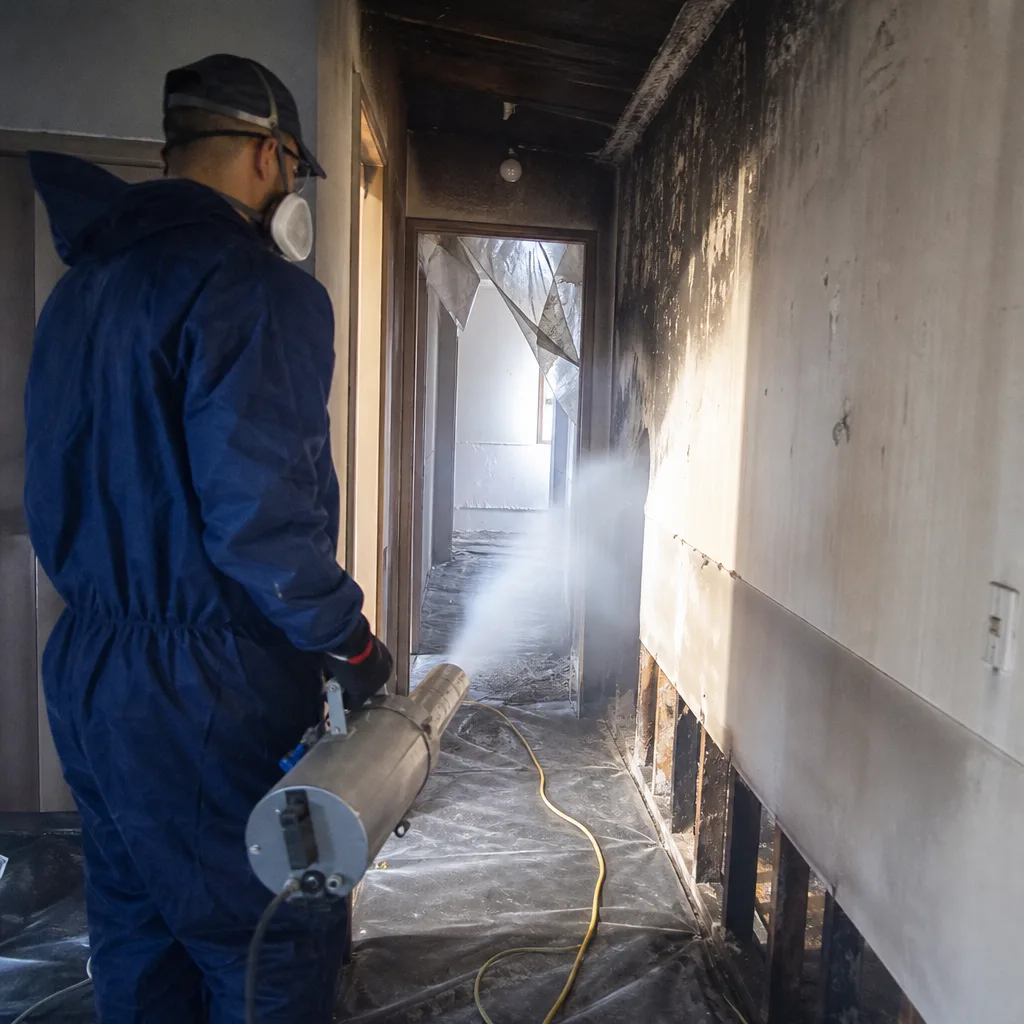
Burst Pipe Restoration
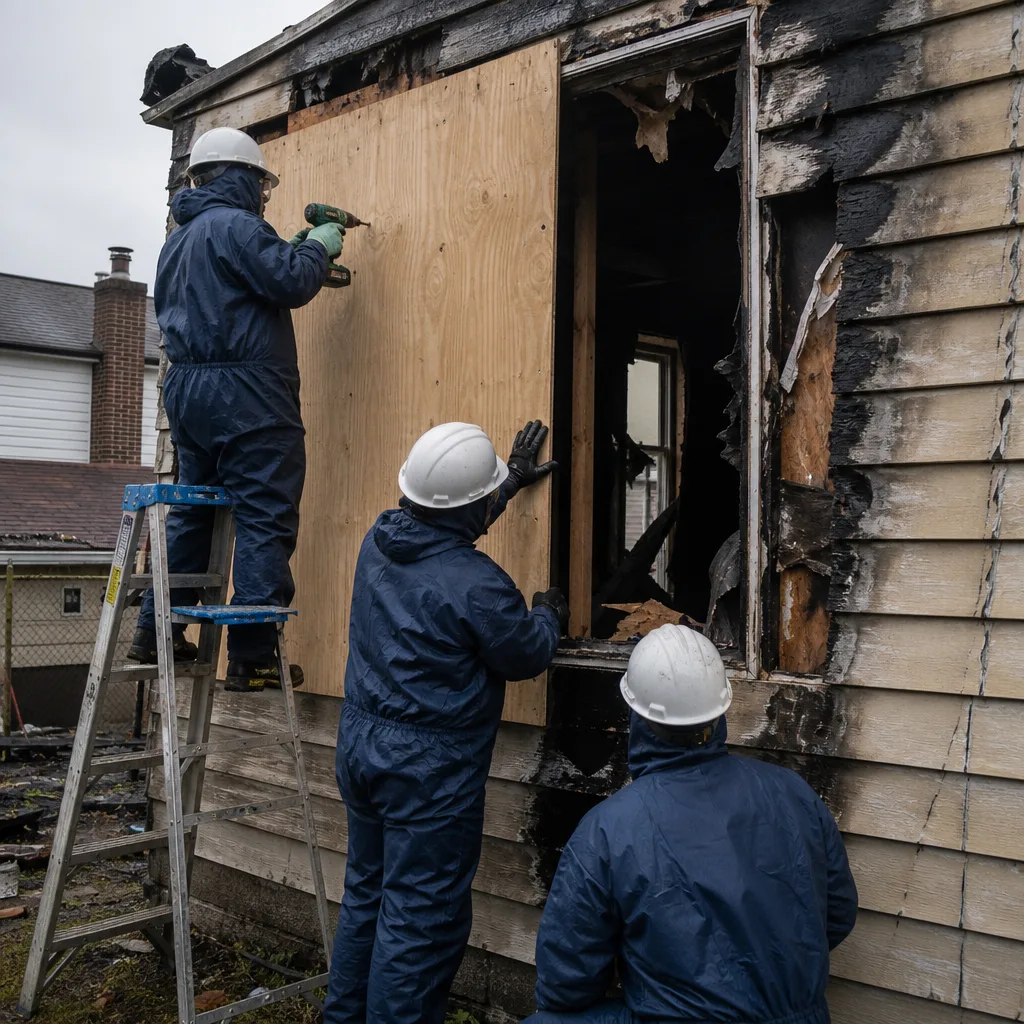
A burst supply line in a pre-war West New York building sends clean water down through the chase and into the units below. Category 1 water becomes Category 2 quickly when it picks up decades of dust, plaster, and pipe scale on the way down. We trace the source, shut it down, extract, and dry the affected units while coordinating access with the landlord and neighbors. The pipe is usually in a common area, which means the repair involves more than your apartment.
Basement Water Removal
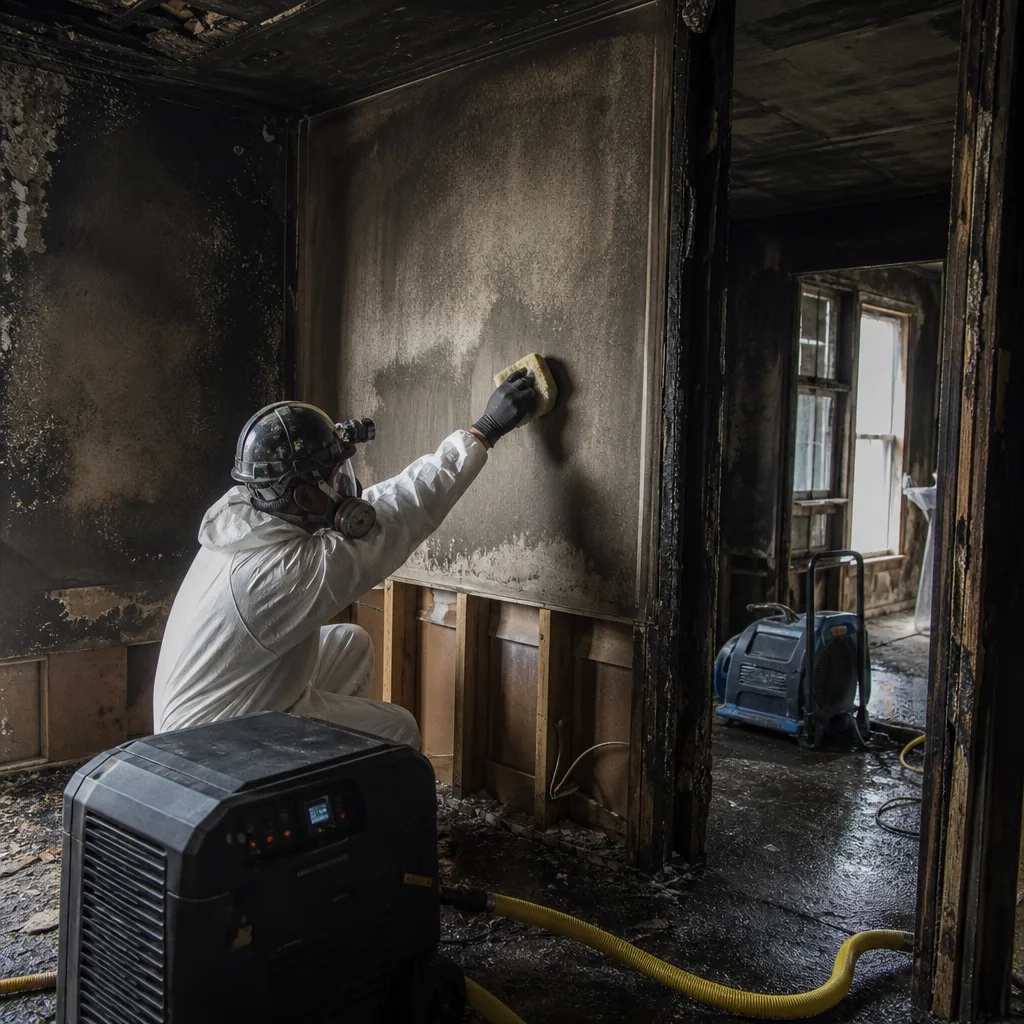
Basement units and cellar spaces in West New York’s lower tier sit close to the water table and took the brunt of Sandy’s surge. Even without a flood, spring thaw and heavy rain push groundwater through old foundation walls. We remove the water, dry the space with desiccant dehumidifiers sized for masonry, and treat every surface for mold prevention. A wet basement in a brick building is a permanent mold risk if the drying isn’t done right.
Ceiling & Roof Leak Water Damage
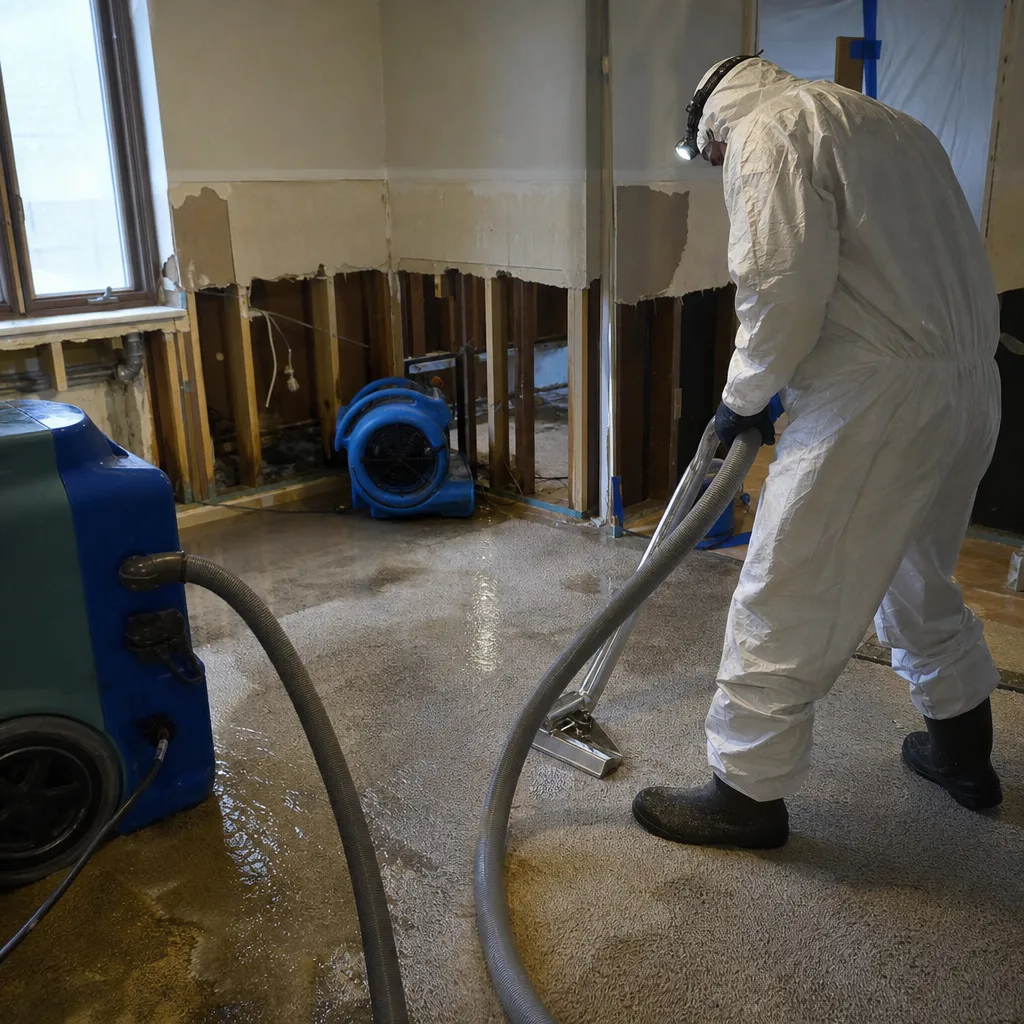
West New York’s flat and minimally pitched roofs funnel rainwater into shared drains and internal downspout stacks. When a parapet fails or a drain clogs, water tracks down through the walls of every floor below the roof. By the time you see a stain on your ceiling, the moisture may have been moving for days. We trace the source to the roof level, open the affected walls only where the moisture map says to, and dry the full vertical path, not just the ceiling below the leak.
What happens when you call
- 1
A real person answersNo phone trees - you reach a local pro.
- 2
You get an upfront price rangeHonest numbers before anyone is dispatched.
- 3
A background-checked tech heads outLicensed & insured, dispatched right away.
- 4
You approve before work beginsNothing starts until you say go.
Water Damage Restoration Costs in West New York, NJ
What you’ll pay for West New York water damage restoration depends on the category of water, how many floors are affected, and whether asbestos or lead abatement is required in a pre-war building. A single-unit Category 1 extraction and drying from a burst supply line typically runs $1,800 to $3,200. A Category 2 or 3 loss involving multiple units, wall opening, and structural drying across three or more floors lands between $4,000 and $9,000, sometimes more when abatement is involved and access is tight. Ceiling and roof leak repair with source tracing and drying of a vertical chase averages $2,200 to $4,500 per affected unit. What moves the price: the number of floors in the water path, whether the building requires abatement, and how long the water sat before you called. The free visual inspection gives you a written line-item scope before you commit to anything. Call (201) 740-2235 and we’ll walk the unit and read the moisture. No charge for that.
We Also Serve Cities Near West New York
We run the same 45-minute response into Weehawken, Jersey City, Hoboken, and Union City. If you own or manage a building in any of the nearby towns, the same crew, same equipment, and same written scope policy applies. Call the same number, and Wade picks up.
West New York Water Damage Restoration Questions, Answered
Why does water damage in West New York apartment buildings so often spread beyond the unit where the leak started?
West New York’s pre-WWII and mid-century brick buildings share vertical plumbing chases and roof drain stacks, so water from a burst pipe or roof leak in one unit travels down through plaster-over-masonry walls into the units below and beside it. Plaster and brick have no vapor barrier, which means the water keeps moving until it hits a floor plate or a joist and spreads laterally along that line. The damage is almost always bigger than the first visible stain.
How quickly can mold start growing after a water leak in a West New York apartment?
Mold can begin growing within 24 to 48 hours of water saturating porous materials like drywall, plaster, and wood framing. In West New York’s dense masonry buildings, hidden wall cavities trap moisture for weeks if drying isn’t started properly, which means mold can be well established by the time you see the first stain. That’s why we start extraction and structural drying the same day, and why daily moisture readings matter.
Is the water from a roof leak in West New York considered Category 1, 2, or 3?
A roof leak starts as Category 1 water, but by the time it has traveled through a flat roof membrane, a clogged drain, and decades of dust and debris inside a shared chase, it’s usually Category 2. We test and classify the water on site, then treat the affected materials according to the IICRC standard for that category. If the leak follows a heavy storm surge or mixes with building waste, it can be Category 3, which requires full containment and disposal of porous materials.
What should I do if I see water stains on my ceiling or walls in a West New York apartment building?
Call us before you move furniture or put a bucket under it. The stain is almost always the bottom of a vertical water path, not the source. Shut off water if you have access to a valve, move electronics and papers away from the wet area, and take photos. Then call (201) 740-2235. We’ll trace the water path with thermal imaging, map the moisture, and give you a written scope. Don’t wait for the stain to grow; by then the water is already floors below you.
Do I need my landlord’s permission to start water damage restoration in my West New York rental?
Technically, the landlord or building owner must authorize restoration work in a rental unit, but in an active leak situation, emergency mitigation can begin to prevent further damage to the building, and waiting for permission usually makes everything worse and more expensive. We regularly coordinate with landlords, management companies, and tenants at the same time. If you’re a tenant, call us and we’ll help you document the loss, contact the owner, and start emergency mitigation with proper authorization. The goal is to stop the water now and sort the paperwork straight after.
How fast can you get to a West New York address?
Inside 45 minutes for emergency water extraction, 24 hours a day. Wade dispatches from the metro office and the crew knows the routes up Kennedy Boulevard, across 60th Street, and along Bergenline. The sooner extraction starts, the fewer floors the water reaches and the less the overall repair costs.
How long does structural drying take in a West New York brick building?
Three to six days is typical in West New York’s masonry construction, sometimes longer in older plaster walls without vapor barriers. We don’t close walls on a schedule; we close them when the daily moisture readings show dry standard across every mapped area. You get the moisture log at the end of the job.
Are you certified for water damage restoration work?
Yes. Our techs hold IICRC WRT and ASD certifications, and the company is affiliated with the RIA and recognized by the IFA. The certifications mean we follow the industry’s written standards for water classification, drying, and contamination control, not just best guesses.
Serving West New York, NJ - Our Local Coverage Area
We’re based in the West New York area and know this community well. Use the map below to see our service coverage - if you’re nearby, we can almost certainly help.
Get Water Damage Restoration in West New York Started Now
If water is moving through your West New York apartment or building right now, call (201) 740-2235. Wade answers his own phone, and he can have extraction running inside the hour. If the damage is older, you’ve still got a wet wall and a mold clock running. The visual inspection is free, the scope is written, and the 90-Day Done Right Promise is stamped on every restoration contract. Call today and you’ll talk to a real person who knows West New York buildings and can tell you exactly what happens next.
Written by Wade Ferris, Owner at Wade’s Restoration, serving West New York since 2007.