
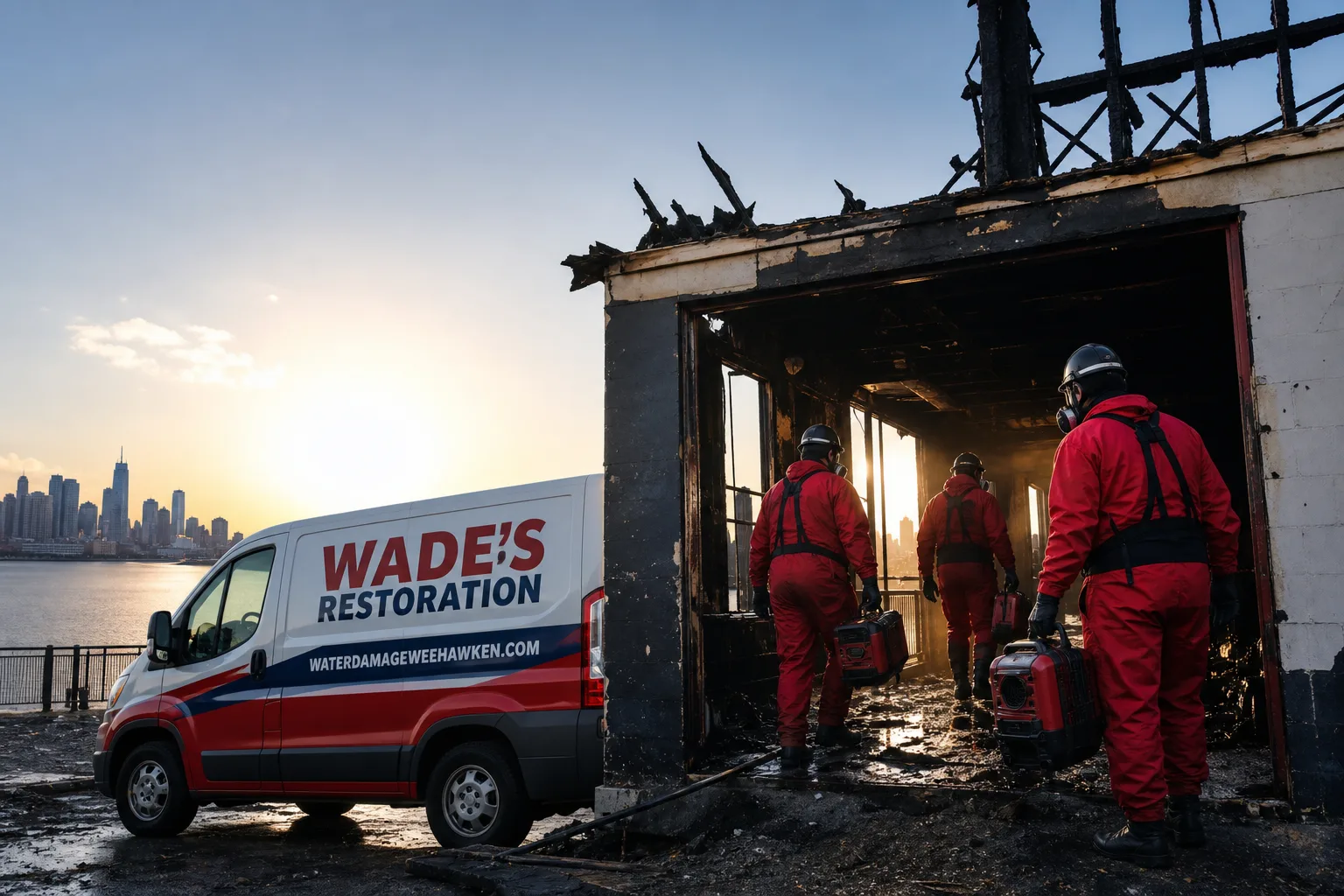
Free visual inspection and a written scope of work before any mitigation begins - photos, moisture readings, and drying logs go in your claim file
The scope we write is the scope we bill. Anything new gets shown to you, in writing, before we touch it.
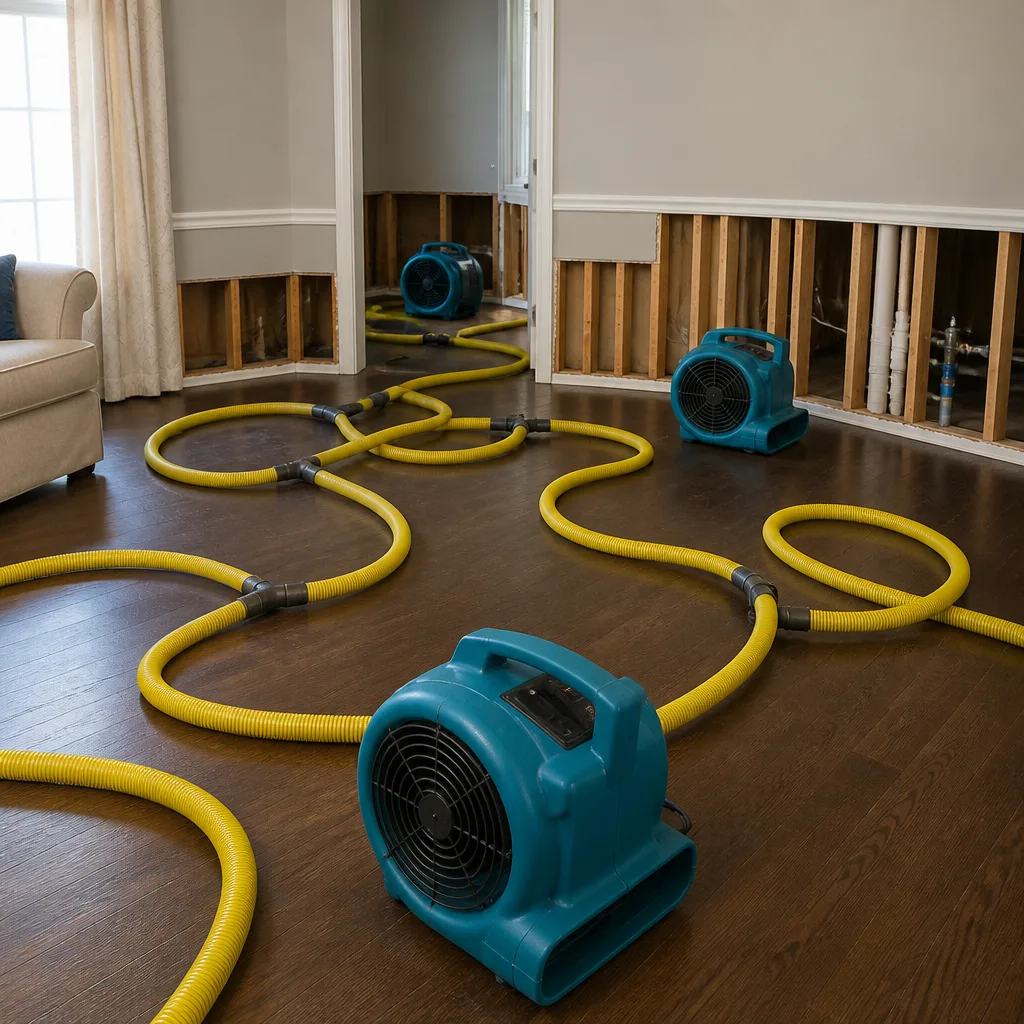
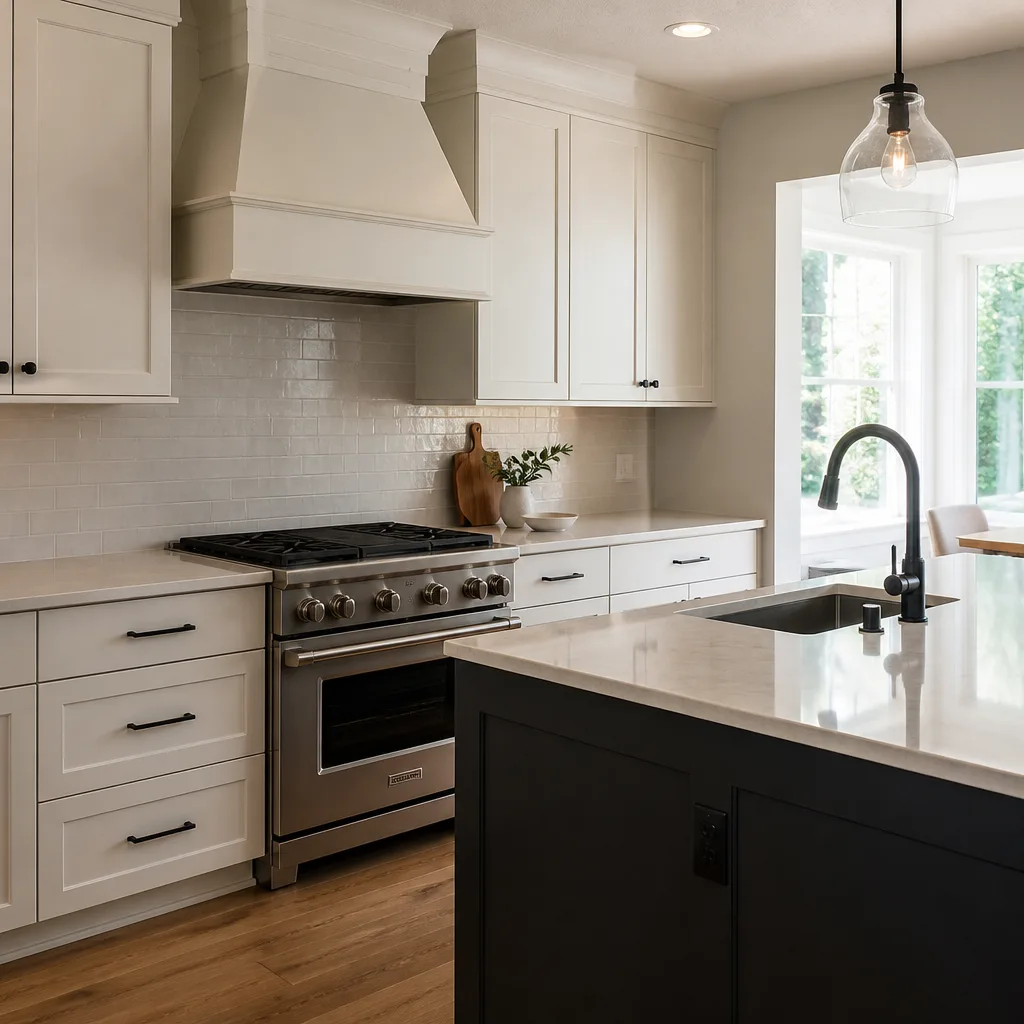
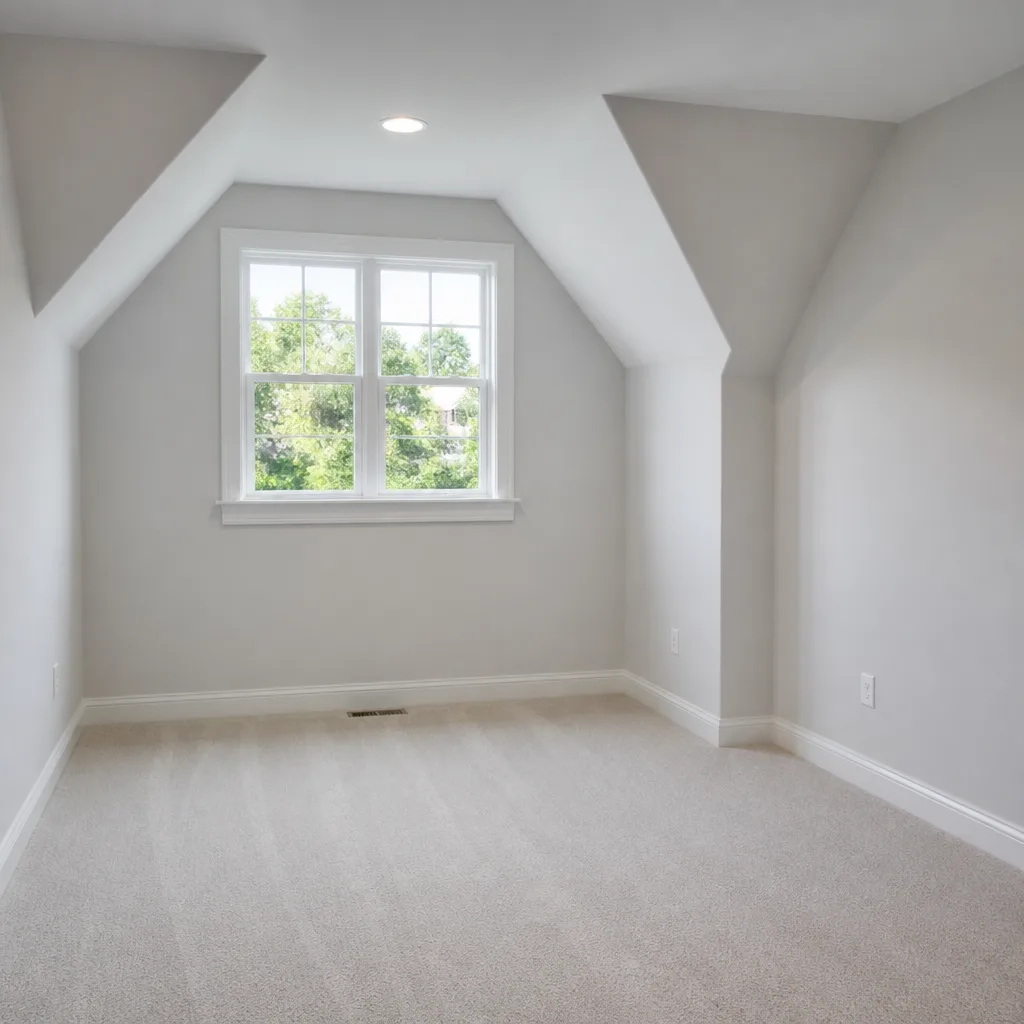
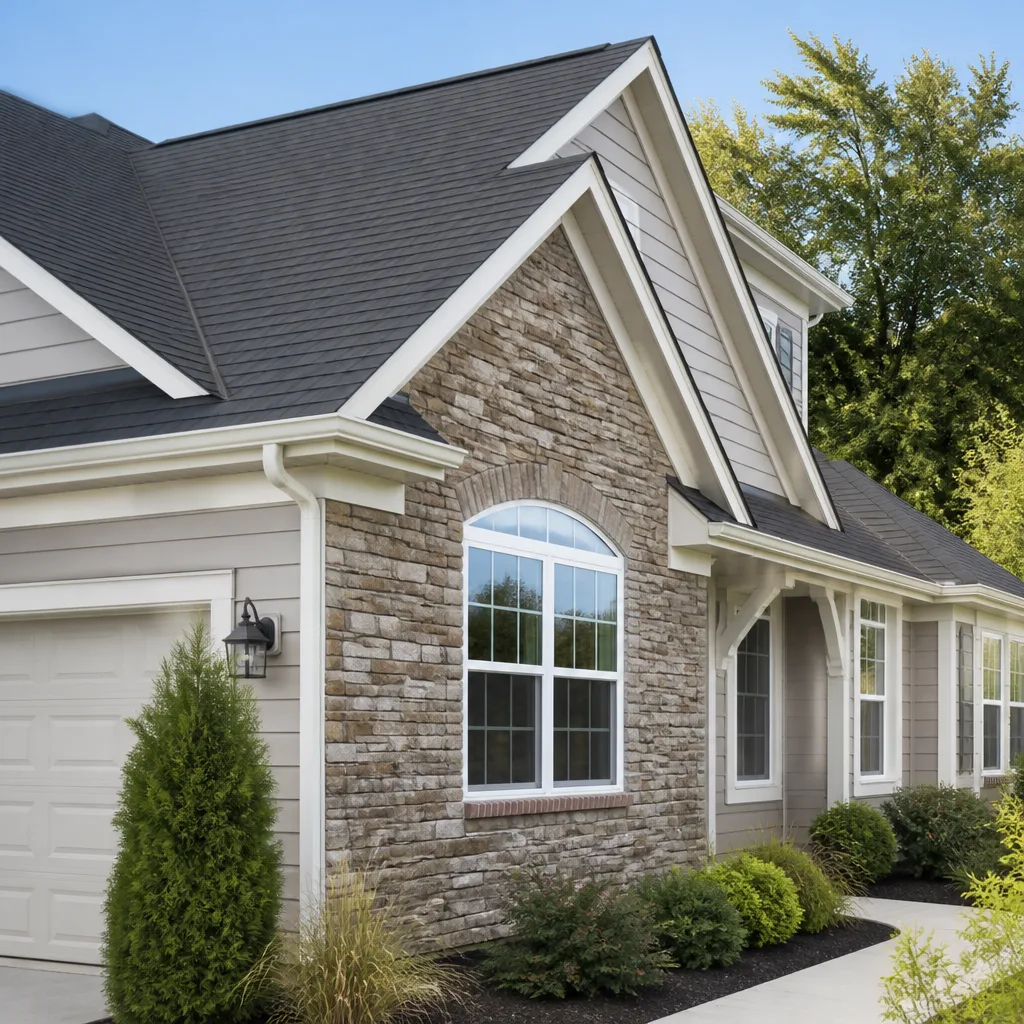
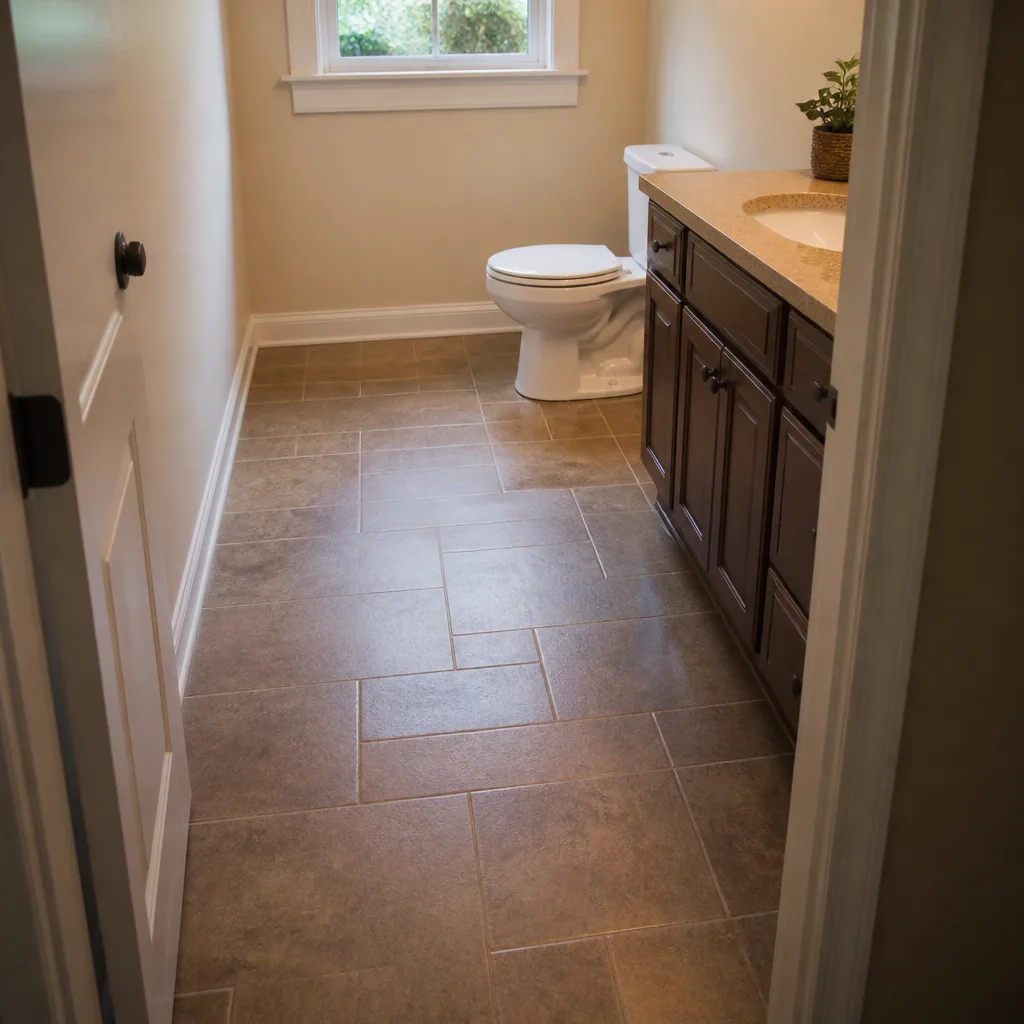
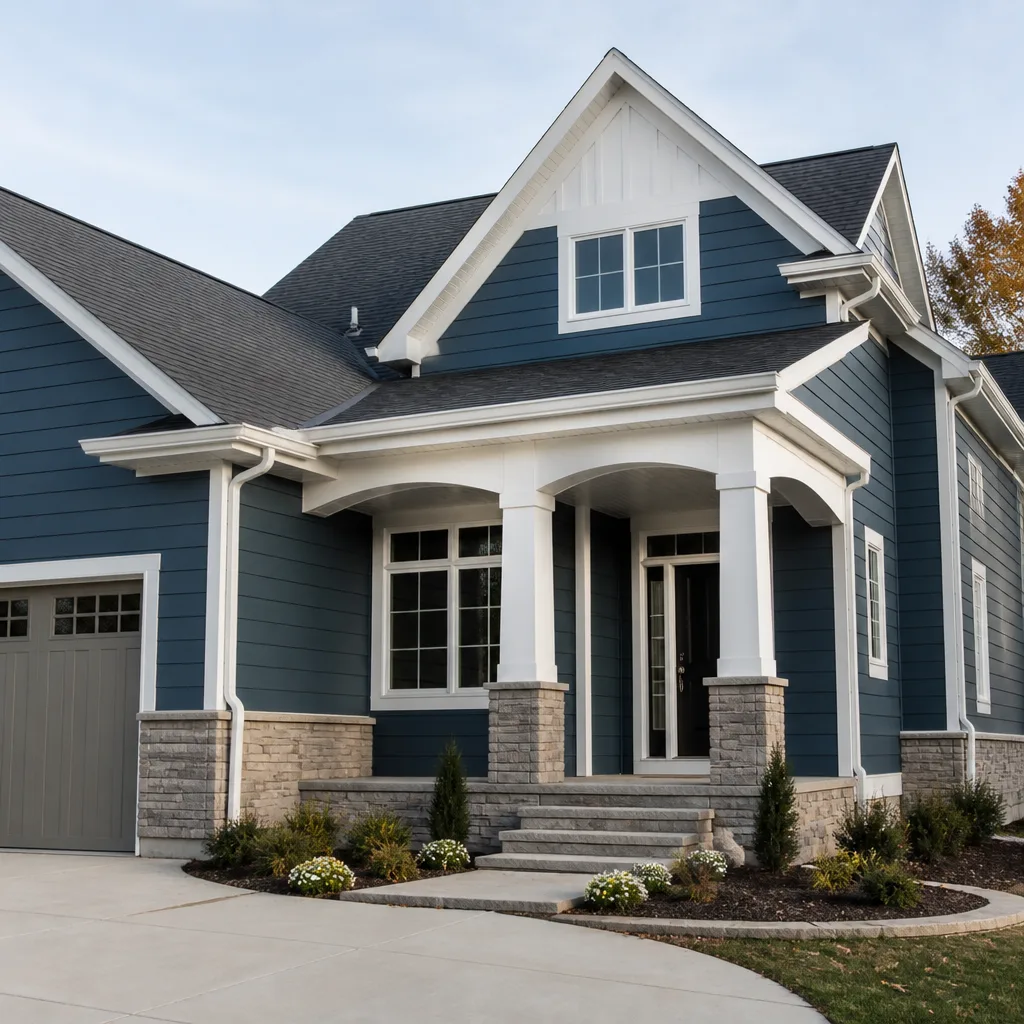
 Before
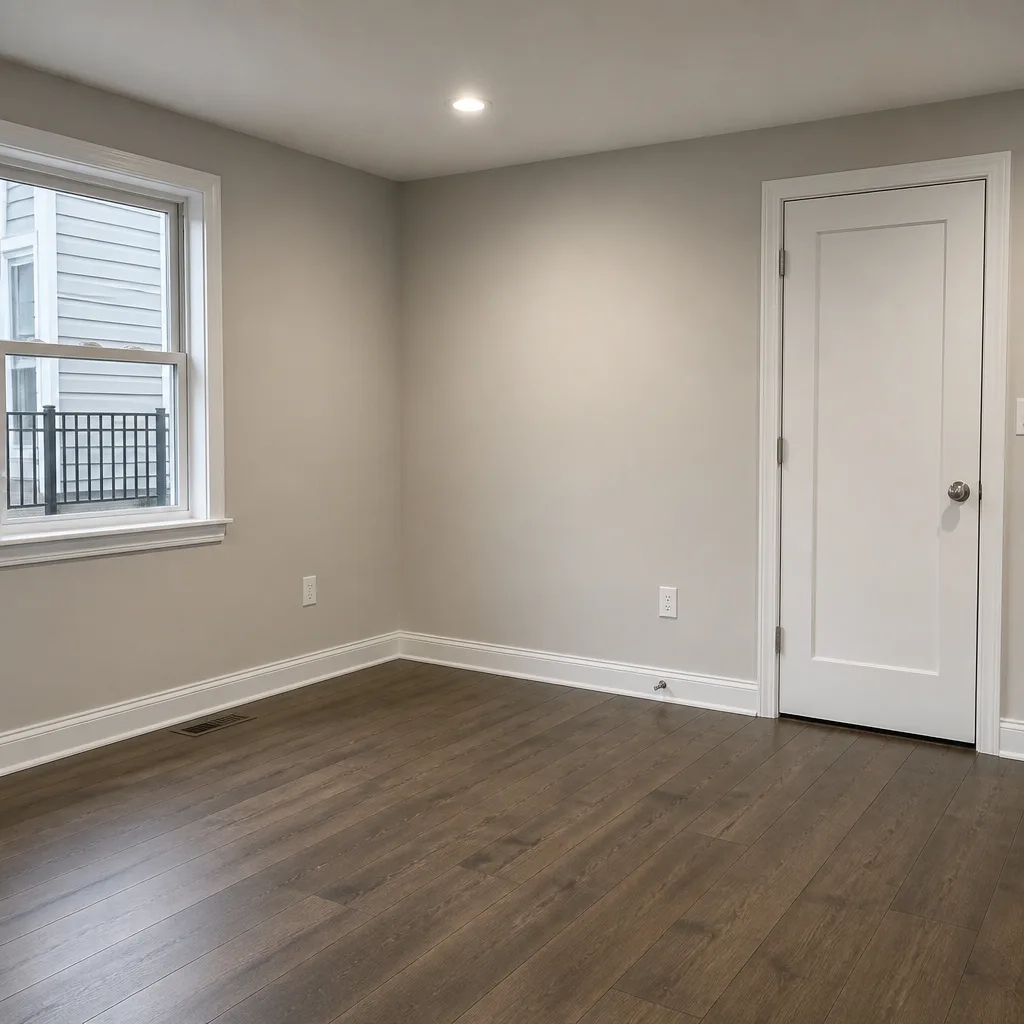 After
After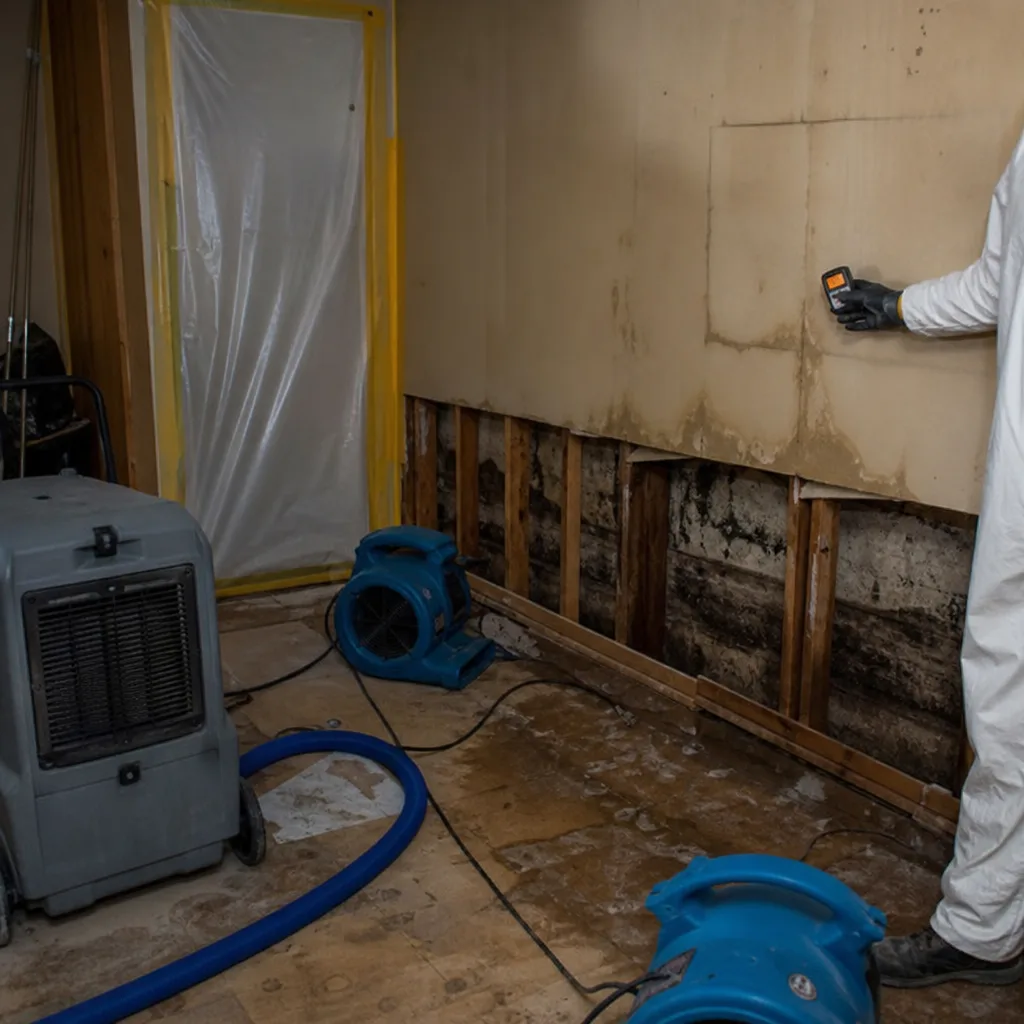 Before
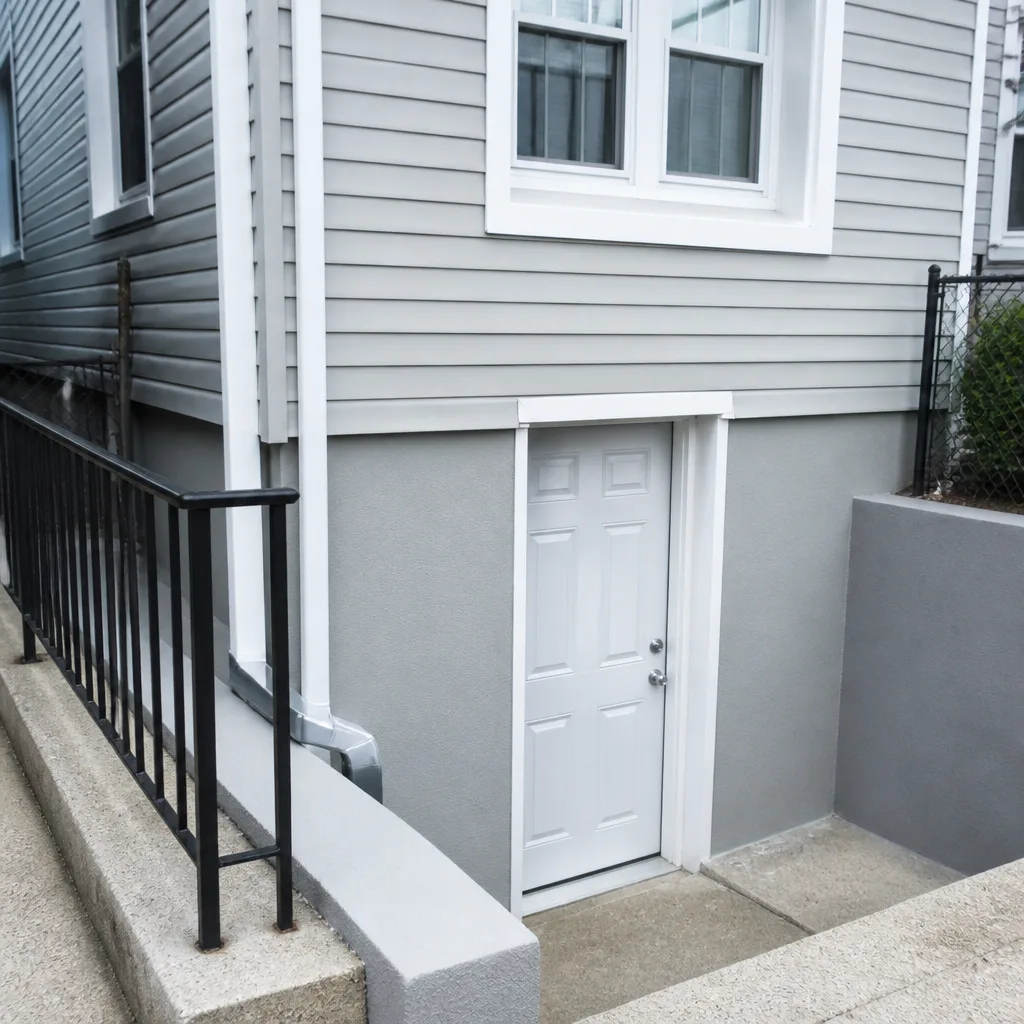 After
After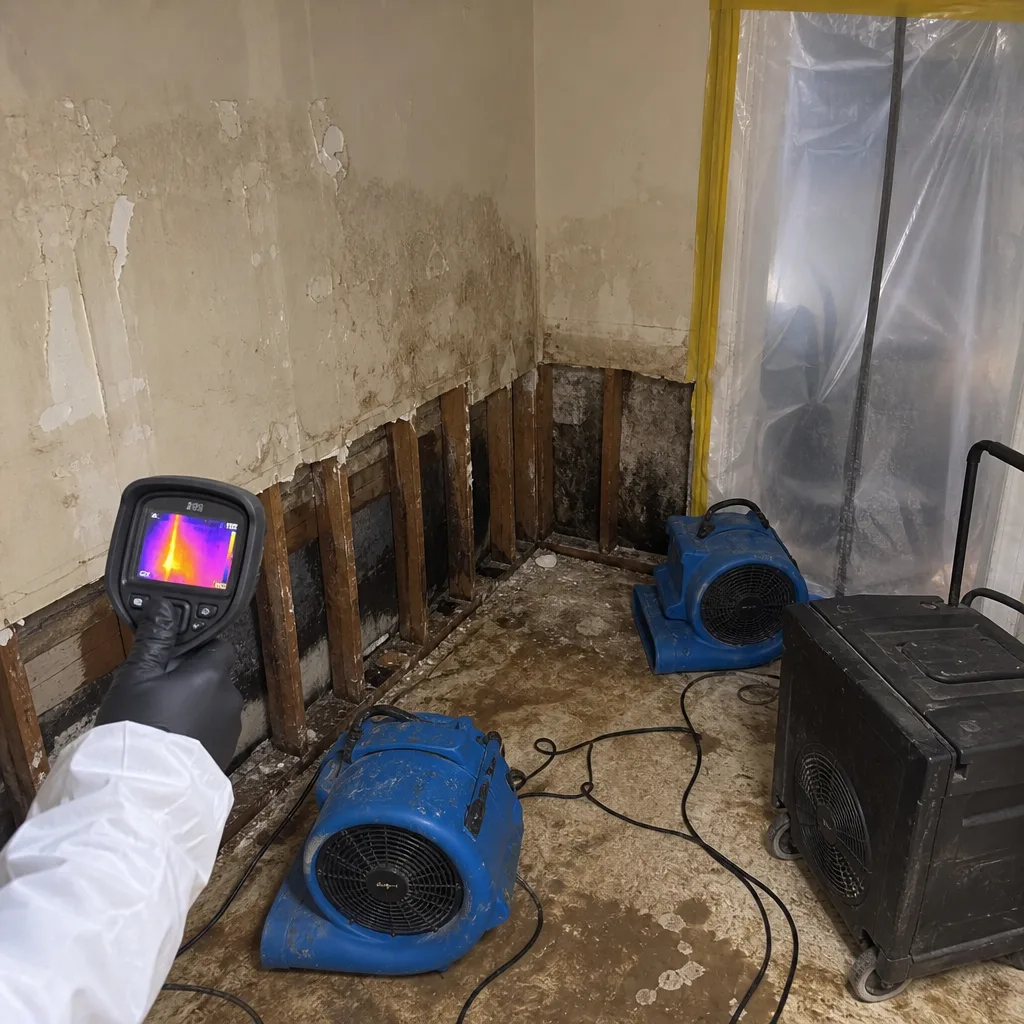 Before
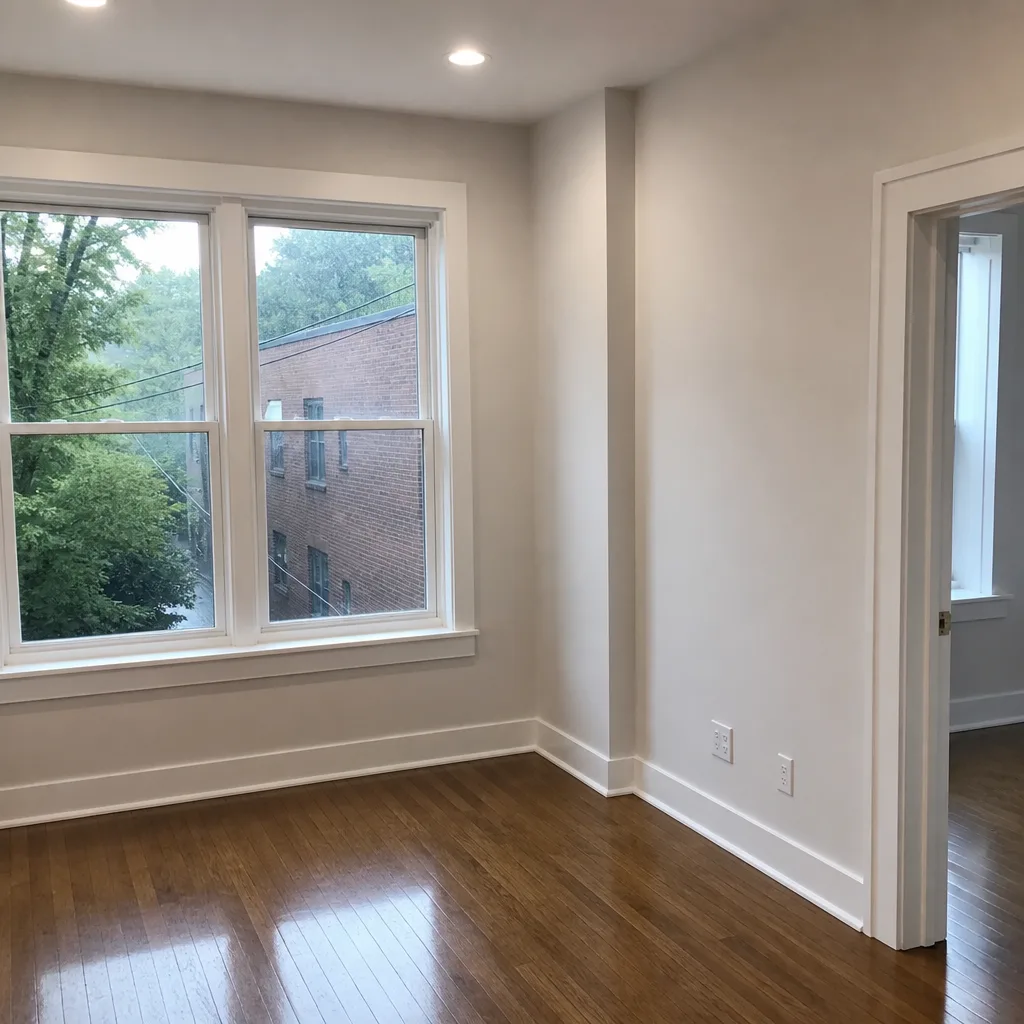 After
After24/7 Emergency Sewage Cleanup in West New York
Sewage backing up into a West New York apartment is a category 3 emergency. That’s the worst class of water contamination, the kind carrying bacteria, viruses, and parasites that make people sick on contact. Raw sewage in a pre-war brick building doesn’t stay in one unit either. It travels down shared walls, through floor assemblies, into the apartment below. If you’re watching sewage pool across a bathroom floor on 60th Street or anywhere else in West New York right now, call (201) 740-2235. Wade Ferris answers his own phone, day or night, and he can have extraction running inside the hour. The first sixty minutes determine whether this is a contained cleanup or a multi-unit gut job.
Understanding Sewage Cleanup Severity in West New York Properties
Not every water problem is created equal. The restoration industry classifies water damage in three categories. Category 1 is clean water, like a supply line break. Category 2 carries significant contamination, think washing machine overflow. Category 3 is sewage, black water, the stuff that comes back up through floor drains and toilets. In West New York, where most housing stock is 4-to-6-story brick tenement construction from before WWII, sewage backups almost always start as category 3 events and get worse from there.
Here’s what we see in West New York’s older buildings: cast iron waste lines installed 80 years ago corrode from the inside out. When one cracks, sewage doesn’t just pool in the unit where the pipe lives. It follows the shared vertical chase downward, saturating plaster-over-masonry walls as it goes. That masonry wicks moisture laterally, hiding contamination behind finishes where a mop and bucket can’t reach. Moisture meters and thermal imaging are the only way to find the full extent without tearing open every wall. In frame construction, you’d dry things out with air movers and dehumidifiers. In masonry, you need injection drying systems and deliberate, patient dehumidification, because the bricks hold water like a sponge and release it slowly for weeks.
Why West New York Property Owners Choose Wade’s Restoration
- 45-minute response commitment – When sewage is spreading through a building on Boulevard East, Wade’s crew is on the road immediately, not after a call center triages your ticket.
- 24/7 live answer, a real person – You call (201) 740-2235 and Wade picks up. No voicemail tree, no answering service, no “someone will call you back.”
- IICRC-certified crews – WRT and ASD certifications mean the people in your building know how to contain, extract, and dry category 3 water without cross-contaminating clean areas.
- Free visual inspection – Before any work starts, you get eyes on the problem and a straight answer about what you’re dealing with. No charge for that.
- Direct insurance billing – Wade works with your adjuster from the first phone call through the final invoice, so you’re not stuck translating between your carrier and a contractor.
- One team from extraction to reconstruction – The same crew that pumps out the sewage is the crew that rebuilds the wall, which means nobody gets to blame somebody else for a gap in the work.
Our Sewage Cleanup Process
Inspection & Assessment
We arrive, walk the affected units, and map the contamination. Thermal imaging cameras and moisture meters tell us where sewage traveled behind walls and under floors. You get a written scope of work before anything gets torn out.
Extraction & Stabilization
Black water comes out first. In West New York’s alley-load buildings, we position pump trucks and use truck-mounted extraction for large volumes, then portable extractors for the tight spots behind toilets and under vanities.
Drying & Dehumidification
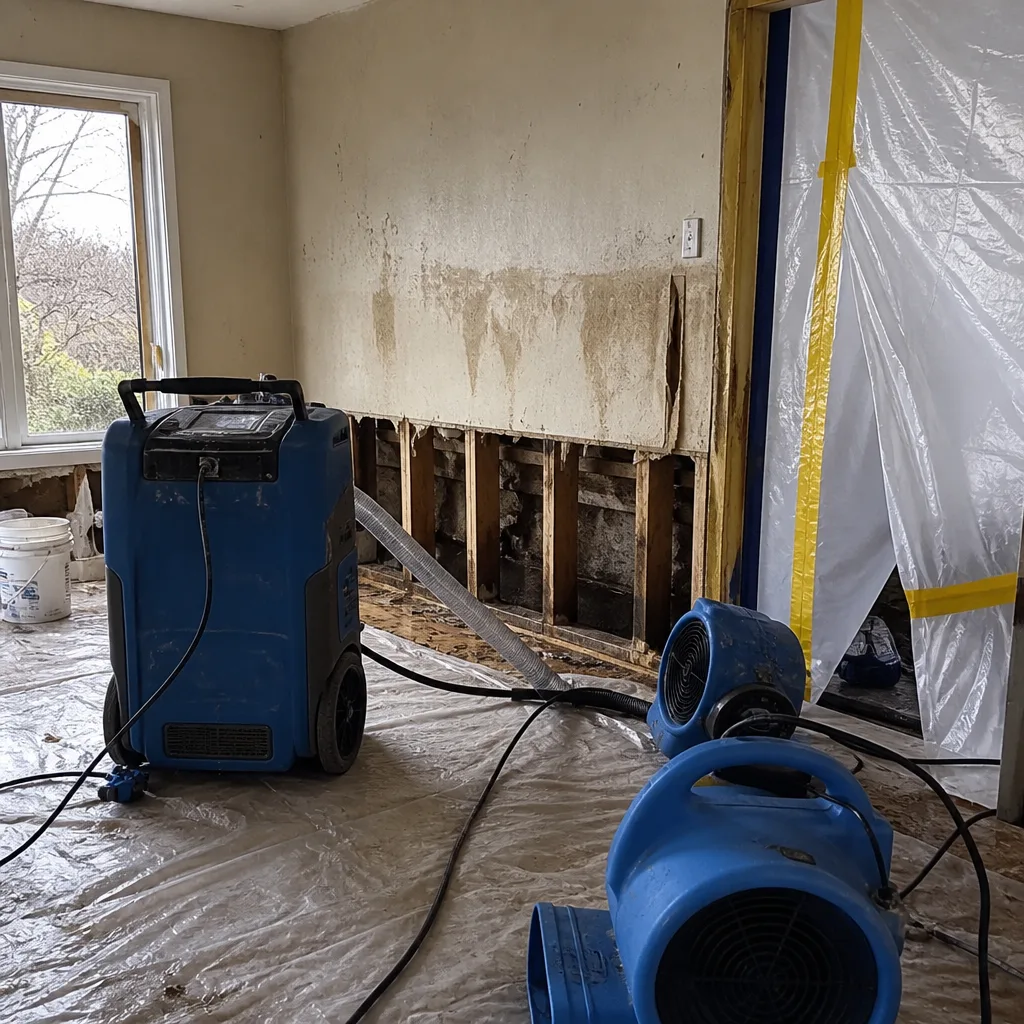
This is where masonry buildings fight back. Plaster and brick hold moisture. We set containment, run Dri-Eaz dehumidifiers, and take moisture readings every single day. You get the full log at the end.
Cleaning & Sanitization
Every affected surface gets cleaned with EPA-registered antimicrobials. Porous materials that absorbed sewage, think carpet pad, drywall below the flood line, get cut out and bagged. Non-porous surfaces get scrubbed and disinfected.
HEPA Air Scrubbing
Sewage aerosolizes bacteria when it’s disturbed. We run HEPA air scrubbers during the entire job to capture airborne pathogens and keep them from spreading to unaffected units through shared hallways.
Repairs & Restoration
After the building is dry and clean, we rebuild. Drywall, trim, flooring, whatever came out goes back. The 90-Day Done Right Promise applies: if it’s not done right, Wade makes it right, in writing.
Need Emergency Sewage Cleanup in West New York Now?
Crews minutes away, answering live 24 hours a day. The sooner we start, the less it costs.
Working With Your Insurance Company
Insurance claims for sewage backups in multi-unit West New York buildings get complicated fast. One cracked waste line can involve three tenants, a landlord’s building policy, and three separate renters’ policies, each covering different parts of the damage. Wade has been handling these since 2007, and he deals with adjusters directly. You hand over the claim number, we handle the rest.
Documentation matters more in a tenement claim than anywhere else. The adjuster needs to understand exactly which unit the sewage originated in, how it traveled, and what it touched on the way down. We document from the first hour: photos of every affected room, moisture readings from the day we arrive through the day we leave, and a line-item scope that breaks down materials, labor, and equipment. Wade’s crew uses XPower and B-Air air movers alongside Dri-Eaz dehumidifiers, and we document every piece of equipment on the job.
What We Provide Your Insurer
- Thorough documentation of the loss
- Photos of all damage, room by room
- Moisture readings and drying logs
- A detailed, line-item scope of work
- Direct coordination with your carrier
Built for West New York’s Loss Calendar
West New York has its own rhythm of sewage and water damage, shaped by a combination of dense housing, old infrastructure, and a climate that punishes old buildings. January and February bring deep freezes that burst aging supply lines and stress cast iron waste stacks. When a frozen pipe thaws, it often lets go all at once, flooding units while residents are at work. Spring thaw follows with basement seepage in the lower tier of town, where buildings at the base of the Palisades sit closer to the water table and older foundation drains struggle to keep up. Summer thunderstorms roll off the Hudson and overwhelm combined storm and sanitary sewers. That’s when we see sewage backing up through floor drains in basement apartments along the river side of town. Fall nor’easters add wind-driven rain that finds every compromised roof drain and parapet flashing, which then funnels water into wall cavities and down shared chases until it shows up as sewage contamination three floors below where it started. Wade’s Restoration has been through this cycle enough times to know what’s coming next. That’s the benefit of 29 years in the restoration trade, most of it in this exact kind of housing stock.
Sewage Cleanup Across West New York’s Neighborhoods
The stretch along Boulevard East, running north-south above the Hudson, is lined with pre-war elevator buildings where sewage backups usually mean coordinating with a super, a management company, and multiple unit owners before restoration can even begin. We know those buildings, and we know how to stage equipment in a service elevator without disrupting the whole building. Down near 60th Street and the residential blocks running west toward Park Avenue, the buildings are mostly walk-ups with narrow stairwells and alley-load entries. That changes the extraction approach, we send smaller, portable equipment and carry extraction wands up three flights rather than trying to position a pump truck in an alley that barely fits a car. The area around Miller Stadium and the high-rise sections near Port Imperial see newer construction with better plumbing, but shared waste stacks still fail when roots invade old clay pipe connections at the street. And the older brick rows in the central part of West New York, the ones with shared roof drains and internal downspouts, are where we see those silent, multi-floor sewage spreads that start at the roofline and end in basement units. Each of these pockets requires a different approach, and Wade’s crew adjusts to the building, not the other way around.
Specialized Sewage Cleanup Services We Offer in West New York
Sewage Backup Cleanup
When a shared waste stack backs up in a West New York tenement, sewage comes up through floor drains and toilets on multiple floors at once. We contain each affected unit separately to prevent cross-contamination through hallways, then extract and sanitize everything the black water touched. The containment piece is critical in dense buildings where one unit’s sewage can aerosolize into a shared staircase.
Toilet Overflow Cleanup
A toilet overflow in a high-rise apartment creates a different problem than a basement backup. The sewage runs across the bathroom floor, through the subfloor, and into the ceiling of the unit below. In pre-war buildings with plaster ceilings, that water needs to be blotted from below and dried from above simultaneously. We’ve handled toilet overflows in walk-ups where the water made it down three floors before anyone noticed the ceiling staining.
Sanitization & Disinfection
Category 3 water demands more than a wipe-down. We use EPA-registered antimicrobials and follow IICRC S500 standards for sewage contamination. Every surface that was touched gets treated, and we run HEPA air scrubbers throughout the job to pull pathogens from the air. In a dense building where families live wall-to-wall, that level of sanitization isn’t optional.
Black Water Extraction
Standing sewage needs to come out fast. For large-volume backups in basement units or alley-load buildings, we bring truck-mounted extraction equipment or high-capacity portable pumps. For the tight spaces, under vanities, behind toilets, inside wall cavities, we use injection extraction and the same Injectidry systems we’d use on a clean water loss, adapted for contaminated materials.
Crawl Space Sewage Removal
Some older West New York buildings have shallow crawl spaces under ground-level units. When a waste line lets go down there, the sewage sits in a confined, low-ventilation space that’s a breeding ground for mold and bacteria. We suit up in full PPE, extract the sewage, cut out contaminated insulation, and dry the space to standard before any rebuilding happens.
What happens when you call
- 1
A real person answersNo phone trees - you reach a local pro.
- 2
You get an upfront price rangeHonest numbers before anyone is dispatched.
- 3
A background-checked tech heads outLicensed & insured, dispatched right away.
- 4
You approve before work beginsNothing starts until you say go.
Sewage Cleanup Costs in West New York, NJ
Sewage cleanup in West New York runs on a different cost curve than the same work in a single-family house. Expect a toilet overflow contained to one bathroom to run $1,500 to $3,500, depending on how far the water traveled. A multi-unit sewage backup from a cracked waste line, the kind that hits three or four floors in a tenement on 60th Street, typically runs $8,000 to $25,000 or more because we’re doing multiple containments, multiple extractions, and wall removal across several units. What moves the price most is how long the sewage sat before anyone called. The sooner extraction starts, the less demolition and drying you’re paying for. If insurance is involved, the claim covers the work minus your deductible, and Wade bills the carrier directly. If you’re paying out of pocket, call (201) 740-2235 for a free visual inspection and a written scope before anything starts. You won’t get a phone quote that changes when we walk in the door.
We Also Serve Cities Near West New York
Wade’s Restoration handles Sewage Cleanup throughout Hudson County. We’re regularly in Weehawken along the same Palisades cliff line, Jersey City with its mix of pre-war brownstones and new high-rises, Hoboken where basement flooding hits hard, and Union City just up the hill with its own share of aging tenement plumbing. If you’re in any of those towns with sewage in your unit, call (201) 740-2235.
Serving West New York, NJ - Our Local Coverage Area
We’re based in the West New York area and know this community well. Use the map below to see our service coverage - if you’re nearby, we can almost certainly help.
West New York Sewage Cleanup Questions, Answered
How fast can you get a pump truck to a West New York alley-load building when sewage is backing up through multiple units?
Realistically, 45 to 75 minutes depending on where in West New York you are. Wade answers the phone himself, and he’s not dispatching someone from across the metro. The crew serving West New York is local and knows the alley-load buildings, the service elevators, and the parking constraints. We’ll send the right equipment for your building’s access, which might mean portable extractors rather than a full pump truck if that’s what the alley will take.
What category of water is a sewage backup in a West New York tenement, and does it change the cleanup approach?
Sewage is category 3 water, the highest contamination level. The cleanup approach changes significantly: we need full PPE, containment per IICRC standards, removal of all porous materials that absorbed sewage, and HEPA air scrubbing throughout. In a multi-unit building, the approach also requires containing each affected unit separately so contaminants don’t travel through shared hallways or stairwells into clean apartments.
Do you coordinate with landlords, tenants, and insurance adjusters when a sewage backup hits multiple units in one West New York building?
That’s standard practice for us here. In a typical multi-unit sewage loss, we’re dealing with the building owner, the affected tenants, at least two or three insurance carriers, and often a property manager. Wade handles adjuster calls directly and sends documentation to whoever needs it. The tenants don’t get stuck relaying information between two sides, and the landlord gets a single clean scope instead of three different contractors guessing at three different plans.
Why does a sewage backup in West New York often spread further and cost more than the same issue in a single-family home nearby?
Shared vertical chases. In a pre-war brick building, all the waste lines for a given column of units run inside the same wall cavity or floor assembly. When one line cracks, sewage travels down that chase and affects every unit below. The plaster-over-masonry construction wicks moisture laterally into walls, so you can’t just mop up the visible sewage. We have to open walls, dry masonry from the inside out, and rebuild multiple units. The scope is inherently bigger than a single-family basement backup, and the price reflects that.
Can you handle a toilet overflow in a high-rise West New York apartment without shutting off water to the whole building?
Usually, yes. The fixture shut-off valve behind the toilet stops water at the source for that one unit. We deal with the overflow in that apartment and any units below, without asking building management to shut down the riser for the whole stack. If the problem is the waste line itself, not the toilet, that’s a different story, and we’ll coordinate with the building’s plumber and management to schedule the pipe repair while we handle the extraction and drying.
Will my insurance cover sewage cleanup in my West New York apartment?
Renters insurance typically covers sewage damage to your personal property and sometimes your liability if your unit was the source. The building’s policy covers the structure. Your own policy may or may not cover sewage backup specifically. Some policies require a separate sewer backup endorsement. Call your carrier, then call us at (201) 740-2235. Wade deals with adjusters directly and will walk you through what’s covered before any work starts.
How long does sewage cleanup and drying take in West New York’s masonry buildings?
Plan on 5 to 10 days for full drying in a plaster-over-masonry building. The bricks and plaster hold moisture longer than drywall and wood framing, and you can’t rush that without trapping moisture behind finishes. Extraction and demolition happen day one. Active drying runs most of the first week. We take moisture readings every day and hand you the full log at the end, so you can see exactly when the building hit dry standard.
What should I do in the first 30 minutes when I notice sewage backing up in my West New York unit?
Stop using water, if the backup is in a drain or toilet, running more water makes it worse. Shut off the nearest water source. Keep people and pets out of the affected area. Don’t try to plunge or snake a shared line yourself, the blockage may be elsewhere in the building’s waste stack. Call (201) 740-2235. Wade will talk you through the next 30 minutes on the phone while a crew heads your way. Nothing you do with a mop is going to solve category 3 water.
When a cast-iron waste line cracked in a pre-war apartment on 60th Street near Boulevard East, our techs arrived within the hour to find category 3 water pooling in three units below. We ran containment across the shared staircase, used a Dri-Eaz pump truck for black water extraction, and coordinated with building management and three separate insurance adjusters to execute a scope of work that restored every affected unit to pre-loss condition. That’s what we do in West New York, because that’s what West New York’s buildings demand.
Wade’s Restoration is the team to call for Sewage Cleanup anywhere in West New York. One call gets you a live person, a straight answer, and a crew that knows how to work in dense, pre-war brick buildings without making a bad situation worse. Call (201) 740-2235 now, or any hour of the day or night. Estimates are free, and Wade will be there himself.
Written by Wade Ferris, Owner at Wade’s Restoration, responding to sewage and water emergencies across West New York and Hudson County.