
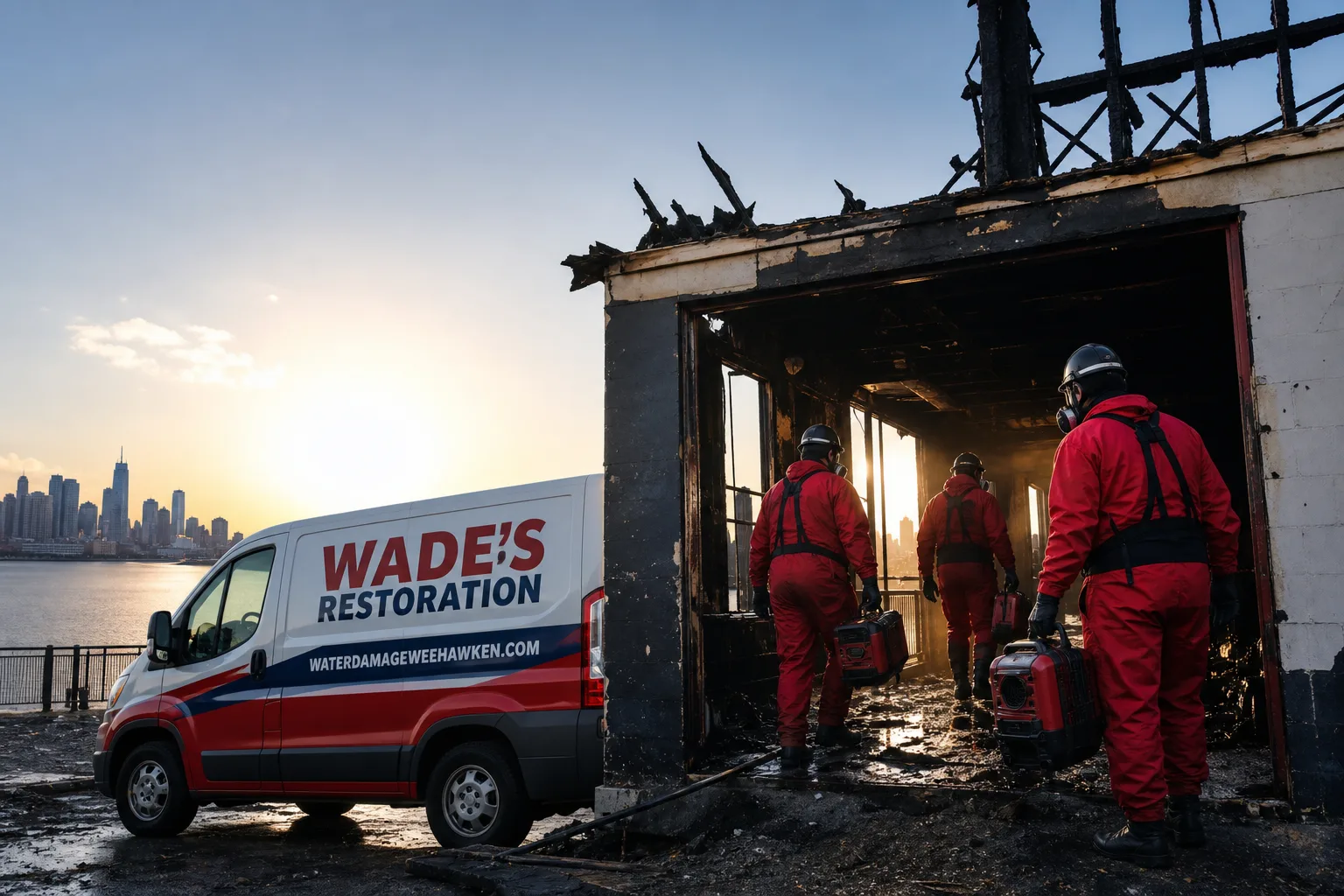
Free visual inspection and a written scope of work before any mitigation begins - photos, moisture readings, and drying logs go in your claim file
The scope we write is the scope we bill. Anything new gets shown to you, in writing, before we touch it.
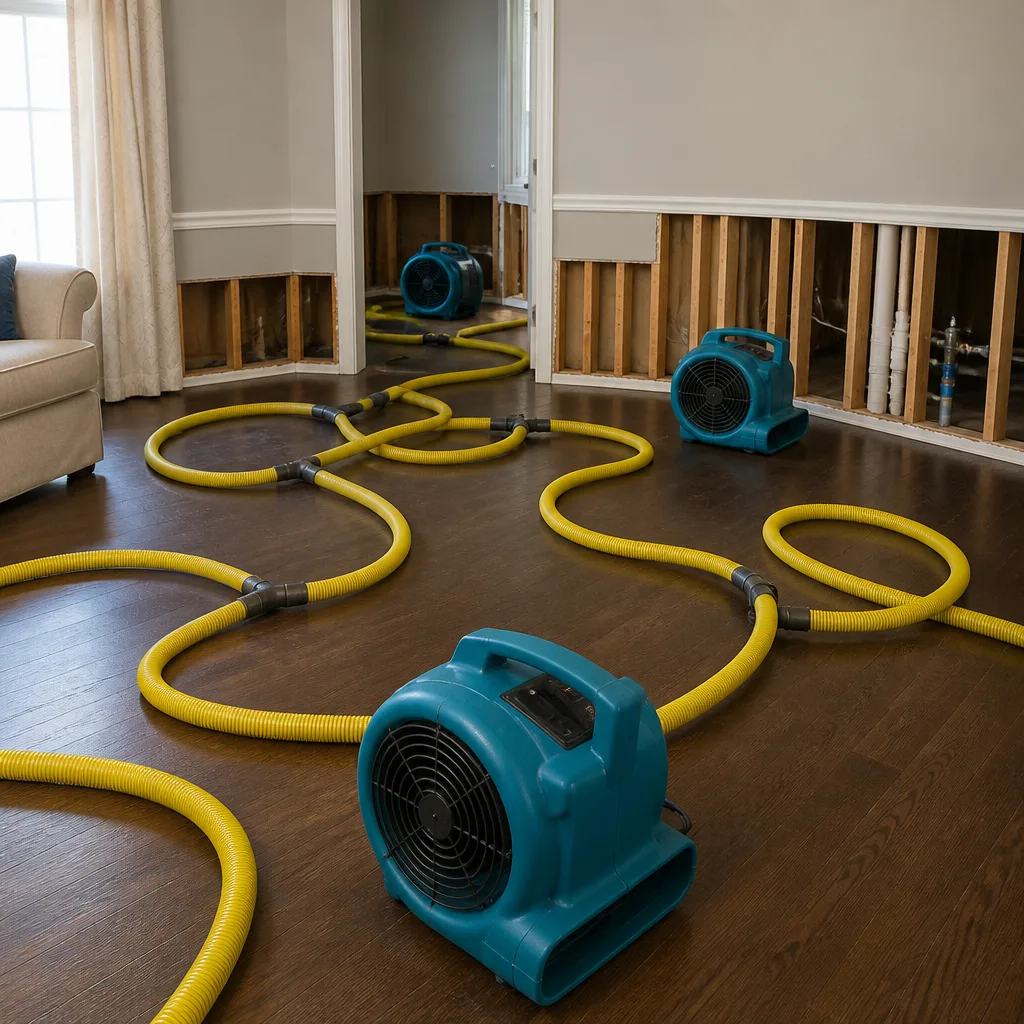

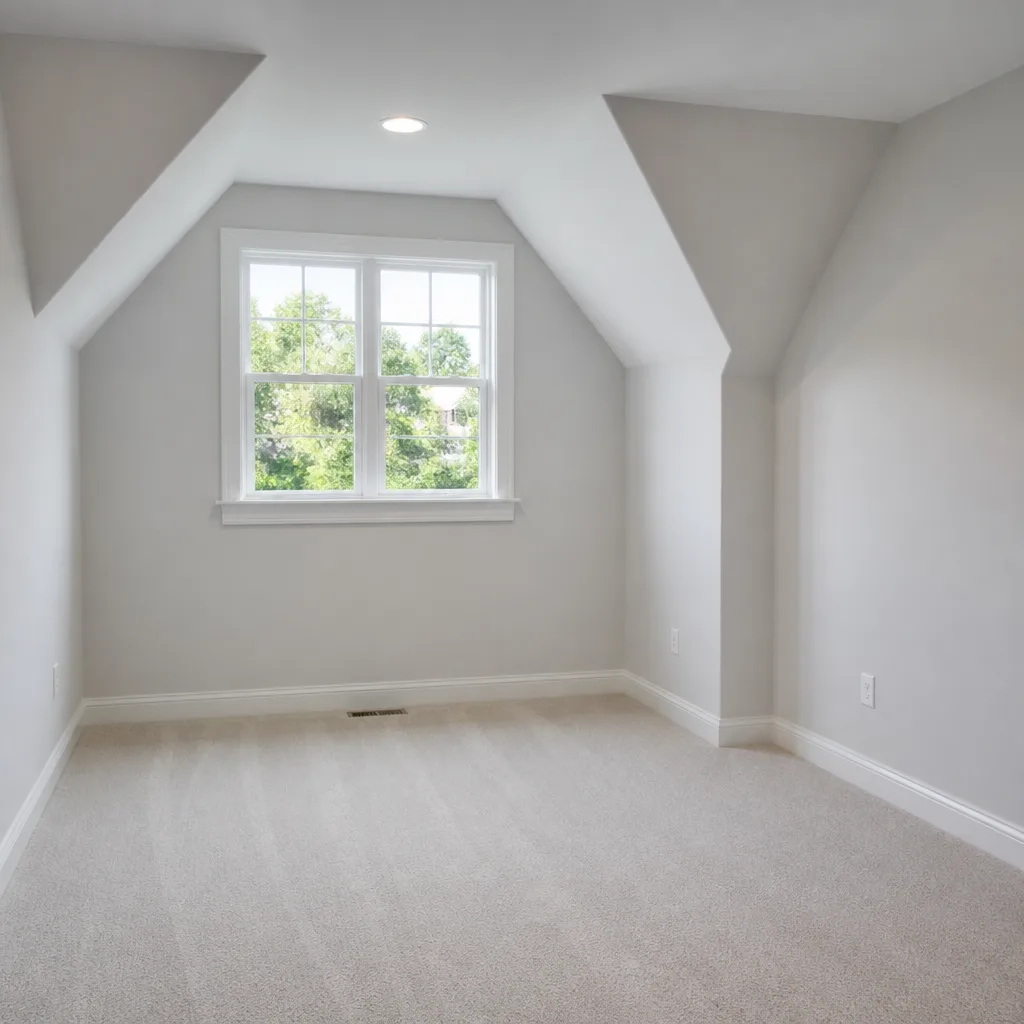
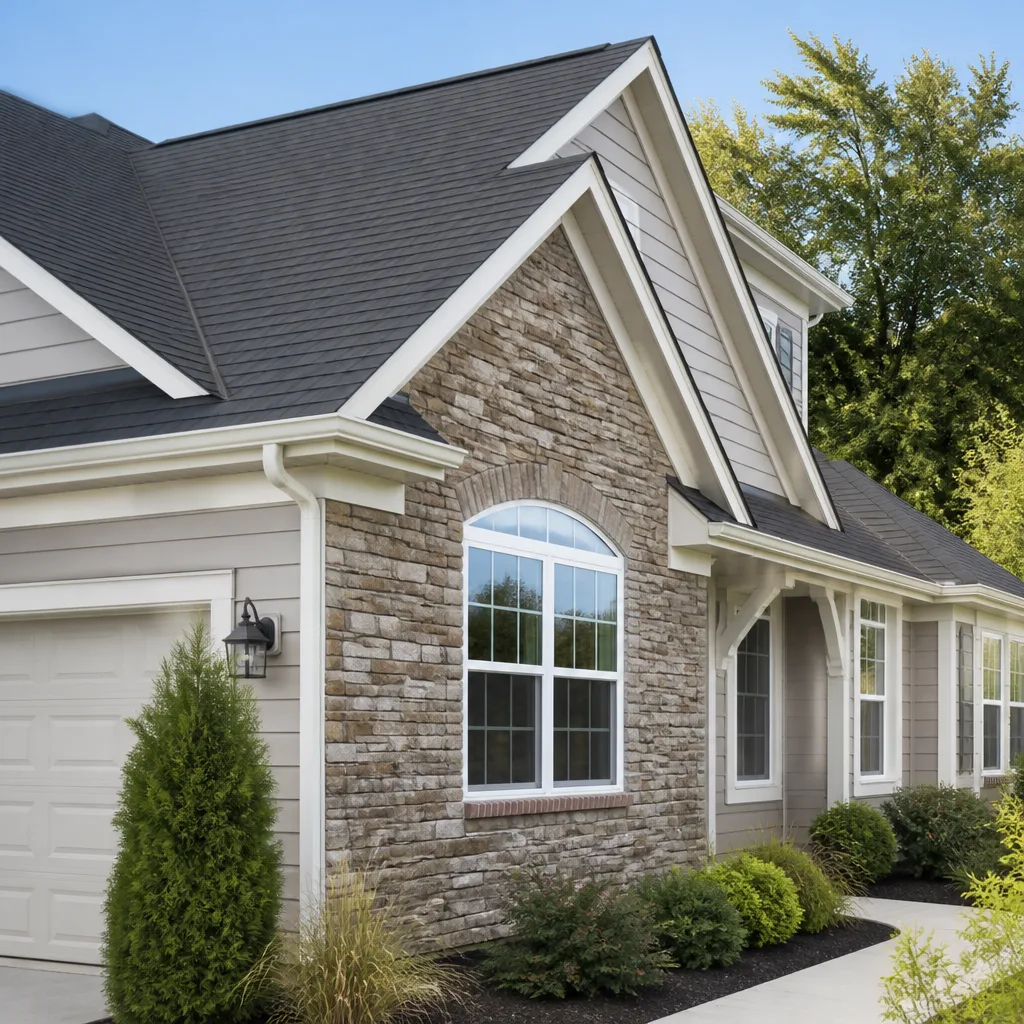
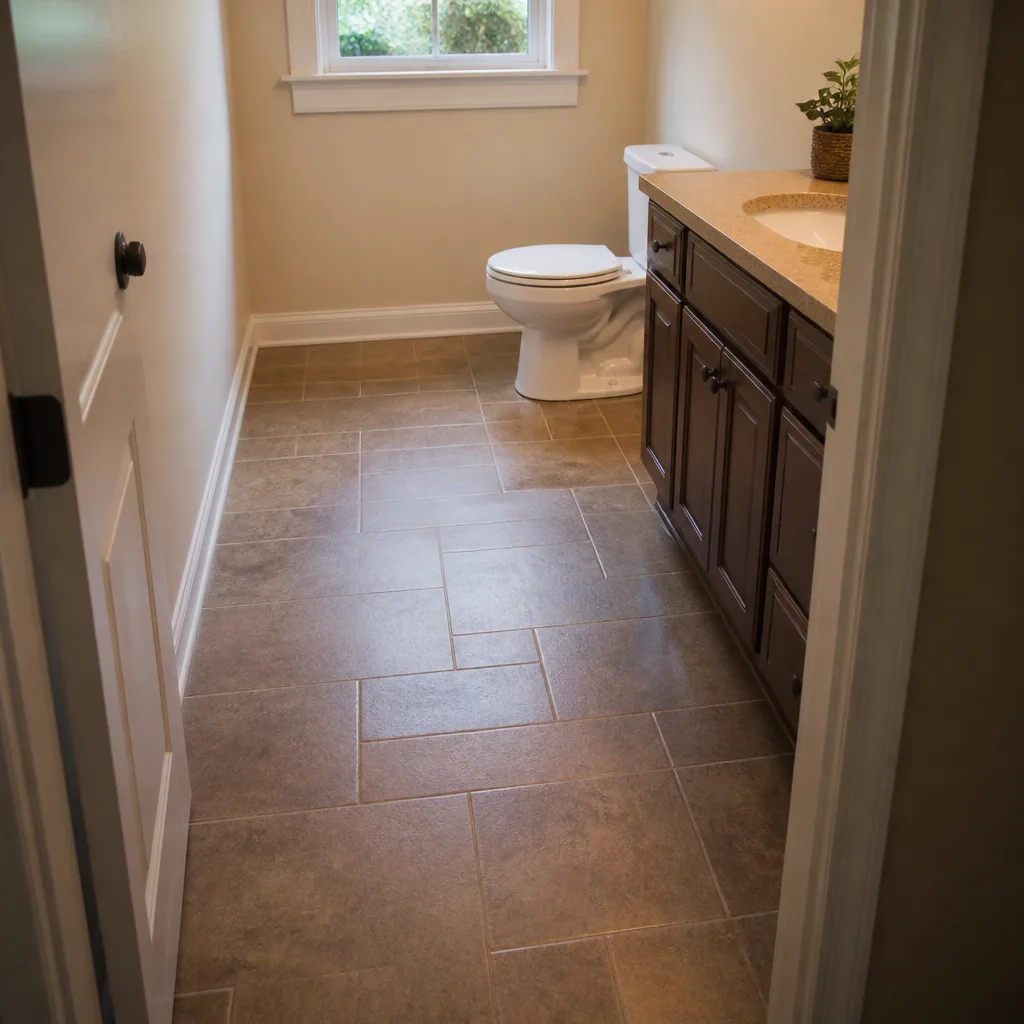
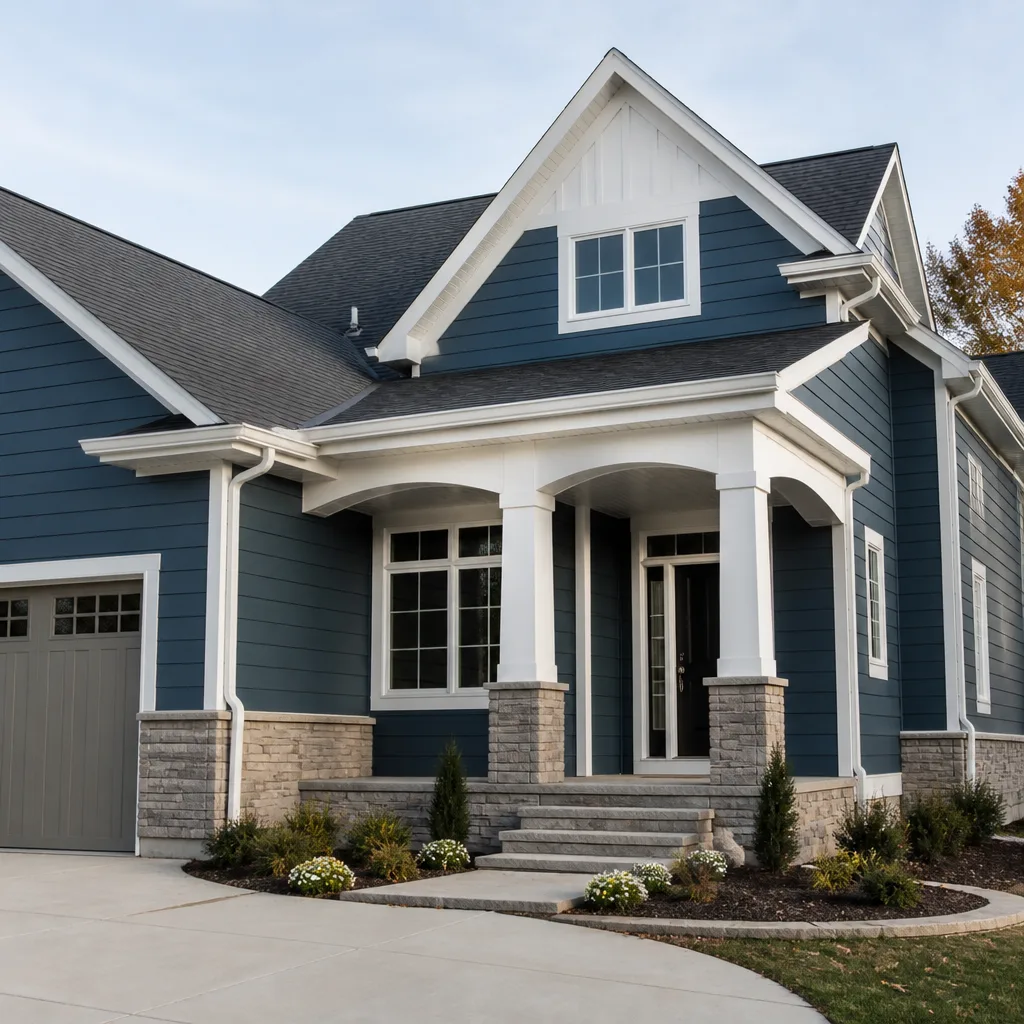
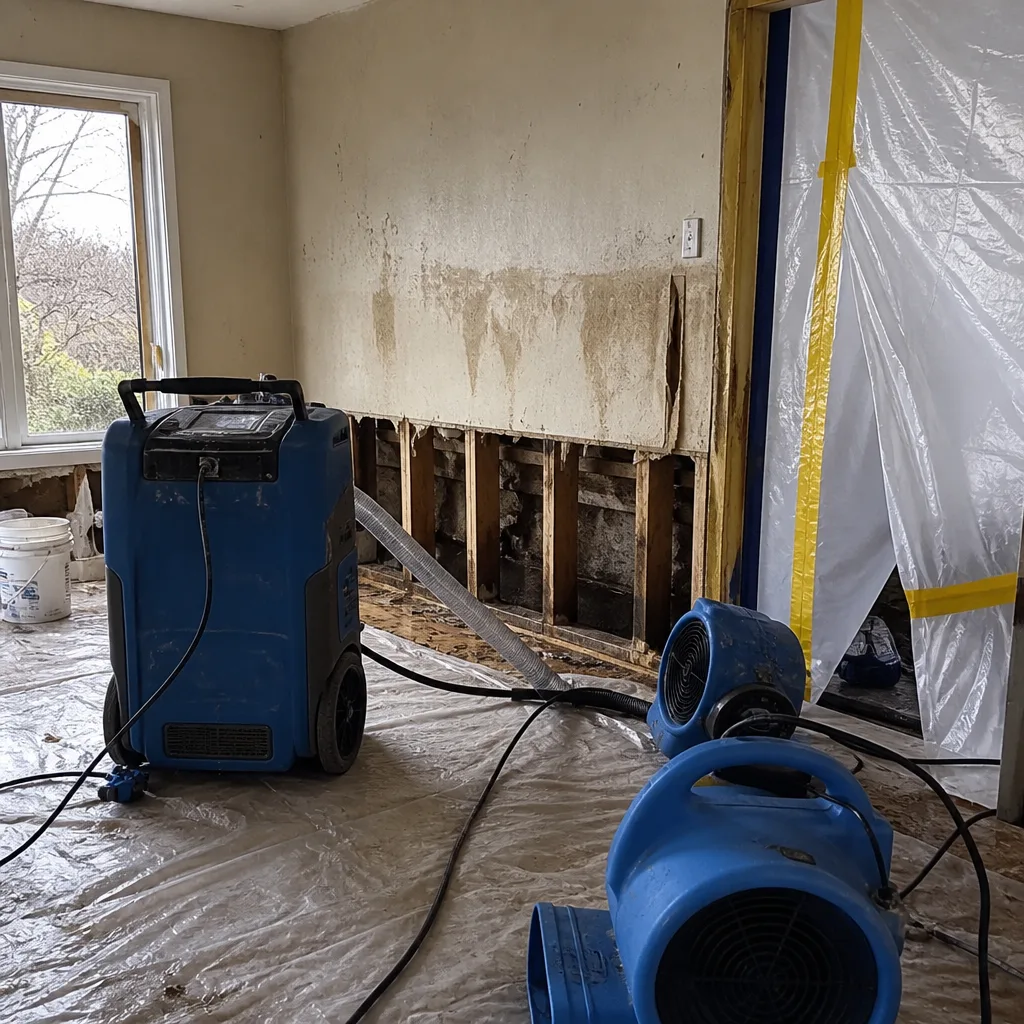 Before
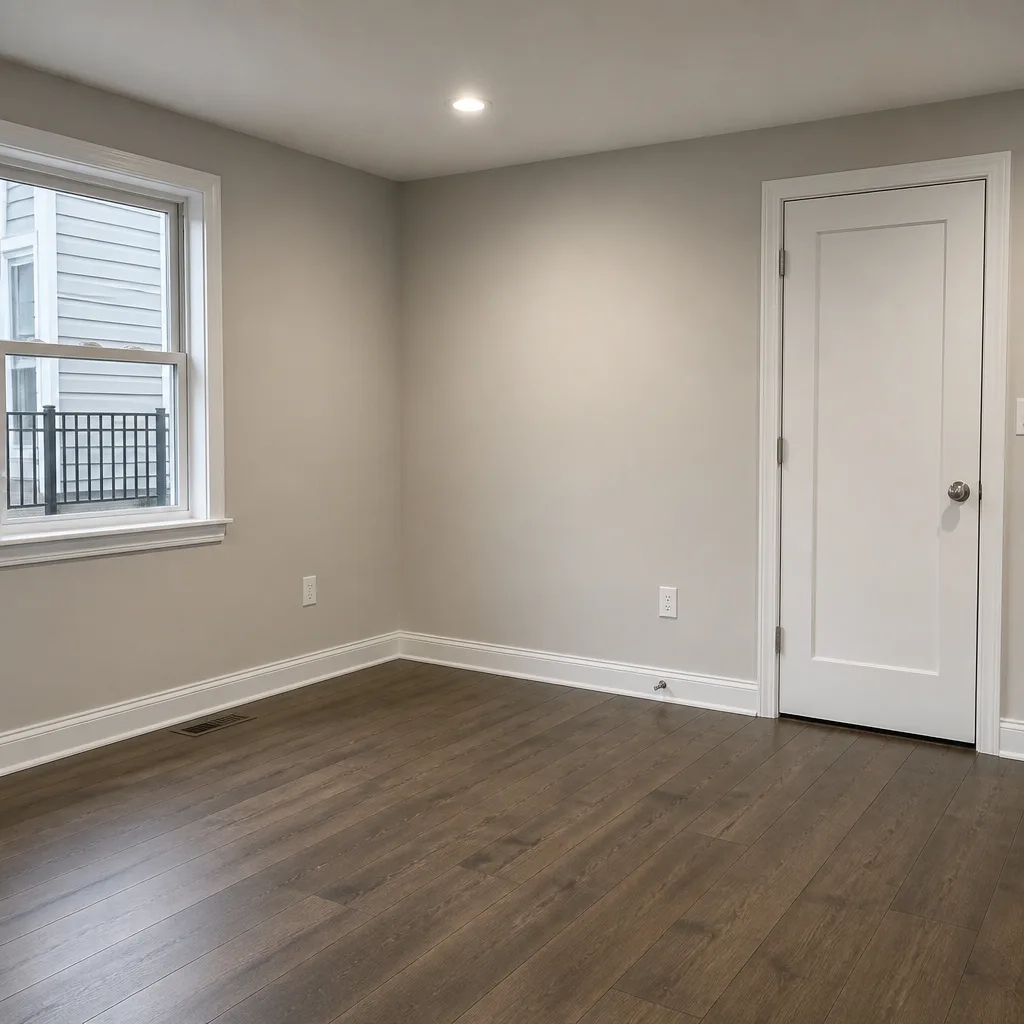 After
After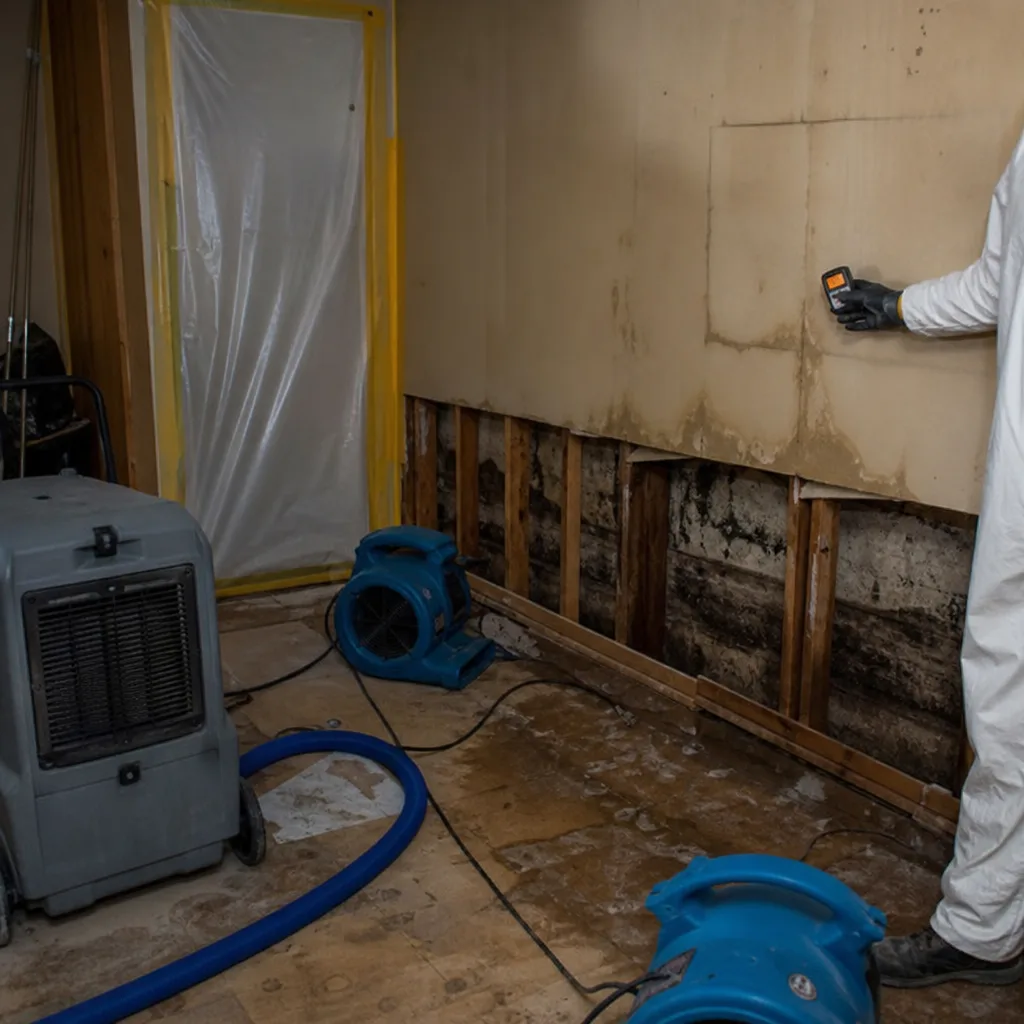 Before
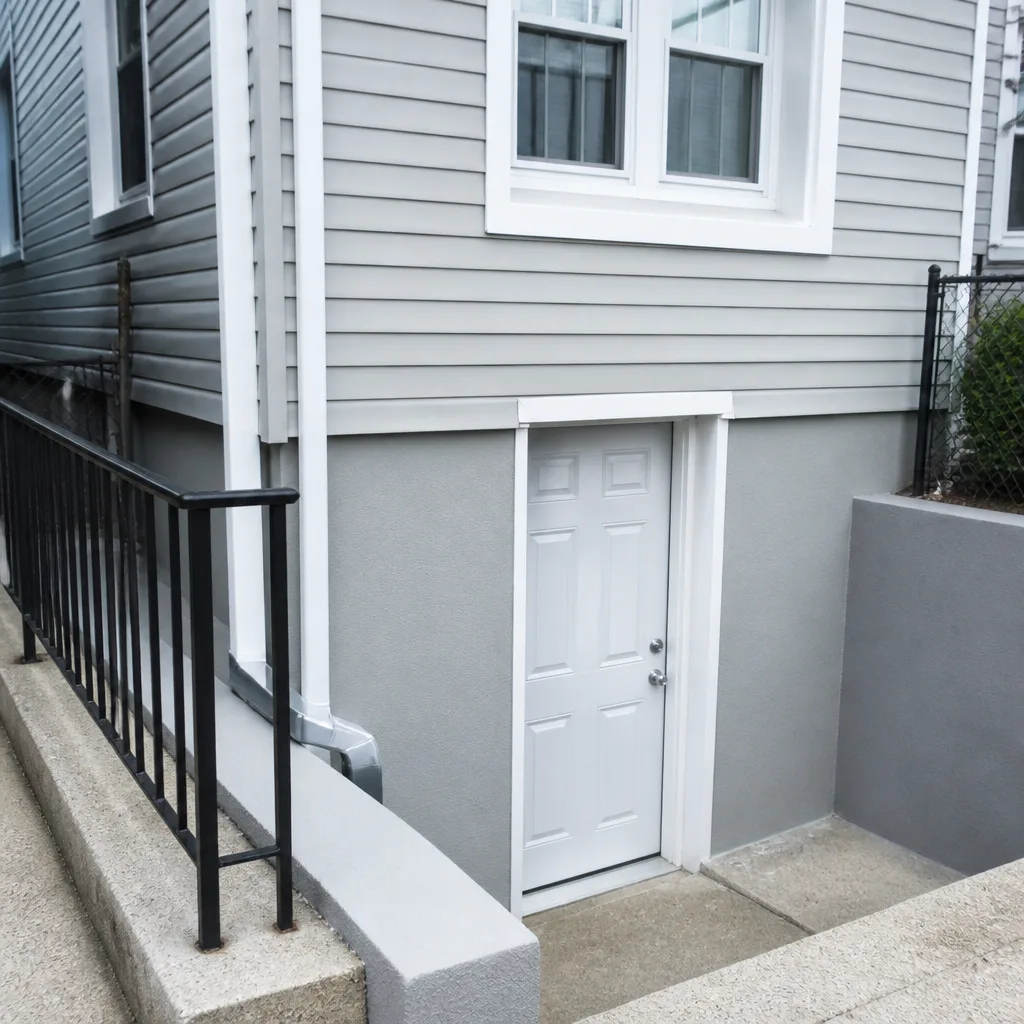 After
After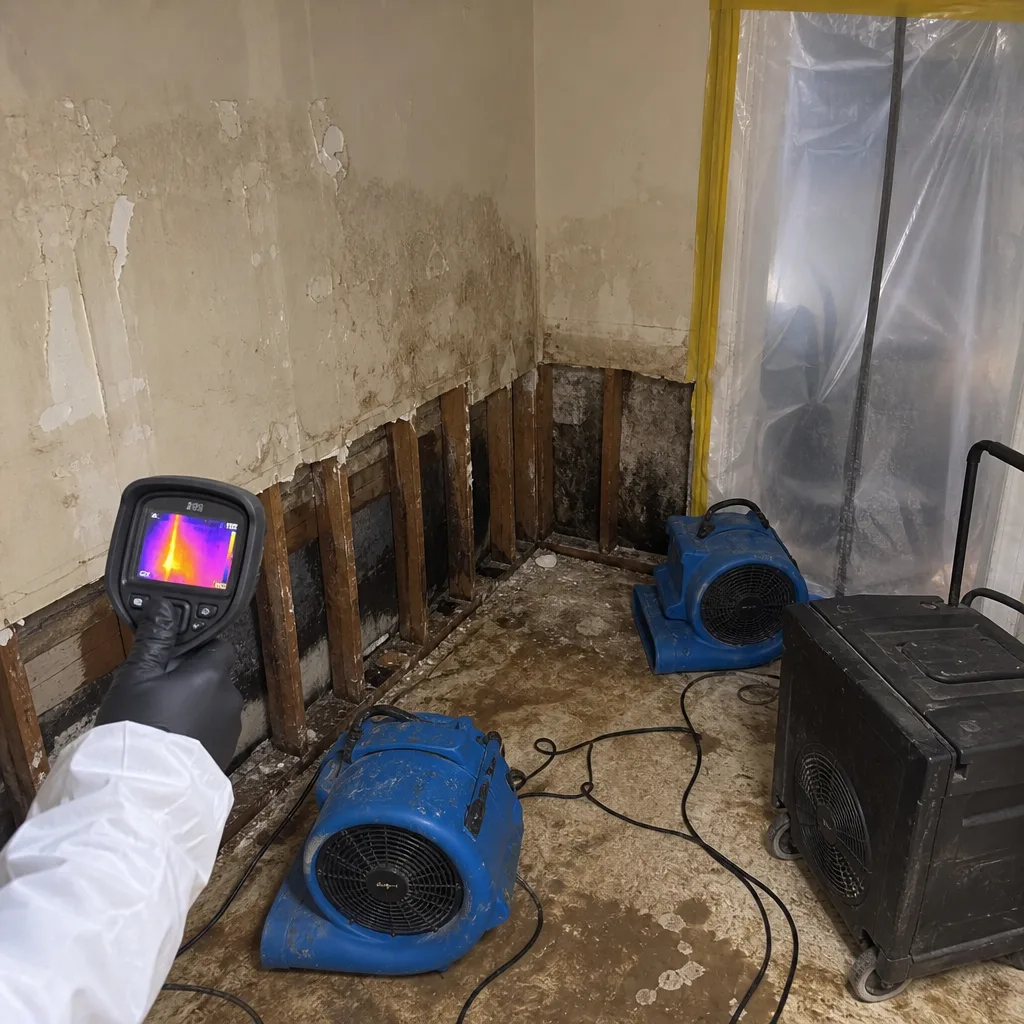 Before
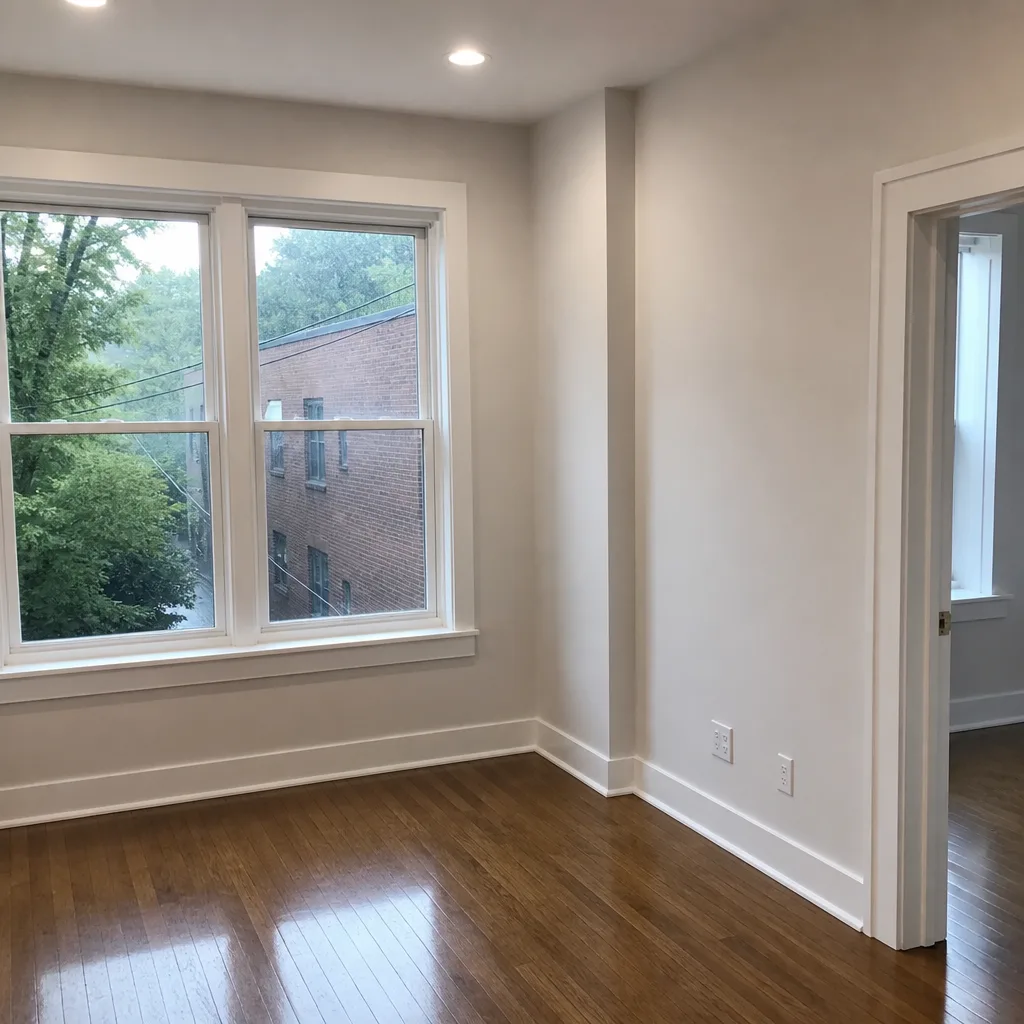 After
After24/7 Emergency Storm & Disaster Restoration in Lower Manhattan
When a nor’easter pushes Hudson River water over the Battery or a summer squall rips roofing off a Tribeca loft, you need someone who understands Lower Manhattan’s particular brand of chaos before the water even stops moving. Call (201) 740-2235 any hour, day or night. Wade Ferris answers his own phone, and he can have extraction equipment running in a Financial District sub-basement inside sixty minutes. The first hour after a storm decides whether you’re drying drywall or replacing it, whether that elevator pit needs a pump or a full mechanical rebuild, and whether your insurance claim starts with clean documentation or a scramble.
Understanding Storm & Disaster Restoration Severity in Lower Manhattan Properties
Not all storm water is the same, and in Lower Manhattan the building itself often determines the severity before you even open the sub-basement door. Category 1 water comes from a broken supply line or rainwater that hasn’t touched anything contaminated. Category 2 carries significant contamination, think sump overflow or roof runoff that’s picked up pigeon waste and soot from a hundred-year-old roof. Category 3 is the one we see after a surge. That’s Hudson River water, raw sewage from combined overflow, or groundwater that’s pushed up through landfill in Battery Park City and carried whatever it touched on the way. In the 1900s-era steel-frame towers of the Financial District, that water pours into elevator pits and mechanical rooms that were never designed to be wet, and the drying sequence has to respect the building’s structural age. In the cast-iron and masonry lofts of Tribeca, moisture wicks through rubble stone foundations and into brick party walls, which means moisture mapping matters as much as extraction. You don’t guess at severity. You measure it, every day, until the numbers say the building is dry.
Why Lower Manhattan Property Owners Choose Wade’s Restoration
- Wade Ferris answers the phone himself, 24 hours a day. Not a call center. Not a queue. The man whose name is on the truck.
- Crews are IICRC-certified in WRT and ASD, and we apply those standards to every Lower Manhattan job, including the ones that are mostly water in an elevator pit at 2 a.m.
- We know the difference between surface surge and groundwater infiltration in Battery Park City, which most contractors from outside the borough don’t learn until they’ve already made the wrong call.
- Free visual inspection before any work begins, and a written scope with firm numbers before any equipment gets plugged in. No surprises at the door.
- We photograph everything, log moisture readings daily, and hand you the full drying log at the end of the job. Your adjuster gets the same file.
- One crew from emergency extraction through reconstruction. You won’t be handed off to a subcontractor you’ve never met.
Our Storm & Disaster Restoration Process
Inspection & Assessment
We walk the damage with you and with thermal imaging and hygrometers. In Lower Manhattan, we check the sub-basement slab, the elevator pit, the mechanical room, and the roof scupper drains before we touch anything. You get the findings straight, no sugarcoating.
Extraction & Stabilization
Submersible pumps for standing water, truck-mounted or portable extraction units for floors and wall cavities. If wind peeled back roofing or a window blew in, we board up and tarp immediately to stop new water from coming in behind us.
Drying & Dehumidification
Phoenix dehumidifiers and high-velocity air movers placed according to a drying plan, not just scattered around. We map moisture in walls, floors, and masonry every single day, and we adjust the equipment as the readings change. In pre-war buildings, drying happens slower and the plan has to respect what the structure can tolerate.
Cleaning & Sanitization
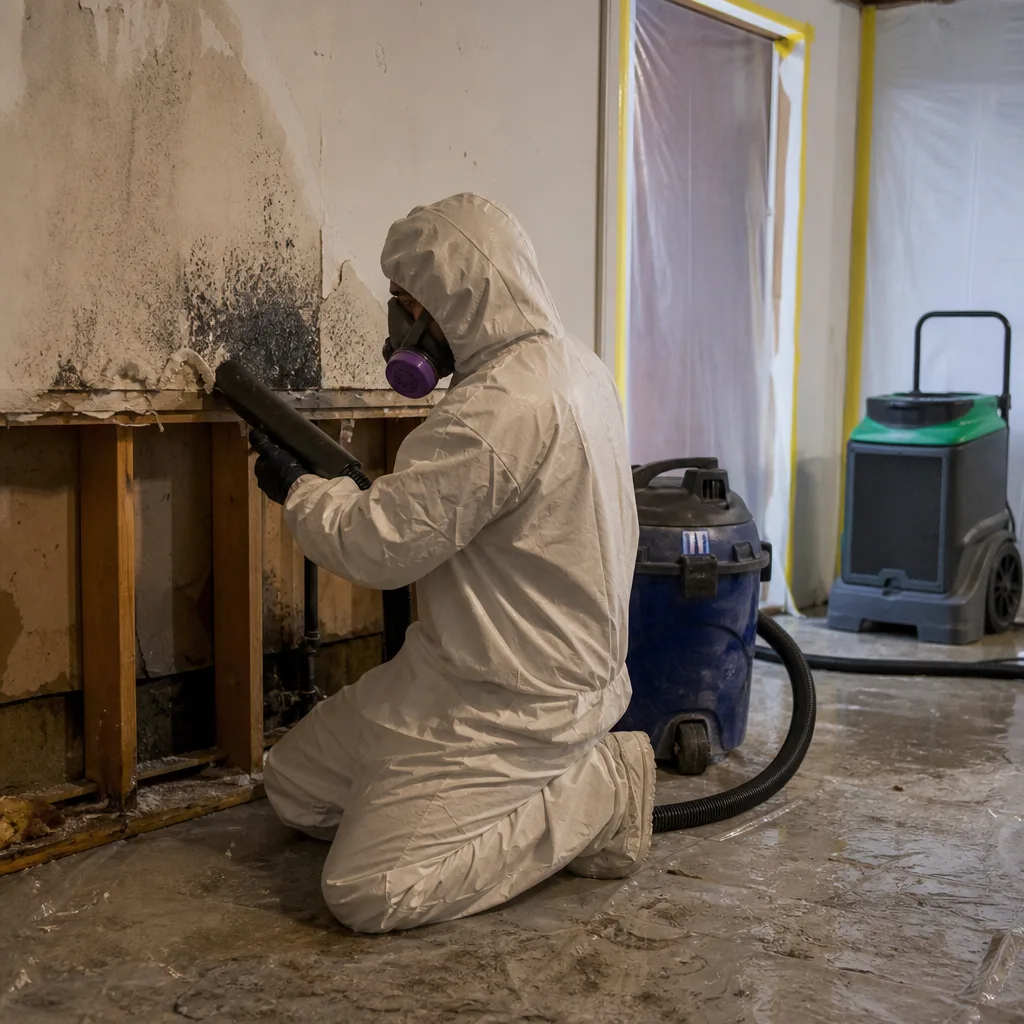
After surge water, Category 3 contamination doesn’t leave on its own. We clean, disinfect, and run HEPA air scrubbing where needed. In buildings with asbestos concerns, containment and sequencing run parallel with abatement clearance so you don’t lose a mold window waiting on paperwork.
Specialty Treatment
This is where Lower Manhattan jobs differ from anywhere else in the city. We check the building’s Flood Emergency Operations Plan before specifying any finish below the base flood elevation. Groundwater infiltration through Battery Park City landfill gets sub-slab extraction and monitoring, not just surface cleanup.
Repairs & Restoration
Replacement drywall and insulation, flooring, baseboards, and paint, plus mechanical and electrical restoration in the rooms that flooded. We work directly with your building’s management and your insurer so the scope is complete and the work passes inspection.
Need Emergency Storm & Disaster Restoration in Lower Manhattan Now?
Crews minutes away, answering live 24 hours a day. The sooner we start, the less it costs.
Working With Your Insurance Company
Insurance claims after a Lower Manhattan storm event are different from a burst pipe in a suburban house. Building policies, co-op unit policies, commercial property coverage, and flood insurance through NFIP or private carriers can all be in play on the same loss, and they don’t always agree. We document everything from the first hour: photos of standing water before extraction, moisture readings during drying, and a line-item scope with the cause of loss clearly identified. Wade talks to the adjuster directly, which means you’re not stuck in the middle relaying technical details about the difference between surge-driven groundwater infiltration and a broken supply line. If the adjuster has questions, Wade answers them. That’s how claims get paid.
What We Provide Your Insurer
- Thorough documentation of the loss
- Photos of all damage, room by room
- Moisture readings and drying logs
- A detailed, line-item scope of work
- Direct coordination with your carrier
Built for Lower Manhattan’s Loss Calendar
The storm calendar here doesn’t look like the rest of the country. January and February bring deep freezes that burst supply lines in unheated mechanical rooms of older Financial District towers, usually on a Friday night when nobody’s in the building until Monday. March and April mean nor’easter season, when sustained northeast winds push Hudson River water against the Lower Manhattan shoreline and drive rain through aging curtain-wall seals on 1930s-era towers. July and August aren’t hurricane season here the way they are in Florida, but a single violent thunderstorm can drop two inches of rain in an hour, and Lower Manhattan’s combined sewer system backs up into basement drains faster than the system can handle. September through November is the real storm window, late-season Atlantic storms riding up the coast and bringing both surge and wind, which is when Battery Park City’s landfill geology becomes the defining factor in whether a flood job is surface water or groundwater. The buildings we serve in Lower Manhattan were built for a different climate and a different river. We plan for the one that’s actually here.
Storm & Disaster Restoration Across Lower Manhattan’s Neighborhoods
Response time in Lower Manhattan depends on where the building sits and what the storm did to the streets. From the Battery Park City waterfront along South End Avenue, where surge overtopping the esplanade sends water into the ground-floor retail and parking levels of the 1980s and 2000s towers, we can be on site with pumps faster than any contractor coming in from outside the borough. In the Financial District around Wall Street and Broad Street, the pre-war steel-frame towers have elevator pits and sub-basements that flood fast and dry slow, and we stage equipment so we’re not fighting traffic on Water Street when it’s gridlocked. Tribeca’s cast-iron loft conversions on Greenwich Street and Hudson Street are a different problem, old masonry that holds water and a maze of building services in the cellar, so extraction there has to be paired with aggressive dehumidification from day one. Over in the Seaport and South Street areas, the old landfill and the lower street elevations mean basement flooding arrives early and hangs around. We know the routes, the building types, and the failure patterns in each pocket of the neighborhood, because we’ve worked all of them.
Specialized Storm & Disaster Restoration Services We Offer in Lower Manhattan
Flood Damage Restoration
This is the one that matters most in Lower Manhattan. Surge overflow, groundwater infiltration through Battery Park City landfill, combined sewer backup. We extract, dry, and restore, and we know that a 1920s Tribeca loft and a 2000s Battery Park City high-rise need completely different drying plans. Our Storm & Disaster Restoration team has worked every type.
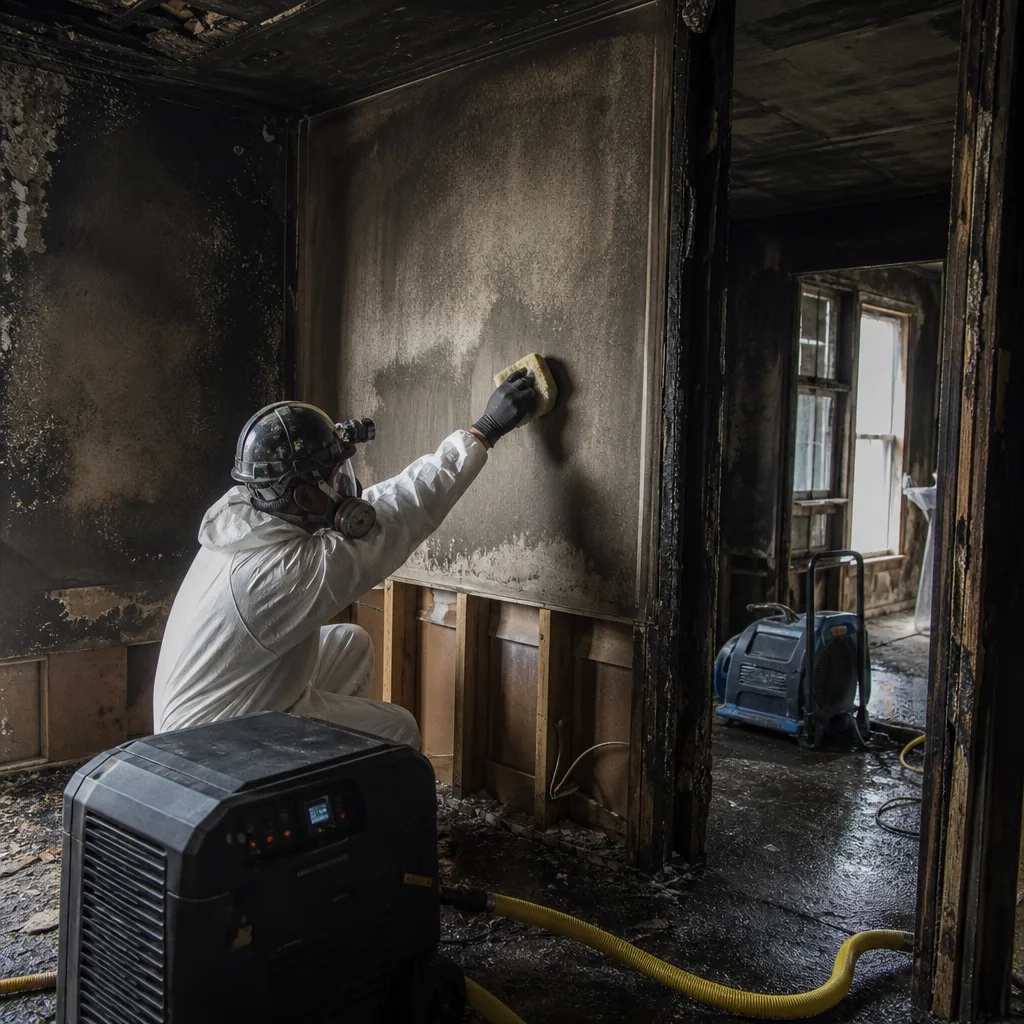
Water Extraction
Submersible pumps for deep water, extraction units for floors and wall cavities, and sub-slab inspection where groundwater is rising from below. In Lower Manhattan, standing water left more than a few hours becomes mold and a much larger claim, so speed is the entire equipment decision.
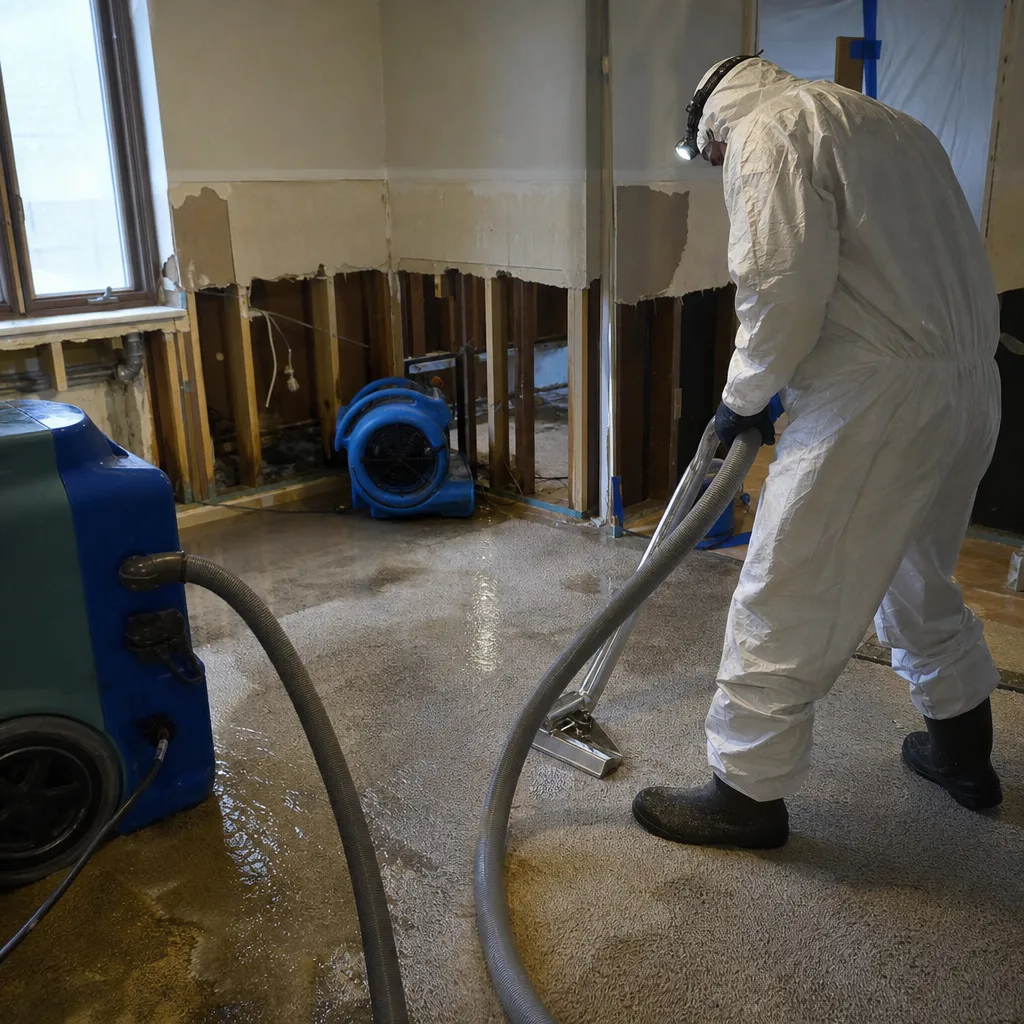
Emergency Board-Up
When a storm blows out a window on a high floor or tears a door off a loading bay, we secure the opening the same day. Board-up in Lower Manhattan buildings often has to meet building management’s security requirements, and we work with their protocols, not around them.
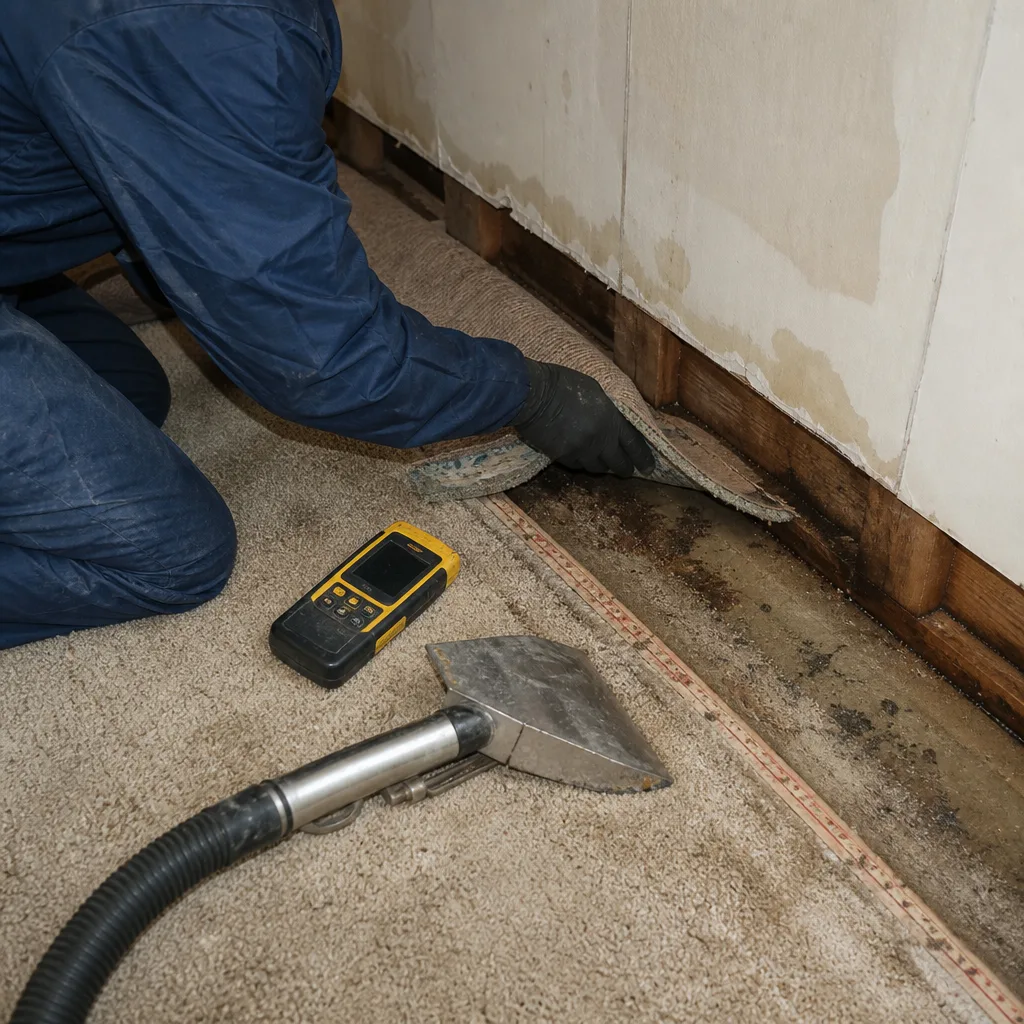
Roof Tarping
Wind-driven rain through a compromised roof is how a small leak becomes a ceiling collapse. We tarp and secure damaged roofing on townhouses and low-rise buildings, and we coordinate with the building’s roofer or provide a full repair scope if needed.
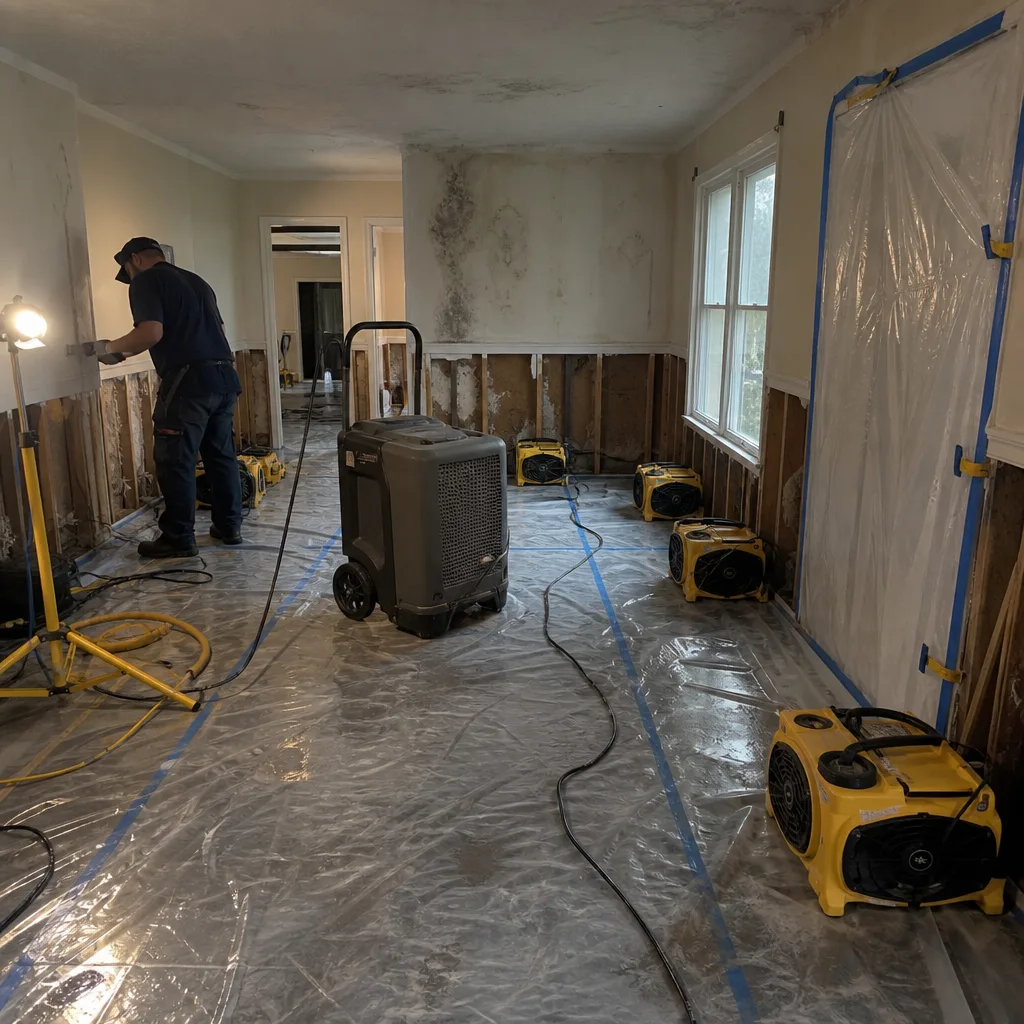
Debris Removal
After a storm, Lower Manhattan streets and setbacks fill with construction debris, broken glass, and wind-blown material from older facades. We clear the site safely and document what was storm-related versus pre-existing, which matters for your claim.
What happens when you call
- 1
A real person answersNo phone trees - you reach a local pro.
- 2
You get an upfront price rangeHonest numbers before anyone is dispatched.
- 3
A background-checked tech heads outLicensed & insured, dispatched right away.
- 4
You approve before work beginsNothing starts until you say go.
Storm & Disaster Restoration Costs in Lower Manhattan, NY
Honest numbers for Lower Manhattan, because you should know before you call. A straightforward storm water extraction with drying in a Financial District mechanical room or a Battery Park City ground-floor unit typically runs $1,800 to $4,500, depending on how much water and how much equipment the drying plan needs. A full flood damage restoration with drywall replacement, flooring, and mechanical restoration in a 1,000-square-foot loft usually lands between $8,000 and $25,000. Category 3 surge water adds sanitization, containment, and sometimes asbestos abatement sequencing, which is why a pre-1980 Financial District tower job can cost 20 to 30 percent more than a comparable Midtown or Brooklyn job. Emergency board-up runs $350 to $900 per opening, roof tarping $500 to $1,800 depending on access and roof type. The free visual inspection gives you a firm scope with real numbers before any work starts, and the 90-Day Done Right Promise is in writing on every job. If it’s not done right, Wade makes it right.
We Also Serve Cities Near Lower Manhattan
If your building sits just outside Lower Manhattan proper, we still cover you. Our crews regularly work in the Lower Manhattan area and the surrounding neighborhoods including Financial District, Midtown Manhattan, Astoria, and Long Island City.
Serving Lower Manhattan, NY - Our Local Coverage Area
We’re based in the Lower Manhattan area and know this community well. Use the map below to see our service coverage - if you’re nearby, we can almost certainly help.
Lower Manhattan Storm & Disaster Restoration Questions, Answered
How does Lower Manhattan’s landfill geology in Battery Park City change the scope of flood restoration versus a neighboring borough?
Battery Park City and the western Financial District waterfront sit on Hudson River landfill, which means during a surge event the groundwater table itself rises from below and can push water up through sub-basement slabs even when surface water never entered the building. In Brooklyn or Queens, surge is primarily surface-driven: water comes over bulkheads or up through drains and then recedes. In Lower Manhattan, the water can keep seeping through the slab for days after the surface water is gone. That changes the scope entirely: sub-slab extraction, longer drying of masonry and concrete, and moisture monitoring that continues well after the visible water is removed. If your contractor treats it like a Brooklyn basement flood, the slab keeps weeping and the mold clock keeps running.
What is a Flood Emergency Operations Plan, and why does it matter for storm restoration in Lower Manhattan co-ops?
After Sandy, many Lower Manhattan co-ops and commercial condos rewrote their building rules to require flood-rated finishes and equipment selections below the base flood elevation, and they codified those rules in a Flood Emergency Operations Plan that the building files and updates. That plan dictates what materials you can install in below-grade or ground-floor units and what elevation certain mechanical equipment must sit at. If a restoration contractor specifies standard drywall or a standard water heater below the BFE without checking the plan, the work can fail a certificate-of-occupancy inspection that a comparable job in Midtown or Brooklyn would never face. We check the FEOP on every Lower Manhattan job before we specify a single finish, because redoing the work costs more than reading the plan the first time.
How does asbestos in pre-1980 Financial District towers affect how quickly you can start drying after a flood?
Pre-1980 Financial District towers are full of asbestos: pipe insulation, floor tiles, fireproofing on structural steel, sometimes in drywall and plaster. After a flood, any disturbance of those materials requires abatement clearance before general restoration work can proceed. That creates a sequencing problem: wet drywall has a 24-to-48-hour window before mold takes hold, but if the asbestos clearance takes three days, you lose the mold window. The fix is parallel work: we get containment and air scrubbers running immediately, start drying what can be safely dried without disturbing asbestos-containing materials, and coordinate with the abatement contractor so the clearance testing happens as fast as possible. Waiting on all the paperwork before any drying equipment runs is how a small flood becomes a full mold remediation in a 1930s tower, and it’s a mistake we see from contractors who don’t work Lower Manhattan regularly.
What does storm restoration mean for aging cast-iron and masonry loft buildings in Tribeca after a nor’easter?
Those 19th-century cast-iron and masonry lofts hold water in ways modern drywall buildings don’t. The brick party walls wick moisture upward, the rubble stone foundations soak it in, and the original wood joists swell and shift as they dry. A nor’easter that drives rain through a roof or a window means the masonry itself is wet, not just the interior finishes, and drying plans have to account for the building’s structural movement. We take moisture readings on the masonry and foundation walls daily, not just the drywall. The drying plan on a Greenwich Street loft takes longer than the same square footage in a 2000s tower, because the building is absorbing and releasing water on its own schedule. Rush the drying and you get cracked plaster and warped flooring. Wait too long and you get mold in the wall cavities. The daily log is how you find the line.
Why would a building manager in the Financial District keep a restoration contractor on retainer rather than calling only during an emergency?
Because in Lower Manhattan, the time between “storm event” and “elevator pit full of Category 3 water” is measured in minutes, not hours, and the building manager who scrambles to find a contractor after the surge has already lost the drying window. A retainer means we know the building before the emergency: the location of the mechanical rooms, the age of the asbestos-containing materials, the flood elevation requirements from the FEOP, and the contact information for the building’s insurance broker. When the nor’easter hits, we’re already staged with equipment, and we start extraction before the outside contractors are even off the Brooklyn Bridge. For a 1930s tower with a sub-basement full of equipment, the retainer is what keeps a surge from becoming a total mechanical replacement.
How fast can you actually get to a building in Lower Manhattan after a storm?
Inside the hour in most of Lower Manhattan. Wade answers the phone himself at (201) 740-2235, and he dispatches crews from our New York City office directly into the affected neighborhood. We’re not routing calls through a national call center, and we’re not sending a crew from New Jersey or Connecticut. The fastest extraction is the one that starts before the water has finished rising, and in Lower Manhattan we can be pumping while the streets are still draining.
Will my insurance cover storm and flood damage in Lower Manhattan?
It depends on the policy and the cause. Standard property policies cover wind damage, rain entering through a storm-damaged opening, and burst pipes. Flood damage from surge or rising groundwater requires a separate flood policy, typically through NFIP or a private carrier. In Lower Manhattan after Sandy, many buildings carry both, and the claim often involves multiple policies from different carriers. We document the loss so the cause is clear, we photograph everything before, during, and after extraction, and Wade talks to the adjusters directly. The documentation is what determines what gets covered, and we hand it over in full. Call (201) 740-2235 for help sorting out what applies to your specific building.
Do I really need full storm restoration, or can I just clean it up myself?
If the water came from a Category 3 source, which includes Hudson River surge, combined sewer backup, or groundwater that has picked up contamination, a shop vac and some bleach is not cleanup. Category 3 water carries pathogenic material, and without proper extraction, drying, and sanitization you get mold in the wall cavities and mechanical room that nobody sees until it’s a problem. In a pre-war Lower Manhattan building with asbestos-containing materials, the sequence gets even more technical. We give you the free visual inspection and an honest answer about what’s cleanable and what needs full restoration. No pressure, just the facts, then the choice is yours. Call (201) 740-2235.
Written by Wade Ferris, Owner at Wade’s Restoration. Wade has worked Lower Manhattan properties since 2007, from Battery Park City high-rises to Tribeca lofts, and he still answers his own phone.
If your building took water in Lower Manhattan, don’t wait for the mold to make the decision for you. Call (201) 740-2235 now for a free visual inspection and a straight answer about what you’re facing. Wade picks up.