
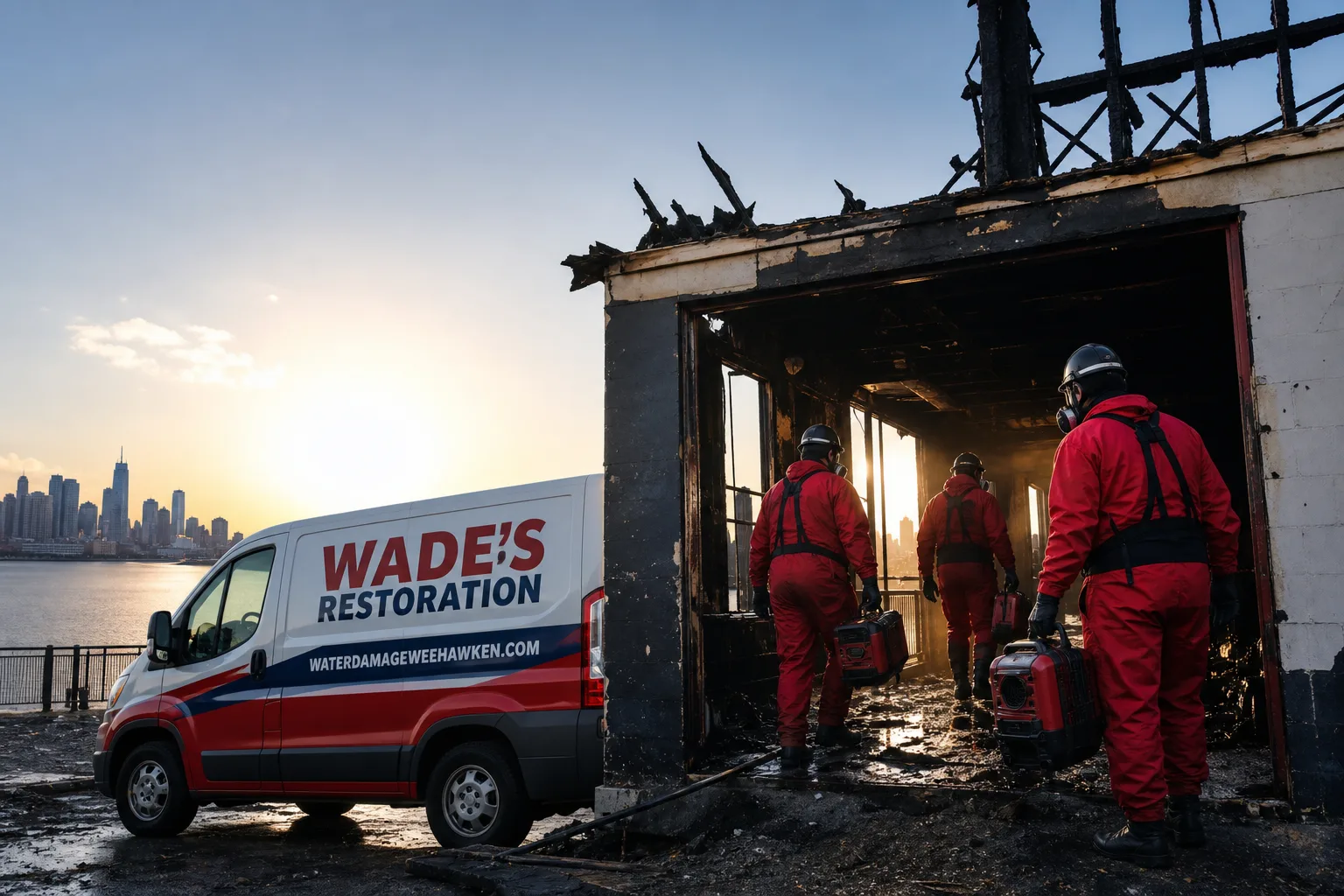
Free visual inspection and a written scope of work before any mitigation begins - photos, moisture readings, and drying logs go in your claim file
The scope we write is the scope we bill. Anything new gets shown to you, in writing, before we touch it.
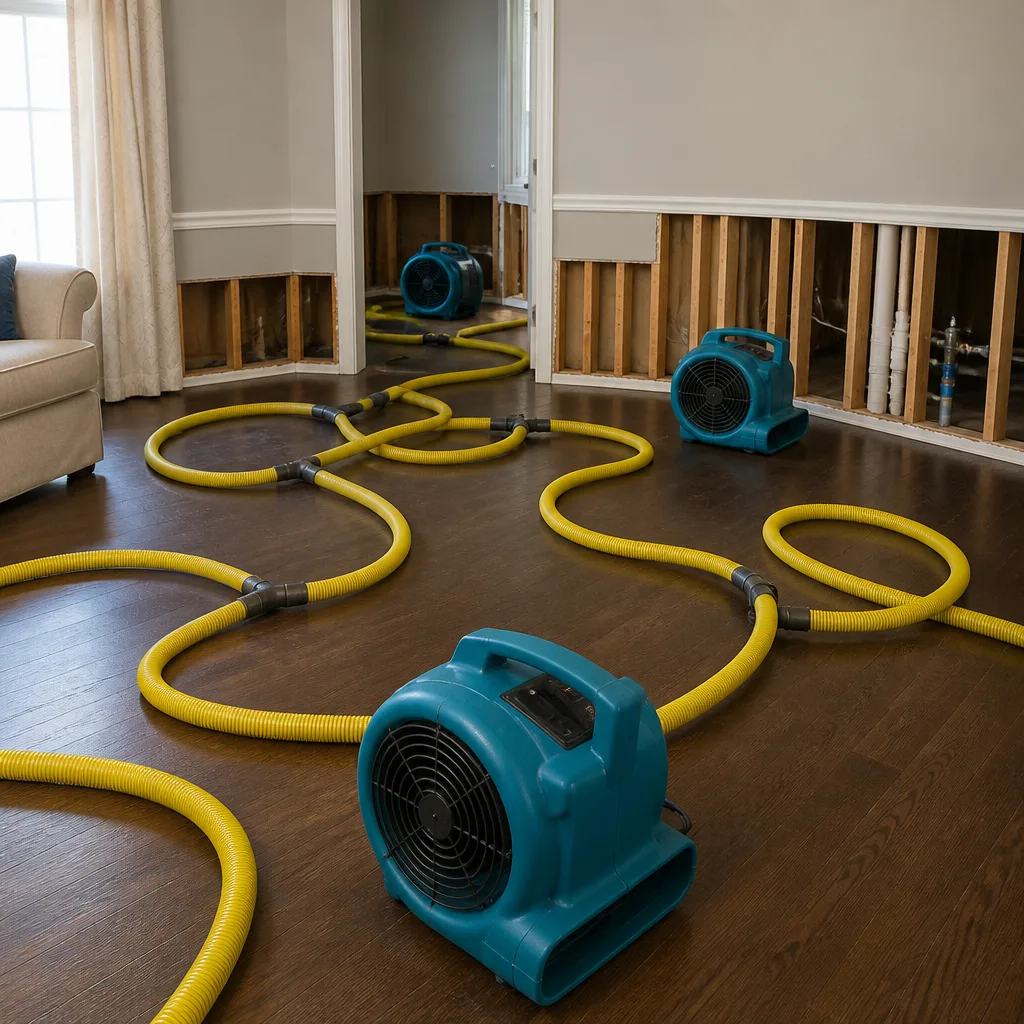
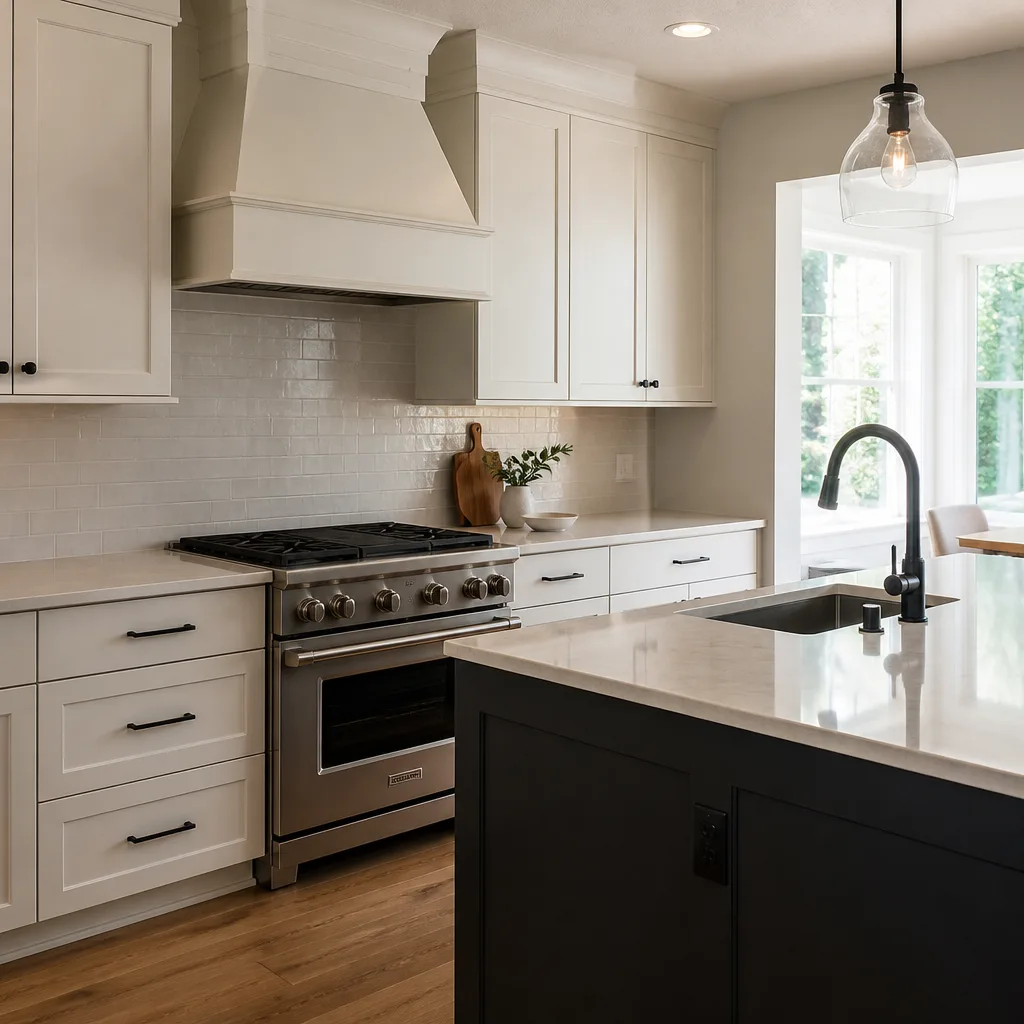
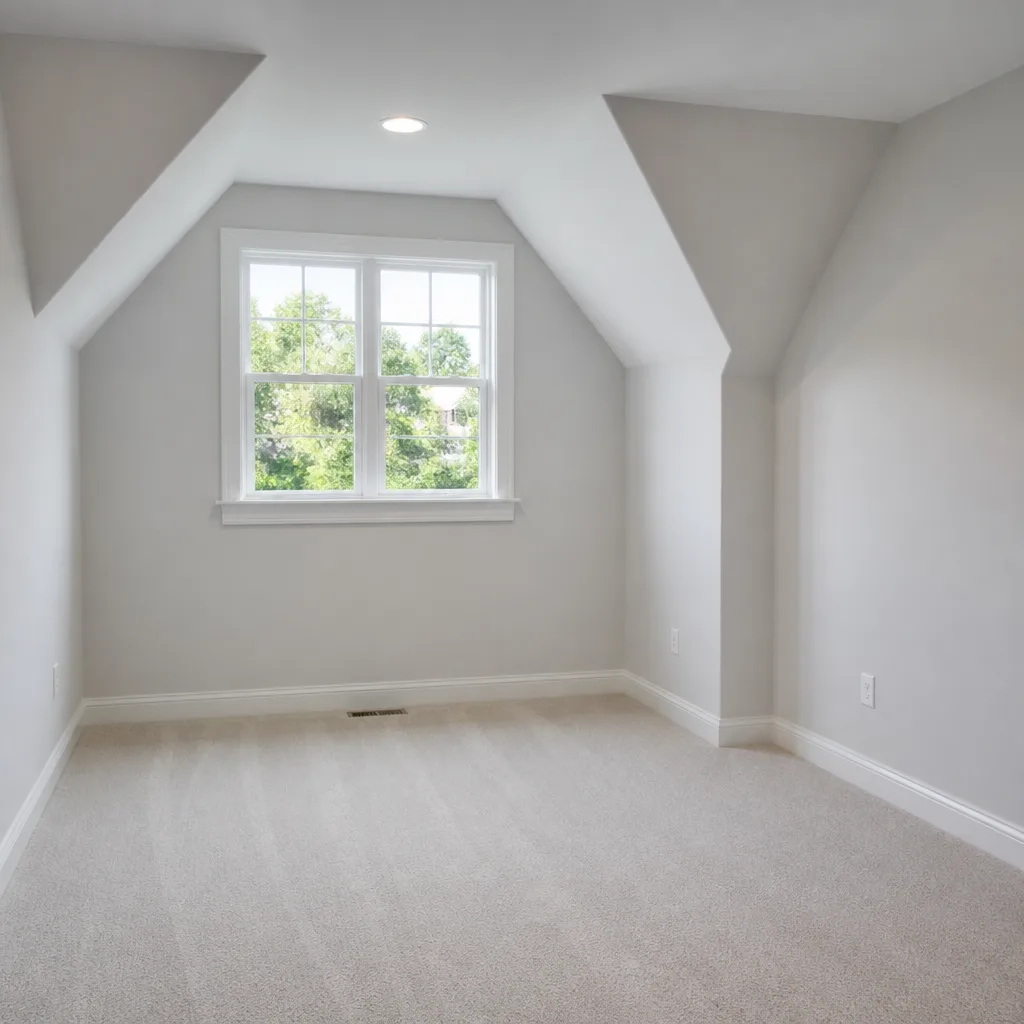
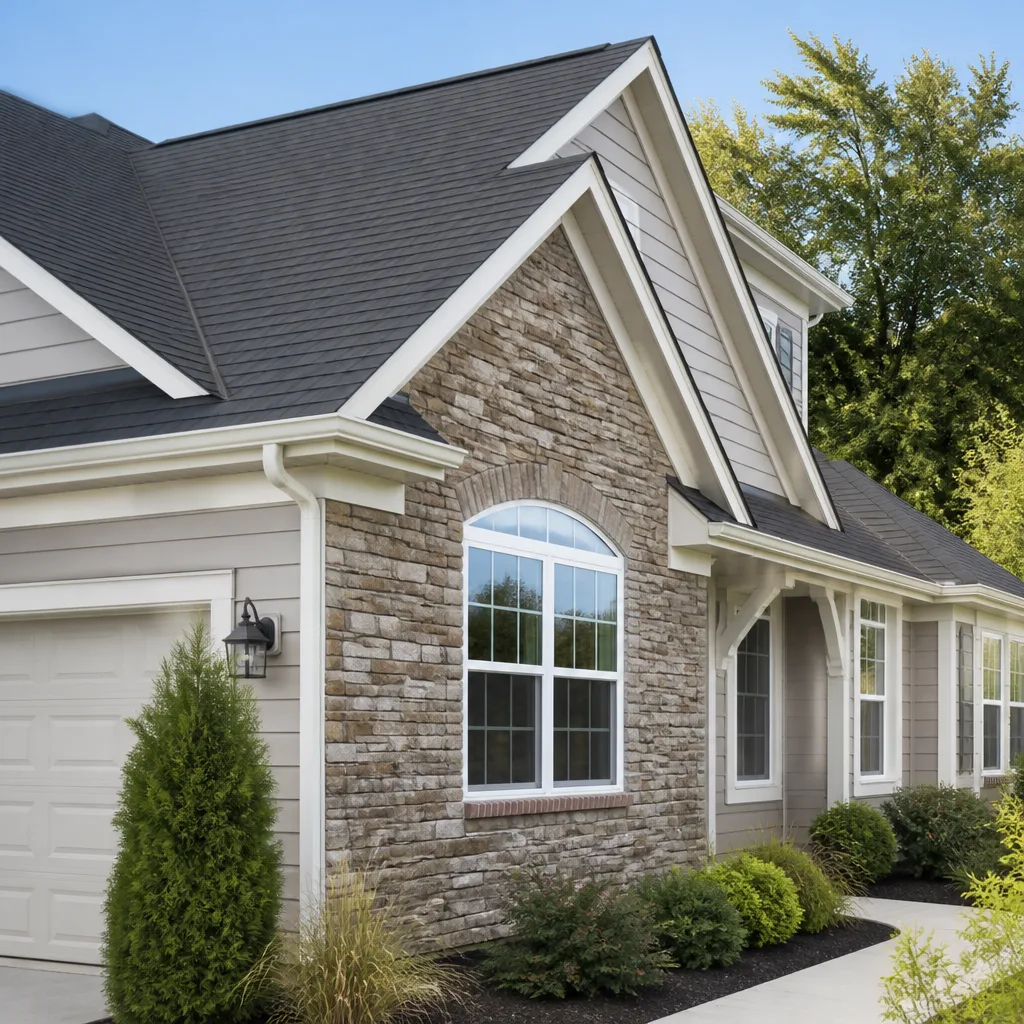
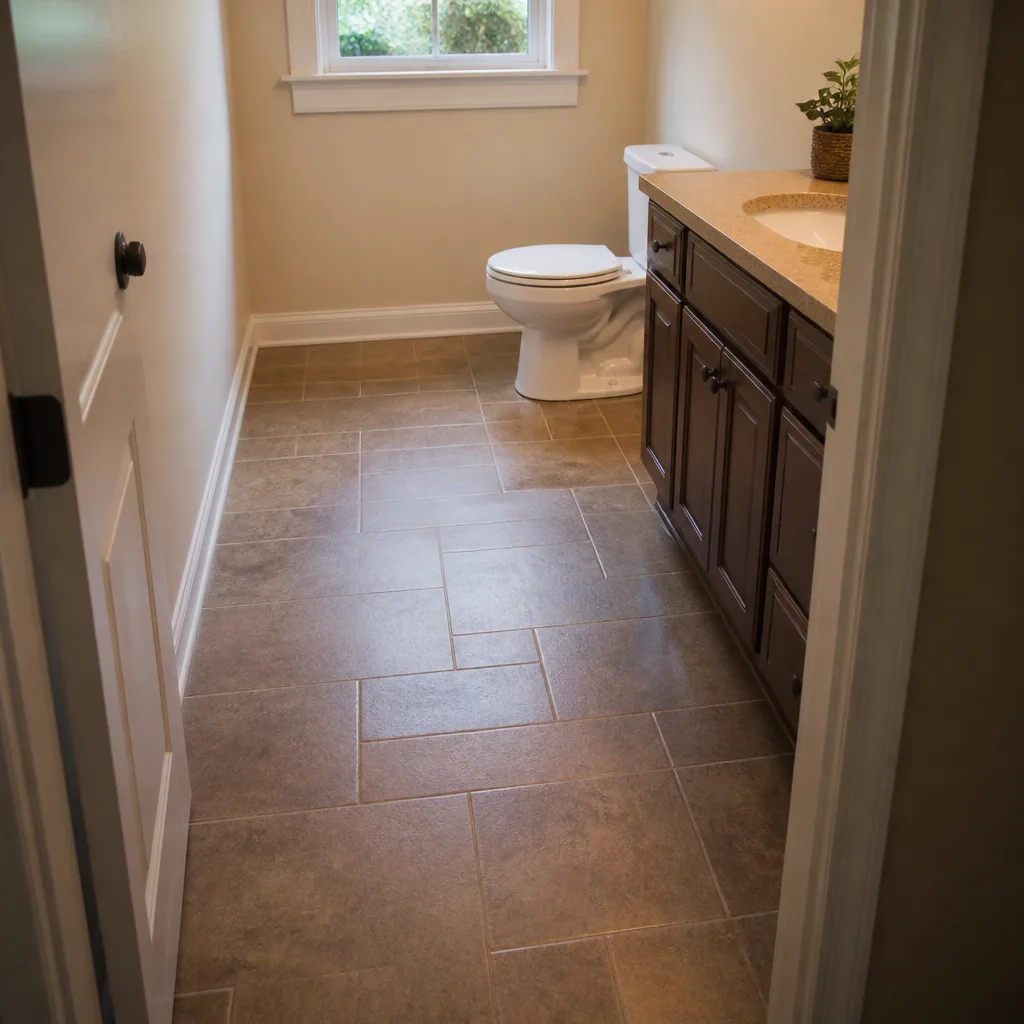
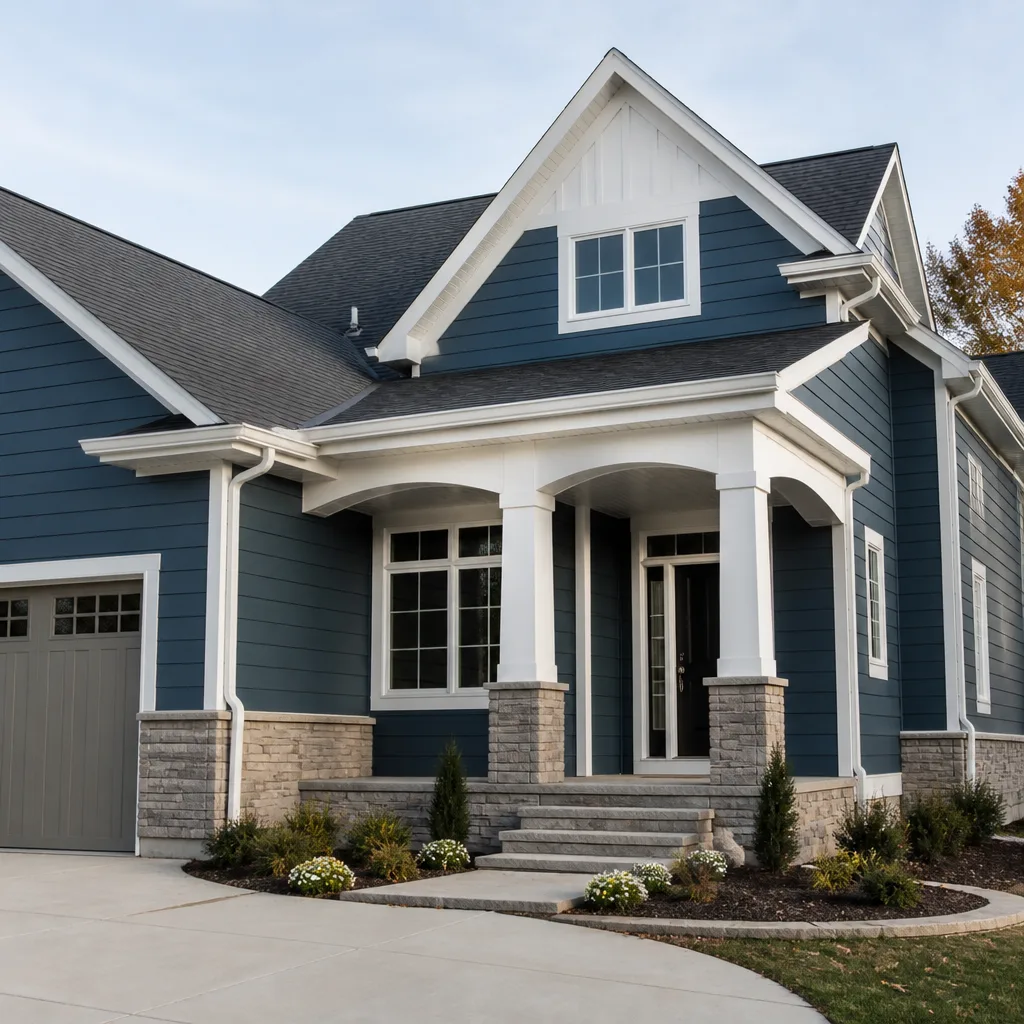
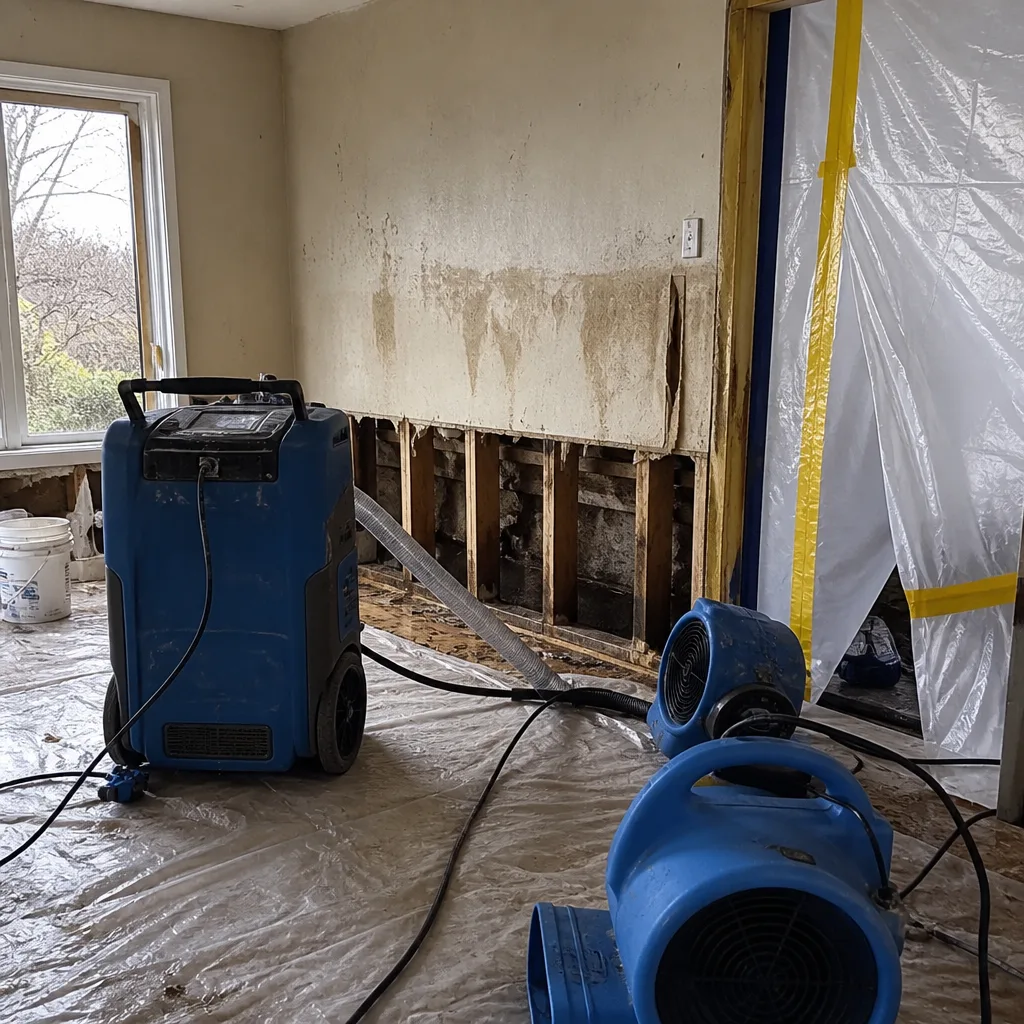 Before
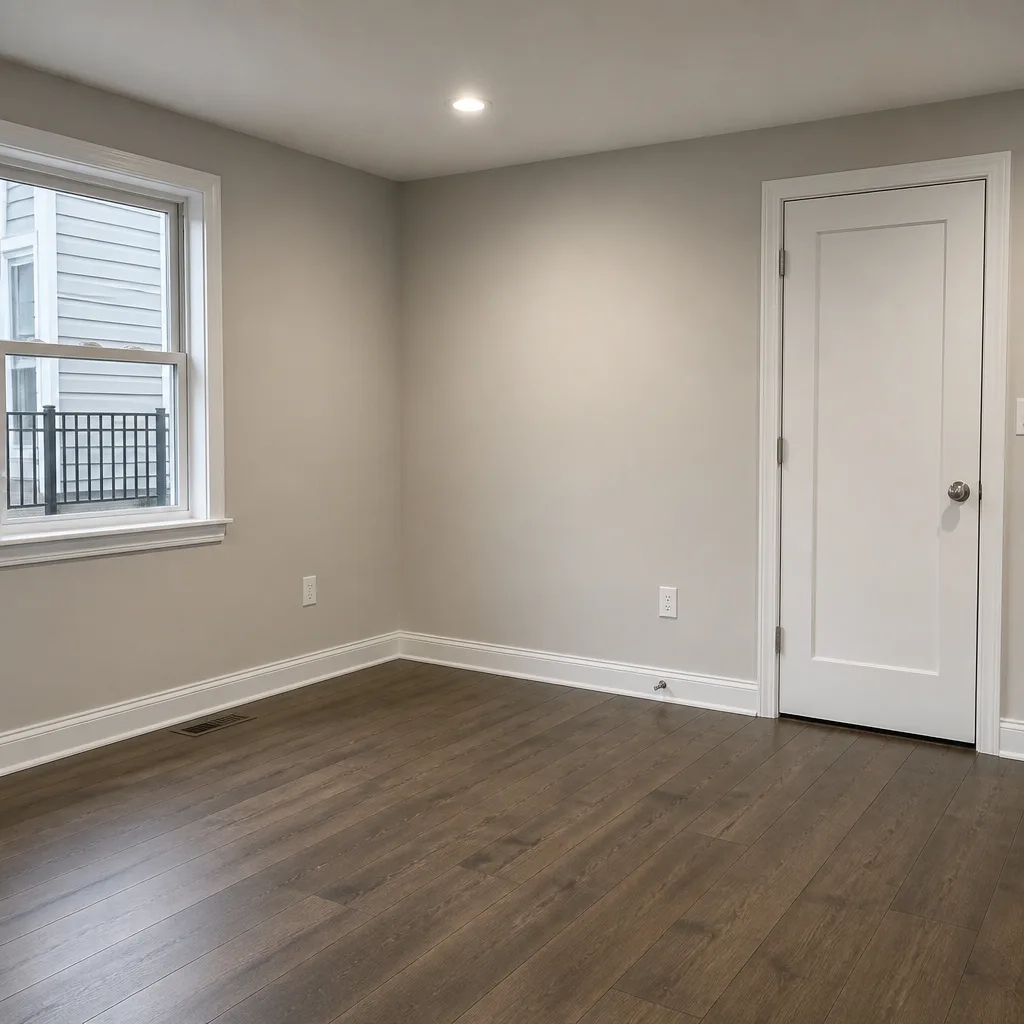 After
After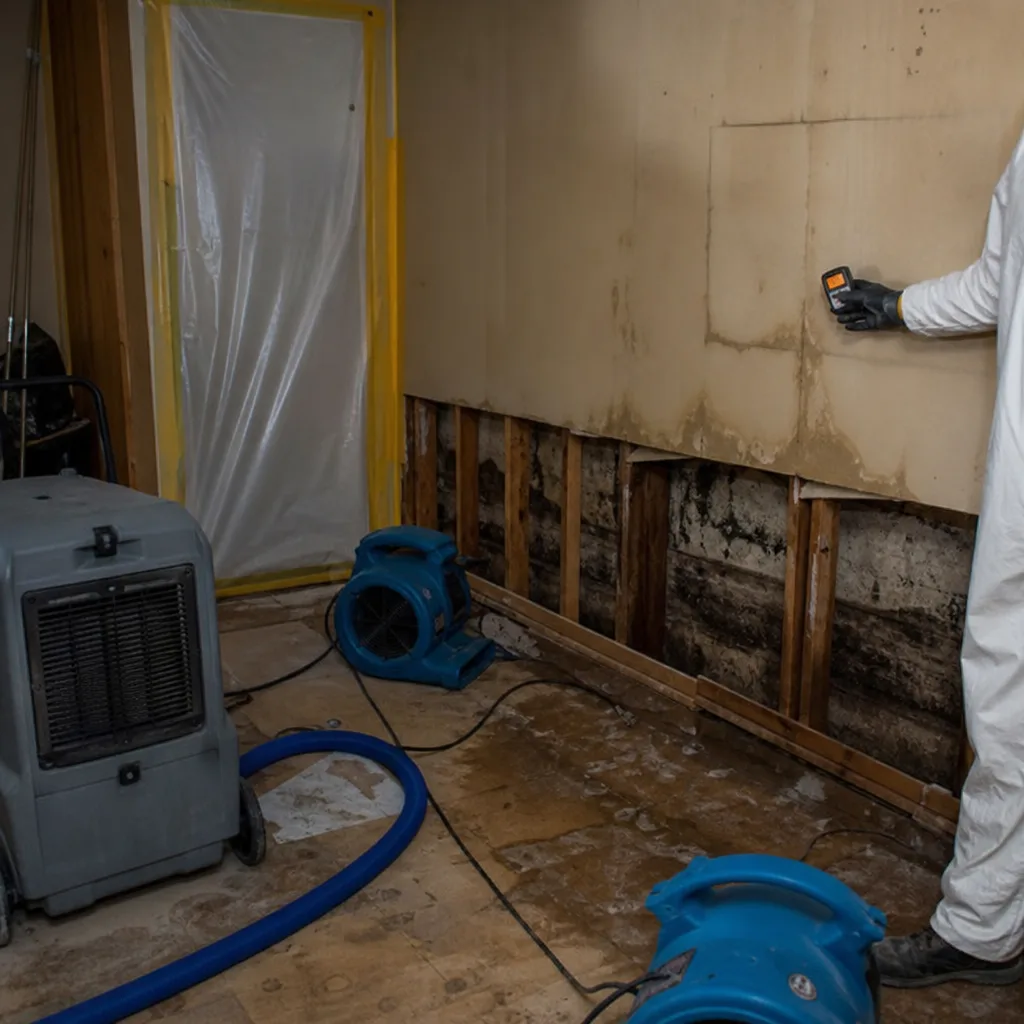 Before
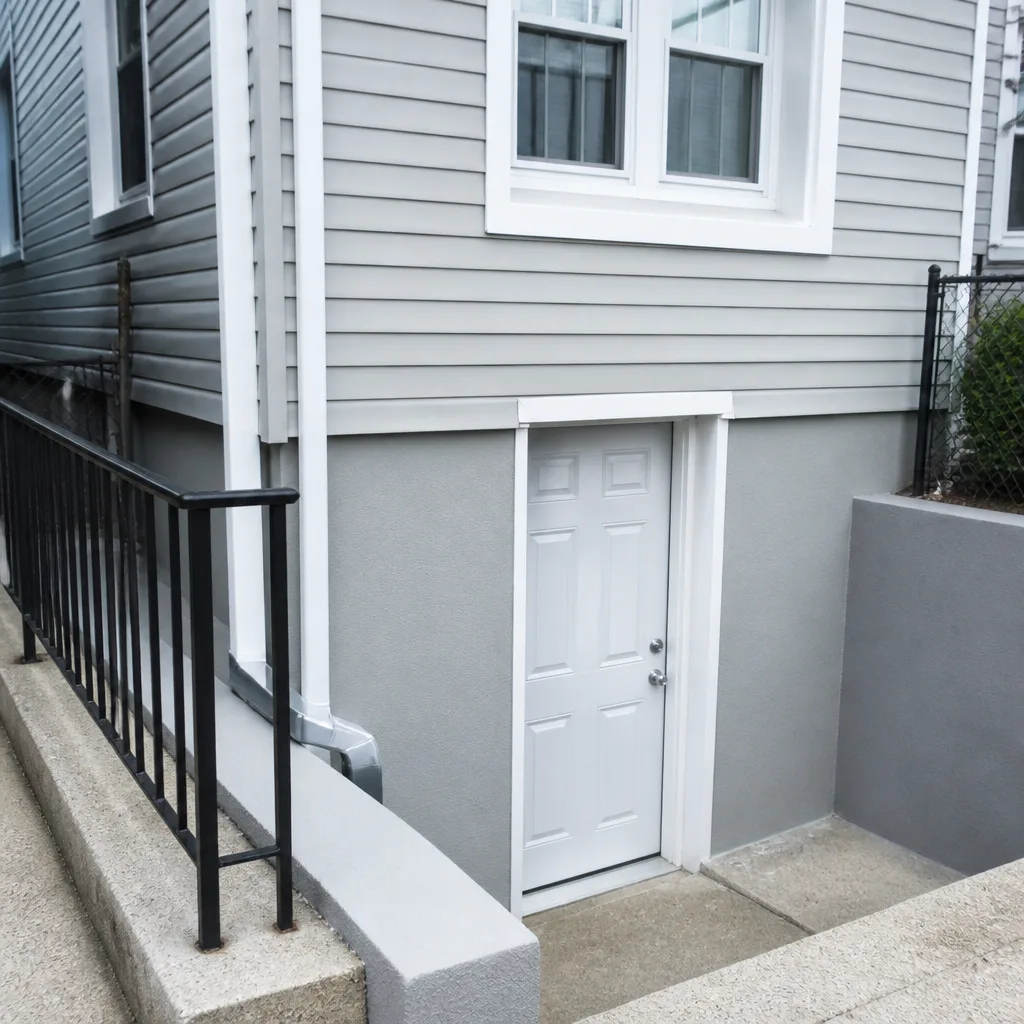 After
After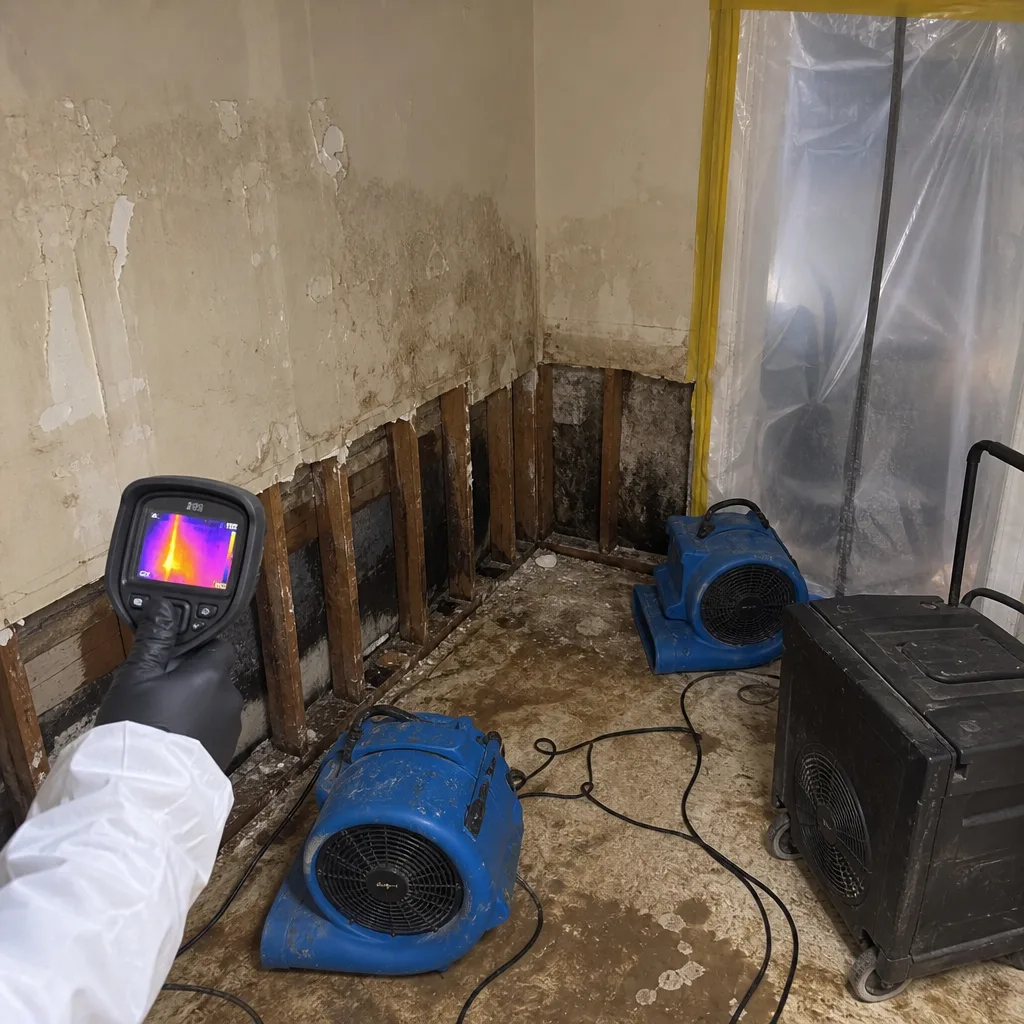 Before
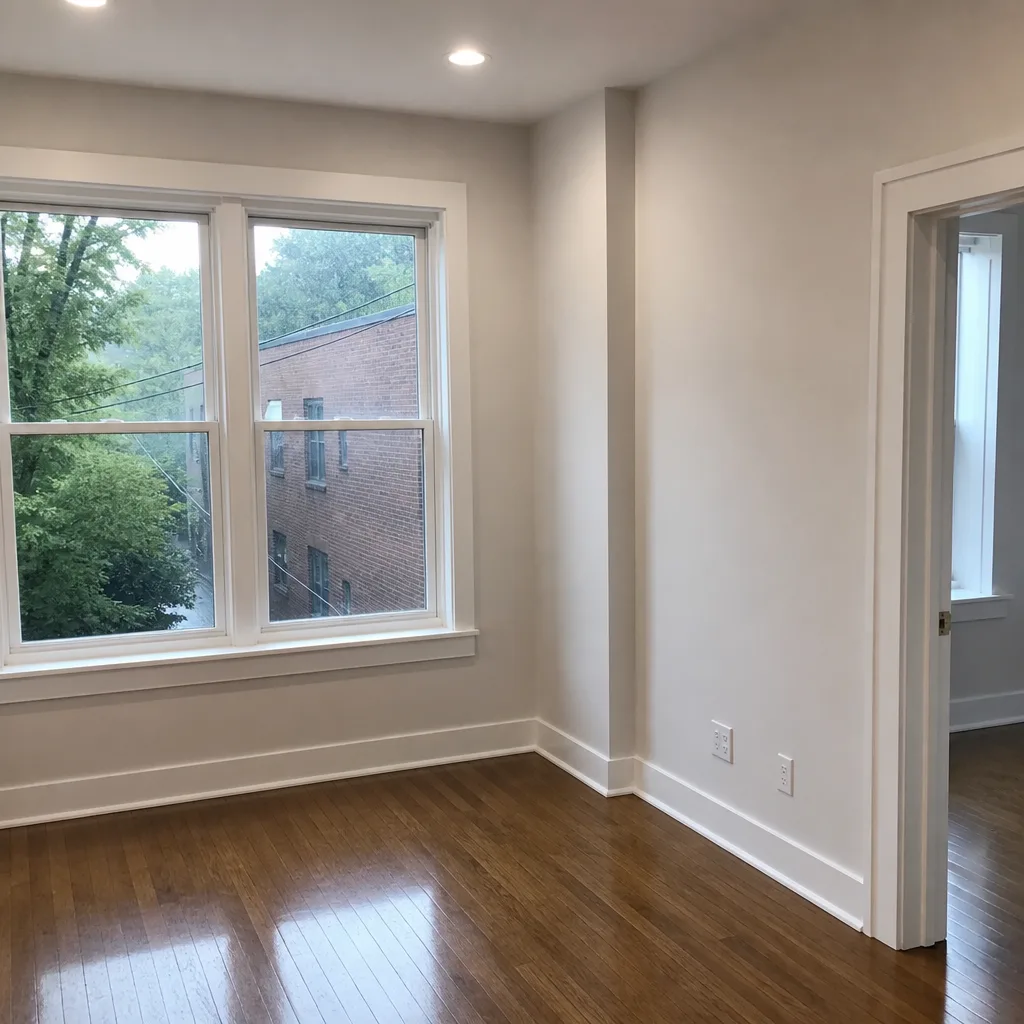 After
After24/7 Emergency Mold Remediation in West New York
Mold doesn’t wait for business hours in West New York, and neither do we. If you’ve found black spots spreading across a bathroom ceiling in a Boulevard East apartment, or smelled that musty odor coming from a shared wall cavity, call (201) 740-2235 right now and Wade Ferris will answer. Not an answering service. Not a call center. The owner himself, 24 hours a day, seven days a week.
Mold in West New York’s dense brick buildings moves fast. A small patch behind a bathroom vanity can root into plaster-over-masonry walls and spread through a shared plumbing chase within 48 hours. Every hour that passes means more demolition, more containment, and a higher cost to get it done right. We arrive fast, assess honestly, and tell you exactly what we’re seeing, whether that’s a quick surface treatment or a full Mold Remediation project across multiple units.
Understanding Mold Remediation Severity in West New York Properties
Mold severity isn’t just about how much you can see. In West New York’s pre-war and mid-century brick apartment buildings, the real story lives inside the walls. Plaster applied directly over masonry holds moisture differently than drywall over framing. When a shared downspout stack leaks, water can travel down through three or four floors before anyone notices, soaking wall cavities the whole way. By the time mold blooms on a fourth-floor wall, the damage below could be three weeks old.
We classify mold work by three factors: the moisture source (active leak versus condensation), the affected area’s square footage, and whether the HVAC system has spread spores through common areas. A contained bathroom patch under 10 square feet is a different job entirely from a multi-floor outbreak fed by a failing rooftop parapet. In West New York, we’re far more likely to see the second scenario than the first, because shared roof drains and stacked plumbing chases turn what looks like a one-unit problem into a building-wide investigation.
Why West New York Property Owners Choose Wade’s Restoration
- Wade answers his own phone. Not a dispatcher, not a menu tree. Call at 2 a.m. and you’ll hear his voice, and he’ll be on the road to West New York within the hour.
- IICRC-certified technicians. Our crew holds AMRT (Applied Microbial Remediation Technician) and WRT (Water Damage Restoration Technician) certifications, plus RIA affiliation. The right training for mold, not just water.
- Free visual inspection. We’ll tell you if you have a real mold problem or just mildew from a steamy shower. No charge for that. A free second opinion on any written estimate, too.
- Direct insurance billing. We talk to your adjuster, square foot by square foot, photo by photo. You’re not stuck relaying information between two sides.
- One company from start to finish. We don’t do containment and hand you off to another contractor for repairs. Wade’s crew handles the whole job, from first moisture reading to final paint.
- The 90-Day Done Right Promise. If it’s not done right, we make it right. In writing, on every mold restoration contract. Ask anyone on your street.
Our Mold Remediation Process
Inspection & Assessment
We start with thermal imaging to find moisture behind plaster walls that no amount of visual inspection would catch. Wade checks the unit, the shared walls, the common hallways, and if needed, the roof drains and parapets that feed water into the building.
Containment & Source Control
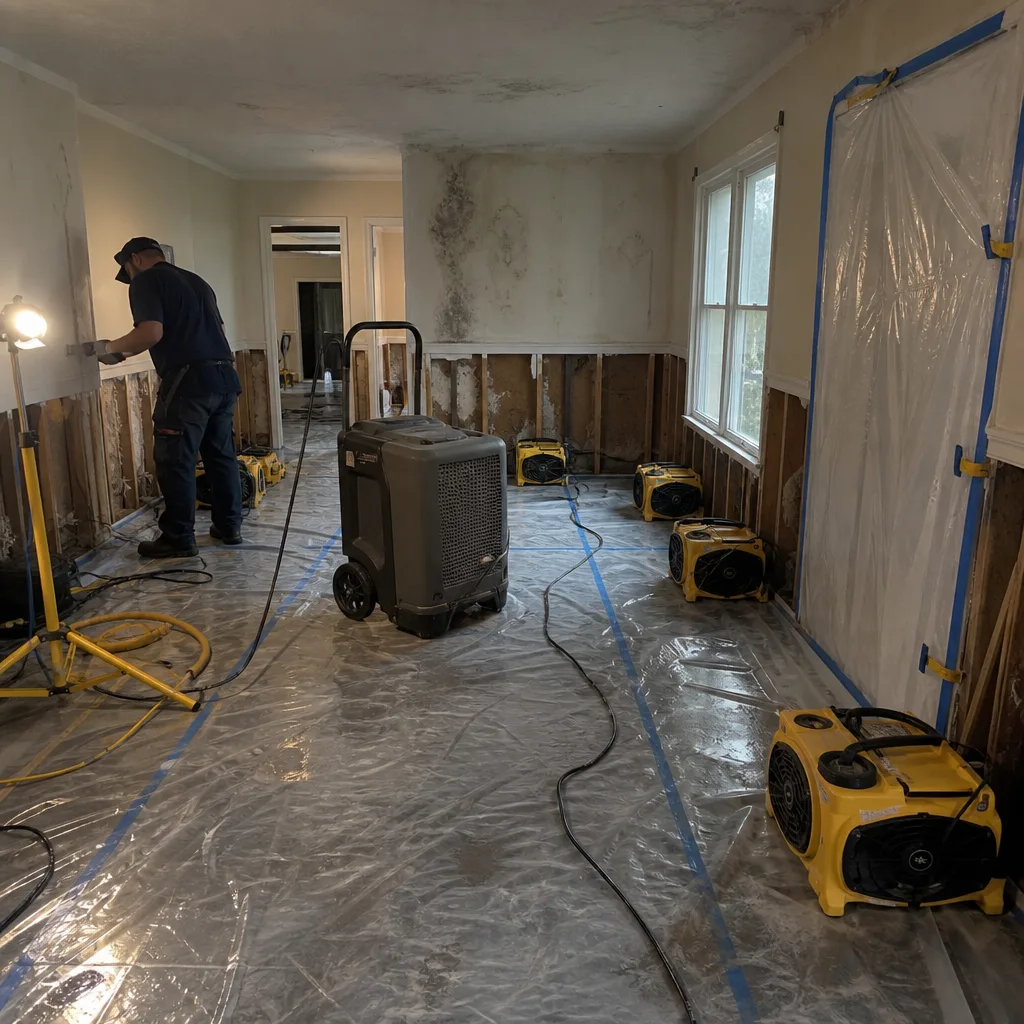
Before any demolition, we seal the affected floor or unit with plastic sheeting and negative air pressure. In occupied West New York apartment buildings, this step is non-negotiable. Mold spores can’t be allowed to drift through common hallways into neighboring units.
Drying & Dehumidification
Plaster-over-masonry walls need more than air movers. We use injection drying systems and Dri-Eaz dehumidifiers to pull moisture out of wall cavities, documenting readings twice daily until numbers match pre-loss condition. You’ll get the full log at the end.
Removal & Cleaning
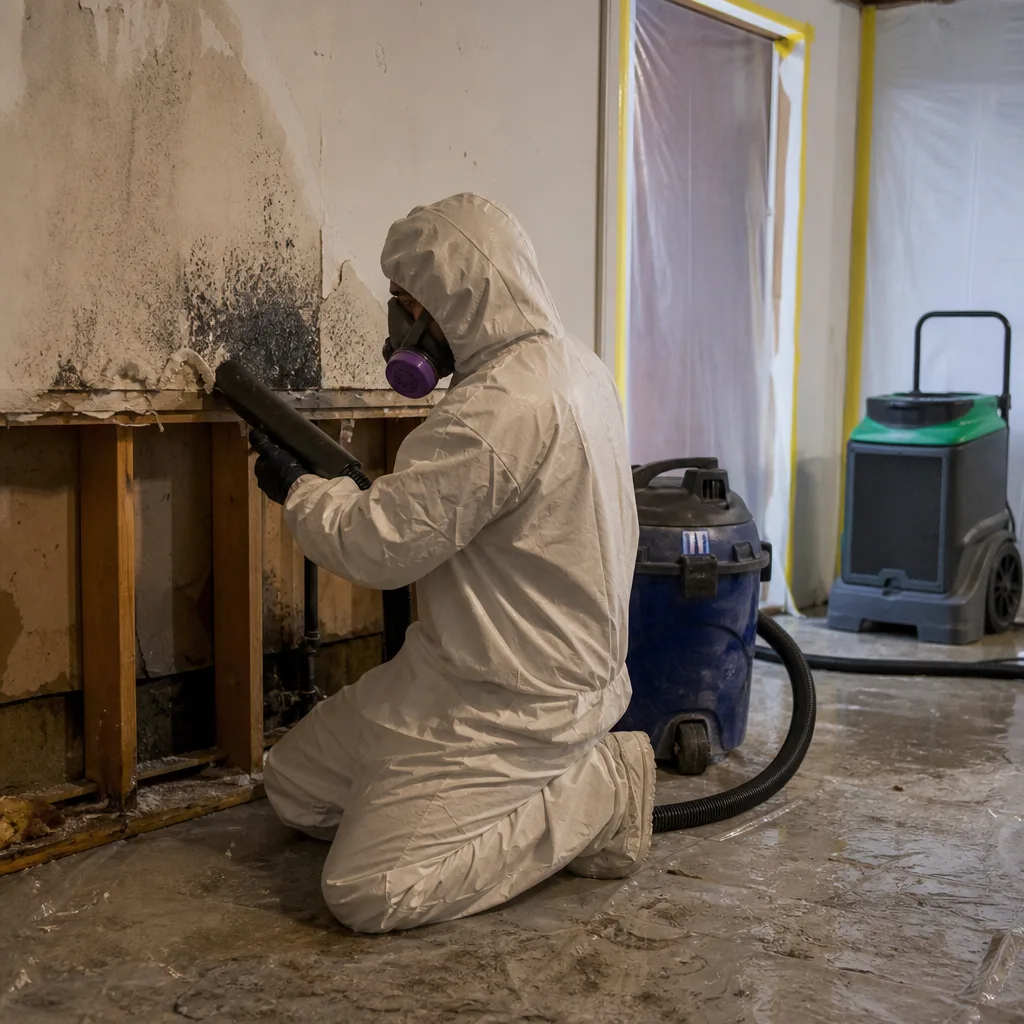
We remove affected plaster and lath down to masonry, HEPA-vacuum every exposed surface, and dispose of contaminated materials in sealed bags. The goal is to take the mold out of the building, not just stir it around.
Air Scrubbing & Clearance Testing
B-Air HEPA scrubbers run continuously during remediation. After cleanup, independent air sampling confirms spore counts are back to normal for an urban Hudson County building, not a sterile laboratory. That’s a real standard you can verify.
Repairs & Restoration
We rebuild what we removed: new plaster or drywall, paint, trim, and any affected flooring. You’re not left with a gutted apartment and a list of contractors to call. Same crew, same job, same 90-Day Done Right Promise.
Need Emergency Mold Remediation in West New York Now?
Crews minutes away, answering live 24 hours a day. The sooner we start, the less it costs.
Working With Your Insurance Company
Mold claims in West New York apartments get complicated fast. Is it the tenant’s policy, the landlord’s policy, or both? Was the water source sudden and accidental, or a slow leak the carrier calls maintenance? Wade has been handling these conversations since 2007 and deals with the adjuster directly, so you don’t have to become an insurance expert overnight.
We document from the first hour: photos of every affected surface, moisture readings before and after drying, and a line-item scope that matches what the IICRC standards actually call for. If your adjuster pushes back, Wade gets on the phone and explains the building science in terms they can’t wave away.
What We Provide Your Insurer
- Thorough documentation of the loss
- Photos of all damage, room by room
- Moisture readings and drying logs
- A detailed, line-item scope of work
- Direct coordination with your carrier
Built for West New York’s Loss Calendar
Mold problems in West New York follow a seasonal pattern tied directly to the town’s geography and building age. January’s deep freezes burst supply lines in unheated stairwells and parapet walls. The water runs down through four floors of plaster before anyone notices, and by March, mold is blooming along the same path. Spring thaw brings another wave, as saturated masonry behind failed flashings releases weeks of trapped moisture into wall cavities.
Summer in West New York means humidity hovering near 70 percent, and in buildings without vapor barriers or proper ventilation, that’s enough to feed mold behind kitchen cabinets and bathroom vanities on its own. Then come summer thunderstorms. Flat roofs and shared internal downspouts can’t handle sudden downpours, and water finds every crack in aging parapet walls. Lower-tier streets near the Hudson, the ones that flooded during Sandy in 2012, remain vulnerable to storm surge and river flooding, and some of those buildings still carry hidden mold from water that never fully dried a decade ago.
West New York is one of the most densely populated square miles in the country, packed almost entirely with pre-WWII and mid-century multi-unit brick apartment buildings. A single burst pipe, appliance leak, or mold outbreak in one unit almost always cascades through multiple floors and neighboring apartments simultaneously. Nearly every job we do here involves coordinating access with landlords, multiple tenants, and separate insurance claims under one roof. That complexity is rare in single-family suburbs just a few miles away, but it’s the daily reality of Mold Remediation in West New York.
Mold Remediation Across West New York’s Neighborhoods
Every neighborhood in West New York has its own mold profile, and we’ve worked most of them enough to know what to expect before we park the truck. Along Boulevard East, the pre-war brick co-ops and condos are some of the most beautiful buildings in Hudson County, but their age means cast iron and galvanized plumbing inside shared chases, and kitchens and bathrooms stacked on the same drain lines floor after floor. When mold shows up on a Boulevard East fourth floor, we almost always find the moisture source two or three floors below.
Down in the lower-tier streets between Park Avenue and the Hudson riverfront, Sandy’s surge left a legacy that still shows up in our moisture readings. Buildings that took on river water in 2012 sometimes never fully dried inside masonry walls, and we regularly find hidden mold in basements and first-floor units where owners assumed everything was handled years ago. The Palisades cliff zone adds another wrinkle. Freeze-thaw cycles stress rooftop flashings and parapets, and when water gets behind a parapet wall on a building near the cliff’s edge, there’s nothing below but more building.
Over near Bergenline Avenue and the central blocks around 60th Street, the mid-century apartments have their own pattern: poorly vented bathrooms, aging internal downspout stacks, and wall cavities that trap humidity for months. A mold inspection in these buildings always includes checking the bathroom exhaust fans, the kitchen venting, and whether the building has any vapor barrier at all. Most don’t.
The tight side streets off Palisade Avenue and down toward the waterfront are where we see blocked shared roof drains turn one tenant’s ceiling stain into a full-building moisture event. When a single internal downspout serves five floors and it clogs, the water has exactly one place to go: down through the walls, one floor at a time.
Specialized Mold Remediation Services We Offer in West New York
Mold Inspection & Testing
In an old brick building, visual inspection isn’t enough. We use thermal imaging and moisture meters to find water that’s still moving inside plaster-over-masonry walls, long after the visible mold has been wiped away. That’s how we trace the real source in West New York’s stacked apartments, whether it’s a leaking drain line in the apartment above or a rooftop parapet feeding water into a shared chase.
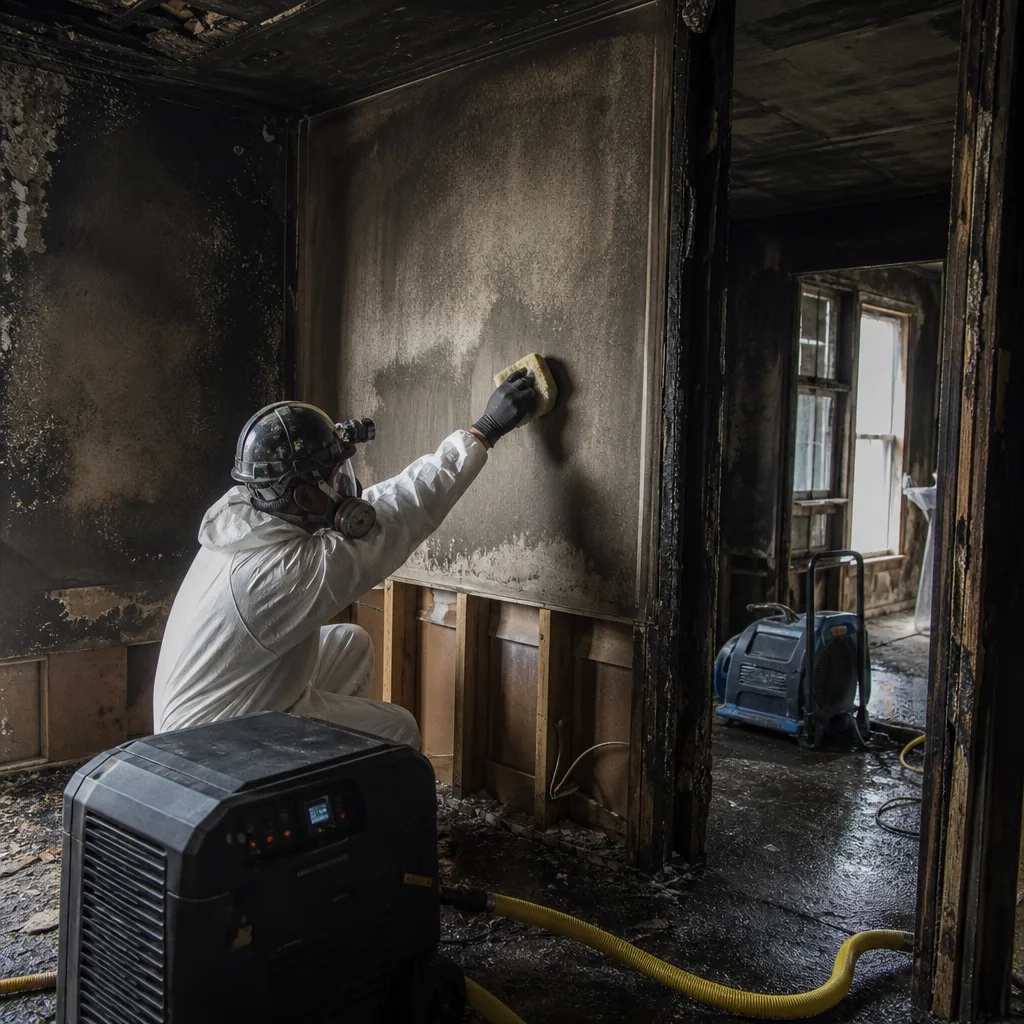
Mold Removal
Removing mold from a pre-war apartment means controlling the demolition. We remove contaminated plaster and lath, HEPA-vacuum every exposed surface, and seal the affected area so spores don’t drift into the common hallway. In occupied buildings, we schedule work around tenants’ lives and keep containment tight the entire time.
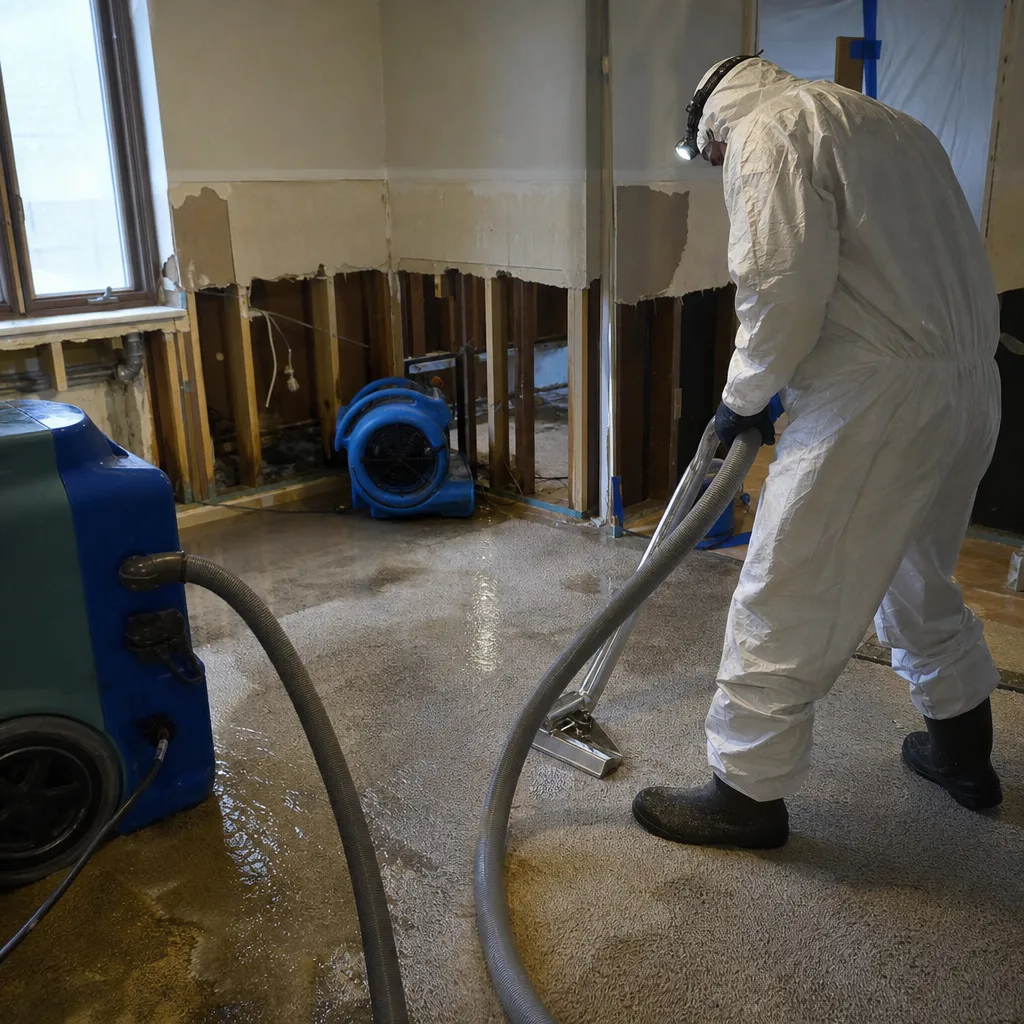
Black Mold Remediation
Black mold gets attention for a reason, but the color matters less than the moisture source and the spore load. In West New York’s dense housing, black mold in one unit almost always means water behind a shared wall, and that means the fix has to involve more than cleaning what’s visible. We trace the water, contain the affected floors, and document everything for your landlord or adjuster.
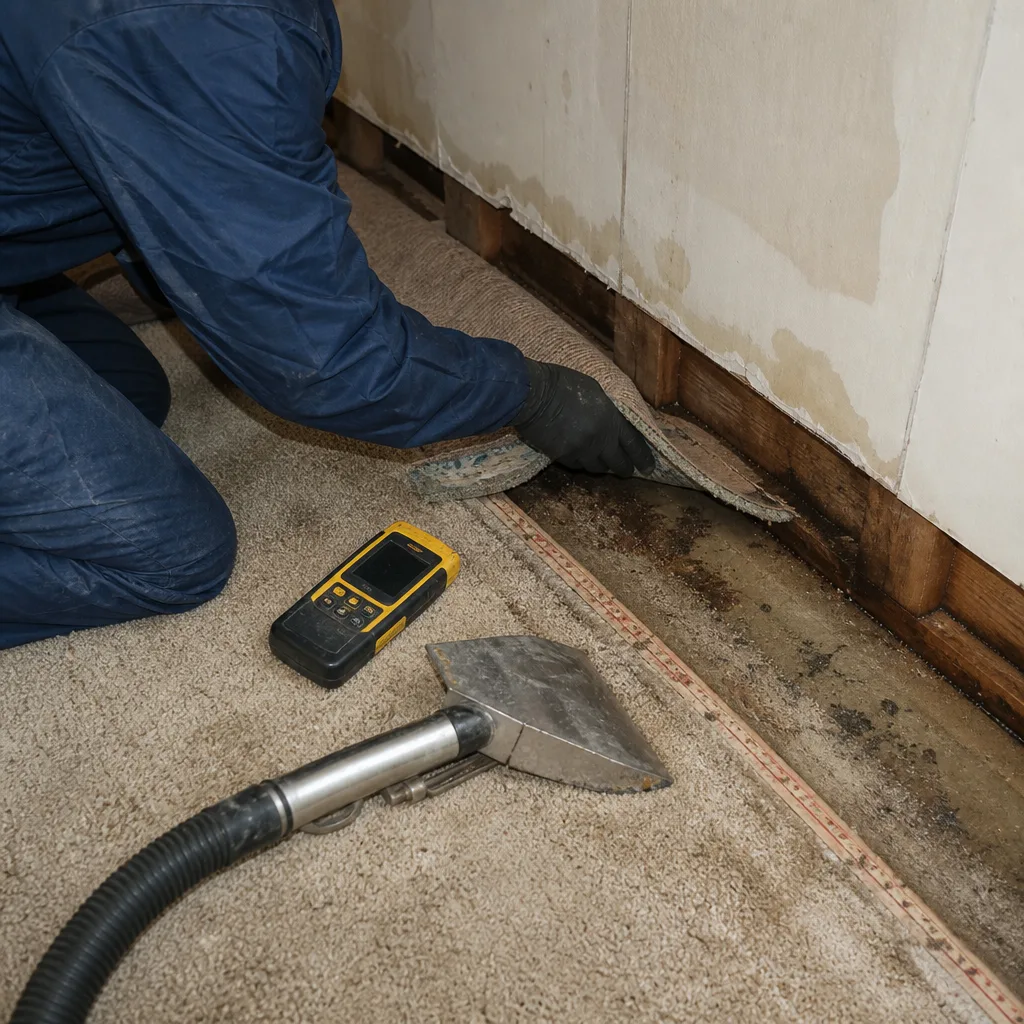
Air Quality Restoration
After mold removal, the air in an old apartment building can still carry spore counts high enough to trigger allergies and asthma. We run HEPA air scrubbers during the job and verify with post-remediation air sampling. The standard we use is realistic for an urban building, not a clean room, but it tells you whether the air you’re breathing is back to normal for West New York.
Crawl Space Treatment
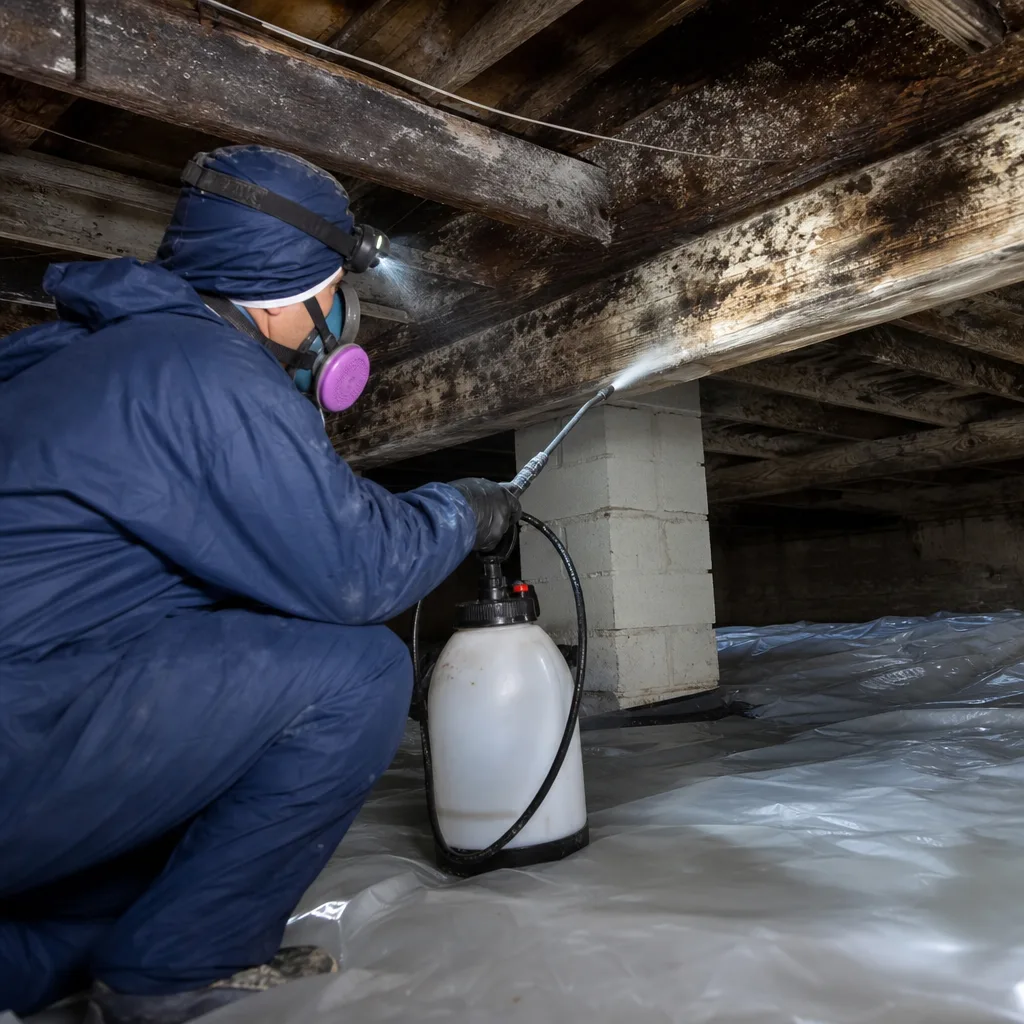
Some West New York buildings have crawl spaces or cellar areas that sit below grade and stay damp year-round, especially in the lower-tier blocks near the Hudson. We treat framing and masonry with antimicrobials, install moisture barriers where possible, and address the ventilation or drainage issue that keeps feeding the problem.
Moisture & Humidity Control
Mold comes back when the moisture doesn’t go away. In a 60-year-old apartment building, that means shared plumbing chases, roof drains, parapet walls, and the humidity level inside wall cavities. We’ll tell you what’s causing the ongoing moisture and what needs to change, whether it’s a plumbing repair, a roof fix, or simply adding ventilation and dehumidification where the building has neither.
What happens when you call
- 1
A real person answersNo phone trees - you reach a local pro.
- 2
You get an upfront price rangeHonest numbers before anyone is dispatched.
- 3
A background-checked tech heads outLicensed & insured, dispatched right away.
- 4
You approve before work beginsNothing starts until you say go.
Mold Remediation Costs in West New York, NJ
Mold remediation in West New York runs a wide range because building type and moisture source matter more than square footage alone. A contained bathroom patch in a single unit typically runs $500 to $1,200. A multi-floor outbreak involving containment on multiple occupied floors, plaster removal to exposed masonry, and drying with injection systems runs $4,000 to $12,000 or more, depending on how many units and floors are affected. A full-building scenario, like a blocked shared roof drain that saturated a four-story downspout stack, can reach $20,000 or higher.
| Service | Typical Range in West New York |
|---|---|
| Mold inspection & testing | $350 - $700 |
| Single-unit mold removal (contained) | $500 - $1,200 |
| Multi-floor mold remediation | $4,000 - $12,000 |
| Post-remediation air quality testing | $250 - $500 |
| Crawl space treatment | $1,500 - $4,500 |
What moves the price most is whether containment and drying have to happen across multiple occupied units, and whether the moisture source is still active. A hidden roof drain leak that’s still feeding water into the walls means the job isn’t done until the roof is fixed too. If insurance is covering the claim, we’ll work directly with your adjuster to get the scope approved. And remember, the free visual inspection is no charge. No trip charge inside our own county, either. Call (201) 740-2235 and we’ll tell you what you’re actually dealing with before any work gets priced.
We Also Serve Cities Near West New York
Wade’s crews are out across Hudson County every week. We handle mold remediation in Weehawken, Jersey City, Hoboken, and Union City too. Same owner on the truck, same 90-Day Done Right Promise, same direct line to Wade’s cell. If you’re a few blocks over the town line, don’t overthink it. Call (201) 740-2235.
Serving West New York, NJ - Our Local Coverage Area
We’re based in the West New York area and know this community well. Use the map below to see our service coverage - if you’re nearby, we can almost certainly help.
West New York Mold Remediation Questions, Answered
Why do mold problems spread so fast between apartments in West New York’s brick buildings?
Because the walls are shared. In most West New York apartment buildings, plumbing stacks and internal downspouts run through vertical chases that serve every floor. Water leaking in one unit travels down through the chase and soaks the plaster-over-masonry walls of every apartment below. Mold spores also move through wall cavities and common hallways. By the time one tenant reports a visible patch, the moisture has usually been moving through the building for weeks.
Can I just clean visible mold in my unit, or do I need to involve my landlord and neighbors?
If you see mold growing on a wall or ceiling in a multi-unit West New York building, the source is almost certainly behind the wall and affecting more than your apartment. Cleaning the visible surface won’t stop the moisture feeding it. You’ll need your landlord involved because the plumbing or roof issue is usually in a shared system, and your neighbors need to know because the mold may already be in their walls. We’ll help you document everything and work with the building owner directly. Call (201) 740-2235 for a free visual inspection first, so you know what you’re dealing with.
How do you dry plaster-over-masonry walls without tearing out everything?
We use injection drying systems that push conditioned air directly into wall cavities through small holes, plus desiccant dehumidifiers to pull moisture out of the masonry itself. Sometimes we need to open small access points to check wiring and framing, but we don’t demo walls down to studs the way you would in a frame house. Plaster on masonry can often be saved if we catch it before rot or heavy mold sets in, and we document moisture readings daily to prove the drying is actually working.
I live in a lower-tier building near the Hudson that flooded during Sandy. What hidden mold risks remain?
Masonry that took on river water during Sandy and never fully dried can still harbor mold inside wall cavities and under flooring today, more than a decade later. The worst cases we see in lower West New York involve first-floor units and basements where the initial cleanup focused on visible damage and never addressed moisture trapped behind plaster and brick. If you’re seeing recurring musty odors or health symptoms in a lower-tier building, a thorough mold inspection with thermal imaging and moisture meters is worth the cost. It’s the only way to know what’s still hiding in those walls.
What’s the difference between a mold inspection and air quality testing in an old brick building?
A mold inspection finds where the mold is growing and what’s feeding it. Air quality testing measures how many mold spores are floating in the air you breathe. In an old brick building, you need both. The inspection tells us whether there’s hidden moisture in wall cavities or behind cabinets. The air testing tells us whether the spores have spread beyond the visible growth into your living space and whether remediation actually solved the problem. We do both, and we’ll explain the results in plain English, not lab jargon.
How fast can you actually get to West New York?
Wade answers his phone 24/7, and crews are dispatched from the New York City office serving West New York locally. In most cases, we’re on site within 45 minutes of your call. For an active water leak feeding a mold problem, that speed matters because every hour the water keeps moving through the walls, the larger the remediation becomes. Call (201) 740-2235 and you’ll have Wade on the line, not a call center.
How long does mold remediation take in an apartment building?
A contained single-unit job is usually done in 1 to 3 days. A multi-floor outbreak requiring containment on several occupied floors, plaster removal, injection drying, and post-remediation testing typically takes 5 to 10 working days. The moisture source itself, like a failed roof drain or a leaking pipe in a shared chase, may add time if the building owner needs to schedule a plumber or roofer. We’ll give you a written timeline before work starts and stick to it.
What should I do in the first 30 minutes after finding mold in my West New York apartment?
Stop using any water that might be feeding it if you can identify the source, like a dripping pipe or a running bathroom fan that’s not actually venting. Don’t scrub or wipe the mold, because that releases spores into the air and can spread the problem. Close the door to the affected room and turn off central air if you have it. Then call (201) 740-2235. We’ll talk you through what you’re seeing and get someone to your building fast. The free visual inspection costs you nothing, and knowing what you’re dealing with beats guessing.
Written by Wade Ferris, Owner at Wade’s Restoration, serving West New York since 2007.