
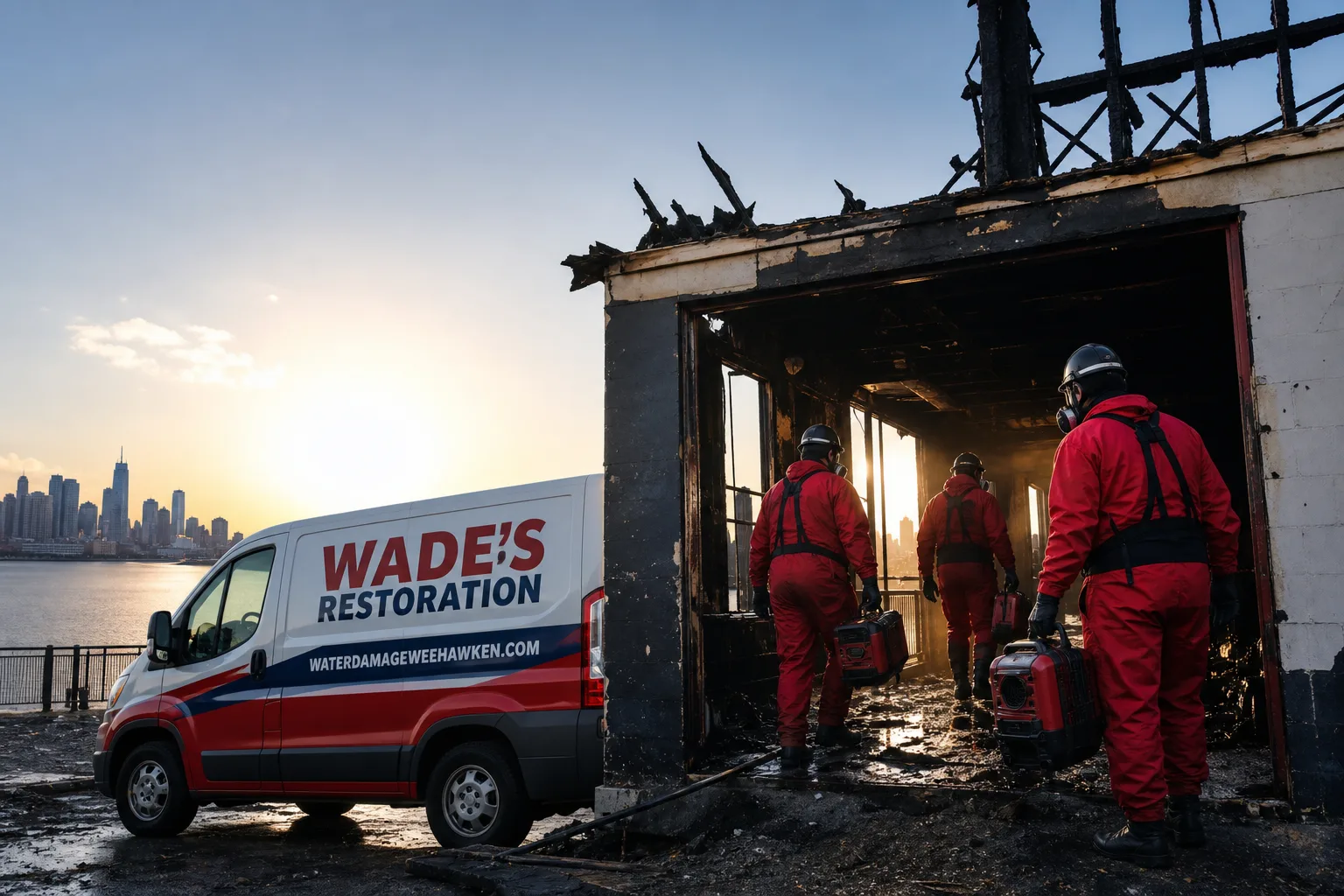
Free visual inspection and a written scope of work before any mitigation begins - photos, moisture readings, and drying logs go in your claim file
The scope we write is the scope we bill. Anything new gets shown to you, in writing, before we touch it.
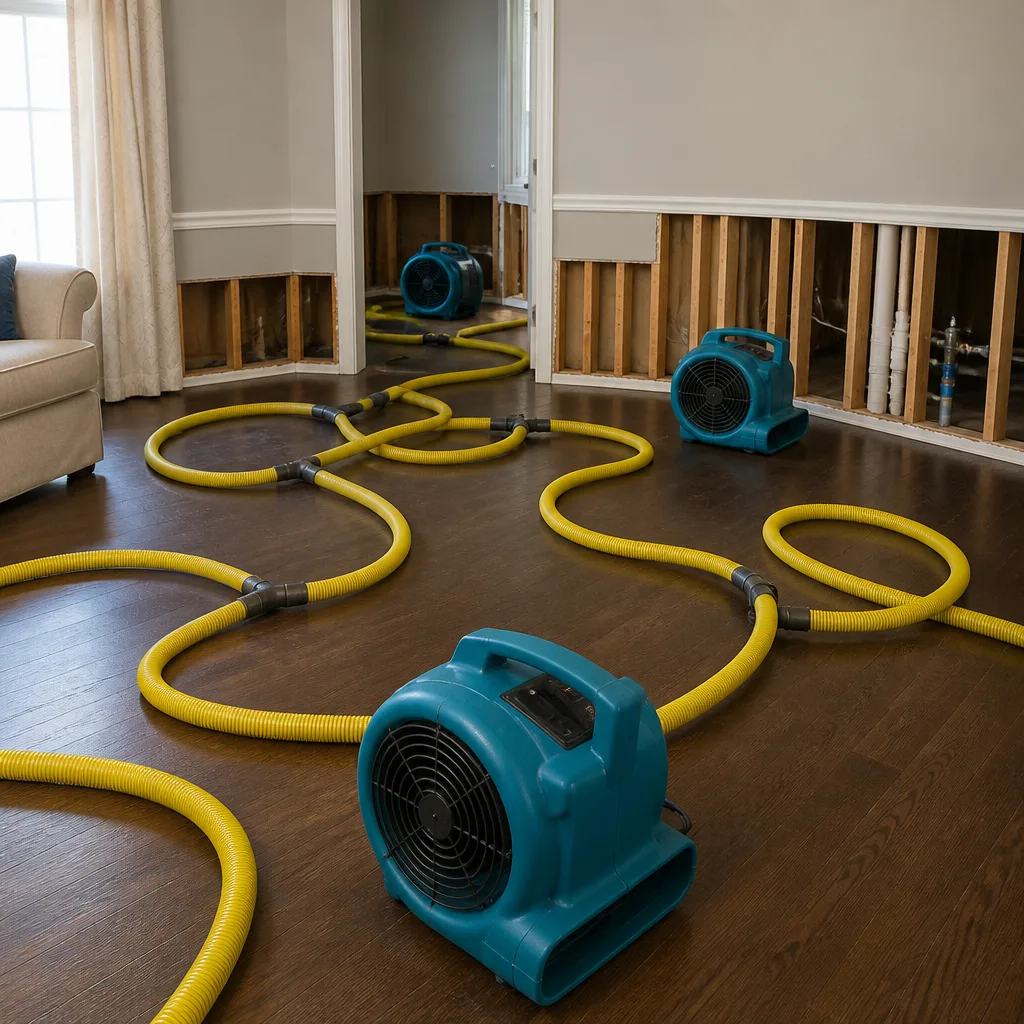
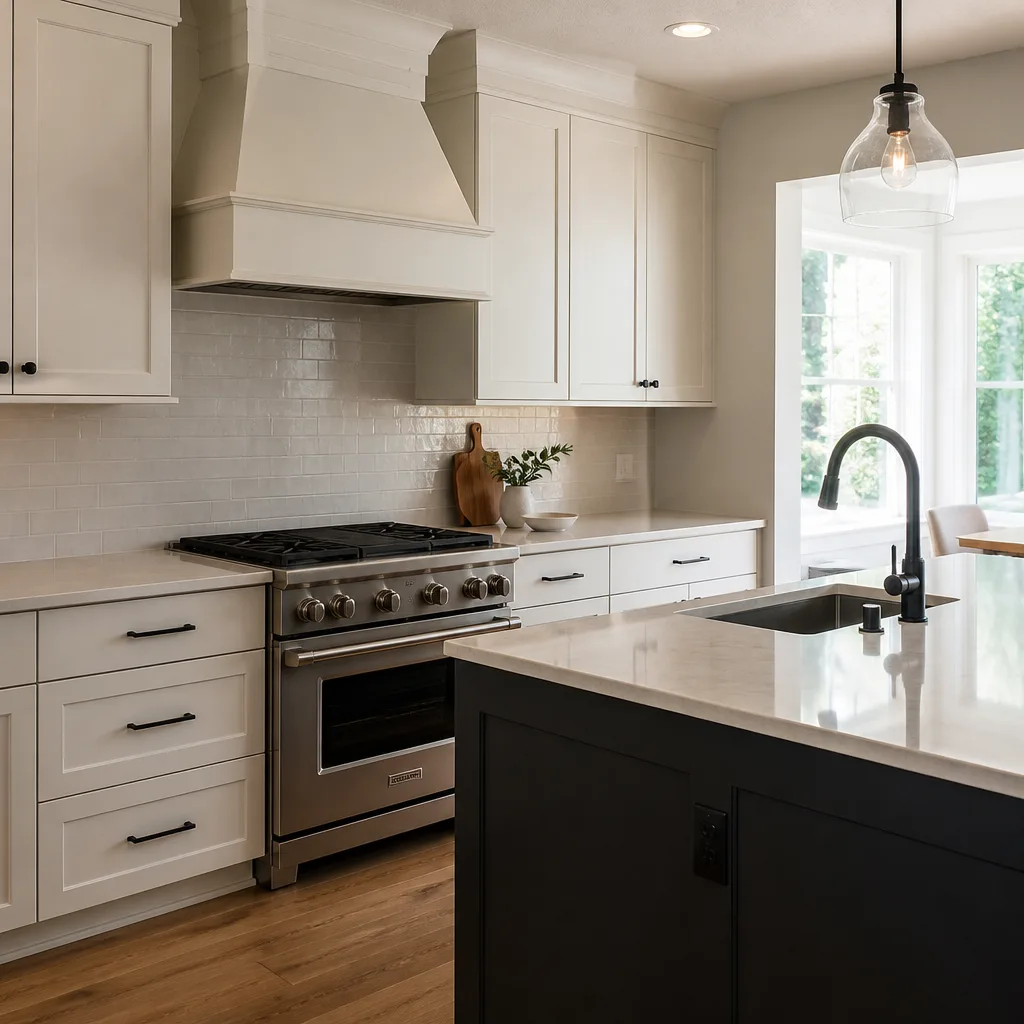
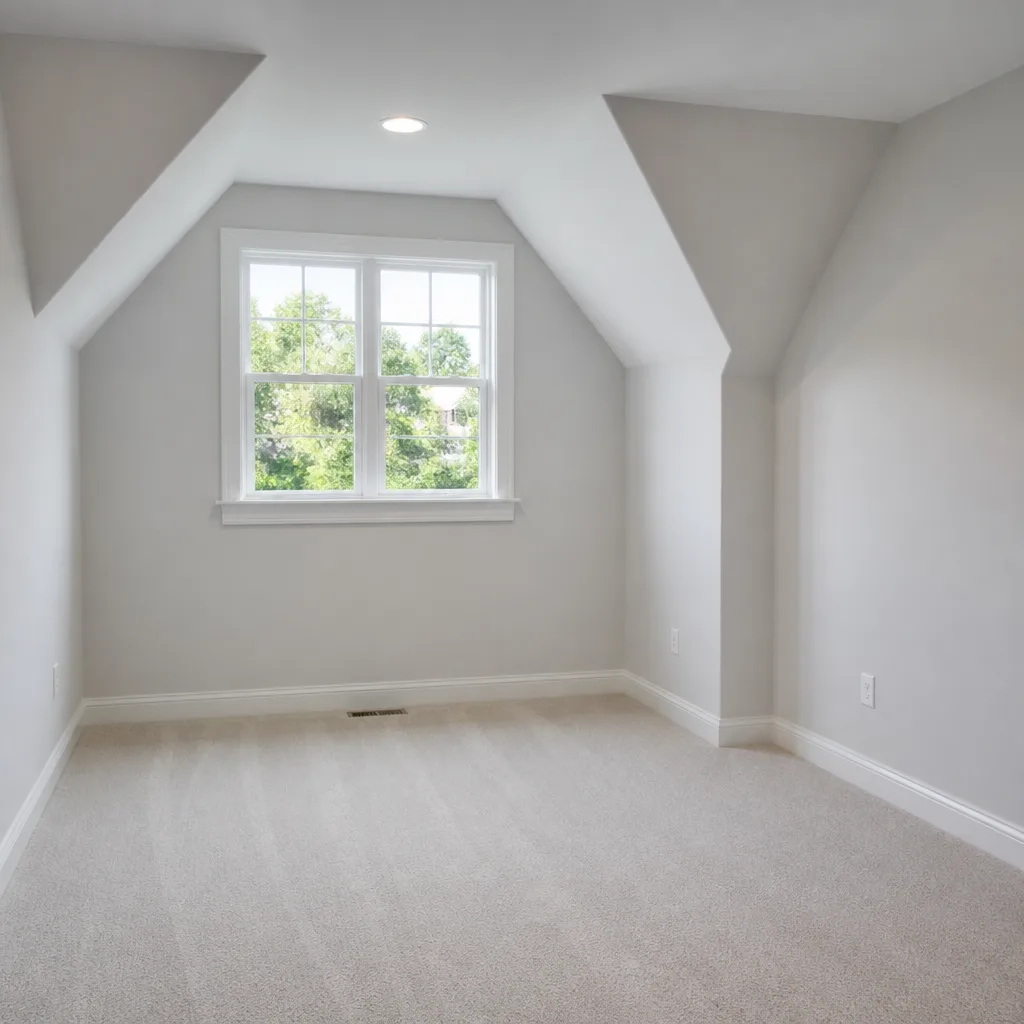
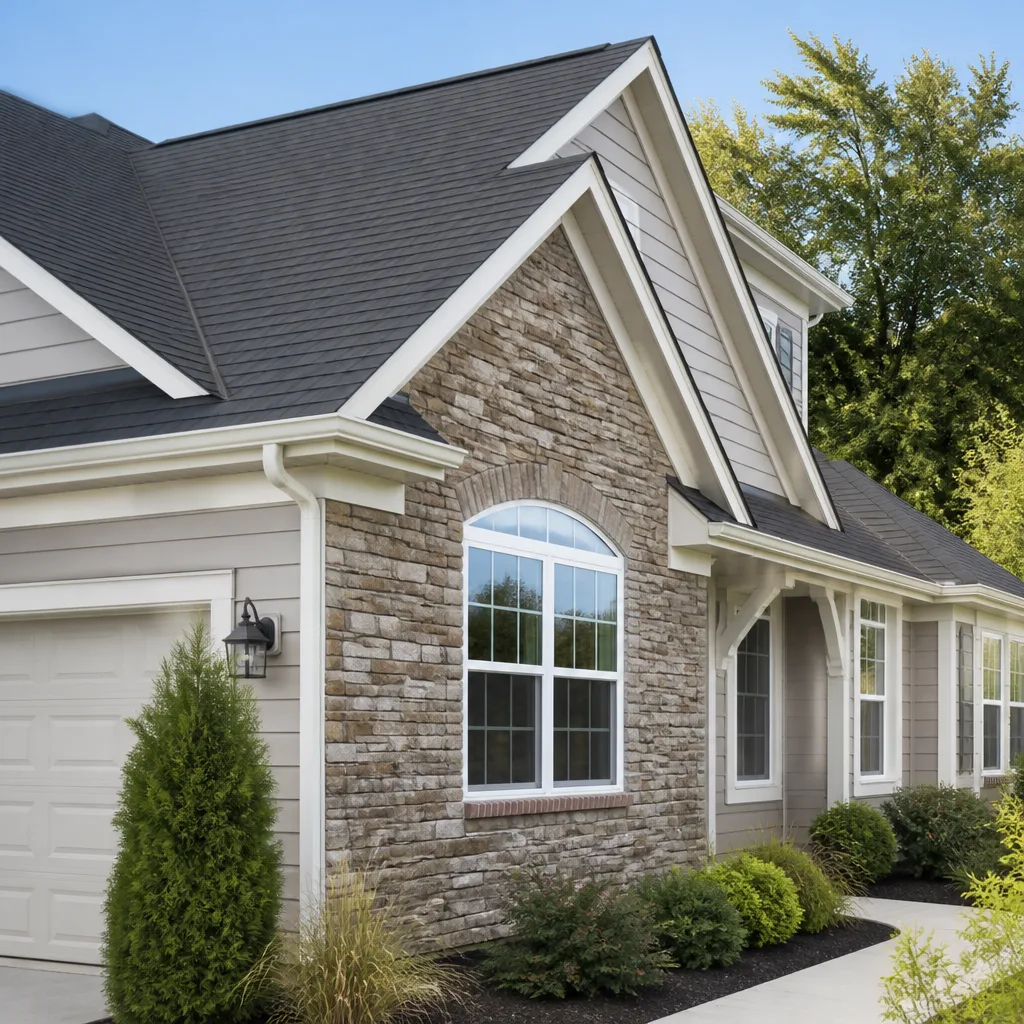
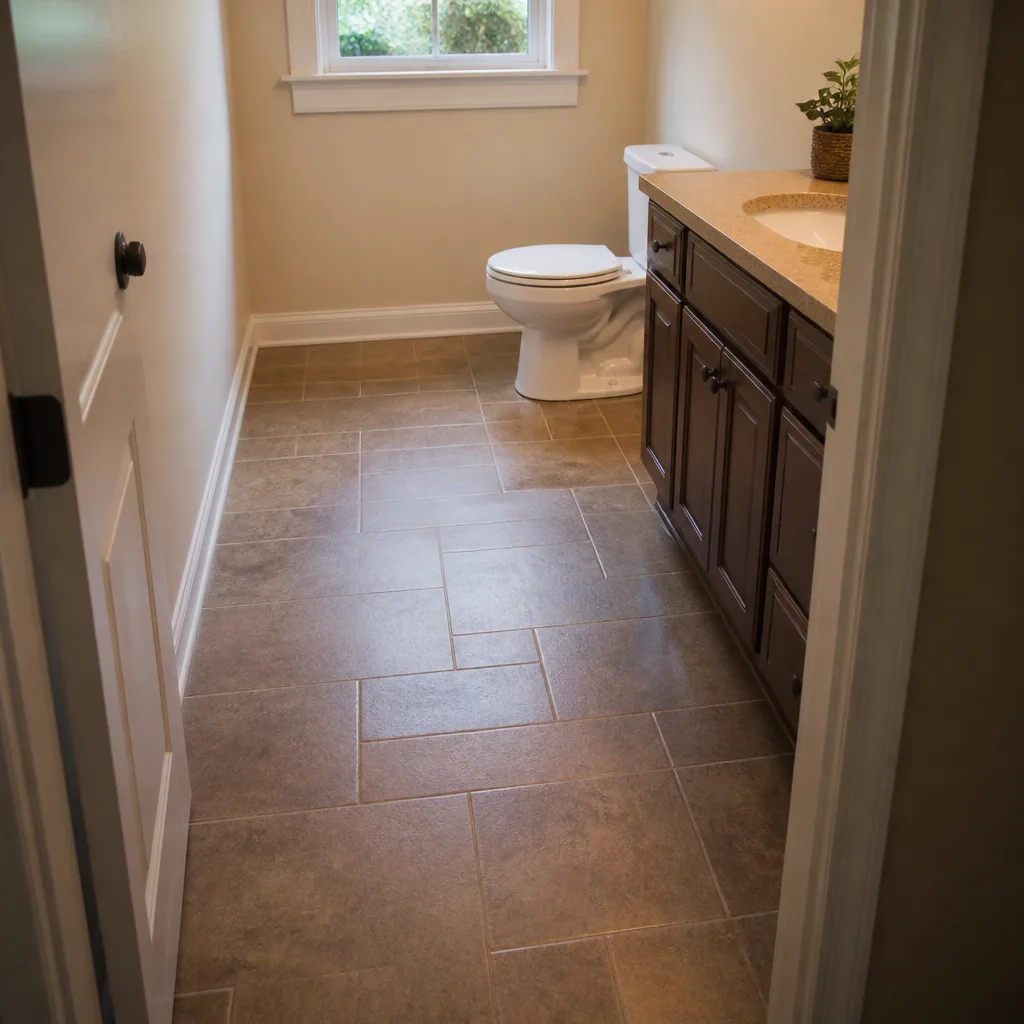
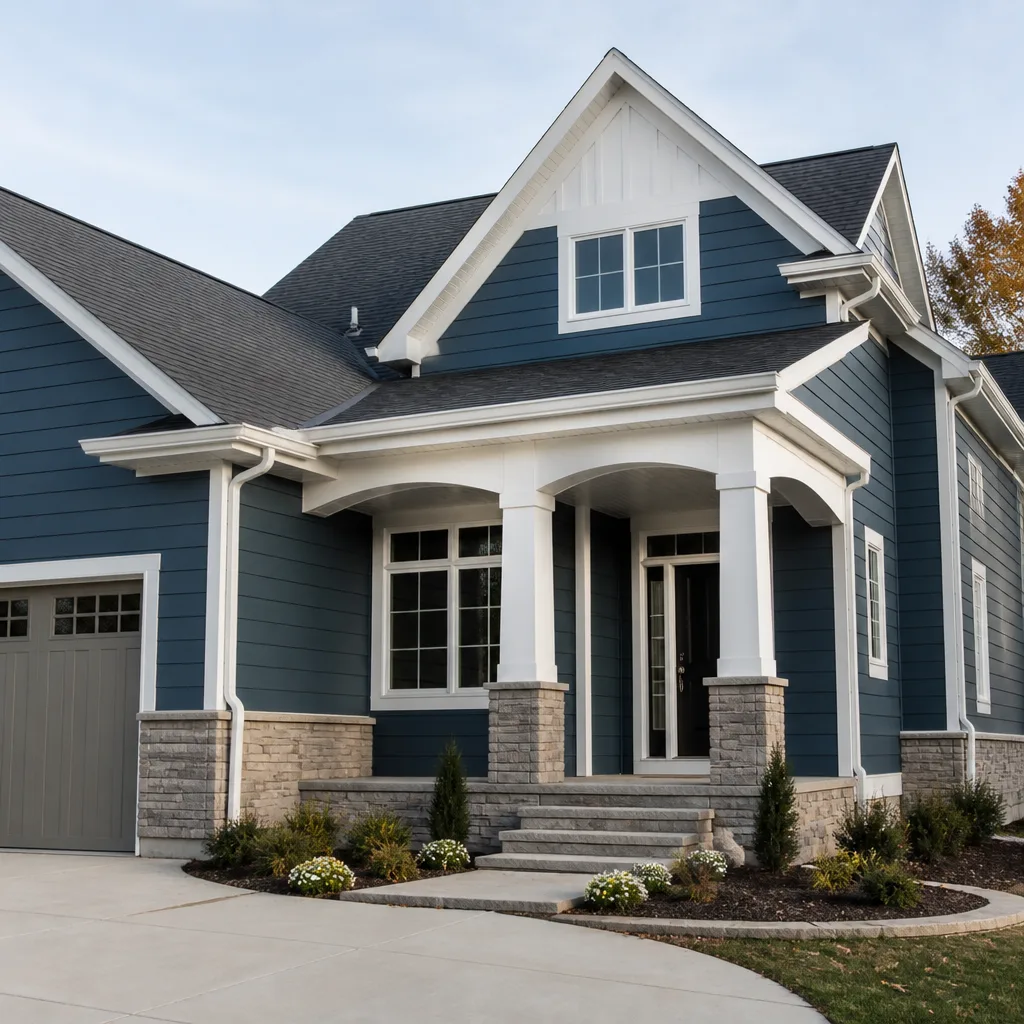
 Before
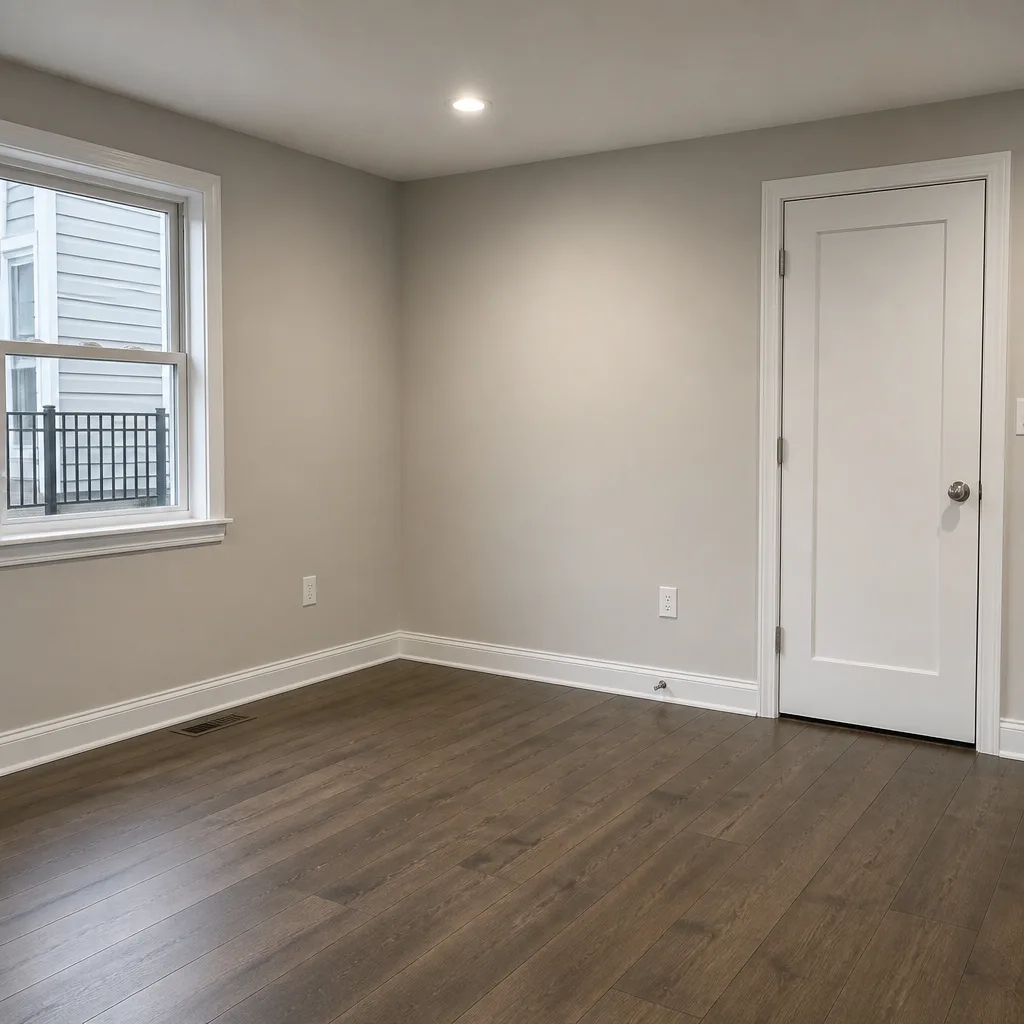 After
After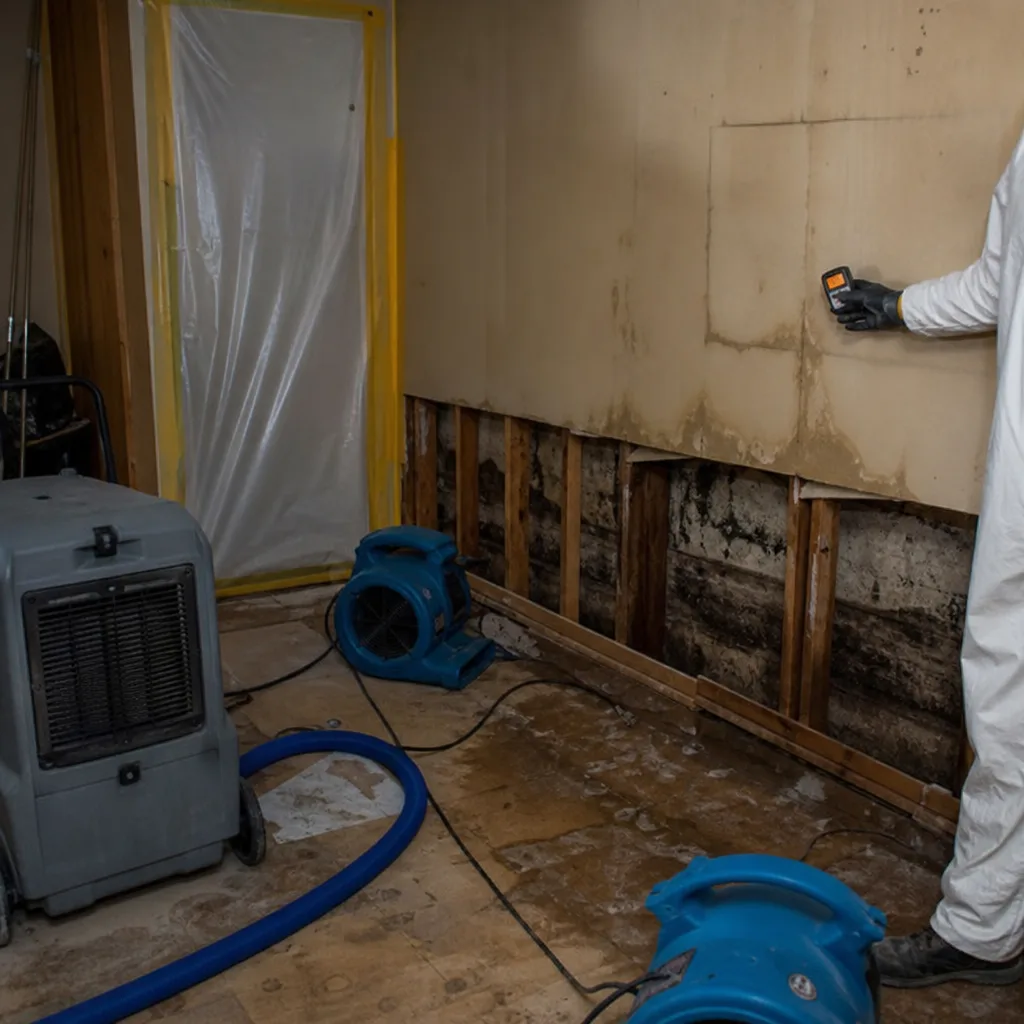 Before
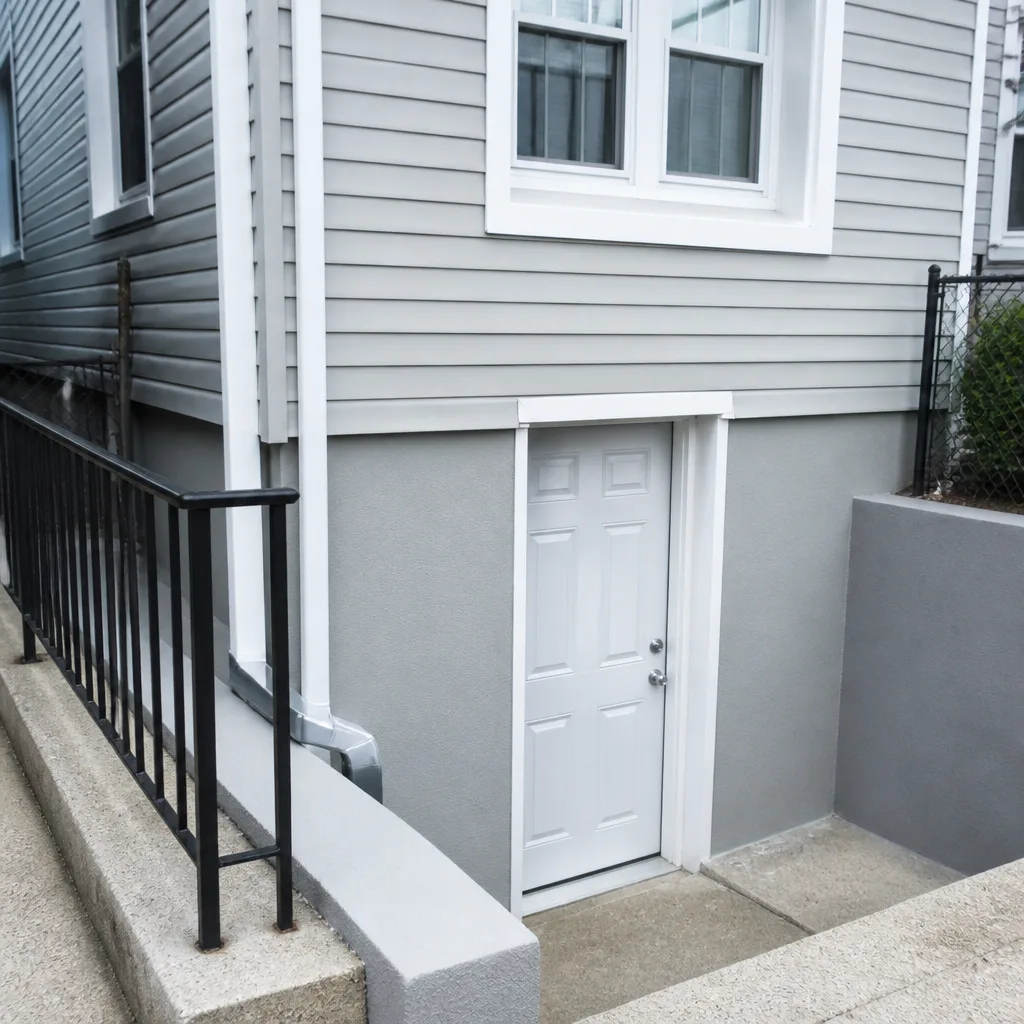 After
After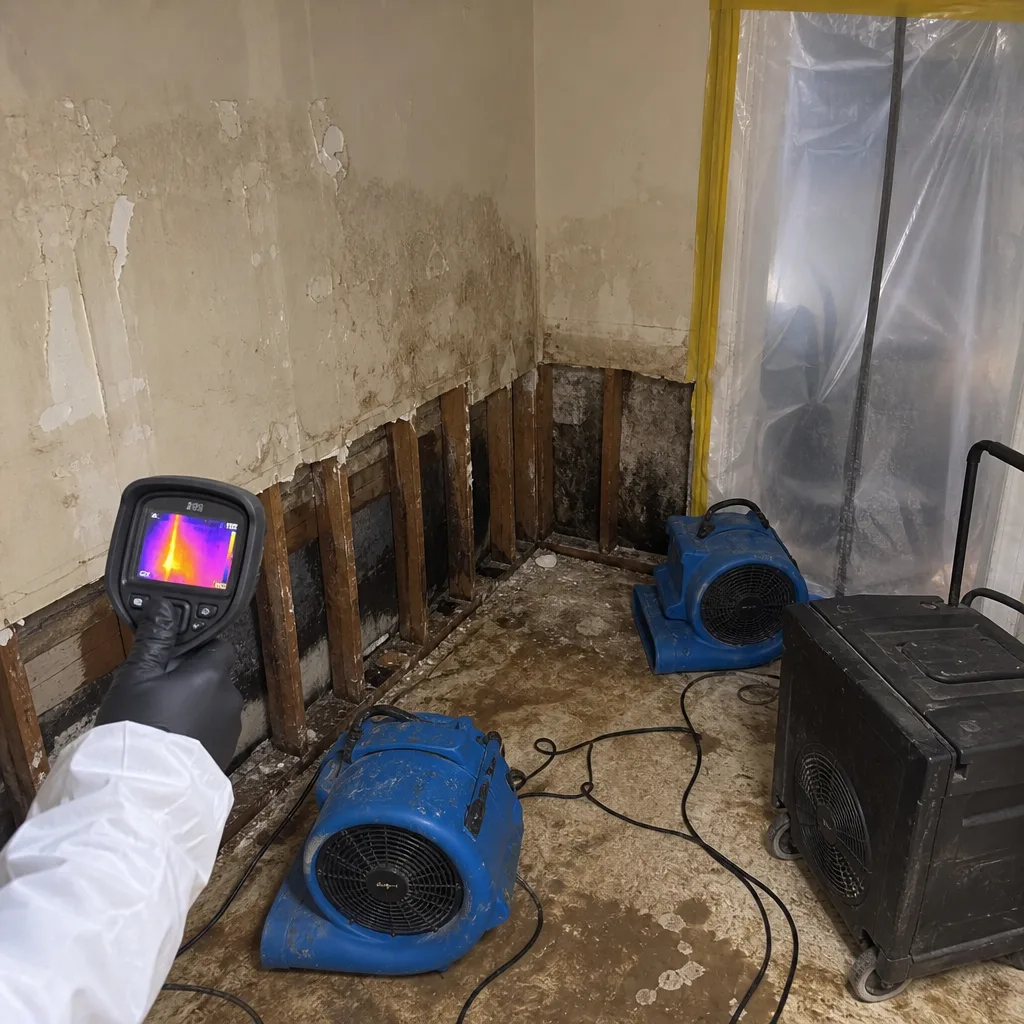 Before
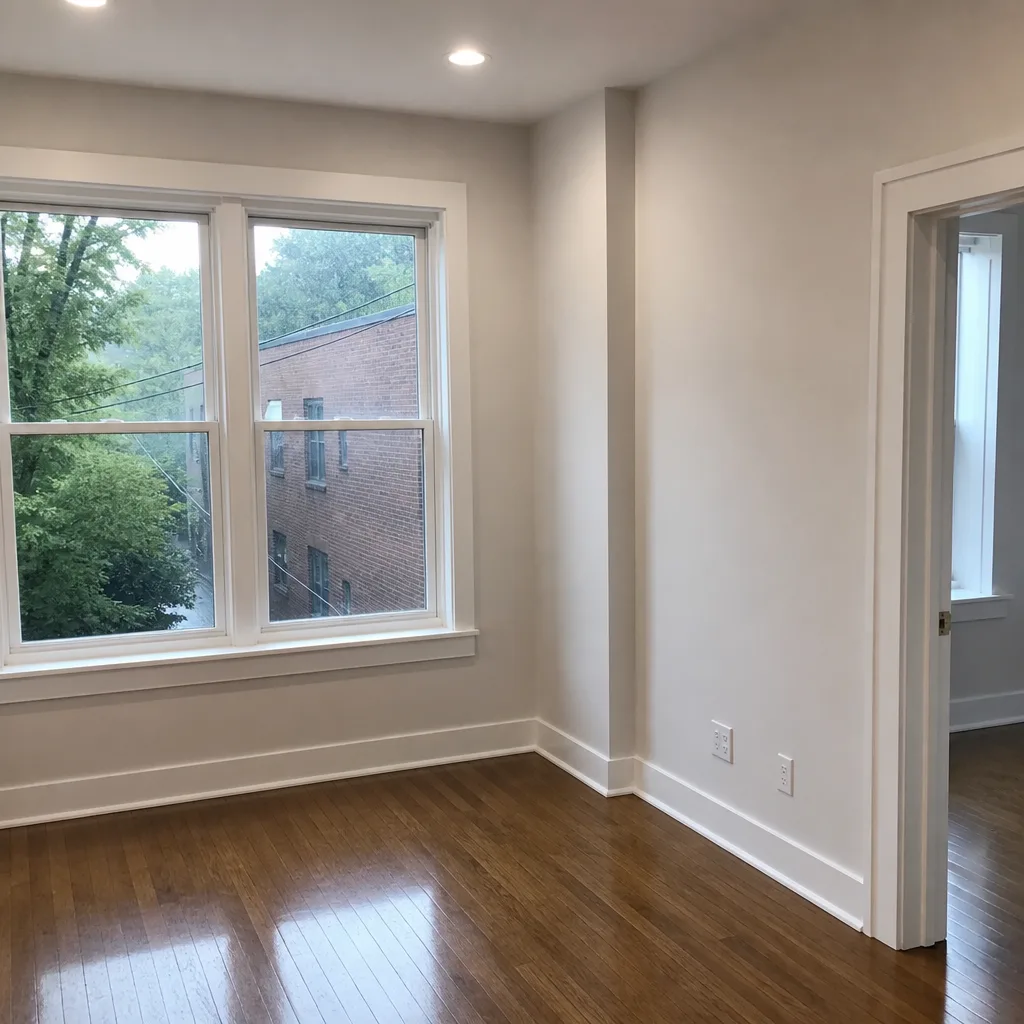 After
After24/7 Emergency Mold Remediation in Long Island City
Mold remediation in Long Island City typically runs $1,800 to $6,500 depending on square footage, containment requirements, and whether the source is Category 3 black water. If you see visible mold growth or smell that musty, earthy odor in a basement, bathroom, or behind drywall, call (201) 740-2235 right now. Wade’s Restoration answers live around the clock, and our Long Island City crews are on the road fast because the first 24 hours determine whether a contained mold problem becomes a gut-and-rebuild. We’ll do a free visual inspection, map the moisture, and tell you honestly what needs to happen. No pressure, no scare tactics. Just a straight answer from people who’ve worked hundreds of mold jobs across western Queens. The sooner water stops feeding the mold, the less this costs you. Call (201) 740-2235 and get someone headed your way.
Understanding Mold Remediation Severity in Long Island City Properties
Not every mold job in Long Island City is the same animal. A surface mold patch on bathroom drywall from shower steam is one thing. A basement that backed up with combined-sewer overflow near Newtown Creek is something else entirely. We classify every job by water category first: Category 1 is clean water from a supply line rupture; Category 2 is gray water from appliances or sump failures; Category 3 is black water containing sewage, petroleum, or industrial contaminants. In Long Island City, Category 3 is far more common than most people think. The local combined sewer system backs raw sewage into ground-floor and cellar spaces during heavy rain. West of 21st Street, that water often carries the documented plume from the Newtown Creek Superfund site: petroleum, heavy metals, industrial solvents. That changes the entire remediation protocol. We don’t just clean the mold. We run pre-remediation effluent sampling, set up full containment with negative air, and file hazardous-waste disposal manifests for removed materials. In Hunters Point and Court Square, where early-20th-century brick factories became residential lofts, we routinely find spray-applied asbestos fireproofing and lead paint on structural steel. Mold testing there means taking care not to disturb materials that require abatement clearance before drying or reconstruction can proceed. LIC’s high-humidity converted industrial slabs also wick moisture into non-standard concrete assemblies, so surface readings alone miss hidden mold behind vapor barriers. We map moisture at depth every single day. Different building, different protocol. That’s the job.
Why Long Island City Property Owners Choose Wade’s Restoration
- Wade answers his own phone, 24/7. You won’t get a call center or a voicemail queue. You’ll get Wade Ferris, the owner, who has been doing this work since 2007 and can talk you through the first steps right now.
- IICRC-certified crews with the right credentials. Our people carry AMRT (Applied Microbial Remediation Technician) and WRT (Water Damage Restoration Technician) certifications. That matters when LIC’s regulatory environment demands documentation.
- Free visual inspection with moisture mapping. We won’t charge you to look at the problem. We bring thermal imaging and hygrometers, take readings, and show you exactly what we found before any work is approved.
- Direct insurance billing and adjuster coordination. Wade talks to your adjuster directly, so you’re not stuck relaying information between two parties who speak different languages.
- One crew from assessment to reconstruction. The people who contain the mold are the same people who dry it out and rebuild the wall. No handoffs, no finger-pointing.
- 90-Day Done Right Promise in writing. If it’s not done right, Wade makes it right. Stamped on every mold remediation contract. That’s not marketing language; it’s a legal commitment.
Our Mold Remediation Process
Inspection & Assessment
We start with a free visual inspection and moisture survey. In Long Island City, that means checking for hidden water sources: combined-sewer laterals, condensation on converted industrial slabs, roof drainage issues in pre-war walk-ups. We document everything with photos and readings.
Containment & Source Elimination
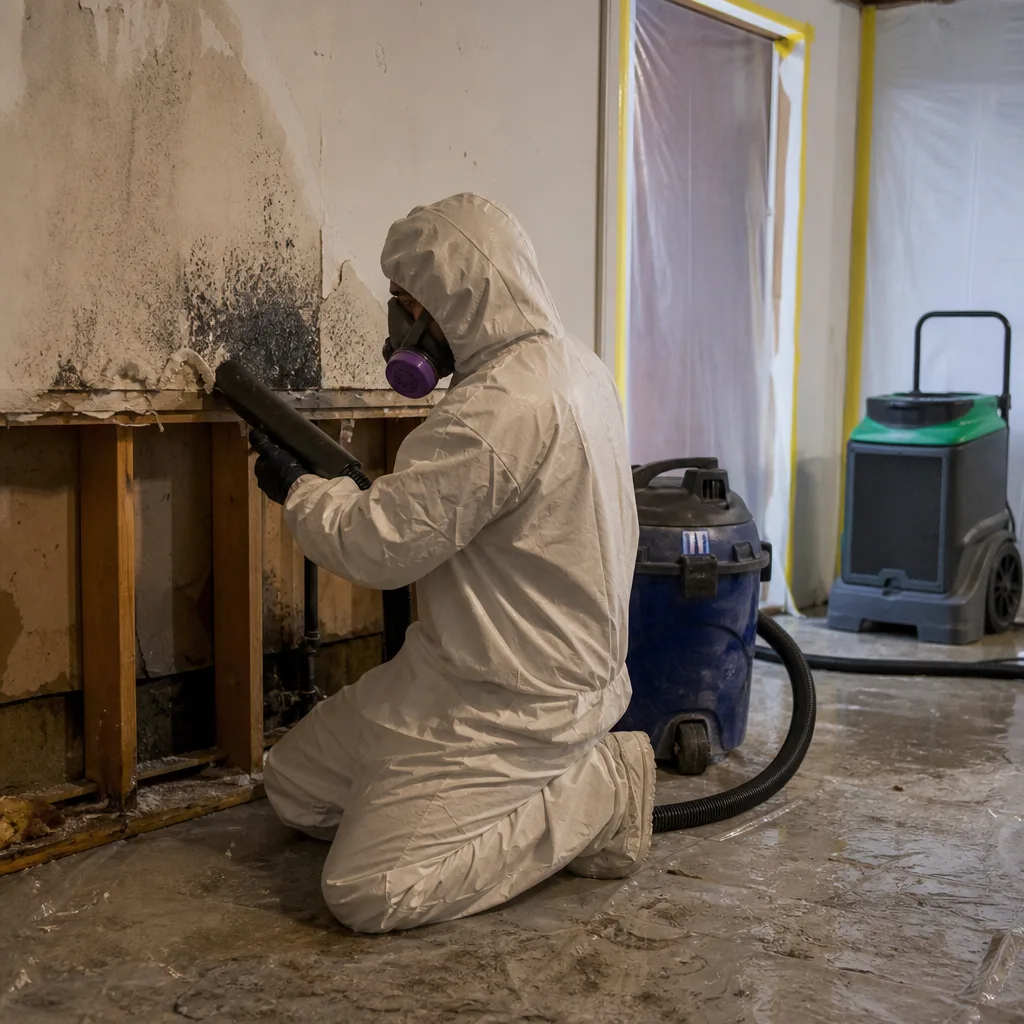
Before we touch the mold, we find what’s feeding it. A leak, a seep, a backed-up drain. We stop the water, then build containment with 6-mil polyethylene and negative air pressure so mold spores don’t spread to clean areas of your home.
Drying & Dehumidification
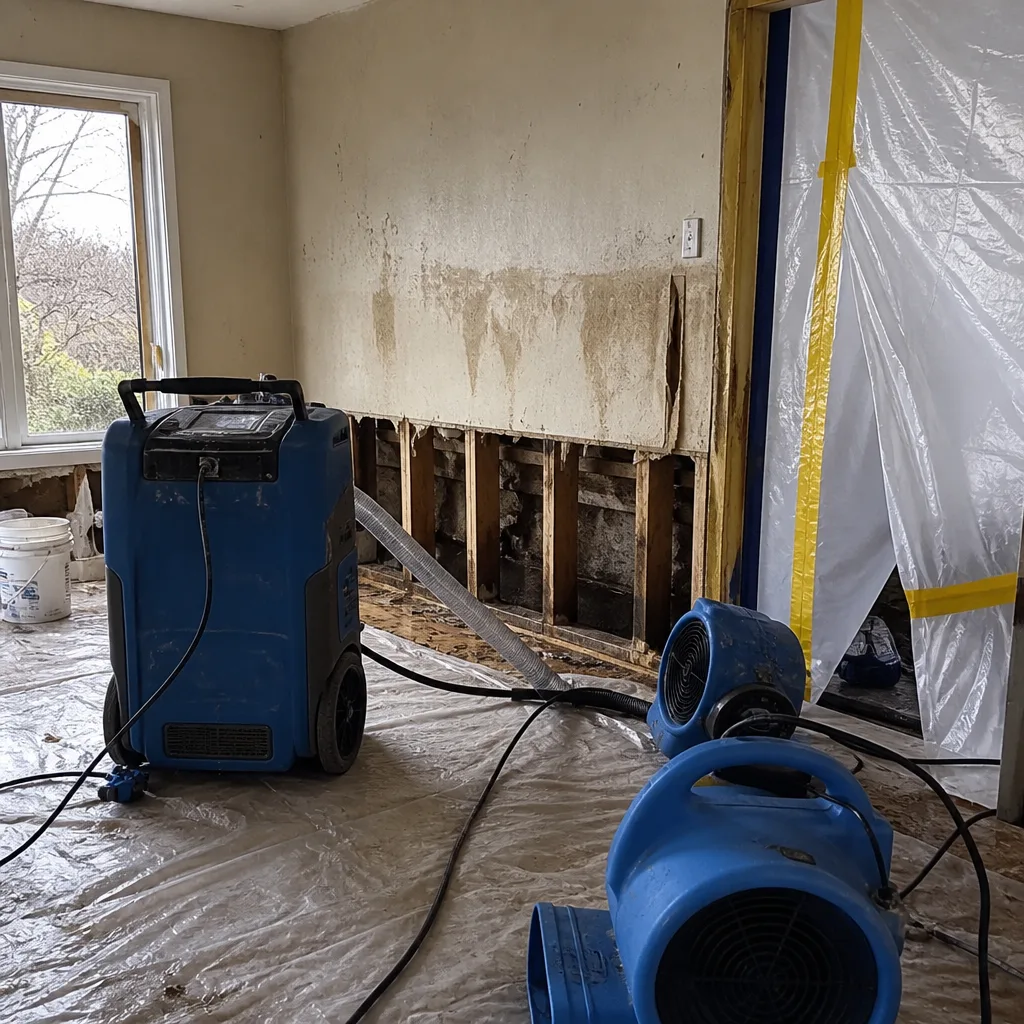
We deploy Dri-Eaz LGR dehumidifiers and XPOWER air movers inside the contained area. We take moisture readings daily with a Protimeter and log every number. You get the full log at the end. Almost nobody else in this trade does that.
Cleaning & Sanitization
We HEPA-vacuum all surfaces, apply antimicrobial treatment to affected framing and masonry, and remove saturated drywall, baseboards, and insulation that can’t be saved. In LIC’s converted industrial buildings, we’re careful around original brick and timber that may carry asbestos fireproofing or lead paint.
Air Quality Restoration
We run HEPA air scrubbers throughout the job, not just at the end. Post-remediation, we conduct clearance testing to confirm spore counts have dropped to acceptable levels. For LIC properties near Newtown Creek, we document everything your insurer and local regulators will ask for.
Repairs & Restoration
Once the mold is gone and the space is dry, we rebuild. Drywall, flooring, trim, paint. One crew from start to finish. The 90-Day Done Right Promise covers the whole scope, not just the mold removal.
Need Emergency Mold Remediation in Long Island City Now?
Crews minutes away, answering live 24 hours a day. The sooner we start, the less it costs.
Working With Your Insurance Company
Mold claims in Long Island City get scrutinized hard. Insurers want proof: proof the water event happened, proof you responded promptly, proof the remediation was thorough. That’s where our documentation saves you. From the first hour, we photograph every affected surface, log moisture readings room by room, and write a line-item scope of work using industry-standard estimating software. Wade deals with your adjuster directly. He speaks their language because he’s been doing it since 2007. When your carrier asks whether the mold predates the water event, we have the documentation to answer. When they question whether Category 3 protocols were necessary near Newtown Creek, we have the lab results and disposal manifests. You stay out of the middle. Here’s what we hand your insurer:
What We Provide Your Insurer
- Thorough documentation of the loss
- Photos of all damage, room by room
- Moisture readings and drying logs
- A detailed, line-item scope of work
- Direct coordination with your carrier
Built for Long Island City’s Loss Calendar
Mold in Long Island City follows a pattern, and we’ve learned it over years of pulling up floors and opening walls here. January deep freezes burst supply lines in uninsulated pre-war tenements along Jackson Avenue and Vernon Boulevard. February and March bring thaw cycles that push groundwater into cellars in Hunters Point, where the water table sits close to the surface. April showers overwhelm the combined sewer system, sending Category 3 backups into ground-floor commercial spaces along 21st Street. Summer brings the opposite problem: humidity. LIC’s converted industrial buildings hold moisture in concrete slabs and brick cores, and without active dehumidification, mold blooms behind drywall in weeks. Nor’easters in the fall drive wind-driven rain into window frames of the post-2010 glass towers near the waterfront. Every season has a signature loss here. Our Mold Remediation team knows which one you’re facing before you finish describing it. And if you’re in a FEMA Flood Zone AE property along the East River, we treat ground-floor and cellar water as presumptive contamination from the first drop. That’s not overcaution. That’s what the hydrology of this neighborhood demands.
Mold Remediation Across Long Island City’s Neighborhoods
Long Island City isn’t one neighborhood. It’s a patchwork of building types and risk profiles, and the mold job we run in a Hunters Point loft is not the mold job we run in a Court Square pre-war apartment. In Hunters Point, the converted 1920s factory buildings along 47th Avenue and 44th Drive hide original pine subfloors and lath-and-plaster walls that hold moisture like a sponge. We recently completed a Category 3 black-water mitigation in a converted warehouse loft on 47th Avenue where a sewer backup saturated the original 1920s pine subfloor. We ran Dri-Eaz LGR 7000XLi dehumidifiers and XPOWER air movers inside full containment, mapped moisture readings daily with a Protimeter, and cut out all saturated drywall and baseboards after antimicrobial treatment. Because the building sits within the Newtown Creek flood-influence zone, we coordinated licensed hazardous-waste hauling for removed materials and filed the required disposal manifests, restoring the loft to a pre-loss condition that met IICRC S520 standards. That’s a typical Hunters Point mold job. In Court Square, the pre-war walk-ups near the 7 train have steam risers that sweat in summer, and mold follows the riser chases from basement to roof. In the rent-stabilized tenements along Queens Plaza, decades of deferred maintenance mean a single leak can feed mold growth that spans multiple units. Along Center Boulevard, the waterfront high-rises may look impervious, but window flashing failures and HVAC condensate issues create isolated mold pockets in individual units. Each of these takes a different containment strategy and a different set of documentation for the building’s management company or co-op board. We know the difference because we work all of them.
Specialized Mold Remediation Services We Offer in Long Island City
Mold Inspection & Testing
In Long Island City, mold inspection starts with a premise: what’s the water source, and what’s in the water? Near Newtown Creek, we run pre-remediation effluent sampling before we even open a wall. We use thermal imaging to find moisture behind surfaces without destructive testing, and we take air and surface samples where visual inspection suggests hidden growth. The report we give you is written for your insurer, your co-op board, or your lender, not for a lab tech.
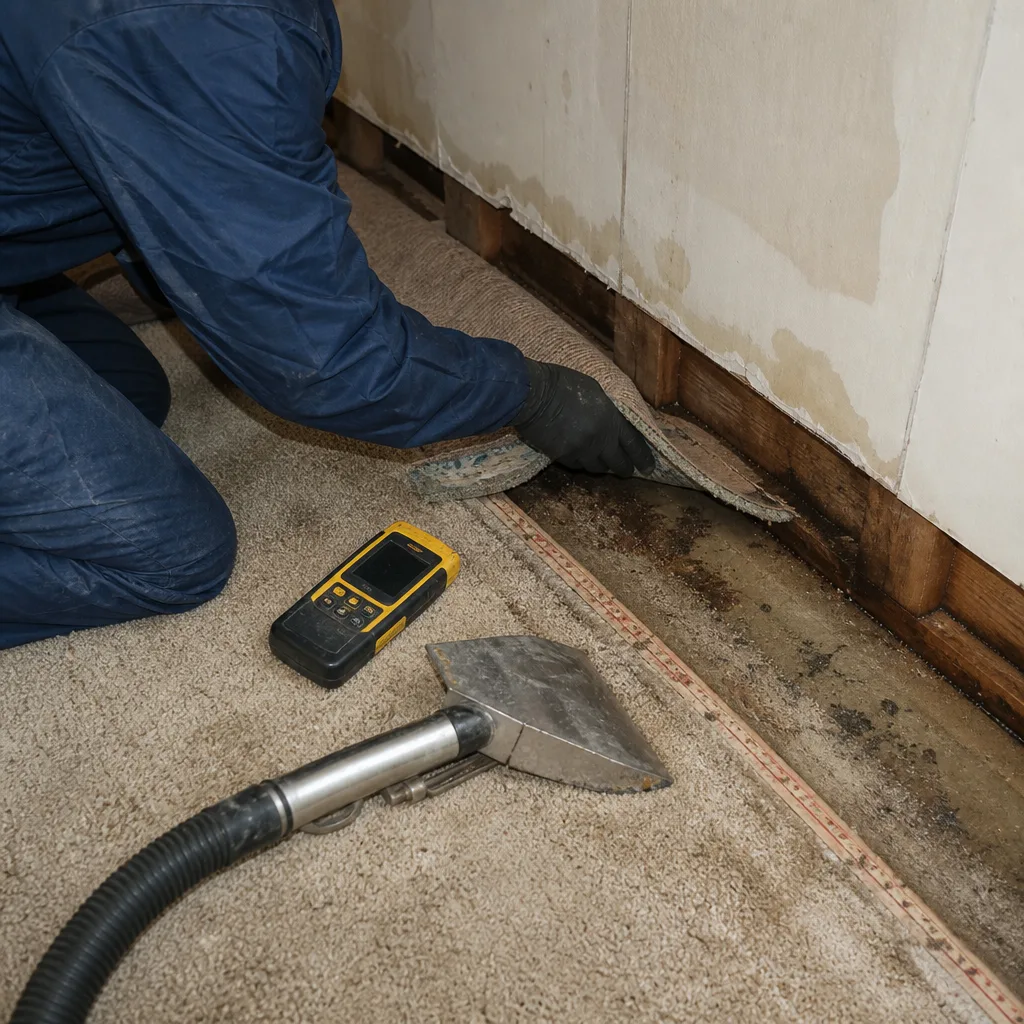
Black Mold Remediation
Stachybotrys chartarum, what people call black mold, gets a lot of attention, and in LIC it deserves it. Black mold thrives on cellulose-rich materials that stay wet for weeks: drywall, subfloor, wallpaper backing. In converted industrial buildings with original timber framing, that means remediation often requires cutting out structural elements, not just cleaning surfaces. We follow IICRC S520 standards for every black mold job, including full containment, HEPA air scrubbing, and post-remediation clearance testing.
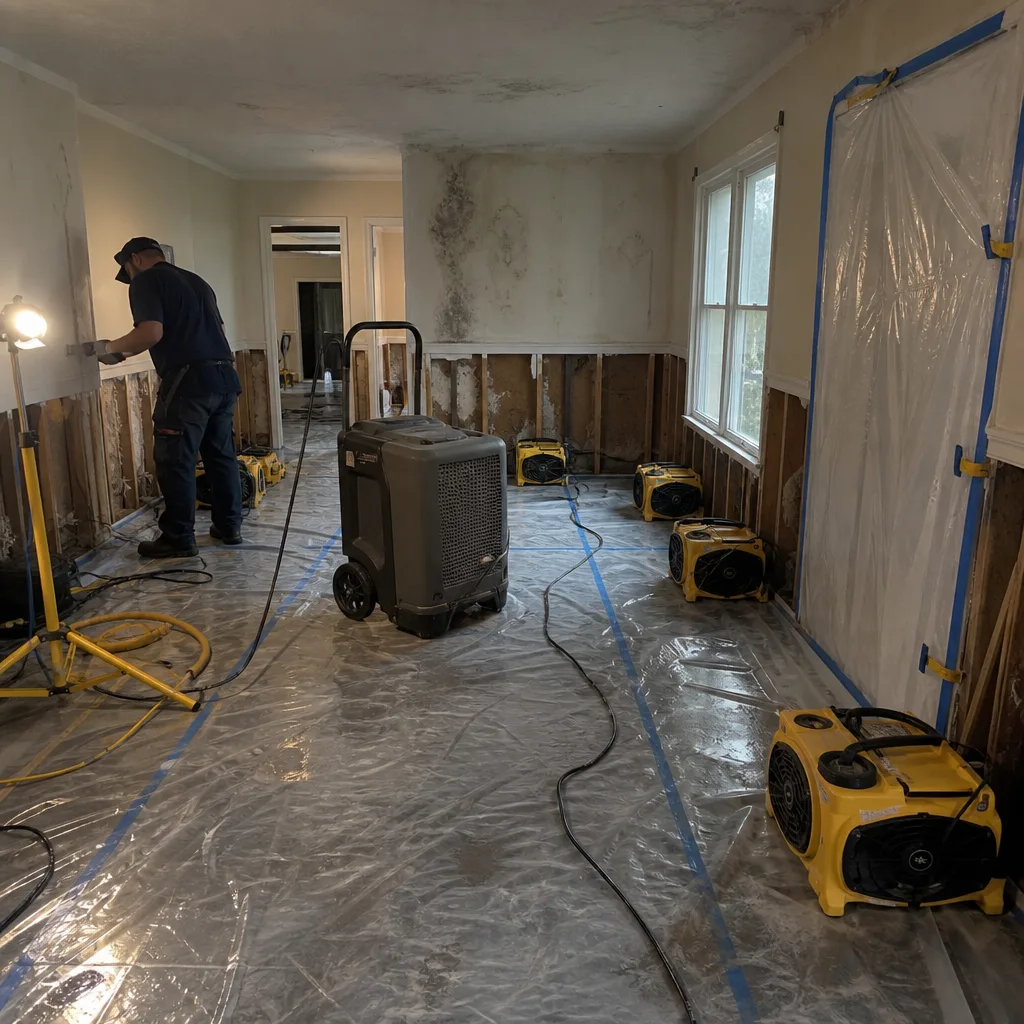
Moisture & Humidity Control
Mold doesn’t just come from floods. In Long Island City’s converted industrial buildings, it comes from humidity: condensation on cold concrete slabs, steam from kitchens and showers, poor ventilation in windowless interior bathrooms. We install and calibrate dehumidification equipment, recommend ventilation improvements, and if you own a pre-war building, we’ll show you exactly where the moisture is entering and what to do about it. The goal is to make the mold problem not come back.
What happens when you call
- 1
A real person answersNo phone trees - you reach a local pro.
- 2
You get an upfront price rangeHonest numbers before anyone is dispatched.
- 3
A background-checked tech heads outLicensed & insured, dispatched right away.
- 4
You approve before work beginsNothing starts until you say go.
Mold Remediation Costs in Long Island City, NY
What does mold remediation cost in Long Island City? Here are real numbers from jobs we’ve done here. A contained bathroom mold removal in a standard apartment runs $1,800 to $3,200. A basement mold job following a combined-sewer backup, with Category 3 protocols and hazardous-waste documentation, runs $4,000 to $8,500. A full gut renovation of a mold-damaged Hunters Point loft with asbestos abatement coordination and structural drying can reach $12,000 to $25,000. What moves the price: square footage, containment complexity, whether the water category is clean or contaminated, and whether we need to coordinate with an asbestos or lead abatement contractor. Insurance covers mold remediation when the mold results from a covered water event and you reported it promptly. Out-of-pocket, the free visual inspection is the fastest way to get a firm number. We don’t quote over the phone and then change the number at the door. You’ll get a written scope of work before any equipment comes off the truck. Call (201) 740-2235 to schedule that inspection.
We Also Serve Cities Near Long Island City
If you’re in Astoria, where the housing stock shifts to frame construction and smaller pre-war walk-ups, we handle Mold Remediation in Long Island City and the surrounding western Queens neighborhoods with the same attention to local building conditions. Same 24/7 answer, same 90-Day Done Right Promise, same owner who picks up the phone. If you’re anywhere near the East River waterfront, Newtown Creek, or the Queensboro Bridge, we’re already familiar with your block.
Serving Long Island City, NY - Our Local Coverage Area
We’re based in the Long Island City area and know this community well. Use the map below to see our service coverage - if you’re nearby, we can almost certainly help.
Long Island City Mold Remediation Questions, Answered
How fast can someone actually get to my Long Island City property for mold remediation?
We can have a mold remediation crew at your Long Island City property within 45 to 90 minutes in most cases. Wade answers his phone live 24/7 at (201) 740-2235, and our crews stage in the area to keep response times short. Every hour of delay lets mold spread further into drywall, subfloor, and framing. Call us as soon as you suspect mold, even if you’re not sure it’s a real problem. The first look is free.
Why does mold remediation in Long Island City often require hazardous-waste documentation for what looks like simple basement flooding?
Long Island City sits directly adjacent to the EPA-designated Newtown Creek Superfund site, and the local combined sewer laterals near the creek carry documented petroleum, heavy metals, and industrial solvent contamination. When sewer backups or floodwater enters a basement or cellar west of 21st Street, we treat it as presumptive Category 3 black water, which requires pre-remediation effluent sampling, licensed hazardous-waste hauling for removed materials, and filed disposal manifests. For situations involving raw sewage, our Sewage Cleanup in Long Island City follows the same strict protocols. Skipping that paperwork risks regulatory violations and insurance claim denial. Call (201) 740-2235 and we’ll walk you through exactly what your situation requires.
My LIC loft has original brick and timber from a converted factory; how do you mold-test without disturbing suspected asbestos fireproofing?
We use non-destructive testing methods first: thermal imaging to locate moisture behind surfaces, air sampling to detect elevated spore counts, and surface sampling in accessible areas. If we suspect asbestos fireproofing or lead paint on structural steel, we coordinate with a licensed abatement contractor before any cutting or demolition begins. That sequencing prevents cross-contamination and keeps your remediation on a legal footing. In converted industrial lofts in Hunters Point and Court Square, this is the standard, not the exception.
How long after a sewer backup in Hunters Point should I wait before checking for mold growth?
Don’t wait at all. Mold growth on wet organic materials like drywall and pine subfloor begins within 24 to 48 hours in typical indoor conditions. In Hunters Point, where converted industrial buildings hold moisture in original timber and lath-and-plaster assemblies, that timeline can be shorter. If you’ve had a sewer backup, get the water out and the area drying immediately, then have us inspect for early mold colonization. The sooner we assess, the less demolition you’ll need. Call (201) 740-2235 now if the backup happened in the last day or two.
Do I need different mold remediation protocols for a pre-war tenement versus a waterfront high-rise in LIC?
Yes, substantially different. Pre-war tenements in Long Island City typically have steam riser chases, balloon framing, and shared wall cavities that allow mold to migrate between units. Remediation often requires containment across multiple floors and coordination with adjacent units. Waterfront high-rises near Center Boulevard are compartmentalized by concrete slabs and fire-rated assemblies, so mold is usually contained to one unit, but window and curtain-wall flashing failures create recurring moisture entry points that need to be addressed at the building envelope level. We assess the building type before we recommend a protocol, and we document everything for your co-op board or building manager.
What does FEMA Flood Zone AE mean for mold remediation in a ground-floor LIC unit?
FEMA Flood Zone AE designation along the Long Island City waterfront means your ground-floor or cellar unit has a real, recurring flood risk from East River storm surge, and your insurer may require flood insurance separately from your standard homeowners policy. For mold remediation, Zone AE changes how we approach the job: we assume any floodwater entering the space is Category 3 contaminated, we document the flood event for your flood insurance claim, and we design drying and remediation to handle future moisture intrusion, not just the current event. Properties in this zone should also consider our Storm & Disaster Restoration in Long Island City for comprehensive flood preparedness. If you’re in a Zone AE property, call (201) 740-2235 and we’ll explain what your specific policy covers.
Will my insurance cover mold remediation in Long Island City?
Most homeowners policies cover mold remediation only when the mold results from a covered water event, like a burst pipe or storm damage, and only if you reported the water damage promptly. Gradual mold from chronic humidity or long-term leaks is often excluded. Sewer backup coverage varies by policy. The fastest way to know is to call us at (201) 740-2235. We’ll inspect the damage, document everything, and Wade will talk to your adjuster directly about what your policy should cover.
Can I stay in my Long Island City apartment during mold remediation?
Depends on the extent. Small, contained mold jobs in a bathroom or closet usually allow you to stay, as long as the affected area is sealed off with negative air containment. Larger jobs, especially Category 3 black water remediations in converted industrial buildings, often require temporary relocation because the containment zone may block access to kitchens, bathrooms, or the only entrance. If the source involves a crime scene or biohazard situation, our Biohazard & Crime Scene Cleanup in Long Island City handles those cases with specialized containment and disposal procedures. We’ll tell you honestly at the inspection. Your insurance policy may cover temporary housing if the loss is covered. Call (201) 740-2235 to get a straight answer about your specific situation.
Written by Wade Ferris, Owner at Wade’s Restoration, serving Long Island City and western Queens since 2007.