
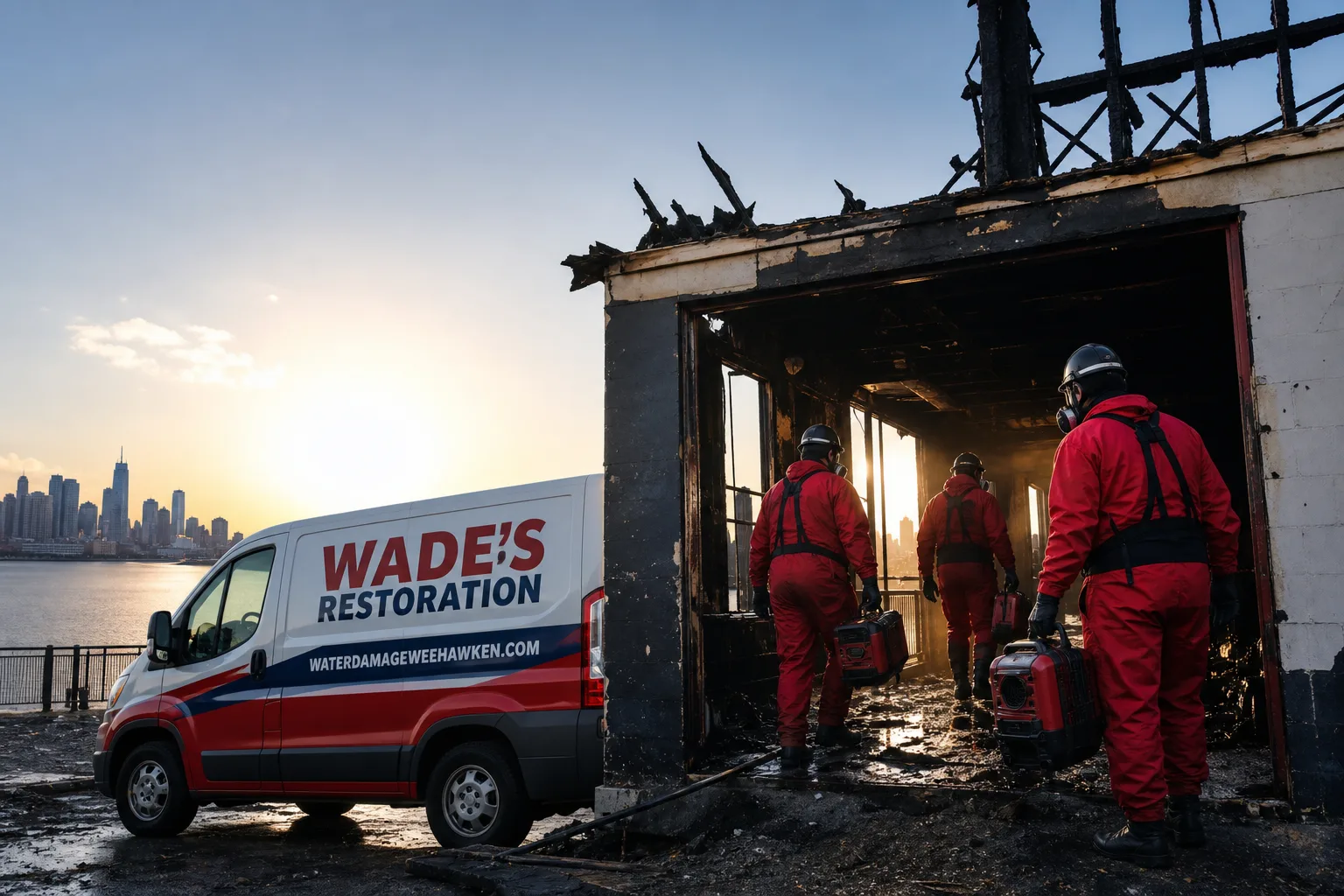
Free visual inspection and a written scope of work before any mitigation begins - photos, moisture readings, and drying logs go in your claim file
The scope we write is the scope we bill. Anything new gets shown to you, in writing, before we touch it.
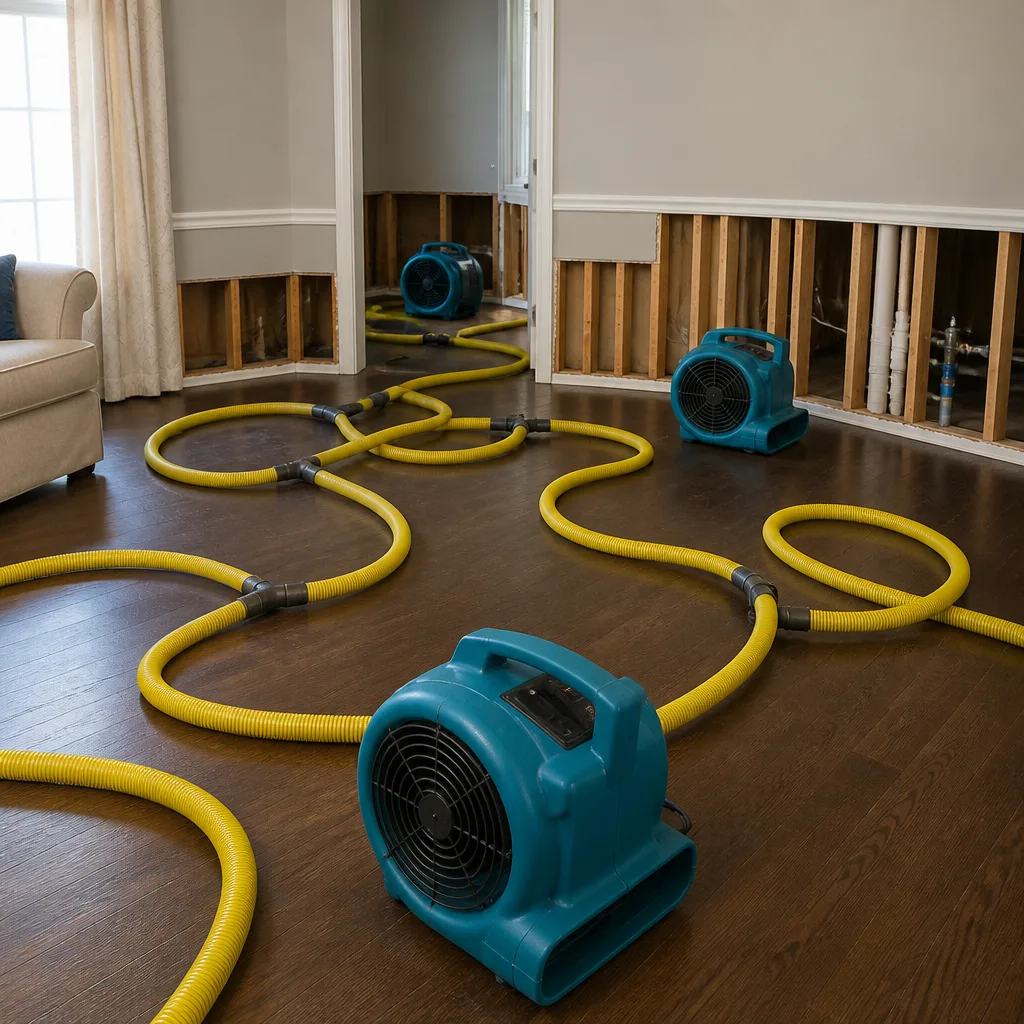

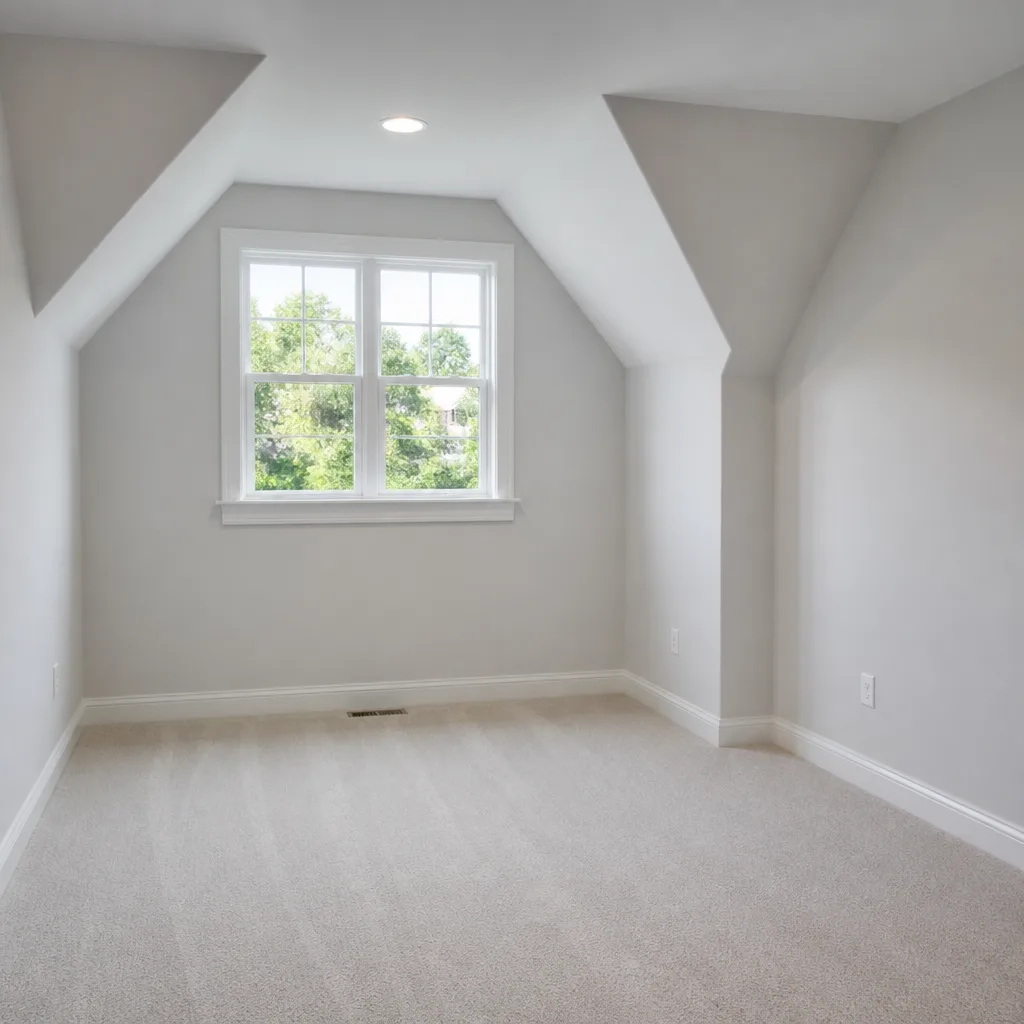
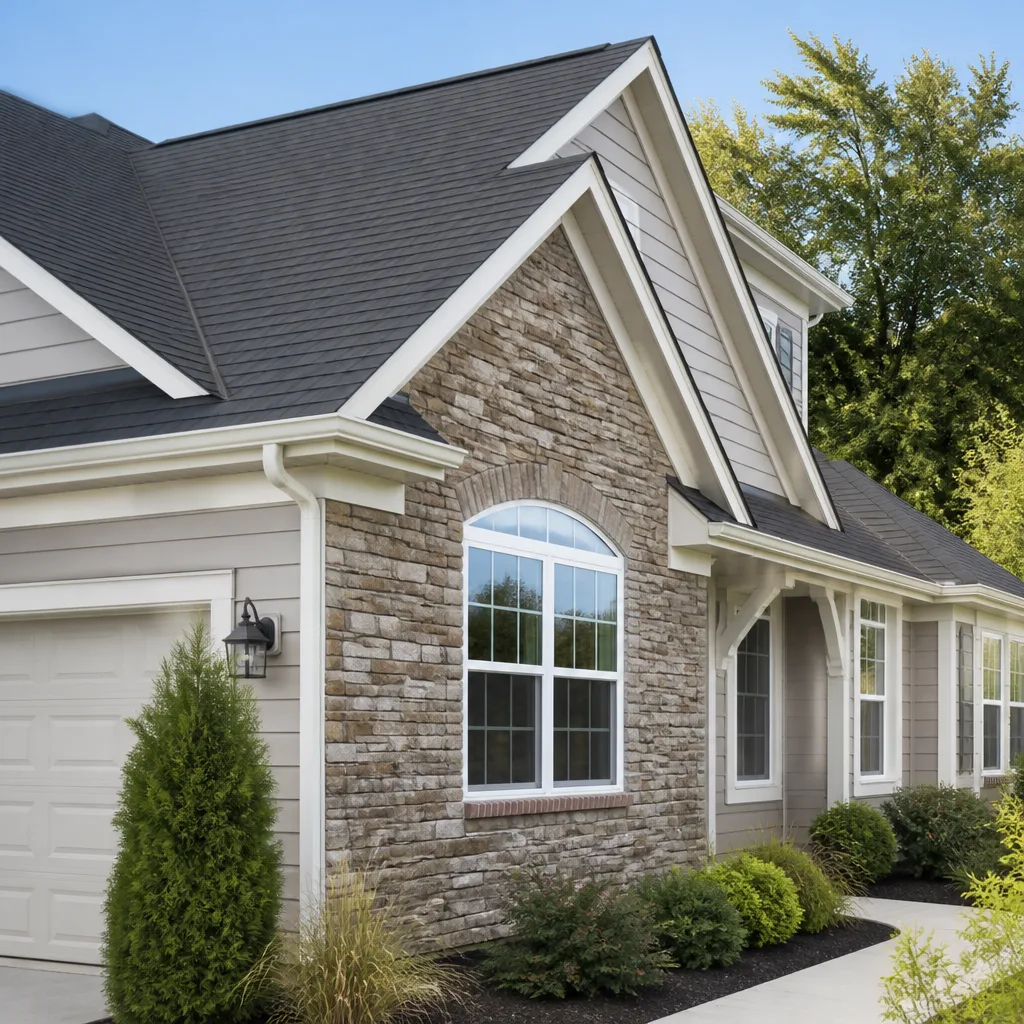
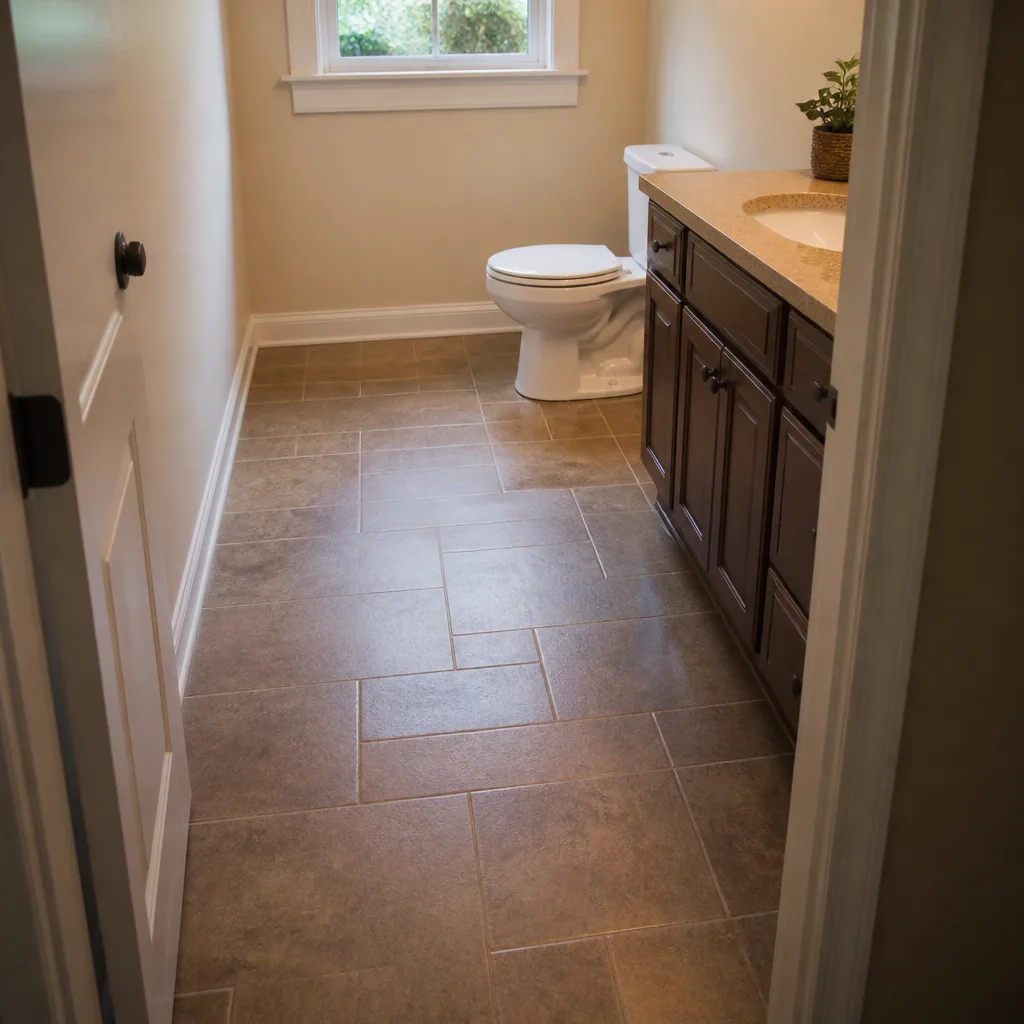
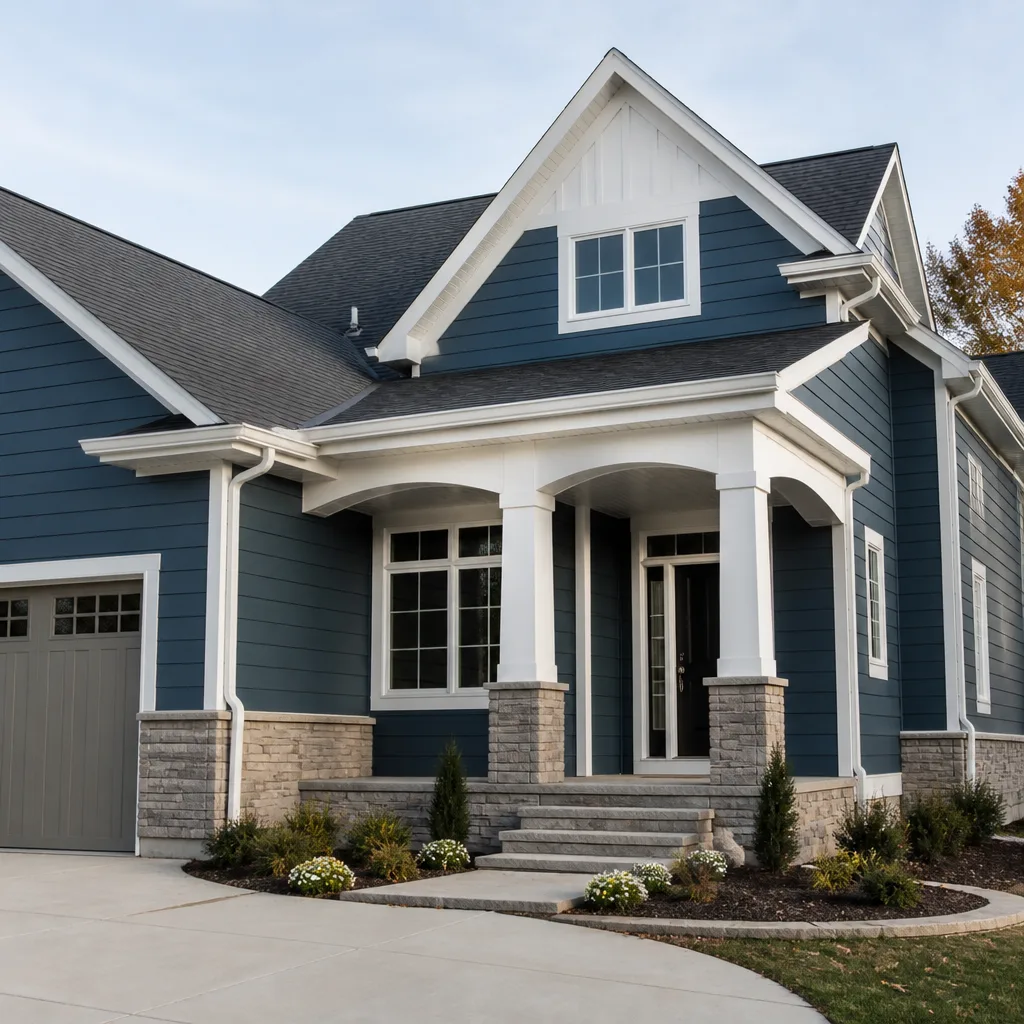
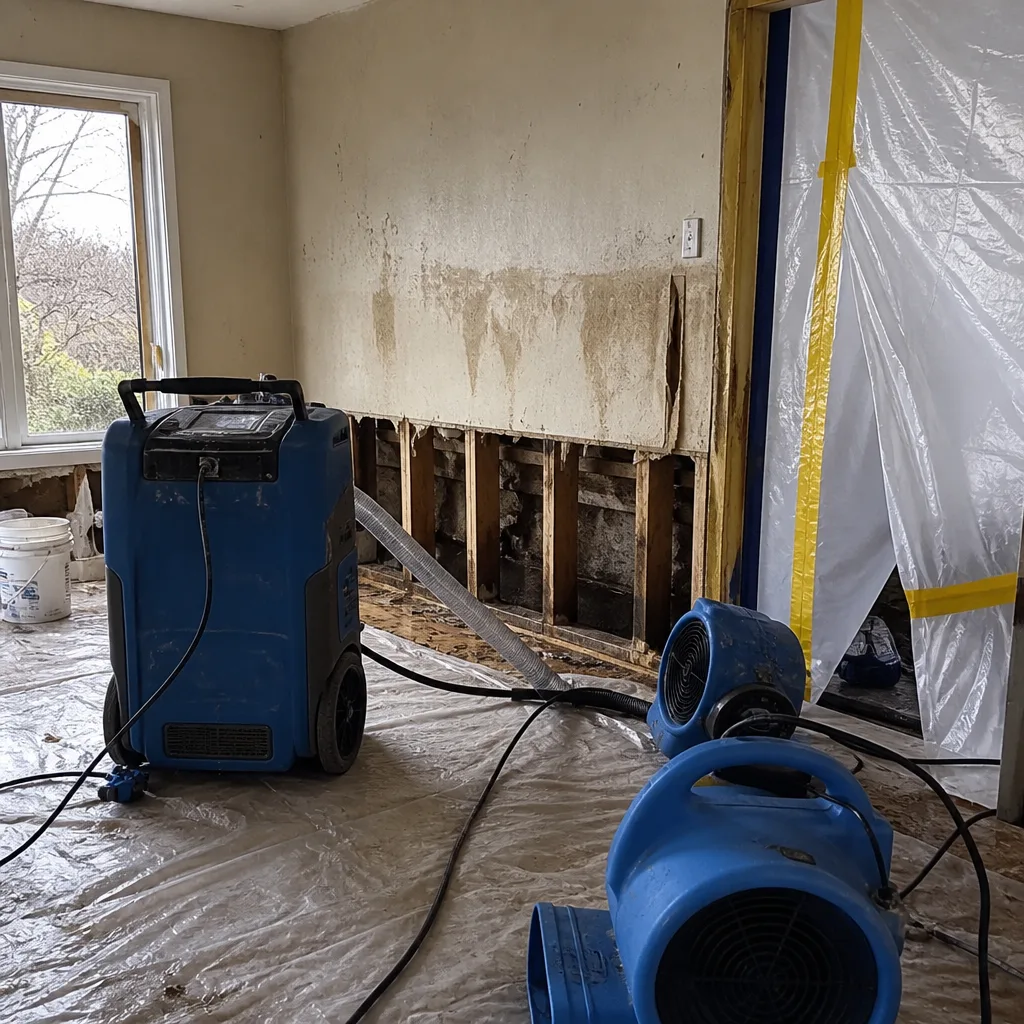 Before
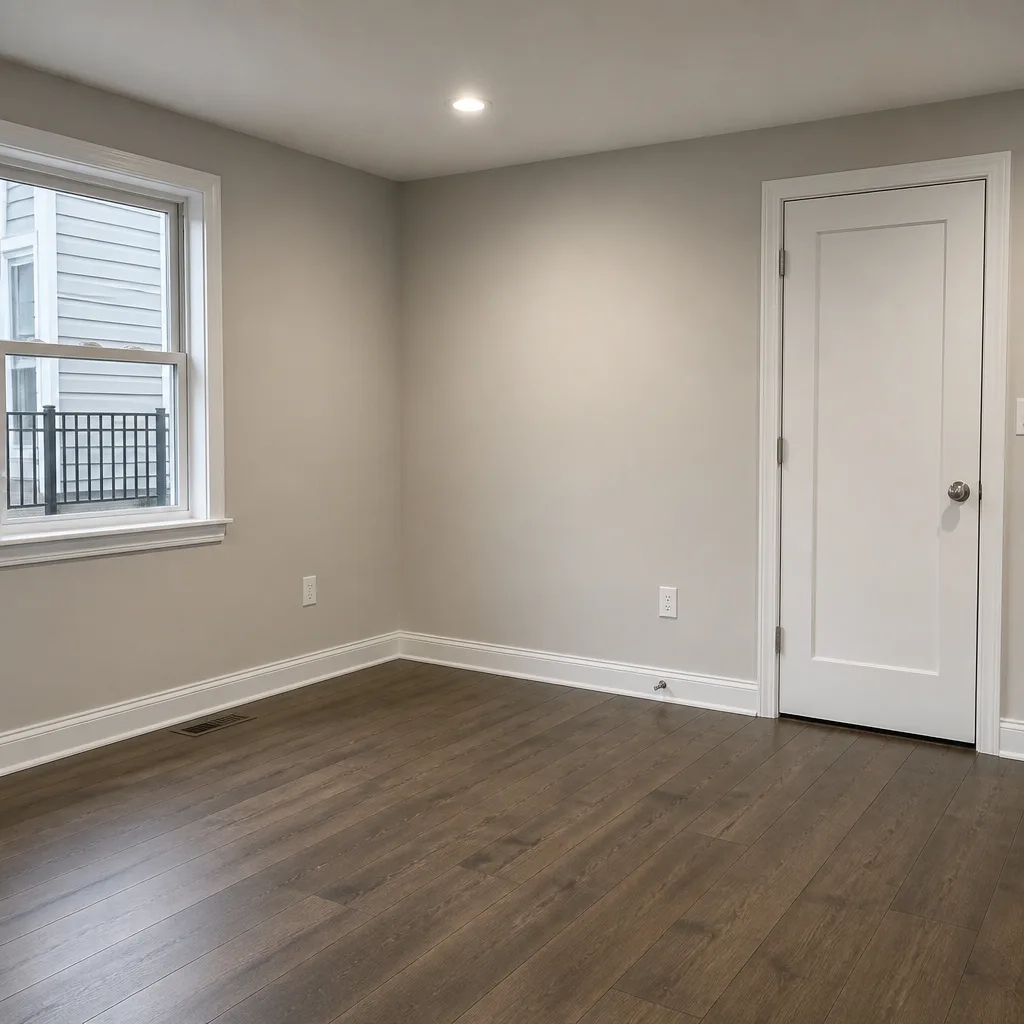 After
After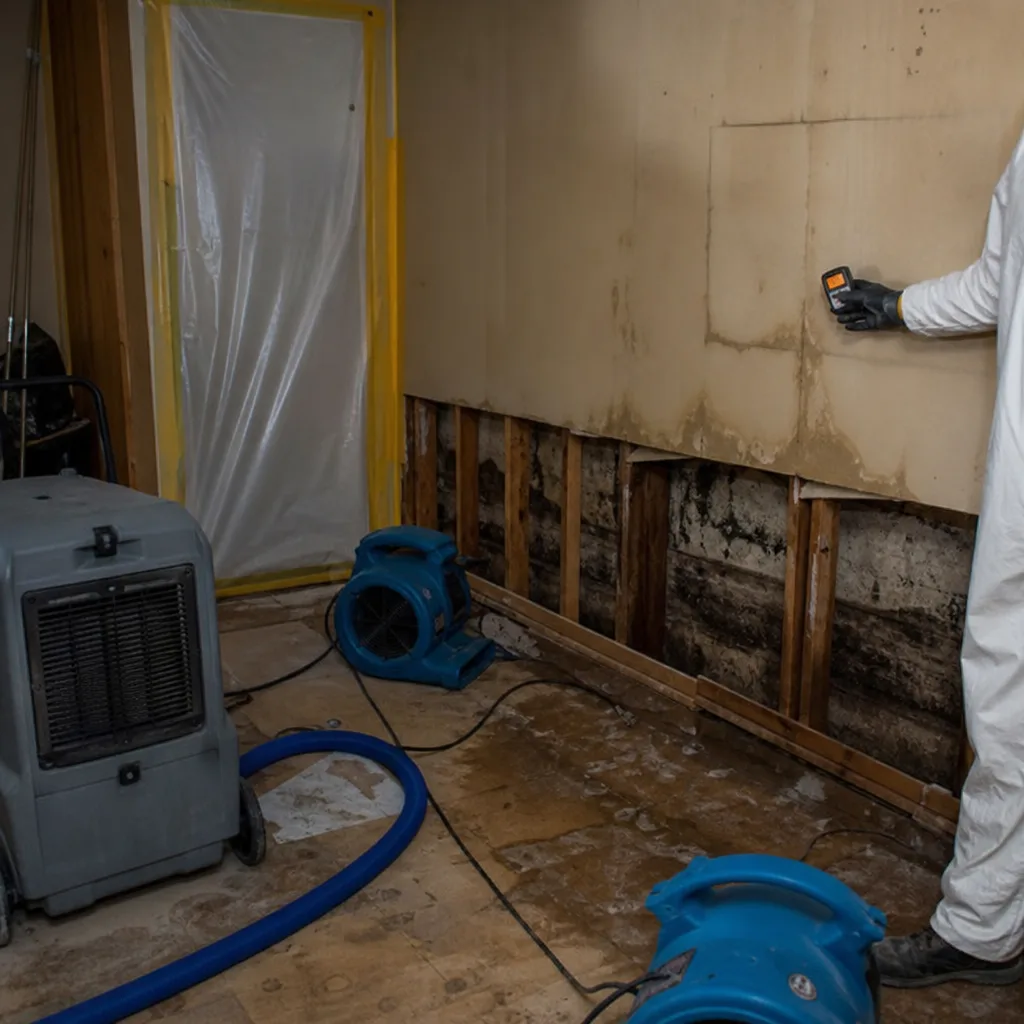 Before
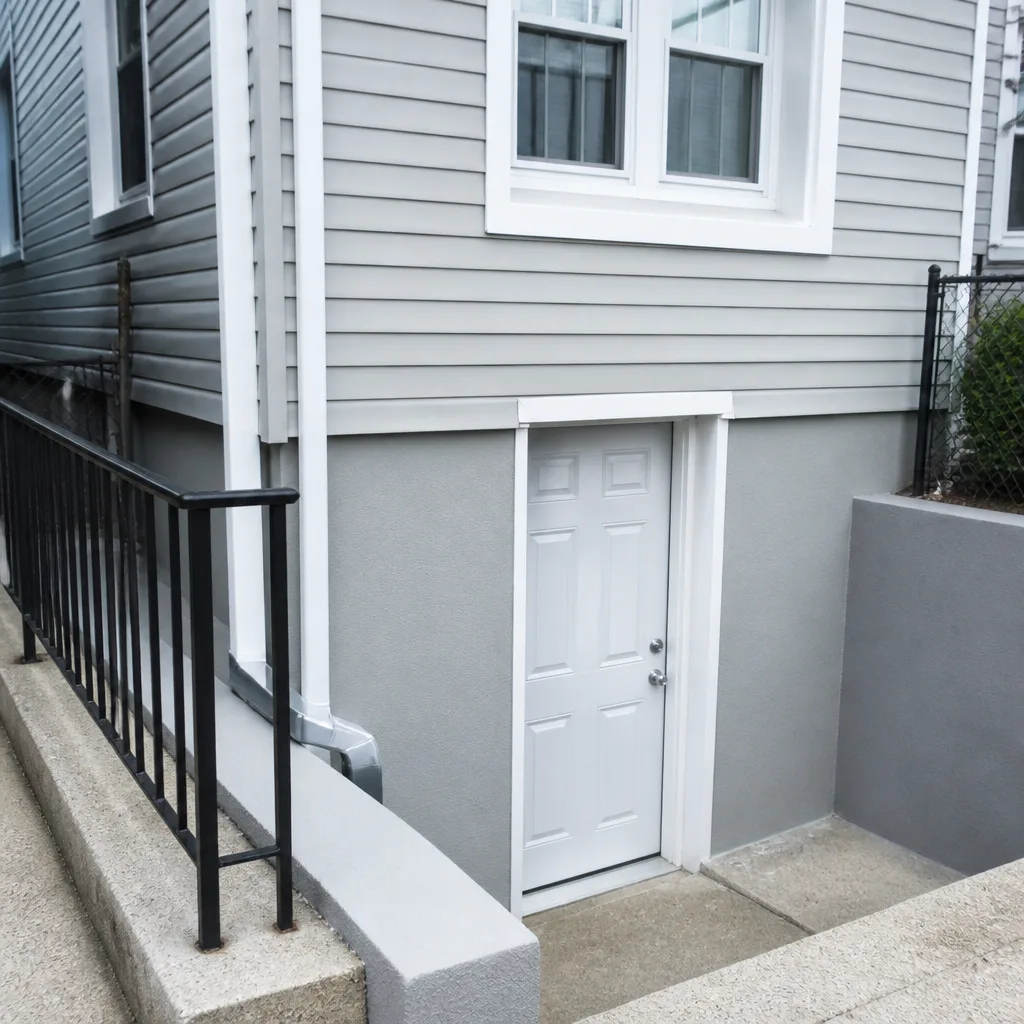 After
After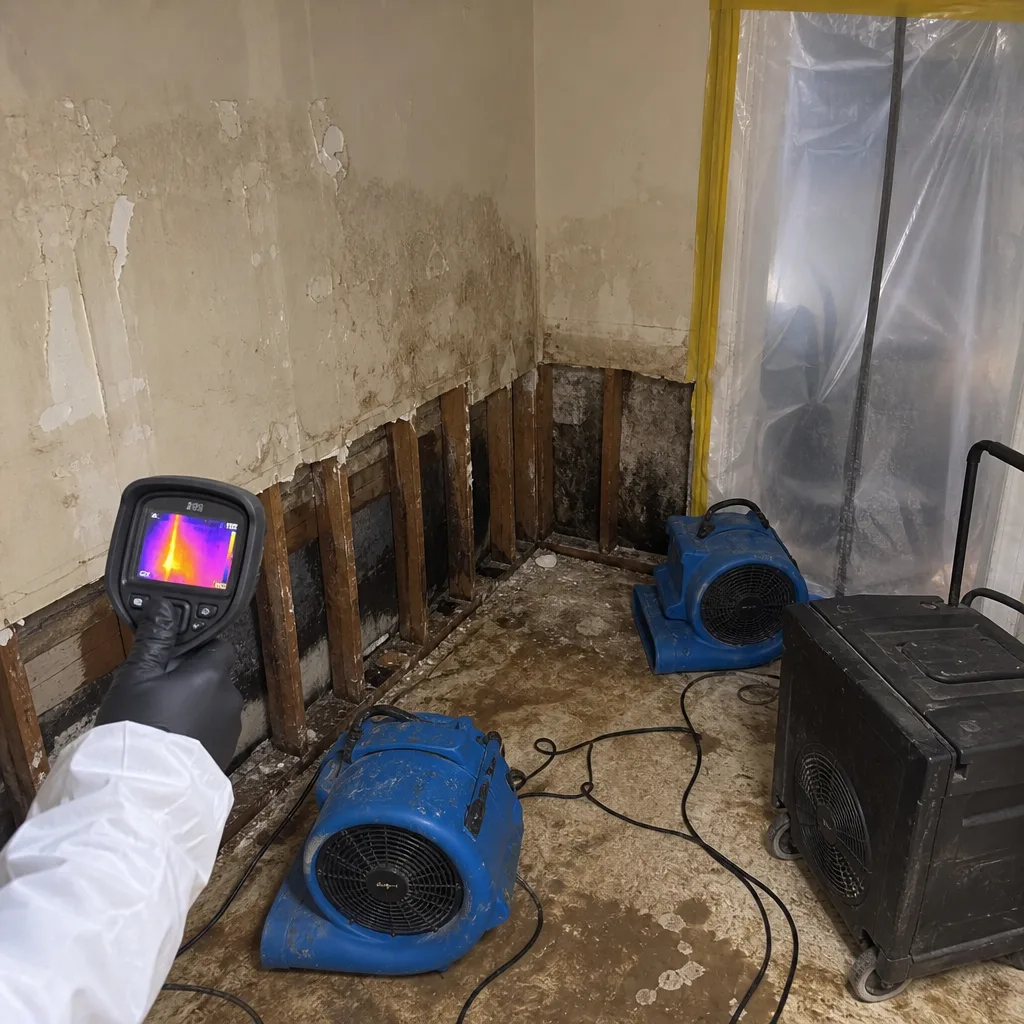 Before
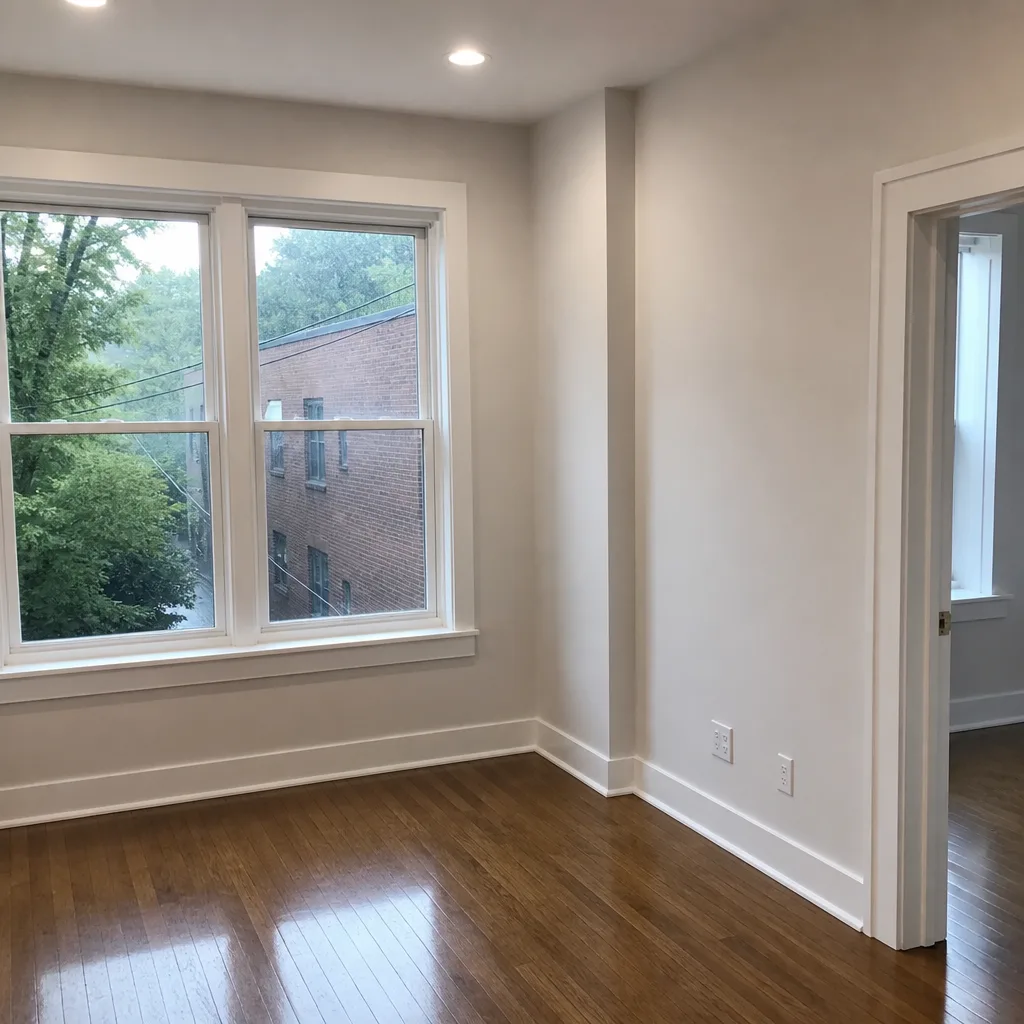 After
After24/7 Emergency Commercial Restoration in Long Island City
Commercial water, fire, and storm damage in Long Island City doesn’t wait for business hours, and neither do we. Wade’s Restoration answers live around the clock, every day of the year. When you call (201) 740-2235, a real person picks up, not a phone tree or an answering service. Wade Ferris himself will talk you through the first steps, and crews are minutes away for a free visual inspection of your Long Island City property. The first hour matters because water category climbs fast here. What starts as clean Category 1 water from a burst supply line can hit Category 3 contamination inside 48 hours, especially in this neighborhood’s older stock and flood-zone buildings. Every minute of delay adds days to drying and thousands to the claim.
Understanding Commercial Restoration Severity in Long Island City Properties
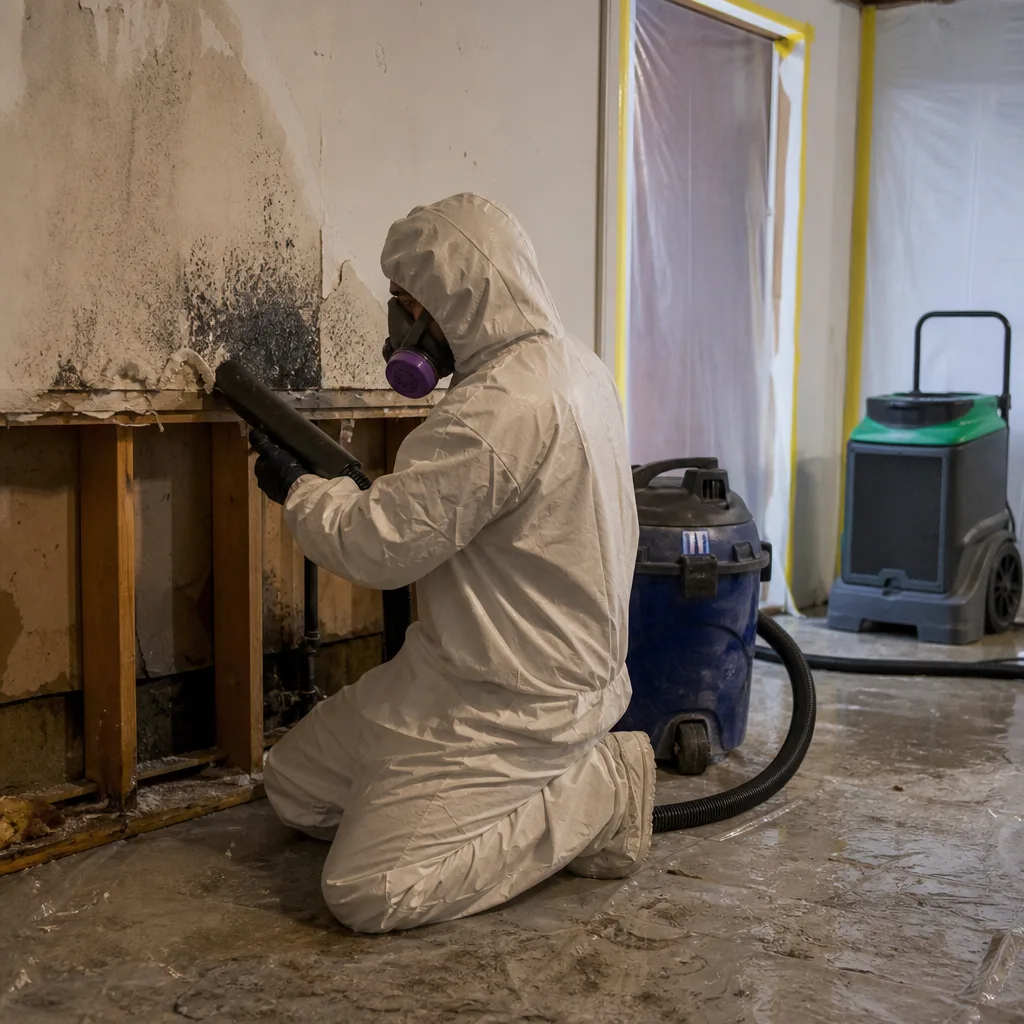
Long Island City’s commercial buildings fall into three distinct camps, and each one fails differently. The pre-war brick factories and warehouses converted to lofts along Jackson Avenue and in Court Square routinely hide spray-applied asbestos fireproofing on structural steel. The original concrete slabs are non-standard thicknesses with no vapor barriers, which means moisture trapped beneath a dry-looking surface can feed mold inside heritage brick walls for months before anyone sees it - exactly why we offer Mold Remediation in Long Island City as a core service. The early-20th-century walk-up tenements have cast-iron waste lines that crack and back up into ground-floor retail. And the post-2010 glass-and-steel high-rises near the East River waterfront sit inside FEMA Flood Zone AE, where storm surge from a hurricane or nor’easter turns lobby and mechanical-room flooding into a hazmat-governed event. In all three building types, we map moisture before we move air. We classify water Category 1, 2, or 3 at intake, and in this neighborhood that classification drives everything downstream: containment, disposal, abatement clearances, and what gets saved versus what gets cut and hauled.
Why Long Island City Property Owners Choose Wade’s Restoration
- 45-minute response commitment: We’re stationed to reach any Long Island City address fast. Wade is on the road while most franchises are still routing your call through a call center in another state.
- 24/7 live answer, always a real person: No voicemail, no automated prompt, no “press 1.” Call at 3 a.m. and Wade picks up. That’s not a policy, it’s how he’s run the business since 2007.
- IICRC-certified crews: Our techs hold WRT (Water Damage Restoration), FSRT (Fire & Smoke Restoration), and AMRT (Applied Microbial Remediation) credentials. The certifications are current, and the equipment matches: Dri-Eaz dehumidifiers, Phoenix air movers, XPOWER air scrubbers.
- Free visual inspection: We walk the space, document the damage, and tell you plainly what needs to happen next. No charge for that, ever.
- Direct insurance billing: We work directly with your carrier, get photos and moisture logs into the adjuster’s hands the same day, and handle the documentation so you’re not the one stuck in the middle.
- One team, start to finish: Extraction, drying, cleaning, document recovery, reconstruction. The same crew you met at hour one is the crew that finishes the job. No handoffs, no subcontracted strangers.
Our Commercial Restoration Process
Inspection & Assessment
We arrive on-site, run thermal imaging and hygrometers across every affected surface, and map the moisture profile. In Long Island City, that includes checking for asbestos fireproofing on exposed structural steel before any drying equipment goes in. You get a written scope and a straight answer on what’s salvageable.
Extraction & Stabilization
Standing water comes out with truck-mounted and portable extraction units. If it’s Category 3 water from a sewer backup or Newtown Creek lateral infiltration, we set up containment and treat every drop as hazardous, per EPA and NYC DEP requirements. Inventory gets packed out and documented.
Drying & Dehumidification
Air movers and dehumidifiers go in, positioned to dry what’s actually wet, not just what looks wet. On non-standard concrete slabs in converted factory buildings, we take daily moisture readings and log them. You get the full log at the end. Almost nobody in this trade does that.
Cleaning & Sanitization
HEPA air scrubbers run throughout the affected space. Surfaces get cleaned, sanitized, and treated for microbial growth. Soot from fire damage gets dry- or wet-chem cleaned depending on residue type, part of our Long Island City Fire & Smoke Damage Restoration process. Nothing gets painted over or covered up.
Document & Inventory Recovery
For commercial clients, lost paper and damaged inventory are often the most expensive part of the loss. We recover what’s recoverable, freeze-dry or desiccate water-damaged documents where feasible, and itemize everything for the insurance claim with photos and condition reports.
Repairs & Restoration
The same crew that did the mitigation handles the rebuild: drywall, flooring, paint, trim, and anything structural. Every water, fire, and mold job gets the 90-Day Done Right Promise in writing. If it’s not done right, Wade makes it right. One call brings him back.
Need Emergency Commercial Restoration in Long Island City Now?
Crews minutes away, answering live 24 hours a day. The sooner we start, the less it costs.
Working With Your Insurance Company
The fastest way to slow down a commercial claim is missing documentation. In Long Island City, where contamination classification and hazardous-waste disposal rules are stricter than almost anywhere else in the borough, documentation is the difference between a covered loss and a denied one. From the first hour, we photograph everything, log moisture readings every day, and produce a line-item scope of work that matches current industry-standard estimating software. Then Wade talks to your adjuster directly. No back-and-forth relay through you, no “he said, she said.” You get a clear picture of what’s covered, what’s out of pocket, and what the realistic timeline looks like. For commercial policies with business interruption riders, our documentation supports the loss-of-income claim too.
What We Provide Your Insurer
- Thorough documentation of the loss
- Photos of all damage, room by room
- Moisture readings and drying logs
- A detailed, line-item scope of work
- Direct coordination with your carrier
Built for Long Island City’s Loss Calendar
Here’s what actually causes commercial restoration losses in Long Island City through the year, based on what we see on the ground. January and February bring deep freezes that burst supply lines in old tenement buildings and exposed sprinkler risers in converted industrial spaces along 37th Avenue. Spring thaw pushes groundwater up through slab cracks in Hunter’s Point cellars and puts pressure on aging cast-iron sewer laterals. Summer thunderstorm flash flooding overloads NYC’s combined sewer system, backing raw sewage into ground-floor retail along Vernon Boulevard and Jackson Avenue. Autumn nor’easters drive storm surge up the East River, flooding mechanical rooms and loading docks in Flood Zone AE properties. None of this is hypothetical, and none of it respects a lease schedule. The seasonal pattern changes, but the first-call response stays the same: live answer, fast crew, documented scope.
Commercial Restoration Across Long Island City’s Neighborhoods
Long Island City isn’t one commercial profile, it’s four or five stacked on top of each other. In Hunters Point, the brick warehouses converted to residential lofts have ground-floor retail spaces sitting on original concrete slabs, and when a sewer lateral backs up, Category 3 water spreads fast under display fixtures and stockrooms. The Court Square corridor holds early-20th-century office buildings with steam radiators and cast-iron waste lines, where a freeze-burst or a backed-up line can take out three floors before anyone notices the ceiling staining. Along Vernon Boulevard, the restaurants and galleries near the waterfront deal with the double threat of storm surge and combined-sewer backups, and the floor assemblies in those pre-war buildings hold water longer than anyone expects. Up near Queens Plaza, the newer hotel and office towers have their own failure modes: rooftop mechanical rooms that flood during nor’easters, below-grade parking garages that collect groundwater, and sprinkler systems that rupture in the freeze-thaw cycle. Each area gets a different response route, a different containment setup, and a different drying strategy. But they all get the same live answer when they call.
Specialized Commercial Restoration Services We Offer in Long Island City
Office & Retail Restoration
Storefronts on Vernon Boulevard and offices in Court Square share one problem: downtime is money. We dry in place where possible, pack out inventory where necessary, and get the doors back open as fast as the drying curve allows. Document recovery for client files and lease paperwork is standard practice, not an add-on.
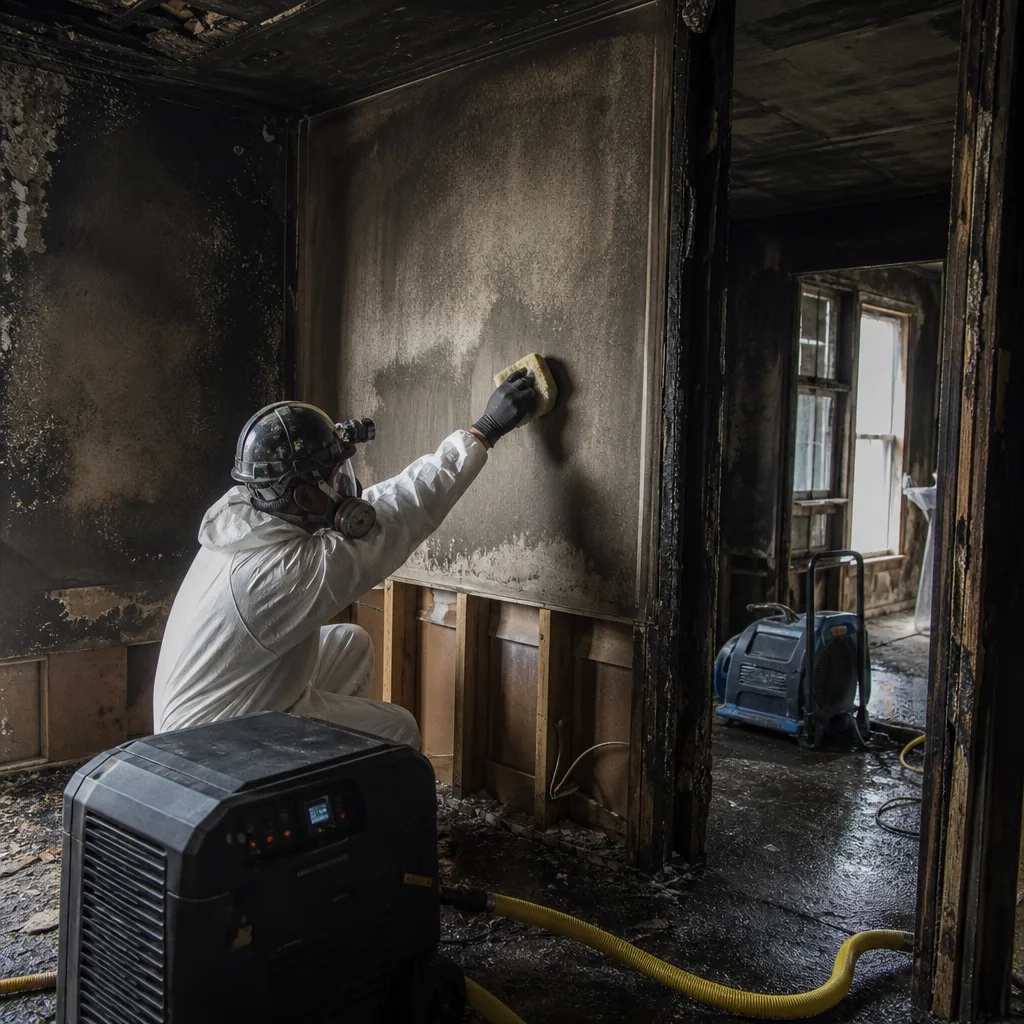
Multi-Unit & HOA Restoration
Condominium buildings and co-ops in Long Island City have shared systems that turn one unit’s leak into four floors of damage. Our Commercial Restoration team works with property managers and boards to scope the affected run, dry it properly, and produce the documentation HOAs need for their master policies. We know the difference between unit-owner and common-area responsibility, and we write the scope accordingly.
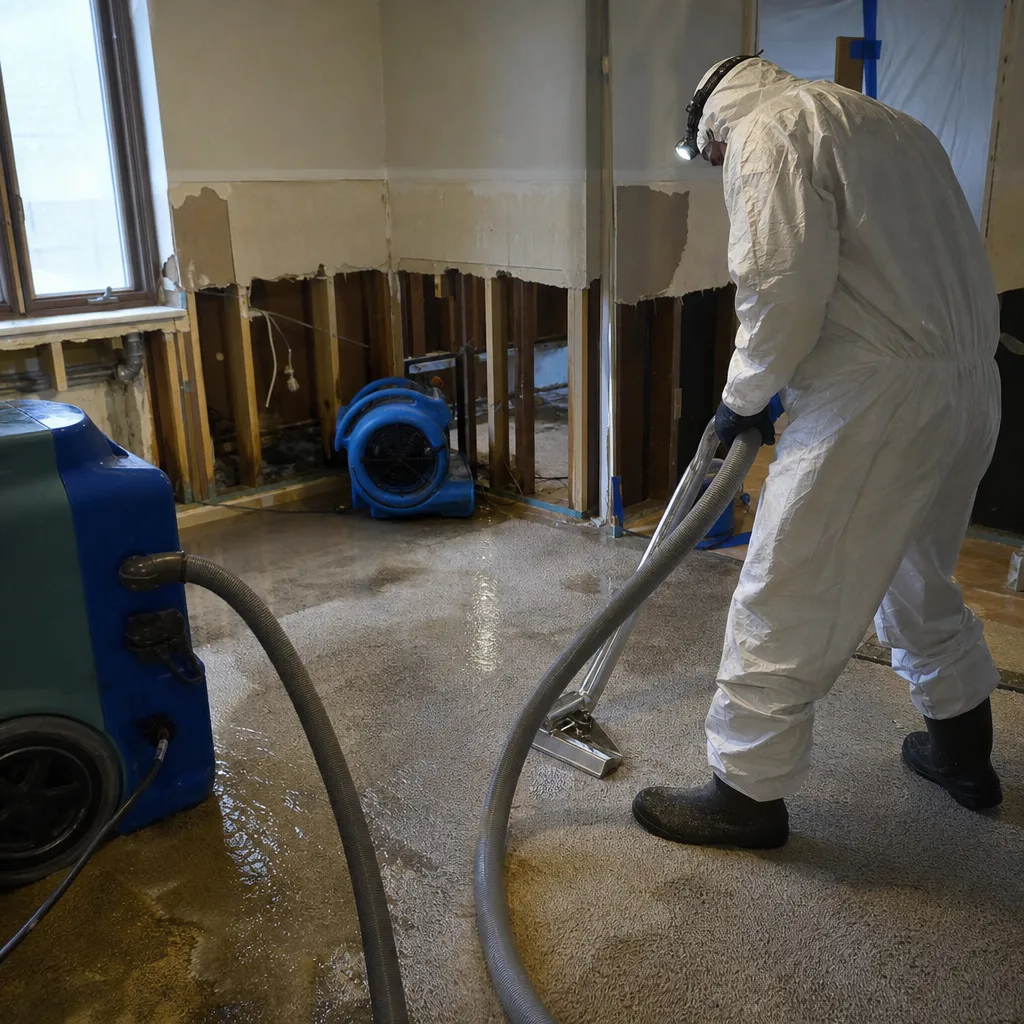
Industrial Facility Cleanup
Long Island City still has active industrial users mixed into the fabric of the neighborhood, especially near the Newtown Creek side. Facility cleanup here means more than water removal. It means hazardous-waste manifesting, EPA-compliant disposal, and documentation that satisfies both your insurer and any regulatory agency that comes knocking. We treat ground contamination as a baseline concern, not an exception.
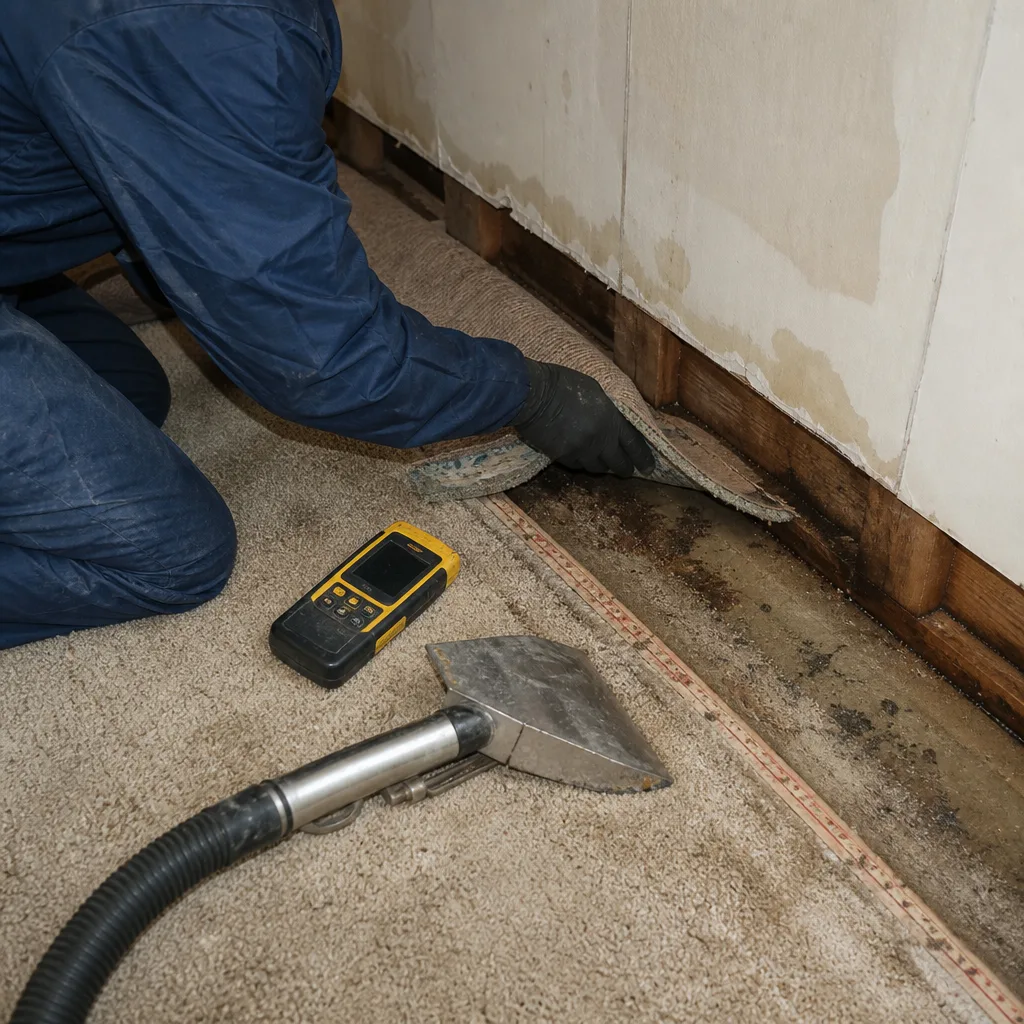
Large-Loss Response
When a whole floor floods or a fire takes out a commercial kitchen, you need more than a couple of techs and a dehumidifier. We bring additional crews, multiple extraction units, and the kind of coordinated response that keeps a large loss from becoming a total loss. In Long Island City’s converted industrial buildings, that coordination includes abatement clearances and structural assessments before drying begins.
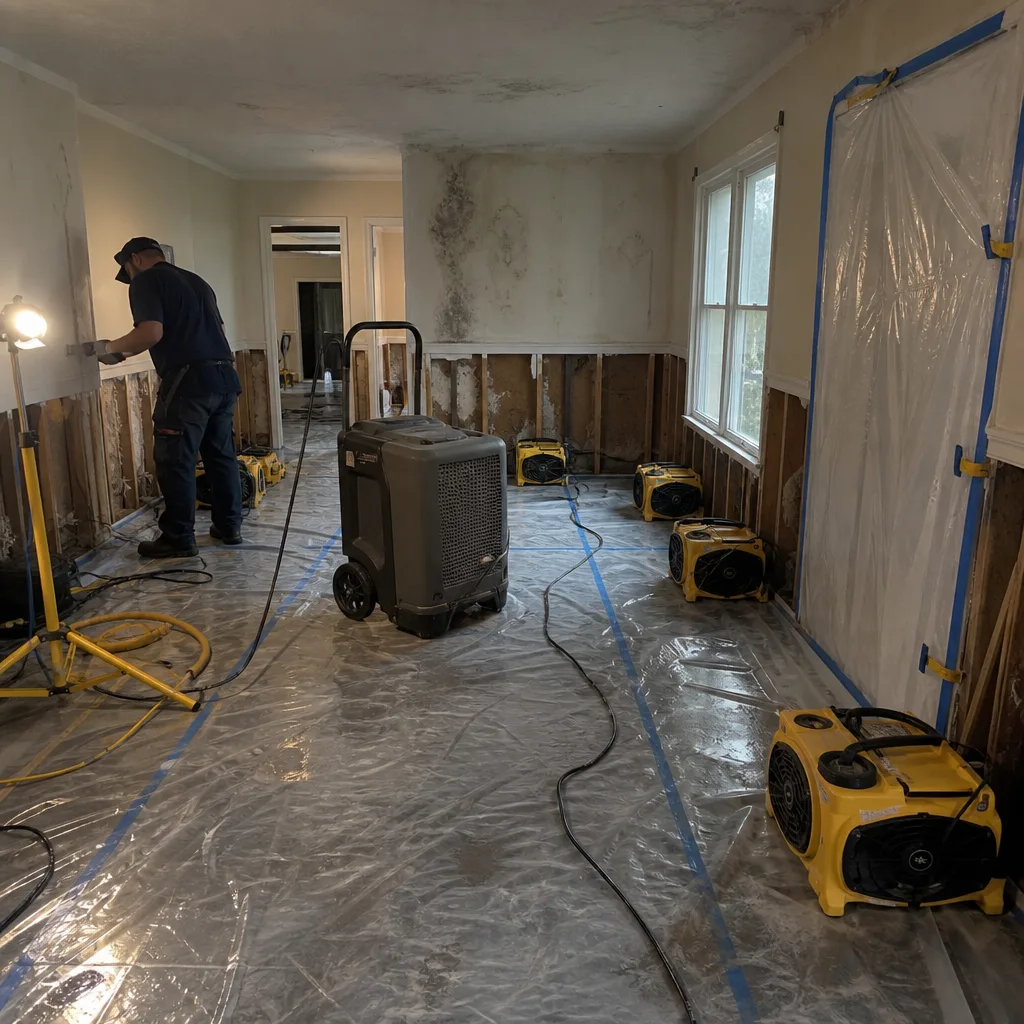
Business Interruption Minimization
Every day your Long Island City business is closed is a day of revenue you don’t get back, even with a business interruption rider. We prioritize getting you operational, whether that means setting up temporary workspace, salvaging critical equipment, or phasing the restoration so part of the space stays usable. The claim documentation supports the revenue loss claim, and the timeline stays realistic, not optimistic.
What happens when you call
- 1
A real person answersNo phone trees - you reach a local pro.
- 2
You get an upfront price rangeHonest numbers before anyone is dispatched.
- 3
A background-checked tech heads outLicensed & insured, dispatched right away.
- 4
You approve before work beginsNothing starts until you say go.
Commercial Restoration Costs in Long Island City, NY
Here are real numbers for Long Island City’s market. A small office water leak with drying in place runs $2,500 to $6,000. A ground-floor retail sewer backup with Category 3 water, containment, pack-out, and hazardous-waste disposal typically lands between $12,000 and $35,000. Industrial facility cleanup near Newtown Creek with documented contamination can push past $75,000 when abatement and hazmat hauling are required. A fire in a converted Hunters Point loft, with soot cleanup, structural assessment, and reconstruction, commonly runs $40,000 to $120,000 depending on square footage and materials. What moves the price: water category, square footage affected, whether asbestos or lead abatement clears come back positive, and whether inventory can be salvaged or must be written off. The free inspection gets you a firm written scope, so you know the number before any work starts.
We Also Serve Cities Near Long Island City
Our Long Island City crews also cover neighboring Astoria, where the pre-war housing stock and combined-sewer challenges look familiar, but the regulatory overlay is lighter. Same live answer, same fast response, same documentation standard.
Serving Long Island City, NY - Our Local Coverage Area
We’re based in the Long Island City area and know this community well. Use the map below to see our service coverage - if you’re nearby, we can almost certainly help.
Long Island City Commercial Restoration Questions, Answered
Why does a commercial water damage job in Long Island City require hazardous-waste documentation when a similar loss in Astoria wouldn’t?
Because Long Island City sits inside FEMA Flood Zone AE along the East River and borders the Newtown Creek Superfund site, so groundwater and sewer backups here are presumptively contaminated. The creek’s documented plume of petroleum, heavy metals, and industrial solvents has infiltrated the combined sewer lateral infrastructure. Water that touches that system gets classified Category 3, and disposal requires a licensed hazardous-waste hauler and a manifest. Astoria doesn’t carry the same designation.
How do you handle restoration inside a converted Hunters Point factory building with original structural steel?
Before any drying equipment goes in, we test the building’s spray-applied fireproofing on the structural steel for asbestos. If it comes back positive, abatement clearance must happen before containment and drying can legally proceed. We coordinate that step with a licensed abatement contractor, document it for your insurer, and adjust the drying plan around the abatement schedule. Call (201) 740-2235 to walk through your specific building.
What does a Category 3 water event from Newtown Creek sewage backup mean for office carpet and drywall?
It means both get cut and hauled. You can’t dry Category 3 water out of carpet, pad, or drywall and call it clean. The material is contaminated and gets disposed of as regulated waste. Hard surfaces like concrete and tile get cleaned, sanitized, and verified with clearance testing. We itemize everything for the claim so the loss is documented, not guessed at.
Why do ground-floor retail spaces on Vernon Boulevard need moisture mapping even when the slab looks dry?
Because the slab underneath a Vernon Boulevard storefront is often original early-20th-century concrete with no vapor barrier beneath it. Water migrates through capillary action and sits trapped under a dry-looking surface. Moisture mapping with thermal imaging and penetrating hygrometers finds what the eye can’t. Skip that step and the mold shows up six weeks later, after the claim is closed.
Can you keep a Long Island City restaurant’s kitchen equipment after a flood zone AE storm surge?
Mostly yes, if it’s cleaned, sanitized, and tested properly. Stainless steel equipment that took on Category 3 water can usually be salvaged with the right cleaning protocol. Equipment with internal insulation, sealed motors, or electrical components is a case-by-case call. We assess each piece, document the recommendation, and give your insurer a clear salvage-versus-replace list.
How fast can you actually get to a commercial property in Long Island City?
Our response commitment is 45 minutes for emergency calls within the Long Island City area. In practice, it’s often faster because our crews are positioned nearby. The call itself gets answered live, by a person, in under three rings. Call (201) 740-2235 and you’ll see.
Will my commercial insurance cover the hazardous-waste portion of a Newtown Creek backup job?
Usually yes, because the contamination classifies as part of the covered loss, not an environmental exclusion. The key is documentation: proper water classification at intake, hazardous-waste manifests, and a line-item scope that says exactly why Category 3 protocols were required. We provide all of that to your adjuster directly.
What should I do in the first 30 minutes after a commercial water event in Long Island City?
Cut power to the affected area if it’s safe, move what inventory and documents you can to higher ground, and call us. Don’t run fans, don’t open walls, and don’t assume the water is clean just because it looks clear. In this neighborhood, sewer lateral infiltration is common enough that we treat every flood as potentially Category 3 until proven otherwise.
Written by Wade Ferris, Owner at Wade’s Restoration, answering calls live for Long Island City commercial properties at (201) 740-2235.