
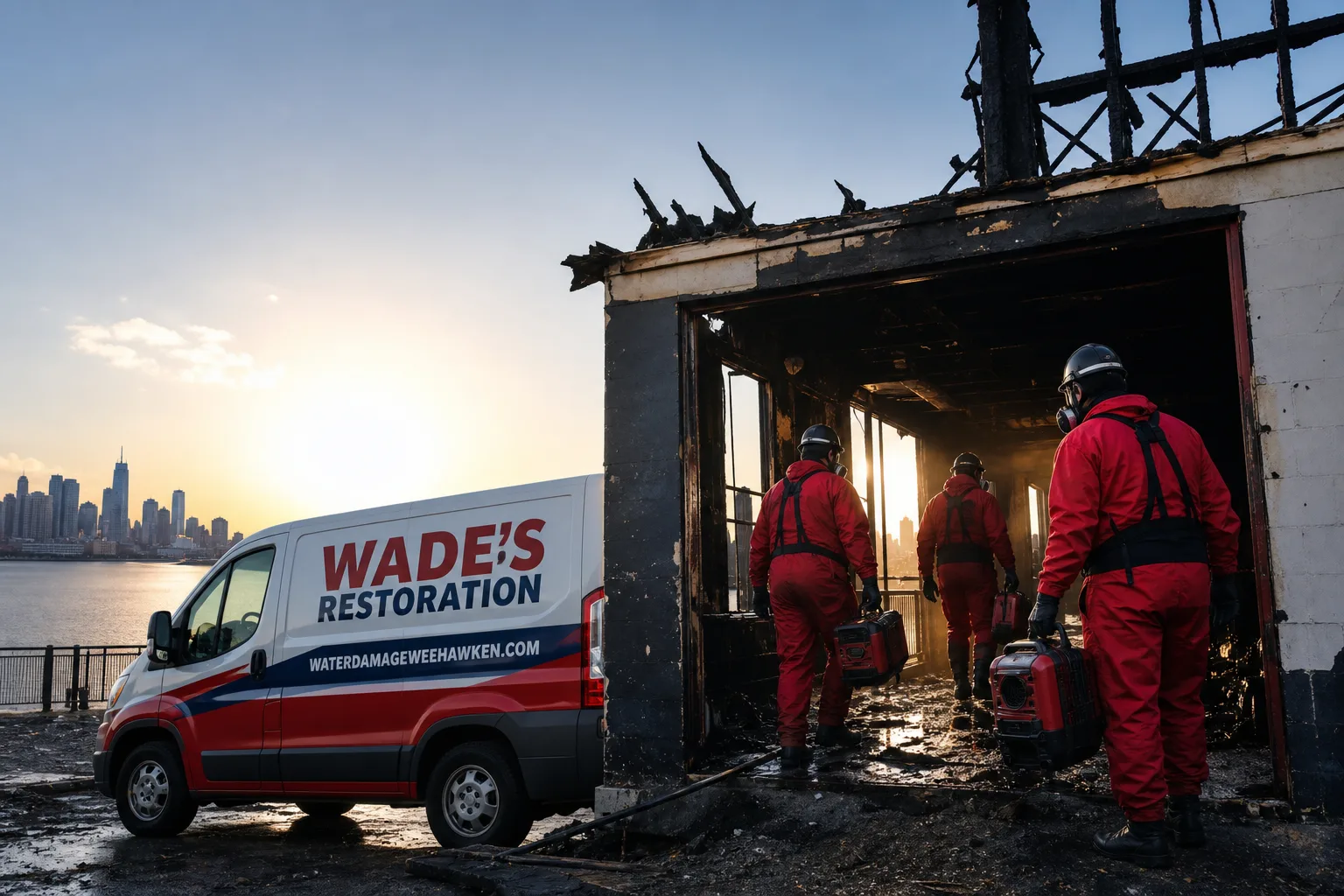
Free visual inspection and a written scope of work before any mitigation begins - photos, moisture readings, and drying logs go in your claim file
The scope we write is the scope we bill. Anything new gets shown to you, in writing, before we touch it.

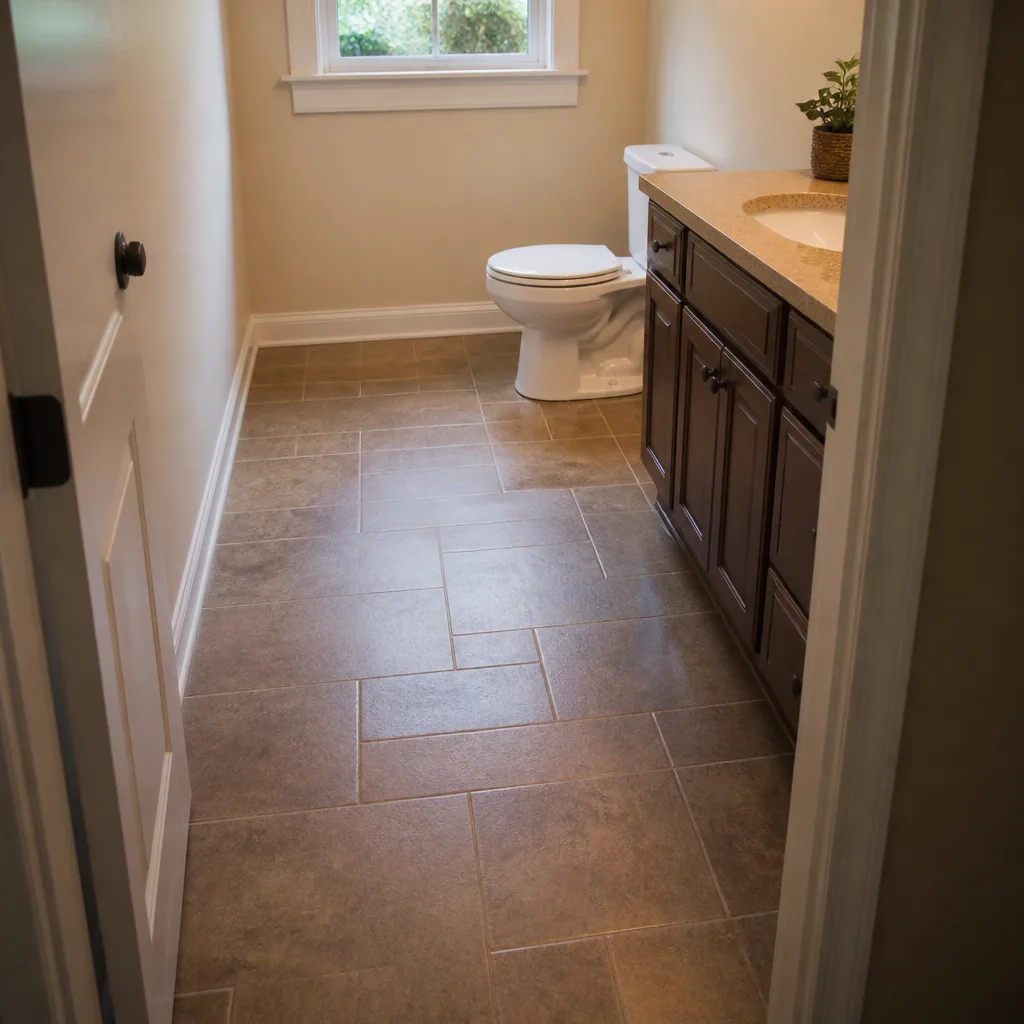
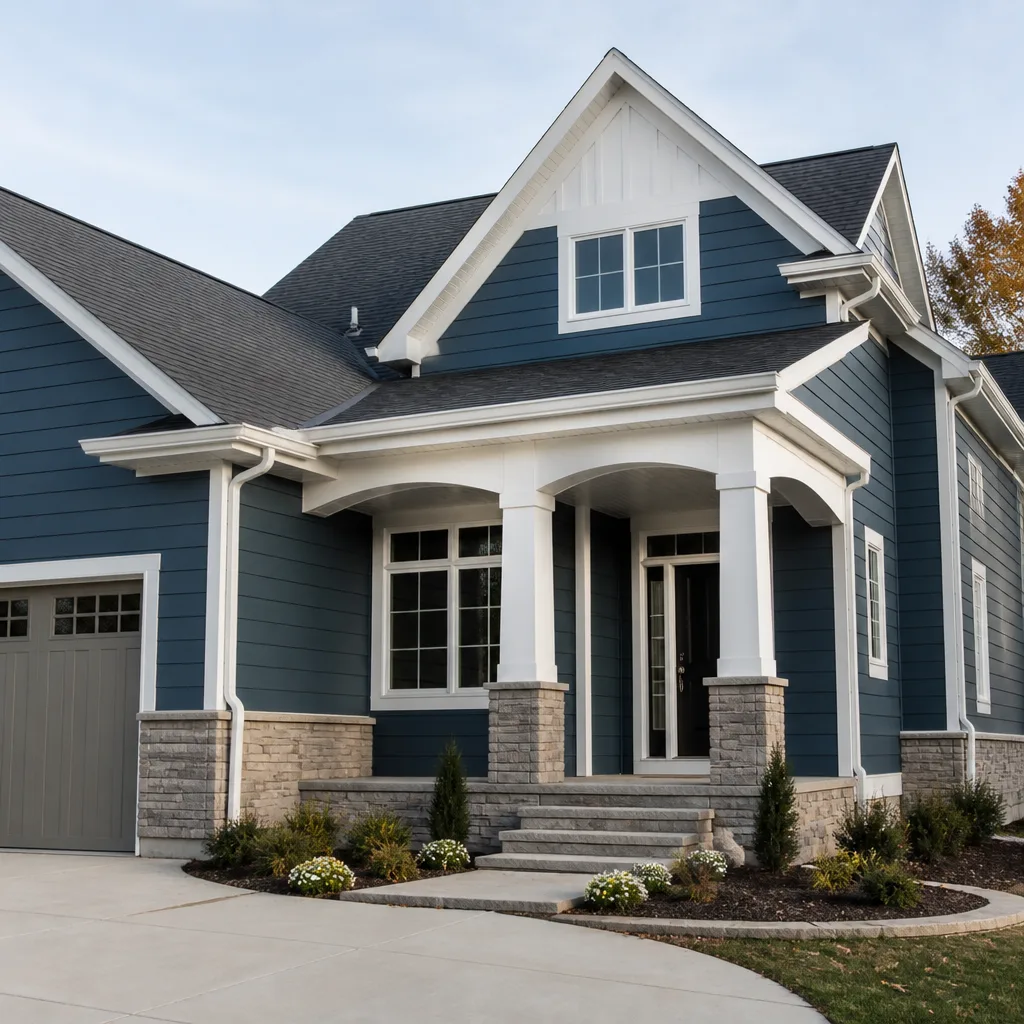
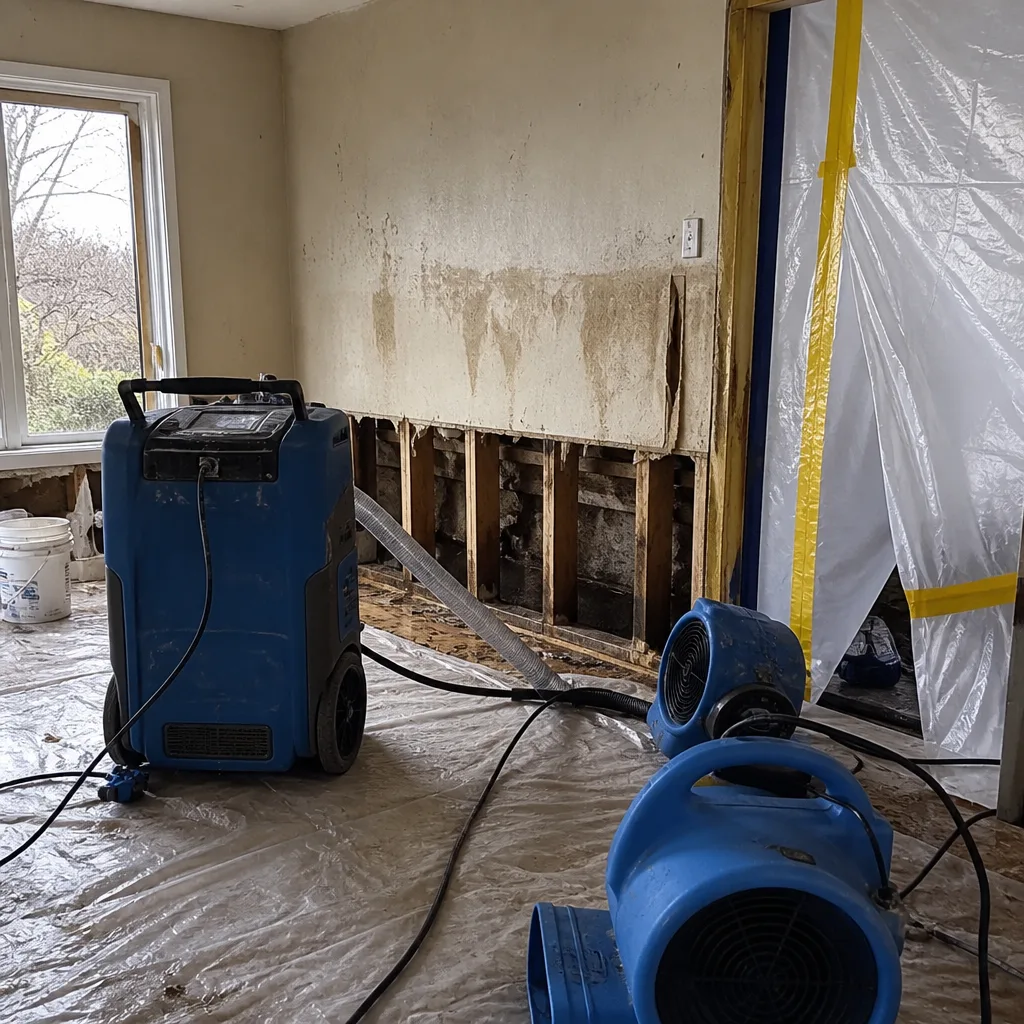 Before
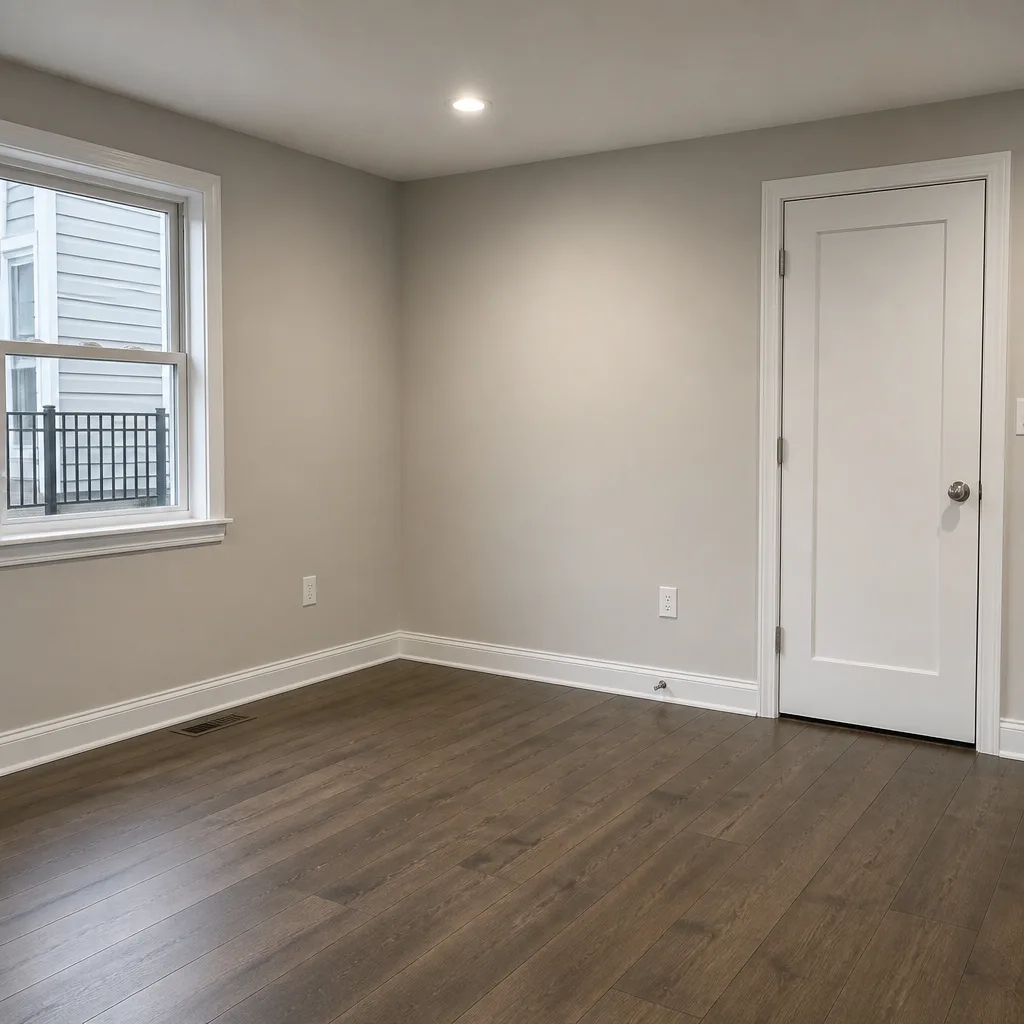 After
After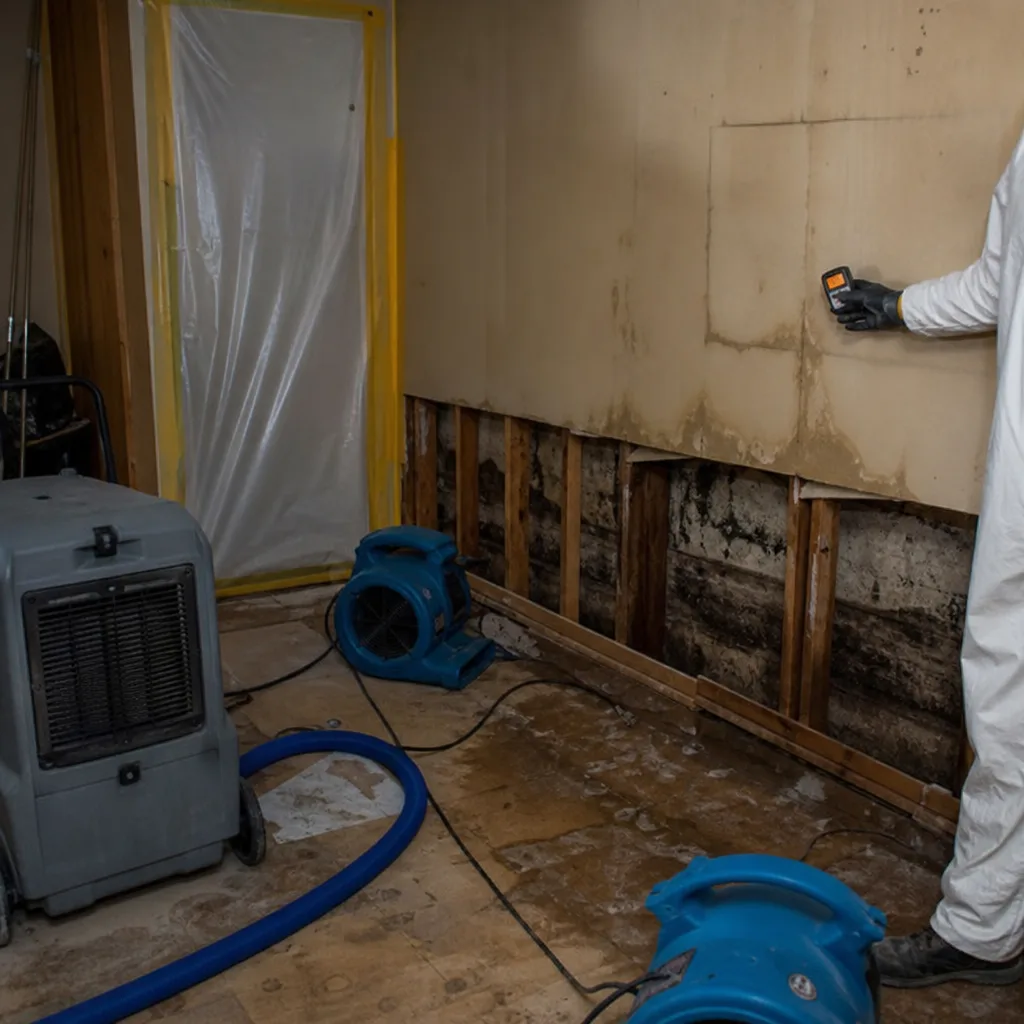 Before
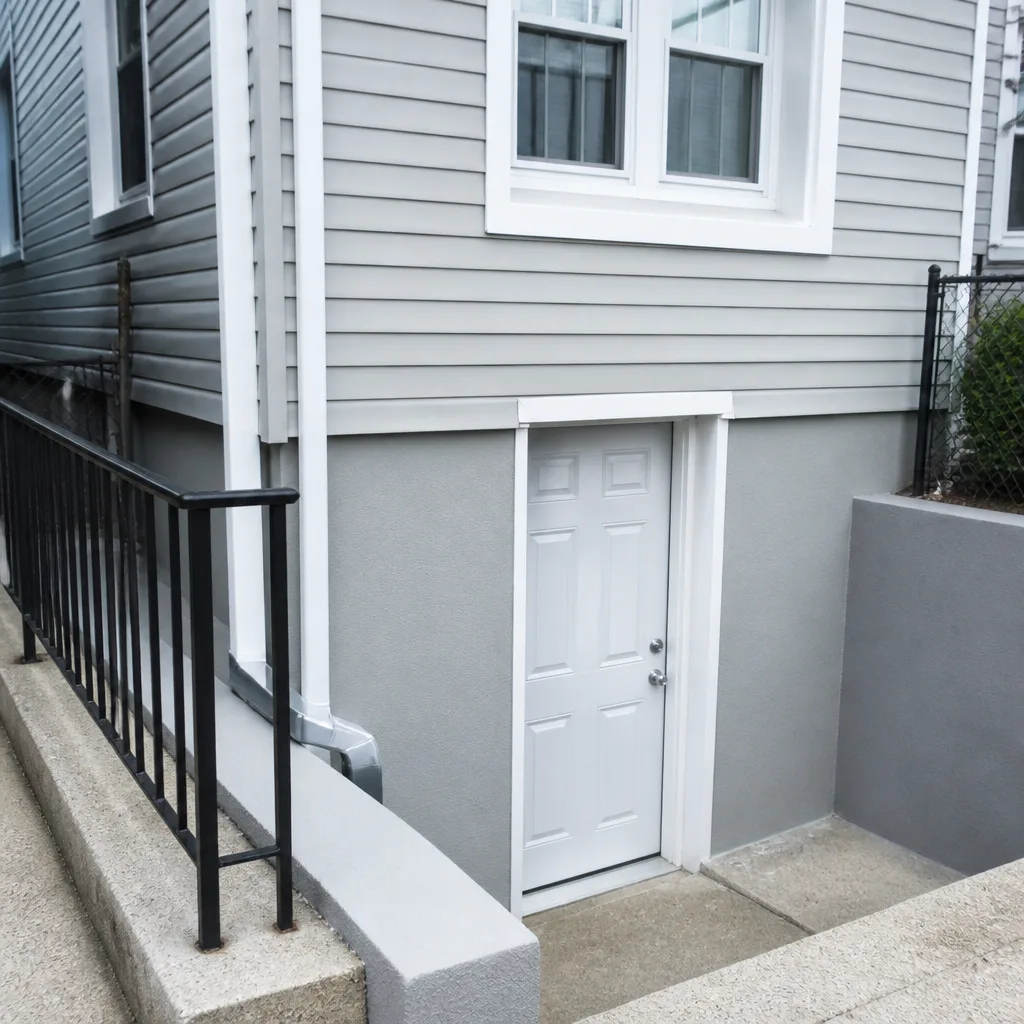 After
After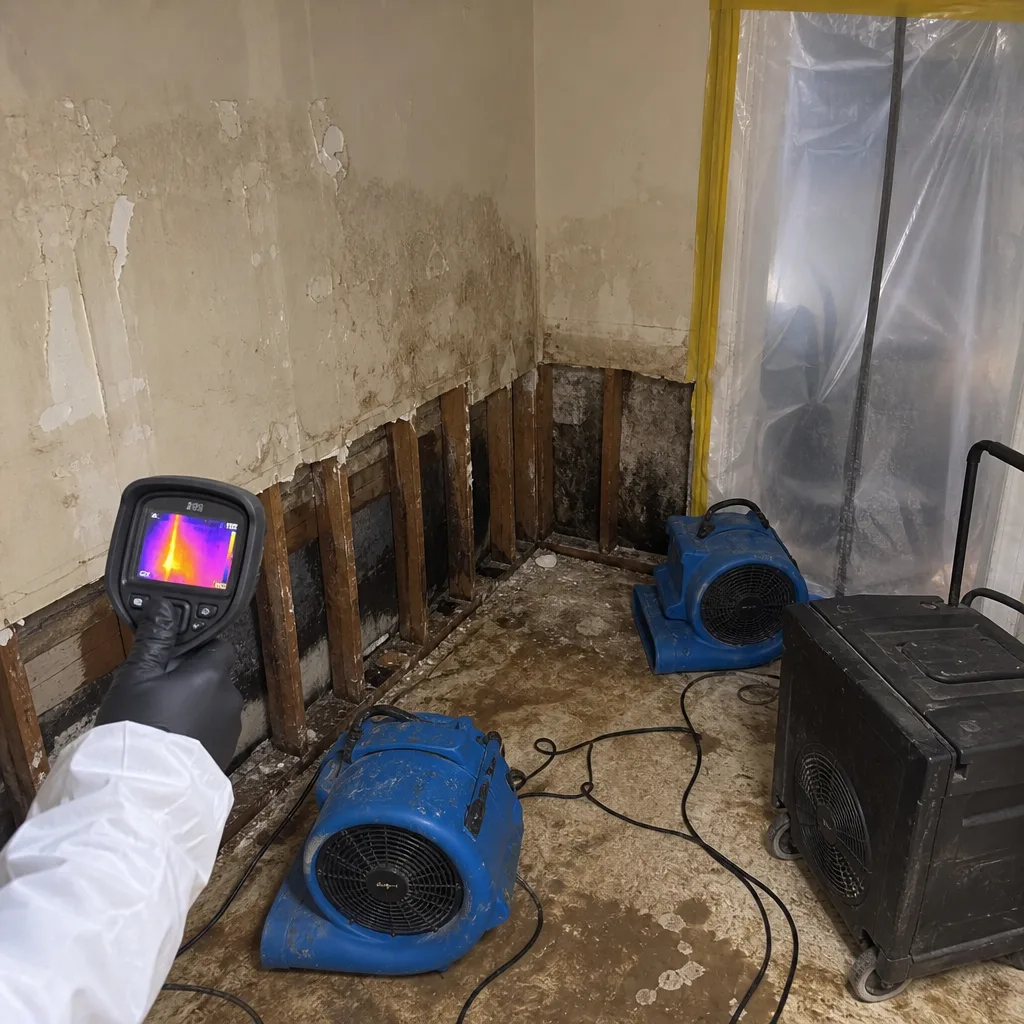 Before
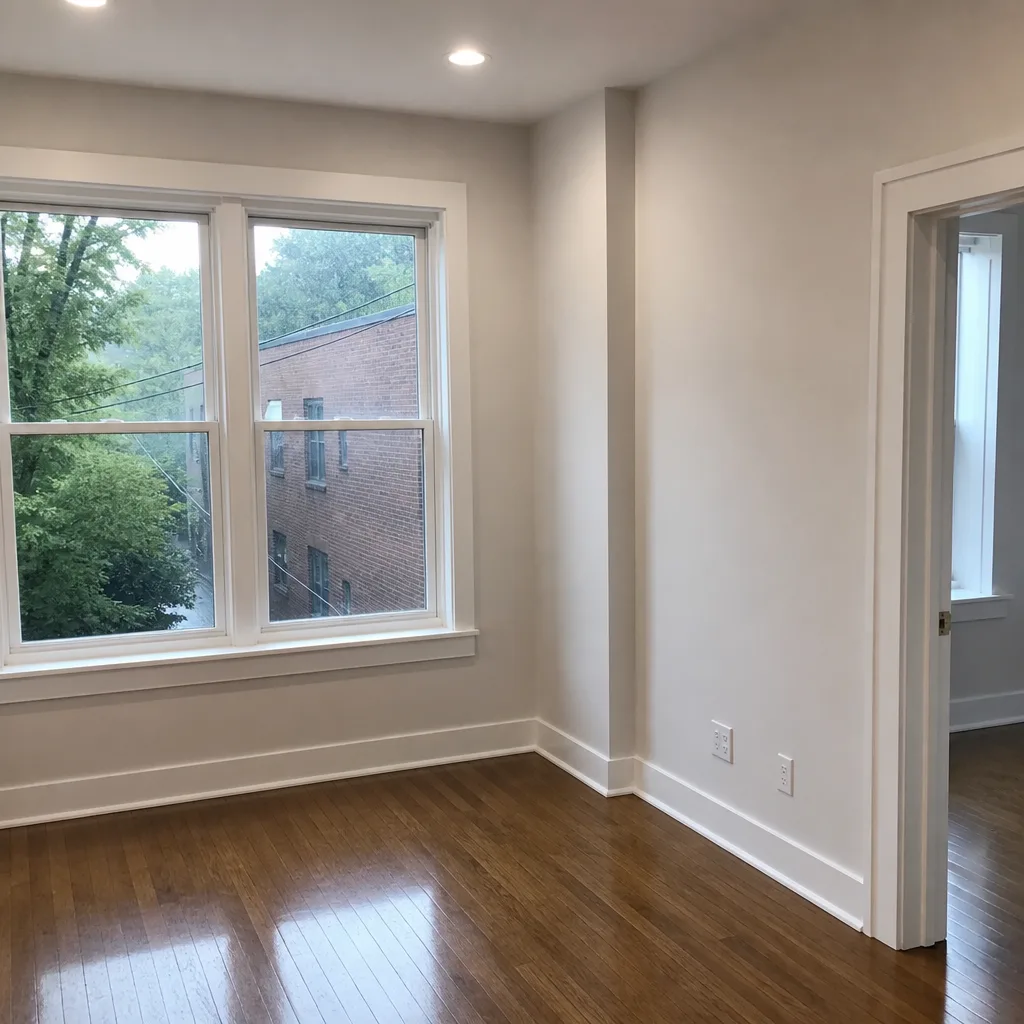 After
After24/7 Emergency Commercial Restoration in Financial District
Commercial water, fire, or storm damage in Financial District needs a response that accounts for salt air, flood-zone sub-basements, and pre-war building systems. Wade’s Restoration answers live around the clock at (201) 740-2235, and Wade Ferris can have a crew inside FiDi properties within 45 minutes of your call. The first hour after a pipe failure or flood-barrier overtopping matters because category 3 water moves fast through multi-level sub-basements, soaking elevator pits, vault walls, and inventory before most building managers even finish their first call. We do a free visual inspection, give you a written scope before any work starts, and start extraction the same hour.
Understanding Commercial Restoration Severity in Financial District Properties
In Financial District, severity isn’t just about how much water or soot you can see. It’s about what the building is made of and where the damage sits. Most commercial towers here are late-19th and early-20th-century Art Deco and Beaux-Arts structures with deep multi-level sub-basements, steam heating systems, and cast-iron plumbing that was never designed for the residential conversions that followed the post-9/11 office downturn. When a supply line fails on the 40th floor, water travels down through shaftways, conduit chases, and pipe sleeves, pooling in elevator pits and old bank vaults five stories below street level. We use thermal imaging and moisture mapping to trace that migration path, because the water you see on one floor is rarely the whole story. Category 3 water, the kind that comes from harbor surge or sewage backflow, carries bacteria and often heating oil in FiDi basements, and it requires containment, air scrubbing, and hazmat-level extraction protocols before drying even begins. Structural drying in these buildings takes longer than in modern construction because plaster-and-masonry assemblies hold moisture differently than drywall over steel studs.
Why Financial District Property Owners Choose Wade’s Restoration
- 45-minute response commitment to any Financial District commercial address, from Broad Street up to Chambers, with a live person answering the phone 24/7.
- Wade Ferris answers his own phone. You’re not routed through a call center. The owner is the one asking about your sub-basement flood, and he’s the one who shows up.
- IICRC-certified crews holding WRT (Water Restoration Technician), FSRT (Fire & Smoke Restoration Technician), and AMRT (Applied Microbial Remediation Technician) certifications, with RIA-affiliated protocols on every job.
- Free visual inspection with no obligation, and no trip charge inside our service area. You get a straight assessment before any money changes hands.
- Direct insurance billing and adjuster coordination. Wade’s team documents from the first hour and talks to your carrier so you’re not the middleman.
- One team from extraction to reconstruction. You don’t get handed from a water crew to a rebuild crew to a third subcontractor. Wade’s crew does the full job.
Our Commercial Restoration Process
Inspection & Assessment
We walk the full affected area including sub-basements, elevator pits, and mechanical rooms with thermal imaging cameras and hygrometers. You get a written scope and a firm price before anything gets torn out.
Extraction & Stabilization
For water jobs, we deploy truck-mounted extraction units and submersible pumps rated for high-volume commercial spaces. In FiDi sub-basements with harbor water and heating oil, we set up hazmat containment zones before extraction starts so cross-contamination doesn’t spread to unaffected floors.
Drying & Dehumidification
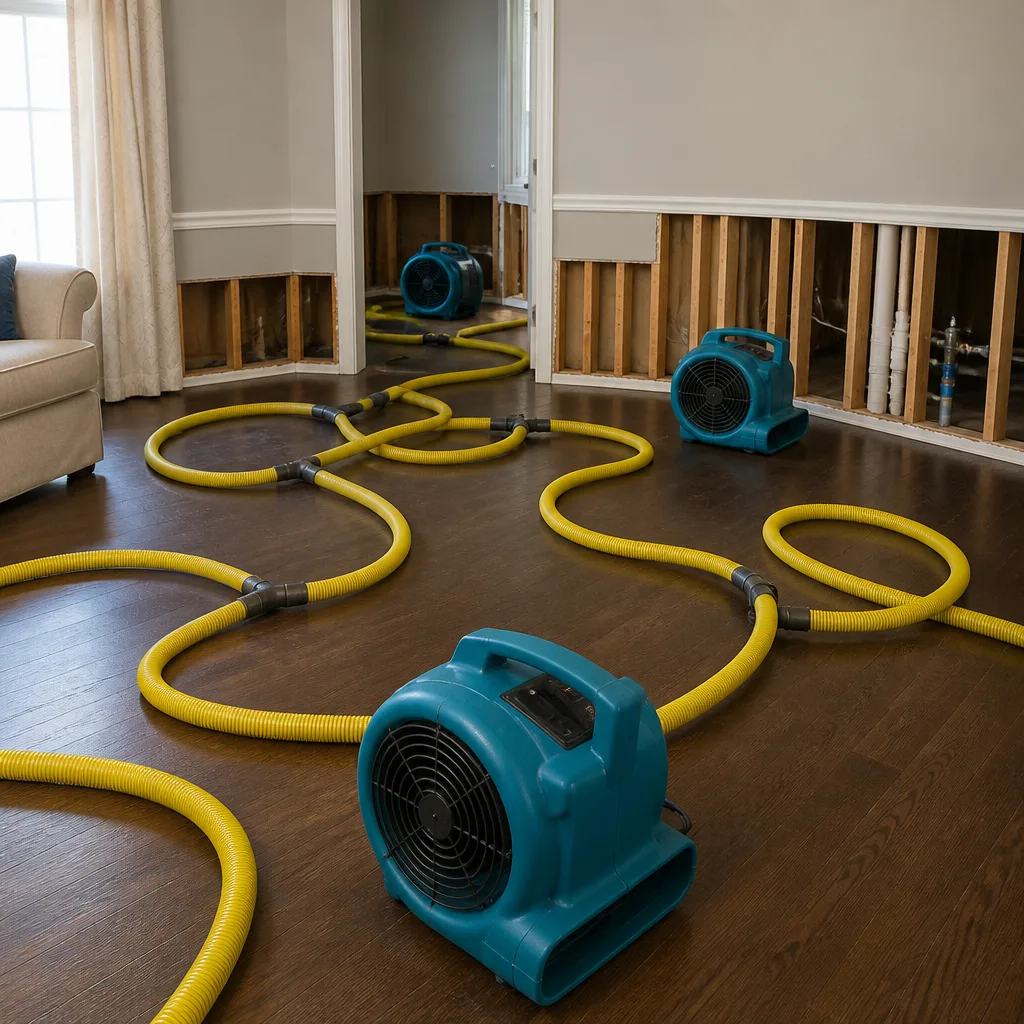
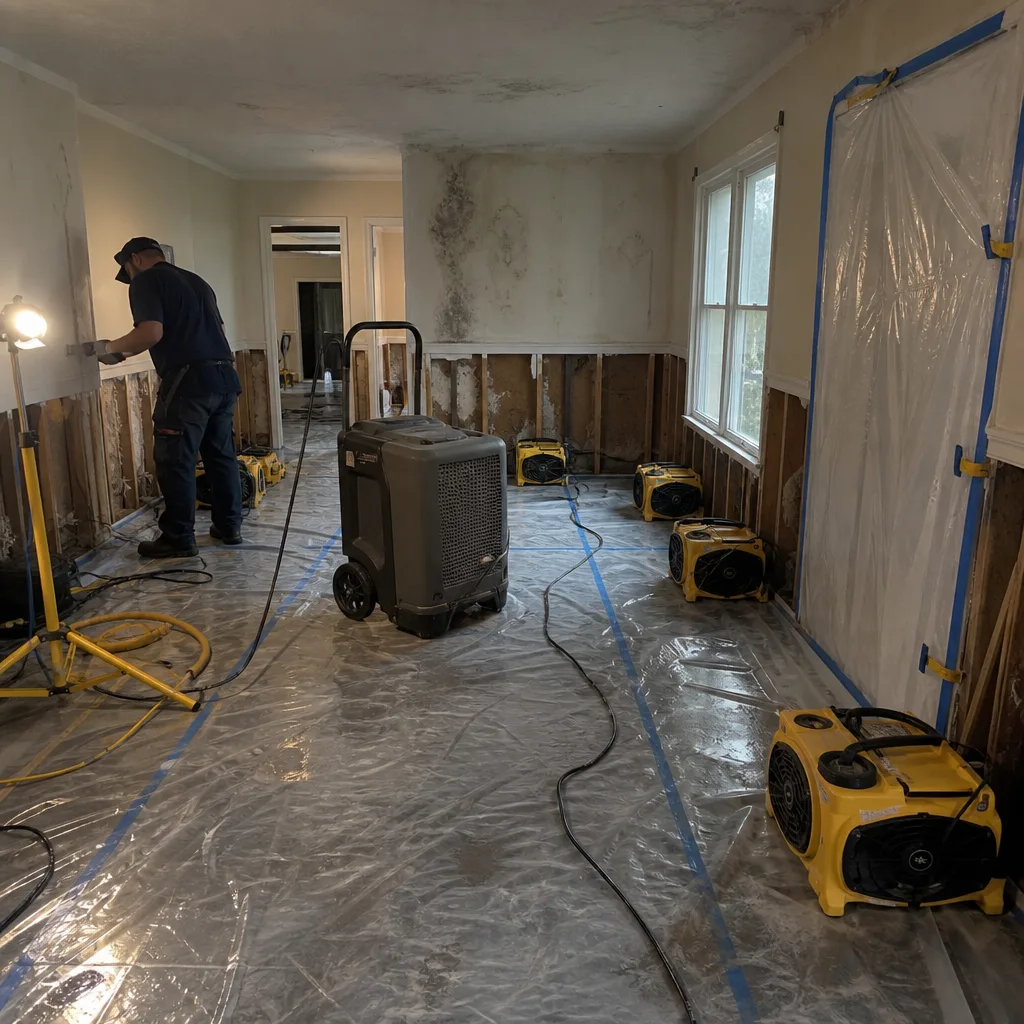
Commercial low-grain refrigerant dehumidifiers and high-velocity air movers from Dri-Eaz and Phoenix run continuously, with daily moisture readings logged. Wade hands the building owner the full moisture log at the end of the job, something almost nobody in this trade does.
Cleaning & Sanitization
HEPA air scrubbers run during and after the work to control particulate. Porous materials that can’t be dried are removed under containment. Hard surfaces get antimicrobial treatment appropriate to the category of water involved.
Corrosion & Hardware Treatment
On any garage, loading dock, or roll-up door exposed to salt air or flood water, we inspect springs, hinges, tracks, and opener chains. We replace corroded components with galvanized springs and stainless hardware, and we coat exposed fasteners to resist the harbor air.
Repairs & Restoration
From drywall and flooring to door systems and mechanical rooms, we rebuild to pre-loss condition and stand behind it with the 90-Day Done Right Promise in writing.
Need Emergency Commercial Restoration in Financial District Now?
Crews minutes away, answering live 24 hours a day. The sooner we start, the less it costs.
Working With Your Insurance Company
We document from the first hour. That means photos of standing water in the sub-basement, thermal images showing hidden moisture in shaft walls, and daily drying logs that show exactly what we did and when. We write industry-standard estimates in the format carriers expect, and Wade talks to your adjuster directly so you’re never stuck relaying messages between two sides. If a second opinion is needed, ask about our free second opinion on any written estimate.
What We Provide Your Insurer
- Thorough documentation of the loss
- Photos of all damage, room by room
- Moisture readings and drying logs
- A detailed, line-item scope of work
- Direct coordination with your carrier
Built for Financial District’s Loss Calendar
January and February bring deep freezes that pop cast-iron supply lines in pre-war towers. When a pipe lets go in an upper floor of a converted office building on Wall Street or William Street, water cascades through dozens of units and lands in elevator pits and vaults stories below. Spring in the Financial District brings rising harbor levels and the first strong nor’easters, when storm surge tests the drop-in flood gates installed after Sandy. If those barriers are seated wrong or overtopped, the sub-basement takes on a mix of seawater and whatever heating oil is sitting in aging tanks. Summer thunderstorms dump inches of rain in an hour, overwhelming roof drains and basement sumps in buildings whose drainage was sized a century ago. Fall hurricane season is the big one. Post-Sandy, many FiDi building managers added passive flood barriers, but those systems only work if they’re deployed correctly and maintained. When they fail, the damage is worse because the water has been held back longer and arrives with more force.
Commercial Restoration Across Financial District’s Neighborhoods
Response through the Financial District means knowing the difference between a narrow cobblestone block and a wide commercial corridor when you’re piloting a truck through. Around Wall Street and Broad Street, we’re usually in the sub-basements of landmark office towers where bank vaults, elevator pits, and steam tunnels sit below the water table. Up near Fulton Street and the South Street Seaport, the exposure is to the East River, and buildings here got hit hard during Sandy when surge pushed up from the harbor. Over by Battery Park and West Street, the Hudson River side, garage doors and loading docks face constant salt spray, and we see corrosion failures there more than anywhere downtown. Through Stone Street’s historic district, buildings are shorter, older, and built tight against one another, which means a fire or water loss affects neighboring storefronts fast and requires containment from the first hour. Each corridor has its own failure pattern, and our crews know them.
Specialized Commercial Restoration Services We Offer in Financial District
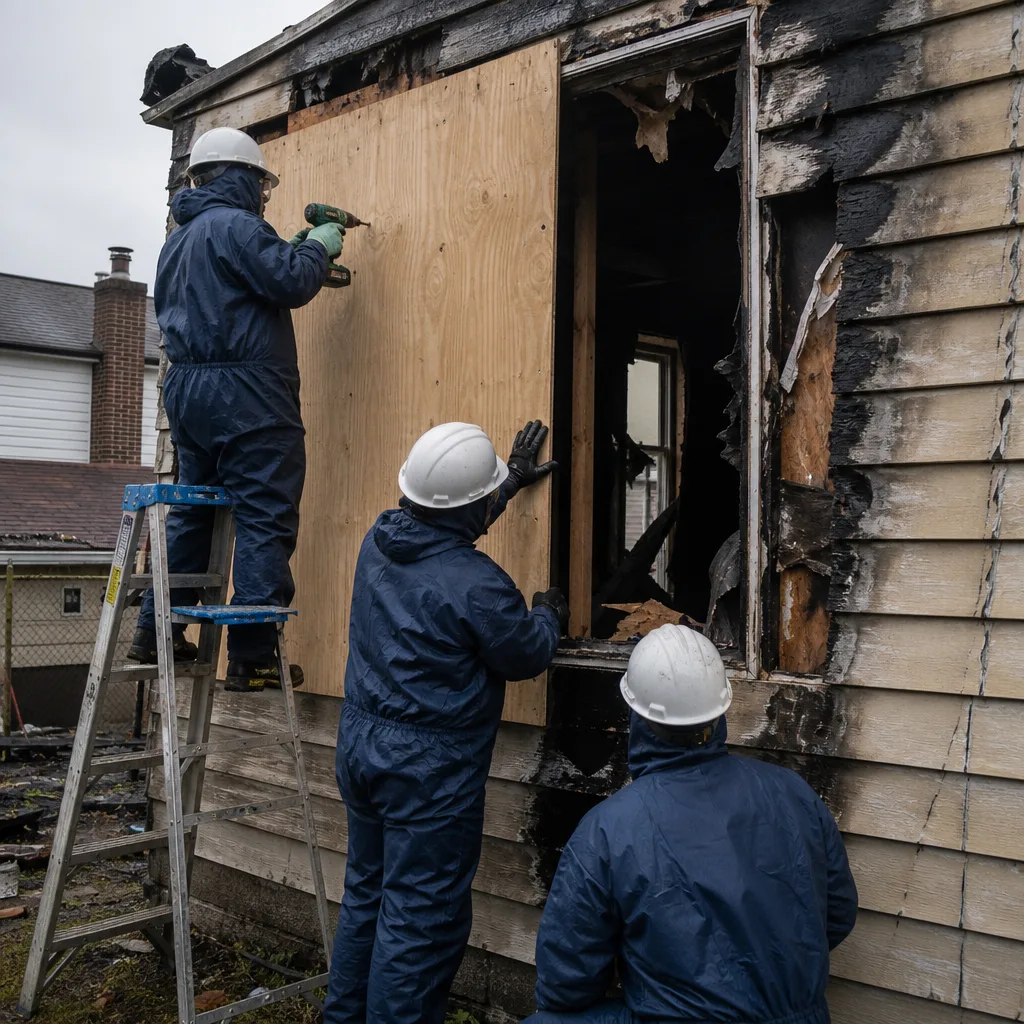
Multi-Unit & HOA Restoration
FiDi has more converted commercial towers with HOA-managed residential units than almost any other ZIP code in the city. A pipe failure high in one of these towers can affect 30 or 40 units in hours. We coordinate with building management and the HOA board, stage in common areas, contain floor by floor, and work around tenant schedules. Our crews have done this in Art Deco buildings where the plumbing is original, the risers are shared, and the moisture travels farther than anyone expects. A full Commercial Restoration plan for an HOA property means the board gets one point of contact from first extraction through final paint.
Large-Loss Response
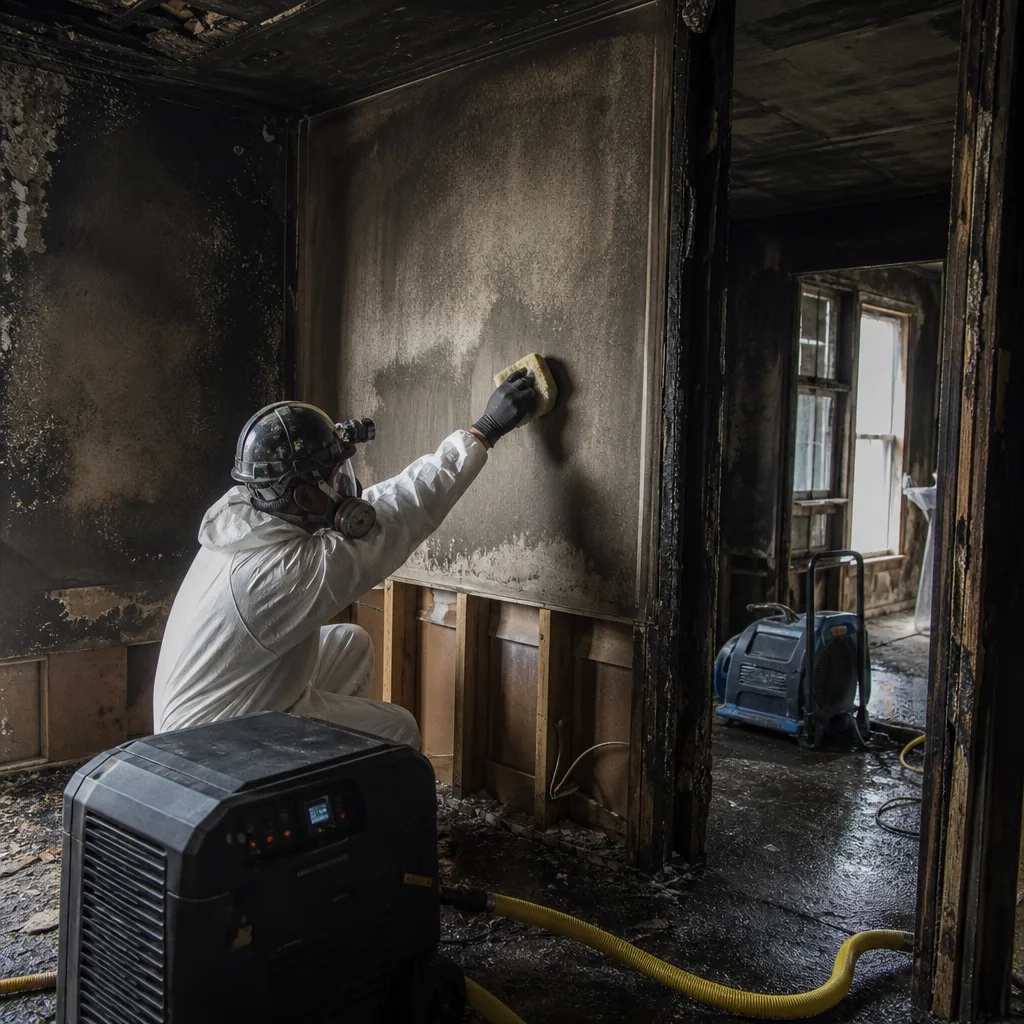
When a nor’easter surge overtops a flood gate near Pearl Street or a high-rise sprinkler main lets go, the affected square footage can run into the tens of thousands. We bring in multiple crews, commercial drying equipment from B-Air and Injectidry, and portable power if the building’s electrical room took water. Large-loss response in the Financial District requires staging in tight loading docks and coordinating with building engineers, and we’ve done it enough times to have a playbook.
Business Interruption Minimization
Every hour a FiDi retail space or office is closed is revenue gone, and in this market, the rent alone makes downtime brutal. We prioritize getting storefronts and office floors functional, even if that means phased restoration: temp drywall, temporary power, and dehumidification running overnight while the business stays open in part of the space. We document everything for a business-interruption claim as well as the property claim.
Office & Retail Restoration
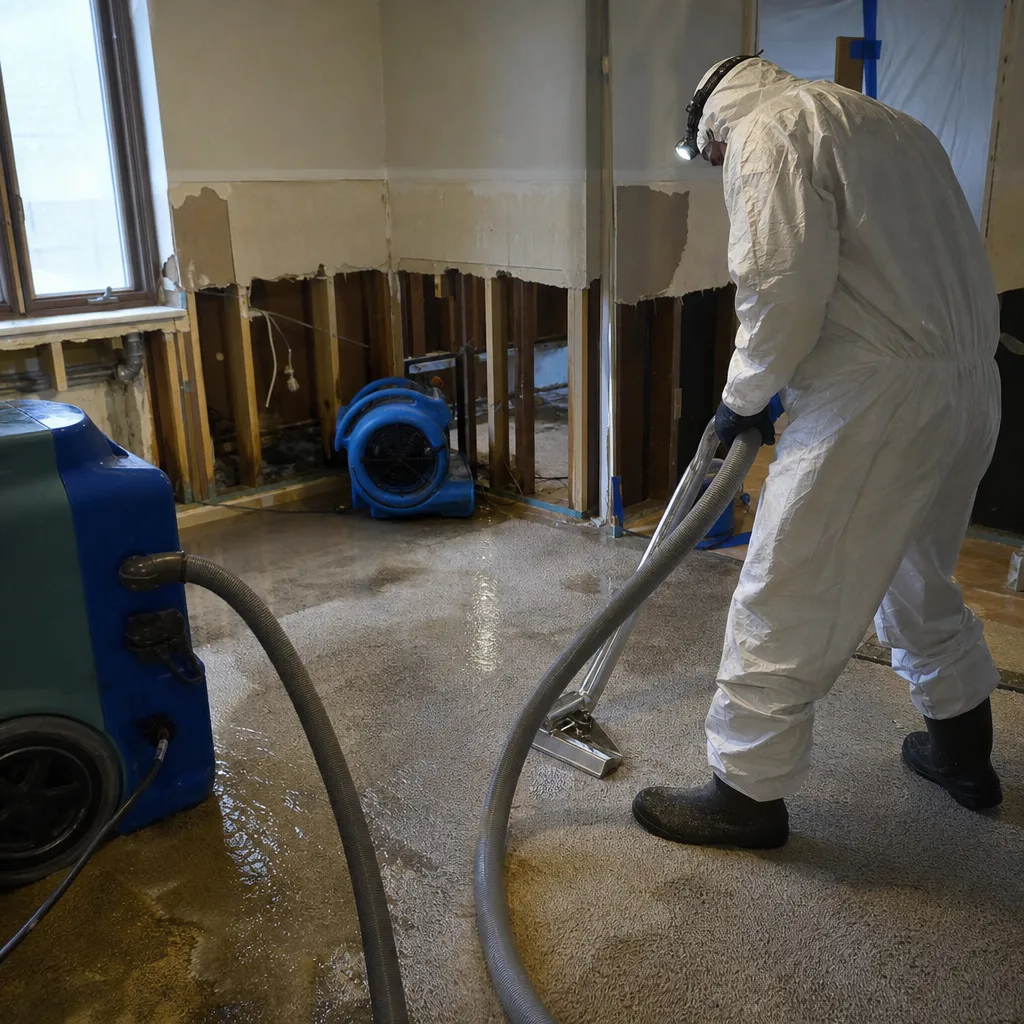
Ground-floor retail near the Seaport and offices along Broadway and Exchange Place deal with stormwater entering through basement entries and roof drain failures. We handle the water, the dry-out, and the build-back, including storefront doors, flooring, and millwork. For retail, speed matters because every day closed is a customer who goes to a competitor in Midtown or Brooklyn.
Industrial Facility Cleanup
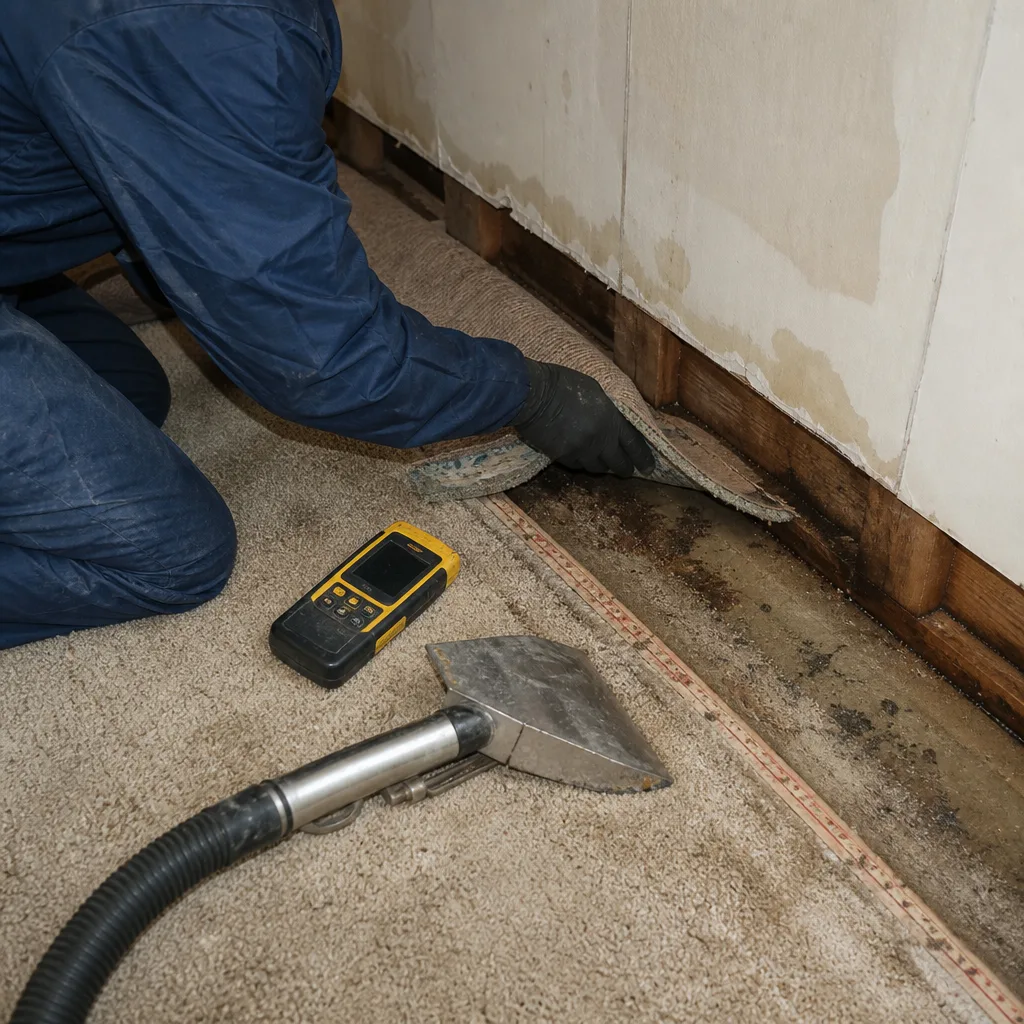
Loading docks, mechanical spaces, and basement-level industrial rooms in older FiDi buildings often have cast-iron pipe and original electrical infrastructure, and they sit closest to the water table. We’ve handled sewage backflow, oil contamination, and flood water in these spaces, using hazmat protocols and post-remediation clearance testing to prove the space is safe to reoccupy.
What happens when you call
- 1
A real person answersNo phone trees - you reach a local pro.
- 2
You get an upfront price rangeHonest numbers before anyone is dispatched.
- 3
A background-checked tech heads outLicensed & insured, dispatched right away.
- 4
You approve before work beginsNothing starts until you say go.
Commercial Restoration Costs in Financial District, NY
In the Financial District, a small commercial water loss with category 1 water and quick response typically runs $3,500 to $7,000 for extraction, drying, and minor repairs. Category 3 water in a sub-basement with hazmat containment and oil separation goes higher, often $15,000 to $45,000 depending on square footage and how long the water sat. Fire and smoke restoration in a FiDi commercial space generally falls between $8,000 and $60,000, with soot type and smoke migration through shared ductwork being the big cost drivers. Garage door hardware replacement after salt-air corrosion runs $800 to $3,200 per door, depending on size and whether we’re doing springs only or full track and opener replacement. Insurance covers most of these losses when the cause is sudden and accidental. The free visual inspection gives you a firm written scope, so you’ll know the number before you sign anything.
We Also Serve Cities Near Financial District
Our crews work regularly throughout Lower Manhattan, across the river in Astoria and Long Island City, and up through Midtown Manhattan. If your building is near the Financial District but not in it, call anyway. We will tell you straight if we can get there fast enough to matter.
Serving Financial District, NY - Our Local Coverage Area
We’re based in the Financial District area and know this community well. Use the map below to see our service coverage - if you’re nearby, we can almost certainly help.
Financial District Commercial Restoration Questions, Answered
How does salt air near the Financial District affect commercial garage doors?
Salt air from the Hudson River, East River, and New York Harbor corrodes garage-door springs, hinges, tracks, and opener chains up to three times faster than inland locations. Springs snap, hinges seize, and tracks develop rust scale that grinds rollers. We replace with galvanized springs and stainless hardware, and we offer corrosion inspections for building managers who want to catch failures before a door drops in a storm.
What makes water extraction in FiDi sub-basements different from Midtown?
FiDi sub-basements sit at the lowest elevation in Manhattan, inside FEMA Flood Zone AE, and they’re fed by seawater, not just rain. Surge entering through flood barriers often carries heating oil from aging tanks, which means we run hazmat-level category 3 extraction with containment and oil separation. Midtown basements mostly deal with fresh water. It’s a different job.
How quickly can mold start in a Financial District commercial space after water intrusion?
Mold can start in 24 to 48 hours, and in FiDi’s humid, salt-heavy air, it moves faster in unventilated sub-basements than it does in above-ground spaces. That’s why we start drying within hours, not days, and why our moisture mapping focuses on the hidden cavities in old masonry walls.
What’s the biggest restoration risk in older FiDi skyscrapers?
The cascade. A pipe fails on one floor, and water follows shaftways and pipe chases down through dozens of units before pooling in elevator pits and vaults five stories down. By the time you see water on floor 10, floors 11 through 20 may be wet inside the walls. Thermal imaging catches what you can’t see.
How do you handle flood-damaged documents and inventory in FiDi businesses?
We offer document and inventory recovery as part of our Commercial Restoration work. Paper records get freeze-dried or desiccant-dried depending on volume and condition, and inventory is assessed, dried, and documented for your claim. We’ve handled everything from legal files to retail stock in Financial District buildings.
Can you actually get to a Financial District building in 45 minutes?
Yes, from our New York City office we can be at any FiDi address within about 45 minutes, traffic permitting. The phone is answered by a person, not a menu, and Wade is usually the one picking up. Call (201) 740-2235 and ask.
Will my insurance cover commercial restoration in the Financial District?
Most commercial policies cover sudden water, fire, and storm damage, and flood coverage depends on whether the building carries a separate flood policy through NFIP or a private carrier. We bill your insurer directly and provide the daily documentation adjusters want to see, including moisture logs and photo records from the first hour.
What should I do in the first 30 minutes after water damage in a FiDi commercial building?
Shut off the water if you can do so safely, and kill power to the affected area if there’s standing water near electrical equipment. Then call (201) 740-2235. Don’t enter a flooded sub-basement, don’t try to pull soaked drywall yourself, and don’t wait. The first hour determines how much gets saved.
If you manage a commercial building in the Financial District, you know what salt air does to hardware and what storm surge does to a sub-basement. Wade’s Restoration has been doing this work since 2007, and the owner’s name is on the truck. Call (201) 740-2235 for a free estimate, and if you already have a written estimate from another company, ask about our free second opinion. No trip charge inside our service area, and a Senior & Veteran 10% discount always applies.
Written by Wade Ferris, Owner at Wade’s Restoration, serving New York City’s commercial properties since 2007.