
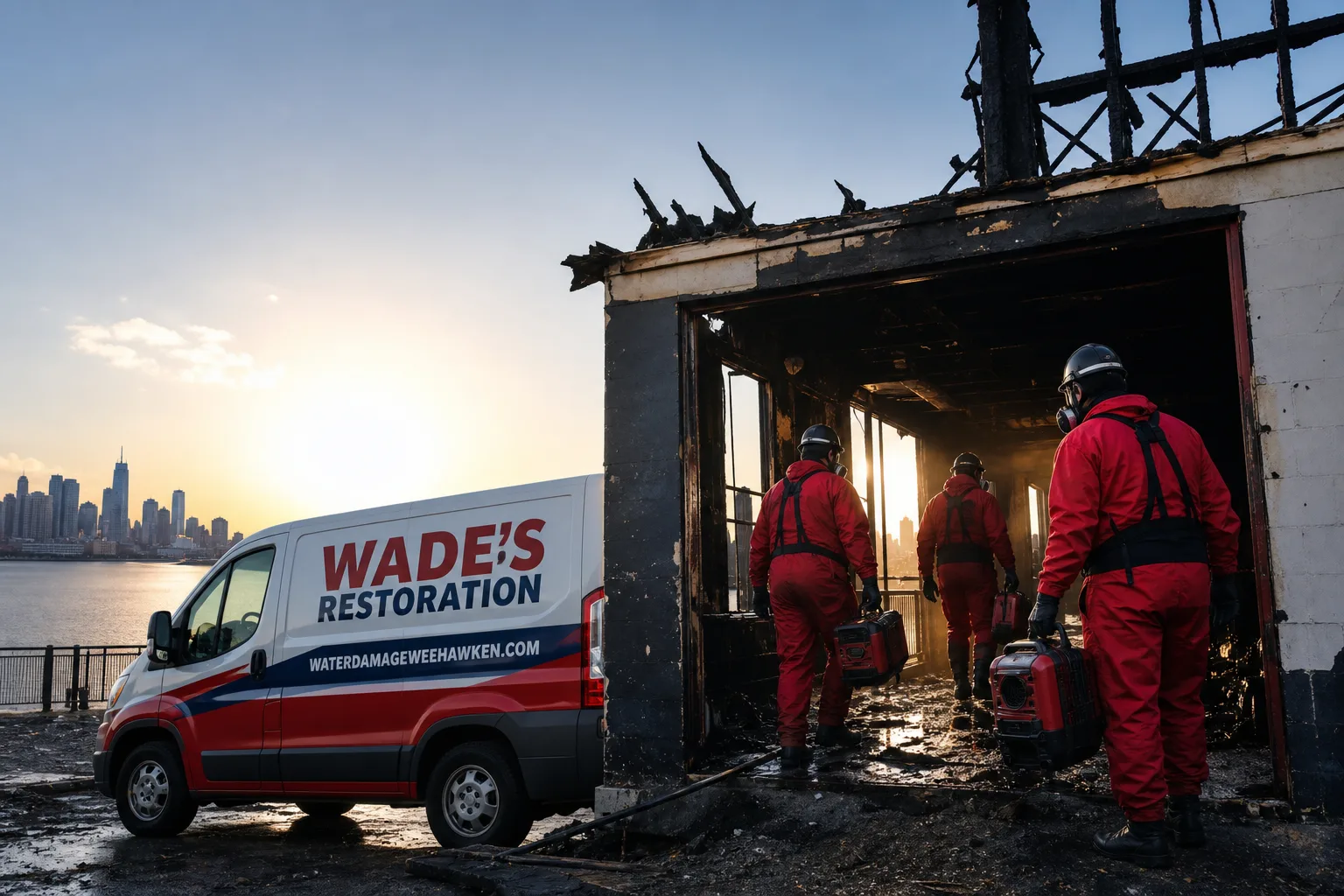
Free visual inspection and a written scope of work before any mitigation begins - photos, moisture readings, and drying logs go in your claim file
The scope we write is the scope we bill. Anything new gets shown to you, in writing, before we touch it.
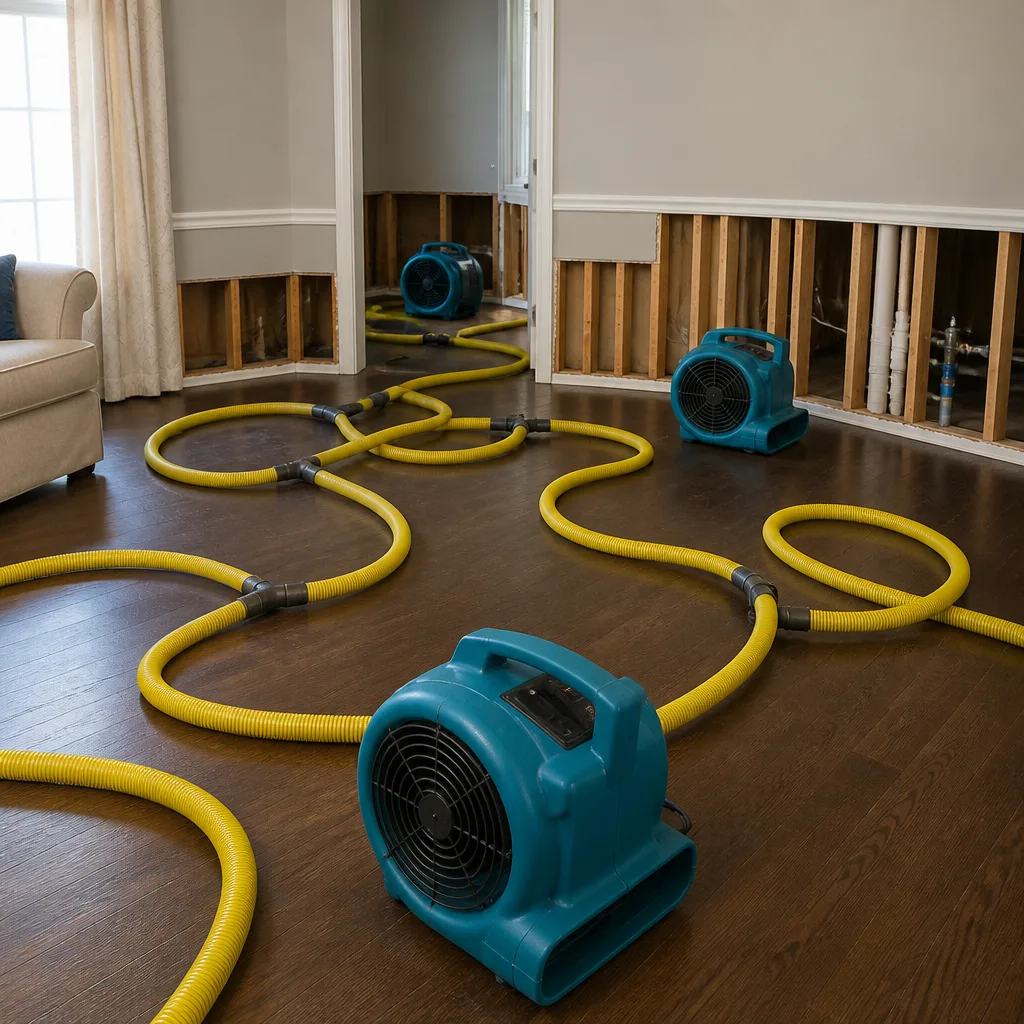



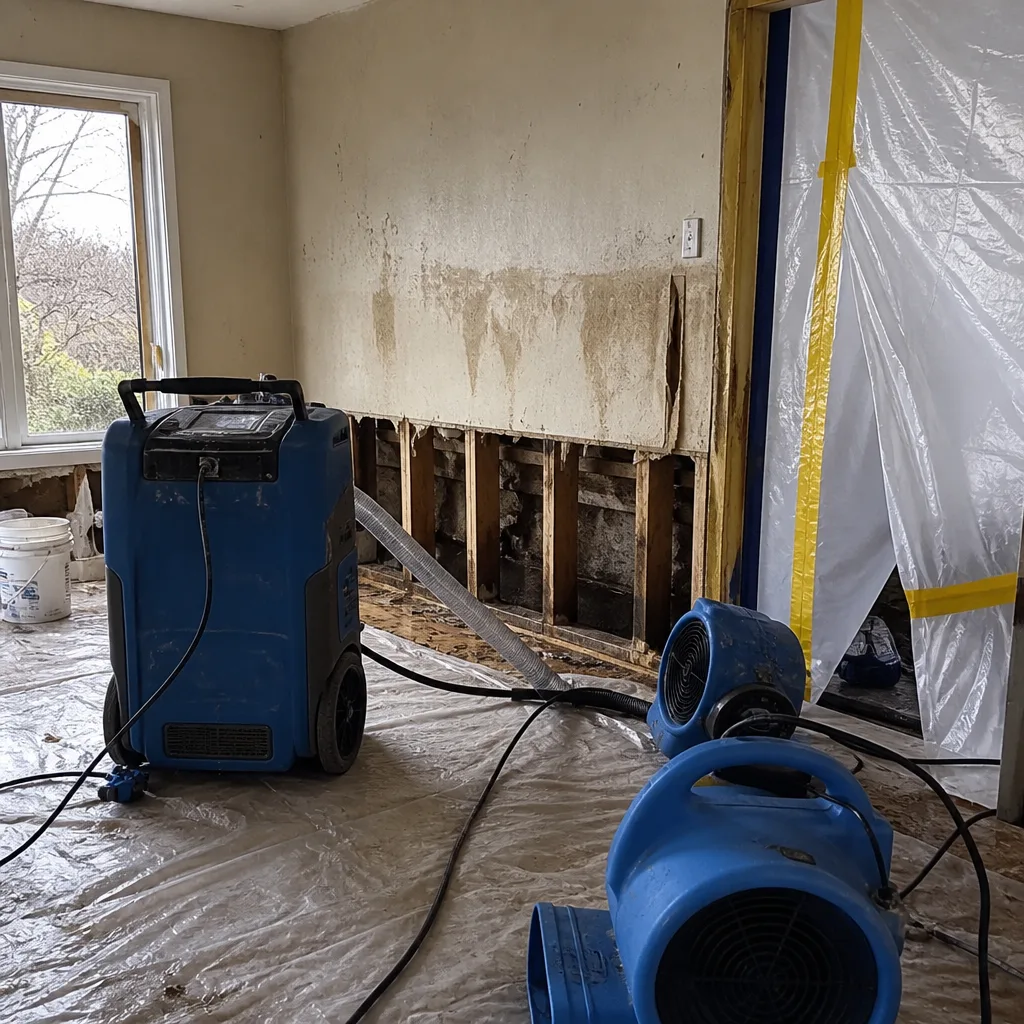 Before
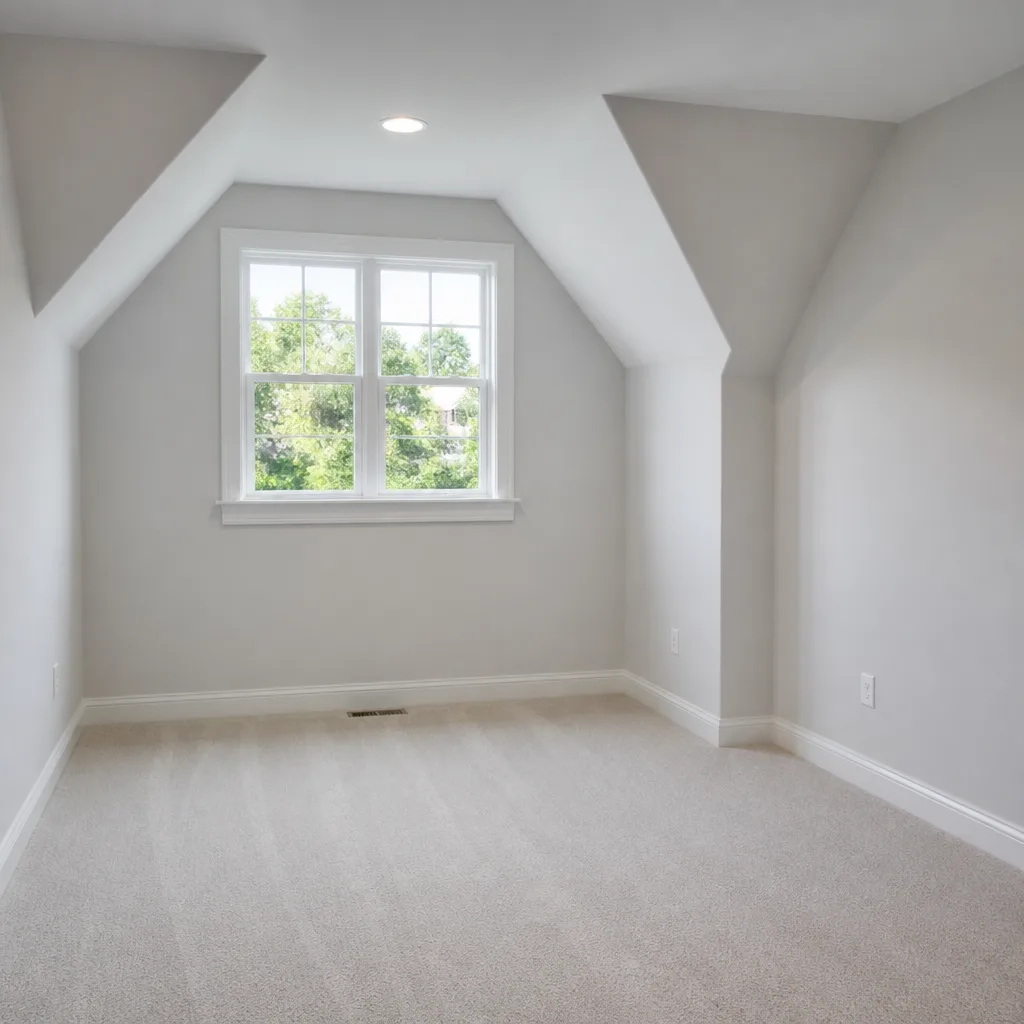
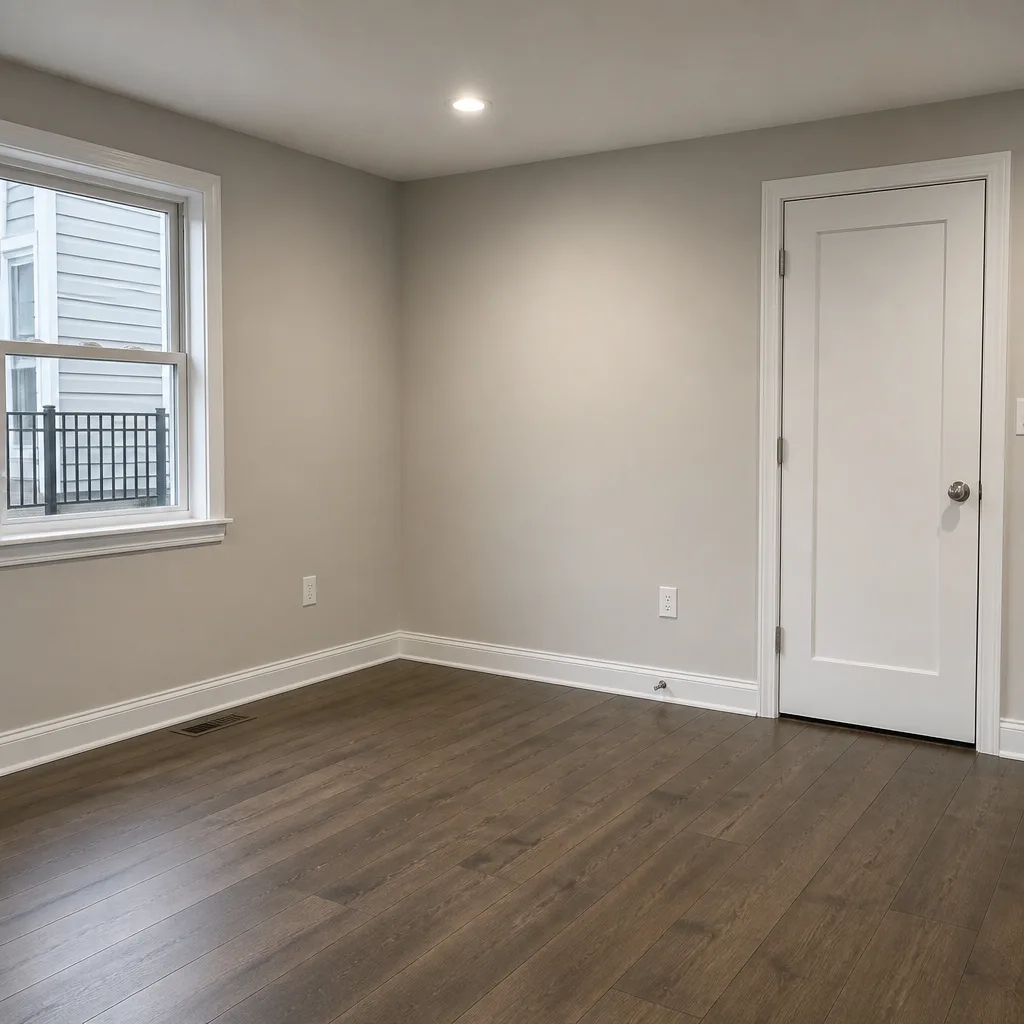 After
After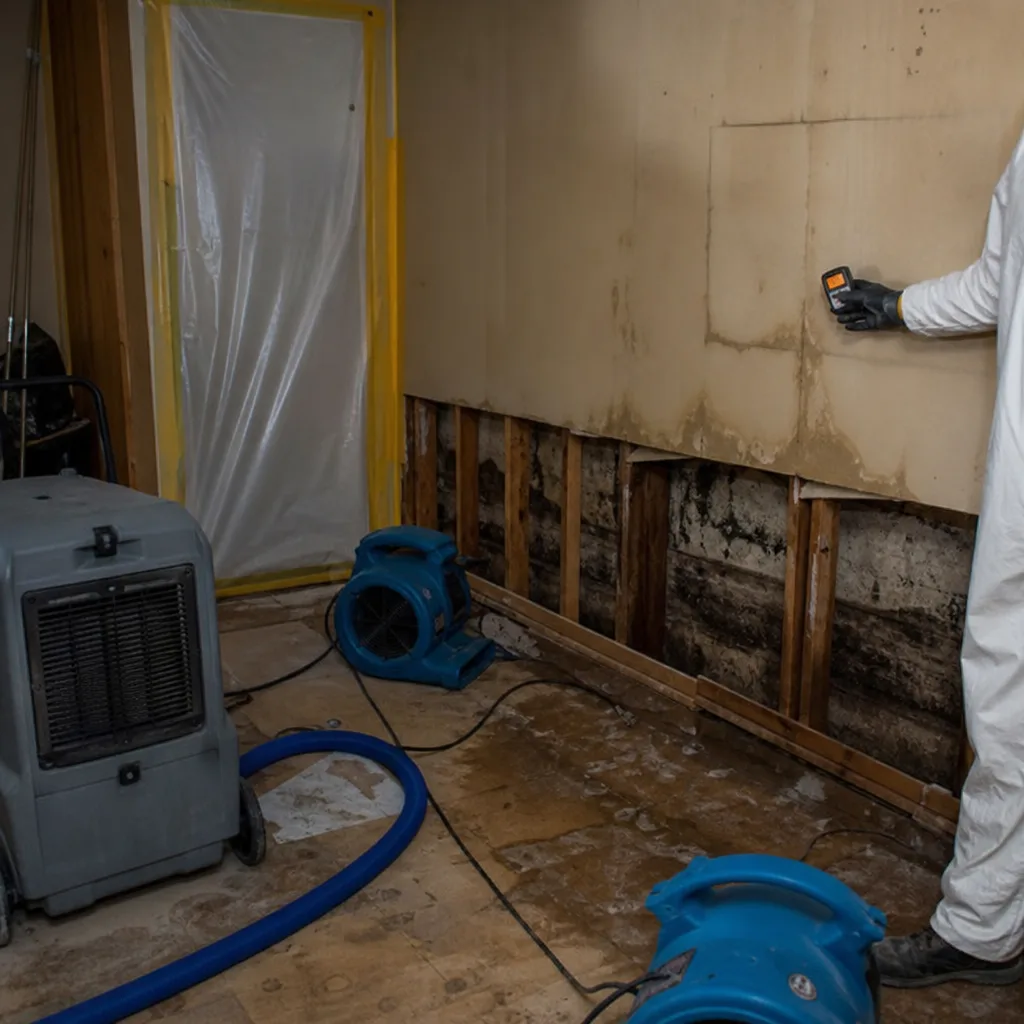 Before
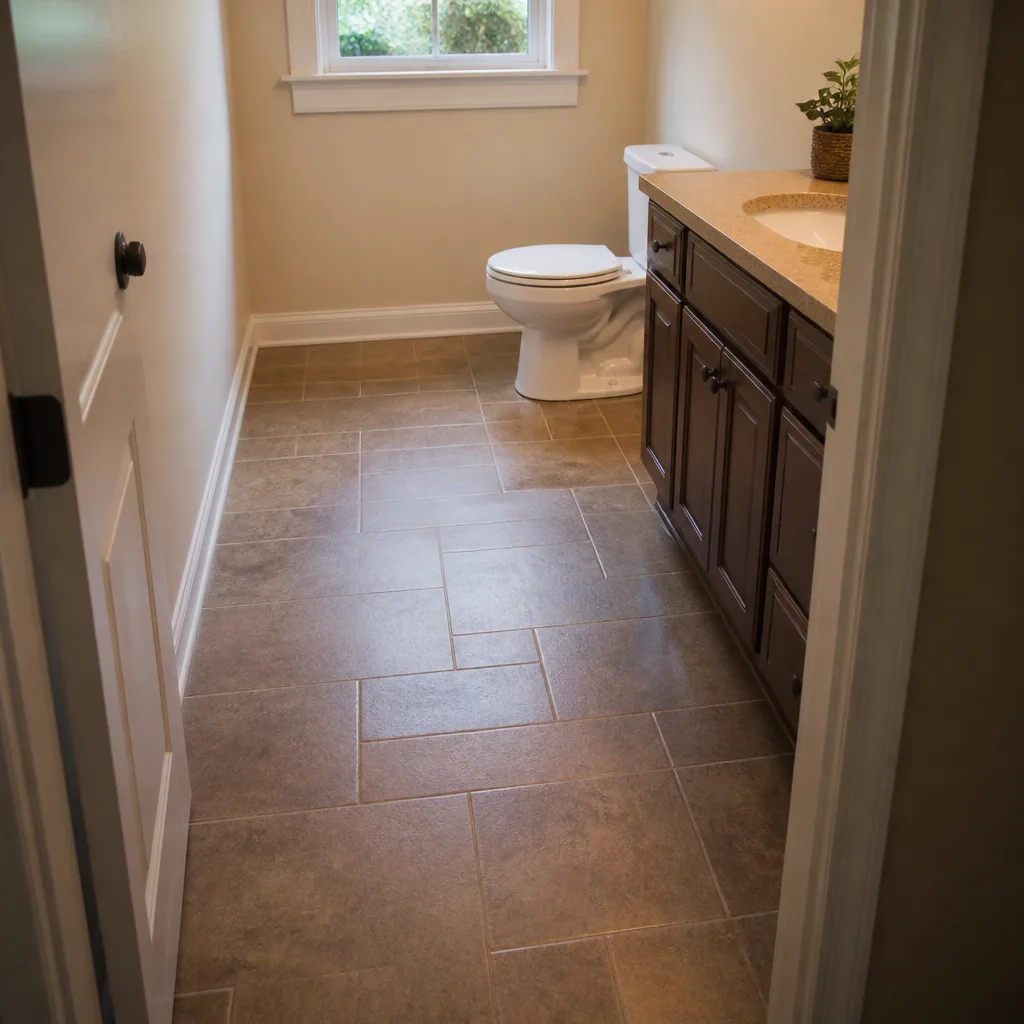
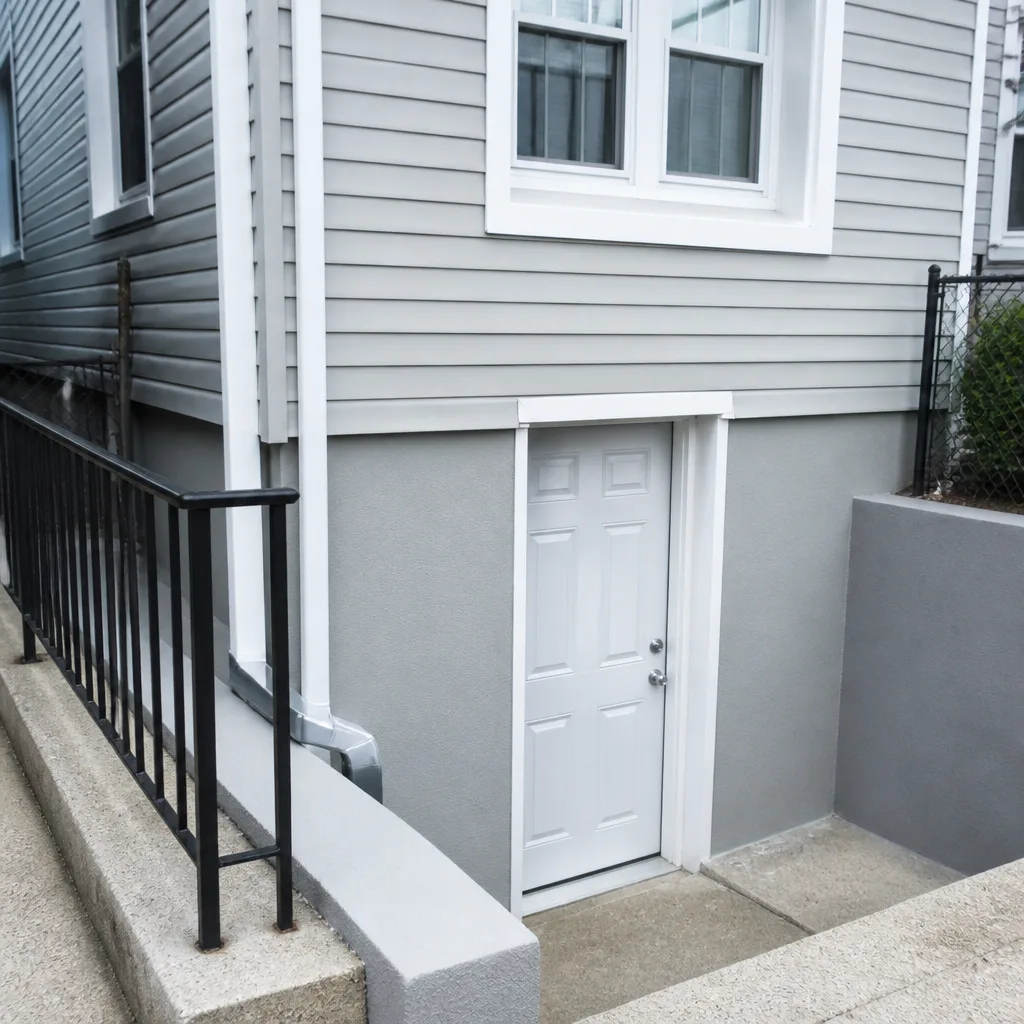 After
After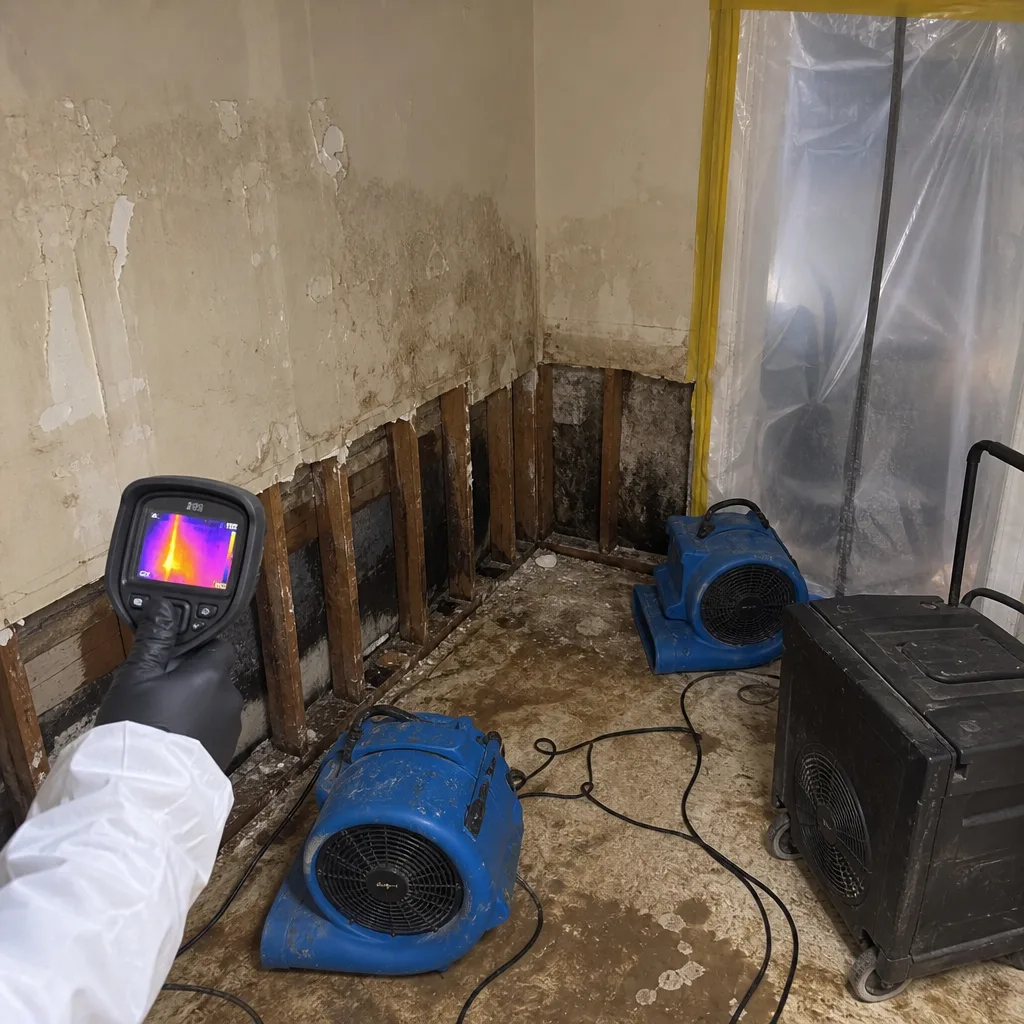 Before
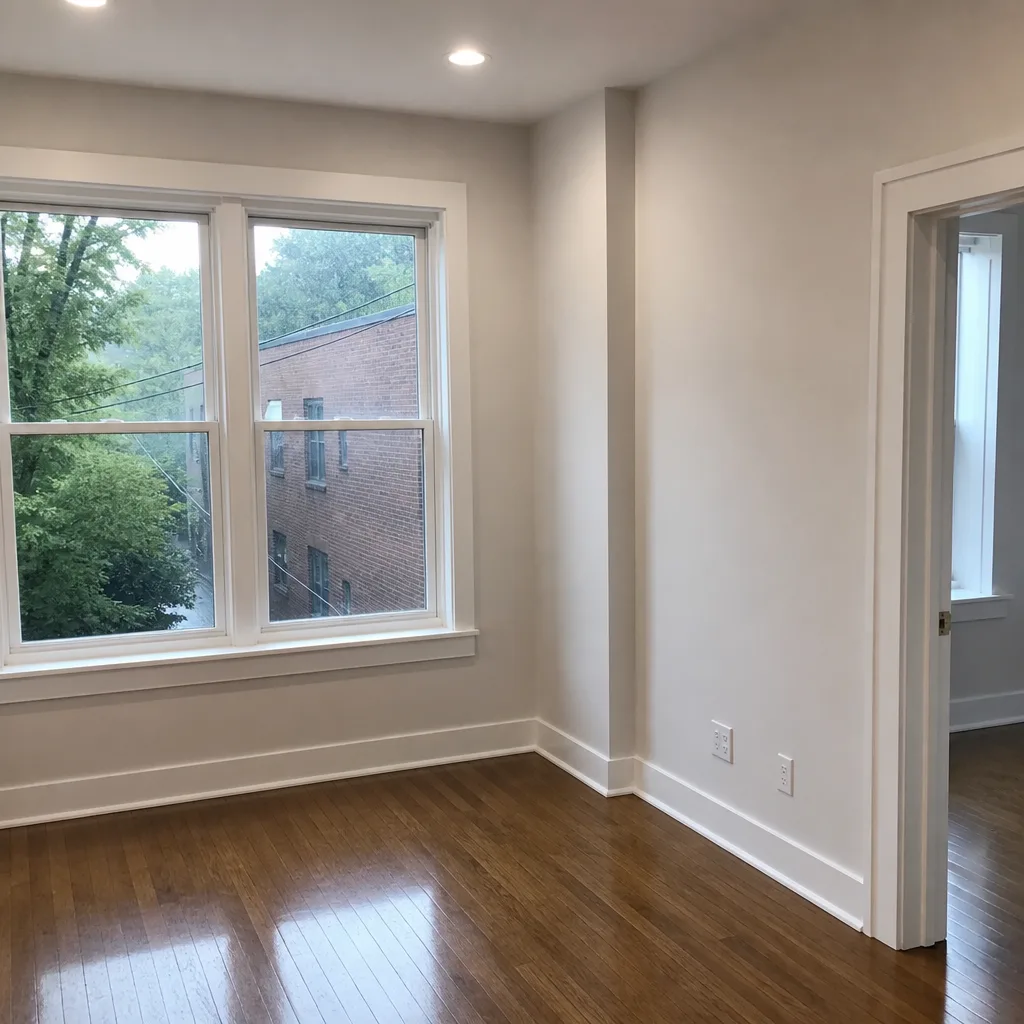 After
After24/7 Emergency Storm & Disaster Restoration in Financial District
Storm damage in the Financial District moves fast, and so do we. Wade Ferris answers his own phone at (201) 740-2235, any hour, seven days a week. No answering service. No voicemail. When a nor’easter tears through Lower Manhattan or a surge event pushes harbor water into a sub-basement, Wade heads out himself and has extraction equipment running inside the hour. The first 60 minutes determine whether you’re drying structural framing or tearing out drywall weeks later. Call now for a free visual inspection, and we’ll tell you straight what you’re facing.
Understanding Storm & Disaster Restoration Severity in Financial District Properties
Storm water in the Financial District is rarely Category 1 clean water. The district’s converted commercial towers, many built between 1890 and 1930, sit on deep multi-level sub-basements originally designed for coal storage, steam boilers, and freight handling. When storm surge or a failed flood gate lets water in, that water picks up a century of accumulated residue: heating oil from old steam networks, cast-iron pipe scale, and whatever the harbor carried in. We classify that as Category 3 black water, which requires full containment, antimicrobial treatment, and hazmat-level extraction protocols. The 13.88-foot surge recorded at Battery Park during Sandy wasn’t an anomaly for this geography. It’s the baseline risk profile for the lowest-elevation tip of Manhattan, and moisture mapping in a FiDi tower means tracing water through elevator pits, vault spaces, and shared HVAC chases, not just the floor where you saw it puddle.
Why Financial District Property Owners Choose Wade’s Restoration
- 45-minute response commitment. Wade heads out the moment you hang up. In FiDi, that means navigating Water Street closures and Broadway congestion to reach your building before water wicks into structural steel.
- 24/7 live answer, always a person. Not a recording. Not a call center. Wade Ferris answers his own phone at 2 a.m. and tells you what to do in the first 30 minutes.
- IICRC-certified crews. Our crew holds WRT and ASD certifications. For storm surge work, that matters: fuel-oil contamination and harbor water require protocols most standard water techs never train for.
- Free visual inspection. We’ll walk the damage with you, no charge, and give you a straight assessment before any work is authorized. Written scope, no surprises.
- Direct insurance billing. We document each hour, every moisture reading, and send it straight to your adjuster. You’re not relaying anything.
- One team from extraction to reconstruction. The same crew that pumps your sub-basement pulls your permits and rebuilds your lobby. No handoffs, no finger-pointing.
Our Storm & Disaster Restoration Process
Inspection & Assessment
We walk the full damage path, not just the visible wet. In a FiDi tower, that means checking elevator pits, adjacent units below the source line, and the building’s steam-network isolation valves. Thermal imaging and hygrometers map moisture you can’t see.
Extraction & Stabilization
Dri-Eaz submersible pumps with vapor barriers when oil contamination is present, plus truck-mounted extraction for heavy volume. We also board up broken windows and tarp roof breaches immediately so the building envelope stops losing heat and letting water in.
Drying & Dehumidification
Phoenix air movers and commercial dehumidifiers run continuously, with negative-air containment when mold spores could travel through shared HVAC chases. Wade takes moisture readings every single day. You get the full log at job’s end.
Cleaning & Sanitization
Category 3 water means antimicrobial treatment on every affected surface. We remove fuel-oil residue from concrete with hydrocarbon-specific cleaning agents, not just soap and water. Air scrubbers run through final clearance.
Specialty Storm Treatment
For FiDi properties, this typically means sub-basement vault decontamination, heating-oil separation from standing water, and structural drying of steam-tunnel framing. We also handle debris removal from lobbies and entries without scratching landmarked finishes.
Repairs & Restoration
We rebuild to pre-loss condition or better. That means drywall, flooring, trim, paint, and any structural repair. The 90-Day Done Right Promise is in writing on every restoration contract: if it’s not done right, Wade makes it right.
Need Emergency Storm & Disaster Restoration in Financial District Now?
Crews minutes away, answering live 24 hours a day. The sooner we start, the less it costs.
Working With Your Insurance Company
Storm surge claims in the Financial District are complicated, especially when flood insurance and homeowners policies overlap. We’ve handled enough FiDi claims to know what adjusters need to see from hour one. Wade talks to your adjuster directly. You don’t sit on hold, you don’t interpret moisture logs, and you don’t get stuck relaying between two parties who disagree. We photograph every room, log every reading, and produce a line-item scope that uses the same estimating language your carrier uses. When your policy covers the work, we bill them directly.
What We Provide Your Insurer
- Thorough documentation of the loss
- Photos of all damage, room by room
- Moisture readings and drying logs
- A detailed, line-item scope of work
- Direct coordination with your carrier
Built for Financial District’s Loss Calendar
The Financial District’s storm season isn’t one season. It’s a rolling risk profile. January deep freezes burst supply lines in pre-war towers whose cast-iron plumbing was installed before residential occupancy was ever considered. March and April bring nor’easters that push surge through Upper New York Bay and test every drop-in flood gate in the district. Summer thunderstorms overwhelm drainage at street level and back up into sub-basements through old storm sewers. The biggest single event remains what the 2012 Sandy surge did to the FiDi’s sub-basement infrastructure; many buildings never fully dried out, and we still find hidden moisture intrusion and mold in vaults and elevator pits years later. A good restoration contractor in this district plans for the calendar, and we do.
Storm & Disaster Restoration Across Financial District’s Neighborhoods
The Financial District packs a lot of distinct building types into a small footprint, and each corner of the district fails differently. Around the South Street Seaport historic district, we respond to surge flooding pushing straight up from the East River and into landmark-protected structures where dry-out has to work around restored 19th-century timber and masonry. Over on Water Street and up toward the Wall Street corridor, our Storm & Disaster Restoration crews contend with converted office towers whose mechanical rooms sit in sub-basements below sea level. Near Battery Park and Greenwich Street, stormwater pools against the bulkhead and finds its way into building foundations. Along Broadway and Nassau Street, the older midrise commercial-to-residential conversions have steam networks and common chases that hide water migration until a neighboring unit reports staining. We know the access points, the freight elevator limitations, and the building managers who need board-up done before a broken window turns a windy night into a flooded lobby.
Specialized Storm & Disaster Restoration Services We Offer in Financial District
Flood Damage Restoration
Storm surge and harbor flooding in the Financial District isn’t a mop-and-fan situation. When salt water mixed with heating oil sits in a sub-basement, concrete absorbs it and off-gasses fuel vapors for months unless you use hydrocarbon-specific extraction. We run that protocol every time, because FiDi flood water is rarely clean.
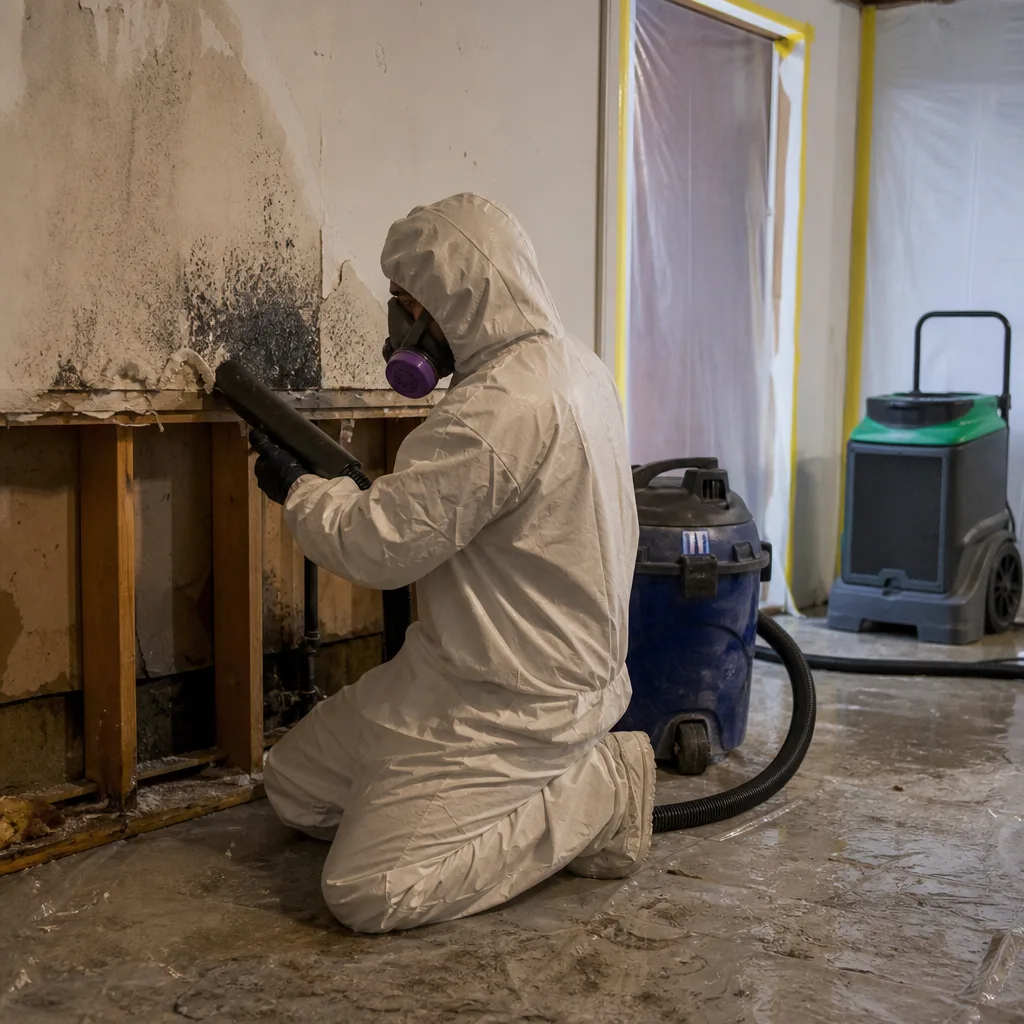
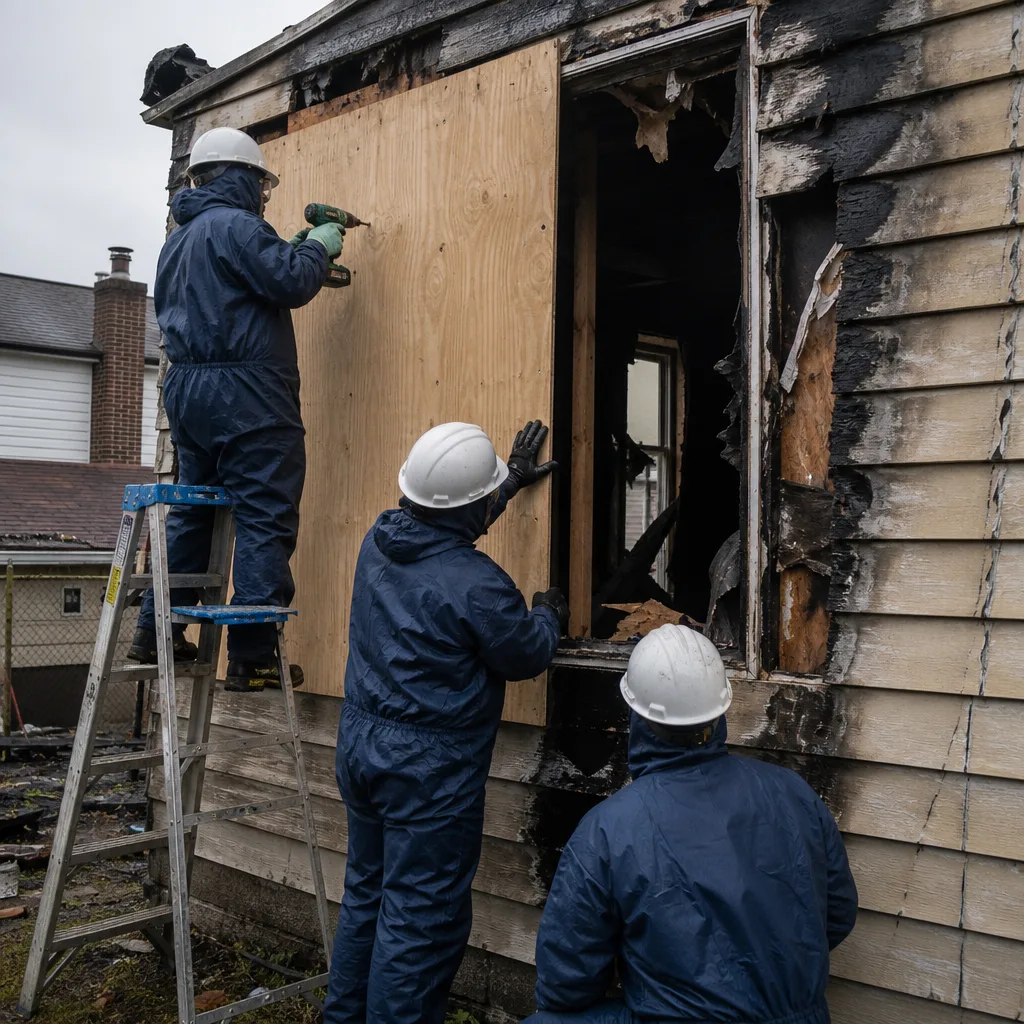
Emergency Board-Up
A broken window on the 28th floor of a FiDi tower throws glass onto the street below and lets rain drive straight into tenant units. We respond same-day with plywood and polycarbonate panels sized for the always-wider commercial window openings, and we protect lobby finishes while we work.
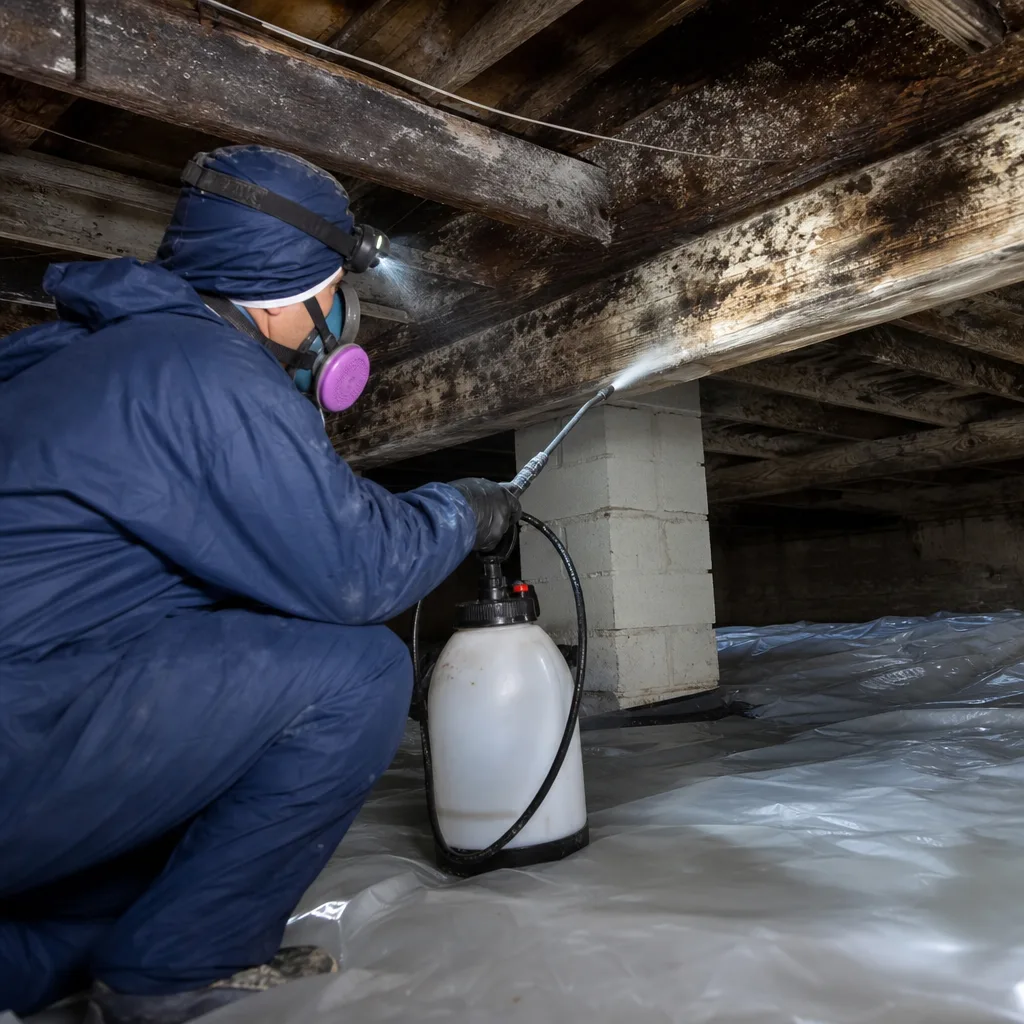
Storm Damage Cleanup
Debris in a landmarked district is a specialty: you can’t drag a dumpster across a marble lobby or lean ladders against Beaux-Arts trim. Our crew moves debris through stairwells and service elevators, protected with floor runners. The cleanup happens without turning a storm loss into a renovation bill for hallway damage.
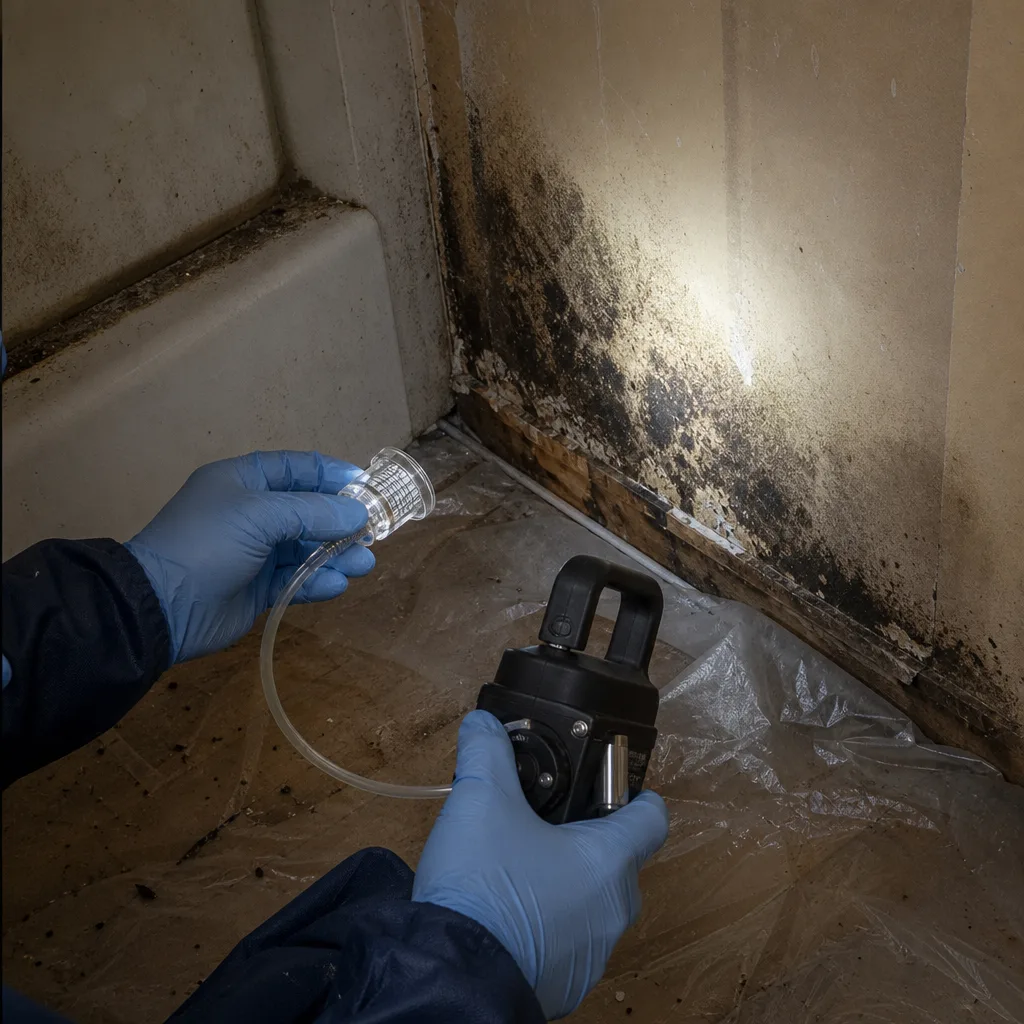
Roof Tarping
Post-storm roof breaches in the Financial District mean water pouring into occupied floors below. We tarp flat and low-slope roofs fast, anchoring for the wind loads this tip of Manhattan takes during a nor’easter. It’s a temporary fix that buys your building time for a permanent repair.
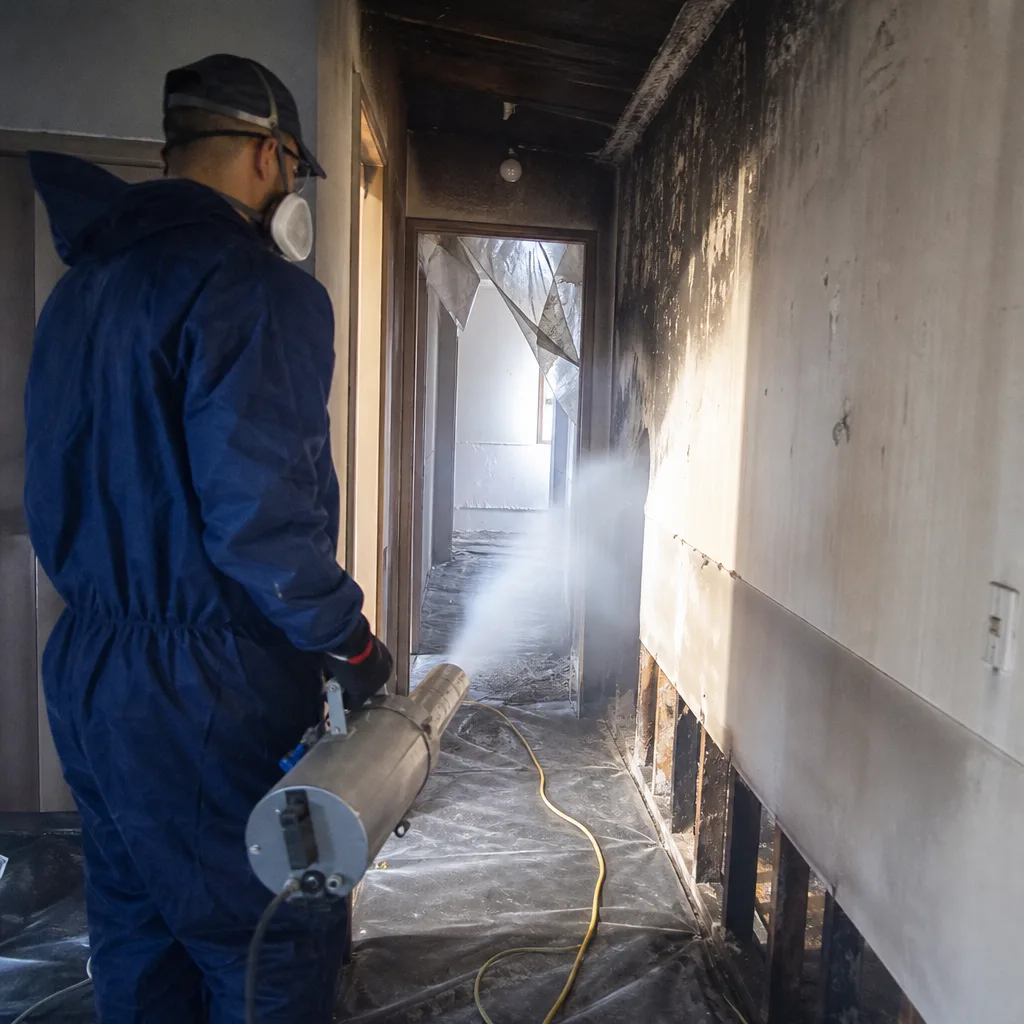
Debris Removal
Fallen masonry, window glass, tree debris from street planters, and storm-damaged building material all need to go somewhere. We remove it without leaving bag debris on the sidewalk or blocking a fire lane, which the Department of Buildings and FDNY both watch closely down here.
What happens when you call
- 1
A real person answersNo phone trees - you reach a local pro.
- 2
You get an upfront price rangeHonest numbers before anyone is dispatched.
- 3
A background-checked tech heads outLicensed & insured, dispatched right away.
- 4
You approve before work beginsNothing starts until you say go.
Storm & Disaster Restoration Costs in Financial District, NY
Honest numbers for this market: emergency water extraction in a FiDi residential conversion typically runs $2,800 to $6,500 depending on volume and contamination class. Full structural drying of a sub-basement or affected unit adds $3,000 to $9,000. Emergency board-up for broken windows runs $450 to $1,800 per opening, and roof tarping on a low-slope FiDi building costs $1,200 to $3,500 for a typical storm breach. What moves the price in the Financial District specifically is access: buildings without freight elevators, landmarked entries that can’t be scratched, and the presence of fuel oil in flood water all push costs up compared to a standard residential loss. The fastest way to a firm number is a free visual inspection and a written scope before any work starts. Call (201) 740-2235 and we will walk it with you.
We Also Serve Cities Near Financial District
Our Storm & Disaster Restoration team works throughout the area, including Lower Manhattan, Astoria, Midtown Manhattan, and Long Island City. If your building sits just outside the Financial District proper, call anyway. Wade will tell you straight whether we can get to you, and how fast.
Serving Financial District, NY - Our Local Coverage Area
We’re based in the Financial District area and know this community well. Use the map below to see our service coverage - if you’re nearby, we can almost certainly help.
Financial District Storm & Disaster Restoration Questions, Answered
What makes Financial District post-storm water damage different from a typical residential flood?
The water itself. FiDi storm surge often carries harbor water mixed with heating-system fuel oil, and it collects in sub-basements below sea level. That’s Category 3 black water requiring hazmat-level extraction, oil separation, and antimicrobial treatment, not standard water removal. Call (201) 740-2235 and we’ll classify it correctly from the first visit.
How quickly can you get equipment into a FiDi high-rise sub-basement with no freight elevator?
Usually within the hour. Our crews work with building staff to route Dri-Eaz pumps and Phoenix air movers through service elevators, and when those don’t exist, we carry equipment down stairwells with floor protection. Wade has done this hundreds of times in Financial District towers.
Do we need to vacate our condo during storm-water structural drying?
Not always. If the affected area is contained and we run negative-air containment with HEPA scrubbing, you can often stay in unaffected parts of the unit. But if the damage involves Category 3 water in shared chases or your HVAC, we’ll recommend temporary relocation until clearance. Wade will tell you straight either way.
Can you handle debris removal in a historic skyscraper without damaging lobby finishes?
Yes. We wrap debris in protective sheeting, run floor runners through marble lobbies, and move material through the most protected route available. We’ve done extensive work in the Financial District’s landmarked buildings, and we know what building management expects.
What emergency board-up procedure do you use for broken windows after a nor’easter in FiDi?
We assess the opening, secure any loose glass, and install plywood or polycarbonate sized for the commercial window dimensions common in the district’s towers. We coordinate with building management and do it same-day, because a broken window above street level is a danger to pedestrians and a flooding risk to the units below it.
How much does storm restoration cost compared to nearby areas like Midtown or Brooklyn?
FiDi runs higher, mostly because of access difficulty and contamination complexity. Emergency extraction here averages $2,800 to $6,500 versus $2,000 to $4,500 for a comparable volume in a standard residential building. The oil-contamination factor and sub-basement logistics explain most of the difference.
What should I do in the first 30 minutes after storm water enters my Financial District building or unit?
Kill power to any affected area if you can do so safely. Move valuables up and away from water. Place towels or plastic at door thresholds to slow spread. Then call Wade at (201) 740-2235. Do not enter standing water that may be electrically charged or contaminated. The first hour decides how much gets torn out.
Are your crews certified for storm and flood restoration specifically?
Yes. Our technicians hold IICRC Water Damage Restoration (WRT) and Applied Structural Drying (ASD) certifications. For the oil-contaminated surge water common to FiDi, we follow IICRC guidelines for Category 3 water with additional hazmat protocols. That combination is what the district’s buildings actually need.
Written by Wade Ferris, Owner at Wade’s Restoration, serving the Financial District with storm and disaster restoration since 2007.