
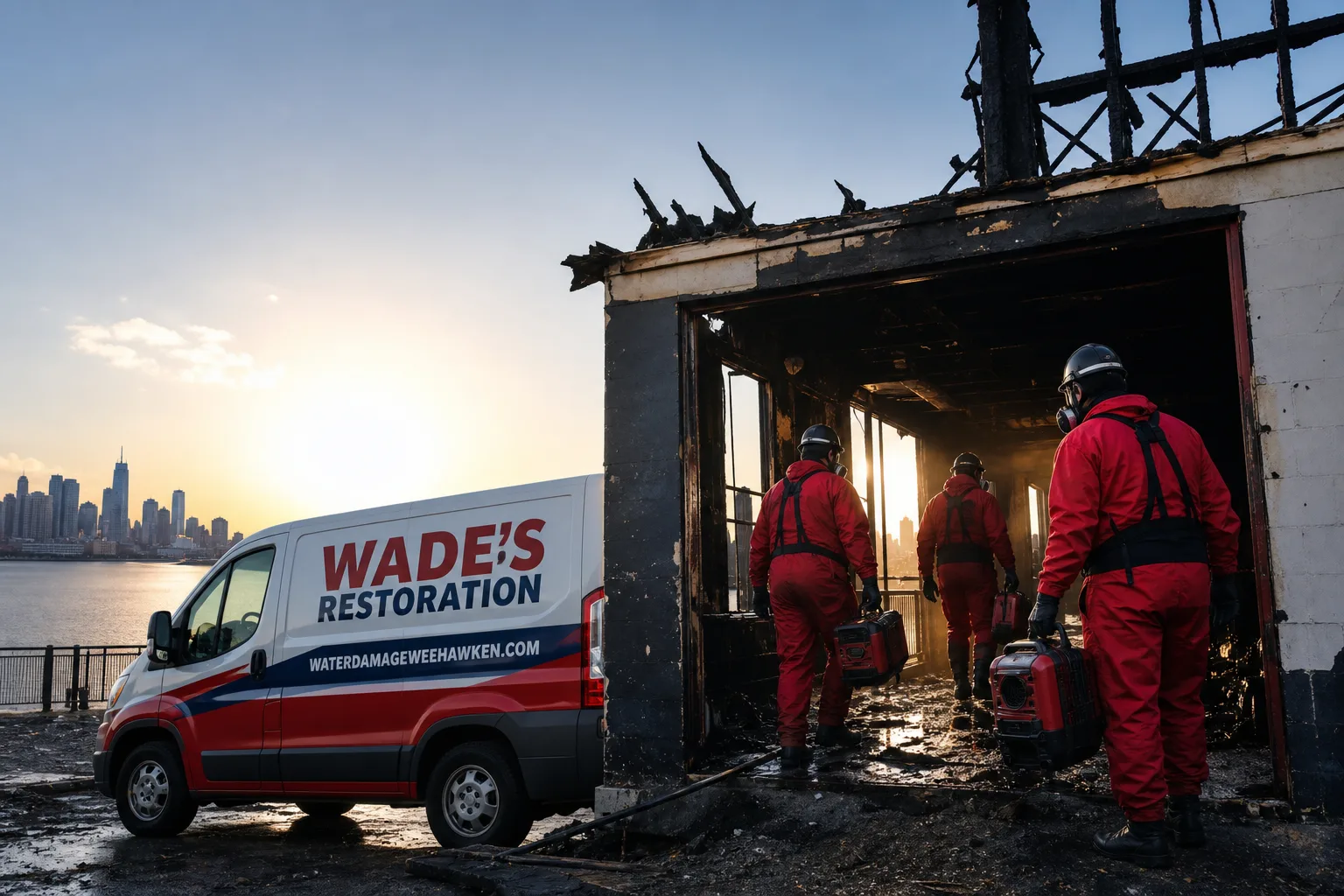
Free visual inspection and a written scope of work before any mitigation begins - photos, moisture readings, and drying logs go in your claim file
The scope we write is the scope we bill. Anything new gets shown to you, in writing, before we touch it.
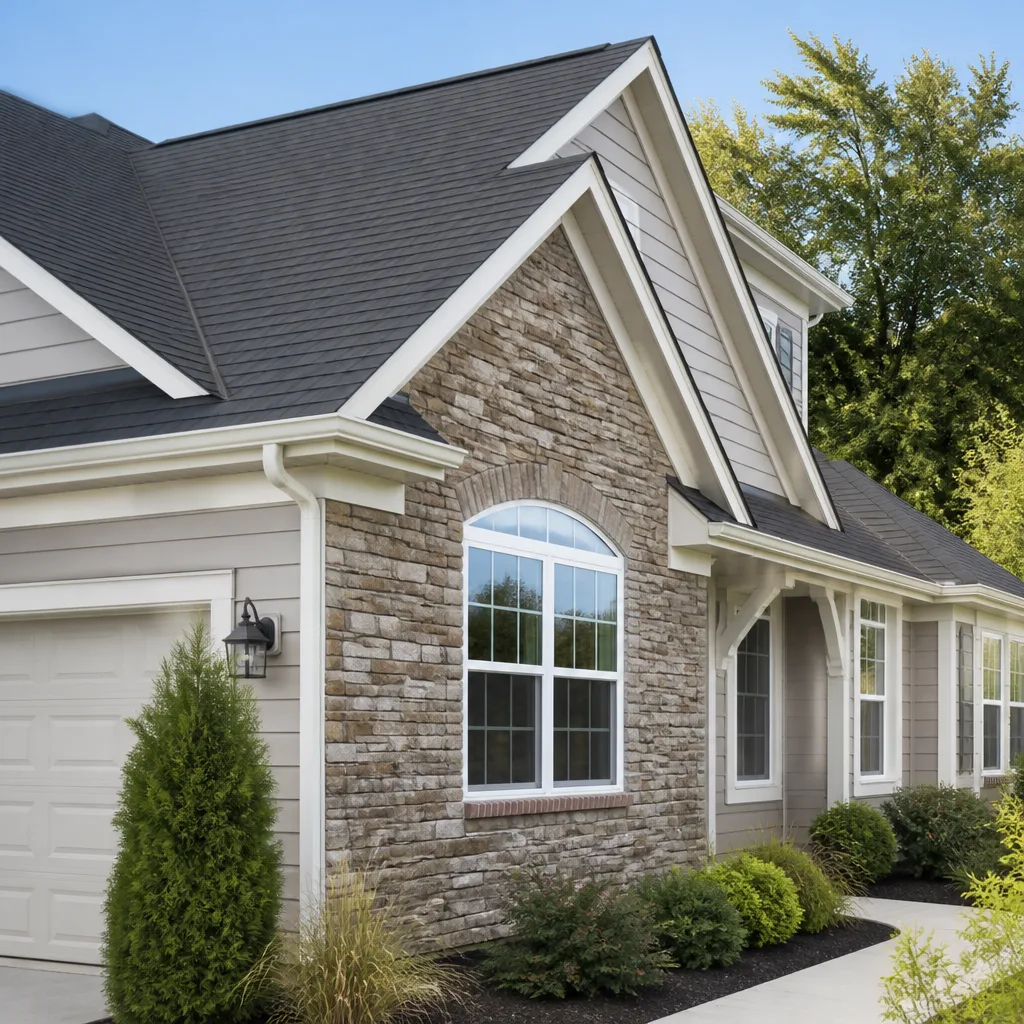
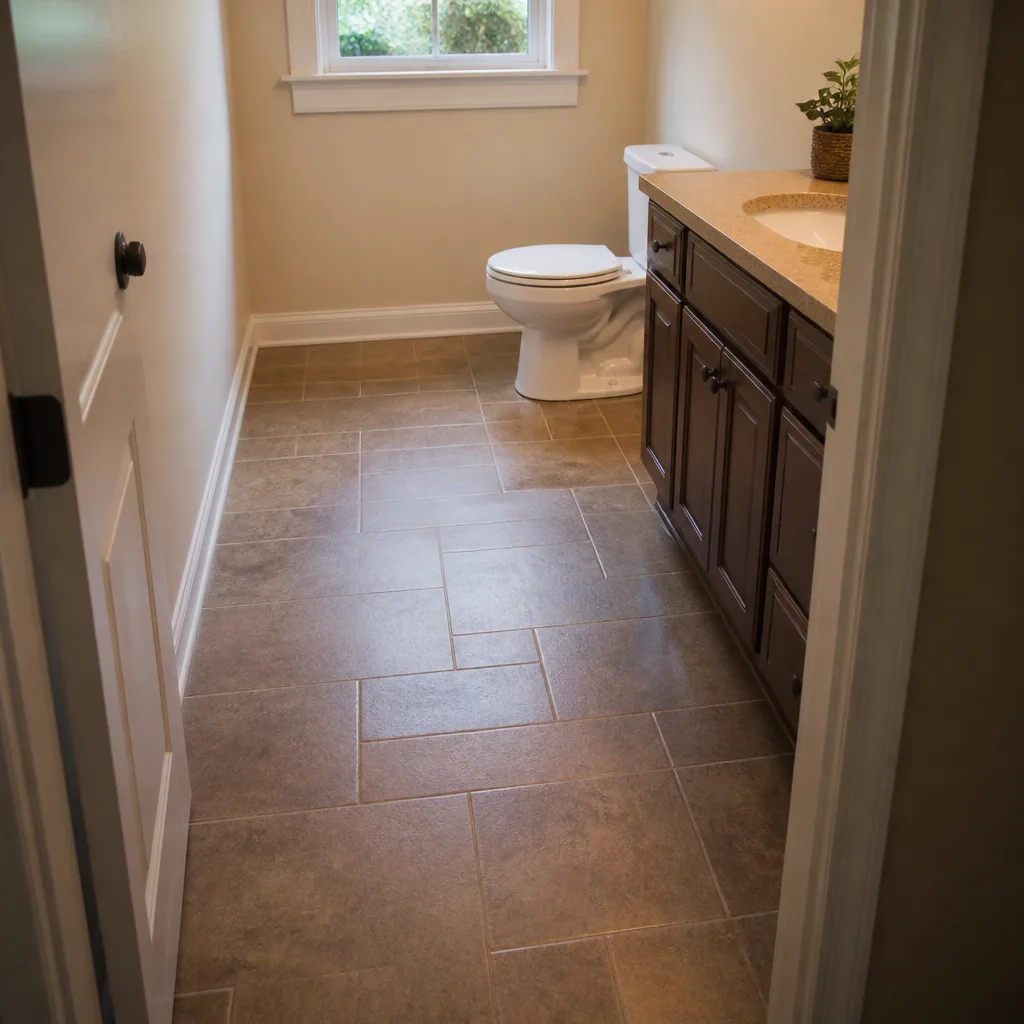
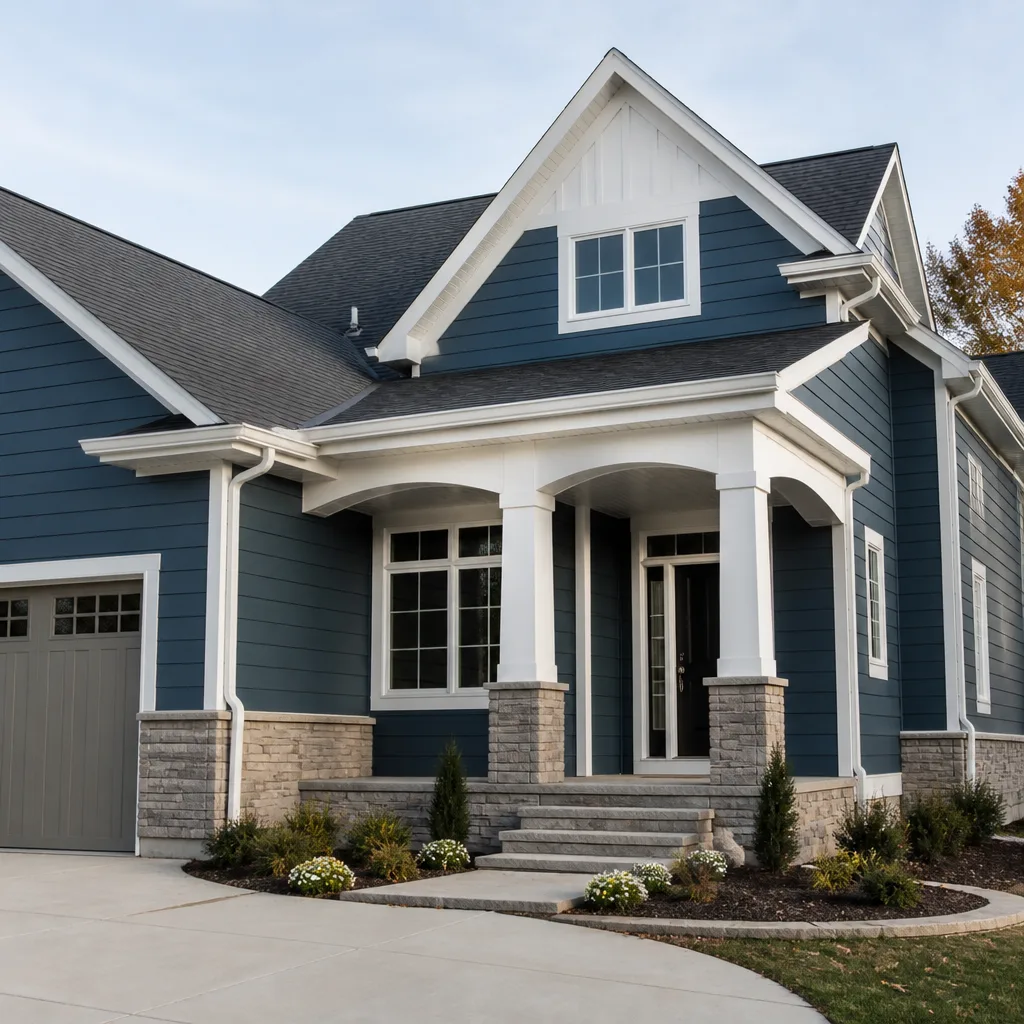
 Before
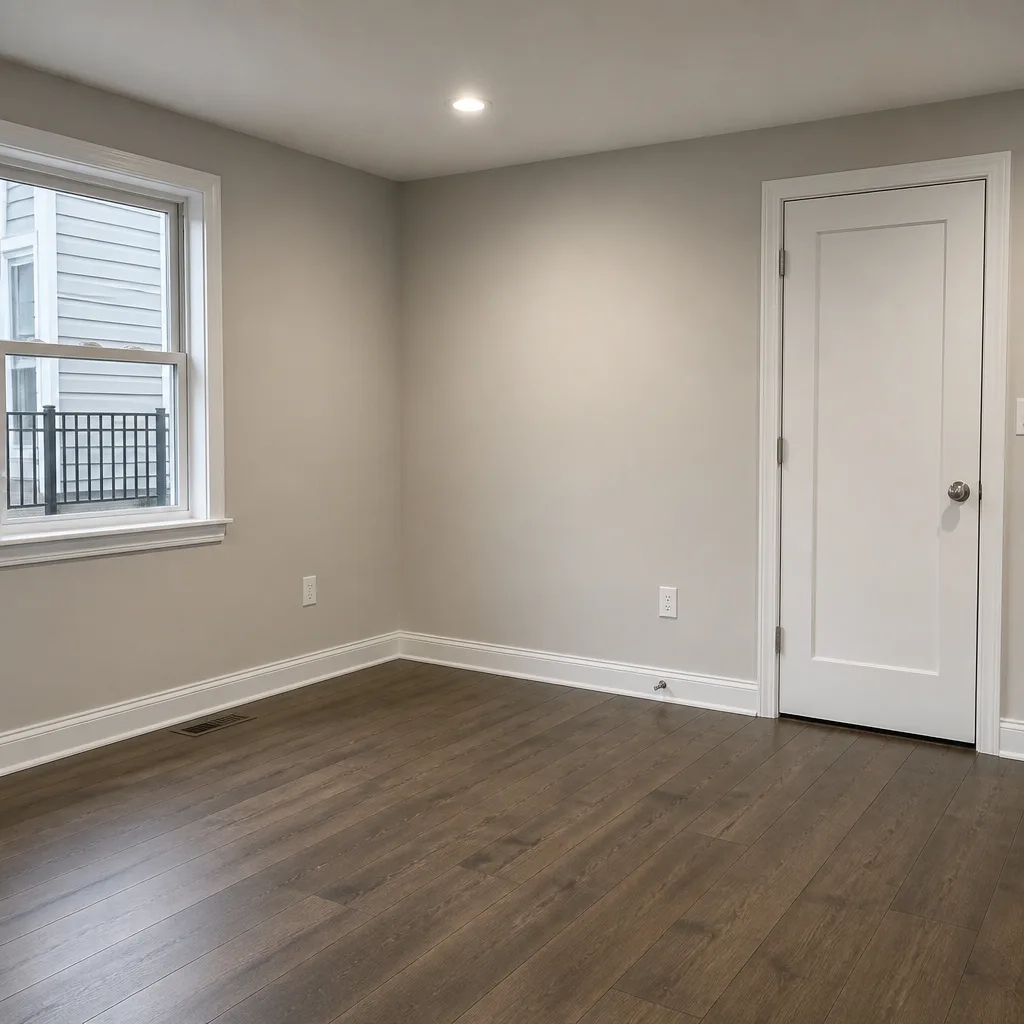 After
After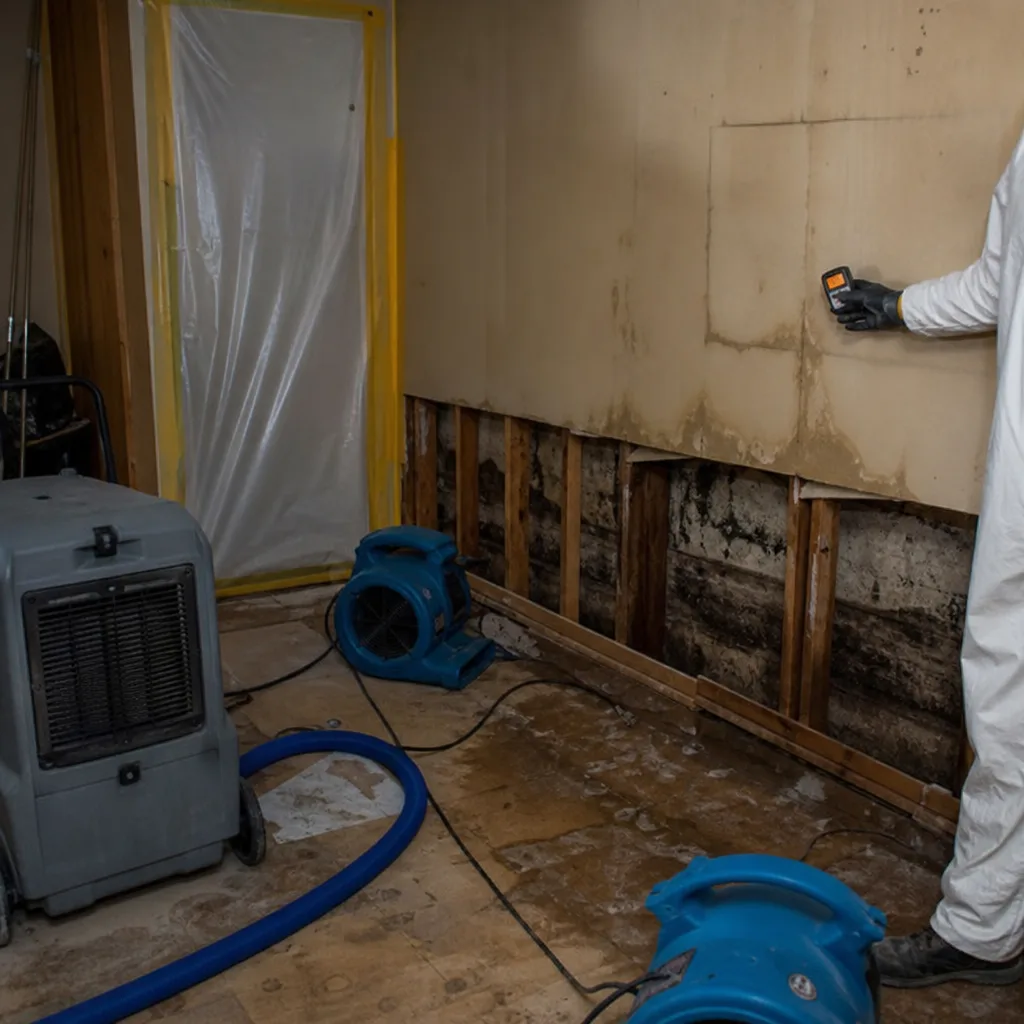 Before
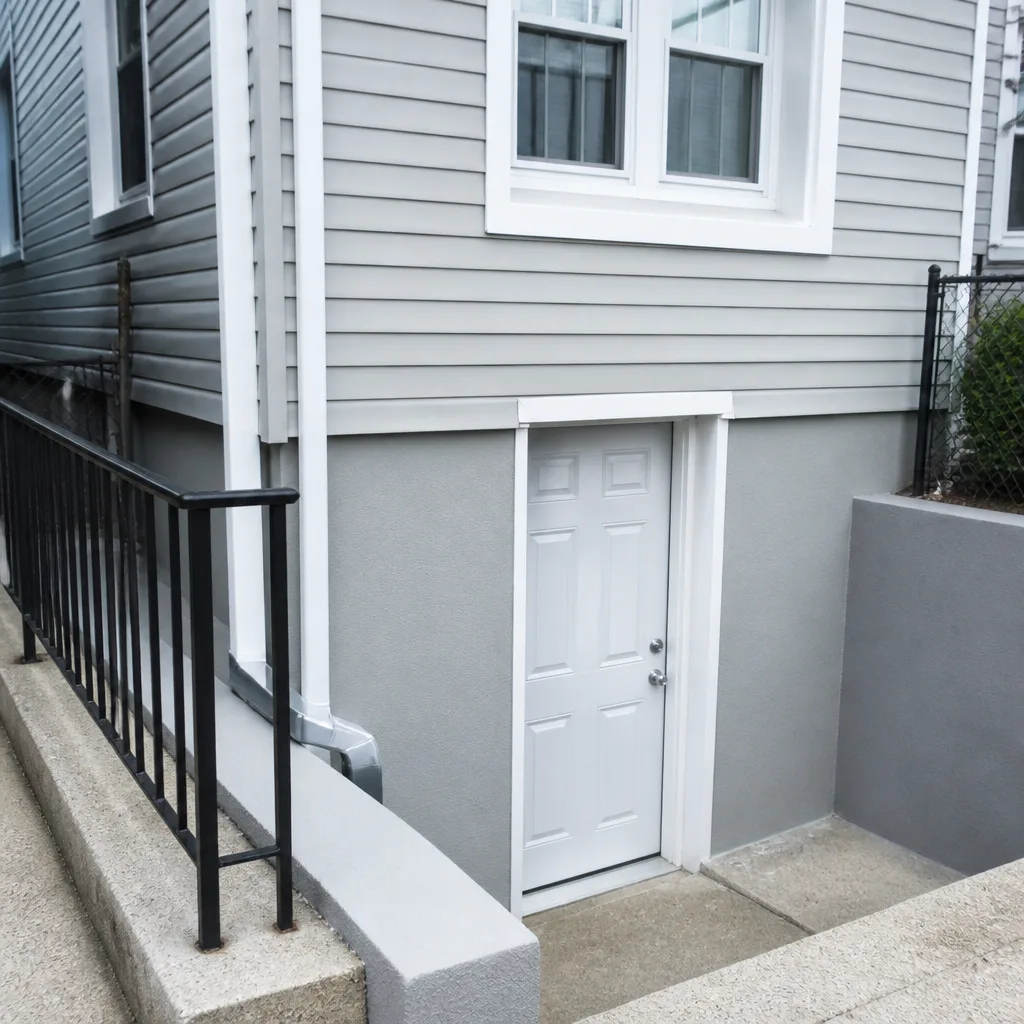 After
After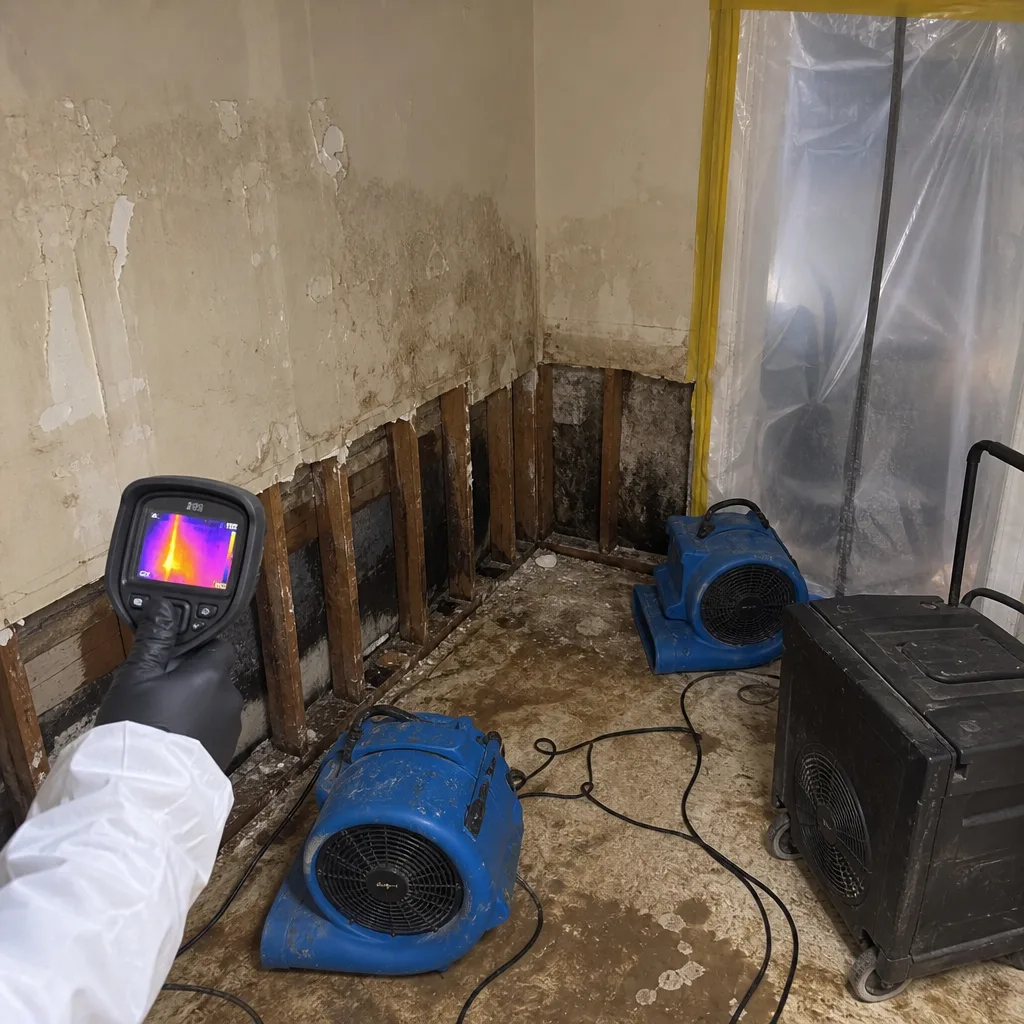 Before
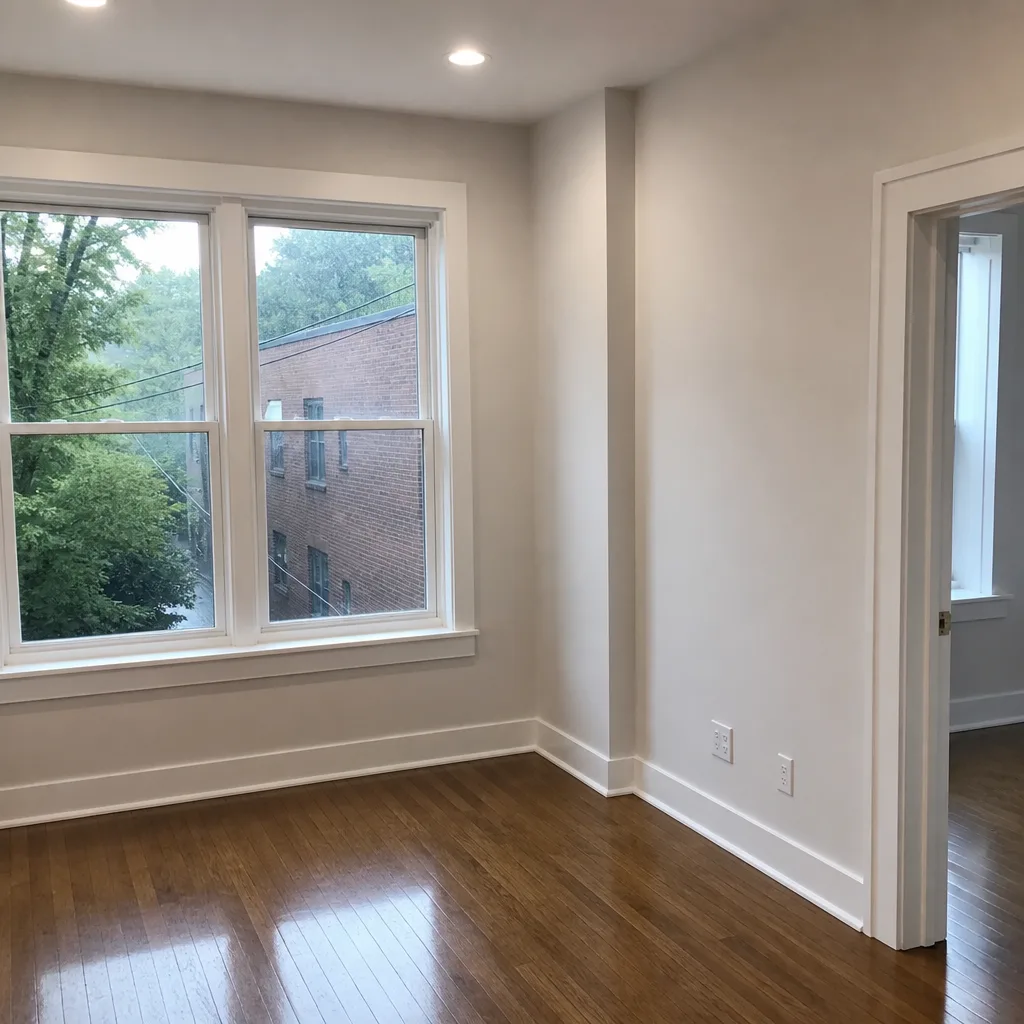 After
After24/7 Emergency Sewage Cleanup in Midtown West
Sewage cleanup in Midtown West typically runs $1,800-$6,500 depending on how far the Category 3 water traveled and how many rooms it touched. Most jobs are underway the same day you call. That matters because sewage keeps doing damage by the hour: it soaks into joist bays, wicks up drywall, and feeds mold that can be established in as little as 48 hours. Call (201) 740-2235 and Wade Ferris or one of his crew heads out from the New York City office to meet you in Midtown West, usually inside 45 minutes. The first hour is when you stop the loss. The hours after that are when the cost climbs.
Wade answers his own phone. No answering service, no call center, no “leave a message and someone will get back to you.” You’ll reach a live person at 2 p.m. or 2 a.m. And the inspection is free.
Understanding Sewage Cleanup Severity in Midtown West Properties
Sewage is Category 3 water. That’s the IICRC’s highest contamination class: it carries bacteria, viruses, and parasites. Clean water from a supply line is Category 1, and gray water from a washing machine is Category 2. Category 3 means every porous surface it touched, carpet, padding, drywall, insulation, unfinished wood, is considered contaminated and typically removed rather than cleaned. The severity in Midtown West depends heavily on the building. In Hell’s Kitchen pre-war walkups, a failed cast-iron stack in a shared wall cavity can send waste into three or four units before anyone notices the smell. The slow travel through walls and between floors means the contamination zone is often larger than what’s visible from the one apartment where the toilet backed up. In the larger commercial towers and hotel blocks along the Times Square corridor, a sewage event in a utility chase can affect mechanical rooms, elevator shafts, and multiple occupied floors at once. There, containment is as much a logistics problem as a sanitation one.
What you can see is rarely the whole job. We use moisture mapping, thermal imaging, and hygrometers to find saturation you would never guess was there. The treatable area is almost always bigger than the visible stain.
Why Midtown West Property Owners Choose Wade’s Restoration
- 45-minute response commitment. Wade or a crew member is on the road from the New York City office to your Midtown West address within the hour, most calls faster.
- A real person answers, 24/7. No automated system. You talk to a human immediately, and Wade’s cell number is on his truck.
- IICRC-certified crews. The team holds WRT (Water Restoration Technician) and ASD (Applied Structural Drying) certifications, and the work follows IICRC S500 guidelines for sewage and Category 3 water.
- Free visual inspection. We’ll assess the loss and tell you honestly what needs to happen. No charge for the visit inside our own county.
- Direct insurance billing and claims support. We document everything, communicate with your adjuster directly, and provide a line-item scope your insurer can act on.
- One team from extraction to reconstruction. We don’t hand you off to a subcontractor after the water is out. Wade’s crew handles the whole job.
Our Sewage Cleanup Process
Inspection & Assessment
We map the contamination zone with moisture meters and thermal imaging, identify the source, and classify the water category. You get a written scope before any work begins.
Extraction
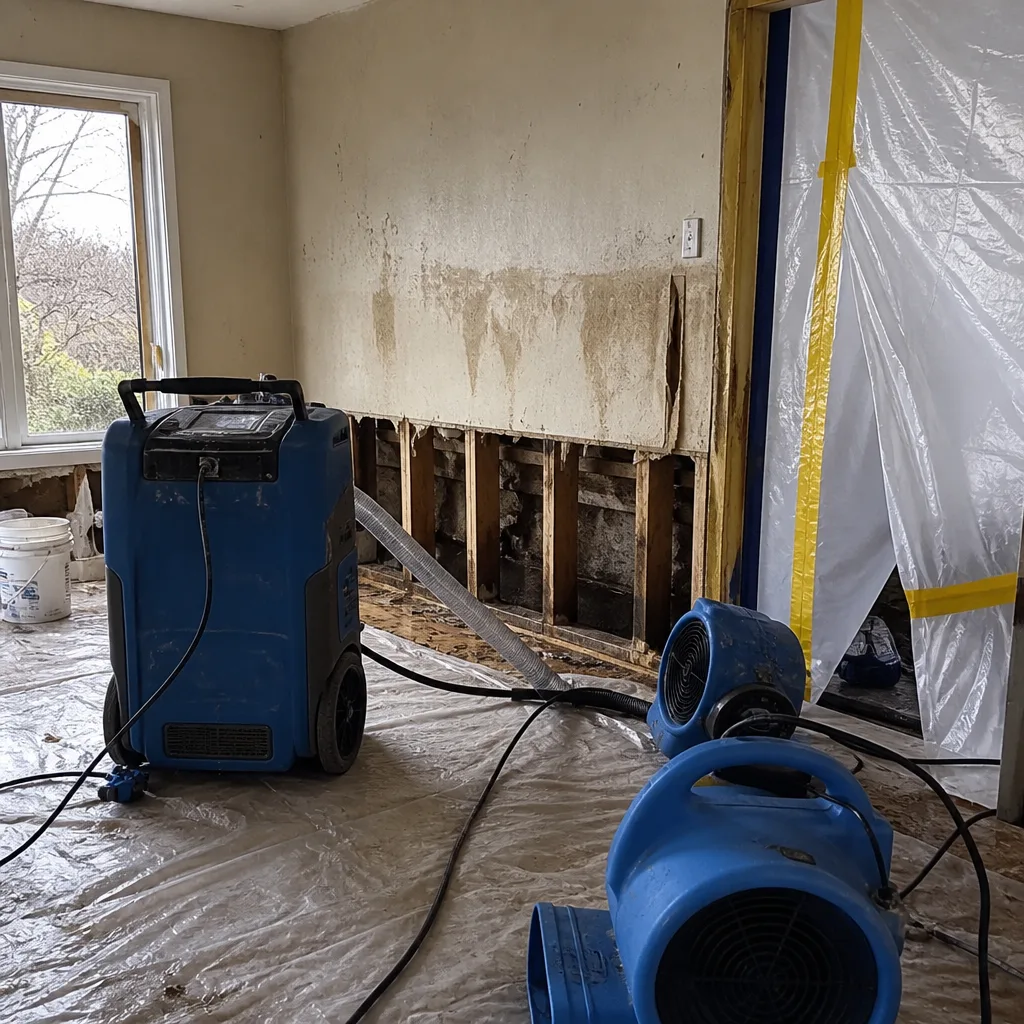
We remove standing sewage with truck-mounted extractors and submersible pumps, then cut and remove contaminated porous materials like carpet, pad, and saturated drywall.
Drying & Dehumidification
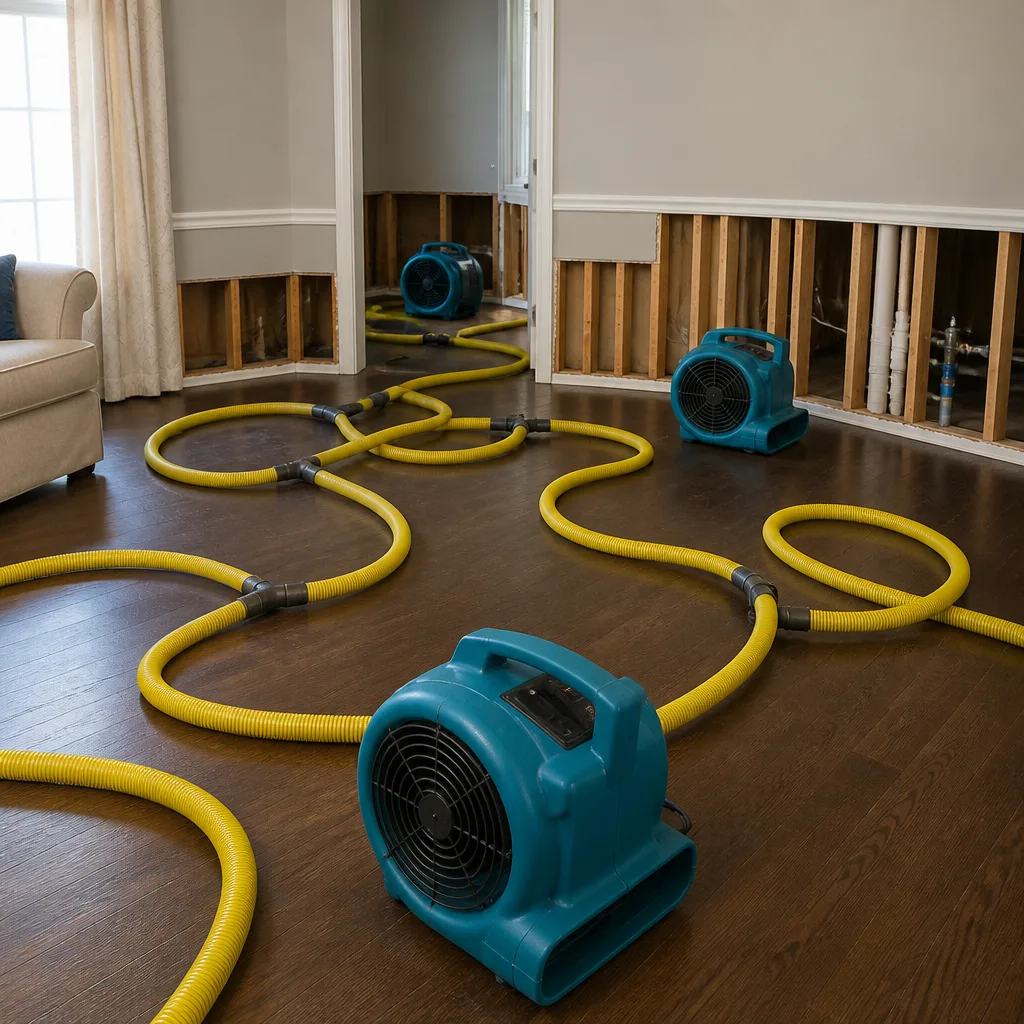
Phoenix air movers and dehumidifiers are placed for structural drying. Daily moisture readings are logged, and you get the complete log at the end of the job.
Cleaning & Sanitization
Hard surfaces are cleaned and treated with EPA-registered antimicrobials. We also run HEPA air scrubbers to pull contaminants from the air.
Steam-Line Coordination
In Midtown West buildings tied into the Con Edison district steam network, we check for condensation and steam-line leaks that can mimic or compound sewage damage before we finalize the sanitization plan.
Repairs & Restoration
We rebuild what was removed, drywall, flooring, trim, paint, and make the space livable again. The 90-Day Done Right Promise covers the work in writing.
Need Emergency Sewage Cleanup in Midtown West Now?
Crews minutes away, answering live 24 hours a day. The sooner we start, the less it costs.
Working With Your Insurance Company
Sewage backup claims in Midtown West are usually covered when the loss is sudden and accidental, which describes nearly every blocked stack or failed line we respond to. What trips up homeowners is weak documentation. The adjuster never saw the standing sewage, so your claim is only as strong as the record you provide. We start photographing from the first hour and keep documenting through final clearance. We also hand the adjuster what they actually need: photo logs room by room, moisture readings, a line-item mitigation and repair scope, and drying logs, so there’s no back-and-forth over what was wet and what it cost. Wade will talk to your adjuster directly. That’s the part of this job most people dread. You shouldn’t be the one relaying messages between your carrier and a restoration crew.
What We Provide Your Insurer
- Thorough documentation of the loss
- Photos of all damage, room by room
- Moisture readings and drying logs
- A detailed, line-item scope of work
- Direct coordination with your carrier
Built for Midtown West’s Loss Calendar
Sewage backups in Midtown West follow a seasonal rhythm. January and February are the big months for freeze-thaw bursts in the roof-level mechanical rooms that sit on top of the commercial towers west of Eighth Avenue. When a rooftop pipe lets go at 11 degrees, the Category 3 water rides down elevator shafts and utility chases before anyone on the occupied floors knows a thing happened. Spring thaw pushes groundwater against below-grade walls in the older Hell’s Kitchen buildings and works loose the connections in 100-year-old cast-iron stacks. Summer thunderstorms overwhelm the combined sewer outfalls along the Hudson, and surcharged lines push sewage back through floor drains in basements from 34th Street up to 59th. The one Midtown West-specific layer you won’t find in the suburbs: Con Edison’s district steam lines run under this whole corridor, and when a steam trap leaks in a building mechanical room, the condensation damage looks a lot like a sewage leak until someone tests it. We test it. That distinction changes everything about how the job is cleaned and whether Con Edison needs to be involved before we start.
Sewage Cleanup Across Midtown West’s Neighborhoods
Midtown West isn’t one kind of building, so it isn’t one kind of sewage job. In Hell’s Kitchen, roughly 34th to 59th between Eighth and Tenth Avenues, we’re mostly working in pre-war tenements and walkups where the shared plumbing stack runs through wall cavities serving four or more units. A single clog there becomes a multi-apartment loss fast, and the work often means opening walls on multiple floors. Around Times Square and the hotel blocks from 40th to 54th, occupied guest rooms sit directly beneath mechanical floors, so a sewage event means setting containment so the property keeps operating while we pull Category 3 water from below. Over at Hudson Yards and the new towers west of Tenth Avenue, the mechanical rooms are modern but the chases are dense: utility risers, data lines, and plumbing all packed into tight vertical shafts where sewage travels fast and spreads wide. And in the Garment District corridor along Seventh and Eighth Avenues, older commercial lofts with converted floor plans often hide a century of patched plumbing behind newer finishes. None of these buildings respond to the same playbook.
Our Sewage Cleanup team runs these routes regularly. We know which addresses have steam-line tie-ins, which pre-war buildings have original stacks, and which loading docks a truck mount can actually reach. That’s the kind of local knowledge that keeps a Midtown West job moving.
Specialized Sewage Cleanup Services We Offer in Midtown West
Sewage Backup Cleanup
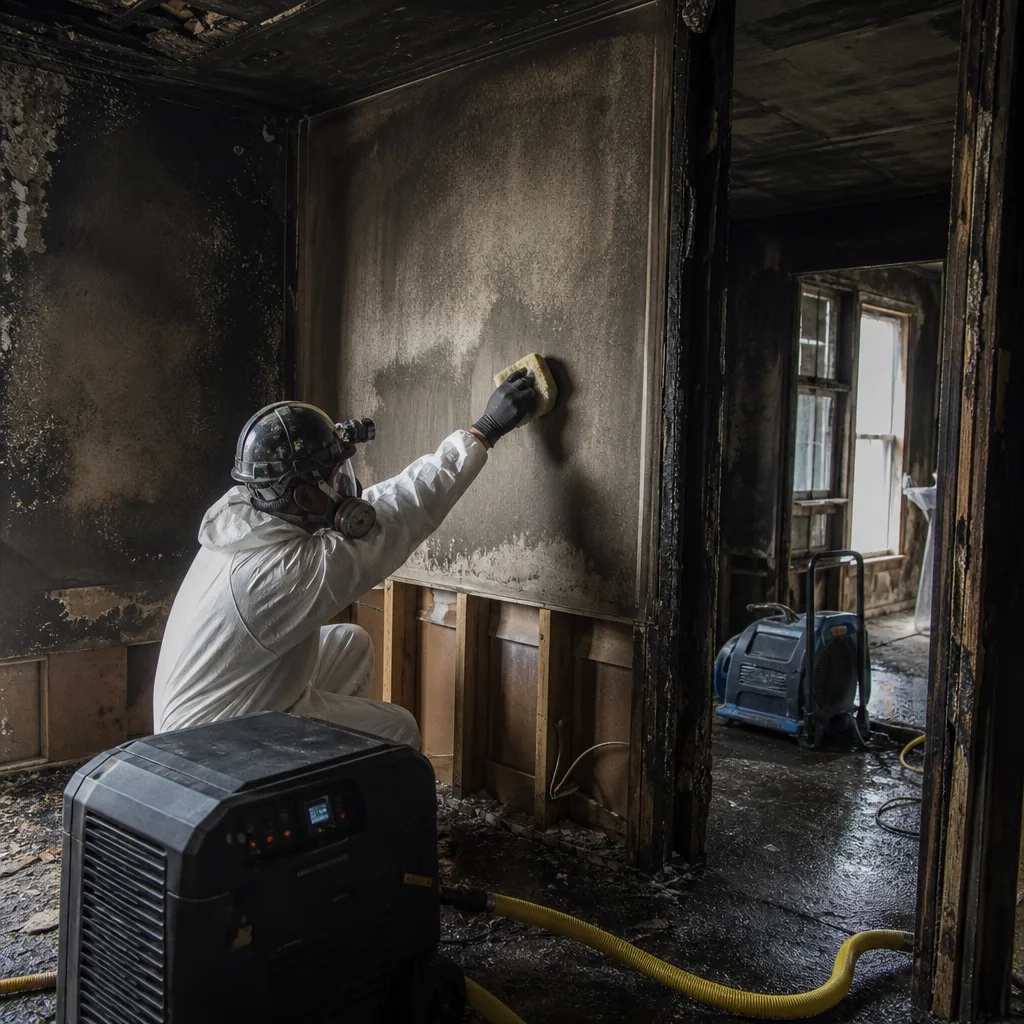
Most of our Midtown West calls start with a backed-up stack or floor drain. In pre-war buildings, the backup is rarely contained to one unit. We extract, remove the contaminated drywall and flooring, and dry the structure back to pre-loss moisture readings. Pricing for a single-unit backup in a Hell’s Kitchen walkup typically runs $1,800-$4,200; a multi-floor stack backup in a larger pre-war building can push $6,500 or more.
Toilet Overflow Cleanup
A toilet overflow in a Midtown West condo or rental is usually clean-water Category 1 or 2 at first, but it turns Category 3 fast if it sat overnight. Speed matters more than anything. We handle the extraction, sanitize the affected bathroom and any adjoining rooms, and document everything for your property manager or insurer.
Septic Failure Cleanup
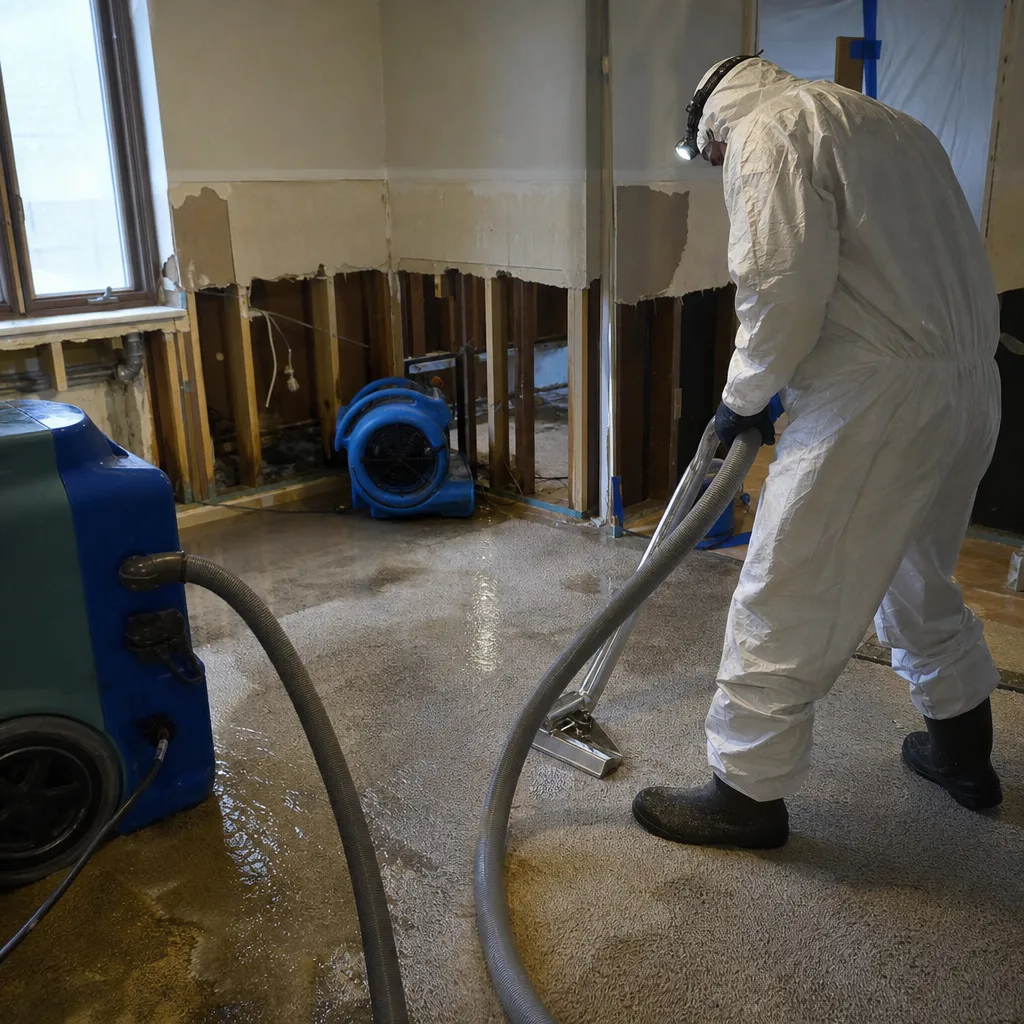
True septic systems are rare in Midtown West proper, but the older buildings near the river and a few standalone properties along the far West Side still tie into private systems or aging laterals. When those fail, the sewage surfaces in basements and crawl spaces. We bring in Injectidry extraction mats and truck-mounted units to pull waste water from slab-on-grade and shallow subfloor cavities before it spreads under finished living space.
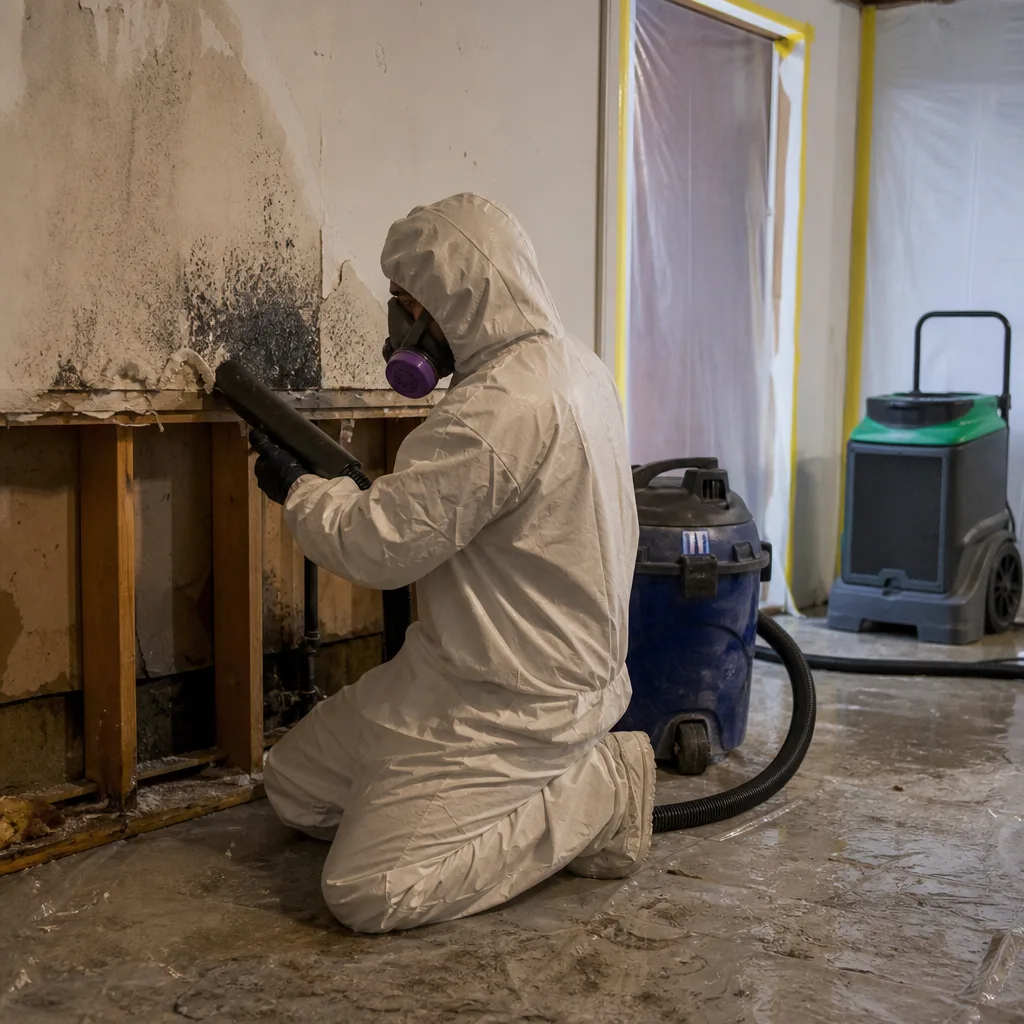
Black Water Extraction
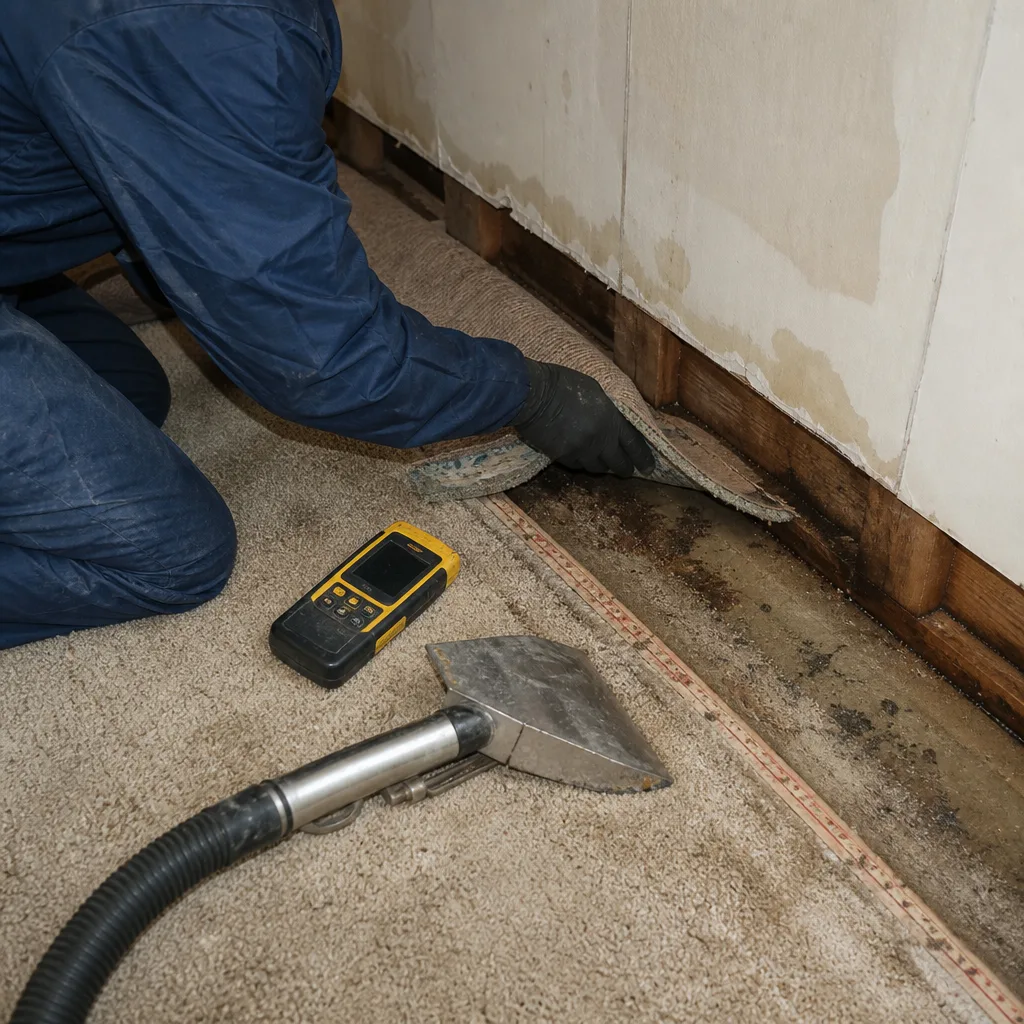
This is Category 3 water at full strength: raw sewage, river water backflow during surcharge events, or standing waste from a broken stack. We use truck-mounted extractors, HEPA vacuums, and B-Air air scrubbers, then run antimicrobial treatment on every affected hard surface. The extraction has to be complete the first time, because any organic residue left behind becomes a mold colony inside two days.
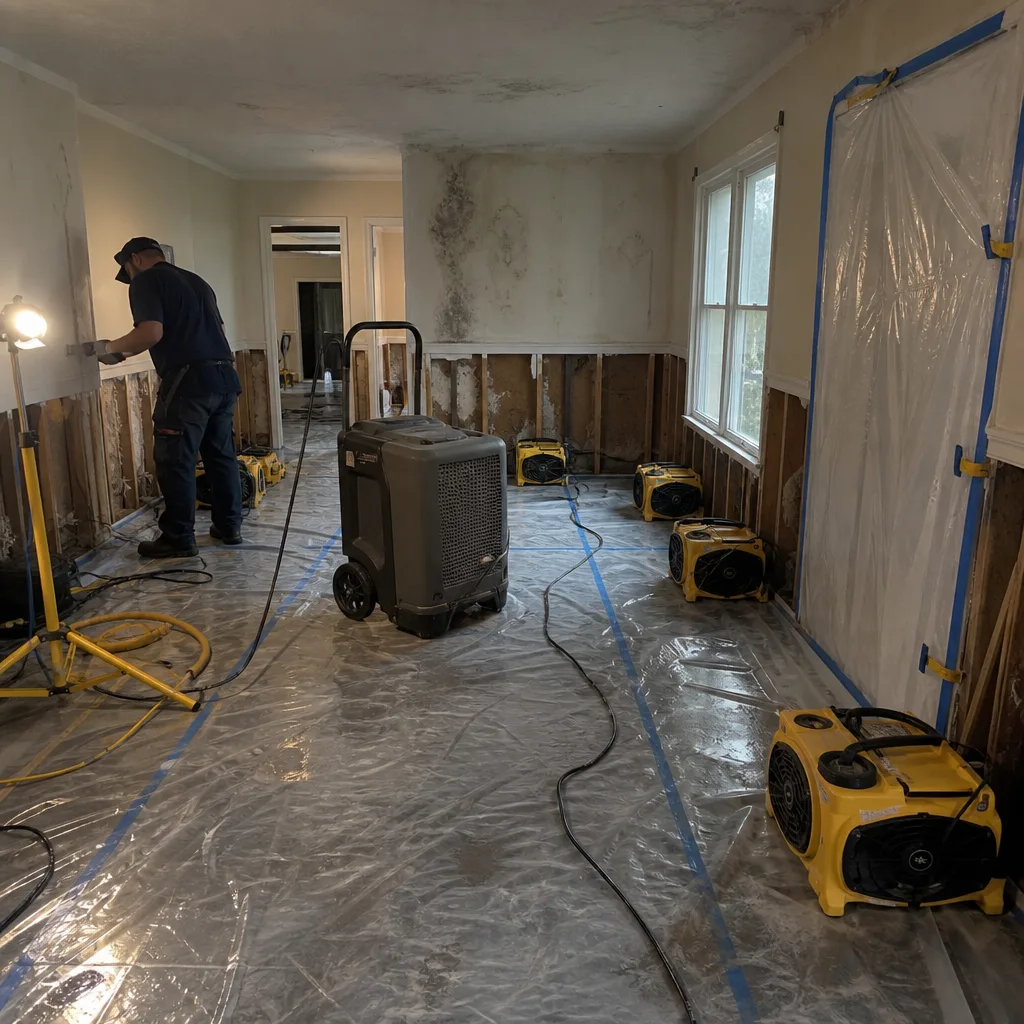
Sanitization & Disinfection
After the waste is out and the porous materials are removed, the remaining structure gets treated with EPA-registered antimicrobials. We also fog accessible cavities when the contamination reached between walls, which is common in Midtown West’s shared-chase construction. You get a clearance report and the drying log when the job is done.
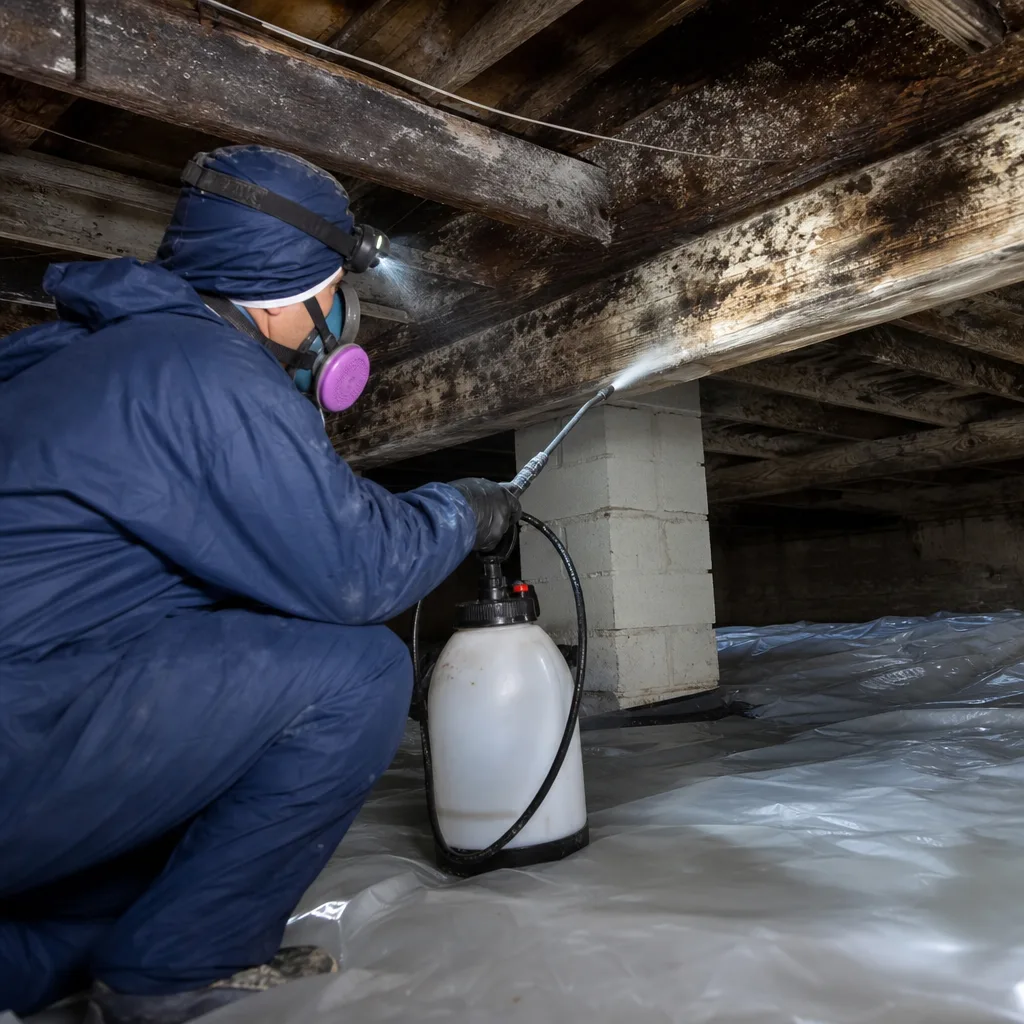
Crawl Space Sewage Removal
Some of the older residential buildings along Tenth and Eleventh Avenues still have shallow crawl spaces or sub-grade plenums. Sewage in a confined crawl space is a health hazard and a hidden one. We use confined-space protocols, negative air pressure, and extraction mats to pull the waste and dry the space fully. This is a niche Midtown West service most restoration companies won’t touch because the access is difficult and the profit margin is thin. Wade takes it anyway.
What happens when you call
- 1
A real person answersNo phone trees - you reach a local pro.
- 2
You get an upfront price rangeHonest numbers before anyone is dispatched.
- 3
A background-checked tech heads outLicensed & insured, dispatched right away.
- 4
You approve before work beginsNothing starts until you say go.
Sewage Cleanup Costs in Midtown West, NY
Here are honest numbers for Midtown West’s market. A single-unit sewage backup with extraction, containment, and structural drying runs $1,800-$4,200. A toilet overflow contained to one bathroom: $900-$2,400. A multi-floor stack backup spanning three or more units in a pre-war building starts around $5,500 and commonly reaches $8,500 once drywall, flooring, and trim are rebuilt. A hotel corridor or utility-chase sewage event with 24/7 mitigation and occupied floors above: $12,000-$35,000 depending on how many floors were affected. What moves the price most is how far the Category 3 water traveled before it was stopped, and whether it hit finished living space or just mechanical and storage areas. Insurance covers most sudden sewage backups; the out-of-pocket piece is usually the deductible plus any finishes you choose to upgrade beyond like-kind replacement. The free visual inspection is how you get a firm scope in writing before anyone opens a wall. Call (201) 740-2235 and we’ll write it up.
We Also Serve Cities Near Midtown West
Our crews regularly work in Financial District, Lower Manhattan, Astoria, and Midtown Manhattan. If your building is right at the edge of Midtown West, we’ll still come. The county is our home turf.
Serving Midtown West, NY - Our Local Coverage Area
We’re based in the Midtown West area and know this community well. Use the map below to see our service coverage - if you’re nearby, we can almost certainly help.
Midtown West Sewage Cleanup Questions, Answered
How does the Con Edison steam network complicate sewage cleanup in Midtown West buildings?
Many Midtown West mechanical rooms tie into Con Edison’s district steam lines, and a leaking steam trap or condensate line creates moisture that looks like a sewage or water leak but is actually steam condensation. We test before we treat. If steam condensate is present, we coordinate with Con Edison before final sanitization because the steam line has to be addressed first or the moisture returns.
Why is sewage cleanup in a pre-war Hell’s Kitchen walkup different from a single-family home?
In a pre-war walkup, the plumbing stack runs through shared wall cavities serving multiple units. Sewage travels between floors inside those walls before it ever shows up as a stain, so the contamination zone is almost always bigger than what’s visible from one apartment. The cleanup means opening walls on multiple floors, coordinating with several unit owners or a landlord, and drying stacked cavities. A single-family home has one plumbing system and one floor plan; the walkup has six units and a century of patched pipes.
Can you handle sewage cleanup in an occupied Midtown West hotel without shutting down floors?
Yes. We set containment with HEPA-filtered negative air pressure so contaminated air doesn’t migrate to occupied floors, and we run extraction and drying inside the sealed zone. The hotel typically keeps selling rooms on floors above and below while we’re working. We coordinate with property management, the chief engineer, and the insurance carrier to schedule the noisy parts during guest off-peak hours when possible. Call (201) 740-2235 and Wade will talk through the plan with your operations team directly.
Is mold common after sewage backups in Midtown West basements near the Hudson River?
Yes, and it’s worse near the river. The western edge of Midtown West retains elevated baseline moisture in below-grade spaces going back to Hurricane Sandy, and the Hudson’s proximity means those basements rarely get fully dry on their own. Add sewage saturation, and you’ve got the conditions for mold growth in 48 hours. That’s why our process includes antimicrobial treatment and full structural drying to the standard IICRC moisture readings, not just “looks dry to me.” We hand you the log.
What happens if a sewage backup affects a Midtown West office tower’s utility chase that serves multiple floors?
We treat the chase as its own containment zone and work from the lowest affected point upward, removing saturated insulation, drying the risers, and sanitizing every surface the waste touched. The complication is that modern chases pack plumbing, data lines, and electrical into tight vertical shafts, so access is awkward and the drying has to be precise. We bring in Injectidry equipment and run the job around the building’s occupied hours. This is not a job for a general handyman; it’s a restoration project with structural drying requirements.
How fast can someone actually get to my Midtown West building?
Wade answers the phone himself and his crew is on the road from the New York City office inside the hour for most Midtown West addresses, often under 45 minutes. For a sewage backup in an occupied building, the first call is about stopping the source and setting containment, and that starts as soon as we walk in. Call (201) 740-2235.
Do I really need full sewage remediation or just a cleaning?
If the water is Category 3, meaning it came from a toilet, a stack, a floor drain that backed up from the sewer, or any standing waste, the answer is full remediation. Porous materials that absorbed it have to go. Just mopping and spraying doesn’t remove contamination from drywall cavities, subfloor, or insulation. The free visual inspection is how we determine what actually needs to happen. We won’t sell you a full job if a clean-surface treatment will do, and we won’t call it “clean” if it isn’t.
What should I do in the first 30 minutes after discovering a sewage backup in Midtown West?
Stop using water immediately, that means toilets, sinks, and especially washing machines or dishwashers if any drain is backing up. Then call (201) 740-2235. Don’t try to unclog it yourself with chemicals, and don’t run fans or HVAC if the sewage is in a common wall because that spreads contaminated air. Keep people and pets out of the affected room. We’ll be there soon and we’ll take it from there.
One thing we see over and over in Midtown West: a property owner ignores a slow drain or a faint smell for a week, and by the time we arrive, a $2,000 job is a $7,000 job. Don’t wait on this. The free inspection costs nothing, and the standing offer is a no-trip-charge visit inside our own county. Senior and Veteran discounts: 10% off, always. Call (201) 740-2235 and Wade will head your way.
Written by Wade Ferris, Owner at Wade’s Restoration. Founded 2007. One call, and Wade’s on the road.