
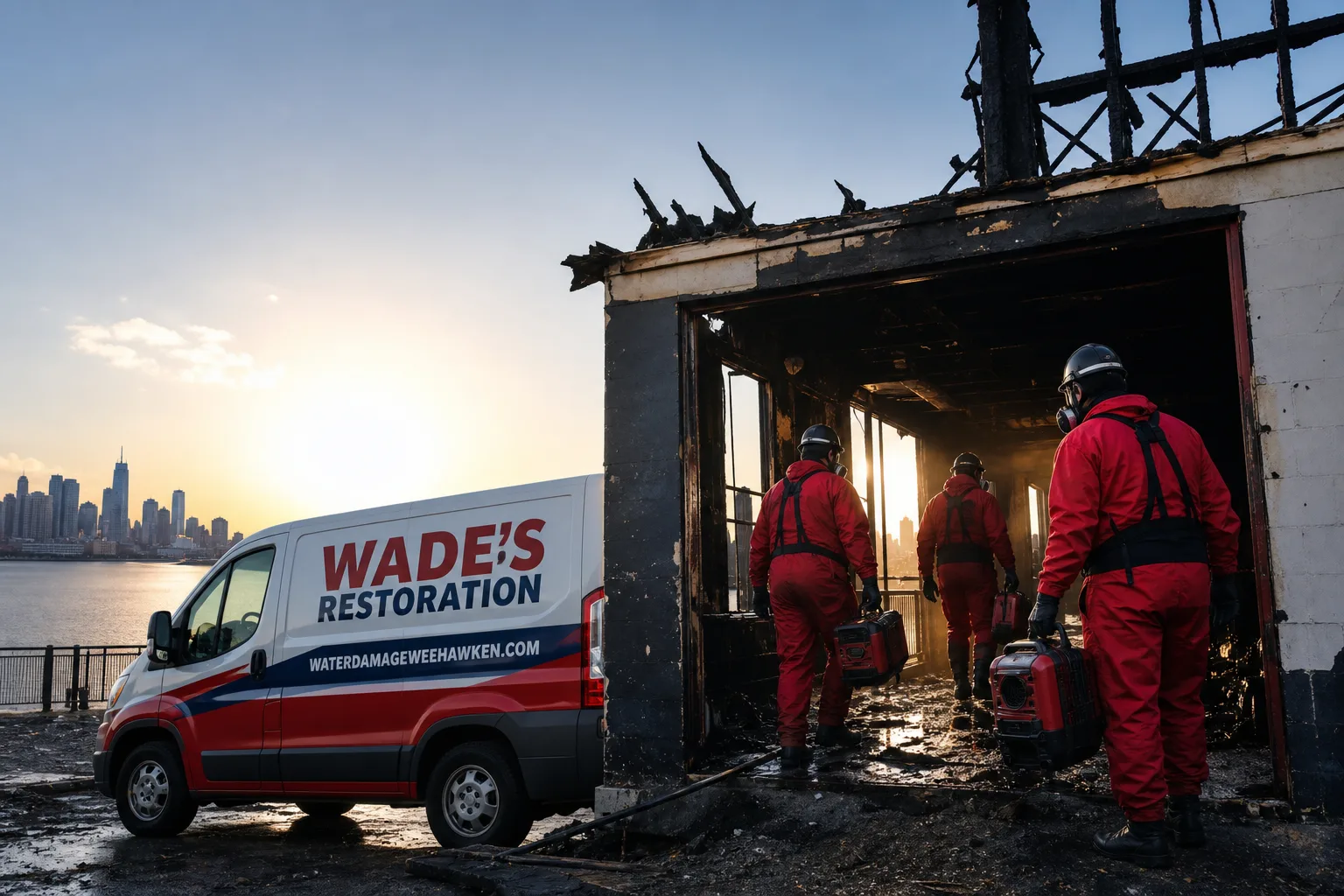
Free visual inspection and a written scope of work before any mitigation begins - photos, moisture readings, and drying logs go in your claim file
The scope we write is the scope we bill. Anything new gets shown to you, in writing, before we touch it.
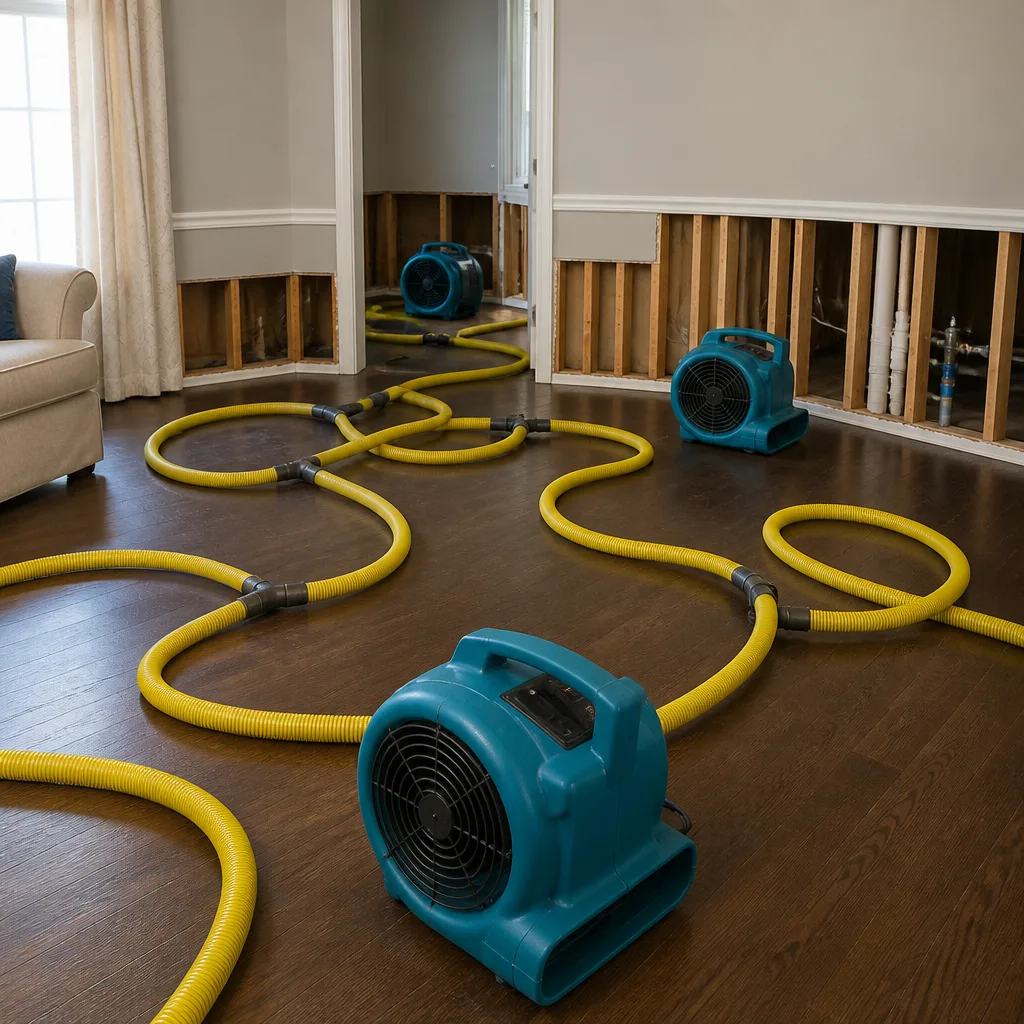

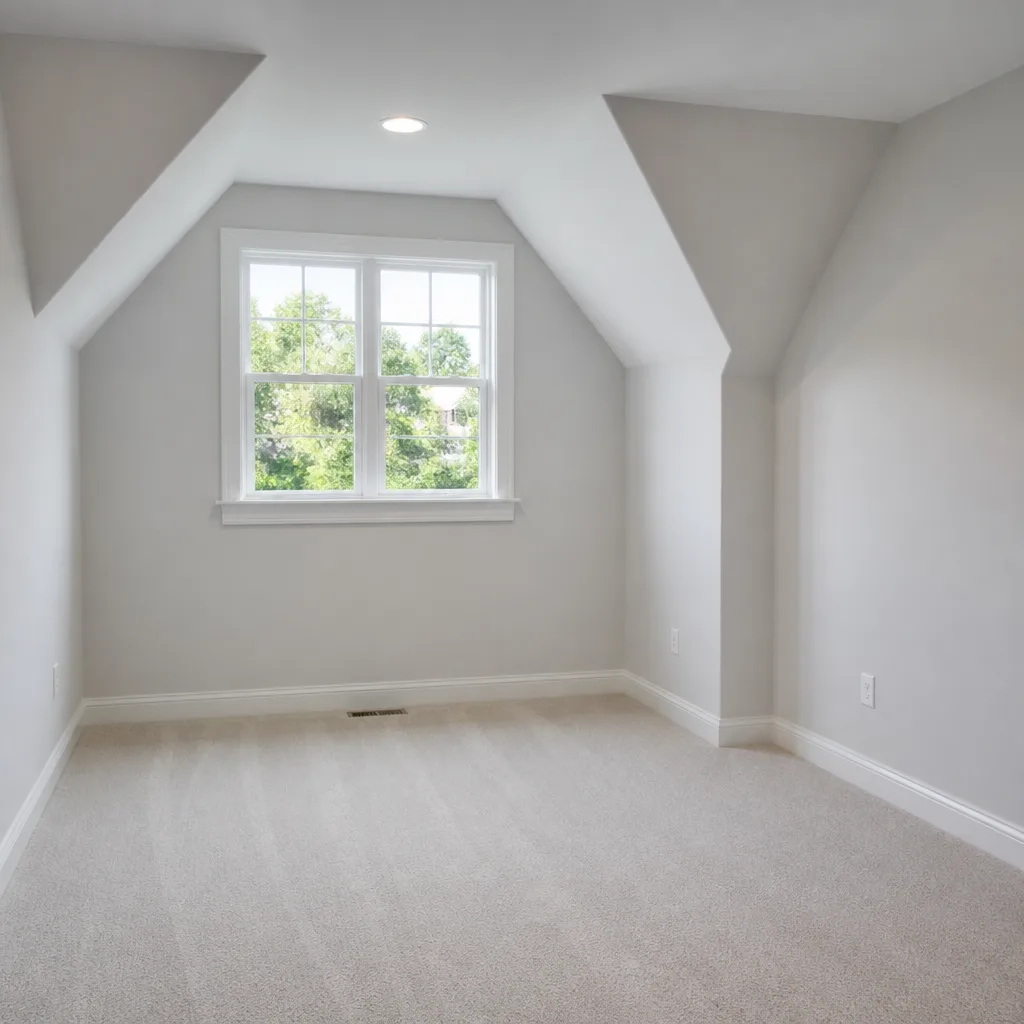
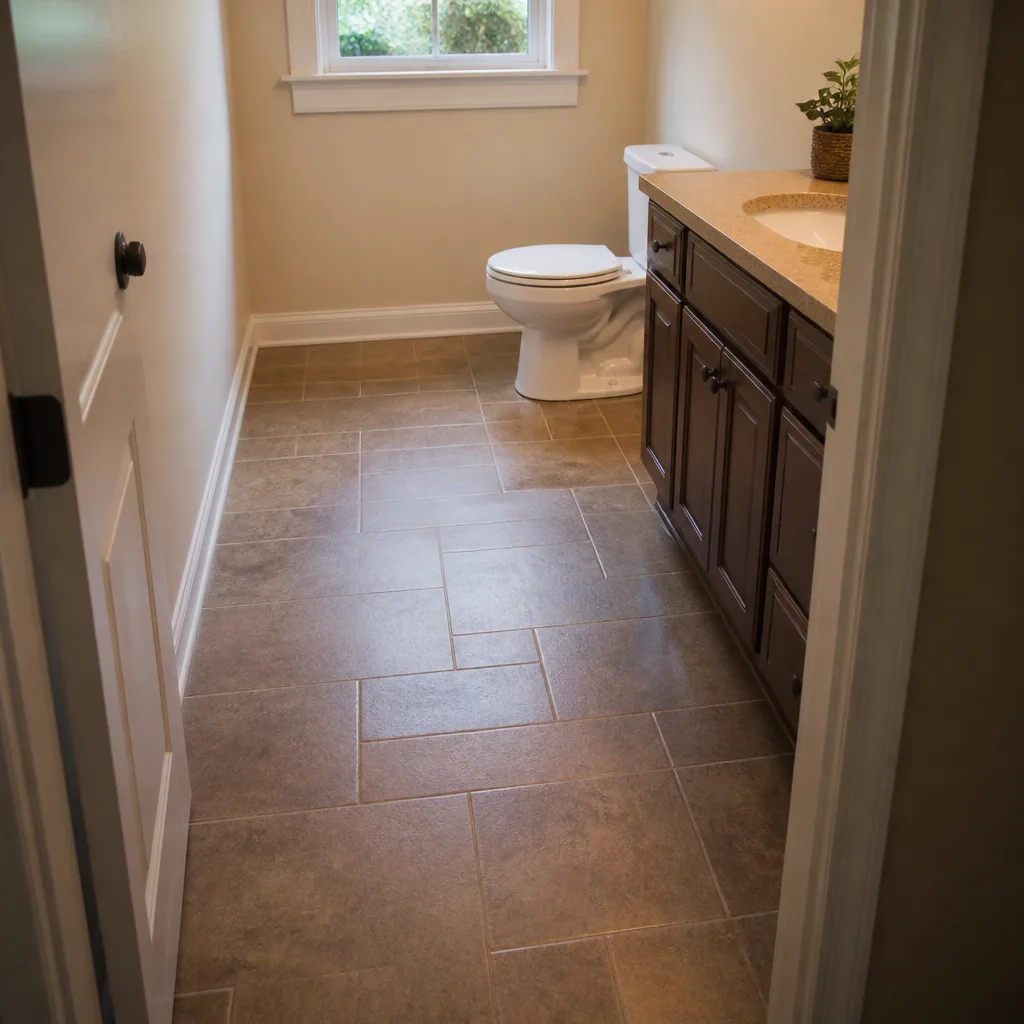
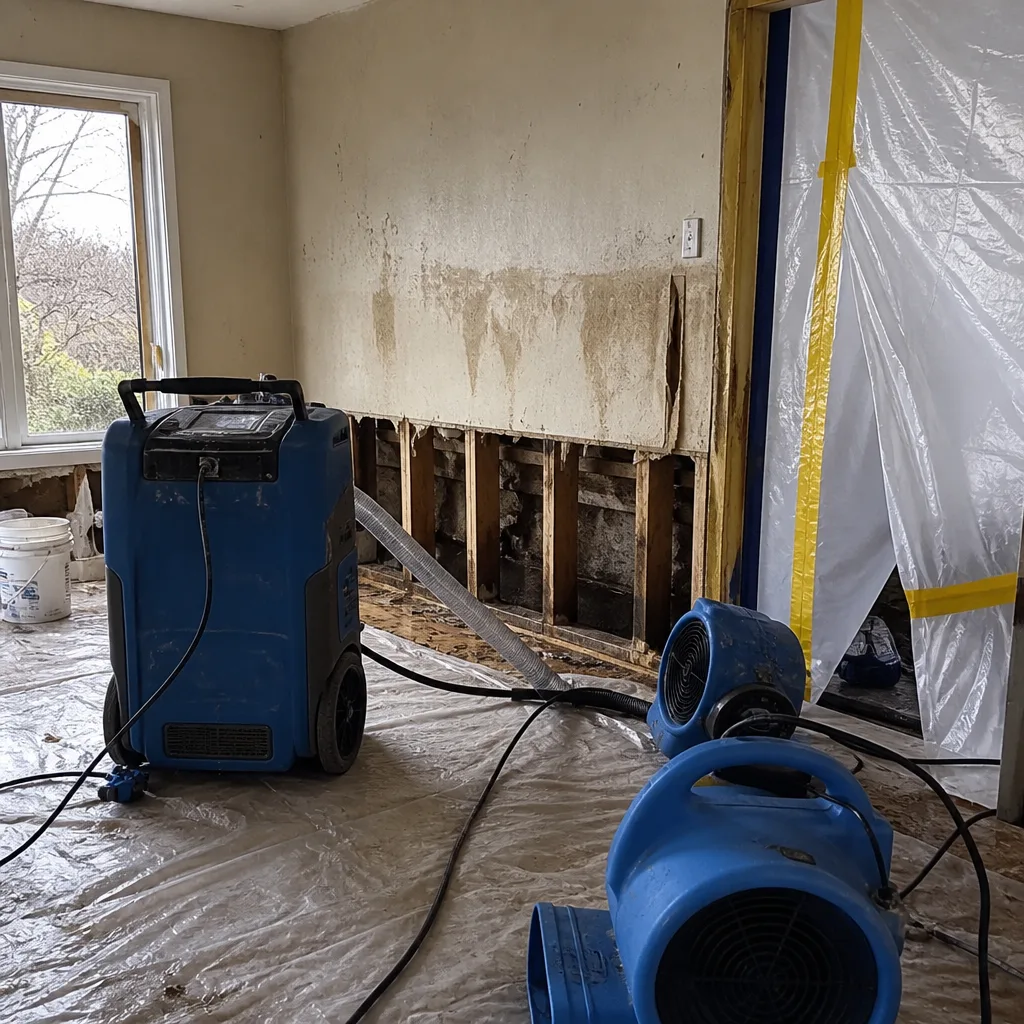 Before
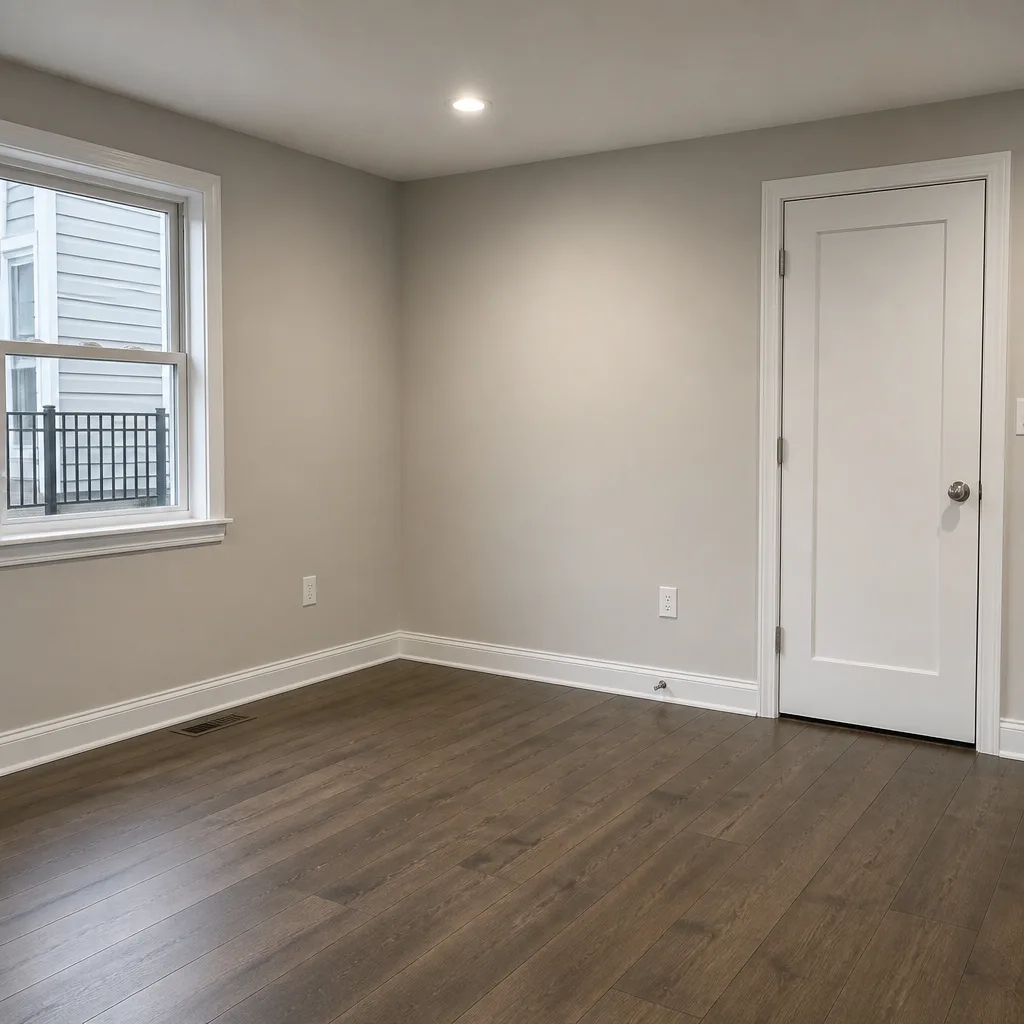 After
After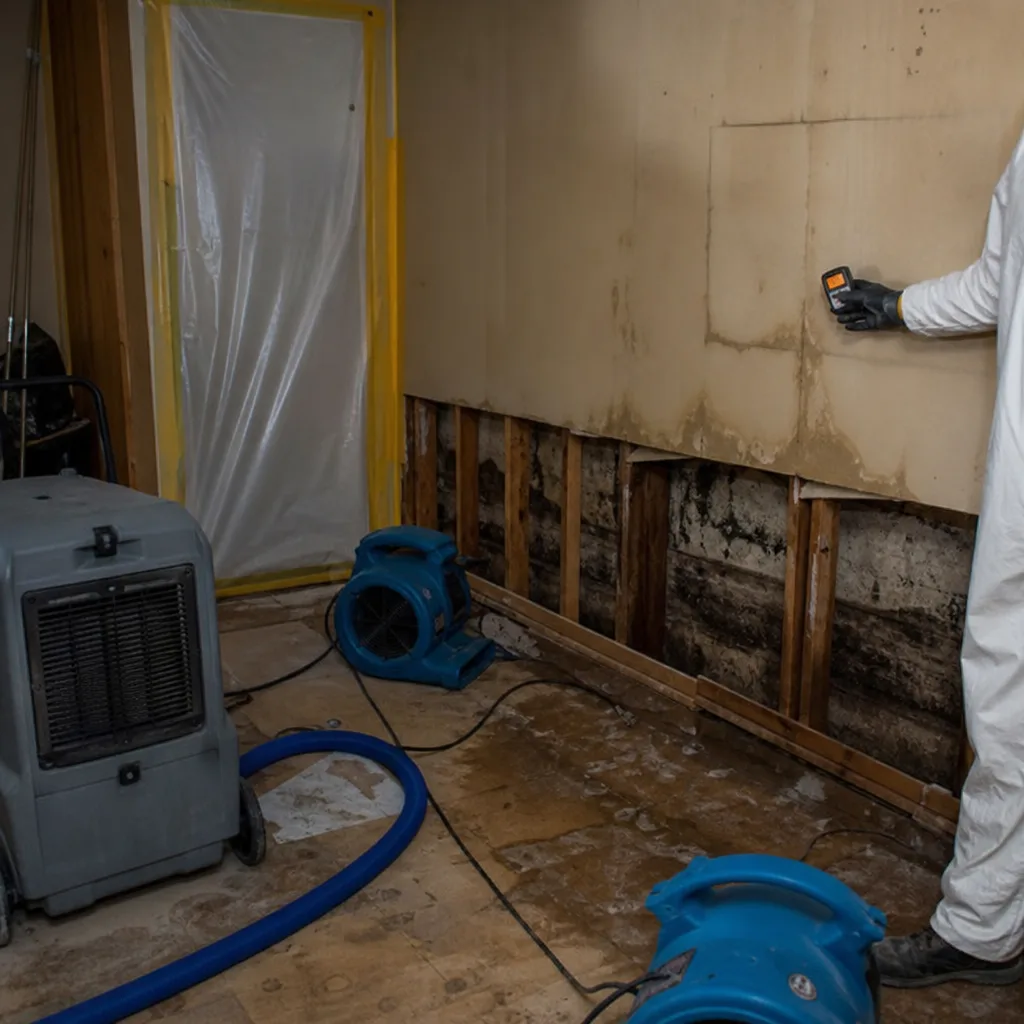 Before
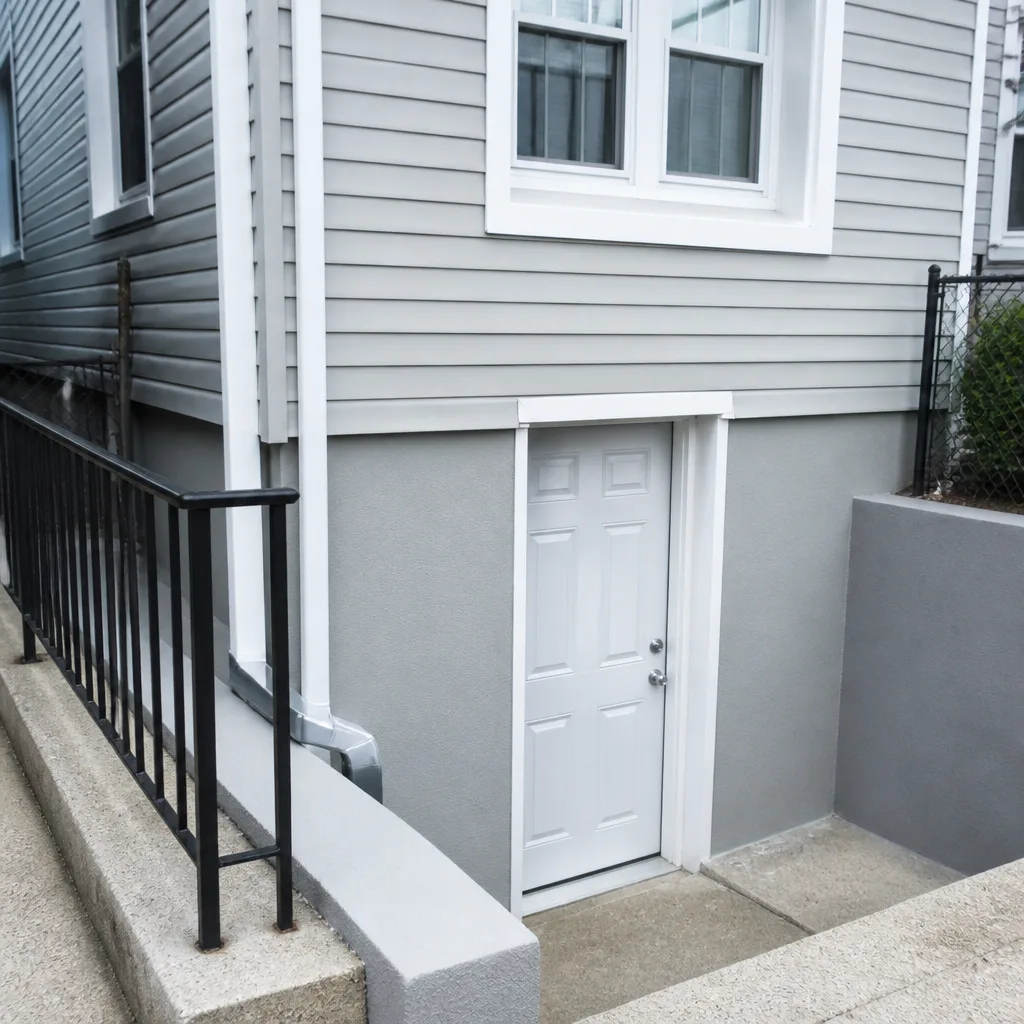 After
After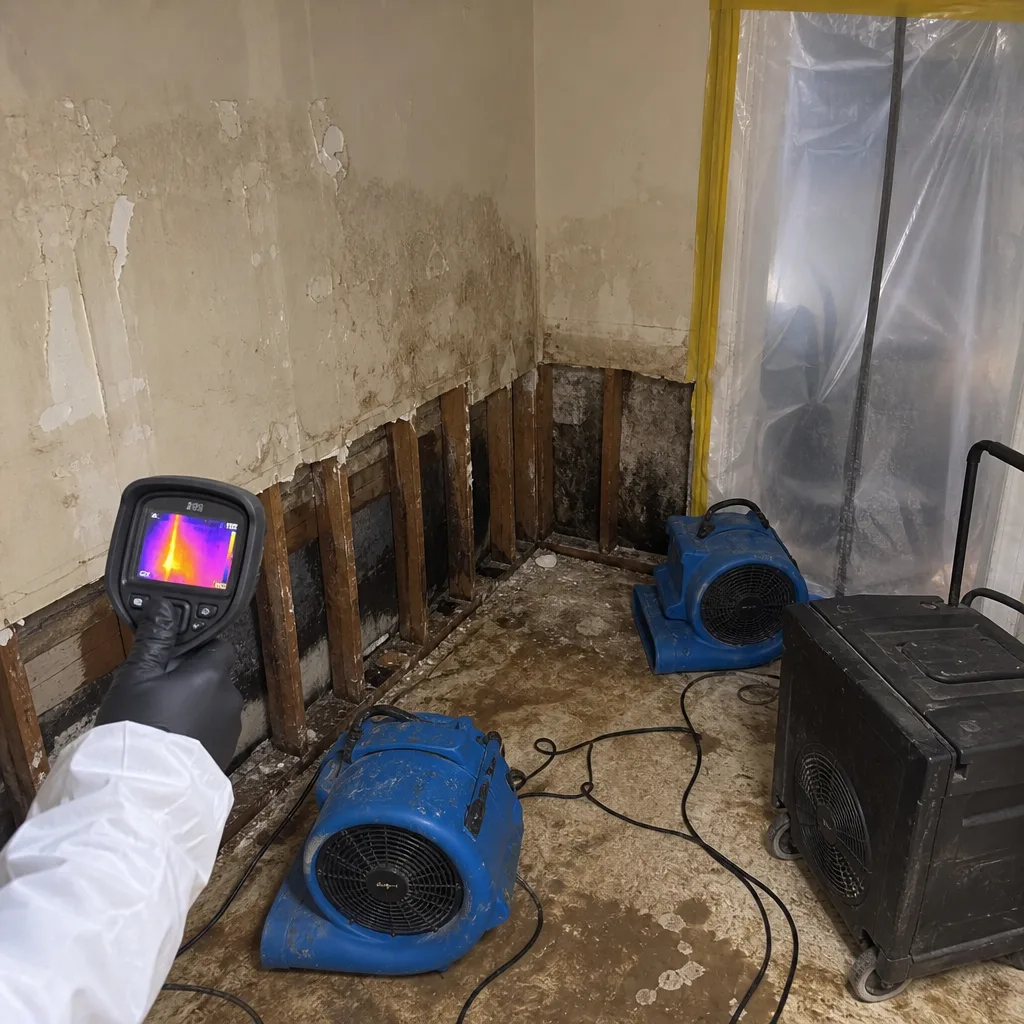 Before
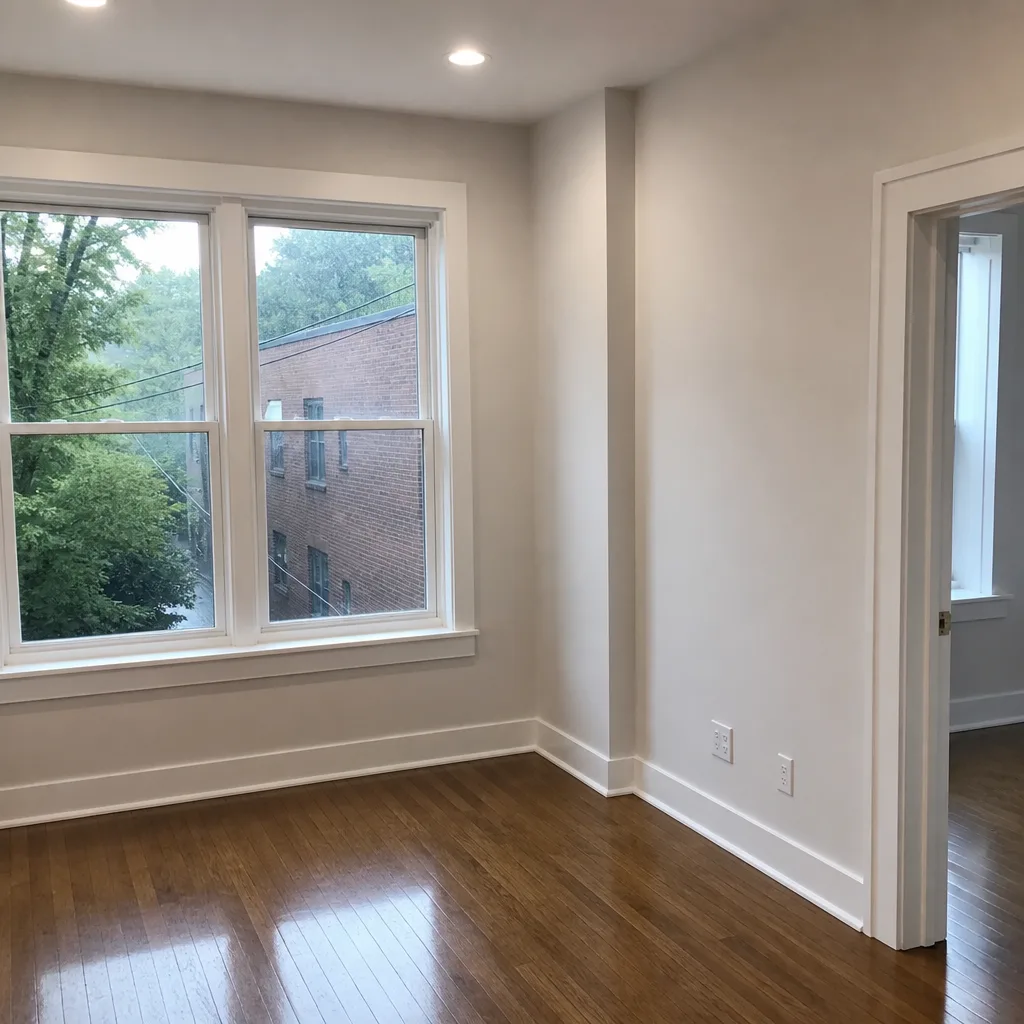 After
After24/7 Emergency Sewage Cleanup in Lower Manhattan
A sewage backup in Lower Manhattan typically costs $2,800-$7,500 to clean up depending on how far the black water traveled and whether building materials need to come out, and most jobs begin within 45 minutes of your call. Category 3 water, which is what we’re talking about when sewage backs up through a floor drain or toilet in the Financial District or Tribeca, carries pathogens that start affecting porous materials within hours. That’s why Wade answers his own phone at (201) 740-2235, day or night, and that’s why his crew heads out to Lower Manhattan the moment you hang up.
You won’t get a call center. You’ll get Wade Ferris or one of his team, and they’ll be in the truck before you’ve finished explaining what happened. The first hour matters more with Sewage Cleanup than almost any other restoration work, because contamination spreads through grout lines, drywall wicking, and subfloor cavities fast. We’ll do a free visual inspection of the affected area and tell you honestly whether you’re looking at a contained cleanup or a full extraction and sanitization job.
Understanding Sewage Cleanup Severity in Lower Manhattan Properties
Not all sewage backups are equal, and Lower Manhattan’s building stock makes severity calls harder than they look. Category 2 water, or gray water, comes from washing machines, dishwashers, and sink overflows; it carries bacteria but not raw sewage. Category 3 water, or black water, contains human waste and is what we’re dealing with when a toilet overflows, a floor drain backs up, or a sewer main surcharges. In Lower Manhattan, the distinction matters more than in most places, because the same backup can be Category 2 in a modern Battery Park City tower and Category 3 in a pre-war FiDi high-rise where the cast-iron waste line has been corroding since the Coolidge administration.
We classify the water, then we map the moisture. A sewage backup in a 1910 Financial District office conversion will migrate through masonry party walls differently than one in a 1990s residential tower with gypsum and steel framing. That’s not an academic distinction; it changes whether we set containment and run HEPA air scrubbers or go straight to extraction and drying. Pre-1980 buildings in Lower Manhattan almost always contain asbestos in pipe insulation and floor materials, which means we stop and test before we disturb anything sewage has touched. And in Battery Park City, the landfill geology creates a separate variable: groundwater that rises from below even when the street never flooded, which we’ll get into further down this page. That’s why we don’t use a one-size-fits-all playbook here.
Why Lower Manhattan Property Owners Choose Wade’s Restoration
- 45-minute response commitment in Lower Manhattan. Wade started this business in 2007 in the New York metro area, and he still runs it like a neighbor who’s five minutes away, because he is. When you call, the crew is already in Lower Manhattan or heading there.
- A live person answers, 24/7. No voicemail, no answering service, no “press 2 for emergencies.” Wade answers his own phone. That’s not a slogan; it’s his cell number on the truck.
- IICRC-certified crews. The people Wade sends hold WRT (Water Damage Restoration Technician) and ASD (Applied Structural Drying) certifications, and they carry RIA-affiliated training. They know what a Category 3 water loss in a pre-war FiDi basement actually requires.
- Free visual inspection. Before any scope is written, we walk the affected area with you, take photos, and explain what we see. You get a written scope before work starts, not after.
- Direct insurance billing. We document every step from the first hour, and we coordinate directly with your adjuster. You don’t relay messages between two sides.
- One team from extraction to reconstruction. The same crew that pulls the black water is the crew that hangs the new drywall. No handoffs, no gaps, no finger-pointing between subcontractors.
Our Sewage Cleanup Process
Inspection & Assessment
We arrive, classify the water (Category 1, 2, or 3), and use thermal imaging and moisture meters to map where the contamination has traveled. In Lower Manhattan pre-war buildings, we check for asbestos-containing materials before anything is disturbed. You get a written scope and a firm price before we start.
Extraction & Stabilization
Using truck-mounted and portable extraction units, we pull standing sewage and contaminated water out of floors, carpet pads, and sub-surface cavities. We stabilize the area fast, because every hour black water sits, it wicks further into drywall, baseboards, and subflooring.
Drying & Dehumidification
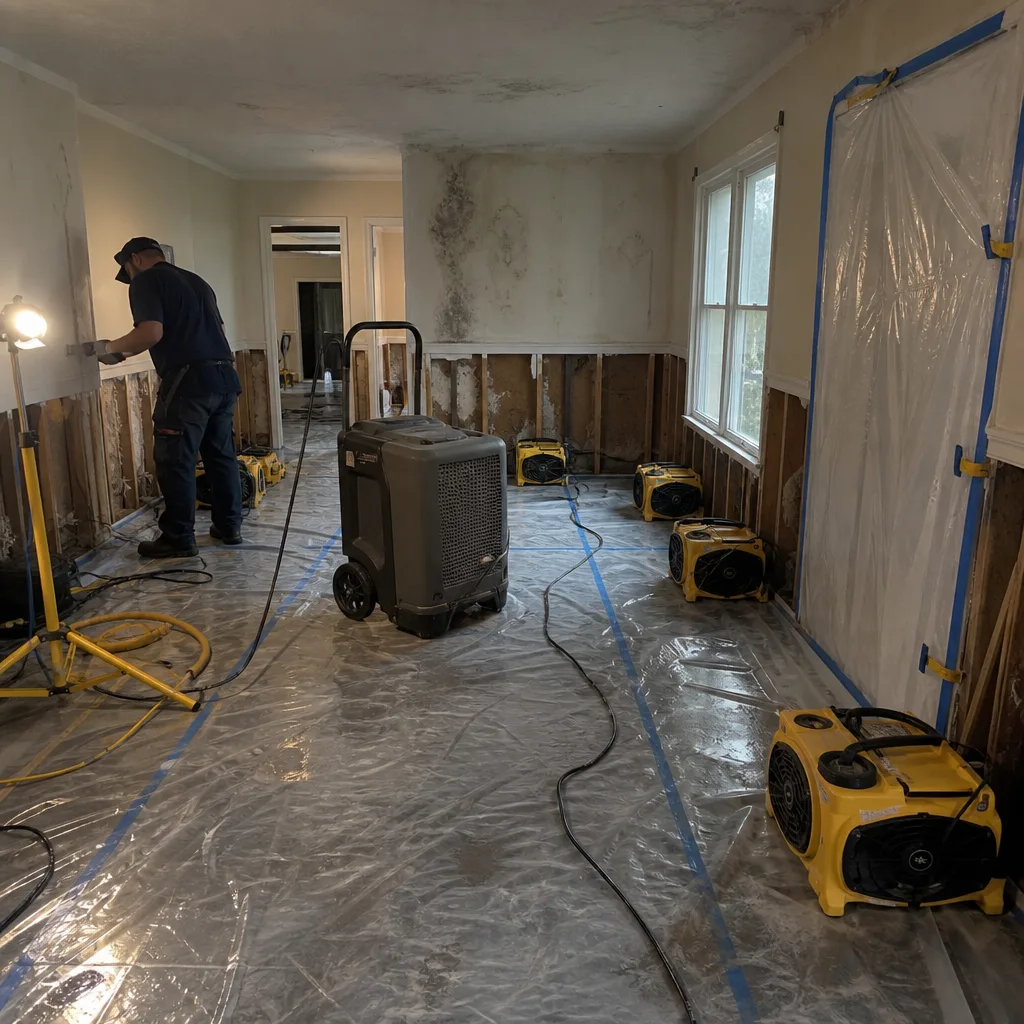
We set Dri-Eaz and Phoenix air movers and low-grain refrigerant dehumidifiers. In Battery Park City and other landfill-geology areas, we take daily moisture readings and adjust equipment placement, because groundwater can keep wicking back through the slab after surface water is gone.
Cleaning & Sanitization
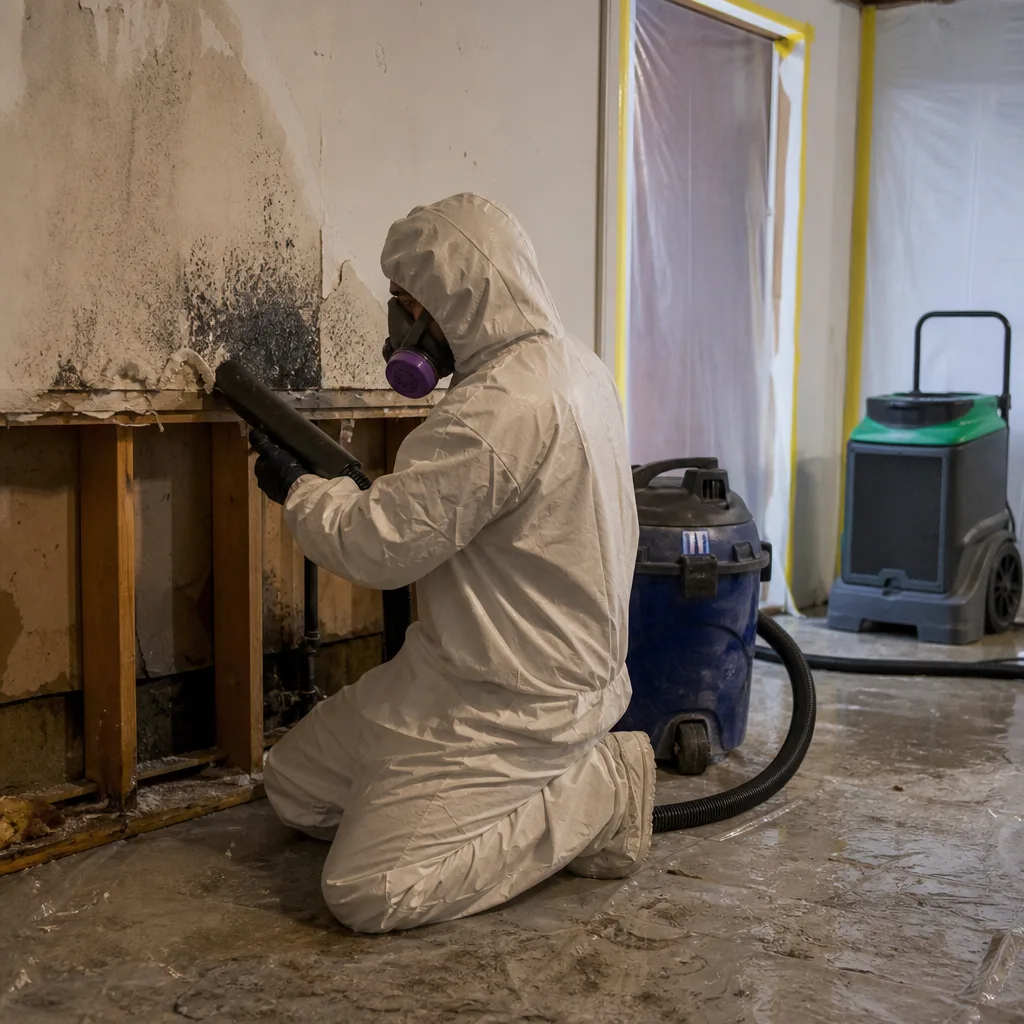
We remove contaminated porous materials (drywall, insulation, carpet pad, some wood), then clean and apply antimicrobial treatments to all remaining surfaces. HEPA air scrubbers run throughout to capture airborne pathogens.
Containment & Specialty Treatment
For sewage work, we set hard containment with negative air pressure where needed, and we run moisture mapping on all adjacent walls and flooring. In buildings with co-op or condo Flood Emergency Operations Plans, we check the required materials before anything gets replaced.
Repairs & Restoration
The same crew that extracted the water handles our Reconstruction & Cleanup in Lower Manhattan, rebuilding the affected area with new drywall, baseboards, paint, flooring, whatever’s needed. We hand over your full moisture log, drying record, and photos at the end, because Wade’s 90-Day Done Right Promise means if it’s not right, he makes it right, in writing.
Need Emergency Sewage Cleanup in Lower Manhattan Now?
Crews minutes away, answering live 24 hours a day. The sooner we start, the less it costs.
Working With Your Insurance Company
Most homeowners and co-op policies in New York cover sudden sewage backups, though coverage limits vary wildly, and some carriers exclude below-grade sewer surcharge unless you’ve added a specific endorsement. We deal with adjusters directly, so you’re not the one stuck compiling documentation at 2:00 a.m. after a backup in your Tribeca loft. The faster we document, the cleaner the claim. From the first hour, we photograph every affected room, log moisture readings, and write a line-item scope in the same estimating format your carrier uses. If your adjuster has questions, Wade or his crew answer them directly. You shouldn’t have to become an insurance expert in the middle of a sewage loss.
What We Provide Your Insurer
- Thorough documentation of the loss
- Photos of all damage, room by room
- Moisture readings and drying logs
- A detailed, line-item scope of work
- Direct coordination with your carrier
Built for Lower Manhattan’s Loss Calendar
Lower Manhattan’s sewage backup season doesn’t look like the rest of the city’s. Nor’easters between October and April are the primary driver here, but not in the way you’d expect. When storm surge pushes the Hudson and East Rivers up against the bulkheads, the landfill under Battery Park City and the western Financial District saturates from below. Groundwater rises, and the sewage infrastructure, much of it legacy cast-iron from the early 20th century, surcharges. Floor drains in sub-basements and below-grade utility rooms become discharge points for Category 3 water. The street stays dry; your floor drain doesn’t.
January deep freezes also play a role, but less through frozen pipes than you’d see in the outer boroughs. In FiDi’s pre-war towers, the cast-iron waste stacks have been expanding and contracting for a century, and a hard freeze is often the final straw for a bell joint that was already failing. Spring thaw brings its own set of issues; saturated ground plus aging pipes equals backups in Tribeca loft conversions and older co-ops. And summer thunderstorms, while less frequent as a cause of sewage backups here, can overwhelm street-level drains during cloudbursts, sending water and waste backing into below-grade spaces. We plan our Lower Manhattan response around this calendar, and we’re ready for all of it.
Sewage Cleanup Across Lower Manhattan’s Neighborhoods
Financial District jobs usually means a sub-basement mechanical room or underground parking level where sewage has backed up through a floor drain or sump. These spaces hold electrical rooms, elevator pits, and building switchgear; the stakes are high and the clearance is tight, which is why Lower Manhattan Commercial Restoration requires specialized expertise. We’ve worked in buildings along Water Street and Pearl Street where the backup hit a mechanical room two floors below grade, and the building’s Flood Emergency Operations Plan dictated every material we were allowed to install afterward. That’s not a variable you encounter in Midtown; here, it’s routine.
Battery Park City is a different animal entirely. The landfill geology means we’re fighting groundwater intrusion from below while we’re extracting sewage from above. After extraction, the slab can keep wicking moisture back through sub-slab drainage channels, which is why we take daily moisture readings and often extend drying time. A backup at a high-rise near North End Avenue or South End Avenue means coordinating with building management, co-op boards, and sometimes the Battery Park City Authority. Tribeca, by contrast, is mostly 19th-century cast-iron and masonry lofts with floor drains tied to legacy cast-iron waste lines. When those bell joints fail on Hudson Street or Greenwich Street, the sewage comes up through the floor drain before surface flooding even begins. That’s the job where we set containment, pull the black water, and replace the failed section of branch drain with new Schedule 40 PVC.
Civic Center and the South Street Seaport area round out the territory. The Seaport’s proximity to the East River means surge-driven backups during nor’easters are a known problem, and the older residential conversions there share the same cast-iron waste line issues as Tribeca. We know these buildings. We know their superintendents. And we know which ones have post-Sandy flood mitigation requirements.
Specialized Sewage Cleanup Services We Offer in Lower Manhattan
Sewage Backup Cleanup
When a sewer main surcharges or a waste line fails, Category 3 water comes up through floor drains, toilets, and tubs. In Lower Manhattan, we deal with backups in pre-war high-rises where the cast-iron stack has finally given out, and in landfill-geology buildings where groundwater push makes backups worse. We extract, contain, provide Sanitization Services - Lower Manhattan, and rebuild.
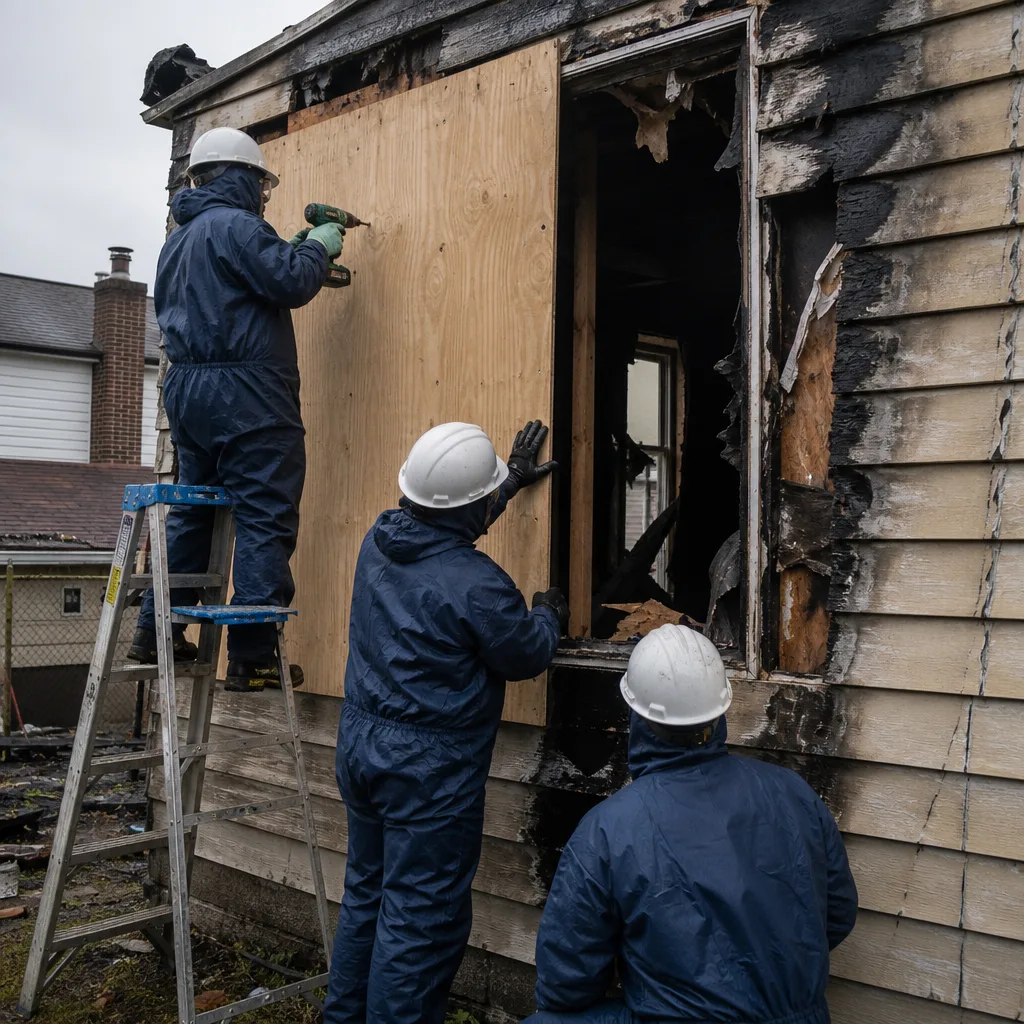
Toilet Overflow Cleanup
Toilet overflows in a FiDi condominium or Tribeca loft spread contaminated water fast, especially in buildings where bathrooms are stacked vertically and the overflow migrates to units below. We respond quickly, extract the water, and check adjacent drywall and subfloor cavities for wicking. If your unit sits above another, we’ll document everything for the building’s insurance file.
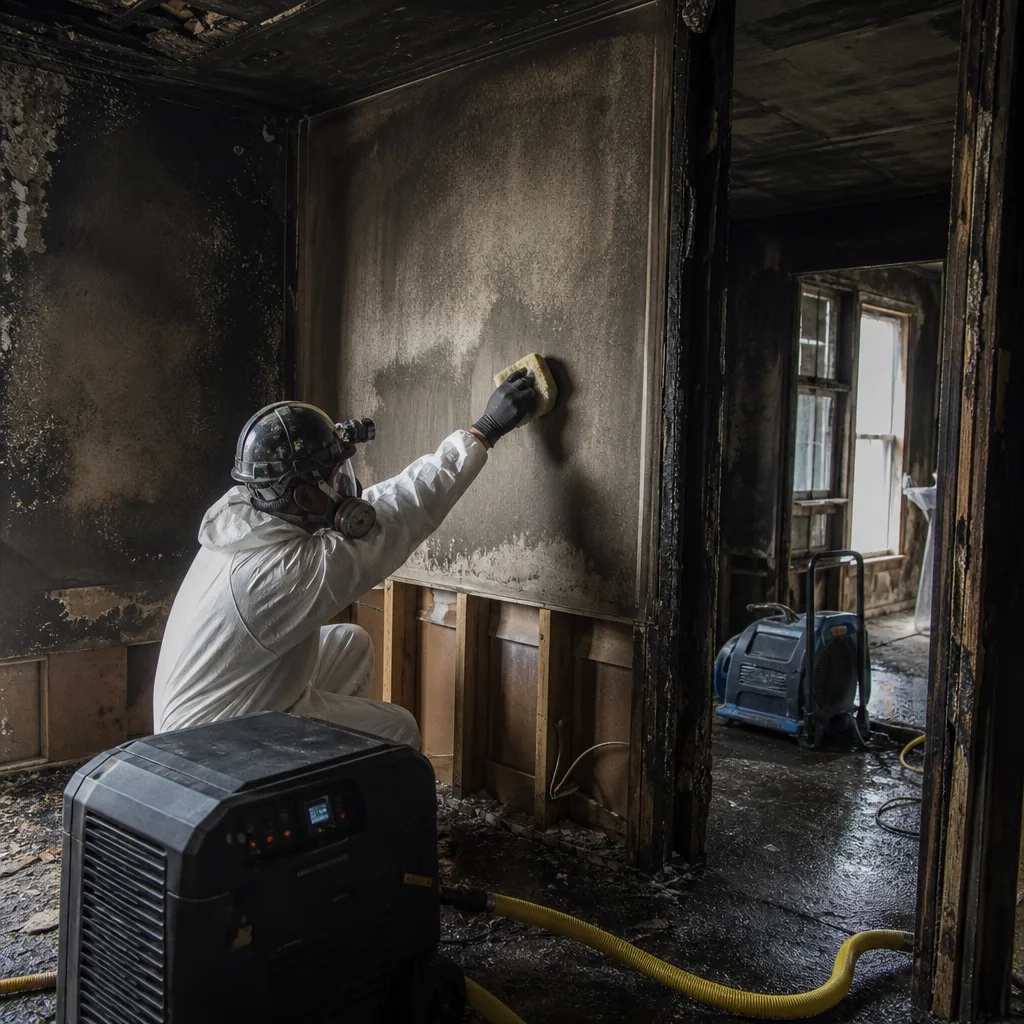
Septic Failure Cleanup
Less common in Lower Manhattan proper than in the outer boroughs, but some older buildings near the Seaport and along the East River still have legacy private waste systems or aged sewer connections. When those fail, we’re on-site within the hour, extracting and sanitizing while we work with the building to stop the inflow at the source.
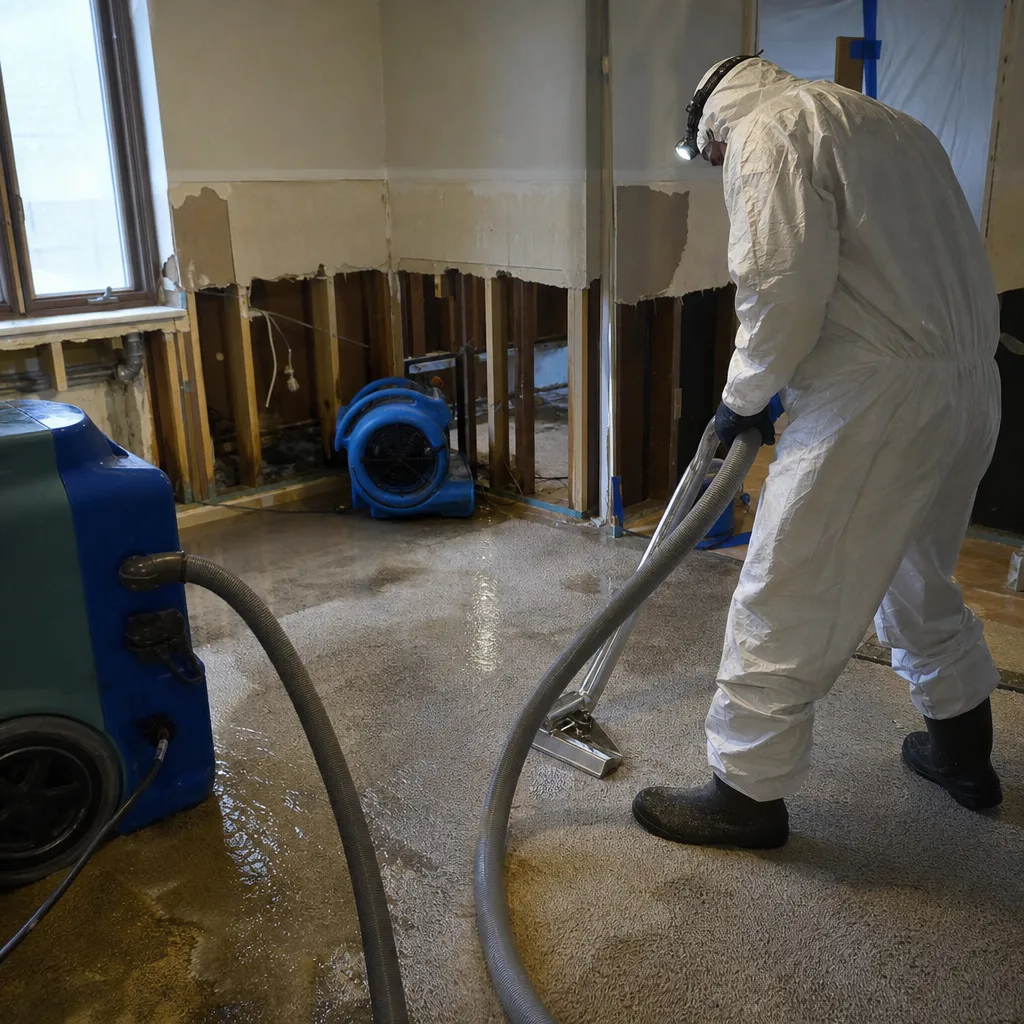
Black Water Extraction
Black water extraction means pulling sewage-contaminated water out of floors, carpets, subfloor cavities, and below-grade spaces before it spreads. In Battery Park City, we run moisture mapping after extraction to track groundwater wicking back through the slab. In FiDi sub-basements, we coordinate with building engineers to isolate the affected mechanical systems.
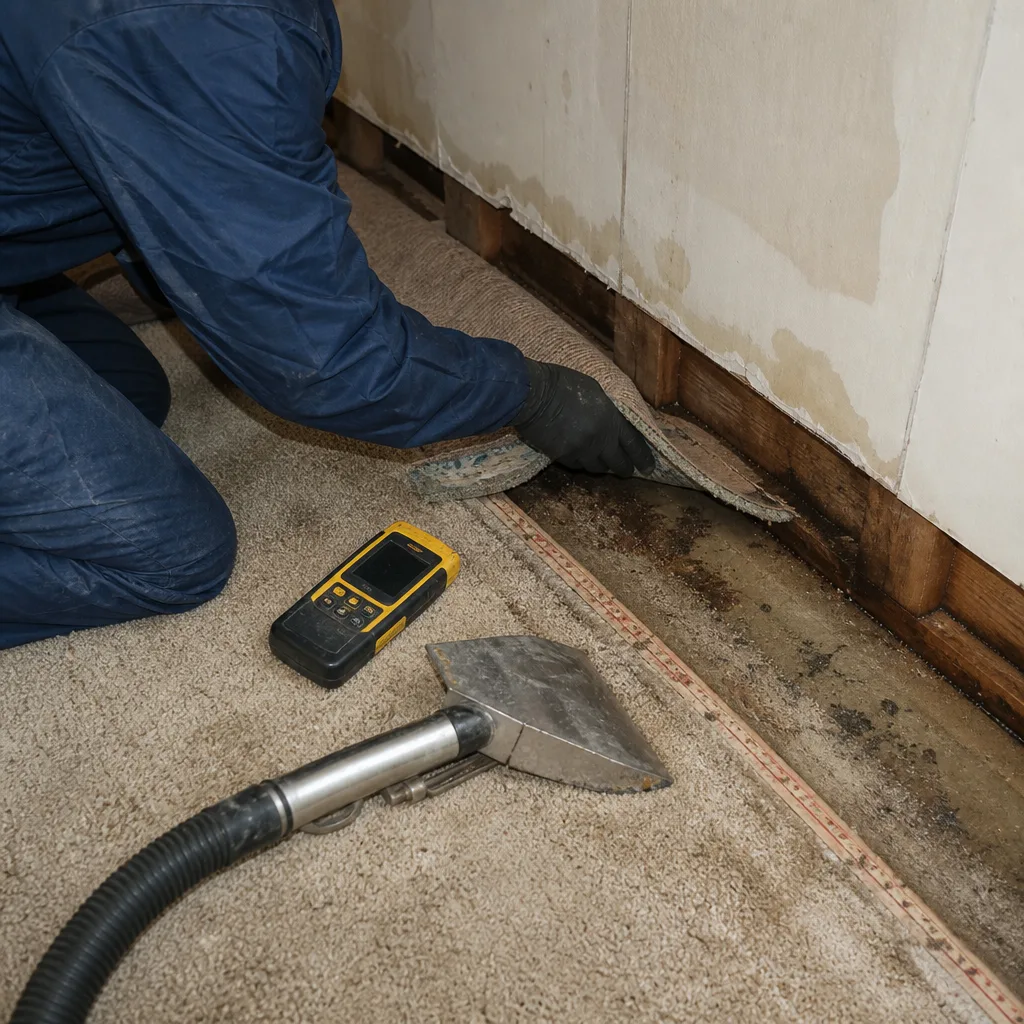
Sanitization & Disinfection
After extraction, we remove contaminated porous materials and apply antimicrobial treatments to every remaining surface. We run HEPA air scrubbers and set containment when needed, and we take post-treatment air samples where building requirements dictate. The goal is a space that’s not just dry, but safe to occupy again.
Crawl Space Sewage Removal
Some Tribeca and Seaport buildings have crawl spaces between the ground floor and the basement slab, and sewage can pool there invisibly for days. We access the space, extract the contamination, remove saturated insulation and vapor barrier, and dry the area with Injectidry mats and air movers placed to reach the tightest corners.
What happens when you call
- 1
A real person answersNo phone trees - you reach a local pro.
- 2
You get an upfront price rangeHonest numbers before anyone is dispatched.
- 3
A background-checked tech heads outLicensed & insured, dispatched right away.
- 4
You approve before work beginsNothing starts until you say go.
Sewage Cleanup Costs in Lower Manhattan, NY
A contained toilet overflow cleanup in a Lower Manhattan apartment runs $1,200-$2,800. A full Category 3 backup through a floor drain in a FiDi sub-basement, with extraction, containment, sanitization, and rebuild, starts around $3,500 and can reach $9,000 or more in pre-war buildings where asbestos abatement and flood-rated materials are required. What moves the price: how far the water traveled, whether contaminated drywall or flooring has to come out, whether asbestos testing triggers abatement, and whether the building’s Flood Emergency Operations Plan mandates higher-spec replacement materials. Most policies cover sudden sewage backups, but you’ll want to check your specific endorsement. The free visual inspection is the honest path: we walk the space with you, explain what we see, and hand you a written scope with a firm price before any work starts. Call (201) 740-2235 and Wade will do exactly that. No charge for the inspection, and no trip charge inside our county.
We Also Serve Cities Near Lower Manhattan
Our crews respond to sewage cleanup calls throughout the surrounding area, including the Financial District, Astoria, Midtown Manhattan, and Long Island City. If you’re in one of these neighborhoods and you’ve got sewage backing up, call (201) 740-2235; Wade or his crew will head your way.
Lower Manhattan Sewage Cleanup Questions, Answered
Does sewage backup cleanup in Lower Manhattan require different moisture readings than in Midtown or Brooklyn?
Yes, and it comes down to geology. In Lower Manhattan, especially Battery Park City and the western Financial District waterfront, the landfill under the buildings allows groundwater to keep wicking back through the slab after surface water is gone. We take daily moisture readings over several days, not just one set, because the slab can re-saturate from below. In Midtown or Brooklyn, where the ground is native soil and bedrock, post-extraction drying is more predictable.
My FiDi co-op unit has a pre-1980 cast-iron waste stack that backed up sewage into a sub-basement utility closet. What’s the first thing you check before starting cleanup?
Asbestos. Pre-1980 buildings in Lower Manhattan almost always have asbestos in pipe insulation, floor tiles, or fireproofing, and if sewage has touched any of it, disturbing it without testing triggers an immediate stop-work order from NYC DOB. We test or visually identify suspect materials before we move anything, and we hold off on extraction in that area until we know what we’re dealing with. Call (201) 740-2235 and we’ll walk you through it.
After a sewage backup in our Battery Park City apartment, the co-op board is requiring flood-rated finishes below base flood elevation. Can we just replace the drywall and carpet with the same materials?
If the building’s Flood Emergency Operations Plan mandates flood-rated materials below the base flood elevation, then no. Conventional drywall and carpet won’t satisfy the requirement, and you’ll fail a certificate-of-occupancy inspection. We’ll work with your board to spec the right materials, whether that’s paperless drywall, closed-cell insulation, or tile instead of carpet. We document everything for the building’s compliance file.
A sewage backup in our Tribeca loft came up through the floor drain during a nor’easter, but the street never flooded. How did that happen?
That’s the landfill geology under Tribeca and the western Financial District. During a nor’easter, storm surge pushes the Hudson River up against the bulkheads, and groundwater rises from below, forcing sewage back up through drain lines before any surface flooding appears. The legacy cast-iron pipes in these 19th-century buildings are particularly vulnerable, because the surcharge finds the weakest joint first. We see this exact scenario regularly on Hudson Street and Greenwich Street.
You removed sewage from our crawl space under a converted cast-iron-front building in Tribeca. How do we know the antimicrobial treatment won’t fail from groundwater seepage?
We monitor it. After extraction and sanitization, we take moisture readings for several days to confirm groundwater isn’t wicking back through the slab and re-contaminating the space. If it is, we’ll adjust the drying plan, and if needed, we’ll recommend a sub-slab drainage or vapor barrier solution. The 90-Day Done Right Promise covers this: if the treatment fails because of groundwater seepage we missed, Wade makes it right.
How fast can you actually get to a sewage backup in Lower Manhattan?
Inside 45 minutes in most cases. Our crews are based in the New York metro area and we’re constantly moving through Lower Manhattan. When you call (201) 740-2235, you talk to Wade or a member of his crew, and they’re on the road while you’re still explaining the problem. For sewage, speed matters more than almost anything else; every hour that black water sits, it wicks further into building materials.
Will my insurance cover sewage backup cleanup in my co-op unit?
Most policies cover sudden sewage backups, but coverage depends on your specific policy and whether the source is inside your unit or in the building’s common waste stack. Co-op and condo claims get complicated because the building’s master policy may apply. We document everything from the first hour, provide photos and moisture logs, and coordinate directly with your adjuster so you’re not stuck mediating between your carrier and the co-op board.
What should I do in the first 30 minutes after a sewage backup?
Don’t flush, don’t run water, and don’t walk through the affected area if you can avoid it. Shut off water to the building or unit if you can access the shutoff safely. Move valuables and electronics out of the path of the water. Take photos. Then call (201) 740-2235. The sooner we get there and start extraction, the less building material has to come out, and the cheaper the whole job ends up being.
Sewage Cleanup in Lower Manhattan: The Geology Most Companies Miss
Here’s what a generic sewage cleanup page won’t tell you about Lower Manhattan: the ground under Battery Park City and the western edge of the Financial District is not natural. It’s Hudson River landfill, dumped and graded over decades, and it holds water like a sponge. When a nor’easter pushes river water against the bulkheads, that landfill saturates from below, and the water table rises, fast. We’ve seen just-cleaned sub-basements in Battery Park City re-flood two weeks after extraction, not because the sewer line failed again, but because groundwater kept forcing its way up through the slab and the sub-slab drainage channels. A company that doesn’t know this will pull the standing sewage, set fans, declare victory, and leave. Then the moisture comes back, the antimicrobial treatment fails, and you’re paying for the same job twice. We don’t do that. We take daily moisture readings for as long as it takes to confirm the slab is truly dry, and we check the sub-slab channels, not just the surface. That’s the difference between a crew that knows Lower Manhattan and a franchise template from Ohio.
And on a Tribeca loft conversion on Hudson Street, our crew responded to a sewage backup where the original cast-iron waste line had finally failed at a decades-old bell joint, letting Category 3 water back up through a floor drain into a below-grade utility room. Using a Dri-Eaz water extraction unit and Injectidry drying mats, we set containment, pulled the black water, and ran moisture mapping on the surrounding masonry and wood subfloor. Then we removed the saturated section of the legacy branch drain and installed new Schedule 40 PVC, documenting every moisture reading and drying log for the co-op board’s post-Sandy compliance file. That’s how this work gets done right in Sewage Cleanup in Lower Manhattan.
Serving Lower Manhattan, NY - Our Local Coverage Area
We’re based in the Lower Manhattan area and know this community well. Use the map below to see our service coverage - if you’re nearby, we can almost certainly help.
Call Wade’s Restoration for Sewage Cleanup in Lower Manhattan
If you’ve got sewage backing up anywhere in Lower Manhattan, from a Battery Park City high-rise to a Tribeca loft to a FiDi sub-basement, call (201) 740-2235 right now. Wade answers his own phone. He’ll tell you honestly whether you’re looking at a quick extraction or a full remediation, and he’ll have a crew headed your way inside the hour. No answering service, no runaround, and no charge for the visual inspection. The 90-Day Done Right Promise is in writing on every job: if it’s not done right, Wade makes it right. Ask anyone on your street.
Written by Wade Ferris, Owner at Wade’s Restoration, serving Lower Manhattan since 2007.