
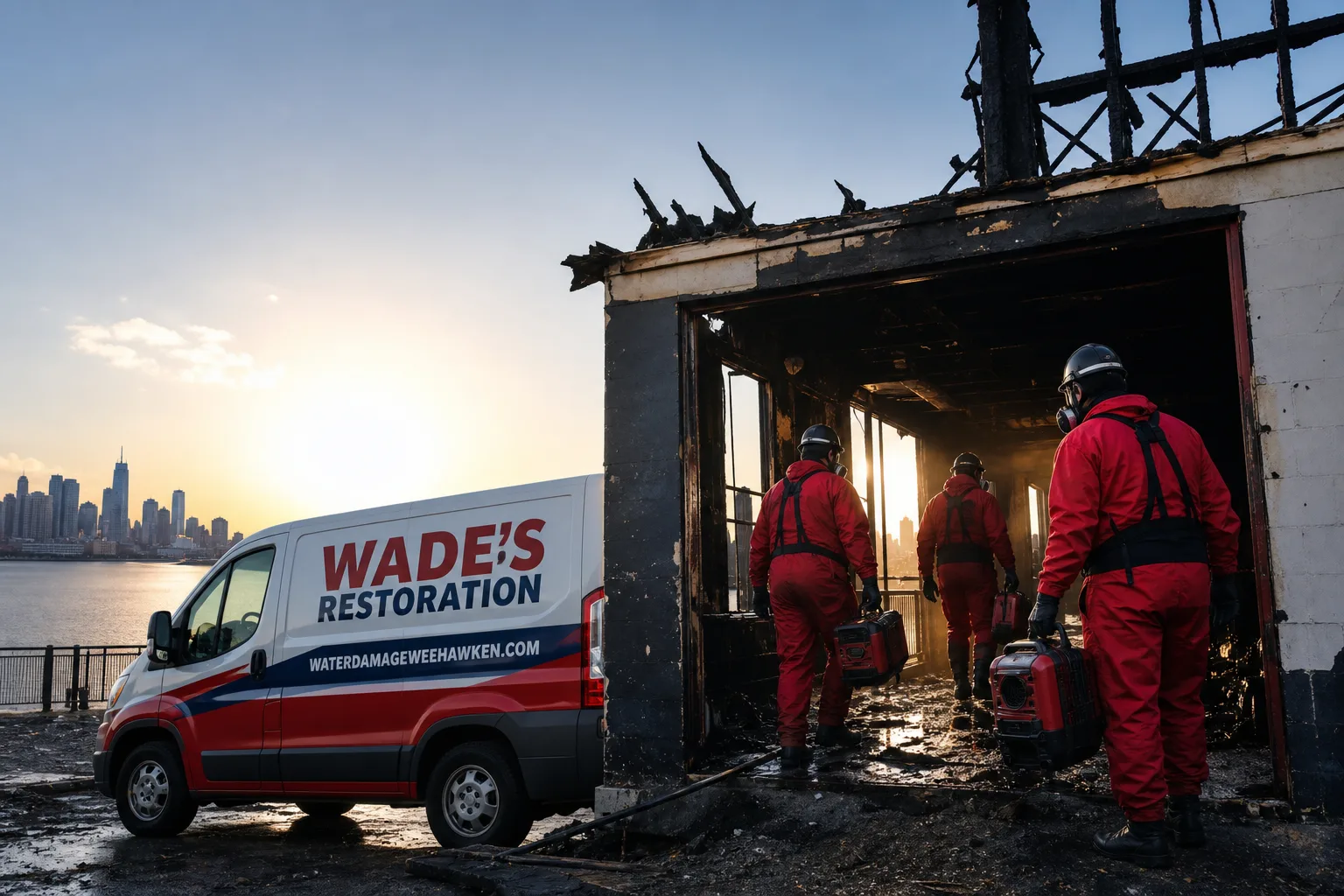
Free visual inspection and a written scope of work before any mitigation begins - photos, moisture readings, and drying logs go in your claim file
The scope we write is the scope we bill. Anything new gets shown to you, in writing, before we touch it.
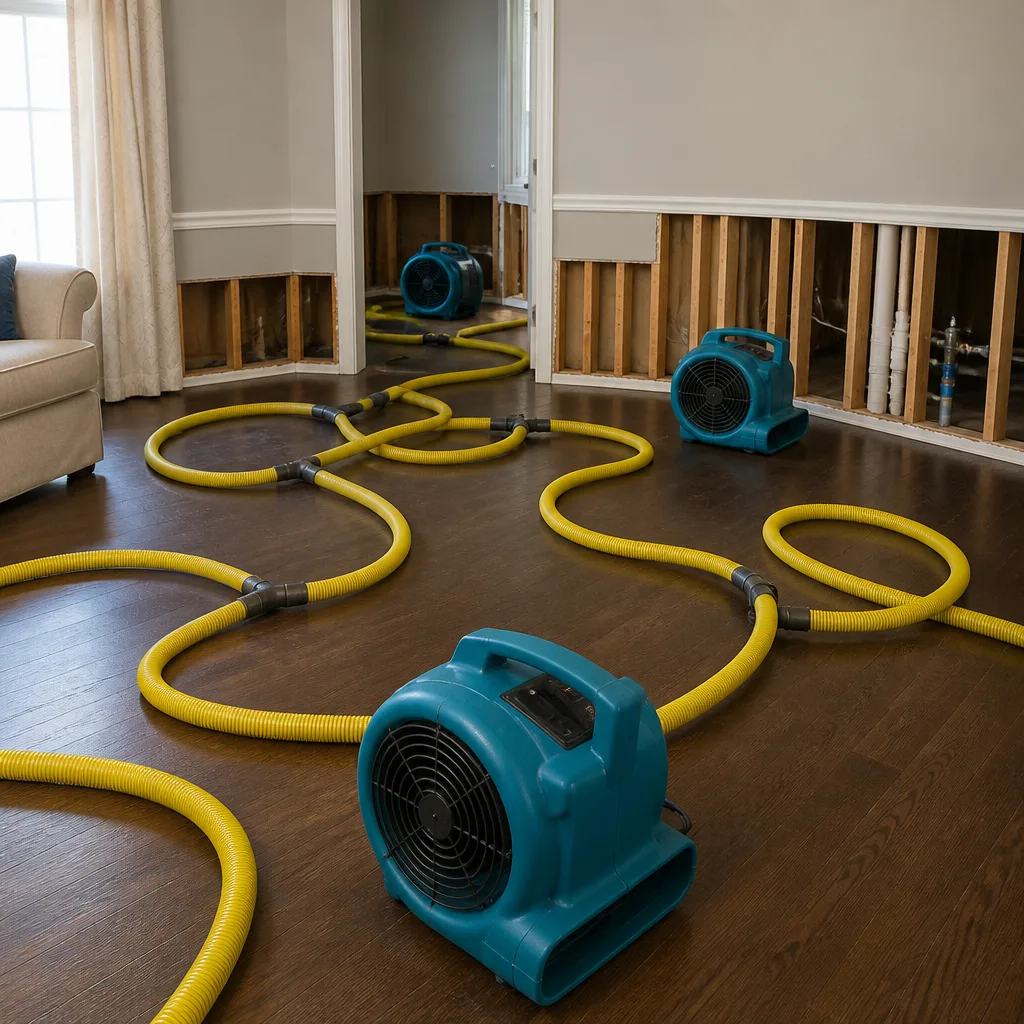



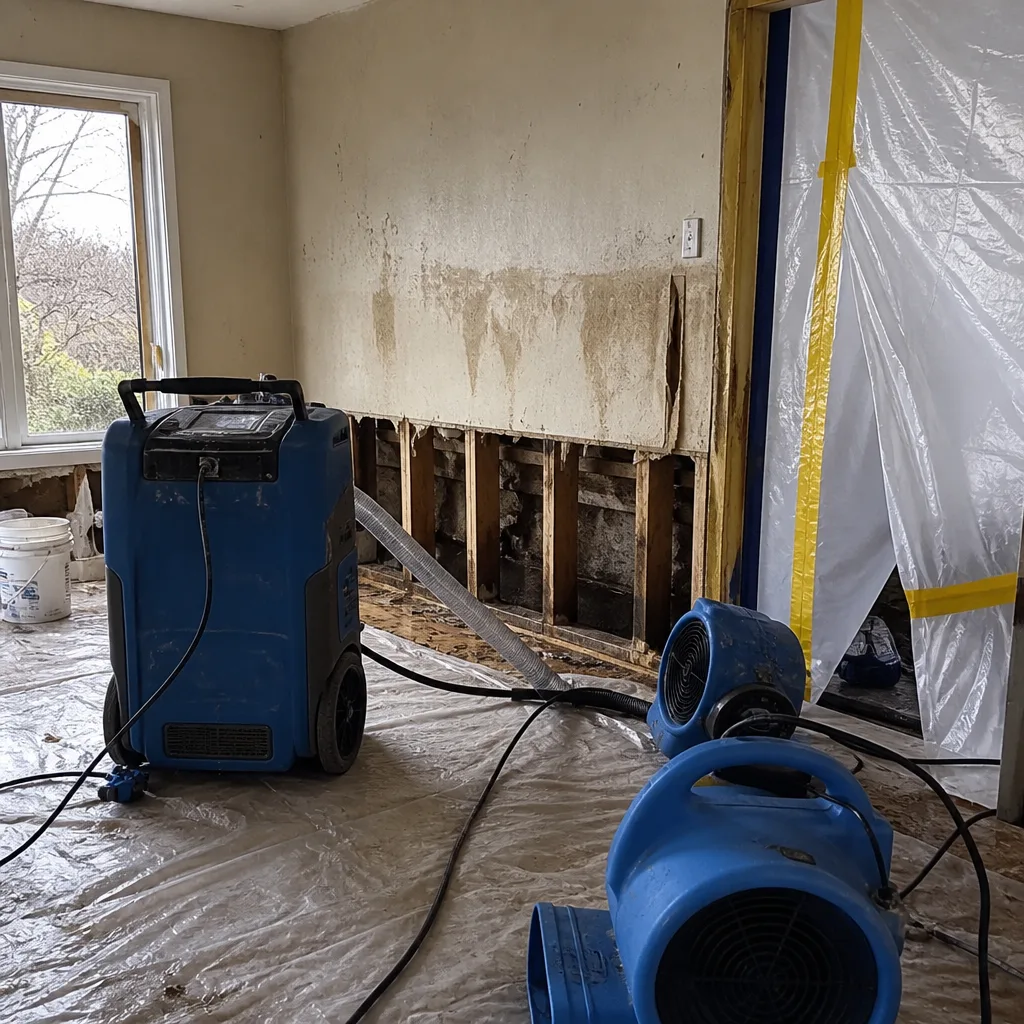 Before
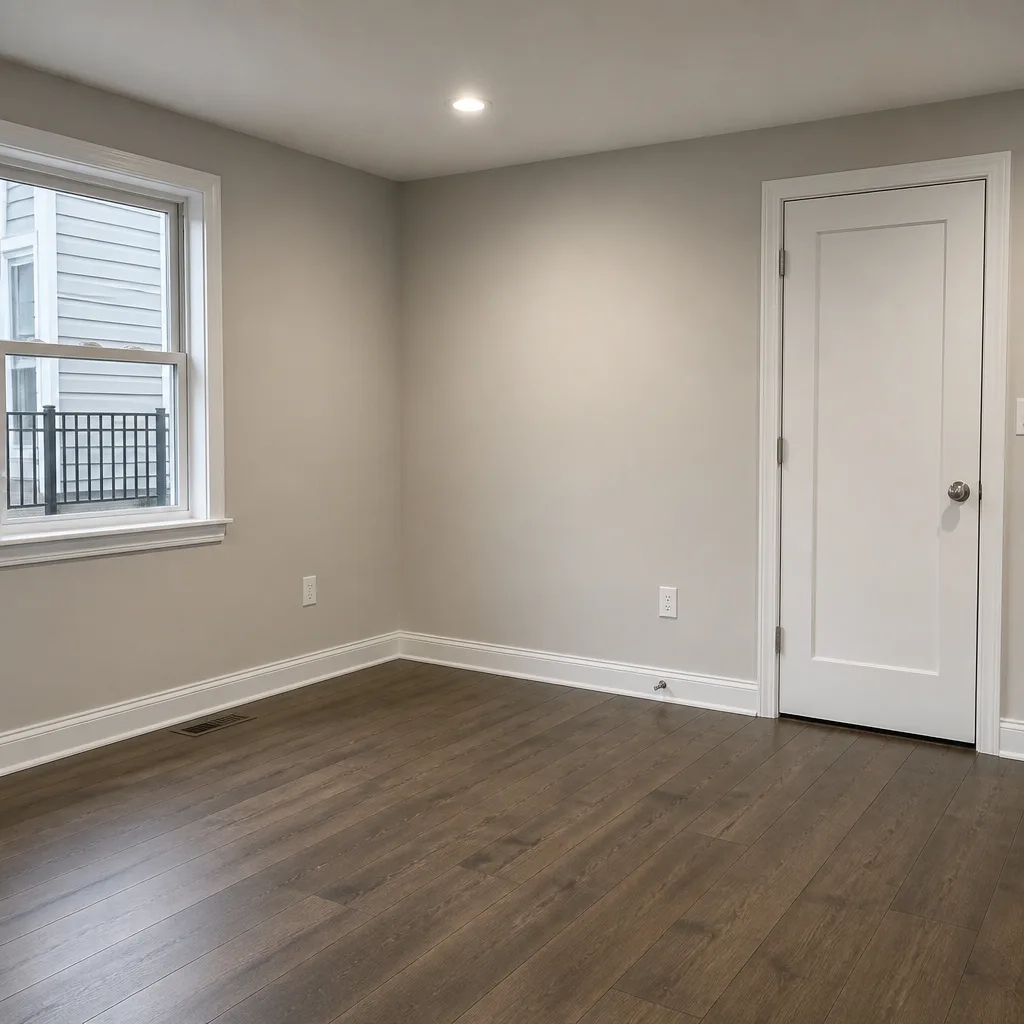 After
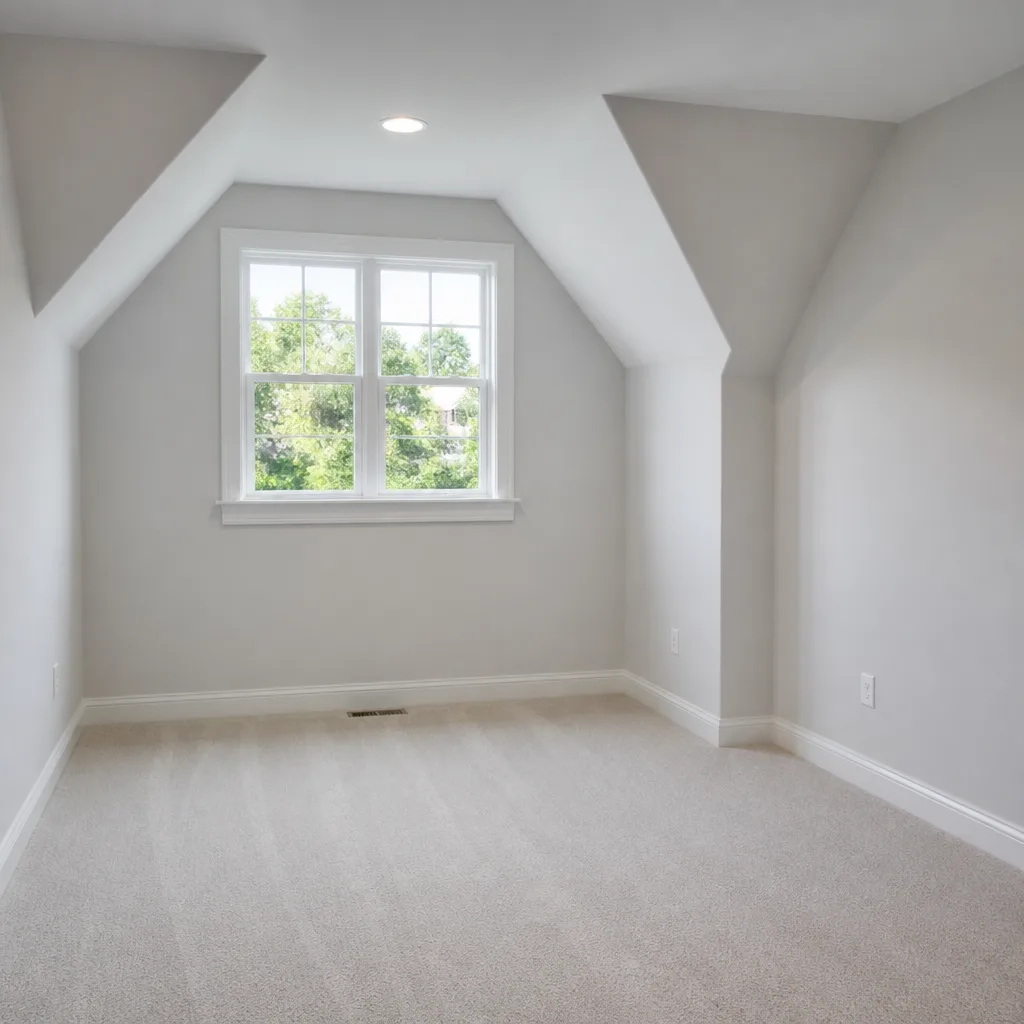
After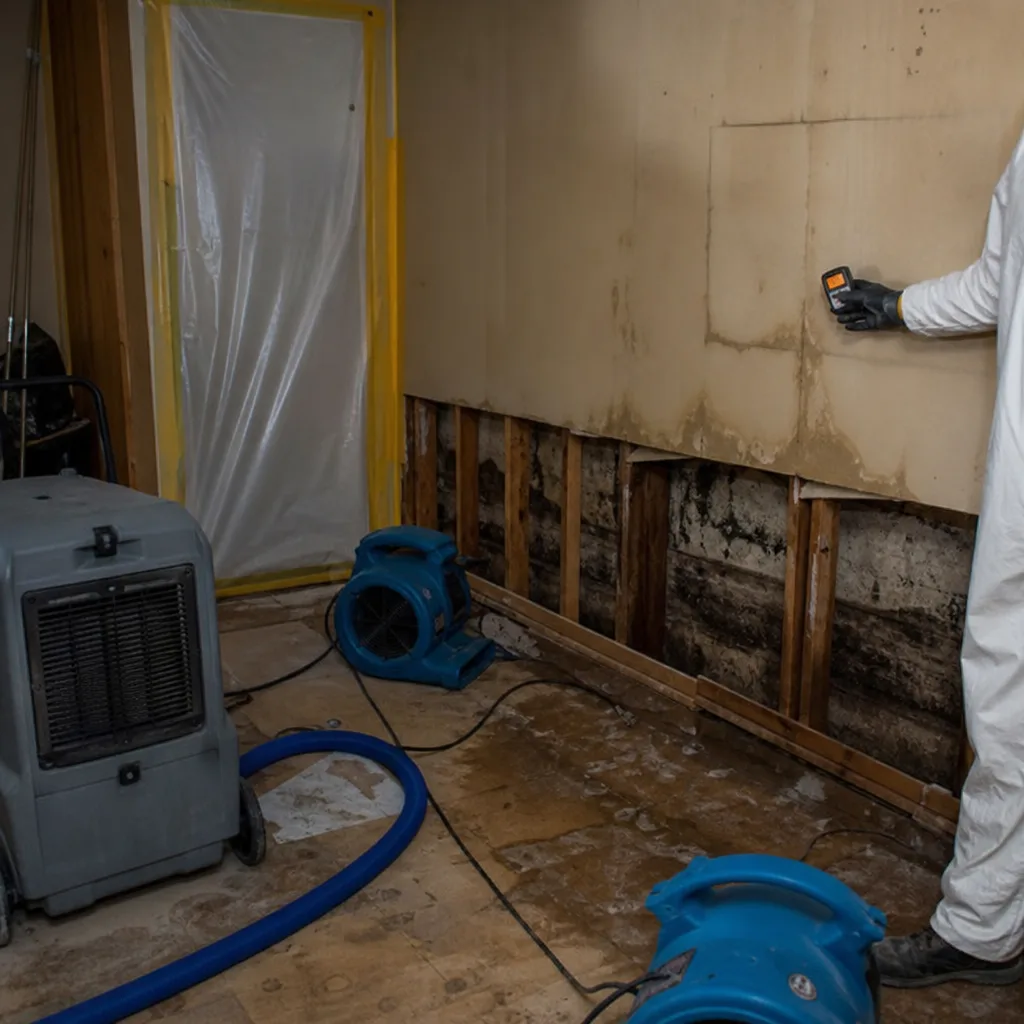 Before
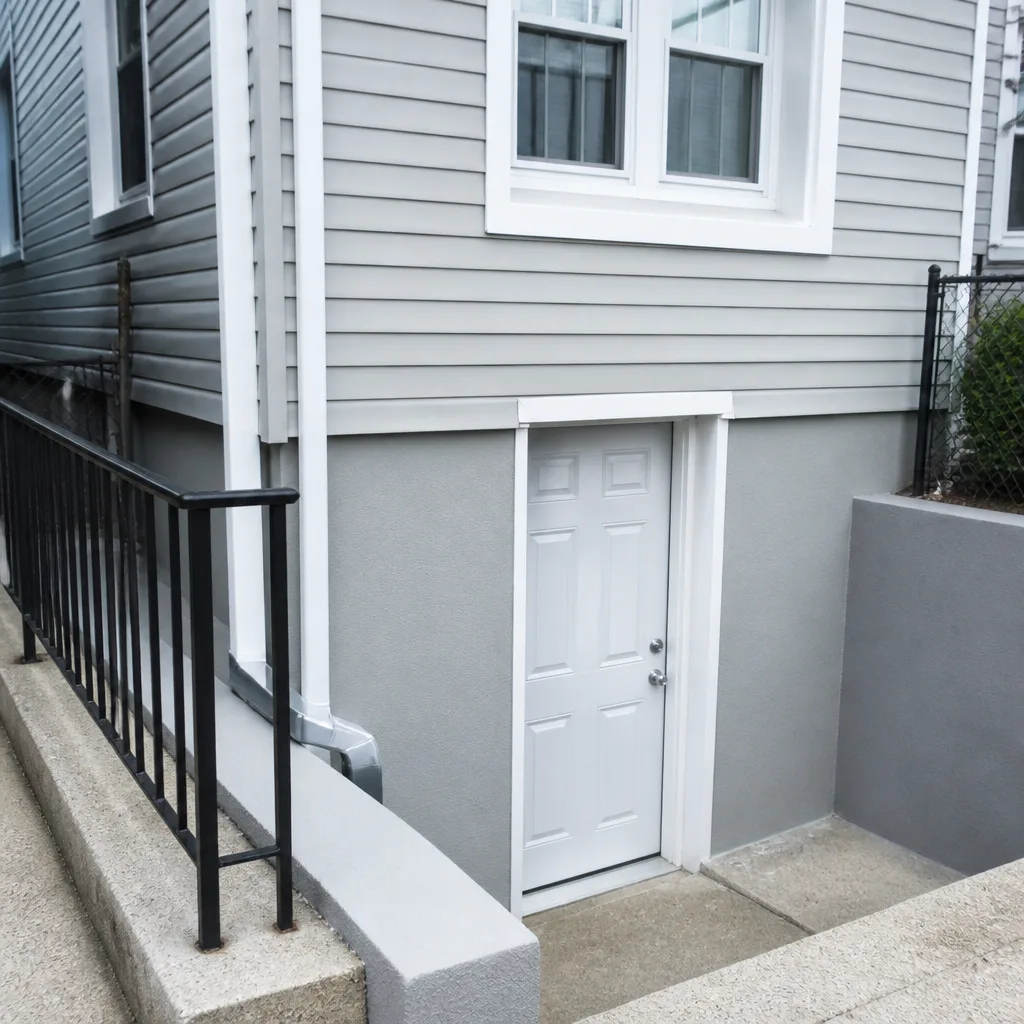 After
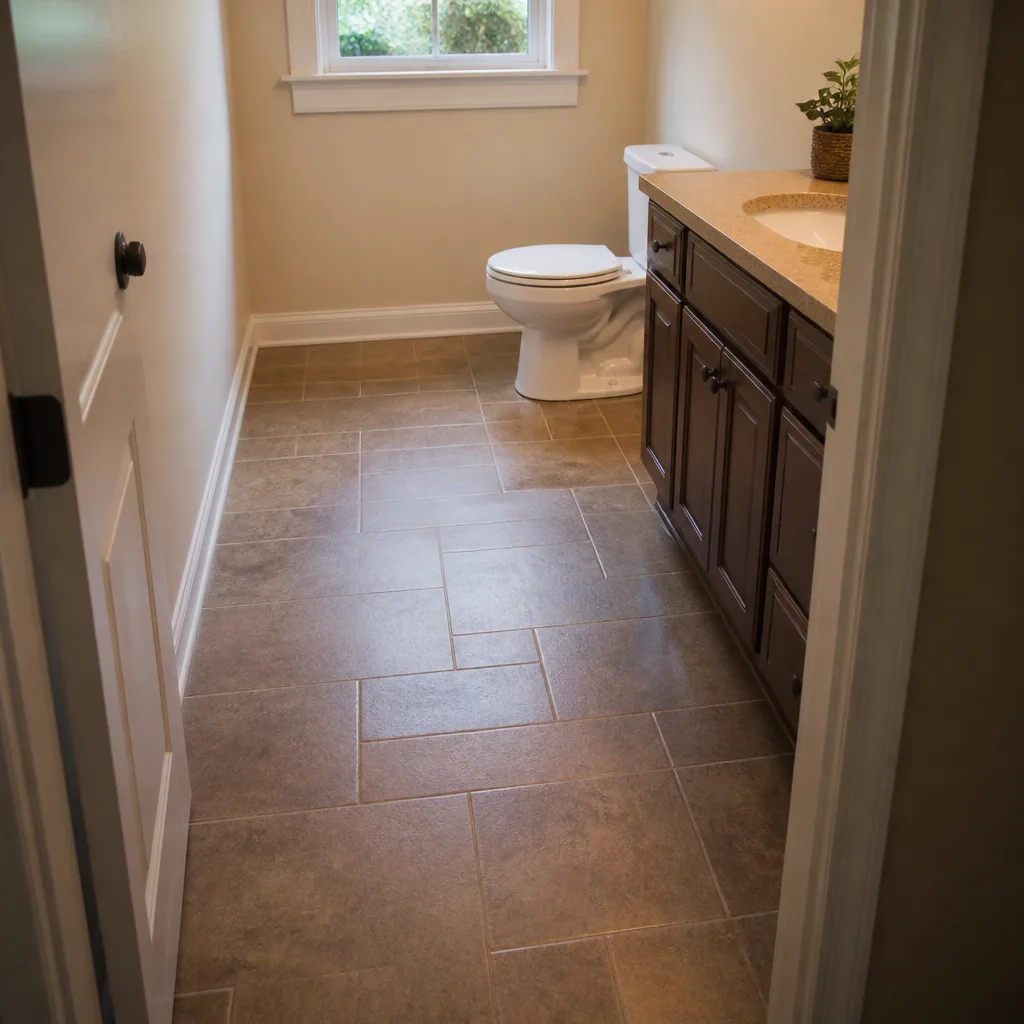
After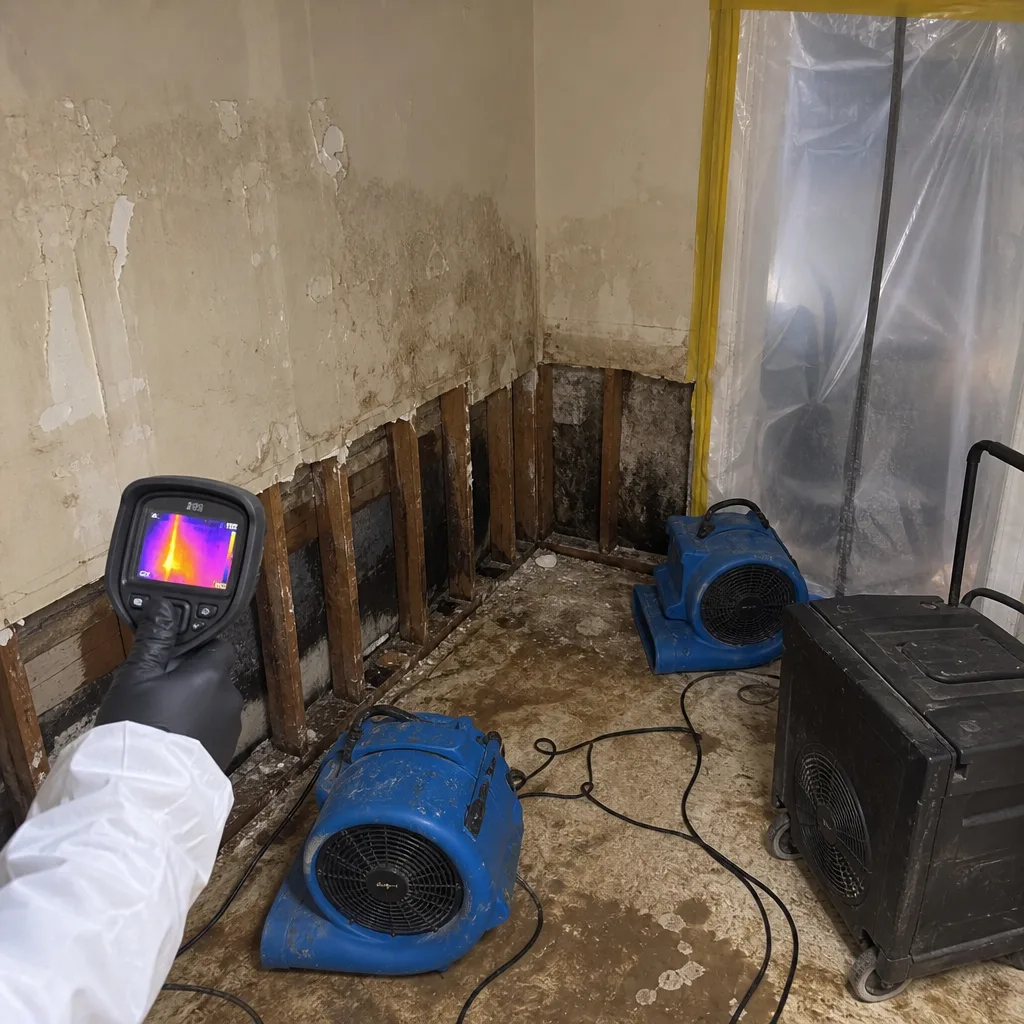 Before
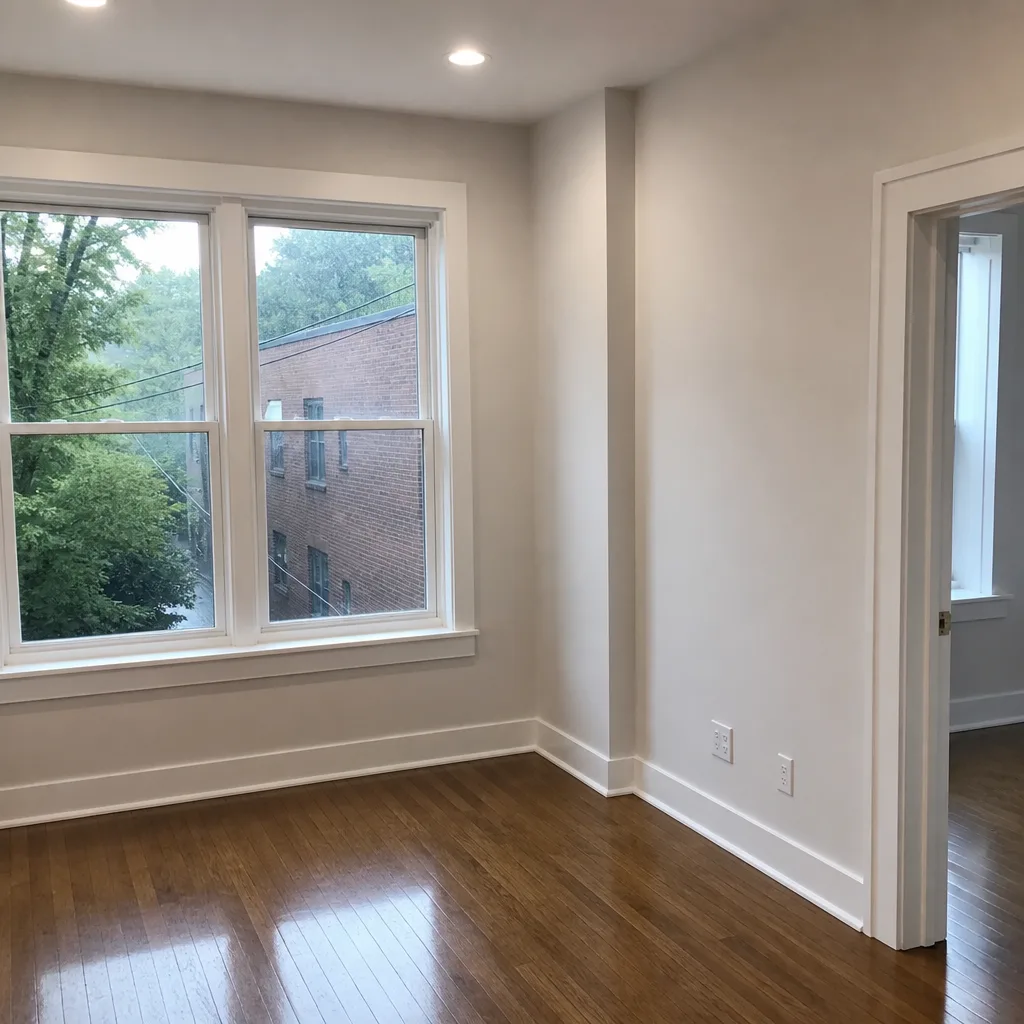 After
After24/7 Emergency Sewage Cleanup in Financial District
Sewage backup in the Financial District is a different animal than anywhere else in Manhattan. When category 3 water pushes up through a sub-basement drain near Broad Street or floods an elevator pit off Water Street, you’re not just dealing with waste. You’re often dealing with harbor water, heating oil residue, and a century of cast-iron plumbing all at once. Wade’s Restoration answers live at (201) 740-2235, 24 hours a day, and Wade heads out himself. The first hour matters because sewage water starts breaking down drywall, subfloor, and steel framing almost immediately, and in the FiDi heat envelope, mold can set in faster than most homeowners realize. We’re minutes away, and the visual inspection is free.
Understanding Sewage Cleanup Severity in Financial District Properties
In restoration terms, sewage is category 3 water: grossly contaminated, carrying bacteria, viruses, and often chemical waste. In the Financial District, the severity ladder has a few extra rungs. Most of the housing stock here is either pre-war high-rise conversion or deep-basement commercial tower, built before modern backflow prevention existed. When a nor’easter pushes the East River up through combined storm and sanitary lines, the pressure forces sewage backward through floor drains in the lowest levels first. That’s black water extraction, not standard water removal. Then there’s the fuel-oil factor: many FiDi buildings still carry heating oil in basement vaults, and when surge water meets an unsealed tank, the flood becomes a hazmat situation requiring antimicrobial treatment and air scrubbing before the space is safe to reoccupy. In older towers, cast-iron waste lines that have survived since the 1920s can crack under surge pressure, releasing sewage into elevator pits and utility corridors before anyone even knows there’s a problem. A restoration crew that treats that like a typical basement backup will fail the building within 48 hours.
Why Financial District Property Owners Choose Wade’s Restoration
- Wade answers his own phone. No answering service, no queue. You call at 2 a.m., you get Wade, and he’s on the road inside the hour with extraction equipment running.
- IICRC-certified crews trained for category 3 water. Our people hold the water restoration and applied microbial remediation certifications, with the trade codes to back them.
- Free visual inspection, zero pressure. We look, we take readings, we tell you the truth about what needs to happen and what doesn’t. No charge for that.
- Direct insurance billing and adjuster communication. Wade deals with the adjuster directly. You’re never stuck relaying information between two sides.
- Documented moisture logs, every single day. We take moisture readings daily and hand you the full log at job’s end. Almost nobody else in this trade does that.
- One team from extraction through reconstruction. The same crew that pulls the water also dries the walls and rebuilds the sub-basement. No handoffs, no lost information, no second mobilization fee.
Our Sewage Cleanup Process
Inspection & Assessment
We start with thermal imaging and moisture meters to map how far the category 3 water has traveled. In FiDi towers, that often means checking elevator pits, utility vaults, and the bases of stairwell columns. We identify the source before we start pulling water.
Extraction / Stabilization
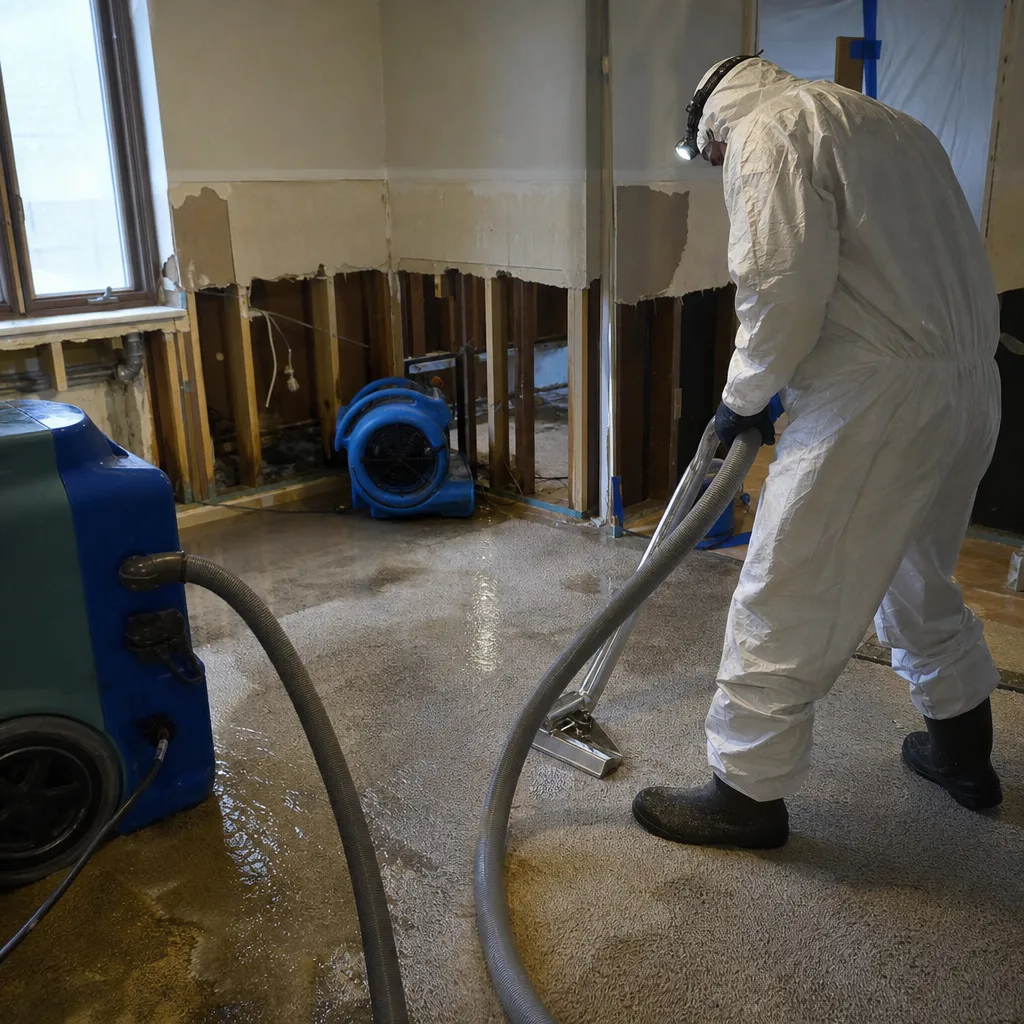
Dri-Eaz extraction units pull the standing sewage and harbor water fast. If the flood carries fuel oil or chemical residue, we stage hazmat protocols immediately, not as an afterthought.
Drying & Dehumidification
Phoenix dehumidifiers and XPOWER air movers go in with a written drying plan. We log moisture readings every single day and show you the numbers. Drying is not a guess; it’s a measured process.
Cleaning & Sanitization
HEPA air scrubbers pull airborne contaminants while we sanitize all affected surfaces with EPA-registered antimicrobials. In FiDi, this step often requires addressing the steam-heat vaults where moisture lingers longer than in modern buildings.
Crawl Space & Sub-Basement Treatment
Deep sub-basements below the water table need special handling. We clear crawl spaces, sanitize sump pits, and install vapor barriers where needed. The goal is dry, not just drier.
Repairs & Restoration
We rebuild what was torn out: drywall, insulation, flooring, trim. Our Sewage Cleanup team carries every job through to a written 90-Day Done Right Promise. If it’s not right, Wade makes it right.
Need Emergency Sewage Cleanup in Financial District Now?
Crews minutes away, answering live 24 hours a day. The sooner we start, the less it costs.
Working With Your Insurance Company
Insurance claims for sewage backup in the Financial District get complicated, because the policy language often splits coverage between “sewer backup” and “storm surge” and “flood” as distinct events. That distinction can cost a homeowner tens of thousands of dollars if the paperwork is sloppy. We document everything from the first hour: photos room by room, moisture readings before and during drying, a line-item scope of work that matches exactly what your carrier’s adjuster needs to see. Wade talks to the adjuster directly, so you don’t have to explain category 3 water to someone on the phone. Most FiDi policies cover sewage cleanup and sanitization, but the claim triggers on how the water got in and what it carried. We make sure the documentation tells the truth in the language insurers recognize.
What We Provide Your Insurer
- Thorough documentation of the loss
- Photos of all damage, room by room
- Moisture readings and drying logs
- A detailed, line-item scope of work
- Direct coordination with your carrier
Built for Financial District’s Loss Calendar
The FiDi sewage cleanup calendar is shaped by tide tables and pipe age as much as weather. Late summer and early fall bring the hurricane and nor’easter window, when storm surge is the dominant driver: the Battery recorded a 13.88-foot surge during Sandy, and a repeat event would push harbor water into sub-basements across half the district. Winter carries a different failure mode. January deep freezes burst supply lines in uninsulated risers, and when the freeze thaws, the sudden pressure spike can crack the cast-iron waste stacks that have held since the Coolidge administration. Spring, by contrast, brings fewer surge events but more groundwater intrusion, as the water table under lower Manhattan stays elevated for weeks after the winter thaw. In a district built at the literal lowest elevation on the island, every season has a water problem with a sewage component. We keep extraction equipment, dehumidifiers, and antimicrobial supplies staged locally, because in Financial District, the question is rarely whether water will find the sub-basement. It’s what it will be carrying when it does.
Sewage Cleanup Across Financial District’s Neighborhoods
The Financial District isn’t one building type; it’s three or four distinct building patterns, each with its own loss profile. Along Broad Street and Wall Street, you’re dealing with converted 1920s and 1930s commercial towers, where residential units sit above banking halls and deep vaults. A waste line failure six floors up can cascade sewage down through utility chases for 200 feet before anyone sees it. Over by the South Street Seaport, the building stock runs shorter but older, with basements that sit nearly at harbor level, meaning even a moderate nor’easter can push sewage back through floor drains before the city’s storm system can rebalance. On Water Street and Greenwich Street, the towers are newer but enormous, with elevator pits that extend 40 feet below grade. When a pit floods, the remediation has to happen at the very bottom of the building, with extraction lines run down stairwells and through access hatches. And in the residential conversions near Battery Park, the sub-basements often combine old steam infrastructure with new mechanical rooms, so a sewage event can contaminate both the old and new systems at once. Every one of these areas has a different response route, and we’ve run all of them enough times to know which stairwells fit an extraction hose and which utility elevators can carry a dehumidifier.
Specialized Sewage Cleanup Services We Offer in Financial District
Black Water Extraction
When harbor water and sewage mix in a FiDi sub-basement, you need extraction that treats the flood as contaminated from the first pump. We use Dri-Eaz extraction units to pull the water fast, then immediately stabilize the space with XPOWER air movers and containment to keep contaminated air out of occupied floors above.
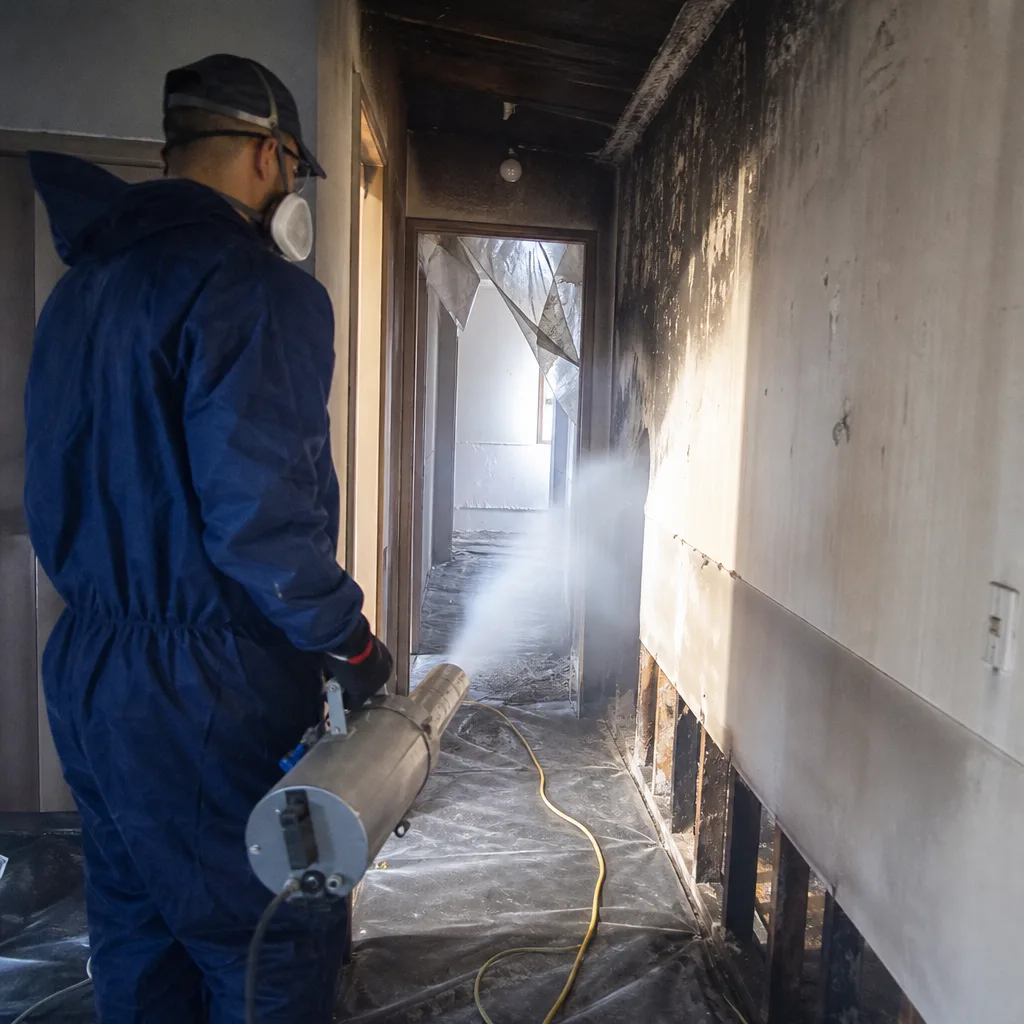
Sewage Backup Cleanup
Fixture overflows and drain backups in pre-war buildings often travel farther than they look. A toilet backup on the 12th floor of a Broad Street conversion can trace its way down a 90-year-old cast-iron waste stack and contaminate walls, floors, and common areas below. We map the contamination fully before we start, because the source in a tower is rarely where the water shows up first.
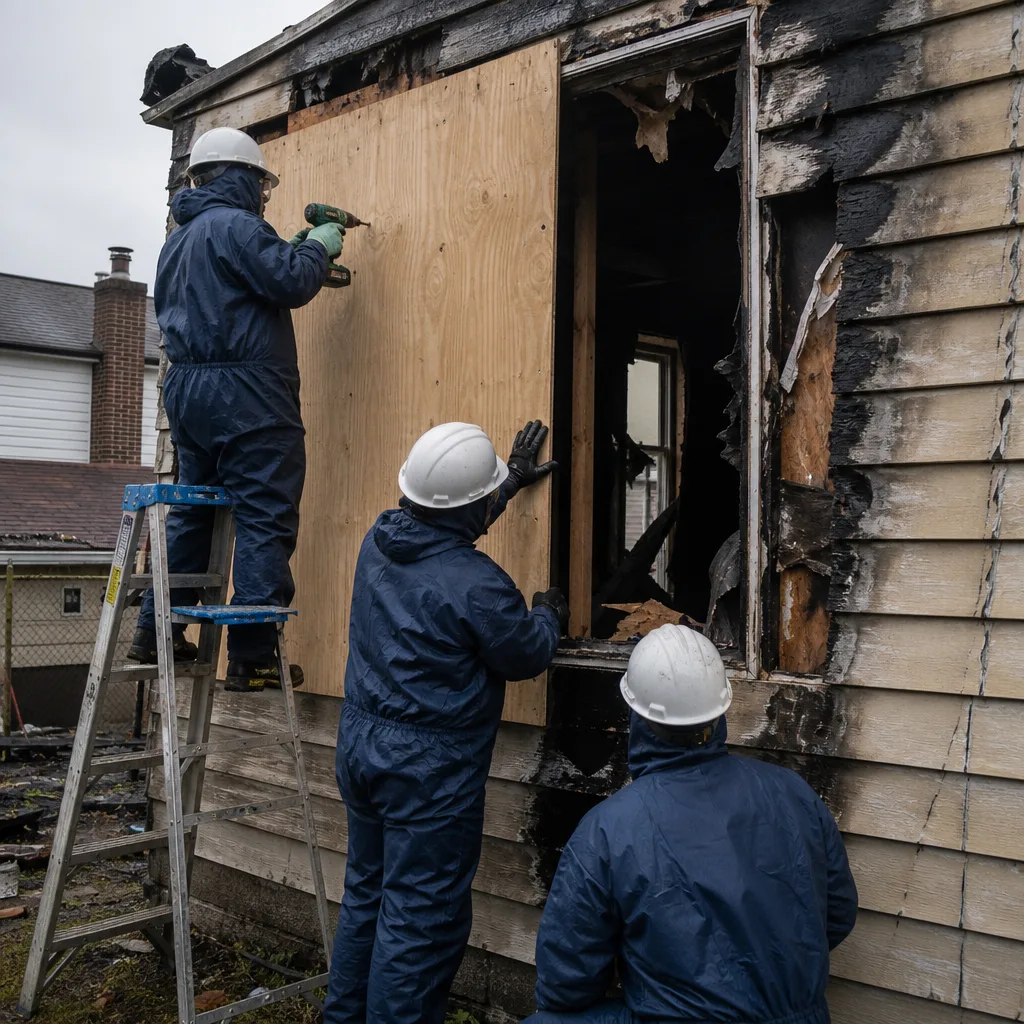
Sanitization & Disinfection
Category 3 water leaves behind bacteria and pathogens that drying alone won’t remove. We treat all affected surfaces with EPA-registered antimicrobials, run HEPA air scrubbers to pull airborne contaminants, and test before we stand down. In sub-basements with steam heat, that means treating ductwork and returns, not just walls and floors.
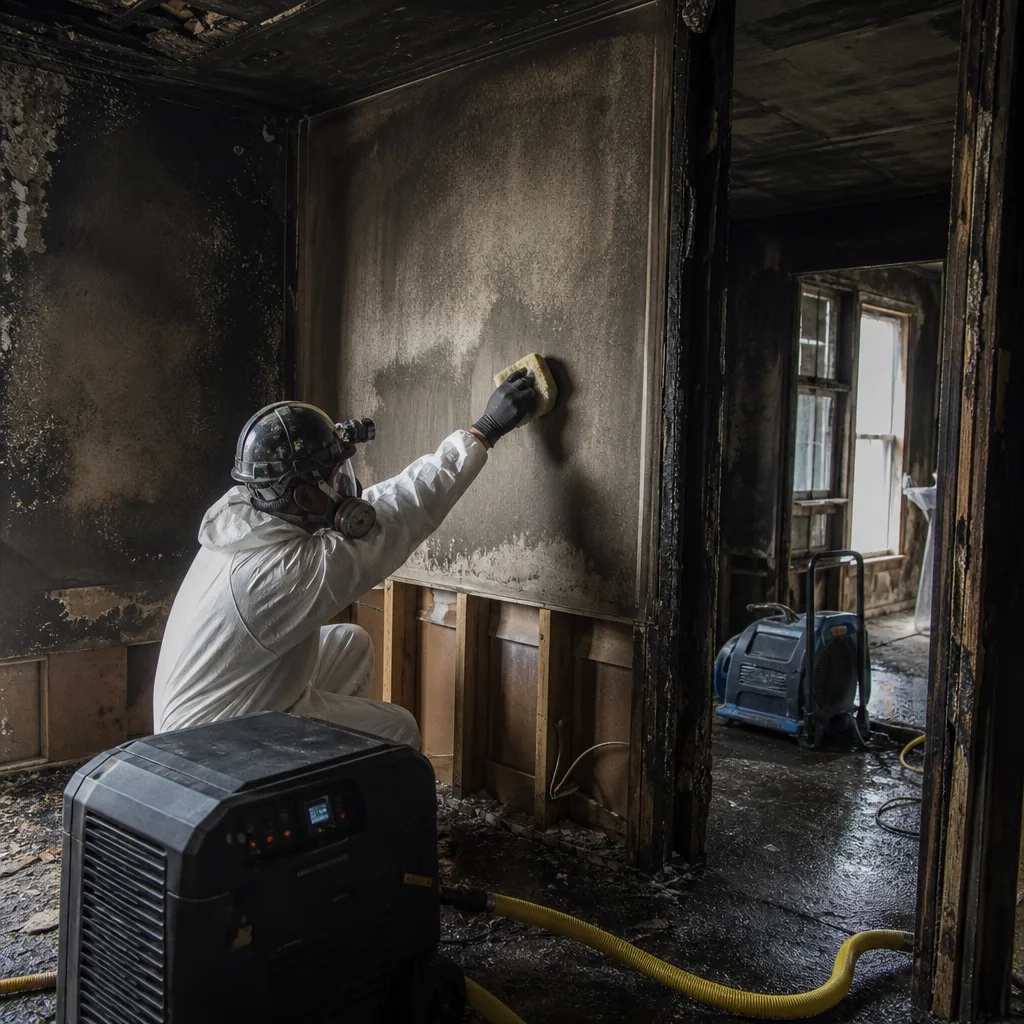
Crawl Space Sewage Removal
Some older buildings near the Seaport still have shallow crawl spaces under their ground floors, and those spaces are almost never easy to access. We remove sewage, remove contaminated insulation and vapor barriers, sanitize the ground surface, and replace the barriers. The same standard applies whether the crawl space is three feet high or three stories deep.
What happens when you call
- 1
A real person answersNo phone trees - you reach a local pro.
- 2
You get an upfront price rangeHonest numbers before anyone is dispatched.
- 3
A background-checked tech heads outLicensed & insured, dispatched right away.
- 4
You approve before work beginsNothing starts until you say go.
Sewage Cleanup Costs in Financial District, NY
Sewage cleanup in the Financial District runs higher than the outer boroughs for a few honest reasons. Access is harder, the water is more contaminated, and the failure modes are more complicated. As a rough guide for this market: a contained toilet overflow in a single FiDi unit typically runs $900-$1,800. A sewage backup affecting a full sub-basement or crawl space generally falls between $3,500 and $8,000 depending on square footage and how much of the space needs demolition. When harbor water or fuel oil enters the picture, the range shifts to $7,000-$15,000 or more, because hazmat protocols and specialty disposal change the job entirely. Insurance usually covers sewage cleanup under most standard policies, but the claim approval depends on documentation. A free visual inspection gives you a written scope before any work starts, so there’s no surprise pricing on the day the crew arrives. Call (201) 740-2235 and Wade will look at the loss himself before you commit to anything.
We Also Serve Cities Near Financial District
Our crews respond across the Manhattan waterfront and into Queens. If your building is in Lower Manhattan, Astoria, Midtown Manhattan, or Long Island City, the same team and the same 24/7 live answer covers you. Call the same number: (201) 740-2235.
Financial District Sewage Cleanup Questions, Answered
How is sewage cleanup different in Financial District sub-basements compared to other Manhattan neighborhoods?
Financial District sub-basements sit at the lowest elevation in Manhattan and are surrounded on three sides by tidal water, so sewage events here frequently include harbor water intrusion requiring hazmat-level extraction and additional antimicrobial protocols that Midtown or uptown buildings rarely need.
Can a toilet overflow in a FiDi high-rise contaminate units below mine?
Yes, and it happens regularly in the district’s converted commercial towers. Waste lines in pre-war buildings run through vertical chases shared by multiple floors, and a backup on one floor can travel down through stack cracks and contaminate walls, subfloors, and ceiling spaces in units several stories below. That’s why we map contamination with moisture meters across all units along the stack, not just the one that overflowed.
Why do FiDi buildings need sewage cleanup after a storm even if the basement gate held?
Because the storm surge doesn’t have to overtop a gate to cause a backup. The combined storm and sanitary sewer system in lower Manhattan can only handle so much water, and when harbor levels rise, the system vents upward through the lowest drains in the district first. A gate may keep harbor water out at street level while sewage backs up from below through floor drains and sump pits that were never protected by the gate at all.
How quickly can mold start in a FiDi sub-basement after a sewage spill?
In the warm, humid air of a Financial District sub-basement, mold can begin colonizing saturated drywall and organic surfaces within 24 to 48 hours. That’s why we push to have extraction equipment running inside the hour of a call. The faster the water is out, the less chance mold gets a foothold in the steam-heat vaults and utility corridors where FiDi buildings hold their humidity.
Do you remove and sanitize elevator pits after a sewage backup in the Financial District?
Yes. Elevator pits in FiDi towers are among the lowest points in the building, and they collect contamination fast. We pump the pit, sanitize every surface, treat the sump, and document the drying with moisture readings. The pit gets the same treatment as a living space, because if it stays wet, the contamination spreads upward through the shaft.
What should I do in the first 30 minutes after a sewage backup in my Financial District building?
Stop using all water in the affected area, shut off the water supply if you can reach it safely, and keep people and pets away from the affected space. Do not try to clear a blocked drain yourself, and do not run plumbing fixtures on floors above the backup. Then call us at (201) 740-2235. We walk you through it on the phone while the crew is on the way.
Will my insurance cover sewage cleanup in the Financial District?
Most standard homeowner and condo policies cover sewage backup cleanup, but the coverage depends on how the water entered and what it carried. If the backup was caused by storm surge from the harbor, some policies treat it as flood, which may be a separate coverage line. We document everything from the first hour and work directly with your adjuster so the claim gets handled correctly the first time.
How long does full sewage remediation take in a FiDi sub-basement?
A contained single-unit cleanup can often be completed in three to five days of drying and sanitization. A full sub-basement with harbor water and fuel-oil contamination typically runs seven to fourteen days from extraction through clearance testing, depending on the structure. We give you a written timeline after the initial inspection, and we report moisture readings daily so you can see the progress.
Serving Financial District, NY - Our Local Coverage Area
We’re based in the Financial District area and know this community well. Use the map below to see our service coverage - if you’re nearby, we can almost certainly help.
Why Coastal Sewage Events in FiDi Demand a Different Standard From Hour One
Most sewage backup pages talk about toilet overflows and drain clogs in single-family homes. That’s not what the Financial District experiences. Here, the sewage cleanup question assumes harbor-water intrusion and hazmat protocols from the first hour, because the district’s lowest-elevation tip is flanked by the Hudson River, East River, and New York Harbor. Virtually every basement and sub-basement sits in FEMA Flood Zone AE. Hurricane Sandy’s 2012 surge crested at nearly 14 feet at Battery Park, flooding sub-basements, knocking out the Con Edison switching station, and leaving moisture intrusion and mold problems in buildings that were never fully dried. When we respond to a sewage backup now, we assume the water carries salt, fuel residue, and the kind of contamination that standard extraction equipment alone won’t address. The failure mode we’ve seen again and again: a cast-iron waste line in a pre-WWII tower cracks during a nor’easter surge, releasing category 3 water into an elevator pit before anyone detects it. Then the passive flood gates at the basement entry, installed post-Sandy by most FiDi high-rise managers, get overtopped by the surge itself, and the resulting flood mixes harbor water with the building’s own sewage and heating-system fuel oil. That’s a hazmat event, not a plumbing call. A crew that treats it like a typical inland backup will leave behind contamination that keeps showing up in air tests for years.
Wade’s Restoration has run these jobs in the district long enough to know what the buildings hide. We responded to a sewage backup in a converted Art Deco tower on Broad Street, where a cast-iron waste line failed during a nor’easter surge. Our crew used Dri-Eaz water extraction and XPOWER air movers to pull category 3 water from a sub-basement, then ran Phoenix dehumidifiers with moisture mapping and drying logs until readings matched pre-loss condition. That’s the work: pulling contaminated water out of a hundred-year-old vault, drying it properly, and killing the mold before it gets a chance to eat the steam-heat infrastructure. We did that, and we documented every reading. The 90-Day Done Right Promise applies here like everywhere else: if it’s not right, Wade makes it right, in writing.
If you own or manage a building in the Financial District and you’re looking at water where it shouldn’t be, call (201) 740-2235. Wade answers. No charge for the inspection. No charge for the second opinion on any written estimate. And if you’re a senior or a veteran, take 10% off, always.
Written by Wade Ferris, Owner at Wade’s Restoration, serving Financial District since 2007.