
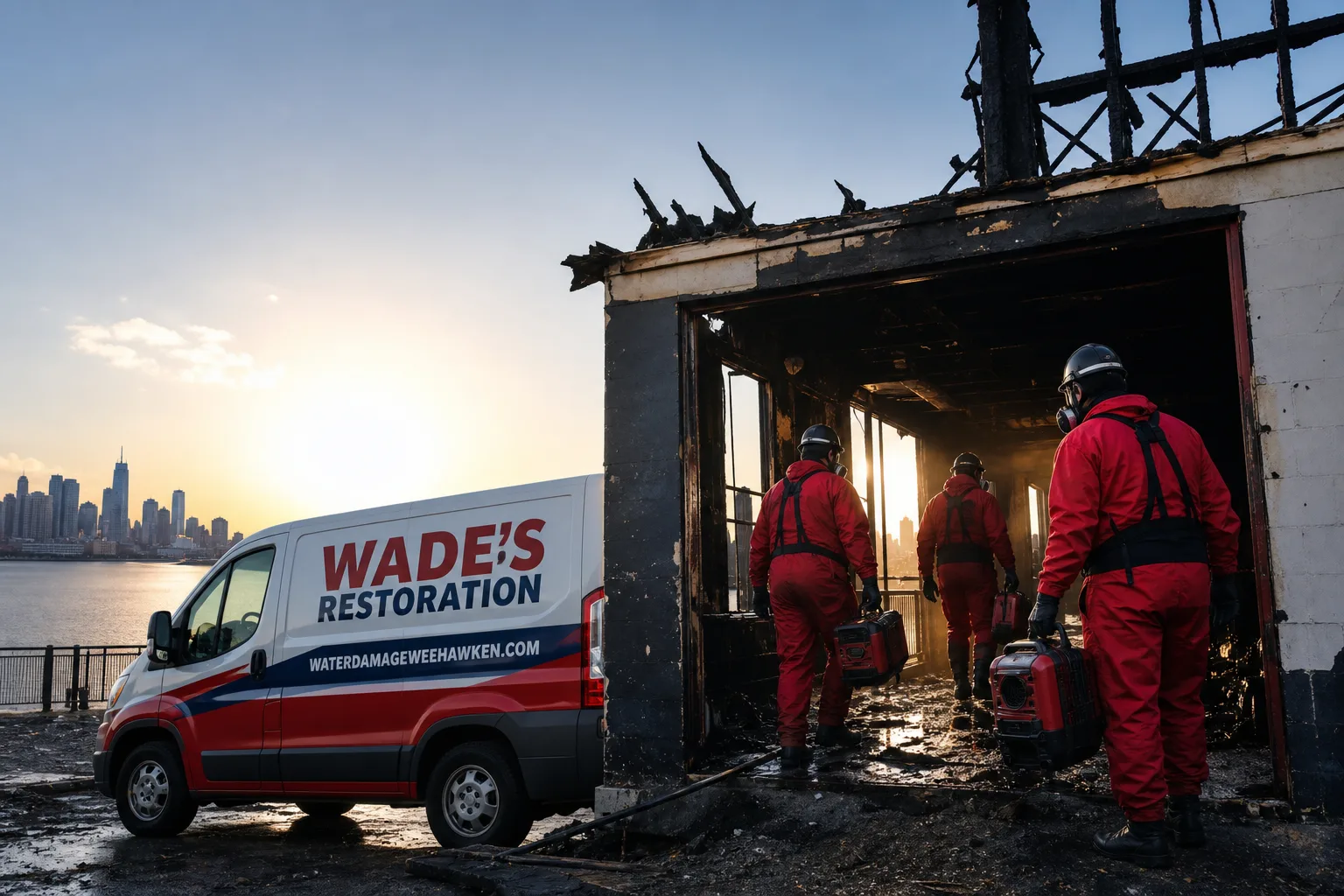
Free visual inspection and a written scope of work before any mitigation begins - photos, moisture readings, and drying logs go in your claim file
The scope we write is the scope we bill. Anything new gets shown to you, in writing, before we touch it.
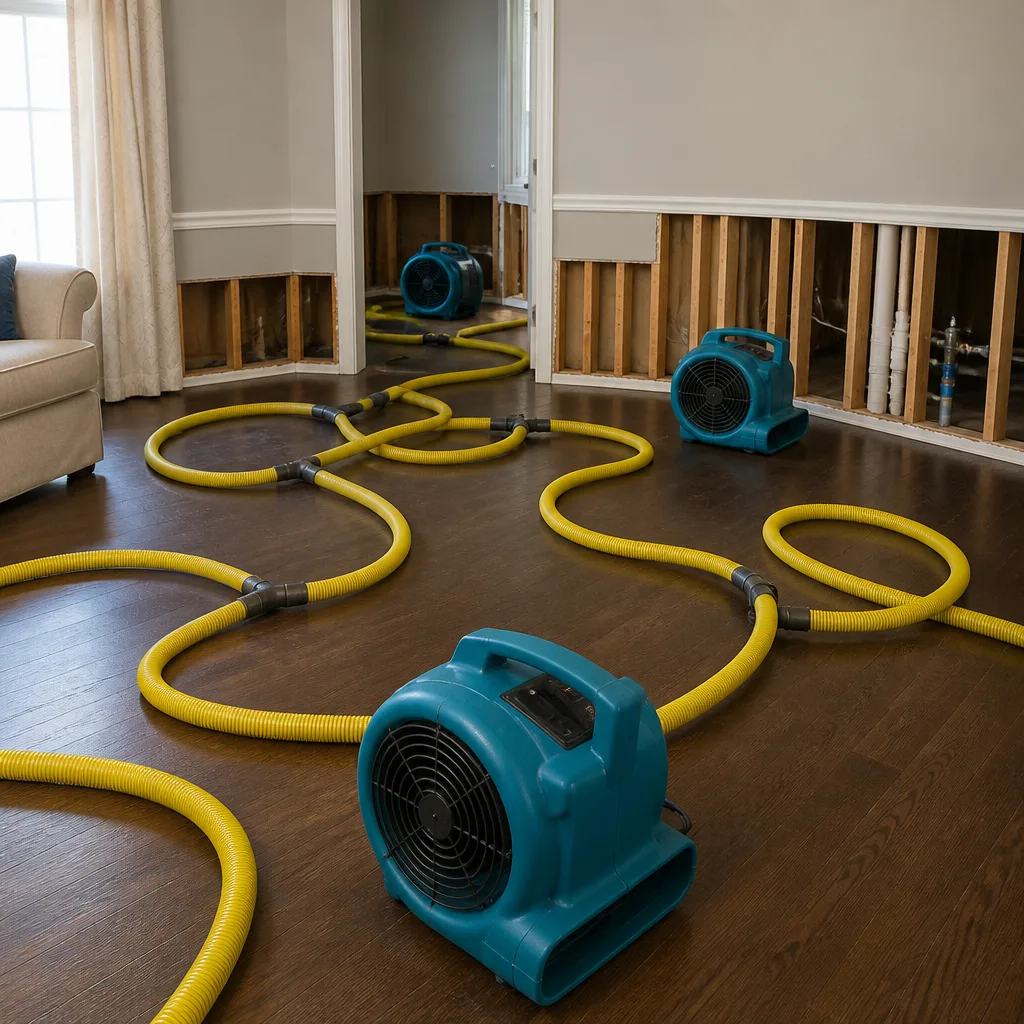
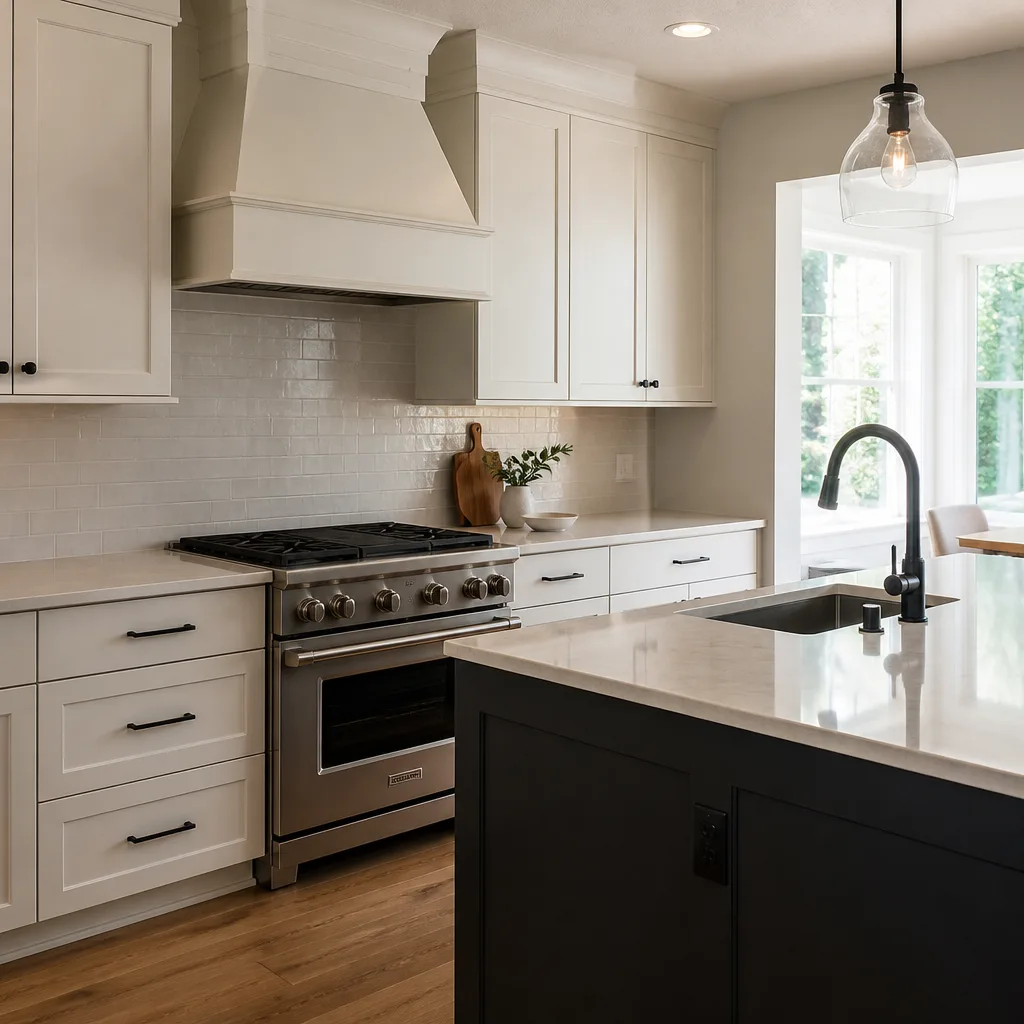
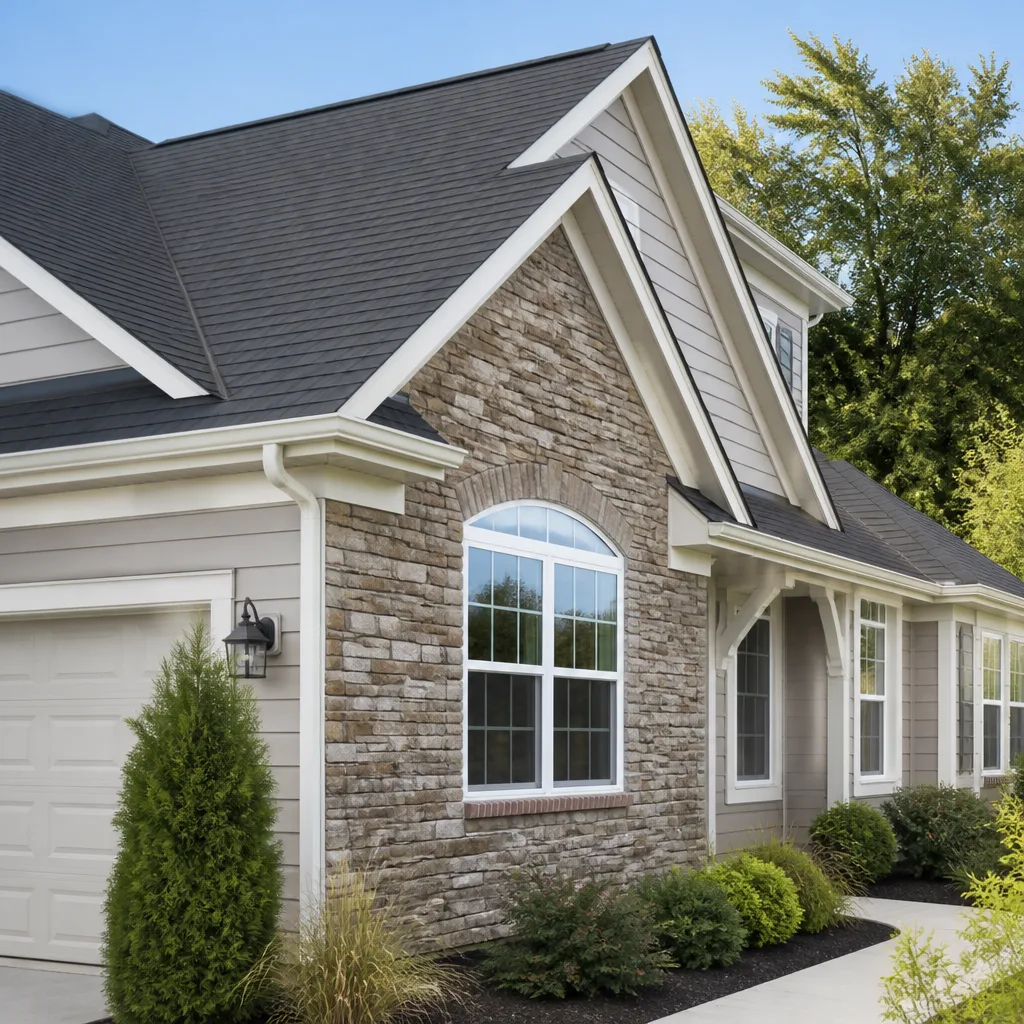
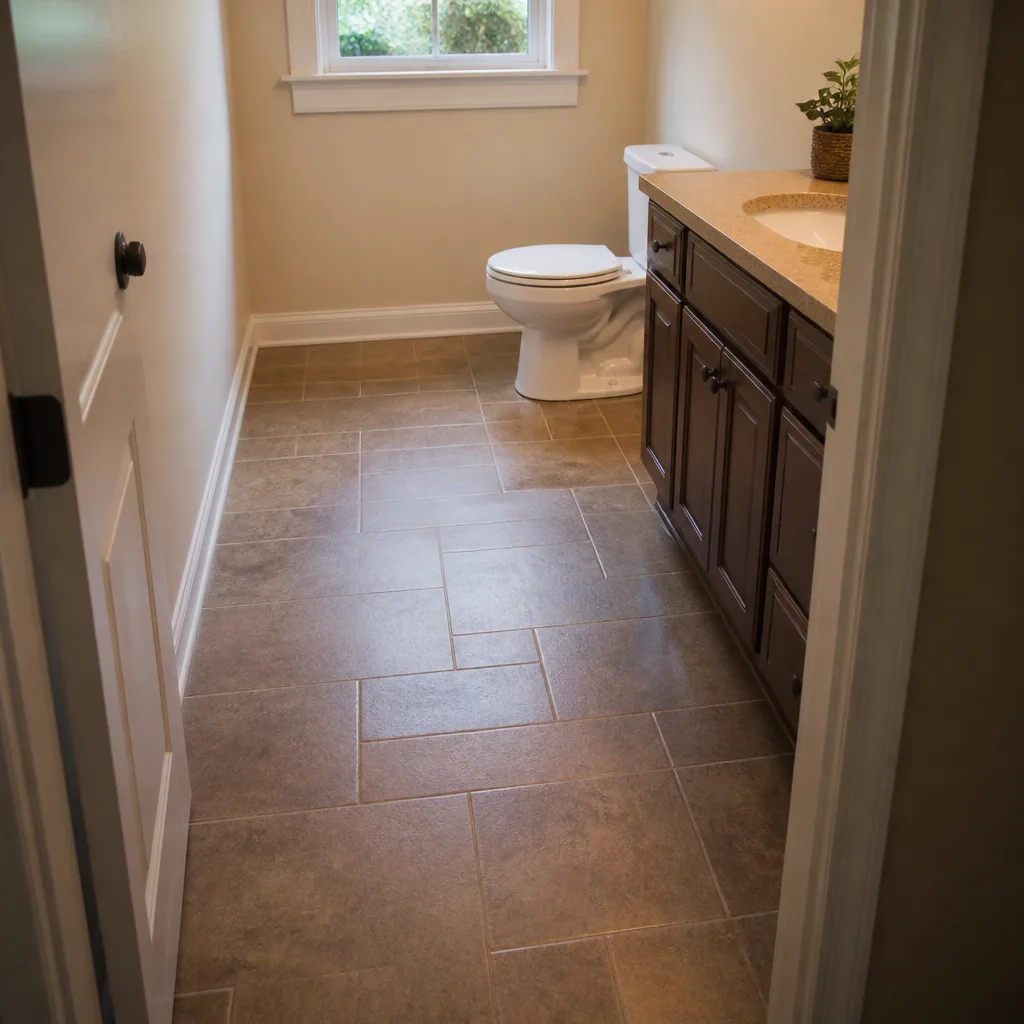
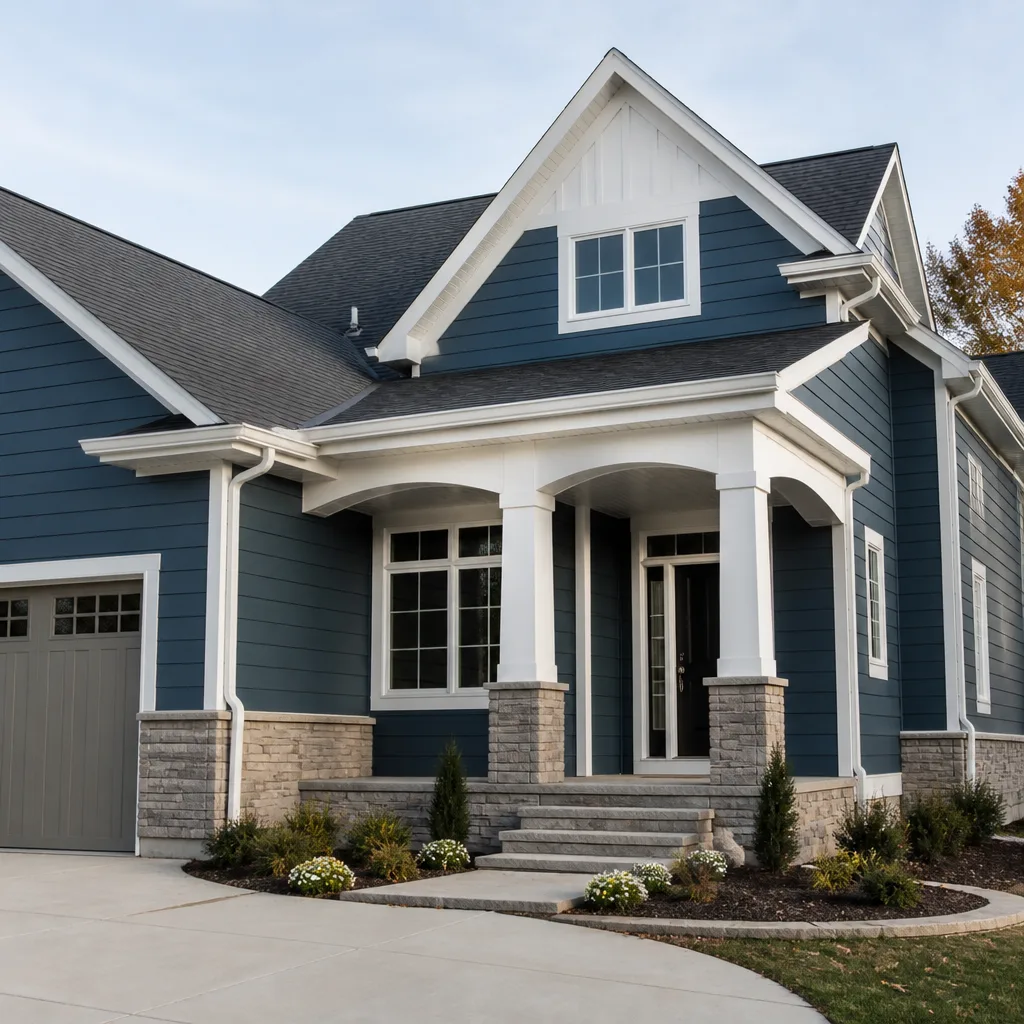
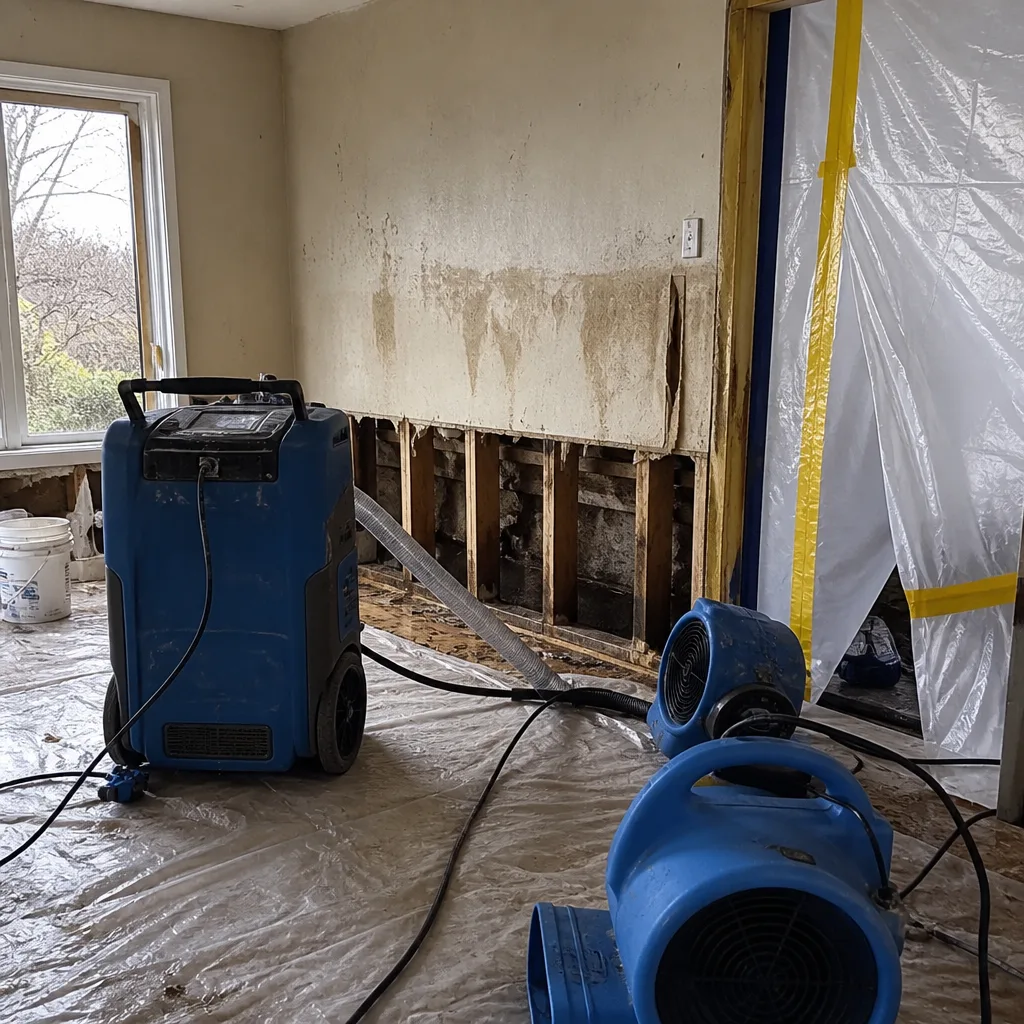 Before
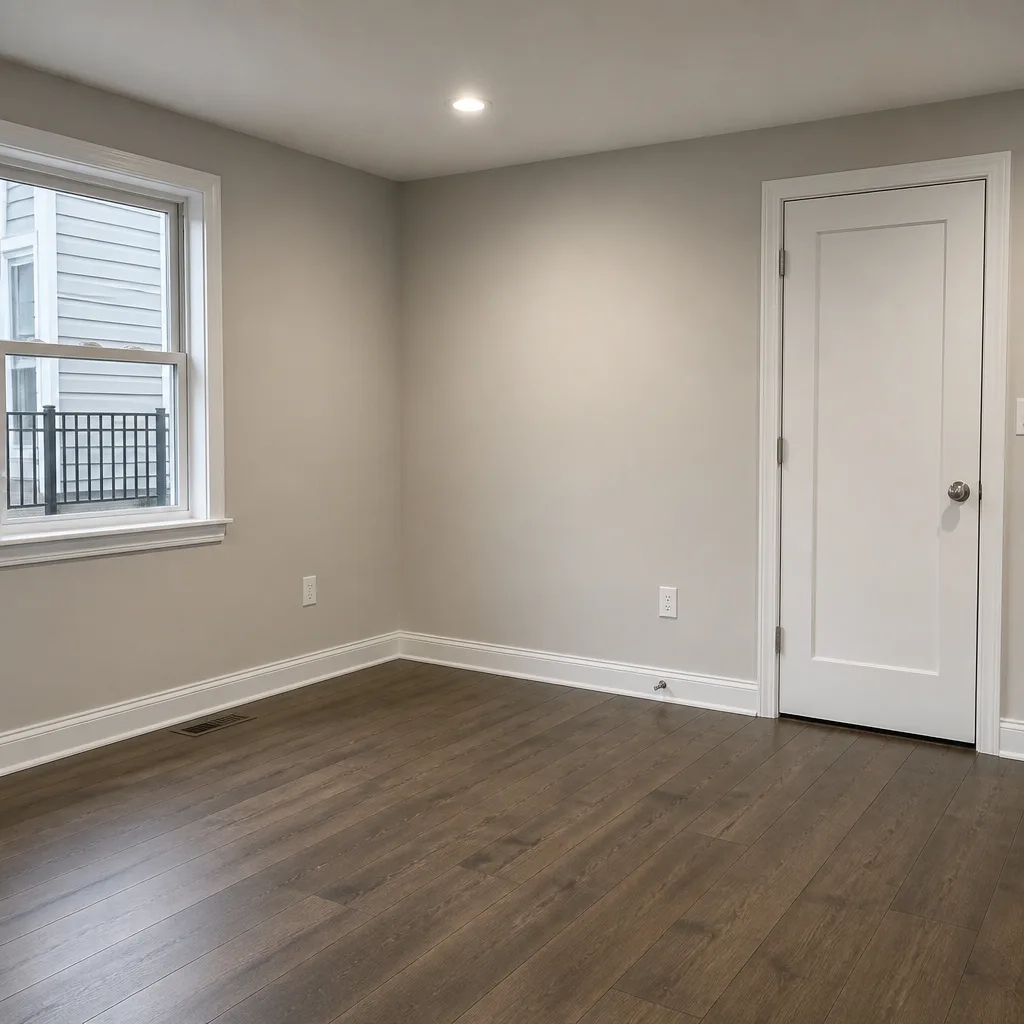 After
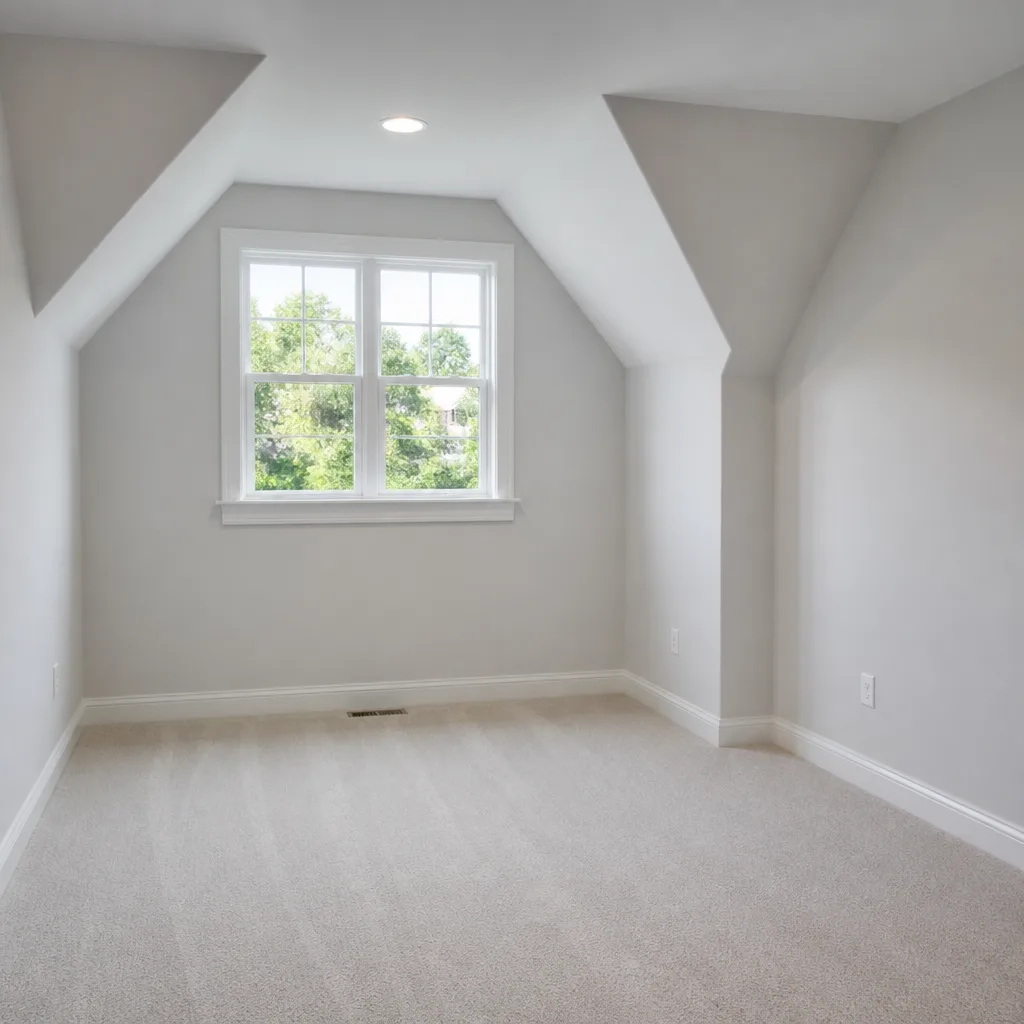
After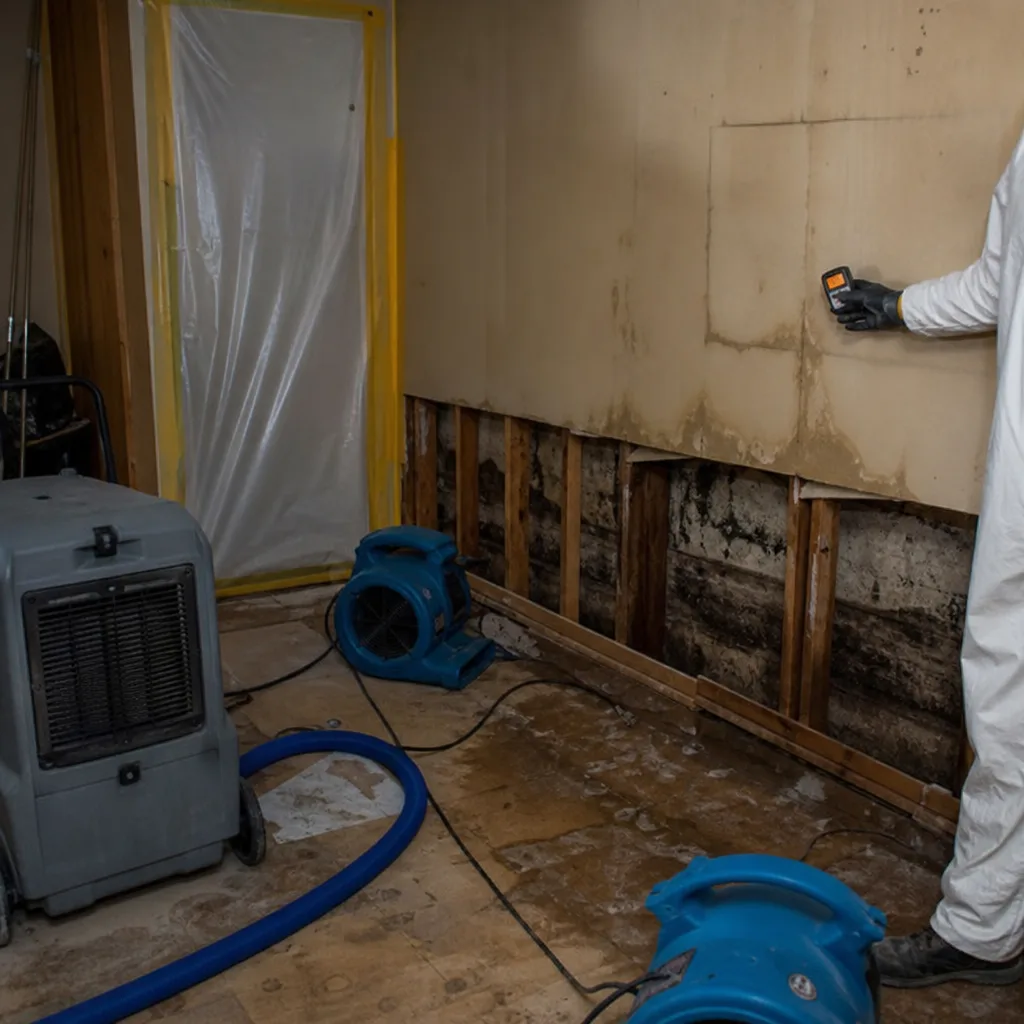 Before
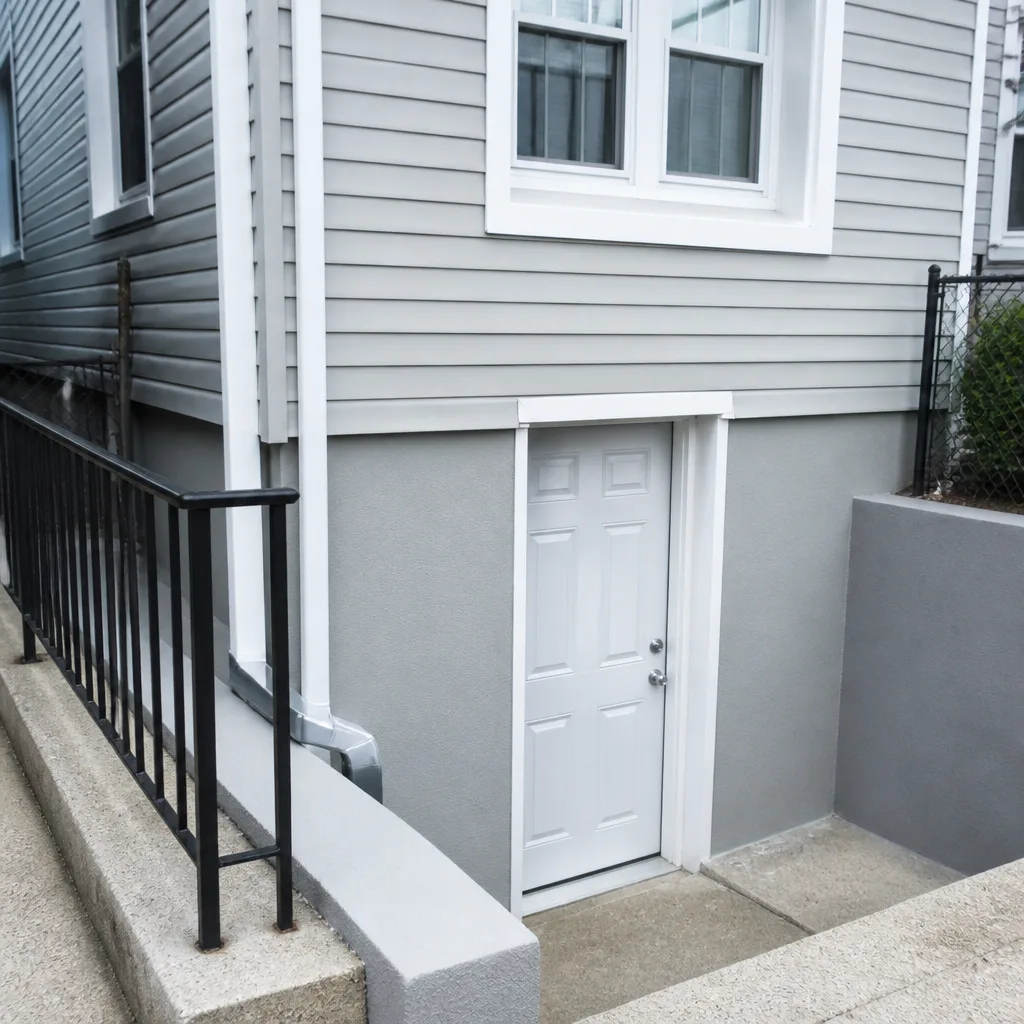 After
After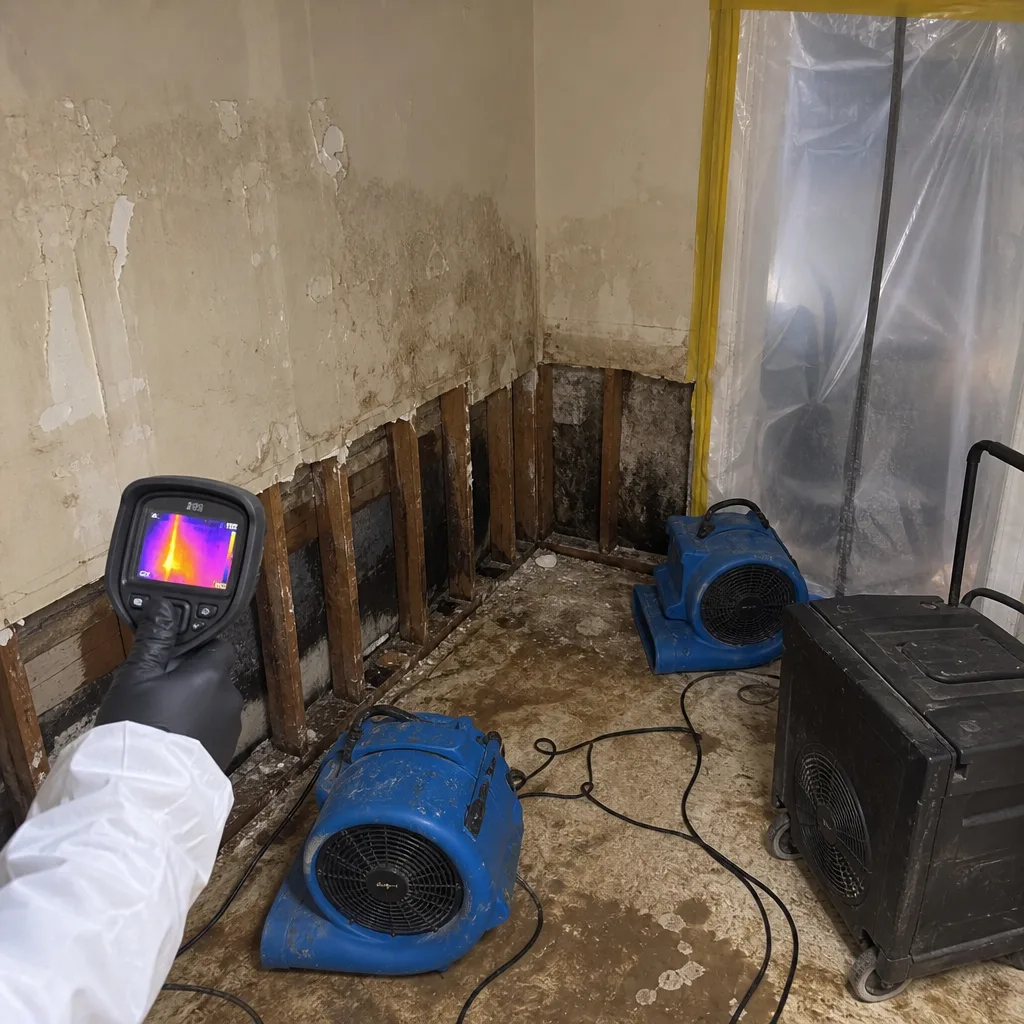 Before
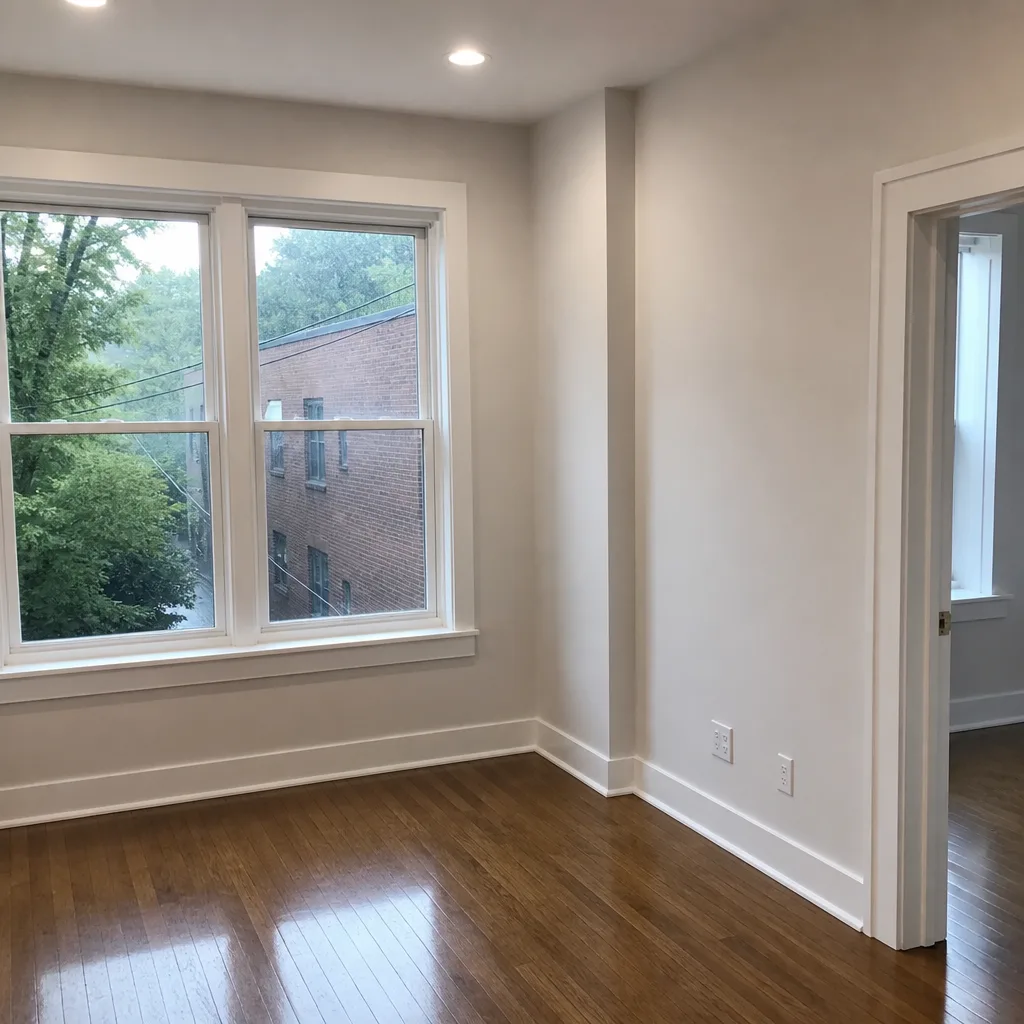 After
After24/7 Emergency Mold Remediation in North Bergen
Mold remediation in North Bergen typically runs $1,800-$6,500 for a contained basement job, and the work usually takes 3-7 days from containment to post-remediation clearance testing. If you’re seeing black staining on drywall near your foundation wall, or if you smell that musty, earthy odor that won’t go away, call (201) 740-2235 right now. Wade’s Restoration has crews on the road in North Bergen around the clock, and we answer live, every time. A water intrusion event that happened weeks ago, maybe during one of those fast summer downpours that sends runoff careening down the side streets off Boulevard East or JFK Boulevard, can turn into a full-blown mold colony faster than you’d think. Forty-eight hours of moisture is all most mold species need. The sooner we get containment up and a HEPA scrubber running, the less drywall we’re cutting out, the less it costs you, and the less likely the contamination spreads through your HVAC system into the rest of the house.
Understanding Mold Remediation Severity in North Bergen Properties
Mold work is not painting over a stain. It’s a job with real technical thresholds. At the light end, you might have surface colonization on a basement wall from condensation or a small roof leak. That’s a cleaning and HEPA-vacucuum job, maybe $700-$1,400 if caught early. Then you get into what we call Level 2 and Level 3 contamination: hidden mold inside wall cavities, under baseboards, or behind the vapor barrier of a finished basement. That requires full containment with 6-mil poly sheeting, negative air pressure, and air scrubbing. North Bergen’s housing stock, mostly attached two- and three-family brick and frame homes built between the 1940s and early 1970s, makes Level 2 jobs the norm. Why? Because shared foundation walls between attached units mean moisture moves laterally. One side of the block gets groundwater seepage, and the mold doesn’t respect the property line. Level 4, the worst, is when systemic water damage has gone unremediated for months, or when a Category 3 sewage backup has introduced pathogenic contamination. In those cases we’re doing full-gut remediation, HEPA air scrubbing during demolition, and post-remediation clearance testing to prove the air is clean before anyone moves back in. On the Palisades ridge especially, where fractured basalt weeps water through foundation walls for months at a time, we see more Level 3 work than most townships in the county.
Why North Bergen Property Owners Choose Wade’s Restoration
- 45-minute response commitment – When you call from North Bergen, Wade’s crew is on the road immediately. We’re not a national call center routing a subcontracted crew from two counties away. Wade Ferris knows the blocks, the terrain, and the fastest route from the Tonnelle Avenue corridor up to the ridge streets near 70th.
- 24/7 live answer, always a real person – No automated prompts, no voicemail, no answering service in another state. You call, someone picks up. Often it’s Wade himself. His cell number is published, and he answers it.
- IICRC-certified crews – Our remediation techs hold IICRC credentials including AMRT (Applied Microbial Remediation Technician) and WRT (Water Restoration Technician). That matters when your insurance company wants documentation proving the work was done to industry standard.
- Free visual inspection – Before any work starts, we walk the property with you, map the visible mold, and take moisture readings. You get a straight answer about what’s behind the wall before we ever touch it.
- Direct insurance billing – We deal with your adjuster directly. You don’t relay messages back and forth. We document everything, submit it in the carrier’s format, and advocate for what the scope actually requires.
- One team from containment to reconstruction – The same crew that runs the containment and the HEPA scrubbers is the crew that hangs new drywall and reinstalls trim. No handoff to a third party, no second company showing up that you’ve never met.
Our Mold Remediation Process
Inspection & Assessment
We start with a full walkthrough, thermal imaging on the foundation walls, and a moisture scan with penetrating meters. On North Bergen’s attached two-families, we also check the foundation wall from the exterior side where accessible, and we test for asbestos in any 1940s-1970s drywall joint compound or floor tile before we plan demolition. That testing step has saved North Bergen jobs from stop-work orders more times than I can count.
Containment & Stabilization
We seal the affected areas with 6-mil polyethylene, run negative air pressure with HEPA-filtered exhaust, and turn off any HVAC branches that circulate through the contained zone. Stabilization means stopping the moisture source, whether that’s running a temporary dehumidifier, patching a foundation crack, or capping a leaking riser pipe.
Drying & Dehumidification
Dri-Eaz LGR dehumidifiers and XPOWER air movers pull moisture from walls, floors, and trapped wall cavities. We take moisture readings every single day, and you get the full log at the end. Almost nobody in the trade hands over those logs. Wade does.
Cleaning & Sanitization
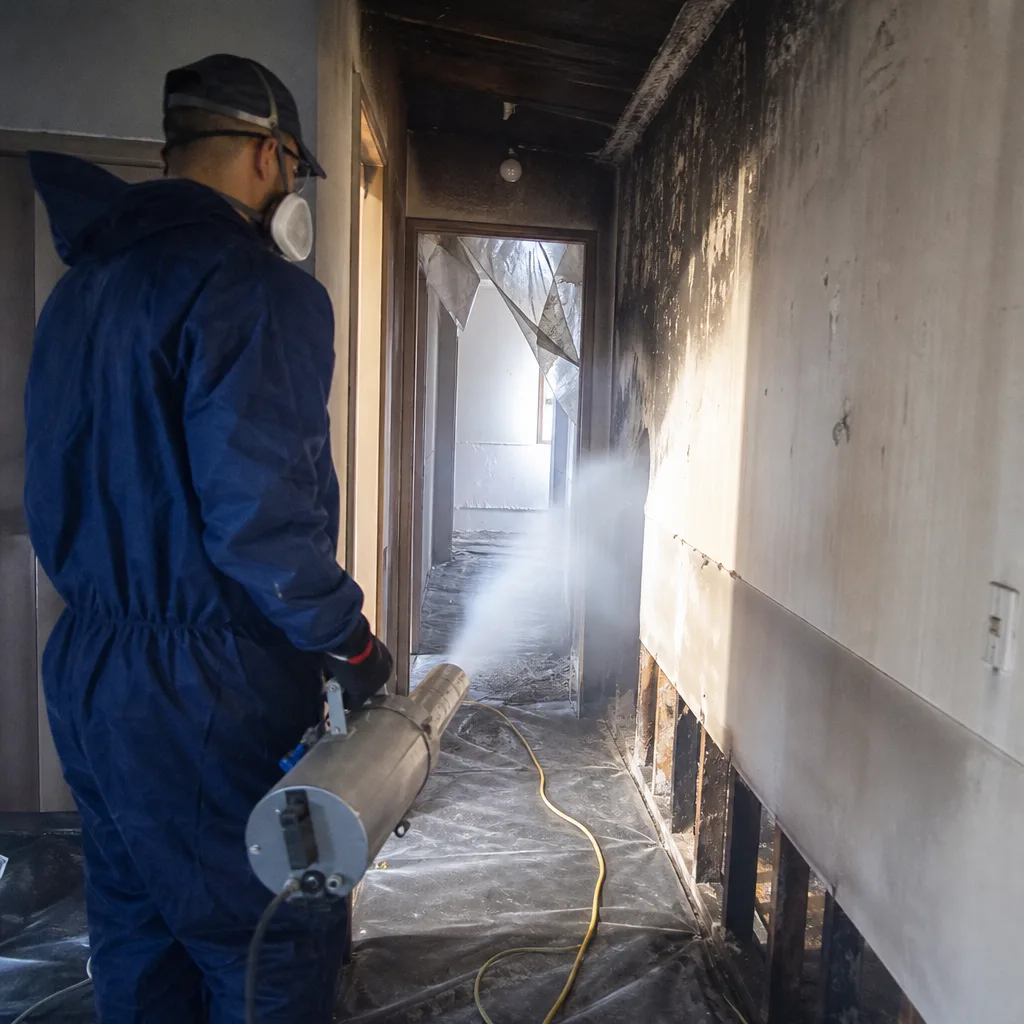
HEPA vacuuming of all colonized surfaces, antimicrobial treatment on the remaining structure, and fogging where appropriate for the mold species identified. No, we don’t “kill” all mold. We remove the colony and the food source, and we treat the pockets that can’t be removed, like the cavities inside old brick foundation walls.
Specialty Treatment
On Palisades ridge basements with seepage through fractured basalt, we start with what’s actually pulling the water. Then we focus on humidity control. The basalt will keep weeping. That’s the geology. So the fix is aggressive, permanent dehumidification tied to a drain or condensate pump. Without that step, any mold remediation on an east-slope block is temporary.
Repairs & Restoration
We don’t just clean and walk away. The same crew re-frames, re-rockes, and refits the affected walls and floors. We use moisture-resistant products where appropriate, install all replacement materials, and hand you back a basement that’s actually usable again.
Need Emergency Mold Remediation in North Bergen Now?
Crews minutes away, answering live 24 hours a day. The sooner we start, the less it costs.
Working With Your Insurance Company
Insurance is almost always in the room when mold gets involved, even if nobody said the word out loud. Most North Bergen homeowners’ policies include some mold coverage, usually as a sub-limit of $1,000 to $10,000, and the carrier’s willingness to pay depends entirely on whether the preceding water event was sudden and accidental versus “long-term seepage.” That’s where our documentation changes the outcome. From the first hour, we photograph every affected surface, we log every moisture reading, and we document every containment decision. We produce industry-standard line-item scopes in Xactimate format, and Wade talks to your adjuster directly. You don’t get stuck as the messenger. If your adjuster tries to lowball the moisture mapping or skip the post-remediation clearance testing, we push back with the evidence.
What We Provide Your Insurer
- Thorough documentation of the loss
- Photos of all damage, room by room
- Moisture readings and drying logs
- A detailed, line-item scope of work
- Direct coordination with your carrier
Built for North Bergen’s Loss Calendar
North Bergen’s mold season follows the water, and the water follows the calendar. January and February bring deep freezes that burst supply lines in uninsulated eaves and unheated stairwells, especially in those attached two-family houses where the radiator cutoff valve sits behind a wall. March brings the thaw: snowmelt percolating through fractured basalt on the escarpment, and the slow, steady seepage that homeowners don’t notice until April, when the first musty smell comes up from the baseboards. July and August are thunderstorm season. Fast-moving cells dump an inch or two in 30 minutes, and all that runoff charging down steep cross-streets off the ridge, toward Patters Plank Road and the lower gridded blocks, overwhelms combined sewers. When a floor drain backs up with stormwater mixed with sanitary waste, that’s Category 3, and the mold clock starts immediately. Fall nor’easters are the sleeper. They don’t get the Sandy-level coverage, but a Nor’easter grinding up the coast with a northeast fetch pours rain onto the ridge for 36 hours straight, and the basalt just keeps drinking. By Thanksgiving, we’re doing more mold jobs from October nor’easters than from any other single cause.
Mold Remediation Across North Bergen’s Neighborhoods
The block you live on dictates the mold job we run. On the elevated sections east of Kennedy Boulevard, say the streets around North Hudson Park and up toward the Braddock North Hudson County Park, the basalt upcropping is close to the surface. Water moves horizontally through natural fractures and into basements from the uphill side. A neighbor one block uphill gets seepage after a heavy rain, and two days later, the downhill neighbor’s finished basement wall is damp. The colonial-era stone retaining walls along some of the older side streets add another wrinkle; they hold back more than soil, they hold back groundwater. Down the western slope, out around 43rd Street and 46th Street toward Tonnelle Avenue, the story flips. This is flatfill land near the Meadowlands drainage, with a high water table and a combined sewer system that can’t always keep up. When the sewer surcharges, we’re not doing humidity-control remediation; we’re doing Category 3 sewage-contaminated mold work. The blocks around 81st Street and Columbia Avenue, already above the old rail cut, see classic ridge seepage without the flood risk. And the blocks sidling up against the township’s westernmost edge, near the North Bergen Shed and the Hudson County rail yards, are a world away from the cliff-edge views. We’ve worked all of it, and we choose the remediation scope based on which North Bergen we’re standing in.
Specialized Mold Remediation Services We Offer in North Bergen
Mold Inspection & Testing
You don’t always need remediation. Sometimes you need an answer. Our Mold Inspection & Testing service in North Bergen includes visual assessment, moisture mapping, air and surface sampling where appropriate, and a written report that tells you what species you’re dealing with, how extensive it is, and whether you actually need our remediation crew or just a dehumidifier and some caulk. On attached two-families with shared foundation walls, we test both units if the wall is involved; that’s the only way to know if a colony on your side is a satellite of a bigger one next door.
Mold Removal
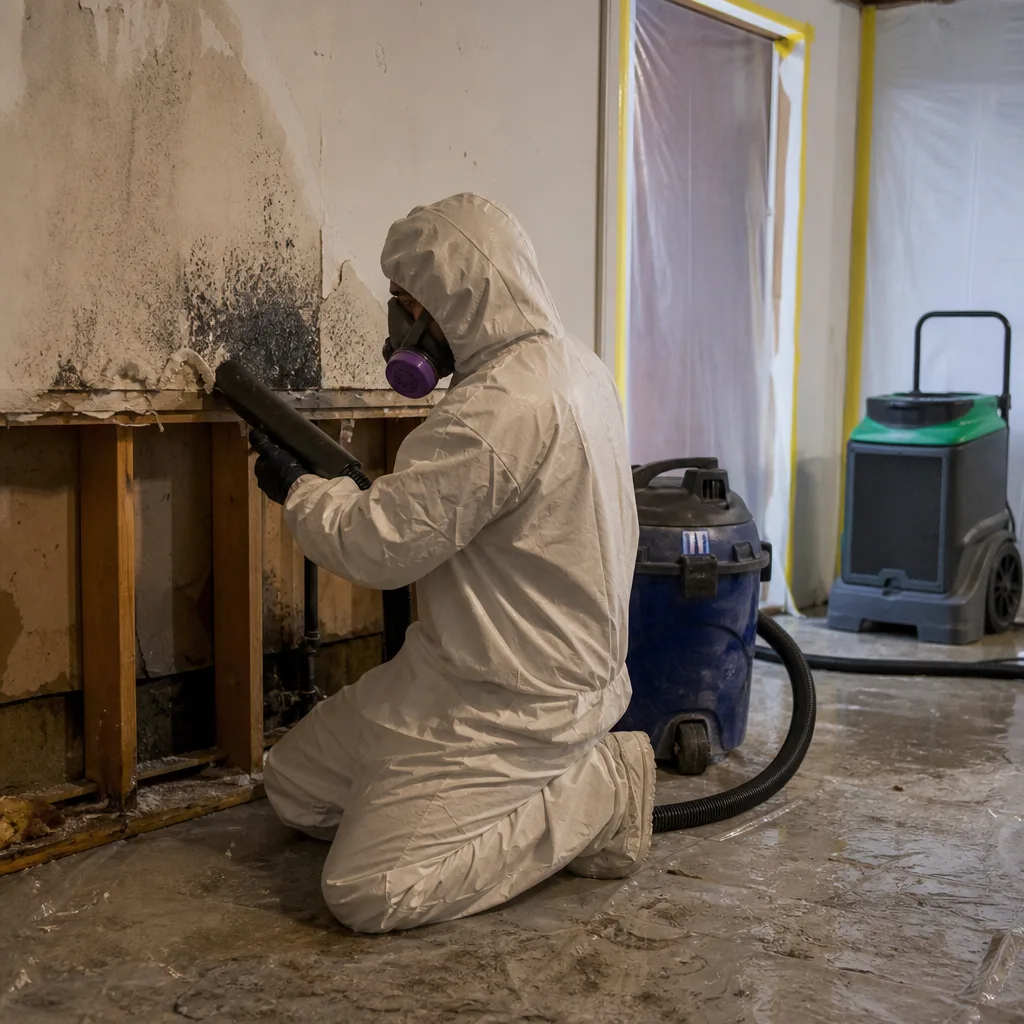
This is the core of what we do: full containment, HEPA air scrubbing, removal of colonized materials, and sanitization of the remaining structure. In North Bergen’s vintage housing, full removal often means cutting out drywall that’s been holding moisture since the 1950s, and that means asbestos testing first. Not optional. We won’t open a wall cavity on a pre-1970s North Bergen home without a lab result in hand.
Black Mold Remediation
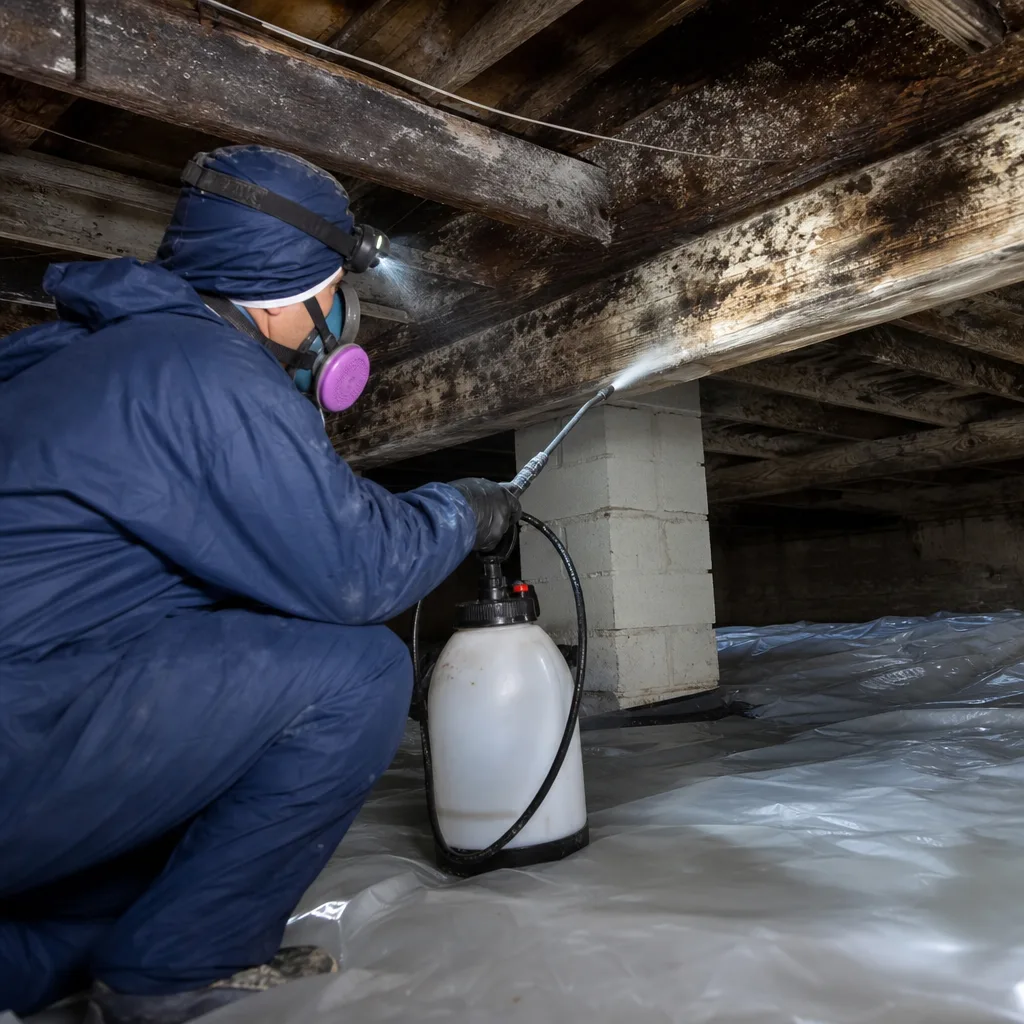
Stachybotrys chartarum, the one people call “black mold,” is the one that gets the headlines. It’s a slow-growing species that loves steady, persistent moisture, which is exactly what Palisades ridge seepage provides. Black mold remediation in North Bergen is heavier on containment than a surface mold job because the existing spores are more allergenic to more people, but the actual process is the same: stop the water, contain the area, remove the colony, clean the air, and prove it with clearance testing. The label doesn’t change the people we send; Wade’s crew handles it.
Air Quality Restoration
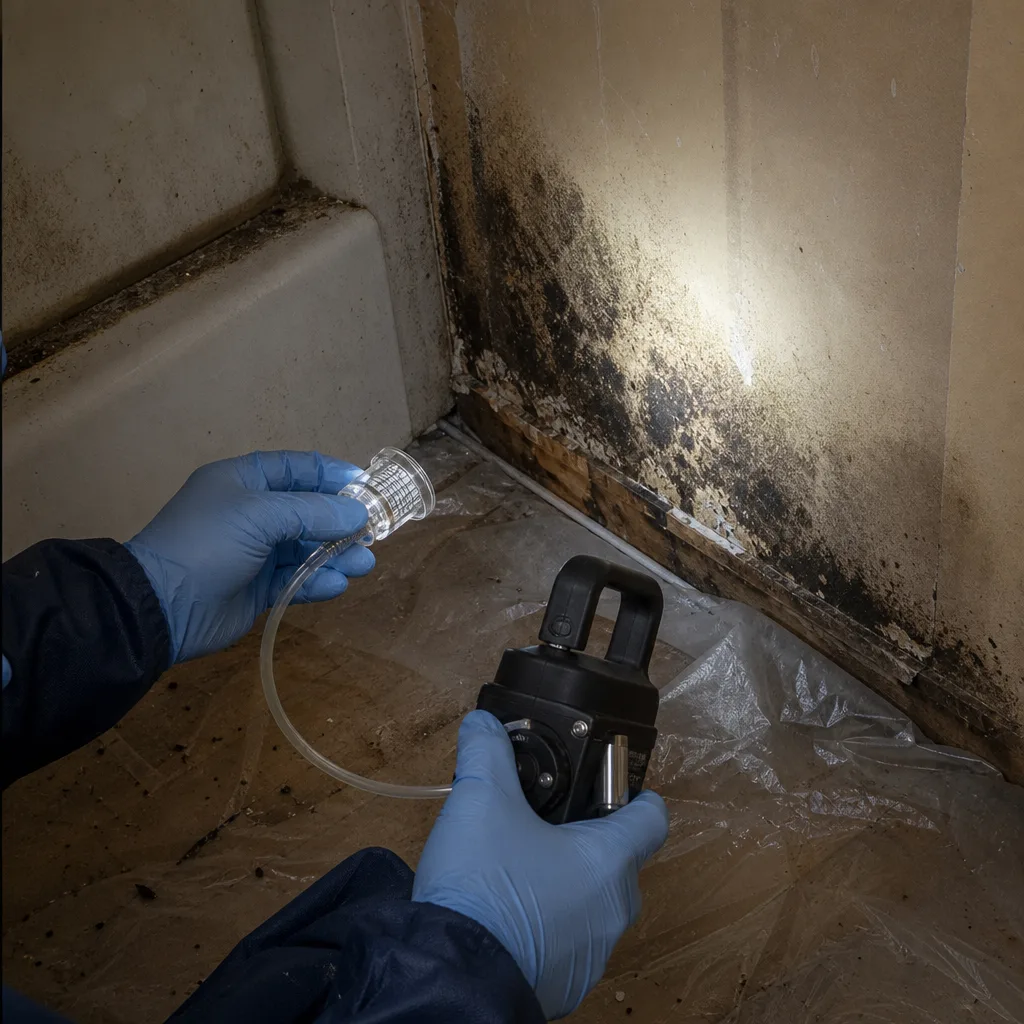
After a mold job, the walls might look clean but the air can still carry spore counts that trigger sinus issues and asthma. Air Quality Restoration means running HEPA scrubbers room-by-room, treating the HVAC system if it’s been circulating spores, and doing post-remediation air sampling against a lab baseline. We’ll show you the before and after numbers.
Crawl Space Treatment
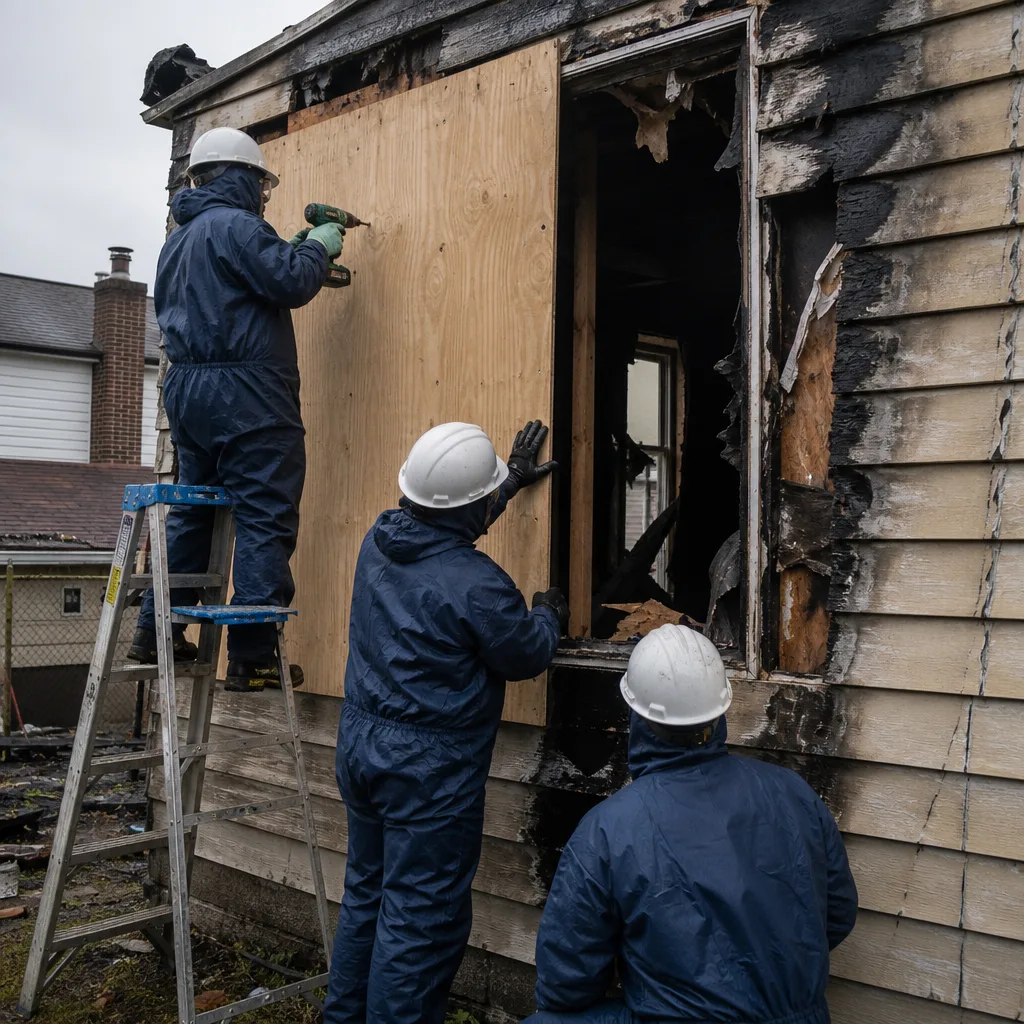
Plenty of North Bergen’s older attached homes have partial or full crawl spaces under raised first floors, not true basements. The crawl space is where the mold starts: exposed soil humidity, leaking condensate lines, and no air sealing. We treat these with the same containment logic as a basement, but the focus is on encapsulation and persistent dehumidification, because a crawl space doesn’t get dried by opening a window. It requires sealed barriers. On east-slope blocks where the hillside itself is the moisture source, we run continuous dehumidification in crawl spaces as the permanent fix.
What happens when you call
- 1
A real person answersNo phone trees - you reach a local pro.
- 2
You get an upfront price rangeHonest numbers before anyone is dispatched.
- 3
A background-checked tech heads outLicensed & insured, dispatched right away.
- 4
You approve before work beginsNothing starts until you say go.
Mold Remediation Costs in North Bergen, NJ
A small contained job, a single wall cavity or a bathroom ceiling, typically runs $1,200-$2,400 in North Bergen. A mid-size basement remediation with full containment across the rear wall of your average attached home runs $2,800-$5,500. A full basement gut from a Category 3 backup that has sat for a week, with asbestos abatement tacked on, can run $8,000-$14,000. What moves the price is containment footprint, asbestos testing and abatement, how much drywall has to come out, and whether the HVAC system needs cleaning. If your carrier covers the preceding water event, mold remediation is often at least partially covered under the sub-limit, but the trigger has to be documented. The free visual inspection we do in North Bergen is how you find out exactly where you stand: we’ll tell you what we’d fix, what range it lands in, and whether your insurance path is strong. No charge for the second opinion if you got a number from someone else. Get a straight answer before anyone commits you to a claim that won’t pay out.
We Also Serve Cities Near North Bergen
Mold doesn’t respect town lines, and neither do we. If you’re in Weehawken, Union City, Secaucus, or Hoboken, we have crews working those neighborhoods every week. The same live-answer phone, the same owner behind the truck, the same 90-Day Done Right Promise in writing. Call (201) 740-2235 and tell us what you’re seeing.
North Bergen Mold Remediation Questions, Answered
Can mold from basement seepage on the Palisades ridge spread through shared walls into my attached neighbor’s unit in North Bergen?
Yes, it can and it does. Shared foundation walls in attached two-families are not true fire-coded party walls; they have cavities, seams, and old mortar joints that allow both water and airborne spores to move laterally. We have handled multiple North Bergen jobs where a colony started on one side of a shared wall and was found on the neighbor’s side during our inspection. That’s exactly why we test both units before setting containment boundaries.
How fast do I need to start mold remediation after a basement backup from a storm on the western slope near Tonnelle Avenue?
Start extraction and drying within 24 hours. In a warm basement, which North Bergen basements are eight months of the year, mold can begin pinning colonies on wet drywall within 48 hours and produce visible staining within 72. If the backup was from a combined sewer, it’s Category 3, and the mold pressure is even higher because you’ve got sewage bacteria feeding into the moisture load. Call (201) 740-2235 and we’ll have containment staged the same day.
Does mold remediation in North Bergen older homes always require asbestos testing before demolition?
Not always, but on homes built between the 1940s and the late 1970s, it usually should. Joint compound, floor tiles, pipe insulation, and plaster may contain asbestos. If we’re cutting walls or pulling up floor tile, New Jersey law requires testing before disturbing those materials. We handle the testing paperwork as part of the scope and we don’t start demolition until lab results clear the materials or an abatement plan is in place.
Why does mold keep coming back in my basement after a standard French drain was installed on a Palisades slope block?
Because a French drain on fractured basalt is a band-aid. The water moves through the rock itself, not just through soil against the wall. A perimeter drain can capture groundwater from the soil, but it never stops the basalt seepage that comes through natural fractures in the rock face. So the wall keeps getting damp from behind. That’s why true remediation on east-slope ridge blocks includes continuous mechanical dehumidification and sometimes interior waterproofing septa, not just a drain. Without those measures, humidity recurs, and so does the mold.
What does Category 3 water mean for mold remediation in a North Bergen basement flood from a combined sewer backup?
Category 3 means the water contains pathogenic, toxigenic, or other harmful agents; in plain terms, it has had contact with sewage or other vector of disease. For mold remediation, that means we’re doing a full containment job where every porous material that contacted the water is removed, non-porous surfaces are systematically disinfected, and post-remediation clearance testing is non-negotiable before anyone spends time in the space again. Category 3 basements in North Bergen are a full-gut job, not a cleaning.
How long does mold remediation take in a typical North Bergen attached home?
Three to seven days, with the average around four. Day one is containment, and pre-demolition testing. Day two is controlled demolition and removal of affected materials. Days three and four are drying, HEPA scrubbing, and antimicrobial treatment. Days five and six are clearance sampling and the beginning of repairs. The labor is not magical; the timeline is set by how much has to come out and how long the walls take to dry to a stable moisture content.
Can we stay in the home during mold remediation?
Usually yes, with strict containment. Negative air pressure in the contained zone means airborne spores are pulled into the HEPA filtration system, not out into your living space. If the contamination is in the HVAC system itself, or if someone in the home is immunocompromised, we may recommend temporary relocation for the most active 48 hours. We’ll tell you straight what the situation is during the inspection.
What should I do in the first 30 minutes after I find mold in my North Bergen basement?
Don’t disturb it. Don’t scrub it, don’t paint it, don’t run a box fan on it. Disturbing mold releases spores into the air and spreads a localized problem through the house. Turn off any HVAC if you can, keep the door closed, and call (201) 740-2235. We’ll have a live person on the line, and Wade can be on the road to you within the hour. The worst thing you can do is nothing while the moisture keeps feeding the colony.
Serving North Bergen, NJ - Our Local Coverage Area
We’re based in the North Bergen area and know this community well. Use the map below to see our service coverage - if you’re nearby, we can almost certainly help.
Call for a Free Mold Remediation Estimate in North Bergen
You’ve been through enough. An older home, a wet basement, a smell that won’t leave. Maybe that national outfit quoted you one price on the phone and another at the door. We don’t do that. Call (201) 740-2235. Wade’s Restoration will send a uniformed, background-checked crew to your North Bergen address, take moisture readings, and show you what we find with our own eyes. Free visual inspection, free second opinion on any written estimate, and a 90-Day Done Right Promise in writing. If it’s not done right, we make it right. Wade Ferris lives and works here, and he’s going to run into you again. That’s the oldest accountability mechanism there is.
Written by Wade Ferris, Owner at Wade’s Restoration, serving North Bergen and the surrounding communities since 2007.