
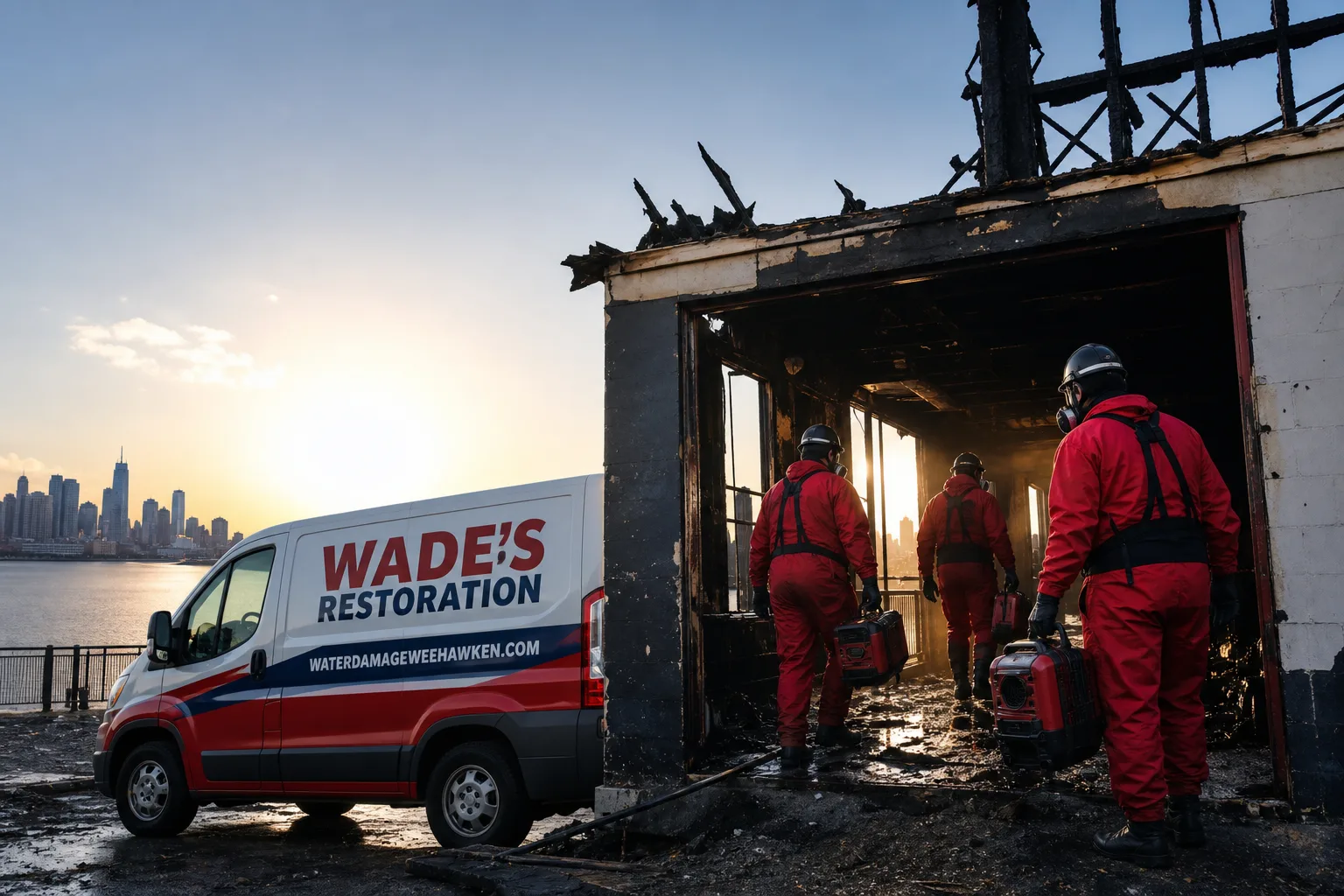
Free visual inspection and a written scope of work before any mitigation begins - photos, moisture readings, and drying logs go in your claim file
The scope we write is the scope we bill. Anything new gets shown to you, in writing, before we touch it.
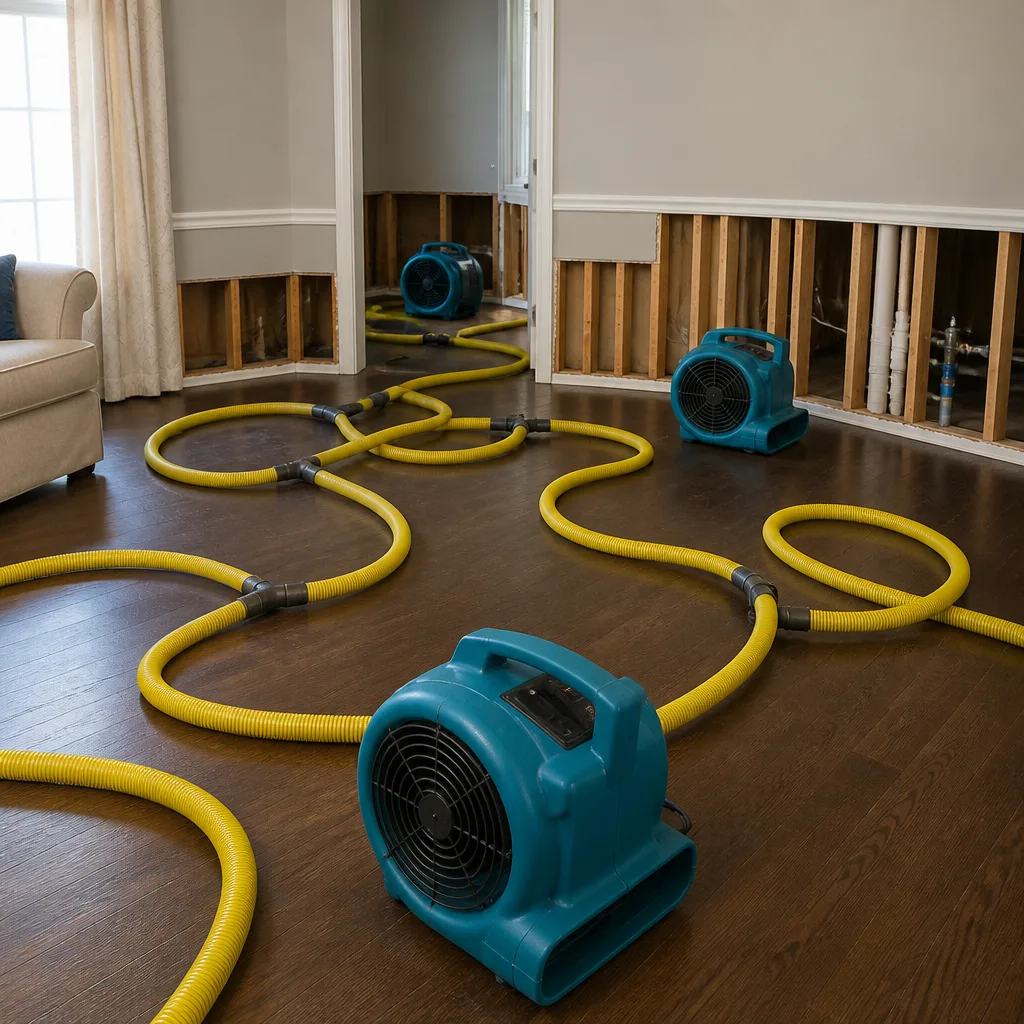



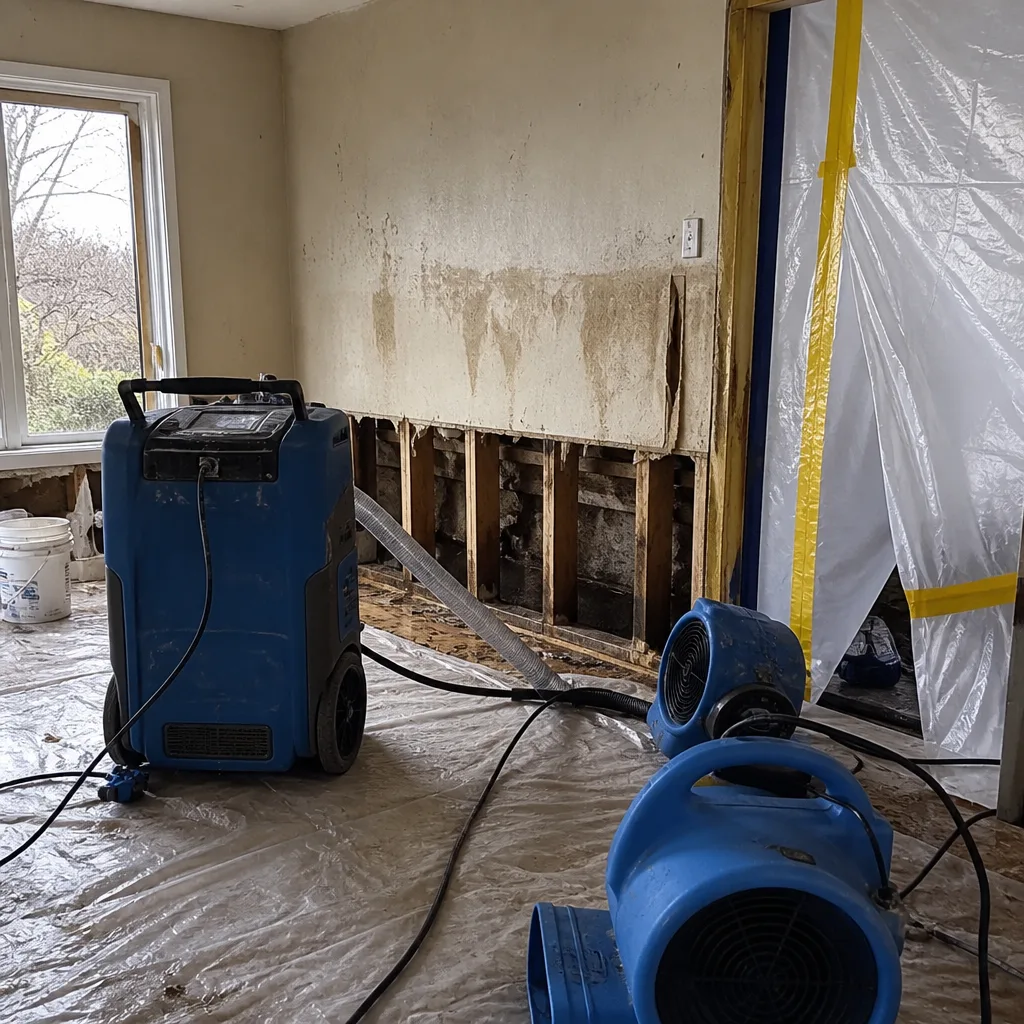 Before
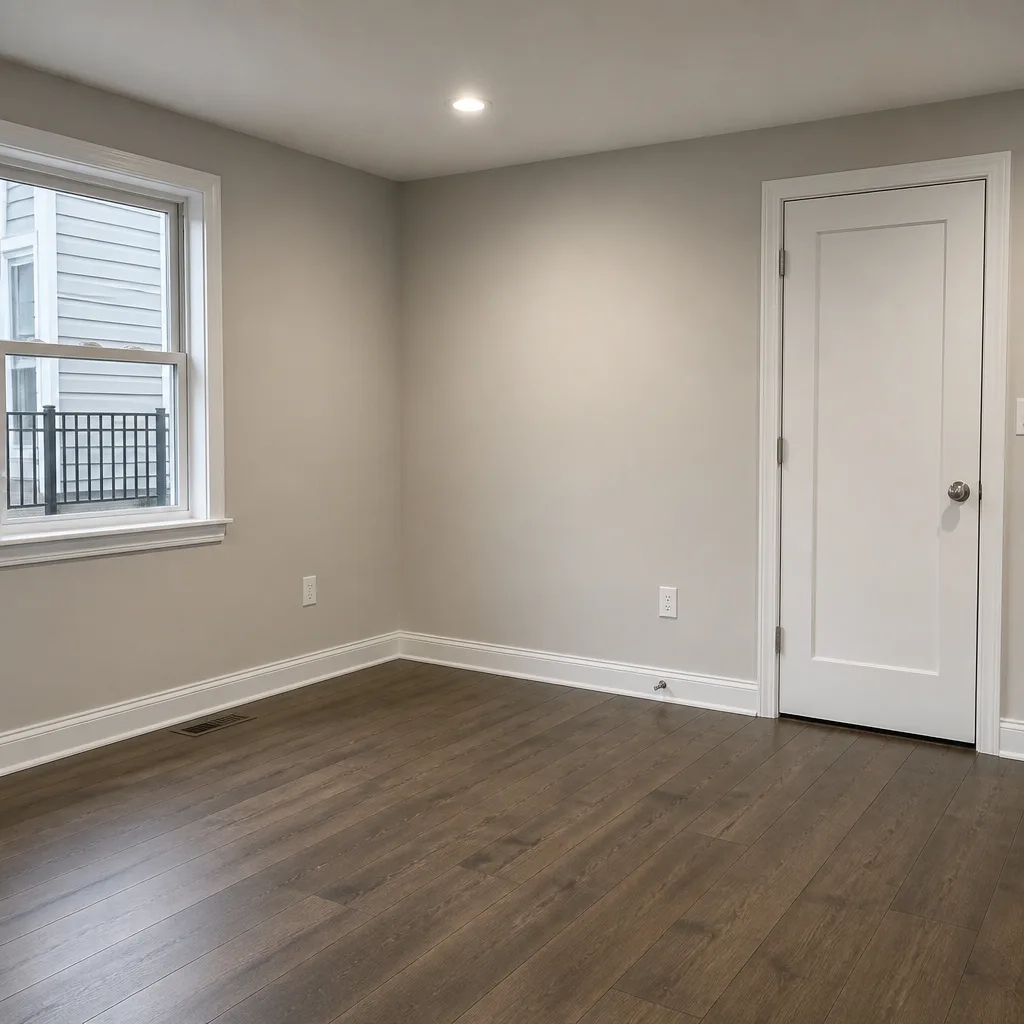 After
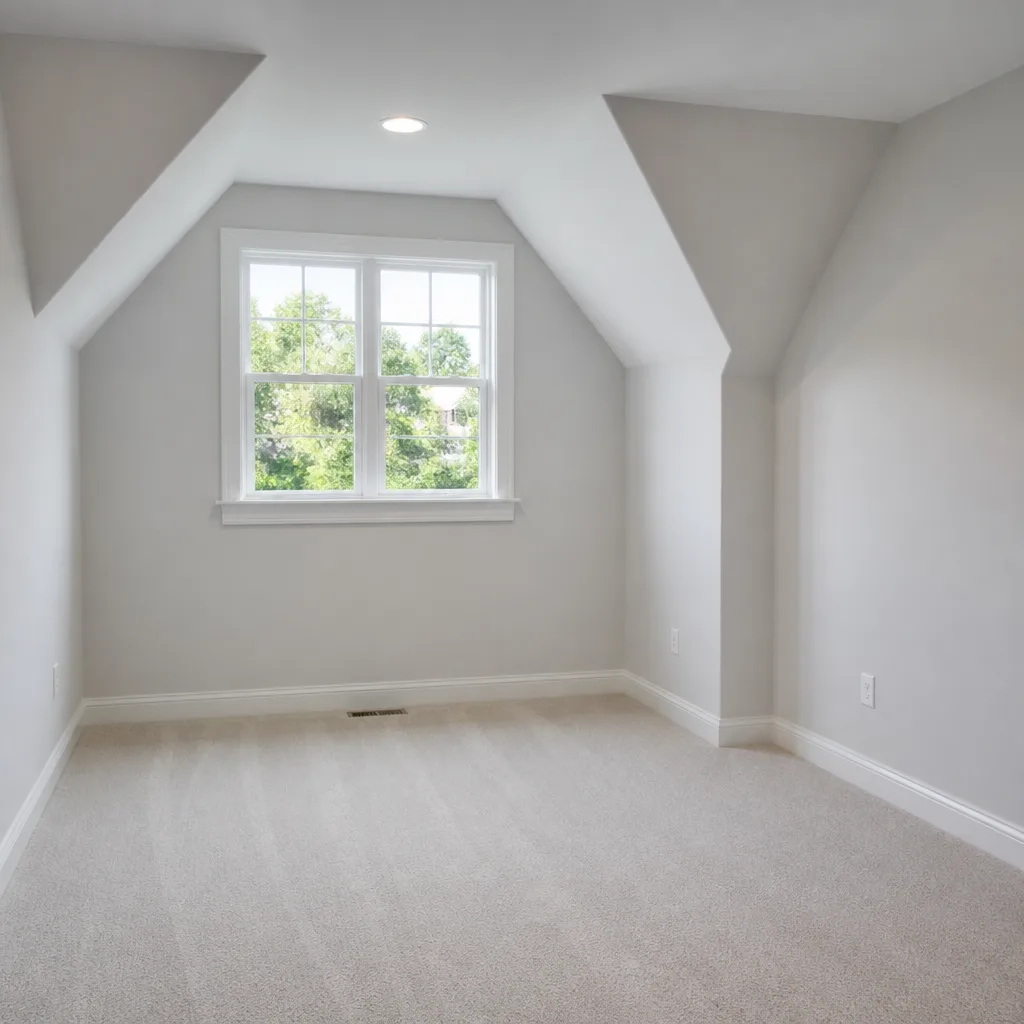
After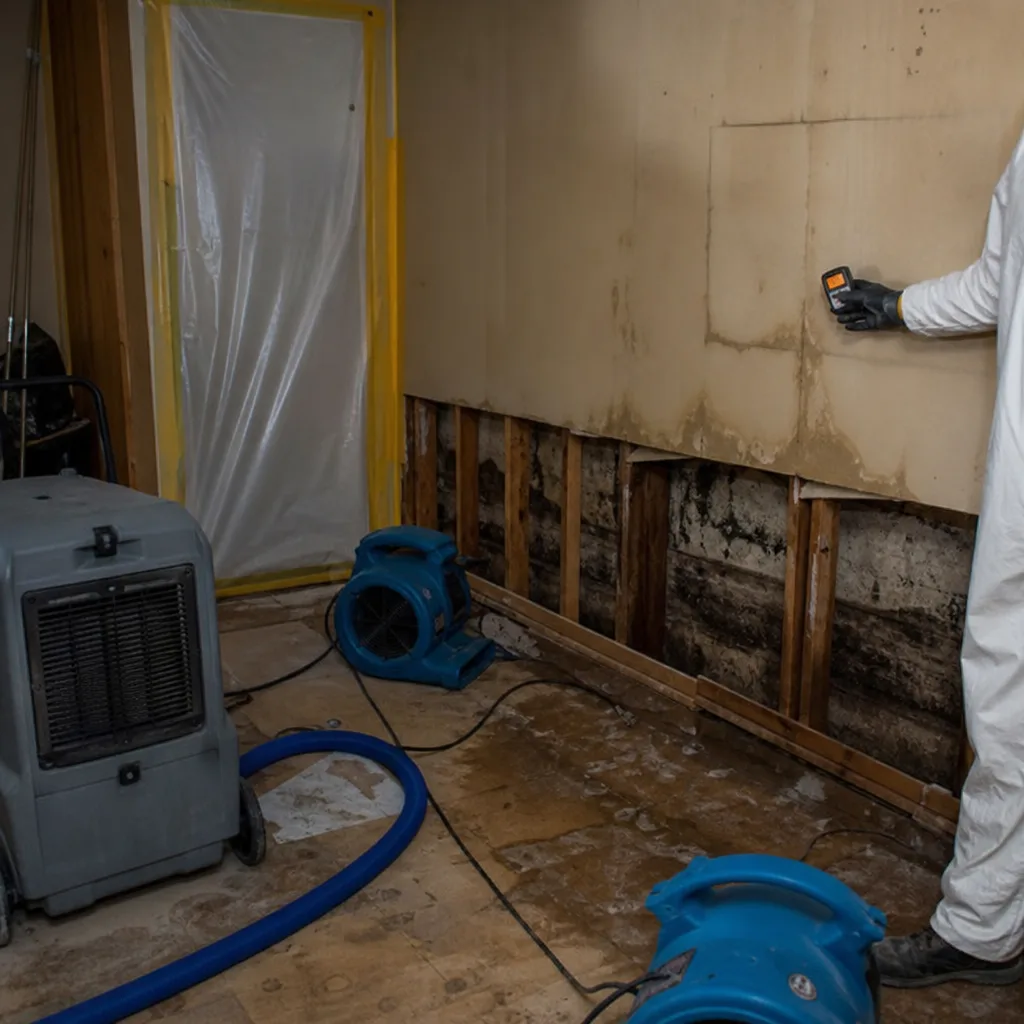 Before
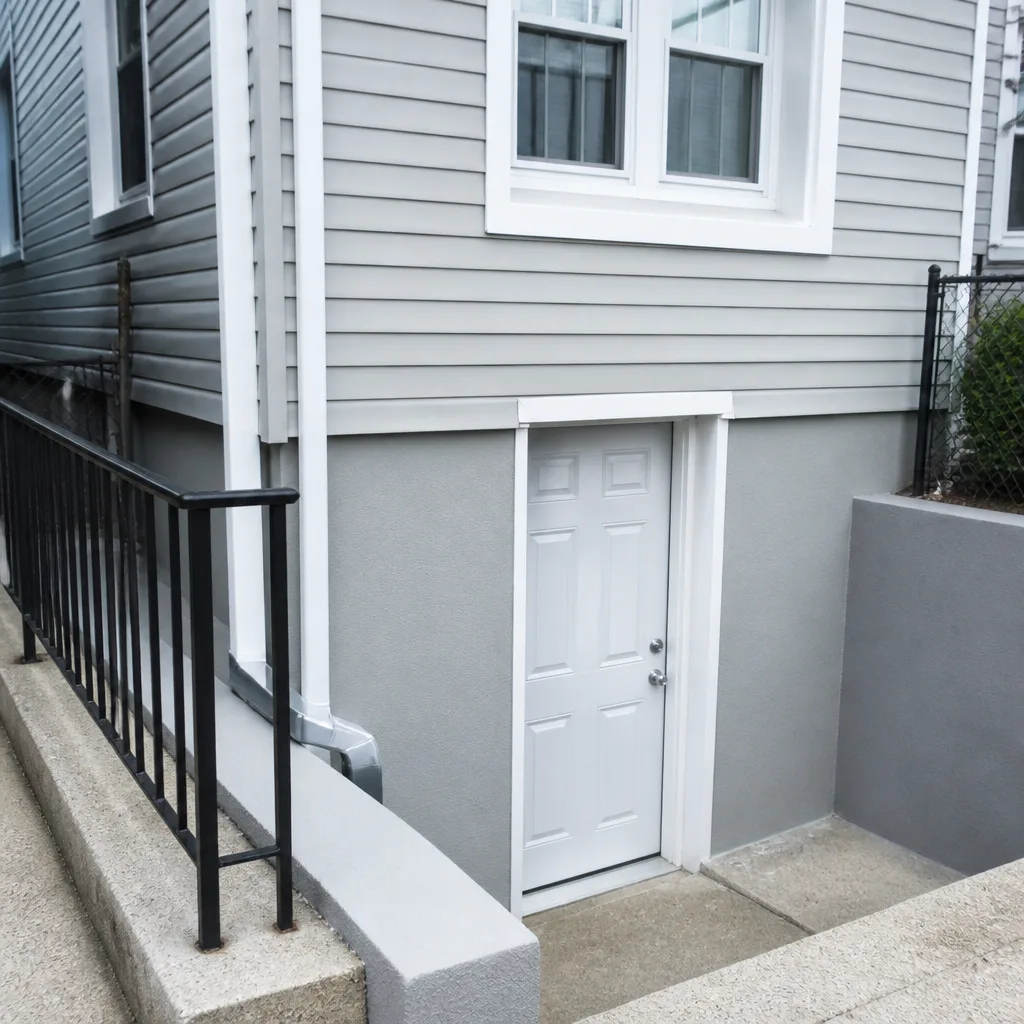 After
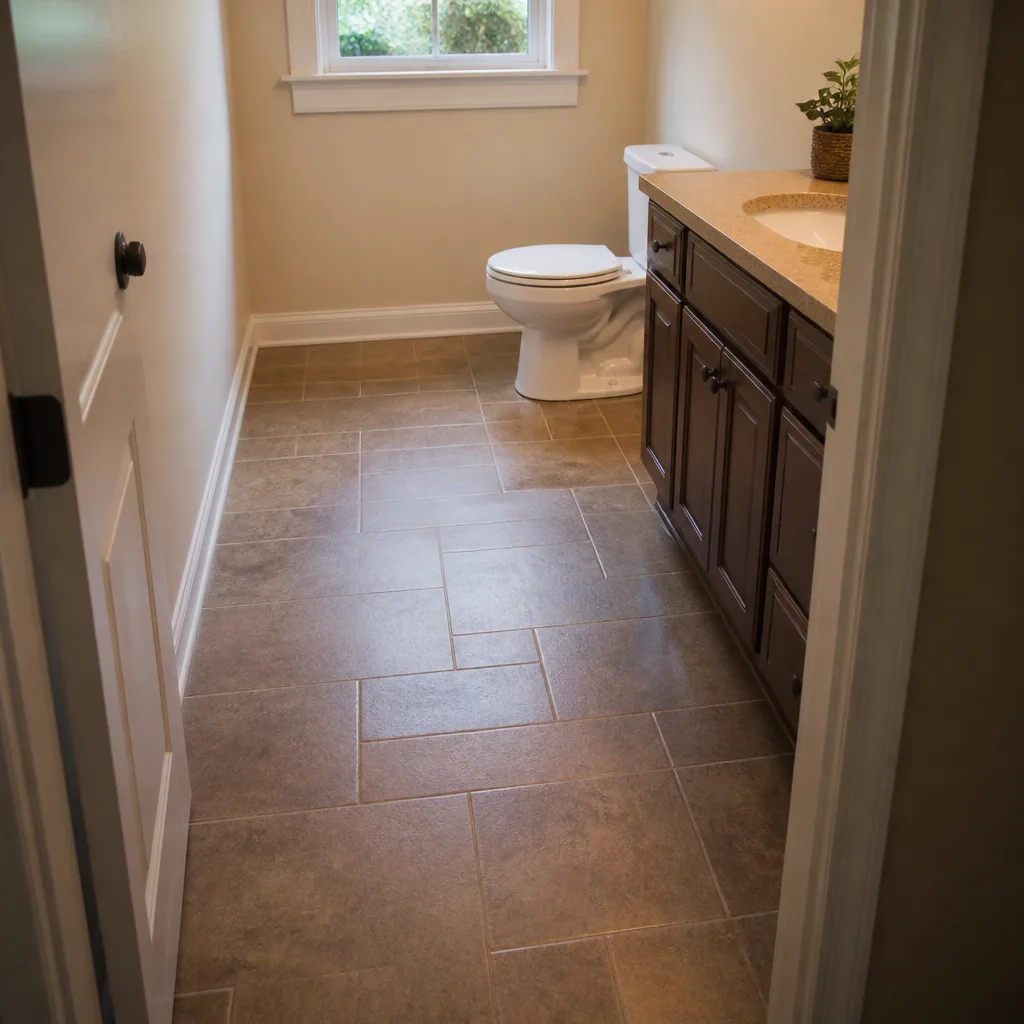
After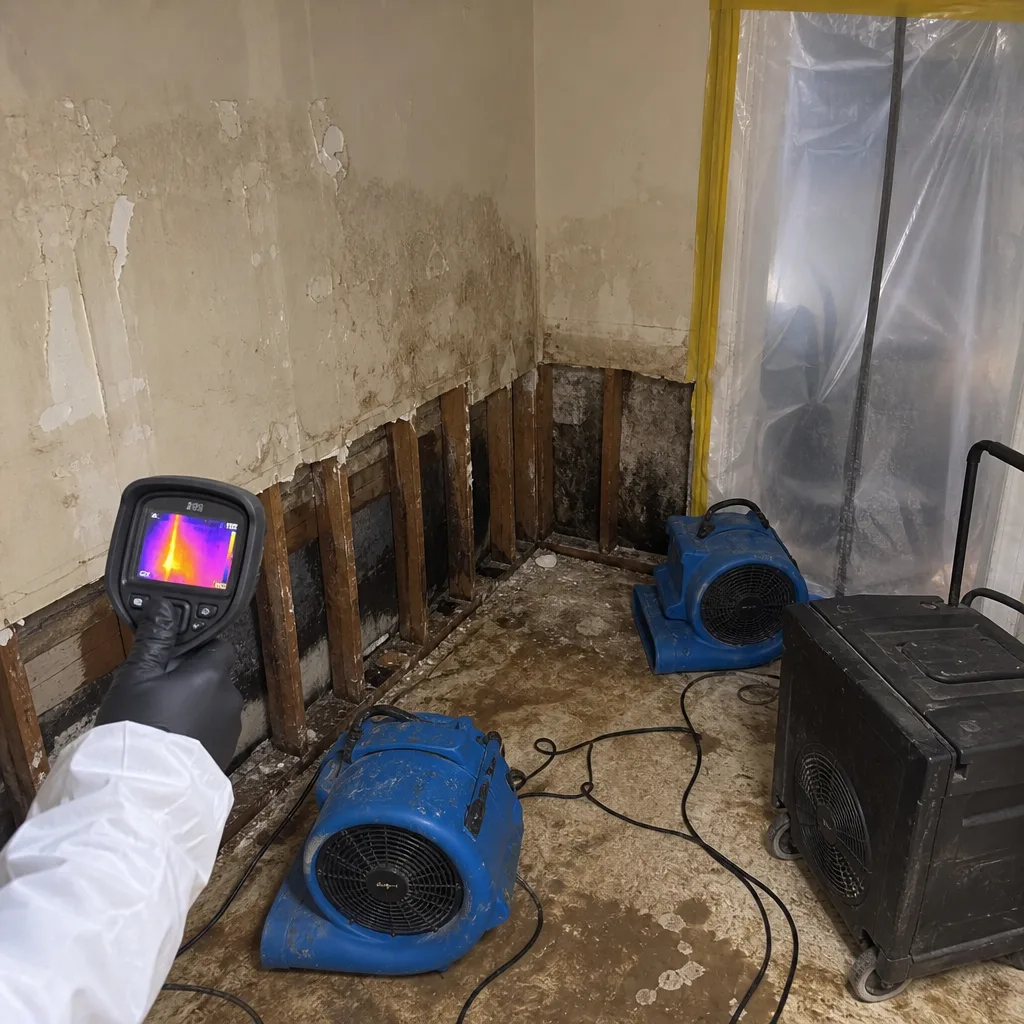 Before
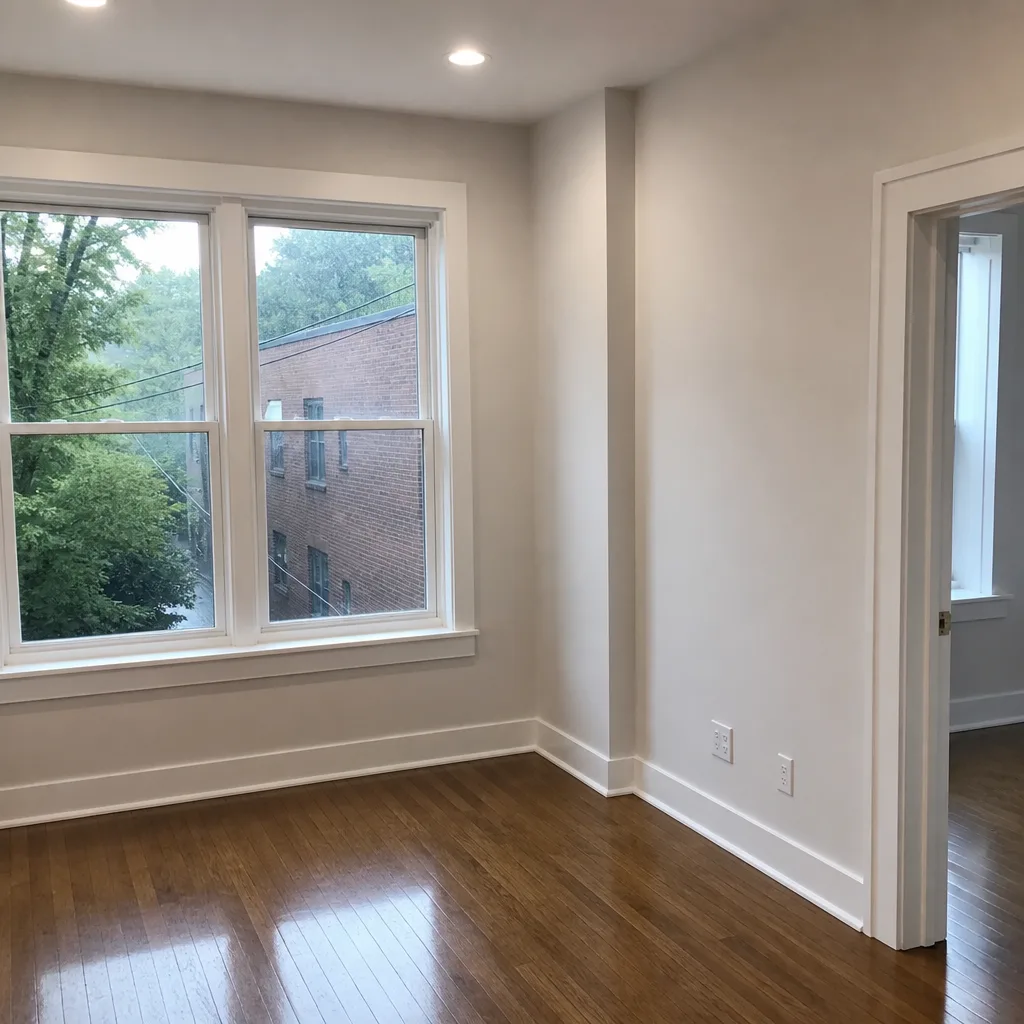 After
After24/7 Emergency Biohazard & Crime Scene Cleanup in Financial District
Biohazard and crime scene cleanup in Financial District typically costs $1,800-$5,500 for a contained trauma or unattended death scene, and $3,500-$12,000+ when storm surge has pushed Category 3 water into sub-basements with oil residues. We answer live at (201) 740-2235, 24 hours a day, and Wade’s crew can be on site in the Financial District within the hour. The first call stops the scene from spreading contamination into adjoining units and elevator shafts, which is the single most expensive failure mode in this neighborhood’s converted towers.
Wade Ferris founded this company in 2007 so that property owners would never have to explain a contaminated scene to a call center. You call, Wade answers, and he heads out. Not a subcontractor. Not a national franchise with a dispatch queue. The owner, on the road, headed to your building.
Every biohazard job starts with a free visual inspection and a written scope before any work begins. No surprises after the fact. That matters here more than anywhere else in Manhattan, because FiDi buildings hide problems behind steam risers, cast-iron plumbing, and century-old concrete that a quick walkthrough will not catch.
Understanding Biohazard & Crime Scene Cleanup Severity in Financial District Properties
Biohazard work is classified by the source material and how far it has migrated. Blood, bodily fluids, and decomposition fluids are Category 3 biohazards under IICRC standards. Pathogens in these materials can survive on porous surfaces like drywall, carpet pad, and unsealed concrete for days. In a Financial District pre-war tower, those porous surfaces are everywhere: plaster over brick, oak flooring over subfloor, concrete elevator pits that have never been sealed.
The severity question in FiDi is never just what happened in one unit. It is where the fluids traveled. A trauma scene on the 19th floor of a converted 1920s office tower can wick into the wall cavity and follow a plumbing chase down three floors before anyone notices the stain. In the district’s converted commercial buildings, floor assemblies were designed for desk traffic, not residential containment. Concrete slabs are thinner than modern residential code allows, and pipe penetrations between floors were sealed for looks, not for pathogen control.
Then there is the surge problem. When a nor’easter overtopped a passive flood barrier on Pearl Street, a sub-basement took on a mix of harbor water and fuel oil from a heating oil tank. Our crew deployed Water Damage Restoration - Financial District protocols including Category 3 water extraction, established containment with HEPA air scrubbers, and performed antimicrobial treatment across every affected surface. The concrete floors and cast-iron plumbing were restored to pre-loss condition, but only because we treated it as a hazardous materials cleanup from minute one, not as a standard water extraction. That is the difference between a job that holds up and one that grows mold in six months.
Any biohazard scene involving blood, bodily fluids, or decomposition carries genuine infection risk from bloodborne pathogens. If the contamination is extensive or involves structural penetration into walls and flooring, do not attempt to clean it yourself. This is work for trained professionals with proper PPE, containment, and disposal permits.
Why Financial District Property Owners Choose Wade’s Restoration
- 45-minute response commitment. When you call about a biohazard scene in Financial District, Wade’s crew is on the road immediately. We are not coming from another borough. We stage locally.
- 24/7 live answer, always a real person. No voicemail, no answering service, no “press 2 for emergencies.” You get Wade or someone on his crew who can make a decision right then.
- IICRC-certified crews. Our biohazard team carries WRT, FSRT, and AMRT certifications. That means we document, contain, and remediate to the industry’s highest standard, not a handyman with a mop and bleach.
- Free visual inspection. We walk the scene, show you what we see, and give you a written scope. No charge for that. Ever.
- Direct insurance billing. We deal with your adjuster. You do not relay messages between two sides. We provide photos, moisture logs, and line-item scopes directly to the carrier.
- One team, start to finish. Extraction, sanitization, deodorization, and repairs. No hand-off to a third party. The same people who assess the scene are the ones who restore it.
Our Biohazard & Crime Scene Cleanup Process
Inspection & Assessment
We arrive, contain the immediate area, and document everything. Photos of every affected surface. Measurements. A written list of what needs to happen. You get a copy of the scope before we start work.
Containment & Stabilization
We seal off the affected area with 6-mil poly barriers and establish negative air pressure using HEPA-filtered air scrubbers. This prevents airborne pathogens from moving into hallways, stairwells, and neighboring units, which in FiDi high-rises share ventilation shafts.
Extraction & Removal
All biohazardous materials are removed, sealed in approved containers, and disposed of under regulated waste manifests. That includes porous materials that cannot be fully decontaminated: carpet, pad, drywall, insulation, and in surge cases, oil-saturated concrete that must be cut out.
Cleaning & Sanitization
Our Sanitization Services - Financial District team cleans all remaining surfaces with hospital-grade antimicrobial agents, then verifies with ATP testing that biological contamination levels have dropped to acceptable thresholds. In Financial District buildings with cast-iron plumbing, we also inspect chases and pipe penetrations for hidden residue.
Structural Drying & Dehumidification
After sanitization, we run commercial dehumidifiers and air movers from XPOWER and B-Air, with daily moisture readings using penetrating hygrometers. Wade hands you the full drying log at completion. Almost nobody in this trade does that.
Repairs & Restoration
We rebuild what we removed through our Commercial Restoration in Financial District. Drywall, flooring, trim, paint. The goal is pre-loss condition, meaning you cannot tell anything happened, and you have documentation proving the unit is safe to reoccupy.
Need Emergency Biohazard & Crime Scene Cleanup in Financial District Now?
Crews minutes away, answering live 24 hours a day. The sooner we start, the less it costs.
Working With Your Insurance Company
Biohazard cleanup coverage depends on your policy, but in most Financial District homeowner and condo policies, trauma cleanup, crime scene remediation, and storm surge contamination are covered under property damage provisions, subject to your deductible. We have handled enough claims in this district to know what adjusters need to see. We provide it on day one, not after the fact.
Wade deals with your adjuster directly. If the carrier has questions about why a Category 3 extraction requires cutting out concrete in a FiDi sub-basement instead of just drying it, Wade explains it. If they dispute a line item, we provide the documentation to support it. You are not stuck in the middle. That is the whole point of hiring an owner-operated company.
What We Provide Your Insurer
- Thorough documentation of the loss
- Photos of all damage, room by room
- Moisture readings and drying logs
- A detailed, line-item scope of work
- Direct coordination with your carrier
Built for Financial District’s Loss Calendar
The biohazard work we see in Financial District follows a rhythm. January and February bring frozen supply lines in pre-war buildings with uninsulated riser chases. When a pipe bursts on the 14th floor of a converted tower, water cascades through units and picks up whatever is in the wall cavities along the way. By the time it reaches a lower floor, it is Category 2 or 3, not clean water anymore.
Spring thaw brings seepage into sub-basements through aging foundation walls, especially in buildings east of Broadway where the water table sits close to grade. Summer thunderstorms overwhelm the district’s combined sewers, pushing sewage back through floor drains in older buildings. And the big one: hurricane season, from August through November, when storm surge from nor’easters and tropical systems pushes harbor water over bulkheads and through basement entry points. In FiDi, that water is never just rain. It carries oil, sewage, and marine contaminants that require hazmat-level cleanup protocols, not standard water removal.
After Hurricane Sandy’s 13.88-foot surge at Battery Park, many buildings installed passive flood barriers and drop-in gates. When those barriers are improperly seated or overtopped, the sub-basement floods with a mix of harbor water and No. 2 heating oil. That is a biohazard scene by any definition, and it happens here more than anywhere else in Manhattan.
Biohazard & Crime Scene Cleanup Across Financial District’s Neighborhoods
Our Biohazard & Crime Scene Cleanup team works every block of Financial District, from the residential conversions along Water Street to the pre-war co-ops near Broadway and the newer towers around the World Trade Center. Response routes matter here. We know which buildings on Pearl Street have sub-basement vaults that flood, which converted offices on Exchange Place have steam riser chases that hide moisture, and which co-ops near Stone Street require board approval before we can run HEPA scrubbers in a hallway.
Battery Park City condos, just west of the district proper, have a different profile: newer construction, but built low and close to the harbor, with parking garages that take on storm water. Buildings around Wall Street and Pine Street, the oldest in the district, have cast-iron plumbing and original masonry. A trauma scene in those buildings requires extra containment because the wall assemblies are not sealed in any modern sense. Moisture and airborne particles move through them freely. We plan for that.
This is the work we do across Financial District and the surrounding blocks. Same crew, same standard, every time.
Specialized Biohazard & Crime Scene Cleanup Services We Offer in Financial District
Crime Scene Cleanup
We remove blood, bodily fluids, and other biological material from homes, apartments, and commercial spaces in Financial District. Our teams are trained in bloodborne pathogen safety and work to IICRC standards. We document everything for your insurer and restore the scene to pre-loss condition.
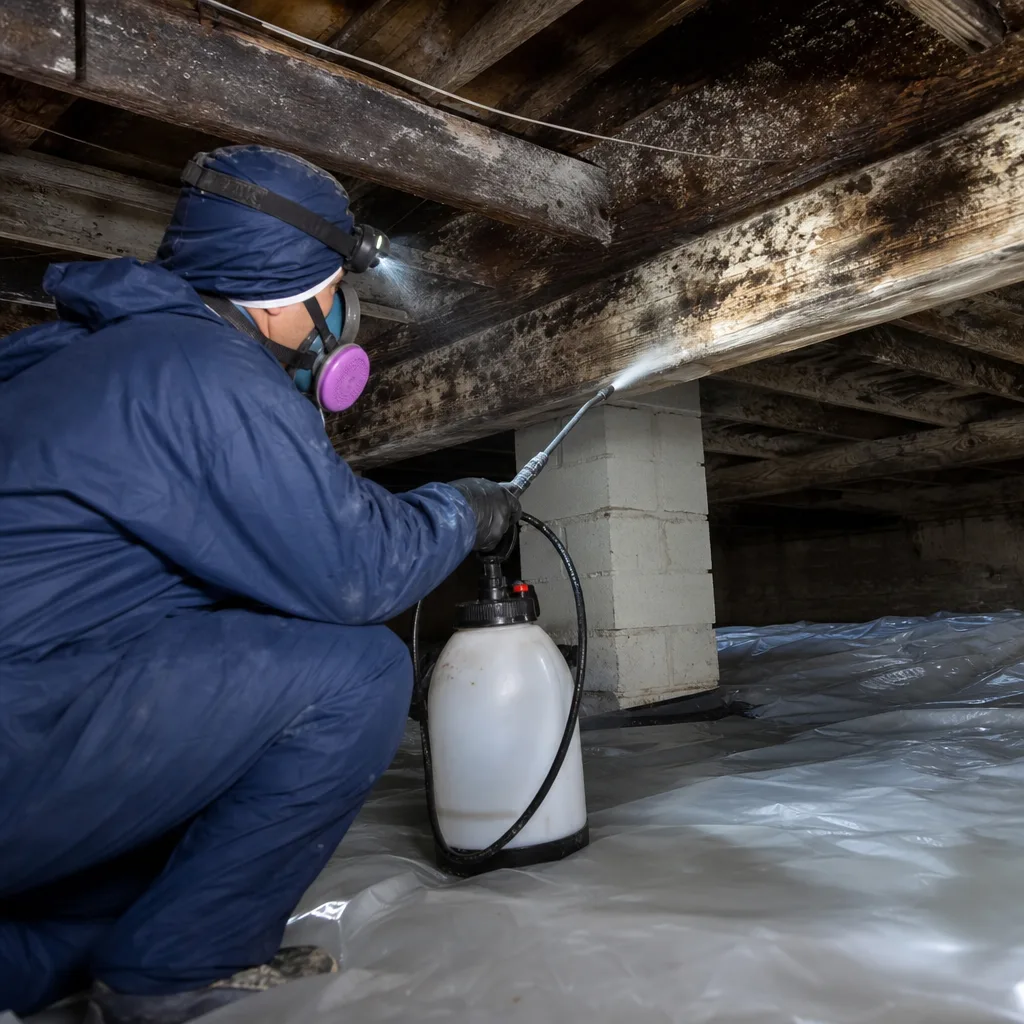
Trauma & Unattended Death Cleanup
When someone passes away alone in a FiDi apartment, decomposition fluids penetrate flooring, drywall, and subflooring within days. We handle the removal, sanitization, and deodorization compassionately and discreetly. No one in the building needs to know what happened. Our unmarked vehicles and uniformed crews keep it that way.
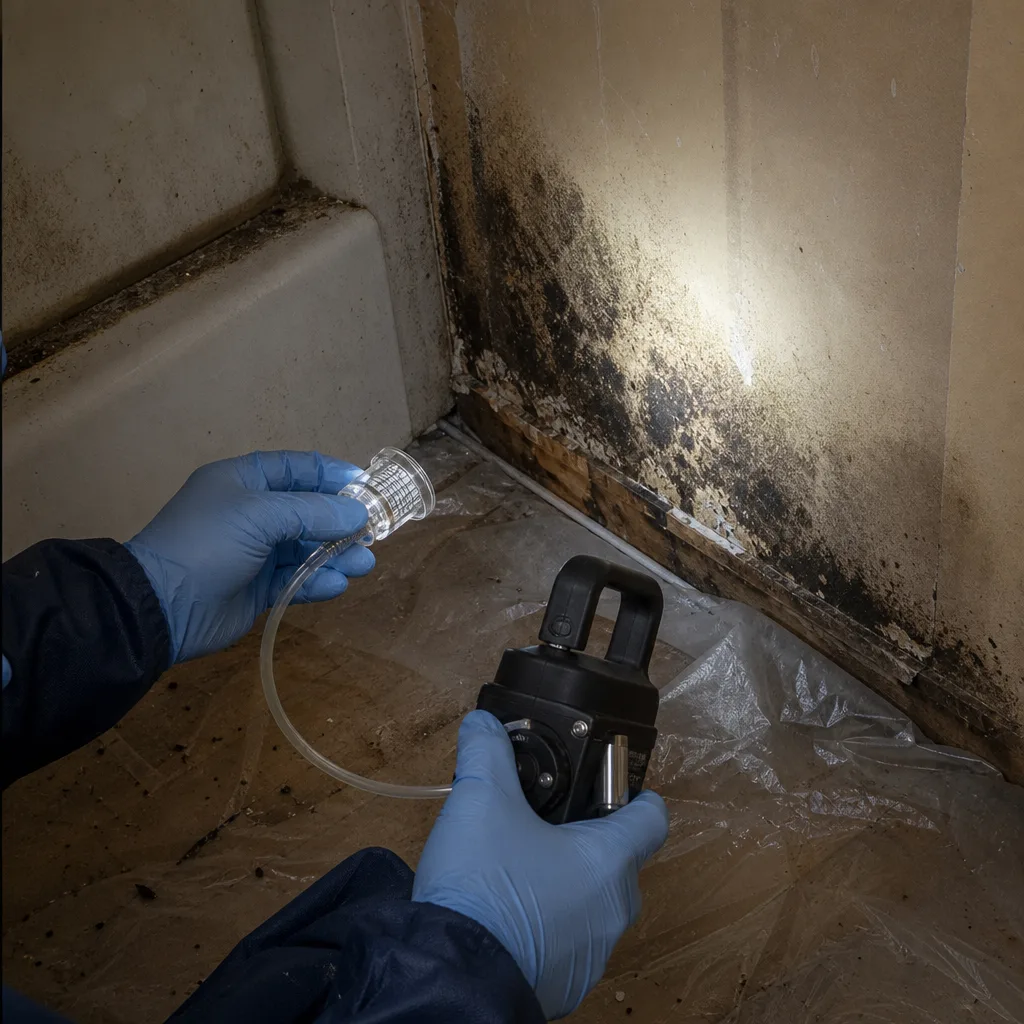
Hoarding Cleanup
Hoarding situations in Financial District walk-ups pose unique challenges: narrow stairwells, freight elevator restrictions, and the need to work without alarming neighbors. We clear the unit, sort salvageable items per your instruction, and sanitize everything underneath. We have handled hoarding scenes in pre-war walk-ups where decades of material had compressed against baseboard radiators and rotted the flooring. It is slow, careful work.
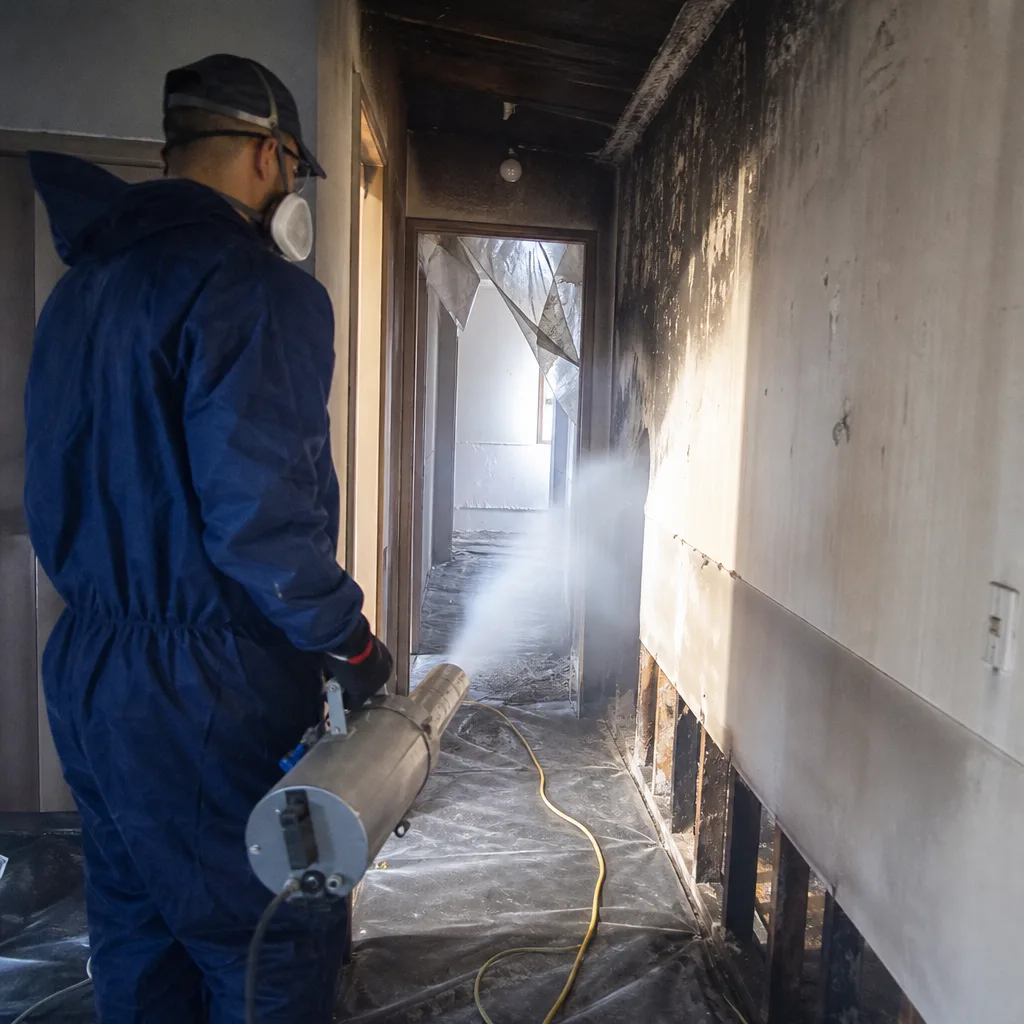
Blood & Bodily Fluid Cleanup
Whether from a medical event, accident, or crime, blood cleanup in a Financial District apartment requires more than soap and water. We remove contaminated porous materials, sanitize with hospital-grade antimicrobials, and verify with ATP testing. In buildings with shared air shafts, we also run air scrubbers to protect neighboring units.
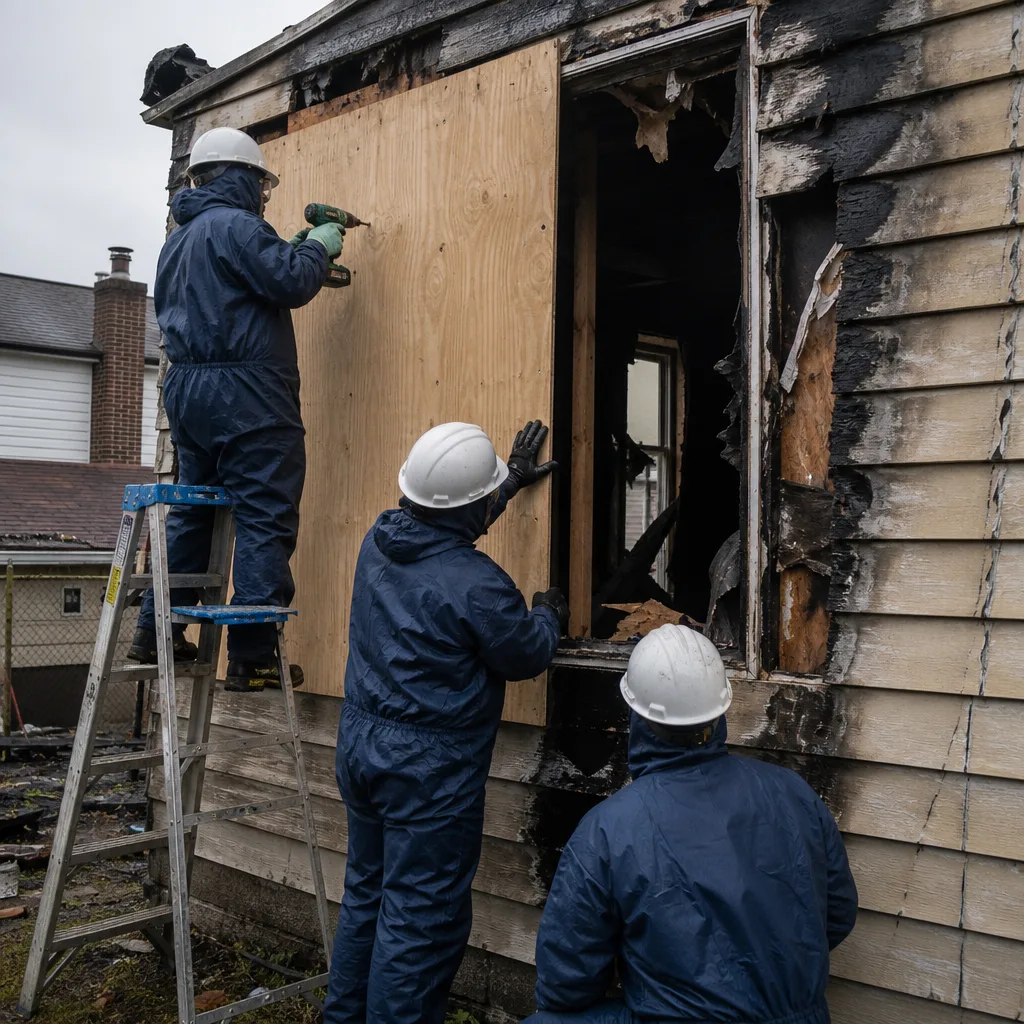
Infectious Disease Disinfection
MRSA, C. diff, norovirus. We provide full-unit disinfection for Financial District apartments and common areas, using EPA-registered disinfectants and fogging where appropriate. This is a service condo boards request when a unit or common space has been exposed. We keep it confidential and documented.
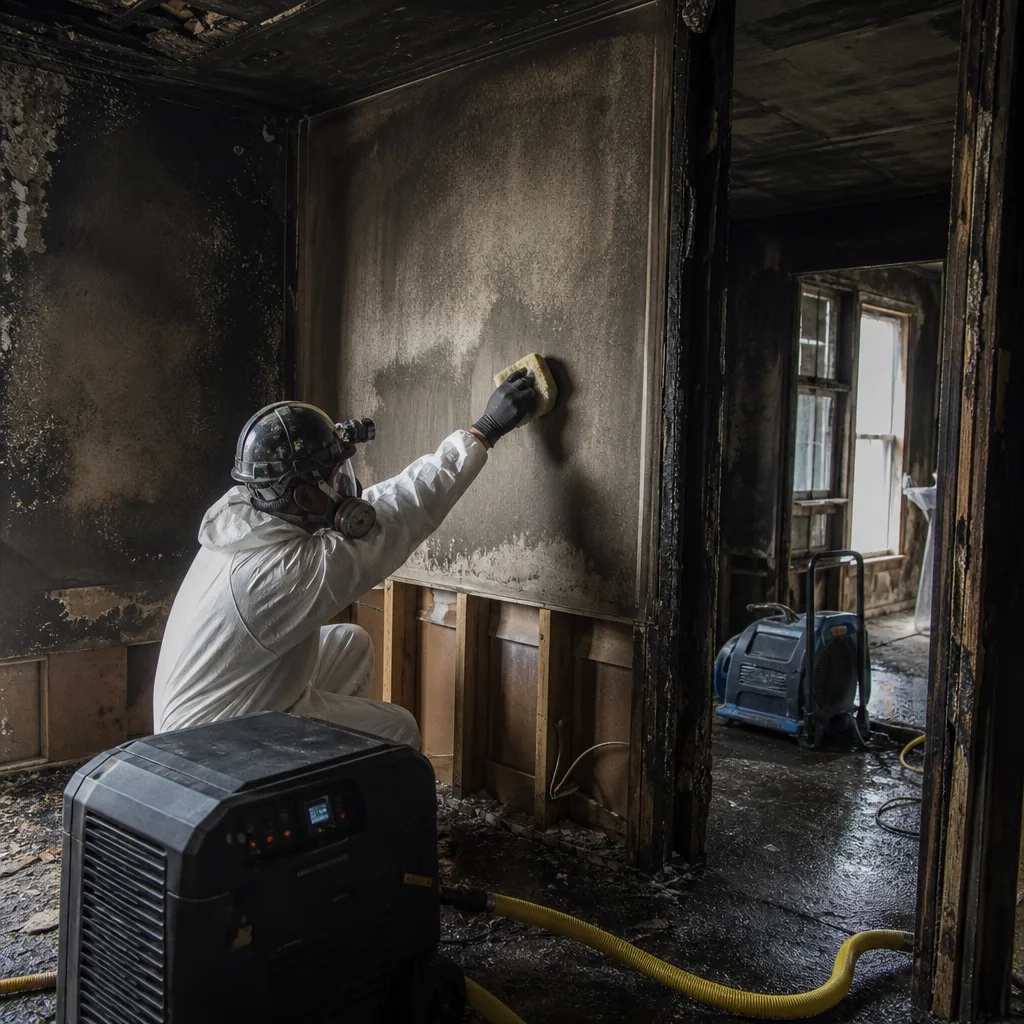
What happens when you call
- 1
A real person answersNo phone trees - you reach a local pro.
- 2
You get an upfront price rangeHonest numbers before anyone is dispatched.
- 3
A background-checked tech heads outLicensed & insured, dispatched right away.
- 4
You approve before work beginsNothing starts until you say go.
Biohazard & Crime Scene Cleanup Costs in Financial District, NY
A contained blood cleanup in a Financial District studio or one-bedroom typically runs $1,200-$2,800. An unattended death requiring flooring and drywall removal in a FiDi condo averages $3,000-$7,000, depending on how long the scene sat and how far fluids migrated. Hoarding cleanouts in this district start around $2,500 for a single room and go up from there, often to $12,000 or more for a full apartment with structural damage.
Storm surge contamination is the most expensive scenario. A sub-basement flooded with harbor water and fuel oil in a building near South Street can run $8,000-$18,000 when you include hazmat extraction, oil removal, concrete cutting, and antimicrobial treatment. But that is exactly the job our crew is built for. In Financial District, this is storm surge country, not an anomaly.
What moves the price: square footage of affected surfaces, whether fluids penetrated walls or floors, how long the scene sat before we arrived, and whether structural materials need removal. The free visual inspection pinpoints all of that. You get a written scope with a firm number before any work starts.
We Also Serve Cities Near Financial District
Wade’s Restoration handles Biohazard & Crime Scene Cleanup throughout the metro. We regularly work in Lower Manhattan, Astoria, Midtown Manhattan, and Long Island City. Same crew, same 45-minute response, same written scope.
Serving Financial District, NY - Our Local Coverage Area
We’re based in the Financial District area and know this community well. Use the map below to see our service coverage - if you’re nearby, we can almost certainly help.
Financial District Biohazard & Crime Scene Cleanup Questions, Answered
How does Financial District storm surge complicate biohazard cleanup compared to other Manhattan neighborhoods?
Storm surge in Financial District carries harbor water mixed with sewage and heating oil, which makes it a Category 3 biohazard requiring hazmat-level protocols rather than standard water extraction. Midtown and Upper Manhattan simply do not face this scale of marine contamination risk. Our crews are trained to handle oil-separated water, pump out fuel residues, and decontaminate concrete and cast iron afterward.
Why is moisture mapping critical in FiDi high-rise conversions after a crime scene or trauma cleanup?
Converted office towers in Financial District have plumbing chases and risers that connect floors vertically. Fluids from a trauma or crime scene can migrate through wall cavities and floor penetrations into units below. Moisture mapping with penetrating meters finds those hidden pockets before mold establishes. Skipping this step is the main reason a cleanup appears done but causes problems months later.
Do Financial District condo boards have specific requirements for biohazard containment?
Yes. Most FiDi condos require containment with plastic sheeting and negative air pressure before any biohazard work begins in a unit. Boards also want documentation that the work met IICRC standards and that affected materials were disposed of legally. We handle all of that and provide the board with the paperwork they need.
What does pre-loss condition mean for a FiDi apartment after a traumatic event?
Pre-loss condition means the apartment looks, smells, and functions the way it did before the event. No stains, no odor, no hidden moisture, no lingering biohazard contamination. In a Financial District pre-war building, that means we have also checked pipe chases, under-floor cavities, and any shared wall penetrations that could hide contamination.
How quickly can you respond to a hoarding situation in a Financial District walk-up?
We can be on site within 45 minutes for an initial assessment. Full hoarding cleanouts in FiDi walk-ups take days, not hours, because we work around narrow stairwells, freight elevator restrictions, and the need for discretion in a building where neighbors are feet away through the walls. You get a written timeline and price before we start hauling anything.
Will my insurance cover biohazard cleanup in Financial District?
Most condo and homeowner policies in New York cover biohazard cleanup under property damage provisions, especially for crime scenes, unattended deaths, and storm surge contamination. The exact coverage depends on your policy and the cause of the damage. We bill your carrier directly and provide all documentation they request. Call (201) 740-2235 and we will walk you through it.
How long does a typical trauma scene cleanup take in a FiDi apartment?
A contained blood cleanup in a small apartment takes 4-8 hours. A larger scene requiring drywall and flooring removal takes 1-3 days. Storm surge biohazard work in a sub-basement can take a week or more, depending on the extent of oil contamination and how much concrete has to come out.
What should I do in the first 30 minutes after discovering a biohazard scene?
Call us at (201) 740-2235. Do not enter the affected area. Do not attempt to clean anything. Keep doors closed to slow airborne contamination, and if there is water or fluid spreading, shut off water at the unit valve if you can do so safely. Every minute matters before fluids migrate into floors, walls, and the units below.
Written by Wade Ferris, Owner at Wade’s Restoration, serving Financial District with biohazard and crime scene cleanup since 2007.