
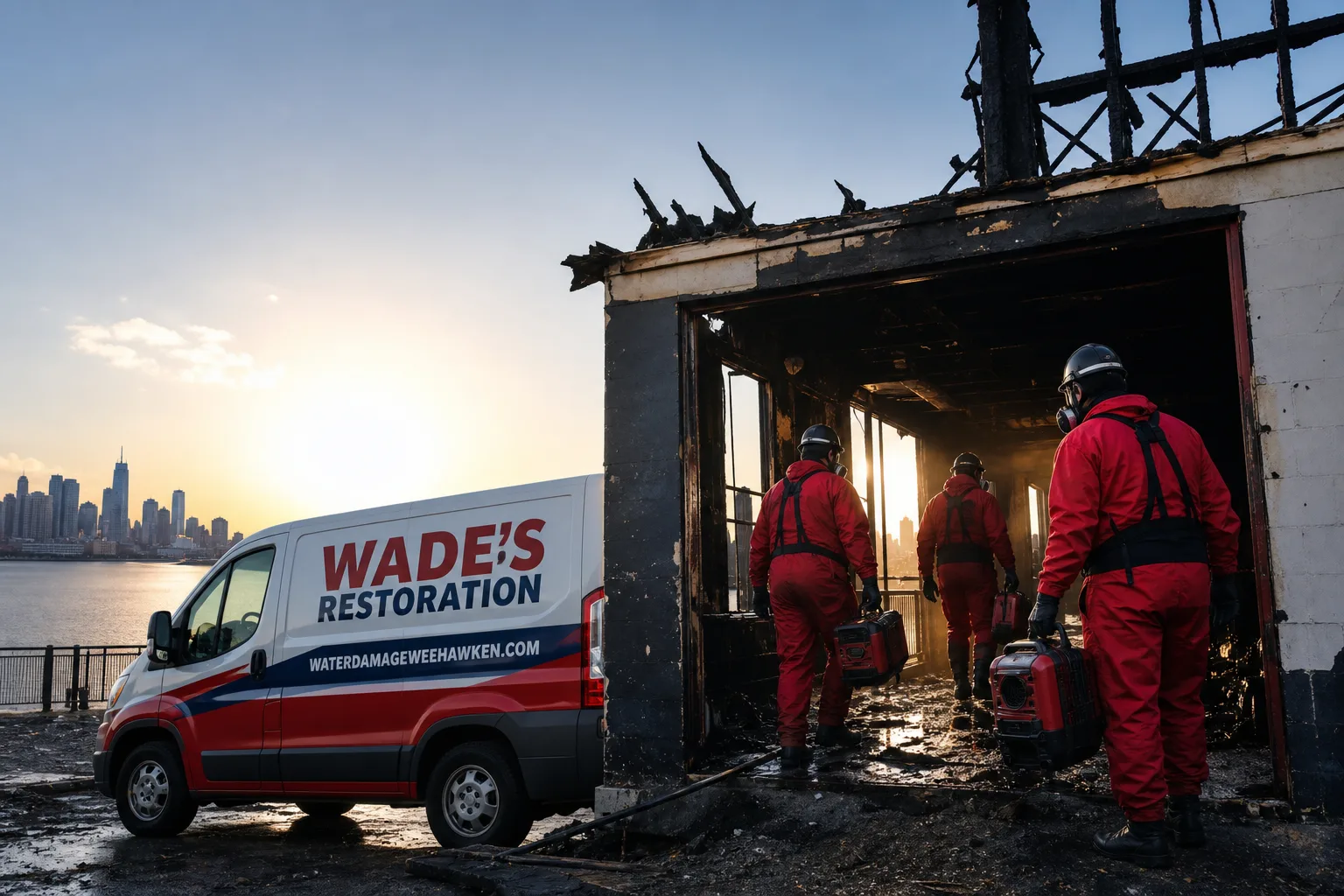
Free visual inspection and a written scope of work before any mitigation begins - photos, moisture readings, and drying logs go in your claim file
The scope we write is the scope we bill. Anything new gets shown to you, in writing, before we touch it.
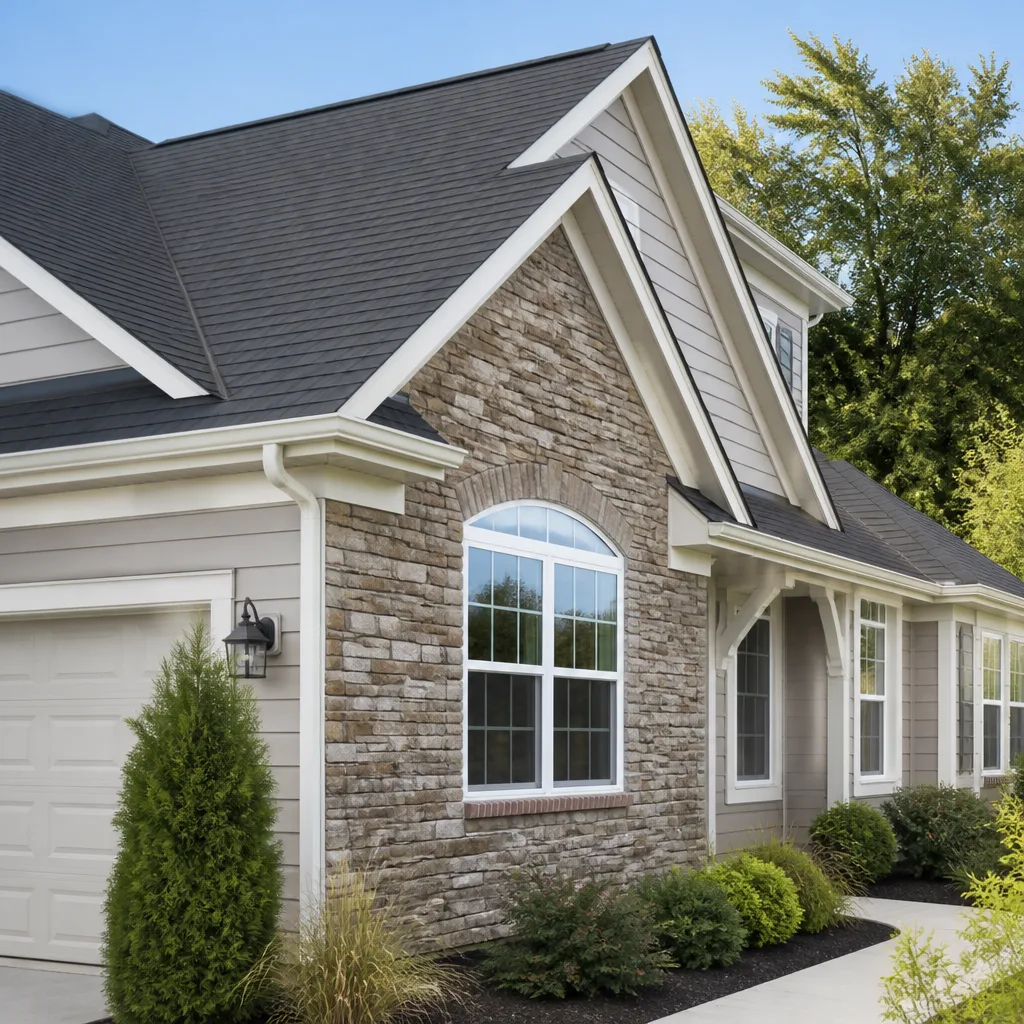
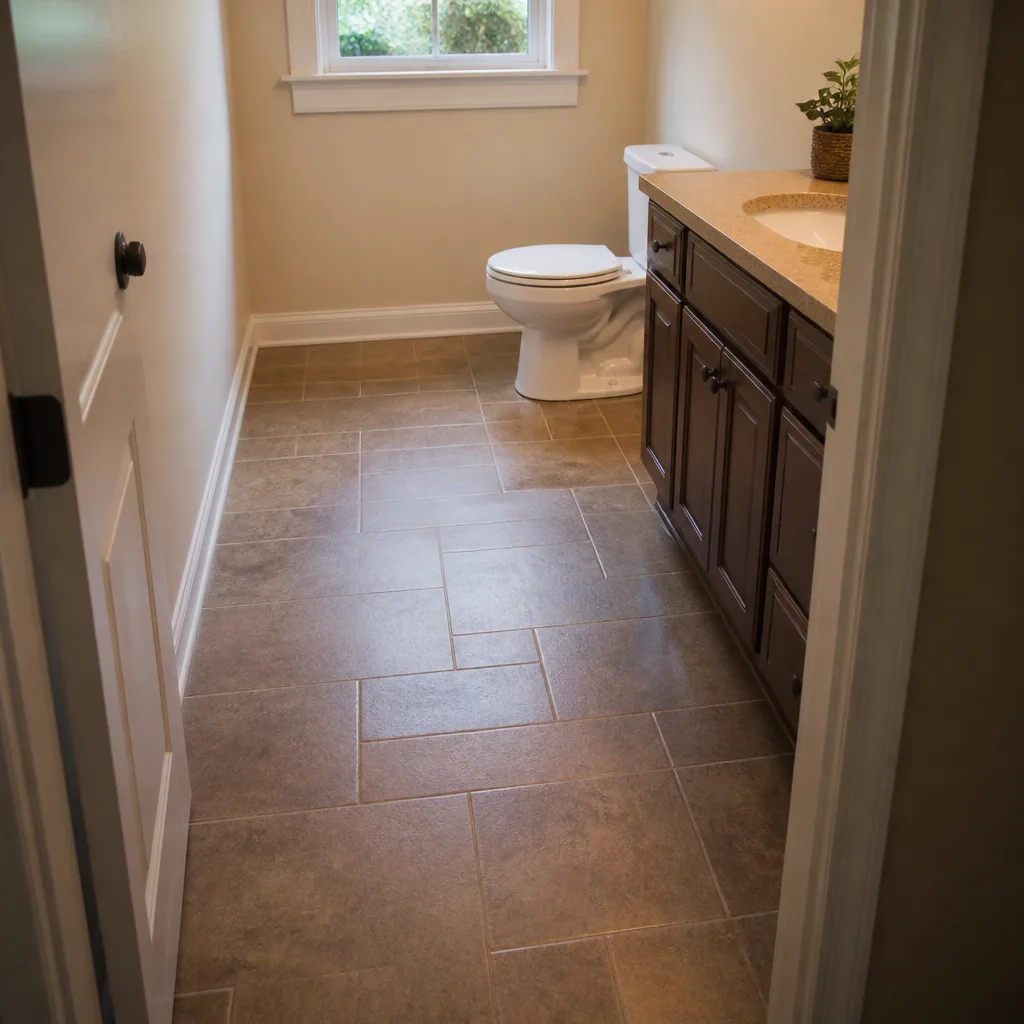
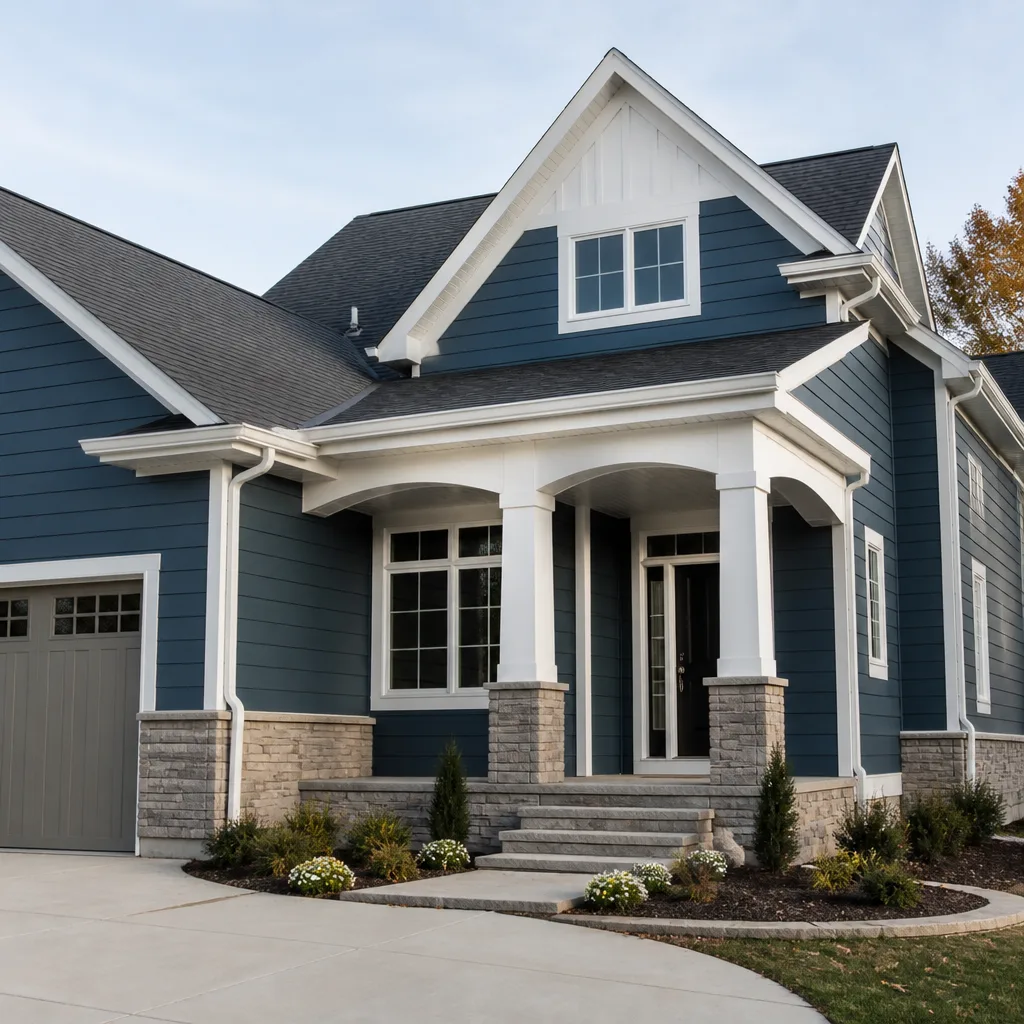
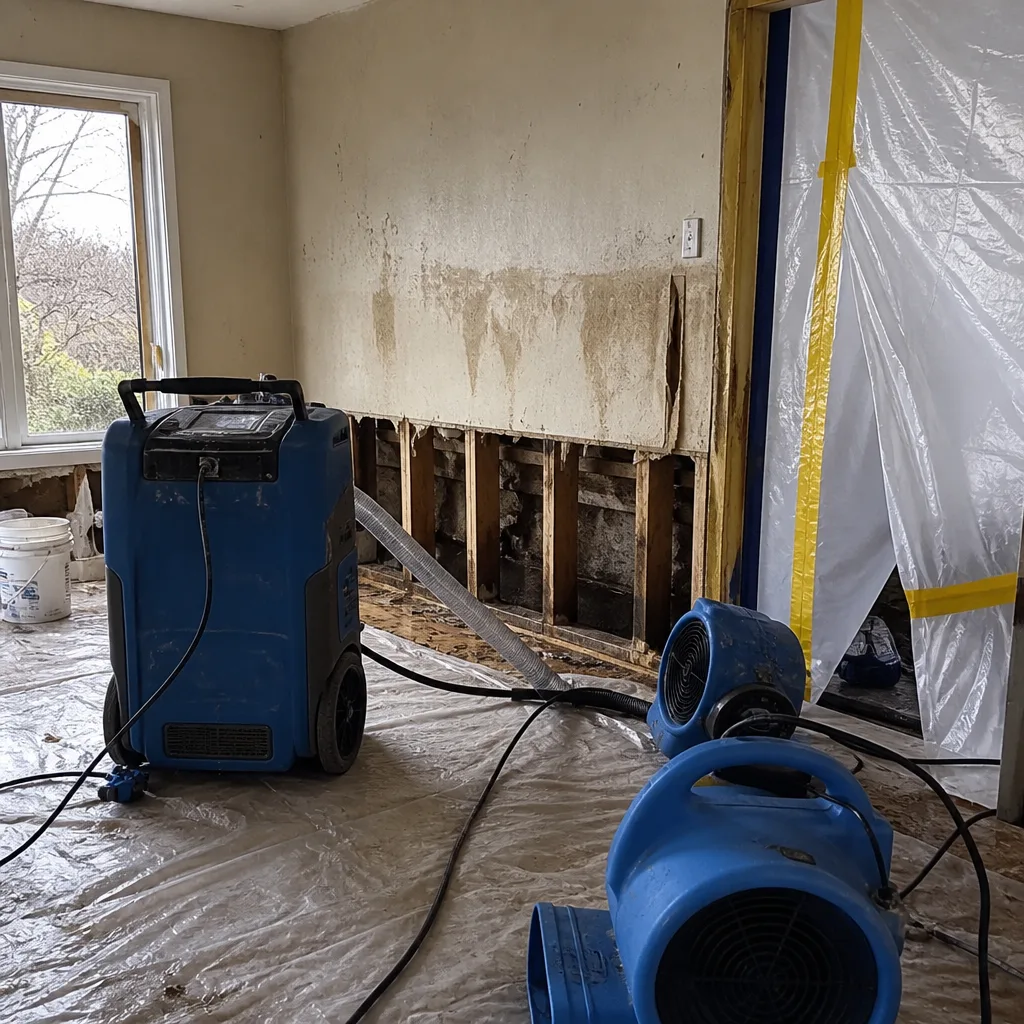 Before
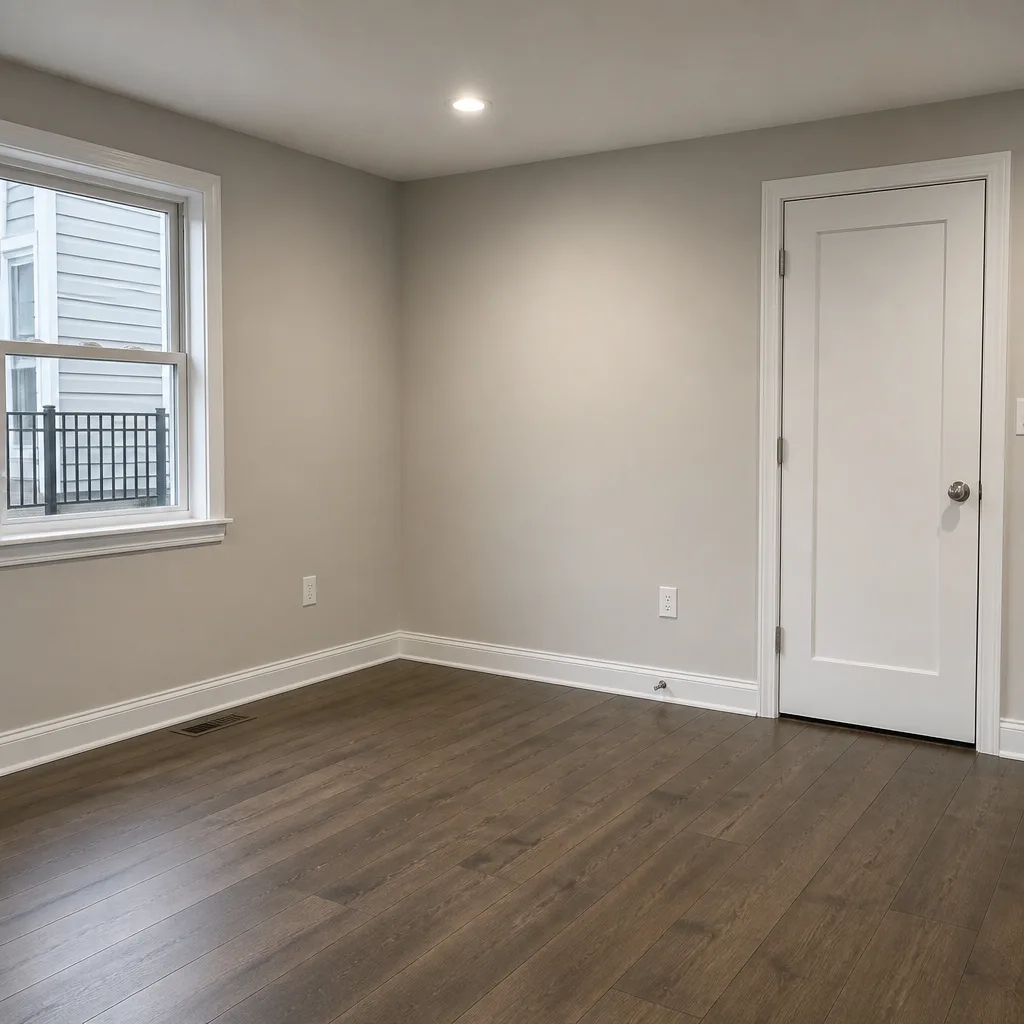 After
After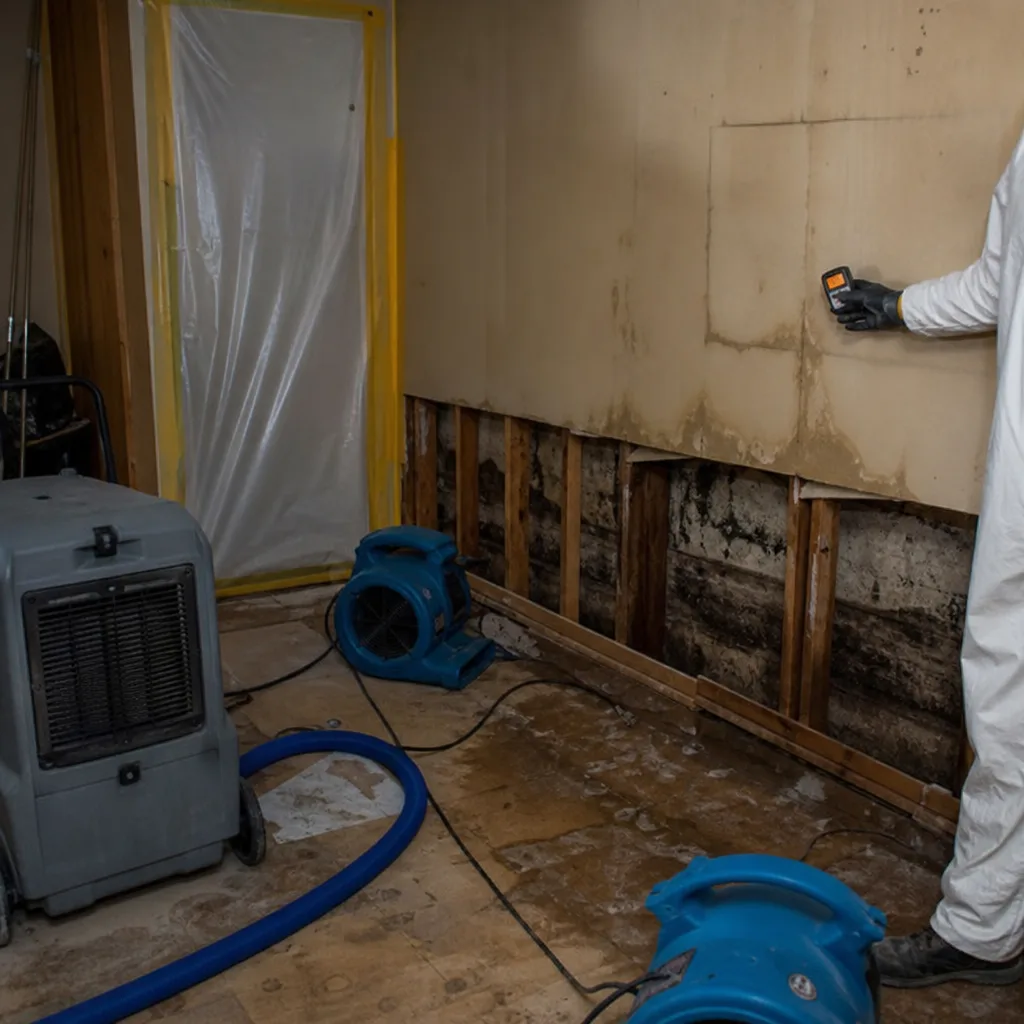 Before
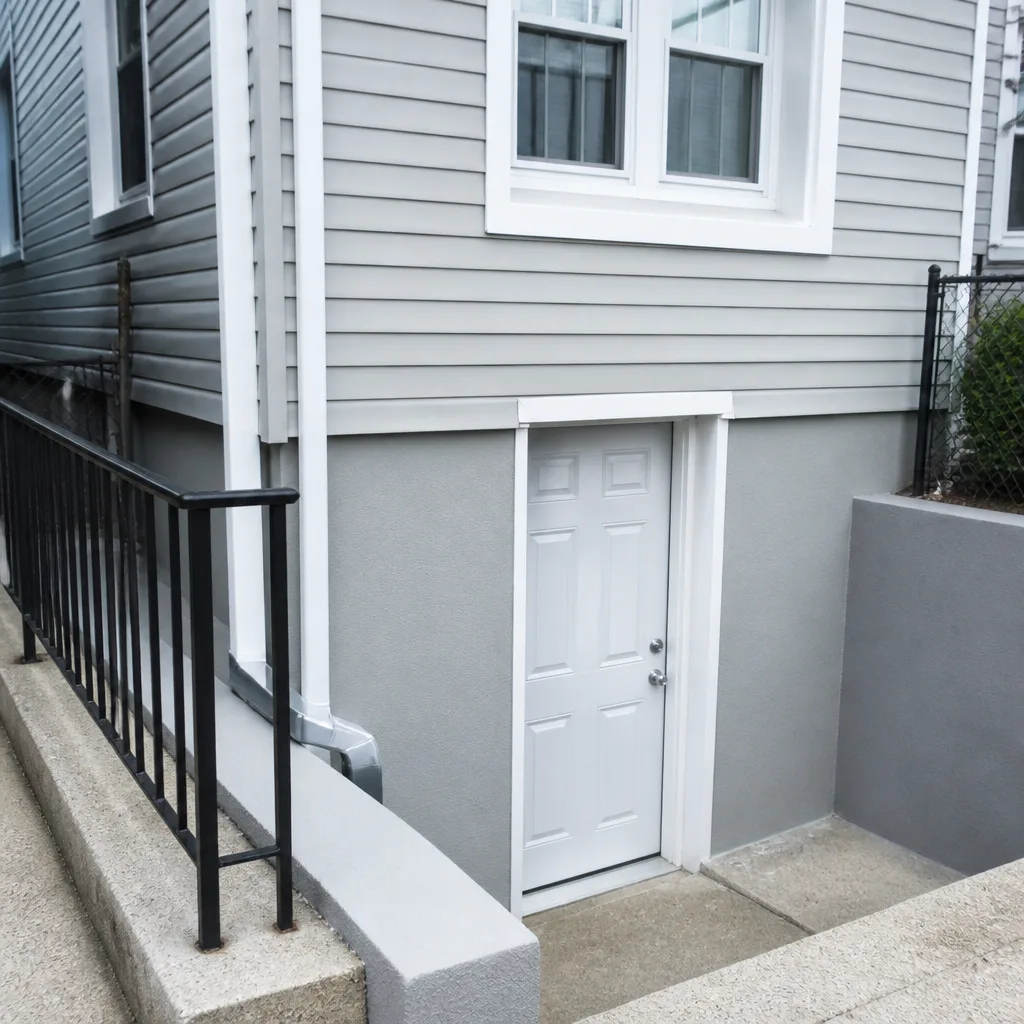 After
After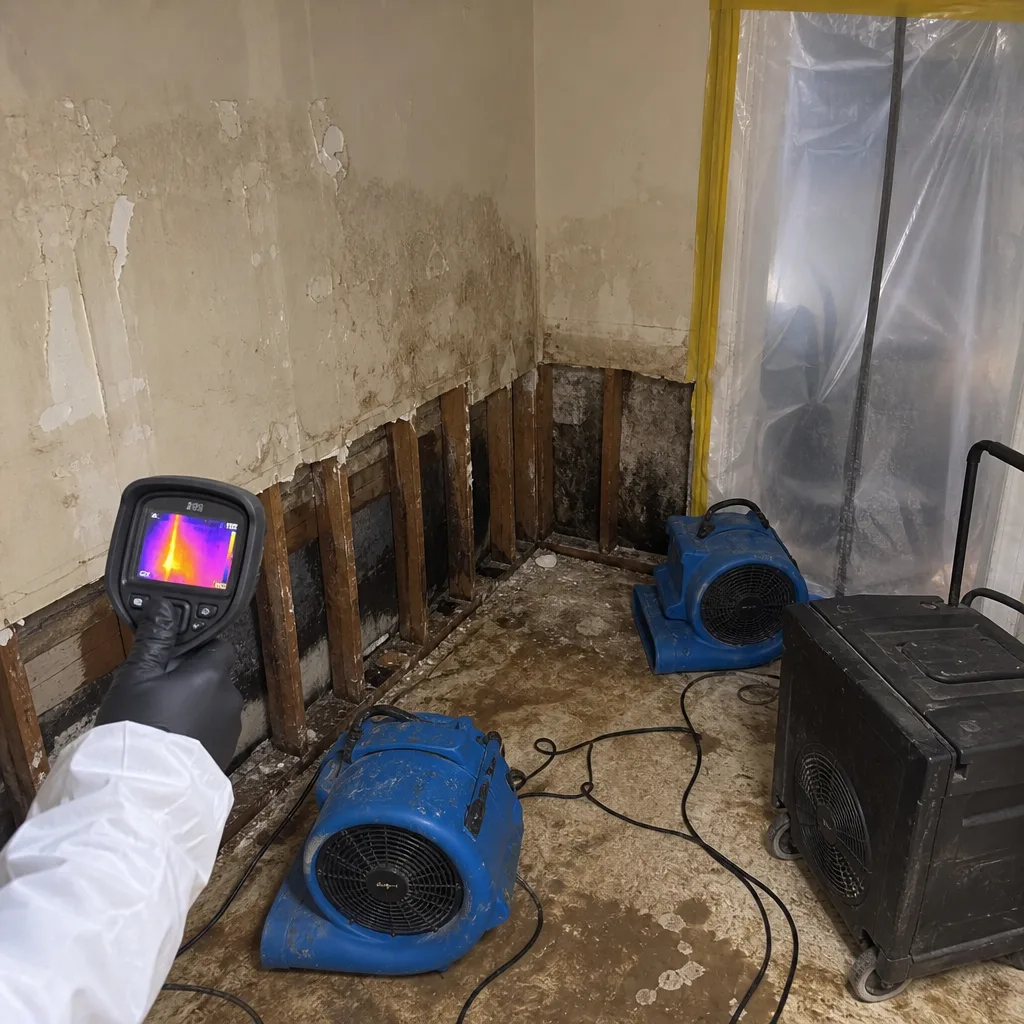 Before
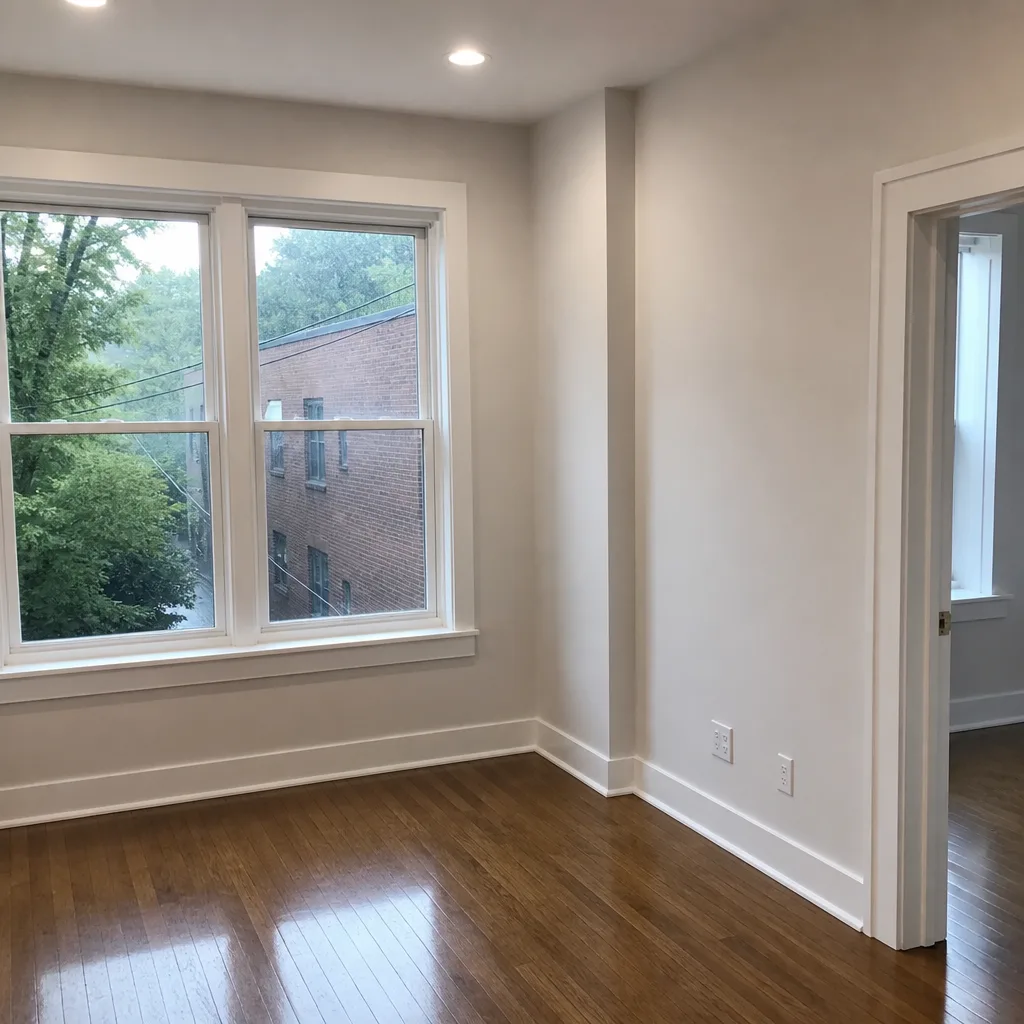 After
After24/7 Emergency Water Damage Restoration in Union City
Water damage in Union City moves fast, especially in the pre-war walk-ups that make up most of the housing stock. A supply line lets go on the fourth floor and you’ve got three apartments soaked before anyone notices the ceiling sagging. Wade’s Restoration answers live at (201) 740-2235 around the clock, and Wade or one of his crew is typically on the road toward your building within 45 minutes. The first hour matters because water in an attached brick tenement doesn’t stay put. It travels through party walls, follows the plumbing chases, and works its way down through the floor joists into the unit below. We start extraction immediately, not after a callback window opens. Free visual inspection, honest scope, and a written plan before any work starts.
Understanding Water Damage Restoration Severity in Union City Properties
Water damage gets classified three ways, and the difference determines whether we’re drying in place or tearing out. Category 1 is clean water, like a supply line break on a washing machine. Category 2 is grey water, meaning it’s picked up soap, dirt, or something worse on its way through the building. Category 3 is black water, sewage backup or floodwater carrying bacteria. Here’s the part most people don’t know: Category 1 water can become Category 3 inside 48 to 72 hours sitting in a warm wall cavity. In a Union City tenement with steam heat running and shared plumbing risers holding residual warmth, that timeline accelerates. Moisture mapping with hygrometers and thermal imaging tells us exactly where water has migrated, including into the lath-and-plaster party walls that are original to these 1900 to 1945 buildings. Structural drying is the goal whenever possible. It’s slower than demolition but it preserves the historic plaster and original woodwork that make these units worth keeping. Some water damage gets classified as severe on arrival; the building tells you within the first hour which path you’re on.
Why Union City Property Owners Choose Wade’s Restoration
- 45-minute response commitment. From the time you call, a licensed, background-checked technician is headed to your Union City address. Not a salesperson. Someone with a moisture meter and extraction equipment already in the truck.
- 24/7 live answer, always a real person. You call, a human picks up. No phone tree, no answering service, no voicemail-to-nowhere at two in the morning. Wade carries the phone himself.
- IICRC-certified crews. Wade and his team carry WRT (Water Restoration Technician) and ASD (Applied Structural Drying) certifications. The training matters more in pre-war buildings where hidden cavities hold water and plaster doesn’t dry like drywall.
- Free visual inspection. You shouldn’t have to pay to find out what you’re dealing with. We walk the affected unit and the stacked neighbors, then put the scope in writing with dollar numbers attached.
- Direct insurance billing. Wade talks to the adjuster, the tenant insurer, and the landlord’s dwelling carrier so you’re not the one relaying messages between three parties who don’t want to pay for the same wall cavity.
- One team from extraction to reconstruction. The same people who pull the water out are the ones who hang new drywall, match the plaster, and put your kitchen back. No handoff to a stranger halfway through.
Our Water Damage Restoration Process
Inspection & Assessment
We map moisture levels room by room, including the units above and below the source. In a Union City walk-up, the damage is rarely confined to the apartment where the leak started. We document everything with photos and moisture readings before a single piece of equipment runs.
Extraction & Stabilization
Submersible pumps and truck-mounted extraction units pull standing water fast. On upper-floor breaks, we also check what’s collected in the ceiling cavities and floor bays below, because that’s where the hidden reservoir lives.
Drying & Dehumidification
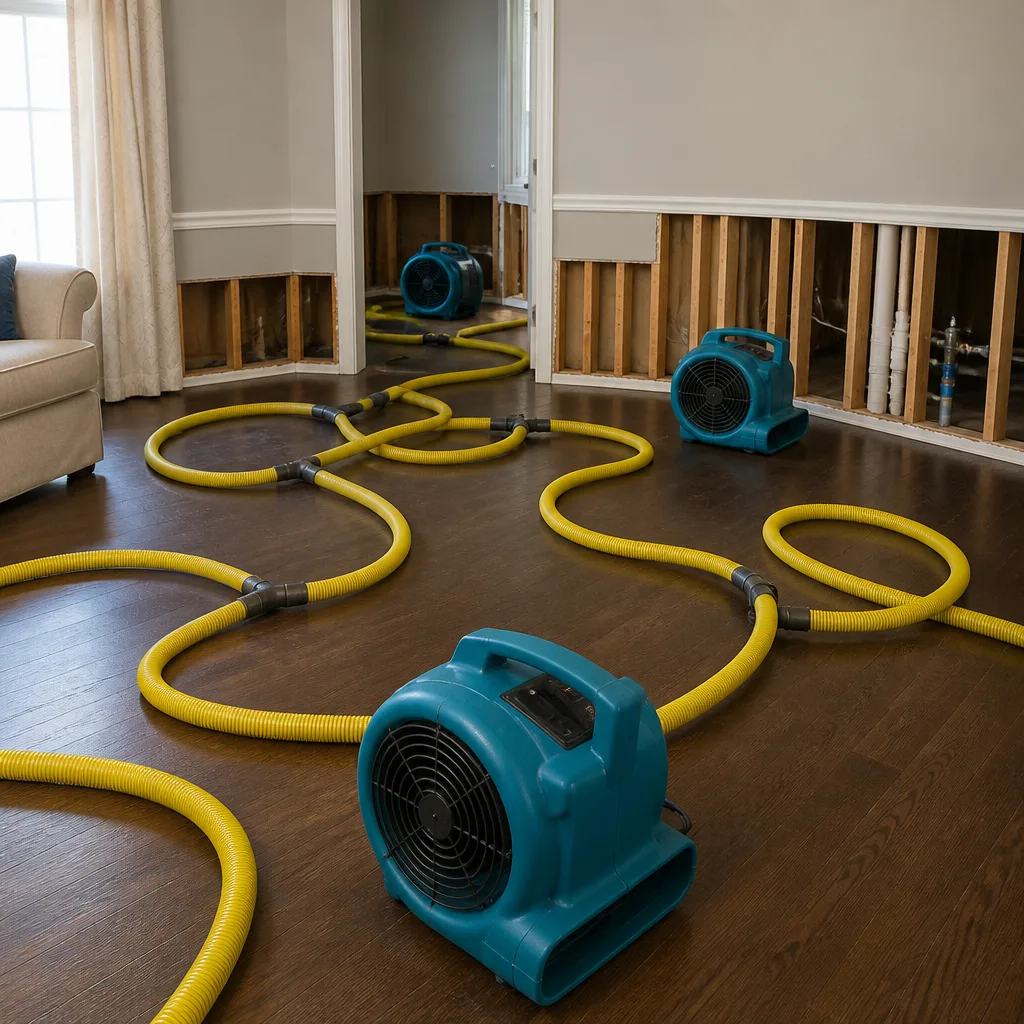
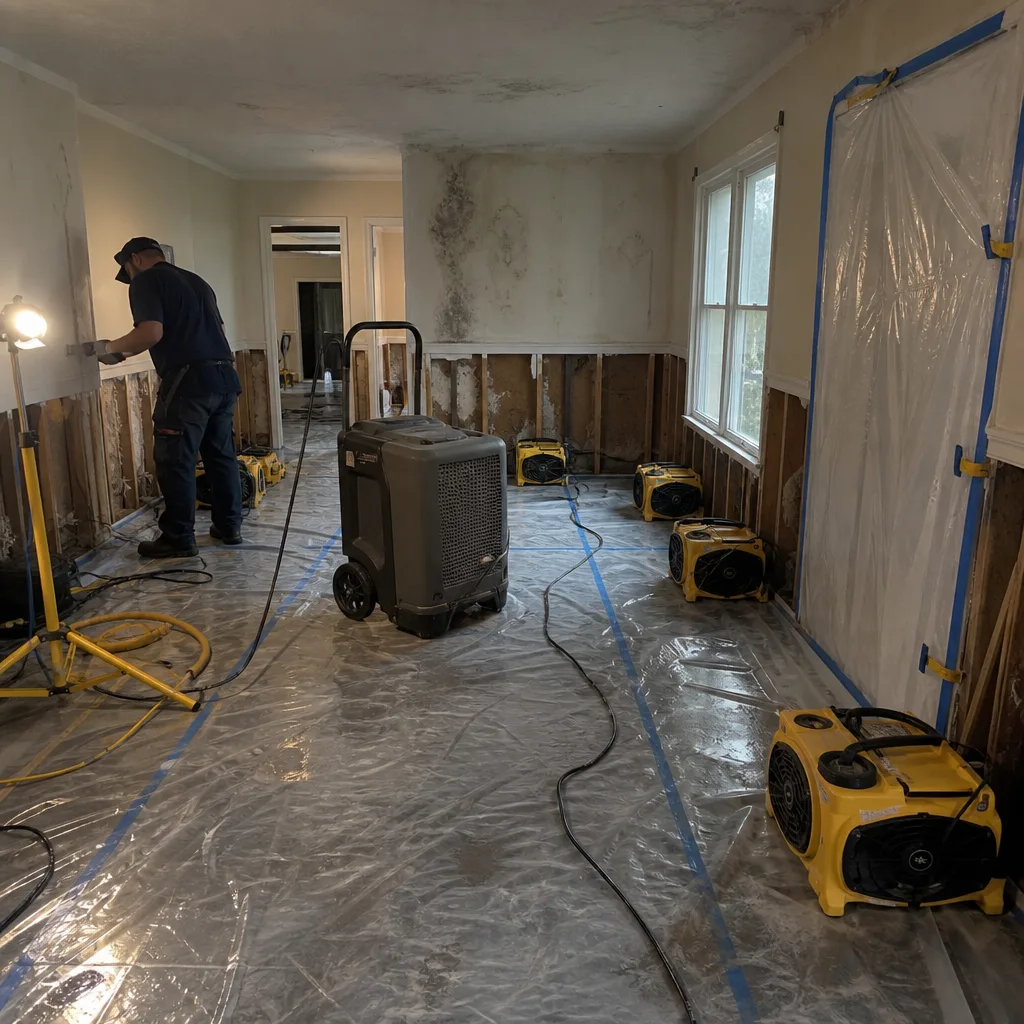
Dri-Eaz LGR dehumidifiers, Phoenix AirMax air movers, and XPOWER units get positioned based on the moisture map, not a guess. We monitor daily with hygrometers and log every reading. You get the full drying log at the end of the job.
Cleaning & Sanitization
After drying, affected surfaces get cleaned and treated with antimicrobials appropriate to the water category. Air scrubbers with HEPA filtration run during the process to keep airborne mold spores from spreading through shared ventilation.
Targeted Treatment for Pre-War Construction
Plaster walls with original 1920s metal lath dry differently than modern drywall. We use Injectidry injection drying systems to get air moving inside wall cavities without ripping out material that can be saved.
Repairs & Restoration
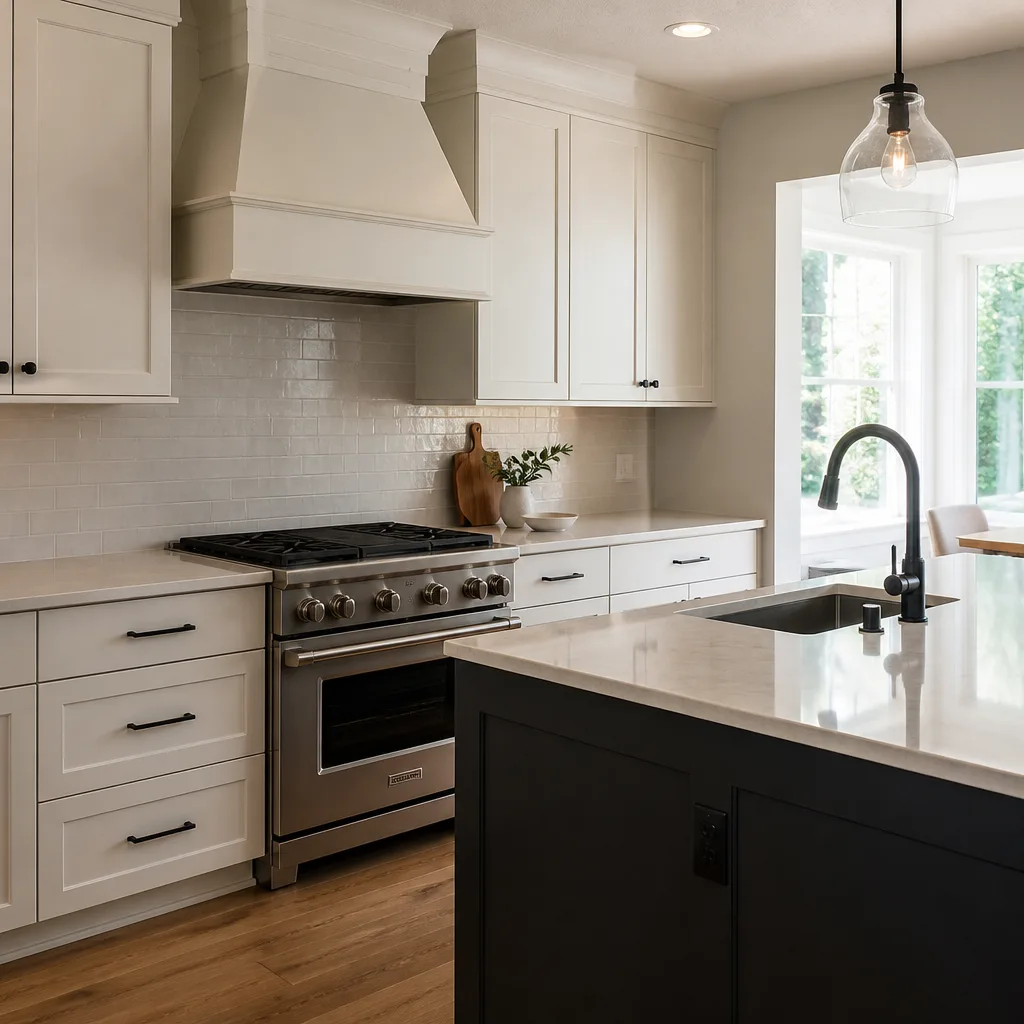
Whatever comes out goes back correctly. Flooring, trim, plaster repair, paint. In older Union City buildings, we match the existing materials, not whatever is cheapest at the supply house. The unit should look like the loss never happened.
Need Emergency Water Damage Restoration in Union City Now?
Crews minutes away, answering live 24 hours a day. The sooner we start, the less it costs.
Working With Your Insurance Company
In a Union City stacked building, one water event can trigger three separate insurance claims: yours, the neighbor’s below, and the landlord’s dwelling policy for the building itself. It’s a mess, and it shouldn’t be your mess to manage. Wade has been dealing directly with adjusters since 2007, and he does it the way adjusters actually prefer: with documentation that’s complete from the first hour, not assembled three weeks later from memory. Photos of every affected room and surface, moisture readings taken daily, a line-item scope that mirrors industry-standard estimating software. He’ll talk to your carrier, the tenant insurer downstairs, and the landlord’s rep. The goal is simple. The work gets covered, you’re not stuck in the middle, and nobody has to chase a claim that should have been paid a month ago.
What We Provide Your Insurer
- Thorough documentation of the loss
- Photos of all damage, room by room
- Moisture readings and drying logs
- A detailed, line-item scope of work
- Direct coordination with your carrier
Built for Union City’s Loss Calendar
Union City gets hit in patterns, and the calendar tells you what’s coming. January and February bring the deep freezes that burst supply lines in uninsulated bathrooms and old galley kitchens. When the temperature drops below 15 degrees and the wind comes off the Hudson, the pipes in the outer walls of these pre-war buildings are the first to go. March and April mean spring thaw, which raises the water table and pushes groundwater into below-grade apartments and basement storage rooms on Bergenline and Palisade corridors. July and August bring the summer convective storms. Union City sits up on the Palisades ridge at 150 to 200 feet elevation, so you’re spared the tidal flooding Hoboken gets, but that steep topography sends stormwater downhill fast into sub-grade parking areas and garden-level units. October and November bring nor’easters, which test roofs and flashings on 100-year-old brick buildings. We’ve seen every season’s damage, and we stock the trucks for what’s actually coming, not what the national franchise’s spring promo calendar says.
Water Damage Restoration Across Union City’s Neighborhoods
Water damage shows up a little differently depending on where in Union City your building sits. Up along Palisade Avenue and the blocks west of it toward the cliff edge, we see wind-driven rain pushing through aged roof flashing and parapet walls on the taller pre-war walk-ups. The view comes with exposure, and exposure means weather gets in where the mortar has been working since Calvin Coolidge was president. In the streets around Bergenline Avenue, the buildings are packed tight, and a fourth-floor washing machine hose failure travels straight down through the units below, usually through the kitchen and bathroom shafts where the original galvanized risers run. Down near the 22nd and 30th Street corridors, below-grade units and basement-level garages catch the stormwater that drains downhill from the Palisades. The first floor of a building on a slope is sometimes not the first floor on the back side, and water finds those transitions every time. Around Washington Park and the western edge, we get calls for older single-family homes mixed into the tenement stock, some with original basements that were never designed for modern appliances above them. Each area has its own failure pattern, and knowing the difference is what lets us arrive with the right equipment already in hand.
Last fall we responded to a fourth-floor washing machine hose failure on Palisade Avenue that saturated three apartments below within 40 minutes. Our techs ran containment on each affected floor, used moisture mapping to document 98% relative humidity in the lath-and-plaster walls, and deployed Dri-Eaz LGR 7000XLi dehumidifiers with Phoenix AirMax air movers to achieve structural drying in 4 days while coordinating with two separate tenant insurers and a landlord’s dwelling policy.
Specialized Water Damage Restoration Services We Offer in Union City
Emergency Water Extraction
When a supply line breaks on the fifth floor of a Union City walk-up, water is already in the fourth-floor ceiling before the fifth-floor tenant notices. We run truck-mounted extraction and submersible pumps to pull standing water out fast, then open the floor bays and ceiling cavities where the hidden water is sitting. Speed here isn’t about convenience. It’s about whether the floors can be saved at all.
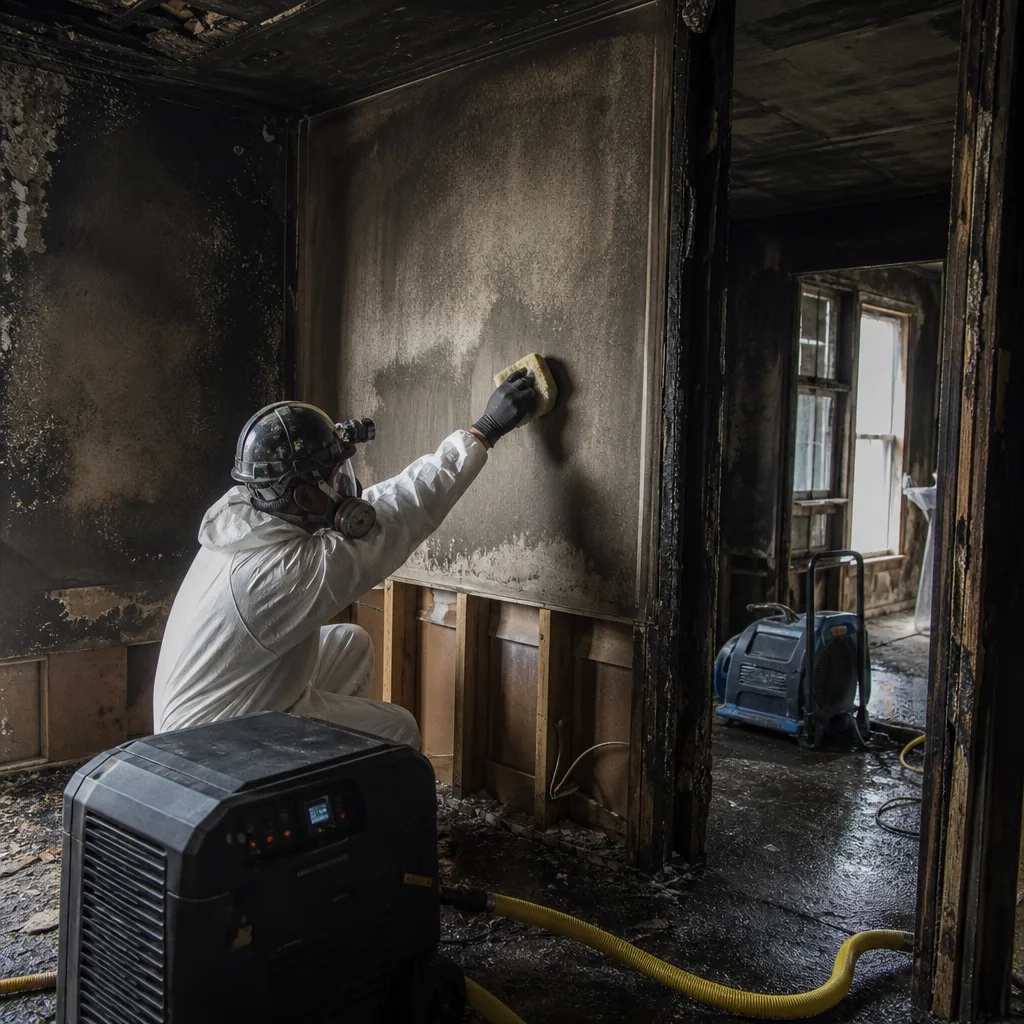
Structural Drying & Dehumidification
Drying a pre-war building is not the same as drying a 2005 sheetrock box. Original plaster and metal lath hold water differently, and the old-growth joists under the floors don’t give it up quickly. We use low-grain refrigerant dehumidifiers, high-velocity air movers, and Injectidry injection drying systems to force air into enclosed cavities. Daily moisture readings document progress, and you receive the full log when the equipment comes out.
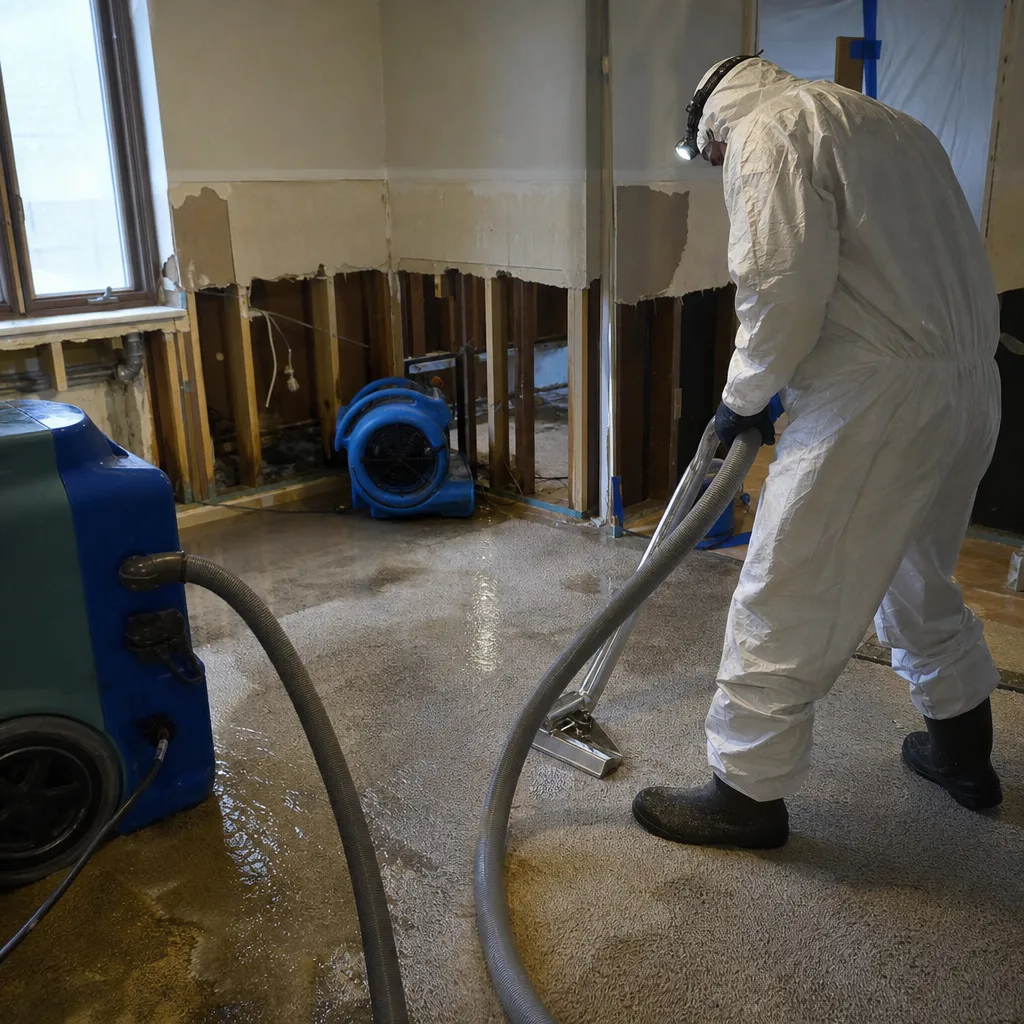
Burst Pipe Restoration
A burst pipe in a Union City building is rarely a one-unit event. The water follows the risers, and the units below get the ceiling collapse and the ruined flooring. We handle the full sequence: extraction, drying, demolition of what can’t be saved, and restoration of what can. The same crew that mitigates is the crew that rebuilds, so the scope doesn’t drift between three different outfits.
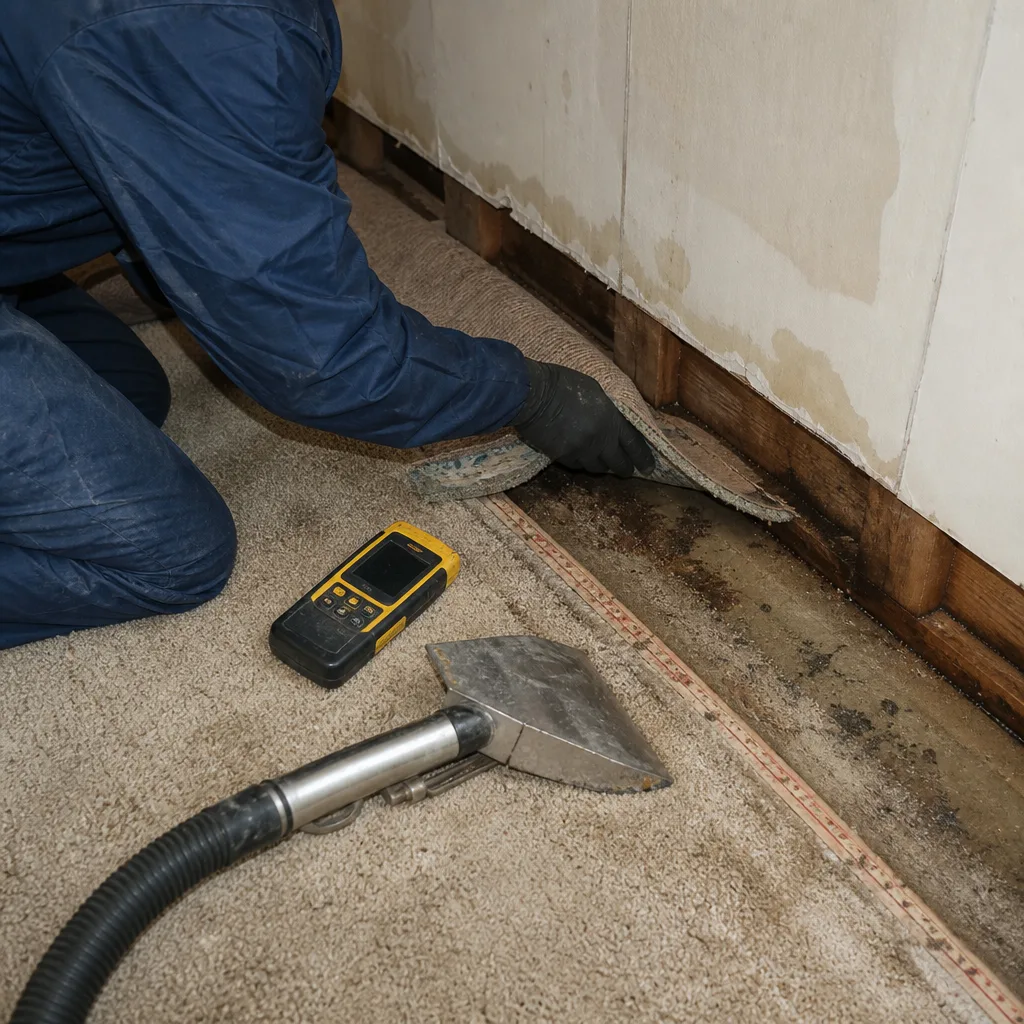
Flood Cleanup
When stormwater runs downhill from Palisade Avenue into below-grade units and basement garages, it brings silt, whatever was on the street, and usually enough contamination to classify the water as Category 3. That means full containment, HEPA air scrubbing, and disposal of porous materials that can’t be sanitized. We treat it as a biohazard job with extra steps, because that’s what it is.
Basement Water Removal
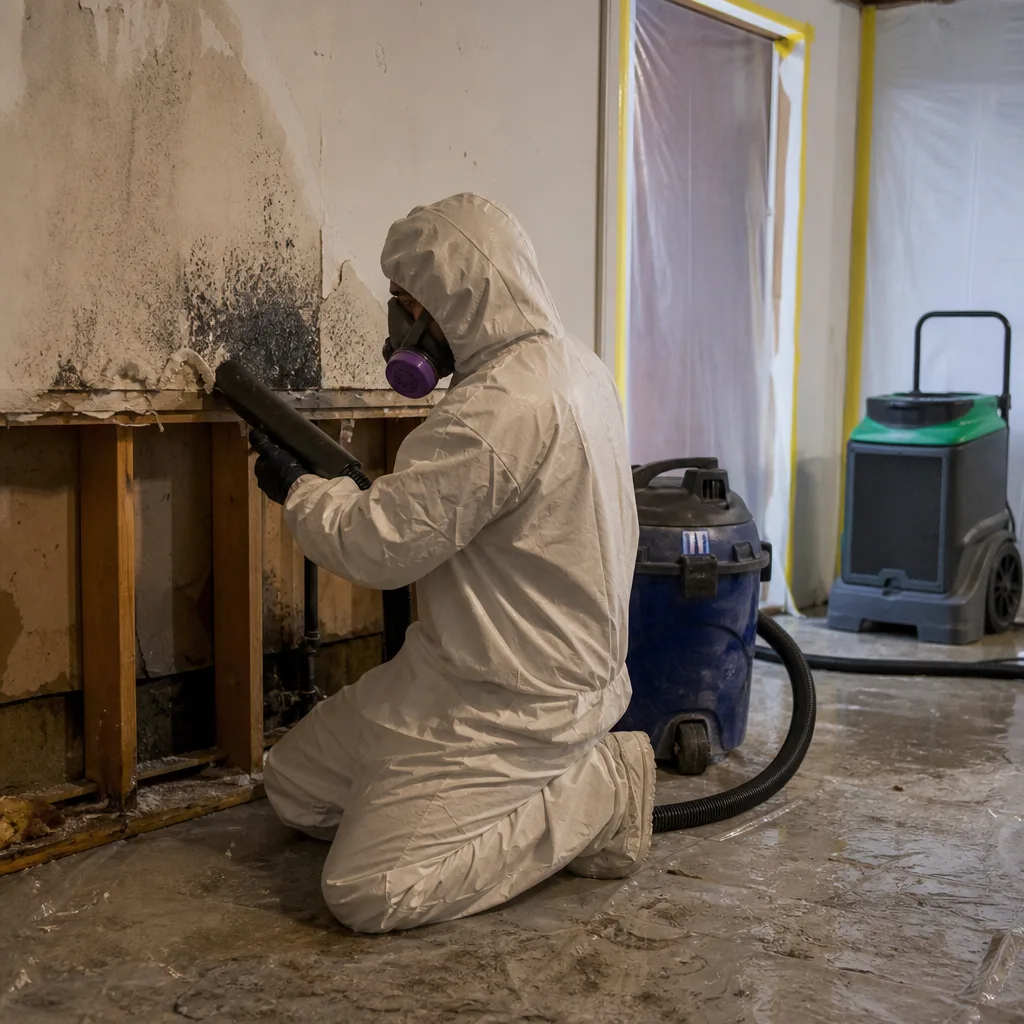
Union City basements in the older housing stock were never meant to be dry living space. They were coal storage and laundry rooms. When the water table rises in spring or a summer storm overcomes the street drains, those basements flood, and the water that comes in is carrying whatever was in the soil. We pump it out, dry the structure, and give you an honest answer about whether waterproofing upgrades would actually help, or whether the water is just going to come back the way it has for 100 years.
What happens when you call
- 1
A real person answersNo phone trees - you reach a local pro.
- 2
You get an upfront price rangeHonest numbers before anyone is dispatched.
- 3
A background-checked tech heads outLicensed & insured, dispatched right away.
- 4
You approve before work beginsNothing starts until you say go.
Water Damage Restoration Costs in Union City, NJ
For a typical single-unit water extraction and drying job in Union City, expect to pay between $1,800 and $3,400. A fourth-floor supply line break that saturates three or four units below will run substantially more, commonly $7,000 to $14,000 because the drying zone expands vertically through floors and ceiling cavities. Structural drying with Injectidry on original plaster walls adds $1,000 to $2,500 per affected wall cavity, but it’s often the difference between saving a 1920s plaster wall and gutting it to the studs. What moves the price most is whether the water sat long enough to force demolition. Drying in place is always cheaper than tear-out and rebuild. Insurance typically covers the full scope with a proper moisture map and line-item estimate, which is exactly what we hand the adjuster. For out-of-pocket jobs, the written scope you sign before work starts is the price. Free visual inspection first, no trip charge inside the county, and a senior and veteran discount that never expires.
We Also Serve Cities Near Union City
Wade’s Restoration works throughout Hudson County and the surrounding area. Along with Union City, our Water Damage Restoration crews regularly handle jobs in Weehawken, Hoboken, North Bergen, and Secaucus. Same live answer, same 45-minute commitment, same owner-operated standard.
Serving Union City, NJ - Our Local Coverage Area
We’re based in the Union City area and know this community well. Use the map below to see our service coverage - if you’re nearby, we can almost certainly help.
Union City Water Damage Restoration Questions, Answered
How quickly can you arrive in Union City for a fourth-floor supply line break that is soaking units below?
We’re typically on site within 45 minutes of your call. Wade or a crew member answers the phone live and starts heading toward your building immediately. The sooner extraction starts, the less water moves down through the floor bays into the units below, and the more of the building structure can be dried in place instead of torn out. Call (201) 740-2235 and we’re moving.
Do I need to wait for my landlord’s insurance adjuster before you start water extraction in my Union City apartment?
No, and frankly you shouldn’t. The policy language allows for emergency mitigation to prevent further damage, and waiting 48 hours for an adjuster turns Category 1 clean water into Category 3 in a warm wall cavity. We document everything with photos and moisture readings before we touch anything, so the adjuster gets a complete picture of the loss as we found it. The documentation protects the claim. The delay destroys the building.
Will you coordinate with the neighbor’s insurance company if water from my unit damaged the apartment downstairs?
Yes. This is a standard part of how we work in Union City’s stacked buildings. Wade deals with the adjusters directly, including the tenant insurer below and the landlord’s dwelling carrier. One water event with three claims needs one documented set of facts. We provide that to every party, and you’re not the one caught relaying messages between them.
Do you test for asbestos or lead before tearing out wet drywall in a pre-war Union City building?
Yes. Demolition in any building constructed before 1945 requires asbestos and lead testing before drywall, plaster, or flooring comes out. We coordinate the testing and wait for the results before opening wall cavities. It adds days to the timeline, but it’s legally mandatory and protects everyone in the building, especially in shared-wall construction where dust travels between units.
Can you dry my original plaster walls in place after a ceiling leak, or will you have to tear them out?
In most cases we can dry original plaster in place, but it requires injection drying, not just air movers pointed at the surface. We drill small access points into the wall cavity and push dry air through with Injectidry equipment. The plaster itself is dense and holds moisture behind the lath, so the injection method is the only way to reach it. That said, if the plaster has been wet for multiple days or the lath has started to separate, tear-out becomes necessary. We’ll tell you which path makes sense after the first moisture reading.
How long does structural drying take in a Union City apartment building?
Most jobs dry in three to five days. The variable is how far the water traveled. A single-unit supply line break that stayed in one apartment dries faster. A fourth-floor break that saturated units below and soaked the floor bays takes longer because the enclosed cavities dry slower than open rooms. Daily moisture readings show the progress, and we don’t pull equipment until the numbers say dry, not the calendar.
Can we stay in our apartment while you’re drying it?
Usually yes, if the affected area can be contained and the rest of the unit is livable. Dehumidifiers and air movers run continuously and they’re loud. In a smaller pre-war apartment where the affected area is the living room and kitchen, staying often isn’t realistic. We’ll give you an honest answer at the inspection, factoring in noise, access, and whether the drying zone can be sealed off from your living space.
What should I do in the first 30 minutes after water damage in my Union City apartment?
Call us first at (201) 740-2235. Then shut off the water at the fixture valve or the unit shutoff if you can reach it safely. Cut power to the affected area at the breaker if water is anywhere near outlets or the panel. Move small valuables off the floor if it’s safe to walk. Don’t use a shop vac on standing water that might be contaminated. Don’t run fans or a space heater; uncontained air movement spreads moisture into walls and ceiling cavities. The first call matters more than anything else you do.
Written by Wade Ferris, Owner at Wade’s Restoration, serving Union City and Hudson County since 2007. Call (201) 740-2235 for a free estimate, any hour, any day.