
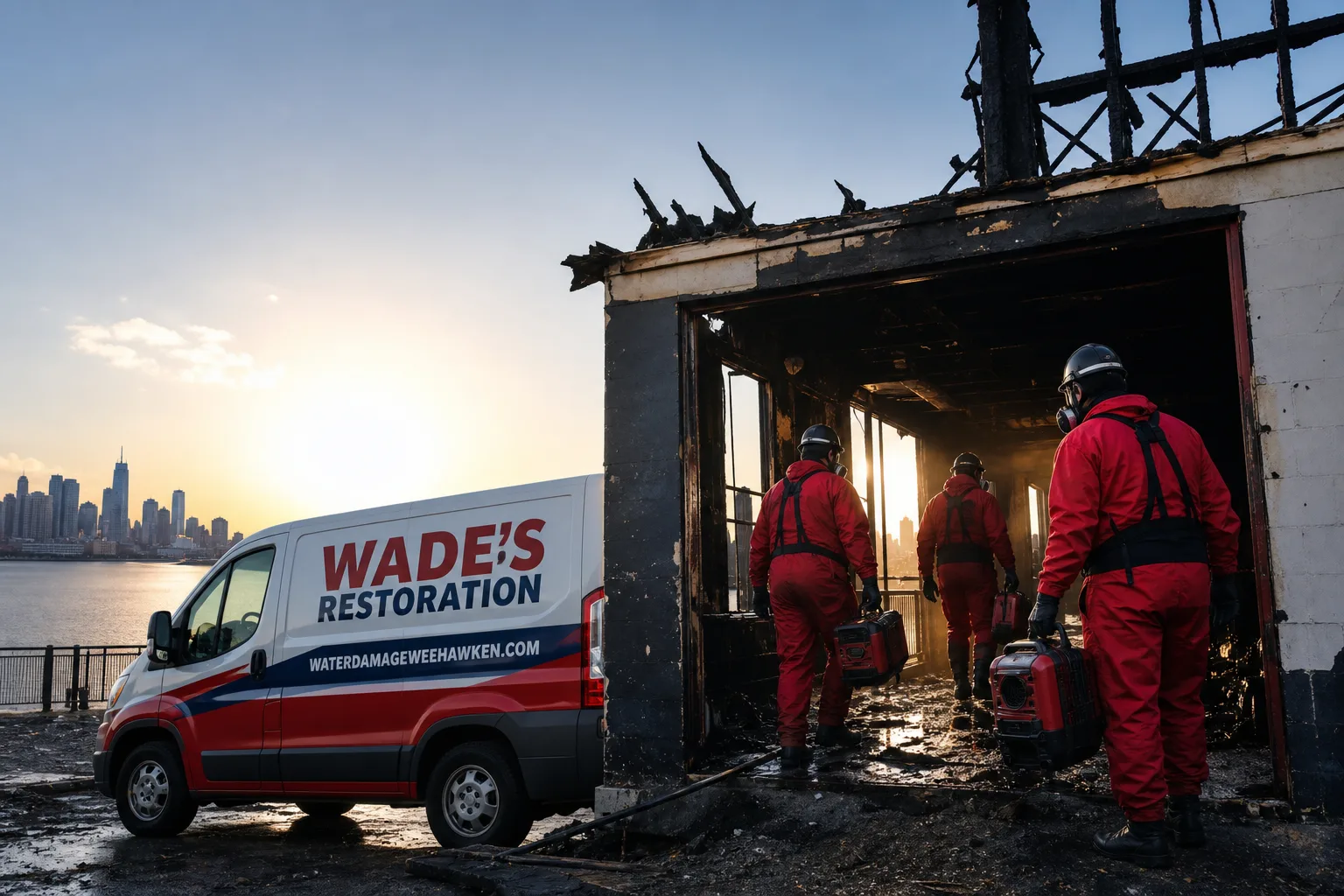
Free visual inspection and a written scope of work before any mitigation begins - photos, moisture readings, and drying logs go in your claim file
The scope we write is the scope we bill. Anything new gets shown to you, in writing, before we touch it.
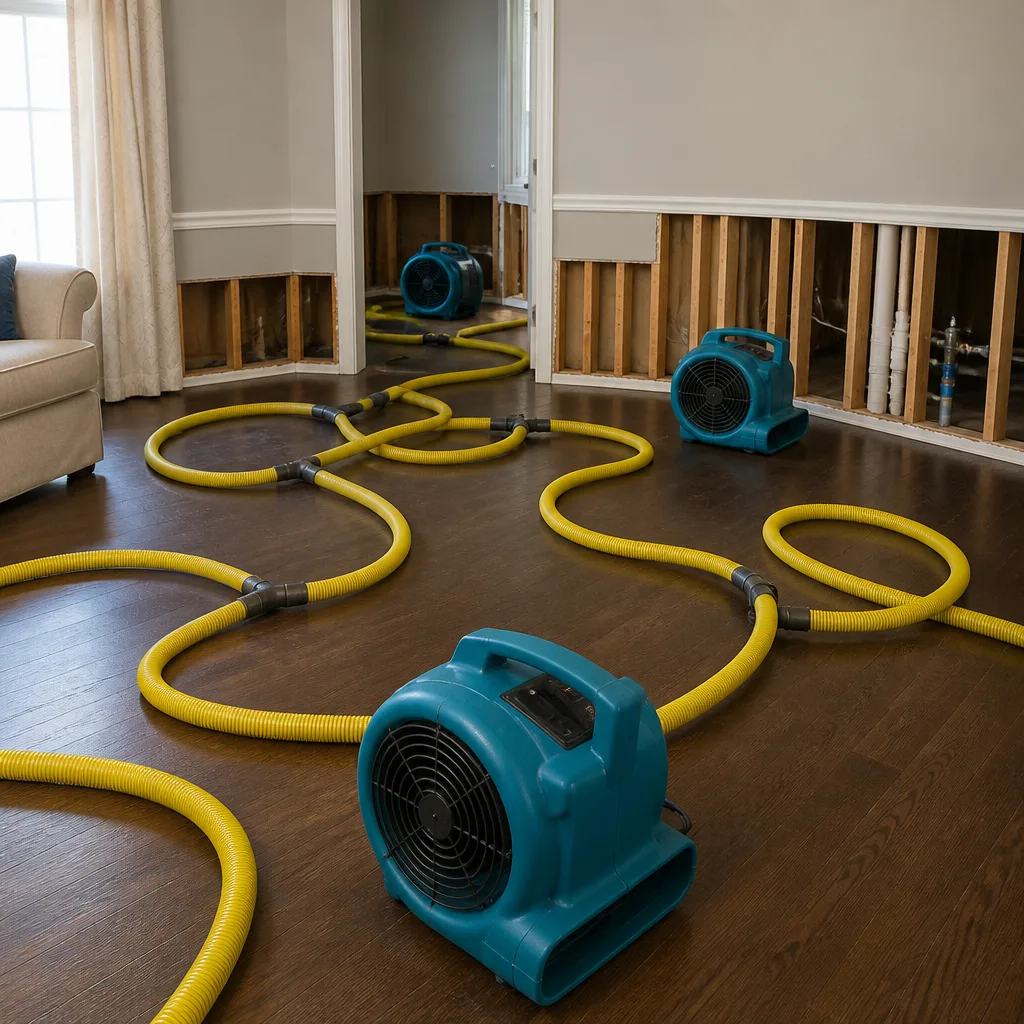
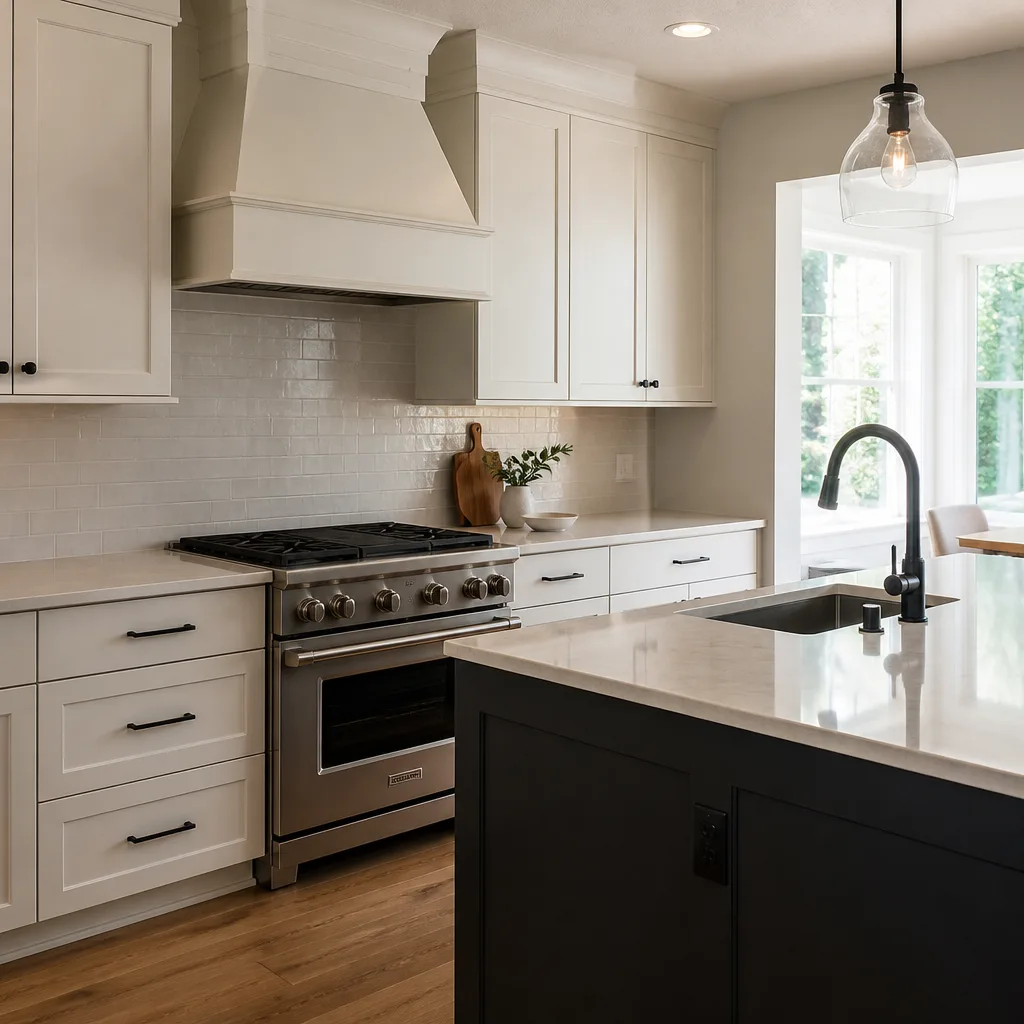
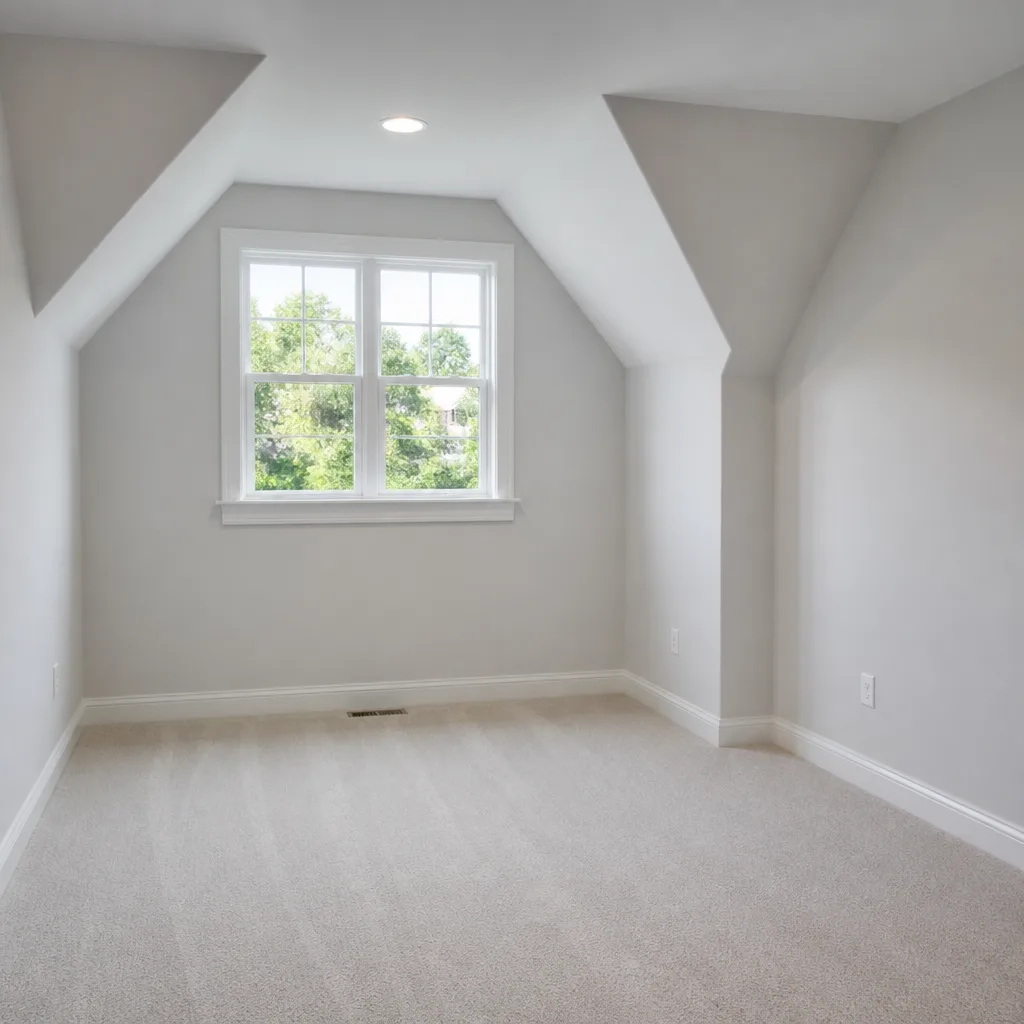
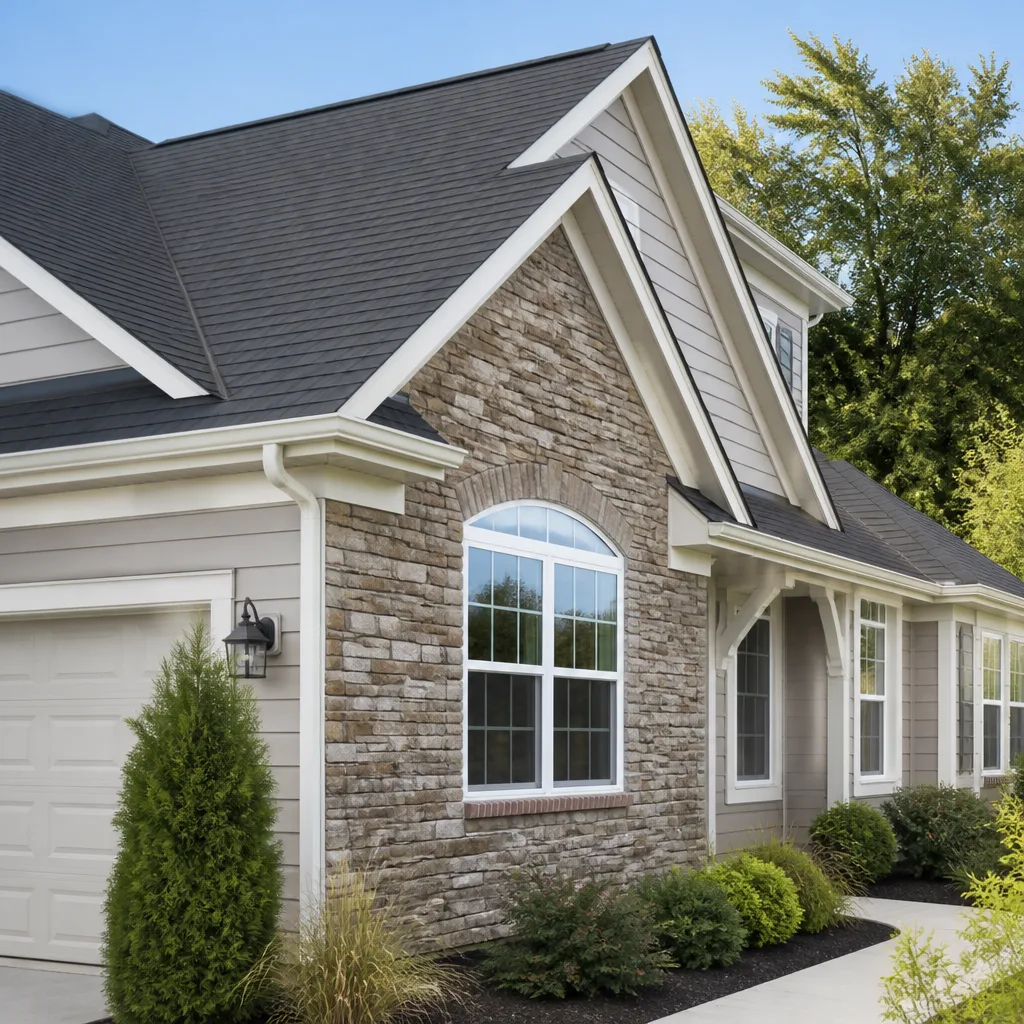
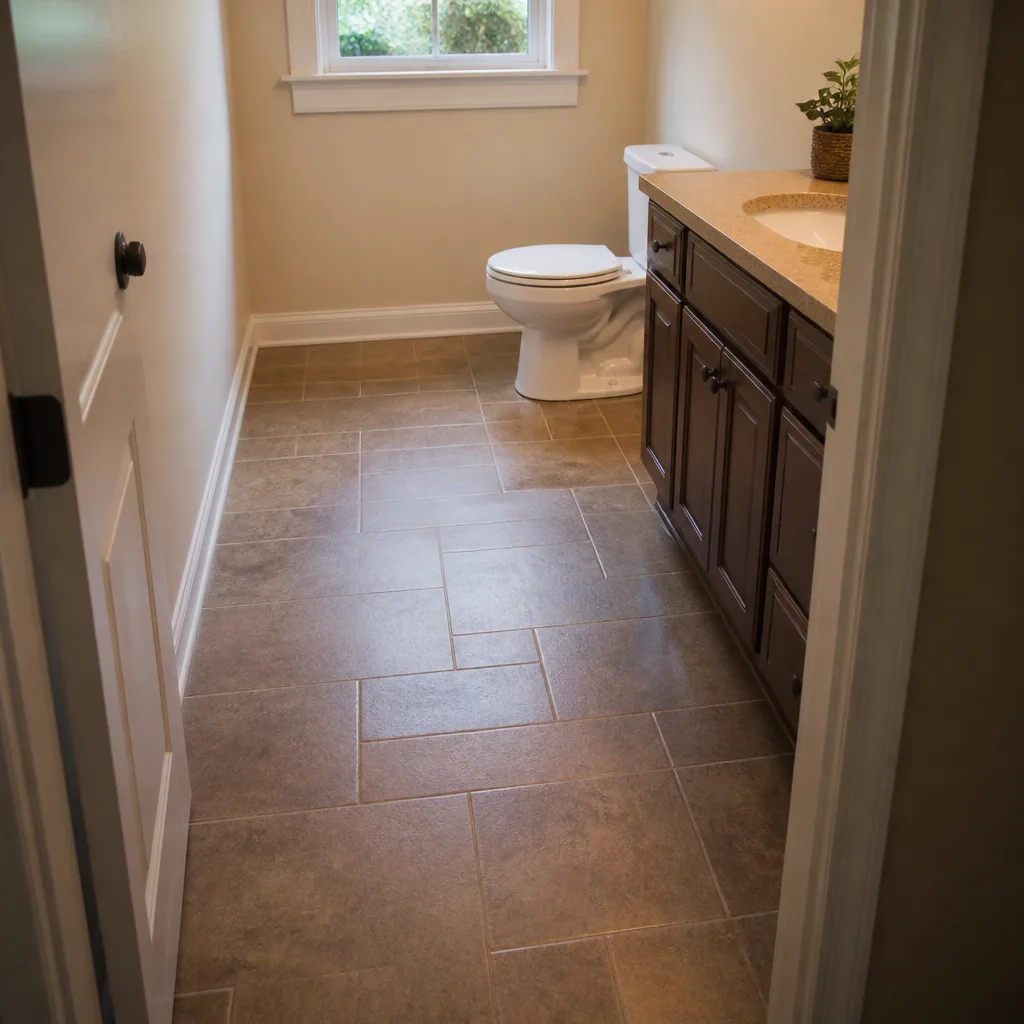

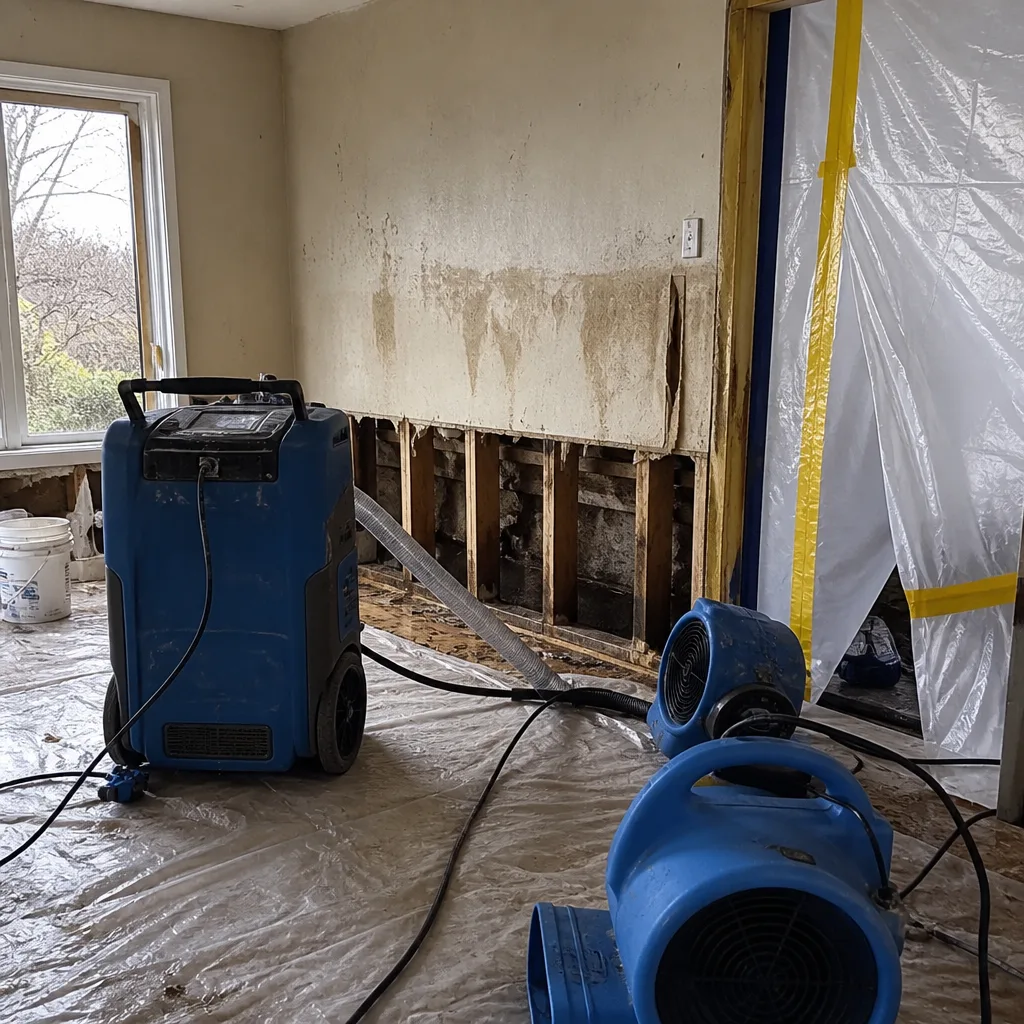 Before
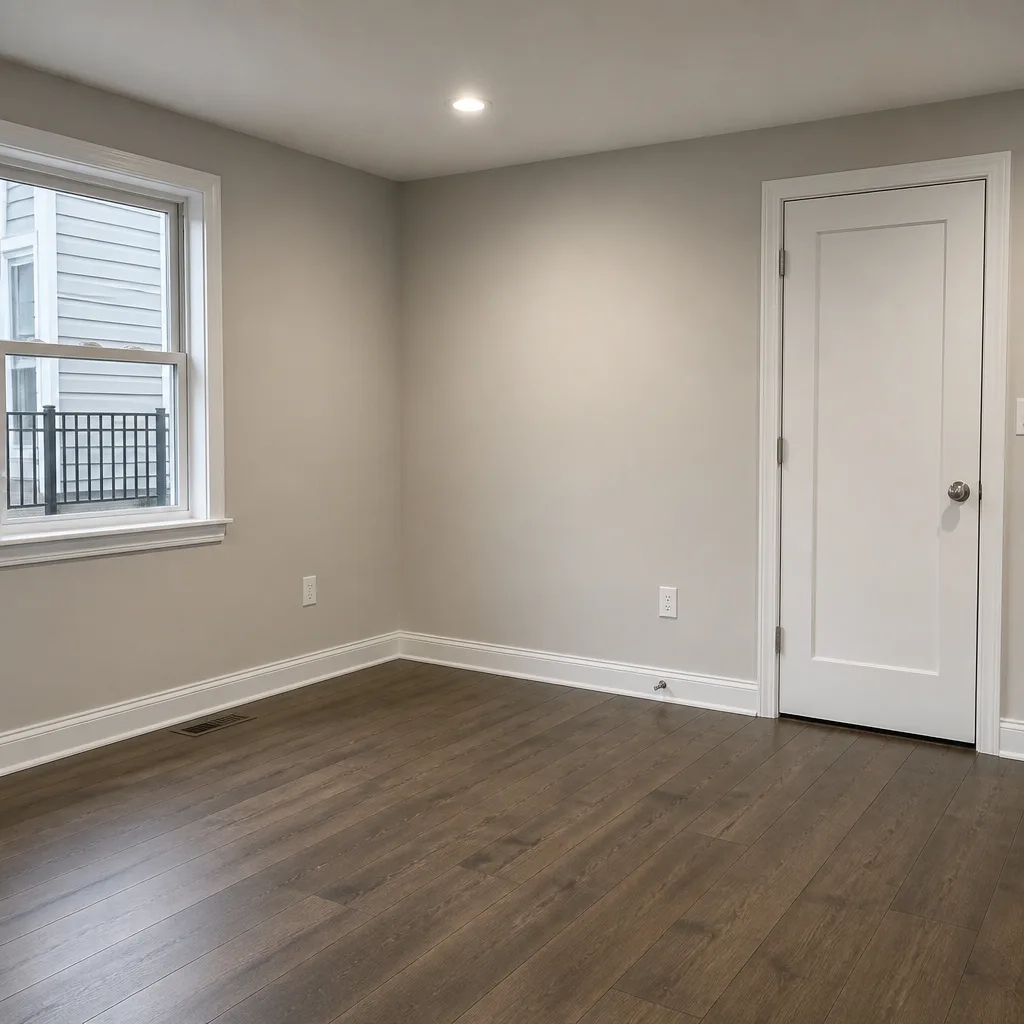 After
After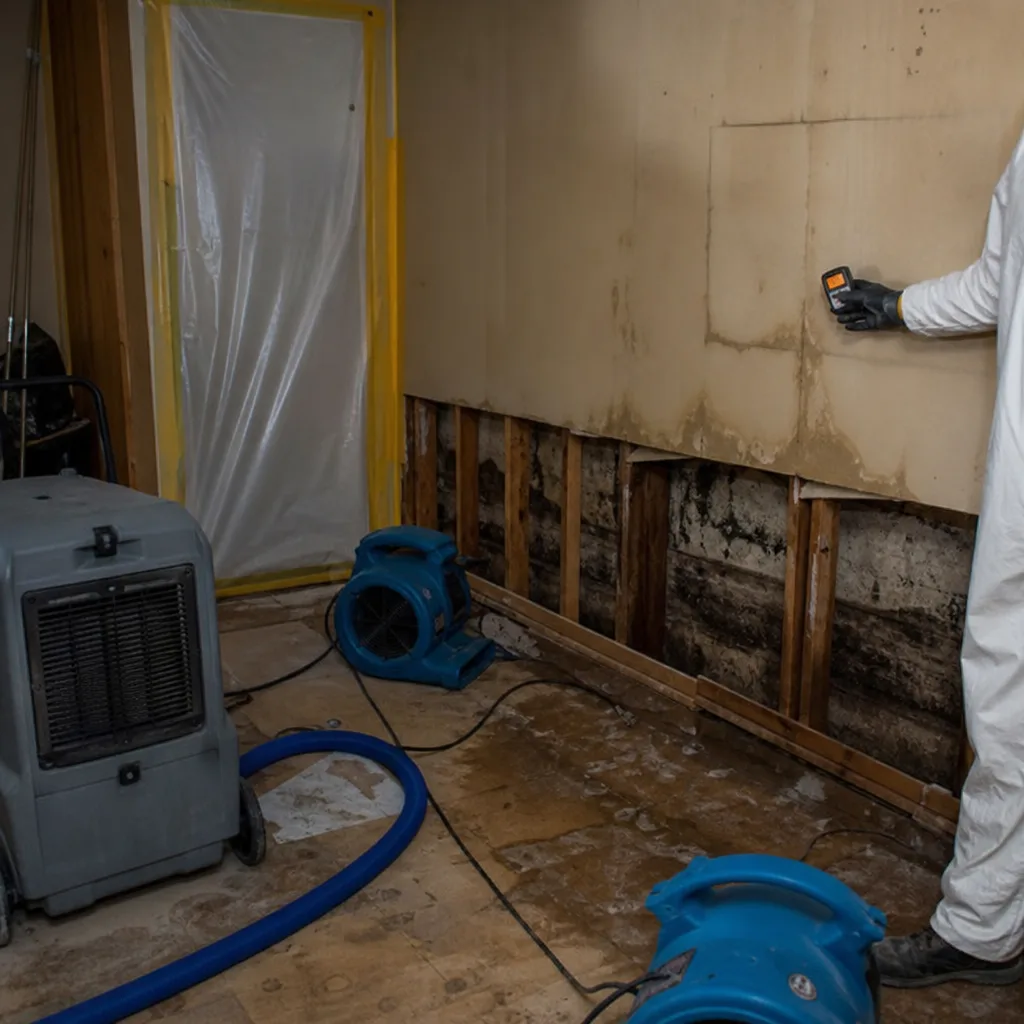 Before
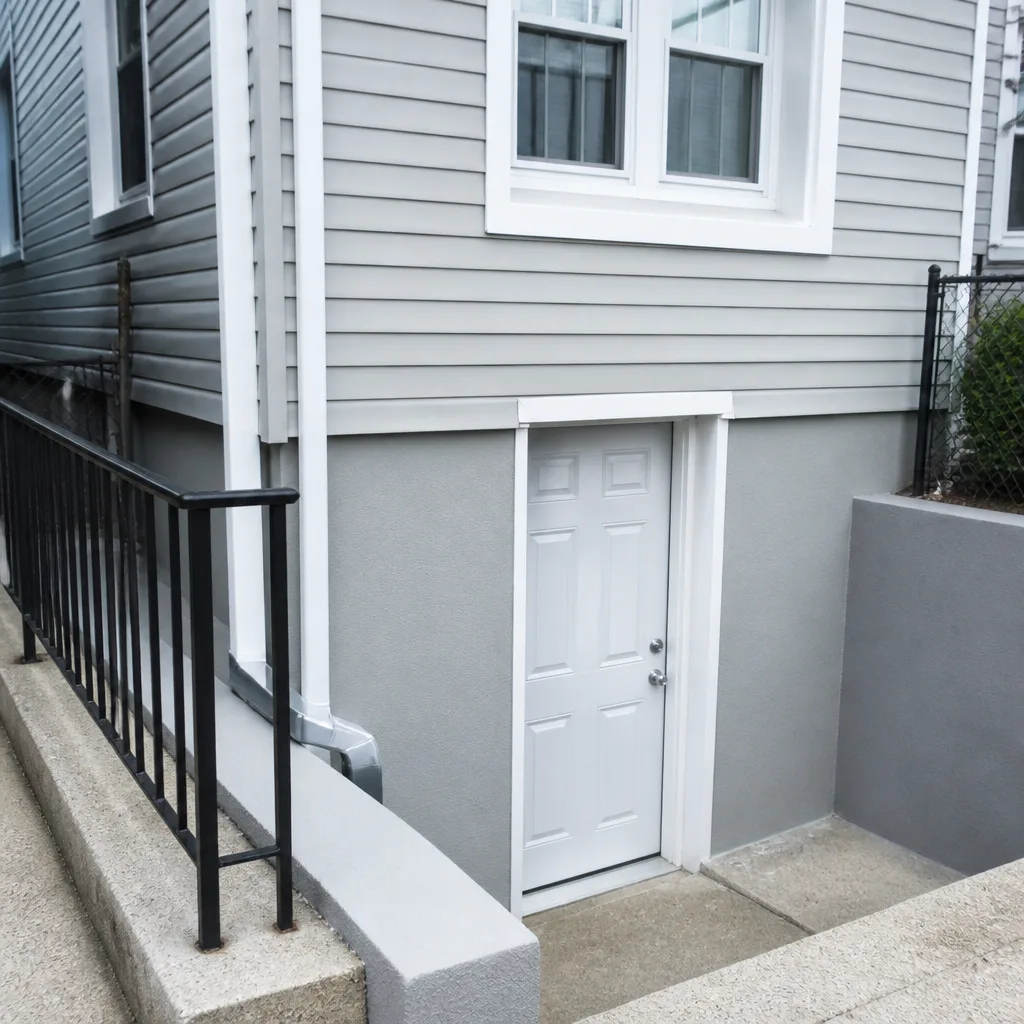 After
After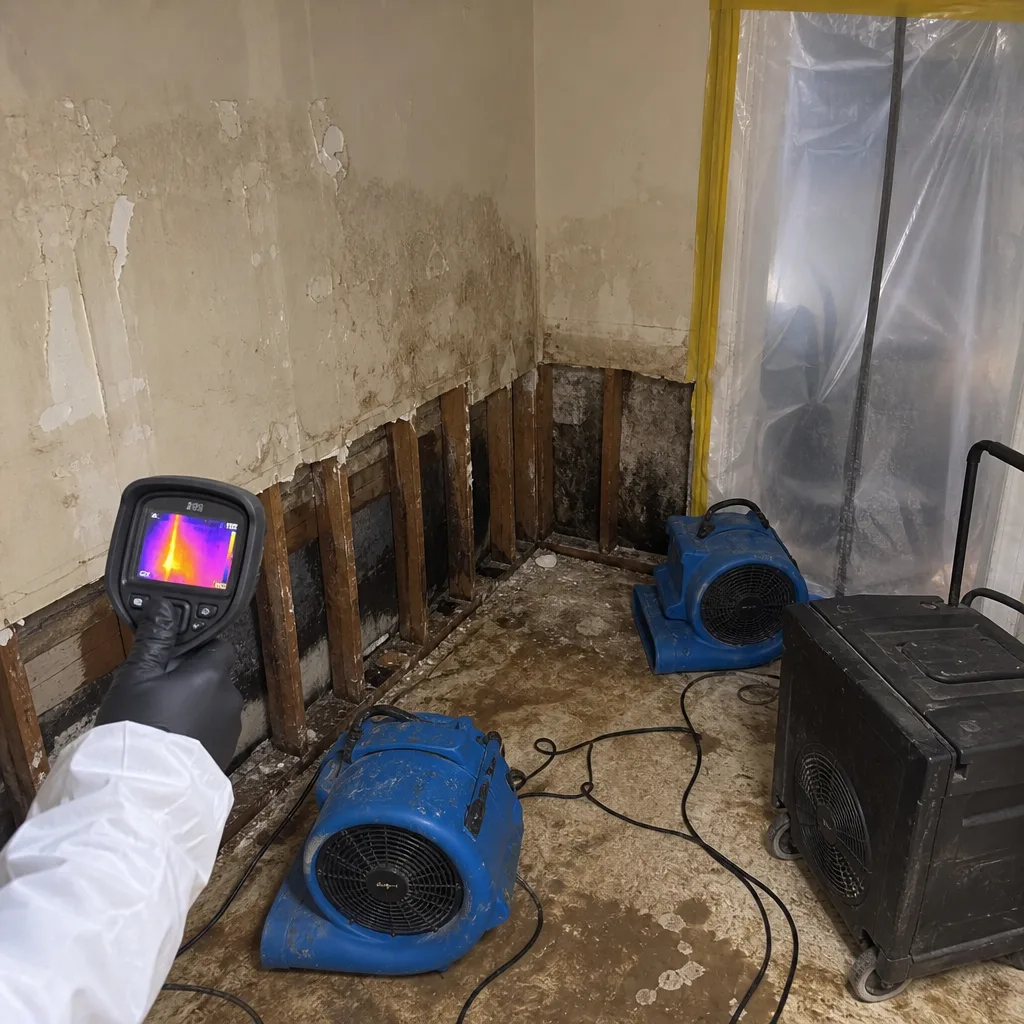 Before
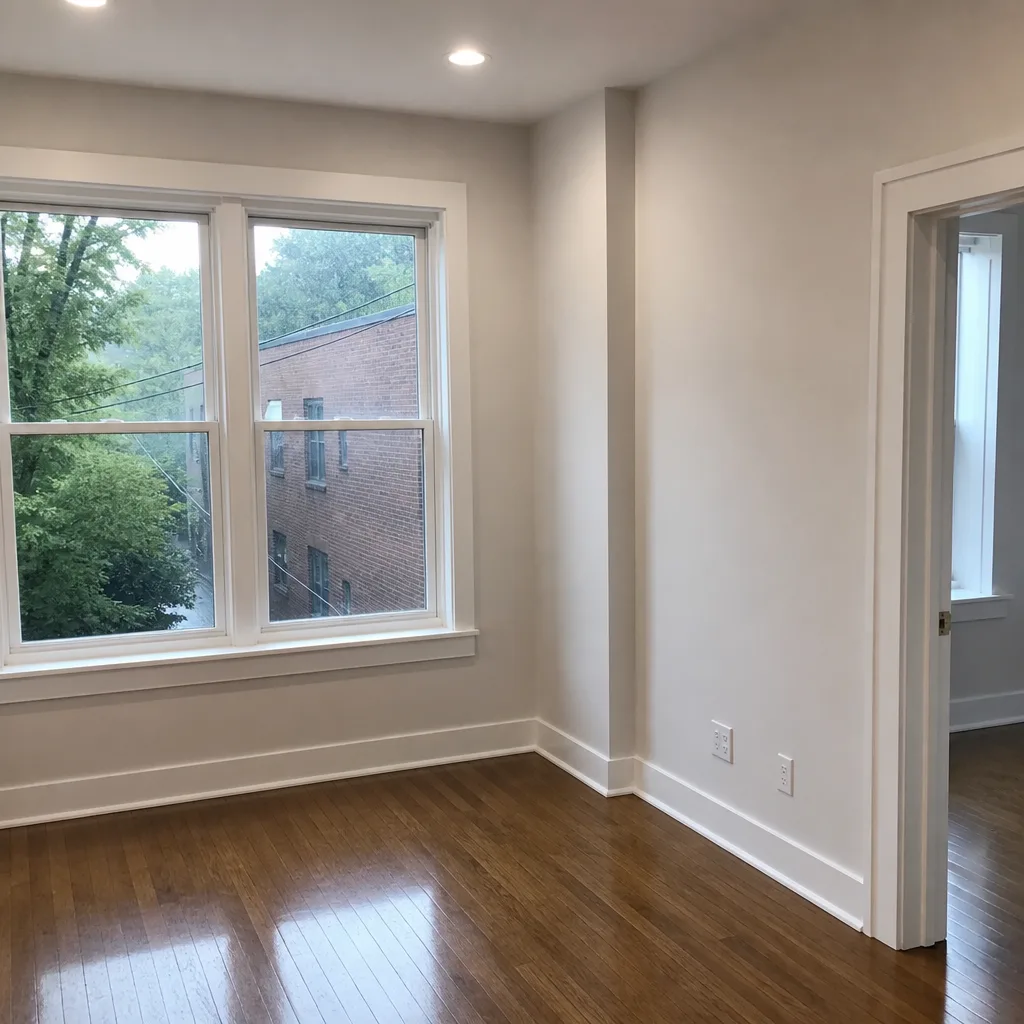 After
After24/7 Emergency Water Damage Restoration in Secaucus
Water damage in Secaucus moves fast, and so do we. A burst supply line, a nor’easter pushing Mill Creek over its banks, or a failed sump pump against the Meadowlands water table can put inches of water across your lower level in under an hour. Call (201) 740-2235 any time, day or night, and you’ll get a live person, not an answering service. Wade’s Restoration keeps crews positioned to reach Secaucus neighborhoods inside 45 minutes, and we start with a free visual inspection so you know exactly what you’re dealing with before any work begins. The first hour matters more here than in towns on higher ground, because groundwater intrusion compounds quickly when your slab sits at or just above the water table. We’ll get extraction running, stop the spread, and document everything your insurer needs from minute one.
Understanding Water Damage Restoration Severity in Secaucus Properties
Not all water damage is the same, and Secaucus’s housing stock makes those distinctions sharper than in neighboring towns. Water is classified by contamination level: Category 1 is clean water from a supply line or water heater. Category 2 is grey water, carrying soaps, detergents, or sump-pump discharge. Category 3 is black water, the worst kind, from sewage, river backflow, or storm surge. The shallow water table under Secaucus means many mid-century ranch homes and 1990s-era condo lower levels aren’t dealing with a simple pipe break. The hydrostatic pressure rising through the slab brings Category 2 or Category 3 contamination with it, and that changes everything about containment, drying strategy, and material replacement. We use moisture mapping and thermal imaging to find water inside wall cavities and under flooring that never shows on the surface. Skipping that step on a slab-on-grade Secaucus unit is how you end up with musty returns, buckling LVP, and mold blooming inside cavities three to six weeks after the flood. Severity drives the protocol, and we treat every Secaucus job as if the water table is part of the building envelope.
Why Secaucus Property Owners Choose Wade’s Restoration
- 45-minute response commitment across Secaucus: We position crews near the Meadowlands corridors so we’re actually moving fast, not just saying we are. Wade heads out when you call, and he’s been doing this since 2007.
- 24/7 live answer, every time: You’ll never get a voicemail or a call center. Wade ferris answers his own phone at 2 a.m., because that’s when water damage actually happens.
- IICRC-certified crews (WRT and ASD): The team carries applied structural drying credentials, not a laminated certificate from a weekend seminar. Wade’s crew trains on Dri-Eaz and Injectidry equipment and can use it properly.
- Free visual inspection, no trip charge in Hudson County: We don’t charge to come look. If it’s within our own county, the trip is on us, period.
- Direct insurance billing and adjuster coordination: Wade deals with your adjuster directly. You’re never stuck relaying information between two sides while your drywall keeps wicking moisture.
- One team from extraction to reconstruction: The same crew that pulls the water also handles the structural drying and rebuild. No handoffs, no dropped details, no “that was the other guy’s job.”
Our Water Damage Restoration Process
Inspection & Assessment
We walk the entire affected area with thermal imaging and a Tramex moisture meter, mapping exactly where water traveled inside the building assembly, not just where you see it on the surface. We classify the water category and give you a straight answer on what can be dried versus what needs removal.
Extraction & Stabilization
Standing water comes out first with truck-mounted or portable extraction units. For lower levels in Secaucus, we check the sump pit and foundation perimeter, because groundwater is almost always part of the equation here. We stop active intrusion before we begin drying.
Drying & Dehumidification
This is where Secaucus jobs separate the professionals from the pretenders. We set LGR dehumidifiers and high-velocity air movers in a calculated pattern, not a random scatter, and we take moisture readings every single day. If a wall cavity stays above 20% moisture content, we open it and address it directly with targeted drying systems like Injectidry panels.
Cleaning & Sanitization
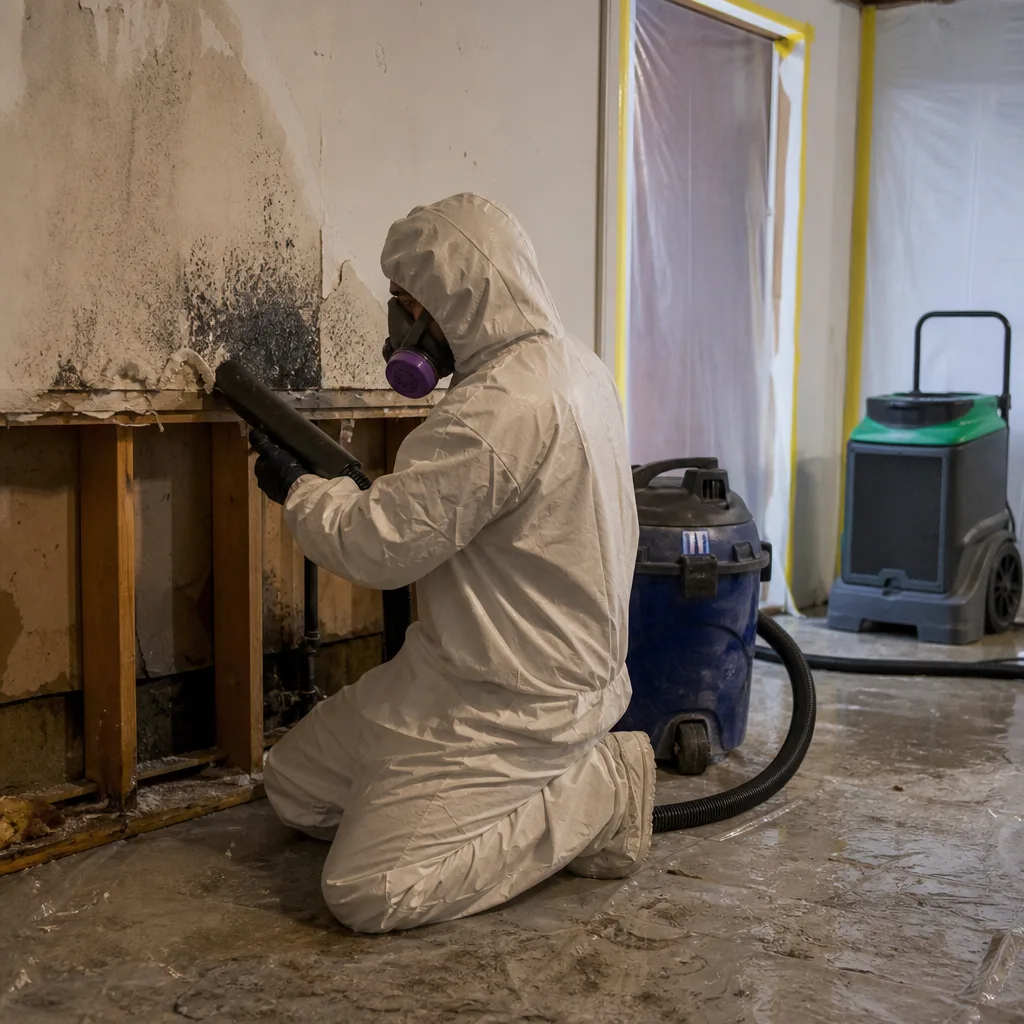
After structural drying reaches target equilibrium, we clean and disinfect affected surfaces with EPA-registered antimicrobial treatments. For Category 2 or 3 water from storm surge or tidal backflow, we go further: containment, controlled demolition of contaminated materials, and air scrubbing with HEPA filtration to keep spores from spreading through your ductwork.
Moisture Verification & Antimicrobial Treatment
We don’t hand you back a damp house. We verify dry standard is met in every affected material, including sill plates and wall cavities, then apply antimicrobial treatment to surfaces that took on floodwater. That follow-up step is what prevents the 3 to 6 week mold callback we see all over Mill Creek blocks.
Repairs & Restoration
Once the structure is dry and clean, our crew handles the rebuild: drywall, trim, flooring, paint. You get a written scope before any reconstruction begins, and the 90-Day Done Right Promise covers the work in writing.
Need Emergency Water Damage Restoration in Secaucus Now?
Crews minutes away, answering live 24 hours a day. The sooner we start, the less it costs.
Working With Your Insurance Company
Most Secaucus water damage claims involve insurance, and the way the claim is documented in the first 48 hours decides how much you’re reimbursed. We photograph everything room by room before we move a single piece of equipment, then log moisture readings daily and compile them into a drying report your adjuster can actually use. Wade communicates with your carrier directly, so you’re never the person stuck explaining why a dehumidifier ran for five days or what a moisture reading of 22% MC means. We write line-item scopes in the same estimating format insurers expect, which reduces back-and-forth and speeds approval. If your adjuster wants to inspect the loss, we coordinate the timing. If they push back on a line item, we provide documentation to support it. That’s been the standard since 2007, because claim friction is the last thing you need while your lower level is open to the studs.
What We Provide Your Insurer
- Thorough documentation of the loss
- Photos of all damage, room by room
- Moisture readings and drying logs
- A detailed, line-item scope of work
- Direct coordination with your carrier
Built for Secaucus’s Loss Calendar
Secaucus has a water damage calendar all its own, and it doesn’t look like the one in Hoboken or North Bergen. January and February bring deep freezes that burst supply lines in older attached ranch homes along Farm Road and the mid-century blocks near the high school. When the thaw hits in March, groundwater rises through foundation walls and floor slabs, and we get the basement seepage calls, sometimes in homes that stayed dry all winter. Summer thunderstorms overwhelm storm drains in low-lying sections of town, sending street water into driveways and lower-level entries. Then comes nor’easter season, from September through November, when Mill Creek and the Hackensack River push back against the tide, and finished lower levels in the Meadowlands redevelopment zone take on water even when rainfall alone wouldn’t have caused it. Wade’s Restoration plans around this calendar because we’ve worked Secaucus long enough to know what’s coming before it arrives.
Water Damage Restoration Across Secaucus’s Neighborhoods
The older residential core around Farm Road, Koelle Boulevard, and the streets near Mill Creek is dominated by mid-century attached ranch homes and cape cods, many with finished lower levels that sit at or just above the water table. When Mill Creek backs up during a nor’easter, these are the first houses to take water, usually through the cove joint where the wall meets the slab. We route response crews up Meadowlands Parkway and through the county road grid to reach these blocks inside the 45-minute window, because every minute of standing water against a 1960s foundation creates more hydrostatic pressure behind it. Over in the condo and townhouse developments built during the 1990s and 2000s, the failure mode is different: slab-on-grade construction with limited drainage, where water enters from below and travels horizontally under flooring, completely invisible until the LVP starts buckling or the baseboards swell. We treat those two housing types with entirely different drying protocols, because no single approach works across Secaucus’s building stock.
Specialized Water Damage Restoration Services We Offer in Secaucus
Emergency Water Extraction
Standing water comes out first, fast, because every hour it sits on a Secaucus slab, more moisture wicks into drywall and sill plates. We run truck-mounted and portable extraction units, starting in the lowest point of the affected area and working outward. For lower levels off Mill Creek blocks, we check the sump pit during extraction, because if the pump failed once it can fail again.
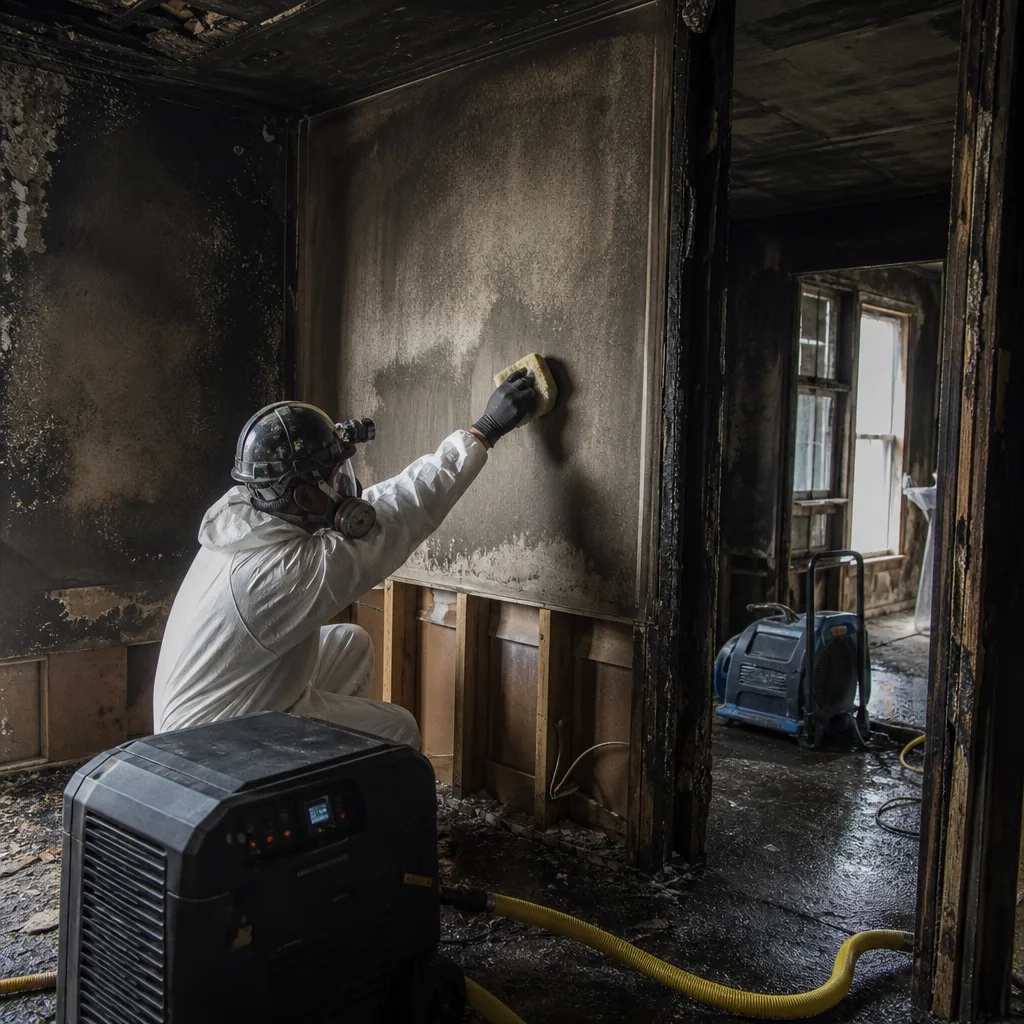
Structural Drying & Dehumidification
This is the make-or-break service for Meadowlands homes. Shallow groundwater and high ambient humidity mean the drying window is longer here than in upland towns, and cutting it short is how you get mold inside wall cavities three weeks later. We deploy LGR dehumidifiers and high-velocity air movers in calculated patterns, take daily moisture readings, and adjust placement based on actual data, not guesswork.
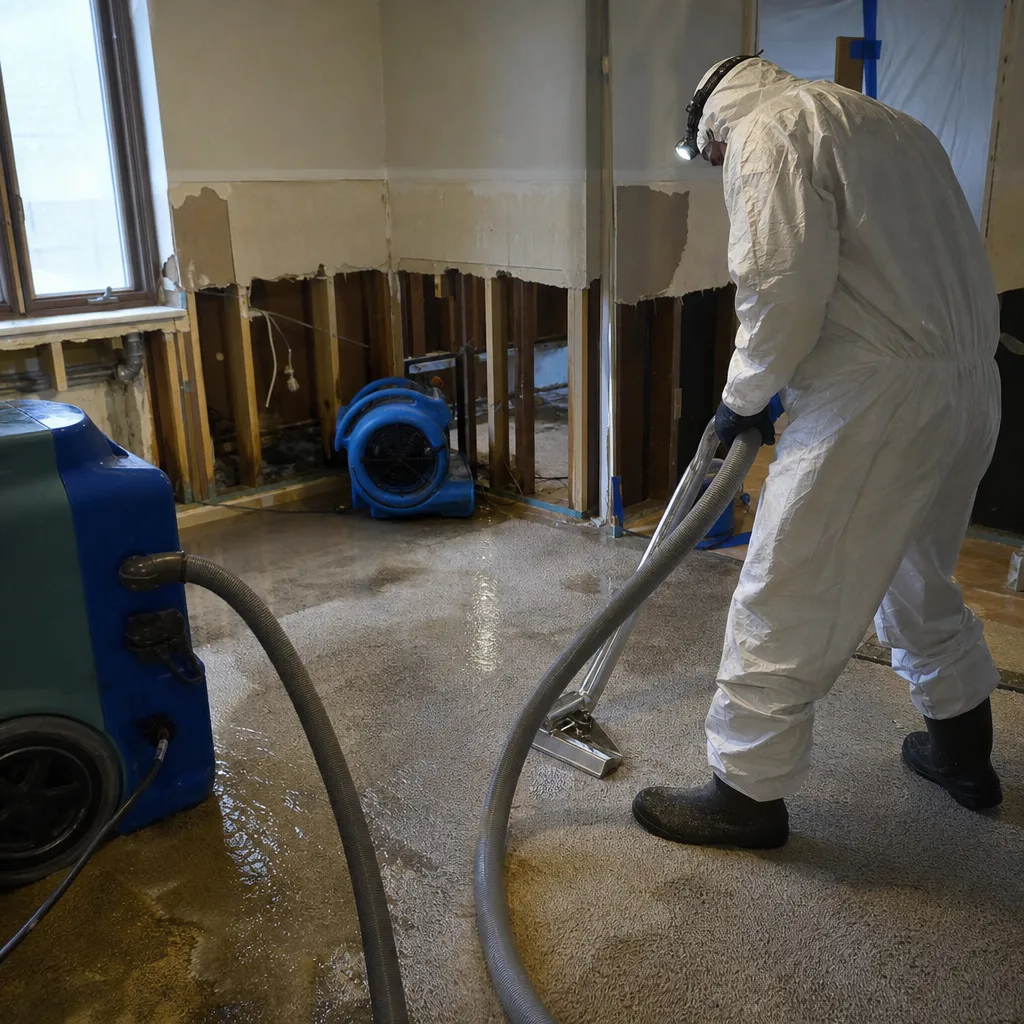
Flood Cleanup
When Mill Creek or the Hackensack River pushes water into a Secaucus lower level, that’s Category 3 water, and cleanup means more than mopping. We remove contaminated drywall and insulation, treat affected framing with antimicrobial products, run HEPA air scrubbers to control airborne spores, and document the entire process for your insurer. The follow-up mold prevention treatment on sill plates is standard on every flood cleanup we do here.
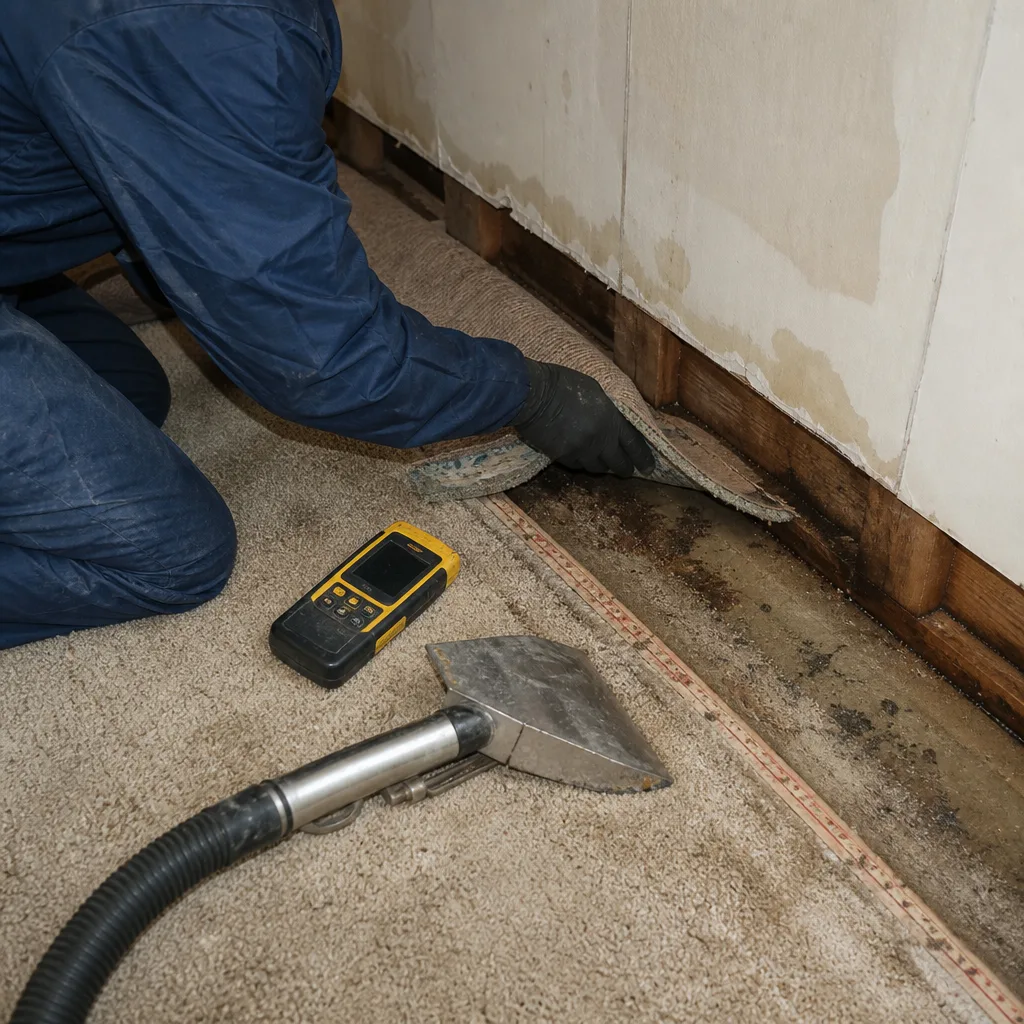
Burst Pipe Restoration
January freezes in Secaucus pop supply lines in exterior walls and unheated crawl spaces, and the damage spreads through wall cavities before you ever see it. We trace the water path with moisture mapping, open only what needs opening, and dry the rest in place with targeted systems. A Category 1 pipe break in a ranch on Koelle Boulevard usually means less demolition than a flood cleanup, but the drying has to be just as thorough.
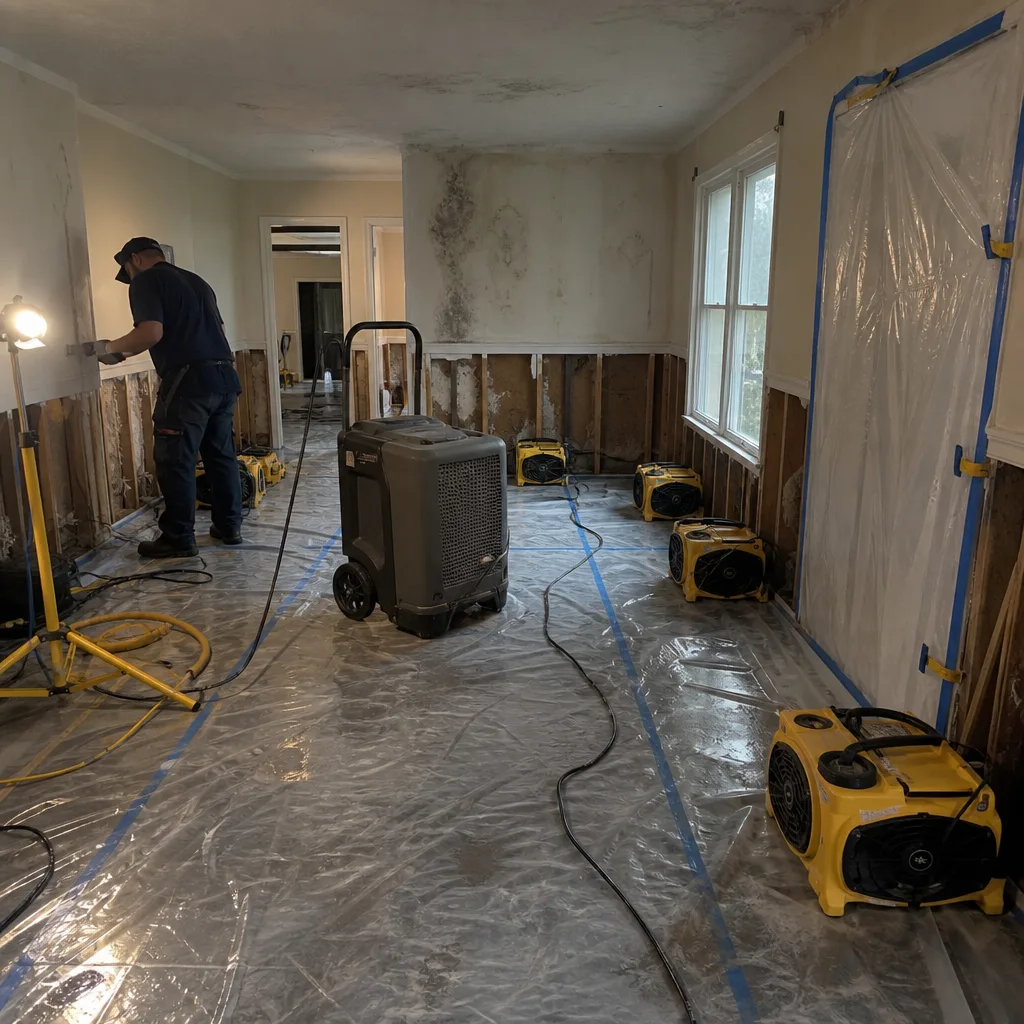
Basement Water Removal
Basements in Secaucus aren’t like basements in Rutherford or North Bergen. The water table is so shallow here that basement water removal often turns into a groundwater management conversation. We extract the standing water, dry the structure to target moisture content, and tell you straight whether the intrusion came from a one-time event or a recurring hydrostatic condition that needs a drainage correction.
What happens when you call
- 1
A real person answersNo phone trees - you reach a local pro.
- 2
You get an upfront price rangeHonest numbers before anyone is dispatched.
- 3
A background-checked tech heads outLicensed & insured, dispatched right away.
- 4
You approve before work beginsNothing starts until you say go.
Water Damage Restoration Costs in Secaucus, NJ
Secaucus water damage restoration runs higher than the national average because structural drying is genuinely more involved in the Meadowlands. Here’s what you can expect in this market:
- Emergency water extraction: $450 to $1,200 for a typical single-room lower-level situation, depending on the volume of standing water and accessibility.
- Structural drying and dehumidification: $1,200 to $3,800 for multiple rooms with high moisture content. Jobs requiring Injectidry panel systems inside wall cavities run toward the higher end.
- Flood cleanup with Category 3 contamination: $3,000 to $9,000, including controlled demolition, antimicrobial treatment, and air scrubbing, depending on the square footage affected and whether framing requires treatment or replacement.
- Burst pipe restoration: $1,800 to $6,000 when drying can be done in place. Costs rise if multiple rooms or finished ceilings are involved.
- Basement water removal with groundwater management: $1,500 to $5,000 for extraction, drying, and recommendations on drain tile or sump upgrades, depending on the size of the space.
What moves the price most is the water category and how far the moisture traveled inside the building assembly. A Category 1 pipe break stopped early might cost $2,000. A Category 3 flood that’s sat overnight against drywall might cost $8,000. The free visual inspection is the fastest way to get a firm number. We’ll tell you what needs to be done, what it costs, and what your policy likely covers. No charge for the trip inside Hudson County.
We Also Serve Cities Near Secaucus
Wade’s Restoration handles water damage restoration in the surrounding towns too: North Bergen, Union City, Weehawken, and Hoboken. Same 45-minute response commitment, same 24/7 live answer, same 90-Day Done Right Promise in writing. To wade is what you do through a flooded basement at two in the morning, and as it happens, wade is his name. Call (201) 740-2235 and Wade will answer.
Serving Secaucus, NJ - Our Local Coverage Area
We’re based in the Secaucus area and know this community well. Use the map below to see our service coverage - if you’re nearby, we can almost certainly help.
Secaucus Water Damage Restoration Questions, Answered
Why does my Secaucus basement stay damp weeks after a flood even when there is no standing water?
Because your slab sits at or just above the Meadowlands water table, and groundwater keeps wicking through the concrete long after surface water is gone.
The shallow water table under Secaucus means the ground beneath your basement holds water for weeks after a flood event. That moisture rises through floor slabs and foundation walls by capillary action, keeping indoor humidity elevated and feeding damp conditions inside wall cavities. A household dehumidifier might pull some moisture from the air, but it can’t reach water trapped inside the building assembly. Professional structural drying with LGR dehumidifiers and daily moisture readings is how you actually break that cycle. Call (201) 740-2235 and we’ll take readings in your basement and show you exactly where the moisture is still sitting.
How long after a Mill Creek flood should I run dehumidifiers before checking for mold?
Run them until moisture readings inside walls and sill plates are verified dry, which in Secaucus typically takes five to ten days with professional equipment, not the three days a homeowner might assume.
The mistake we see regularly is homeowners running an electric dehumidifier until the air feels dry, then shutting it off while the wall cavities and framing are still holding 20% plus moisture content. That’s when mold blooms, usually three to six weeks after the flood. In a Mill Creek lower level, the drying window is longer because the water table keeps reintroducing moisture. We take daily readings with a Tramex meter and don’t declare the job done until the numbers say it is. If you’ve already dried out and you’re not sure it worked, we offer a free second opinion on any written estimate. Call (201) 740-2235.
Are Secaucus condo lower levels more likely to have Category 2 or Category 3 water after a storm?
Yes, and the answer depends on the source of the water, not the amount of it.
When storm surge or tidal backflow pushes Hackensack River or Mill Creek water into a lower level in the Meadowlands redevelopment zone, that’s Category 3 water, contaminated with river sediment, sewage crossflow, and whatever the storm drains carried along with it. Even a sump pump discharge backing up adds Category 2 contamination. Treating that as Category 1 clean water is the failure we see from crews unfamiliar with Secaucus’s drainage mechanics. Category 3 water requires containment, controlled demolition of affected materials, and antimicrobial treatment of framing. Call (201) 740-2235 if you’re not sure what came into your unit, and we’ll classify it correctly and document it for your insurer.
What makes structural drying in Secaucus take longer than in nearby towns like Rutherford?
Rutherford sits on higher ground with a deeper water table. Secaucus sits on former wetlands at near-sea-level elevation, flanked by the Hackensack River and Mill Creek.
The shallow groundwater continually feeds moisture back into foundation walls and floor slabs even after we remove the surface water. That means our dehumidifiers and air movers have to run longer to reach the same dry standard, and we have to verify with daily moisture readings instead of assumed timelines. In a Rutherford basement on the same day, the same crew might finish drying in four days. In Secaucus, six to eight days is realistic for finished lower levels near Mill Creek. We’d rather tell you that up front than hand you back a damp house and wait for the mold call. Get the exact timeline for your situation: call (201) 740-2235.
Do I need a flood cut on drywall in a Secaucus ranch after a Category 1 pipe break?
Not always. A Category 1 pipe break can often be dried in place if we catch it early and the drywall hasn’t wicked moisture far above the baseboard line.
The deciding factors are moisture content readings in the drywall and how long the water sat. If gypsum board has absorbed water above roughly 20% moisture content for more than 48 hours, it loses structural integrity and typically needs to be cut and replaced, usually with a flood cut 12 to 18 inches above the visible water line. If we get there within an hour or two of the break, we can often dry the wall cavities in place with targeted Injectidry panels and save the drywall. This matters in Secaucus ranches because matching mid-century wall textures is a repair nobody wants if it can be avoided. We’ll show you the moisture readings and let you see exactly what we see before we cut anything. For a free inspection, call (201) 740-2235.
How fast can you actually get to my Secaucus house?
Usually within 45 minutes of your call, often faster for homes near the county road grid.
We keep crews positioned to reach the older residential core near Farm Road, the condo developments along Meadowlands Parkway, and the Mill Creek blocks without fighting cross-town traffic. There’s no dispatch queue and no answering service, Wade Ferris answers his own phone, and the crew that heads out is the crew that will do the work. In a flood situation, we know the routes that stay open when low-lying sections start ponding. Call (201) 740-2235 and we’ll give you a real ETA before we hang up.
Will my homeowner’s insurance cover Secaucus water damage restoration?
In most cases yes, with the standard exclusions: gradual seepage without a covered event is typically not covered, while sudden discharges like burst pipes and storm-related flooding usually are.
If water enters through a foundation crack during heavy rain and there’s no named storm event, some carriers classify that as seepage and deny it. If a pipe freezes and bursts in January, that’s a covered sudden discharge. Floodwater from Mill Creek or the Hackensack River may require a separate flood insurance policy depending on how the water entered and your carrier’s language. Wade deals with adjusters every week and knows how the documentation needs to look. We photograph everything, log moisture readings daily, and write scopes in insurer-friendly format. Call (201) 740-2235 and we’ll walk your specific scenario through before anything gets torn out.
What should I do in the first 30 minutes after discovering water in my Secaucus home?
Shut off the water source if it’s a plumbing failure, kill the power to the affected area, and call us, then move valuables off the floor without putting yourself in contact with contaminated water.
Do not enter standing water if there’s any chance it’s Category 3, meaning floodwater from the river, creek, or sewage. That water carries pathogens and the water may be in contact with electrical outlets or appliances. If it’s clean water and safe to walk, scoop or squeegee what you can toward a drain, but don’t run a shop vac in standing water. Don’t turn on fans or household dehumidifiers if the water is contaminated, you’ll just blow spores and bacteria through the space. The first call should be to a live person who can tell you exactly what to do next. That number is (201) 740-2235, and you’ll get Wade or one of his people, not a recording.
Written by Wade Ferris, Owner at Wade’s Restoration, serving Secaucus since 2007. Call (201) 740-2235 any time, day or night, and you’ll get a live person who knows this town’s water.