
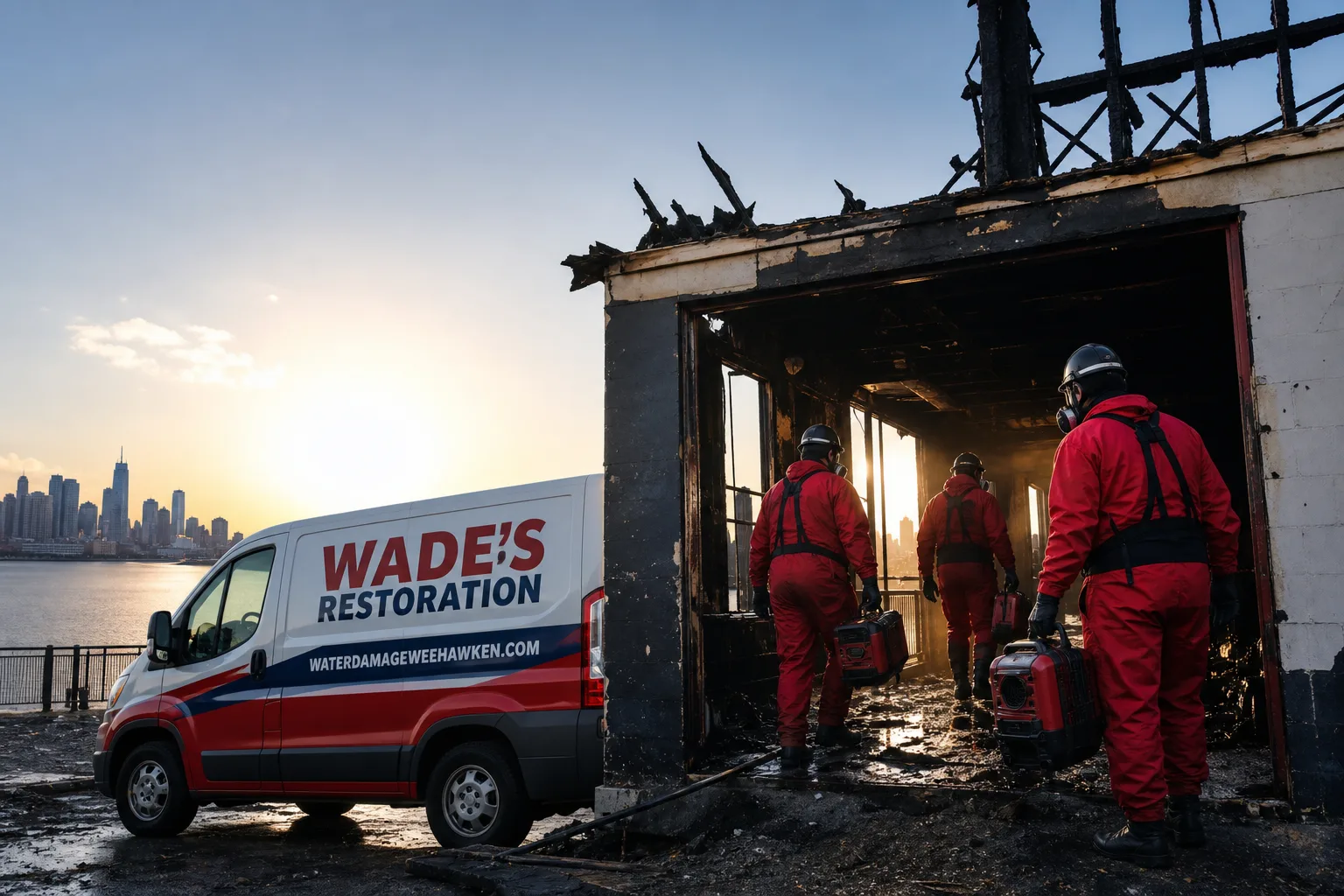
Free visual inspection and a written scope of work before any mitigation begins - photos, moisture readings, and drying logs go in your claim file
The scope we write is the scope we bill. Anything new gets shown to you, in writing, before we touch it.
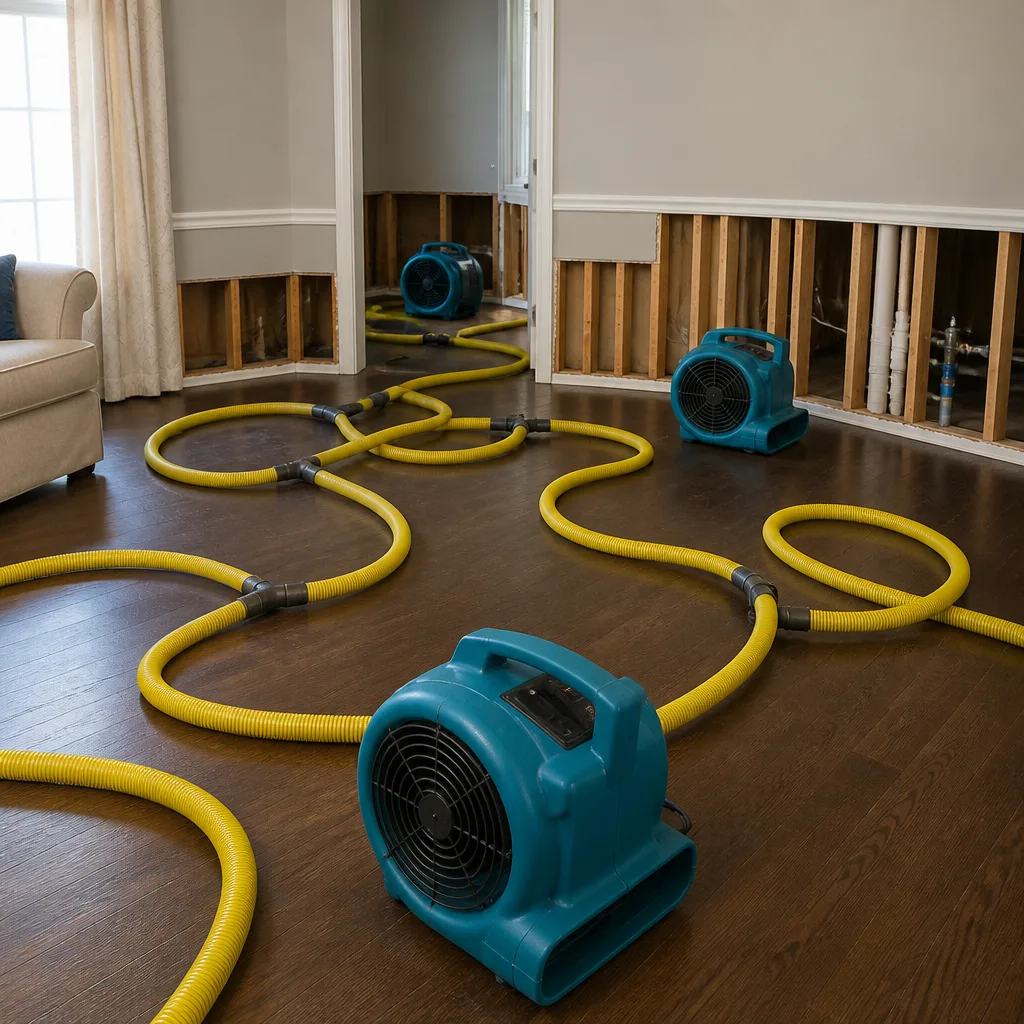

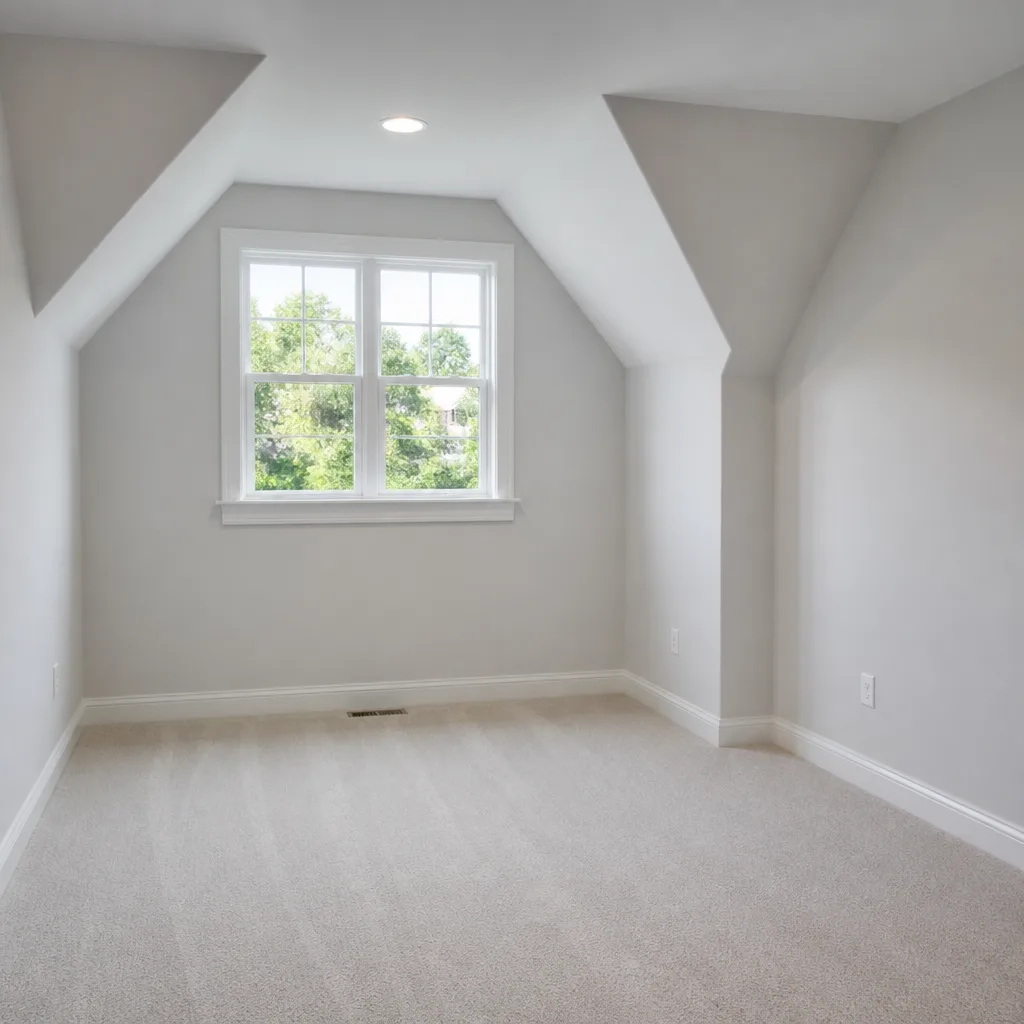
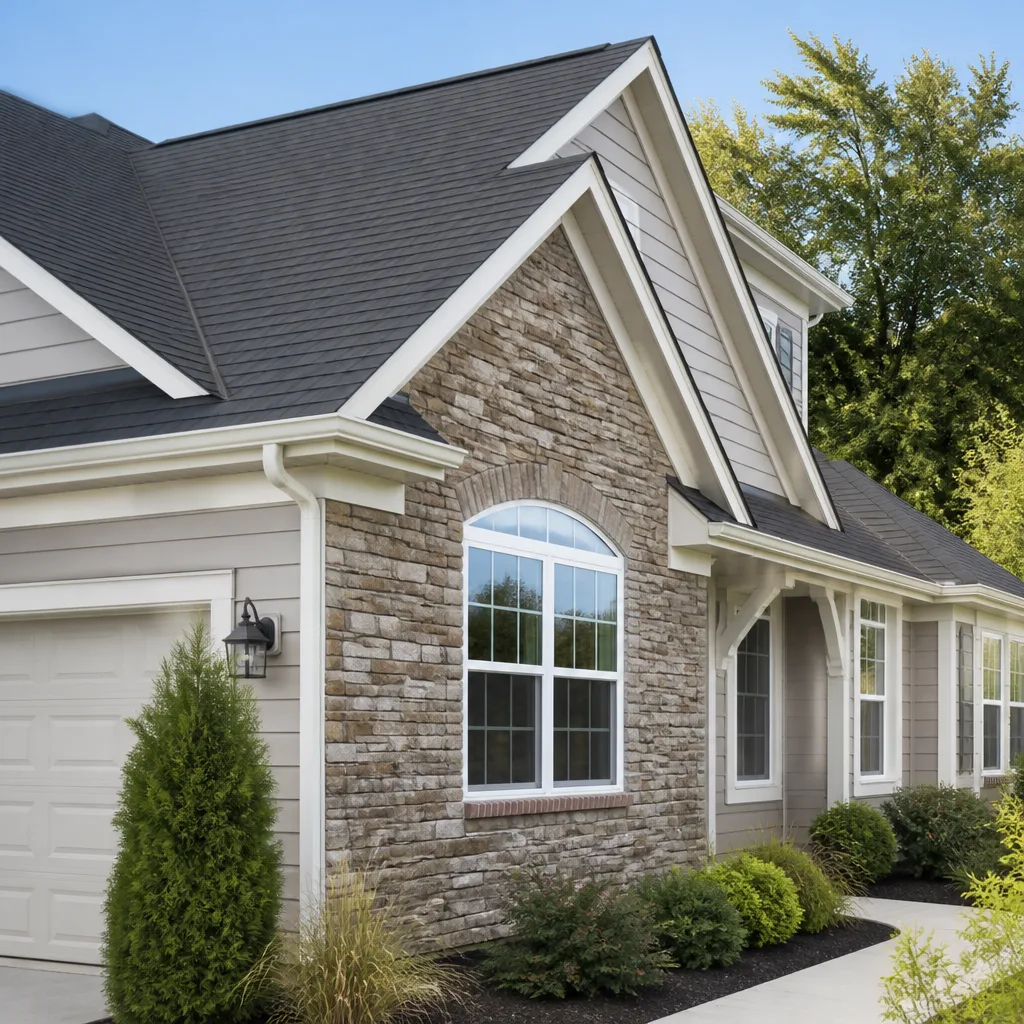
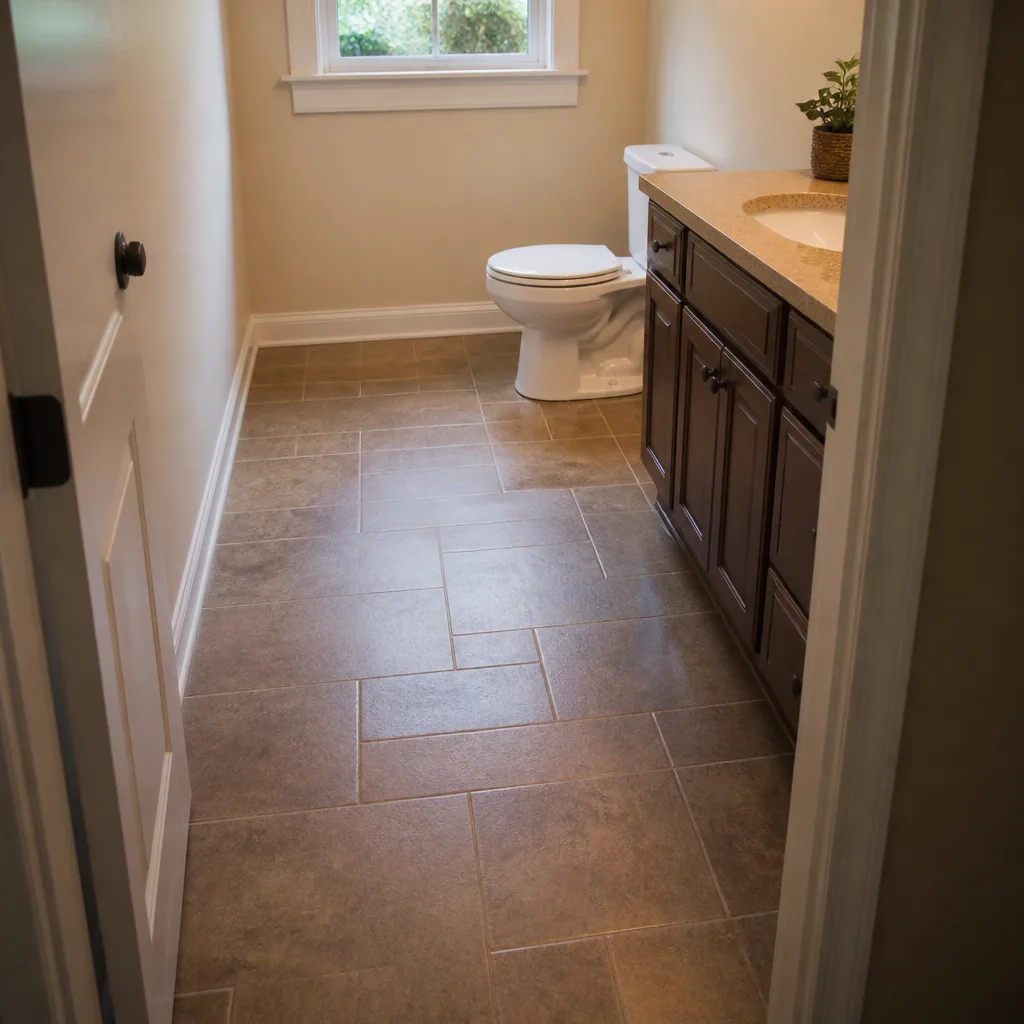

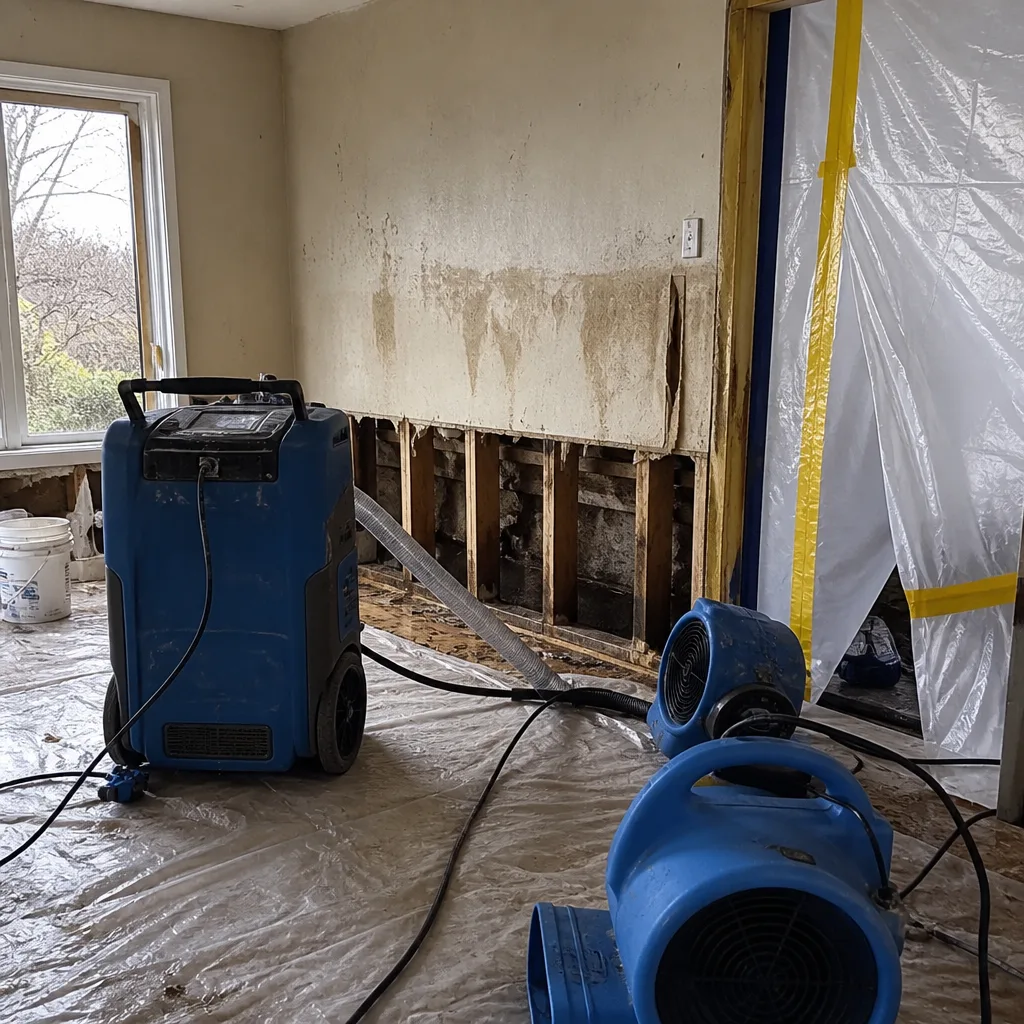 Before
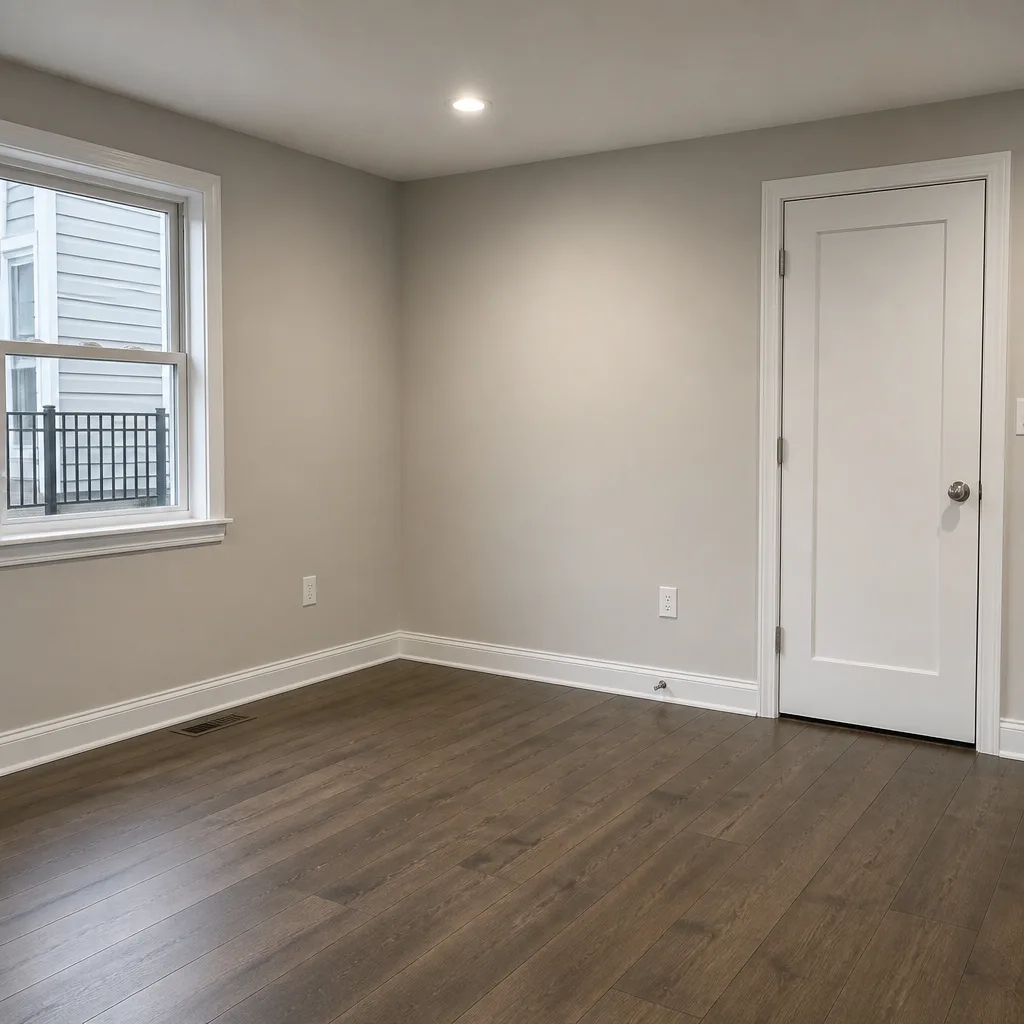 After
After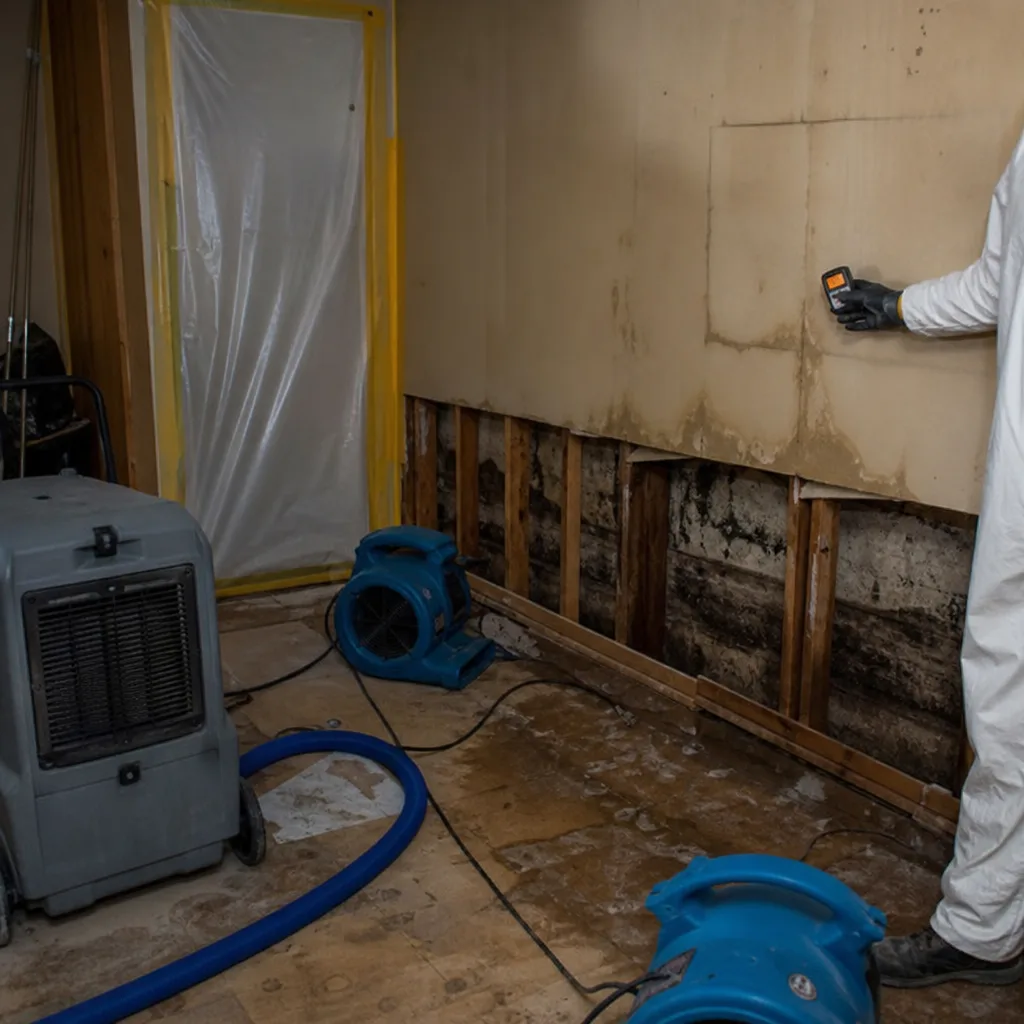 Before
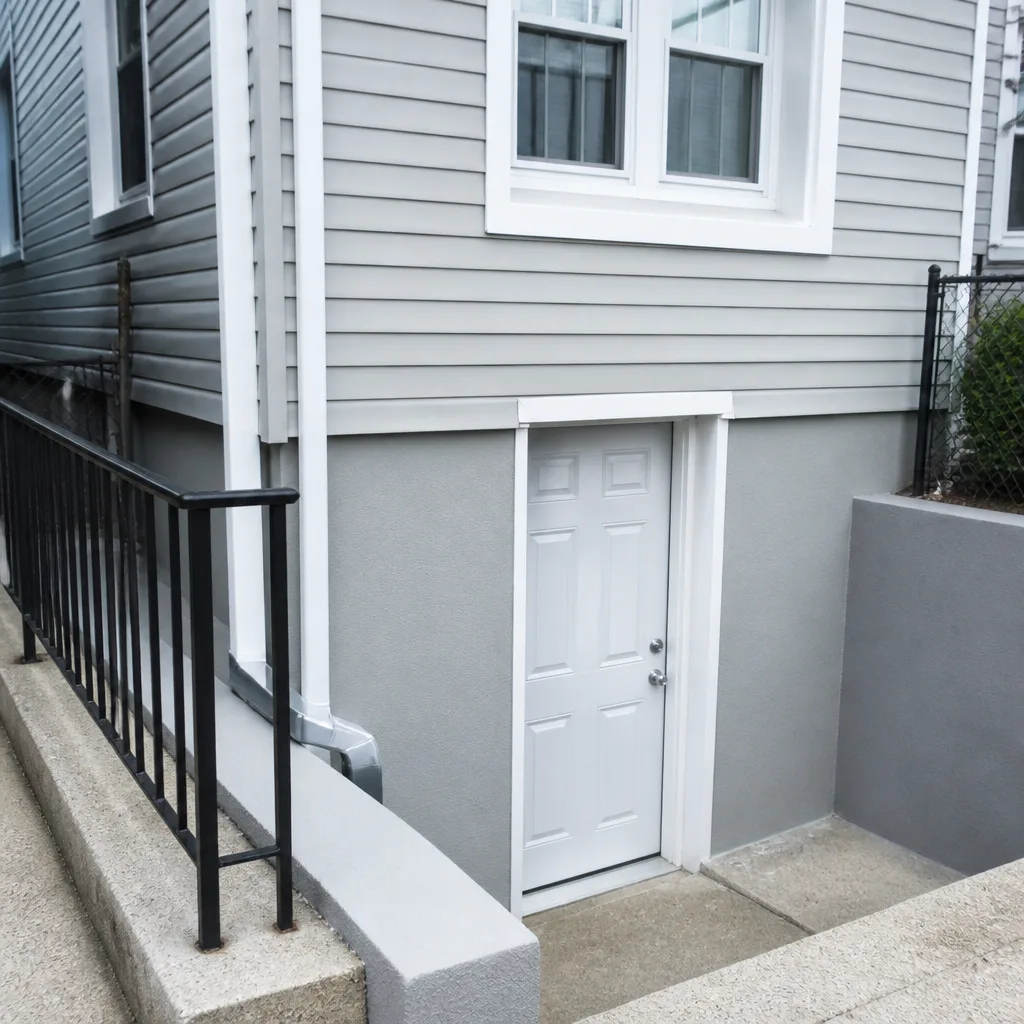 After
After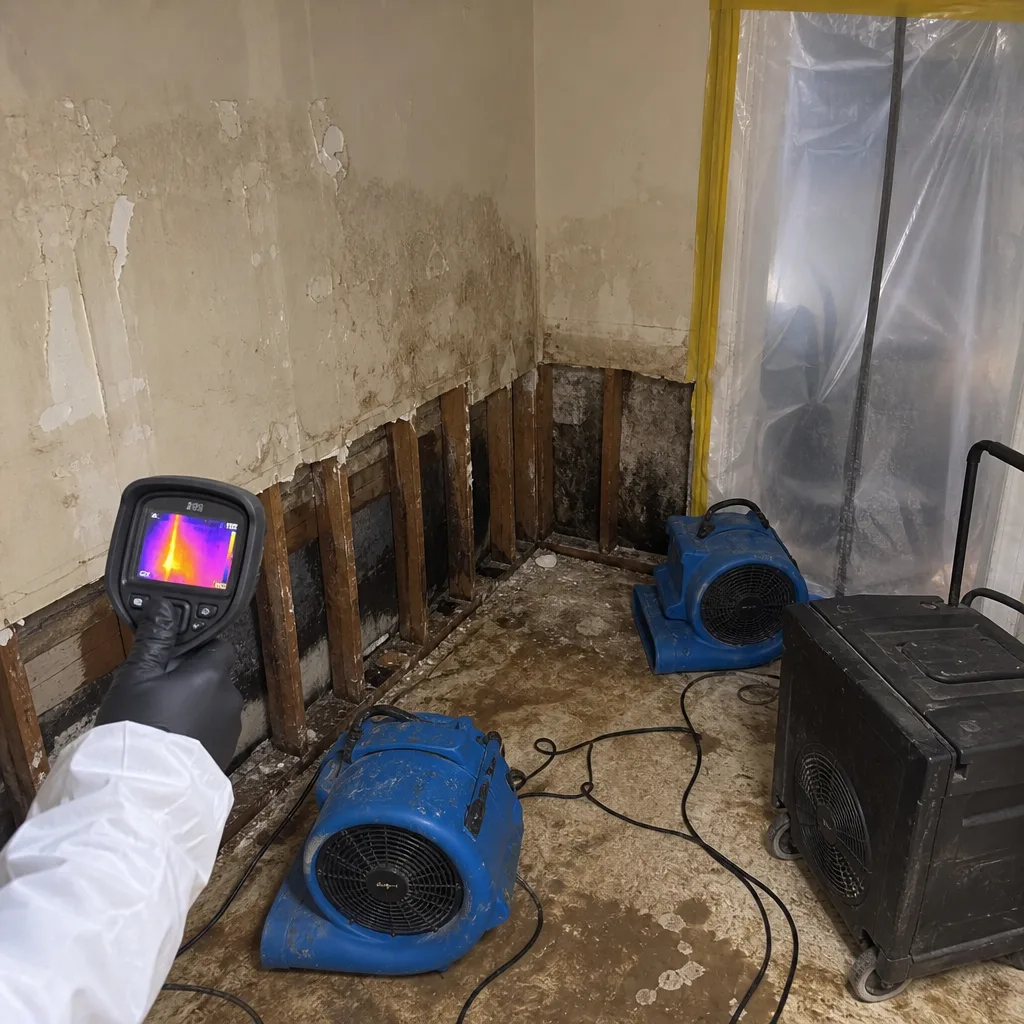 Before
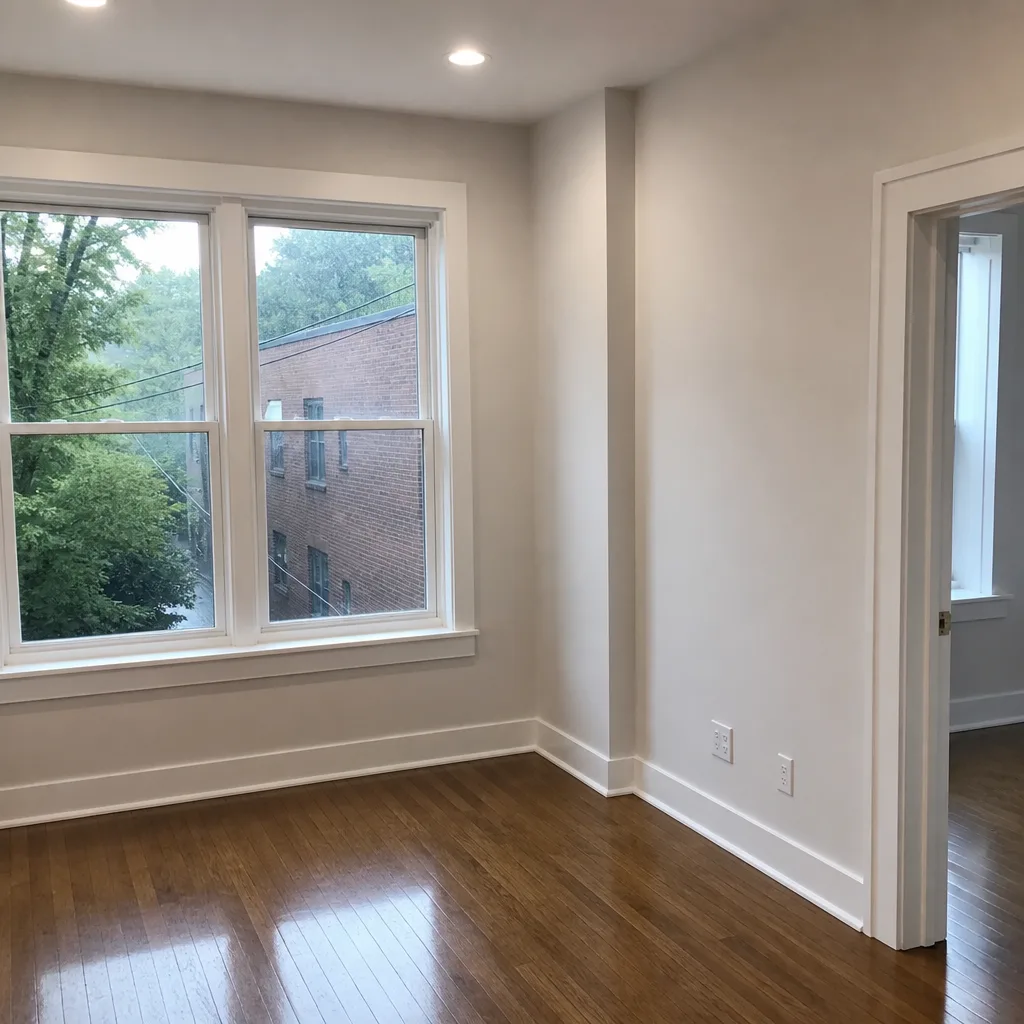 After
After24/7 Emergency Water Damage Restoration in Jersey City
When water is spreading through your Jersey City row house at 2 a.m., the first hour determines whether you’re looking at a drying job or a gut-and-rebuild. Raw sewage backs up through floor drains in Greenville and Bergen-Lafayette during storms that drop barely an inch of rain, and by the time the sun comes up, that water has already migrated through shared party walls into the unit next door. Wade Ferris answers his own phone at (201) 740-2235, any hour, and he will be on the road toward your block while you’re still standing in the wet spot deciding what to do. We run extraction crews into every Jersey City neighborhood around the clock, not because the marketing plan says so, but because a combined sewer line surcharging into a Victorian-era basement does not wait for business hours.
Call now and Wade heads out himself. Free visual inspection, no trip charge inside Hudson County, and a written scope before any work starts. That last part matters, because you have probably dealt with a national outfit that quoted one number on the phone and another at the door. We won’t do that to you.
Understanding Water Damage Restoration Severity in Jersey City Properties
Water damage falls into three categories, and Jersey City sees all of them in a single storm season. Category 1 is clean water from a burst supply line or an overflowing tub. Category 2 is gray water, the kind that comes from a washing machine discharge or a sump pump failure, and it carries enough contaminants to make you sick. Category 3 is black water: raw sewage, Hudson River storm surge, or Newark Bay saltwater that has picked up whatever was in the street. In most New Jersey markets, Category 3 is the exception. In Jersey City, it is close to routine, because the combined storm-sewer mains were sized for Victorian runoff volumes and they surcharge during ordinary rain events. A homeowner calls it a basement flood. Legally, it’s a biohazard job.
That’s not a scare tactic. It’s what the IICRC standards require, and it’s why we treat Greenville and Bergen-Lafayette row-house basements with full containment, not just a mop and a fan. The attached brick construction that defines Jersey City from Paulus Hook to the Heights means water does not stay where it starts. It travels laterally through shared masonry walls, and moisture that wicks into a neighbor’s lath and plaster will keep feeding mold long after your side looks dry.
Why Jersey City Property Owners Choose Wade’s Restoration
- 45-minute response commitment – When you call with water rising, Wade gives you a real arrival window, not a four-hour call-center estimate. He knows the lights on Kennedy Boulevard and the cut-throughs that get him to Greenville faster than GPS suggests.
- 24/7 live answer, always a person – No automated system, no national call center. You get Wade or a member of his crew. At midnight during a nor’easter, that’s who you want on the line.
- IICRC-certified restoration crews – WRT for water damage, ASNT for structural drying, and AMRT for the mold situations that follow. The certifications are current, and the work shows it.
- Free visual inspection – Wade will walk the damage with you before you commit to anything. You see what he sees, and you get his honest read on what actually needs to happen.
- Direct insurance billing – We handle the claim paperwork and talk to your adjuster directly. You are not stuck relaying information between two parties who never speak to each other.
- One crew from extraction to reconstruction – The same people who pump out your basement are the ones who hang new drywall. Nothing gets lost in a handoff between three different subcontractors.
Our Water Damage Restoration Process
Inspection & Assessment
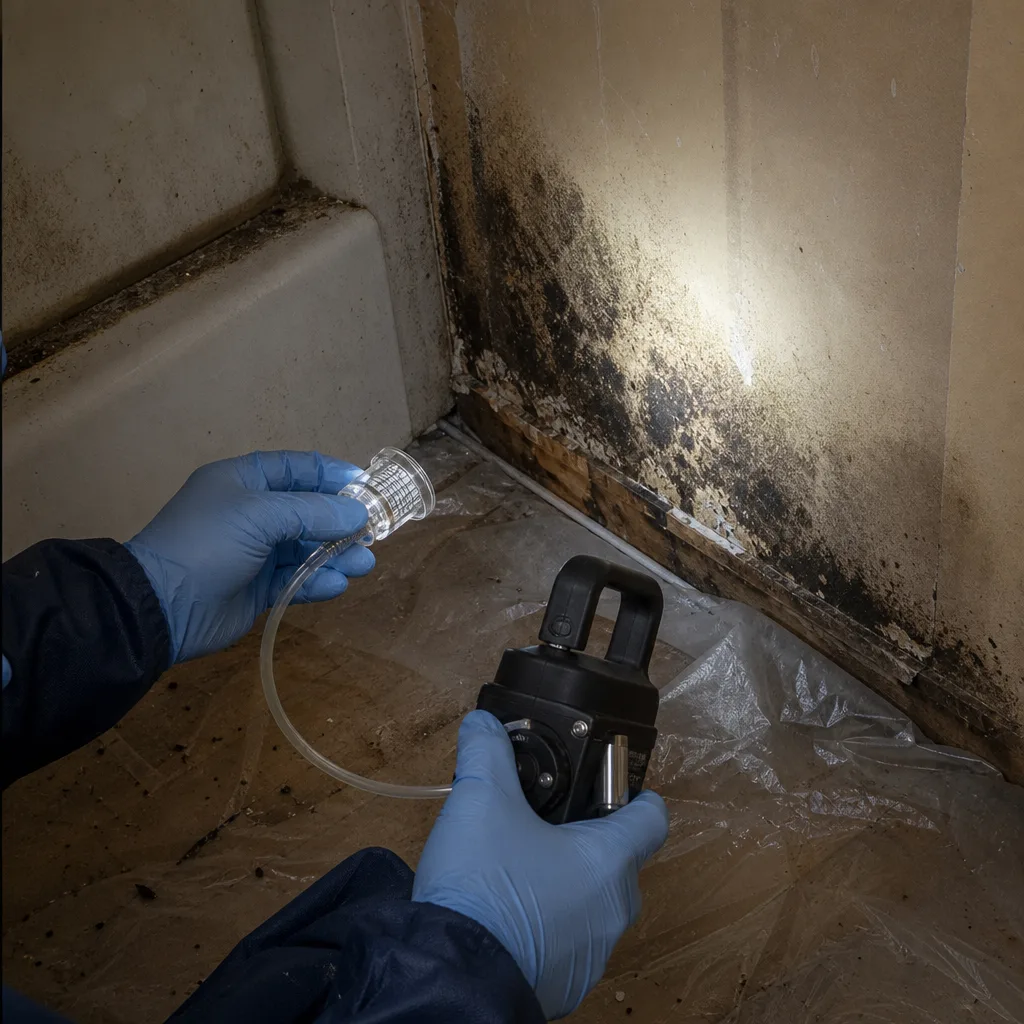
We start with thermal imaging and moisture mapping to find water you cannot see, especially the lateral migration through party walls that Jersey City row houses are known for. If the building predates 1940, we flag asbestos and lead-paint testing before anyone opens a wall.
Extraction / Stabilization
Water comes out fast with truck-mounted extraction units and XPOWER submersible pumps. If it’s Category 3 from the combined sewer, we set containment and negative air pressure before anything else moves.
Drying & Dehumidification
Dri-Eaz LGR 7000XLi dehumidifiers and Phoenix air movers run around the clock, and Wade takes moisture readings every single day, logging them so you and your insurer see exactly what’s drying and what isn’t.
Cleaning & Sanitization
HEPA air scrubbers pull spores and particulates from the air while we clean every affected surface. Sewage jobs get full antimicrobial treatment, because you should never have to wonder what was in that water.
Structural Drying in Party Walls
Homes in Greenville and Bergen-Lafayette share masonry walls that hold moisture like a sponge. We use Injectidry systems and panel drying to pull water from wall cavities without tearing out plaster unnecessarily.
Repairs & Restoration
Once the structure is dry and verified by moisture readings, we rebuild what came out: drywall, trim, flooring, paint. One crew handles it all, and the 90-Day Done Right Promise applies to every water, fire, and mold job we touch.
Need Emergency Water Damage Restoration in Jersey City Now?
Crews minutes away, answering live 24 hours a day. The sooner we start, the less it costs.
Working With Your Insurance Company
Insurance claims for water damage in Jersey City get complicated fast, because a sewage backup and a storm-surge flood are often covered under entirely different policies, and the adjuster needs to know which one applies. We document everything from the first hour: photos of standing water, moisture readings before and during drying, and a written log of every reading Wade takes each day. That log has saved homeowners real money, because it shows the insurer exactly when the structure reached dry standard, which is what the claim payout hinges on.
Wade talks to the adjuster directly. You don’t play messenger. He explains what the moisture mapping showed, why the party wall needed to be opened, and what the rebuild scope should include. When your neighbor’s unit is affected, we coordinate with their carrier too, because shared walls mean shared claims.
What We Provide Your Insurer
- Thorough documentation of the loss
- Photos of all damage, room by room
- Moisture readings and drying logs
- A detailed, line-item scope of work
- Direct coordination with your carrier
Built for Jersey City’s Loss Calendar
Jersey City’s water damage calendar runs on two rhythms: the weather and the sewer system. January and February bring deep freezes that burst supply lines in uninsulated row-house walls, and a single frozen pipe behind a kitchen cabinet in the Heights can soak two floors before anyone notices. March brings thaw and the first basement seepage through century-old fieldstone foundations. August thunderstorms drop an inch of rain in forty minutes, and the combined sewers in Greenville and Bergen-Lafayette back up exactly as they did a hundred years ago, except now there are finished basements and furnaces and stored belongings down there. Nor’easter season from September through April pushes Hudson River storm surge into Paulus Hook and the waterfront, and salt water does damage that freshwater never does, corroding steel framing and electrical panels months after the flood recedes. Knowing which of these you’re dealing with changes everything about how we dry the structure and what we tell your insurer.
Water Damage Restoration Across Jersey City’s Neighborhoods
Response time depends on where you are, and Wade knows the difference between a Journal Square brownstone and a Greenville row house better than any national dispatcher. Downtown and Paulus Hook mean historic brownstones with original plaster, ornamental trim, and strict historic-district expectations about what gets removed and what gets saved. Bergen-Lafayette and Greenville are row-house country, brick party walls and shallow basements that flood fast and drain slow, where combined sewer backups are a regular part of living with 1890s infrastructure. The Heights and Journal Square bring prewar brick construction with updated mechanicals, which means burst pipes and ceiling leaks from modern plumbing run through walls that were never designed for it. Along Kennedy Boulevard and Communipaw Avenue, commercial storefronts with apartments above bring their own complications: a ceiling leak at street level is someone’s bedroom floor upstairs, and we’re often coordinating with a business owner and a residential tenant at the same address.
We responded to a row house on Bramhall Avenue in Bergen-Lafayette after a nor’easter pushed storm surge into the crawl space, then the combined sewer line backed up through the floor drain. Our crew set containment, ran a Dri-Eaz LGR 7000XLi and XPOWER air movers, and used moisture mapping to show the lateral migration through the shared party wall into the neighbor’s unit, which required coordination and documentation for their carrier before we could begin structural drying. That’s the Jersey City job in one story: two sources of water, two units affected, two insurance policies, and one crew that knew how to handle all of it.
Specialized Water Damage Restoration Services We Offer in Jersey City
Emergency Water Extraction
Standing water in a Jersey City basement is doing structural damage every minute it sits. Our extraction crews pull water fast with truck-mounted units and submersible pumps, then get air moving immediately. For sewage backups in Greenville or Bergen-Lafayette, extraction happens inside full containment, because that water is Category 3 and it doesn’t belong in your air.
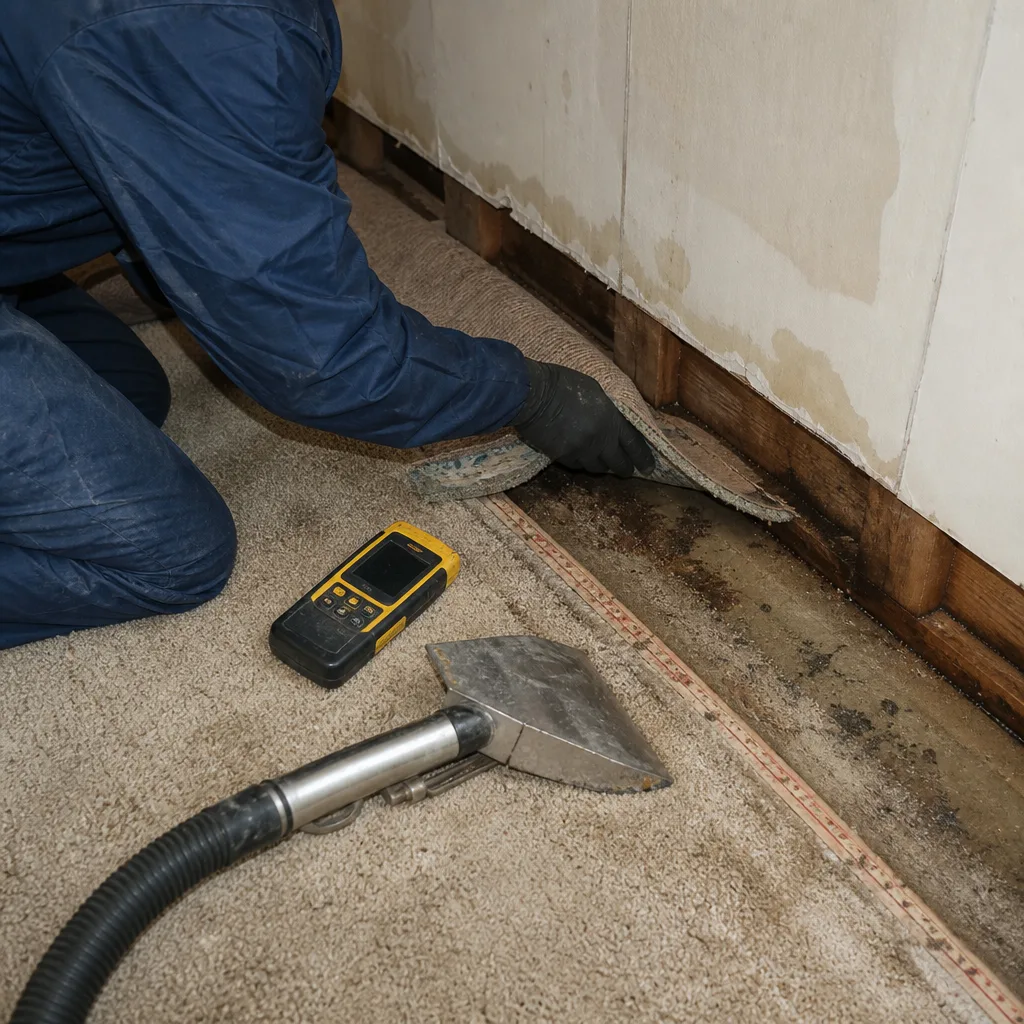
Structural Drying & Dehumidification
The hidden danger in Jersey City row houses is lateral migration. Water from one unit’s burst pipe wicks through the shared masonry wall and soaks the neighbor’s lath, plaster, and framing. We use moisture mapping to find that migration, then dry it with Dri-Eaz LGR 7000XLi dehumidifiers, Phoenix air movers, and Injectidry wall-cavity drying systems that reach where standard equipment can’t.
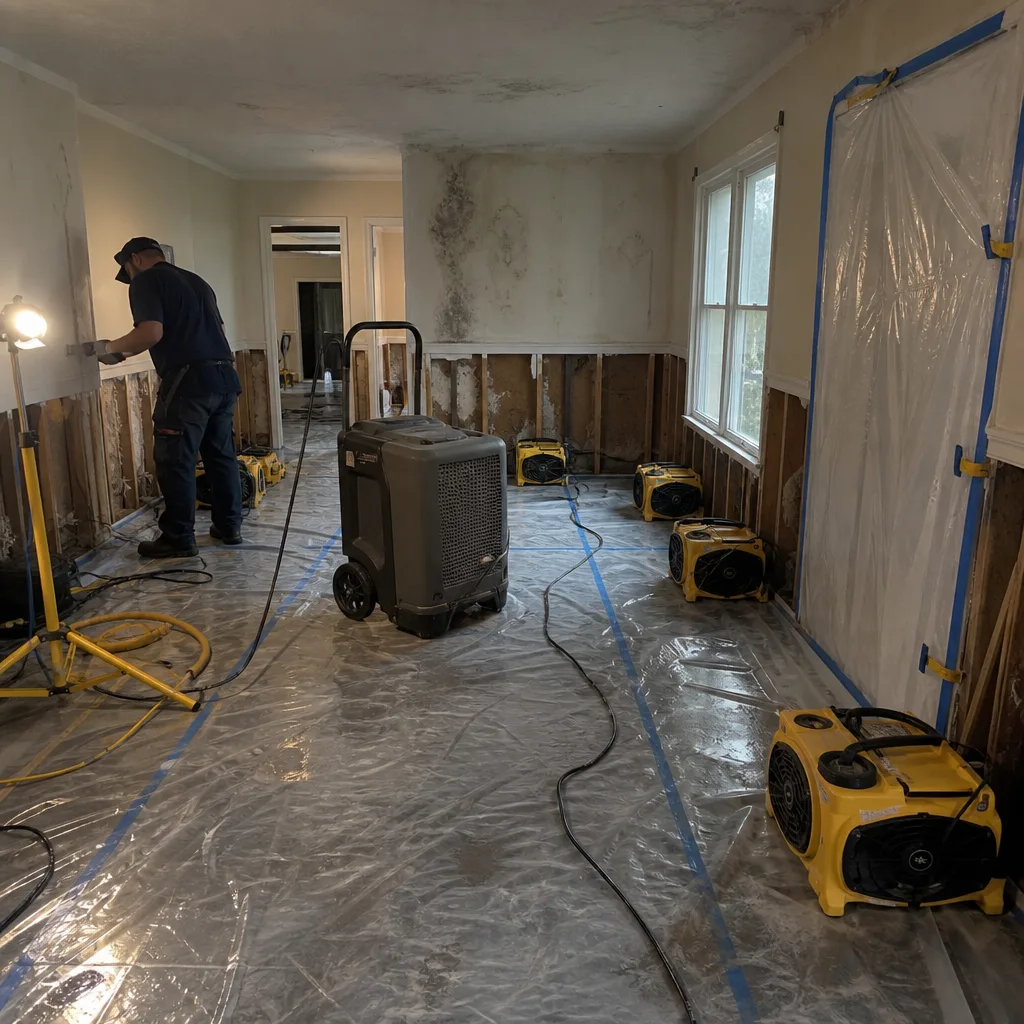
Flood Cleanup
Flood cleanup in Jersey City is not one job; it’s two. Storm surge and river water bring salt, sediment, and whatever the street carried in, while combined sewer backups bring raw sewage. We treat each as the category it is, with full biohazard protocols when the water came from the sewer, and corrosive-damage assessment when salt water from the Hudson or Newark Bay has touched steel, mechanical systems, or electrical panels.
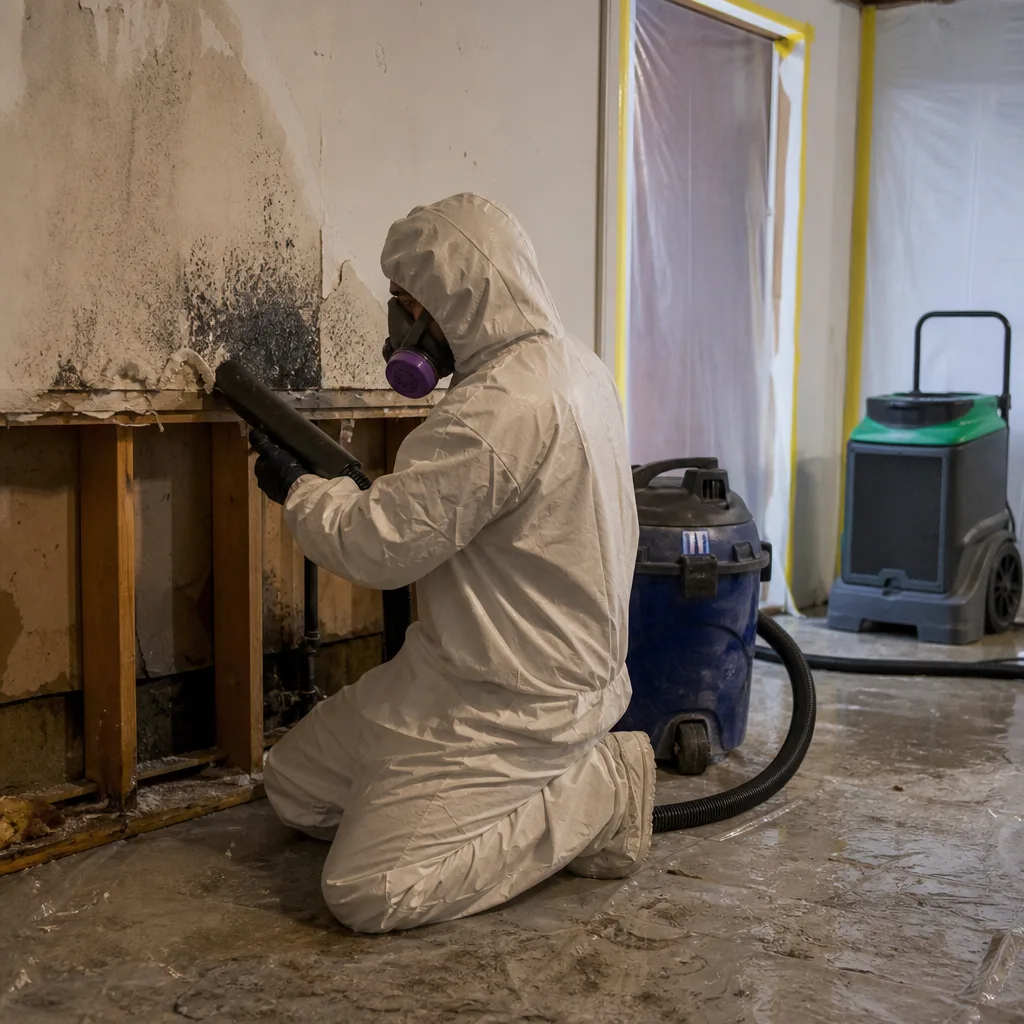
Burst Pipe Restoration
A frozen supply line in an uninsulated exterior wall can dump hundreds of gallons before anyone notices. We find the source, stop it, extract the water, and dry the structure, then rebuild what got torn out. In prewar brownstones, that often means working around original plaster and trim that you don’t want replaced with modern materials.
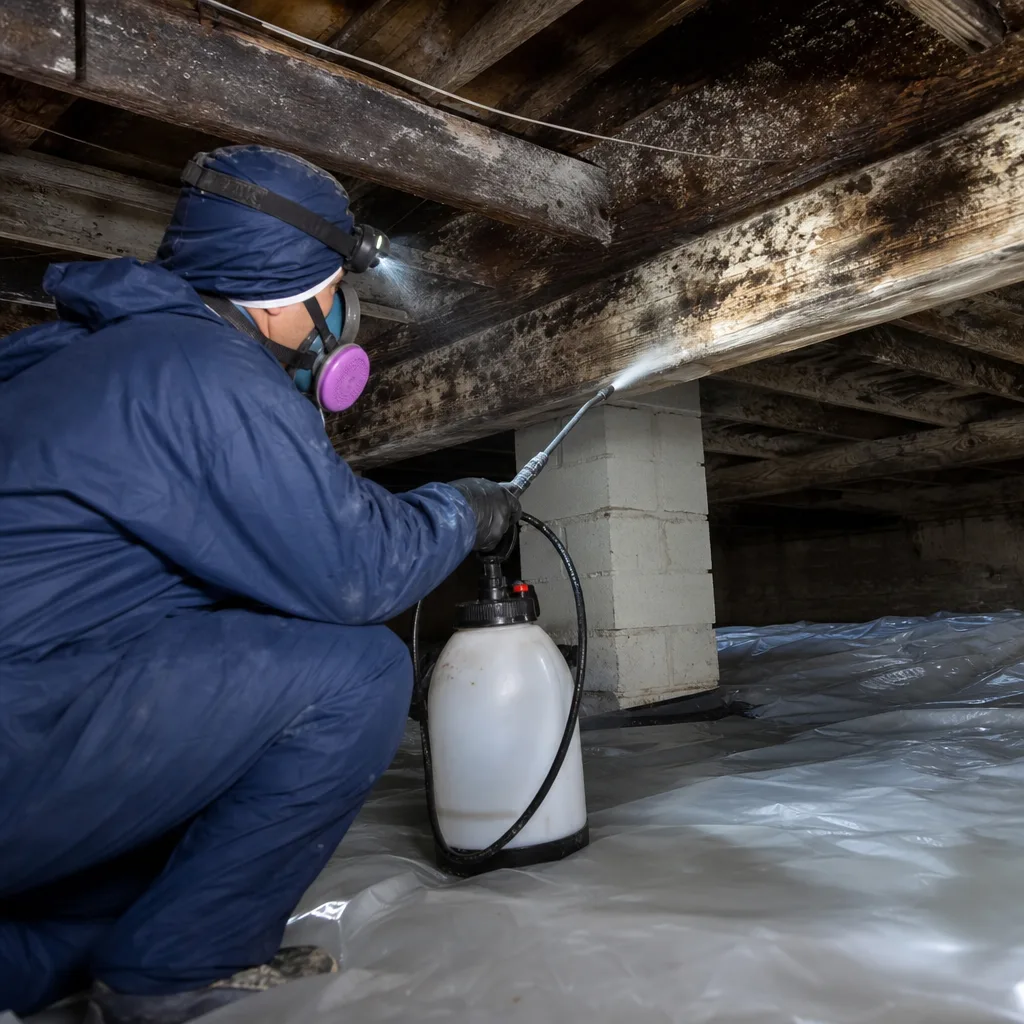
Basement Water Removal
Basements in Greenville, Bergen-Lafayette, and the Heights flood from below and above: sewer backups through floor drains and groundwater seepage through old foundations meet ceiling leaks from failed plumbing on upper floors. We handle all of it, and we know which floor drain on your block ties into the combined sewer main, because we’ve pumped enough of them to recognize the pattern.
What happens when you call
- 1
A real person answersNo phone trees - you reach a local pro.
- 2
You get an upfront price rangeHonest numbers before anyone is dispatched.
- 3
A background-checked tech heads outLicensed & insured, dispatched right away.
- 4
You approve before work beginsNothing starts until you say go.
Water Damage Restoration Costs in Jersey City, NJ
Water damage restoration in Jersey City typically runs between $2,500 and $9,000 for a standard single-room job, while a full basement sewage backup with containment and structural drying lands between $6,000 and $18,000 depending on how far the water migrated. A simple burst-pipe extraction and dry in a single room of a Paulus Hook brownstone runs $1,800 to $4,500. A Category 3 sewer backup in a Greenville row house that requires full containment, wall-cavity drying, and rebuild starts around $8,000 and goes up from there. Saltwater surge from the Hudson or Newark Bay adds cost because the corrosive-damage assessment and any resulting electrical or steel remediation are additional line items. Insurance coverage depends on the source: a burst pipe is typically covered under standard homeowners policies, while sewer backups and storm surge often require separate endorsements or flood insurance. The free visual inspection is the best way to get a firm number, because Wade walks the damage with you and writes the scope in plain language before any work starts. Call (201) 740-2235 and Wade will give you an honest read on what it costs and what your policy likely covers.
We Also Serve Cities Near Jersey City
Our crews respond to water damage across Hudson County, including Jersey City proper and the surrounding communities. We regularly work in Hoboken, Union City, Weehawken, and Secaucus, and Wade covers the whole area personally. Same live answer, same 45-minute response commitment, same crew from extraction to rebuild.
Serving Jersey City, NJ - Our Local Coverage Area
We’re based in the Jersey City area and know this community well. Use the map below to see our service coverage - if you’re nearby, we can almost certainly help.
Jersey City Water Damage Restoration Questions, Answered
Does a Category 3 sewage backup in my Jersey City row house affect my neighbor’s unit, and who handles that?
Yes, it very often does, because the shared party wall between row houses wicks contaminated water laterally, and mold spreads across property lines. We handle both units when needed, document the migration for both carriers, and coordinate with the neighbor’s adjuster directly.
How fast can raw sewage appear in my Greenville basement during a rainstorm?
During a heavy rain event, raw sewage can back up through floor drains in under 30 minutes once the combined sewer main surcharges, and the same storm can flood a dozen connected basements on a single block in Greenville or Bergen-Lafayette. Call (201) 740-2235 the moment you see it, because the clock on contamination starts immediately.
Do I need a permit or asbestos test before you cut into my 1920s brownstone walls to dry them?
For buildings constructed before 1940, yes, NJ DEP regulations require asbestos and lead-paint assessment before any demolition or wall opening, and skipping that step triggers violations and work stoppages. We handle the testing requirements as part of the job, so you don’t end up liable for a mistake you didn’t know about.
Why did my Jersey City basement flood with salt water smell different and corrode metal so quickly?
Saltwater from the Hudson River or Newark Bay is far more corrosive than freshwater, and it degrades steel framing, mechanical systems, and electrical panels for months after the flood recedes. The salt smell and accelerated rust are signs that your structure needs a corrosive-damage assessment, not just drying.
Can you dry my ceiling leak without removing the original plaster in my Paulus Hook brownstone?
Often yes. We use Injectidry panel drying and wall-cavity systems that pull moisture through small access points, which lets us dry original plaster and lath without tearing out historic material. If the plaster is already crumbling, it may need to come out, but we save what’s sound.
How long does drying take in a Jersey City row house?
Most structural drying in Jersey City row houses takes 3 to 7 days depending on how far the moisture migrated and whether shared party walls are involved. Wade takes moisture readings daily and shows you the log, so you know exactly when the structure hits dry standard and the equipment can come out.
Can we stay in our home during water damage restoration?
For clean-water jobs in a contained area, usually yes. For Category 3 sewage backups or large flood losses, you may need to relocate temporarily while we run containment and HEPA air scrubbing, especially if the affected area includes your only bathroom or kitchen.
What should I do in the first 30 minutes after discovering water damage?
Call (201) 740-2235 first. Then shut off the water source if it’s a plumbing failure, do not enter standing water if you suspect it came from the sewer, and move valuables to dry ground if you can do so safely. Do not use your own fans or shop vac on sewage water; that spreads contamination and makes the job worse.
Wade Ferris started this restoration company in 2007 with a simple rule: do the work like you’re going to see the customer at the hardware store on Saturday. That’s how he runs Water Damage Restoration jobs in Jersey City, and it’s why he hands every homeowner a moisture log at the end of the job and backs it with the 90-Day Done Right Promise in writing. If it’s not done right, he makes it right. Call (201) 740-2235 now for a free estimate, and you’ll talk to Wade himself.
Written by Wade Ferris, Owner at Wade’s Restoration, serving Jersey City since 2007.