
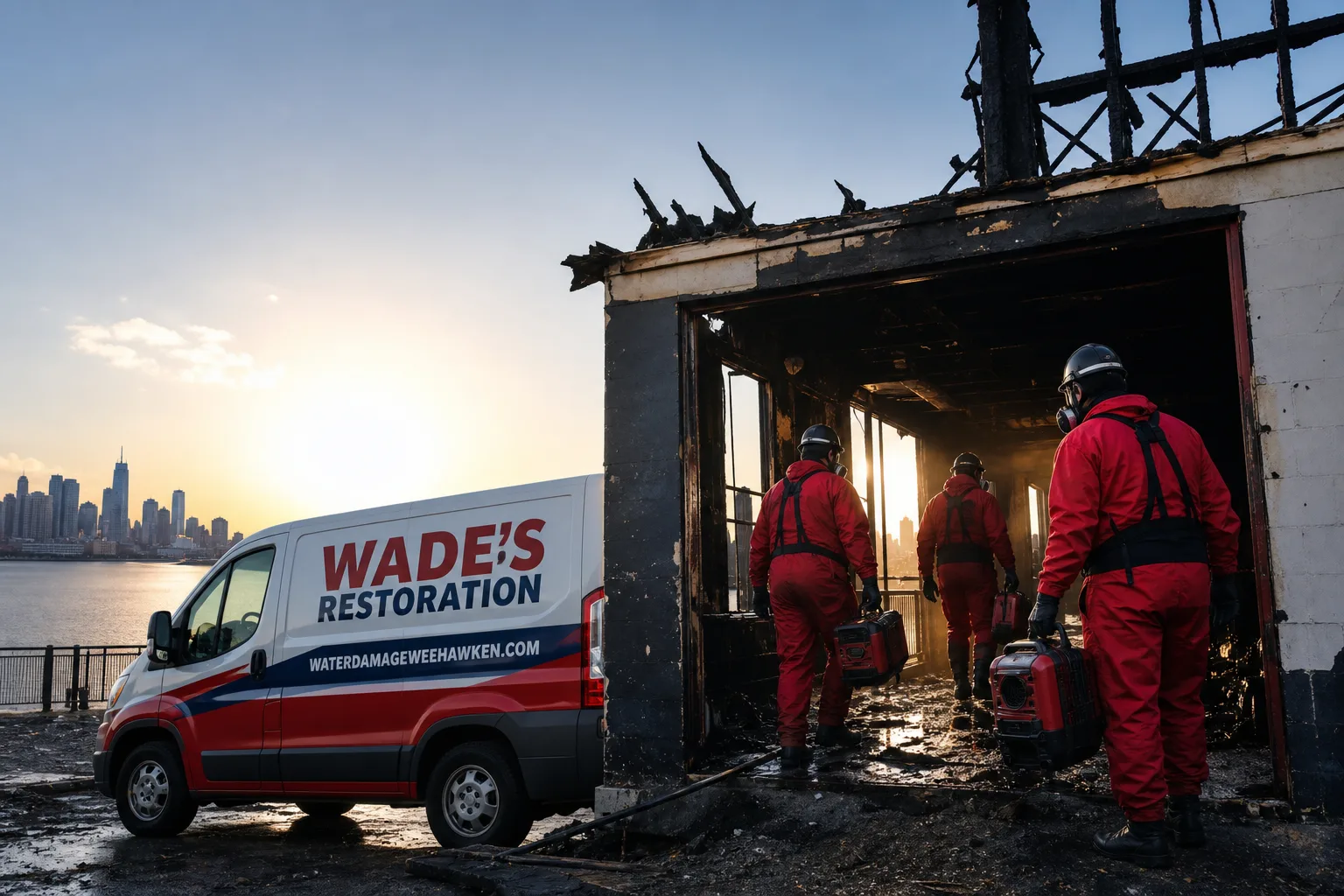
Free visual inspection and a written scope of work before any mitigation begins - photos, moisture readings, and drying logs go in your claim file
The scope we write is the scope we bill. Anything new gets shown to you, in writing, before we touch it.
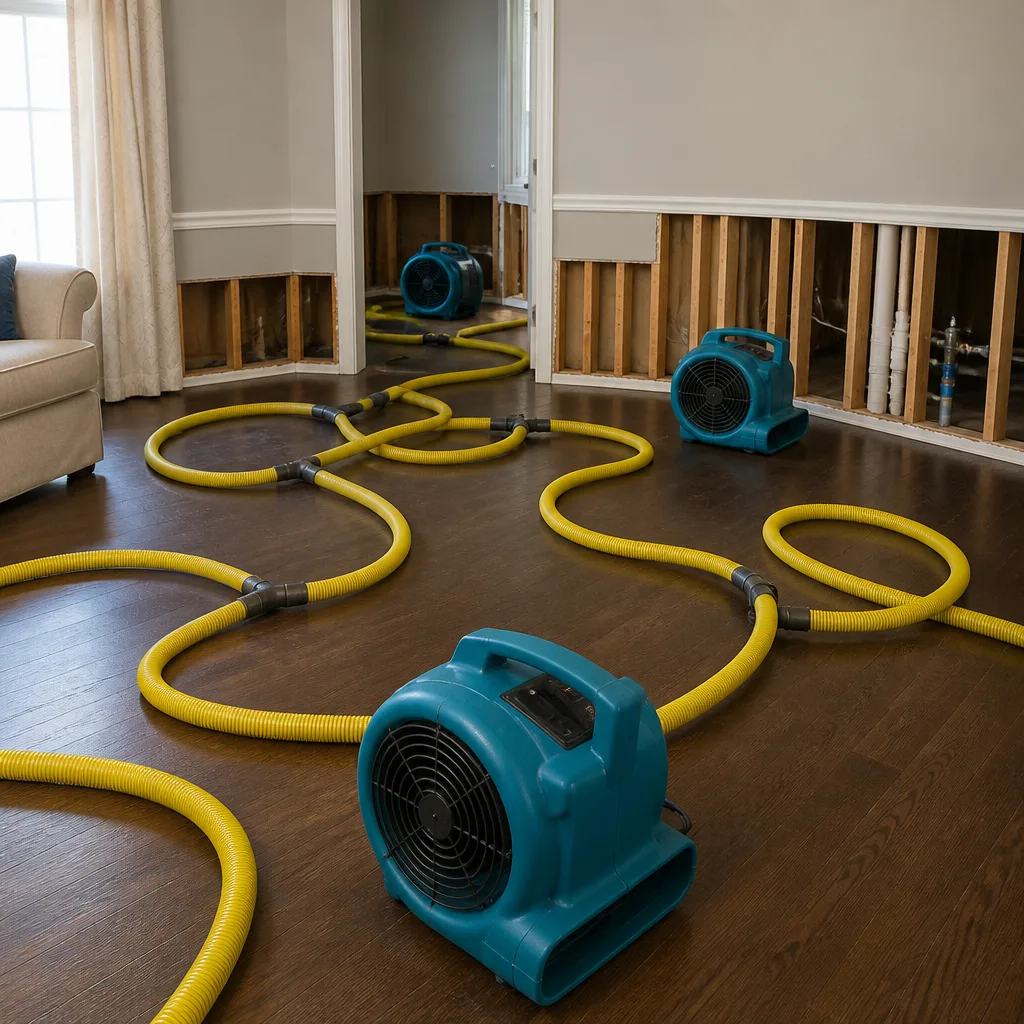

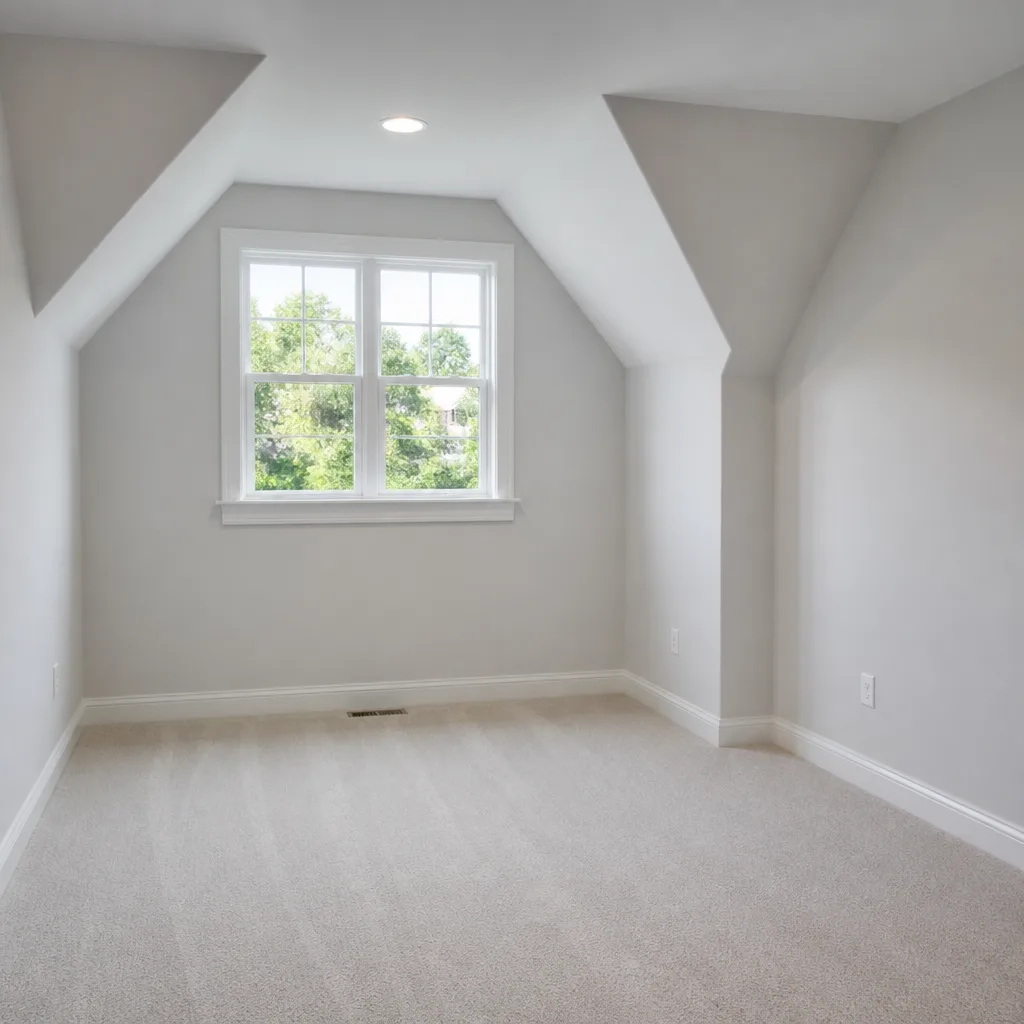
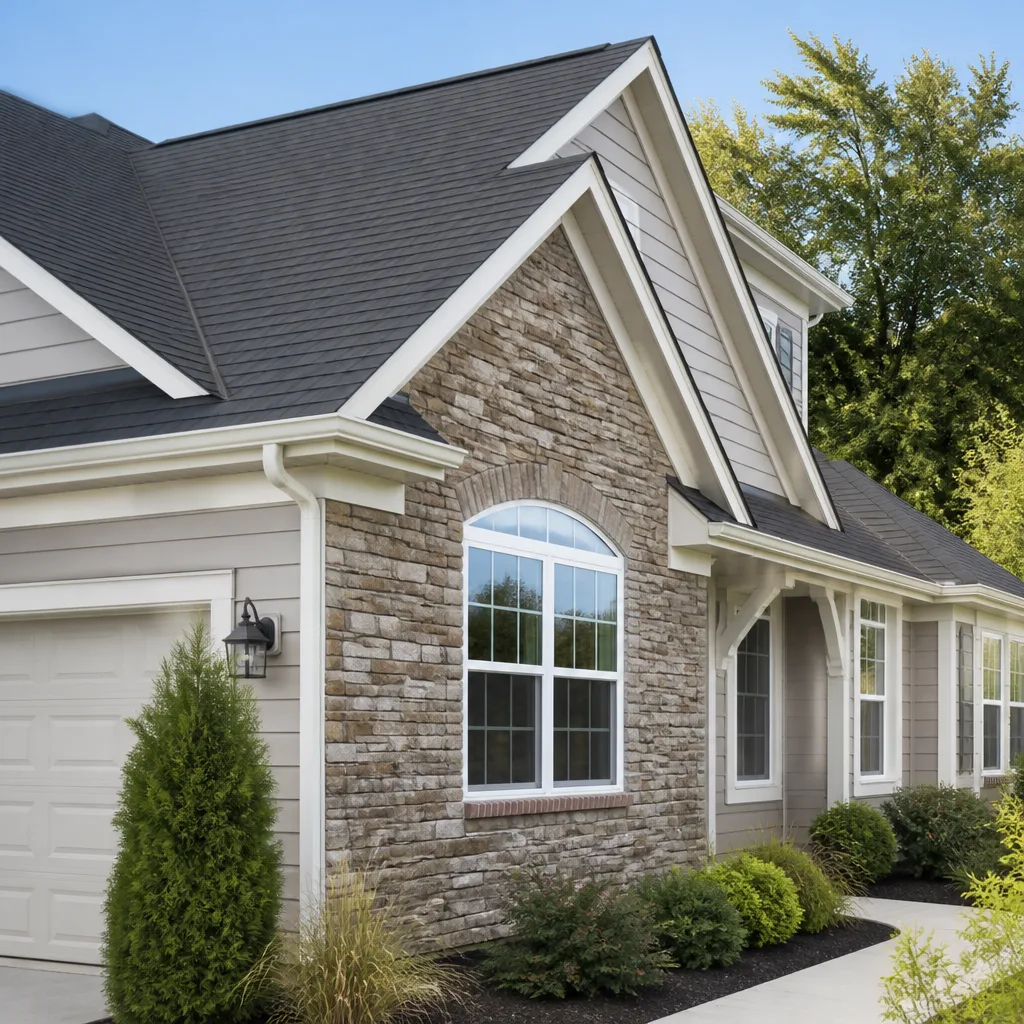
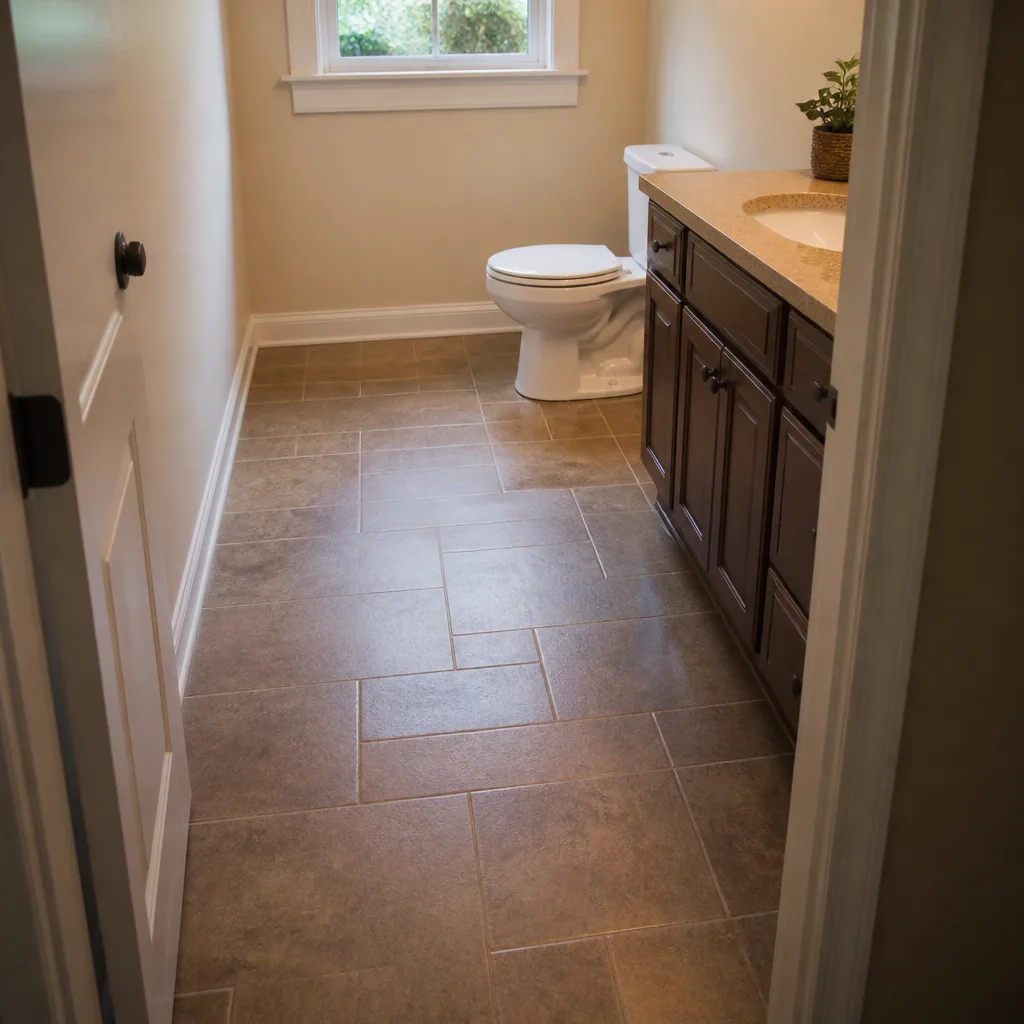

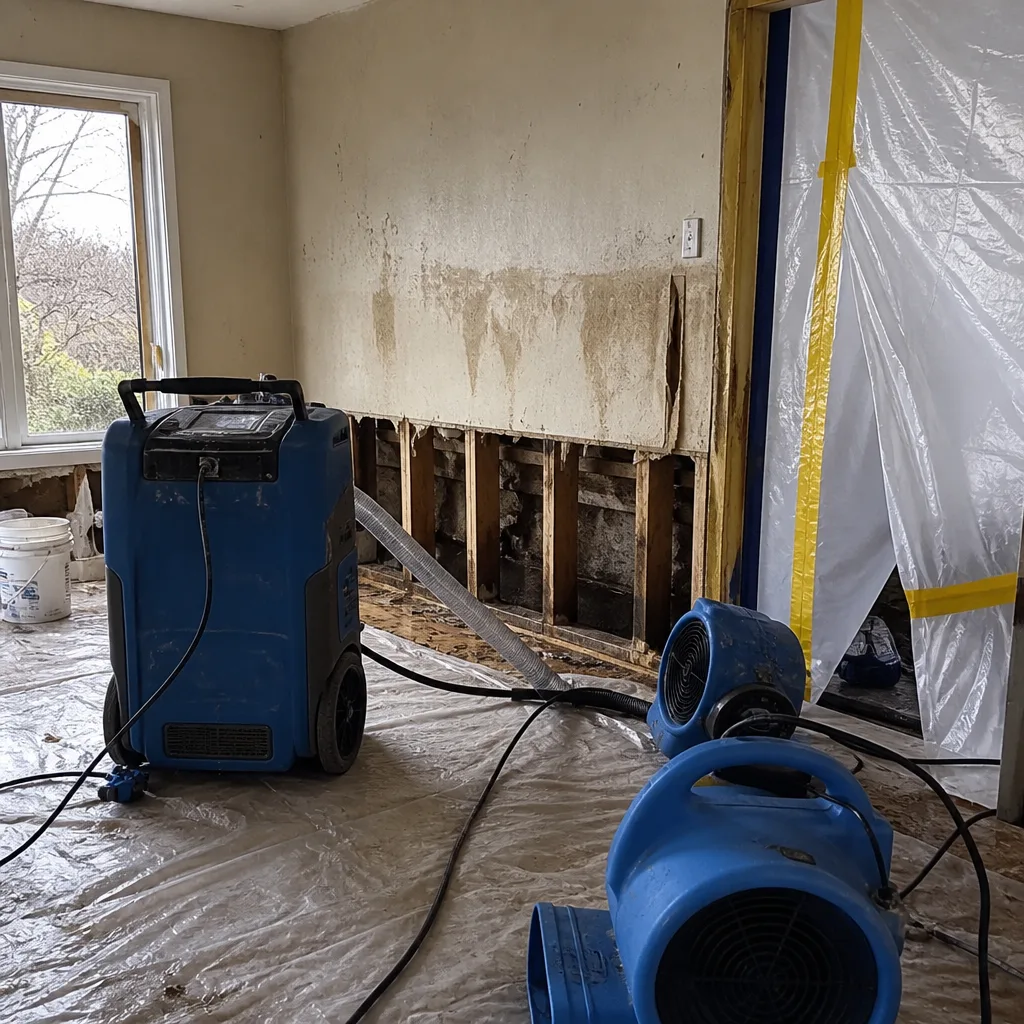 Before
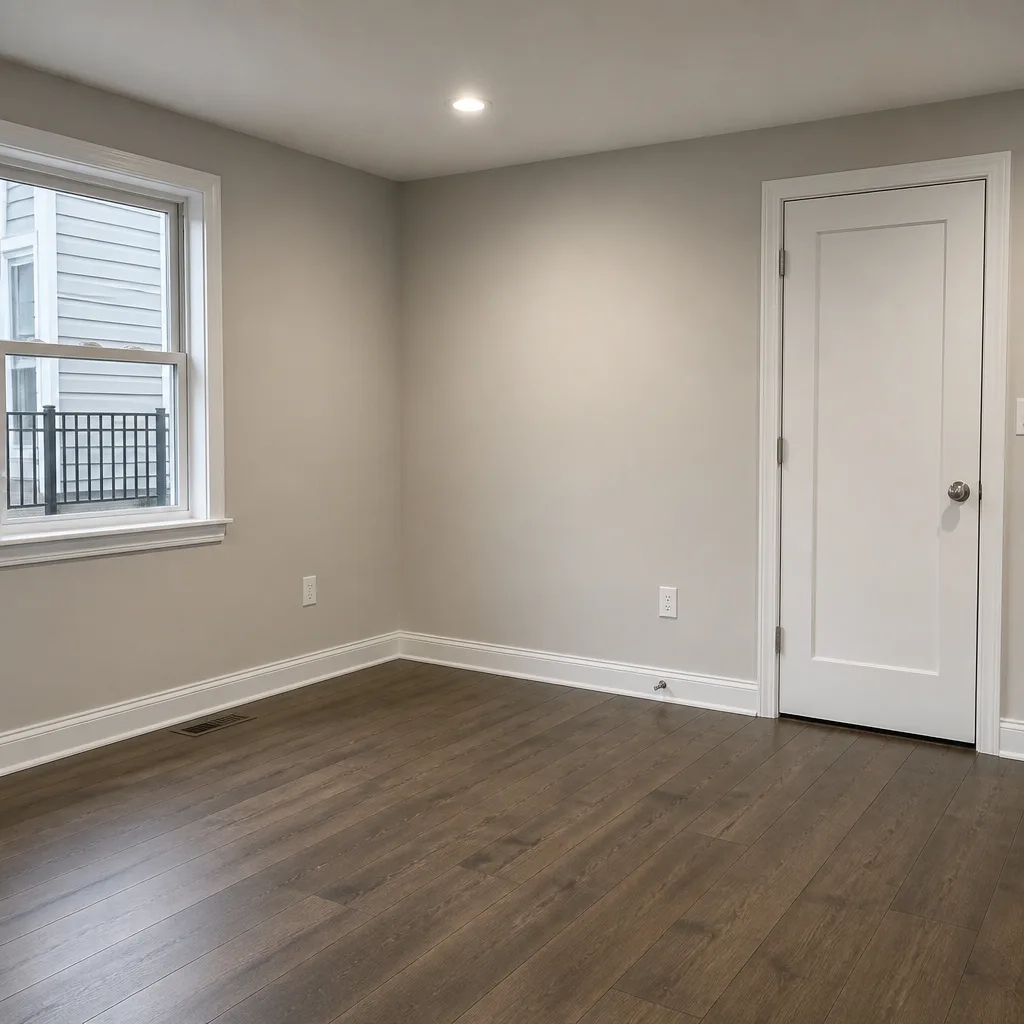 After
After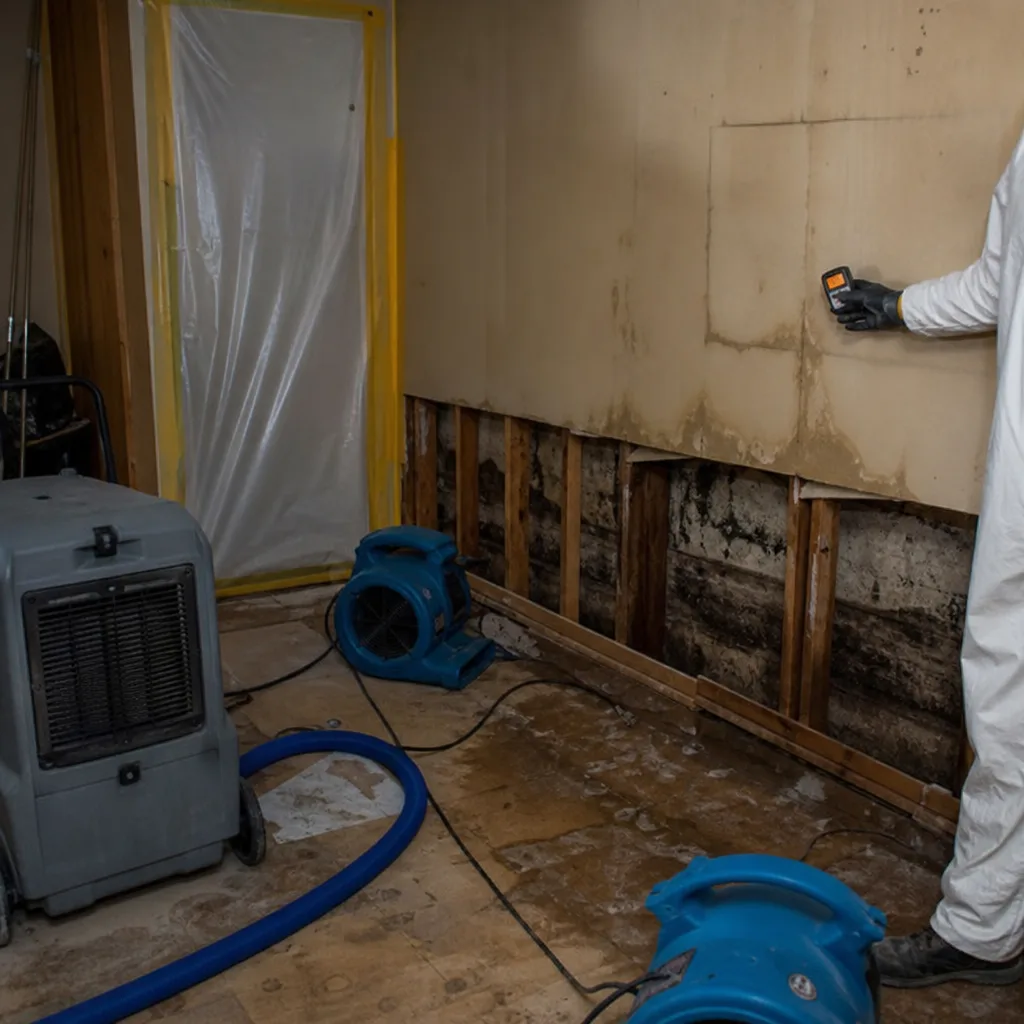 Before
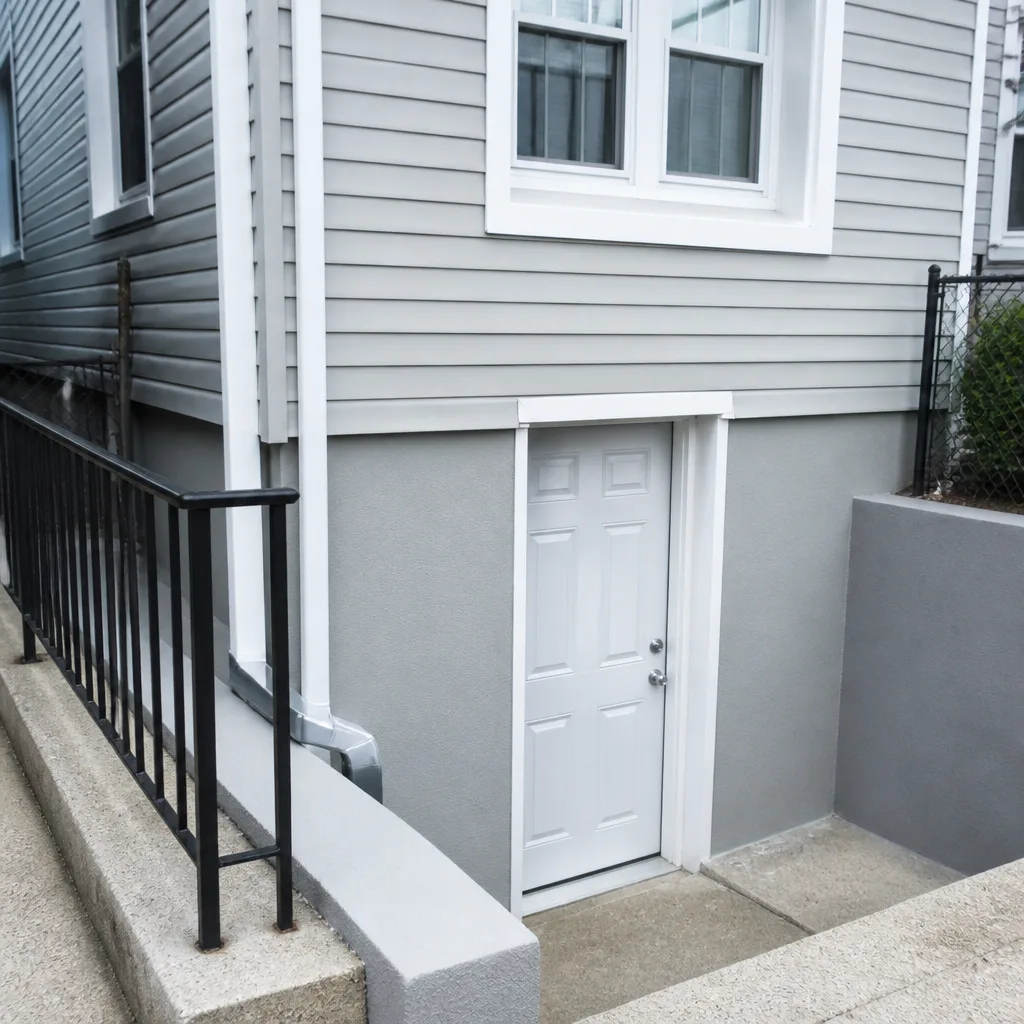 After
After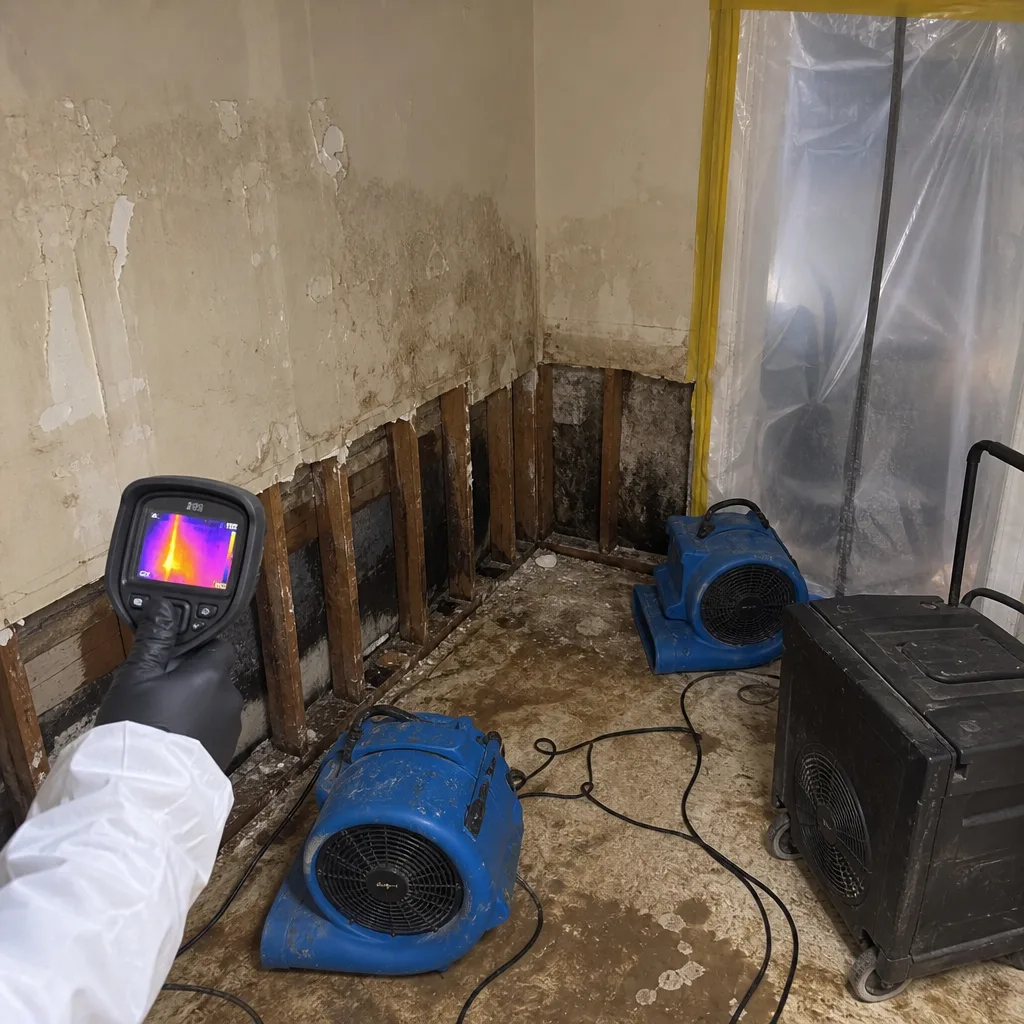 Before
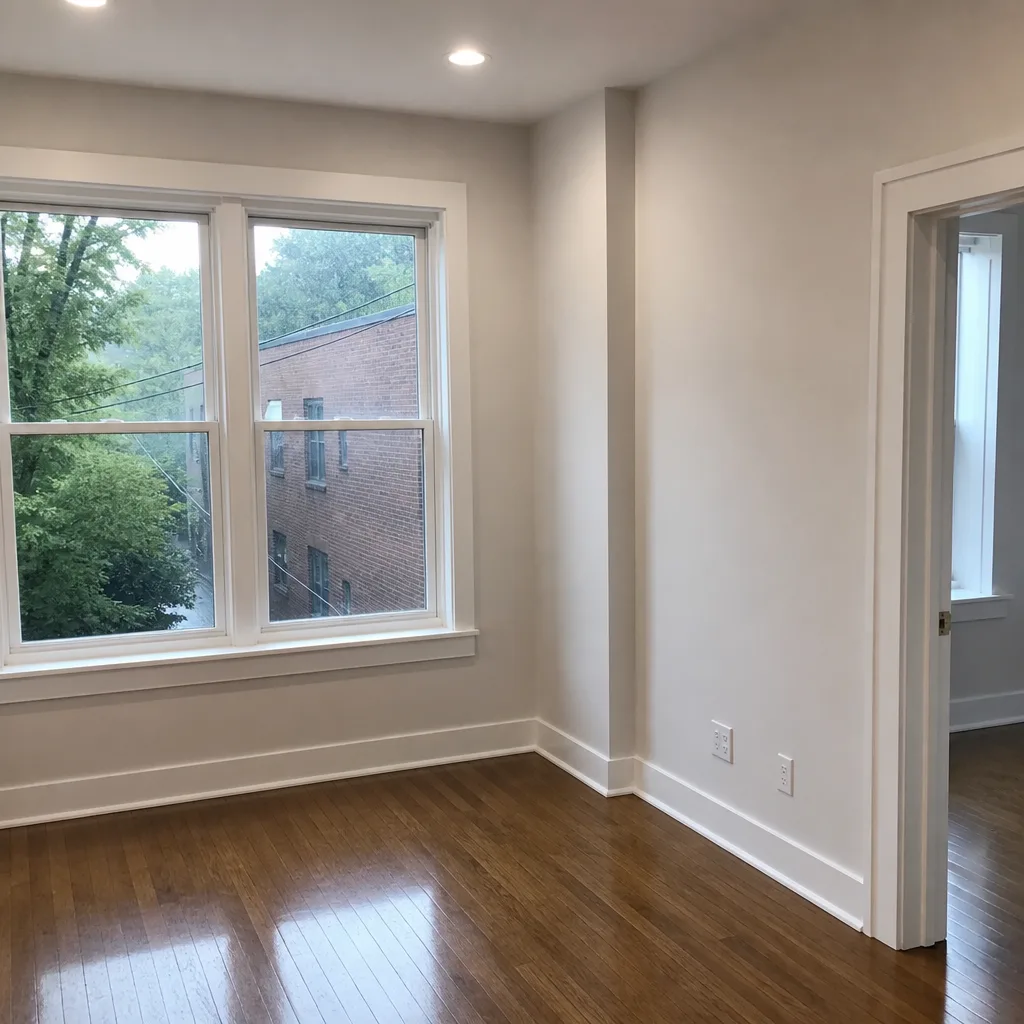 After
After24/7 Emergency Storm & Disaster Restoration in Secaucus
When water is moving through a lower-level finished room in Secaucus, the first call you make decides whether this is a cleanup or a reconstruction. Wade’s Restoration answers live around the clock, and Wade heads out himself. Call (201) 740-2235 and you’ll get a real person, not an answering service, and we can have extraction running inside the hour for most Secaucus addresses. The first hour matters because Meadowlands groundwater keeps moving after surface water stops. Water trapped in wall cavities and under slab-on-grade floors in this town turns into structural damage and mold if it sits unaddressed. Our Storm & Disaster Restoration team starts with a free visual inspection and a written scope before any work begins. You’ll know the price before we start, and you’ll see the moisture log daily while we dry.
Understanding Storm & Disaster Restoration Severity in Secaucus Properties
Secaucus floodwater is rarely clean. Meadowlands storm-drain surges, Hackensack River backflow, and tidal overflow carry silt, road runoff, and sometimes raw sewage. That’s category 2 or category 3 water under IICRC standards, and it changes the restoration protocol entirely. Category 1 is a clean supply line; category 3 means contaminants that require antimicrobial treatment, selective removal of porous materials like carpet pad and drywall, and containment to keep airborne particulates from spreading to unaffected rooms. Secaucus’s mid-century capes and attached ranches in the older core sit on slab foundations barely above the water table. Those 1990s and 2010s condo and townhouse developments along the Meadowlands redevelopment corridor often have finished lower levels at grade. Hydrostatic pressure pushes moisture up through the slab long after surface water drains. Our moisture mapping with thermal imaging and penetrating hygrometers finds wet cavities behind baseboards at 25% moisture content when a homeowner’s hand on the drywall says it’s dry. That gap between what a surface feels like and what’s actually happening inside the wall is exactly why structural drying here takes days, not hours, and why we log readings daily, not once at the start.
Why Secaucus Property Owners Choose Wade’s Restoration
- A 45-minute response commitment for emergency calls in Secaucus. We don’t put you in a queue; Wade’s phone rings in his hand and he’s on the road.
- A live answer, 24/7. Holidays, 2 a.m., during a nor’easter. No voicemail, no call center, no “leave a message.”
- IICRC-certified crews with WRT (Water Restoration Technician) and AMRT (Applied Microbial Remediation Technician) training, plus RIA affiliation. Not a rotating subcontractor list.
- A free visual inspection and a written scope of work before any equipment goes in. You’ll know the plan and the price first.
- Direct insurance billing and adjuster communication. Wade talks to your carrier so you aren’t the one relaying technical drying data back and forth.
- One team from extraction to reconstruction. The same crew that tears out wet drywall is the one rebuilding it. No handoffs to a stranger.
Our Storm & Disaster Restoration Process
Inspection & Assessment
We walk the entire affected area, map moisture with thermal imaging and penetrating meters, identify the water category, and write a line-item scope before any equipment moves. You get a copy of the moisture map and the plan.
Extraction & Stabilization
High-capacity extractors pull standing water while we remove saturated carpet, pad, and drywall that can’t be saved. We board up or tarp any storm-damaged openings in the same visit so further rain or wind doesn’t compound the loss.
Drying & Dehumidification
Dri-Eaz air movers and Phoenix or B-Air dehumidifiers go in with a calculated layout matched to the room volume and materials. We run this setup continuously and log moisture readings daily against dry standard, not against a guess.
Cleaning & Sanitization
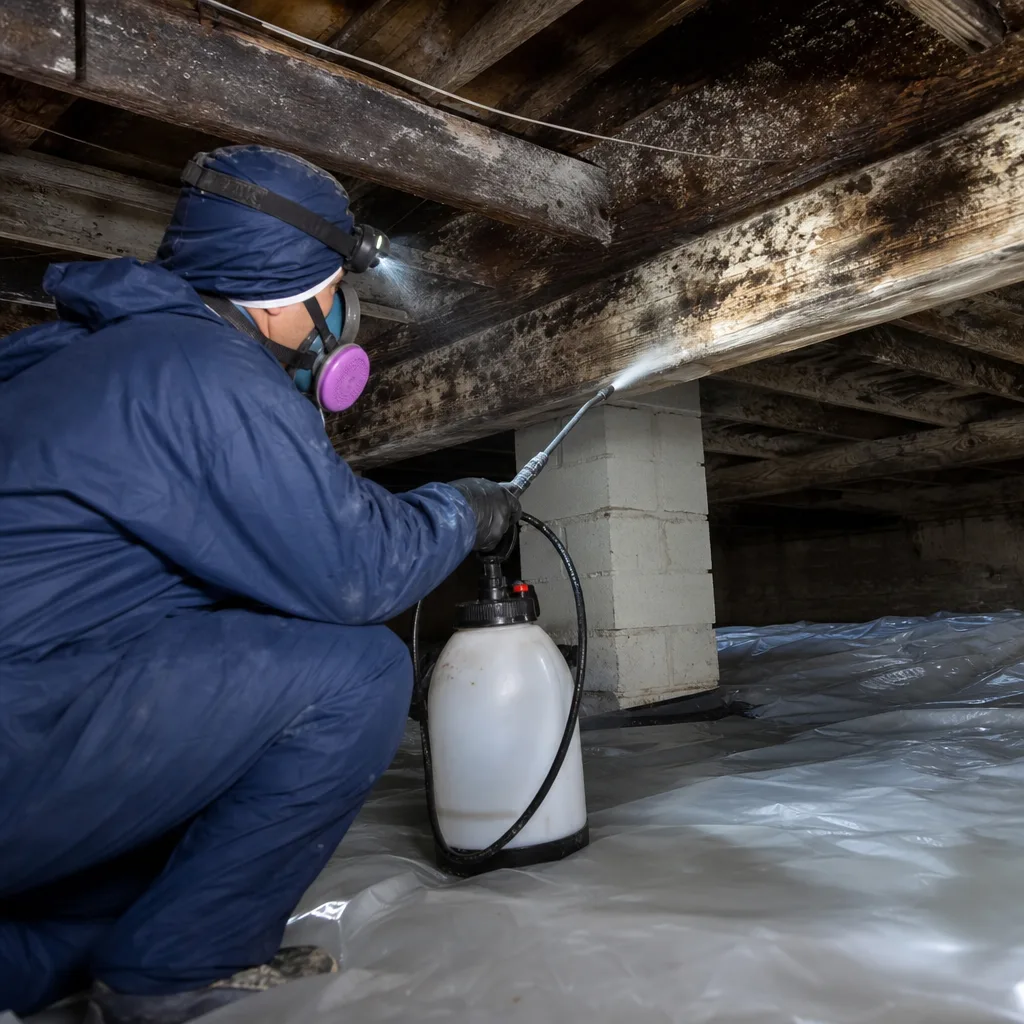
Category 2 and 3 floodwater gets antimicrobial treatment on all affected framing, subfloor, and remaining surfaces. We HEPA-vacuum and air-scrub during the job to keep contaminated dust from traveling into the rest of the house.
Specialty Treatment for Secaucus Flood Losses
Slab-on-grade homes get cavity injection drying behind baseboards and sill plates. Crawlspaces near Mill Creek get vapor barrier assessment and humidity control. We treat the specific failure mode, not a generic checklist.
Repairs & Restoration
Once pre-loss moisture readings are confirmed, we rebuild. Drywall, baseboards, flooring, paint. One crew, one warranty, one name responsible.
Need Emergency Storm & Disaster Restoration in Secaucus Now?
Crews minutes away, answering live 24 hours a day. The sooner we start, the less it costs.
Working With Your Insurance Company
We’ve handled enough Secaucus flood and storm claims to know that the insurance outcome is decided in the first 72 hours of documentation. So we document like it’s going to be scrutinized, because it will be. Photos room by room before any demolition. Moisture readings the adjuster can verify. A drying log on a chart. A line-item scope with standard industry pricing, not a round number. And we deal with the adjuster directly. Wade gets on the phone with your carrier and speaks their language so you don’t have to decode what “class 3 water loss” means on a form. If you have a written estimate from another company, bring it. We’ll give you a free second opinion on it, and we’ll do it straight.
What We Provide Your Insurer
- Thorough documentation of the loss
- Photos of all damage, room by room
- Moisture readings and drying logs
- A detailed, line-item scope of work
- Direct coordination with your carrier
Built for Secaucus’s Loss Calendar
Secaucus’s restoration calendar doesn’t look like the rest of Hudson County. Upland towns like North Bergen or Weehawken spike on burst pipes in January and flash flooding in July. Secaucus adds another layer: tidal backflow on the Hackensack River and Mill Creek. A full moon plus heavy rain can push creek water into crawlspaces on the older blocks near the water. Summer thunderstorms overwhelm storm drains in minutes and water finds the lowest slab first. Nor’easters in November and December bring wind damage, roof punctures, and the kind of long-duration rain that keeps groundwater high for weeks. Then there’s the quiet season. March and April bring the follow-up calls: musty odors, warped baseboards, mold blooming inside wall cavities that were never dried below 16% moisture after the last event. We plan our equipment inventory around that calendar, and we know which Secaucus neighborhoods are going to call first when the tide gauge spikes.
Storm & Disaster Restoration Across Secaucus’s Neighborhoods
The older residential core near County Avenue and Flanagan Way runs on mid-century capes and attached ranches with slab floors and short drives. Water moves across those slabs fast. North End, between the Hackensack River and Mill Ridge Road, is the first to feel tidal backflow; we’ve run extraction on streets there while the river was still at the top of the bulkhead. The Meadowlands redevelopment corridor along Harmon Meadow Boulevard and Plaza Drive is newer construction, but finished lower levels at grade level don’t care how new the building is. They flood the same way. Condo complexes off Meadowlands Parkway share another pattern: water moves laterally through shared walls and common corridors, so one unit’s flood becomes four units’ drying job. Route 3 and the NJ Turnpike corridors give us fast response access to every part of Secaucus, and the fact that the town is only 6.5 square miles means we truly are minutes away. The properties near Mill Creek, especially the capes between Koelle Boulevard and the creek, are the ones that teach us something new about groundwater pressure every season. Nobody in this town is on high ground because the town doesn’t have high ground. That’s the point.
Specialized Storm & Disaster Restoration Services We Offer in Secaucus
Flood Damage Restoration
This is the core of what we do in Secaucus. Meadowlands floodwater sits differently than stormwater in upland towns. It lingers in the water table, wicks through foundation walls, and keeps working long after you’ve squeegeed the floor. We extract, treat, contain, dry to standard, and verify with instruments, not with a palm on the wall.
Storm Damage Cleanup
Wind-driven rain, collapsed fences, broken windows, saturated insulation in attics and crawlspaces. We clear the immediate hazards, stop the water from spreading, and get the property stable. Then we write the repair scope in plain English so you can see exactly what’s needed and what isn’t.
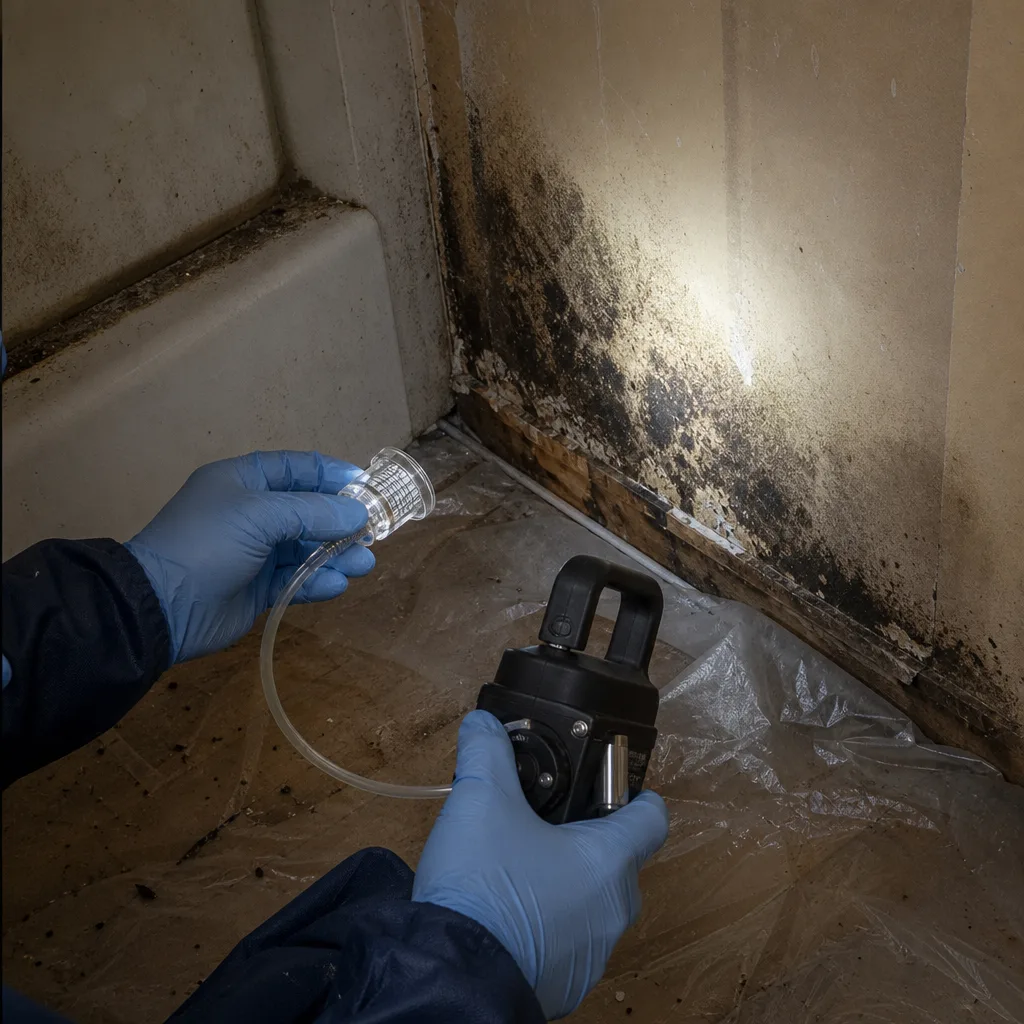
Emergency Board-Up
After a tree limb comes through a window or wind blows out a patio door, an open hole in the envelope invites two problems: more water and someone who shouldn’t be in the house. We board up the same day with plywood measured to the opening, not a loose panel that rattles. Secaucus wind gusts off the river can tear a cheap board-up off in one night.
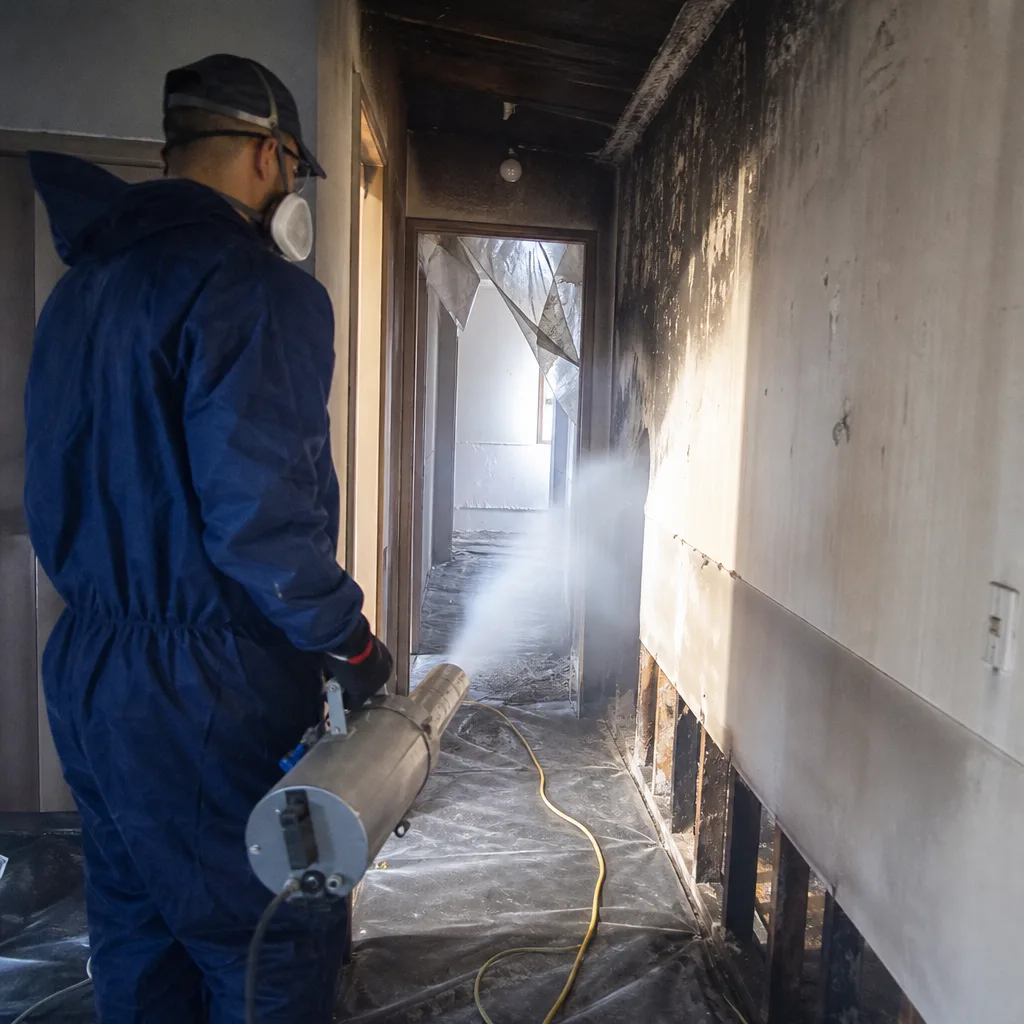
Roof Tarping
Secaucus roofs don’t see a lot of wide-open wind fetch, but nor’easters coming down the Hackensack corridor can peel shingles and separate flashing at dormers and eaves. We tarp with reinforced, sealed-edge material and secure it to the roof deck, not the gutters. The tarp is temporary; the damage underneath it shouldn’t be.
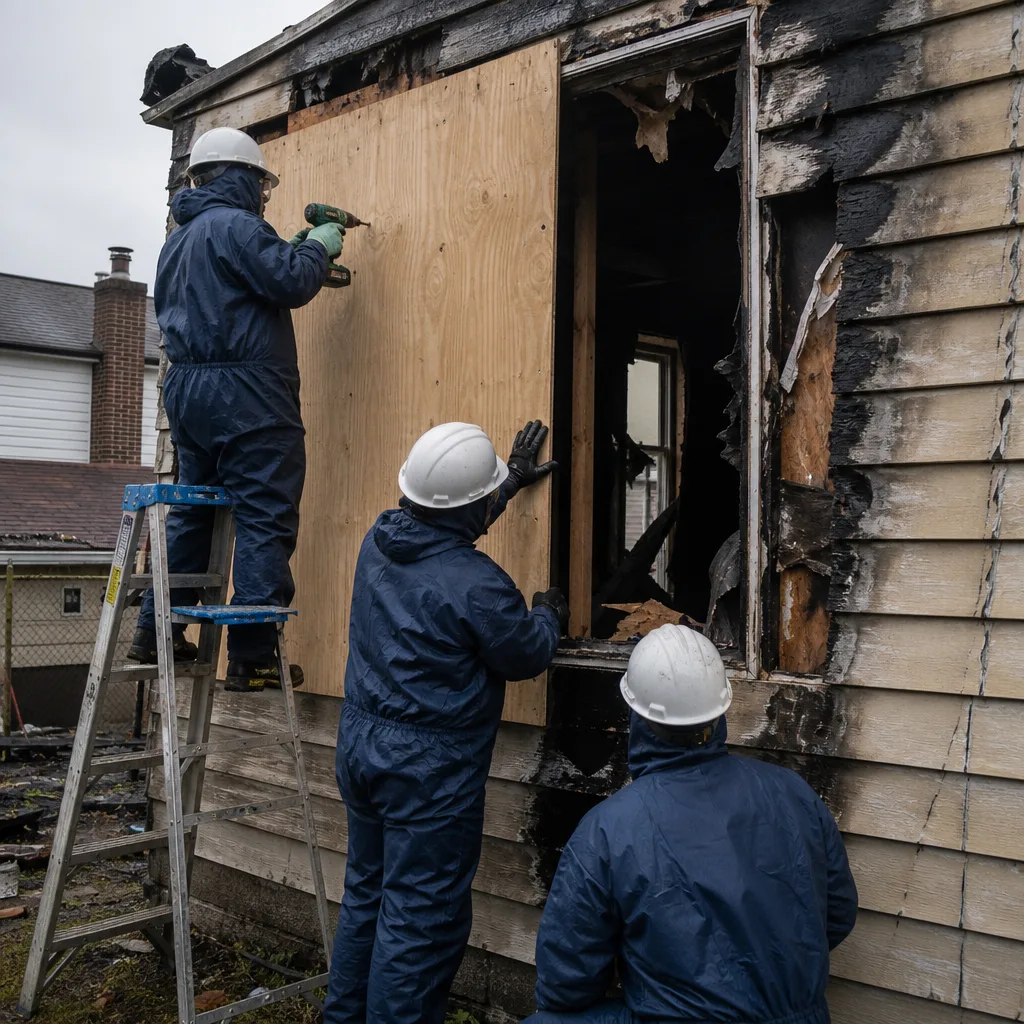
Debris Removal
Storm debris in Secaucus is often waterlogged: soaked drywall, ruined carpet, collapsed ceiling material that’s absorbed three days of moisture. We haul it, classify it properly, and get it out of the living space fast so drying can start on the structure itself, not the pile in the corner.
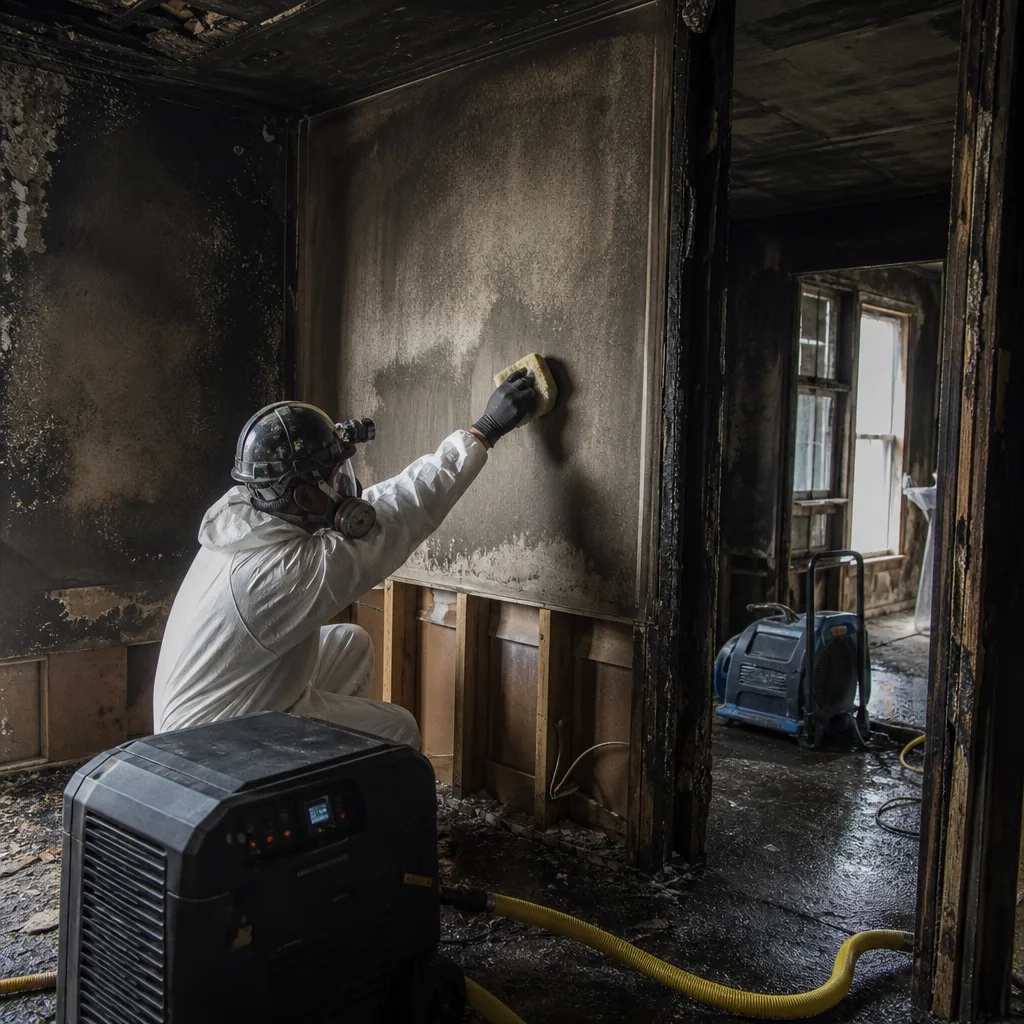
What happens when you call
- 1
A real person answersNo phone trees - you reach a local pro.
- 2
You get an upfront price rangeHonest numbers before anyone is dispatched.
- 3
A background-checked tech heads outLicensed & insured, dispatched right away.
- 4
You approve before work beginsNothing starts until you say go.
Storm & Disaster Restoration Costs in Secaucus, NJ
A simple flood extraction with drying equipment in Secaucus typically runs $2,800 to $5,500, depending on square footage and how far water traveled. If category 3 water is involved, expect $4,500 to $9,000 with antimicrobial treatment, selective demolition, and containment. Roof tarping runs $300 to $650 for a standard single-family roof section, and board-up $150 to $400 per opening. A full lower-level flood with finished room tear-out and rebuild lands between $12,000 and $30,000. What moves the price: the water category, the size of the affected area, how long the water sat, and whether your insurance carrier requires sealed containment. If the damage is storm-related and you have flood or homeowners coverage, most of this is typically covered. The free inspection gives you a firm written number. Senior and veteran homeowners always get 10% off, and there’s no trip charge for any Secaucus address.
We Also Serve Cities Near Secaucus
We’re minutes from North Bergen, Union City, Weehawken, and Hoboken, and we handle storm and flood restoration in those towns the same way: live answer, fast response, written scope before work starts.
Secaucus Storm & Disaster Restoration Questions, Answered
How soon after a Secaucus flood should moisture mapping be done on a slab-on-grade ranch?
Immediately. The same day the water recedes. Secaucus slabs sit on a shallow water table, so moisture readings start climbing the moment floodwater touches the floor. By day three, water that wasn’t mapped and dried is already migrating into wall cavities. We map on the first visit, before any drying equipment goes in.
Why do Secaucus homeowners get mold after floods even when they run dehumidifiers?
Because a consumer dehumidifier dries the air in the room, not the water trapped in wall cavities, under baseboards, and inside the slab itself. Secaucus’s high groundwater keeps feeding moisture back in from below. A rental dehumidifier pulls maybe 20 pints a day. Our Phoenix units pull 130 to 200 pints and we pair them with air movers arranged to force dry air into cavities. The mold bloom at week three is the result of surfaces feeling dry while the cavity is still at 25% moisture.
Does Storm & Disaster Restoration in Secaucus require knowing whether floodwater is category 1, 2, or 3?
Yes, and it changes everything. Category 1 is clean supply water. Category 2 has significant contaminants. Category 3, which is what Meadowlands tidal backflow and storm-drain surge usually are, contains sewage or other pathogens. Category 3 requires containment, antimicrobial treatment, and removal of porous materials like carpet and pad. Treating it as category 1 is the most expensive mistake a Secaucus homeowner can make, because it fails in about a month.
After a nor’easter on the Hackensack River, what’s the first step for a flooded lower level in Secaucus?
Kill the power to the affected area if it’s safe to reach the panel without stepping in water. Then call us. Don’t wade through it, especially if it’s river water or storm-drain backflow. We extract, classify the water, and start drying. Call (201) 740-2235 and we’ll have someone there fast.
How is roof tarping after a Secaucus storm different from other towns?
The wind. Secaucus sits in a corridor where nor’easter gusts come down the Hackensack River with nothing to slow them. A tarp that isn’t sealed at the edges and mechanically fastened to the deck will peel off in one overnight blow. We use reinforced material, overlap seams away from the wind direction, and anchor it properly. A tarp is only as good as its anchors.
Can we stay in our home during restoration?
Usually yes, for partial losses. If we’re dealing with category 3 water in a sealed containment area, you’ll want to stay out of that zone while we work. For whole-lower-level floods, depending on the containment and air quality, we’ll give you a straight answer on the first visit. We don’t oversell either way.
Will my insurance cover storm and flood restoration in Secaucus?
Most storm-related losses are covered by standard homeowners policies, but river or tidal flooding usually requires a separate flood policy through FEMA’s NFIP or a private carrier. We’ll photograph everything, document the moisture readings, and deal with your adjuster directly so you’re not the one making the case for coverage. Call (201) 740-2235 and we’ll sort out what applies to your loss.
What should I do in the first 30 minutes after water enters my home?
Turn off power to the affected area if you can reach the breaker safely. Move anything you care about out of the water, but don’t wade through standing floodwater to do it. Call a restoration company and get extraction started. Then call your insurer. The first 30 minutes are about safety and starting the clock on drying.
Serving Secaucus, NJ - Our Local Coverage Area
We’re based in the Secaucus area and know this community well. Use the map below to see our service coverage - if you’re nearby, we can almost certainly help.
Your Secaucus Home Was Built on a Wetland. Act Like It.
We get a lot of calls in Secaucus where the homeowner says the same thing: “I ran dehumidifiers for a week, the floor felt dry, and now it smells.” Here’s what’s happening under that floor. Secaucus sits almost entirely on former Hackensack Meadowlands wetlands, at near-sea-level elevation, flanked by the Hackensack River and Mill Creek. The water table is basically right there. After a heavy rain or a storm surge, groundwater pushes up through the slab and foundation walls for weeks. A consumer dehumidifier can’t fight that. It dries the air, not the slab. That’s why we run daily moisture logs on every Secaucus job, and why we hand you the full log at the end. Almost nobody in this trade does that. Wade Ferris has been doing it since 2007, and it’s why the 90-Day Done Right Promise is in writing on every contract. If it’s not dry to standard and done right, we come back and make it right. One call brings Wade back.
On a Mill Creek-adjacent block of mid-century capes, we were called weeks after a nor’easter pushed creek water into finished lower-level rooms. Our techs ran moisture mapping across slab-on-grade floors and found readings over 25% behind baseboards and in wall cavities, so we set up containment with Dri-Eaz air movers and Phoenix dehumidifiers, pulled category 3 carpet for disposal, and logged structural drying daily until pre-loss condition was confirmed. That saved the homeowner from the mold bloom that hits if you trust a rental dehumidifier alone. If the house had been on higher ground a few miles west, the playbook would be different. But in Secaucus, the playbook is: assume the water is contaminated, assume the slab is still wet, and verify with instruments until the numbers say otherwise. That’s the only way to do this work here, and it’s the way we’ve always done it.
If you’re dealing with storm damage, floodwater, or the smell that shows up a month after the water recedes, call (201) 740-2235. The inspection is free. The estimate is in writing before any work starts. And the person who answers the phone is the person accountable for the job.
Written by Wade Ferris, Owner at Wade’s Restoration, serving Secaucus and the Meadowlands region.