
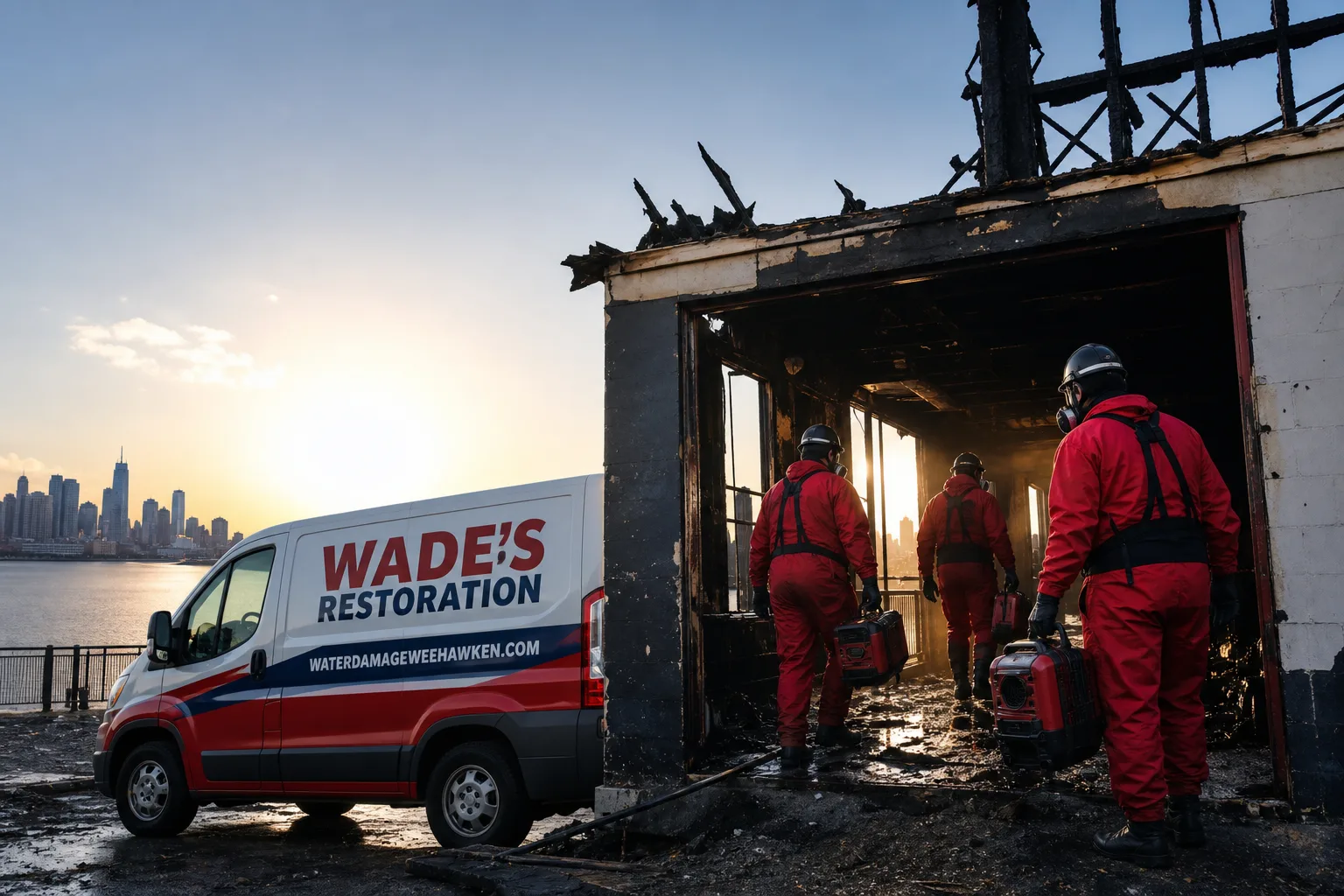
Free visual inspection and a written scope of work before any mitigation begins - photos, moisture readings, and drying logs go in your claim file
The scope we write is the scope we bill. Anything new gets shown to you, in writing, before we touch it.
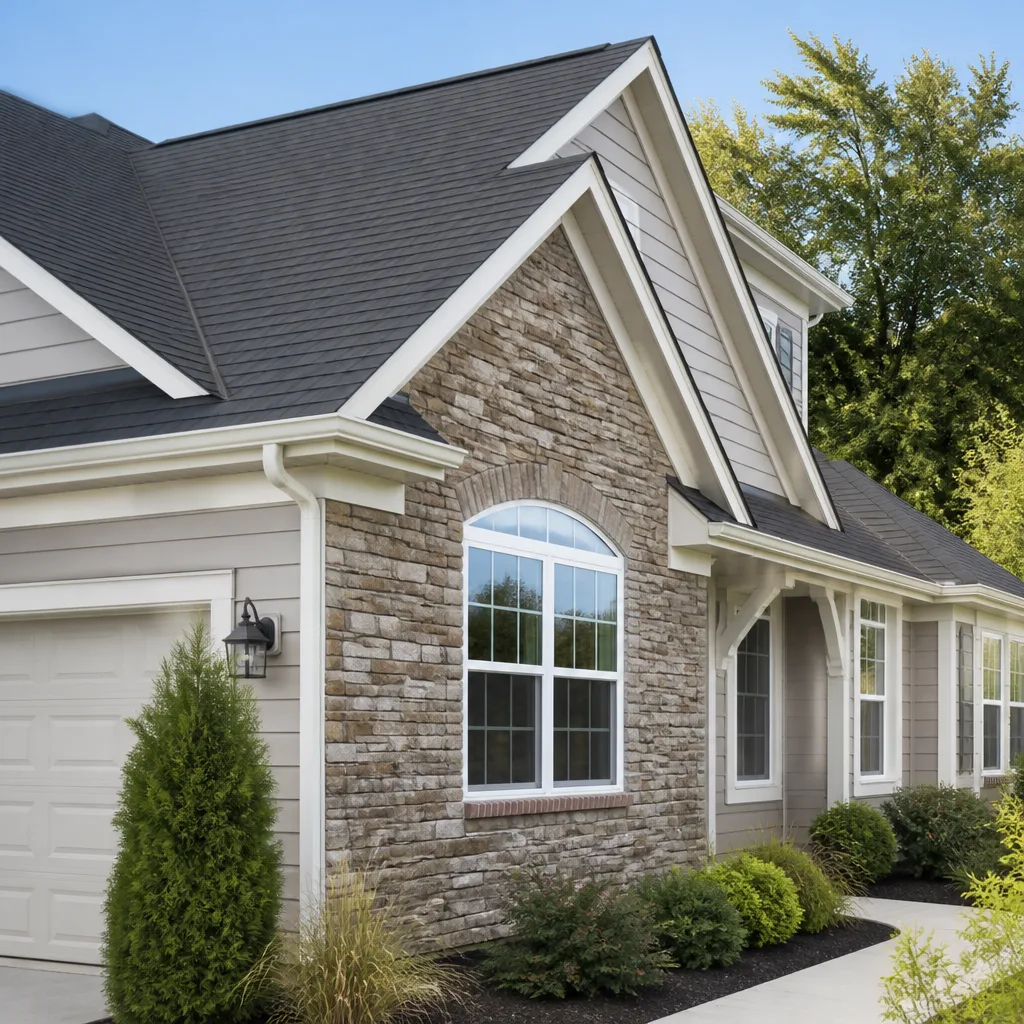
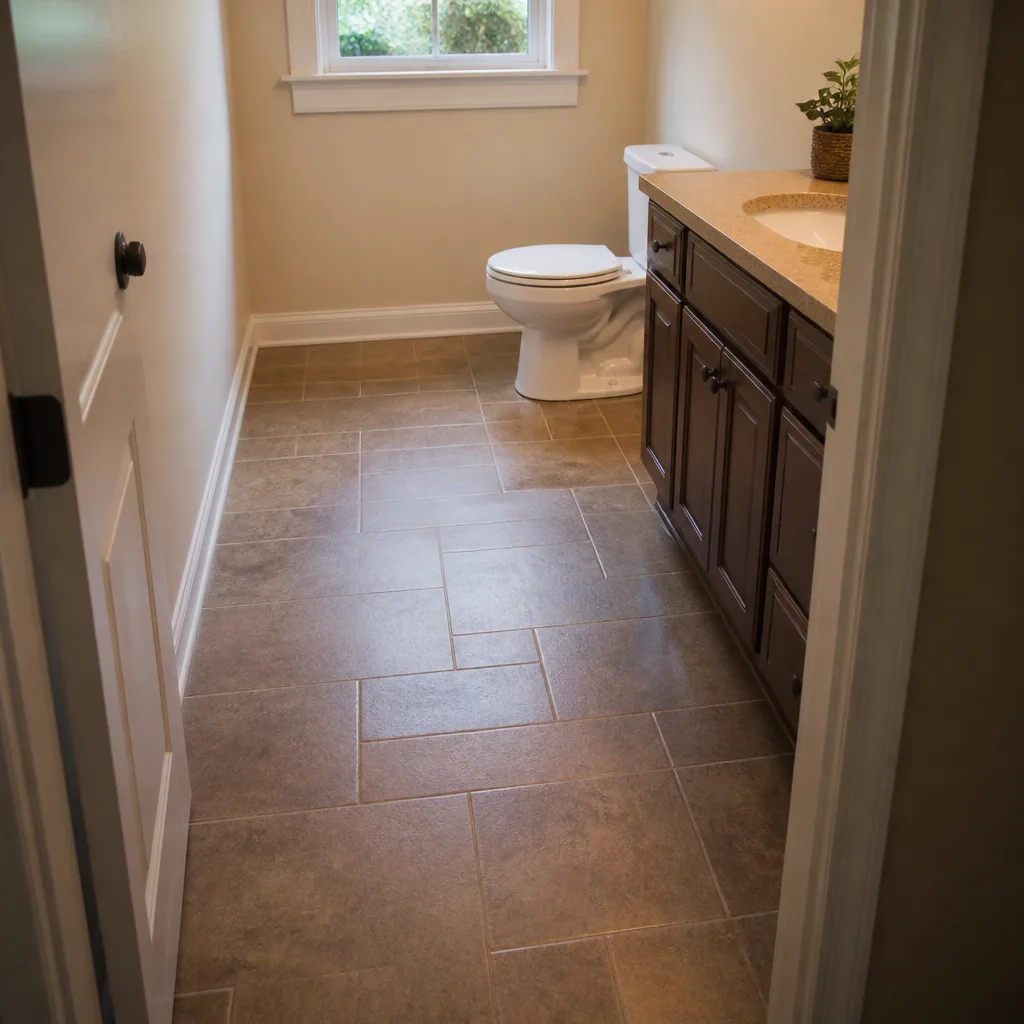
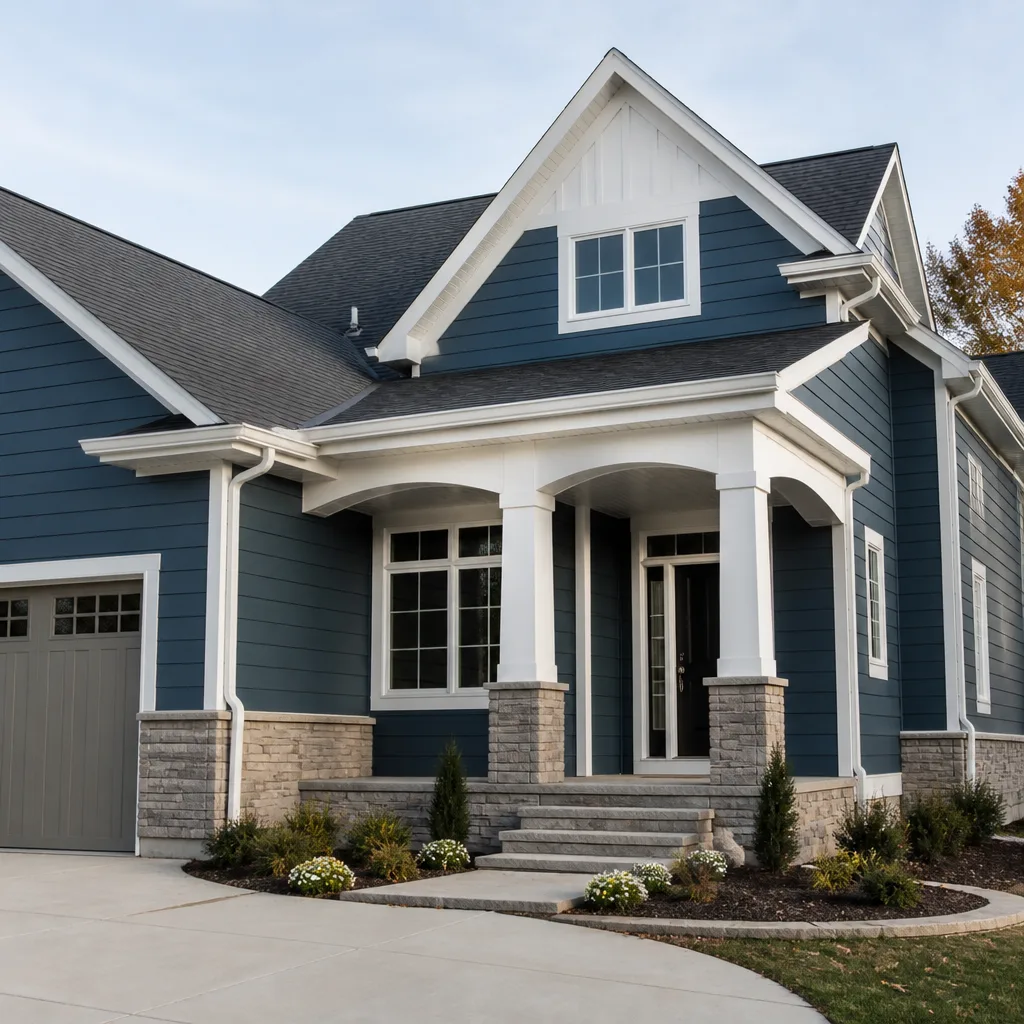
 Before
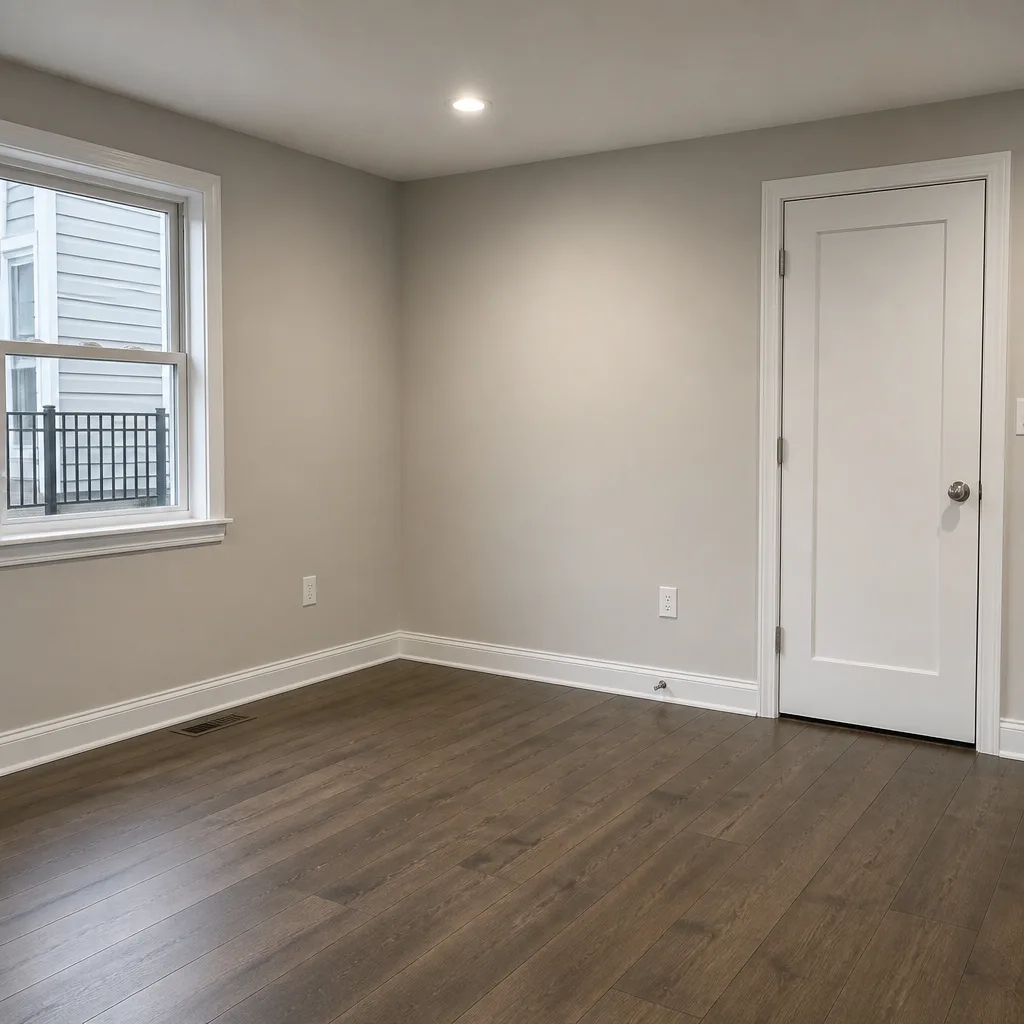 After
After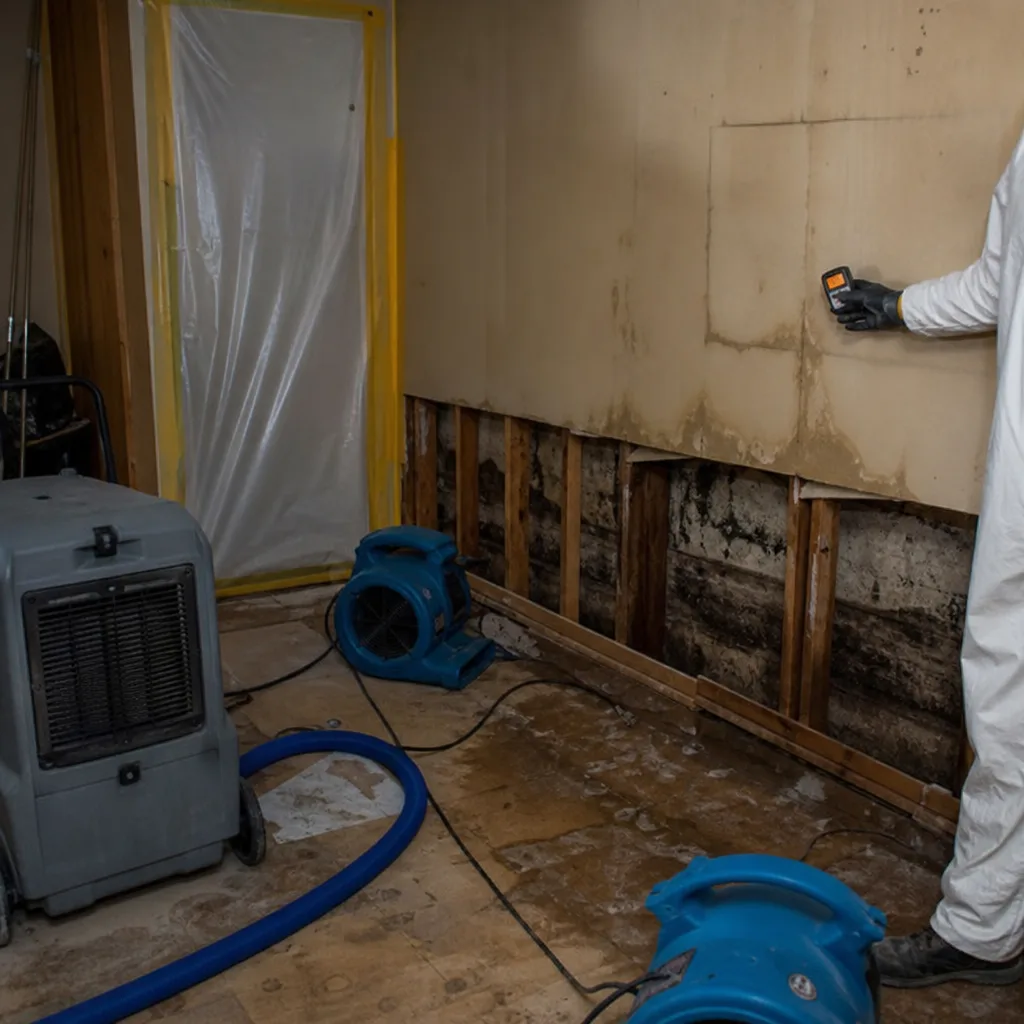 Before
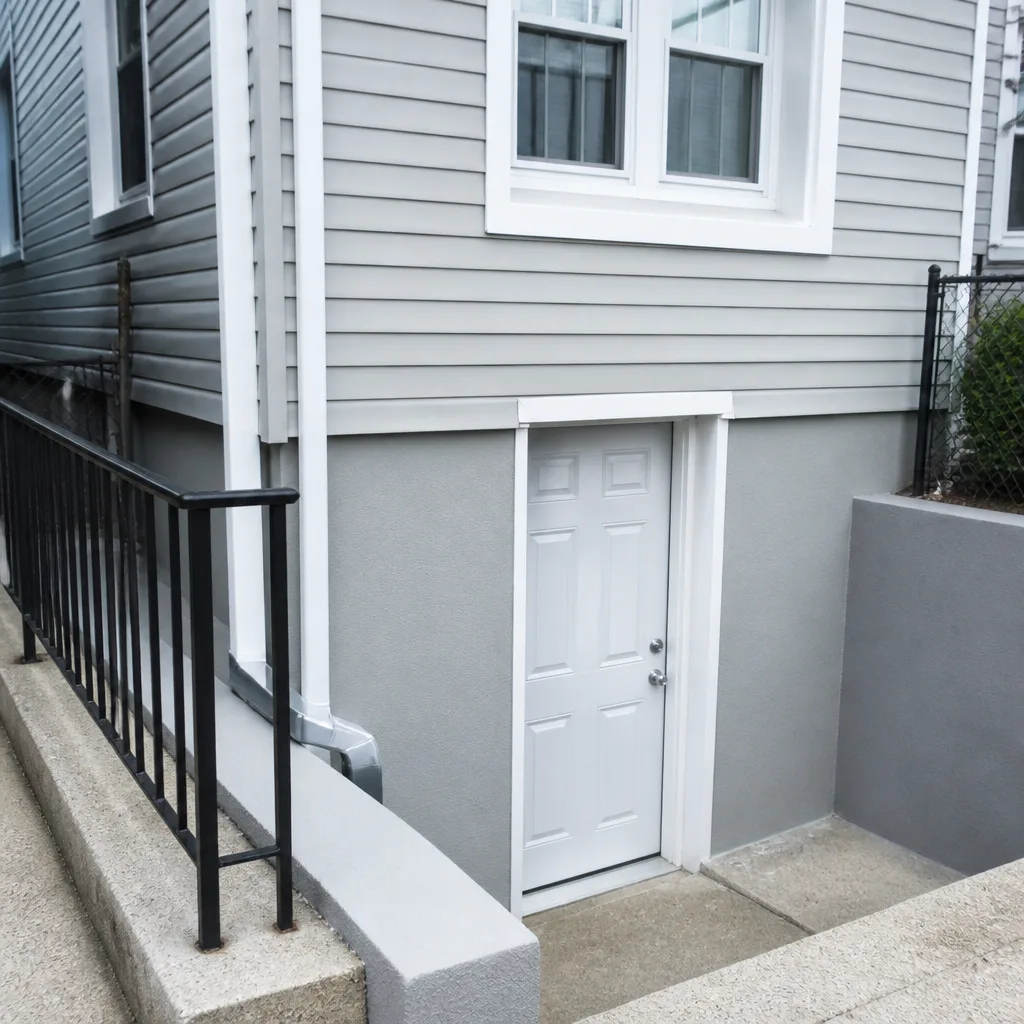 After
After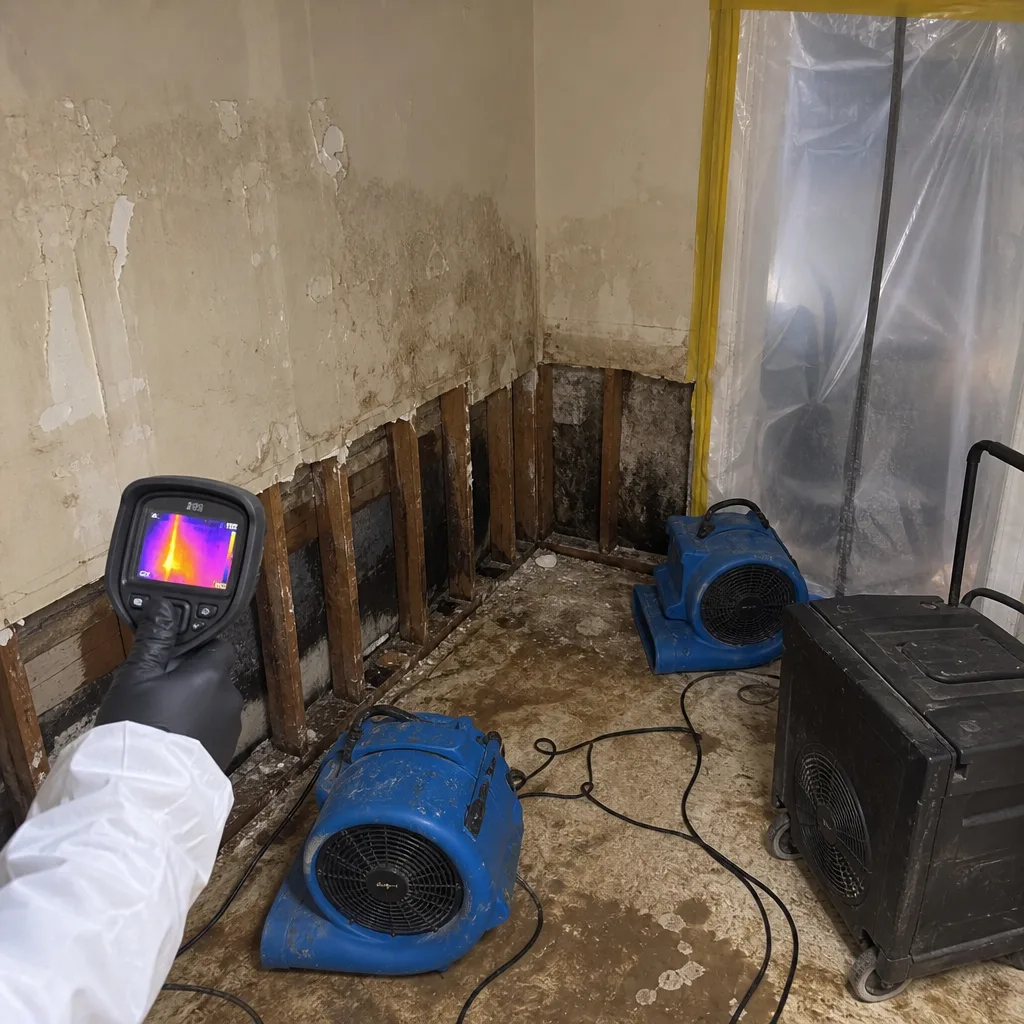 Before
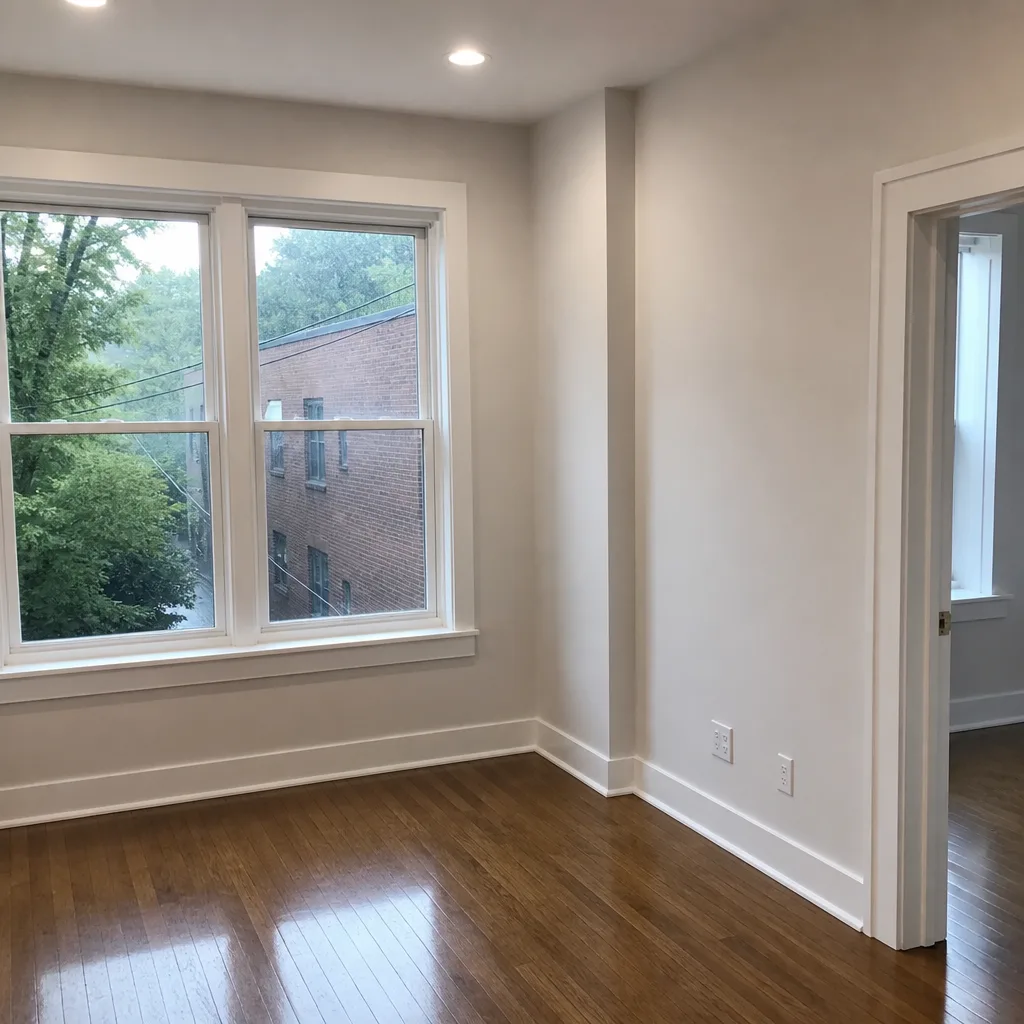 After
After24/7 Emergency Storm & Disaster Restoration in Midtown West
Storm and disaster restoration in Midtown West is rarely a simple mop-up. A burst rooftop pipe on a 40-story tower off Eighth Avenue can be flooding interior floors for an hour before anyone at street level notices. A nor’easter pushing Hudson River water into below-grade mechanical rooms along Eleventh Avenue creates a different emergency entirely. When you call (201) 740-2235, Wade Ferris answers. Not an answering service, not a call center. He will have a crew headed toward your building while you’re still on the phone, because the first hour after water enters a Midtown West property is when the difference between a $15,000 repair and a $150,000 claim gets decided. The free visual inspection happens fast, and Wade will tell you straight what he’s seeing, even if that means the damage is smaller than you feared.
Understanding Storm & Disaster Restoration Severity in Midtown West Properties
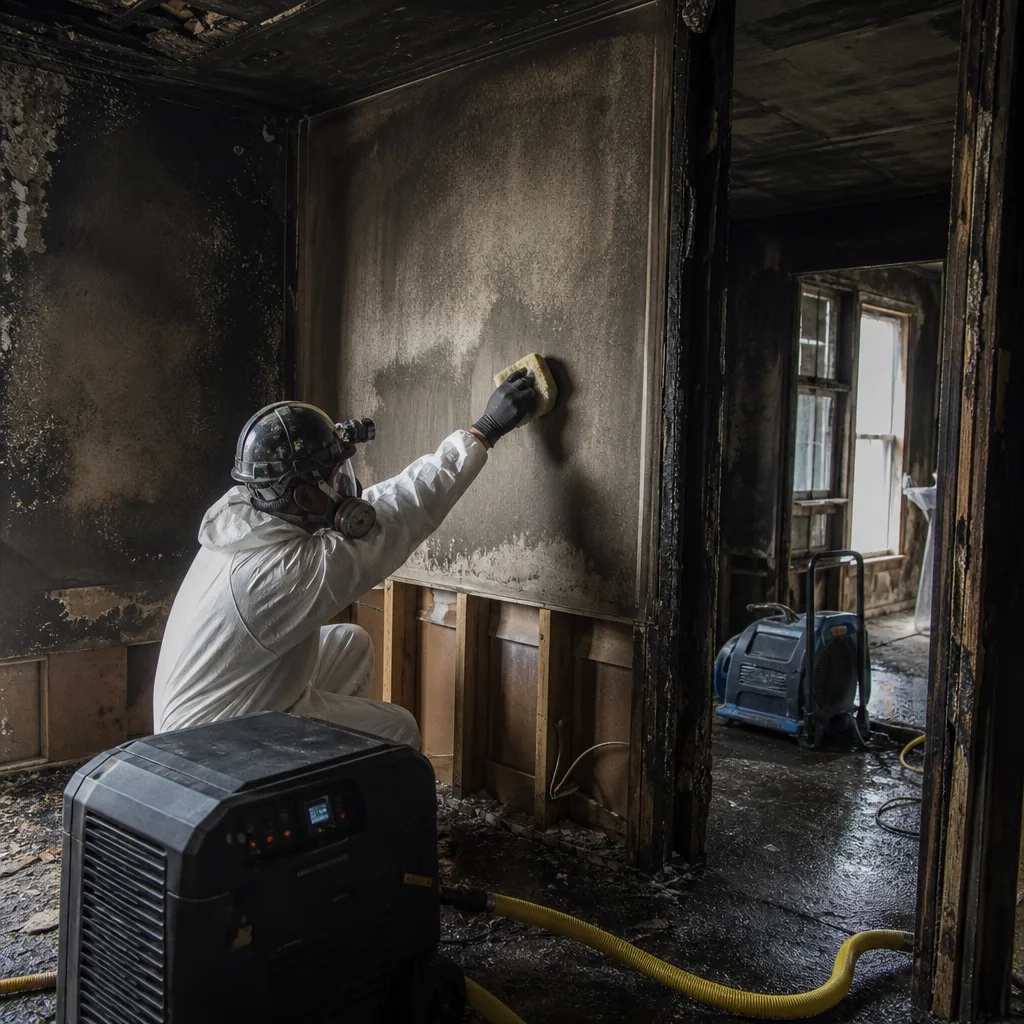
Storm damage in Midtown West falls into categories that matter more here than almost anywhere else in the country. Category 1 water from a clean supply line is a different animal than Category 3 water that has picked up contaminants from a flooded basement or sewage backup. In Hell’s Kitchen’s pre-war tenements, water from a failed cast-iron stack travels through shared wall cavities, saturating plaster, lath, and neighboring units before anyone sees a stain. By the time it surfaces, you’re often dealing with Category 2 water at minimum, because it has passed through decades of dust, debris, and building material. In the commercial towers along the Times Square corridor, soot residue from an electrical fire behaves differently at height than it does in a low-rise: smoke migration follows elevator shafts and mechanical chases, depositing acidic residues on surfaces floors away from the fire itself. Moisture mapping with thermal imaging and hygrometers is how we find what isn’t visible, and in Midtown West, what isn’t visible is usually the whole story. Containment and air scrubbing with HEPA filtration matter here because occupied hotel rooms and office floors can’t simply be sealed off the way a single-family home can.
Why Midtown West Property Owners Choose Wade’s Restoration
- A real person answers at 2 a.m. Wade Ferris carries his own phone. When a rooftop pipe bursts at 3 a.m. above a hotel block on West 44th Street, you’re talking to the owner, not a queue.
- Crews inside 45 minutes. Wade’s crews stage out of the metro office and know the Midtown West grid well enough to beat GPS on a bad weather night.
- IICRC-certified technicians. WRT, FSRT, and AMRT certifications mean the people with their hands in your building have documented training, not just a truck and a fan.
- Free visual inspection, before anything gets signed. Wade will walk the loss with you, explain what he sees, and give you a written scope. No pressure, no upsell.
- Direct insurance billing and adjuster communication. Wade talks to your carrier himself. You are not the relay between a restoration crew and an adjuster who is not returning calls.
- One team from extraction to reconstruction. The same crew that pulls the water is the crew that rebuilds the wall. Nobody hands your building off to a subcontractor mid-job.
Our Storm & Disaster Restoration Process
Inspection & Assessment
Wade or a senior lead walks the property, mapping moisture with thermal imaging and taking baseline readings. In Midtown West, this includes checking wall cavities, mechanical chases, and below-grade spaces neighbors might not think to look at. You get a written scope and a straight answer about what this will cost.
Extraction & Stabilization
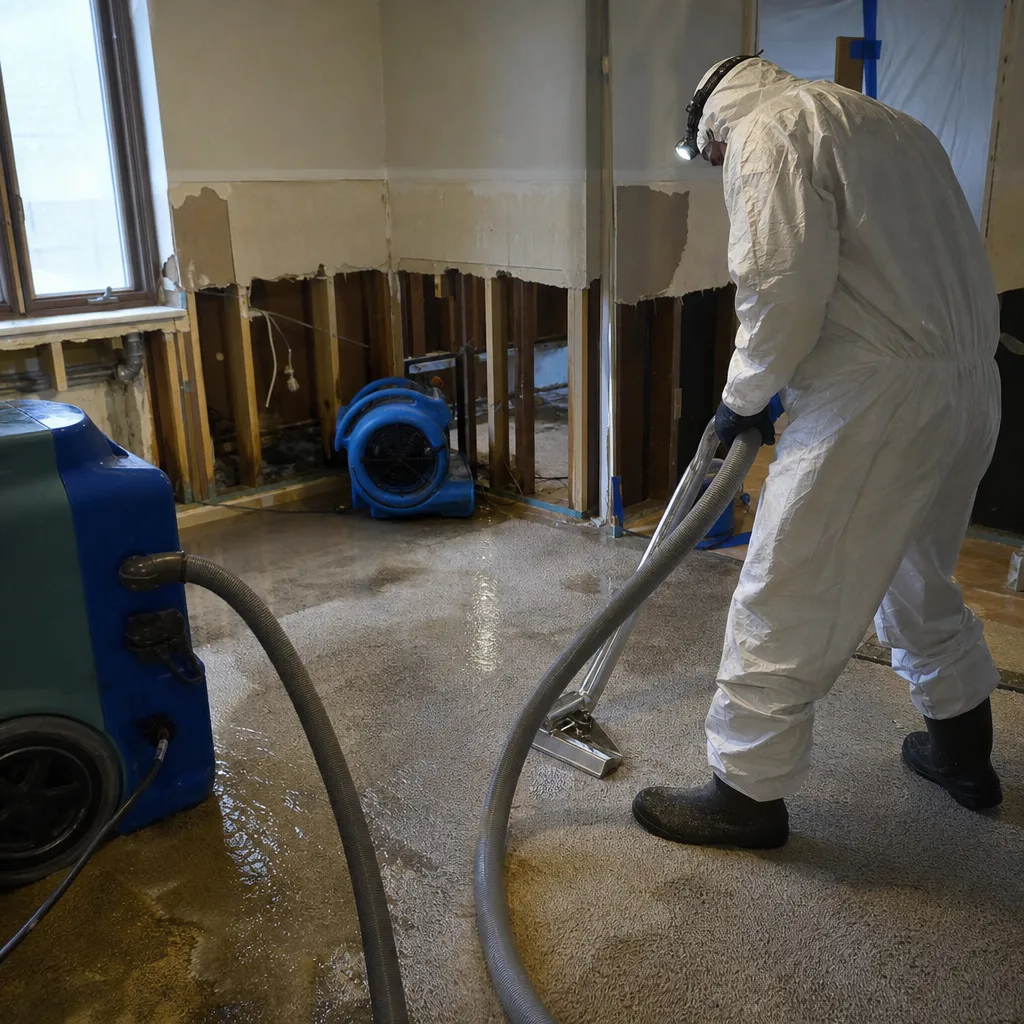
Standing water comes out first. Truck-mounted and portable extraction units handle everything from a flooded hotel lobby to a tenant apartment in a Hell’s Kitchen walkup. If the loss involves a district steam line, we coordinate with Con Edison before extraction begins, because pulling water too early can pull in more steam moisture.
Drying & Dehumidification
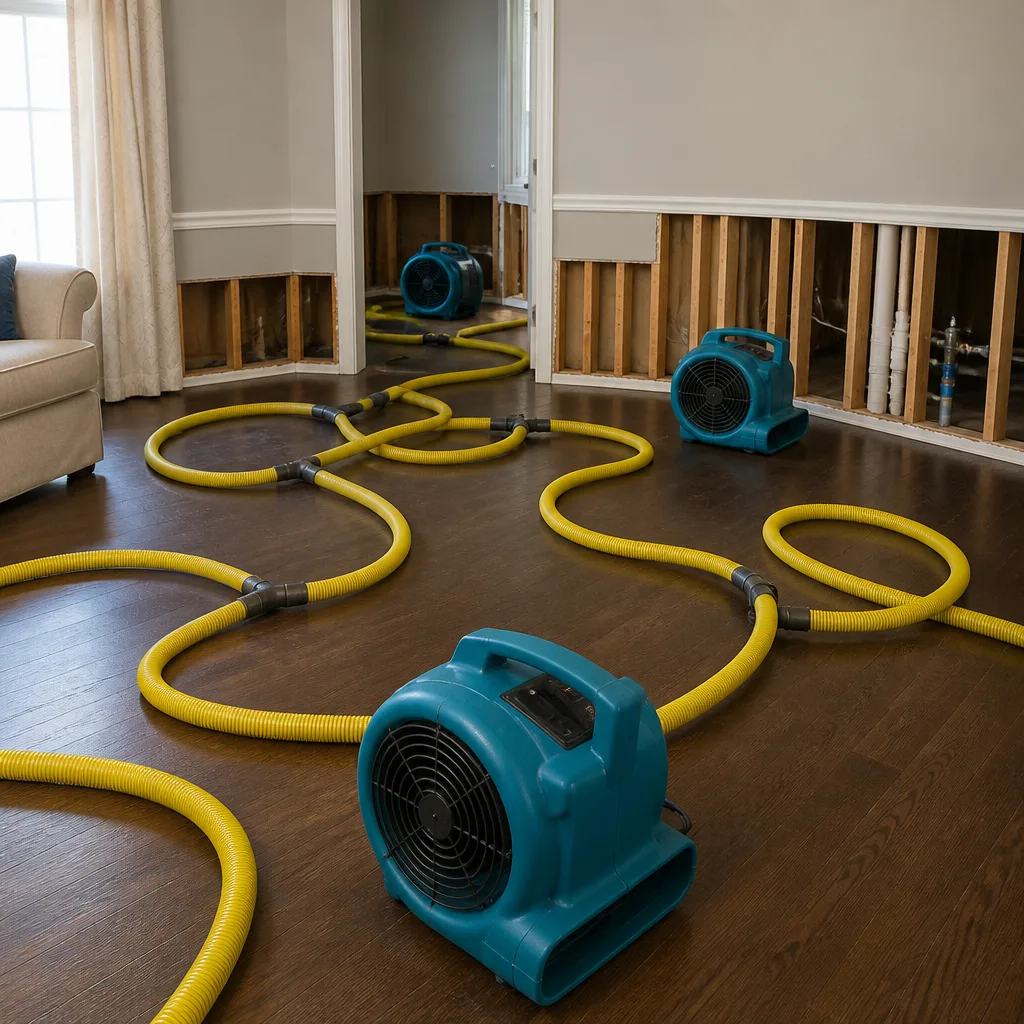
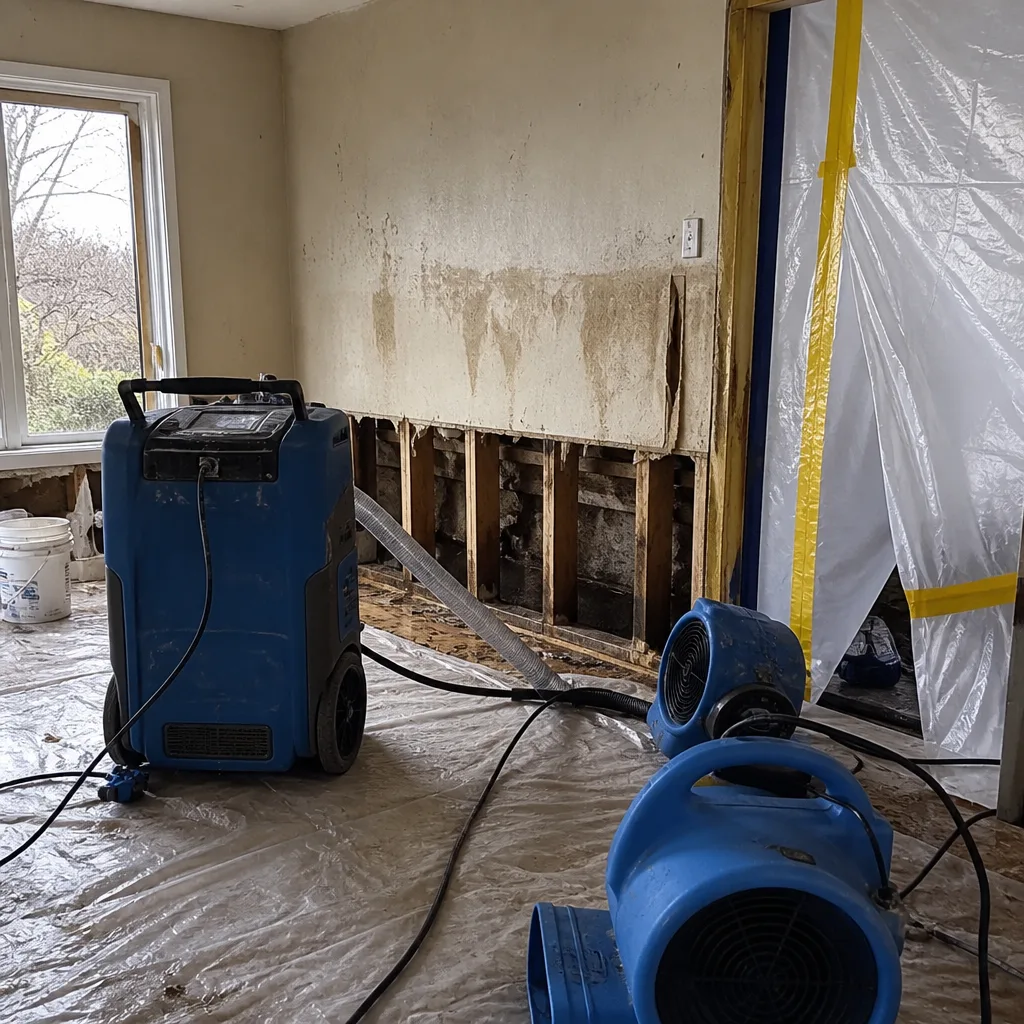
Dri-Eaz dehumidifiers, XPOWER air movers, and Injectidry drying mats placed in wall cavities and under floors. We take moisture readings every single day and log them. At the end of the job, that full log is yours, not something we keep in a file.
Cleaning & Sanitization
HEPA air scrubbers run continuously in occupied buildings to protect tenants and hotel guests. Hard surfaces get antimicrobial treatment. Soft goods and contents are cleaned, dried, and documented, not thrown away because it was faster.
Storm-Specific Treatment
Emergency board-up, roof tarping, and debris removal happen before interior work when the building envelope is compromised. On Midtown West towers, that can mean tarping a rooftop cooling tower breach while interior floors dry below.
Repairs & Restoration
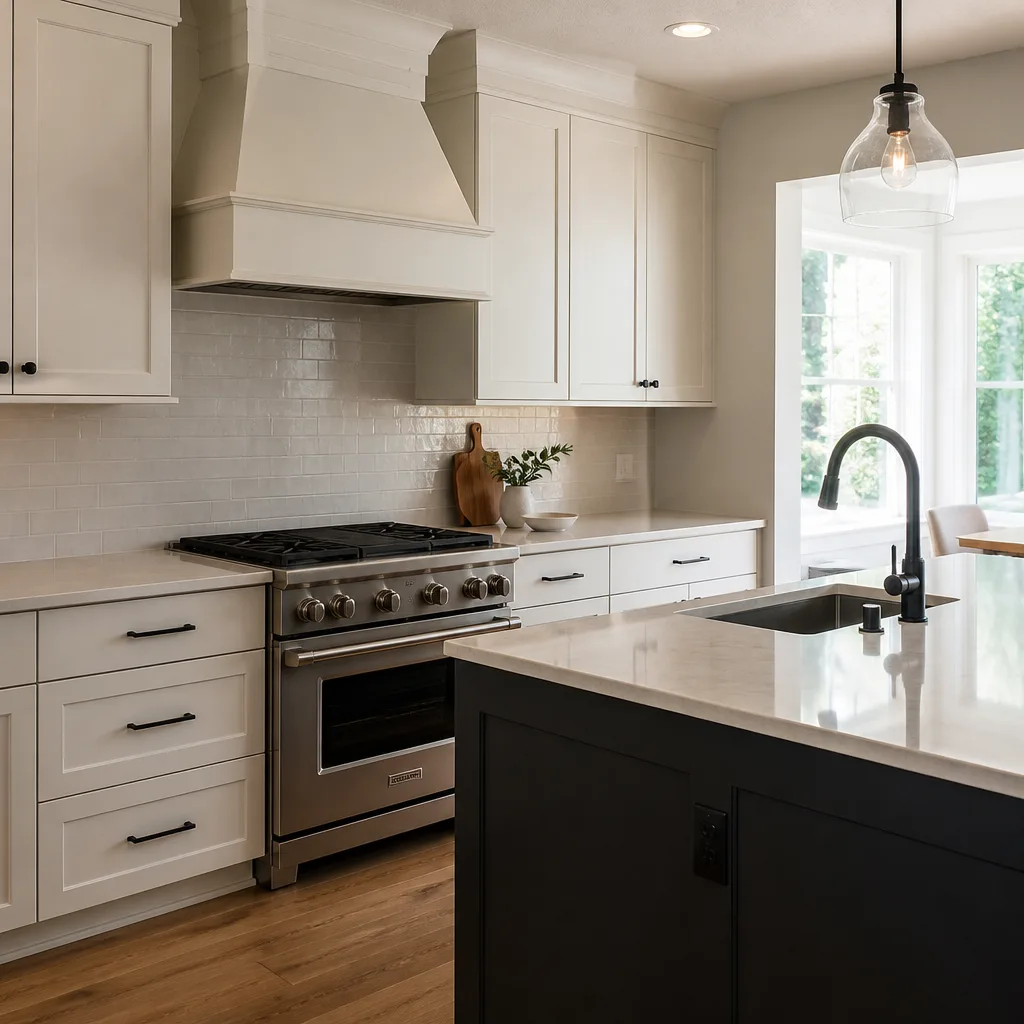
Drywall, plaster, flooring, cabinetry, paint. The same crew that started the job finishes it, and the 90-Day Done Right Promise is on the contract in writing. If something isn’t right, Wade comes back. One call.
Need Emergency Storm & Disaster Restoration in Midtown West Now?
Crews minutes away, answering live 24 hours a day. The sooner we start, the less it costs.
Working With Your Insurance Company
Midtown West commercial claims routinely reach six or seven figures, and the insurance companies know exactly what restoration should cost and how long it should take. What they won’t accept is thin documentation. We build the claim file from the first hour: photos of every affected room, moisture readings taken daily, drying logs that show when each area hit target dryness, and a line-item scope of work that matches industry-standard pricing software. Wade talks to the adjuster directly, because a restoration company that hides behind “we’ll submit the paperwork” is one that hasn’t actually submitted it. You hired us to fix the building, not to referee between a carrier and a contractor.
What We Provide Your Insurer
- Thorough documentation of the loss
- Photos of all damage, room by room
- Moisture readings and drying logs
- A detailed, line-item scope of work
- Direct coordination with your carrier
Built for Midtown West’s Loss Calendar
Midtown West’s storm and disaster losses follow a pattern that longtime building managers know by heart. January and February bring hard freeze-thaw cycles that punish flat-roof cooling towers and exposed rooftop mechanical rooms. A pipe on a West 34th Street tower roof can freeze through while the lobby is a steady 72 degrees, because wind chill at roof height drops the effective temperature well below what ground-level thermometers read. Spring thaw turns below-grade parking structures and mechanical spaces along the Hudson River into seepage zones, and the elevated baseline moisture there goes back to Hurricane Sandy’s storm surge, which pushed salt water into spaces that never fully dried. Summer brings thunderstorm flash flooding that overwhelms street-level drains and pushes water into basement utility chases around Times Square. Nor’easters in fall and early winter combine wind-driven rain with debris that clogs roof drains, sending water over parapet walls and into elevator shafts. Each season has its own signature loss type, and the crews that handle Midtown West well are the ones who already know what January looks like on a tower roof.
Storm & Disaster Restoration Across Midtown West’s Neighborhoods
Midtown West isn’t one neighborhood, and the restoration work changes block by block. In Hell’s Kitchen, from West 34th to West 59th between Eighth Avenue and the Hudson, we’re working in pre-war walkups and tenements where cast-iron plumbing stacks and radiator systems predate World War II. Water travels through shared wall cavities and affects multiple units before anyone reports it. Along the Times Square corridor, roughly West 40th to West 50th, the property type shifts to full-service hotels and commercial towers, where a pipe burst in a mechanical room off an elevator shaft cascades into occupied guest rooms and office floors, and the building has to stay open while we work. The Hudson Yards development, anchored around West 30th to West 34th near Eleventh Avenue, brings newer high-rise construction with modern mechanical systems, but the same below-grade moisture issues from the river edge. The Garment District, overlapping Midtown West’s southern edge near West 36th to West 40th, is a mix of older commercial lofts and converted residential buildings where roof drains and parapet walls have been patched for decades. Each of these areas needs a different response route, a different parking plan, and a different approach to keeping tenants or guests in place. Our Storm & Disaster Restoration team runs routes through all of them, and we know which service entrances to use off the freight elevators, because street access on Eighth Avenue during a storm is not a plan.
Specialized Storm & Disaster Restoration Services We Offer in Midtown West
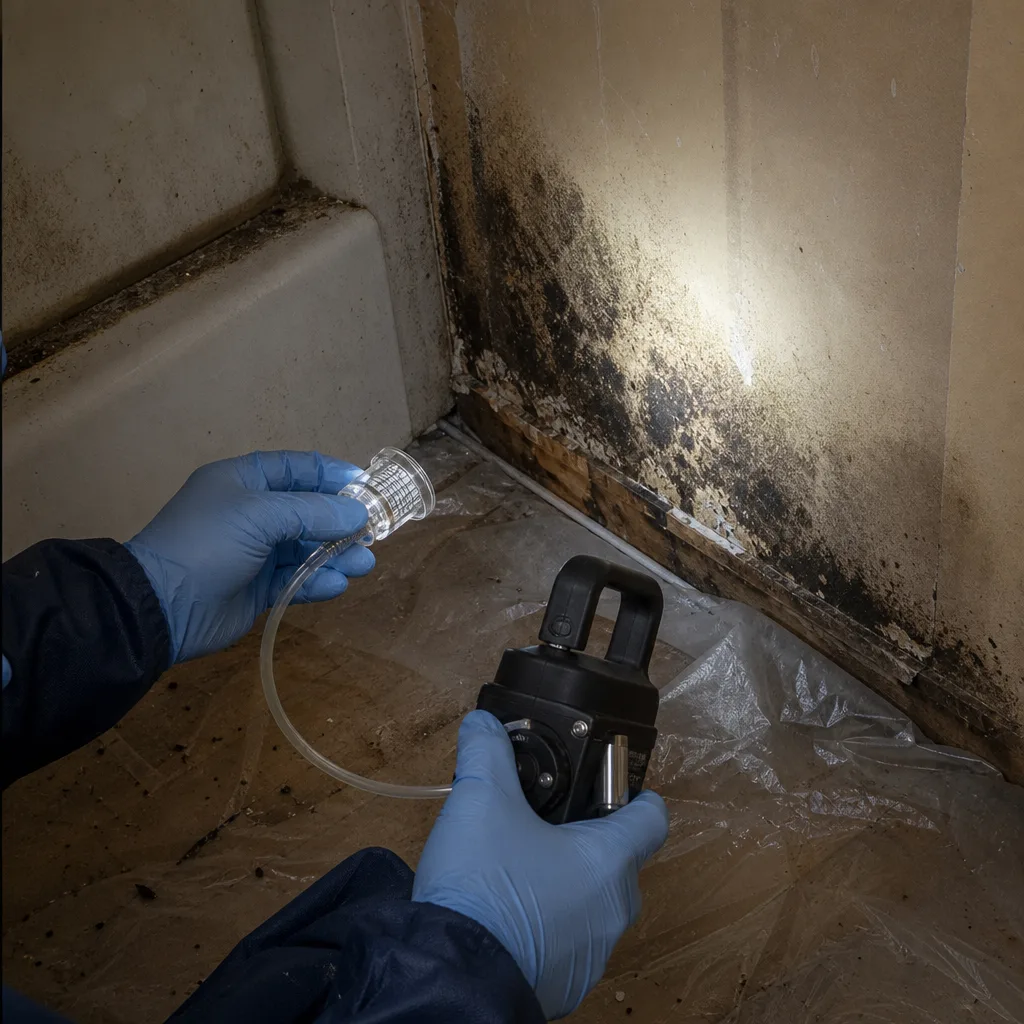
Flood Damage Restoration
Floodwater in Midtown West is usually either from a burst supply line or a storm surge pushing up from the Hudson River. The river edge from West Street up through the Javits Center area holds elevated moisture in below-grade spaces, and floodwater there carries salt, which corrodes metal framing and conduits long after the water is gone. We extract, dry, and treat with corrosion inhibitors where saltwater intrusion occurred, and we document everything for the insurer.
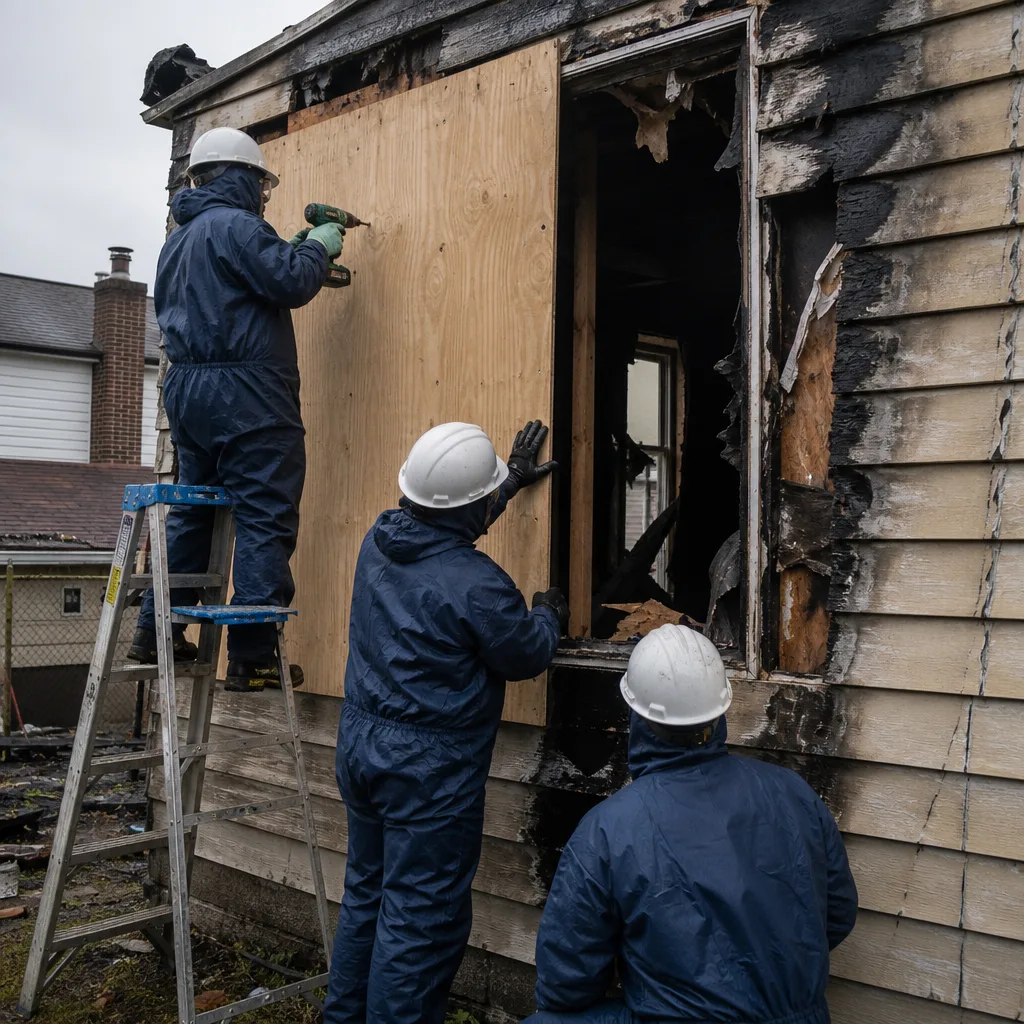
Emergency Board-Up
A blown-out window on a West 46th Street hotel façade or a storm-damaged storefront off Ninth Avenue can’t wait until Monday. Our crews board up with plywood and fasteners that won’t damage the surrounding masonry, and we secure the opening so the building is safe, weather-tight, and insurable overnight. For buildings in Midtown West, that also means coordinating with property management and ensuring pedestrian safety on the sidewalk below.
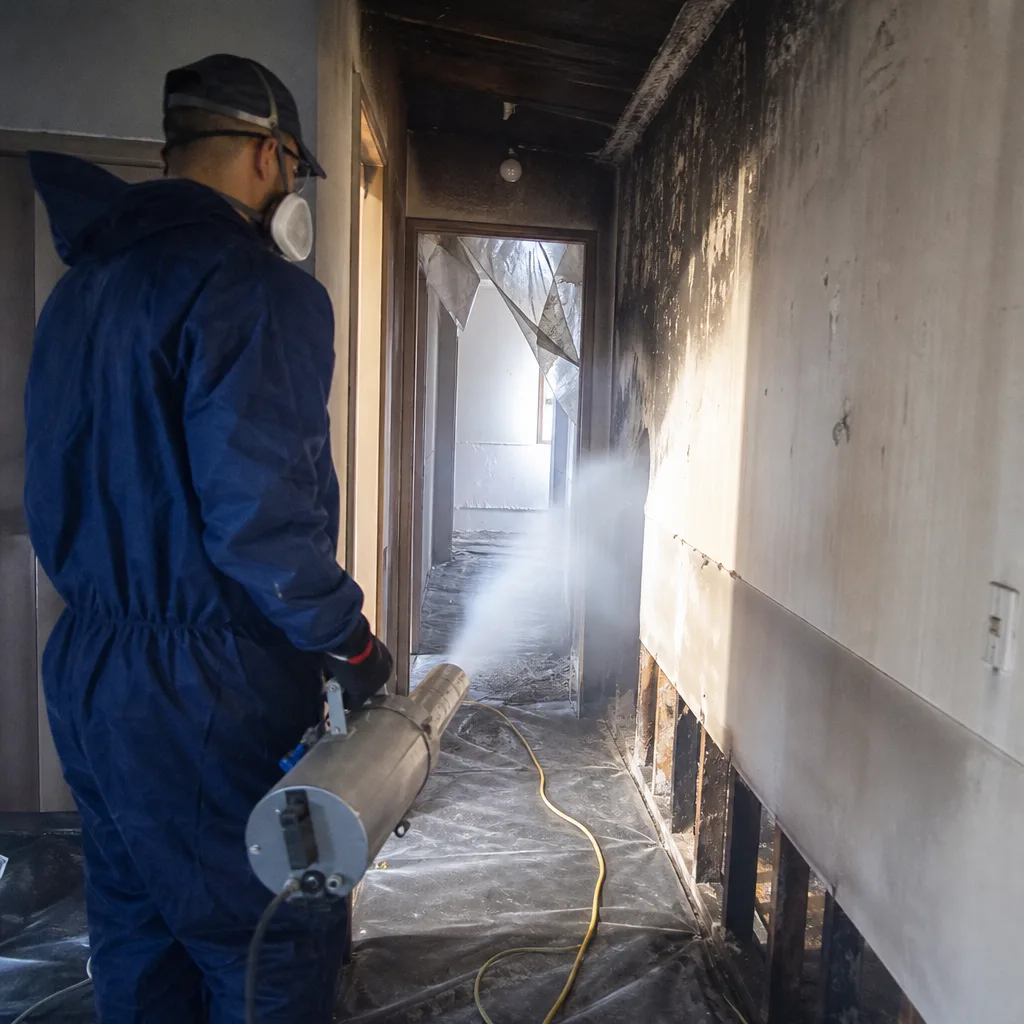
Debris Removal
Wind damage, partial collapses, and storm-blown debris create hazards that block access and slow down the real repair work. We remove debris with the right equipment for the setting, which in Midtown West often means sidewalk-level removal on a busy street, not a backyard. Debris gets staged, documented for the claim, and hauled properly, with photos of everything before it leaves the site.
Roof Tarping
Midtown West has a lot of flat roofs, and a torn membrane or punctured parapet wall lets water in fast. We tarp roofs with heavy-duty reinforced material, secured to withstand the wind loads that hit buildings at height far harder than ground level. A properly tarped roof buys the time needed to dry interior floors and get a permanent repair scheduled.
Wind Damage Repair
High winds on tower rooftops tear off mechanical screens, damage rooftop bulkheads, and loosen flashing. The damage may not show up as water intrusion immediately, but the next rain will find it. We inspect after high-wind events, document what’s compromised, and make the repairs or temporary weatherproofing needed to keep the building dry.
What happens when you call
- 1
A real person answersNo phone trees - you reach a local pro.
- 2
You get an upfront price rangeHonest numbers before anyone is dispatched.
- 3
A background-checked tech heads outLicensed & insured, dispatched right away.
- 4
You approve before work beginsNothing starts until you say go.
Storm & Disaster Restoration Costs in Midtown West, NY
Storm and disaster restoration pricing in Midtown West runs higher than in residential suburbs, and for honest reasons: access is harder, buildings are taller, and insurance requirements on commercial properties are stricter. A typical Category 1 water loss in a Hell’s Kitchen apartment runs $3,500 to $8,000 for extraction, drying, and basic repairs. A district steam condensation event in a building mechanical room tied to the Con Edison network runs $8,000 to $25,000, because it requires coordination before extraction and often involves multiple affected floors. Rooftop pipe bursts on commercial towers often exceed $50,000 by the time you account for water that traveled down elevator shafts and damage to occupied floors below. Emergency board-up for a Midtown West storefront runs $800 to $2,500 depending on the opening size and street-level access. Roof tarping on a flat commercial roof runs $1,500 to $5,000. The price moves based on the category of water, how many floors are affected, and whether the building has to remain occupied during work. The free inspection gives you a firm line-item scope before you commit, and Wade will tell you if your loss is one we can dry for a few thousand or one that needs a full commercial response. Call (201) 740-2235 and Wade will walk the property and give you the real number before you sign anything.
We Also Serve Cities Near Midtown West
Wade’s Restoration serves Midtown West and the surrounding area, including Storm & Disaster Restoration in Midtown West, Financial District, Lower Manhattan, Astoria, and Midtown Manhattan. If your building is within reach of our metro office, we can be there fast.
Midtown West Storm & Disaster Restoration Questions, Answered
How does restoration near the Con Edison district steam network differ from a standard water loss in Midtown West?
Restoration near the Con Edison district steam network requires coordination with Con Edison before extraction can safely begin, because the moisture source is often a live steam line or pressure anomaly, not a closed-off pipe. Starting extraction without clearance can pull more steam moisture into the space and void the insurance claim. In Midtown West, our crews identify steam-system involvement early and bring in the utility before touching standing water.
Can you restore a Midtown West hotel floor after a pipe burst without shutting down the whole property?
Yes, and we do it regularly. Containment barriers and HEPA air scrubbers let us isolate the affected floor while the rest of the hotel keeps operating. We work through freight elevators and service corridors, keep noise down during guest hours, and coordinate with hotel management so the property keeps generating revenue while we restore the damaged rooms. Call (201) 740-2235 for a floor-by-floor assessment.
What makes rooftop pipe bursts in Midtown West towers more destructive than in low-rise buildings?
Height and wind chill. A pipe on a 40-story rooftop freezes faster and at higher ambient ice volume than one at ground level, even when the lower floors are climate-controlled. The water then travels down mechanical chases and elevator shafts, flooding floors far below the source before ground-level staff notice. By the time roofing crews or building staff spot the problem, the damage is often spread across multiple floors.
How quickly can mold begin after a Midtown West apartment flood, and does it matter if the water is clean?
Mold can begin colonizing damp building materials within 24 to 48 hours, even if the water was clean. In Midtown West’s pre-war buildings, the shared wall cavities and old plaster hold moisture longer than modern drywall, which extends the risk window. That’s why we place drying equipment fast and monitor moisture daily with logged readings, not a one-time check.
In Hell’s Kitchen pre-war buildings, can you dry shared wall cavities without ripping out plaster?
Often yes. Injectidry drying mats and targeted wall-cavity drying systems can pull moisture from inside shared walls without tearing out the plaster. This matters in pre-war walkups where original plaster and lath are part of the building’s character and where opening walls in occupied units creates tenant displacement. We assess cavity moisture with thermal imaging first, then decide if a cavity can be dried in place or needs to be opened.
How fast can someone actually get to Midtown West for an emergency?
Wade’s crews are usually on site within 45 minutes of your call anywhere in Midtown West. That speed matters because the first hour after water intrusion is when extraction can prevent the damage from spreading to adjacent units or floors. Call (201) 740-2235 and Wade himself will answer.
Will insurance cover storm and disaster restoration in Midtown West?
Most commercial and residential policies in Midtown West cover sudden and accidental storm damage, including burst pipes, wind damage, and water intrusion from roof failures. The insurer will want documentation, which is why our daily moisture logs, photo records, and line-item scopes matter. We communicate directly with your adjuster so the claim moves without you in the middle. Call (201) 740-2235 for a straight answer on what your policy likely covers.
What should I do in the first 30 minutes after discovering storm damage in Midtown West?
Shut the water or power if you can do it safely, move valuables out of the path of water, and photograph everything before you touch it. Then call (201) 740-2235. Don’t wait until morning, and don’t start opening walls yourself. The sooner we get moisture readings and extraction running, the smaller this ends up being.
Serving Midtown West, NY - Our Local Coverage Area
We’re based in the Midtown West area and know this community well. Use the map below to see our service coverage - if you’re nearby, we can almost certainly help.
Why a Local Crew Beats a National Chain in Midtown West
The national restoration franchises have done a number on people in Midtown West. They quote a price on the phone, then send a crew in a rented truck who finds “additional damage” and the invoice doubles. Or they hand the job to a sub they’ve never met. Wade Ferris has been doing this since 2007, and his name is on the truck. His address is published. He answers his own phone at 3 a.m. and he’s going to run into you again at a coffee cart on Ninth Avenue. That’s the oldest accountability system there is, and it works. At a pre-war walkup in Hell’s Kitchen, a failing cast-iron radiator stack silently fed water through shared wall cavities for three floors before anyone discovered it. Our crew set up containment, pulled moisture readings across four units, and ran Injectidry drying mats with structural drying logs for five days, restoring the building to pre-loss condition while keeping tenants in place. The building manager told us later that the previous restoration company on a different building had opened three walls that didn’t need opening and still missed the wet one. That’s the difference between a company where the owner shows up and a company where a franchise number shows up.
If you’re dealing with storm or disaster damage in Midtown West, call (201) 740-2235. Wade will answer. He’ll tell you what he sees, what it’ll cost, and whether you need him at all. Free visual inspection, a written scope before work starts, and the 90-Day Done Right Promise on every contract. If it’s not right, he makes it right. One call brings Wade back.
Written by Wade Ferris, Owner at Wade’s Restoration, serving Midtown West and surrounding New York City communities since 2007.