
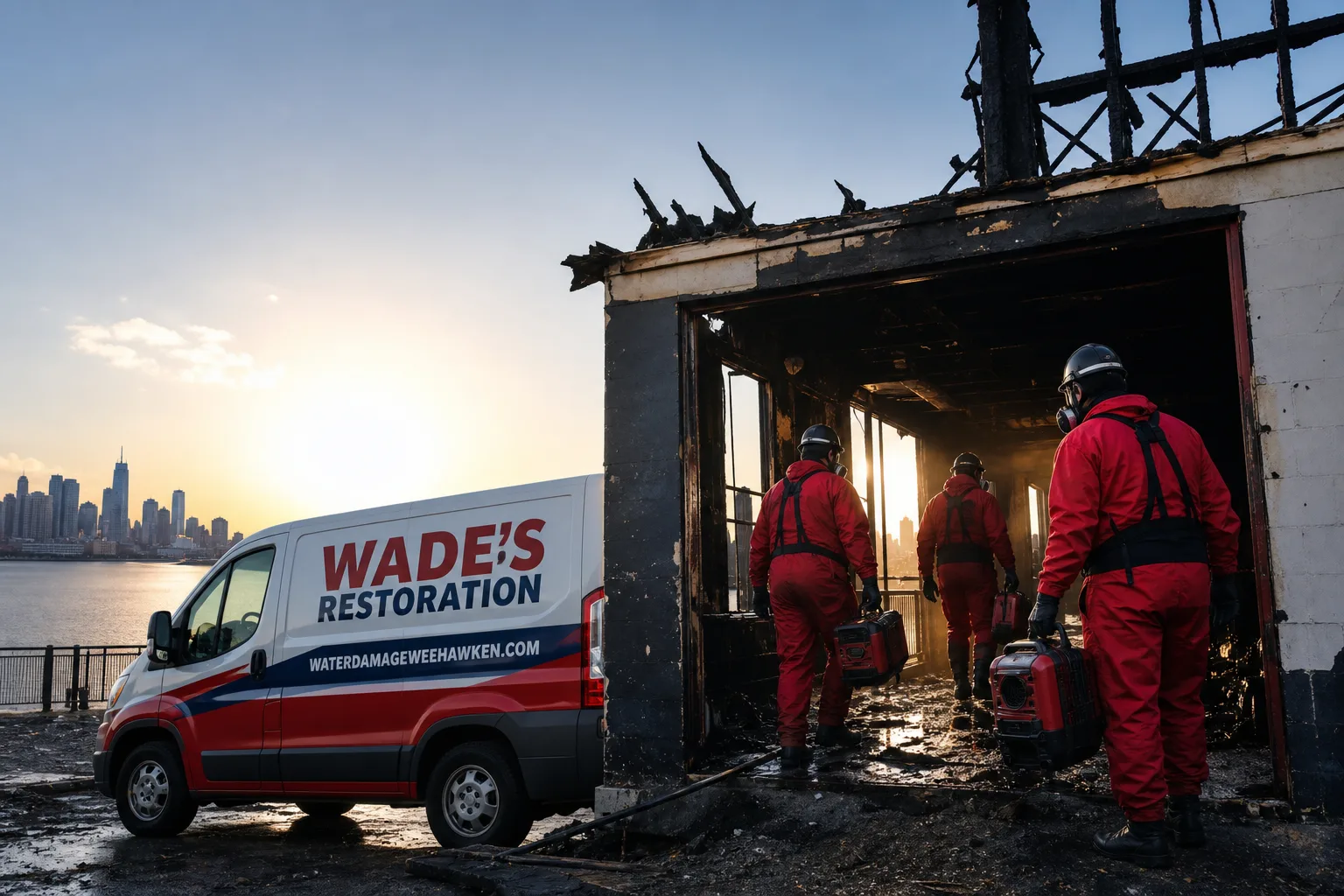
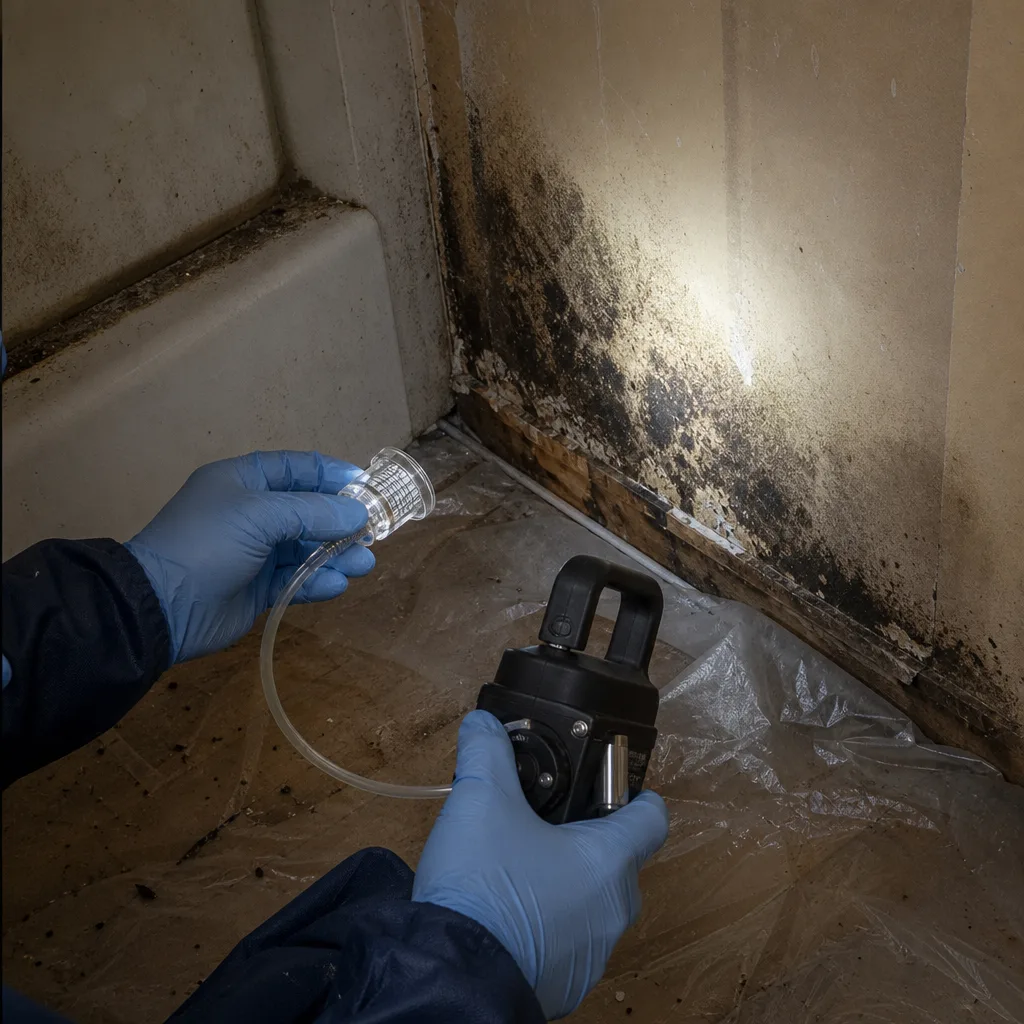
Free visual inspection and a written scope of work before any mitigation begins - photos, moisture readings, and drying logs go in your claim file
The scope we write is the scope we bill. Anything new gets shown to you, in writing, before we touch it.

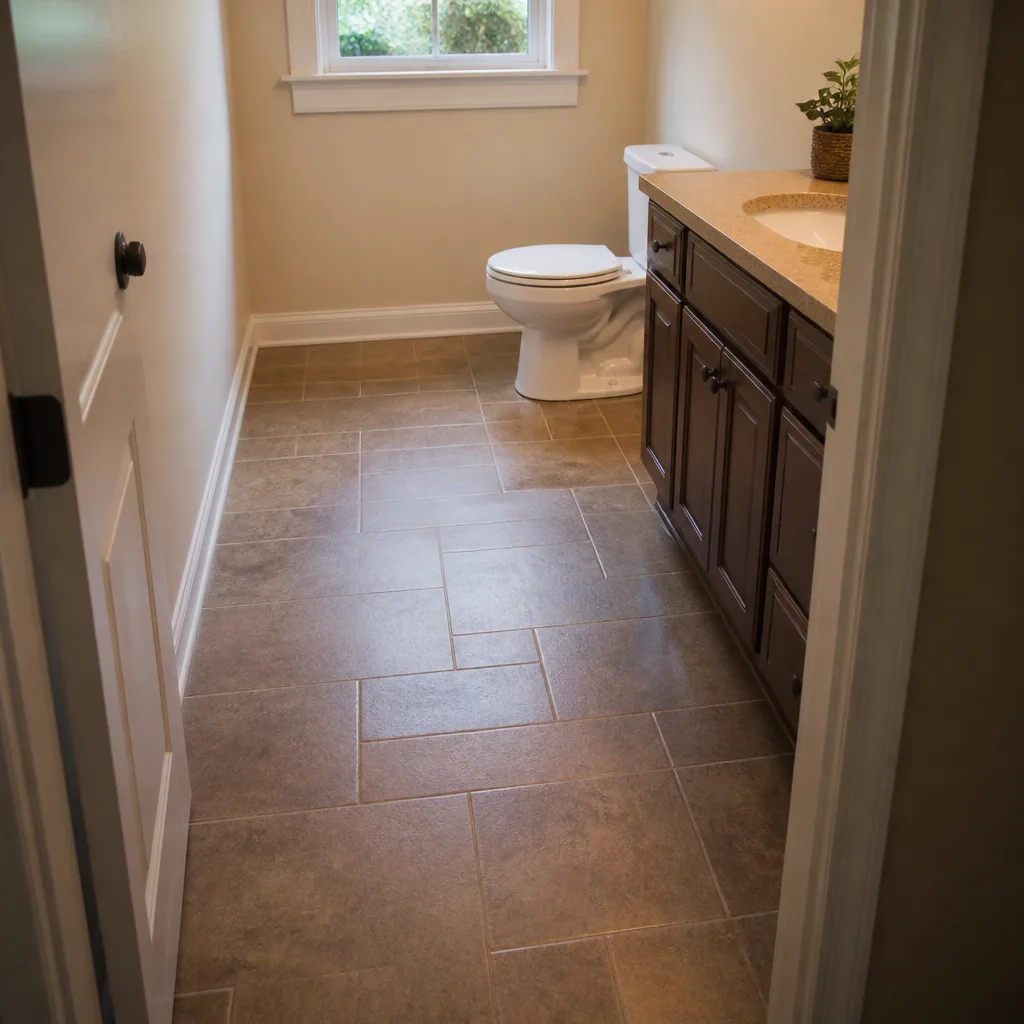
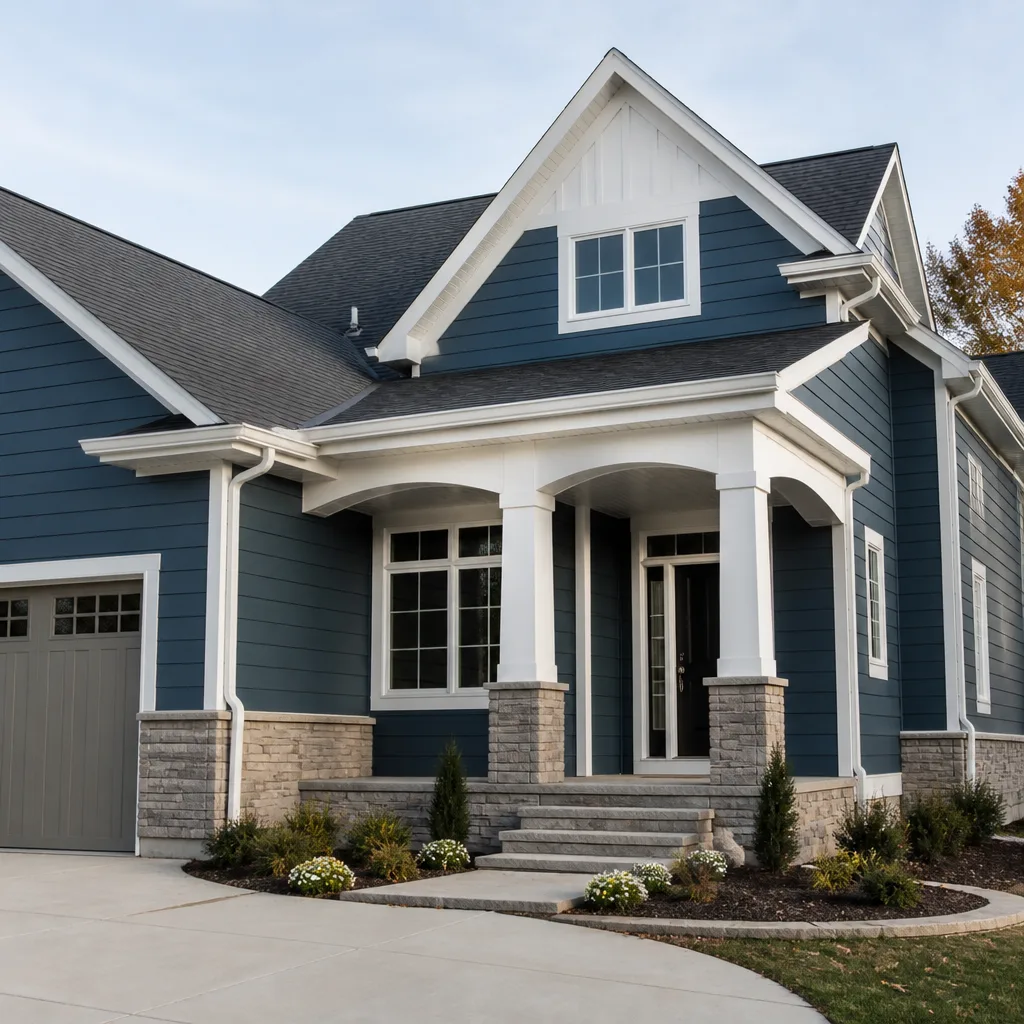
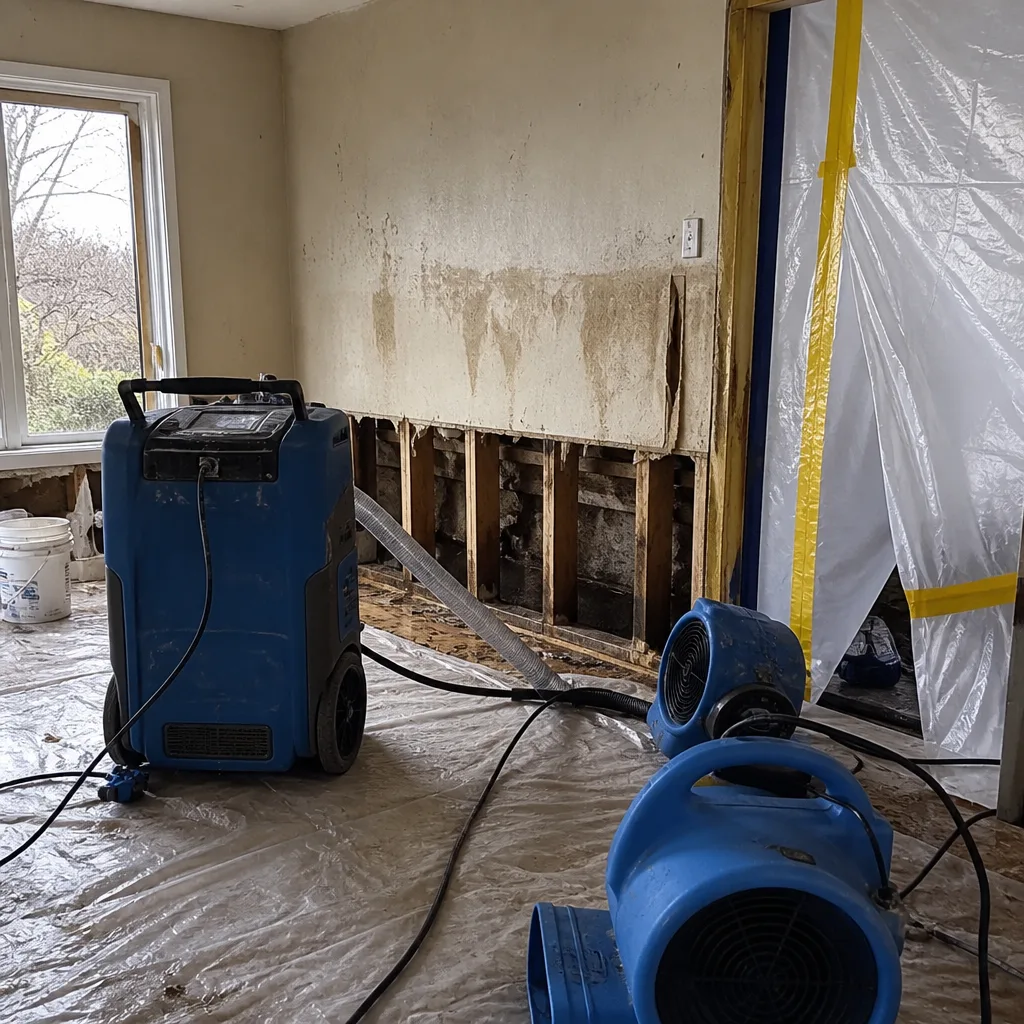 Before
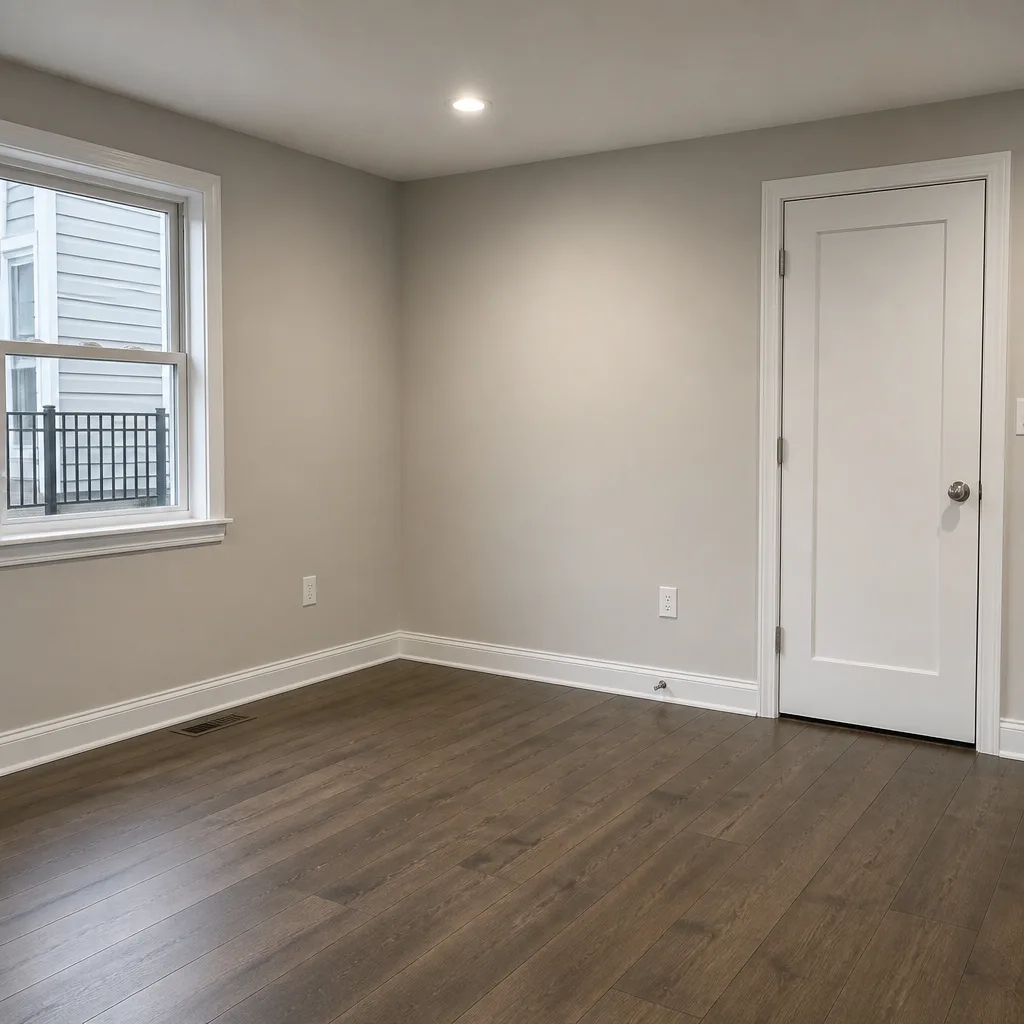 After
After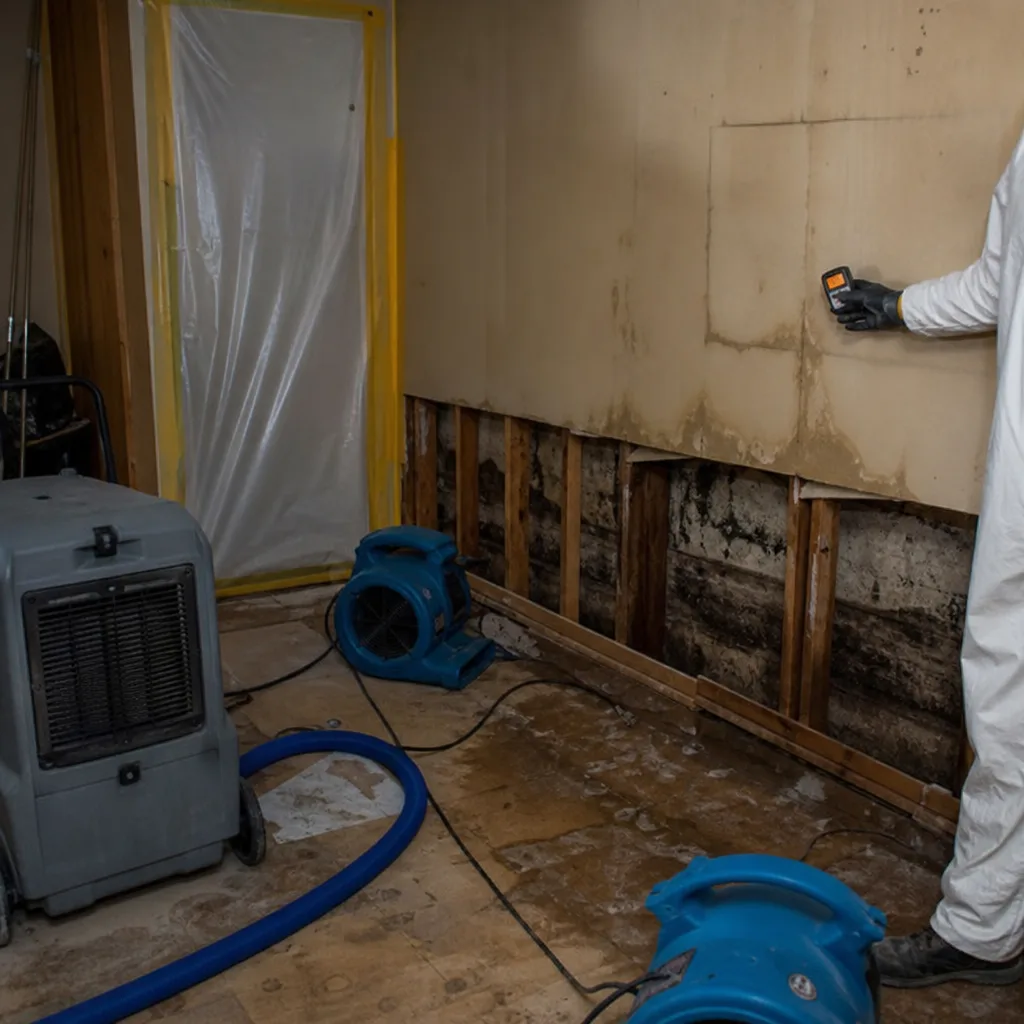 Before
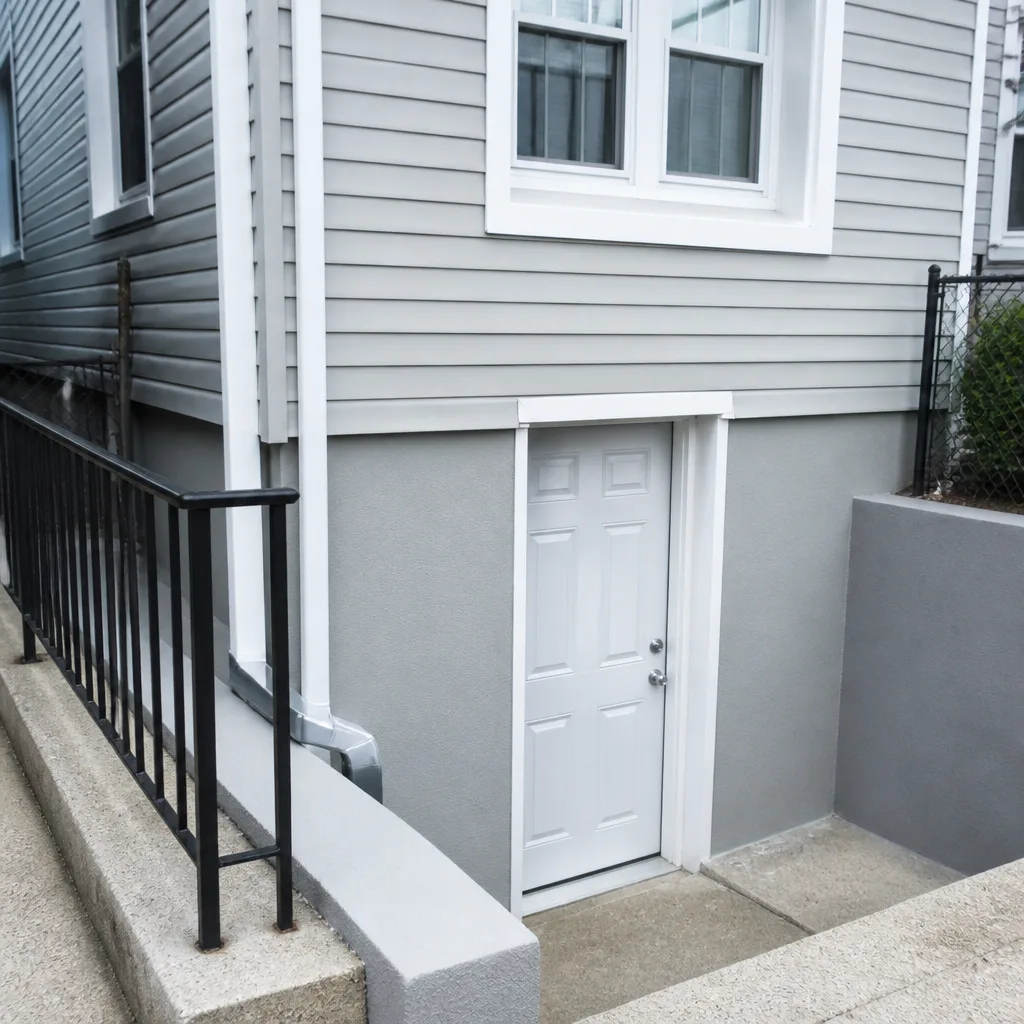 After
After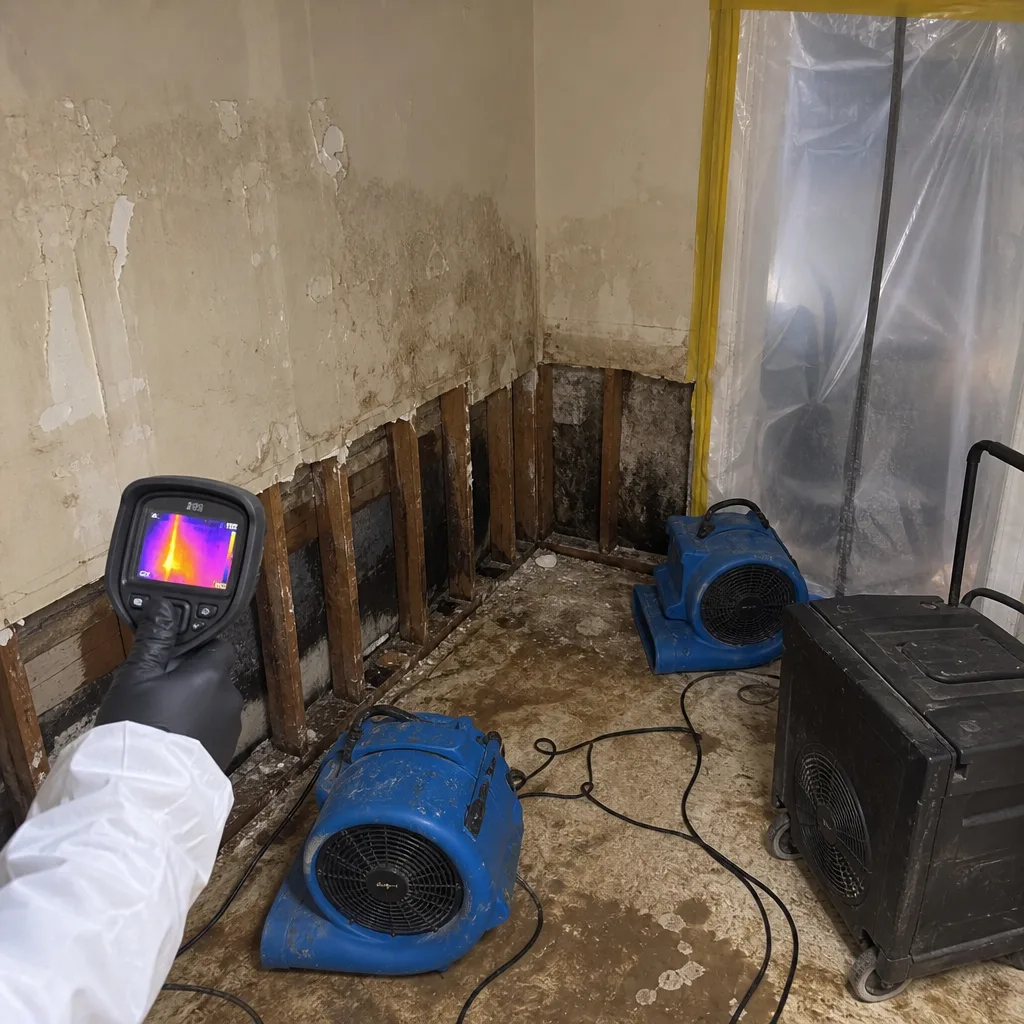 Before
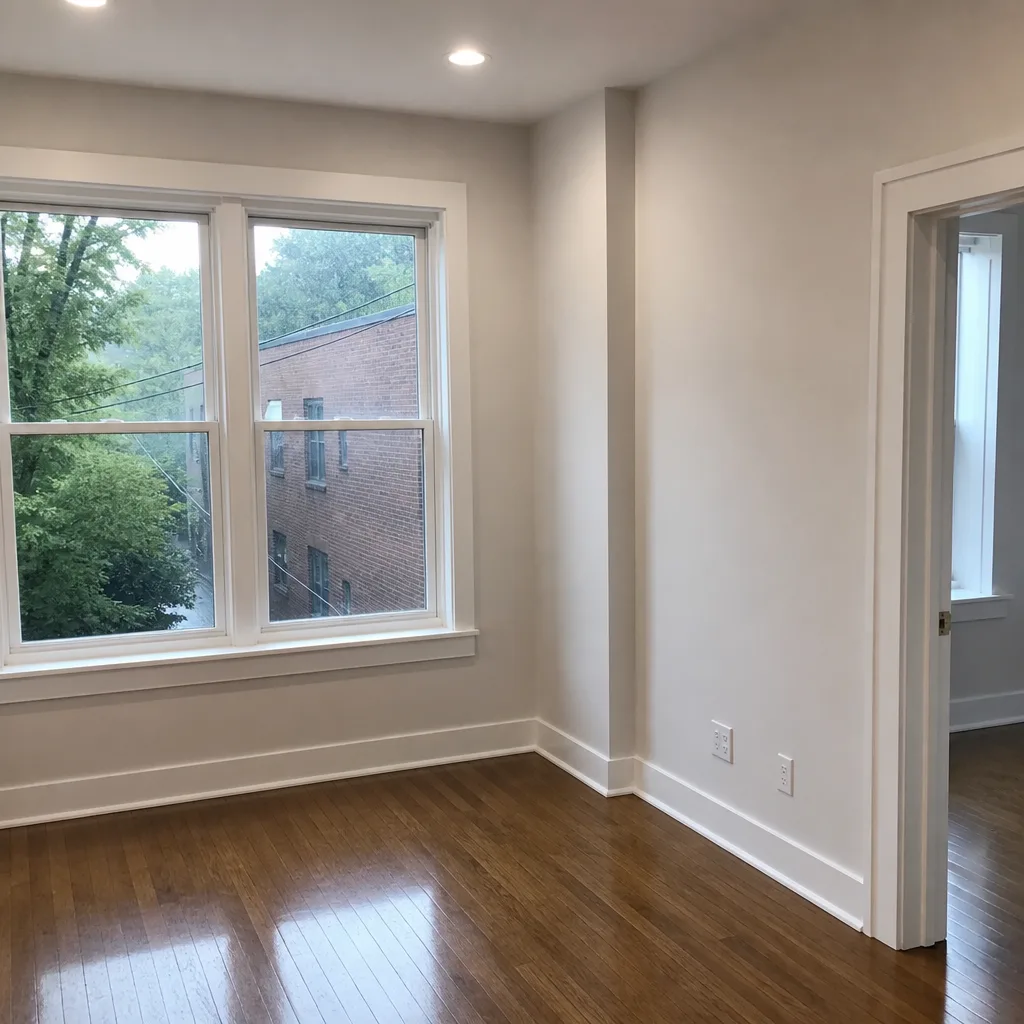 After
After24/7 Emergency Storm & Disaster Restoration in Midtown Manhattan
Storm damage in Midtown Manhattan rarely looks like a flooded basement in a house. It looks like water pouring through a curtain-wall seal on the 30th floor of a Class A tower, or a roof drain clogged with debris from a nor’easter sending runoff into occupied office space below. We answer live, 24 hours a day, and we can have crews on site inside the hour for emergency extraction, board-up, and roof tarping anywhere in the 10016, 10017, 10018, 10019, 10020, 10022, and 10036 ZIP codes. Call (201) 740-2235 and you will get Wade or someone on his crew, not an answering service. The first hour after a storm or plumbing failure determines whether you are drying sheetrock or replacing it, and in a Midtown high-rise that calculus runs across occupied floors, active tenants, and building management. We move fast because the vertical spread does not wait.
Understanding Storm & Disaster Restoration Severity in Midtown Manhattan Properties
Storm and water damage in Midtown Manhattan splits into three categories that dictate everything about how we work. Category 1 water comes from a clean source: a burst supply line, a failed HVAC condensate drain, or rainwater entering through a roof breach before it picks up contaminants. Category 2 carries significant contamination; think sprinkler head discharge that has sat in a ceiling plenum above a restroom core, or roof runoff that has passed through pigeon debris and decades of accumulated dust on a parapet. Category 3 is grossly contaminated; sewage backup, street-level floodwater pushed into a loading dock, or water that has wicked through multiple occupied floors collecting whatever each tenant left in its path. Midtown’s pre-war masonry high-rises, built from the 1920s through the 1940s, hide cast-iron standpipes and drain stacks inside concrete enclosures where water travels far from the visible leak. Those buildings often carry three or four renovation layers, so a pipe from 1938 runs beside a 1990s retrofit line beside a 2015 tenant improvement feed. When one fails, moisture mapping with thermal imaging and penetrating meters is the only way to know where the water actually went, because the visible staining tells only a fraction of the story. Steam-heated interiors and the urban heat island mean mechanical rooms and subgrade spaces in Midtown hold elevated humidity year-round, which shortens the window to dry before mold colonizes; typically 48 to 72 hours in calm conditions and faster after a summer convection storm.
Why Midtown Manhattan Property Owners Choose Wade’s Restoration
- 45-minute response commitment: When a chilled-water line lets go on the 14th floor, waiting until morning is not an option. Wade’s crew is staged for Midtown and heads out as soon as the call ends.
- 24/7 live answer, always a real person: You call (201) 740-2235 and Wade answers. No menu tree, no callback. Middle of the night included.
- IICRC-certified crews: Our people hold WRT (Water Damage Restoration Technician), FSRT (Fire & Smoke Restoration Technician), and AMRT (Applied Microbial Remediation Technician) credentials, and the work follows IICRC S500 and S520 standards.
- Free visual inspection: No charge to come out, look at the loss, and tell you straight what needs to happen and what can wait.
- Direct insurance billing: We document from the first hour, submit line-item scopes your adjuster can actually read, and coordinate claims directly so you are not stuck relaying between two sides.
- One team, extraction to reconstruction: The same crew that runs the extractors hangs the replacement drywall. No handoff to a subcontractor you never met.
Our Storm & Disaster Restoration Process
Inspection & Assessment
We arrive, map the visible damage, and run thermal imaging plus penetrating moisture meters to find water you cannot see. In a Midtown high-rise, that means checking the slab, the chase walls, and the floor below. We write a scope before any work starts, so you know the plan and the price.
Extraction & Stabilization
Standing water comes out first with truck-mounted and portable extractors. Then we stop the source if it is still active: a failed riser, a cracked condensate return, a roof breach. Roof tarping and emergency board-up happen at this stage if the storm left openings in the building envelope.
Drying & Dehumidification
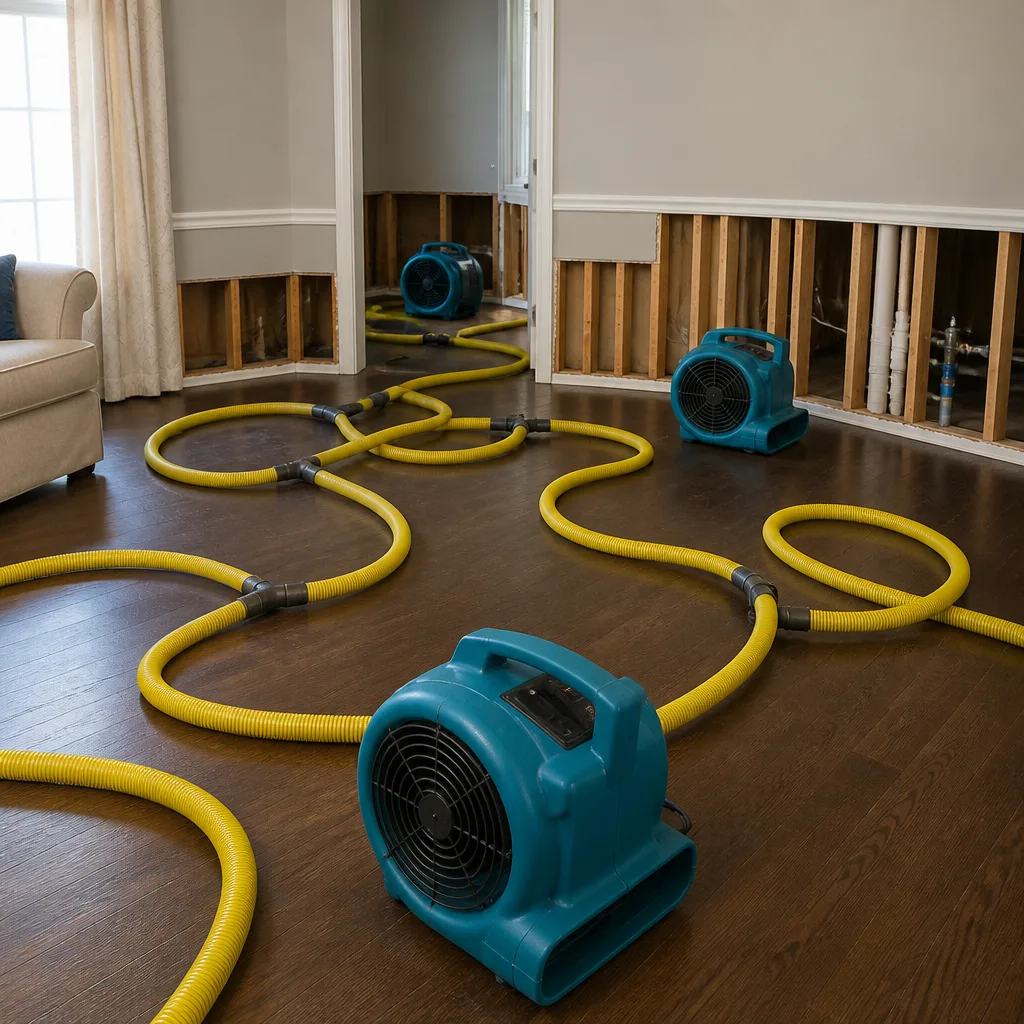
Phoenix air movers and low-grain refrigerant dehumidifiers go in, arranged for cross-flow across wet surfaces. In concrete and masonry construction, we run drying chambers longer than you would in a wood-frame house, because moisture binds into those materials differently. We take moisture readings every day and hand you the full log at the end.
Cleaning & Sanitization
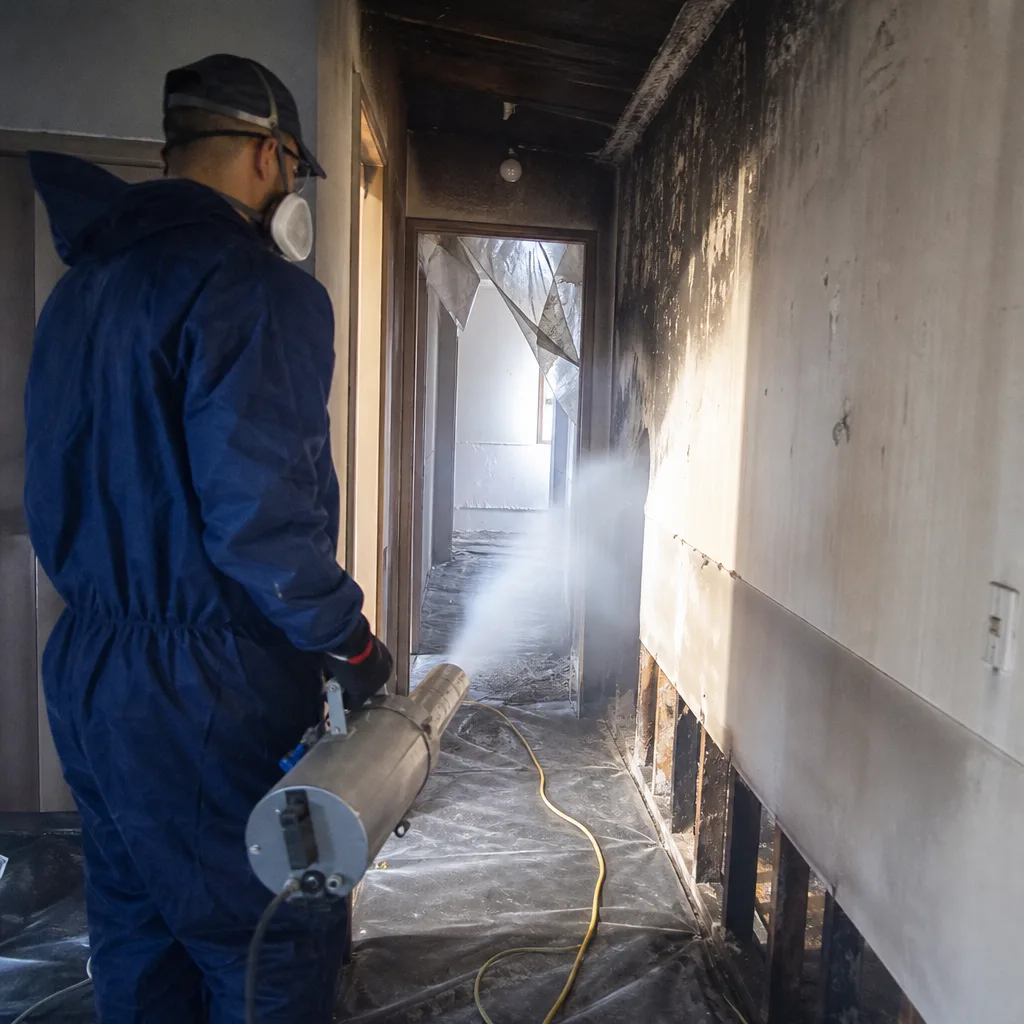
Category 2 and 3 water requires antimicrobial treatment and HEPA air scrubbing to clear particulate from the air. In occupied buildings, we set negative-air containment so the work does not aerosolize contaminants into neighboring floors or the lobby.
Structural Drying & Specialty Treatment
Midtown’s cast-iron standpipe chases and concrete slabs need targeted drying inside enclosed cavities. We drill and inject dry air into wall and floor cavities where water traveled, and for district-steam condensate saturation we use specialized high-heat drying protocols built for superheated moisture in masonry.
Repairs & Restoration
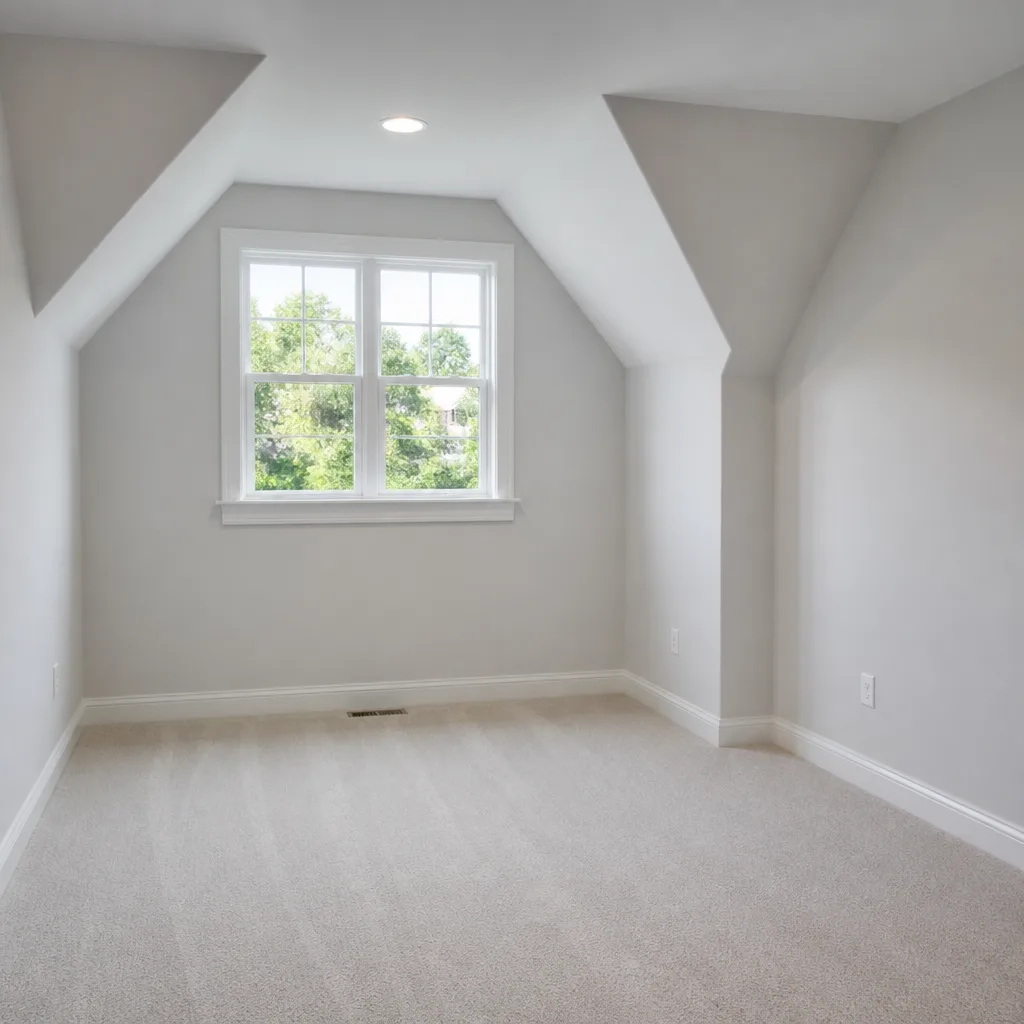
Once materials hit dry standard, we rebuild: drywall, insulation, flooring, paint, and any structural elements that had to come out. One crew from start to finish, so the person who dried it is the person who rebuilds it.
Need Emergency Storm & Disaster Restoration in Midtown Manhattan Now?
Crews minutes away, answering live 24 hours a day. The sooner we start, the less it costs.
Working With Your Insurance Company
Insurance claims for Midtown commercial losses are different from residential claims. You are often dealing with a building policy, one or more tenant policies, and sometimes a third-party contractor policy, all on the same event. That is why our documentation starts the moment we walk in: photos of every affected room, moisture readings taken daily with the log provided at closeout, and a line-item scope of work written in the format adjusters expect. We work with your adjuster directly, so you never have to explain drying science to someone over the phone at 9 p.m. Most storm, wind, and water intrusion losses in Midtown are covered under property policies, but the devil is in the deductible and the sub-limits for things like roof tarping or business interruption. We will walk you through what is covered, what is not, and what the scope looks like before demo starts.
What We Provide Your Insurer
- Thorough documentation of the loss
- Photos of all damage, room by room
- Moisture readings and drying logs
- A detailed, line-item scope of work
- Direct coordination with your carrier
Built for Midtown Manhattan’s Loss Calendar
Midtown Manhattan takes storm and water losses on a schedule. January and February bring deep-freeze events that burst supply lines in perimeter walls and unheated mechanical rooms, and those bursts happen in high-rises where the water runs down through occupied floors. March and April bring nor’easters with sustained wind and heavy rain that push water through aging curtain-wall gaskets and failed roof membranes; by the time building staff notices the roof drain is clogged, water has already found a path down three floors. Summer is convection storm season: sudden, intense rainfall that overloads the drainage infrastructure faster than the roofs and parapets were designed for, leading to flash intrusion into top-floor tenant spaces and elevator shafts. Fall is quieter for storms, but it is when building engineers shut down and drain cooling towers, and any leak in that process is a commercial water event. Running through all of it: Con Edison’s district steam network, one of the largest in the world, delivering steam from 14th Street up through the 90s. When a steam trap fails on the 20th floor of a building on Sixth Avenue, the superheated moisture saturates concrete and masonry in ways a cold-water pipe burst never does. Most out-of-market crews mistake it for a simple pipe leak and miss the specialized drying that the materials actually require.
Storm & Disaster Restoration Across Midtown Manhattan’s Neighborhoods
Our Storm & Disaster Restoration team covers the full span of Midtown, and the loss patterns shift block by block. Around Times Square and the Theater District, we see roof and parapet failures on older theater buildings where marquee structures and decades of rooftop equipment create drainage bottlenecks, plus sprinkler head discharges from the constant activity. In the Garment District and the West 30s, the pre-war loft buildings have cast-iron standpipes buried in masonry; a cracked pipe there can run for hours before it shows on a ceiling tile. Murray Hill and the East 30s have a mix of pre-war co-ops and mid-century office buildings, with steam risers in closet chases that saturate multiple units in a line. Along Park Avenue and Madison Avenue in the 40s and 50s, the Class A towers run complex HVAC and chilled-water systems, and a failed condensate pan above a ceiling plenum can turn into a vertical cascade through 20 occupied floors. Herald Square and Penn Station’s perimeter, including the blocks around 34th Street and Seventh Avenue, bring street-level stormwater intrusion into loading docks and below-grade mechanical spaces during heavy rain. Each corridor has a different building stock, a different age of plumbing, a different response route. We know all of them.
Specialized Storm & Disaster Restoration Services We Offer in Midtown Manhattan
Flood Damage Restoration
Flooding in Midtown comes from roof breaches, failed risers, district steam condensate, and street-level intrusion during heavy rain. We extract, dry, and rebuild, with the documentation your building manager and insurance carrier will ask for. For a burst chilled-water riser on West 42nd Street, our crew set floor-to-floor containment, ran Phoenix air movers with moisture mapping to track drying across the concrete slabs, and kept the 24/7 cafeteria and server rooms operating while structural cavities dried. That is the level of coordination every Midtown flood loss requires.
Emergency Board-Up
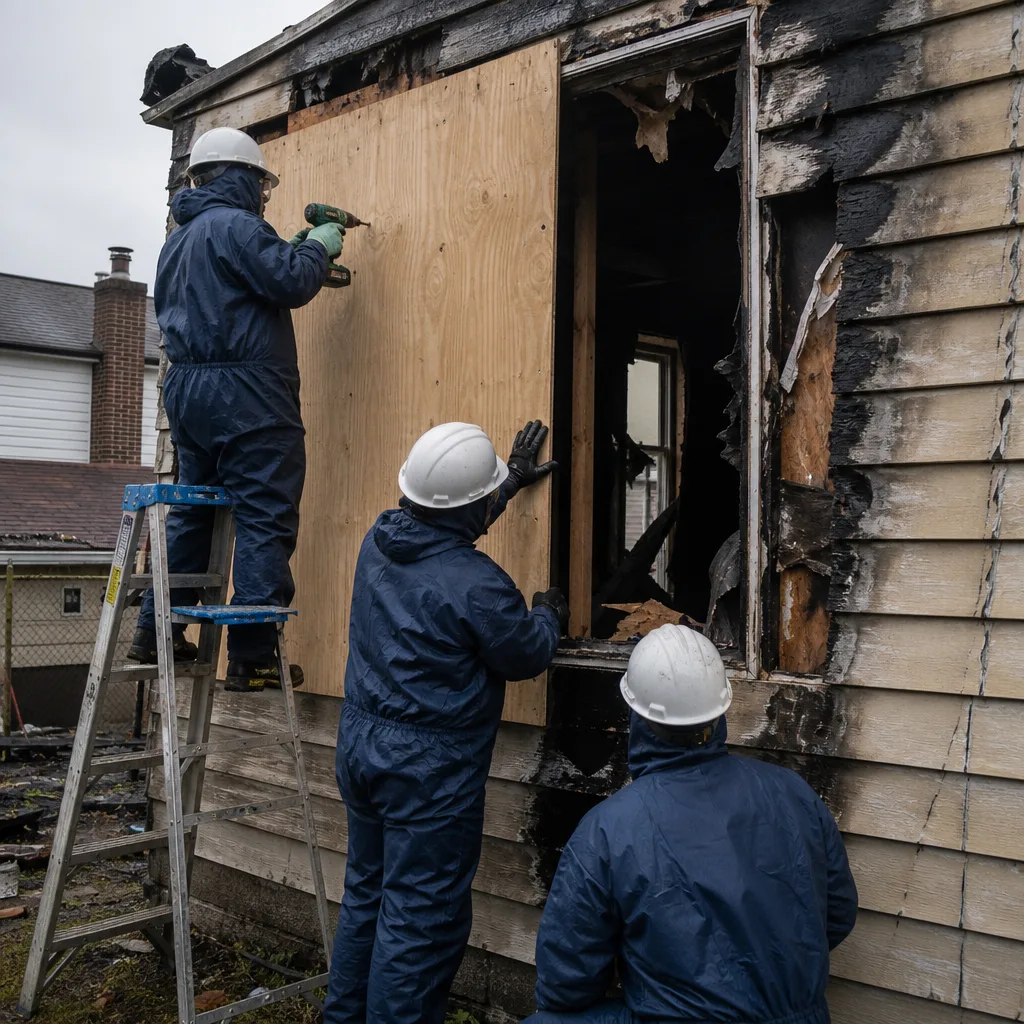
When a nor’easter blows out a window wall section on the 18th floor, wind and rain keep coming in until the opening is sealed. We board up with structural-grade plywood and bracing rated for height and wind load, and we coordinate with building management on access windows and hoist time. On older buildings, the window frames may not be square anymore, so each board-up is cut and fastened on site, not yanked from a template.
Roof Tarping
A roof breach on a Midtown tower is not a one-tarp job. Tarps have to be anchored for wind uplift, weighted correctly, and lapped to shed water toward functioning drains. If the drains themselves are clogged, tarping the hole does nothing; water pools and finds another path down. We clear the drains first, then seal the breach, then check the floor below for migration. That sequence sounds obvious, and the number of times we have arrived to find a tarp flapping loose and water still running down a stairwell suggests otherwise.
Storm Damage Cleanup
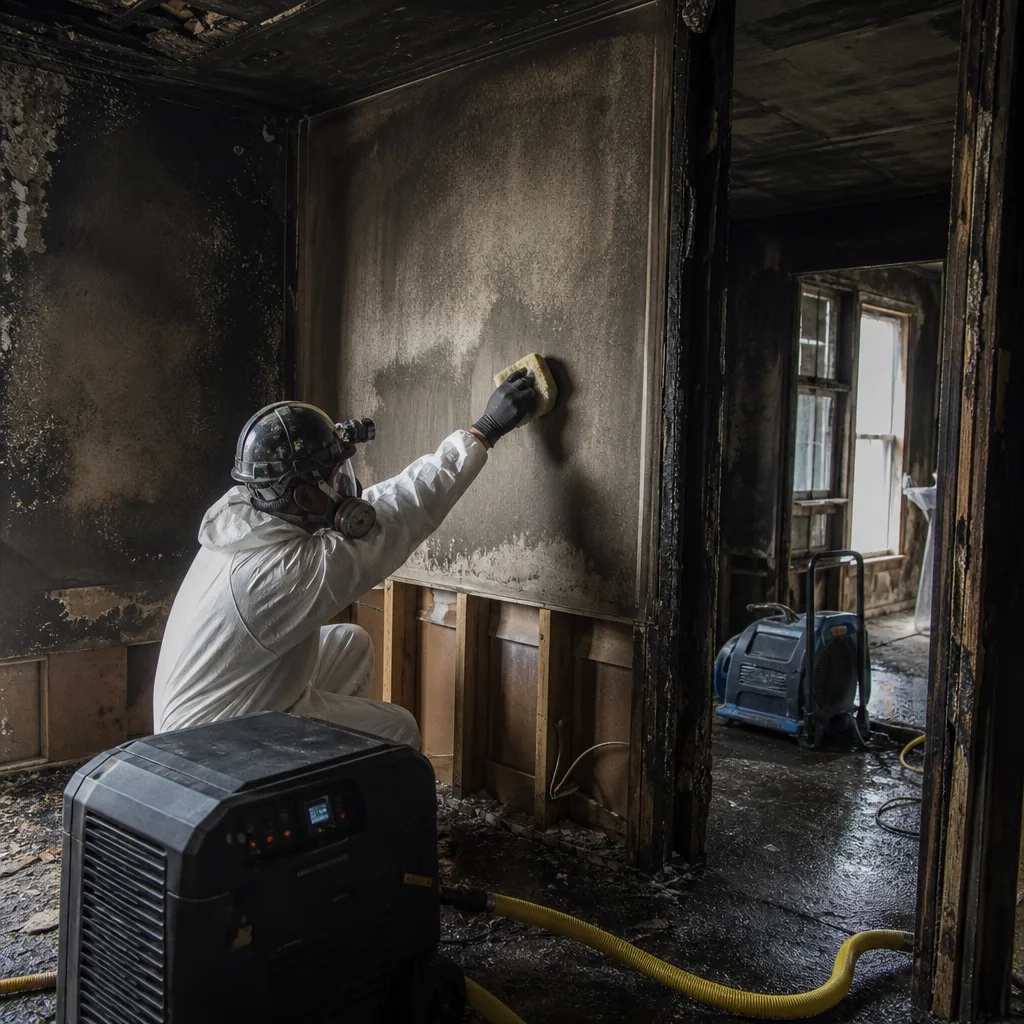
After the water is out and the openings are sealed, cleanup means something specific in occupied commercial space: debris removal that does not block egress, wet material disposal that does not sit in a service elevator for a week, and air scrubbing to keep construction dust and particulate from drifting into occupied floors. We run HEPA scrubbers during cleanup and seal the work area, so tenants keep working while we work.
What happens when you call
- 1
A real person answersNo phone trees - you reach a local pro.
- 2
You get an upfront price rangeHonest numbers before anyone is dispatched.
- 3
A background-checked tech heads outLicensed & insured, dispatched right away.
- 4
You approve before work beginsNothing starts until you say go.
Storm & Disaster Restoration Costs in Midtown Manhattan, NY
Storm and water restoration in Midtown Manhattan runs on a different cost structure than the outer boroughs or New Jersey. A commercial high-rise water event typically runs $4,000 to $18,000 for extraction and drying on a single occupied floor, before any rebuild. Multi-floor vertical cascades run $25,000 to $90,000 or more, driven by containment across floors, after-hours access, elevator time, and the need to keep active tenants operational. Roof tarping runs $1,500 to $6,000 depending on height, access, and weather conditions. Emergency board-up for a blown-out window section is generally $900 to $3,500 per opening, including hoist time and building coordination. Debris removal adds $800 to $4,000 depending on volume and haul distance. Most of these are covered losses under property insurance, subject to deductibles, and we bill most insurers directly. The honest way to get a real number is the free inspection: we walk the loss, map the damage, and hand you a written scope with line items you can actually read before any work starts. Call (201) 740-2235 and Wade or his team will be there.
Midtown Manhattan Storm & Disaster Restoration Questions, Answered
How does district steam condensate from Con Edison lines change drying in a Midtown high-rise?
District steam condensate is not cold water. When a steam trap fails or a condensate return line cracks, the released moisture is superheated and saturates concrete and masonry far deeper than a cold pipe burst would. Drying requires heat-assisted protocols, longer dwell times, and moisture probes placed inside the concrete, not just on the surface. A crew that treats it as a normal pipe leak will miss wet pockets that resurge as mold or structural spalling months later.
What makes a water loss in a Midtown commercial tower a ‘large-loss’ event for restoration?
A large-loss event in restoration means scale and coordination complexity, not just dollar amount. In a Midtown tower, a burst chilled-water riser can cascade through 20 or more occupied floors, touch multiple commercial tenants, involve building management, multiple insurance policies, and active 24/7 operations like server rooms or cafeterias. The restoration itself is multimodal: extraction, containment, structural drying, and rebuild sequenced across floors, often during off-hours, with no room to shut down the whole building. That coordination is the job.
Can you dry out a historic office suite without disrupting the trading floor next door?
Yes, with proper containment and scheduling. We hang floor-to-ceiling negative-air barriers, run HEPA air scrubbers to keep particulate in the work area, and schedule noisy equipment like demolition and extraction for off-hours when the adjacent floors are quiet. On a recent West 42nd Street loss, we kept a 24/7 cafeteria and multiple server rooms running while drying structural cavities between floors. It takes planning the first hour, not mid-job scrambling.
Why does my Midtown office need emergency board-up after a curtain-wall leak?
Because a leaking curtain wall is usually a failed gasket or seal, and once the outer skin is compromised, wind and rain keep driving water into the occupied floor behind it. Board-up stops that active intrusion while the glazing contractor schedules replacement. On a stormy day in Midtown, an unsealed opening on the 20th floor can turn a $5,000 water event into a $50,000 vertical cascade before building staff even know it is open.
How do you determine if water-damaged materials in an older high-rise can be dried or must be removed?
We use moisture meters to measure the moisture content inside the material, not just on the surface, and compare it against the dry standard for that material in that construction type. In Midtown’s pre-war buildings, the concrete slabs and masonry chases can often be dried with heat-assisted airflow, but gypsum wallboard, cellulose insulation, and most ceiling tiles cannot once they pass their saturation point. Renovation layers matter too. If the wet wall contains three generations of plumbing, cutting it open and rebuilding is often cheaper than trying to dry blind cavities.
How fast can someone actually get to our building in Midtown?
Currently 45 minutes or less from the time you call (201) 740-2235, for most Midtown locations. We stage crews in the area and keep equipment trucks ready, because a water event in a high-rise does not wait for business hours. Wade himself answers the phone, so there is no dispatch delay while someone tracks down a crew.
Will insurance cover storm and water restoration in a Midtown commercial building?
Most storm, wind, and water intrusion losses are covered under property policies, but the deductible structure and sub-limits vary widely by policy and by whether the loss is sudden (a burst pipe) or gradual (a slow gasket leak over months). Commercial buildings often involve multiple policies: building, tenant, and sometimes contractor. We document from the first hour, photograph everything, and work with your adjuster directly so the claim moves without you playing middleman.
What should we do in the first 30 minutes after a storm or water loss in Midtown?
Shut off the water source if you know where the isolation valve is and can do it safely. Kill power to the affected area if water is near electrical panels or outlets. Move what you can out of the water path: documents, electronics, furniture. Then call (201) 740-2235. Do not open walls, do not run a shop vac on a commercial loss, and do not wait until building management returns your call. In a Midtown high-rise, 30 minutes of vertical water travel can turn one wet floor into six.
Serving Midtown Manhattan, NY - Our Local Coverage Area
We’re based in the Midtown Manhattan area and know this community well. Use the map below to see our service coverage - if you’re nearby, we can almost certainly help.
We Also Serve Cities Near Midtown Manhattan
From our New York City office, we cover Midtown Manhattan and the surrounding boroughs and business districts: the Financial District, Lower Manhattan, Astoria, and Long Island City. Same crews, same 45-minute response commitment, same live answer at (201) 740-2235.
Written by Wade Ferris, Owner at Wade’s Restoration, serving Midtown Manhattan since 2007.