
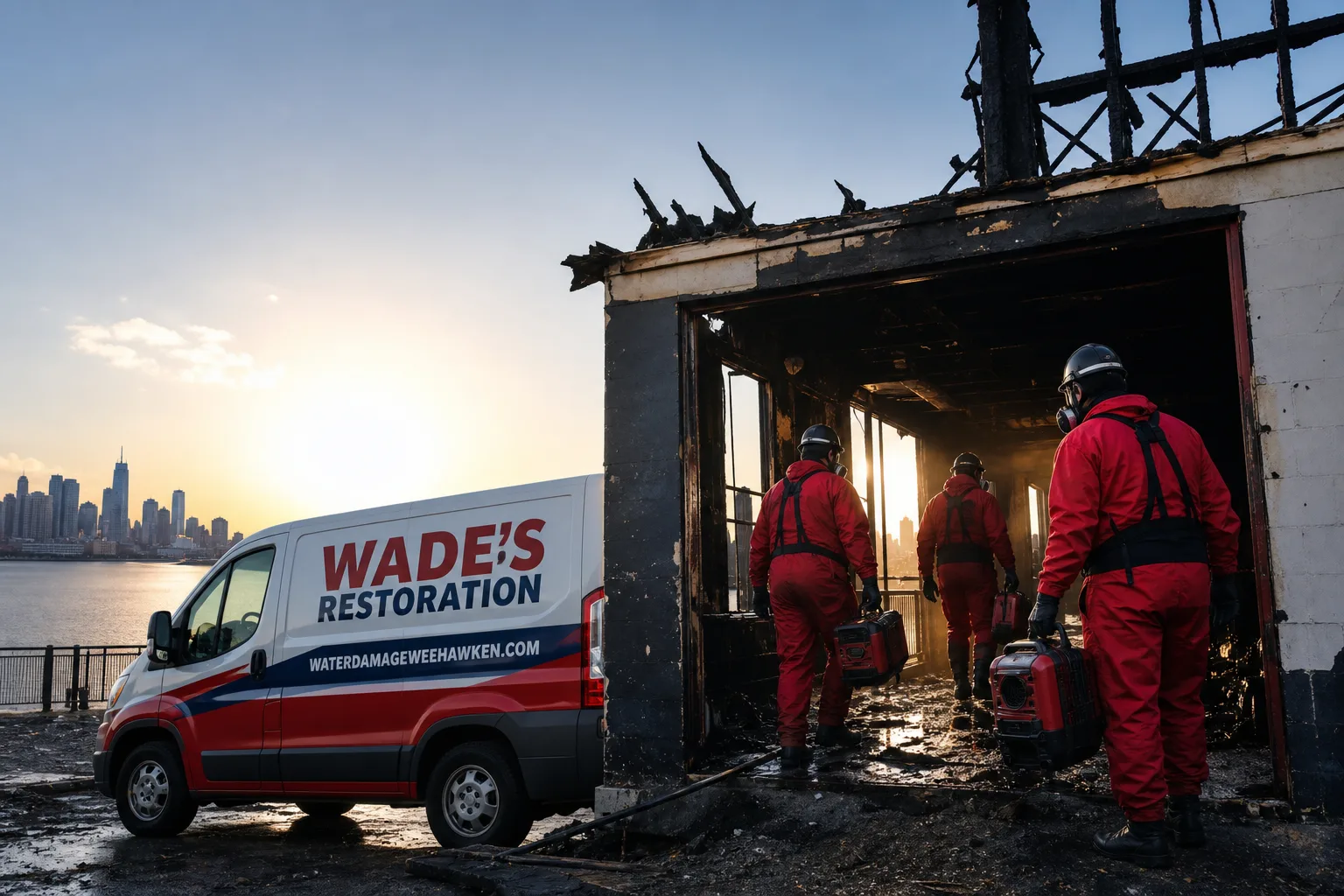
Free visual inspection and a written scope of work before any mitigation begins - photos, moisture readings, and drying logs go in your claim file
The scope we write is the scope we bill. Anything new gets shown to you, in writing, before we touch it.
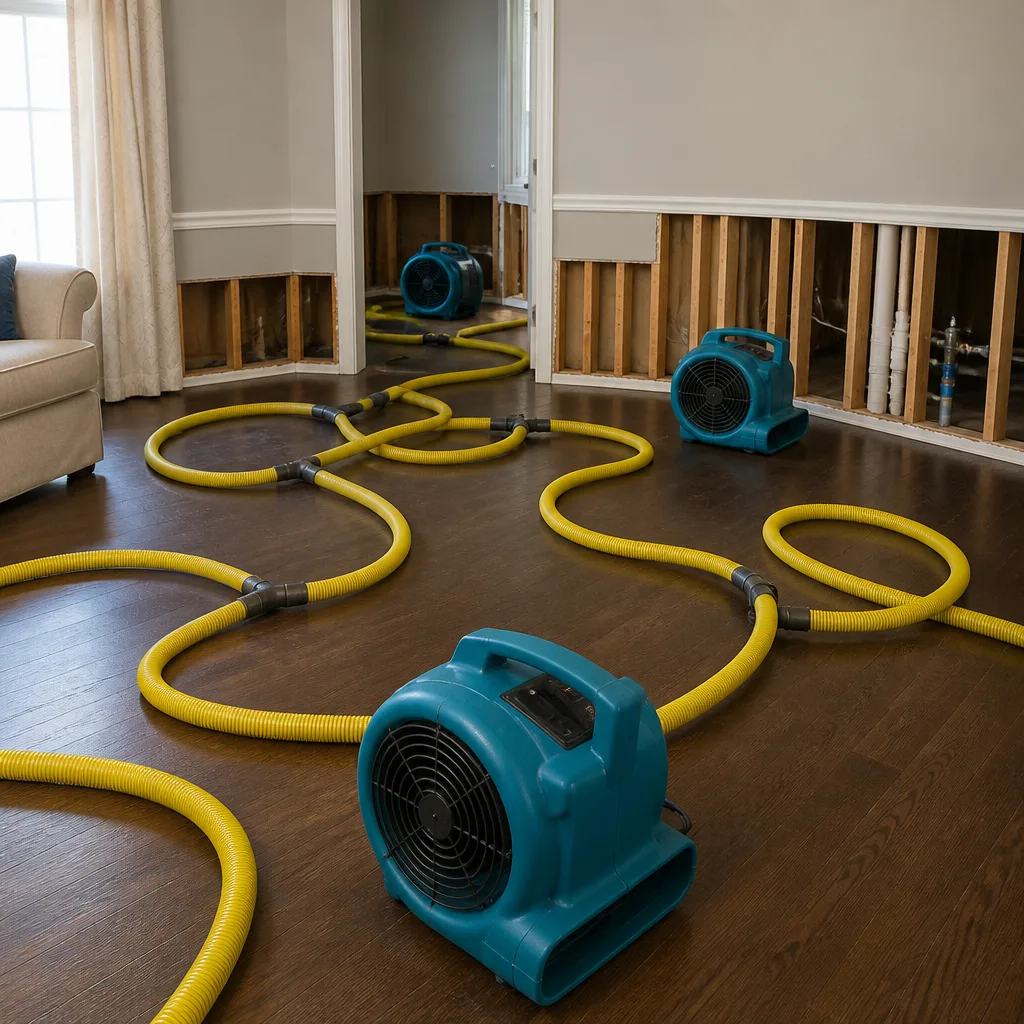




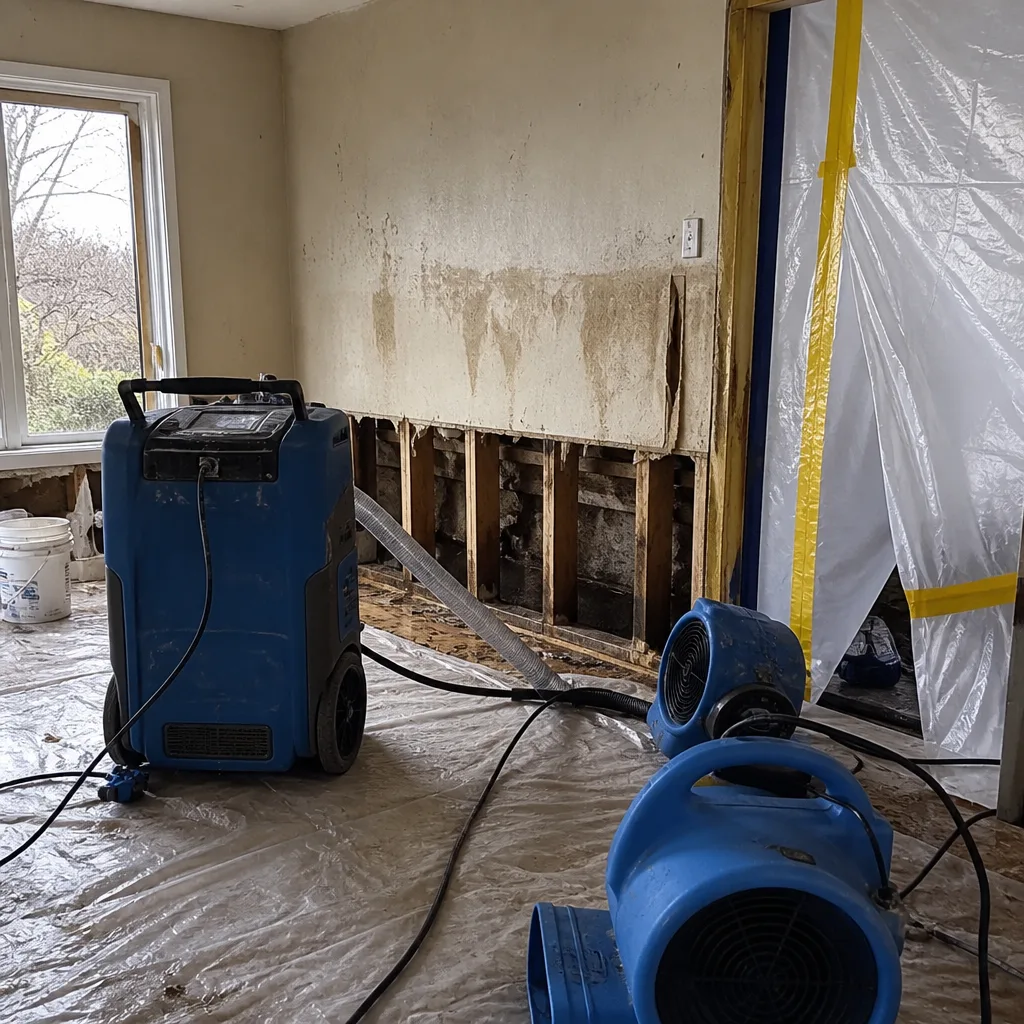 Before
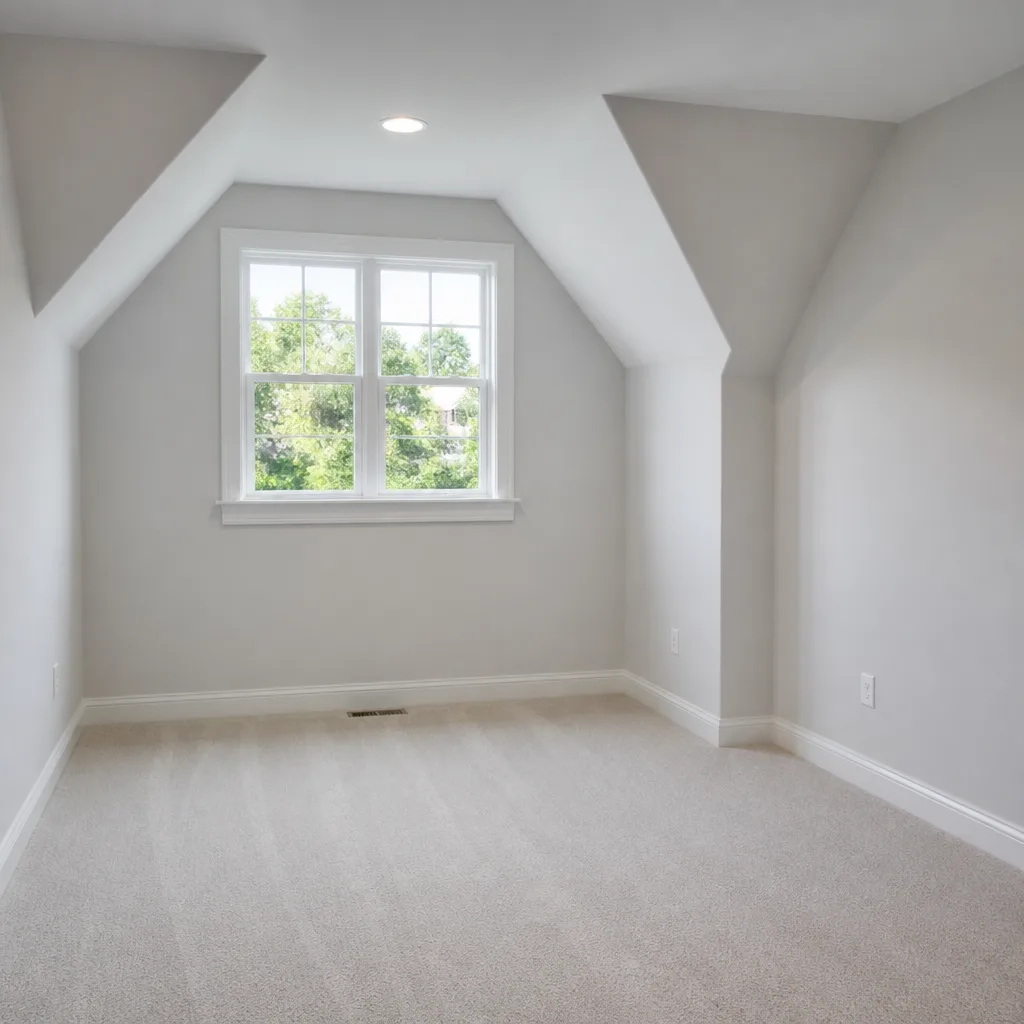
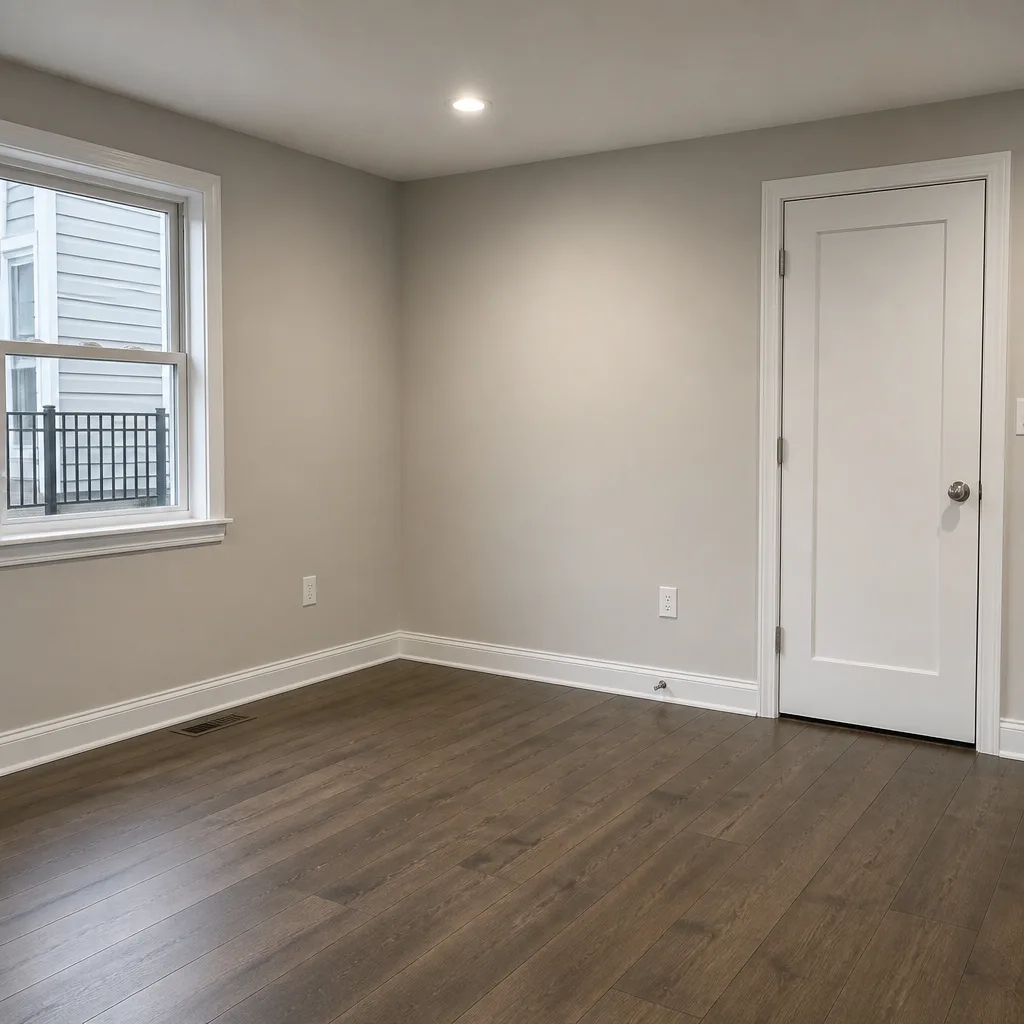 After
After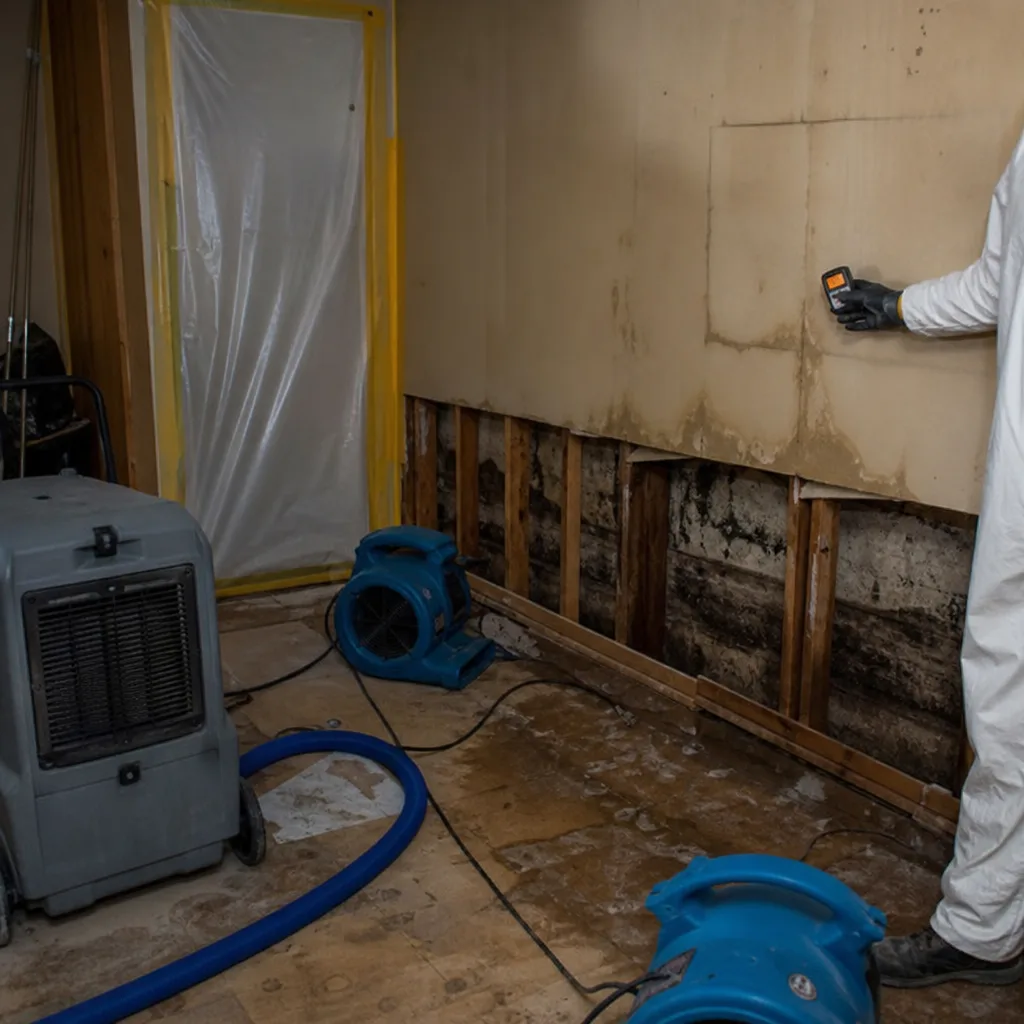 Before
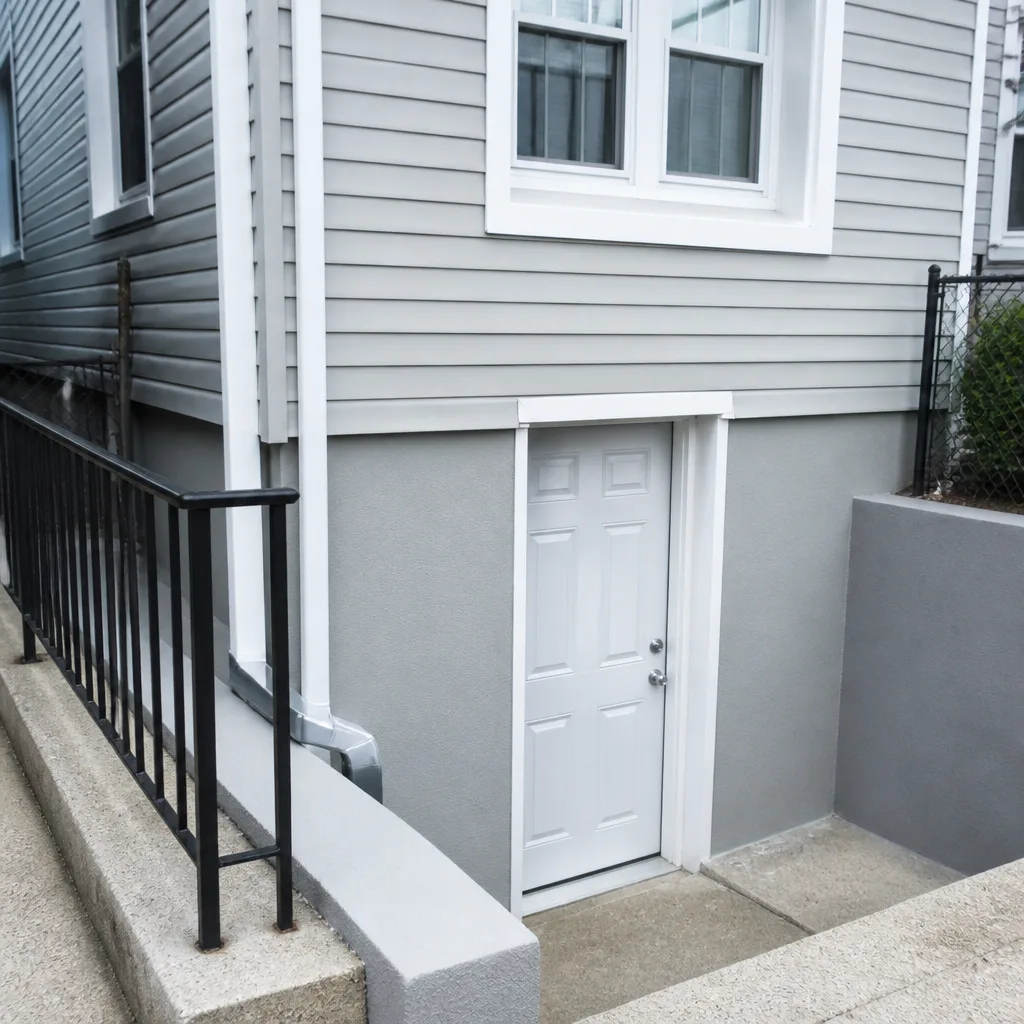 After
After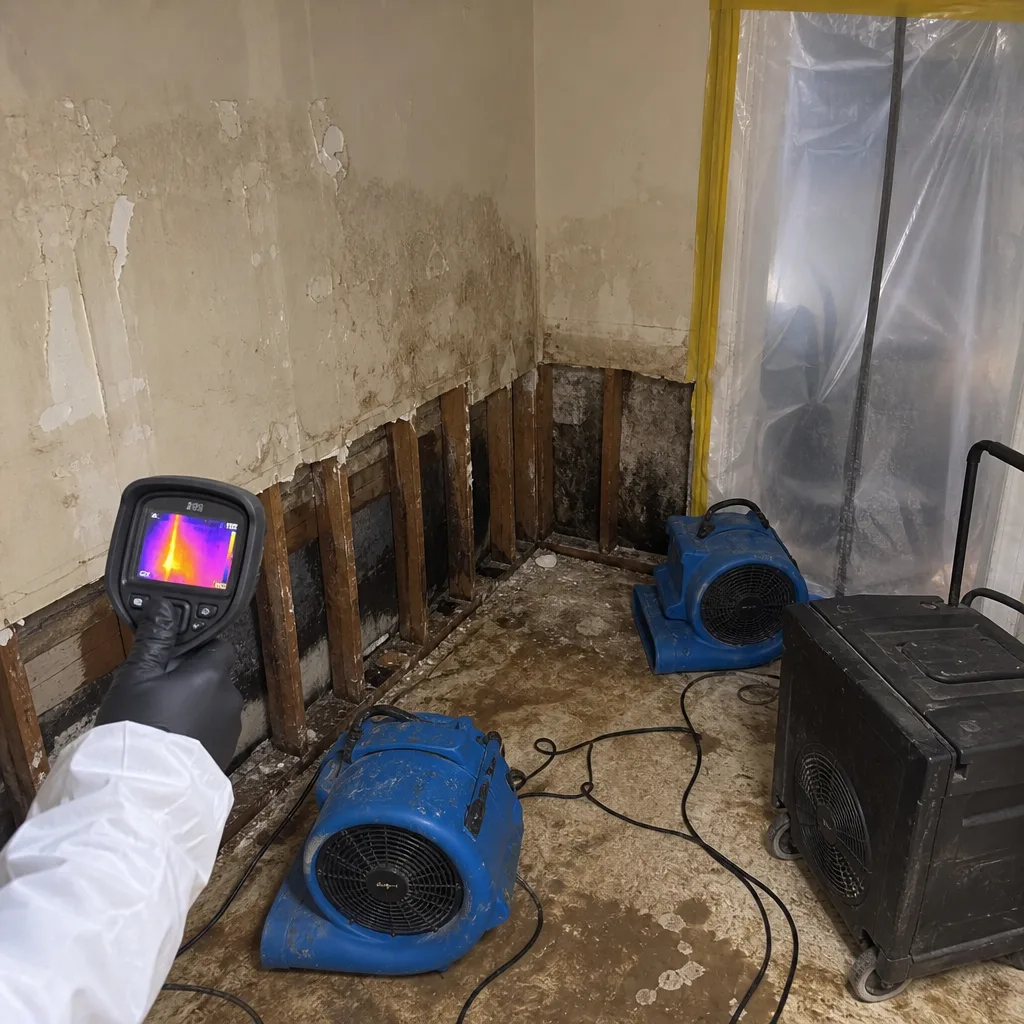 Before
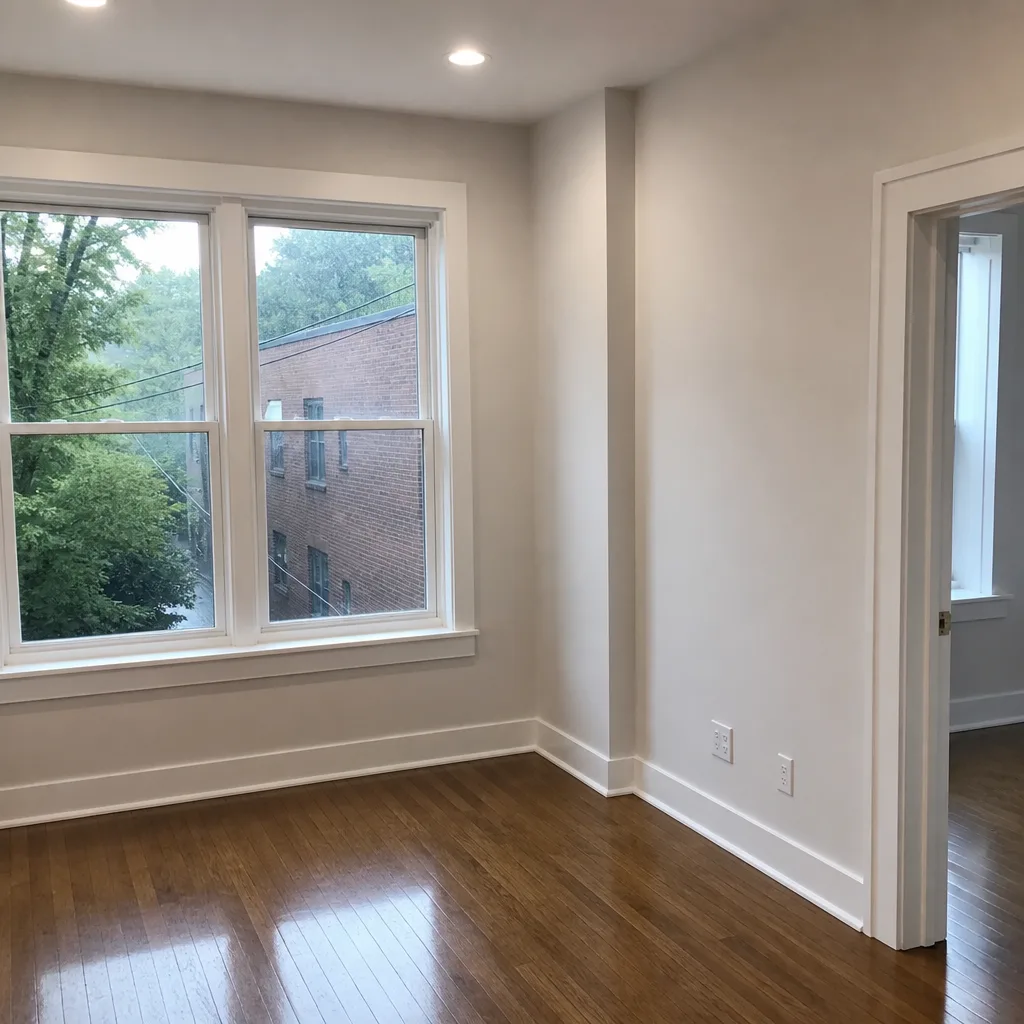 After
After24/7 Emergency Storm & Disaster Restoration in Hoboken
Storm damage in Hoboken moves fast, and so do we. When a nor’easter pushes water into a basement on Bloomfield Street or wind tears a door off its hinges near Washington Street, you need a crew that answers the phone at 2 a.m. and shows up with equipment running. Call (201) 740-2235 and Wade Ferris or one of his crew will be on the road to your Hoboken building within minutes, not hours. The first hour after a storm decides whether you’re dealing with standing water or a full-blown mold problem, whether a broken window stays a broken window or becomes a flooded first floor. We do a free visual inspection on every call, so you know exactly what you’re facing before you spend a dime. Live answer, every time. No voicemail, no answering service, no runaround.
Understanding Storm & Disaster Restoration Severity in Hoboken Properties
Hoboken’s building stock makes storm damage behave differently than it does in the suburbs. Those 4-to-6-story brick brownstones built between 1880 and 1920 absorb water into their masonry like a sponge. When the western bowl near Observer Highway floods, the water that fills a basement is almost always Category 3, meaning it’s been outside long enough to pick up sewage, street runoff, and whatever else was in the gutter. That water doesn’t just sit there. It wicks upward through century-old brick party walls, saturating floor joists and the base of shared walls between units. Moisture mapping in a Hoboken row house often reveals damage extending two or three stories above the visible waterline, because the brick cores hold water far longer than drywall or wood framing. Our crews use thermal imaging and penetrating moisture meters to track exactly how far the water traveled, because if you dry only what you can see, you’re leaving mold behind baseboards and inside wall cavities. That’s how a one-unit flood becomes a six-unit remediation.
Why Hoboken Property Owners Choose Wade’s Restoration
- 45-minute response commitment. From the moment you call, Wade is on the road. He’s positioned to reach anywhere in Hoboken fast, and he answers his own phone, so there’s no dispatcher filter between you and the crew that shows up.
- A real person answers, 24/7. Not a call center, not an automated menu. Wade picks up his cell at 3 a.m. the same way he does at noon. You get the owner’s ear, first call.
- IICRC-certified crews. The people Wade sends hold WRT and FSRT certifications, and for storm-water work where contamination is a concern, AMRT-certified technicians who’ve handled Category 3 water in Hoboken basements before.
- Free visual inspection. No charge to look at the damage, tell you honestly what needs to happen, and give you a written scope before any work starts. If it’s a small issue, we’ll say so.
- Direct insurance billing. We bill your carrier directly and handle the paperwork, the photos, the moisture logs, and the adjuster communication. You don’t have to become a claims expert overnight.
- One team, extraction to reconstruction. The same crew that pulls the water out is the crew that rebuilds the wall. No handoffs, no “that’s the other department.” This matters in Hoboken, where restoration and reconstruction blur together after a flood.
Our Storm & Disaster Restoration Process
Inspection & Assessment
Wade walks the property with you, documenting damage room by room, taking moisture readings, and determining the water category. In a Hoboken brownstone, this includes checking adjacent units and the basement mechanical room, because water spreads through shared masonry in ways you can’t see from one apartment.
Extraction & Stabilization
Dri-Eaz extractors and truck-mounted units pull standing water out fast. If the structure is compromised, we board up openings and tarp the roof immediately, because Hoboken’s wind can turn a loose panel into a projectile before the next squall line hits.
Drying & Dehumidification
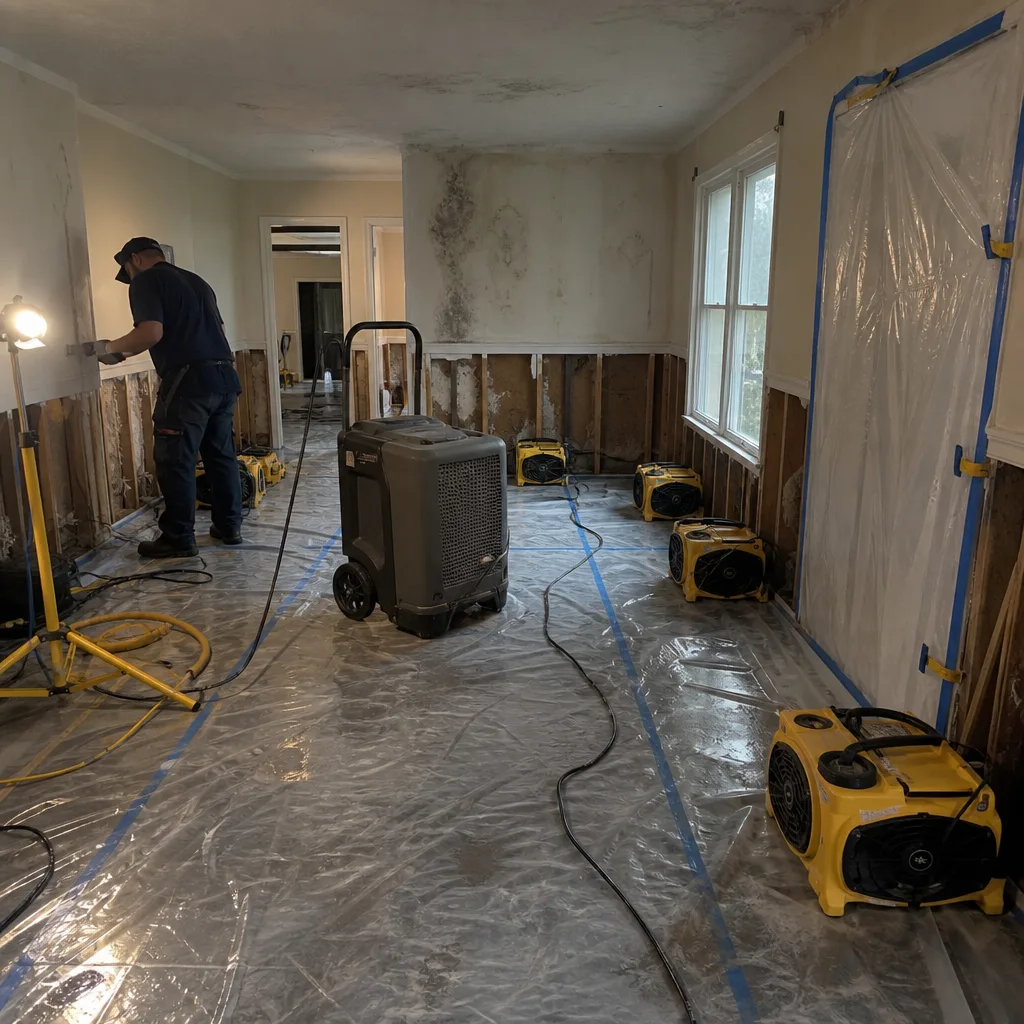
We place air movers and low-grain refrigerant dehumidifiers throughout the affected area, including inside wall cavities where brick holds moisture. In Hoboken’s pre-war construction, this phase typically runs longer than suburban wood-frame jobs, because the masonry itself has to dry, not just the drywall.
Cleaning & Sanitization
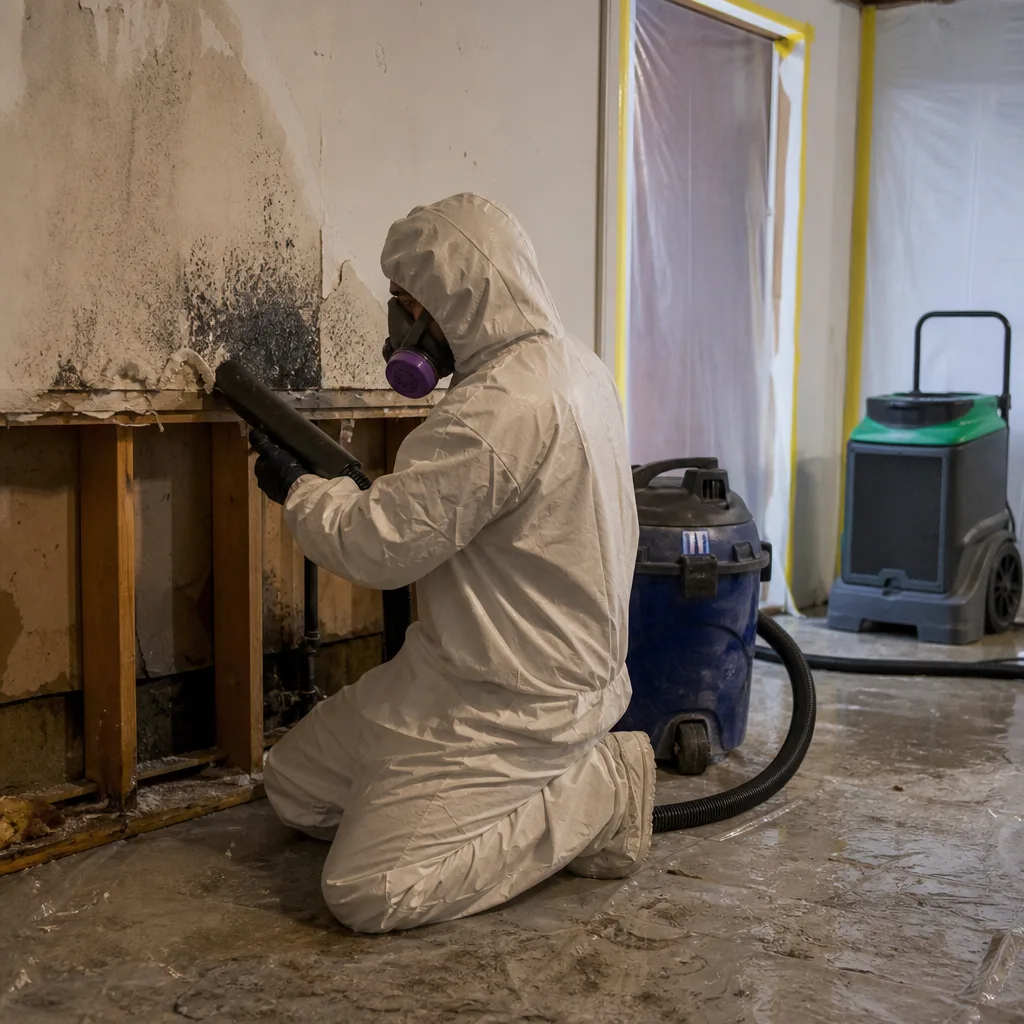
For Category 3 storm surge water, we apply EPA-registered antimicrobials to all surfaces the water touched, and we remove and bag porous materials that can’t be sanitized. Baseboards, trim, lower drywall sections, carpet, and insulation are the usual casualties in a Hoboken basement flood.
Mold Prevention & Air Scrubbing
HEPA air scrubbers run continuously during and after drying to capture airborne spores, and we check for moisture in structural brick cores over several days. If we find active mold growth, we set containment and remediate it before any rebuild starts. Your neighbors will appreciate that we didn’t let spores travel through the shared wall.
Repairs & Restoration
Once moisture readings return to pre-loss levels, we rebuild what came out: drywall, trim, flooring, paint, and any mechanical or electrical work needed. Because we’re also the reconstruction crew, the transition from dry-out to rebuild happens without a gap or a new crew showing up to re-measure everything.
Need Emergency Storm & Disaster Restoration in Hoboken Now?
Crews minutes away, answering live 24 hours a day. The sooner we start, the less it costs.
Working With Your Insurance Company
Storm damage claims in Hoboken are rarely simple. A single flood on Jefferson Street can involve multiple insurance policies: the homeowner’s, the landlord’s, the condo association’s, and sometimes the commercial policy covering the first-floor storefront. We’ve handled enough of these to know exactly what adjusters need. From the first hour, we document everything: photos of the standing water before extraction, moisture readings from inside walls, the water category, the materials removed, and the daily drying log showing progress. We write our estimates in the same format insurance carriers use, so there’s no back-and-forth about what something costs or why it’s needed. And we deal with your adjuster directly. You don’t relay messages between us and them. You made a call, and that’s where your involvement in the claims process should end.
What We Provide Your Insurer
- Thorough documentation of the loss
- Photos of all damage, room by room
- Moisture readings and drying logs
- A detailed, line-item scope of work
- Direct coordination with your carrier
Built for Hoboken’s Loss Calendar
Hoboken doesn’t have one storm season. It has four, and they overlap. January and February bring deep freezes that burst supply lines in uninsulated crawlspaces, and those leaks run for days before anyone notices a ceiling stain. March and April bring spring rains and rising groundwater, which seeps into the same basements that flooded in autumn, because the water table under a near-sea-level city never really drops. July and August thunderstorms dump inches of rain in an hour, overwhelming the combined sewer system and sending street water back up through floor drains in the low western grid. Then comes late summer and fall, when Atlantic hurricanes and nor’easters push storm surge up the Hudson. When Sandy hit, roughly 80% of Hoboken flooded, and every major storm since has filled the same streets and the same basements. We know where the water goes because we’ve pumped it out of those same buildings in previous storms. That’s not a statistic. It’s our call log.
Storm & Disaster Restoration Across Hoboken’s Neighborhoods
Hoboken’s neighborhoods each fail differently in a storm, and our response routes reflect that. Downtown near City Hall and the PATH station, we see a lot of water intrusion through old iron doors and basement-level windows on Washington Street storefronts, where water pressure from the street pushes through old seals. The western bowl near Observer Highway floods first and deepest, because that’s where the city’s original marshland was filled in, and the grade dips toward the rail yards. Buildings there, mostly 5-story brick walk-ups, lose their basement mechanical rooms first: boilers, electrical panels, and the shared plumbing that serves the whole building. In the midtown blocks around 9th and 10th Streets, wind damage is the bigger issue, because those streets run perpendicular to the Hudson and funnel gusts between the row houses, ripping off cornices and blowing debris into windows. Uptown near 14th Street and the Viaduct, we see roof and parapet damage from wind-blown debris off the Palisades cliffs. No two blocks flood the same way, and a crew that has worked all of them knows where to park the truck and where the shutoff valve is before they walk in the door.
Specialized Storm & Disaster Restoration Services We Offer in Hoboken
Flood Damage Restoration
This is the core of what we do in Hoboken. We pump, dry, sanitize, and rebuild. But the part that matters most is the moisture mapping, because the water you see in one basement is rarely the water that causes the lasting damage. Our Storm & Disaster Restoration team checks the brick cores, the subfloor, the joist ends, and the adjacent units before we call a job dry.
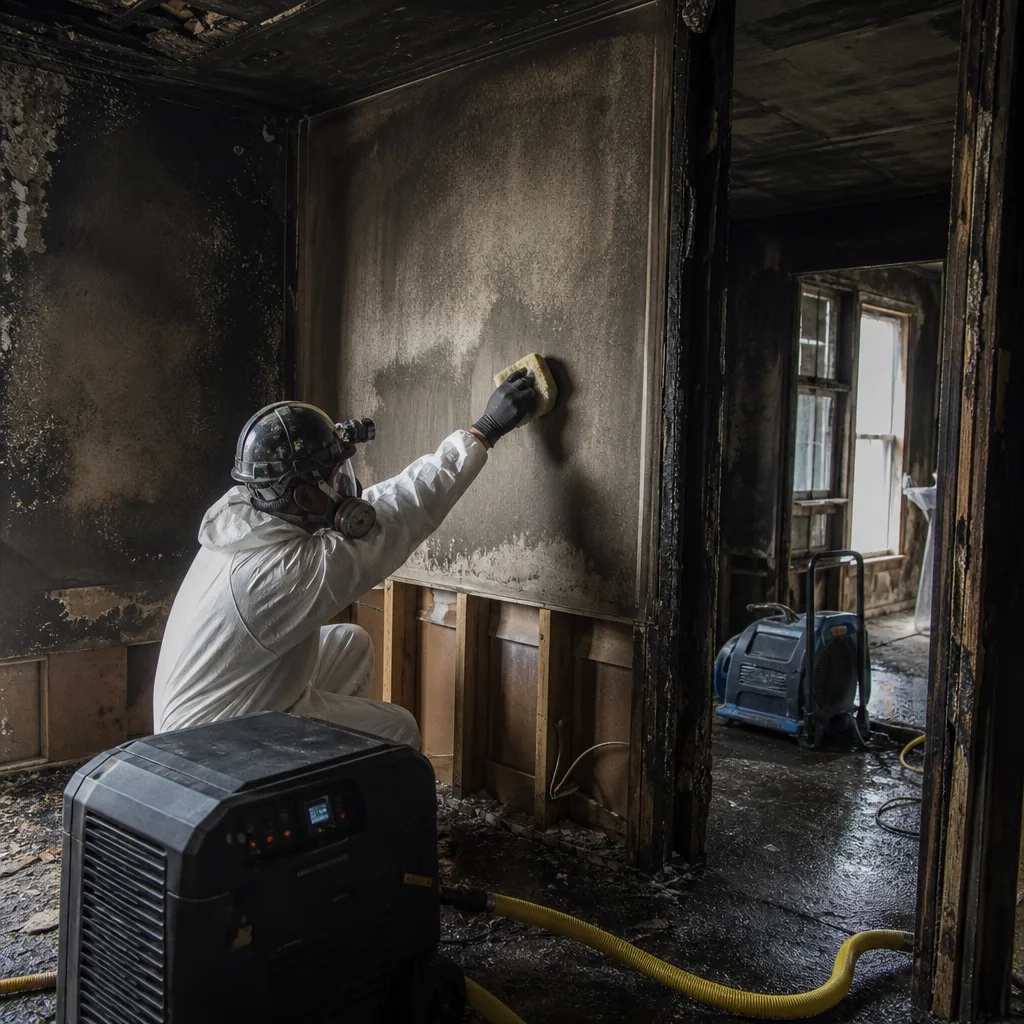
Emergency Board-Up
When wind or debris breaks a window or door on the windward side of a building, that opening becomes a pressure point. The next gust will push rain and debris through it, and a loose piece of plywood becomes a hazard on a street like Washington or Willow. We secure openings with properly anchored panels, not a nail-and-hope job, because Hoboken’s wind exposure turns temporary into dangerous faster than most people expect.
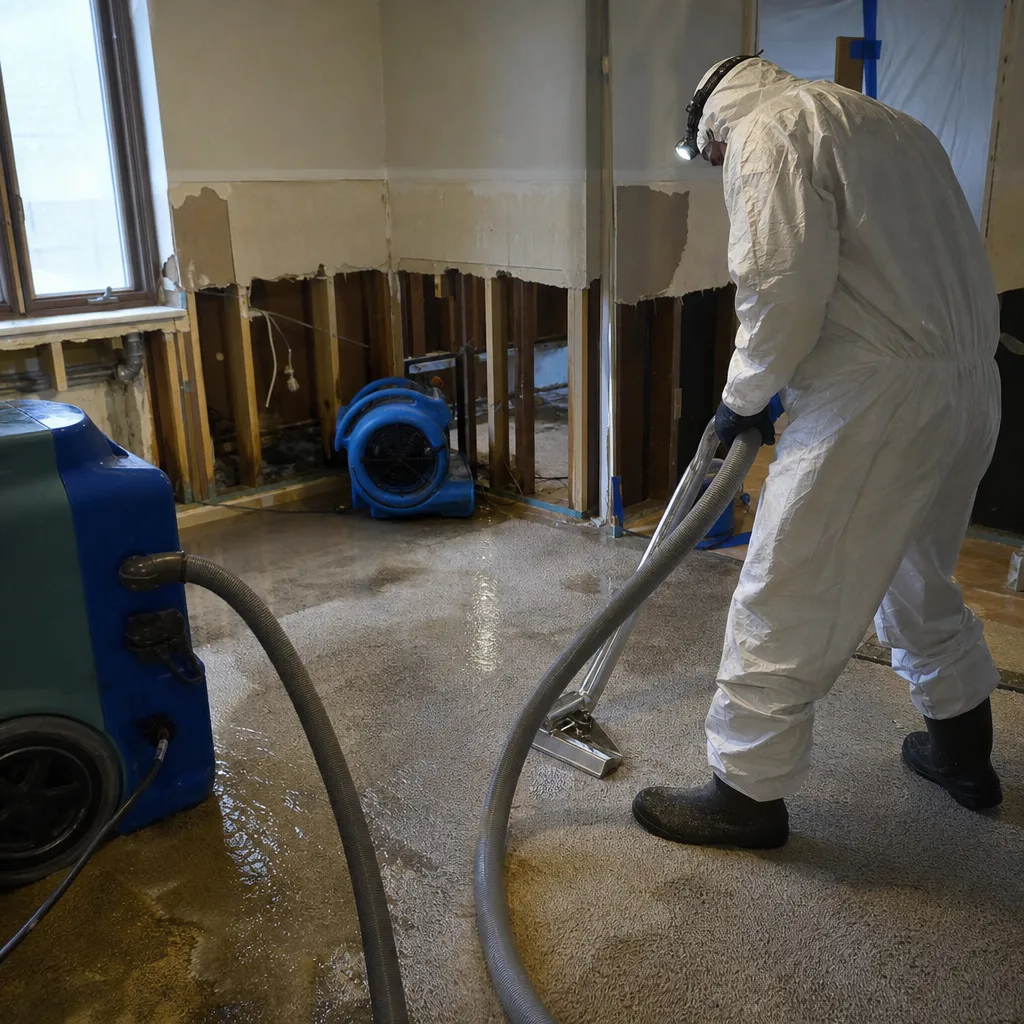
Wind Damage Repair
The brick row houses along Hoboken’s north-south streets take a beating in any coastal storm. Cornices loosen, parapet caps shift, and water gets driven into the mortar joints themselves. We repair the wind damage and the water damage together, because fixing the visible storm damage while leaving water in the wall cavity behind it just means you’ll be calling us back in six months.
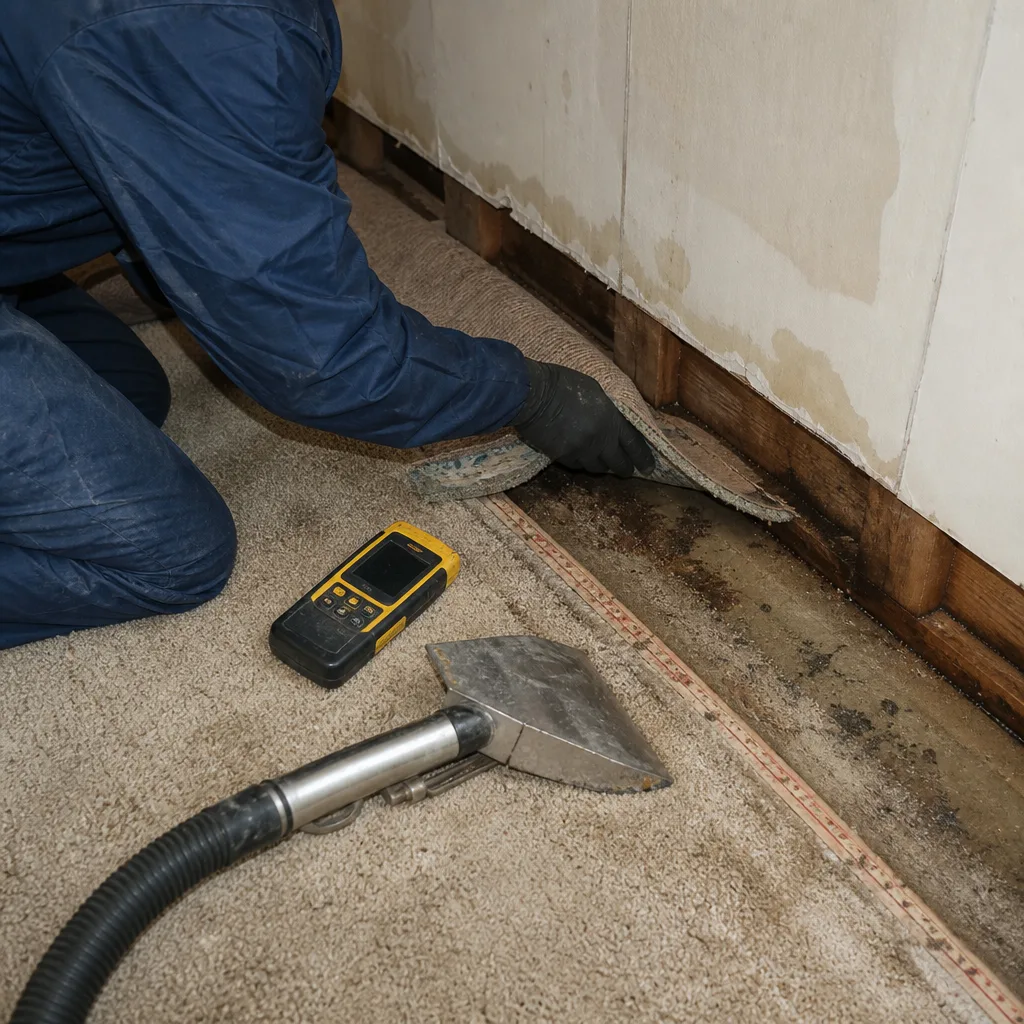
Roof Tarping
Flat and low-slope roofs dominate Hoboken’s rowhouse stock, and wind-driven rain puddles on them fast. If a storm has lifted membrane or torn flashing, we get a tarp on before the next rain, sealed at the edges to survive the winds that will follow. Then we document the temporary repair for your insurer and scope the permanent fix.
Debris Removal
After a storm, Hoboken’s narrow streets and sidewalks fill with broken glass, roofing material, and whatever the surge carried in. We clear the debris that’s blocking your entrance or creating a hazard, and we separate salvageable materials from what needs to be hauled. For insurance purposes, we document what was removed and why.
What happens when you call
- 1
A real person answersNo phone trees - you reach a local pro.
- 2
You get an upfront price rangeHonest numbers before anyone is dispatched.
- 3
A background-checked tech heads outLicensed & insured, dispatched right away.
- 4
You approve before work beginsNothing starts until you say go.
Storm & Disaster Restoration Costs in Hoboken, NJ
Storm restoration in Hoboken runs higher than nearby suburban towns, and the reason is the construction itself. Drying a brick brownstone takes longer than drying a wood-frame house, and accessing a flooded basement mechanical room in a six-unit building means coordinating with multiple owners and potentially multiple insurance policies. Emergency board-up in Hoboken typically runs $400 to $1,200 for a single opening, depending on size and height. Roof tarping starts around $600 and can reach $2,500 for large flat roofs with multiple breaches. Flood extraction and drying in a Hoboken basement usually lands between $3,000 and $9,000, depending on how many units are affected and how far water traveled through the masonry. Full restoration with rebuild after surge damage often reaches $15,000 to $45,000 across multiple units. What moves the price most is time: the longer water sits in century-old brick, the more masonry has to be dried, the more drywall has to be removed, and the more mold remediation enters the scope. Insurance covers most Hoboken storm losses, especially with proper documentation from the first hour. If you’re unsure whether to file, call us for a free inspection. We’ll tell you honestly whether it’s a claim or a cleanup.
We Also Serve Cities Near Hoboken
Our crews respond across Hudson County every day. If you’re in Storm & Disaster Restoration in Hoboken or the surrounding area, we’re close by, and the same 45-minute response applies. We regularly work in Union City, Weehawken, Jersey City, and North Bergen, where the building stock and flood patterns are similar enough that our Hoboken experience translates directly.
Hoboken Storm & Disaster Restoration Questions, Answered
Why does flood restoration in Hoboken take longer than in nearby suburban towns?
Because the water goes into brick, not just drywall. Hoboken’s pre-1920 brownstones absorb water into their masonry cores, and drying takes days longer than a wood-frame suburban house. The water also travels sideways through shared party walls, so we’re often drying two or three units at once, which extends the timeline by necessity, not by inefficiency.
What happens to a shared boiler room when the western bowl floods first?
The basement mechanical room in a Hoboken multi-unit building holds the boilers, electrical panels, and shutoffs for the entire building. When storm surge fills that room, every unit loses heat and power at once, and the water classification jumps to Category 3 because it’s been outside. We cut power at the main, extract, sanitize, and set drying equipment in that room as a priority, because nothing else in the building dries until the mechanical room is stabilized.
Does Hoboken require wind-rated doors and reinforcement before a storm?
Hoboken enforces building code requirements for wind resistance on new installations and major renovations, particularly for exterior doors and windows on windward elevations. For older brownstones, we recommend reinforcing entry doors and checking that existing hardware can handle storm-force gusts, because a door that fails during a storm creates a pressure breach that pushes wind and rain through the entire first floor. For a pre-storm inspection of your building’s doors and windows, call (201) 740-2235.
How quickly does mold start in a Hoboken basement after floodwater is extracted?
Mold spores activate within 24 to 48 hours when porous materials stay wet and the temperature stays warm. In a Hoboken basement, where century-old brick holds moisture and humidity stays high even after extraction, visible mold often appears within three to five days if the structure isn’t dried properly. That’s why we start antifungal treatment during extraction, not after.
What category of water is typical in a Hoboken storm surge, and what does it mean for what stays or goes?
Storm surge in Hoboken is almost always Category 3, meaning it contains sewage, street runoff, and bacteria. That classification means anything porous that absorbed the water gets removed: drywall, baseboards, carpet, insulation. Non-porous surfaces can be sanitized and kept. We document the category and our material decisions in writing for your insurer, because that documentation determines what your policy covers.
How fast can you actually get to my Hoboken building?
We commit to a 45-minute response from the moment you call. Wade answers his own phone, and depending on where you are in Hoboken, he or a crew member is often on-site faster than that. The sooner extraction starts, the less masonry absorbs, and the shorter your drying timeline. Call (201) 740-2235 now if you’re standing in water.
Will my insurance cover flood damage from a nor’easter?
Most Hoboken homeowners’ policies cover wind-driven rain and storm surge from nor’easters, but flood coverage depends on whether you have a separate flood policy, often through the NFIP. We deal directly with your adjuster to determine what’s covered, and we document everything from the first hour so the claim has a clean, complete paper trail. If you’re not sure what your policy covers, we’ll review it with you during the free inspection.
Can we stay in the building while you do the restoration?
It depends on where the water went and what the moisture readings show. If the flood was contained to the basement and the first-floor units stay dry, most residents can stay while we dry the lower level. If water wicked up through shared walls into living spaces, or if there’s structural instability from wind damage, you may need to vacate until we can verify the building is safe. We’ll tell you honestly, not based on what’s easier for the crew.
Serving Hoboken, NJ - Our Local Coverage Area
We’re based in the Hoboken area and know this community well. Use the map below to see our service coverage - if you’re nearby, we can almost certainly help.
Storm Restoration That Knows Hoboken’s Bones
Wade Ferris founded this company in 2007 because he saw what happens when restoration crews treat every building the same. In Hoboken, that’s a costly mistake. The buildings here are old, dense, and full of history in the walls. They need crews who understand that a six-unit brownstone on Jefferson Street dries differently than a two-unit on Park Avenue, and that the western bowl’s flood risk isn’t a fluke of one storm but a feature of the city’s grade and infrastructure. During a nor’easter that pushed water into the bowl near Observer Highway, our crew arrived at a six-unit brick brownstone to find the basement mechanical room, housing the shared boiler and electrical panels, already submerged in Category 3 water. We set containment immediately, cut power at the main, and ran our Dri-Eaz extractors while documenting moisture mapping that showed water wicking through the shared masonry party walls into two first-floor units. After extraction and antimicrobial treatment, we placed air movers and dehumidifiers for 11 days until moisture readings in the brick cores returned to pre-loss condition. The homeowners got their heat back, their tenants got their homes back, and the claim file was complete enough that the adjuster approved everything we scoped. That’s the job. Not the exception.
If you own a building in Hoboken and water is where it shouldn’t be, call (201) 740-2235. Wade answers. He’ll be there fast, tell you the truth, and put it in writing before work starts. Free inspection. No trip charge inside the county. Senior and veteran discounts always apply. And the work is backed by a 90-Day Done Right Promise, in writing. If it’s not done right, we make it right. One call brings Wade back.
Written by Wade Ferris, Owner at Wade’s Restoration, serving Hoboken, NJ and surrounding Hudson County since 2007.