
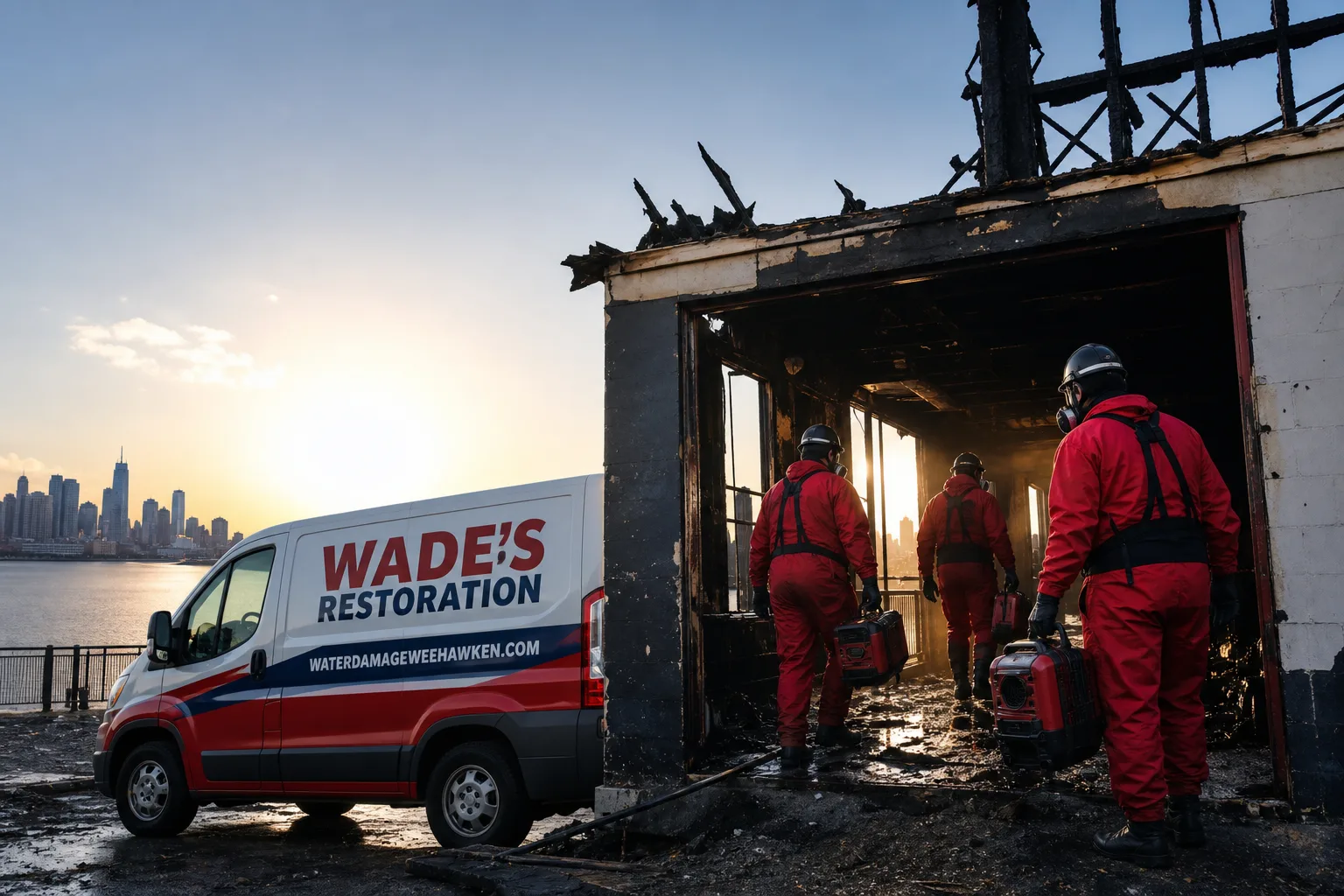
Free visual inspection and a written scope of work before any mitigation begins - photos, moisture readings, and drying logs go in your claim file
The scope we write is the scope we bill. Anything new gets shown to you, in writing, before we touch it.
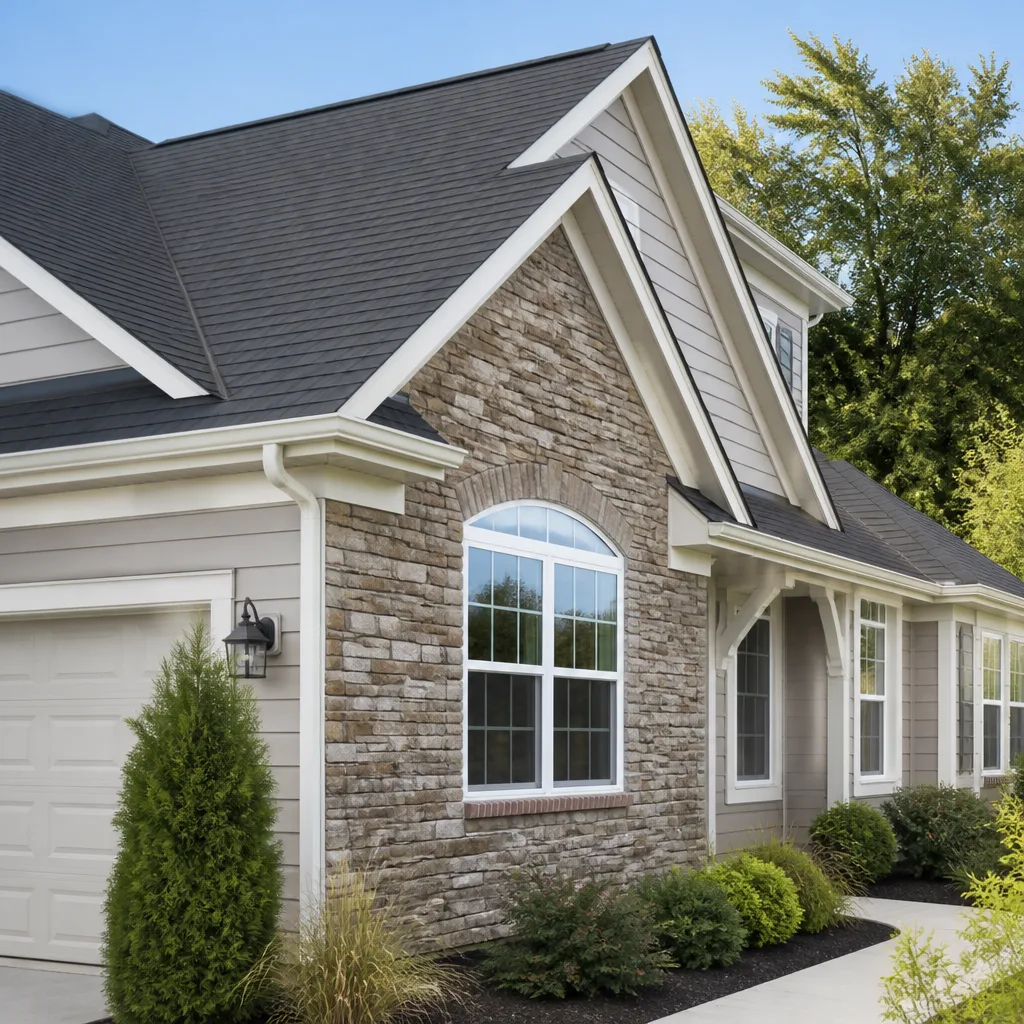
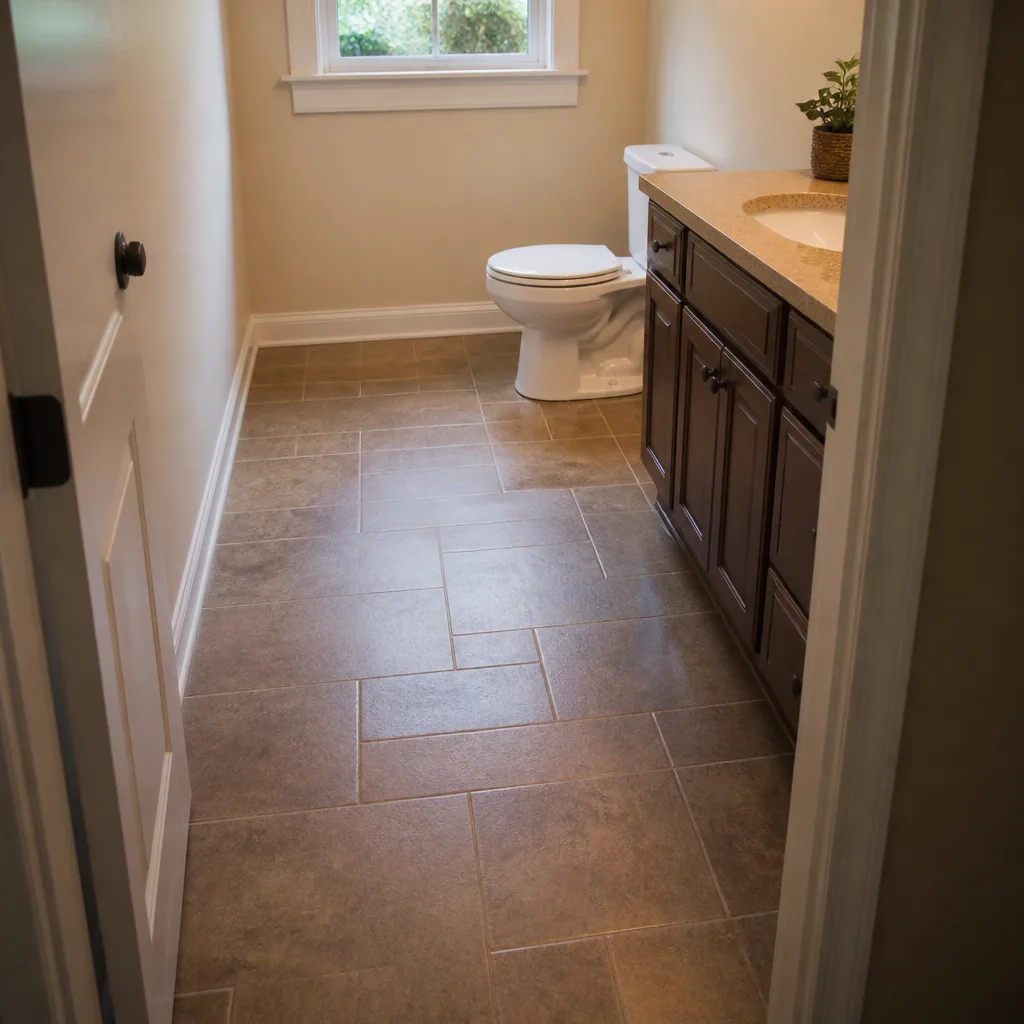
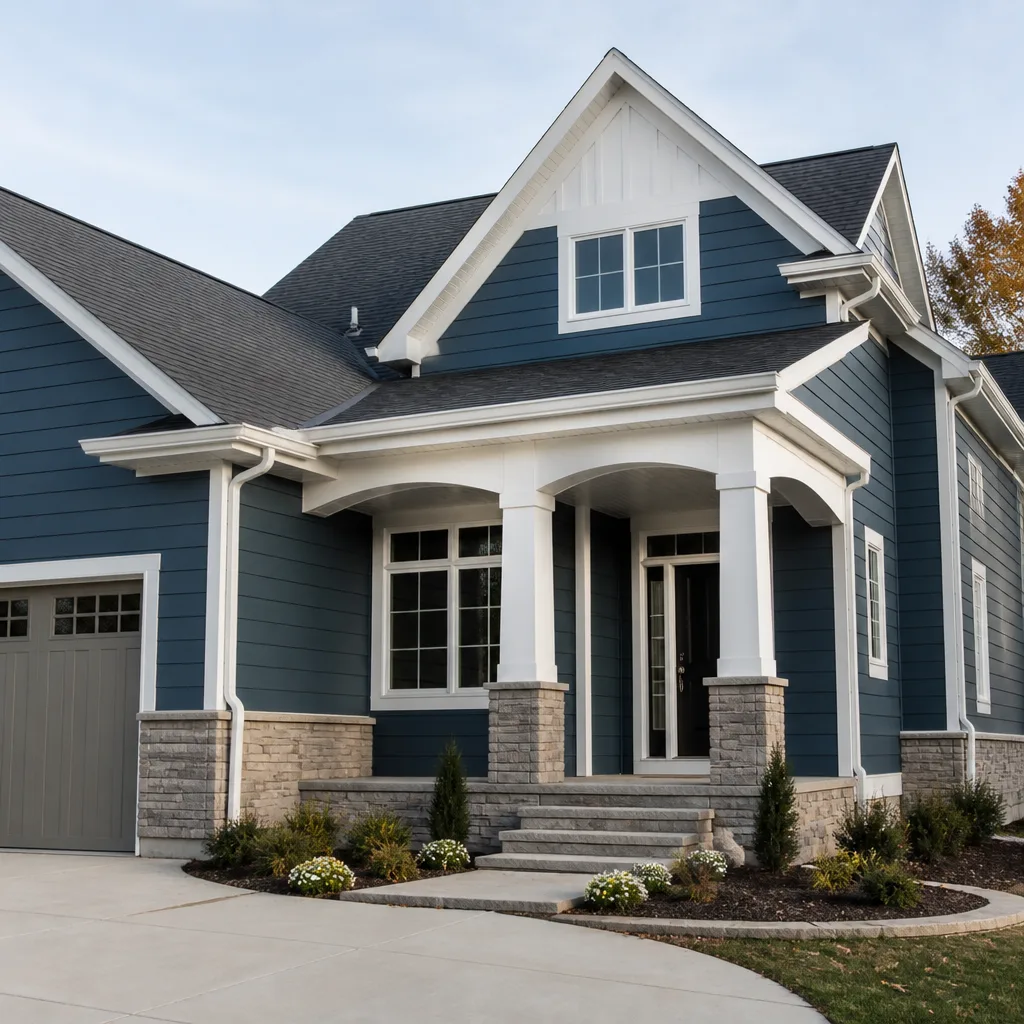
 Before
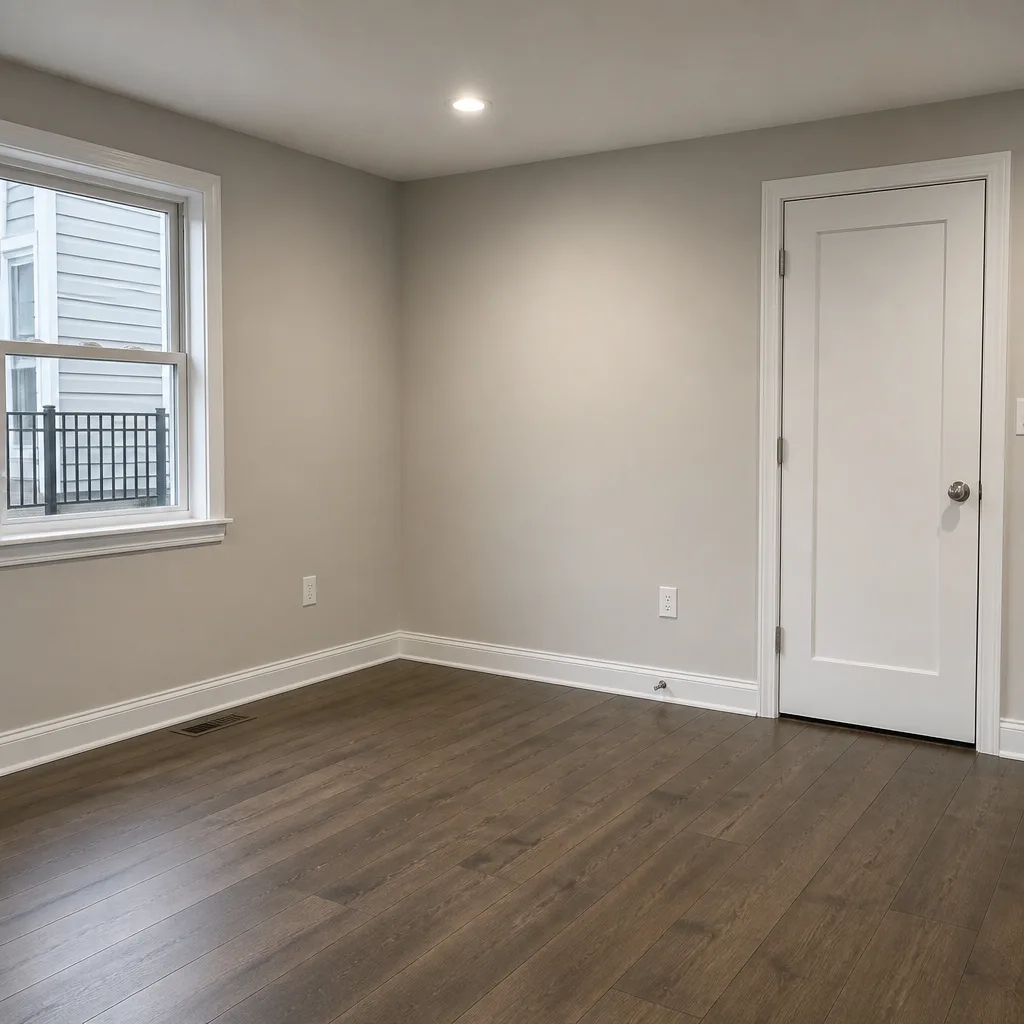 After
After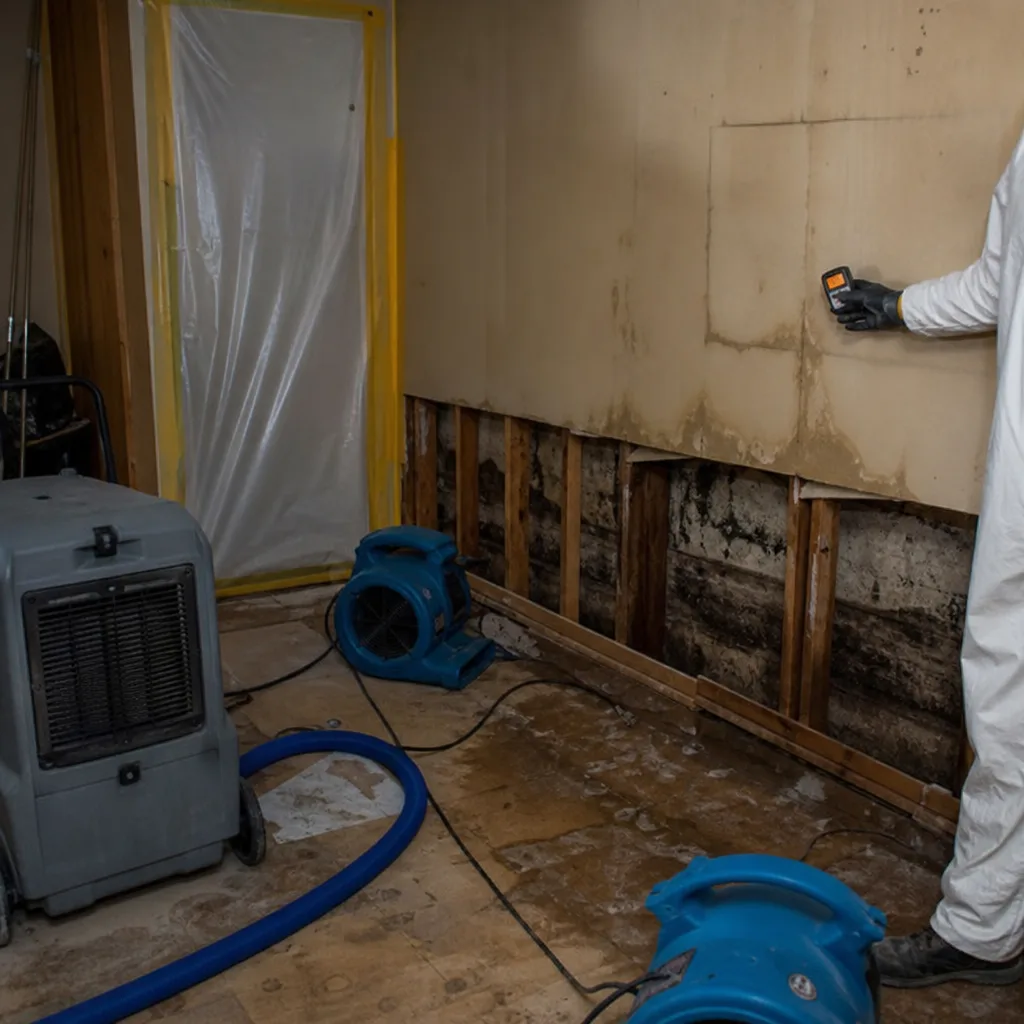 Before
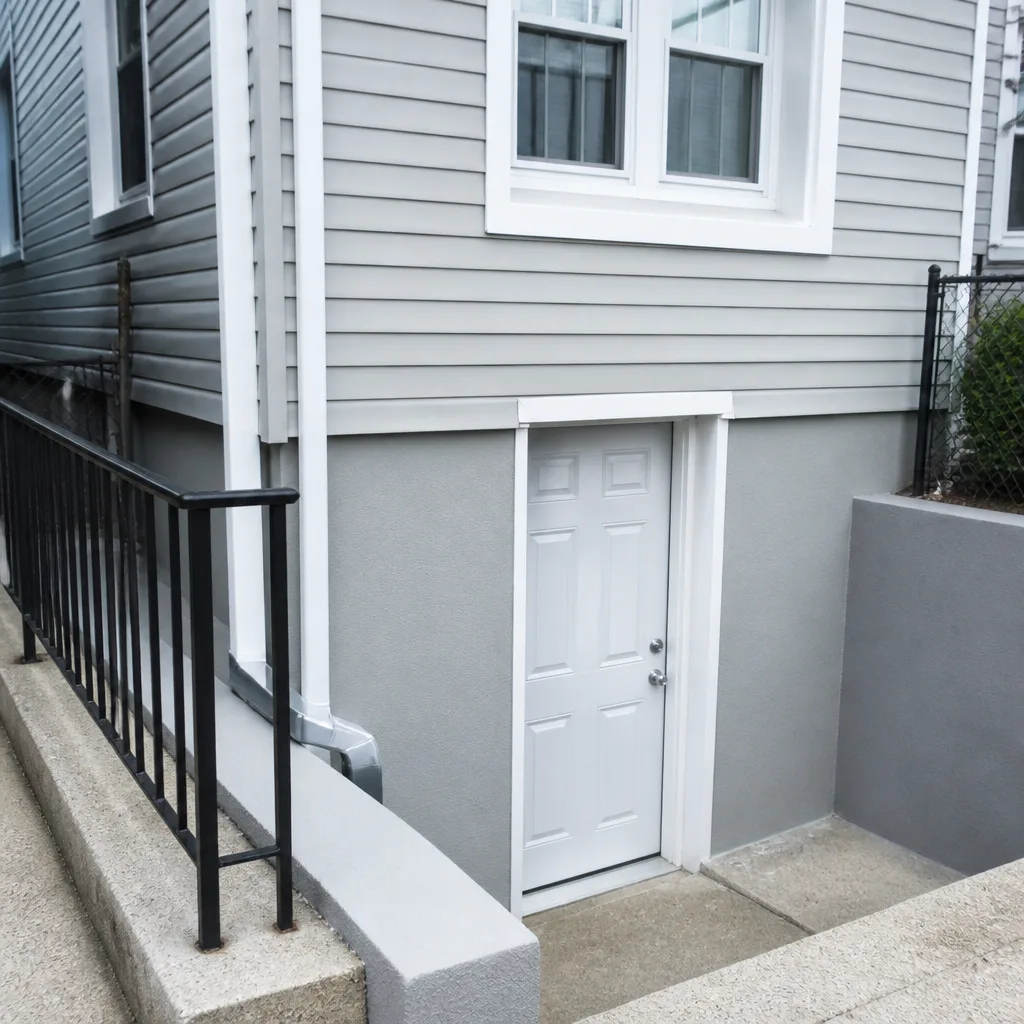 After
After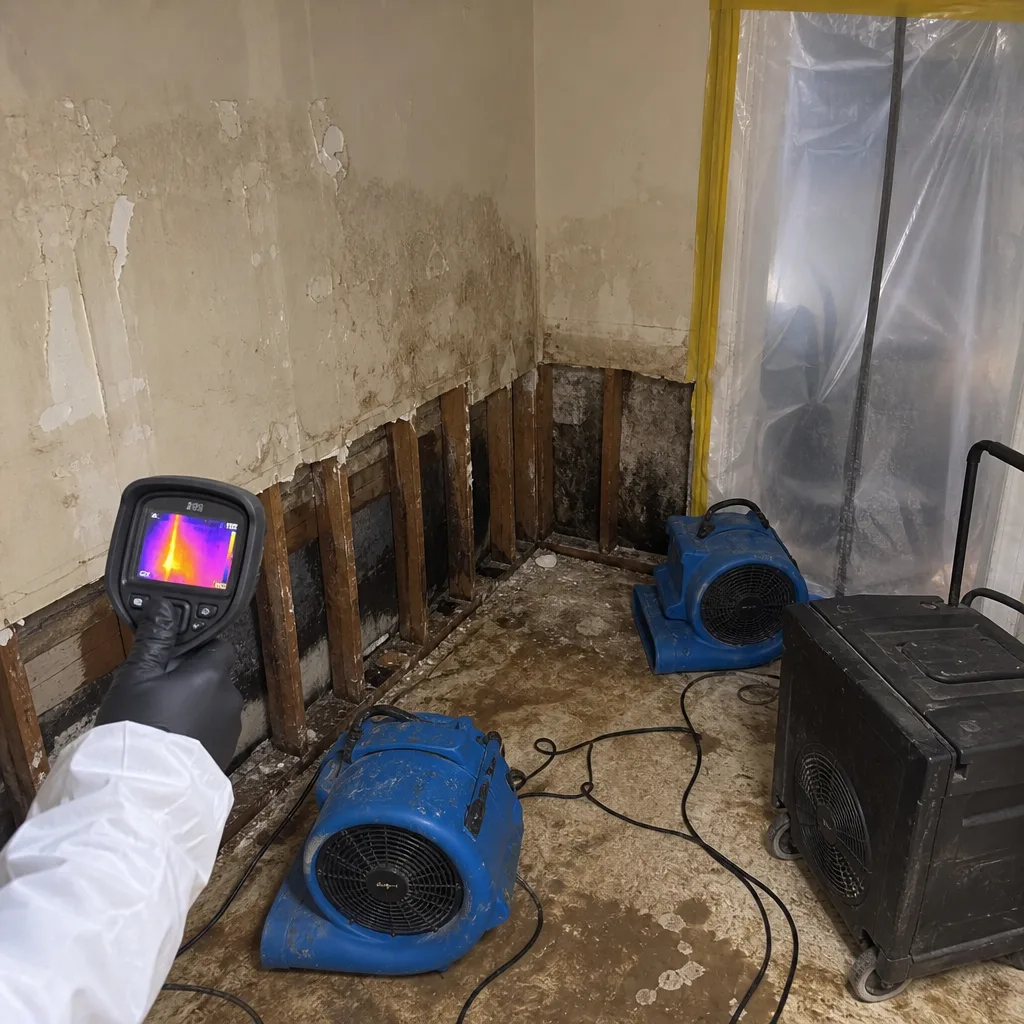 Before
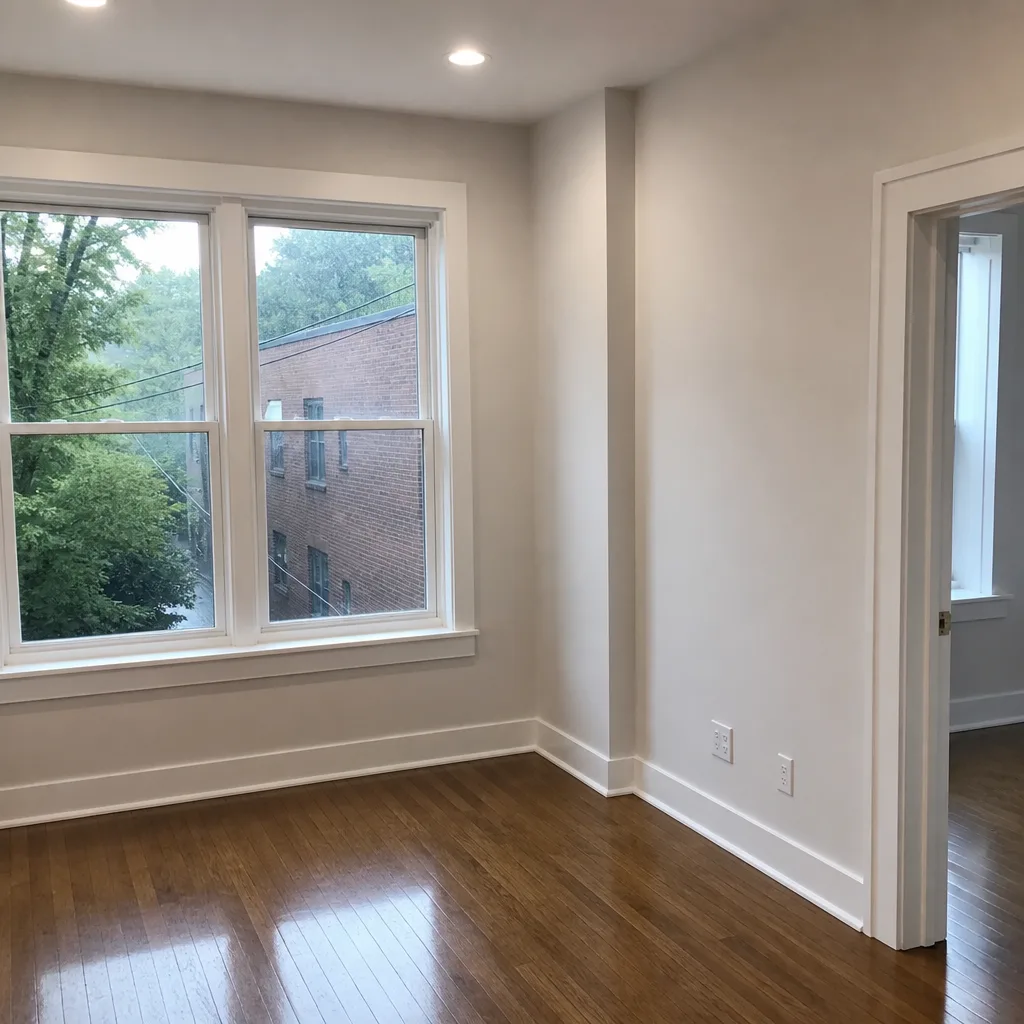 After
After24/7 Emergency Storm & Disaster Restoration in Astoria
When a nor’easter punches through the Hell Gate or a summer cloudburst backs sewage into a basement apartment on 36th Avenue, the damage clock starts immediately. Storm & disaster restoration in Astoria isn’t a next-week problem. It’s a right-now problem. Call (201) 740-2235 and you’ll reach Wade Ferris or a member of his crew, not a call center. We run extraction inside the hour for most Astoria blocks, with a free visual inspection before any work begins. The first hour after water gets in decides whether you’re dealing with drying or demolition.
Understanding Storm & Disaster Restoration Severity in Astoria Properties
Astoria’s housing stock makes storm damage behave differently than it does almost anywhere else in Queens. Most of these buildings are attached brick rowhouses and pre-war six-story apartments built between the 1920s and 1950s, with flat built-up tar roofs, aging cast-iron drain stacks, and basement apartments that sit below the sewer grade. When storm water enters, it doesn’t pool politely in one room. It migrates laterally through shared party walls and vertically through stacked floor assemblies. We classify floodwater by category: Category 1 is clean water from a supply line, Category 2 carries contaminants, and Category 3 is the black water from sewage backup or storm surge, loaded with bacteria and requiring full containment, HEPA air scrubbing, and antimicrobial treatment. In an Astoria attached rowhouse, Category 3 water in one unit is a Category 3 problem for the neighbor on the other side of the wall within hours. Moisture mapping with thermal imaging tells us how far it’s traveled.
Why Astoria Property Owners Choose Wade’s Restoration
- 45-minute response commitment: For storm and flood emergencies in Astoria, we aim to have extraction running within 45 minutes of your call. Wade Ferris answers his own phone and heads out immediately.
- 24/7 live answer: No automated system, no answering service. A real person picks up, day or night, including Wade himself at 2 a.m. when a storm surge finds your basement.
- IICRC-certified crews: Our team holds WRT (Water Damage Restoration Technician), FSRT (Fire & Smoke Restoration Technician), and AMRT (Applied Microbial Remediation Technician) certifications. The work is documented to industry standard.
- Free visual inspection: Before any storm restoration work is priced, we walk the affected area with you and explain exactly what we see. You get a written scope, not a surprise invoice.
- Direct insurance billing: We handle the adjuster communication and paperwork. You’re not relaying messages between two sides.
- One team from extraction to reconstruction: We don’t hand you off to a sub after the dry-out. The same crew that pulls the water also rebuilds the wall.
Our Storm & Disaster Restoration Process
Inspection & Assessment
We arrive, assess the storm damage, and map moisture across walls, ceilings, and floors. For Astoria’s attached buildings, we check both sides of shared party walls, not just the unit that called us. Thermal imaging shows water movement that eyes miss.
Extraction/Stabilization
Standing water comes out first, using professional-grade extraction and submersible pumps. We board up broken windows and tarp compromised roofs to keep additional weather out while the drying starts. This is the step that stops the bleed.
Drying & Dehumidification
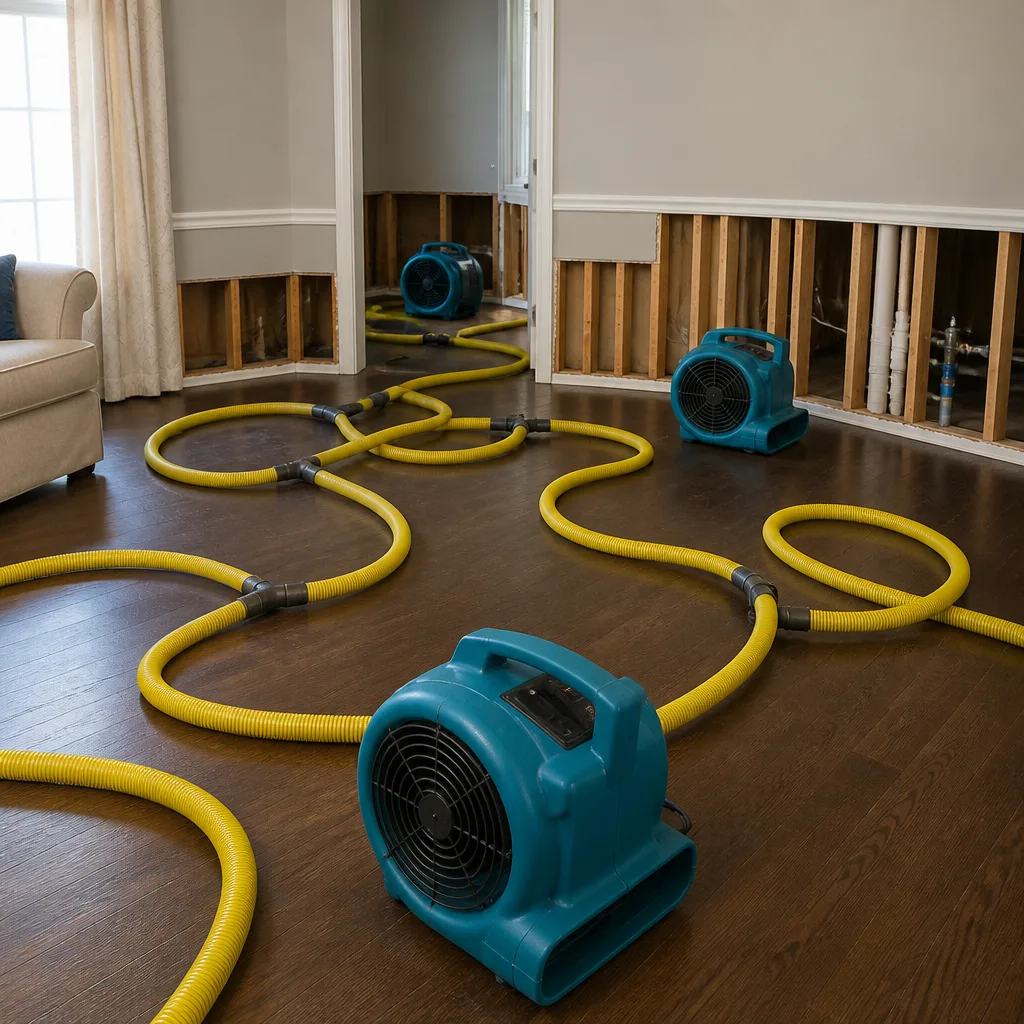
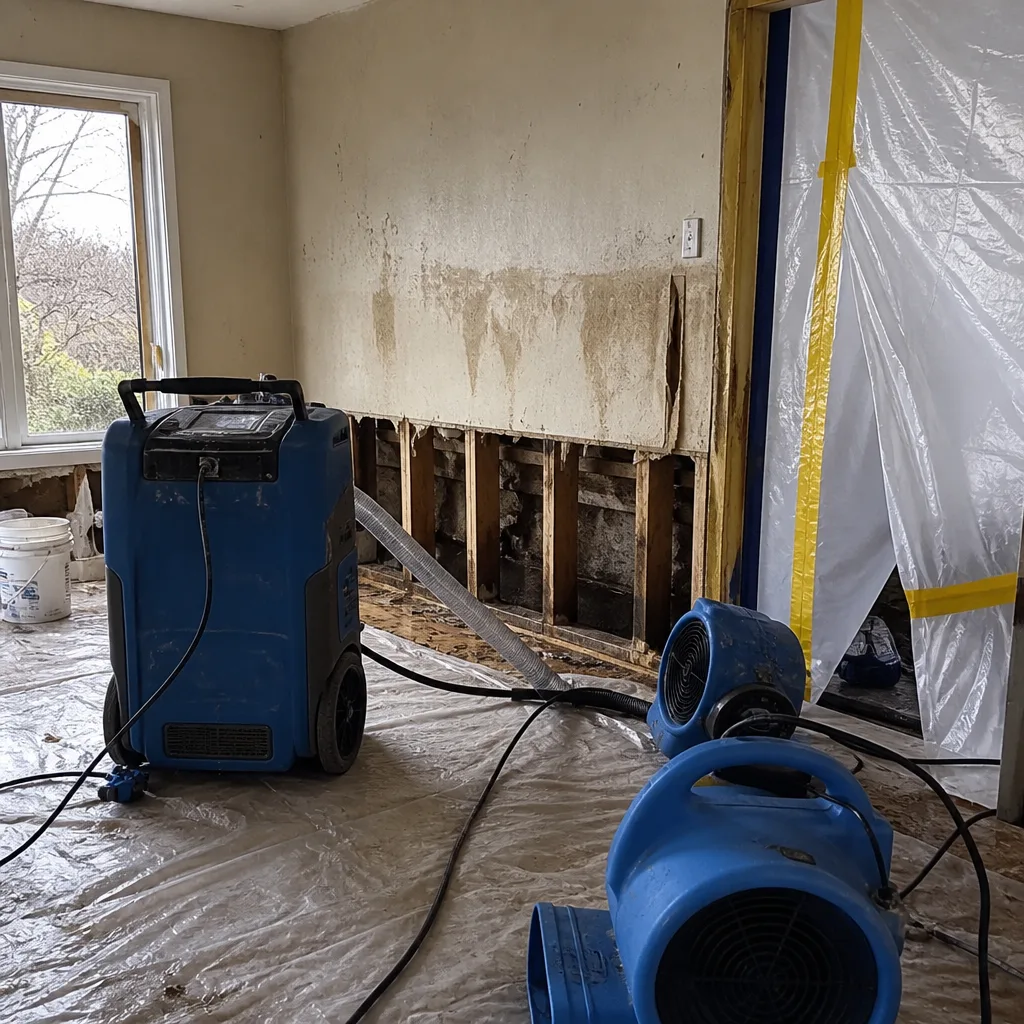
Dri-Eaz dehumidifiers, XPOWER air movers, and Injectidry systems run continuously to pull moisture from studs, masonry, and floor assemblies. Daily moisture readings are logged. At the end of the job, you get the entire log. Almost no one else does this.
Cleaning & Sanitization
HEPA air scrubbers run during the entire dry-out, and affected surfaces are treated with appropriate antimicrobials. For Category 3 water, we follow full containment protocols and Biohazard & Crime Scene Cleanup in Astoria standards so nothing spreads into clean rooms.
Specialty Treatment for Storm & Disaster Restoration
Storm damage often means more than water. We’ll assess wind damage to doors and windows, check parapet seams on flat roofs, and recommend reinforcement or replacement where wind-driven rain entered through hidden failures.
Repairs & Restoration
Reconstruction & Cleanup - Astoria is done by the same crew. Drywall, flooring, trim, roofing repairs, door replacement, paint. We write the scope before work begins, and adjusters get a line-item breakdown they can actually read.
Need Emergency Storm & Disaster Restoration in Astoria Now?
Crews minutes away, answering live 24 hours a day. The sooner we start, the less it costs.
Working With Your Insurance Company
Storm damage in Astoria almost always involves an insurance claim, and the first adjuster conversation sets the tone for the whole job. We document everything from the first hour: photos of standing water, moisture readings from the first day through the last, and a line-by-line scope of work written in the language adjusters expect. Wade talks to your carrier directly, so you don’t spend your week on hold. The faster the documentation is in their hands, the faster the claim moves. And a documented dry-out is a defensible dry-out if the carrier pushes back on scope. That’s where our daily moisture logs earn their keep.
What We Provide Your Insurer
- Thorough documentation of the loss
- Photos of all damage, room by room
- Moisture readings and drying logs
- A detailed, line-item scope of work
- Direct coordination with your carrier
Built for Astoria’s Loss Calendar
Astoria’s losses follow a predictable rhythm. January and February bring deep freezes that burst supply lines in uninsulated basement walls, especially in those 1920s and 1930s rowhouses along 21st Avenue and Ditmars Boulevard. Spring thaw saturates the ground, and every basement under 31st Street feels it. Summer thunderstorms dump an inch of rain in 40 minutes and overwhelm the combined sewer system, backing raw sewage into garden-level apartments. Autumn delivers nor’easters, and the western blocks along the East River near Hell Gate take storm surge that pushes Category 3 water through floor drains and shared sewer laterals. We don’t staff up for these seasons. We live here and know when they’re coming.
Storm & Disaster Restoration Across Astoria’s Neighborhoods
Response routes matter in Astoria, and the building stock changes block by block. In the Ditmars-Steinway corridor, we mostly see wind damage to older residential doors and windows, especially on the upper floors of pre-war apartment buildings where frames have decades of paint but little weatherproofing left. On the blocks between 31st Street and the river, the calls are different: flooding from storm surge and sewer backup in basement apartments, with shared drain laterals that turn one building’s clog into four flooded units. Around Broadway and 36th Avenue, the two- and three-family semidetached homes often carry the same aging flat roofs, and a wind-driven rain or heavy downpour finds every failed parapet seam simultaneously. Up near Astoria Boulevard at the edge of the railyards, debris and tree damage from high winds is the more common call, with broken windows and penetrated roofing that needs immediate tarping. Every one of these calls comes in wanting a road we already know.
Specialized Storm & Disaster Restoration Services We Offer in Astoria
Storm Damage Cleanup
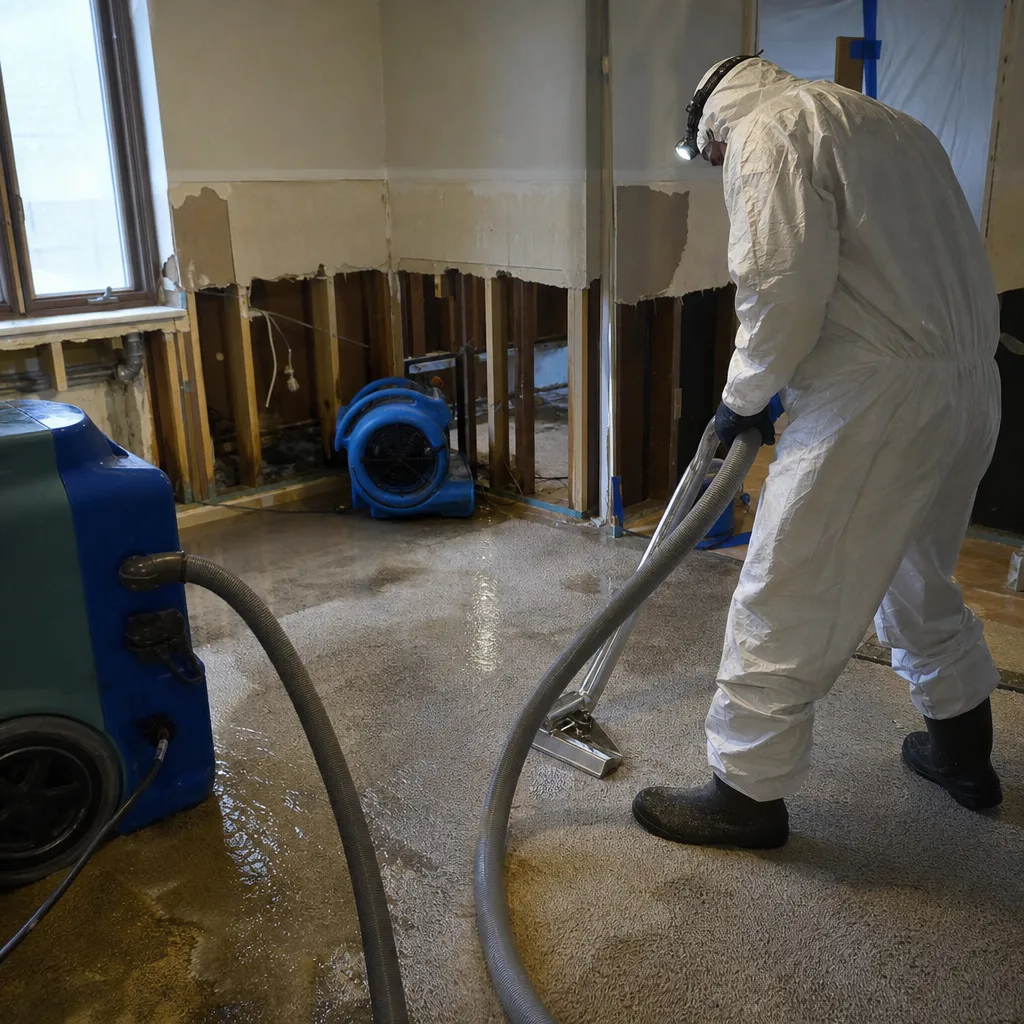
After wind and water pass, the debris is the first thing you see, but the moisture you don’t see is doing more damage. We remove downed material and broken glass, then get moisture meters on walls and floors that look dry. In Astoria’s attached buildings, a soaked party wall in a neighbor’s unit means your side is at risk too.
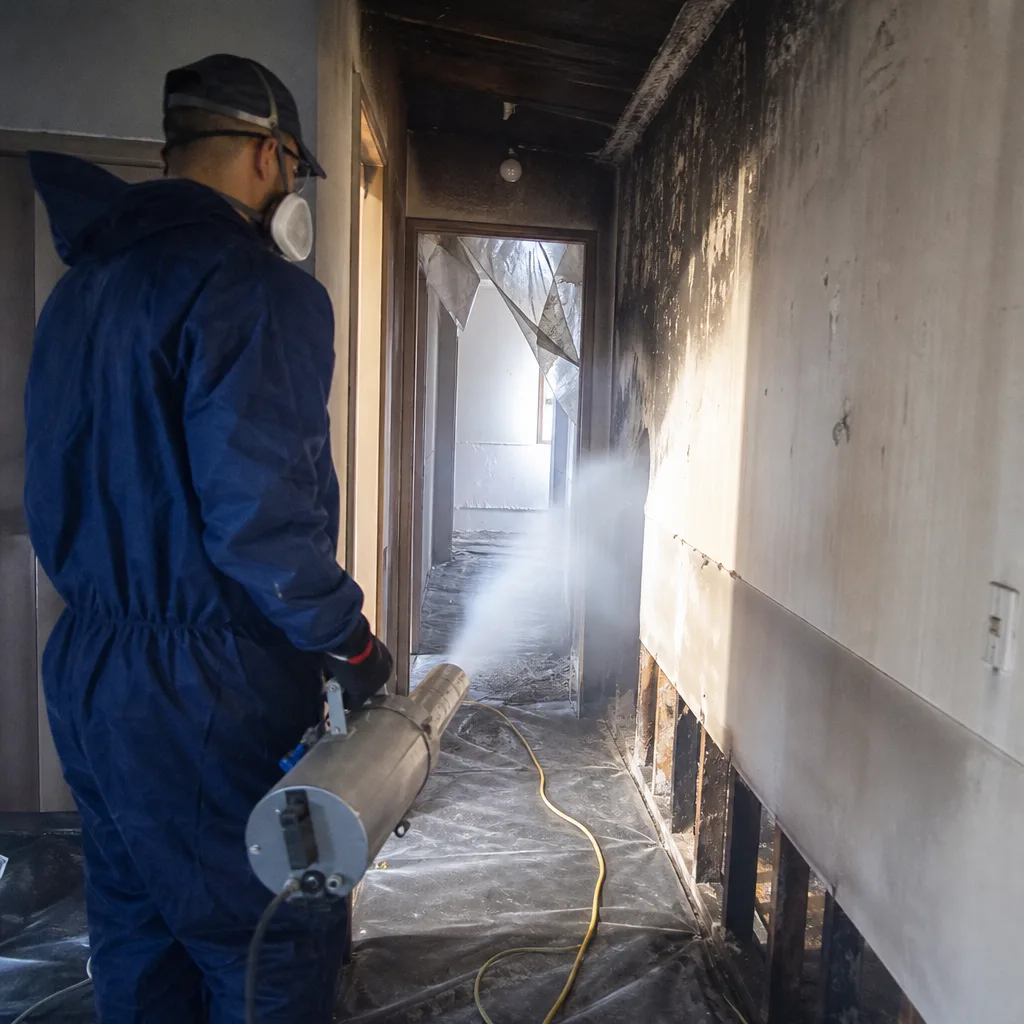
Flood Damage Restoration
Floodwater in Astoria is almost always Category 3 once it’s been outside, especially in FEMA Special Flood Hazard Areas along the East River. We contain, extract, dry, and treat accordingly, with full documentation for the claim. Rent-stabilized units get the same protocol as owner-occupied ones, and we’ll work with your landlord or property manager directly.
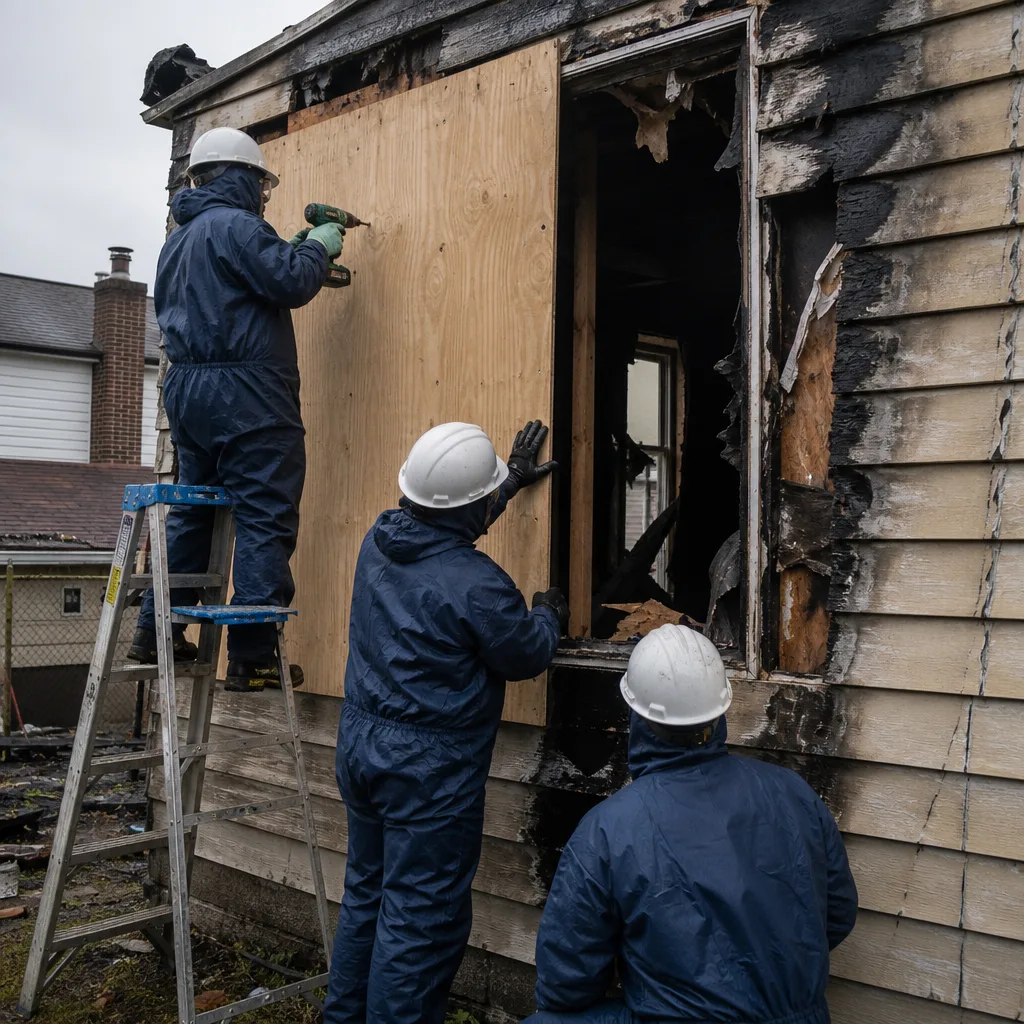
Emergency Board-Up
When a tree limb takes out a window on 30th Avenue or a wind gust rips a door off its hinges, the building is open to weather and worse. We board up and secure the opening quickly. If the property needs a permanent wind-rated replacement, we write that into the scope, and we don’t do the board-up in a way that has to be redone twice.
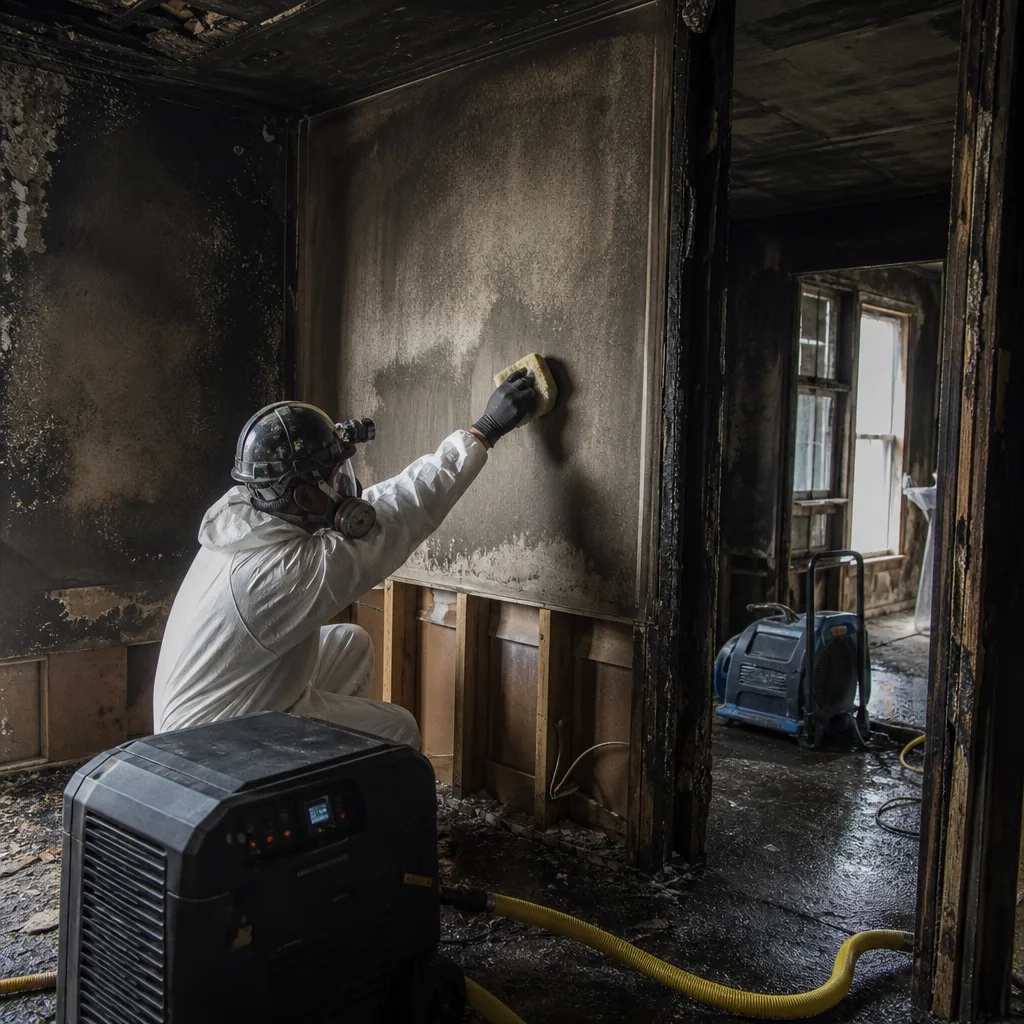
Roof Tarping
Flat built-up tar roofs are the default in Astoria, and they fail at the parapet seams first. Tarping only the field of the roof misses where the water actually entered. We tarp the roof and check the parapet seams, because wind-driven rain finds hidden failures and shows up days later in the top-floor apartment.
Debris Removal
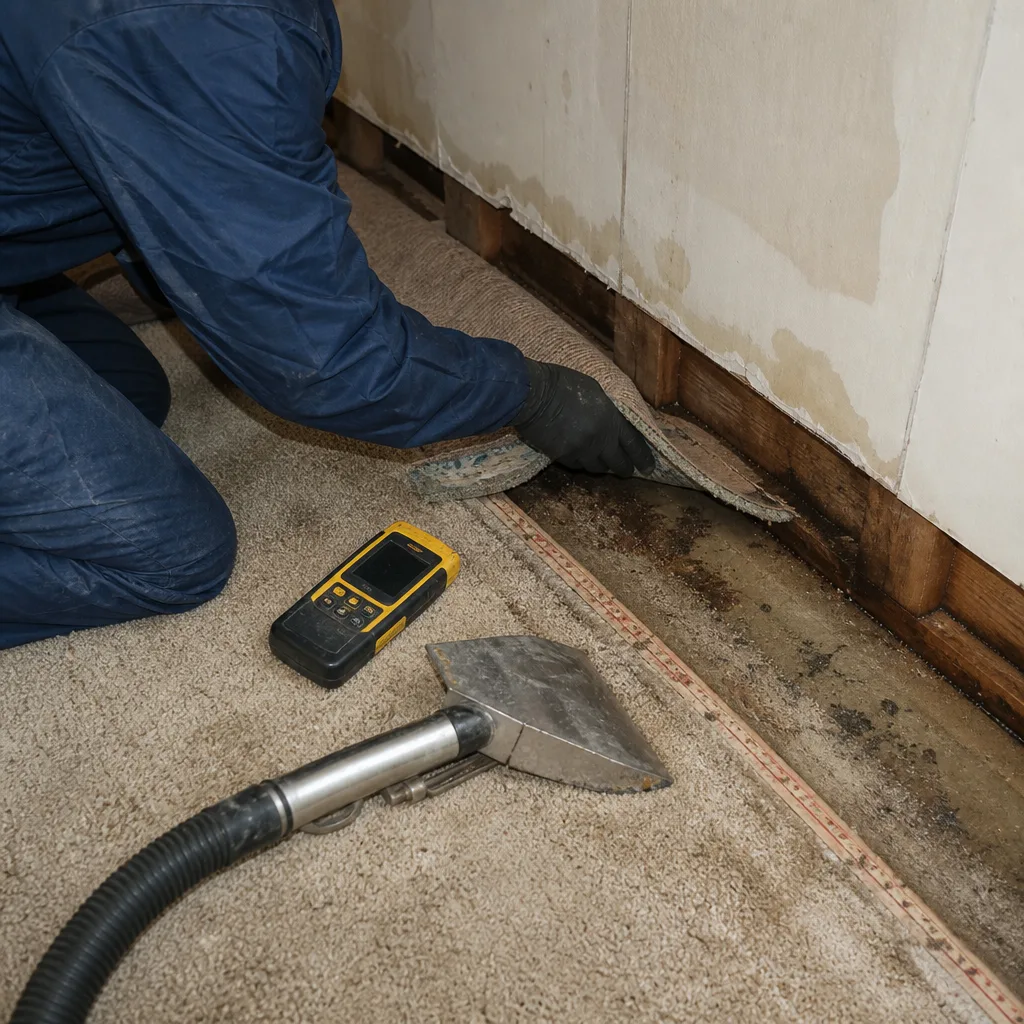
Wind events leave behind broken limbs, displaced roof material, and building fragments. We remove and dispose of storm debris and document it for your insurer. If the debris is evidence of the loss, you want it documented, not just hauled away.
What happens when you call
- 1
A real person answersNo phone trees - you reach a local pro.
- 2
You get an upfront price rangeHonest numbers before anyone is dispatched.
- 3
A background-checked tech heads outLicensed & insured, dispatched right away.
- 4
You approve before work beginsNothing starts until you say go.
Storm & Disaster Restoration Costs in Astoria, NY
Here’s the range we see on the ground, not a national average. Emergency water extraction for a standard Astoria basement apartment runs $1,200 to $3,200 depending on the square footage and how long the water has been standing. Structural drying for a flooded attached rowhouse typically lands between $2,800 and $6,500, and the party wall complication pushes the high end when we’re drying both sides of a shared assembly. Roof tarping on a flat Astoria roof runs $1,500 to $3,500 for an emergency tarp, with parapet seam treatment often adding $800 to $1,200. Wind-rated door replacement runs $2,200 to $4,800 installed, depending on the FEMA zone requirement and the opening’s condition. If the loss is covered, the claim typically handles most of this. We bill your insurance directly, and a free visual inspection gives you a firm written scope before any authorization. Call (201) 740-2235 and we’ll put real numbers on your building.
We Also Serve Cities Near Astoria
We work throughout western Queens and the surrounding area, including storm and flood restoration for residential and multifamily buildings in Long Island City. If your building sits on a block that straddles the border, call us and we’ll figure out the fastest route to you.
Astoria Storm & Disaster Restoration Questions, Answered
How fast can you get a crew to a flooded basement apartment on Astoria’s waterfront blocks after a storm-surge event?
We aim to have extraction running within 45 minutes for most Astoria addresses, including the waterfront blocks near the East River. Wade Ferris answers the phone himself, and he’s on the road immediately after your call. Storm surge doesn’t wait, and neither do we.
If my neighbor’s pipe burst and water came through our shared party wall, who files the insurance claim?
Your policy covers damage to your unit, and your neighbor’s policy covers theirs. But the shared party wall is the messy part: water travels through it, and both policies may need to respond. We document moisture on both sides and can provide one consolidated scope of work that both adjusters can read. You don’t need to figure out the claim mechanics yourself. Call (201) 740-2235 and we’ll walk it with you.
Do you handle wind-rated door replacement in Astoria’s FEMA flood zone buildings before hurricane season?
Yes. Many Astoria buildings in FEMA Special Flood Hazard Areas need wind-rated and impact-rated doors that are anchored to code. We recommend replacing failing doors before hurricane season, not after the next surge. An unanchored door fails when water pushes against it, and doing it twice doubles the mitigation cost. We’ll assess the opening and write a scope for a permitted replacement.
My landlord says the basement apartment is ‘garden level’ and not covered for sewage backup. Can you still dry it out?
Yes, we can and we will. A lot of Astoria basement and garden-level units sit below the sewer grade, and during heavy rain the combined sewer backs up into them. Whether the landlord’s policy, your renters policy, or the city’s backwater valve requirements apply is for the adjuster to determine, but you don’t have to wait for that answer to start drying the unit. Waiting lets Category 3 water sit in shared party walls, and mold begins growing on wet drywall within 24 to 48 hours. We’ll dry it now and document everything for whoever ends up paying.
What’s the biggest difference between storm restoration in Astoria versus a freestanding home in Long Island City?
Party walls. In Astoria’s attached pre-war rowhouses, water moves laterally through shared wall assemblies and vertically through stacked floor structures. One unit’s flood is three units’ moisture problem within a day. In a freestanding Long Island City home, the water stays in one envelope and the scope is simpler. Our drying plans account for that difference, and we map moisture on both sides of shared walls every time.
How long does drying and storm remediation take in a typical Astoria rowhouse?
Most structural drying in an Astoria attached building runs three to seven days, but shared party walls can stretch the timeline because both sides have to dry to a stable moisture level. Masonry and plaster hold water longer than drywall. We take readings daily and hand you the full log at the end, so you can see exactly when each wall hit target.
Are your crews certified for storm and flood restoration work?
Yes. Wade’s Restoration holds IICRC certifications including WRT, FSRT, and AMRT, and our work follows RIA guidelines. That’s not a marketing claim. It’s the standard we’re held to when an adjuster reviews a scope. Ask Wade to show you the credentials when he walks the property.
What should I do in the first 30 minutes after storm water gets into my Astoria building?
Call (201) 740-2235 and kill the power to the affected area if you can do so safely. Don’t wade into floodwater if it may have contacted sewage or electrical systems. Move valuables up and off the floor. Take photos. Then let us start extraction. The first 30 minutes determine whether you’re looking at a dry-out or a gut. We can be there before the damage spreads much further.
Serving Astoria, NY - Our Local Coverage Area
We’re based in the Astoria area and know this community well. Use the map below to see our service coverage - if you’re nearby, we can almost certainly help.
Storm & Wind Resilience in Astoria: Before the Next Nor’easter
The smarter Astoria property owners don’t wait for the storm surge to hit 31st Street. They notice the door that’s been sticking all winter and the roof that’s been ponding water at the parapet seam. Those are the warnings. A wind-damaged or unsupported entry door on an attached building isn’t just a nuisance; it’s a point of failure when a nor’easter drives water against the facade. In FEMA flood zones, an unanchored or non-impact-rated door fails during the next surge, and the water behind it does exactly what the water did during Sandy: it travels laterally through the shared wall assembly and vertically down into the basement. Replacing that door before the storm costs less and protects more than responding after the next surge. The same holds for parapet seams on flat built-up tar roofs. Astoria’s pre-war rowhouses often pool water at the parapet, and wind-driven rain enters through hidden seam failures that no one finds until a top-floor apartment starts staining days later.
We don’t sell wind-rated doors and roof reinforcement as a side business. It’s the same Storm & Disaster Restoration work, performed before the disaster completes the cycle. That’s a different conversation than the emergency call, and it starts with an inspection. Not a sales pitch. An inspection with a written scope and an honest take on what needs attention now and what can wait. Wade Ferris will tell you if your door is fine for another season. He’ll also tell you if it won’t survive the next surge. We work across Astoria from 23rd Avenue to 36th Avenue, and we answer the phone when it rings.
We responded to a nor’easter surge on a block near the Hell Gate waterfront where four basement apartments across three adjoining 1930s rowhouses flooded simultaneously through shared combined sewer laterals. Our crew set up containment at each entry, ran Dri-Eaz dehumidifiers and XPOWER air movers around the clock, and coordinated moisture mapping with the three landlords to produce one consolidated scope of work that kept a rent-stabilized tenant displaced only 72 hours. That’s what Storm & Disaster Restoration looks like in Astoria’s attached housing stock, and it’s why our process is built around shared walls and shared sewer lines, not just the room that called us.
If storm water has already entered your building, call (201) 740-2235 now. If you’re reading this before the next storm, call anyway and ask Wade to walk the property with you. Either way, he’ll pick up.
Written by Wade Ferris, Owner at Wade’s Restoration, serving Astoria and western Queens.